






5 Most Affordable and Safe Places to Live in Michigan
- Local Editor:Local Editor: Alexis Rochowiak


Michigan, often referred to as the Great Lakes State, provides an array of living options, ranging from bustling urban centers filled with energy and opportunity to serene, peaceful small towns that offer a more relaxed and slower-paced lifestyle. With over 3,000 miles of freshwater coastline, abundant natural resources, and a strong manufacturing heritage, Michigan provides an attractive blend of outdoor recreation, cultural amenities, and economic opportunities.
The state has experienced economic revitalization in recent years, with growing industries in healthcare, technology, and automotive complementing its traditional manufacturing base. Whether seeking lakefront, urban, or rural living, Michigan offers affordable, safe communities for families, professionals, and retirees alike.
Before moving to Michigan, it is necessary to consider a few key factors, such as:
Climate: Michigan experiences four distinct seasons, including warm, sunny summers and cold, snowy winters. The five Great Lakes moderate temperatures in coastal areas, all year round, which creates milder conditions than inland regions. During the winter, Northern areas typically see heavier snowfall, with Michigan’s Upper Peninsula averaging 150-200 inches annually, as compared to the 40-70 inches of snow received annually, on average, by the Lower Peninsula.
Summer temperatures typically range from 70°F to 85°F, while winter temperatures often fall between 5°F and 35°F. Fall brings cooler temperatures, with crisp air, occasional rain, and the stunning beauty of fall foliage. Spring also has milder weather, with more sunshine, rain showers, and blooming flowers. It’s a season of transition with winds and unpredictable weather, but it’s also a time of renewal and growth, with nature coming back to life after the harsh winter months.
HOMEiA Score: Our Methodology

Related article
Our Methodologies to create HOMEiA Score Ratings for Each Group of Content
HOMEiA uses a consistent, data-driven methodology to evaluate U.S. states for livability, affordability, and long-term value. Our analysis centers on key factors such as Housing and Affordability, Cost of Daily Living, Access and Infrastructure, Community Strength, Safety and Quality of Life, Economic Resilience and Job Market…
Taxes: Michigan has a variety of taxes that residents and businesses must pay, including income taxes, sales taxes, property taxes, and others. Michigan has a flat state income tax of 4.25%, which applies to all taxable income, regardless of the amount. The state sales tax stands at 6%, on most goods and services, with no additional local sales taxes, providing consistency across all counties. Property taxes vary by municipality, with an average effective property tax rate of 1.54%, slightly above the national average. Michigan offers various homestead property tax credits and other deductions for eligible residents, potentially offsetting some tax burdens. Michigan vehicle registration fees vary based on several factors, such as the type of vehicle, its weight, and the duration of the registration.
Cost of Living: The cost of living in Michigan is generally lower than the national average, providing excellent value for residents. As of recent data, the median home price in Michigan is around $240,000, though this can vary widely depending on the region. Urban areas like Ann Arbor and Grand Rapids command higher prices, while smaller communities offer exceptional affordability. Utilities cost approximately 6% less than the national average, though winter heating bills can be substantial. Healthcare costs are about 2% below average, while groceries and transportation expenses typically align with national norms.
Here is a list of the 5 Cheapest Places to Live in Michigan:
1. East Lansing

HOMEiA Score: 88/100
- Cost of Living: 6% below the U.S. national average
- Home price to income ratio: $245,500/$50,654 = 4.85
- Income to rent ratio: $50,654/$13,200 = 3.84. In East Lansing, approximately 43% of residents own their homes.
Population/Area: East Lansing’s population was approximately 49,000 in 2023, spread over a 13.67-square-mile area, with a population density of 3,584 per square mile. The population fluctuates seasonally with the university schedule.
Safety rating: East Lansing has 2.5 violent crimes per 1,000 residents, below Michigan’s statewide average and near the U.S. national average. It has 17.8 property crimes per 1,000 residents, slightly below state and national averages.
Home to Michigan State University, East Lansing blends academic vibrancy with Midwestern affordability. This college town offers cultural diversity, intellectual stimulation, and economic stability centered around education and research. Beyond campus life, East Lansing features family-friendly neighborhoods, excellent public schools, and abundant recreational opportunities. The city balances its university identity with community-focused planning, making it appealing to faculty, young professionals, and families seeking an intellectually rich environment with reasonable living costs.
A. Median Household Income, Median Home Value, Annual Spend for Homeowners, and Annual Spend for Renters:
East Lansing MEDIAN HOUSEHOLD INCOME (2023): $50,654
East Lansing Housing Costs
- Median Home Value: $278,700
- Annual Spend for Homeowners: $21,600
- Annual Spend for Renters (Rent & Utilities): $14,400


Related article
The Pros and Cons of Living in Michigan
Michigan offers diverse communities to match any lifestyle, from vibrant cities to tranquil lakeside towns. Whether seeking career opportunities, family-friendly neighborhoods, or a peaceful retirement, the Great Lakes State provides affordable options with unique attractions and natural beauty. As you consider making Michigan your home, weigh the pros and cons…
B. Employment Prospects
East Lansing’s economy benefits from the stability of educational institutions and government, with an unemployment rate of approximately 4.4%, near the national average. The largest employer in East Lansing, Michigan, is Michigan State University (MSU). As a major public research university, MSU employs thousands of faculty, staff, and students, making it the primary economic driver in the area. The university’s impact extends beyond education, contributing significantly to the local economy through research, services, and community involvement.
Other major employers include Sparrow Health System, the State of Michigan, McLaren Greater Lansing, and various research and technology companies established in university-affiliated innovation centers. The MSU Federal Credit Union employs hundreds at its headquarters and branch locations throughout the region.
The average commute time for East Lansing residents is 20 minutes, below the national average. The Capital Area Transportation Authority (CATA) provides extensive public transit options, including free campus routes. The city’s walkability and bike-friendly infrastructure reduce transportation costs for many residents.
C. Healthcare
East Lansing residents benefit from comprehensive healthcare through Sparrow Health System and McLaren Greater Lansing Hospital, providing a full range of medical services including emergency care, specialized treatments, and preventive programs. MSU Health Care offers numerous specialty clinics affiliated with the university’s College of Human Medicine and College of Osteopathic Medicine.
The community supports numerous private practices, urgent care facilities, and specialized treatment centers. Mental health services are readily available through Community Mental Health of Clinton-Eaton-Ingham Counties and university-affiliated counseling centers.
Senior care options include independent living communities, assisted living facilities, and skilled nursing centers strategically located throughout the area. The presence of medical education programs ensures access to cutting-edge treatments and research opportunities.
Recommended for you




D. Education
East Lansing Public Schools consistently rank among Michigan’s top districts, with award-winning academic programs, athletics, and extracurricular activities. The district includes six elementary schools, one middle school, and East Lansing High School, which offers extensive Advanced Placement courses and specialized programs.
Michigan State University provides world-class higher education across more than 200 academic programs, from undergraduate to doctoral levels. The university’s research facilities, cultural events, and continuing education programs enhance educational opportunities for residents of all ages.
The public school system in East Lansing, Michigan is known for its strong academic reputation and commitment to providing a well-rounded education. The East Lansing School District serves the city and surrounding areas, and it includes several elementary schools, a middle school, and a high school.
The East Lansing Public Library serves as a community hub with extensive collections, digital resources, and educational programming for children, teens, and adults.
E. Unique Attributes and Lifestyle
East Lansing offers an intellectually stimulating environment with abundant cultural opportunities. The Wharton Center for Performing Arts, one of the largest university-based performance venues in the country, hosts Broadway tours, concerts, dance performances, and lectures. The Eli and Edythe Broad Art Museum, designed by architect Zaha Hadid, features contemporary art exhibitions.
The outdoor environment in East Lansing, Michigan, is diverse and offers plenty of opportunities for outdoor activities, both in the city and in the surrounding areas. The city is known for its beautiful green spaces, parks, and proximity to natural attractions.
The downtown area features diverse dining options, locally-owned shops, and entertainment venues. Farmers markets, festivals, and community events create a vibrant atmosphere throughout the year, while Big Ten sports provide excitement during academic terms.

Related article
Top 5 Best Places to Live in Michigan
The state of Michigan has a city for everyone, whether you want a college vibe, metro urban environment, or to conclude your day with a dazzling sunset over a freshwater ocean. Michigan boasts over 90 colleges and universities and Michiganders are never more than six miles from a body of water. Sound like a great place to live? I agree! While so many cities…
Fun Facts about East Lansing:
- East Lansing was established in 1907 specifically to serve as the home of Michigan Agricultural College (now Michigan State University), making it one of the few American cities founded expressly to host an educational institution.
- The city is home to the MSU Dairy Store, producing award-winning ice cream and cheese since the 1940s, with flavors like Sesquicentennial Swirl and Dantonio’s Double Fudge Fake honoring university traditions.
- East Lansing hosts the Great Lakes Folk Festival, celebrating diverse cultural traditions through music, dance, food, and crafts from regional, national, and international performers.
- The W.J. Beal Botanical Garden, established in 1873, is the oldest continuously operated university botanical garden in the United States, featuring over 5,000 plant species organized by evolutionary relationships and economic uses.
- The East Lansing Hannah Community Center occupies a historic high school building and features unique architectural elements while housing recreational facilities, meeting spaces, and a senior center serving residents of all ages.
Recommended for you




2. Royal Oak

HOMEiA Score: 90/100
- Cost of Living: 2% above the U.S. national average
- Home price to income ratio: $279,600/$85,474 = 3.27
- Income to rent ratio: $85,474/$15,600 = 5.48. In Royal Oak, approximately 66% of residents own their homes.
Population/Area: Royal Oak’s population was approximately 59,000 in 2023, spread over a 11.79-square-mile area, with a population density of 5,004 per square mile. The population has remained stable with modest growth in recent years.
Safety rating: Royal Oak has 1.4 violent crimes per 1,000 residents, significantly below Michigan’s statewide average and the U.S. national average. It has 14.2 property crimes per 1,000 residents, also below state and national averages.
Located just north of Detroit, Royal Oak offers urban amenities with suburban safety and charm. The city has transformed into a vibrant destination with its walkable downtown, diverse dining scene, and thriving arts community. Royal Oak balances historic neighborhoods with modern development, creating a community that appeals to young professionals, families, and empty nesters. Strong public services, excellent schools, and a commitment to sustainability make Royal Oak particularly attractive to those seeking an established community with progressive values and metropolitan accessibility.
A. Median Household Income, Median Home Value, Annual Spend for Homeowners, and Annual Spend for Renters:
Royal Oak MEDIAN HOUSEHOLD INCOME (2023): $85,474
Royal Oak Housing Costs
- Median Home Value: $345,000
- Annual Spend for Homeowners: $25,900
- Annual Spend for Renters (Rent & Utilities): $16,800

Related article
3 Most Affordable Neighborhoods to Live in Sterling Heights, Michigan
This article explores three of the most affordable neighborhoods in Sterling Heights, highlighting their distinctive features, amenities and overall livability for prospective residents…
B. Employment Prospects
Royal Oak maintains a robust employment landscape with an unemployment rate of approximately 2.3%, below both state and national averages. The city’s diverse economy includes healthcare, professional services, technology, retail, and hospitality sectors.
Major employers include Beaumont Hospital-Royal Oak, one of Michigan’s largest hospitals with over 9,000 employees. The downtown business district hosts numerous corporate offices, technology firms, and creative agencies. Many residents commute to nearby employment centers including Detroit, Southfield, and Troy.
The average commute time for Royal Oak residents is 25 minutes, near the national average. The city offers excellent transportation access via I-75, I-696, and Woodward Avenue. Public transit options include SMART bus service and the future expansion of regional transit initiatives. Royal Oak’s walkable design reduces transportation needs for many residents, particularly those living near downtown.
C. Healthcare
Beaumont Hospital-Royal Oak serves as the healthcare cornerstone for the community and region. With more than 1,100-beds this teaching hospital provides comprehensive medical services, including specialized care in cardiology, oncology, orthopedics, neurosciences, and women’s health. The facility includes Level I trauma center certification and houses the Beaumont Research Institute.
The city hosts numerous medical offices, specialty practices, and urgent care facilities. Mental health services are readily available through common ground, private practices, and hospital-affiliated programs. The area’s focus on wellness is evident in various fitness centers, rehabilitation facilities, and alternative health practices.
Senior care options include multiple assisted living communities, memory care facilities, and home health services. The city’s Senior Services/Recreation Center provides health screenings, fitness programs, and social activities promoting active aging.
Related article
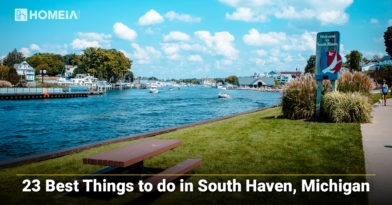
23 Best Things to do in South Haven, Michigan
Michigan may be most known for Detroit and the automobile industry, but the state is much more. With 3,288 miles along the Great Lakes, it has the longest freshwater coast in the entire country. With so much coastline, there are bound to be many vacation communities nestled along the lake…
D. Education
Royal Oak Public Schools serve the community with five elementary schools, one middle school, and Royal Oak High School. The district offers International Baccalaureate, advanced placement, and dual enrollment programs. Alternative education options include several private and parochial schools in and around the city.
Higher education opportunities include Oakland Community College’s Royal Oak campus and proximity to Oakland University, Wayne State University, and Lawrence Technological University, all within a short commute.
Overall, the public schools in Royal Oak provide a high-quality education and a variety of opportunities for students to excel academically, socially, and personally. The district has a strong track record of academic success, community involvement, and preparing students for future success.
The Royal Oak Public Library provides extensive resources, technology access, and educational programming for residents of all ages.
E. Unique Attributes and Lifestyle
Royal Oak offers an exceptional quality of life centered around its vibrant downtown district. The city features over 85 restaurants, numerous boutiques, entertainment venues, and cultural attractions within a walkable core. The Royal Oak Farmers Market, operating since 1925, provides fresh produce and artisanal goods year-round.
The Detroit Zoo, located primarily within Royal Oak, attracts visitors from across the region with its 125-acre campus housing over 2,400 animals. Royal Oak, Michigan, is conveniently located near a variety of outdoor spaces, parks, and recreational areas that offer something for everyone. Whether you’re looking to enjoy nature, engage in outdoor sports, or simply relax in a scenic environment, there are several excellent options nearby.
Community events anchor the social calendar, with Arts, Beats & Eats festival drawing hundreds of thousands of visitors each Labor Day weekend. The Royal Oak Music Theatre and Baldwin Theatre host performances throughout the year, while public art installations enhance the cityscape.

Related article
30 Packing Tips for Moving — and When to Hire Professional Packers
How do you get everything safely from Point A to Point B on a tight schedule? With a lot of planning. Here are our best tips to make the process of moving to a new city as smooth as possible…
Fun Facts about Royal Oak:
- Royal Oak is home to the National Shrine of the Little Flower Basilica, one of only a few basilicas in the United States, featuring stunning Art Deco architecture and a tower rising 28 stories, visible from miles around.
- The Detroit Zoo’s Arctic Ring of Life exhibit in Royal Oak is the largest polar bear exhibit in North America, featuring a 70-foot clear underwater tunnel allowing visitors to watch polar bears swimming overhead.
- Mark Ridley’s Comedy Castle in downtown Royal Oak has launched the careers of numerous famous comedians, including Tim Allen, Dave Coulier, and Kathleen Madigan, and continues to showcase top comedic talent.
- Royal Oak was named after a large oak tree near Main Street that legend claims provided shelter to British troops during the War of 1812, creating a “royal” connection that gave the settlement its distinctive name.
- The Woodward Dream Cruise, the world’s largest one-day automotive event, passes through Royal Oak each August, drawing approximately 1.5 million people and 40,000 classic cars from around the world.

Related article
The Pros and Cons of Living in Ohio
On any given day in Ohio, you could find yourself in two completely different states of mind in a difference of an hour. One moment, you are looking at a beautiful view of snow-topped trees from a lookout point high above the forest. Then, soon after, you are dreading the idea of driving through what has become an intense blizzard on your way home…
3. Traverse City

HOMEiA Score: 91/100
- Cost of Living: 3% above the U.S. national average
- Home price to income ratio: $325,800/$64,489 = 5.05
- Income to rent ratio: $64,489/$14,400 = 4.48. In Traverse City, approximately 61% of residents own their homes.
Population/Area: Traverse City’s population was approximately 15,000 in 2023, spread over a 8.66-square-mile area, with a population density of 1,732 per square mile. The population fluctuates seasonally with tourism patterns.
Safety rating: Traverse City has 2.1 violent crimes per 1,000 residents, below Michigan’s statewide average and the U.S. national average. It has 15.7 property crimes per 1,000 residents, below state and national averages.
Nestled between Grand Traverse Bay and rolling inland hills, Traverse City combines natural beauty with cultural sophistication. Known as the “Cherry Capital of the World,” this northern Michigan gem offers waterfront charm, culinary excellence, and four-season recreational opportunities. Despite its relatively small size, Traverse City features amenities typically found in much larger cities, including a thriving arts scene, award-winning restaurants, and quality healthcare. The community’s focus on local agriculture, environmental stewardship, and historic preservation creates a distinctive character that appeals to both full-time residents and seasonal visitors.
A. Median Household Income, Median Home Value, Annual Spend for Homeowners, and Annual Spend for Renters:
Traverse City MEDIAN HOUSEHOLD INCOME (2023): $64,489
Traverse City Housing Costs
- Median Home Value: $410,500
- Annual Spend for Homeowners: $28,500
- Annual Spend for Renters (Rent & Utilities): $17,200

Related article
3 Great Reasons and 6 Stunning Places to Raise Kids in Ohio
Ohio boasts lower-than-average home prices and crime rates, great public and private schools, close-knit communities, and something to do for everyone. That’s why it’s one of the top places to raise a family in the United States…
B. Employment Prospects
Traverse City maintains a diverse economy with seasonal fluctuations, resulting in an unemployment rate of approximately 4.9%, near the national average. The tourism and hospitality sectors provide significant employment, particularly during summer months. Healthcare and education offer year-round stability as major employment sectors.
Major employers include Munson Medical Center, Traverse City Area Public Schools, Grand Traverse Resort & Spa, and various county and city government agencies. The region’s agricultural focus, particularly cherry and wine production, creates numerous opportunities in farming, processing, and distribution.
The average commute time for Traverse City residents is 16 minutes, well below the national average. The Bay Area Transportation Authority (BATA) provides public transit throughout the region. The city’s compact design makes walking and cycling viable transportation options for many residents. Cherry Capital Airport (TVC) is the primary airport serving Traverse City, Michigan, and the surrounding Grand Traverse region. Located about 2 miles from downtown Traverse City, the airport plays a key role in the local economy, especially for tourism and business travel.
C. Healthcare
Munson Medical Center serves as the healthcare anchor for northern Michigan, providing comprehensive medical services including specialized care in cardiology, oncology, neurosciences, and orthopedics. With over 500 beds, this regional referral center features Level II trauma designation and serves patients from a 24-county area.
The community supports numerous specialty practices, urgent care facilities, and wellness centers. Mental health services are available through Northern Lakes Community Mental Health and private providers. The area’s focus on holistic wellness is evident in various integrative health practices, fitness facilities, and outdoor therapy programs.
Senior care options include multiple independent living communities, assisted living facilities, and skilled nursing centers strategically located throughout the area. The Grand Traverse Pavilions provides a continuum of care from independent living through skilled nursing on its campus-like setting.

Related article
3 Best Neighborhoods to Live in Columbus, Ohio
These areas are known for their safety, affordability, and unique local experiences. Whether you’re a young professional, a family, or a retiree, each neighborhood offers something special. In this article, we’ll explore why Clintonville, Grandview Heights, and German Village are among Columbus’s best places to live…
D. Education
The public schools in Traverse City, Michigan, are served primarily by the Traverse City Area Public Schools (TCAPS) district. TCAPS is one of the largest school districts in northern Michigan and provides high-quality education from elementary through high school. The district offers specialized programs including International Baccalaureate, Montessori methods, and STEM-focused curriculum. The district maintains strong community partnerships enhancing educational experiences.
Higher education opportunities include Northwestern Michigan College, offering associate degrees and select bachelor’s programs in partnership with other institutions. The NMC University Center hosts satellite locations for numerous Michigan universities, providing access to advanced degrees without relocation.
The Traverse City Area Public Schools (TCAPS) district offers a robust and well-rounded education to its students, with a strong focus on academic achievement, extracurricular involvement, and community engagement. With a range of educational programs, specialized services, and a commitment to preparing students for success in college and careers, TCAPS plays a key role in the educational landscape of Traverse City and the surrounding area. Whether through advanced academic courses, specialized programs, or athletic and artistic opportunities, the public schools in Traverse City provide students with the tools they need to succeed both inside and outside the classroom.
The Traverse Area District Library serves as an important educational resource, offering extensive collections, technology access, and community programming for all ages.
E. Unique Attributes and Lifestyle
Traverse City offers an exceptional quality of life centered around natural beauty and outdoor recreation. Grand Traverse Bay provides opportunities for boating, fishing, swimming, and beachcombing. Nearby state forests, dunes, and inland lakes expand recreational options throughout the year. Winter brings downhill and cross-country skiing, snowmobiling, and ice fishing.
The city’s cultural scene includes the renowned Interlochen Center for the Arts, State Theatre and Bijou by the Bay run by the Traverse City Film Festival, and numerous galleries and performance venues. The culinary landscape features farm-to-table restaurants, award-winning wineries, breweries, and distilleries.
Downtown Traverse City offers a vibrant, walkable experience with over 150 shops, restaurants, and galleries housed in well-preserved historic buildings. The TART Trail system provides over 60 miles of connected non-motorized pathways throughout the region, promoting active transportation and recreation.

Related article
23 Family-Friendly Things to do in Akron, Ohio
Over 190,000 people call Akron home, making it the fifth-largest city in Ohio. The greater Akron area has over 703,500 people in total! With such a large population, Akron is steeped in local history and deep heritage. It’s the birthplace of American food staples like hamburgers, oatmeal, and processed cereal…
Fun Facts about Traverse City:
- Traverse City hosts the National Cherry Festival each July, a week-long celebration attracting over 500,000 visitors with events including air shows, parades, concerts, and cherry pit-spitting competitions honoring the region’s agricultural heritage.
- The area is home to the Sleeping Bear Dunes National Lakeshore, voted “Most Beautiful Place in America” by viewers of Good Morning America, featuring massive sand dunes rising 450 feet above Lake Michigan.
- Traverse City was recognized as one of the top foodie towns in America by Bon Appétit magazine, with a culinary scene distinguished by farm-to-table restaurants, famous chefs, and a thriving wine industry featuring over 40 wineries on nearby peninsulas.
- The State Theatre, restored and reopened under the leadership of filmmaker Michael Moore, features one of the world’s largest ceiling installations of fiber optic stars, accurately depicting the northern Michigan night sky.
- The Village at Grand Traverse Commons represents one of the largest historic preservation and adaptive reuse projects in America, transforming a former state psychiatric hospital into a vibrant mixed-use development with shops, restaurants, and residences while maintaining Victorian-Italianate architecture.

Related article
An Ultimate Guide to Moving for Home Buyers and Sellers
Buying and selling a home doesn’t make you an expert in moving. Buying and selling are much more different when you’re actually moving. Carefully go through the tips listed below and uses these as your ultimate guide whenever moving…
4. Midland

HOMEiA Score: 92/100
- Cost of Living: 12% below the U.S. national average
- Home price to income ratio: $187,500/$72,895 = 2.57
- Income to rent ratio: $72,895/$12,000 = 6.07. In Midland, approximately 72% of residents own their homes.
Population/Area: Midland’s population was approximately 42,000 in 2023, spread over a 35.69-square-mile area, with a population density of 1,177 per square mile. The population has remained relatively stable in recent years.
Safety rating: Midland has 1.1 violent crimes per 1,000 residents, significantly below Michigan’s statewide average and the U.S. national average. It has 11.9 property crimes per 1,000 residents, also below state and national averages.
Located in east-central Michigan, Midland combines small-town charm with cultural and economic advantages typically found in larger cities. Home to Dow Chemical Company’s headquarters, the city offers excellent employment opportunities and corporate-supported amenities. Midland balances affordability with a high quality of life, featuring award-winning parks, family-friendly neighborhoods, and active community engagement. Its careful city planning, excellent schools, and focus on sustainability make it an attractive destination for professionals and families seeking a balance of career opportunities and livability.
A. Median Household Income, Median Home Value, Annual Spend for Homeowners, and Annual Spend for Renters:
Midland MEDIAN HOUSEHOLD INCOME (2023): $72,895
Midland Housing Costs
- Median Home Value: $225,800
- Annual Spend for Homeowners: $18,500
- Annual Spend for Renters (Rent & Utilities): $12,600
Related article
20 Affordable Free Things to do in Port Clinton, Ohio
It boasts a cost of living that’s 20% lower than the U.S. average. While Ohio does have some generally desirable cities, Port Clinton is one of the more attractive places to visit. Along with nearby Sandusky and the easily-accessible Lake Erie Islands, the area is fondly known as “Vacationland.”
B. Employment Prospects
The unemployment rate in Midland is approximately 3.8%, below both the Michigan and national averages. The city’s economy benefits from diverse sectors including chemical manufacturing, healthcare, education, and growing technology industries.
Dow Chemical Company serves as the area’s largest employer, providing thousands of high-quality jobs and attracting scientific and technical professionals. Other major employers include MidMichigan Health, Midland Public Schools, and Chemical Bank.
The average commute time for Midland residents is just 16 minutes, substantially below the national average. This short commute enhances quality of life for residents and reduces transportation costs. The city also offers a growing number of remote work opportunities and co-working spaces, accommodating evolving workplace trends.
C. Healthcare
Midland’s healthcare system is anchored by MyMichigan Medical Center Midland, a 324-bed non-profit hospital offering comprehensive services including cardiac care, oncology, orthopedics, and neurosciences. In addition to its clinical services, MyMichigan Medical Center Midland emphasizes medical education and community involvement, partnering with institutions like Michigan State University and Central Michigan University to train medical students and residents. The center also offers various community benefits, including health promotion efforts and educational programs, contributing to the overall well-being of the region
The city hosts numerous specialty medical practices, urgent care facilities, and wellness centers. MidMichigan Health’s network provides residents with access to over 850 healthcare providers across various specialties. Mental health services are readily available through Community Mental Health for Central Michigan and private practices.
Senior care options include independent living communities, assisted living facilities, and skilled nursing centers, accommodating the needs of the aging population. The city’s focus on healthcare accessibility contributes significantly to its high quality of life ratings.

Related article
10 Most Affordable Places to Live in Ohio
Ohio is commonly referred to as “the heart of it all,” and for good reason. The state of Ohio sits centrally on the eastern side of the United States, and almost 50% of the United States’ population is within 500 miles of Ohio’s capital, Columbus.
D. Education
Midland, Michigan, has a variety of schools, ranging from elementary to higher education institutions offering advanced placement courses, dual enrollment options, and specialized programs in STEM and the arts.
Midland is home to Northwood University, a private, non-profit university specializing in business, automotive, and entrepreneurial studies. It offers undergraduate and graduate programs. Mid Michigan College offers associate degree programs and certificate courses, providing accessible education to those in the Midland area.
Midland is known for its commitment to education, with strong community support for both public and private schools. The district provides a well-rounded academic experience, and the city’s higher education institutions offer specialized programs tailored to business and technology careers.
The Grace A. Dow Memorial Library serves as an educational hub for the community, offering extensive resources, technology access, and educational programming for all ages.
E. Unique Attributes and Lifestyle
Midland offers an exceptional quality of life with amenities typically found in much larger cities. The Midland Center for the Arts includes two theaters, two museums, art studios, and hosts the Midland Symphony Orchestra, providing cultural opportunities rare for a city this size.
Midland, Michigan, has over 30 parks within the city and surrounding areas including the 250-acre Chippewa Nature Center and the unique Dow Gardens featuring 110 acres of botanical gardens. The Pere Marquette Rail-Trail offers 30 miles of paved pathways for biking, walking, and running.
The city’s commitment to aesthetics is evident in its mid-century modern architecture, with over 400 structures influenced by Alden B. Dow, son of the Dow Chemical founder and apprentice to Frank Lloyd Wright. This architectural heritage creates distinctive neighborhoods and public buildings.

Related article
21 Top-Rated Fun Things to do in Lafayette, Indiana
Lafayette is considered a great place to live, located within an easy drive of the larger cities of Chicago and Indianapolis and offering some terrific things to do for its citizens. Purdue University calls Lafayette home and, like many college towns, has plenty of fun options for students and permanent residents alike…
Fun Facts about Midland:
- Midland is home to the Tridge, a unique three-way pedestrian bridge spanning the confluence of the Tittabawassee and Chippewa rivers, serving as an iconic landmark and community gathering place.
- The city hosts the annual Midland Balloon Festival, drawing hot air balloon enthusiasts from across the country for competitive flights and nighttime “balloon glows.”
- Dow Gardens features the longest canopy walk in the United States, an 1,400-foot elevated pathway suspended 40 feet above the forest floor, providing visitors with a unique perspective of the woodland ecosystems.
- The Santa House in downtown Midland, designed by Alden B. Dow, transforms into a magical holiday destination each winter, drawing visitors from throughout Michigan.
- Midland has been recognized as a “Bicycle Friendly Community” by the League of American Bicyclists for its extensive trail system and commitment to non-motorized transportation options.

Related article
The 16 Best Things to Do in Fort Wayne, Indiana
Fort Wayne is the second most populous city in Indiana and is considered the cultural center of the state. Museums, restaurants, nightlife and a thriving tourism industry help to keep it on the map…
5. Holland

HOMEiA Score: 93/100
- Cost of Living: 8% below the U.S. national average
- Home price to income ratio: $269,500/$65,667 = 4.10
- Income to rent ratio: $65,667/$14,400 = 4.56. In Holland, approximately 69% of residents own their homes.
Population/Area: Holland’s population was approximately 34,000 in 2023, spread over a 17.35-square-mile area, with a population density of 1,960 per square mile. The population has shown modest growth in recent years.
Safety rating: Holland has 1.8 violent crimes per 1,000 residents, below Michigan’s statewide average and the U.S. national average. It has 13.7 property crimes per 1,000 residents, also below state and national averages.
Nestled on the shores of Lake Michigan, Holland combines waterfront beauty with Dutch heritage and Midwestern values. The city offers an exceptional quality of life with its pristine beaches, vibrant downtown, and renowned tulip festival. Holland’s diverse economy, excellent schools, and focus on sustainability create a forward-thinking community that honors its cultural roots. Clean streets, well-maintained parks, and friendly neighborhoods make Holland particularly appealing to families and retirees seeking a safe, picturesque place to call home.
A. Median Household Income, Median Home Value, Annual Spend for Homeowners, and Annual Spend for Renters:
Holland MEDIAN HOUSEHOLD INCOME (2023): $65,667
Holland Housing Costs
- Median Home Value: $336,000
- Annual Spend for Homeowners: $23,800
- Annual Spend for Renters (Rent & Utilities): $15,100

Related article
The Complete Moving Checklist: 15 Essential Steps
If you’re moving to a new city, though, the process is even more complicated. Without the ability to make a quick trip here and there, you’ll need a detailed plan to keep everything running smoothly. This guide to relocation will help you make a plan and check all the boxes so your move will be as painless as possible…
B. Employment Prospects
Holland maintains a healthy employment landscape with an unemployment rate of approximately 3.5%, below both state and national averages. The city’s diverse economy includes manufacturing, tourism, healthcare, and educational sectors, providing stability even during economic fluctuations.
Major employers include Herman Miller, Haworth, Gentex Corporation, Johnson Controls, and Holland Hospital. The manufacturing sector focuses on office furniture, automotive components, and food processing. The tourism industry provides significant seasonal employment opportunities, particularly during the spring and summer months.
The average commute time for Holland residents is 17 minutes, well below the national average. The city’s Macatawa Area Express (MAX) provides public transportation throughout Holland and surrounding communities. The proximity to Grand Rapids (30 miles) expands employment options without requiring relocation.
C. Healthcare
Holland Hospital serves as the primary healthcare provider for the area, offering comprehensive medical services including emergency care, cancer treatment, orthopedics, and women’s health. Holland Hospital has over 200 beds and has earned numerous quality and patient satisfaction awards.
Spectrum Health has established a significant presence in Holland with multiple specialty clinics and urgent care facilities. Mental health services are available through Ottawa County Community Mental Health and private providers. The area also hosts numerous specialized practices, rehabilitation centers, and preventive care facilities.
Holland, Michigan, offers several senior care options to meet the needs of older adults in the area. These options include independent living, assisted living, memory care, skilled nursing, and hospice care. The area’s commitment to healthcare quality and accessibility contributes significantly to its high livability ratings.

Related article
5 Most Affordable and Safe Places to Live in Wisconsin (updated)
Wisconsin combines scenic beauty, affordable housing, strong job growth, and low crime. This guide highlights Green Bay, Appleton, Wausau, Eau Claire, and Waunakee, comparing housing, earnings, safety, healthcare, schools, taxes, and homebuying considerations…
D. Education
Holland Public Schools serves the community alongside West Ottawa Public Schools and Holland Christian Schools, providing diverse educational options. The district offers specialized programs including Spanish immersion and International Baccalaureate curriculum. Black River Public School, a charter school, consistently ranks among Michigan’s top educational institutions.
Higher education opportunities include Hope College, a prestigious liberal arts institution in downtown Holland, and satellite locations for Grand Valley State University and Grand Rapids Community College.
Holland’s high school graduation rate exceeds 92%, well above state and national averages. Approximately 38% of adults over 25 hold a bachelor’s degree or higher, above the national average. The community strongly supports education through various foundations, mentoring programs, and career exploration initiatives.
The Holland District Library serves as an important educational resource, offering extensive collections, technology access, and community programming.
E. Unique Attributes and Lifestyle
Holland’s quality of life is enhanced by its natural setting between Lake Michigan. The city maintains several public beaches, including Holland State Park with its iconic “Big Red” lighthouse. Outdoor recreation opportunities abound with over 30 parks, extensive bike trails, and water sports.
Downtown Holland features heated sidewalks that remain snow-free during winter, supporting year-round shopping and dining. The 8th Street corridor offers diverse restaurants, boutiques, and cultural attractions. The city’s commitment to sustainability is evident in its innovative snowmelt system using waste heat from the power plant.
Community events anchor the social calendar, with Tulip Time Festival attracting hundreds of thousands of visitors each May. Street performances, farmers markets, and outdoor concerts create a vibrant atmosphere throughout the warmer months.

Related article
7 Key Factors to Know About Living in Milwaukee, Wisconsin
If you want the variety, history, and entertainment options of a big city, but with shorter commutes and a laid-back Midwestern vibe, Milwaukee, Wisconsin may be the place for you. It has an upscale side, especially in trendy districts like the Historic Third Ward, and its proximity to Chicago…
Fun Facts about Holland:
- Holland is home to America’s only authentic working Dutch windmill, DeZwaan, brought from the Netherlands in 1964 and standing at Windmill Island Gardens surrounded by 175,000 tulips during spring.
- The city maintains the world’s largest snowmelt system, with over 600,000 square feet of heated sidewalks and streets keeping downtown snow-free during winter months.
- Holland State Park features one of Michigan’s most photographed lighthouses, “Big Red,” which has become an iconic symbol of the community and appears on countless postcards and travel publications.
- During the annual Tulip Time Festival, thousands of residents don traditional Dutch costumes and wooden shoes to perform folk dances and participate in street scrubbing ceremonies, preserving cultural traditions dating back to the 1930s.
- The city has been recognized as the “Second Happiest Place in America” by the Gallup-Healthways Well-Being Index based on factors including physical health, community satisfaction, and financial security.
Recommended for you




Tips for Finding Affordable Housing in Michigan
When searching for affordable housing in Michigan, several strategies can help you maximize your budget while finding a suitable place to call home:
1. Explore Emerging Neighborhoods
Look beyond the most popular areas to discover emerging neighborhoods that offer good value. Many Michigan communities are experiencing revitalization, with previously overlooked areas becoming attractive and affordable options. Research areas that are showing signs of investment and development but haven’t yet seen dramatic price increases.
2. Consider Housing Assistance Programs
Michigan offers various housing assistance programs for eligible residents:
- The Michigan State Housing Development Authority (MSHDA) provides down payment assistance, mortgage credit certificates, and affordable mortgage programs.
- First-time homebuyer programs offer favorable terms and reduced closing costs.
- Property tax exemptions are available for qualified individuals, including seniors, veterans, and those with disabilities.
- Home rehabilitation grants and loans can help make necessary repairs to older, more affordable properties.
3. Timing Your Home Search
The real estate market in Michigan has seasonal patterns:
- Winter months (December-February) typically see fewer buyers and more motivated sellers, potentially leading to better deals.
- Spring and summer bring more inventory but also more competition.
- Being prepared to act quickly with pre-approval and clear requirements can give you an advantage in any season.
4. Expand Your Geographic Search
Consider communities within commuting distance of your workplace:
- Many suburban and rural areas offer significantly lower housing costs than urban centers.
- With remote work becoming more common, living further from employment hubs may be more feasible.
- Towns adjacent to popular cities often provide similar amenities at lower price points.

Related article
The 10 Best Places to Live in Wisconsin: A City Comparison
Wisconsin offers diverse communities with strong economies and housing costs below national averages. While prices vary widely from affluent Whitefish Bay to fast-growing Eau Claire, this analysis compares top municipalities based on jobs, housing availability, and infrastructure to help residents choose strategically…
5. Explore Alternative Housing Options
Think beyond traditional single-family homes:
- Condominiums and townhouses typically cost less than detached homes while offering similar space.
- Duplexes or small multi-family properties can provide rental income to offset housing costs.
- Manufactured homes in well-maintained communities offer affordable ownership with lower maintenance responsibilities.
- Housing cooperatives present an alternative ownership model with potential cost savings.
6. Take Advantage of Local Knowledge
Connect with resources that provide insider information:
- Local real estate agents specializing in affordable housing can identify opportunities before they hit the market.
- Community development organizations often have information about affordable housing initiatives.
- Neighborhood associations can provide insights about upcoming developments or changes that might affect housing values.
- University extension offices frequently offer homebuyer education programs and local market information.
7. Consider Long-term Costs
Look beyond the purchase price to evaluate the true cost of homeownership:
- Energy-efficient homes may cost more initially but save significantly on utility bills, especially during Michigan’s cold winters.
- Properties with lower property tax rates can result in substantial annual savings.
- Homes within walking distance of amenities can reduce transportation costs.
- Newer homes or recently renovated properties may require less maintenance in the near term.
By combining these strategies and remaining flexible in your search, you can find affordable housing options throughout Michigan that meet your needs while maintaining financial sustainability.
Conclusion: Michigan offers a wealth of affordable, safe communities with distinct characteristics and amenities. From waterfront charm in Traverse City to academic vibrancy in East Lansing, these five cities demonstrate the diverse lifestyle options available throughout the Great Lakes State. Each community provides unique advantages while sharing common traits of Midwestern hospitality, natural beauty, and economic opportunity. Whether seeking family-friendly neighborhoods, cultural richness, or outdoor recreation, Michigan has welcoming communities that balance affordability with an exceptional quality of life.

Related article
The 15 Budget Friendly Towns in Minnesota for Retirees
The cost of living in Minnesota varies by location and is highest in its large metro areas, but on the whole, it compares well to the coasts and to big cities. Each community in Minnesota has its own personality, and here we will introduce you to 15 of the best options for retiring in the North Star State…
Share