

6 Tips for Pet-Friendly Curtains
- Local Editor:Local Editor: Zana Dodig
- Category: Home Maintenance , Home Improvement


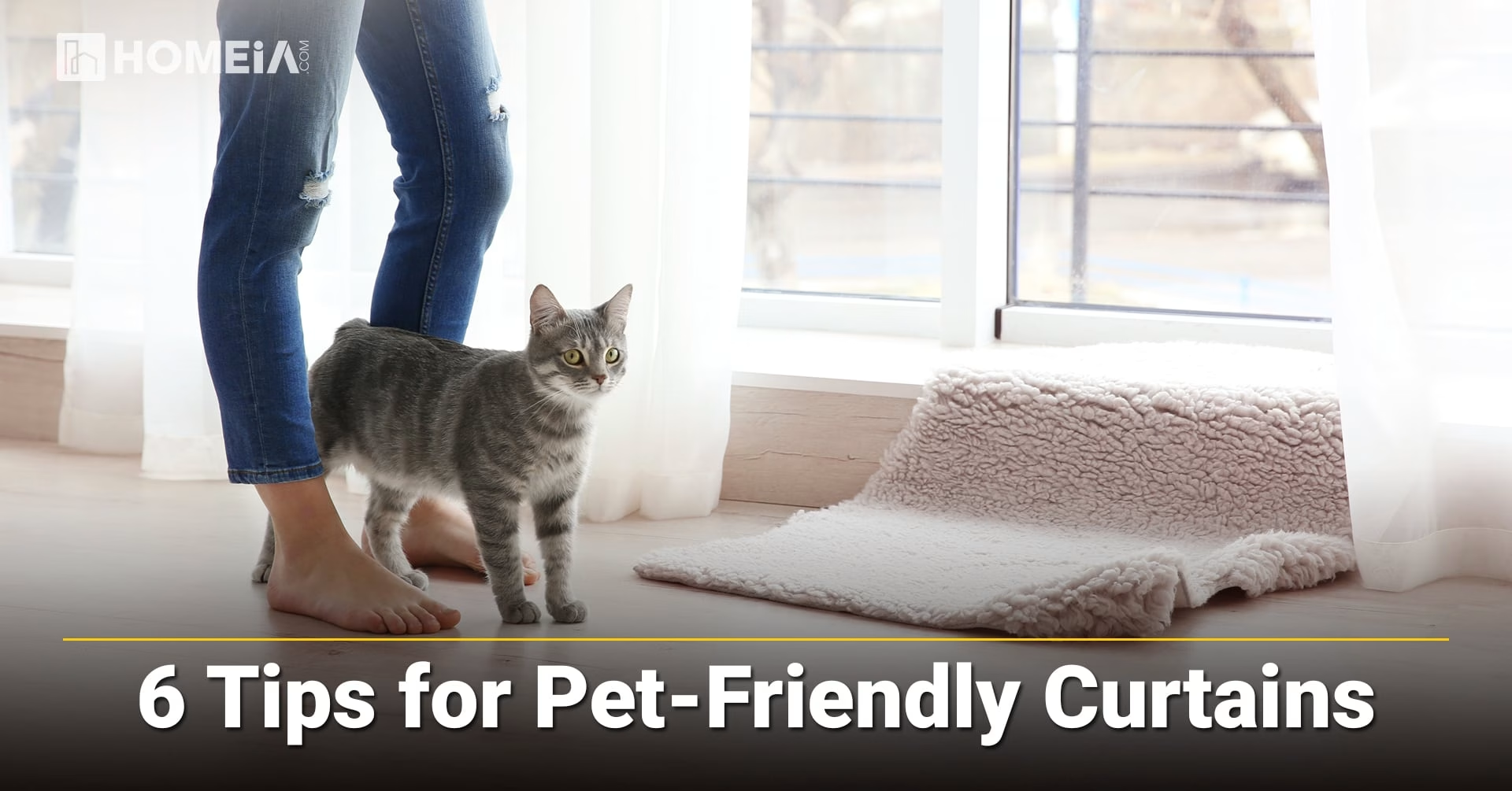
Tips for Pet-Friendly Curtains: Living with a pet is rewarding, but it calls for a few décor adjustments, and curtains are often the first casualty. Once a kitten starts climbing your favorite panels, it is time to find a better solution that protects both the fabric and the animal.
Safety matters as much as appearance. The same way you choose houseplants with pets in mind, window treatments should be carefully considered to ensure your furry friend is not injured while playing or climbing. Weigh curtain length, color, material, print, hardware, and how your pet behaves in each room.
This guide covers six practical tips for choosing pet-friendly curtains, from fabric, length, and color to cord safety and alternatives to curtains, followed by answers to common questions about cleaning, safety, and style.
Key Takeaways
- Choose thick, tightly woven fabrics, such as blackout or insulated panels, which provide little for claws to grab and discourage climbing.
- Keep hems at sill length or above paw level to reduce climbing, tangling, chewing, and damage from playful pets.
- Go cordless, since dangling cords, tassels, and tiebacks pose strangulation and chewing hazards for cats and dogs.
- Patterned, mid-tone, affordable fabrics hide fur, snags, and pulled threads, and they are easier to replace.
- If curtains keep failing, switch to cordless shades, blinds, or shutters mounted with sturdy, well-anchored hardware.
- Machine-washable panels and a weekly lint roller or vacuum pass keep fur and dander under control in multi-pet homes.

Related article
Top 3 Home Design Trends
The minimalist styles that have saturated the design market are giving way to warmer, more soothing environments. Rising trends show that people are looking for inviting styles where comfort is king. Here are 3 Home Design Trends Gaining Popularity…
1. Opt for Blackout Curtains
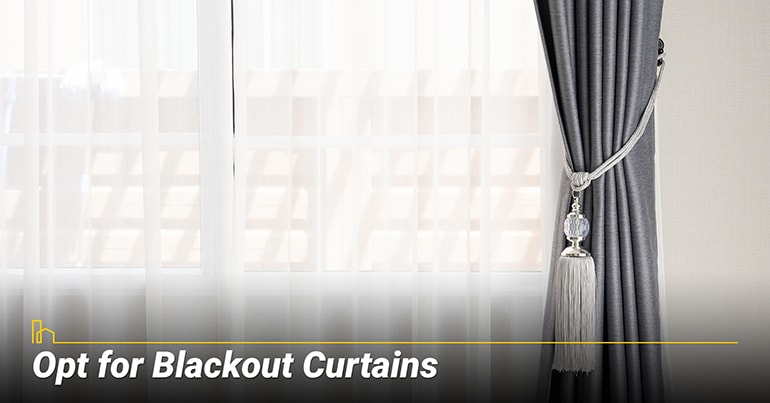
Blackout curtains remain a popular choice, and they suit pet owners well. A multitude of colors, prints, and lengths means style does not have to suffer.
Their redeeming quality is thickness. Dense, tightly woven blackout fabric gives claws little to hook into, and most cats and dogs lose interest once the panels stop being a rewarding toy. Look for a smooth or lightly textured face rather than a looped or loose weave. Because blackout panels often include a coated or layered lining, check the care label before washing so fur and dander do not build up.
Floor-length panels offer the best light control, but if your pet keeps pawing at the fabric, shorten them to sill length. Blackout styles are ideal for bedrooms, yet they work just as well in living rooms and other spaces.
Keep in mind that a thick panel is not a guarantee. A determined climber can still damage it, so pair blackout curtains with the other tips below, especially shorter lengths and a scratching alternative near the window.
2. Avoid Low-Hanging Fabrics
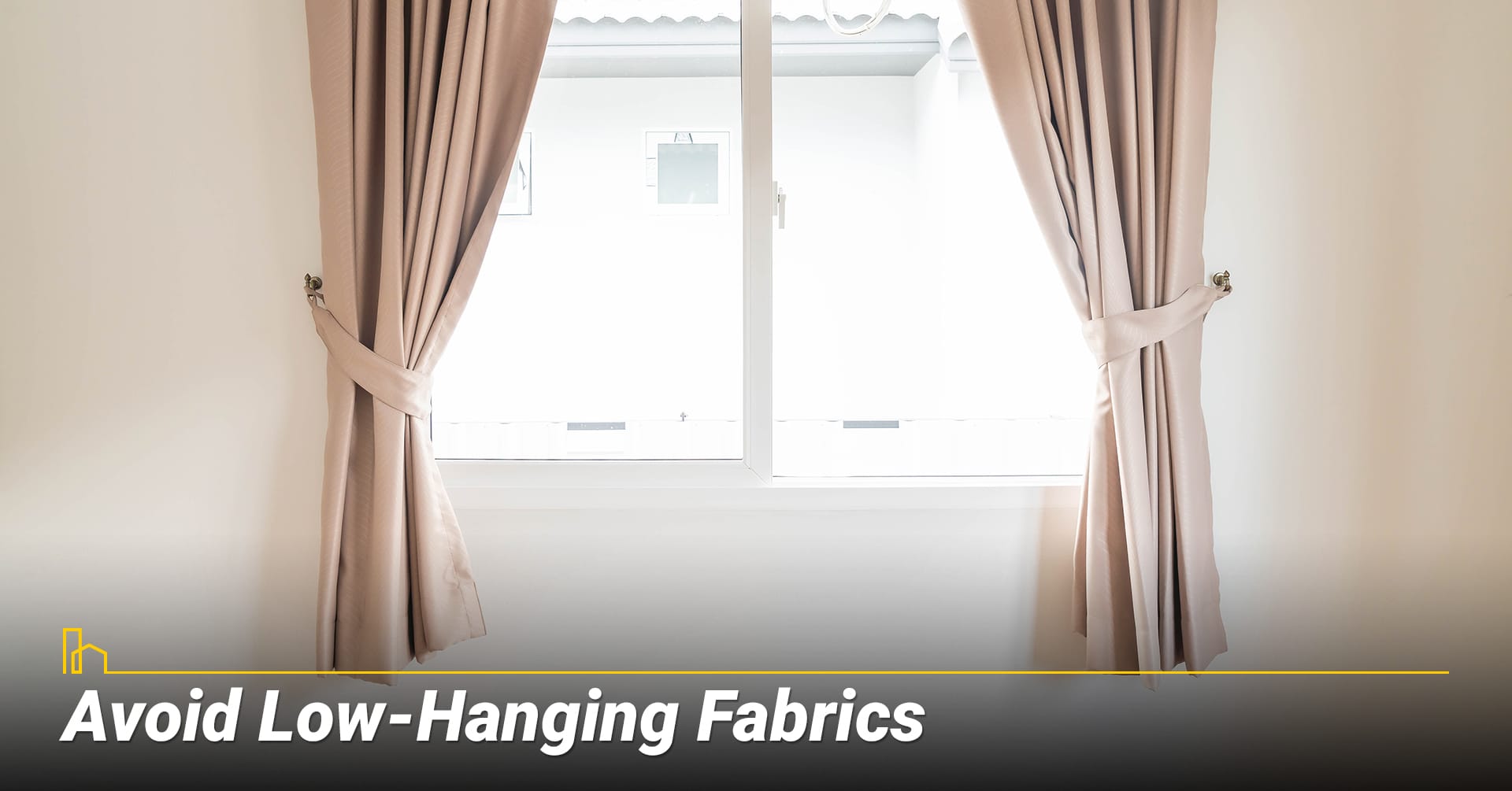
Long, flowing panels are a favorite pet toy. Cats, especially kittens, love to climb them. Fabric that puddles on the floor invites tugging, chewing, and nesting. Low-hanging material also makes tangling more likely, which can cause greater harm than climbing. Kittens and young dogs are the most likely to test them, but adult pets can develop the habit when a favorite window offers a nice view.
The safest approach is to keep hems above paw level in rooms your pet frequents. If shorter curtains reduce your privacy, add a cordless shade underneath. It also helps to place a window perch or cat tree nearby, so your cat has an approved spot to watch the outdoors.
Heavy panels deserve extra attention. A pet that hangs from a long, weighty curtain can pull the rod and brackets off the wall. Go with shorter lengths and secure the hardware properly.

Related article
Shaping Your Home’s Design
Designing a new home is exciting but can quickly feel overwhelming with so many choices. The key is balancing personal style with functionality and long-term value. By focusing on layout, lifestyle needs, and timeless design elements, you can create a home that feels inspiring today and remains practical for years to come.
3. Beware Dangling Cords
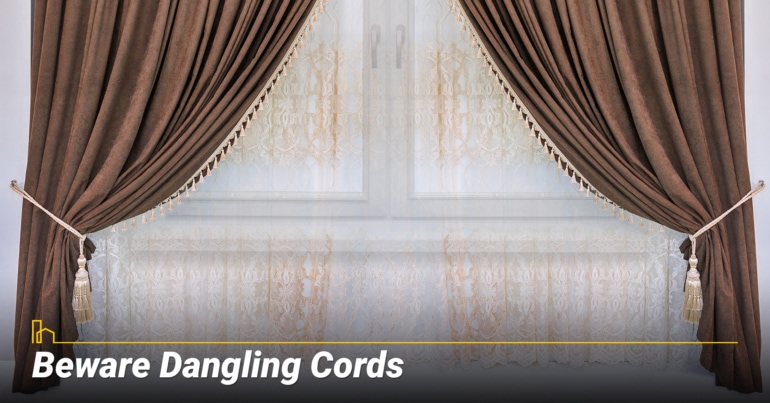
Hanging cords are a tempting toy and a real hazard. Looped or dangling cords can strangle or injure cats and small dogs, and chewed cord ends can be swallowed. Cats may also bat at swinging cords for hours, which makes the problem easy to overlook until an accident happens.
Federal safety rules reflect this concern. The window covering standard in effect since December 2018 and later CPSC rules require stock products to be cordless or have inaccessible/very short cords. A 2022 rule extended operating cord requirements to custom products. These were designed to protect children, but pets benefit too. When replacing older treatments, choose cordless, wand-operated, or motorized options.
Also skip tieback ropes, tassels, clips, and any other hanging trim that pets will pull and chew. For a decorative touch, use hardware they cannot reach, such as rods in gold, copper, silver, or brass with eye-catching finials, rings, or buttons set above paw level.
4. Choose Materials and Colors Carefully
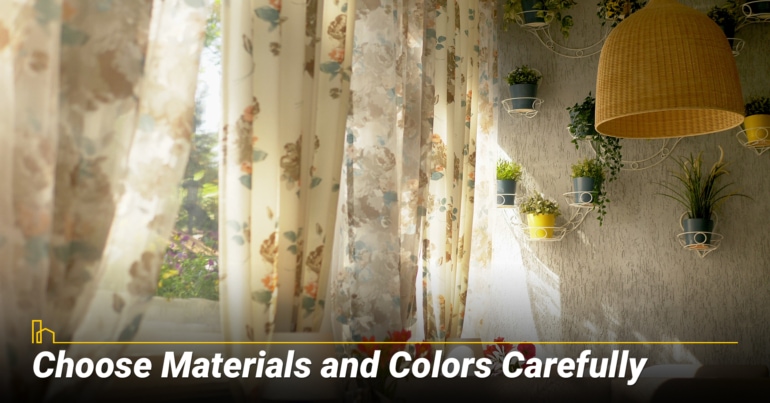
Expensive drapes are rarely a wise investment in a home with pets. Silk and velvet are expensive and can be ruined almost as quickly as they’re hung up by claws. Choose tightly woven synthetic or blended fabrics including polyester, microfiber, or canvas, which resist snagging and release hair easier than loose weaves, open knits, or delicate embroidery. Scratch-resistance claims are mostly made by retailers, so inspect the weave in person when possible. Choosing mid-priced panels also makes replacement painless if damage does occur.
Think of the room as well as the fabric. A window that your dog guards daily deserves a tougher, tighter weave than a guest room window your pets rarely visit. Matching the fabric to real use is more effective than choosing one material for the whole house.
For color, choose patterned or mid-tone fabrics. Prints hide pulled threads, nail marks, and fur far better than solid white or dark shades. Affordable panels that you can replace when needed are another smart option.
Recommended for you




5. Consider Insulated Curtains
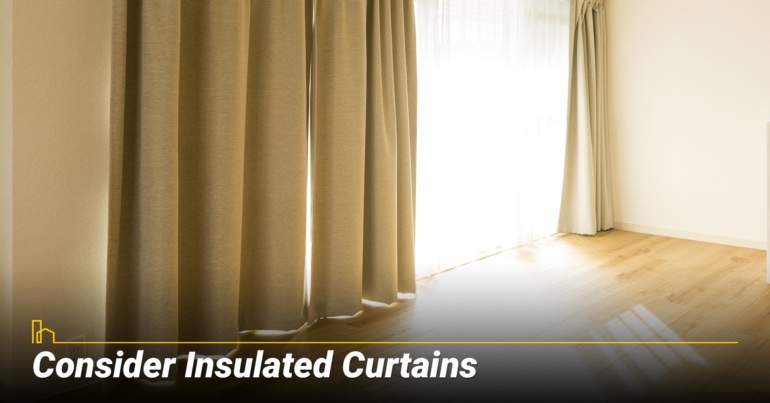
Insulated curtains are made of thick, layered fabric remaining durable and hard to damage. Their main purpose is to reduce heat loss and gain, which can help with energy costs, but their density also discourages pets.
As with blackout styles, pets will likely try to climb them, yet most quit once they find nothing to grip. Since a dense backing can trap fur, choose machine-washable panels.
Layering is another option. A thermal panel on the room side with a short decorative panel or cordless shade closer to the glass gives you insulation, privacy, and a finished look without long fabric near paw level.
6. Ditch the Curtains
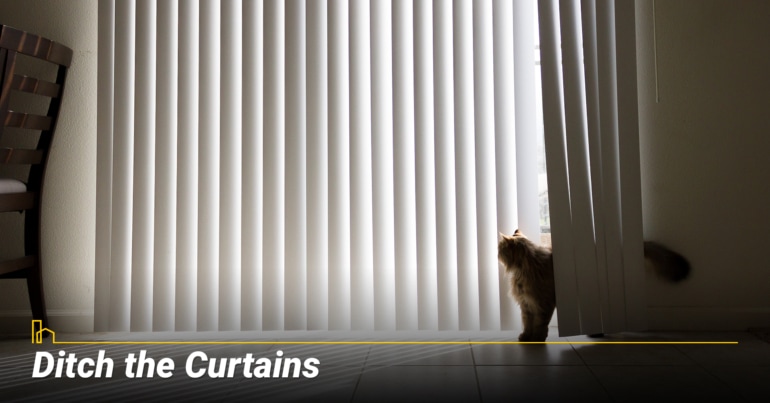
If these tips remain ineffective, switch to durable alternatives like cordless roller shades, faux-wood blinds, cellular shades, plantation shutters, or bamboo shades. They control light well and are poor surfaces for climbing or scratching.
Roman shades are fabric but short, thick, and hard to reach. Choose cordless versions, and mount any window covering with sturdy brackets.
Before you buy, check that the product is cordless or has inaccessible cords. Motorized or smart shades are worth considering for hard-to-reach windows, since they remove cords entirely and can be scheduled to open and close while you are away.
Conclusion
Pet-proofing your home is as crucial as babyproofing, because countless accidents can happen. Choosing pet-friendly curtains is an ideal starting point, as it will save you money, nerves, and time. Whichever option you choose, review your window coverings once or twice a year for loose threads, wobbly rods, and worn hardware.
Remember that low-hanging fabrics and dangling cords are a firm no. Blackout and insulated curtains are good choices because their thick material gives pets little to grab. Tightly woven fabrics in patterns or mid-tone colors hide damage best.
When nothing works, switch to cordless roller shades, cellular shades, shutters, or bamboo shades.
Recommended for you




FAQs About Pet-Friendly Curtains
1. Which curtain fabrics stand up best to claws and fur?
Tightly woven synthetics, notably microfiber, canvas, and performance polyester, resist snagging better than loose weaves or open knits. Claws have little to hook, so pets are rewarded less for climbing.
Many performance fabrics also repel hair and stains. If you prefer a softer look, choose a subtle texture over delicate embroidery or open slubs, which show damage quickly.
Always check the care label. Machine-washable fabrics make it practical to remove hair and odors regularly, which extends the life of the curtains.
2. Are there window treatments that work better than curtains in high-traffic pet areas?
Yes. Roller shades, faux-wood blinds, cellular shades, and plantation shutters usually outperform curtains where dogs paw at windows or charge the door. They are harder to climb, have fewer loose edges, and wipe clean easily.
For doorways and low windows, cordless roller shades or composite shutters are especially effective. You can soften the look with a short, stationary panel that stays above paw level.
Whichever treatment you choose, confirm that it is cordless and mounted with secure hardware, particularly in rooms where large dogs run or cats leap onto the sill.
3. What can I do if my cat already climbs the curtains?
Remove the reward and offer an alternative. Shorten or replace climbable panels, then place a cat tree, window perch, or shelf beside the window. Animals with a better vantage point usually stop climbing the fabric.
Redirect gently by interrupting the climb, moving the cat to the perch, and rewarding calm behavior. A pet-safe bitter spray on the lower curtain can also reduce interest, but test it on a hidden area first.
Consistency matters. Give it a few weeks, and make sure the new perch has a good view, because cats climb curtains mainly to reach the window.
4. How can I keep curtains clean and allergen-friendly in a multi-pet home?
Use machine-washable panels and launder them every couple of months, or more often if someone in the household has allergies. Between washes, use a vacuum upholstery attachment or lint roller on the bottom third weekly.
Tight-weave synthetics tend to hold less dust and hair than chenille or deep-pile velvet. Anti-static or performance finishes can also help hair slide off, especially with long-haired breeds.
Washing the fabric alone will not remove everything, so also vacuum the window area and wipe the sill, where hair and dander settle.
5. What safety mistakes do pet owners commonly make with window coverings?
Common hazards include dangling cords and weak hardware. Looped cords can strangle cats and small dogs, so upgrade to cordless, wand-controlled, or motorized systems.
Heavy rods mounted only in drywall can rip out when a large dog lunges or a cat swings from the fabric. Use brackets and anchors rated for the panel weight, and screw into studs where possible, especially for blackout or insulated panels.
Finally, avoid leaving pets alone near windows with exposed cords, and replace any damaged or frayed cords or hardware promptly.
6. How should I choose curtain styles for different rooms based on pet behavior?
Match the treatment to how your pets use each space. In living and family rooms, install shorter blackout or insulated panels on sturdy rods, or layer roller shades with decorative side panels. In kitchens and mudrooms, use café-height or sill-length curtains, or cordless shades, to stay above splashes and paws. In bedrooms and offices, softer fabrics are usually fine, but keep cords off the floor and avoid puddling if cats sleep on the sill.
Thinking room by room lets you reserve delicate textiles for spaces where pets spend less time.
As a rule, the more time a pet spends in a room, the simpler and tougher the window treatment should be.
7. Can I have stylish, on-trend curtains and still make the space pet-friendly?
Yes. Pet-friendly does not have to mean plain. Textured blackout panels, waffle-weave fabrics, and tightly woven sheer-look styles appear high-end while hiding fur and small snags. Textured neutrals and layered looks pair well with performance fabrics.
For a designer feel, use full-width panels at two to two and a half times the window width so they drape well, and lean on pattern and mid-tone colors to disguise wear.
Finally, invest in higher-end hardware. A solid rod with secure brackets keeps even a full, layered look safe and attractive for years.
Share