






The Best 10 Ways to Maintain Your House
- Local Editor:Local Editor: Andy (Anh Dung) Pham
- Category: Home Maintenance


Your house is most likely the most expensive purchase of your lifetime — and a safe haven that provides a hub for everyday activities, relaxation and making memories. It doesn’t remain in great shape without some effort, but with some loving care and an organized maintenance schedule, you can manage the upkeep without added stress.
In this article, we’ll discuss 10 ways to keep your home in tip-top condition and how to prevent some costly mistakes. Let’s get to it.

1. Prevent water damage.
The last thing you want is water damage which can be an expensive and time-consuming project that you didn’t want in the first place. It can also be heartbreaking if your treasured personal items reach the soggy, beyond-repair stage. Check these items regularly:
- A. Sump pump: Make sure it is working properly. A battery backup that kicks in during a power outage serves as good insurance against disaster and is a much cheaper alternative to a flooded basement.
- B. Gutters, downspouts and drains: Make sure there’s no blockage. Cleaning gutters in spring and fall will help keep them clear and functional.
- C. Windows: Make sure windows are sealed properly.
- D. Bathtubs, showers, toilets and sinks: Check the seals and replace as necessary.
- E. Water softeners: Make sure the water softener is in good repair and not likely to leak.
- F. Landscape grading: Check the plants and grading around the house to make sure water will flow away from the house rather than toward the foundation or window wells. If the ground is perfected leveled, it can become a virtual moat filled with water after heavy rains. This can end in seepage or flooding through cracks and windows.


Related article
The 10 Best Places to Live in Oregon
Oregon is a study in contrasts. It has 363 miles of the most breathtaking coastline you’ll encounter anywhere in the world. But it also has dense forests, mountain ranges, and high desert country. Here are the 10 Best Cities to Live in Oregon…

2. Control moisture levels.
High levels of household moisture can cause mold, a serious health hazard that can often require considerable work to correct. Excessive moisture may also attract rodents and insects into the home. No one wants to deal with that! Watch windows for condensation. That can be a clue that there’s too much humidity in the house.

Related article
10 Most Affordable Places to Live in Oregon
Oregon’s many cities and towns each offer something different, depending on each person’s lifestyle and preferences. In the state’s more prominent cities, you’ll find bustling streets full of shops and events. The smaller towns offer a quiet, quaint ambiance with close-knit communities, while its rural areas present lakes, rivers, wildlife, and miles of open land.

3. Keep the air clean.
Dust can also create a health hazard by triggering allergies or asthma issues. Dust and vacuum your spaces regularly or hire an experienced housecleaning service. You can also purchase an air cleaner if dust and pet hair is a problem.
Recommended for you




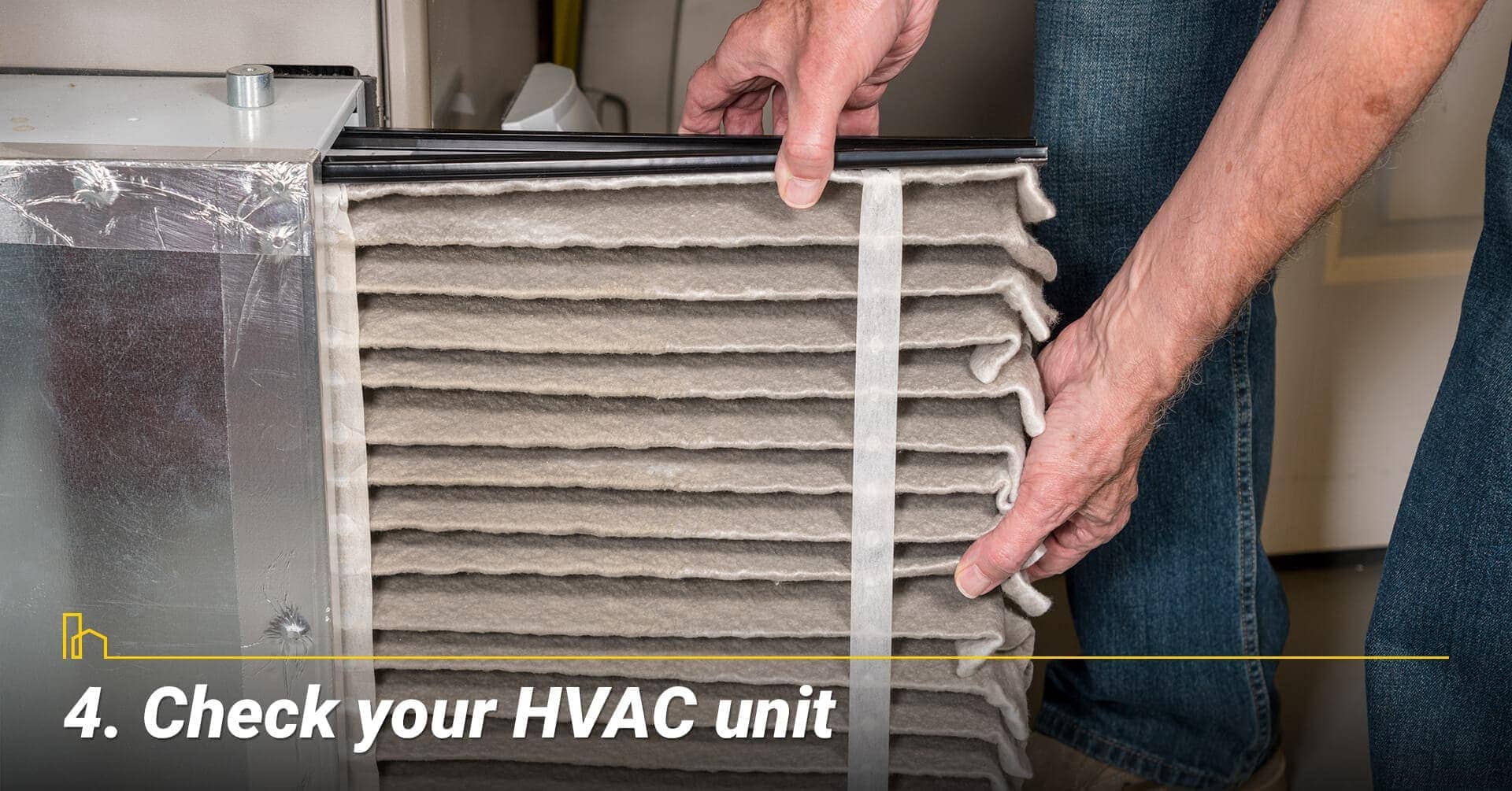
4. Check your HVAC unit.
Yearly inspections by an HVAC technician can help extend the life of the unit and save you thousands of dollars. Change the air filters according to the recommended intervals, usually every 3 months for an average house—or more often if you have furry pets.

Related article
10 Most Affordable Places to Live in Florida: Discovering Florida’s Hidden Gems
Florida, known for its sunny beaches, vibrant culture and diverse communities, is a dream destination for many. But living in this paradise doesn’t have to break the bank. In this article, we’ll explore some of the most affordable places in Florida that offer a great quality of life without the hefty price tag…

5. Vacuum your floor regularly.
Vacuuming your floor every week or at least every other week will help eliminate dust, fur dander and dirt. Regular cleaning will extend the life of your floor may it be carpet, laminated, hardwood, or other materials, which help improve the air quality in your home.

Related article
The 10 Cheapest Places to Live in Texas
They say everything is bigger in Texas, and for good reason. From some of America’s largest and active metropolitan cities to the host of recreational activities for people of all ages across the state to the many bigger-than-life personalities who call Texas home, Texas has plenty to offer for everyone. here’s the list of 10 lowest cost of living places…
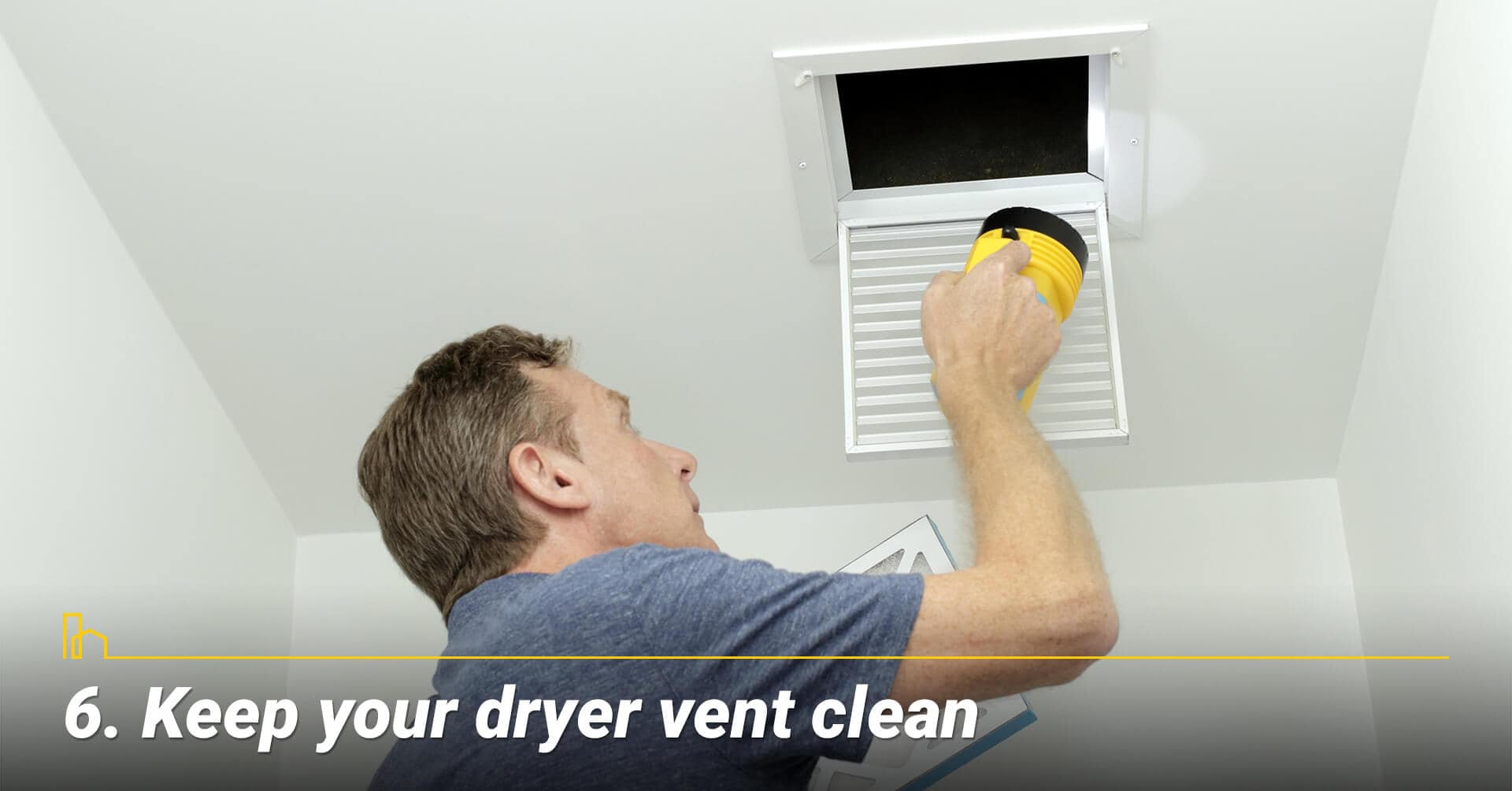
6. Keep your dryer vent clean.
Clogged dryer ducts and vents can cause fires. It’s important to clean the vent every year and replace old accordion-style interior dryer ducts with a straight metal duct. The folds in the old-style vents collect lint until the buildup becomes hazardous. Once the ducts are cleaned, your dryer will operate more efficiently also.

Related article
The 10 Best Places in the USA to Retire on the Water for Less
The popularity of the waterfront can mean high housing costs and consumer prices. Luckily, for those willing to look past the likes of Malibu and Venice Beach, there are plenty of scenic spots along the country’s lakes and oceans where retirees can make a nice home even with a reduced…
7. Clean ceiling fans and bathroom fans.
Having a ceiling fan can help keep the air in your room circulated and possibly lower energy costs. Make sure fan blades are clean, so you don’t end up breathing in the dust that collects on the fan. The bathroom fan reduces the moisture accumulation in your bathroom, and it is more efficient and effective when it’s clean—and besides, it looks nicer too!
Recommended for you



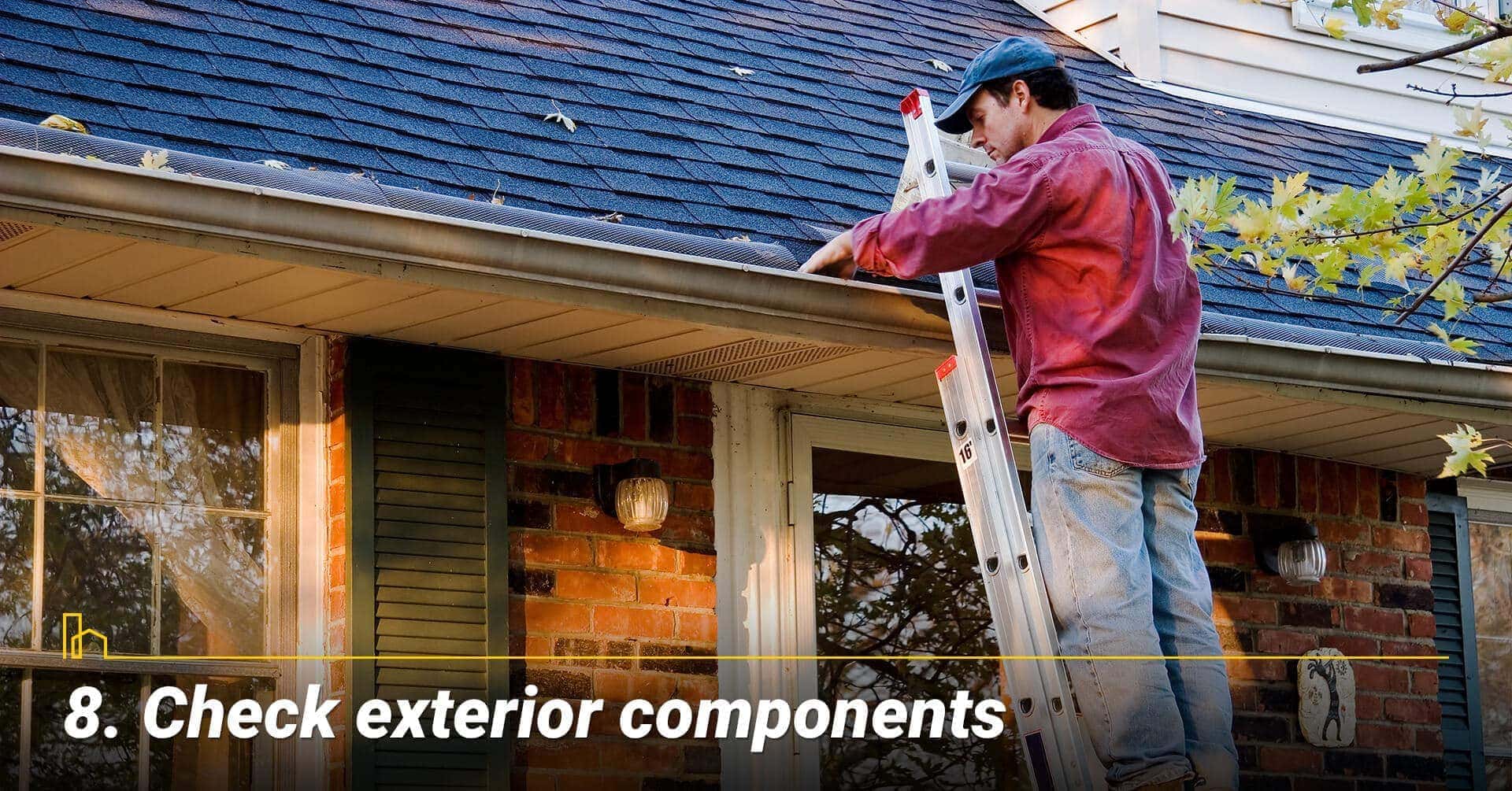
8. Check exterior components.
Routinely check the siding and paint to make sure there’s no serious damage and that everything is in good shape. They help protect your house from the elements such as rain and snow. Get an opinion from your home inspector or a reputable roofing company on the condition of your shingles or other roofing material. They can let you know if there is any damage, if repairs are needed, and how much life is left in the roof so you can budget for a replacement.

Related article
10 Most Affordable States to Buy a House
If you have the flexibility to move anywhere in the U.S., where could you buy the cheapest home? After examining data from Zillow and World Population Review. Here’re 10 most affordable States in the South and the Midwest to consider when buying a house…

9. Schedule services for pest control.
Rodents can cause bigger problems than you would think, especially if they are in the basement or walls. Bees, wasps, mosquitoes and even spiders can create a health hazard, so make sure to keep them at bay. If raccoons are a problem in your neighborhood, that can spell trouble and considerable damage. Be sure to keep trash out of reach.
If your home is susceptible to termites, they can ruin thresholds, trim, walls and furniture. As you can imagine, damages are expensive to repair. Talk with your homeowner’s insurance agent to see what coverage you have and what is recommended, and if you have a serious problem with pests, ask for a referral to a professional pest control company.
Recommended for you





10. Maintain your deck.
If you have a deck, make sure there are no protruding nails, splinters, or loose boards that could cause a safety issue. Clean or power wash your deck to keep it free of dirt or any buildup. Painting or staining the surfaces will to keep your deck looking beautiful while extending the life of the deck.
With awareness of these top 10 critical areas, you can schedule and maintain your home with minimal hassles. Create recurring calendar events to keep you on task and ask for help from family members. You can spread out the work throughout the year, so it doesn’t need to be done at once.
If some of the items require professional help that you are unqualified for, research local vendors, check reviews and ask for referrals from trusted friends and family members.
Your home should be a safe, happy place that puts a smile on your face. Proper maintenance will keep it that way. If you learned something and enjoyed this article, please share it with a friend or colleague.
Your FAQs About Home Maintenance, Answered
1. How often should home maintenance tasks be scheduled: daily, weekly, monthly, or seasonally?
Routine home maintenance isn’t one-size-fits-all; the frequency of upkeep depends on the task and the season. Everyday chores, such as keeping vents and floors clean, help indoor air quality and comfort. Many critical tasks like replacing HVAC filters and testing smoke or carbon monoxide detectors are best done quarterly, while seasonal jobs like checking the roof, cleaning gutters, and preparing HVAC equipment for summer or winter should be done at the start of each season.
Annual tasks might include servicing major systems, exterior landscaping, and deep cleaning appliances. Creating a calendar reminder or using a home maintenance app can help you stay on track, pre-schedule maintenance tasks and prevent issues before they escalate.
2. What are the most overlooked maintenance tasks that can lead to costly repairs?
Homeowners often focus on visible tasks like vacuuming, but overlook hidden areas that can cause major damage if neglected. Two commonly missed items are gutter cleaning and water heater flushing (admit it, have you ever flushed a water heater?). Clogged gutters, often forgotten about because they are often unseen, can cause water to back up into roofs and foundations, leading to rot and expensive repairs.
Meanwhile, flushing your water heater annually removes sediment buildup, improving efficiency and prolonging its lifespan. Additionally, regularly checking weather stripping and sealing gaps around windows and doors where cold or hot air can enter and leave can improve energy efficiency and reduce utility bills over time.
3. What’s a good rule of thumb for budgeting for home maintenance?
Financial planning for upkeep helps avoid being blindsided by repairs. A commonly recommended approach is the 1-to-4% rule, where you set aside at least 1%–4% of your home’s estimated value annually for maintenance and repairs. For example, for a $300,000 home, this translates to $3,000–$12,000 per year earmarked for maintenance.
Another common method is the square footage rule, which suggests saving $1 per square foot per year—but this doesn’t account for age or the condition of systems like roofing or HVAC. Regardless of the method, having a dedicated “home care fund” can make maintenance manageable and reduce stress when emergencies arise. Remember the golden rule of homeownership: “It’s always something.”
4. How can I prioritize home maintenance if I’m on a tight budget?
Budget constraints are common, so prioritizing tasks that protect structural integrity, safety, and efficiency is key. First, address issues that pose safety risks: smoke and monoxide detector checks, termite inspections, and electrical system integrity. Next, focus on moisture control and roofing, as water damage repairs can add up quickly.
Then, optimize efficiency: cleaning or replacing HVAC filters, sealing air leaks, and maintaining ductwork can lower utility expenses. Tasks with low labor costs, like caulking windows or trimming trees, are manageable DIY projects that prevent more expensive repairs later. Proper tools and timely maintenance reminders can help you stretch your budget while keeping your home in good condition.
5. When should I try to “DIY” maintenance and when should I hire a pro?
DIY (do-it-yourself) maintenance can save money on budget-friendly tasks like changing filters, cleaning vents, and inspecting seals. However, professional help is wise for jobs that involve risk, specialized equipment, or complex systems. Tasks like roof inspections, HVAC servicing, electrical repairs, plumbing, roofing, and pest control (especially termites) benefit from certified expertise.
Licensed professionals not only help ensure the job is done safely but can spot underlying problems you might miss, which can ultimately save money and prevent future damage. Always check credentials, references, and insurance before hiring someone for major work – and obtain multiple quotes to ensure you are optimizing your budget.
6. How does home maintenance affect resale value?
Consistent upkeep directly impacts a home’s marketability and appraisal value. Prospective buyers and inspectors immediately look for signs of deferred maintenance, such as water stains, cracked siding, neglected landscaping, malfunctional windows and doors, or outdated systems.
Regular maintenance helps preserve structural integrity, extends the lifespan of major equipment, and signals to buyers that the home has been loved and cared for. Tasks like updating exterior paint, replacing worn roofing, and maintaining landscaping can enhance curb appeal and shorten the number of days on market. In many communities, documented maintenance records can even be a selling point, demonstrating proactive care and transparency.
7. How do climate and region influence my maintenance priorities?
Your geographic location plays a big role in what maintenance tasks should be prioritized. In humid or rainy regions, such as Florida, moisture control and mold prevention are high on the list because excess humidity accelerates decay and mold growth. Insect control is also a higher priority in those areas.
In snowy climates, winter prep—like insulating pipes and protecting exterior faucets—is a priority to avoid freeze damage. Hot, dry regions (think the Southwest) may force you to prioritize roof inspections and HVAC performance checks. Seasonal weather also dictates the timing of maintenance: spring and fall are ideal for deep exterior work, while summer and winter each have their own system demands depending on your locale. Tailoring your maintenance plan to local weather patterns reduces wear and tear and helps prevent weather-related damage.
Share