






Living In North Carolina
Local Editor(s)

 Verified

Table of Contents:
- The Complete Guide to Cost of Living and Lifestyle
- 1. North Carolina Housing Costs: Finding Your Place in the Piedmont
- 2. North Carolina Tax Structure: Balancing the Budget
- 3. Daily Living Expenses in North Carolina
- 4. Family Life in North Carolina: Education and Community
- 5. North Carolina Transportation: Getting Around the State
- 6. North Carolina Job Market and Income Potential
- 7. Cost of Living Comparison: North Carolina vs. Other States
- 8. North Carolina Lifestyle: Why Everyone Loves It Here
- 9. Best Places to Live in North Carolina for Different Needs
- FAQs About Living in North Carolina
- 1. What is the average cost of living in North Carolina compared to the national average?
- 2. How much income is needed to live comfortably in North Carolina?
- 3. Which North Carolina city is most affordable for families and retirees?
- 4. How does North Carolina compare to its neighbor, South Carolina?
- 5. Are there areas significantly cheaper than the North Carolina average?
- 6. What are the biggest monthly expenses for North Carolina residents?
- 7. Is North Carolina good for first-time homebuyers?
- 8. What should I know about hurricane season?
- 9. What lifestyle advantages does North Carolina offer residents?
The Complete Guide to Cost of Living and Lifestyle
Howdy, future Tar Heel! North Carolina, with its stunning mountain vistas, vibrant cities, and serene coastlines, has become a go-to destination for everyone from young professionals and families to retirees seeking a better quality of life. The state offers a unique blend of Southern charm, economic opportunity, and breathtaking natural beauty. But what’s it really like to live here?
This comprehensive living in North Carolina guide dives deep into the data to give you a clear picture of the cost of living, job market, housing, and lifestyle in the Old North State. Whether you already made a decision of moving to North Carolina, we’ll break down the numbers, highlight the pros and cons, and provide the insights you need to decide if this is the right place for you to call home.
Key Takeaways
- North Carolina’s overall cost of living is slightly below the national average, with housing being a significant driver of affordability, especially compared to the other Carolina and neighboring states.
- It boasts a diverse and booming economy, dubbed the “Research Triangle” for its tech and academic hubs, with sustainable job growth in sectors including tech, healthcare, and finance.
- You’ll experience all four distinct seasons, from beautiful mountain springs and warm beach summers to colorful autumns and mild winters, offering year-round outdoor activities.
- While there is no tax on Social Security benefits, the state income tax is a flat rate, and property taxes are relatively low, but sales tax can add up.
- Life here offers a high quality of life, with access to top-tier universities, diverse culinary scenes, and a range of communities from bustling metros to quiet mountain towns.


Related article
The Pros and Cons of Living in North Carolina
What does North Carolina have to offer? If you want one word to describe North Carolina, “varied” would be an excellent choice. Do you love the mountains or the beach? In this Southeastern state, you will find plenty of both. From the Blue Ridge Mountains to the bustling cities of Charlotte and Raleigh, you have the disparities…
1. North Carolina Housing Costs: Finding Your Place in the Piedmont

Arguably the main draw of the state is its housing market. Whether you’re seeking a downtown condo, suburban family home, or peaceful mountain retreat, you’ll find options that are significantly more affordable than many other popular states.
A. Major North Carolina Cities Housing Costs (2025 Data)
City | Median Home Price | 2-Bedroom Rent | 3-Bedroom Rent | HOA Fees (Avg.) |
|---|---|---|---|---|
| Charlotte | $385,000 | $1,650/month | $2,100/month | $200-$400/month |
| Raleigh | $420,000 | $1,720/month | $2,200/month | $150-$350/month |
| Durham | $375,000 | $1,600/month | $2,050/month | $100-$300/month |
| Asheville | $465,000 | $1,750/month | $2,300/month | $150-$350/month |
| Greensboro | $275,000 | $1,250/month | $1,600/month | $80-$200/month |
| Winston-Salem | $265,000 | $1,200/month | $1,550/month | $75-$180/month |
| Fayetteville | $240,000 | $1,100/month | $1,400/month | $50-$150/month |
B. Housing Strategies and Financial Options
North Carolina offers several programs to clear some of the homeownership hurdles. The NC Home Advantage Mortgage™ provides down payment assistance and competitive interest rates for eligible first-time and repeat buyers. Veterans can also explore VA loan options with favorable terms.
Ingenious buyers often look at emerging suburbs for the best value. Areas right outside the core of the Triangle (Raleigh-Durham-Chapel Hill) or the Charlotte metro offer more square footage for your money while keeping commute times reasonable. For instance, towns like Cary near Raleigh or Concord near Charlotte provide prime community amenities and good school districts.
It’s also wise to always invest in a thorough home inspection, especially in a state with variable weather, to check for potential issues like moisture damage or HVAC system age.

Related article
Moving to North Carolina: The Complete Relocation Guide & Checklist
Dreaming of vibrant cities, mountain trails, and coastal shores? North Carolina offers an incredible mix of opportunity, adventure, and Southern charm. It’s the perfect place to build a fulfilling life. Ready to start your new chapter in the Tar Heel State? Welcome!…
2. North Carolina Tax Structure: Balancing the Budget

A. State Taxes Overview
North Carolina operates with a flat income tax rate, filings for residents. As of 2025, the key tax rates are:
- State Income Tax: 4.75% (flat rate for all income levels)
- State Sales Tax: 4.75%
- Average Combined Sales Tax (with local): 6.98%
- Average Effective Property Tax Rate: 0.78%
A significant advantage for retirees is that NC does not tax Social Security retirement benefits. However, most other retirement income, including pensions and withdrawals from retirement accounts, is subject to the state income tax.
While property tax rates are low compared to the U.S. national average, it’s important to note that North Carolina’s tax structure is different from no-income-tax states like Florida or Texas, which often rely more heavily on property or sales taxes.
B. Tax Comparison: North Carolina vs. Other States
Tax Type | North Carolina | South Carolina | Tennessee | Virginia |
|---|---|---|---|---|
| Income Tax | 4.75% (flat) | 0%-6.4% (graduated) | 0% (on wages) | 2%-5.75% (graduated) |
| Sales Tax (Avg.) | 6.98% | 7.44% | 9.55% | 5.65% |
| Property Tax Rate | 0.78% | 0.55% | 0.68% | 0.80% |

Related article
The 5 Best Places to Live in North Carolina
Welcome to North Carolina — a state of dynamic contrasts, where innovation meets natural beauty. From the Research Triangle’s tech energy to the Blue Ridge Mountains’ tranquility, this guide ranks the top five cities by affordability, jobs, safety, education, and lifestyle — helping professionals, families, and retirees find the perfect place to call home…
3. Daily Living Expenses in North Carolina

Overall, daily living expenses in North Carolina run about 4% below the national average, making it an affordable place for most households.
A. Monthly Living Costs Breakdown
Expense Category | North Carolina Cost | National Comparison |
|---|---|---|
Groceries (per person) | $280-$410/month | 96% of US average |
| Utilities (energy, water, trash) | $190-$240/month | Near average |
| Gasoline | $3.35/gallon | Below national average |
| Healthcare (individual) | $430-$470/month | Competitive rates |
| Dining Out | Varies by city | Below coastal city rates |
B. Cost-Saving Strategies for NC Living
- Utilities: In areas with deregulated energy options, compare providers for the best rates. Energy costs can spike during the humid summer months, so ensuring your home is energy-efficient is key to saving money.
- Groceries: Shop at regional chains like Food Lion, Publix, and Harris Teeter, which often have competitive prices and loyalty programs. Farmers’ markets are abundant and offer fresh, local produce at fair prices.
- Transportation: Gas prices are generally reasonable. In larger cities (Charlotte and Raleigh), taking advantage of public transit options for commuting can save on fuel and parking costs.
4. Family Life in North Carolina: Education and Community

North Carolina is a fantastic place to raise a family, offering leading educational opportunities and a wealth of activities for all ages.
A. Education Excellence
The state is home to some of the nation’s top public school districts, particularly in the suburbs of the Triangle and Charlotte metro areas. Districts like Wake County (Raleigh) and Chapel Hill-Carrboro City Schools are consistently highly ranked.
For higher education, North Carolina is unparalleled. The world-renowned Research Triangle Park is anchored by Duke University, North Carolina State University, and the University of North Carolina at Chapel Hill. Additional schools including Wake Forest and Elon University add to the state’s notoriety. They all create a pipeline of talent and innovation fueling the local economy. There also exists a robust community college system for technical training and associate degrees.
B. Childcare and Family Costs
Family Expense | North Carolina Cost | Available Support |
|---|---|---|
| Childcare (Infant, Center) | $900-$1,400/month | NC Child Care Subsidy |
| Summer Programs | Varies by district | Community-sponsored options |
| Youth Sports | $100-$450/season | Extensive league systems |
| After-School Care | $250-$600/month | School and private options |
The state offers an incredible range of free and affordable family activities, from hiking in the Great Smoky Mountains and exploring the North Carolina Museum of Natural Sciences to spending a day on the Outer Banks beaches.
Recommended for you




5. North Carolina Transportation: Getting Around the State

While major metros have growing transit systems, North Carolina is primarily a car-dependent state.
A. Vehicle-Related Expenses
Transportation Cost | North Carolina Average | National Comparison |
|---|---|---|
| Auto Insurance | $1,380/year | Slightly below average |
| Gas Prices | $3.35/gallon | Below average |
| Vehicle Registration | $38.75/year (light vehicle) | Moderate |
| Maintenance | Standard rates | Competitive service costs |
B. Public Transit Options
- Charlotte: CATS (Charlotte Area Transit System) operates bus and light rail services, with a monthly pass costing around $88.
- Raleigh/Durham: GoTriangle provides regional bus services, and GoRaleigh/GoDurham offer local city routes. Plans for a regional rail system are in development.
- Other Cities: Greensboro, Winston-Salem and Asheville have their own bus systems for travel within the city..
For those moving to a new city in NC, choosing a neighborhood with a manageable commute to work is crucial for your daily quality of life.
6. North Carolina Job Market and Income Potential

North Carolina’s economy is one of the most dynamic in the nation, successfully blending traditional industries with cutting-edge innovation.
A. Income Statistics and Employment
Income Metric | North Carolina | National Average |
|---|---|---|
| Minimum Wage | $7.25/hour | $7.25/hour |
| Median Household Income | $68,000/year | ~$74,500/year |
| Unemployment Rate | 3.8% (June 2025) | ~4.0% |
| Job Growth Rate | Above national average | Varies |
B. Major North Carolina Employers and Industries
Industry | Key Companies/Hubs | Typical Salary Range | Growth Outlook |
|---|---|---|---|
| Technology & Research | Apple, Google, IBM, Cisco, Red Hat, Epic Games | $65,000-$160,000/year | Very Strong |
| Healthcare & Pharma | Duke Health, UNC Health, Atrium Health, Novo Nordisk | $50,000-$130,000/year | Very Strong |
| Finance & Banking | Bank of America HQ, Truist HQ, Wells Fargo major hub | $55,000-$150,000/year | Strong |
| Manufacturing | Toyota, Boeing, Honeywell, GE Aerospace | $45,000-$85,000/year | Stable |
| Military & Defense | Fort Liberty (formerly Bragg), Seymour Johnson AFB | Varies by rank/role | Stable |
The state’s business-friendly environment continues to attract major corporations, leading to a steady influx of jobs. A presence of major military installations also provides significant economic stability to regions like Fayetteville and Goldsboro.

Related article
7 Most Affordable Places to Live in North Carolina
Dreaming of North Carolina life on a budget? Beyond pricey metros like Charlotte and the Triangle, the Tar Heel State offers affordable, vibrant cities rich in charm and opportunity. This guide reveals seven budget-friendly NC spots, balancing housing, jobs, safety, and community—where your dollar truly goes further…
7. Cost of Living Comparison: North Carolina vs. Other States
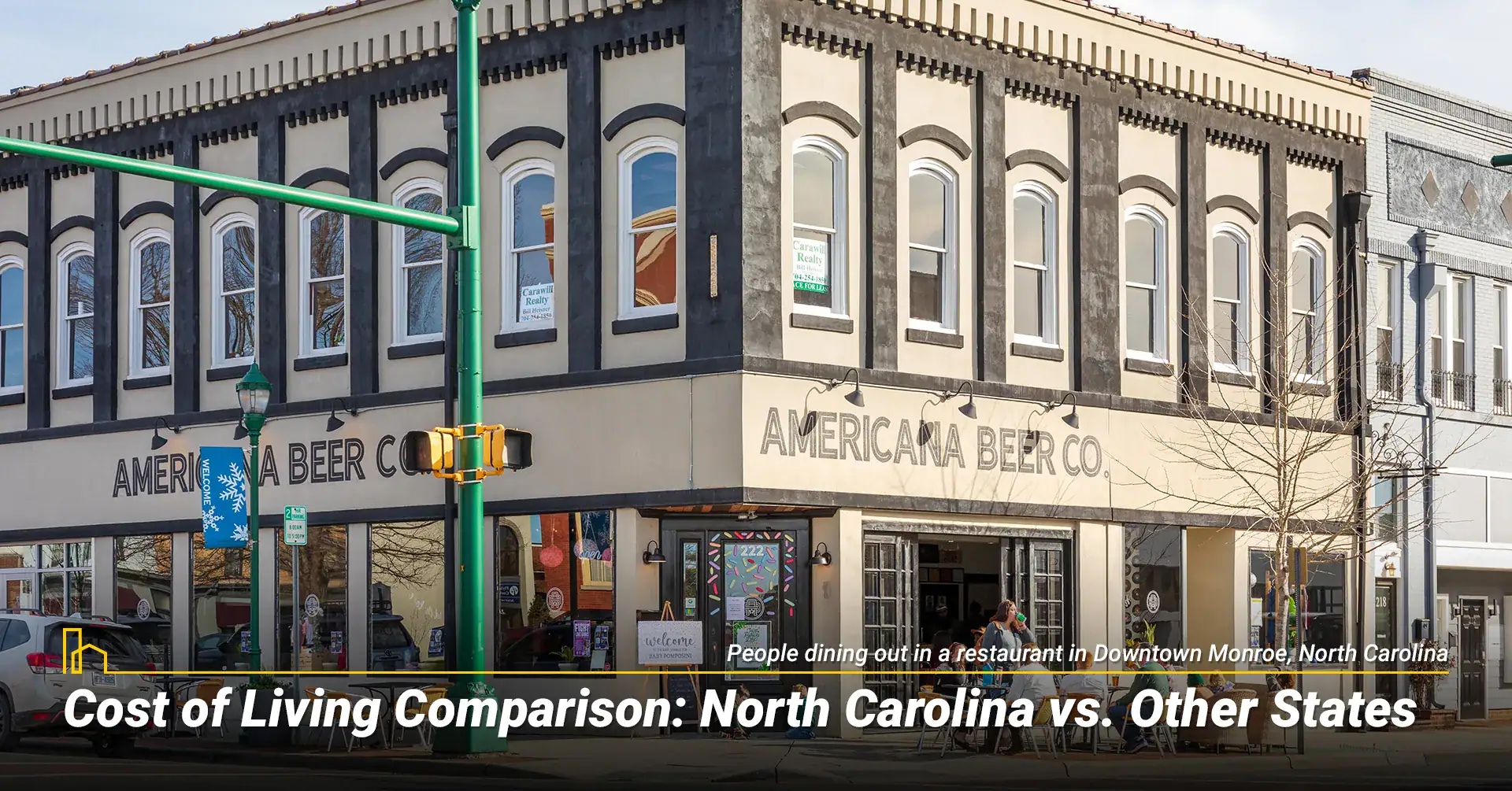
North Carolina offers exceptional value, especially for those relocating from higher-cost areas.
Expense Category | North Carolina | South Carolina | Tennessee | Florida |
|---|---|---|---|---|
| Median Home Price | $345,000 | $305,000 | $335,000 | $410,000 |
| Income Tax | 4.75% | 0%-6.4% | 0% (on wages) | 0% |
| Sales Tax (Avg.) | 6.98% | 7.44% | 9.55% | 7.02% |
| Gas Price/Gallon | $3.35 | $3.25 | $3.20 | $3.50 |
| Commute Time | 25-28 minutes | 23-26 minutes | 25-27 minutes | 27-30 minutes |
As the table shows, while neighbors like Tennessee and Florida have no state income tax, North Carolina’s overall housing affordability and substantial job market often paint a financial masterpiece for many families. For a national comparison, see our list of the most affordable cities to live in the US.
8. North Carolina Lifestyle: Why Everyone Loves It Here

The Tar Heel lifestyle is a major draw, offering a balanced mix of urban excitement and outdoor adventure.
A. Lifestyle Advantages
- Diverse Geography: You can surf in the Atlantic Ocean in the morning and hike in the Appalachian Mountains by the evening. The Piedmont region in between offers rolling hills and a temperate climate.
- Four Distinct Seasons: Experience the gorgeous bloom of dogwoods in spring, warm lake summers, spectacular fall foliage in the mountains, and mild winters with occasional snow.
- Thriving Food and Culture: From award-winning BBQ (Lexington-style vs. Eastern-style is a friendly debate) and fresh seafood to a renowned craft beer scene and sophisticated dining in cities, the food culture is rich. The state also has a deep musical heritage and vibrant arts communities.
- Sports Fan Paradise: Cheer for professional teams like the Carolina Panthers (NFL), Carolina Hurricanes (NHL) Charlotte FC (MLS), Carolina Chaos (PLL), and Charlotte Hornets (NBA), or immerse yourself in the intense rivalries of ACC college basketball.
B. North Carolina Living Challenges
- Humid Summers: The humidity, especially in the Piedmont and Coastal Plain, can be intense from June to September, leading to high air conditioning costs.
- Pollen: The state’s lush greenery comes at a cost: high pollen counts in the spring can be challenging for allergy sufferers.
- Urban Sprawl and Traffic: Rapid growth in metros like Charlotte and the Triangle has led to increased traffic congestion and longer commute times in some areas.
- Varied Education Quality: While there are exceptional school districts, quality can vary significantly between and within districts, requiring careful research for families.

Related article
7 Most Affordable and Safe Places for Young Professionals to Live in North Carolina
In all the cities included in this list, there is a wide range of safe, affordable, and conveniently located housing options, whether the young professional prefers city life or the suburbs. These North Carolina communities are not only inexpensive, but they also offer appealing amenities and access to the mountains and the seashore…
9. Best Places to Live in North Carolina for Different Needs

A. Family-Friendly Communities
Community Type | Best Cities | Median Home Price | Key Benefits |
|---|---|---|---|
| Suburban Family | Cary, Apex, Marvin | $450,000-$600,000 | Top-ranked schools, very safe, abundant parks |
| Affordable Family | Greensboro, Winston-Salem | $265,000-$275,000 | Lower costs, respected schools, family-friendly amenities |
| Urban Family | Charlotte (South End), Raleigh (North Hills) | $400,000-$550,000 | Walkability, cultural amenities, job opportunities |
B. Professional and Retiree Options
- Raleigh-Durham (The Triangle): The epicenter for tech, research, and academia. Ideal for professionals in these fields seeking a dynamic, educated community with countless networking opportunities. The presence of major universities also provides youthful energy and cultural amenities.
- Charlotte: The banking capital of the South. Perfect for finance professionals, offering a big-city feel with a booming skyline, professional sports, and a diverse economy.
- Asheville: Nestled in the Blue Ridge Mountains, Asheville is a hub for retirees, artists, and outdoor enthusiasts. Known for a vibrant arts scene, craft breweries, and breathtaking mountain scenery, it offers a more eclectic and wellness-focused lifestyle.
- Wilmington & the Coast: For those dreaming of a coastal lifestyle, Wilmington offers historic charm, a growing film industry, and direct access to beaches like Wrightsville and Carolina Beach. It’s popular with retirees and remote workers.
Conclusion: Making North Carolina Living Work for You
North Carolina presents a compelling case for relocation. Its cost of living is manageable, the job market is robust and diverse, and its lifestyle is arguably one of the best in the country. You get the benefits of both beach and mountain living, all within a day’s drive.
Successfully planting roots here involves careful planning. Choose a location that aligns with one career, budget, and lifestyle desires. Prepare for the humid summers by budgeting for utilities and ensuring your HVAC system is efficient. Embrace the car-centric culture but explore walkable neighborhoods where possible.
Whether you’re drawn by the tech buzz of the Triangle, the financial pulse of Charlotte, the artistic mountain vibe of Asheville, or the historic coastal charm of Wilmington, NC has a community that can feel like home. With its welcoming atmosphere and undeniable opportunities, it’s no wonder so many are answering the call to become Tar Heels.
Recommended for you




FAQs About Living in North Carolina
1. What is the average cost of living in North Carolina compared to the national average?
North Carolina’s cost of living is approximately 4% lower than the national average. Housing costs are the biggest factor in this affordability, often being 10%-15% below national averages in many cities outside the hottest markets.
2. How much income is needed to live comfortably in North Carolina?
A single adult needs around $55,000-$65,000 annually to live comfortably, while a family of four requires about $120,000-$140,000. These figures can be higher in Raleigh or Charlotte and lower in more rural areas.
3. Which North Carolina city is most affordable for families and retirees?
Greensboro and Winston-Salem consistently rank as the most affordable major metros, offering low housing costs, good healthcare access, and family-friendly amenities. Smaller towns like Hickory or Jacksonville also offer budget-friendly living costs.
4. How does North Carolina compare to its neighbor, South Carolina?
Both states offer low costs of living and warm weather. South Carolina may have slightly lower taxes and housing costs on average, but North Carolina typically has a stronger and more diverse job market, particularly in tech and research.
5. Are there areas significantly cheaper than the North Carolina average?
Yes. Rural areas in eastern North Carolina and some parts of the foothills offer some of the lowest living costs in the state, often 20% or more below the national average.
6. What are the biggest monthly expenses for North Carolina residents?
Housing, transportation (due to car dependency), and utilities (especially summer AC costs) are typically the largest monthly expenses for residents.
7. Is North Carolina good for first-time homebuyers?
Yes. With a median home price below the national average and programs like the NC Home Advantage Mortgage™ with down payment assistance, the state is a very feasible market for first-time buyers.
8. What should I know about hurricane season?
The coast is susceptible to hurricanes from June to November. While direct hits aren’t constant, even inland areas can experience heavy rain and flooding. It’s crucial to have hurricane preparedness plans and ensure your insurance coverage is adequate.
9. What lifestyle advantages does North Carolina offer residents?
Top advantages include access to diverse landscapes (beaches and mountains), a moderate climate with four seasons, a thriving job market, renowned universities, rich cultural and food scenes, and a generally friendly, welcoming atmosphere.
Local Editor(s)
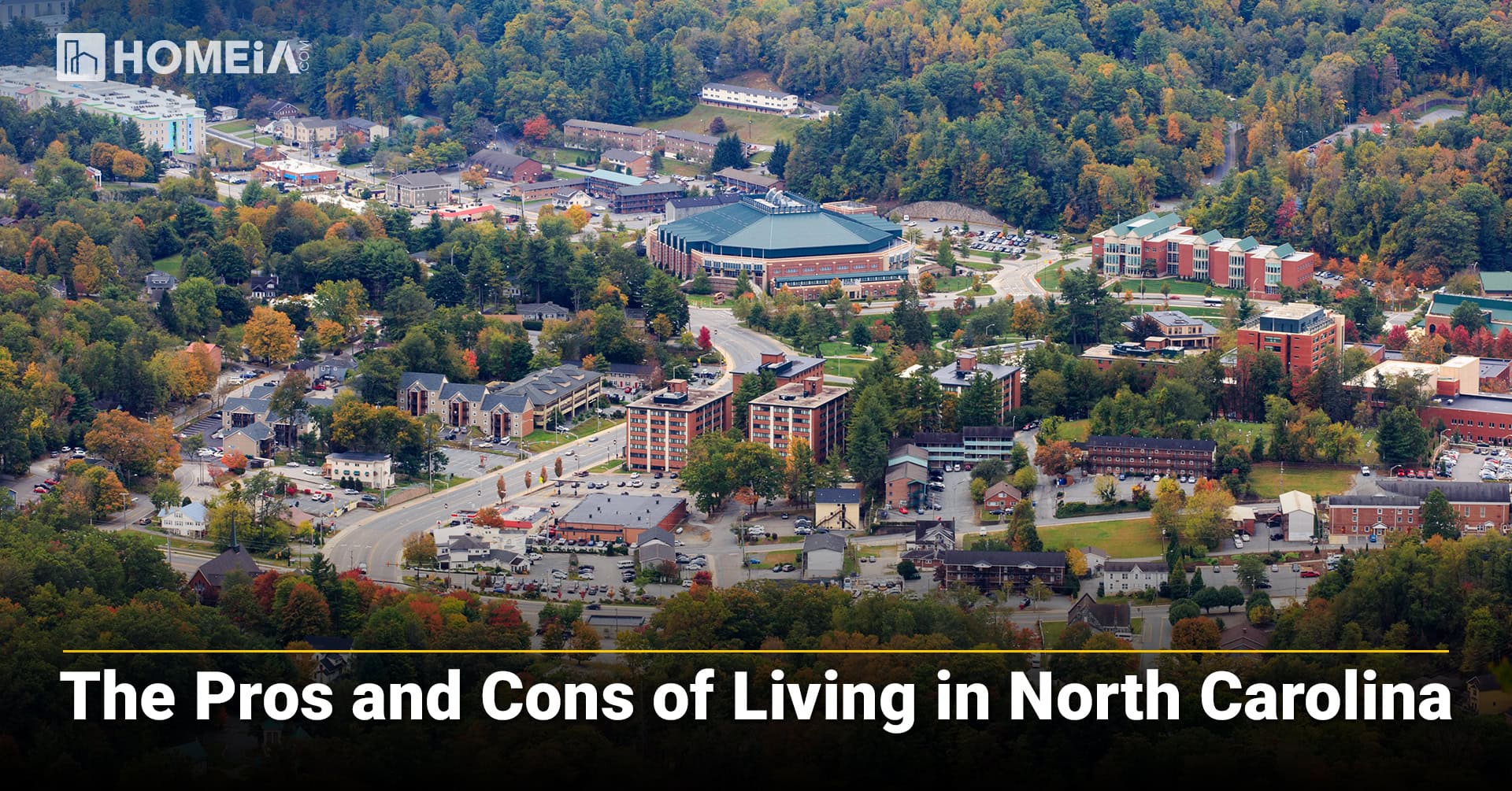





The Pros and Cons of Living in North Carolina
What does North Carolina have to offer? If you want one word to describe North Carolina, “varied” would be an excellent choice. Do you love the mountains or the beach?…
-
Moving to North Carolina: The Complete Relocation Guide & Checklist
Moving to North Carolina offers an exceptional blend of Southern charm, economic opportunity, natural beauty, and affordable living that continues to attract new residents from across the nation. Known for…
-
The 5 Best Places to Live in North Carolina
Welcome to North Carolina, a state of stunning contrasts. From the vibrant, tech-driven energy of the Research Triangle to the ancient, misty calm of the Blue Ridge Mountains, the Old…
-
7 Most Affordable Places to Live in North Carolina
Howdy, y'all. If you're dreaming of life in the Tar Heel State but your budget is feeling a little tight, you're in the right place. North Carolina isn't all bustling,…
-
Living in Charlotte, North Carolina: A Tapestry of Culture, Innovation and Community
In the heart of the eastern coastal state of North Carolina, you can find the thriving metropolis of Charlotte. As its nickname, the “Queen City,” suggests, Charlotte is the beautiful…
Related Topics










-
The Pros and Cons of Living in Ave Maria, Florida
The Pros and Cons of Living in Ave Maria, Florida: When picturing Ave Maria, what comes to mind are stunning basilica, perfectly manicured neighborhoods, and the Florida sun. However, this unique town has even more hidden inside. It blends master-planned…
-
The Pros and Cons of Living in Boston, Massachusetts
Considering moving to Boston in 2026? This historic yet innovative city offers a unique blend of old-world charm and modern opportunity. As New England's economic and cultural hub, Boston attracts residents with its world-class education, thriving job market, and vibrant…
-
The Pros and Cons of Living in California: Complete Relocation Guide
If you're considering moving to California, you're in luck. The Golden State offers attractive options for all ages, budgets, living situations, and preferences. From the beaches of San Diego to the tech hubs of the Bay Area and the agricultural…





-
The Pros and Cons of Living in Denver, Colorado
Looking for stellar public schools, world-class ski resorts, and a thriving city all in one spot? Denver, Colorado, may be the place for you. The Mile High City offers a unique blend of outdoor adventure, economic opportunity, and urban convenience.…
-
The Pros and Cons of Living in Florida
Relocating to a new state is a big move – pun intended! – and requires careful consideration of both the state as well as the specific community you're thinking to join. If you're considering Florida, you're in luck; the Sunshine…
-
Pros and Cons of Living in Georgia
Relocating to a new state is a significant decision, one that requires thoughtful consideration of both the state as a whole and the specific community you're considering. If you're thinking about moving to Georgia, you'll find the Peach State offers…





-
The Pros and Cons of Living in Iowa
When picturing Iowa, what comes to mind are vast cornfields, rolling hills, and an established agricultural heritage. But the Hawkeye State offers more than what you see on a farm; here lies a place where strong communities, affordable living, and…
-
The Pros and Cons of Living in Idaho
When picturing Idaho, many envision snow-capped mountains, pristine lakes, and the iconic Snake River Canyon. Yet there's far more to Idaho than its postcard scenery. If you're considering a move, you'll find a state celebrated for its rugged beauty, expanding…
-
The Pros and Cons of Living in Kentucky
When you think of Kentucky, you might conjure up images of fried chicken, bourbon, and horse racing. While you will find no shortage of those things in the Bluegrass State, it has so much more to offer. Kentucky is a…





-
The Pros and Cons of Living in Michigan
Relocating to a new state requires careful consideration of both the state as a whole and the specific community you'll join. If you're considering Michigan, you're in luck---the Great Lakes State offers diverse options for all ages, budgets, family situations,…
-
The Pros and Cons of Living in Minnesota
The Pros and Cons of Living in Minnesota: When picturing the Midwestern state of Minnesota, some might imagine a snowy blizzard, an afternoon at the lake, the bustling state fair, and a thriving hockey community. And while all of those…
-
The Pros and Cons of Living in Missouri
When picturing Missouri, what comes to mind are rolling hills, the mighty Mississippi River, and the Gateway Arch. But here offers more than Midwestern clichés; here lies a place where affordability, central location, and diverse landscapes define everyday living. Yet,…





-
The Pros and Cons of Living in New Jersey
Considering a move to New Jersey? The Garden State offers a dynamic mix of urban energy, coastal charm, and suburban comfort. Home to nearly 9 million residents, New Jersey features vibrant cities, peaceful towns, stunning beaches, dense forests, and cultural…
-
The Pros and Cons of Living in New Hampshire
When picturing New Hampshire, what comes to mind are picturesque New England villages, stunning White Mountains, and a fiercely independent spirit. But the Granite State offers more than colonial charm; here lies a place where low taxes, outdoor adventure, and…
-
The Pros and Cons of Living in New Mexico
When picturing New Mexico, what comes to mind are vast desert landscapes, adobe architecture, and vibrant chili peppers. But the Land of Enchantment offers more than meets the eye; here lies a place where ancient cultures, standout arts scenes, and…



-
The Pros and Cons of Living in Ohio
On any given day in Ohio, you could find yourself in two completely different states of mind in a difference of an hour. One moment, you are looking at a beautiful view of snow-topped trees from a lookout point high…
-
The Pros and Cons of Living in Oregon
Relocating to a new state requires careful consideration of both the state as a whole, as well as the specific community you'll join. Oregon offers stunning natural beauty, vibrant cities, and a progressive culture with options for all ages, budgets,…
-
The Pros and Cons of Living in Parrish, Florida
The Pros and Cons of Living in Parrish, Florida: When picturing Parrish, rapidly expanding neighborhoods, newer master-planned communities, and a peaceful suburban-rural charm should come to mind. However, this unique town has all that and more. Seamlessly blending affordable Florida…




-
The Pros and Cons of Living in South Dakota
The Pros and Cons of Living in South Dakota: When picturing South Dakota, what comes to mind are vast prairies, Mount Rushmore, and the rugged beauty of the Badlands. But the Land of Infinite Variety offers more than Western clichés; here…
-
The Pros and Cons of Living in Tennessee
People have been migrating to the South at an unprecedented rate in recent years, making it the leading region for population growth in the United States. This historic pattern of migration is driven by a complex range of factors, including…
-
The Pros and Cons of Living in Texas
The Pros and Cons of Living in Texas: Howdy! Thinking about moving to the Lone Star State? You’re not alone. Moving to Texas is trending as the state continues to attract new residents with its economic opportunities, cultural vibrancy, affordable…





-
The Pros and Cons of Living in Washington
When picturing Washington State, what crosses one’s mind are lush evergreen forests, majestic mountains, and the tech hub of Seattle. But the PNW offers more than that; here lies a place where natural beauty, economic opportunity, and progressive values define…
-
The Pros and Cons of Living in West Virginia
The Pros and Cons of Living in West Virginia: Relocating to West Virginia is a major decision requiring careful consideration of both the state's overall character and the communities you might call home. If you're considering moving to West Virginia,…
-
The Pros and Cons of Living in Wisconsin
Relocating to a new state requires careful consideration of both the state as a whole and the particular community you choose to reside in. With its diverse landscapes, vibrant cities, and friendly communities, Wisconsin offers solid options for everyone. Whether…