






Best Long-Distance Movers: How to Vet, Compare and Hire
- Local Editor:Local Editor: The HOMEiA Team
- Category: Moving



Best Long-Distance Movers: Moving long distance can be an exhilarating, yet overwhelming, experience that marks a new life chapter. Whether you are relocating for a job, family or simply a change of scenery, careful planning and strategic decision-making are crucial for a successful move. This all-inclusive guide aims to serve as your one-stop resource for every stage of the moving process.
From selecting a reliable moving company to packing your cherished clothes, transporting your leafy companions and ensuring your pets travel stress-free, we’ve got you covered. We even delve into the often-debated question of whether to move your appliances or invest in new ones.
Equip yourself with the essential knowledge and tips in this article and turn the daunting task of moving into an organized and manageable endeavor.
1. What is considered long distance for a moving company?
A long-distance move is generally defined by the distance between your current location (the origin) and your new destination. In the United States, many moving companies use the rule of thumb that any move over 100 miles qualifies as “long distance.”
However, it’s not just about the miles; crossing state lines also comes into play. Long-distance moves are typically categorized into two types: “interstate” moves, which cross state boundaries, and “intrastate” moves, which don’t cross state lines but still cover a significant distance.
This classification goes beyond mere terminology; it carries implications for the move’s pricing structure, its governing regulations and the licensing requirements for the moving company. For example, interstate moves fall under federal oversight, while intrastate moves are subject to state-level laws and regulations.
Always consult your chosen moving company to clarify how they define different categories of moves. Understanding these nuances will allow you to plan your budget better and be informed about your legal rights.

Related article
Should You Move for Lower Housing Costs or Stay for Higher Income?
A higher salary does not always translate into greater financial security. While major metropolitan areas often offer larger paychecks, higher housing costs and everyday expenses can significantly reduce purchasing power…
2. What is the difference between local and long-distance movers?
While both local and long-distance movers aim to assist you in relocating your belongings, the scale and intricacies of their operations differ substantially.
Local moving companies are experts in facilitating short-distance moves, typically within a single city or metropolitan area. Normally charging by the hour, these companies often complete the relocation process in a single day due to the shorter distances.
On the other hand, long-distance movers specialize in transporting goods over more extensive geographical distances and employ a pricing model based on the weight of your belongings and the total distance they will be moved. Because of the logistical complexities inherent in longer moves, the entire process may span several days. These companies often deploy specialized equipment to handle the move and may offer services like real-time tracking of your belongings.
Given these differences, it’s imperative to carefully consider which type of service best aligns with your specific moving needs.

Related article
Total Cost of Relocating: Moving Budget Checklist
The cost of a long-distance move extends well beyond the moving company’s invoice. In addition to transportation, households should budget for security deposits, utility connection fees, temporary accommodation, vehicle registration, travel expenses, and the living costs of settling into a new location. This guide breaks down the full financial picture…
3. How does long-distance moving work?
The long-distance moving process begins with an initial consultation where the moving company evaluates the scope of the move and provides a cost estimate. Special requirements, like transporting delicate or oversized items, are discussed at this stage.
Once terms are agreed upon, you can pack yourself or use the company’s packing services.
On moving day, professional movers load your belongings onto a truck, often creating an inventory list for tracking. The truck then travels to your new home, which could be hundreds or thousands of miles away.
Upon arrival, the movers unload your items, and additional services like unpacking and furniture assembly may be available.
4. What should you look for in a long-distance moving company?
When selecting a long-distance moving company, focus on reliability, professionalism and transparent pricing. Verify the company’s credentials, including licensing and, for interstate moves, a USDOT number, which can be confirmed on the USDOT website.
Use personal recommendations and online reviews to assess the company’s reputation. Insist on a detailed, written estimate based on a physical or virtual assessment of your belongings rather than a rough quote. Ensure the company can meet your special needs, such as packing services, storage or vehicle transport.
Strong communication and customer service from the beginning to the end of the process is also vital for a smooth move.

Related article
Moving With Pets: A Complete Relocation Guide
Moving can be stressful for both people and their pets, making careful planning essential for a safe, smooth transition. Whether relocating across town or to a new state, minimizing disruption to your pet’s routine, health, and comfort is key. This guide walks through every stage of the process—from pre-move preparation and transportation to helping your companion adjust confidently to their new home…
5. What are some red flags to be aware of when choosing a long-distance mover?
Be cautious of red flags like requests for large cash deposits upfront, suspiciously low estimates or a reluctance to provide a written, itemized quote. Check the company’s credentials, including their USDOT number for interstate moves, and ensure they have a legitimate business address.
Unmarked or rented trucks and poor or unresponsive customer service can indicate subpar quality or scams.
6. How far in advance should you book a long-distance moving company?
To plan a long-distance move effectively, aim to engage a moving company at least two to three months in advance. This window allows you to compare estimates, confirm availability and handle other preparations.
Be aware that availability may be limited during peak moving times like summer, weekends and the beginning and end of the month, so early booking is advisable.
7. How much does a long-distance move typically cost?
The cost of a long-distance move varies based on factors such as the distance between the origin and destination, the total weight of your belongings and any additional services, like packing. Costs typically range between $2,000 and $7,000.
To get a clear picture of potential expenses, obtain multiple estimates, either “binding” (for a guaranteed price) or “non-binding” (where the cost can change based on actual weight and services rendered). Always get estimates in writing to safeguard against unexpected charges.

Related article
Last-Minute Moving: What It Really Costs and How to Move Fast
Sudden moves are stressful but manageable with the right approach. While standard relocations allow for careful planning, emergencies demand speed and prioritization. To succeed, you must verify professional movers quickly, protect your essentials, and follow a simple plan. Prioritizing organization and reliability over perfection ensures a smooth transition under pressure…
8. What is the best way to do a long-distance move?
The optimal way to manage a long-distance move depends on your individual needs but generally starts with a detailed plan outlining your timeline, budget and checklist.
Hiring a reputable, licensed and insured long-distance moving company is critical. Be diligent about packing, use a comprehensive inventory system, and ensure you comply with all legal and administrative requirements if crossing state lines. Consistent communication with your moving company is vital for a smooth process.
9. What are the best packing materials and methods for long-distance moves?
Invest in quality packing supplies like corrugated boxes, bubble wrap, and heavy-duty tape. Use double-walled boxes for fragile items and label all boxes for efficient unpacking.
Begin packing non-essentials first and distribute the weight evenly among boxes. Create a “first night” box with immediate necessities, like toiletries and essential documents.
10. How should I pack clothes for a long-distance move?
When moving long distance, vacuum-seal your casual clothes to save space. Use wardrobe boxes for delicate and formal wear and roll up everyday clothes to optimize space. Organize by season and function and keep a separate essentials bag for immediate use in your new home.

Related article
Moving During or After Divorce: Costs, Logistics and Legal Steps
Moving is exceptionally stressful, particularly when complicated by the emotional and legal layers of divorce. Beyond simple logistics, this process involves navigating shared memories and shifting boundaries. This guide offers a practical roadmap and expert advice to help you manage your relocation with dignity, clarity, and peace of mind…
11. How can I transport plants when moving long distances?
Check state-specific agricultural laws about the types of plants you can bring. Transition plants into lightweight plastic pots a month before moving. Pack them in ventilated, cushioned boxes and plan to transport them in your vehicle, as most movers won’t handle plants. Upon arrival, unbox and water the plants and allow time for them to acclimate.
12. How should I handle pets during a long-distance move?
When preparing for a long-distance move with pets, begin by scheduling a pre-move veterinary check-up to update vaccinations and secure essential medications and medical records.
On the day of the move, keep your pets in a quiet, isolated area away from the moving activities. For the journey, use a well-ventilated, secure carrier and prepare a travel kit containing essentials like food, water, a leash, waste bags and comfort items such as toys or a blanket.
Make regular stops during the trip for exercise and bathroom breaks. Never leave your pet unattended in a parked vehicle.
Upon arrival, set up a familiar space for your pet to help ease the transition to the new environment.

Related article
Hidden Moving Costs: The 12 Fees That Show Up on Moving Day
Few moving-day phone calls are worse than having to ask why a final bill came in 40% higher than the quote. Most initial estimates, especially those given over the phone or online, fail to reflect the true final price, with the average customer paying 15% to 25% more than expected. This guide breaks down every accessorial fee that shows up on moving day so the budget holds…
Bonus: Should I move my appliances, or is it better to buy new ones at my destination?
Deciding to move appliances or buy new ones depends on various factors including their age, their condition and cost to transport versus replace them.
Older appliances or those nearing the end of their lifespan may not be worth the moving costs. However, newer or high-end appliances might be more economical to move.
Also, consider whether your appliances require professional disassembly and re-installation and whether they’ll fit and aesthetically align with your new space. Weigh these considerations to make an informed decision.
Conclusion
Moving long distance is undeniably challenging, but armed with the correct information and strategies, you can transform it into a rewarding experience.
From the initial planning phase to the moment you unpack the last box in your new home, this guide offers you a roadmap to each crucial milestone. It’s not just about moving your belongings; it’s about transitioning your life, plants, and pets to a new chapter.
As you embark on this exciting journey, remember that thorough research, meticulous planning and continuous communication with your chosen moving company are your best allies.
Equip yourself with these tools, and you’re not just moving — you’re moving confidently forward.
Recommended for you




5 Things to Consider When Relocating

It’s never too late in your life to start over somewhere new. A change of lifestyle, a new job or going back to school are all great reasons to reinvent your life.
Moving to a new neighborhood, a new state or even a new country can be an exciting life adventure. It can also come with a lot of stress and uncertainty, but you can help ease those feelings by doing lots of research and planning beforehand. Being as prepared as possible for a move will help you feel confident in your decision and more organized during a process that can be quite overwhelming.
Maybe you have an empty nest, or you want to start a family, or perhaps you need to move closer to home to help care for your family members. Whatever the reason may be, there are some important things to remember before you consider relocating.
If you don’t have to, try to not rush into a move. Take the time to consider what your realistic budget is, and plan for unexpected expenses that could arise. You should also consider the climate, laws and transportation in the new neighborhood you’ll be moving to.
There are many things to consider before making such a big choice, so think through some of these first before you take the plunge.

Related article
New Home, New Flaws: Affordable Way to Fix Common Problems After Move-In
After spending so much money on the home, you probably aren’t eager to sink in more funds to your newly purchased property. Fortunately, there’re some fixes that can be performed without a big budgetary hit. Here’re solutions will allow you to add both functional and aesthetic value into your new home without breaking the bank…
1. Budget

This is the most important factor that will help you decide when you can afford to relocate. Some places are expensive, and while that doesn’t mean it’s impossible to live there, you need to plan for it first.
There are also many costs to factor in when it comes to your moving budget. Hiring movers or trucks, paying for gas, fees for storage, and realty or land transfer taxes are all things that can sneak up on you while you’re planning, so take the time to map everything out first.
There are also those unexpected costs that can come up and take you by surprise. It’s a good idea to set aside even more than you think you need in case you run into any of those issues.
2. Neighborhood

The most important thing to research before moving is your new neighborhood. Are you in a safe place, or is there a lot of crime? Are there shops or local restaurants that interest you? Do you need to be close to schools or a bus stop? How long is your commute? Are there community groups (online or in person) or other fun ways to meet your new neighbors?
Examining these factors and more beforehand is important when it comes to picking a place to live. You can find lots of community groups and associations online that can help you make this big decision.
If you’re having trouble finding them on internet searches, try using a social media platform like Facebook. Many communities have groups that discuss their issues and share things going on in the neighborhood. These discussions can give you a good sense of what the place is going to be like if you live there.
Related article
How Much Do Movers Cost? 2026 Pricing by Home Size and Distance
Moving costs are driven mainly by two factors: the volume of belongings and the distance between locations, together accounting for most of the final bill. In today’s market, rising labor and insurance expenses continue increasing prices. Understanding how these variables affect estimates is essential for building a realistic and accurate moving budget…
3. Climate

The weather in the place you’re going to live will have a huge impact on your life. Some people move from the city to the country and don’t realize how different the weather can be. If you’re moving to a different state or country, make sure to research what the weather will be like. Moving to a hot place may sound relaxing, but you have to consider how the heat and the humidity will affect you.
One American woman recently described for cnbc.com the things she wished she knew before relocating and retiring in Mexico. Some examples included the effects of the humidity on her clothing, such as colors fading and materials like cotton and spandex losing their elasticity. Even materials like vinyl and leather, she said, could get moldy after spending some time in the humid weather. She also observed that electronics and appliances tended to rust quickly.
4. Laws

If you are considering a move out of your current state or country, it is absolutely essential for you to know local laws. It’s better to research these before you make the big move; otherwise, you could find yourself living somewhere that may not align with your values.
There are also regulations that could be different than what you have been used to, like neighborhood commercial zoning. Many other important rules around driving, parking and other common circumstances should also be looked into ahead of time.
Laws, bylaws and policies differ from community to community, so you’ll really want to do this research first before making any life-changing decisions.

Related article
How Much Does It Cost to Move a 3-Bedroom Home Locally? A Pricing Guide
The moving industry has modernized with digital estimates and AI-powered surveys, yet three-bedroom moves remain deceptively complex. They often require professional crews despite being underestimated by homeowners. While pricing transparency has improved, costs continue rising due to higher labor rates, insurance expenses, and strong demand for experienced, vetted movers…
5. Transportation

Check what transportation is like around your new city. If you don’t have a car, are there options to commute to work or to buy groceries? If your new neighborhood has a robust public transit system, you can plan your routes before you even move there. It’s best to do this beforehand so you can ensure that you have a reasonable and safe way to get around.
If you have a car, getting around shouldn’t be a problem, but you might want to consider whether your new home is close to busy roadways. The noise could impact your peace, and the traffic could cause more pollution of the air around you and your family.
Heavy traffic could also add stress to your commute by causing you to fear for your safety or by increasing the time you spend sitting in the car, stuck in traffic.
Moving is a big change in your life, and while it’s not always the most fun or glamorous experience, there are numerous resources, tools and services to help make it all a bit easier for you. Simple things, like knowing that it’s cheaper to move in the winter, can help you in the long run.
Do plenty of research before you make the final decision; rushing into buying a house is never a good idea. Take the extra time to find the perfect place for you and your lifestyle.

Related article
Remote Work Relocation Tax Guide: Moving to Tax-Free States
Remote work has freed professionals to choose where to live, making tax strategy a major factor. States with no personal income tax offer high earners significant financial advantages, but decisions must consider more than taxes. This guide evaluates all nine no-tax states using the HOMEiA Score to balance savings with overall livability.
FAQs about Things to Consider When Relocating
1. How should I build a realistic relocation budget (beyond rent or mortgage)?
A thorough budget includes housing, deposits, moving company or truck costs, gas, storage, utility hook-ups, insurance changes, taxes, and a contingency fund for surprises.
Comparing current versus target city costs for housing, utilities, groceries, childcare, and healthcare helps determine whether the move improves or strains your finances.
2. What is the smartest way to evaluate a potential neighborhood before moving?
Research crime rates, school quality, commute times, nearby shops and services, parks, and local community groups to understand daily life on the ground.
If possible, visit throughout the week to experience noise, traffic, and activity levels you cannot see in listing photos.
3. How much should climate and local environment influence a relocation decision?
Moving somewhere on the other side of the temperature spectrum affects energy bills, clothing, driving, outdoor time, and even mood.
Reviewing typical weather, storm risks, air quality, and seasonal patterns helps you prepare for lifestyle changes and home-maintenance differences.
4. Which legal and regulatory differences can surprise new residents?
State and local rules vary on tenant rights, property taxes, zoning, short-term rentals, driving, parking, pet ownership, and even business or home-office permits.
Checking government websites and local ordinances before committing can prevent misunderstandings regarding costs after arrival.
5. How early should I plan transportation and commuting logistics?
Before signing a lease or purchase contract, map out how you will get to work, school, and essentials, by car, transit, bike, or on foot.
Coordinate likely routes at rush hour, estimate fuel or transit pass costs, and check parking rules so the new home does not lock you into an exhausting or expensive commute.
6. What planning steps make the physical move less stressful?
Using an 8–12 week checklist, covering decluttering, hiring movers, packing, transferring utilities, forwarding mail, and updating key accounts—keeps the process controlled.
Making an essentials box (documents, medications, basic kitchen and bedding, chargers) and keeping it with you, not the movers, avoids first-night chaos.
7. How can I integrate into the new community more quickly after relocating?
Within the first month, explore local parks, libraries, cafes, and community centers, and identify new providers (doctors, dentists, gyms, places of worship).
Joining neighborhood groups, volunteering, or attending local events accelerates developing social networks, which is often the difference between “I moved here” and “this feels like home.”
Recommended for you




Relocating? Make Plans for These 8 Items

You’re moving to a new city. You scheduled the moving truck months ago, but you waited until the last minute to start boxing up your belongings. As you get to work, you discover a problem: you never contacted any car shipping companies. Not only that, but you also have no idea what you’re going to do with your fish tank. And what about the chemicals in the garage?
When you wait until the last minute to start packing, you’re bound to run into problems. First, packing will inevitably take longer than you expect. And second, you’re likely to discover items that require extra attention.
Some items are problematic because movers can’t or won’t transport them. Others require special preparation. And there are some things you may not be able to move at all.

Related article
Senior Moving Services: Downsizing and Assisted-Living Transitions
Moving is one of the most emotionally complex events a family will ever go through. It goes beyond the surface of packing boxes, it is about closing a chapter of someone’s life. Today, roughly 51 percent of Baby Boomers have downsized or plan to do so in retirement…
Here we’ll take a look at 8 categories of belongings that need a little extra planning before you move to another part of the country.
1. Foods

The kitchen seems like an easy room to pack. A couple of boxes of pots, pans and utensils, plus some carefully wrapped dishes and glassware. Right?
Unless you exclusively eat take-out, though, there is a good chance your kitchen is full of food. You probably have snacks and dry goods in your cupboards, condiments and produce in your refrigerator, and who-knows-what in your freezer.
The best way to deal with food is to use up as much as possible before you leave. Plan your meals ahead. Look in the cupboards and the refrigerator before you cook instead of running right to the store. And don’t forget food stored in other areas of your home, such as a basement freezer.
Can you move shelf-stable items, like cans of soup and boxes of pasta? Yes, your movers will probably accept such items. To save space, though, consider donating unopened packages to a local food bank. You can always stock up when you get to your new home.
Perishable food is a different story. Your movers are unlikely to accept it. And even if they do, will you feel comfortable cooking meat that has been stored at a mystery temperature for the long drive?
The more you eat, donate, or throw away, the less you’ll have to pack and unpack.

Related article
Estate Cleanout Services: Cost and How It Works
Clutter easily builds up, leaving homes chaotic and overwhelming—especially during life changes like moving, downsizing, or handling an estate. The good news is, you’re not alone. With the right approach, decluttering can be manageable through simple, practical steps that reduce stress and restore peace of mind. Welcome!…
2. Cars and Boat(s)

The obvious way to get your car to your new home is by driving it. But if you have more cars than drivers, or if you simply don’t want to drive across the country, you have options.
Car shipping companies specialize in moving vehicles across long distances. Many offer door-to-door delivery, picking up from your old home and bringing the vehicle right to your new home.
Make sure to compare different shipping companies’ prices, insurance policies and reliability ratings to find one you can trust.
Depending on the start and end points, you can expect shipping within the continental United States to cost anywhere from a few hundred dollars to $2,500 or more.
If you own a boat or a motorcycle, you can tow it behind your vehicle or have it shipped to the new location. Check out reviews and get quotes from several transportation companies to make sure you find the best value for your money.
3. Hazardous and Flammable Substances

Your movers should provide you with a list of items considered too dangerous to transport. These might include anything from gasoline to charcoal to diving tanks.
If your movers won’t take it, you have two choices: take it yourself or leave it behind.
With liquids such as gasoline and cleaning products, your best bet is probably to leave them. First, see if a friend or neighbor wants to take them. If that doesn’t work out, look up your city’s drop-off sites for hazardous materials.
Movers will require you to empty the tanks of lawnmowers, snowblowers and other gas-powered devices or small vehicles (like motorcycles). When in doubt, ask the moving company.
If you decide to move items that can be hazardous, make sure you pack them securely. They should be cushioned and unable to slide around. Place anything that could leak in a sealed plastic bag.
Some items that wouldn’t often be considered hazardous can become dangerous at certain pressures or temperatures. If you plan to move these items, find a reputable source that will tell you how to avoid any unnecessary risk.
Related article
PODS Moving Cost 2026: PODS vs U-Pack vs 1-800-PACK-RAT Compared
This comprehensive comparison of the three industry leaders—PODS, U-Pack, and 1-800-PACK-RAT; examines which company might best suit your specific moving and storage needs. We’ve analyzed pricing, container quality, availability, storage options, and customer experiences to help you make an informed decision…
4. Potentially Illegal Item(s)

If you’re moving to a new state, you’ll have to consider whether anything you currently own will be illegal in your new state (or any state you travel through).
Some states have tighter restrictions on firearms than others, so make sure you’re allowed to own any weapons you may have in your new state. If you own a restricted item, you may need to sell it or surrender it.
As laws change surrounding the possession of pot and other drugs, beware those substances you currently possess legally may be illegal in your new home or in a state you’re traveling through. If you choose to transport controlled substances, you may risk consequences from crossing state lines.
Fireworks, exotic animals and even certain plants can be acceptable in one place and illegal in another. Make a plan ahead of time so you can rehome or dispose of anything that could have legal consequences.
5. Pet(s)

Don’t forget to make a plan for every pet in your home. Dogs and cats may need crates for the car ride, with access to food, water and bathroom accommodations. If you’re flying, you may need to call the airline to figure out how to bring your pet along.
If you have small pets in enclosures, decide how you’ll get them from point A to point B. Will you clean out and pack their enclosures for the movers to take, while you bring the animals in a travel-size cage?
Fish tanks can be particularly challenging to move. You will need to transfer the fish to a container you can bring with you, with a plan to avoid spills in the car. Most fish tanks will have to be emptied before you can move them.
If you need to stop at a hotel during your trip, make sure you can bring your pets into the room with you. Many hotels will accept dogs and other pets if you pay a damage deposit.

Related article
What Permits Do I Need to Start a Moving Company?
If you’re wondering what permits you need to start a moving company, this post is for you. We will take a look at the fundamentals behind permit requirements so that you can get up and running (and on the road) quickly…
6. Lawnmower and Snowblower

Bigger than a standard appliance and smaller than a vehicle, a lawnmower or snowblower is easy to overlook when you’re making your packing plans.
7. Breakable Items

Fragile items require extra time and attention, unless you want to arrive with more pieces of fine china than you started with.
Your packing materials for breakables should do two things: keep your items from moving around and absorb shock when the box moves or stops abruptly (as when dropped).
Foam and bubble wrap work well for this job because they can compress under pressure, then rebound to their previous form. Newspaper, on the other hand, provides little cushioning unless it is crumpled to add compressible structure.
Even foam-packed items can break, though, if they bounce around in a roughly handled box. Ensure that the box is packed tight so the items inside can’t move. (Do a shake test to make sure.)
Speaking of the box, make sure you’re using one that is sturdy and rigid, and secure it with plenty of tape.
When you’re planning for breakable items, don’t neglect your electronics. While they’re less likely to shatter, they have sensitive parts and can easily be damaged in a move. Pack them as securely as you would glass.
The bottom line on breakables is that you shouldn’t merely write “fragile” on the box and hope for the best; instead, expect the container to be tossed around and wrap the contents accordingly.

Related article
True Cost of Homeownership by State (the first 20-State): What You Pay Beyond the Mortgage in 2026
A home’s purchase price is only part of the true cost of ownership. Beyond the mortgage, homeowners must budget for property taxes, insurance, utilities, maintenance, repairs, and, in some cases, homeowners association fees. These ongoing expenses can add thousands of dollars to the annual cost of owning a home…
8. Irreplaceable Items

Your movers should offer standard and supplemental insurance policies to cover the replacement value of items that could be damaged or destroyed in the move. But what about items with great sentimental value (such as family heirlooms), or those that are one of a kind (like artworks)?
For items you cannot replace, consider whether you’re better off assuming the responsibility yourself and transporting them with the care they deserve. Moving companies are not immune to accidents and careless employees, so no matter how clearly an item is marked, it’s always possible that it will be damaged.
If, on the other hand, you plan to make multiple stops on your trip and don’t want to leave valuables in the trunk or carry them in and out of hotels, you might decide to take your chances on the moving truck.
Similarly, if your vehicle is small or you’re already transporting kids or pets, the moving truck might be safer.
The best way to prevent problematic last-minute surprises, of course, is to plan ahead. Walk through your home, inside and outside, as well as any offsite storage spaces, and make a list of anything that will require more preparation or special steps. When in doubt, look up local laws and regulations or ask the moving company. When you plan ahead, you will have less to worry about when moving day arrives.
Recommended for you




10 Important Things You Should Prepare for Long-Distance Moving

Moving long distances can be exciting, like an adventure of a lifetime. There is nothing as interesting and energizing as trying out new things and having the opportunity for a fresh start. But let’s be honest: moving is more complex than getting into a car or a bus and leaving for a new place. It demands extensive planning and meticulous scheduling to ensure that the move does not turn into a nightmare of a process.
It does not matter whether you select professionals like moving companies nyc or handle the intricacies of packing on your own. Below are ten key considerations you should expect when organizing your long-distance relocation.
1. Plan Ahead

When my family and I decided to move across the country, we quickly learned that the key was planning. Moving to a new place is a milestone, and when it comes to a long-distance move, it is crucial to plan in detail. The first thing that one needs to do is to come up with a moving checklist that covers all the aspects of the move, from finding a new home to the actual moving process. This way, you can work through each stage systematically, thus minimizing anxiety and eliminating unwanted occurrences. Setting up timelines is vital to help you schedule your time well and complete all steps.
When it comes to moving, planning is like a roadmap. It is like in construction; you don’t start building a house without a plan, do you? Planning was quite helpful, and we could keep the chaos in check and maintain our sanity during the moving process.

Related article
The Cheapest Way to Move Across the Country: 2026 Cost Comparison
In this article, you’ll learn how to save money in small and meaningful ways when moving across the USA. From the planning to the packing stage, these are some creative hacks to cut down your moving costs…
2. Selecting the Best Moving Company

Recalling the stress we experienced when selecting the right moving company, it’s clear that the most important thing is to choose a reliable company. Look for those with good ratings, registration, and insurance. Hiring a company that provides an in-home moving estimate can give you a clear idea of the costs and prevent unexpected charges. Some companies even offer a virtual survey system, allowing you to tour your home using your phone, which helps you create a comprehensive checklist of items to move and prepares the movers for the job.
Research as much as possible, but ultimately, it’s crucial to have confidence in your decisions. We spent a lot of time researching and getting quotes, but the reassurance we gained from this was invaluable.
3. Declutter and Downsize

Relocating is costly, especially if you own a lot of things. This is an excellent time to sort through belongings and reduce the amount of material items. Empty each room and sort the contents into piles: those to keep, those to donate or sell, and those to throw away. Decluttering the items you plan to move will help you save money and time since packing and unpacking will be less complicated. It is also advisable to cut down on clutter; you can sell items in a yard sale or give them to charity.
Decluttering also reduces moving costs and allows you to start fresh in your new home. It is a perfect time to assess what things you need to buy and what are unnecessary.

Related article
Change of Address Checklist: 15 Things People Forget When Moving
Whether or not you decide to hire a professional moving company, this guide includes everything you need for completing your move. It’s always best to have this list handy so you can check off each task and know that you’re on top of everything…
4. Label Your Boxes

Properly label your boxes to make the unpacking process more manageable. Ensure you label every box with the contents and the area where it should go. For instance, you can write labels such as “kitchen” or “bedroom” and mention some of the things you have packed. It helps the movers put the boxes in the correct rooms, and you will also be able to find what you need when you are unpacking. One can also use colored labels or numbered stick-on labels to enhance organization.
We converted this into a family event. We all had to pick a color, and having our color made unpacking efficient and entertaining as we made it into a game of ‘Where Does This Go?’
5. Organize Your Important Documents
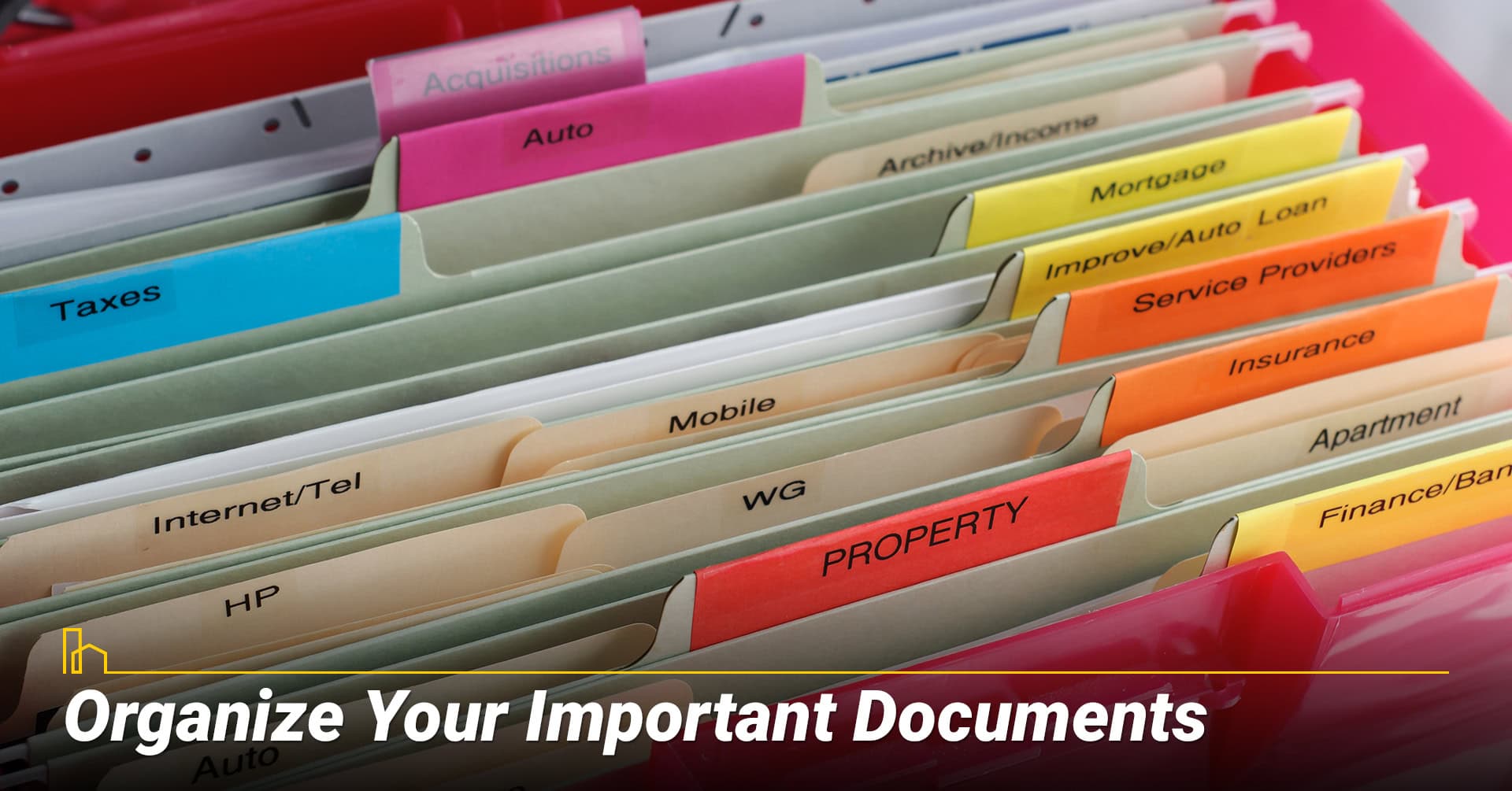
When planning to move from one home to another, especially over a long distance, keep your documents such as your driver’s license, vehicle registration, medical records, and other legal documents well-packed and easily retrievable. Inform all the authorities and utilities of your new address and service providers about the same.
Organizing our essential documents was a way to maintain control during the move. I created a “Move Master File” that housed everything from contracts to medical records. This simple act made me feel more empowered and prepared for the transition.

Related article
Emergency Fund Guide: How Much to Save Before Buying a Home
Buying a home requires far more than saving for a deposit and qualifying for a mortgage. Homeowners must also be financially prepared for unexpected repairs, maintenance, and other emergency expenses that can arise without warning. This guide explains why a strong emergency fund is just as important as your…
6. Get Insurance Coverage

Insurance is essential in long-distance moving since your valuables are at a high risk of damage. It is wise to establish what your moving company’s insurance covers and does not cover and get the necessary insurance for yourself and your belongings. Basic coverage is sometimes insufficient to protect valuable or easily damaged items. It is equally important that your belongings are well taken care of during the moving process; thus, you should speak with your moving company about the insurance policies you can take to prepare.
Having comprehensive insurance coverage was a huge relief for us. It was like an extra shield protecting our valuable items from potential harm. This sense of security allowed us to focus on other aspects of the move, knowing our belongings were well-protected.
7. Research Your New Neighborhood

Get an idea of where you will move to before moving in. Find out more about the nearby facilities, such as shops, schools, hospitals, and other related social infrastructures. Research the local community and online forums to interact with people and ask for suggestions. Finding your way around your new environment before you move in will make you feel more comfortable and less stressed.
The week before the move, we decided to explore the new town we would be moving to during the weekend. We went to parks, restaurants, and even a future grocery store, which comforted the new place before we even got there.

Related article
10 Important Things You Should Prepare for Long-Distance Moving
Moving long distances can be exciting, like an adventure of a lifetime. There is nothing as interesting and energizing as trying out new things and having the opportunity for a fresh start. But let’s be honest: moving is more complex than getting into a car or a bus and leaving for a new place…
8. Prepare for Moving Day

Moving day can be very chaotic, so planning for it is imperative. Make a to-do list of activities that need to be done during the day, like calling and confirming the time of the mover’s arrival, ensuring that packing is complete, and doing a closing walk-through of the old house. Pack a carry-on bag with things you’ll need when you get to the hotel, including toiletries, extra clothes, and necessary documents. The tips above are key to ensuring your moving day is as smooth as possible.
We received our ‘open first’ box with coffee, chips, and toilet paper on a moving day. This thoughtful gesture made us feel cared for and less stressed after a tiring packing and moving day.
9. Plan Your Packing Strategy

Moving from one place to another, especially over a long distance, requires adequate planning on how you will pack. Begin by packing less critical items; as time goes on, pack items you use daily. We advise using suitable packaging materials to transport your goods, especially delicate items, safely. Label each box with its contents and list all the items you pack. This level of organization will help avoid damage and make the unpacking process much more manageable, making you feel prepared and in control.
We began packing a month before D-day and decided to devote our weekends to packing different rooms. Dividing the process into sections made it more analytical and less daunting.

Related article
Elevating the Full-time RV Lifestyle: Connectivity, Cuisine and Customization
Living on the road doesn’t have to mean giving up the comforts and conveniences of a traditional home. In this article, we will unpack three ways you can elevate your RV living experience so you can start a life of adventure, with no excuses!…
10. Arrange Utilities and Services

Ensure you have connected with services like electricity, water, and internet before moving into the new house to avoid any inconvenience. Also, change your address with the post office and inform all the subscription services you are moving; this is where having your utilities sorted out and updating your address becomes helpful.
We requested that the utilities be connected the day before our arrival. It was so good to have a fully equipped home, which made the first night so comfortable.
Conclusion
Long-distance moving or moving to another region can be challenging if not well planned for, but at the same time, it can also be fun and less stressful. The ten tips highlighted in the general moving checklist will ensure that moving issues are dealt with well, from choosing an excellent moving firm to arranging personal documents. To reemphasize, essential requirements for the success of the moving process include planning far in advance and keeping an organized schedule. Journey in joy and await your new possibilities with eagerness and anticipation.
Looking forward to your long-distance move is possible if you adequately prepare. Professional movers can provide invaluable assistance, ensuring a smooth transition to your new home.
Recommended for you




27 Questions to Ask When Hiring a Moving Company

Hiring a moving company can be pretty daunting. You’re entrusting strangers with all your precious belongings, and you want to make sure they’re adequately insured, experienced, and licensed.
But how can you tell if a moving company is reliable? What should you be looking for, and what questions should you ask to ensure you’re getting the best possible service?
Whether you’re looking for Boston moving companies, San Francisco moving companies, or moving companies right smack dab in the middle of nowhere, it’s important to do your due diligence as part of the research.
In this blog post, we’ll cover some essential questions to ask when hiring a moving company and help you avoid moving mishaps.

Related article
Is It Cheaper to Rent or Buy Right Now?
The decision to rent or buy a home is no longer as straightforward as it once was. Rising home prices, higher mortgage rates, and changing market conditions mean the better financial choice depends on factors such as location, expected length of stay, and personal finances…
1. What’s Your Experience?
Experience is key when it comes to moving companies. You want to work with a company that has been in business for a while and has plenty of experience in the industry. After all, you’re entrusting them with your most valuable belongings and allowing them to work within your home – you need to find a company that offers a high level of trust.
Not only that, but you need to be confident that they know what they are doing and will not make any costly mistakes.
2. How Long Have You Been in Business?
Again, experience matters in the moving industry – so don’t be afraid to dig a little deeper to make sure your moving company knows what they’re doing.
While a newer company may offer lower rates, it may not have the same level of expertise as a more established company. Ask about their track record and experience in the industry to get a better sense of their capabilities.
3. How Much Will the Move Cost?
Hiring a moving company can be expensive, so it’s important to have a clear understanding of the costs associated with your move.
Ask the company for a written estimate of all the costs that will be involved, including the hourly rate, any additional fees, and the total cost. Also, check if the company has any hidden charges like “fuel surcharge” or “stair fees” that could be added to the final bill. If you happened to need a moving services in San Diego, California, here is a San Diego moving company you can request a quote from.

Related article
For High-End Relocations, Luxury Moving Companies Deliver
Luxury moving experts offer personalized service and innovative solutions for transporting anything that requires extra care. Here are a few of the features a high-end moving company may be able to offer…
4. Do You Offer Written Estimates?
A reputable moving company will always offer a written estimate that outlines the cost of the move and any additional fees or charges.
Ask the company for a written estimate before hiring them, and make sure to read it carefully and ask any questions you may have. Be wary of companies that only offer verbal estimates or refuse to give an estimate at all.
5. How Do You Determine the Cost of a Move?
One of the most important factors when hiring a moving company is cost. It’s essential to understand how a company comes up with its moving quotes and what factors may impact the final cost.
For example, some companies may charge more for moves across state lines or for bulky or fragile items. Understanding the cost breakdown can help you make an informed decision and avoid any unexpected expenses.
6. Do You Offer Any Discounts?
Moving can be expensive, and every penny counts. One essential question to ask when hiring a moving company is whether they offer any discounts. Some companies offer discounts for military personnel, seniors, or early booking. Be sure to ask the company about any discounts during your consultation or when obtaining a quote. It’s always better to have a clear understanding of the costs upfront before you commit.

Related article
27 Questions to Ask When Hiring a Moving Company
Hiring a moving company can be pretty daunting. You’re entrusting strangers with all your precious belongings, and you want to make sure they’re adequately insured, experienced, and licensed. In this blog post, we’ll cover some essential questions to ask when hiring a moving company and help you avoid moving mishaps…
7. What Payment Methods Do You Accept?
When it comes to payment methods, not all moving companies are created equal. Some may only accept cash or checks, while others also accept credit cards.
Be sure to find out what payment methods the company accepts and whether you will need to pay a deposit before your move. If you’re paying with a credit card, make sure that the company is PCI-compliant to protect your personal information.
8. What Documentation Will I Receive?
Documentation is crucial when hiring a moving company. It ensures that both parties are on the same page and that there will be no surprises on moving day.
Some essential documents to request include a written estimate, the company’s license and insurance information, and a bill of lading. These documents will help protect you if anything goes wrong during your move.
9. What’s Included in the Overall Cost?
Moving companies have different pricing structures, and it’s essential to understand what’s included and what’s not. You might think something is included, and really, there’s an extra surcharge to move it.
Again, ask the company to provide you with a detailed quote outlining everything that’s included in the cost. This will help you avoid any surprises after the move has been completed.

Related article
Important Things to Consider Before Hiring a Moving Company
Whether you’re moving from state to state or just across town, hiring the right moving company will make a world of difference. So, before you hire just anyone, here are a few things that you should definitely consider…
10. What Insurance Coverage is Available?
Sometimes accidents happen, and it’s essential to know the extent of your movers’ insurance coverage.
Make sure to ask about the types of insurance policies they have, what they cover, and how to file a claim. Ensure that the insurance policies cover the full value of your belongings and not just a fraction of the value.
11. Are the Movers Licensed?
It’s crucial to hire a licensed and experienced moving company to avoid getting ripped off. The company you choose should hold a valid license and have experienced movers who have been in the business for a long time.
They should have a valid DOT license number, which will prove their legitimacy. In addition, ensure that they have comprehensive insurance to cover any damages that may occur during the move.
Also, ask if they have experience handling your kind of move and if they specialize in moving specific items, such as pianos or antiques.
12. Does Your Company Belong to a Movers’ Association?
Membership in a reputable movers’ association is an essential criterion when hiring a moving company.
Reputable associations, such as The American Moving and Storage Association (AMSA), require members to abide by a strict code of ethics and professional standards. This provides you with a higher level of transparency and accountability in the moving process.
Not only that, but a company that belongs to these associations is usually properly licensed and insured.

Related article
Grocery and Food Costs by State in 2026 (the first 10 States)
The cost of groceries varies significantly across the United States, making location an important factor in every household’s budget. Differences in transportation, supply chains, state taxes, and local market conditions can add hundreds (or even thousands) of dollars to annual food expenses. While national food inflation has moderated, prices continue to fluctuate…
13. Do You Employ Full-Time Movers Who Are Professionally Trained, or Temporary Workers During Busy Seasons?
It’s important to know who will be handling your belongings. Ideally, you want a company that has experienced, professional movers who are well-trained to handle all kinds of items.
They should know how to properly pack and load your belongings to ensure that they make it to your new home in one piece. If a company uses temporary workers during busy seasons, ask about their training and experience to ensure that they’re still qualified to handle your belongings.
14. Do You Have Any Requirements on How I Pack and What Materials I Should Use?
Before starting the packing process, make sure to ask the moving company about their packing requirements. Some companies will provide you with packing materials, while others may require you to purchase them separately.
Some may also have specific packing instructions to ensure your belongings are secure during the move. Knowing the company’s packing requirements ahead of time can help you avoid any unnecessary delays or issues on moving day.
15. Is There Anything You Won’t Move?
Most moving companies have restrictions on items they won’t move for safety or legal reasons. This may include flammable items, hazardous materials, and certain household cleaners.
Ask about these restrictions so that you can make alternative arrangements for any items they are unable to move.

Related article
Relocating? Make Plans for These 8 Items
Some items are problematic because movers can’t or won’t transport them. Others require special preparation. And there are some things you may not be able to move at all. Here we’ll take a look at 8 categories of belongings that need a little extra planning before you move to another part of the country…
16. What Can I Do to Make Things Safer and Easier on Moving Day?
You can do several things to make things easier and safer on your moving day. Labeling your boxes properly, securing doors and gates, and clearing walkways can all prevent any accidents and make the movers’ job easier.
Also, let the movers know if there are any fragile or valuable items that require extra attention. Knowing the rules and regulations of the moving company can make things smoother on moving day, both for you and for your movers.
17. What is Your Plan if it Rains or Snows on Moving Day?
Weather can be unpredictable, and you don’t want to be caught off guard on moving day.
Asking a prospective moving company about its contingency plans can help you prepare for the worst. A reliable moving company will have a plan in place to deal with inclement weather, whether that involves covering your belongings with tarps or rescheduling the move for a more favorable time.
18. Do You Offer Shipment Tracking?
When it comes to moving, peace of mind is crucial. Knowing where your belongings are and when they’ll arrive at your new home can help alleviate some of the stress that comes with moving.
By asking a potential moving company about its shipment tracking capabilities, you can ensure that you’re aware of every step of the moving process and can plan accordingly.

Related article
30 Packing Tips for Moving — and When to Hire Professional Packers
How do you get everything safely from Point A to Point B on a tight schedule? With a lot of planning. Here are our best tips to make the process of moving to a new city as smooth as possible…
19. What Will Happen if My Items Arrive Before Me?
Sometimes life doesn’t go as planned, and you may arrive at your new home after your belongings are delivered. In this scenario, it’s important to know what a moving company’s policy is on holding your belongings.
Some companies may charge storage fees, while others may offer a grace period. By asking this question upfront, you can avoid any unpleasant surprise charges down the line.
20. What’s Your Packing Strategy?
Ask about the company’s packing strategy.
A professional moving company should have a strategy for packing items, especially fragile ones, and should use high-quality packing materials to ensure everything arrives at your new home safely.
21. How Will You Protect My Home During the Move?
Ask about the measures the company will take to protect your home during the move. This ensures that your floors, walls, and doors are protected against scratches and damages that may arise during the moving process.

Related article
The Complete Moving Checklist: 15 Essential Steps
If you’re moving to a new city, though, the process is even more complicated. Without the ability to make a quick trip here and there, you’ll need a detailed plan to keep everything running smoothly. This guide to relocation will help you make a plan and check all the boxes so your move will be as painless as possible…
22. What Type of Equipment Will Be Used?
Ask about the equipment the company will be using during the move. A company with modern and well-maintained equipment will make the moving process more efficient. Outdated trucks and equipment can cause delays and increase the risk of accidents.
23. What’s the Estimated Time of Delivery?
Ask about the estimated time of delivery. A reputable moving company should give you a reasonable delivery time frame based on the distance of the move.
Make sure that the delivery date meets your requirements and that the company guarantees to deliver on time – and what will happen if they don’t.
24. What’s Your Cancellation and Refund Policy?
Before signing a contract, ensure that you understand the cancellation and refund policy of the company.
This way, you can protect yourself in case of any unforeseen circumstances like having to postpone or cancel the move.

Related article
5 Things to Consider When Relocating
Maybe you have an empty nest, or you want to start a family, or perhaps you need to move closer to home to help care for your family members. Whatever the reason may be, there are some important things to remember before you consider relocating…
25. How Do You Handle Complaints?
No company is perfect, and sometimes you may have complaints about the services offered. As such, it’s essential to know how the moving company handles complaints.
Ask how to complain and escalate, who will handle the complaint, and the expected duration before resolving the matter. If the company has a good reputation for handling complaints well, it’s a good sign that they’re a reliable and trustworthy moving company.
26. Can You Provide References?
Any reputable moving company will be willing to provide references from past clients. Speaking to previous clients will give you an idea of the company’s level of service and professionalism.
27. What Makes Your Moving Company Different from Others?
Ask the company to explain what makes their moving company stand out from others. This question will help you understand their strengths and weaknesses and make it easier for you to decide whether they are the right fit for you.

Related article
An Ultimate Guide to Moving for Home Buyers and Sellers
Buying and selling a home doesn’t make you an expert in moving. Buying and selling are much more different when you’re actually moving. Carefully go through the tips listed below and uses these as your ultimate guide whenever moving…
Final Thoughts
Hiring a moving company can be a stressful process, but asking the right questions can help ease your mind and ensure that you’re getting the best service possible.
By asking the above questions, you can be confident that you’re hiring a reliable and trustworthy company that will take care of your belongings. In addition to these questions, do some research online, read reviews, and ask friends and family for recommendations to further increase your confidence in the company you choose.
Don’t be afraid to take your time and ask as many questions as necessary to feel comfortable with your choice.
Share