
The 10 Best and Most Affordable Places in the US to Retire on Social Security (updated)
- Local Editor:Local Editor: The HOMEiA Team
- Category: USA



10 Best and Most Affordable Places in the US to Retire on Social Security: Retirement brings more time to enjoy home and community, along with a newfound freedom. No longer tied to a workplace, retirees can go wherever their hearts desire. Some seek solace in warm destinations like the beach, desert, or mountains. Others want to be closer to family or to the activities of a favorite city.
For many, however, more free time comes with a smaller budget. Estimates vary by source, but a significant share of older Americans depend on Social Security for most of their income. A 2025 Congressional Research Service analysis found that about 19 percent of Americans 65 and older rely on it for 90 percent or more.
How much is that, exactly? After the 2.8 percent cost of living adjustment for 2026, the average retired-worker benefit is about $2,071 per month, and the maximum benefit for someone claiming at full retirement age is $4,152 per month. Few retirees receive the maximum, so location matters.
Expansive coastal metros including Boston, New York City, San Francisco, Seattle, and Washington, D.C. often score well for livability, but they are also among the most expensive places in the country. Housing and taxes can quickly outpace a fixed income. Below are 10 of the best and most affordable places in the US to retire on Social Security, drawn from recent U.S. News & World Report, Forbes, and GoBankingRates rankings, with notes on housing costs and state taxes, followed by answers to common questions about benefits, taxes, work limits, and Medicare.
Key Takeaways
- The average retired-worker benefit is about $2,071 a month in 2026, so where you live strongly affects your budget.
- Midland, Michigan, ranks first in U.S. News’ 2027 Best Places to Retire for its affordability and retiree-friendly taxes.
- Housing costs vary widely; Decatur, Illinois, has a median home value near $96,000, among the lowest anywhere.
- Every state on this list exempts Social Security benefits from state income tax, stretching monthly checks further.
- Compare housing, insurance, property taxes, and health care, and visit a city in person before you move.
- Rankings change each year, so confirm current costs and taxes before choosing a destination for retirement.

Related article
The 10 Best Places in the USA to Retire on the Water for Less
The popularity of the waterfront can mean high housing costs and consumer prices. Luckily, for those willing to look past the likes of Malibu and Venice Beach, there are plenty of scenic spots along the country’s lakes and oceans where retirees can make a nice home even with a reduced…
1. Midland, Michigan
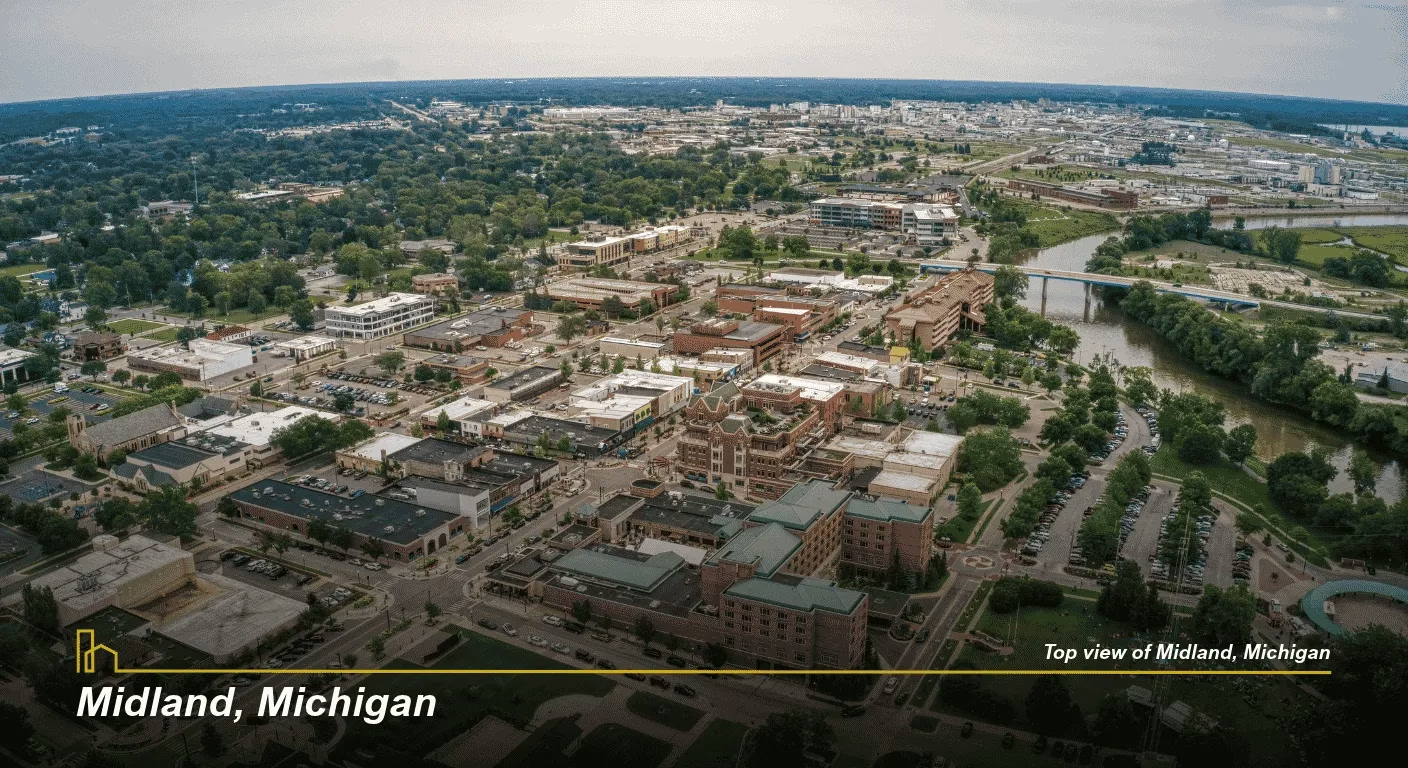
Midland took the top spot in U.S. News & World Report’s 2027 Best Places to Retire for the second year in a row, thanks to standout scores for affordability and retiree taxes. Located about 130 miles northwest of Detroit, the city has a median home value of about $206,000 and a median rent of $790, compared with a national average home value near $360,000.
Michigan also does not tax Social Security income, which helps stretch a fixed budget.
2. Homosassa Springs, Florida
Homosassa Springs ranked second in the same U.S. News list, helped by affordability, growth in its 55 and older population, and retiree-friendly taxes. The median home value is $219,000, with roughly 30 percent of residents are over 65, so services and social activities suit retirees.
Florida has no state income tax, and the Gulf Coast setting offers fishing, boating, and mild winters.
3. Weirton, West Virginia
Weirton placed third in the 2027 rankings with high marks for quality of life, retiree taxes, and affordability. Its median home value is about $125,000. This remains one of the lowest among top-ranked retirement cities.
West Virginia has also phased out its state tax on Social Security benefits, so retirees keep more of their monthly check.


Related article
9 Most Affordable Places for Retirees to Live
This guide explores nine exceptional locations across America that provide economical living options without compromising safety or amenities. Each destination has been selected based on comprehensive research into cost-of-living metrics, crime statistics, healthcare quality, community attributes, and overall livability…
4. Paducah, Kentucky

Paducah climbed into the U.S. News top 10 for the first time in 2027, ranking eighth after the rankings provides more weight to affordability. This river city offers a walkable historic downtown and an active arts community.
Kentucky does not tax Social Security benefits, an added advantage for retirees on a fixed income.
5. Harlingen, Texas

Harlingen, in the Rio Grande Valley about 30 miles from the Gulf of Mexico, ranks fourth on U.S. News’ 2026 to 2027 list of the cheapest places to retire. The median home value is about $155,400, paired with a rent of about $695 per month.
Texas has no state income tax, and the warm climate is a draw for retirees who dislike cold winters.
Recommended for you



6. Decatur, Illinois

Decatur ranks second on the same U.S. News list of the cheapest places to retire, with a median home value of roughly $96,000 and a median rent of about $655. Few cities offer housing costs in the same bracket.
Located in central Illinois, it provides small-city living, parks, and regional health care. Retirement income, including Social Security, is not taxed by Illinois.
7. Pensacola, Florida
GoBankingRates includes Pensacola among the best places to retire on Social Security, with overall costs about 11 percent below the national average. Retiree homeowners spend about $929 a month and renters about $1,136, according to that analysis. U.S. News ranks the city 30th in its 2027 list.
White-sand beaches, a lively arts scene, and Florida’s lack of a state income tax add to the appeal.

Related article
7 Affordable Places to Live in Ohio for Retirees
Ohio’s statewide benefits to its retirees and empty nesters help cement its place as one of the top states to retire. Each of the seven communities below goes above and beyond for their retirees, offering affordability, excellent healthcare options, safety, and plenty to do…
8. Jacksonville, Florida
Jacksonville is one of the best-value large cities in Florida. GoBankingRates reports costs about 4 percent below the national average, with these types of homeowners spending about $1,197 a month and renters almost $1,073. U.S. News places it 28th among 2027 retirement destinations.
Those in their golden years enjoy beaches, golf, and a deep health care network, with more amenities than a typical small town.
9. Appleton, Wisconsin
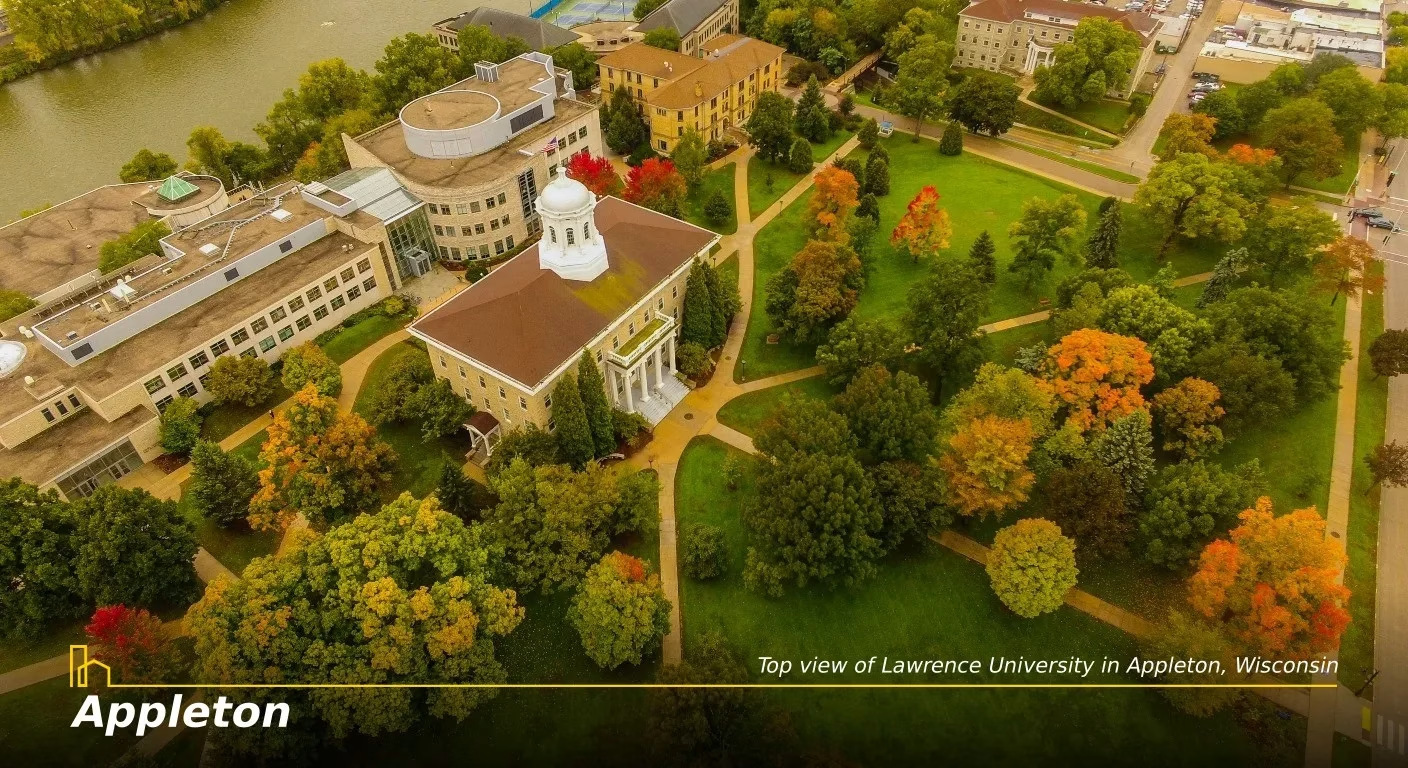
Forbes’ 2026 list of affordable retirement spots includes Appleton, where the median home price is about $291,000, roughly 29 percent below the national median. Overall living costs are approximately 12 percent below average.
The Fox Valley city has a manageable size, parks along the river, and four distinct seasons, which suits retirees who prefer a northern climate. Wisconsin exempts Social Security benefits from state income tax.

Related article
Best Affordable Places to Live in Missouri for Retirees
The lower cost of living in Missouri is a big draw for retirees, but there is so much more this Midwestern state has to offer seniors including beautiful landscapes, a milder climate, thriving communities, and a vibrant cultural scene. Whether you seek a cheaper or finer option, or you want to live over or under the radar, the state of Missouri has certainly got you covered…
10. Iowa City, Iowa

Iowa City also made Forbes’ 2026 list. The median home price is about $298,000, around 27 percent below the national average, and Iowa does not tax Social Security or other retirement income.
As home to the University of Iowa, the city offers lifelong learning, cultural events, and a respected medical center. A modest retirement income does not have to mean a spartan lifestyle. These cities showcase where your money can go further while still offering good health care, scenery, and social opportunities.
Rankings change each year, and local costs vary by neighborhood, so compare current housing prices, insurance, property taxes, and health care options before you move. A short visit in the off-season is also a good way to test a city before you commit.
Recommended for you




It depends heavily on where you live. With the average retired-worker benefit near $2,071 per month, housing is the deciding factor. In the cities above, GoBankingRates estimates retiree costs of roughly $929 to $1,197 per month for homeowners in Pensacola and Jacksonville. Renters and those with higher health care needs must budget more carefully, while cutting housing costs offers the best gain. A modest emergency fund and low-cost health coverage also make a fixed income easier to manage.
2. How does the age I claim affect my monthly benefit?
Claiming earlier means a smaller check for life. If your full retirement age is 67, claiming at 62 reduces your benefit by about 30 percent. Waiting past full retirement age earns delayed retirement credits of 8 percent per year until age 70, for a maximum increase of 24 percent. Because the benefit is the foundation of your budget, review your personal estimate on ssa.gov before deciding. Spouses may qualify for different benefit amounts, so coordinate your claiming plans.
At the federal level, up to 85 percent of your benefits can be taxable, depending on your other income. At the state level, only a handful actually tax benefits, as most offer exemptions based on income. Colorado, Connecticut, Minnesota, Montana, New Mexico, Rhode Island, Utah, and Vermont are the states often listed, while West Virginia has phased out its tax. Check current rules with your state revenue department or a tax professional.
4. Can I work part-time and still collect benefits?
Yes, but there are limits before full retirement age. In 2026, if you are under full retirement age all year, the Social Security Administration withholds $1 in benefits for every $2 you earn above $24,480. In the year you reach full retirement age, the limit rises to $65,160, and $1 is withheld for every $3 above it. After you reach full retirement age, there is no earnings limit, and withheld benefits are factored into a higher payment later.
5. How much will Medicare cost me?
The standard Medicare Part B premium is $202.90 per month in 2026, up from $185.00 in 2025. Higher-income enrollees pay an income-related surcharge. The premium is deducted directly from your Social Security payment, so your net check may be lower than your benefit amount. Remember to budget for prescription drug coverage, supplemental plans, and out-of-pocket costs.
6. What should I check before moving to a new city?
Compare current home prices and rents, property taxes, homeowners insurance, and access to doctors and hospitals. Rankings change each year, so confirm the latest numbers. If possible, visit during the off-season or rent for a few months before buying to experience how the city fits your budget and lifestyle. Talk with local residents and a licensed agent about hidden costs such as flood or hurricane coverage in coastal areas.
Share