







Hawaiʻi is known for its beauty and high costs, yet pockets of affordability still exist. While home prices exceed national averages, careful planning can make island living attainable. This guide analyzes housing, utilities, and transportation to identify seven of the most affordable Hawaiʻi communities…
Moving to Hawai‘i: The Complete Relocation Guide & Checklist (updated)
- Local Editor:Local Editor: Matthew Rott
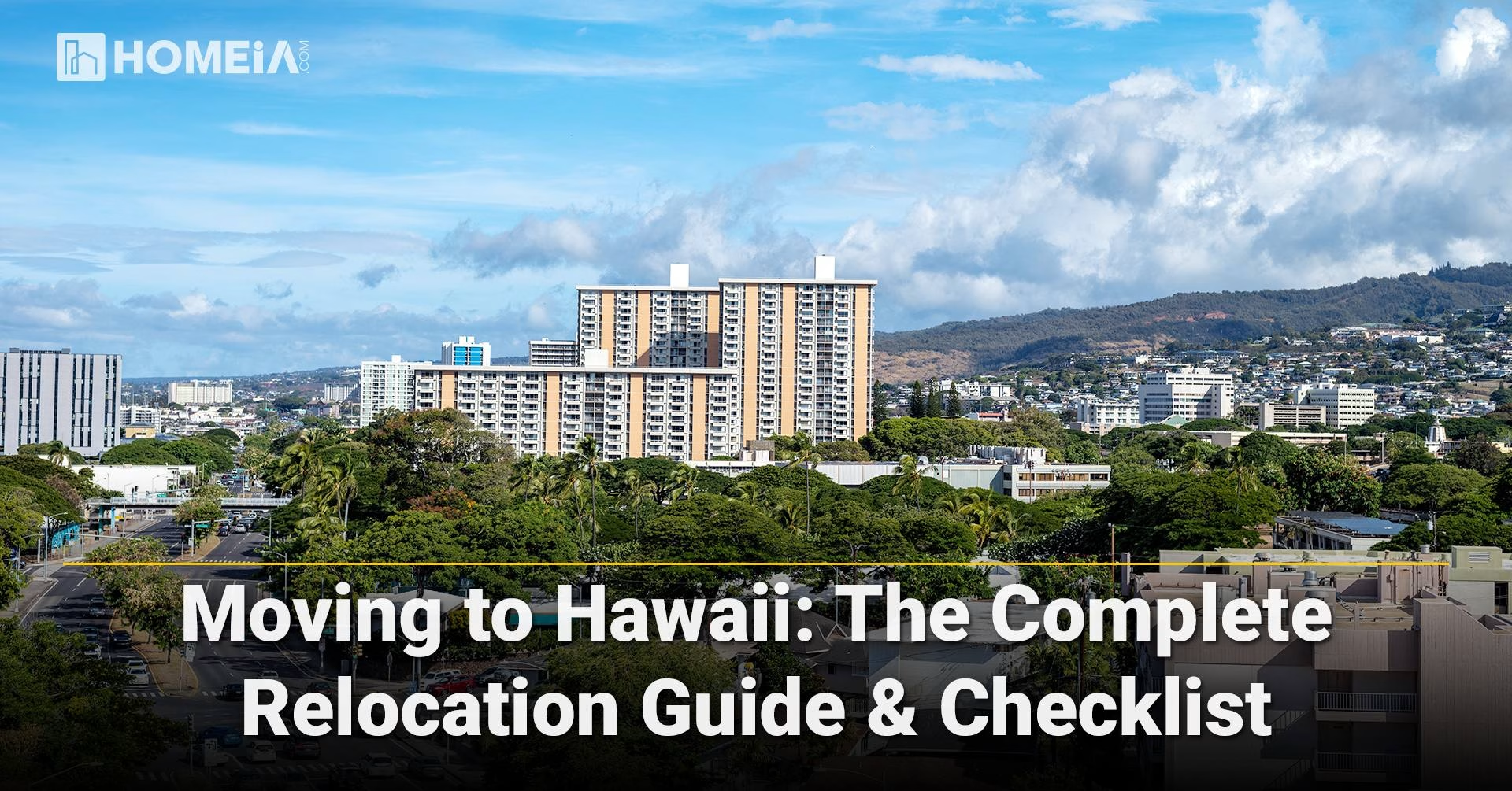
Bordered on all sides by the Pacific Ocean and home to lush rainforests and breathtaking volcanic landscapes, Hawai‘i offers a lifestyle defined by rich cultural heritage, tropical beauty, and the spirit of aloha. Almost 1.5 million locals call the Aloha State home, drawn by its unique blend of Polynesian traditions and modern island living. Honolulu provides urban amenities set against the iconic backdrop of Diamond Head, while hundreds of smaller communities dot the lush landscapes of the six main islands.
Known for hula, surfing, and an endless selection of beaches, this Pacific paradise offers a lot more to newcomers. While life in Hawai‘i involves a high cost of living, it also features unparalleled natural beauty, strong community roots, a relaxed vibe, and a year-round tropical climate. This comprehensive guide covers essential relocation information, from preparing for island life and understanding costs to navigating the legal requirements of becoming a Hawai‘i resident.
Key Takeaways
- The High Cost of Living: The overall cost of living in Hawai‘i is ~90% above the U.S. average. Housing is significantly more expensive than in most other states, with utility costs also being high due to the remote location of the islands.
- Tropical Climate Zone: One of the biggest benefits is a tropical climate with consistent temperatures year-round. The islands experience two main seasons: a dry season (April–October) and a wet season (November–March), with microclimates varying by island and elevation.
- Specialized Economy: Tourism, military, and government are the state’s economic pillars, offering stable jobs but often in specific sectors. The market for other professions can be competitive and limited.
- Cultural Richness: Daily life is infused with native Hawaiian culture, Asian influences, and the spirit of aloha, influencing everything from food and music to community events and the overall lifestyle.
- Safety and Infrastructure: Some communities are safer than others, but that security can come with a gentrified feel and the loss of local roots. In addition, many of the more rural areas (particularly on the outer islands) may have limited access to specialized healthcare and mainland-style conveniences.
I. Methodology: How We Built This Guide
Our relocation timeline and recommendations are based on a multi-factor analysis of the key elements that impact a move to Hawai‘i. We compiled data from recent (2025) verified sources, including the U.S. Census Bureau, the Bureau of Labor Statistics, Zillow housing market reports, FBI crime statistics, and Hawai‘i state agencies.
Our evaluation criteria for advice and city selection are weighted as follows:
- Housing and Affordability (30%): Analyzing median home prices, rental costs, and utility averages to provide accurate budgeting advice.
- Access and Logistics (25%): Assessing the practicality of moving goods and vehicles to the islands, considering their isolated location but modern infrastructure.
- Legal and Administrative Requirements (20%): Outlining the essential steps for establishing residency, including vehicle registration, driver’s licensing, and voter registration.
- Community and Lifestyle Integration (15%): Providing insights into cultural norms, community events, and tips for building a social network.
- Economic Preparation (10%): Offering guidance on job searching and financial planning specific to the state’s economy.

Related article
Our Methodologies to create HOMEiA Score Ratings for Each Group of Content
HOMEiA uses a consistent, data-driven methodology to evaluate U.S. states for livability, affordability, and long-term value. Our analysis centers on key factors such as Housing and Affordability, Cost of Daily Living, Access and Infrastructure, Community Strength, Safety and Quality of Life, Economic Resilience and Job Market…
1. What Is It Really Like to Live in Hawaii?

A. Culture and Lifestyle: The culture in Hawai‘i is a unique blend of native Hawaiian (and other Polynesian) heritage, centuries of Asian and Western influence, and the conveniences and infrastructure of modern life. There’s an emphasis on family (ohana), community, and a deep connection to the land (aina) and ocean. In the islands, the pace of life is generally slower and more relaxed than in mainland cities. Community events such as backyard luaus, hula festivals, farmers’ markets, and beach gatherings are cornerstone activities, providing newcomers with natural opportunities to integrate and experience authentic character the authentic character of Hawai‘i.
B. Arts, Sports, and Entertainment: Honolulu and the outer islands boast vibrant arts scenes, with countless galleries, museums such as the Bishop Museum, and cultural centers. The performing arts scene involves traditional hula performances, events such as the Merrie Monarch Festival, and widespread love for both traditional and reggae-influenced Hawaiian music (with dedicated radio stations and tons of concerts). For sports, the University of Hawai‘i’s Rainbow Warriors are the hometown heroes, while the local high schools compete with the pride and support of their communities. In addition, outdoor sports are a central part of the local lifestyle, from surfing and paddleboarding to hiking and snorkeling. For a look at cultural life in another state, you might explore what it’s like to live in Tennessee.
C. Food Scene and Nightlife: The cuisine in Hawai‘i is famously diverse and centered around local ingredients and multicultural influences. Popular dishes include poke (cubed raw fish with a variety of marinades), plate lunches, loco moco (hamburger, gravy, and a fried egg on rice), and shaved ice. While fine dining thrives in resort areas, the nightlife is generally relaxed and centered around beach bars, local breweries, and community events rather than clubbing. Food trucks and local markets serve as community hubs across the islands.
D. Outdoor Recreation and Natural Beauty: Outdoor recreation isn’t just a hobby; it’s a central part of life in Hawai‘i.
- Beaches and Water Sports: World-class surfing, snorkeling, diving, and paddleboarding are available year-round.
- Hiking and Nature: Diamond Head on Oahu, Na Pali Coast on Kauai, Haleakala on Maui, and countless trails offer diverse options for hiking and sightseeing.
- Golf and Tennis: Championship golf courses and tennis facilities are abundant, especially on Oahu and Maui. Pickleball has also become popular over the past few years.
- Cultural Sites: Iolani Palace, Pearl Harbor, and ancient Hawaiian heiaus (shrines or temples) provide opportunities for historical exploration.
E. Climate: Hawai‘i enjoys a consistent tropical climate, with various microclimates spread across the islands.
- Coastal Areas: Year-round temperatures range from 75°F to 85°F, with near-constant trade winds providing natural cooling.
- Mountain Areas: Cooler temperatures with more rainfall, creating lush rainforest environments.
- Leeward Sides: Drier and sunnier conditions, perfect for beach activities and baking in the sun.
- Windward Sides: Consistent rainfall creates vibrant green landscapes and virtually unlimited waterfalls to explore.
2. Cost of Living and Affordability

Affordability is one of the biggest challenges for residence of the Aloha State. Let’s break down the costs.
A. Housing Market: Housing costs vary significantly by island and location.
Housing Type | Honolulu | Maui | Big Island | Kauai |
|---|---|---|---|---|
| Median Home Price | $1.15 million | $1.3 million | $530,000 | $1.05 million |
| Avg. 2-Bedroom Rent | $2,650 | $2,900 | $1,850 | $2,300 |
B. Daily Expenses
Monthly Expense Category | Average Cost | Notes |
|---|---|---|
| Utilities (HVAC Focus) | $180–$450 | Electric bills typically range from $180–$450, depending on AC use. The statewide average is about $250, and Hawai‘i has the highest electricity rates in the nation (roughly 40–50 cents/kWh). |
| Groceries (Family of 4) | $800–$1,200 | Significantly higher than the mainland due to shipping costs, although local produce can be more affordable. |
| Gasoline | ~$5.50/gallon | Consistently among the highest in the U.S. due to shipping and taxes. |
| Internet | $80–$120 | Generally reliable service in urban areas; can be limited in isolated rural areas. |
3. Jobs and Economy

This economy is driven by a few key sectors, not all of which are popular with the locals. This creates an interesting dynamic and a fair share of societal cognitive dissonance.
- Tourism: The largest industry, tourism provides jobs in hospitality, retail, and services across all islands, but also brings crowds and higher prices.
- Military: Major bases (Pearl Harbor, Schofield Barracks, Kaneohe Bay) provide reliable employment and bring money into the state, but are a reminder of Hawai‘i’s controversial occupation and statehood.
- Government: State and county government positions are significant employers.
- Agriculture: Coffee, macadamia nuts, pineapples, and tropical fruits remain important industries.
- Construction and Real Estate: Ongoing development and high property values support this sector, but price out many local families that have been in Hawai‘i for generations.

Related article
4. Planning Your Move: A Timeline

A successful move requires extensive planning, especially when coming from the mainland.
| Timeline | Essential Tasks | Important Details |
|---|---|---|
| 8–12 Weeks Before | Plan and Research | Get moving quotes, create detailed budget, research shipping options, start major decluttering |
| 6–8 Weeks Before | Notify and Pack | Give notice to your landlord, collect shipping boxes, pack non-essentials, transfer medical files |
| 4–6 Weeks Before | Transfer Services | Schedule utility shutoff/start, file USPS change of address, find new doctors, register kids for school |
| 2–4 Weeks Before | Finalize Details | Finish packing, plan travel arrangements, confirm shipping schedules, fill prescriptions |
| 1–2 Weeks Before | Prepare to Go | Pack essentials box, defrost fridge, clean home, confirm all shipping and travel details |
| Moving Day | Execute Move | Oversee loading, do final walkthrough, keep all travel documents handy |
| After Arrival | Settle In | Unpack basics first, update license/registration, explore your new island home |
=> Get the Relocation Guide & Checklist PDF — prepared for both Desktop and Mobile devices.
Recommended for you




5. Transportation

- Inter-Island Travel: Hawaiian Airlines, Southwest, and Mokulele Airlines provide frequent flights between the islands.
- Driving: Oahu has the most developed road system with H-1, H-2, and H-3 freeways, but also suffers from major traffic gridlock. The outer islands have smaller highway systems.
- Public Transit: TheBus on Oahu provides comprehensive service. The outer islands have limited public transportation options.
- Car Shipping: Bringing a car from the mainland costs $1,000–$2,500 and takes 2–6 weeks. Many choose to sell their mainland cars and purchase locally.
- Alternative Transportation: Bicycles, mopeds, and walking are viable options in many areas, especially Honolulu and smaller urban centers.
6. Legal Requirements & Paperwork

Newcomers must complete several tasks to establish residency.
- Vehicle Registration: Required within 30 days of establishing residency. What’s needed are your out-of-state title, proof of Hawai‘i insurance, and a safety inspection certificate.
- Driver’s License: Required within 30 days. You must surrender your previous license. You will need proof of identity, residency, and Social Security Number.
- Voter Registration: Registering to vote can occur when applying for your driver’s license.
- Other: If planning to hunt or fish, you’ll need to purchase a state license. In addition, pet owners must comply with the state’s strict animal quarantine laws. This often means getting rabies screening documents and other paperwork before arrival.
7. Financial Planning

People considering moving to Hawai‘i should create realistic budgets that account for high moving and living expenses (including shipping costs and travel). It is always a good idea to keep housing expenditures below 30% of your income, though this can be challenging in Hawai‘i. Build a healthy emergency fund (6–12 months) and consider the higher costs for everything from groceries to utilities in your financial planning.
8. Insider Tips from Locals

- Embrace Island Time: In the islands, things operate on “Hawaiian time,” which means slower and more relaxed. Embrace it and learn to be patient.
- Learn the Culture: Respect for Hawaiian culture and traditions is essential. Learn basic Hawaiian words and customs, be respectful, and remain aware that you are a newcomer. Locals are proud of their island home and traditions, and there is some tension between haoles and those who are born and raised here. That being said, the aloha spirit is still alive and well.
- Sun Protection Is Essential: The tropical sun is intense year-round. Invest in powerful sunscreen, sunglasses, and protective clothing.
- Get to Know Your Neighbors: Community is everything in Hawai‘i. Building relationships with neighbors is key to feeling at home.
- Explore Beyond the Tourist Areas: While most visitors only see a few Waikiki and the Polynesian Culture Center, the real Hawai‘i exists in local neighborhoods, hidden beaches, and small towns away from resort areas.
Conclusion
Moving to Hawai‘i from the mainland is more than a change of address; it’s an embrace of a completely new way of life. Doing so demands significant financial preparation, cultural sensitivity, and adaptability to island living. But the rewards are worth it, and include widespread natural beauty, rich cultural experiences, and the opportunity to build a life in one of the developed world’s most relaxed places. With thorough preparation and an open heart, your relocation to the Aloha State can be the start of a deeply rewarding adventure. For those still considering options, our guide on moving to Colorado might provide an interesting comparison.
Recommended for you




FAQs About Moving to Hawaii
1. What is the first step when moving to Hawai‘i?
The absolute first step is to secure a job and housing. While the lifestyle is attractive, the cost of living is extremely high, and having these secured will make your transition possible. Many people visit first to get a realistic sense of island life.
2. Should I ship my car to Hawai‘i or buy one there?
This depends on your car’s value and your timeline. Shipping costs $1,000–$2,500 and takes 2–6 weeks. For older or lower-value cars, it’s often better to sell on the mainland and purchase locally. Newer or specialty vehicles may be worth shipping.
3. How do I get my belongings to Hawai‘i?
For large moves, using a national moving company with experience shipping to Hawai‘i is essential. Container shipping is common. For smaller loads, air freight or excess baggage may be options. Many people significantly downsize before moving.
4. What should I pack vs. buy there?
Bring all essential documents, specialized gear, sentimental items, and quality clothing. Everyday household items, furniture, and bulky goods are often better purchased in Hawai‘i to avoid high shipping costs, though prices will be higher. Generally speaking, Hawai‘i has just about everything that is available on the mainland.
5. Is it hard to make friends in Hawai‘i?
It can be challenging initially, as local communities are tight-knit and there is a level of distrust when it comes to newcomers. The key is to get involved in community activities, be respectful of local culture, and be patient. Many newcomers connect through work, recreational activities, or volunteer opportunities. Showing genuine interest in the local culture and being a good neighbor goes a long way. Most of all, it is important to leave mainland sensibilities and expectations on the mainland. Hawai‘i operates on a slower pace, and the people here are proud of their differences.
Share