







Senior Moving Services: Downsizing and Assisted-Living Transitions
- Local Editor:Local Editor: The HOMEiA Team
- Category: Moving


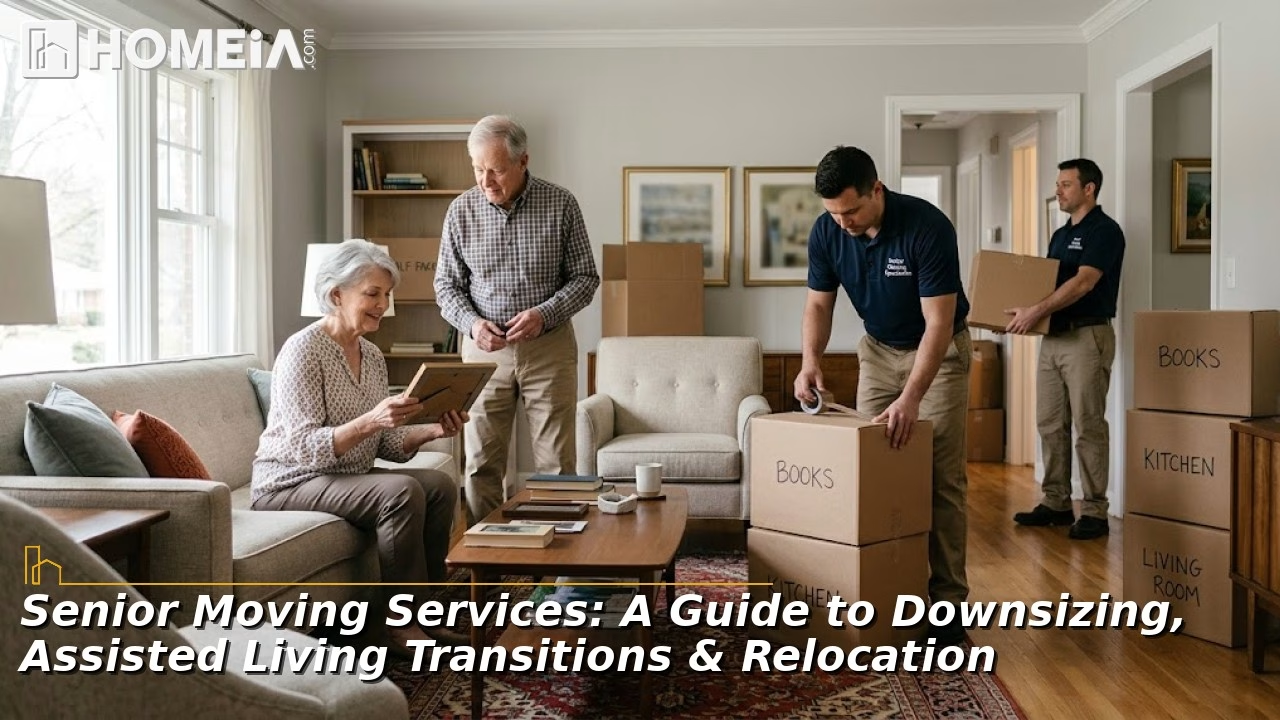
Senior Moving Services: Moving is one of the most emotionally complex events a family will ever go through. It goes beyond the surface of packing boxes, it is about closing a chapter of someone’s life. Today, roughly 51 percent of Baby Boomers have downsized or plan to do so in retirement. The Department of Health and Human Services estimates that 7 out of 10 people turning 65 will require some form of long-term care in their lifetime. Due to these substantial shifts, specialized senior moving services have never been more important. Unlike standard movers who prioritize speed, these experts value comfort and safety to ensure a smooth, dignified transition for everyone involved.
Key Takeaways
- Specialized Support: Senior moving services provide more than heavy lifting. They offer emotional support and expert planning for complex life changes.
- Early Planning: Start your move 8 to 12 weeks early. This creates time to sort through items without feeling rushed.
- Expert Vetting: Always check for USDOT licensing and NASMM certification to avoid scams and ensure high-quality care.
- Budgeting: Expect to pay between $1,500 and $5,000 for a move manager. Full-service moves can range from $3,540 to $16,600.
- Health and Safety: Professionals focus on creating a safe, familiar new home that helps prevent falls and reduces anxiety.
1. What Are Senior Moving Services (And How Are They Different)?

Senior moving services go far beyond physical transport. These professionals have full coordination from the first day of planning until the last box is unpacked. Their work includes helping you downsize, coordinating donations or estate sales, and arranging storage. They also offer emotional support and set a slower pace to avoid stress.
There are two types of providers you might encounter. The first are senior-specialist moving companies whose teams have dedicated crews trained specifically to work with older adults. The other are, Senior Move Managers: experts often certified through the National Association of Senior & Specialty Move Managers (NASMM). While coordinating the entire process, they may subcontract the physical labor to vetted moving crews. NASMM membership ensures that managers adhere to a strict code of ethics and safety standards. Whether you’re searching for a Boston moving company specializing in senior relocations or vetting providers in another major metro area, the key is finding a team with verifiable credentials and genuine experience working with older adults in sensitive transition situations.

Related article
The Complete Moving Checklist: 15 Essential Steps
If you’re moving to a new city, though, the process is even more complicated. Without the ability to make a quick trip here and there, you’ll need a detailed plan to keep everything running smoothly. This guide to relocation will help you make a plan and check all the boxes so your move will be as painless as possible…
2. When Is It Time to Hire a Senior Moving Service?

There are four main situations when families usually seek help. First is downsizing from a large family home to a smaller condo or a 55+ community. Second is moving to an independent living neighborhood. Third would be transitioning to assisted living or memory care due to health needs. Lastly, many families hire help for an out-of-state move to be closer to children or medical care.
The emotional dimension of this process is apparent. Studies suggest that nearly 68 percent of seniors find the emotional weight of downsizing harder than the physical work itself. An average American home contains an estimated 300,000 items, accumulated over decades, which can feel truly overwhelming to sort through. Knowing when to call in professionals can prevent conflict and significantly reduce anxiety for everyone involved.
| Trigger Category | Specific Warning Signs | Emotional Weight Stat |
| Financial | Maintenance costs exceeding 3% of home value annually. | 51% of retirees downsize to cut costs. |
| Physical Safety | Unused rooms, difficulty with stairs, or laundry in the basement. | 65% of seniors report anxiety about moving unknowns. |
| Social | Isolation from neighbors or inability to leave the house easily. | 78% of seniors report grief during downsizing. |
| Logistical | Adult children living more than 50 miles away or having full-time jobs. | Moving ranks among life’s most stressful events. |

Related article
30 Packing Tips for Moving — and When to Hire Professional Packers
How do you get everything safely from Point A to Point B on a tight schedule? With a lot of planning. Here are our best tips to make the process of moving to a new city as smooth as possible…
3. How Much Do Senior Moving Services Cost?

It is helpful to have a clear budget for 2026. Many families make the mistake of planning to spend less than $3,000. However, a realistic budget of $6,000 to $10,000 is often needed for long-distance moves to get the best licensed providers. Downsizing helps reduce these costs. Less stuff means less weight, which leads to a lower quote.
| Service Type | 2026 Estimated Cost Range | Key Details |
| Senior Move Manager | $40 to $80 per hour | Total project often $1,500 to $5,000 |
| Full-Service Senior Movers | $3,540 to $16,600 | Based on home size and distance |
| Local Senior Moves | $550 to $2,200+ | Average cost is around $1,250 |
| Long-Distance Senior Moves | $4,500 to $10,000 | For a mid-size family home |
It is also worth asking about discounts. Allied Van Lines offers senior discounts on qualifying moves. Ask your representative for current rates. JK Moving Services provides discounts for clients aged 55 and older. Always confirm upfront rather than assuming a discount is applied automatically.

Related article
27 Questions to Ask When Hiring a Moving Company
Hiring a moving company can be pretty daunting. You’re entrusting strangers with all your precious belongings, and you want to make sure they’re adequately insured, experienced, and licensed. In this blog post, we’ll cover some essential questions to ask when hiring a moving company and help you avoid moving mishaps…
4. What to Look for in a Senior Moving Company

Vetting your provider is crucial for avoiding scams. Use this list to check any company you consider:
- Licensing: Check the company’s USDOT number at safer.fmcsa.dot.gov for any move crossing state lines.
- NASMM Membership: Look for Senior Move Managers who are certified and follow the NASMM code of ethics.
- Facility Experience: Ask about past experiences working with assisted living homes before. They need to know about loading dock rules and move-in schedules.
- White-Glove Service: This includes expert packing for fragile items like antiques and medical equipment.
- Binding Estimates: Always get a written, binding estimate. Doing so prevents the price from going up on the day of the move.
- Compassionate Training: The crew should be patient and allow for rest breaks. Seniors often need extra time to say goodbye to their home.
Red Flags to Avoid: Be careful if you get a quote under $3,000 for a long-distance move. Other warnings include companies with no physical address, license number, or those pressuring you to pay in cash.

Related article
For High-End Relocations, Luxury Moving Companies Deliver
Luxury moving experts offer personalized service and innovative solutions for transporting anything that requires extra care. Here are a few of the features a high-end moving company may be able to offer…
5. Top-Rated Senior Moving Companies in 2026

Here is a list of national companies that are known for their work with seniors:
| Company | Best For | Senior Benefits |
| Allied Van Lines | Vehicle Relocation | Senior discounts on qualifying moves and retirement moving guide |
| JK Moving Services | Specialty Packing | 55+ discount and dedicated specialists |
| International Van Lines | Long-Distance Moves | Retirement Advocate Program |
| American Van Lines | Antique items | Expert crews for pianos and art |
| Safeway Moving Inc. | Reliable Pricing | Best for condo and HOA moves |
| Mayzlin Relocation | Budget Moves | Great value for those on a budget |
For Move Managers who only handle coordination, you can visit NASMM.org to locate a local expert.

Related article
10 Important Things You Should Prepare for Long-Distance Moving
Moving long distances can be exciting, like an adventure of a lifetime. There is nothing as interesting and energizing as trying out new things and having the opportunity for a fresh start. But let’s be honest: moving is more complex than getting into a car or a bus and leaving for a new place…
6. The Senior Moving Process: A Step-by-Step Timeline

8 to 12 Weeks Before Move: Research and hire your movers or a Senior Move Manager. Set your total budget. Begin sorting each room one by one. Decide what to keep, donate, gift, or throw away. If you are moving to a facility, check their move-in rules.
6 to 8 Weeks Before: Confirm your date with the new facility. Arrange for storage if needed. Order your boxes and tape. Start telling the post office, Medicare, and your bank about your new address.
4 Weeks Before: Finish packing items that are not in daily use. Get your binding quote in writing. Use a tool like RoomSketcher to make a floor plan. This helps you see where your furniture will fit in the new space.
1 to 2 Weeks Before: Confirm the move time and insurance. Pack a bag of essentials. This should be medicine, important papers, chargers, and comfort items. Make sure a family member can be there on the move day.
Move Day and After: Go slow and take breaks. A family member should walk through the new space before the movers leave. During the first week, unpack the bedroom and bathroom first. Visit your loved one often to help them adjust.
| Timeline Phase | Critical Task to Complete | Expert Tip |
| 8-12 Weeks Out | Secure move manager and movers. | Start sorting in the garage or guest room. |
| 4-8 Weeks Out | Finalize the “Keep” list. | Take photos of current room layouts to replicate. |
| 2-4 Weeks Out | Submit address changes. | Use a secure binder for all medical records. |
| 1 Week Out | Pack the “First Night” essentials box. | Confirm parking and elevator access for movers. |
| Move Day | Let the professionals handle the lifting. | Ensure the senior has a comfortable place to sit. |

Related article
Change of Address Checklist: 15 Things People Forget When Moving
Whether or not you decide to hire a professional moving company, this guide includes everything you need for completing your move. It’s always best to have this list handy so you can check off each task and know that you’re on top of everything…
7. Helping a Parent Move to Assisted Living: Emotional Tips for Families

This transition is about safety and care, not losing independence. Here are tips to achieve this:
- Involve the Senior: Never make choices without them. Even small options help reduce their fear.
- Don’t Rush Goodbyes: Give them time to feel sad about leaving their old home.
- Set Up Early: Try to have the new room ready with familiar photos and blankets before they arrive.
- Ask Before Donating: Never throw away their things without permission. This can damage the trust between you.
- Visit Often: The first two weeks are the hardest. Being there helps them feel less alone.
The goal is to help them feel at home from the very first moment they walk through the door.
FAQs About Senior Moving Services
1. Can I bring my pet when moving to an assisted living community?
Nowadays, many communities are pet-friendly, but you must check their specific rules first. It is helpful to pack a pet essentials kit with familiar food and toys to help them settle in. Make sure your pet’s microchip is updated with your new address in case they get lost in the new area.
2. Should I consider moving my parent(s) into my own home instead?
This is a major choice that involves finances and daily care. You must consider if you have enough space and who will handle chores or medical needs. It is often best to have an open talk about how long the stay will last and if your home can be modified with grab bars or ramps.
3. What is the best way to handle large collections of books or old family photos?
Books are heavy and expensive to move. Experts suggest donating them to libraries or senior centers. For photos, move managers often suggest digitizing. This saves space and makes it easy to share memories with the whole family on devices.
4. Are there any tax benefits for seniors who choose to downsize?
Possibly. Selling a primary residence may qualify for a capital gains exclusion, up to $250,000 for single filers and $500,000 for married couples filing jointly under current IRS rules, provided you have lived in the home for at least two of the past five years. Moving to a more tax-friendly state may also reduce income or estate tax burdens. Always consult a tax professional before making decisions based on anticipated savings.
5. What happens if my health needs change shortly after I move?
Many modern communities operate as Continuing Care Retirement Communities (CCRCs), allowing residents to progress from independent living to assisted living to memory care, all on the same campus. This provides invaluable peace of mind: you will not have to relocate again if your health needs change over time. Inquire about whether they offer a formal CCRC or aging in place model before committing.

Related article
Estate Cleanout Services: Cost and How It Works
Clutter easily builds up, leaving homes chaotic and overwhelming—especially during life changes like moving, downsizing, or handling an estate. The good news is, you’re not alone. With the right approach, decluttering can be manageable through simple, practical steps that reduce stress and restore peace of mind. Welcome!…
Share