





Living In Virginia
Local Editor(s)

 Verified


 Considering
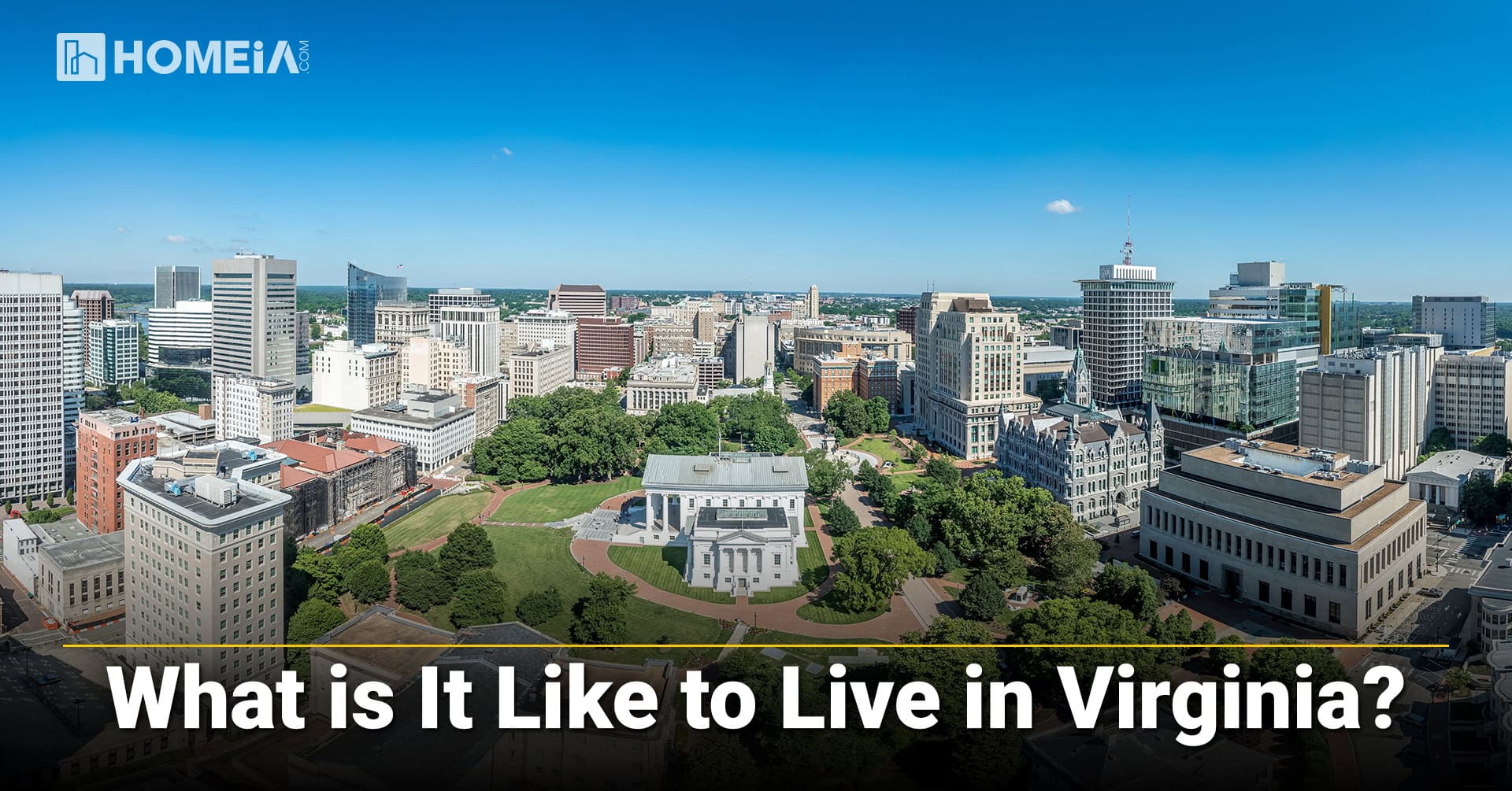
What is it like to Live in Virginia?
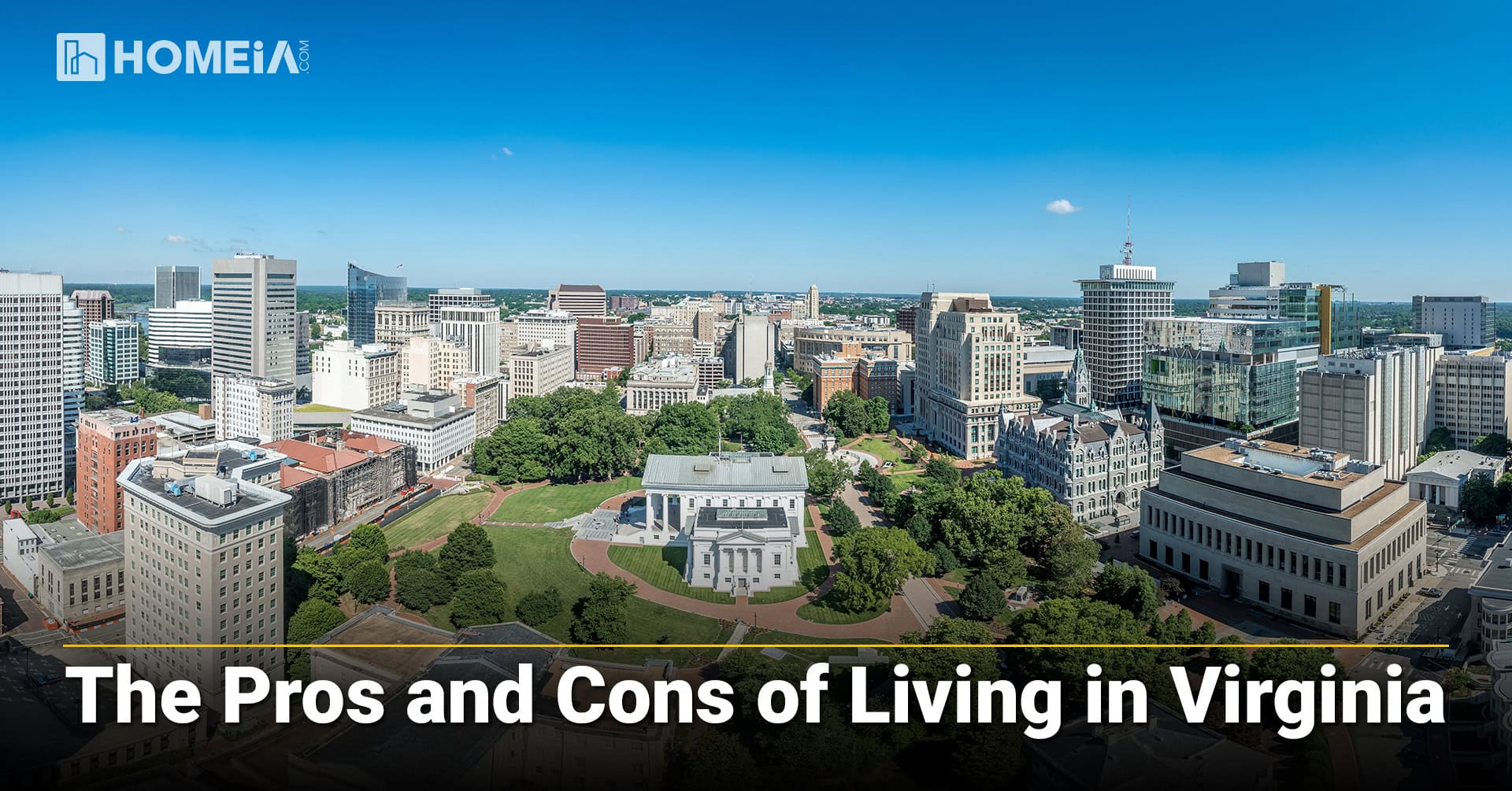
Moving to Virginia is on your mind? The Old Dominion state offers an ideal blend of rich history, vibrant cities, and natural beauty that attracts thousands of new residents yearly. Home to 8.8 million people, Virginia’s diverse landscape features everything from affordable small towns to high-end communities in Northern Virginia. Our Virginia relocation guide examines living costs, best neighborhoods, and quality of life factors for young professionals, families, and retirees. With the Virginia housing market showing median home values of $396,356 in 2025, it helps to know the advantages and challenges to determine the best places to live in Virginia.
Virginia consistently ranks among the top states for public schools, low crime rates, and overall quality of life. The Virginia job market benefits from proximity to Washington, D.C., with strong employment in government, technology, and healthcare sectors. Whether you’re researching Virginia’s cost of living or exploring affordable places to live in Virginia, this comprehensive guide provides essential insights for anyone considering making Virginia their new home.
The Benefits of Living in Virginia
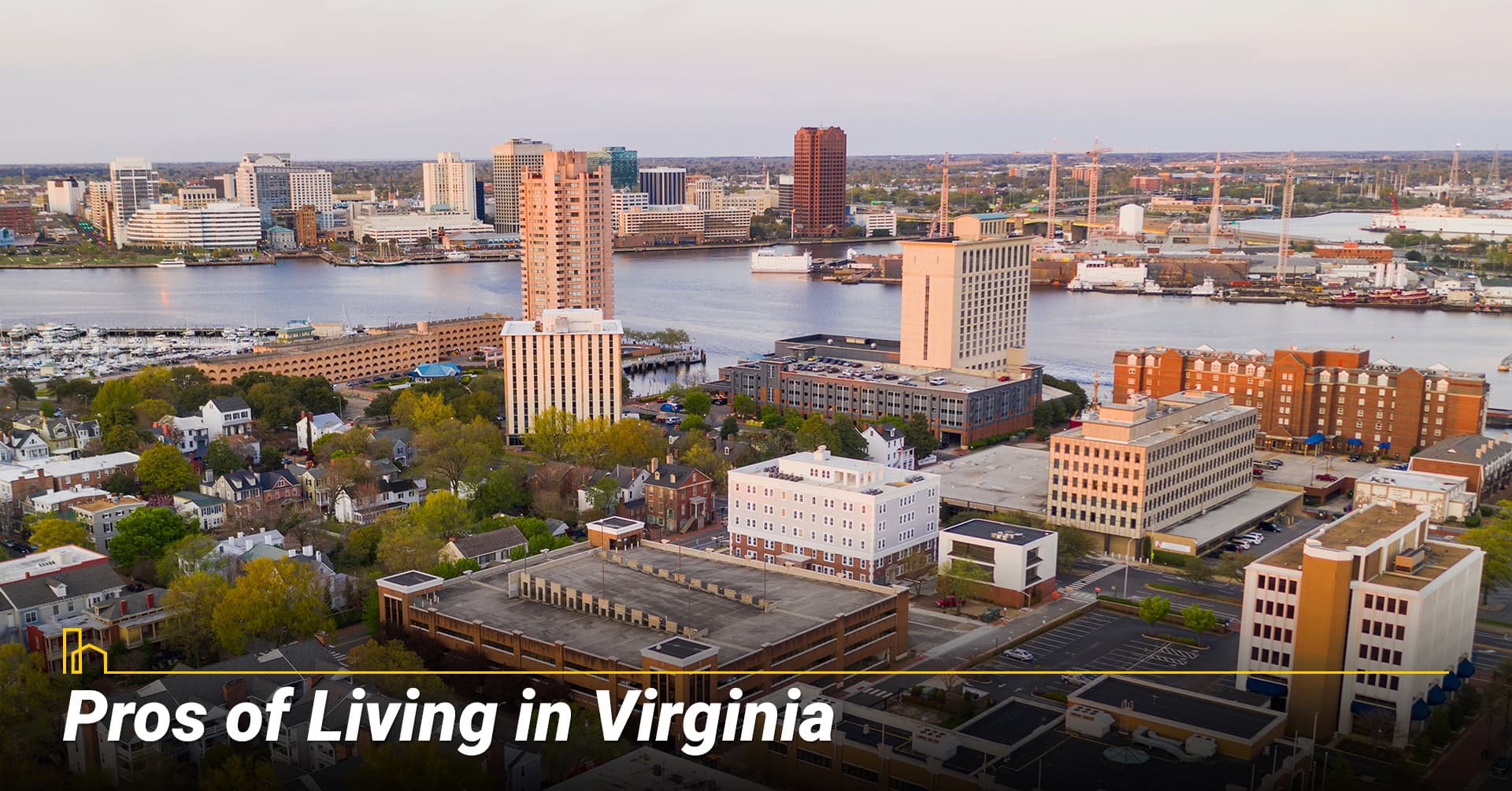
- Amenities for All Ages: Young professionals thrive in vibrant areas like Arlington and Richmond, which offer career opportunities, nightlife, and walkable neighborhoods. Families enjoy excellent schools in towns, such as Loudoun Valley Estates and Short Pump. Retirees find peaceful communities like Williamsburg and Roanoke, each offering distinct amenities and lifestyles. Whether starting your career, raising a family, or enjoying retirement, Virginia offers communities tailored to your life stage.
- Beautiful Natural Landscapes and Outdoor Recreation: Virginia’s 130-mile coastline features Virginia Beach, Chincoteague, and the Chesapeake Bay. The diverse landscape includes the Blue Ridge Mountains, Shenandoah Valley, and numerous state and national parks offering year-round hiking, biking, and camping opportunities. Outdoor enthusiasts can enjoy the Appalachian Trail, scenic byways, and water sports, making Virginia a haven for nature lovers.
- Diverse and Vibrant Culture: The state’s cultural tapestry includes significant African American, Asian, and Latino communities. Arts thrive in Richmond, Charlottesville, and Norfolk, featuring galleries, music venues, and museums. Virginia’s culinary scene is exceptional, with top restaurants in Alexandria and Charlottesville offering everything from authentic southern cuisine to farm-to-table dining.
- Excellent Healthcare Access: Virginia’s robust healthcare system provides access to major hospitals and specialists. Top medical facilities throughout the state deliver cutting-edge treatments, making Virginia excellent for those with healthcare priorities.
- Good Public Transportation in Urban Areas: Metro, VRE, and local transit systems connect Northern Virginia to Washington, D.C., and within the state. Amtrak and major airports make commuting and travel convenient, allowing many residents to reduce car dependency in urban areas.
- Proximity to Major Cities: Located near Washington, D.C., Virginia offers ideal access for commuters and those seeking urban entertainment and career opportunities. Cities like Arlington and Alexandria provide direct D.C. transit while Central and Southern Virginia connect easily to Richmond and Hampton Roads, creating unique work-life balance opportunities.
- Safe and Family-Friendly Communities: Many Virginia towns rank among America’s safest, with low crime rates and strong community engagement. Family-oriented suburbs like Ashburn and Glen Allen offer excellent schools, parks, and events that foster belonging while providing amenities for residents of all ages.
- Strong Job Market: Virginia’s diverse economy features major employers in government, defense, healthcare, technology, and logistics. The state’s proximity to major metropolitan areas creates additional opportunities, particularly in the growing tech and healthcare sectors.
- Strong Public Education System: Virginia consistently ranks among the top states for public education, with a higher than 90% graduation rate and low teacher-student ratios. Towns like Fairfax and Williamsburg are renowned for high-performing schools, making the state ideal for education-focused families.


Related article
7 Most Affordable Places to Live in Virginia
Virginia holds a prominent place in our nation as one of the original 13 Colonies and the birthplace of eight U.S. presidents. The state offers diverse natural beauty, from the Blue Ridge Mountains and Shenandoah National Park to the beaches of the Atlantic coast and the Chesapeake Bay.
The Drawbacks of Living in Virginia
- Affordability Gap for Young Professionals and Families: Despite high median incomes, living costs often outpace earnings for young professionals and families, especially in desirable areas. Affordable housing typically requires longer commutes. This gap has prompted some younger residents to leave, though remote work trends are helping to counterbalance this.
- Car Dependency in Suburban and Rural Areas: Outside urban centers, limited public transportation makes car ownership essential, adding to expenses and environmental impact. While transit-oriented development is increasing, many areas remain automobile-centric, requiring multiple vehicles per household.
- Challenging Winters and Humid Summers: Virginia winters bring below-freezing temperatures, snow, and ice that disrupt transportation, especially in the mountains and western regions. Summers are humid, particularly in densely populated areas and along the coast. Climate change has increased severe weather events, including coastal flooding.
- Environmental and Infrastructure Concerns: Urban sprawl and high density have created environmental challenges, including green space loss and strained public services. Aging infrastructure requires ongoing investment. Water quality issues, coastal flooding vulnerability, and industrial zone air quality affect certain regions.
- High Cost of Living in Some Areas: Living costs run above the national average, with housing especially challenging near D.C. and in popular urban centers. Utilities, groceries, healthcare, and transportation all exceed national averages, requiring careful financial planning.
- State Income and Property Taxes: Virginia’s progressive income tax ranges from 2% to 5.75% for high earners. Combined with property taxes, the overall tax burden can be significant, reducing take-home pay compared to lower-tax states.
- Recent Job Market Volatility: Despite a strong economic base, Virginia has experienced job market fluctuations, with unemployment rates sometimes exceeding the national average in rural areas. Finding employment remains challenging outside major urban centers, with uneven recovery across regions and industries.
- Traffic Congestion and Urban Sprawl: Traffic congestion plagues urban centers like Northern Virginia. Sprawl in Fairfax and Loudoun counties has increased traffic, reduced open space, and stressed infrastructure. Major highways like Interstate 95 and the Beltway frequently experience significant delays.

Related article
Pros and Cons of Living in Virginia
In this article, we will discuss some of the advantages and drawbacks of life in Virginia. We will also explore some of the best cities in Virginia for different types of individuals and families…
Cost of Living in Virginia: Statewide Overview
| Category | Average Annual Cost | Comparison to National Average | Notes |
| Total Cost of Living | $55,776 | 2% higher | Virginia ranks 29th in cost of living among U.S. states. |
| Housing (Buy and Rent) | $10,281 | 2% lower | Median home value: $396,356 (Feb 2025). |
| Utilities (Monthly) | $4,644 ($387/mo) | 2% higher | Electricity: $142/mo, Gas: $80/mo, Cable & Internet: $125/mo, Water: $40/mo. |
| Food and Beverage (nonrestaurant) | $4,389 | About the same | $366 per person per month. |
| Healthcare | $8,434 | 2% lower | $703 per person per month. |
| Transportation | $9,876–$18,377 | 4% lower | Varies by household size and location. |
| Goods & Services | – | 8% higher | Includes entertainment, clothing, grooming, etc. |
| All Other Personal Expenditures | $31,267 | – | Includes miscellaneous expenses. |
Cost of Living in Major Virginia Cities Compared to National Average:
| City | Compared to State Average | Compared to National Average |
| Arlington, VA | 33% higher | 35% higher |
| Alexandria, VA | 22% higher | 24% higher |
| Charlottesville, VA | 1% higher | 3% higher |
| Winchester, VA | 0% | 2% higher |
| Harrisonburg, VA | 7% lower | 6% lower |
| Richmond, VA | 8% lower | 6% lower |
| Staunton, VA | 8% lower | 6% lower |
| Blacksburg, VA | 8% lower | 6% lower |
| Lynchburg, VA | 9% lower | 8% lower |
| Roanoke, VA | 11% lower | 9% lower |
| Martinsville, VA | 12% lower | 11% lower |
| Lexington, VA | 14% lower | 12% lower |
For a national comparison, see our list of the most affordable cities to live in the US.
Average Home Values by Metro Area:
| Metro Area | Average Home Value |
| Big Stone Gap | $130,866 |
| Martinsville | $131,799 |
| Danville | $146,185 |
| Lynchburg | $248,999 |
| Roanoke | $260,919 |
| Staunton | $288,694 |
| Harrisonburg | $321,974 |
| Richmond | $355,189 |
| Winchester | $377,507 |
| Blacksburg | $396,373 |
| Virginia Beach | $404,130 |
| Charlottesville | $495,420 |
Best Cities to Live in Virginia for Young Professionals
1. Charlottesville
Charlottesville combines small-town comfort with university energy, attracting young professionals and creatives. Its downtown offers independent shops, galleries, and restaurants. With excellent schools, a diverse community, and Blue Ridge access, residents enjoy festivals, arts, and parks while maintaining career opportunities. The presence of the University of Virginia creates a vibrant intellectual atmosphere while the thriving tech startup scene provides innovative employment options for ambitious young professionals seeking work-life balance.
2. Richmond
Richmond blends historic charm with a growing tech and creative sector. Young professionals appreciate its diverse population, cultural venues, and relatively affordable housing. Downtown features theaters, global cuisines, and direct train access to D.C., making it ideal for commuters. The revitalized Scott’s Addition neighborhood has become a mecca for craft breweries and trendy lofts while the James River running through downtown provides unique urban kayaking, paddleboarding, and riverside hiking trails.
3. Arlington
Arlington provides an energetic, walkable urban environment minutes from D.C. Known for nightlife, historic neighborhoods, and waterfront parks, the city attracts those valuing convenience and community. Transit services create ideal conditions for commuters seeking vibrant social scenes. The dense concentration of government contractors, tech companies, and Fortune 500 headquarters makes Arlington a powerhouse for career advancement while its bike-friendly infrastructure and extensive farmers markets promote healthy, sustainable living.

Related article
10 Best Places to Live in Virginia
Virginia is an amazing place. Where else can you find mountains and beaches, high-end horse-racing communities and small towns with neighbors who travel by wagon, all within a two-hour drive?…
Best Cities to Live in Virginia for Families with Young Kids
1. Short Pump
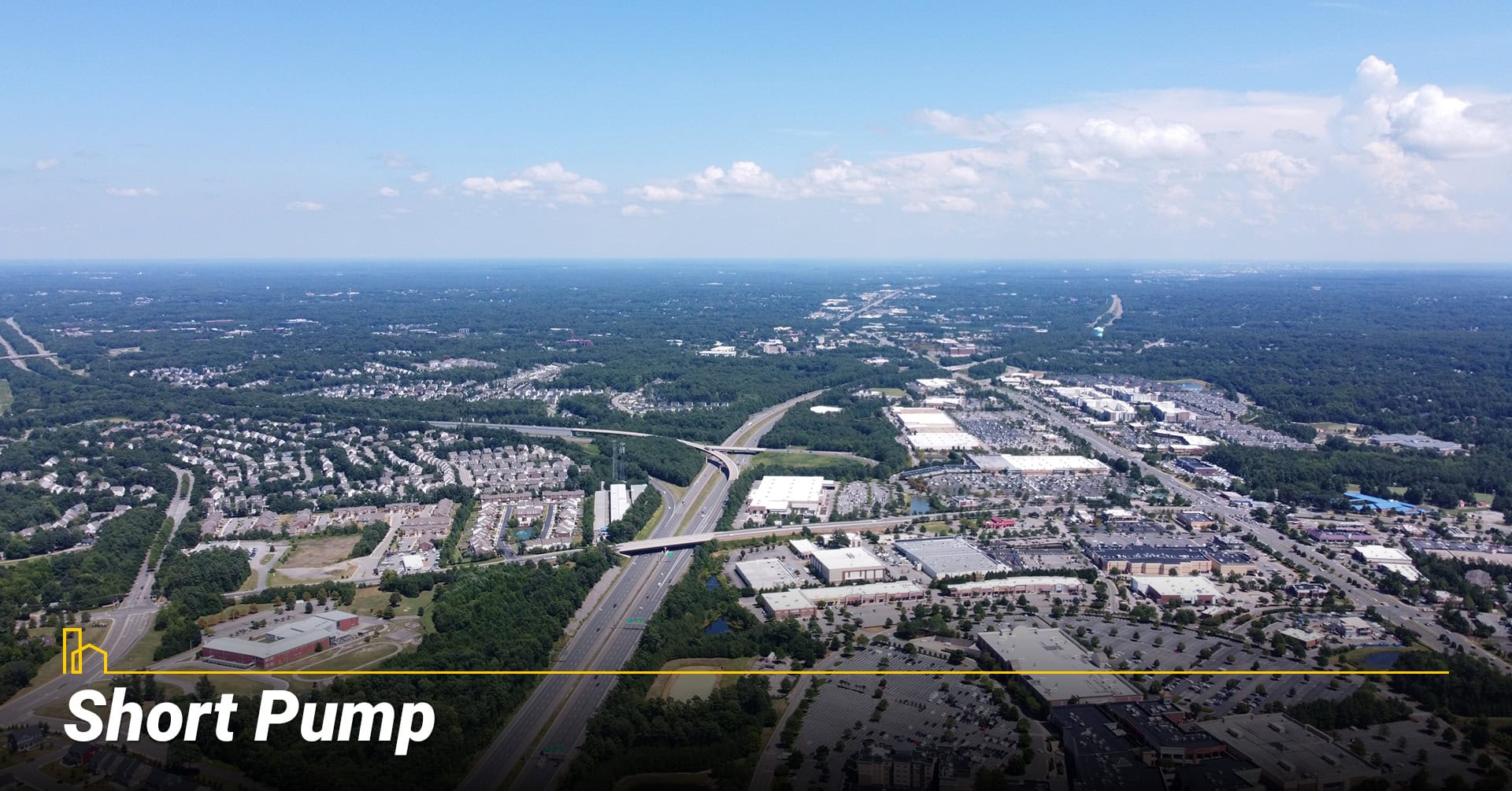
Short Pump delivers classic suburban living with vibrant shopping, excellent schools, and abundant parks. Tree-lined streets and modern homes create welcoming atmospheres. Community events, sports leagues, and Richmond access attract families seeking convenience and belonging. The extensive Short Pump Town Center offers premium shopping and dining options while the area’s strong healthcare presence includes top pediatric specialists and family medicine practitioners, ensuring comprehensive care for growing families.
2. Loudoun Valley Estates
Loudoun Valley Estates features outstanding schools, safe neighborhoods, and active community programs. Families enjoy bustling downtown areas, parks, and recreational facilities. Commuter rail links to D.C. appeal to working parents. Strong community engagement, youth sports, and cultural events make it ideal for families seeking stability. The master-planned community offers luxury amenities including swimming pools, tennis courts, and walking trails while Loudoun County’s booming tech corridor provides parents with lucrative employment options close to home.
3. Williamsburg
Williamsburg offers top-rated schools, safe neighborhoods, and a rich culture. Families benefit from community strength, university resources, and charming downtown shops. Parks, museums, and year-round events provide children’s enrichment. Despite high costs, educational excellence and quality of life make Williamsburg premier for families. The proximity to Colonial Williamsburg and Busch Gardens provides endless educational and recreational opportunities while the College of William & Mary sponsors family-friendly cultural events, sports camps, and academic enrichment programs throughout the year.
Recommended for you




Best Places to Retire in Virginia
1. Roanoke
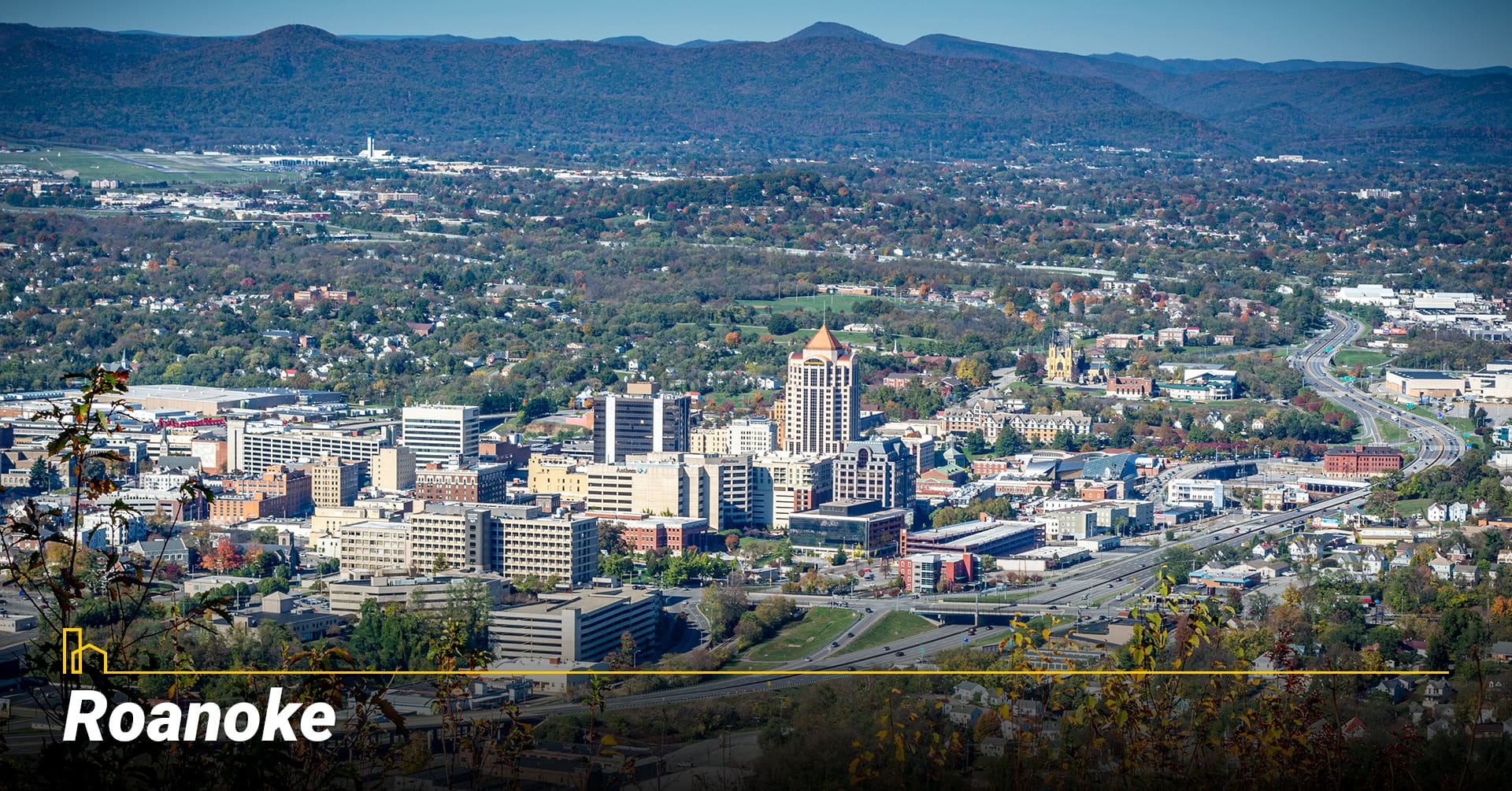
Roanoke offers affordable living, mountain access, and a strong community. Numerous parks, healthcare facilities, and senior-focused activities enhance retirement quality. Proximity to Blue Ridge Parkway and major highways facilitates travel and family visits. The mild four-season climate and relatively low snowfall make year-round outdoor activities possible while the renowned Virginia Tech Carilion School of Medicine provides access to cutting-edge healthcare research and clinical trials.
2. Charlottesville
Charlottesville features safety, green spaces, and engaged senior communities. Retirees enjoy well-maintained parks, cultural events, and quality healthcare access. Quiet neighborhoods and community programming attract those seeking peaceful active retirement. Its central location provides medical facilities, cultural attractions, and shopping convenience. The University of Virginia’s Osher Lifelong Learning Institute offers robust educational opportunities for seniors while the area’s renowned wineries and farm-to-table restaurants create perfect settings for entertaining visiting family and friends.
3. Virginia Beach
Virginia Beach’s coastal town atmosphere offers a relaxed pace, oceanfront scenery, and a vibrant boardwalk. Cultural events, boutique shopping, and fine dining create sophisticated environments. Beaches, nature preserves, and arts provide recreation and social engagement. An active senior community creates ideal retirement settings. The city’s dedicated senior centers offer extensive programming, fitness classes, and group travel opportunities while the VB Wave trolley system provides convenient transportation for nondrivers along the oceanfront and to major shopping areas.

Related article
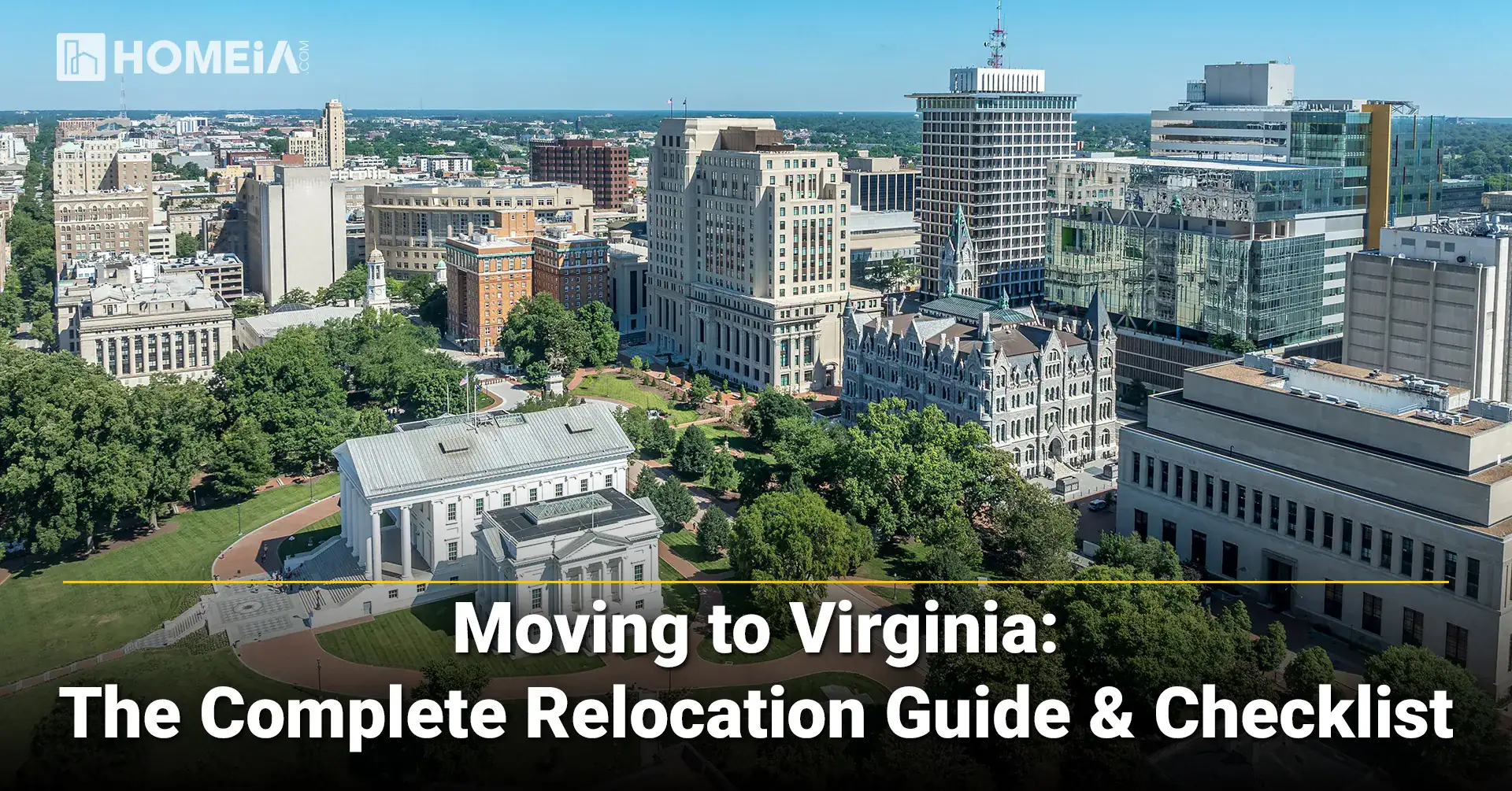
Moving to Virginia: THE Complete Relocation Guide & Checklist
This Virginia moving guide covers everything you need — cost of living, job market insights, and top cities like Arlington, Richmond, and Virginia Beach — to help you relocate with confidence. Whether you seek urban life, history, coastal living, or a college town vibe, this guide supports your informed move to Virginia…
Virginia Lifestyle: Arts, Food, and Recreation
A. Arts and Entertainment
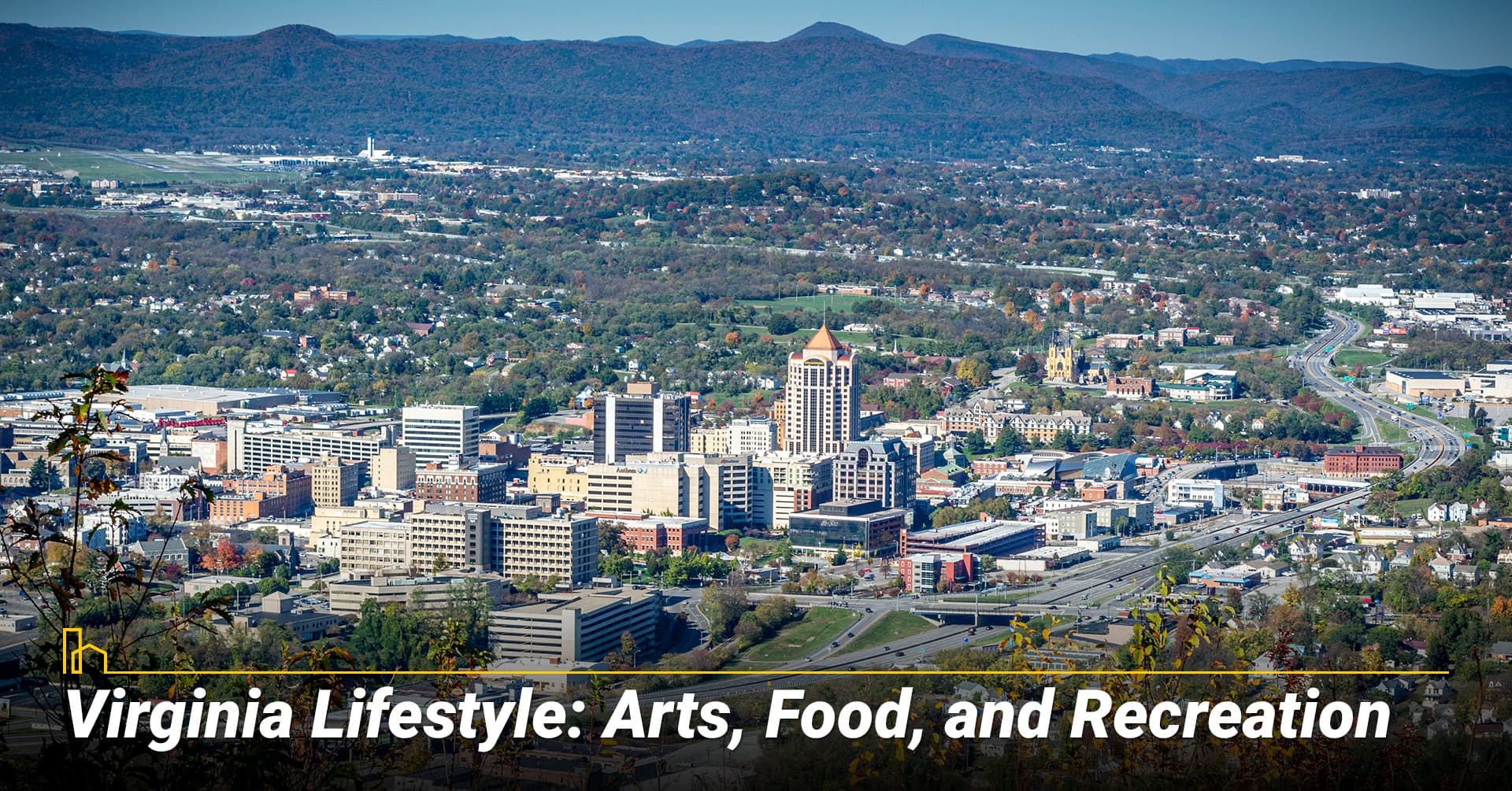
Virginia’s vibrant arts scene flourishes in Richmond, Charlottesville, and Norfolk. Museums, galleries, music venues, and festivals enrich cultural life throughout the Commonwealth.
The Virginia Museum of Fine Arts in Richmond houses over 50,000 works spanning 6,000 years of world history. The Chrysler Museum in Norfolk showcases one of the nation’s finest glass collections.
The state’s performing arts thrive with organizations like the Virginia Symphony Orchestra, Richmond Ballet, and Virginia Opera. Alexandria’s Torpedo Factory Art Center houses the largest collection of publicly accessible working artist studios in the U.S.
Proximity to Washington, D.C., provides world-class cultural access while maintaining a distinct creative identity. Annual film festivals in Middleburg and Alexandria showcase Virginia’s artistic commitment.
Music events like FloydFest and the Richmond Folk Festival celebrate both traditional and contemporary cultural expressions throughout the year.
B. Food Scene
The state’s diverse food culture spans southern classics and seafood to acclaimed restaurants drawing national recognition. Virginia’s culinary heritage is deeply connected to its agricultural bounty.
The Shenandoah Valley produces some of the nation’s finest apples, wine grapes, and heirloom vegetables. The Chesapeake Bay region offers world-renowned seafood, particularly blue crabs, oysters, and rockfish.
Culinary offerings rival larger states, with farm-to-table establishments like The Inn at Little Washington earning prestigious James Beard awards and Michelin stars. Richmond’s food scene has exploded in recent years, with neighborhoods like Scott’s Addition becoming culinary destinations.
Virginia’s 300-plus wineries and 200-plus craft breweries form vibrant trails for culinary tourism. The state’s distilleries continue the tradition of spirits production dating back to George Washington’s own distillery at Mount Vernon.
Ethnic eateries throughout Northern Virginia reflect the state’s diverse immigrant communities, providing authentic international cuisines from Ethiopian in Alexandria to Vietnamese in Falls Church and Korean in Annandale.
Related article
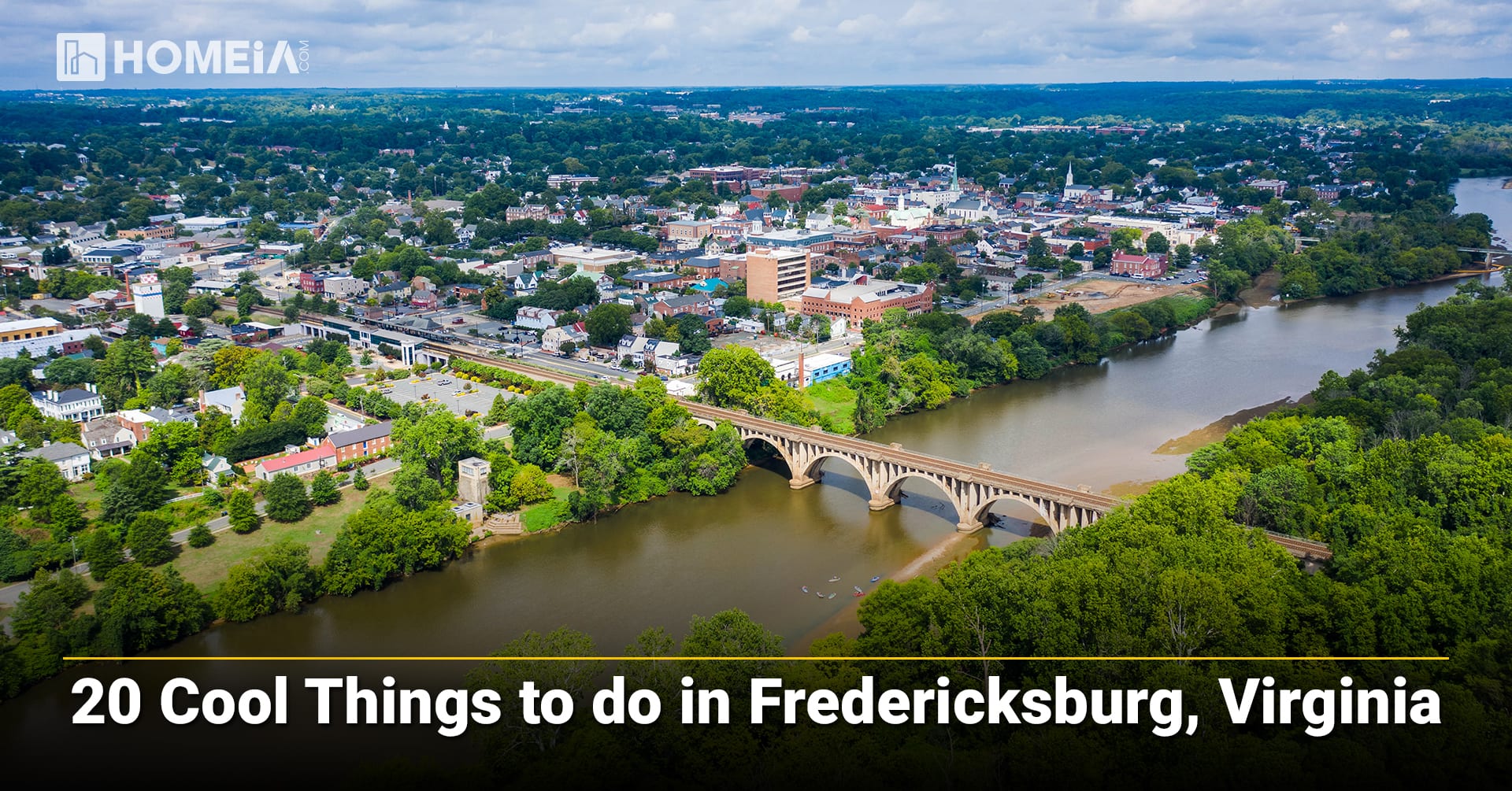
20 Cool Things to do in Fredericksburg, Virginia (updated)
Fredericksburg, Virginia blends American history, outdoor recreation, and small-city charm along the Rappahannock River. This guide highlights 20 things to see and do, from George Washington sites and Civil War battlefields to craft breweries, kayaking, museums, and family-friendly attractions.
C. Outdoor Activities
Residents enjoy year-round recreation including hiking, biking, fishing, and beaches. Virginia’s 41 state parks and 22 national parks, monuments, and battlefields provide endless opportunities for outdoor exploration.
Shenandoah National Park’s Skyline Drive offers one of America’s most scenic routes with over 500 miles of trails, including 101 miles of the famed Appalachian Trail. For water enthusiasts, the Chesapeake Bay offers sailing, kayaking, and fishing.
The James River provides thrilling whitewater rafting through downtown Richmond. Virginia Beach’s 35-mile coastline features family-friendly beaches while the wild coastal environment of Assateague Island showcases its famous wild ponies.
Winter sports enthusiasts enjoy resorts like Wintergreen and Massanutten for skiing and snowboarding just hours from major cities. The Virginia Creeper Trail provides a 34-mile scenic rail trail for cyclists of all skill levels.
Natural wonders like Natural Bridge and Luray Caverns showcase the state’s geological diversity and provide educational opportunities for families exploring Virginia’s natural heritage. And here is the list of things to do in Fredericksburg, VA
Conclusion: Virginia combines urban convenience, coastal beauty, and suburban comfort. Advantages include proximity to major cities, excellent schools, diverse culture, and abundant recreation. However, high living costs, property taxes, and job market challenges require careful consideration. Whether seeking vibrant city life, family-friendly communities, or peaceful retirement, Virginia’s diverse areas offer options for most lifestyles and budgets.
Recommended for you




FAQs About Living in Virginia
1. What is the cost of living in Virginia compared to other states?
Virginia’s living costs are above the national average, driven by housing and property taxes, though high median incomes offset these costs for established professionals.
2. How severe are Virginia’s winters?
Winters bring cold temperatures and snow, especially in the mountains, with several significant snowstorms typically occurring in January and February.
3. Is Virginia good for families?
Many communities offer excellent schools, safe neighborhoods, and family amenities, with Loudoun Valley Estates, Williamsburg, and Short Pump particularly popular for families.
4. What are the job prospects?
The diverse job market shows volatility, with healthcare, technology, and logistics demonstrating the strongest growth, particularly near major cities.
5. Are there affordable places to live?
While many areas are expensive, more affordable options exist in less-popular regions away from D.C. and Richmond, particularly in Roanoke and Southwest Virginia.
6. What outdoor activities are available?
Residents enjoy hiking, biking, fishing, and exploring parks, beaches, and forests, with the Atlantic coast popular in summer and state parks offering year-round recreation.
7. How do taxes compare nationally?
Virginia’s property taxes are moderate but, combined with income taxes, the overall tax burden can be significant, especially for higher earners.
Local Editor(s)


-
7 Most Affordable Places to Live in Virginia
Virginia is known for its landscapes, arts scene, culture, seafood, and diverse geography. The site of the first permanent English settlement in America in 1607, Virginia played a critical role…
-
Pros and Cons of Living in Virginia
Virginia is a beautiful state with an abundance of opportunities ripe for discovery. From the Appalachian Trail to the Blue Ridge Mountains, coastal towns to small farming communities, Virginia has…
-
10 Best Places to Live in Virginia
Virginia is one of the most amazing places to live. Where else can you find mountains and beaches, high-end horse-racing communities, and small towns with neighbors who travel by wagon…
-
Moving to Virginia: THE Complete Relocation Guide & Checklist
There's no place quite like Virginia. With its rich history, diverse landscapes, and thriving economy, the Old Dominion State is a remarkable place to call home. Whether you're drawn by…
-
20 Cool Things to do in Fredericksburg, Virginia (updated)
Founded in 1728, Fredericksburg, Virginia is a city of 30,000+ people on the I-95 corridor, halfway between Richmond and Washington in north central Virginia. This article covers 20 of the…
Related Topics












-
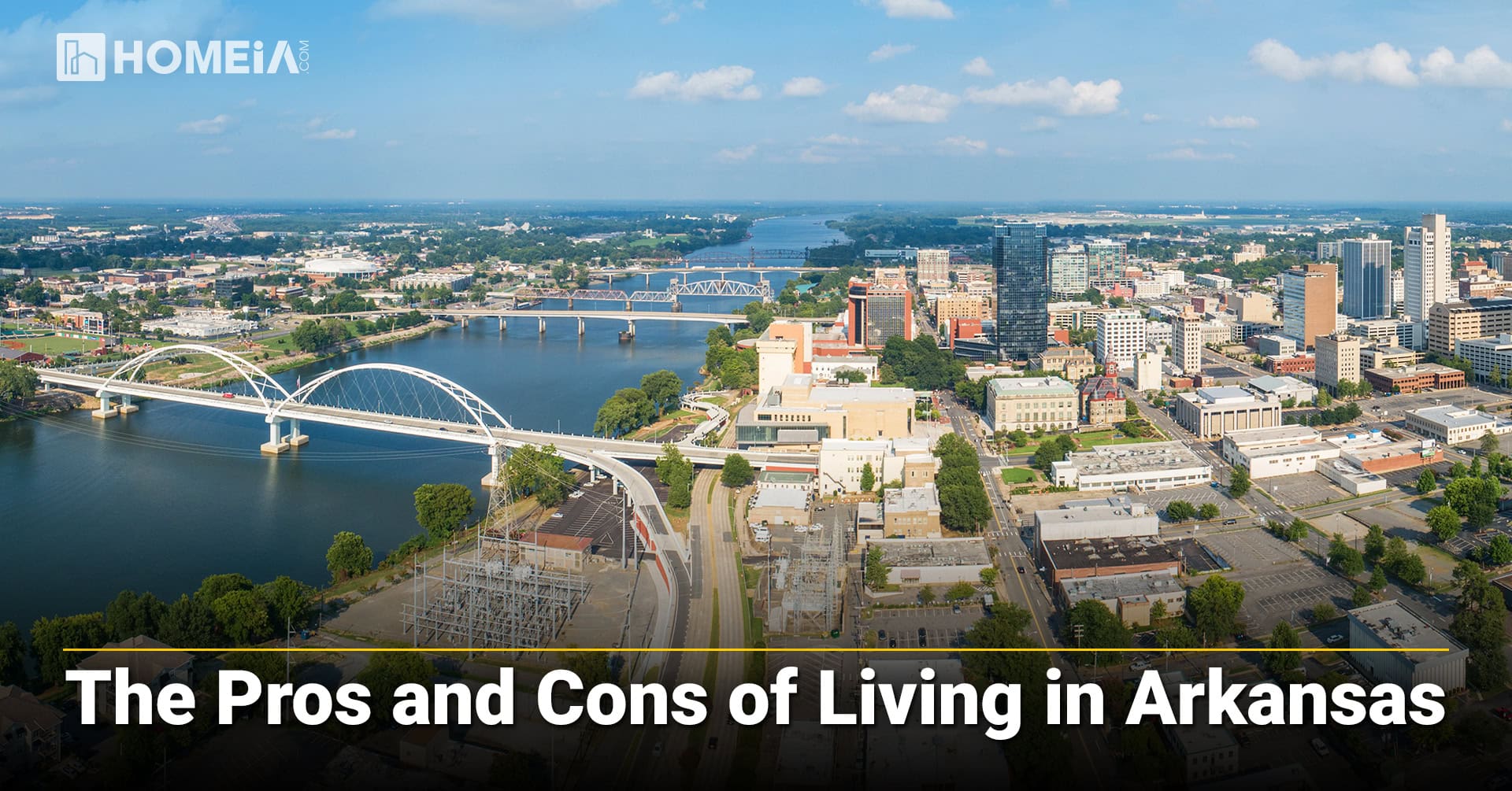
The Pros and Cons of Living in Arkansas
Considering a move to Arkansas? The Natural State offers a compelling blend of affordability and natural beauty that attracts new residents from across the country. Home to 3 million people, Arkansas features everything from vibrant cities to charming small towns,…
-
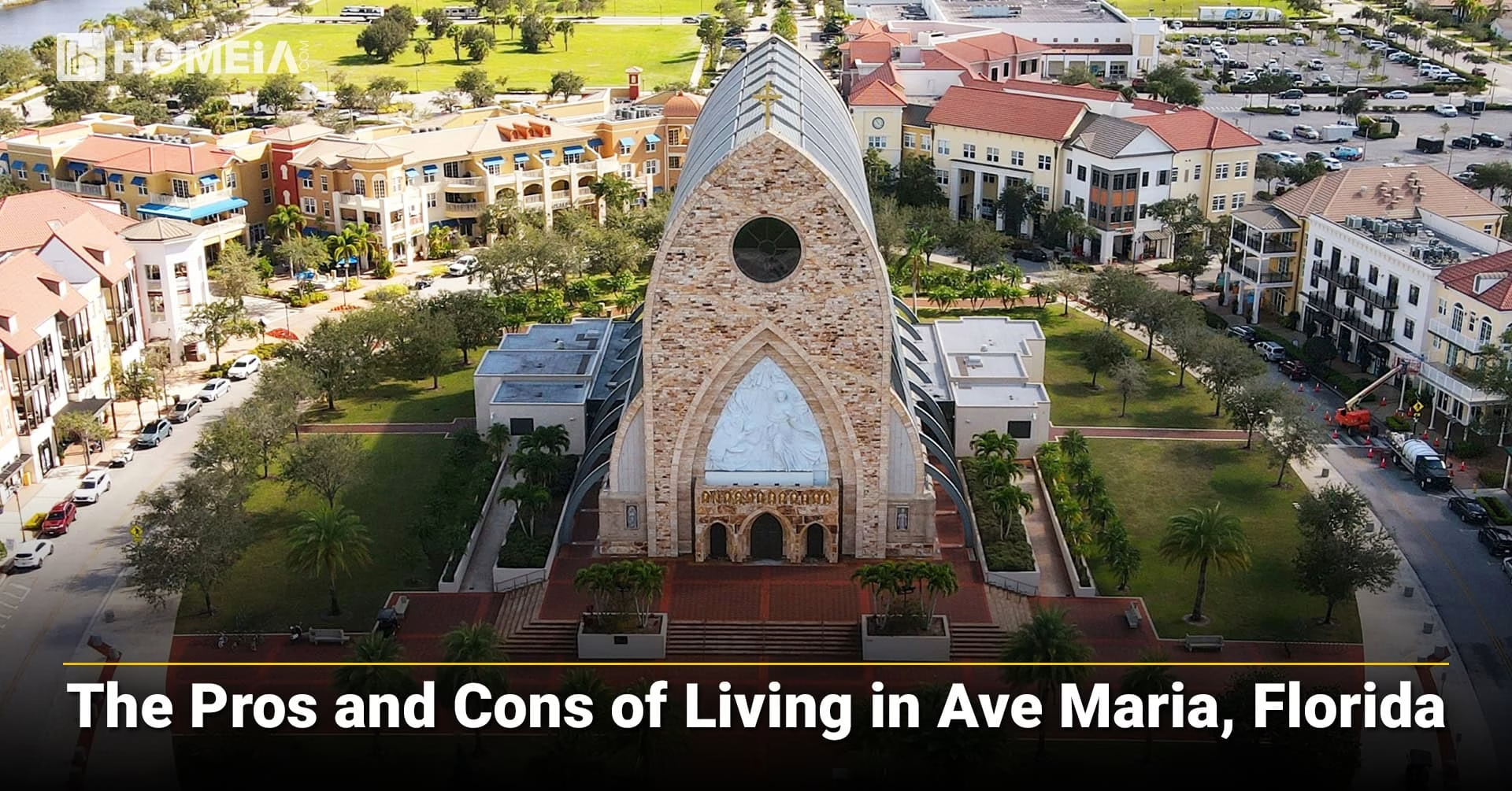
The Pros and Cons of Living in Ave Maria, Florida
The Pros and Cons of Living in Ave Maria, Florida: When picturing Ave Maria, what comes to mind are stunning basilica, perfectly manicured neighborhoods, and the Florida sun. However, this unique town has even more hidden inside. It blends master-planned…
-
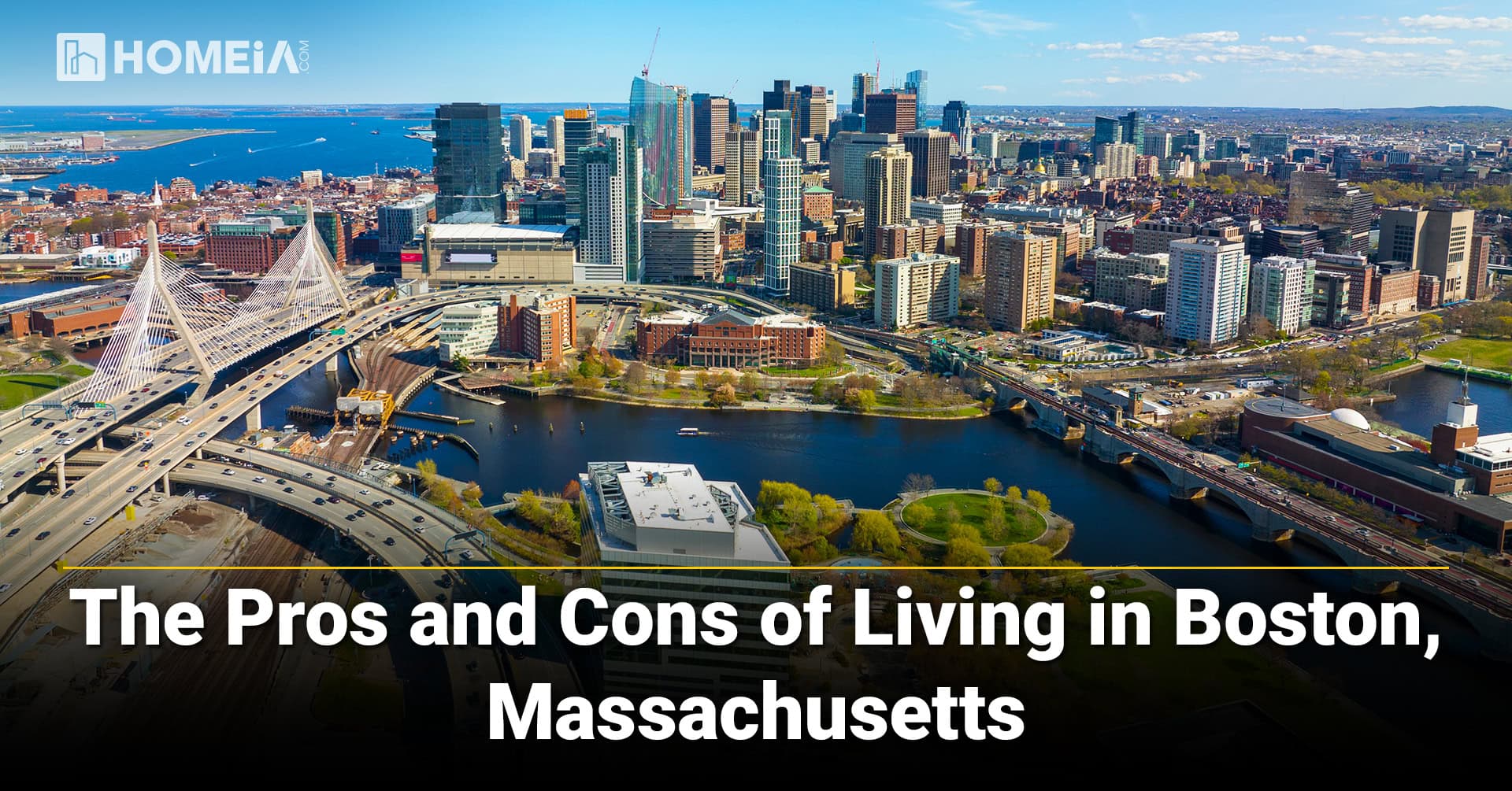
The Pros and Cons of Living in Boston, Massachusetts
Considering moving to Boston in 2026? This historic yet innovative city offers a unique blend of old-world charm and modern opportunity. As New England's economic and cultural hub, Boston attracts residents with its world-class education, thriving job market, and vibrant…

-
The Pros and Cons of Living in Delaware
When picturing Delaware, what comes to mind are tax-free shopping, beautiful beaches, and proximity to major East Coast cities. But the First State offers more than financial advantages; here exists a place where historic charm, corporate headquarters, and relaxed coastal…
-
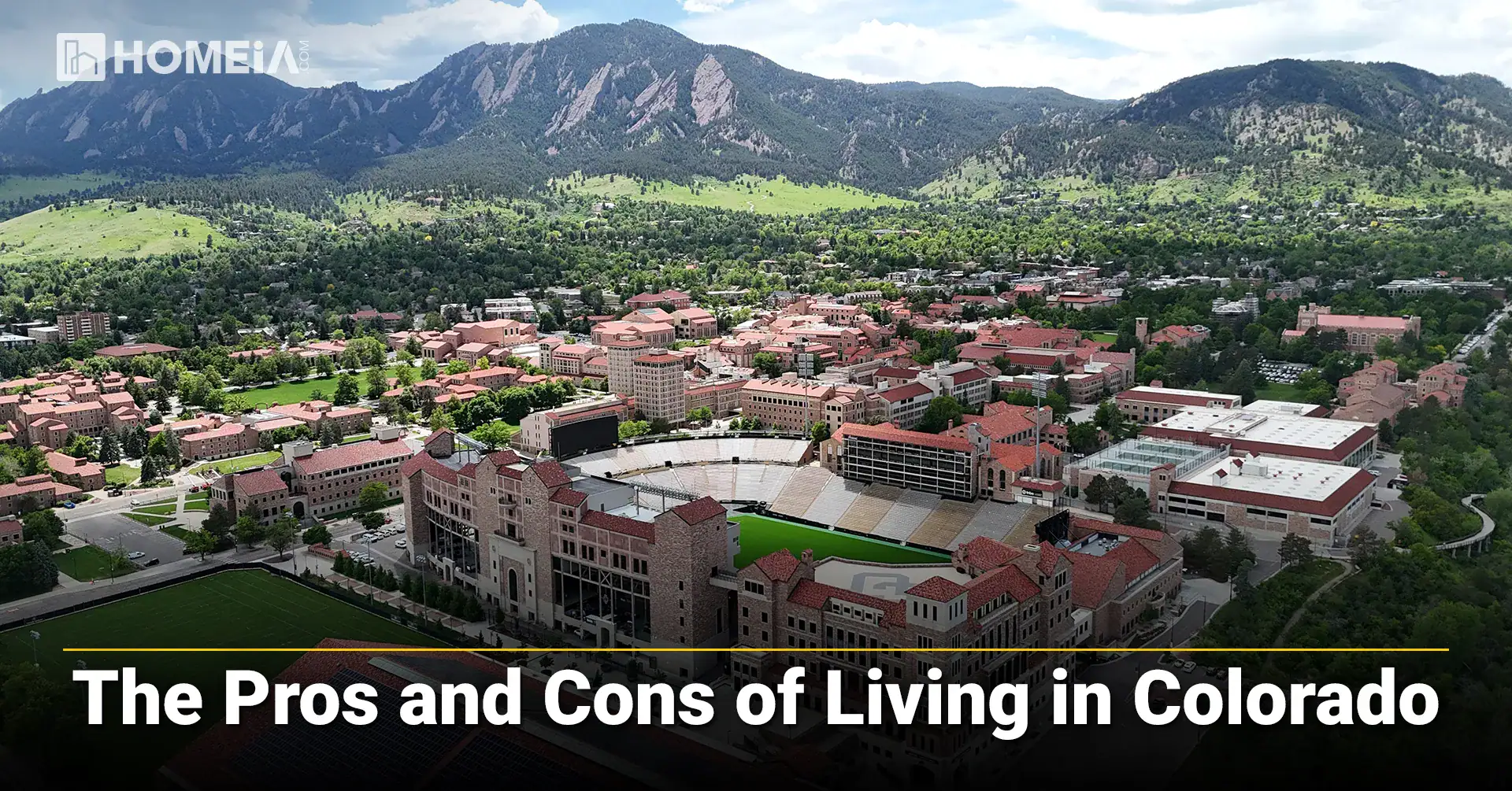
The Pros and Cons of Living in Denver, Colorado
Looking for stellar public schools, world-class ski resorts, and a thriving city all in one spot? Denver, Colorado, may be the place for you. The Mile High City offers a unique blend of outdoor adventure, economic opportunity, and urban convenience.…
-
The Pros and Cons of Living in Florida
The Pros and Cons of Living in Florida: Relocating to a new state is a big move – pun intended! – and requires careful consideration of both the state as well as the specific community you're thinking to join. If…




-
The Pros and Cons of Living in Illinois (updated)
Relocating to a new state requires careful consideration of both the state as a whole and the specific community you'll join. If you're considering Illinois, you'll find a state home to vibrant cities, charming small towns, and a diverse mix…
-
The Pros and Cons of Living in Indiana
When picturing Indiana, what comes to mind are rolling farmlands, basketball hoops, and the iconic Indianapolis 500. But the Hoosier State offers more than Midwestern clichés; here lies a place where affordability, tight communities, and an ideal central location define…
-
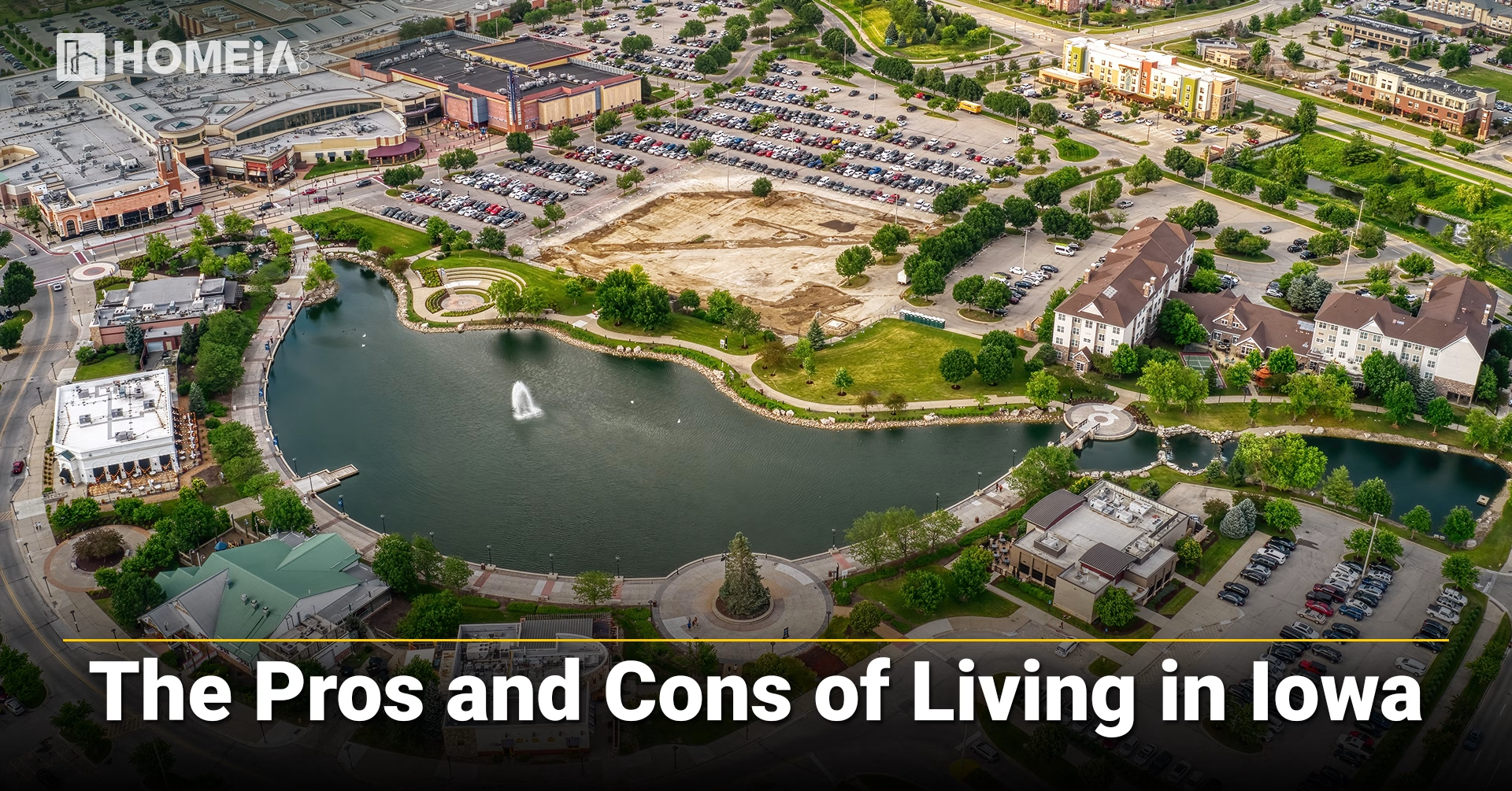
The Pros and Cons of Living in Iowa
When picturing Iowa, what comes to mind are vast cornfields, rolling hills, and an established agricultural heritage. But the Hawkeye State offers more than what you see on a farm; here lies a place where strong communities, affordable living, and…


-
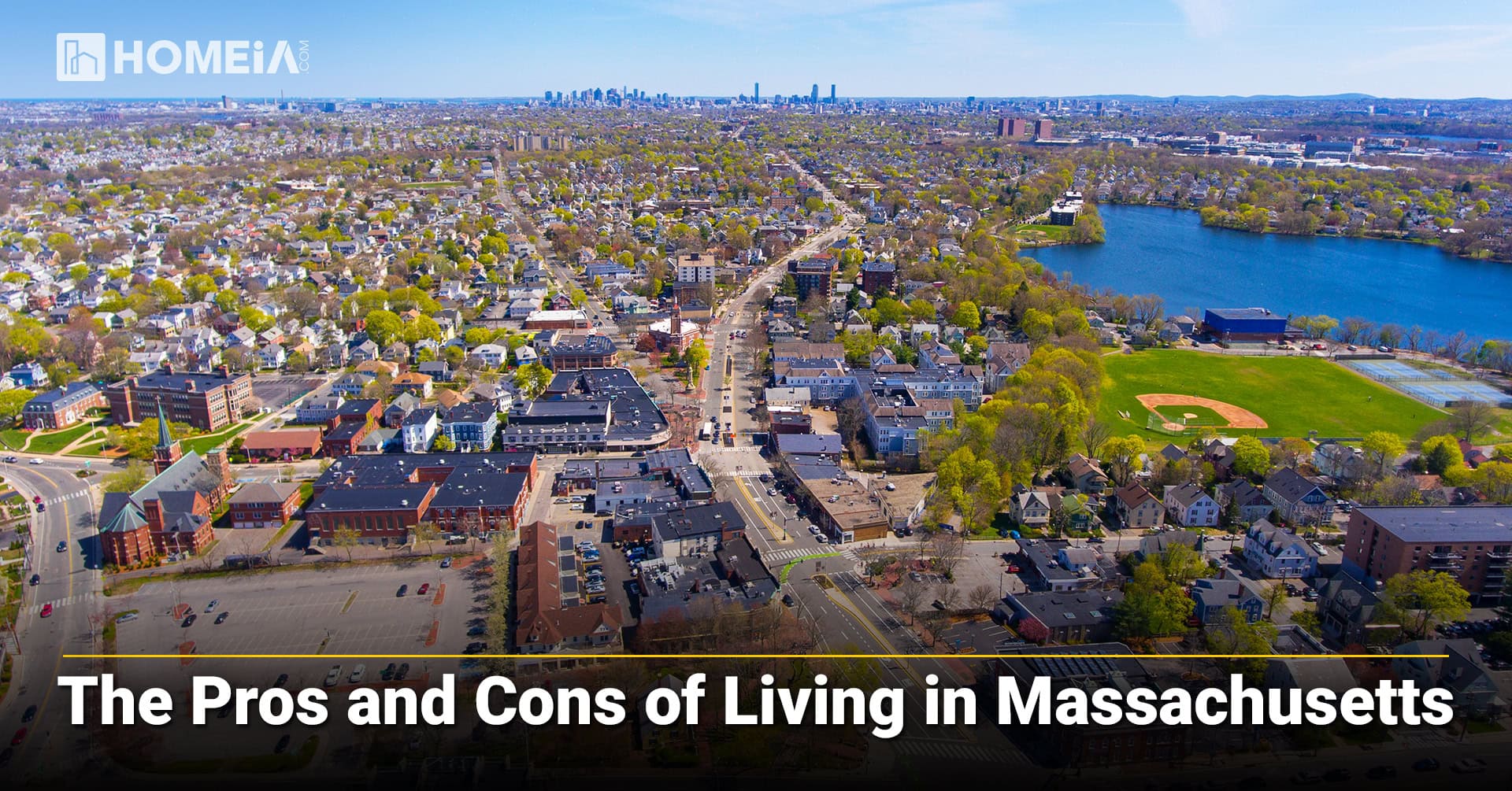
The Pros and Cons of Living in Massachusetts
The pros and cons of living in Massachusetts: Moving to a new part of the US requires careful consideration of both the state itself and the specific community you'll join. If Massachusetts is your next destination, you'll find a state…
-
The Pros and Cons of Living in Michigan
Relocating to a new state requires careful consideration of both the state as a whole and the specific community you'll join. If you're considering Michigan, you're in luck---the Great Lakes State offers diverse options for all ages, budgets, family situations,…
-
The Pros and Cons of Living in Mississippi
The Pros and Cons of Living in Mississippi: Mississippi, located in the heart of the American South, is known for its low cost of living and laid-back way of life. Many people choose to call the Magnolia State home, but…
-
The Pros and Cons of Living in Nevada
When picturing Nevada, what comes to mind are glittering casinos, vast desert landscapes, and the 24-hour energy of Las Vegas. But the 36th state offers more than entertainment clichés; tax advantages, outdoor recreation, and economic opportunity define everyday living. Yet,…
-
The Pros and Cons of Living in New Hampshire
When picturing New Hampshire, what comes to mind are picturesque New England villages, stunning White Mountains, and a fiercely independent spirit. But the Granite State offers more than colonial charm; here lies a place where low-cost living, outdoor adventure, and…
-
The Pros and Cons of Living in New Jersey
Considering a move to New Jersey? The Garden State offers a dynamic mix of urban energy, coastal charm, and suburban comfort. Home to nearly 9 million residents, New Jersey features vibrant cities, peaceful towns, stunning beaches, dense forests, and cultural…


-
The Pros and Cons of Living in North Dakota
When picturing North Dakota, imagery commonly associated are vast prairies, oil fields, and harsh winters. But the Peace Garden State offers more than Midwestern stereotypes; here lies an area where flourishing communities, economic opportunity, and affordable living define everyday life.…
-
The Pros and Cons of Living in Ohio
On any given day in Ohio, you could find yourself in two completely different states of mind in a difference of an hour. One moment, you are looking at a beautiful view of snow-topped trees from a lookout point high…
-
The Pros and Cons of Living in Oregon
Relocating to a new state requires careful consideration of both the state as a whole, as well as the specific community you'll join. Oregon offers stunning natural beauty, vibrant cities, and a progressive culture with options for all ages, budgets,…


-
The Pros and Cons of Living in South Carolina
The pros and cons of living in South Carolina: When picturing South Carolina, the mind goes straight to shrimp and grits at a waterfront table in Charleston, azaleas in full bloom in Summerville, and a round of golf as the…
-
The Pros and Cons of Living in South Dakota
The Pros and Cons of Living in South Dakota: When picturing South Dakota, what comes to mind are vast prairies, Mount Rushmore, and the rugged beauty of the Badlands. But the Land of Infinite Variety offers more than Western clichés; here…
-
The Pros and Cons of Living in Tennessee
People have been migrating to the South at an unprecedented rate in recent years, making it the leading region for population growth in the United States. This historic pattern of migration is driven by a complex range of factors, including…
-
Pros and Cons of Living in Virginia
Virginia is a beautiful state with an abundance of opportunities ripe for discovery. From the Appalachian Trail to the Blue Ridge Mountains, coastal towns to small farming communities, Virginia has something for individuals and families of all ages and budgets.…
-
The Pros and Cons of Living in Washington
When picturing Washington State, what crosses one’s mind are lush evergreen forests, majestic mountains, and the tech hub of Seattle. But the PNW offers more than that; here lies a place where natural beauty, economic opportunity, and progressive values define…
-
The Pros and Cons of Living in West Virginia
The Pros and Cons of Living in West Virginia: Relocating to West Virginia is a major decision requiring careful consideration of both the state's overall character and the communities you might call home. If you're considering moving to West Virginia,…