





Living In New York State
Local Editor(s)

 Verified

The Complete Guide to Cost of Living and New York Lifestyle
New York is a state of contrasts, blending the high-energy urban environment of New York City with the more affordable suburban and rural areas upstate. This diversity creates a wide range of living costs that vary significantly depending on location and lifestyle preferences. For those considering relocating or budgeting for a new life in New York in 2026, understanding these financial dynamics is crucial.
This comprehensive living in New York guide covers everything from housing costs, tax structures, and daily living expenses to family life, transportation, and the employment landscape. By exploring these factors, prospective residents can make informed decisions on where to move in New York that align with their financial goals and lifestyle preferences.
Key Takeaways
- Housing Costs: New York City features some of the highest home prices and rents nationwide, while upstate cities offer more affordable housing options with better home price-to-income ratios.
- Tax Burden: State income tax rates range from 4% to 10.9%, with additional city taxes in NYC, alongside some of the highest combined sales and property tax rates in the country.
- Daily Expenses: Utilities, groceries, and transportation costs in New York tend to be above the national average, particularly in metropolitan areas.
- Job Market: The state boasts a diverse economy with strong finance, healthcare, education, and technology sectors, especially concentrated in NYC and its metro area.
- Lifestyle: New York offers unparalleled cultural amenities and outdoor activities but comes with challenges such as high living costs and varying regional resources.

Related article
Our Methodologies to create HOMEiA Score Ratings for Each Group of Content
HOMEiA uses a consistent, data-driven methodology to evaluate U.S. states for livability, affordability, and long-term value. Our analysis centers on key factors such as Housing and Affordability, Cost of Daily Living, Access and Infrastructure, Community Strength, Safety and Quality of Life, Economic Resilience and Job Market…
I. Methodology: How We Analyzed the Cost of Living
To present an accurate and balanced assessment of living costs in New York in 2026, we evaluated multiple factors with distinct weights to reflect their impact on residents:
- Housing and Affordability (30%): Evaluates median home prices, rental rates, and housing market accessibility.
- Daily Living Expenses (25%): Includes utilities, groceries, transportation, and healthcare costs.
- Tax Burden (20%): Considers state and local income taxes, sales taxes, and property taxes.
- Income and Economic Context (15%): Assesses median incomes, employment sectors, and job market conditions.
- Lifestyle Value (10%): Reviews access to amenities, safety, education quality, and recreational opportunities.
Our analysis draws on data from the U.S. Census Bureau (ACS 2023–2024), the Bureau of Labor Statistics, the New York State Department of Taxation and Finance, the NYC Department of Finance, Apartment List, RentCafe, and the FBI’s Uniform Crime Reporting data for 2026 estimates.
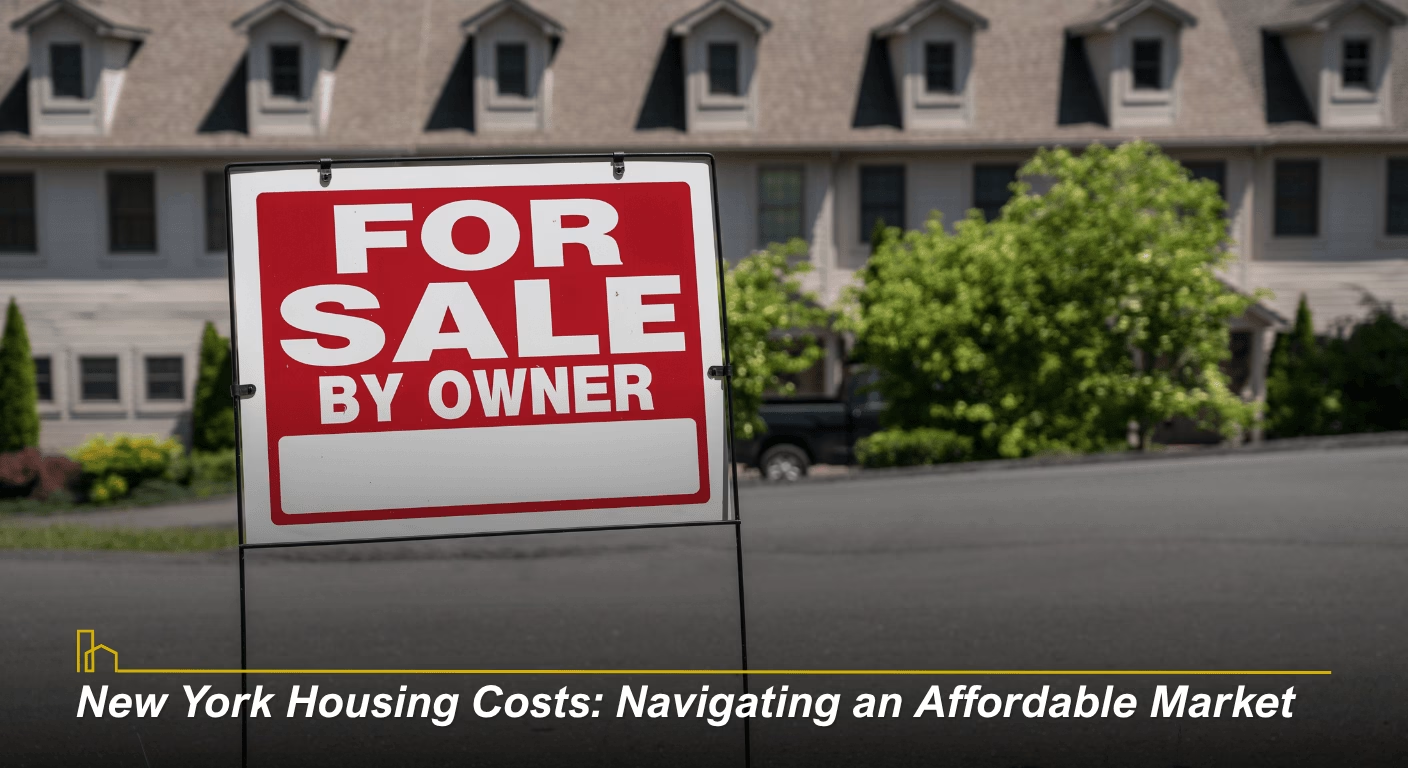
New York’s housing market shows stark contrasts between the expensive NYC metro and more affordable upstate regions. Housing affordability remains a significant consideration for most residents, with costs influenced by property taxes and market demand.
A. Major New York Cities Housing Costs
| City | Median Home Price (2025) | Avg. Rent (2-Bedroom) | Home Price to Income Ratio | Income to Rent Ratio | Safety Index* |
| New York City (Metro) | $940,000 – $1,100,000 | $4,800 – $5,500 | 11.8:1 | 4.1x | Moderate (62) |
| Buffalo | $270,000 | $1,350 – $1,550 | 4.5:1 | 4.0x | Moderate (68) |
| Rochester | $240,000 | $1,300 – $1,450 | 4.2:1 | 4.1x | Moderate (65) |
| Albany | $310,000 | $1,400 – $1,600 | 5.0:1 | 4.3x | Low-Moderate (70) |
| Syracuse | $210,000 | $1,200 – $1,350 | 4.1:1 | 4.3x | Moderate (64) |
Safety Index: A composite score based on FBI crime data (100=low crime)
Sources: Zillow Q3 2025, Apartment List July 2025, FBI UCR 2024
B. New York Housing Strategies and Financial Options
Given New York City’s high housing costs, many residents opt for shared living arrangements or consider exploring outer boroughs such as Queens and the Bronx to find more affordable options, yet remain close to NYC and its unique offerings. First-time homebuyers can benefit from New York State mortgage assistance programs, which offer down payment help and favorable interest rates. Upstate New York buyers face more attainable market prices and leverage better home price-to-income ratios, enhancing affordability.
Inspection services and energy efficiency investments are recommended statewide to ensure long-term savings and property value retention. Prospective residents should consult local housing counseling agencies and financial advisors to optimize their purchasing or renting decisions, and which region is most appropriate for them based on finances and lifestyle desires.

Related article
The Pros and Cons of Living in New York State
New York offers striking contrasts, from the energy of New York City to the calm of the Finger Lakes and Adirondacks. This guide examines the state’s opportunities, costs, and lifestyle trade-offs to help you decide if living in New York fits your goals…
2. New York Tax Structure: A Mixed Picture

New York’s tax system is complex, with a combination of state and local income taxes, combined sales taxes, and significant property tax obligations. High earners particularly feel the impact of steep income tax brackets and additional city taxes.
A. New York State Taxes Overview
- Income Tax: Progressive rates starting at 4%, scaling up to 10.9% for high-income earners. New York City residents pay an additional city income tax ranging from 3.078% to 3.876%.
- Sales Tax: The base state sales tax rate is 4%, with local additions resulting in combined rates from 7% to 8.875%, with New York City at the upper bound.
- Property Taxes: Effective property tax rates vary widely; New York City averages approximately 0.88%, while upstate counties like Erie and Monroe may have effective rates up to 2.1%.
B. Tax Comparison: New York vs. Neighboring States
| Tax Type | New York | New Jersey | Pennsylvania | Connecticut | Massachusetts |
| State Income Tax | 4% – 10.9% + NYC tax | 1.4% – 10.75% | 3.07% | 3% – 6.99% | 5% |
| Sales Tax (Combined) | 7% – 8.875% | 6.625% | 6% | 6.35% | 6.25% |
| Avg. Property Tax | ~1.72% (varies) | ~2.21% | ~1.46% | ~1.7% | ~1.23% |
| Social Security Taxed? | Yes | Yes | Yes | Yes | Yes |
Source: Tax Foundation state tax reports 2025
New York’s overall tax burden ranks among the highest nationally. While income taxes are steep at the top brackets, property taxes in many upstate regions outpace those in neighboring states, notably New Jersey’s high property levy. Prospective residents and remote workers should carefully consider these layers and possible deductions or credits.
Related article
Moving to New York: The Complete Relocation Guide & Checklist
Relocating to New York offers diverse lifestyles, from the energy of New York City to the calm of the Adirondacks and Hudson Valley. This guide covers housing, costs, legal steps, and lifestyle factors to help you plan a successful move…
3. Daily Living Expenses in New York
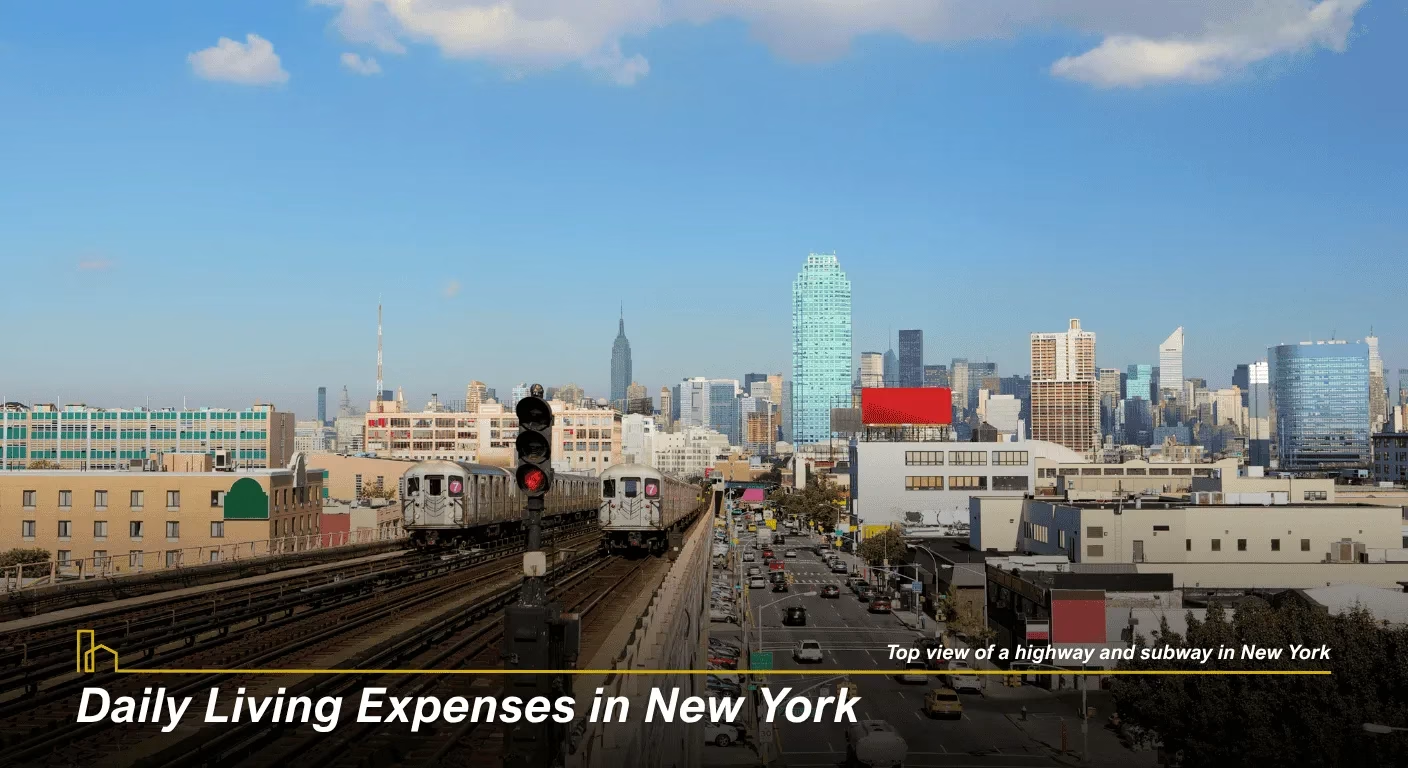
New York’s broader living expenses reflect its varied urban and rural environments, with costs in metropolitan areas exceeding national averages significantly. Grocery, utility, and transportation costs all contribute to the overall financial landscape.
A. Monthly Living Costs Breakdown for Family of Four (2025 Estimates)
| Expense Category | Cost Estimate | National Comparison |
| Housing (Rent/Mortgage) | $5,000 – $6,200 | 180% above the national average (NYC metro) |
| Utilities | $300 – $450 | 10-30% above national |
| Groceries | $1,200 – $1,600 | 15% above the national |
| Transportation | $400 – $550 | 15-25% above national |
| Healthcare | $650 – $850 | Slightly above national |
| Childcare | $1,800 – $2,500 | Significantly above national (metro) |
Source: Numbeo, BLS Consumer Expenditure Survey, Child Care Aware 2025
B. Cost-Saving Strategies for New York Living
Smart New York residents mitigate costs by:
- Using Public Transit: Take advantage of extensive transit systems in NYC and subsidized commuter rails upstate.
- Shopping at Local Markets: Seasonal farmers’ markets and discount grocers reduce grocery bills.
- Energy Efficiency: Implement state energy rebate programs to lower utility costs.
- Childcare Alternatives: Utilize shared childcare options and apply for state tax credits.
- Tax-Advantaged Accounts: Maximize healthcare and dependent care flexible spending accounts.
Recommended for you




4. Family Life in New York: Education and Community
A. Education in New York
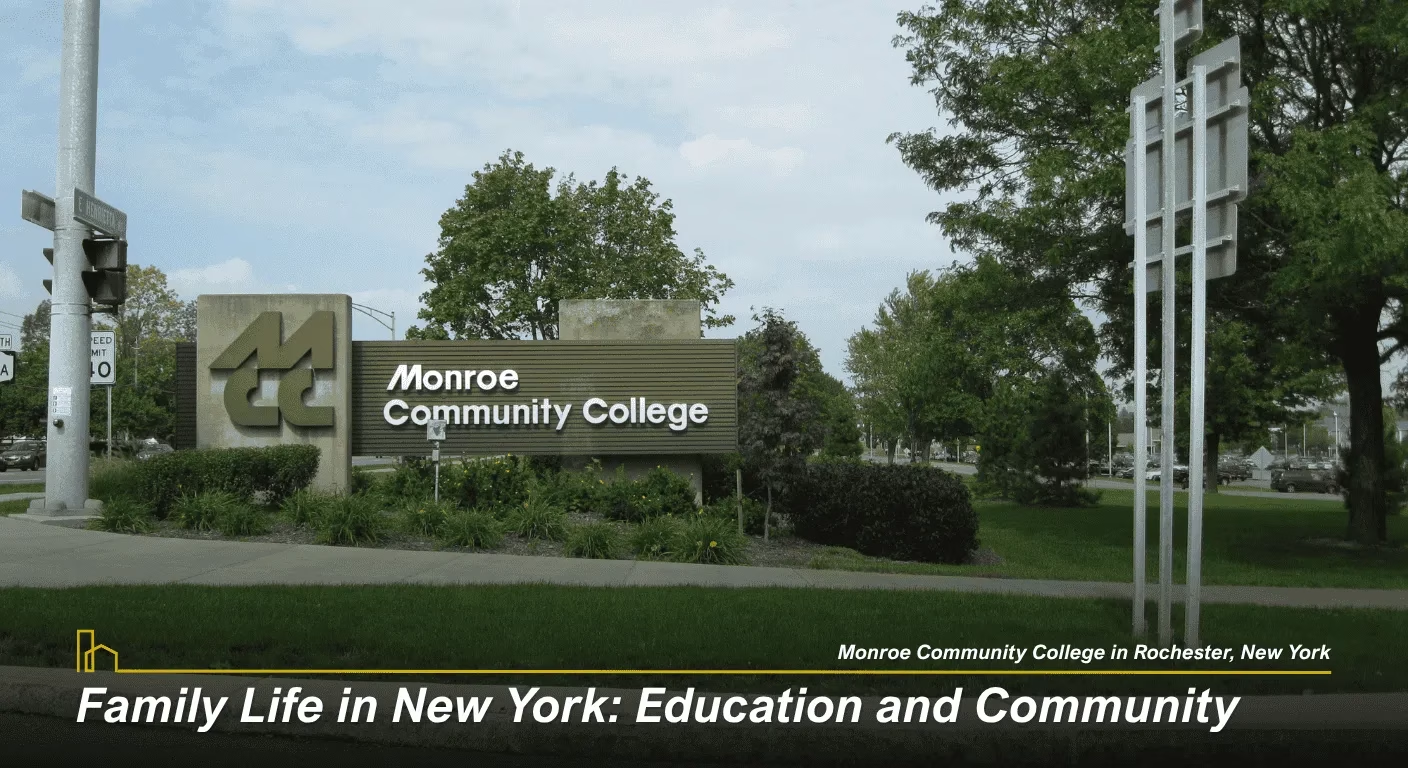
New York offers a broad public school system, with districts ranging considerably in quality. High-performing public schools can be found primarily in suburban and affluent areas, while New York City offers a mix of public, charter, and private schools.
Higher education options include renowned institutions such as New York University, Columbia University, SUNY system campuses, and private colleges statewide. Scholarship and assistance programs are available statewide to support low-income families.
B. Childcare and Family Costs
| Family Expense | Cost Estimate (Monthly) | Support Programs |
| Childcare (Full-time) | $1,800 – $2,500 (metro) / $900 – $1,500 (upstate) | Subsidies available for qualifying families |
| After-school Programs | $300 – $600 | Offered through schools and nonprofits |
| Preschool Programs | $1,200 – $2,000 | Public and private options vary widely |
Childcare represents a significant expense for families in metropolitan areas, but is generally more affordable in upstate New York.
5. New York Transportation: Areas of Car Dependence
A. Vehicle-Related Expenses
| Expense | Annual Cost Estimate | Notes |
| Gasoline | $1,800 – $2,200 | Higher in metro areas |
| Auto Insurance | $2,000 – $2,500 | NYC and the suburbs have higher rates |
| Maintenance & Repairs | $900 – $1,200 | Average regular upkeep |
| Parking Fees | $1,200 – $1,800 | Mostly NYC, variable elsewhere |
B. Public Transit and Air Travel
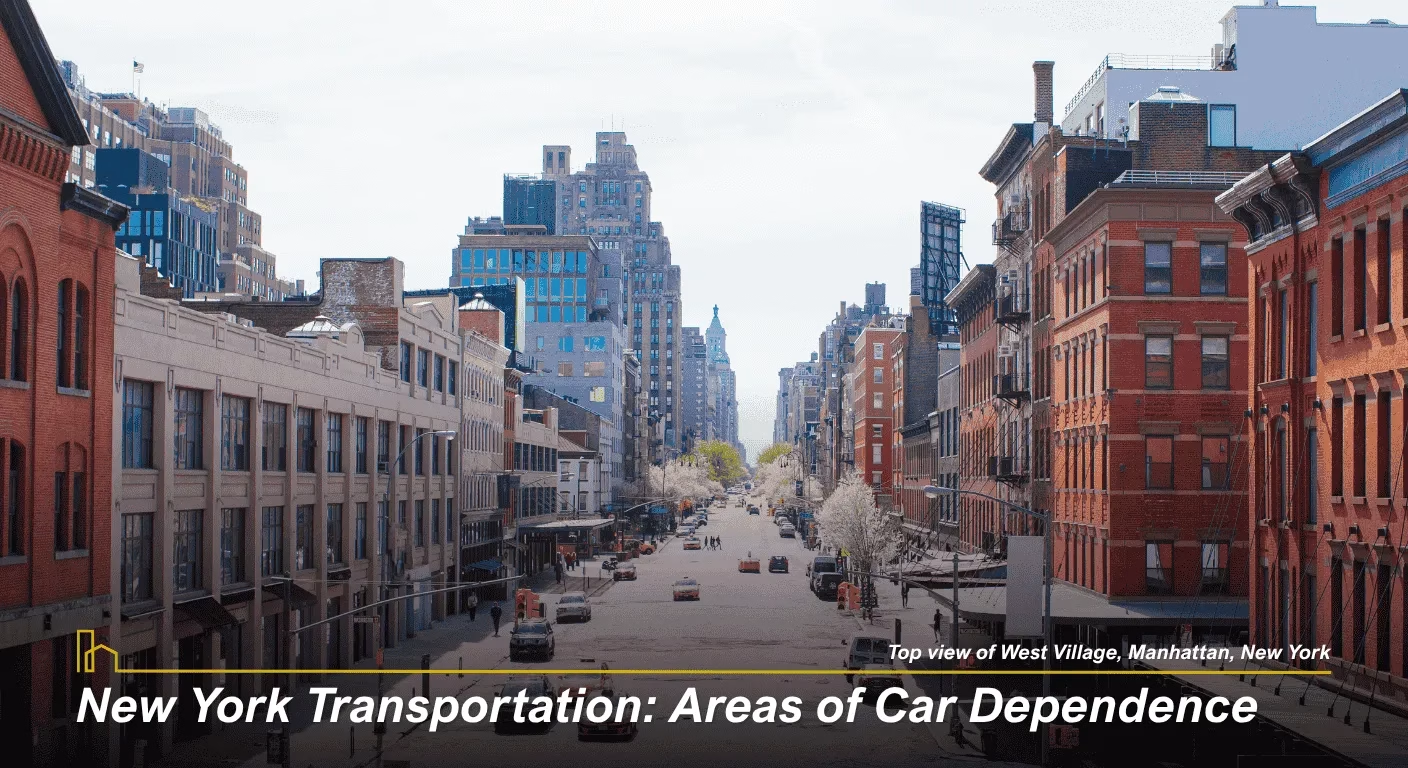
The Metropolitan Transportation Authority (MTA) operates extensive subway and bus networks within NYC, supplemented by commuter rails to nearby suburbs. Upstate transit options are limited, leading to higher vehicle dependence versus Manhattan.
New York is served by major airports: JFK and LaGuardia (NYC) and Newark Liberty International in New Jersey, all offering extensive domestic and international connections crucial for business and leisure travel.

Related article
5 Best Places to Live in New York State
New York offers one of the nation’s most diverse housing landscapes, from global hubs like New York City to regions like the Finger Lakes. This guide evaluates the five best places to live using data on jobs, affordability, education, safety, and overall quality of life…
6. New York Job Market and Income Potential

A. Income Statistics and Employment
| City | Median Household Income (2025) | Unemployment Rate (2025) | Key Industries |
| New York City | $79,713 | 4.5% | Finance, Healthcare, Tech, Media |
| Buffalo | $58,000 | 5.0% | Healthcare, Manufacturing, Education |
| Rochester | $56,500 | 5.1% | Tech, Education, Healthcare |
| Albany | $62,000 | 4.7% | Government, Healthcare, Education |
| Syracuse | $54,000 | 5.5% | Education, Healthcare |
B. Major New York Employers and Industries
| Industry | Key Employers | Typical Salary Range |
| Finance | JPMorgan Chase, Citigroup | $70,000 – $150,000+ |
| Healthcare | NY Presbyterian, Montefiore Medical Center | $50,000 – $120,000 |
| Education | SUNY System, NY State Dept of Education | $40,000 – $90,000 |
| Technology | Google, Amazon (NYC offices), IBM | $70,000 – $140,000+ |
| Manufacturing | General Motors (Buffalo area), Local plants | $40,000 – $80,000 |
New York’s diverse economy supports a wide range of job opportunities, yet urban centers continue to dominate higher-income opportunities.

Related article
7 Most Affordable Places to Live in New York State
New York offers diverse living options, from New York City to more affordable upstate communities. This guide highlights seven budget-friendly places that balance housing costs, job opportunities, and quality of life; helping you enjoy New York’s culture and lifestyle without overspending…
7. Cost of Living Comparison: New York vs. Other States
| Expense Category | New York | New Jersey | Pennsylvania | Connecticut |
| Median Home Price | $940,000 – $1.1M | $420,000 | $230,000 | $350,000 |
| Rent (2-Bedroom) | $4,800 – $5,500 | $2,400 | $1,050 | $2,200 |
| Gas Price/Gallon | $4.20 | $3.85 | $3.25 | $3.90 |
| Utilities (Monthly) | $350 | $320 | $280 | $330 |
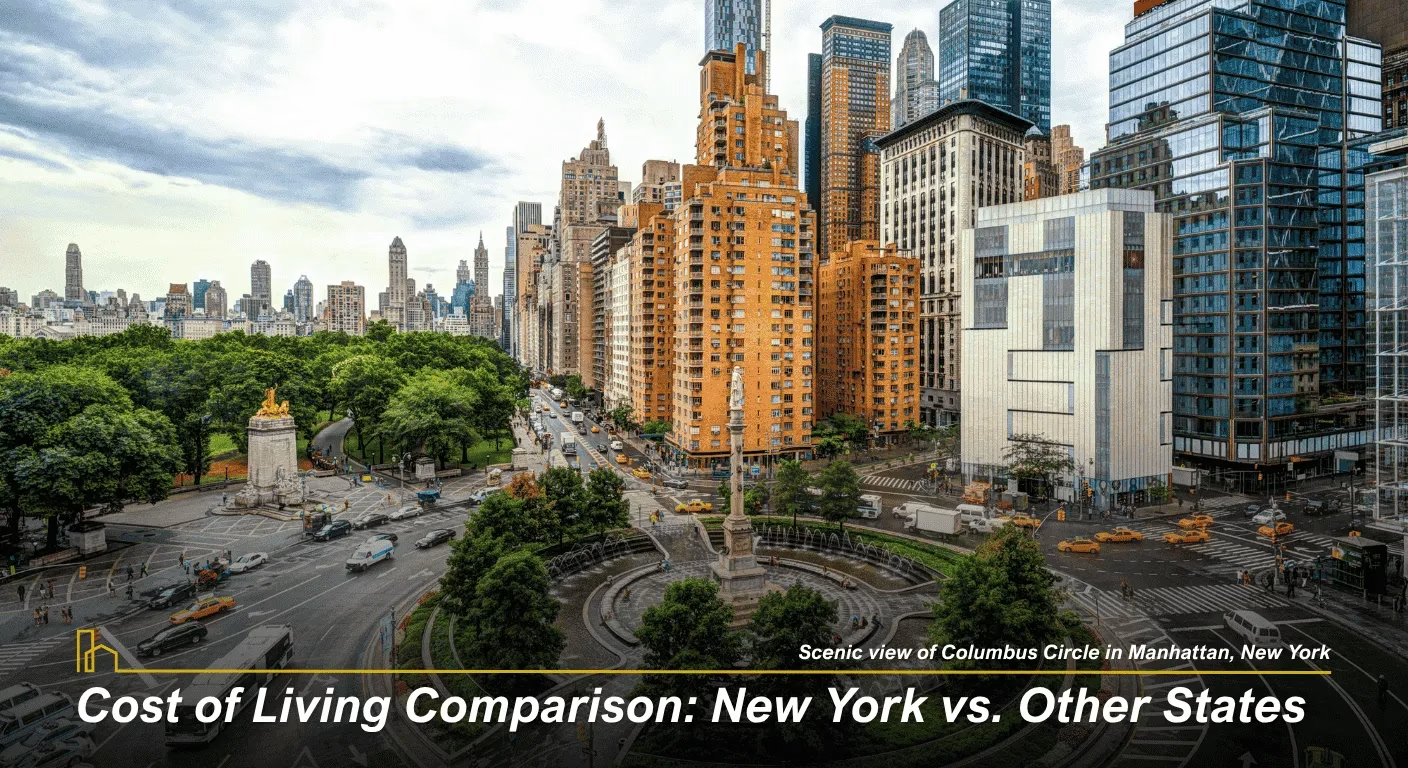
New York’s housing costs and rents are substantially higher than those in neighboring states, primarily driven by the NYC metro area. Utilities and gas prices are also above national averages. For a national comparison, see our list of the most affordable cities to live in the US.
8. New York Lifestyle: The Ultimate Trade-Off

New York offers exceptional cultural diversity, world-class arts, restaurants, and recreational opportunities. Residents can experience urban excitement with easy access to natural beauty, such as the Adirondacks and Hudson Valley. The state’s extensive educational institutions and healthcare facilities further enhance the quality of life and overall satisfaction.
However, high living costs, heavy traffic congestion, and significant tax burdens present challenges. Urban density can contribute to crowded public spaces and increased stress, while upstate residents may face fewer employment opportunities and amenities. Harsh winters upstate increase heating costs and can impact daily commutes.
Balancing these advantages and challenges requires careful planning and prioritization based on individual preferences.

Related article
The 8 Safest Neighborhoods to Live in New York City in 2026
Let’s embark on an exploration of some of New York City’s most attractive residential districts — those that notably contribute to the city’s culture and real estate landscape. If you are seeking a new haven amid the city’s vibrant and thriving aura, below are the top 8 safest places in New York City…
9. Best Places to Live in New York for Different Needs

A. Family-Friendly New York Communities
| Community | Median Home Price | Key Benefits |
| Yonkers | $600,000 | Quality schools, suburban feel near NYC |
| Saratoga Springs | $480,000 | Excellent schools, community amenities |
| Ithaca | $400,000 | College town, outdoor activities |
B. Professional and Retiree Options
- White Plains: Strong professional network and accessible NYC transit.
- Long Island: Offers quality coastal living and family-friendly suburbs.
- Hudson Valley: Emerging remote work hubs with scenic surroundings.
These locations balance affordability, amenities, and lifestyle considerations, making them attractive for various priorities.
Conclusion: Making New York Living Work for You
Living in New York in 2026 means balancing significant financial commitments with rich cultural amenities and economic opportunities. While housing and taxes in urban areas can be daunting, upstate regions offer more affordable alternatives without sacrificing quality of life.
Strategic use of tax credits, housing assistance programs, and cost-saving measures can optimize your financial situation and help you determine in which New York region to relocate. By understanding regional disparities and leveraging available resources, you can make New York living both rewarding and sustainable. For more insights on navigating housing challenges and lifestyle choices, consult resources such as Is it illegal to have a bedroom in the basement? and explore similar guides tailored to urban living.
Recommended for you




FAQs About Living in New York State
1. What salary is needed to live comfortably in New York City?
A single individual typically requires an annual income of $85,000 to $100,000 for comfortable living in NYC, considering housing, taxes, and daily expenses. Families of four generally require $150,000 or more. Upstate residents can expect significantly lower requirements, ranging from $50,000 to $75,000, depending on locale.
2. How do taxes in New York affect retirees?
New York taxes retirement income, including Social Security, for higher earners, but offers exemptions at certain income levels. Property and sales taxes remain a consideration, especially in high-cost areas. Retirees should consult tax professionals to optimize their financial plans.
3. Are groceries expensive in New York?
Groceries cost about 15% above the national average in New York State, with metropolitan areas like NYC being at the higher end. Shopping at local markets and discount stores can help reduce grocery bills.
4. Is public transportation effective statewide?
Public transit is extensive and efficient in the New York City metro area, but notably limited in many upstate communities, where residents mainly rely on cars.
Costs such as parking fees, commuting, childcare, and healthcare can add substantially to budgets. Property taxes and local fees vary by county and should be calculated during financial planning.
6. What are some affordable places to live in New York?
Upstate cities such as Buffalo, Rochester, and Syracuse consistently offer more affordable housing and living costs compared to NYC, making them attractive for budget-conscious families and retirees.
Local Editor(s)




The Pros and Cons of Living in New York State
New York State is a land of dramatic contrasts, offering both the unparalleled energy of a global metropolis and the serene beauty of vast natural landscapes. From the iconic skyscrapers of New York City to…
-
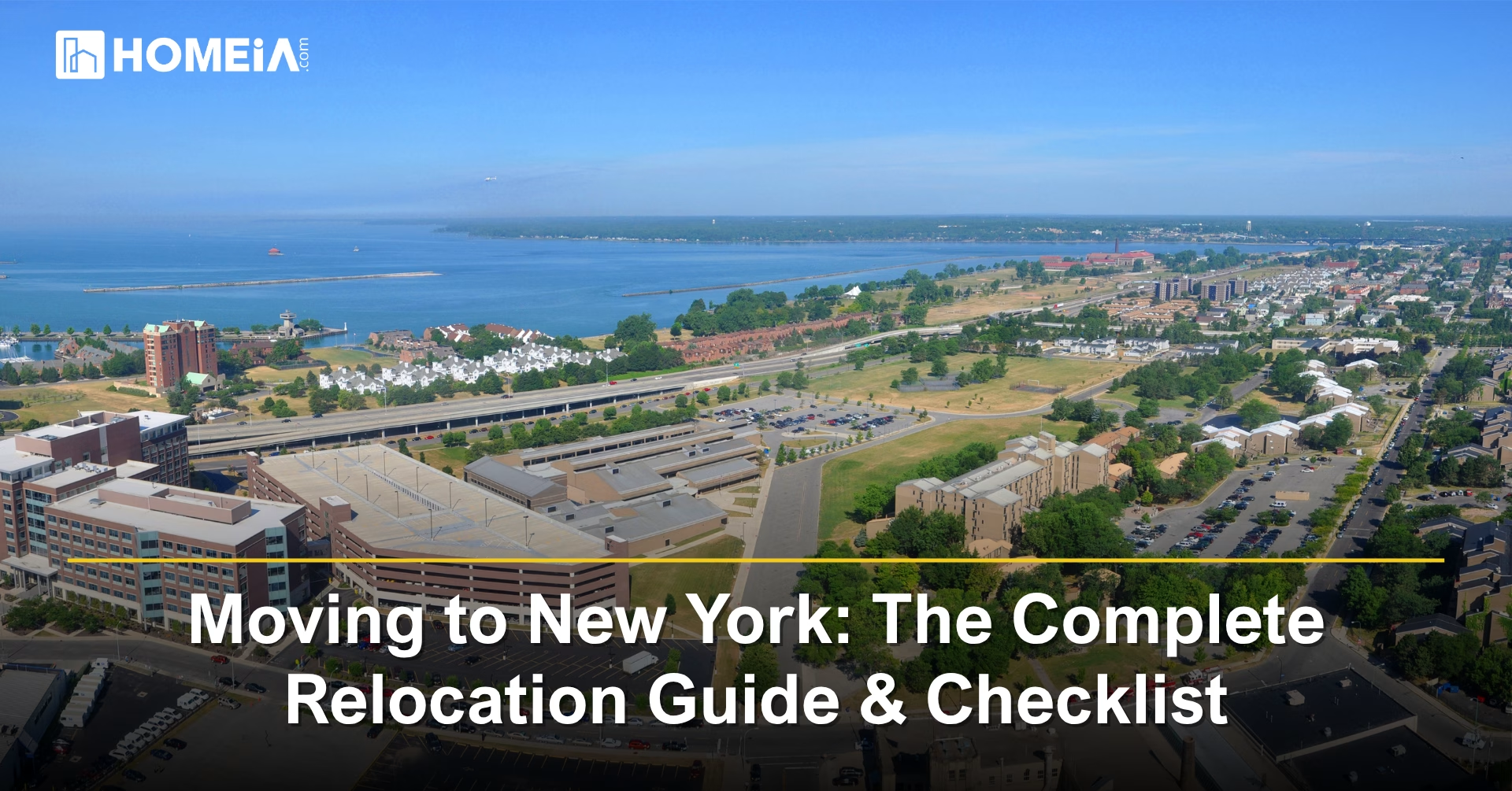
Moving to New York: The Complete Relocation Guide & Checklist
Relocating to New York means embracing a diverse and unique lifestyle shaped by iconic metropolitan hubs, charming suburbs, and beautiful rural landscapes. From the fast-paced, culturally rich environment of New York City…
-
5 Best Places to Live in New York State
New York State offers one of the country’s most diverse residential landscapes, spanning global financial centers, semiconductor mega-campuses, and Finger Lakes gorges. This state is backed by aggressive investment in…
-
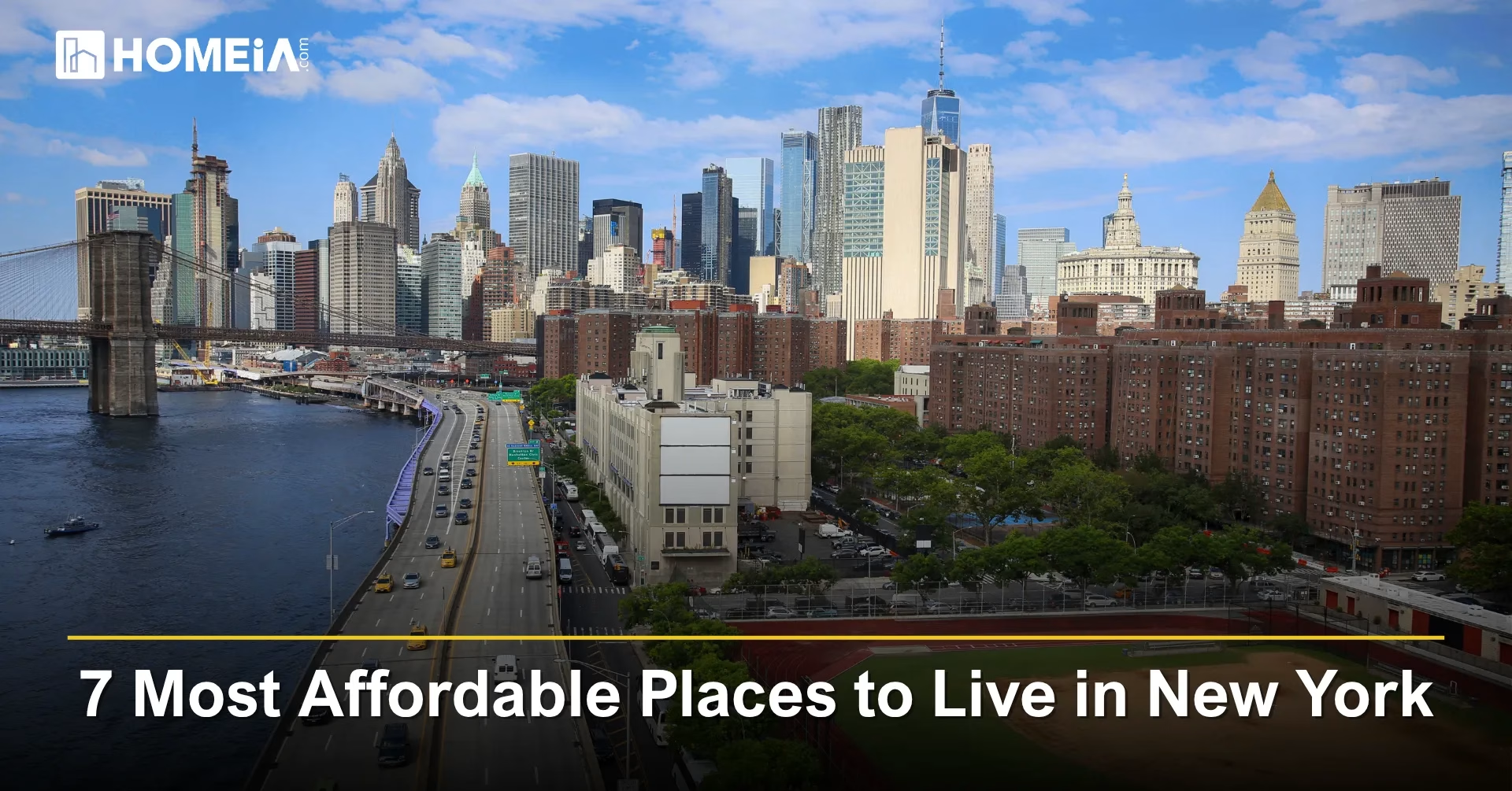
7 Most Affordable Places to Live in New York State
New York State offers a diverse range of living environments, from the fast-paced urban life of New York City to the charming and affordable upstate regions. While the state is renowned for its…
-
The 8 Safest Neighborhoods to Live in New York City in 2026
New York City, the Big Apple of the United States, offers a diverse palette of boroughs and neighborhoods, each with a unique pulse and story. Renowned for its vibrant arts…
Related Topics












-
The Pros and Cons of Living in Connecticut
Nestled in the heart of New England, Connecticut offers a unique blend of historic charm, coastal beauty, and modern affluence. Known as the Constitution State, it boasts proximity to major cities like New York City and Boston while maintaining its own identity with…
-
The Pros and Cons of Living in Delaware
When picturing Delaware, what comes to mind are tax-free shopping, beautiful beaches, and proximity to major East Coast cities. But the First State offers more than financial advantages; here exists a place where historic charm, corporate headquarters, and relaxed coastal…
-
The Pros and Cons of Living in Hawai’i (updated)
When picturing Hawai‘i, what often comes to mind are stunning beaches, lush tropical landscapes, and vibrant Polynesian culture. But the Aloha State holds more than what's apparent on the surface. It’s a place where ancient traditions, diverse communities, and island…





-
The Pros and Cons of Living in Louisiana
When picturing Louisiana, vibrant jazz music, spicy Creole cuisine, and historic French Quarter architecture are what usually appears. But the Pelican State offers more than Southern clichés; here lies a place where unique cultures, standout cuisine, and relaxed pace of…
-
The Pros and Cons of Living in Maine
When picturing Maine, what one envisions are rugged coastlines, lobster shacks, and dense forests. But the Pine Tree State offers more than New England stereotypes; here lies a place where maritime heritage, outdoor adventure, and resilient spirit define everyday living.…
-
The Pros and Cons of Living in Mississippi
The Pros and Cons of Living in Mississippi: Mississippi, located in the heart of the American South, is known for its low cost of living and laid-back way of life. Many people choose to call the Magnolia State home, but…





-
The Pros and Cons of Living in New Hampshire
When picturing New Hampshire, what comes to mind are picturesque New England villages, stunning White Mountains, and a fiercely independent spirit. But the Granite State offers more than colonial charm; here lies a place where low-cost living, outdoor adventure, and…
-
The Pros and Cons of Living in New Mexico
When picturing New Mexico, what comes to mind are vast desert landscapes, adobe architecture, and vibrant chili peppers. But the Land of Enchantment offers more than meets the eye; here lies a place where ancient cultures, standout arts scenes, and…
-
The Pros and Cons of Living in North Dakota
When picturing North Dakota, imagery commonly associated are vast prairies, oil fields, and harsh winters. But the Peace Garden State offers more than Midwestern stereotypes; here lies an area where flourishing communities, economic opportunity, and affordable living define everyday life.…



-
The Pros and Cons of Living in Utah
The Pros and Cons of Living in Utah: When picturing the State of Utah in the Mountain West, many imagine iconic red rock landscapes, world-class ski resorts, and a vibrant, family-oriented culture. And while all of those are essential pieces…
-
The Pros and Cons of Living in Washington
When picturing Washington State, what crosses one’s mind are lush evergreen forests, majestic mountains, and the tech hub of Seattle. But the PNW offers more than that; here lies a place where natural beauty, economic opportunity, and progressive values define…
-
The Pros and Cons of Living in Vermont
The Pros and Cons of Living in Vermont: Tucked into the heart of New England, Vermont offers postcard-worthy landscapes, a relaxed pace of life, and a strong sense of community. Known for its maple syrup, fall foliage, and progressive values,…



-
Pros and Cons of Living in Virginia
Virginia is a beautiful state with an abundance of opportunities ripe for discovery. From the Appalachian Trail to the Blue Ridge Mountains, coastal towns to small farming communities, Virginia has something for individuals and families of all ages and budgets.…
-
The Pros and Cons of Living in Boston, Massachusetts
Considering moving to Boston in 2026? This historic yet innovative city offers a unique blend of old-world charm and modern opportunity. As New England's economic and cultural hub, Boston attracts residents with its world-class education, thriving job market, and vibrant…
-
The Pros and Cons of Living in California: Complete Relocation Guide
If you're considering moving to California, you're in luck. The Golden State offers attractive options for all ages, budgets, living situations, and preferences. From the beaches of San Diego to the tech hubs of the Bay Area and the agricultural…




-
The Pros and Cons of Living in Massachusetts
The pros and cons of living in Massachusetts: Moving to a new part of the US requires careful consideration of both the state itself and the specific community you'll join. If Massachusetts is your next destination, you'll find a state…
-
The Pros and Cons of Living in Minnesota
The Pros and Cons of Living in Minnesota: When picturing the Midwestern state of Minnesota, some might imagine a snowy blizzard, an afternoon at the lake, the bustling state fair, and a thriving hockey community. And while all of those…
-
The Pros and Cons of Living in New Jersey
Considering a move to New Jersey? The Garden State offers a dynamic mix of urban energy, coastal charm, and suburban comfort. Home to nearly 9 million residents, New Jersey features vibrant cities, peaceful towns, stunning beaches, dense forests, and cultural…




-
The Pros and Cons of Living in Parrish, Florida
The Pros and Cons of Living in Parrish, Florida: When picturing Parrish, rapidly expanding neighborhoods, newer master-planned communities, and a peaceful suburban-rural charm should come to mind. However, this unique town has all that and more. Seamlessly blending affordable Florida…
-
The Pros and Cons of Living in South Carolina
The pros and cons of living in South Carolina: When picturing South Carolina, the mind goes straight to shrimp and grits at a waterfront table in Charleston, azaleas in full bloom in Summerville, and a round of golf as the…
-
The Pros and Cons of Living in Tennessee
People have been migrating to the South at an unprecedented rate in recent years, making it the leading region for population growth in the United States. This historic pattern of migration is driven by a complex range of factors, including…