





Living In West Virginia
Local Editor(s)

 Considering



 Verified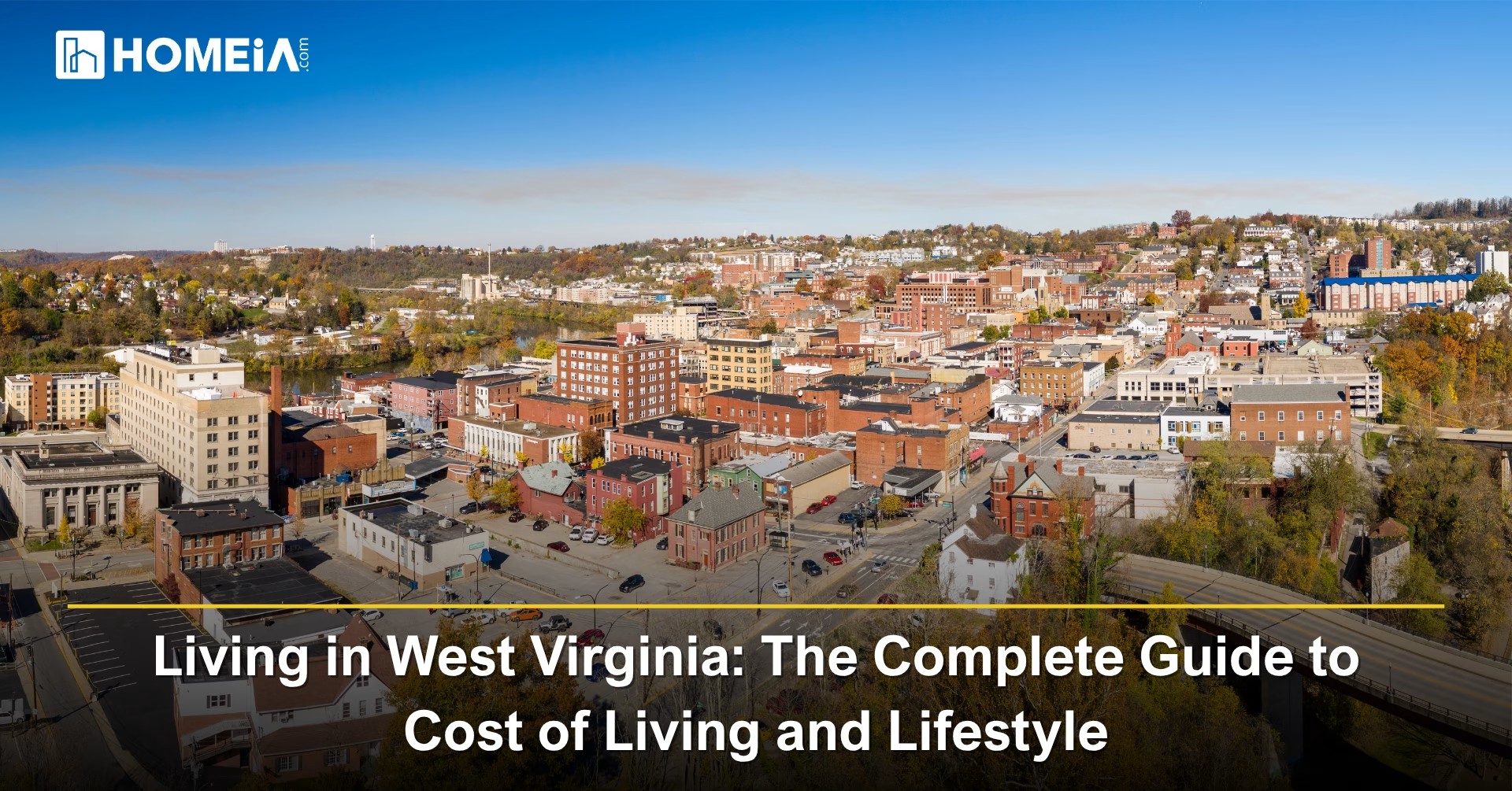
The Complete Guide to Cost of Living and Lifestyle
Living in West Virginia feels like living in two different worlds: one centered on community engagement and the other in the wilderness.. During the week, you might finish work, pick up groceries in town, and still reach a hiking trail, a river put-in, or a ski slope before dark. The tradeoff is that distances between towns are real, broadband access is uneven in rural hollows, and the right budget depends heavily on which county or city you choose.
People say the state nickname, “Almost Heaven,” is not a tourist slogan. Drive the Greenbrier River valley on a fall morning, or stand at the overlook above New River Gorge at first light, and you will feel exactly what they mean. West Virginia is the Mountain State, and the real mountain is the one between your front door and your next electric bill: it barely registers, because almost nothing about daily life here is comparable.
Key Takeaways
- Among the lowest cost of living in the nation: West Virginia’s 2025 MERIC cost-of-living index is 88.0 (U.S. = 100), ranking it 3rd most affordable nationally. Housing is the standout at a sub-index of 71.2, nearly 29% below the national average.
- Home prices are the lowest in the country: The statewide Zillow Home Value Index is $155,773 (February 2026), up 3.4% year-over-year. Regional variation is significant as Martinsburg approaches $308,000 while Huntington averages $140,000.
- Declining income tax, three years running: West Virginia’s top income tax rate fell to 4.58% effective January 1, 2026 under SB 392, the third consecutive annual rate cut. The 6% state sales tax exempts groceries and prescription drugs.
- Unemployment rising modestly; healthcare dominates hiring: The 2024 annual unemployment rate was 4.1%, edging up to 4.6% by December 2025. WVU Medicine, with approximately 20,000 employees, is the state’s largest private employer.
- Outdoor access is genuine and immediate: New River Gorge National Park, 36 state parks, 9 state forests, and 825 miles of Monongahela National Forest trails put year-round outdoor recreation within reach of any household.
Related article
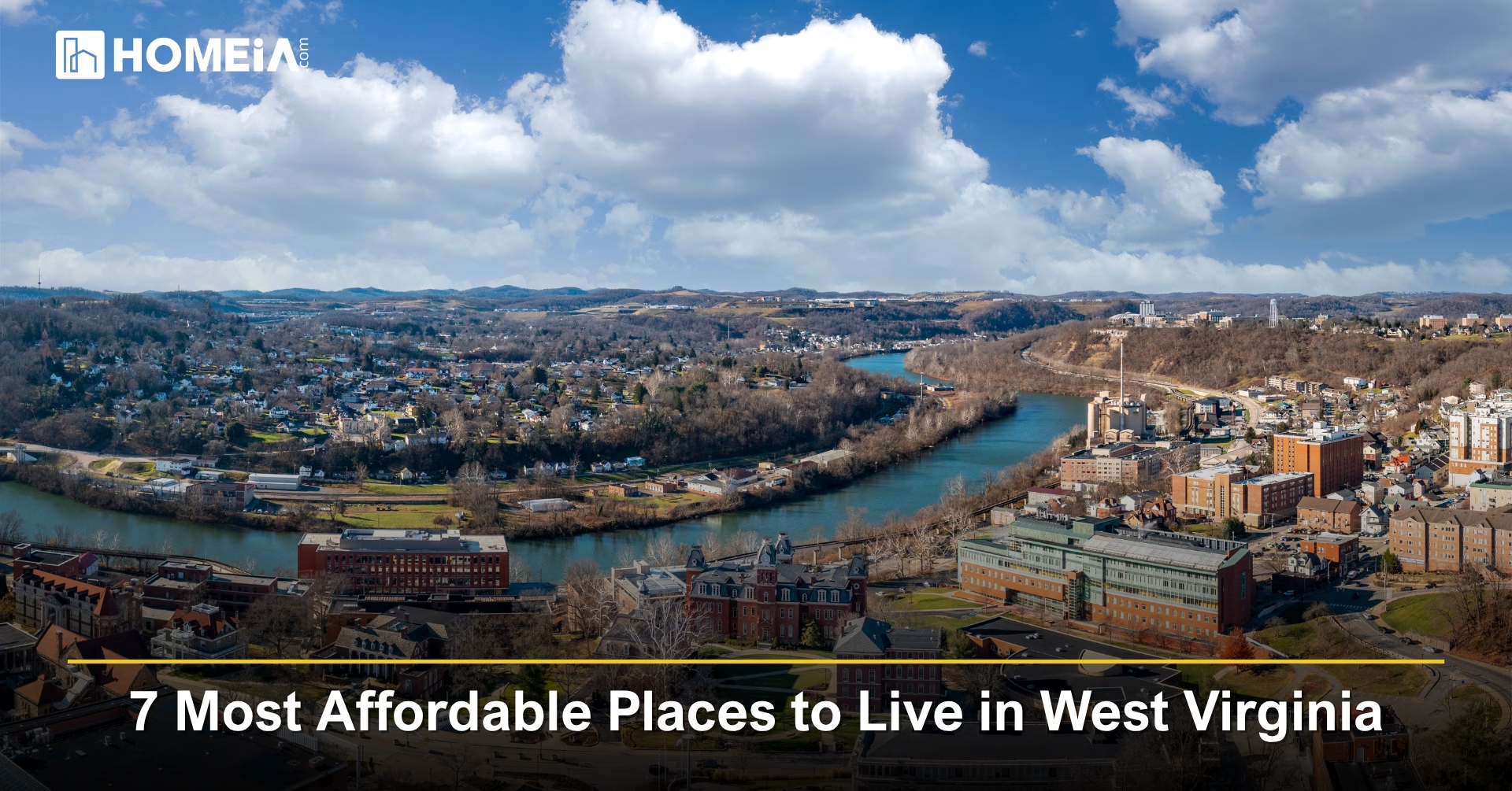
7 Most Affordable Places to Live in West Virginia
West Virginia combines some of the nation’s most affordable housing with low property taxes, scenic landscapes, and close-knit communities. While living costs vary across the state, many towns offer exceptional value without sacrificing access to jobs, healthcare, or everyday amenities. This guide highlights seven of the most…
1. Snapshot of West Virginia
West Virginia’s estimated population is approximately 1.77 million as of 2025, making it the 39th most populous state. Median household income reached $60,800 in 2024 (U.S. Census Bureau ACS), up about 8.7% from $55,948 in 2023, the highest recorded figure in the state’s data history. Poverty is at 16.7%, the 4th highest nationally. Homeownership is high at 74.9%, and the average commute is below 30 minutes.
| Metric | Figure (2025-2026) | Source |
| Population estimate | ~1.77 million (2025) | U.S. Census Bureau |
| Median household income | $60,800 (2024, up ~8.7% from 2023) | U.S. Census Bureau / ACS |
| Poverty rate | 16.7% (4th highest nationally, 2024) | U.S. Census Bureau ACS |
| Cost-of-living index | 88.0 (U.S. = 100, 2025 avg) | MERIC |
| Avg. home value (ZHVI) | $155,773 (Zillow, Feb 28, 2026, +3.4% YoY) | Zillow Home Value Index |
| Avg. rent (all types) | ~$1,200/month statewide | Zillow rental trends |
| Unemployment rate | 4.1% (2024 annual avg); 4.6% (Dec 2025) | Bureau of Labor Statistics |
| Federal land share | 7.4% of WV acreage (2018 CRS data) | Congressional Research Service |
Sources: U.S. Census Bureau; MERIC; Zillow ZHVI (Feb 28, 2026); BLS; Congressional Research Service
2. Housing Costs and Real Estate
The state is still a genuine housing bargain by national standards. Zillow’s Home Value Index puts the statewide average at $155,773 as of February 28, 2026, up 3.4% year-over-year. Average rent runs approximately $1,200 per month statewide, nearly 40% below the national average. The range across regions is significant: the Eastern Panhandle D.C. commuter market runs two to three times the price of an industrial river city in the west.
A. West Virginia cities: typical home values and rent
| City | Typical Home Value | Avg. Rent (est.) | Local note |
| Morgantown | $280,205 | $1,150-$1,250 | WVU and WVU Medicine anchor; fastest appreciation in state |
| Martinsburg | $307,800 | $1,350+ | Eastern Panhandle D.C. commuter market; hottest growth (+3.5% YoY) |
| Charleston | $163,657 | $1,054 (2BR) | State capital; healthcare hub; balanced market |
| Parkersburg | $147,802 | $879 | Ohio River manufacturing corridor; among most affordable cities |
| Huntington | $139,631 | $850-$1,000 | Marshall University city; growing medical sector |
Sources: Zillow Home Value Index and rental market trend pages by city, updated March-April 2026
B. Ways to reduce upfront housing costs
The West Virginia Housing Development Fund (WVHDF) offers the HOMEownership Program, connecting first-time buyers with 30-year fixed-rate mortgages covering up to 100% of a home’s purchase price at below-market rates, with optional down payment and closing cost assistance. The Eastern Panhandle HOME Consortium adds up to $14,500 in zero-interest down payment aid, forgiven after five years. Seniors and disabled homeowners benefit from the Homestead Exemption, reducing taxable assessed value by $20,000, and low-income homeowners who qualify may also claim the Senior Citizens Tax Credit of up to $1,000 against state income tax.
Something to bear in mind is that in most cities, a car is not optional. When comparing neighborhoods, run your housing numbers and estimated commute miles together. Towns can be 45 minutes apart, and fuel is a real budget line. For a national comparison, see our list of the most affordable cities to live in the US.


Related article
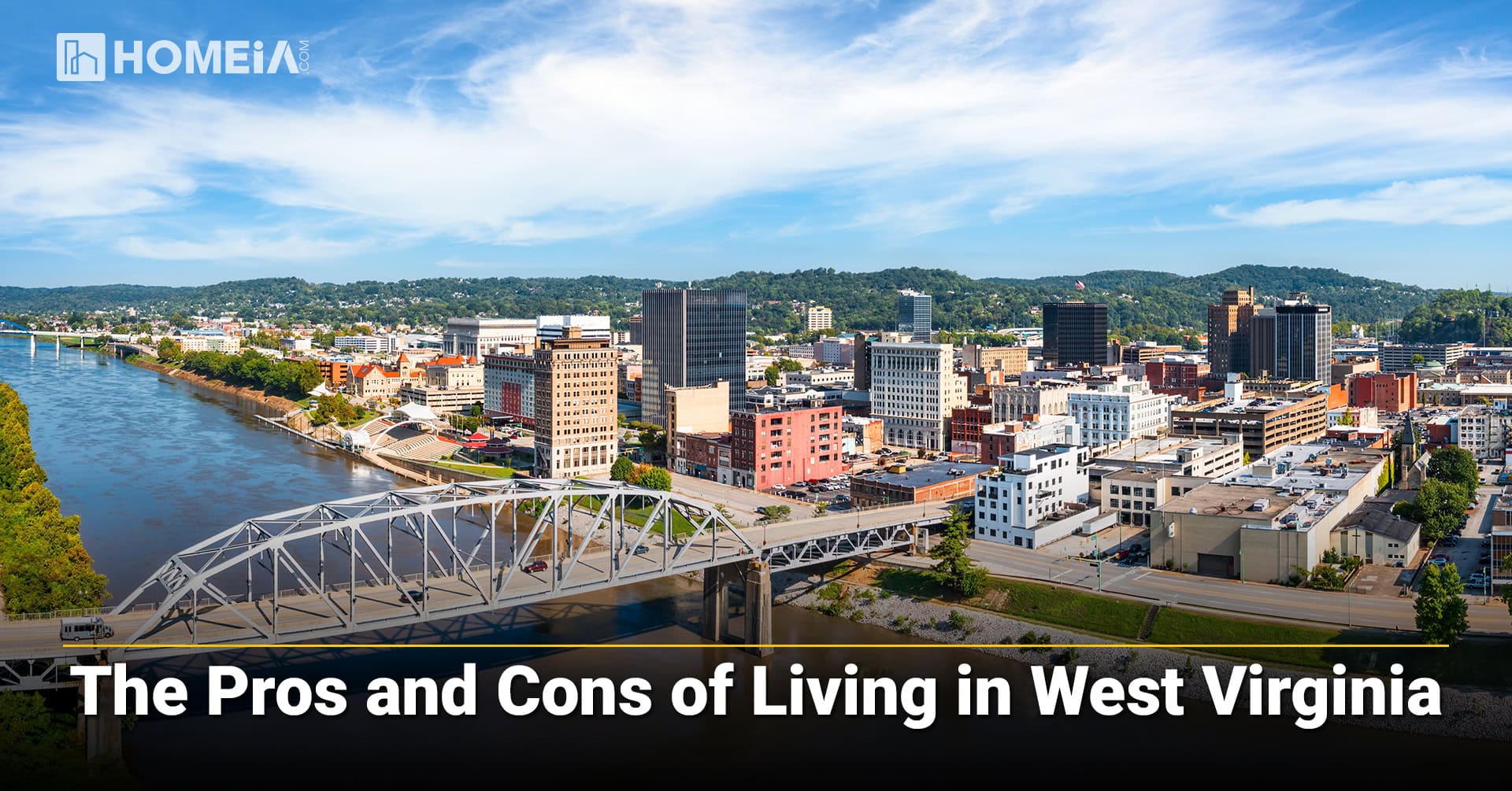
The Pros and Cons of Living in West Virginia
The Pros and Cons of Living in West Virginia include stunning natural landscapes, low cost of living, and a strong sense of community. However, challenges such as limited job opportunities, rural isolation, and infrastructure gaps make it important to weigh your priorities before relocating to the Mountain State…
3. Taxes and Credits
Their income tax is declining. Under Senate Bill 392, signed in spring 2026 with retroactive effect from January 1, 2026, the top marginal rate fell to 4.58%, the third consecutive annual cut. The state sales tax is 6%, with a key exemption: groceries and prescription drugs are not taxed. Property tax is set and collected at the county level; the state levy is minimal.
A. Credits most households use
- Grocery exemption: The Panhandle State does not apply its 6% sales tax to food purchased for home consumption or to prescription medications, providing meaningful relief to lower-income households.
- Homestead Exemption: Reduces the taxable assessed value of a qualifying primary home by $20,000 for homeowners aged 65 or older, or those who are permanently and totally disabled.
- Senior Citizens Tax Credit: A refundable credit of up to $1,000 offsetting property taxes paid on up to $20,000 of taxable assessed value, available to low-income homeowners who qualify for the Homestead Exemption.
- Social Security exemption: Most filers owe no state income tax on Social Security benefits, a significant advantage for retirees on fixed income.
B. How West Virginia compares to neighboring states
| State | Individual income tax | State sales tax | Groceries taxed? |
| West Virginia | 2.11%-4.58% graduated (2026) | 6% (up to 7% w/local) | No |
| Virginia | Progressive; top rate 5.75% | 5.3% state | Reduced rate |
| Pennsylvania | Flat 3.07% | 6% state | No |
| Ohio | Progressive; top rate 3.99% | 5.75% state | No |
| Kentucky | Flat 4.0% | 6% state | No |
Sources: WV Tax Division; Virginia Dept. of Taxation; Pennsylvania DOR; Ohio DOR; Kentucky DOR

Related article
21 Best and Fun Things to do in Morgantown, West Virginia
Whether you are visiting Morgantown on vacation, getting ready to attend WVU, or looking to settle down permanently, you’ll want to check out all of the city’s best attractions…
4. Daily Living Expenses
MERIC reports an overall cost-of-living index at 88.0 for the 2025 annual average (U.S. = 100). Housing drives the biggest savings with a sub-index of 71.2, but groceries (96.3), utilities (90.7), and healthcare (95.2) all come in below the national benchmark. The mix is favorable on nearly every front, though driving distances in rural areas add up quickly while healthcare access in the most remote counties requires planning.
A. Income needed to live comfortably
The MIT Living Wage Calculator (updated February 2026) estimates the hourly living wage for a single adult in West Virginia at $19.53, or roughly $40,622 annually before taxes. SmartAsset’s 50/30/20 budget framework puts the “comfortable living” figure at approximately $80,829 per year for a single adult, the lowest such figure of any state in the country.
| Household type | Living wage (hourly) | Approx. annual gross |
| 1 adult, no children | $19.53/hr | ~$40,622 |
| 2 adults (1 working), no children | $26.99/hr | ~$56,139 |
| 2 adults (both working), no children | $13.50/hr each | ~$28,080 each |
| 2 adults (both working), 2 children | $24.35/hr each | ~$50,648 each |
Source: MIT Living Wage Calculator, West Virginia, updated February 2026
B. Key expense benchmarks
- Electricity: West Virginia’s residential electricity averaged about 15.07 cents per kWh in 2024 (EIA), roughly 8%-10% below the national average. Rates dipped to approximately 14.77 cents per kWh in January 2026 due to seasonal variation; summer months can run higher. With nearly 85% of the state’s electricity generated from coal, rates are relatively stable but rising faster than the national average over the long term.
- Gasoline: Here, gas prices consistently run below the national average. The statewide average was approximately $3.96 per gallon on April 13, 2026 (AAA), up from $2.75 in late December 2025, reflecting broader supply pressures from Middle East conflict. For high-mileage rural households, fuel is a meaningful monthly line item.
- Broadband: Internet access is reliable in urban and suburban areas but uneven in the mountains and southern coalfields. In November 2025, the federal government approved West Virginia’s BEAD plan, clearing the way to connect more than 73,000 unserved and underserved locations through a $625 million investment, with 94.2% of locations targeted for fiber-to-the-premises service.
Related article
Moving to West Virginia: The Complete Relocation Guide & Checklist
West Virginia offers a blend of scenic mountain landscapes, affordable living, and close-knit communities. From the vibrant college atmosphere of Morgantown to the historic character of Lewisburg, the Mountain State appeals to those seeking outdoor adventure, a slower pace of life, and financial affordability. This guide covers…
5. Job Market and Income
This job market is held together by healthcare, retail, and government across most of the state, with manufacturing concentrated in the Ohio River corridor and energy jobs across the southern and central coalfields. The annual average unemployment rate was 4.1% in 2024, edging up to 4.6% by December 2025. The average weekly wage was $1,076 in January 2026 (BLS), about 4% higher than a year earlier. Median annual wages across all occupations were $51,454 in 2024.
| Employer | Approx. employment | Sector |
| WVU Medicine (WVU Health System) | ~20,000 | Healthcare |
| Walmart Inc. | ~11,902 | Retail trade |
| Charleston Area Medical Center | ~8,000 | Healthcare |
| West Virginia University | ~6,200-7,500 | Education |
| Kroger Co. | ~4,321 | Retail trade |
| U.S. Postal Service | ~3,931 | Federal government |
| Toyota Motor Manufacturing | ~2,103 | Manufacturing |
Source: WorkForce West Virginia employer data; Switch On Business compilation, 2024-2025
Other notable employment sectors include a growing tech presence in Morgantown (WVU Research Corporation, federal cyber operations), chemical and advanced manufacturing along the Kanawha Valley, natural gas extraction across the Marcellus Shale in the north-central counties, and a tourism and hospitality sector that generated more than $9.1 billion in economic impact in 2024 and supported 61,000 jobs. Coal mining remains significant in revenue terms at approximately $7.4 billion statewide, though employment has contracted sharply over two decades.
Related article
20 Cool Things to do in Fredericksburg, Virginia (updated)
Fredericksburg, Virginia blends American history, outdoor recreation, and small-city charm along the Rappahannock River. This guide highlights 20 things to see and do, from George Washington sites and Civil War battlefields to craft breweries, kayaking, museums, and family-friendly attractions.
6. Lifestyle and Things to Do
Notably, the state’s outdoor culture becomes part of a regular week once you live here. Approximately 7.4% of the state’s land area is federally administered, managed primarily through the Monongahela National Forest (over 911,000 acres). The WVDNR manages 36 state parks, 9 state forests, and 3 rail trails covering nearly 156,000 acres of combined parkland and forestland.
A. Place-based highlights
- New River Gorge National Park and Preserve: Designated the country’s newest national park in 2020, the Gorge offers more than 1,400 established rock climbing routes, Class IV-V whitewater on the New and Gauley rivers, extensive hiking trails, and the iconic New River Gorge Bridge, the longest single-arch steel bridge in the Western Hemisphere.
- Hatfield-McCoy Trails: One of the largest off-highway vehicle trail systems in the world, with more than 1,000 miles of OHV trails across eight counties in southern West Virginia. In 2025, the system connected with Virginia’s Spearhead Trails, creating a continuous dual-state network. Trails are open 365 days a year.
- Blackwater Falls and Monongahela National Forest: The national forest’s 825 miles of trails and 23 campgrounds anchor four-season recreation in the eastern highlands. Blackwater Falls State Park, with its 57-foot amber waterfall, is among the most photographed landscapes in the mid-Atlantic region.
- Ski resorts: Five ski resorts operate statewide, including Snowshoe Mountain (60-plus ski and snowboard routes), Timberline Mountain, and Winterplace. Tourism generated more than $9.1 billion in economic impact in 2024, and the 2025-2026 ski season was on pace for record winter numbers.

Related article
Moving to Pennsylvania: THE Complete Relocation Guide & Checklist
This Pennsylvania moving guide offers key insights on cost of living, job opportunities, and top cities like Philadelphia, Pittsburgh, Lancaster, and State College—helping you plan a smooth relocation and choose the best place to live based on your goals, whether you seek urban life, innovation, charm, or a college-town feel…
B. Best places to live for different priorities
- Career depth and city amenities: Charleston and Morgantown. Charleston offers the broadest healthcare employment base and state government jobs. Morgantown pairs the WVU academic economy with WVU Medicine’s growing hospital network and a young population keeping the arts and food scenes thriving.
- Affordable family living with good services: Huntington and Parkersburg. Both are self-contained river cities with hospitals, retail, and highway access at housing costs well below the statewide average. Huntington’s median home value is around $140,000; Parkersburg approximately $148,000.
For a full ranking of how Huntington, Parkersburg, and other budget-friendly communities compare, see this guide to the most affordable places to live in West Virginia.
- Recreation-first lifestyle: Elkins, Davis, and Lewisburg. These mountain towns sit at the edge of the Monongahela National Forest or the Greenbrier Valley, offering extraordinary outdoor access, quaint arts scenes, and a quieter pace attracting remote workers and retirees.
- D.C. commuter corridor with mountain proximity: Martinsburg and the Eastern Panhandle. Home values approach $308,000 and price growth is the fastest in the state at 3.5% year-over-year. This is despite proximity to Washington-Baltimore metro employment with West Virginia’s lower cost of living everywhere outside the house makes the trade-off compelling for many commuters.
Conclusion: West Virginia is not a budget compromise, but rather, a genuine value for people who want to stretch income further without sacrificing quality of life. Significant levers are housing choice, transportation miles, and broadband reliability. Use the statewide benchmarks to get oriented, then price your exact city or county carefully, because these averages hide real regional differences. The Mountain State’s cost of living is 12% below the national average, its income tax rate is falling for the third straight year, and its public lands put trails, rivers, and ski slopes within reach of any household. For most making the move, the payoff is measured in what is missing: rush-hour traffic, astronomical rent, and the feeling that the outdoors is something you have to travel to reach.
Recommended for you




FAQs About Living in West Virginia
1. What is the cost of living in West Virginia compared to the national average?
West Virginia’s 2025 MERIC index is 88.0 (U.S. = 100), placing it 3rd most affordable nationally. Every major category, including housing (71.2), groceries (96.3), utilities (90.7), and healthcare (95.2), runs below the national benchmark. In practical terms, $100 buys about $110 worth of goods and services compared to the U.S. average.
2. How much income do I need to live comfortably in West Virginia?
The MIT Living Wage Calculator (February 2026) estimates $19.53 per hour, roughly $40,622 annually, for a single adult covering basic needs. SmartAsset’s broader “comfortable living” framework puts the figure at $80,829 per year for a single adult, the lowest of any state.
3. Is West Virginia good for first-time homebuyers?
Yes. The WVHDF HOMEownership Program offers 30-year fixed mortgages covering up to 100% of the purchase price with optional down payment assistance. The Eastern Panhandle HOME Consortium adds up to $14,500 in zero-interest aid. With the Zillow median home value at $155,773 and a price-to-income ratio of roughly 2.6 at the current $60,800 median income, ownership is accessible compared to almost any other state.
4. What is West Virginia’s job market like right now?
The 2024 annual unemployment rate was 4.1%, edging up to 4.6% by December 2025. Average weekly wages were $1,076 in January 2026. Healthcare dominates employment, led by WVU Medicine (approximately 20,000 employees) and Charleston Area Medical Center (approximately 8,000). Natural gas, retail, education, and government are also reliable.
5. What is the biggest lifestyle advantage of living in West Virginia?
Access to nature without scheduling a trip. New River Gorge National Park, the Monongahela National Forest, 36 state parks, 9 state forests, and more than 1,000 miles of Hatfield-McCoy OHV trails make outdoor recreation part of an ordinary week. Tourism generated $9.1 billion in economic impact in 2024, supporting 61,000 jobs statewide.
Local Editor(s)




7 Most Affordable Places to Live in West Virginia
Wild and Wonderful West Virginia offers a kind of affordability that feels just as welcoming as its rolling hills, with typical home values around $178,000; far below the national average…
-
The Pros and Cons of Living in West Virginia
The Pros and Cons of Living in West Virginia: Relocating to West Virginia is a major decision requiring careful consideration of both the state's overall character and the communities you…

21 Best and Fun Things to do in Morgantown, West Virginia
In the northern part of West Virginia, directly along the Monongahela River, lies Morgantown, a highly desirable community with low crime, high quality of life, and plenty of fun and…

Moving to West Virginia: The Complete Relocation Guide & Checklist
Moving to West Virginia: Bordered by the Appalachian Mountains and carved by the New River, West Virginia is a state of rugged beauty and genuine hospitality. From the college-town energy…
-
Things to Consider When Choosing Neighborhood for Your House
Things to Consider When Choosing Neighborhood for Your House: We all love finding our dream home—a house that fits perfectly with what we wanted—but is that enough? There’s another factor…
Related Topics








-
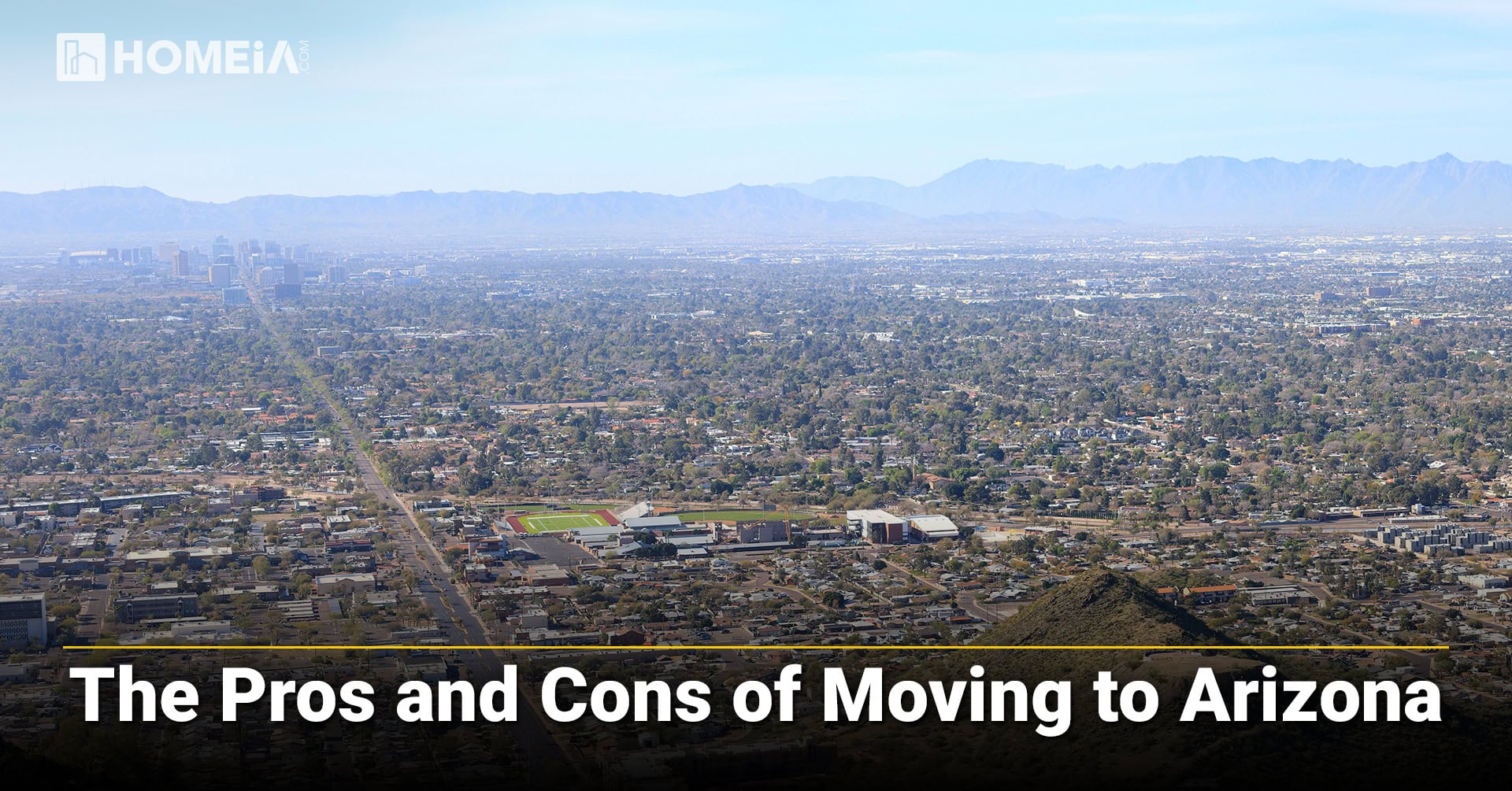
The Pros and Cons of Moving to Arizona
If you are considering moving to Arizona, you’re in the right place! Known for its stunning desert landscapes, vibrant cities, and warm climate, Arizona offers a fantastic environment for living, working, and raising a family. State 48 has a diverse…
-
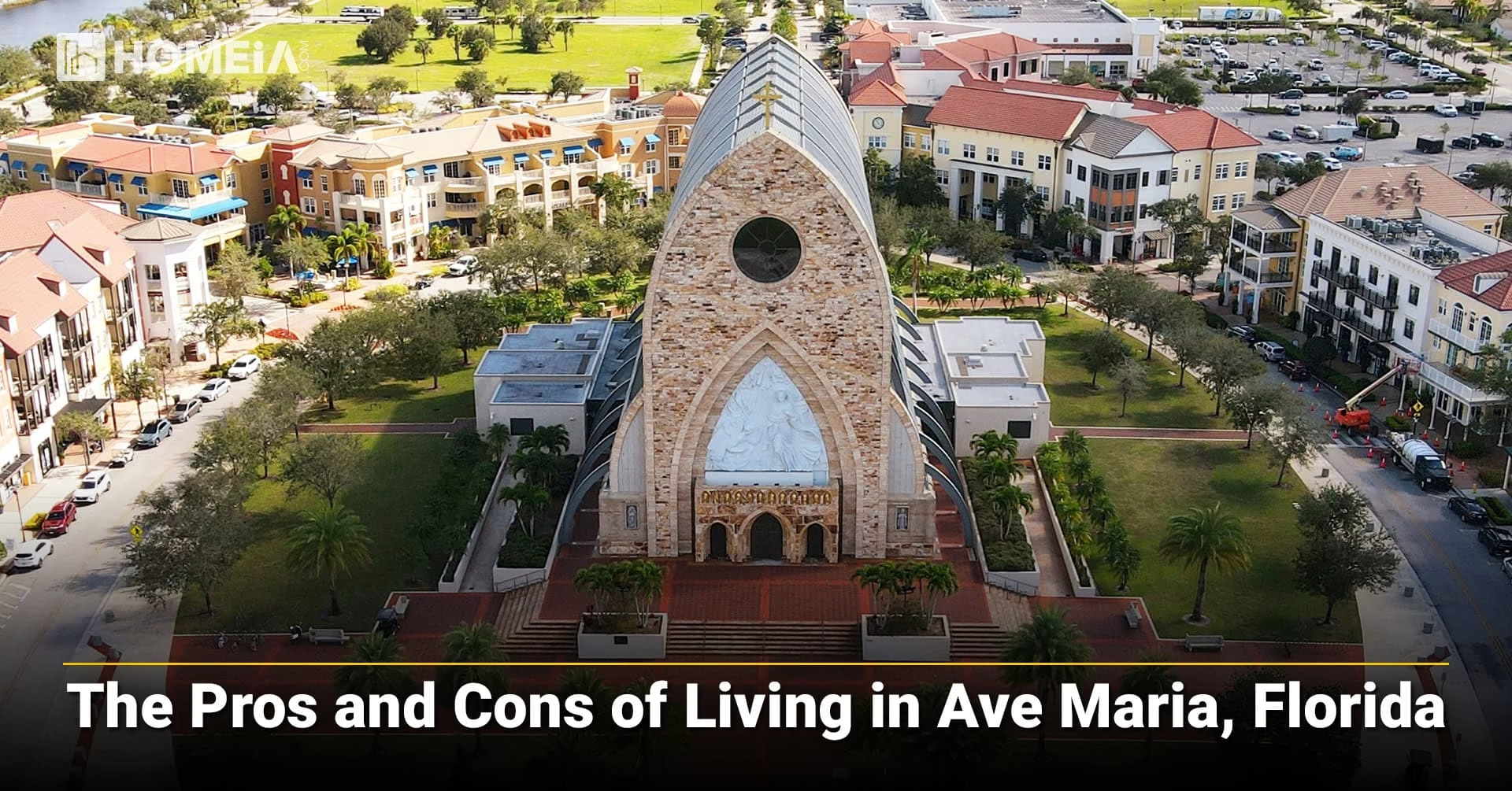
The Pros and Cons of Living in Ave Maria, Florida
The Pros and Cons of Living in Ave Maria, Florida: When picturing Ave Maria, what comes to mind are stunning basilica, perfectly manicured neighborhoods, and the Florida sun. However, this unique town has even more hidden inside. It blends master-planned…
-
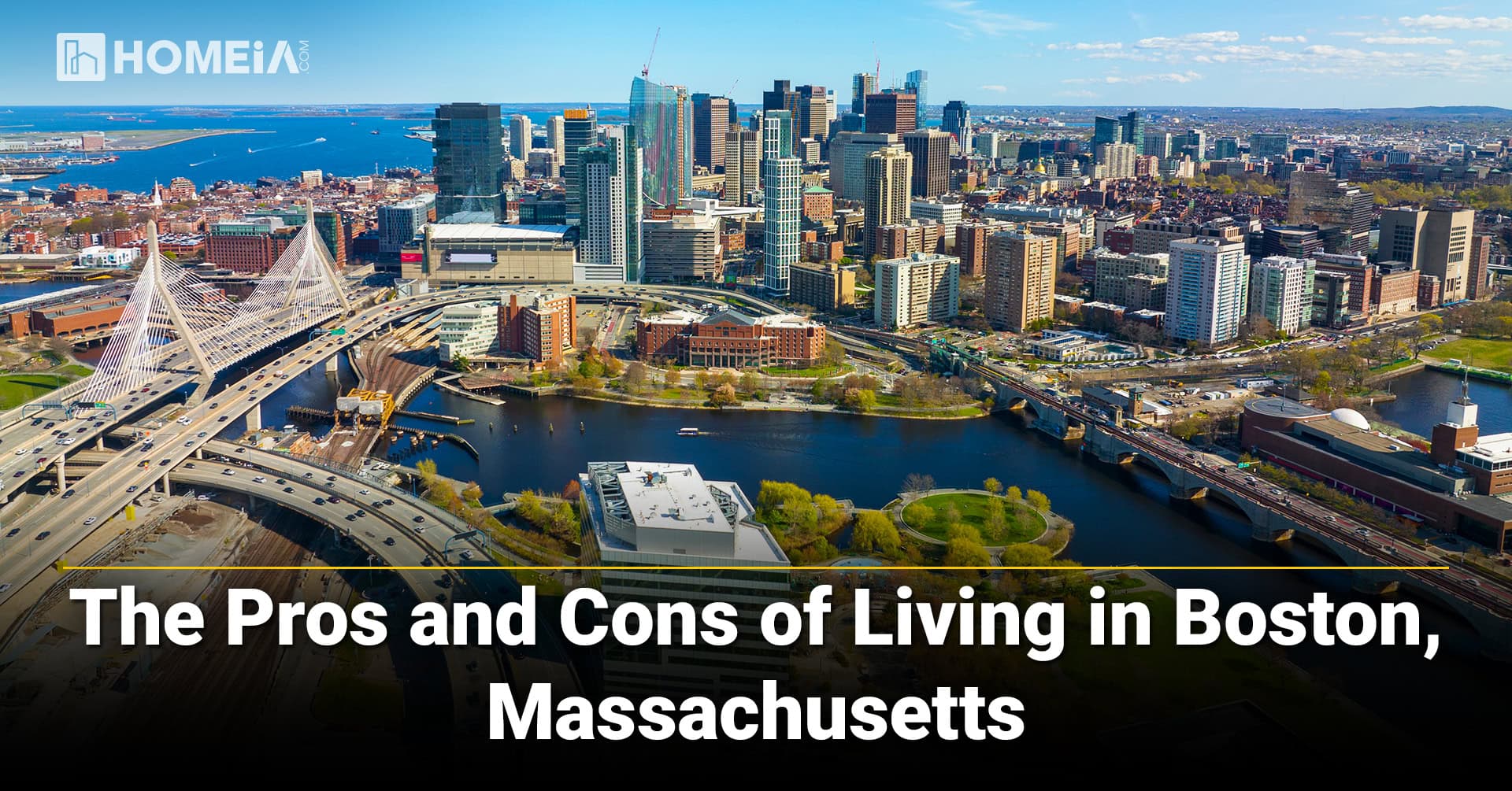
The Pros and Cons of Living in Boston, Massachusetts
Considering moving to Boston in 2026? This historic yet innovative city offers a unique blend of old-world charm and modern opportunity. As New England's economic and cultural hub, Boston attracts residents with its world-class education, thriving job market, and vibrant…

-
The Pros and Cons of Living in Delaware
When picturing Delaware, what comes to mind are tax-free shopping, beautiful beaches, and proximity to major East Coast cities. But the First State offers more than financial advantages; here exists a place where historic charm, corporate headquarters, and relaxed coastal…
-
The Pros and Cons of Living in Denver, Colorado
Looking for stellar public schools, world-class ski resorts, and a thriving city all in one spot? Denver, Colorado, may be the place for you. The Mile High City offers a unique blend of outdoor adventure, economic opportunity, and urban convenience.…
-
The Pros and Cons of Living in Florida
The Pros and Cons of Living in Florida: Relocating to a new state is a big move – pun intended! – and requires careful consideration of both the state as well as the specific community you're thinking to join. If…



-
The Pros and Cons of Living in Illinois (updated)
Relocating to a new state requires careful consideration of both the state as a whole and the specific community you'll join. If you're considering Illinois, you'll find a state home to vibrant cities, charming small towns, and a diverse mix…
-
The Pros and Cons of Living in Indiana
When picturing Indiana, what comes to mind are rolling farmlands, basketball hoops, and the iconic Indianapolis 500. But the Hoosier State offers more than Midwestern clichés; here lies a place where affordability, tight communities, and an ideal central location define…
-
The Pros and Cons of Living in Iowa
When picturing Iowa, what comes to mind are vast cornfields, rolling hills, and an established agricultural heritage. But the Hawkeye State offers more than what you see on a farm; here lies a place where strong communities, affordable living, and…


-
The Pros and Cons of Living in Massachusetts
The pros and cons of living in Massachusetts: Moving to a new part of the US requires careful consideration of both the state itself and the specific community you'll join. If Massachusetts is your next destination, you'll find a state…
-
The Pros and Cons of Living in Michigan
Relocating to a new state requires careful consideration of both the state as a whole and the specific community you'll join. If you're considering Michigan, you're in luck---the Great Lakes State offers diverse options for all ages, budgets, family situations,…
-
The Pros and Cons of Living in Minnesota
The Pros and Cons of Living in Minnesota: When picturing the Midwestern state of Minnesota, some might imagine a snowy blizzard, an afternoon at the lake, the bustling state fair, and a thriving hockey community. And while all of those…
-
The Pros and Cons of Living in Nevada
When picturing Nevada, what comes to mind are glittering casinos, vast desert landscapes, and the 24-hour energy of Las Vegas. But the 36th state offers more than entertainment clichés; tax advantages, outdoor recreation, and economic opportunity define everyday living. Yet,…
-
The Pros and Cons of Living in New Hampshire
When picturing New Hampshire, what comes to mind are picturesque New England villages, stunning White Mountains, and a fiercely independent spirit. But the Granite State offers more than colonial charm; here lies a place where low-cost living, outdoor adventure, and…
-
The Pros and Cons of Living in New Jersey
Considering a move to New Jersey? The Garden State offers a dynamic mix of urban energy, coastal charm, and suburban comfort. Home to nearly 9 million residents, New Jersey features vibrant cities, peaceful towns, stunning beaches, dense forests, and cultural…

-
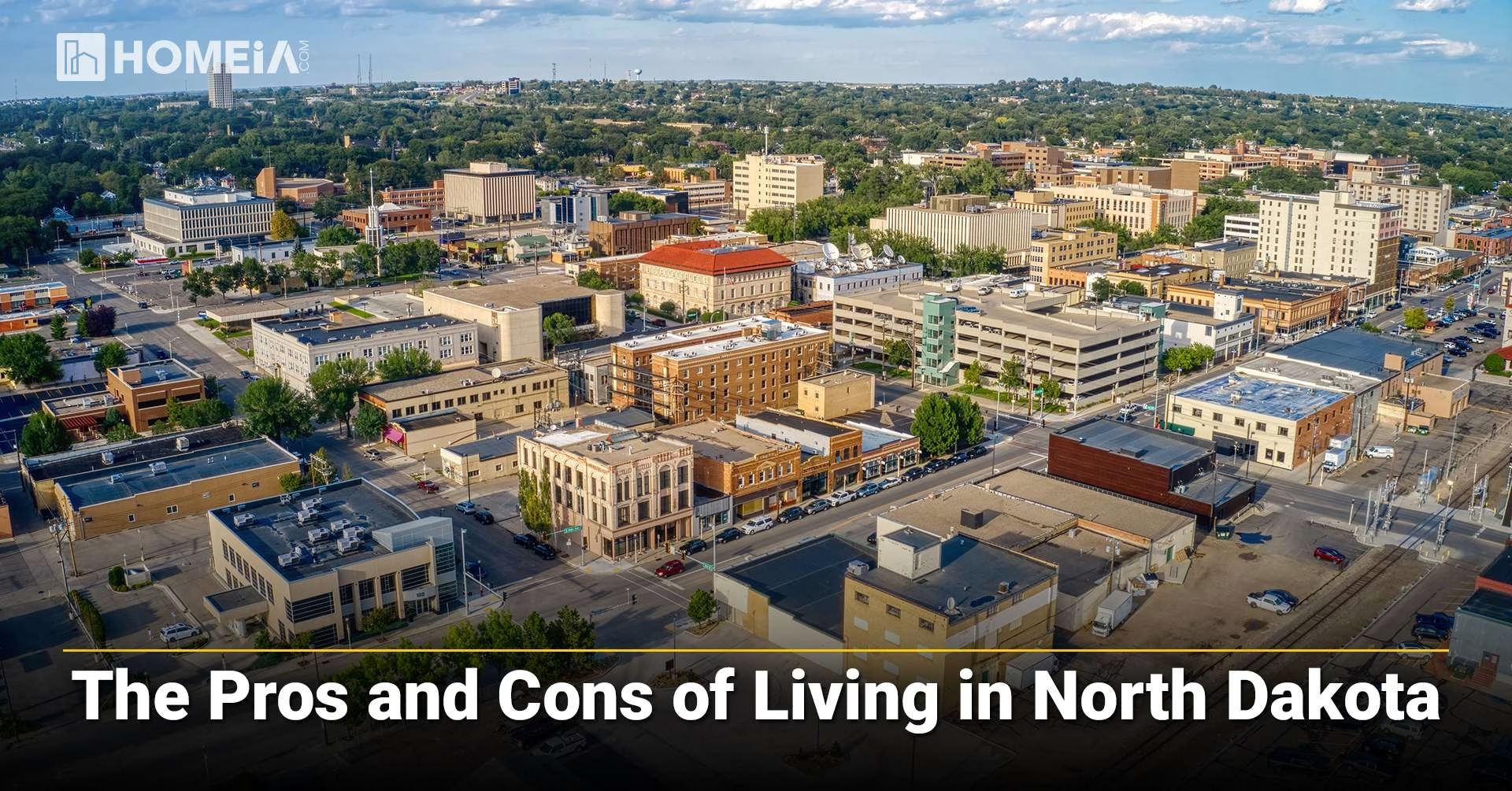
The Pros and Cons of Living in North Dakota
When picturing North Dakota, imagery commonly associated are vast prairies, oil fields, and harsh winters. But the Peace Garden State offers more than Midwestern stereotypes; here lies an area where flourishing communities, economic opportunity, and affordable living define everyday life.…
-
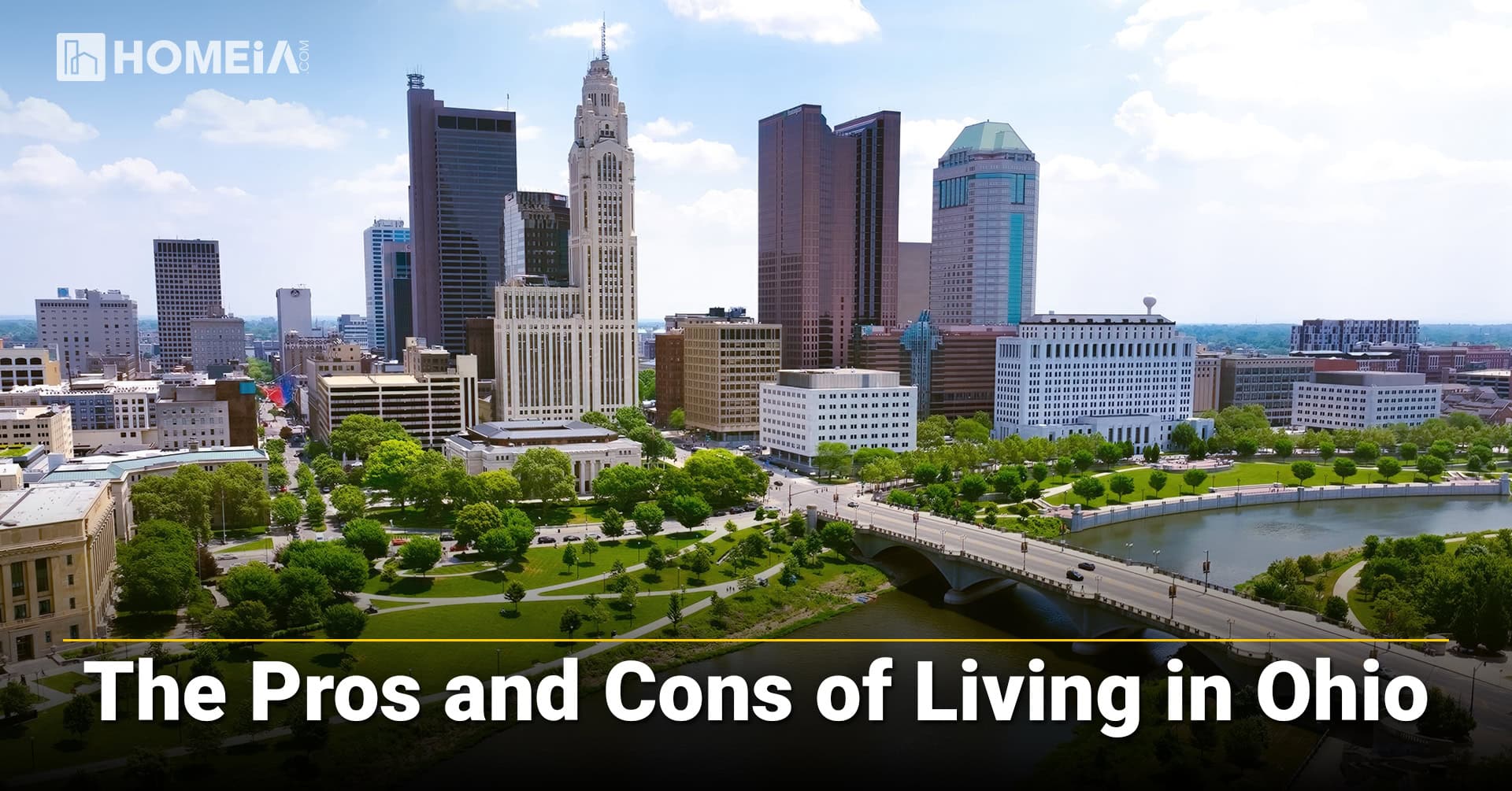
The Pros and Cons of Living in Ohio
On any given day in Ohio, you could find yourself in two completely different states of mind in a difference of an hour. One moment, you are looking at a beautiful view of snow-topped trees from a lookout point high…
-
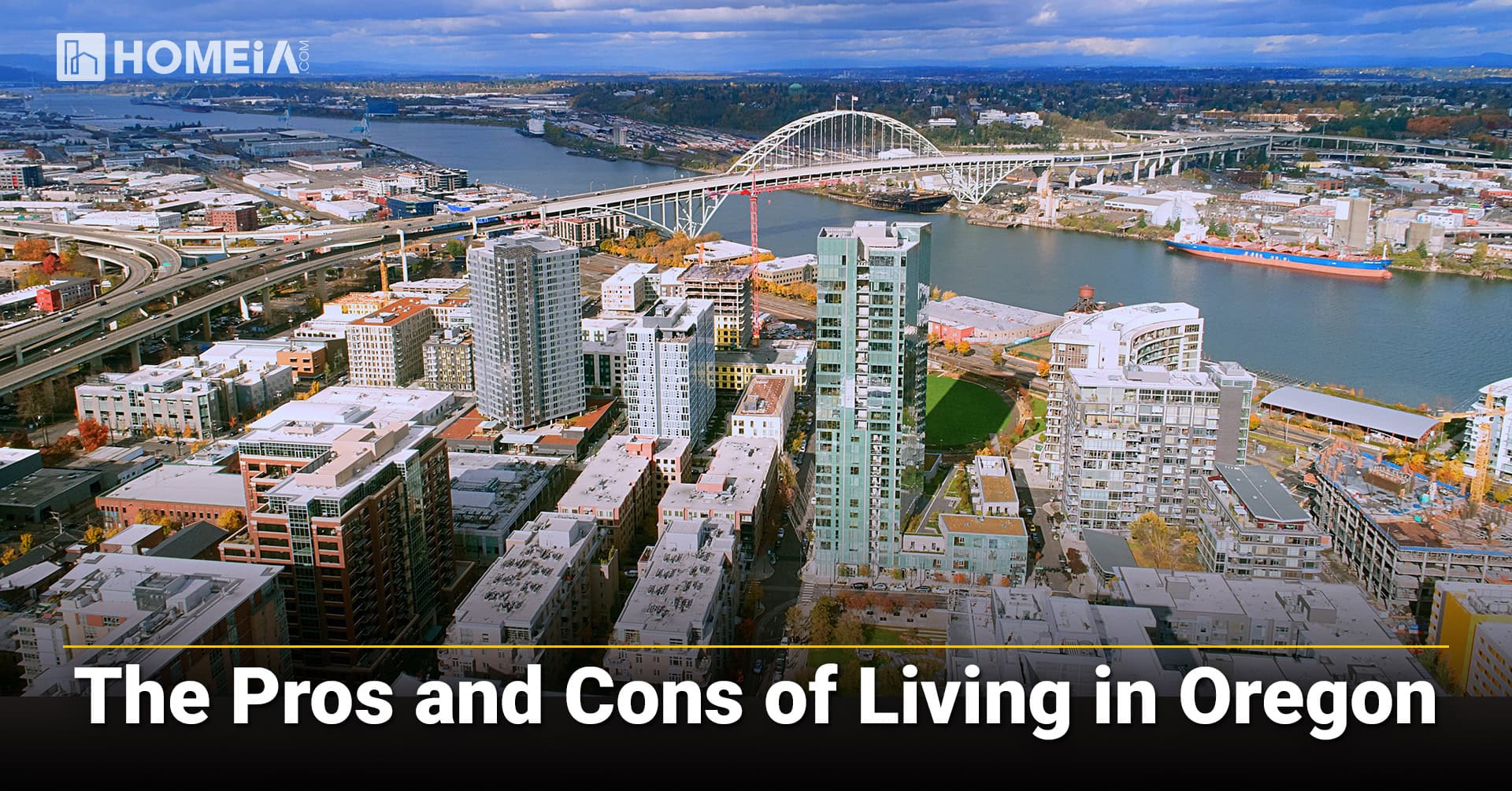
The Pros and Cons of Living in Oregon
Relocating to a new state requires careful consideration of both the state as a whole, as well as the specific community you'll join. Oregon offers stunning natural beauty, vibrant cities, and a progressive culture with options for all ages, budgets,…

-
The Pros and Cons of Living in South Carolina
The pros and cons of living in South Carolina: When picturing South Carolina, the mind goes straight to shrimp and grits at a waterfront table in Charleston, azaleas in full bloom in Summerville, and a round of golf as the…
-
The Pros and Cons of Living in South Dakota
The Pros and Cons of Living in South Dakota: When picturing South Dakota, what comes to mind are vast prairies, Mount Rushmore, and the rugged beauty of the Badlands. But the Land of Infinite Variety offers more than Western clichés; here…
-
The Pros and Cons of Living in Tennessee
People have been migrating to the South at an unprecedented rate in recent years, making it the leading region for population growth in the United States. This historic pattern of migration is driven by a complex range of factors, including…
-
Pros and Cons of Living in Virginia
Virginia is a beautiful state with an abundance of opportunities ripe for discovery. From the Appalachian Trail to the Blue Ridge Mountains, coastal towns to small farming communities, Virginia has something for individuals and families of all ages and budgets.…
-
The Pros and Cons of Living in Washington
When picturing Washington State, what crosses one’s mind are lush evergreen forests, majestic mountains, and the tech hub of Seattle. But the PNW offers more than that; here lies a place where natural beauty, economic opportunity, and progressive values define…
-
The Pros and Cons of Living in West Virginia
The Pros and Cons of Living in West Virginia: Relocating to West Virginia is a major decision requiring careful consideration of both the state's overall character and the communities you might call home. If you're considering moving to West Virginia,…