





Moving to West Virginia: The Complete Relocation Guide & Checklist
- Local Editor:Local Editor: Kristin Pietrowski
- Category: USA , West Virginia


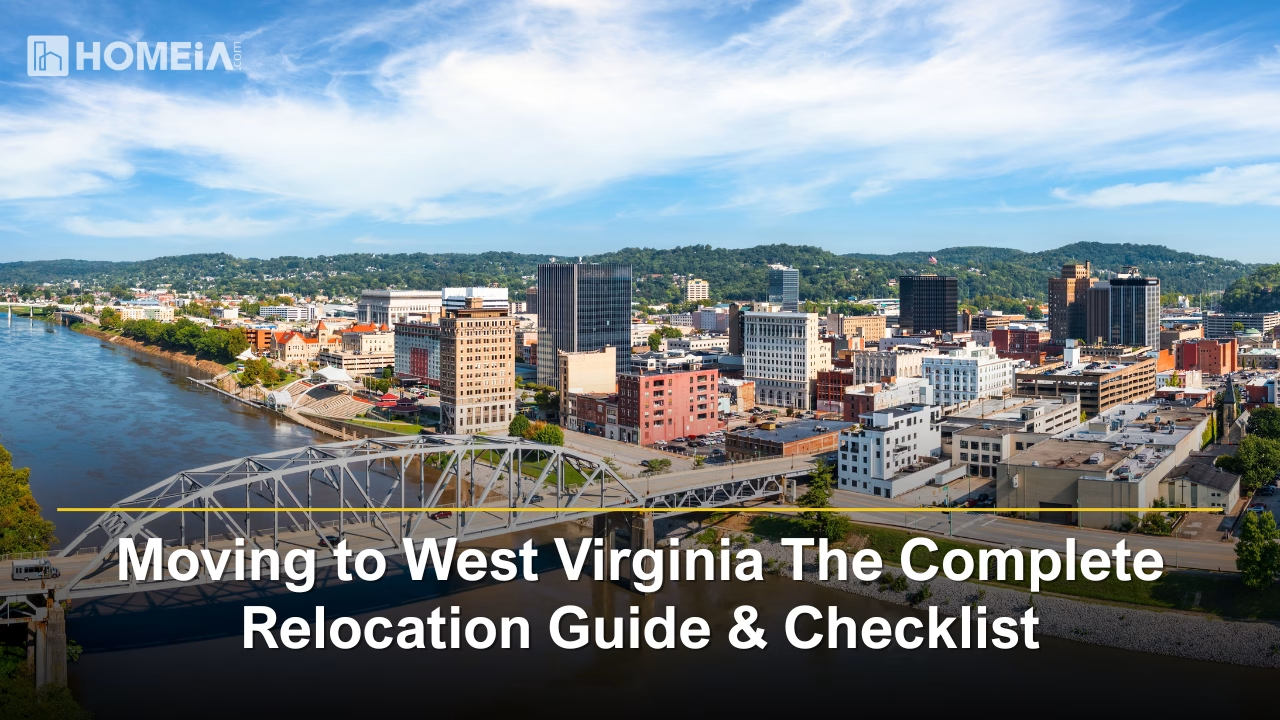
Moving to West Virginia: Bordered by the Appalachian Mountains and carved by the New River, West Virginia is a state of rugged beauty and genuine hospitality. From the college-town energy of Morgantown to the historic charm of Lewisburg, the Mountain State offers affordable living and a deep connection to the outdoors. With a population of about 1.78 million, it ranks as the 39th most populous state, attracting residents who value community, nature, outdoor adventure, and financial breathing room. This guide covers the essentials you need to know before moving to West Virginia.
Key Takeaways
- Lowest Cost of Living in the U.S.: West Virginia’s cost-of-living index of 84, making it roughly 16% less expensive than the national average. The median home value sits between $165,000 to $183,000, well below the U.S. median.
- Four Distinct Seasons: Experience warm, humid summers (often reaching the upper 80s to mid-90s, with the occasional heat waves pushing into the upper 90s or even 100°F), crisp and colorful autumns, cold winters with notable mountain snowfall (average lows in the teens and single digits, and occasional extreme cold dropping below zero), and mild, blooming springs.
- Traditional Economy with Emerging Sectors: Historically driven by coal and manufacturing, West Virginia’s economy is expanding into healthcare, aerospace, energy technology, and remote work. The unemployment rate was 4.3% as of May 2026.
- Outdoor Recreation Paradise: Home to New River Gorge National Park, Seneca Rocks, and Blackwater Falls State Park, West Virginia offers exceptional hiking, whitewater rafting, skiing, fishing, and camping.
- Rich Appalachian Culture: Bluegrass and folk music thrive statewide, with annual events like the Vandalia Gathering celebrating regional traditions, crafts, and storytelling.
Related article
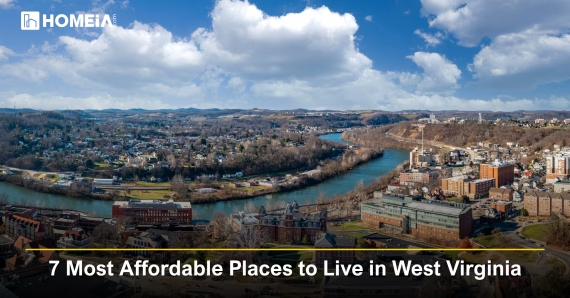
7 Most Affordable Places to Live in West Virginia
West Virginia combines some of the nation’s most affordable housing with low property taxes, scenic landscapes, and close-knit communities. While living costs vary across the state, many towns offer exceptional value without sacrificing access to jobs, healthcare, or everyday amenities. This guide highlights seven of the most…
1. Culture & Lifestyle

A. Heritage and Appalachian Pride: West Virginia’s identity is rooted in its rugged Appalachian landscape and the resilient spirit of its people. The state separated from Virginia in 1863 to become the 35th state, and that independent streak still defines its culture. Its history of coal mining, railroad expansion, and labor movements shaped a tradition of hard work, self-reliance, and neighborly solidarity that newcomers quickly notice.
The “Almost Heaven” nickname, popularized by John Denver, reflects the pride West Virginians have in their natural surroundings. Community events like the State Fair of West Virginia in Lewisburg, the Mountain State Forest Festival in Elkins, and countless county fairs and farmers’ markets are central to social life. Residents are known for genuine hospitality and a strong sense of community.
B. Arts, Sports, and Entertainment: The Clay Center for the Arts and Sciences in Charleston offers performing arts, visual arts, and a science museum. Carnegie Hall in Lewisburg and the Metropolitan Theatre in Morgantown host concerts year-round. Bluegrass, old-time, and folk music are woven into the state’s cultural fabric, showcased at events like the Appalachian String Band Festival each summer.
Sports loyalties run deep. WVU Mountaineers football and basketball inspire passionate followings, and the “Country Roads” singalong at Milan Puskar Stadium is a beloved tradition. Marshall University’s Thundering Herd brings fierce pride in Huntington, and professional sports are within driving distance via Pittsburgh and Washington, D.C.
2. Food Scene & Nightlife
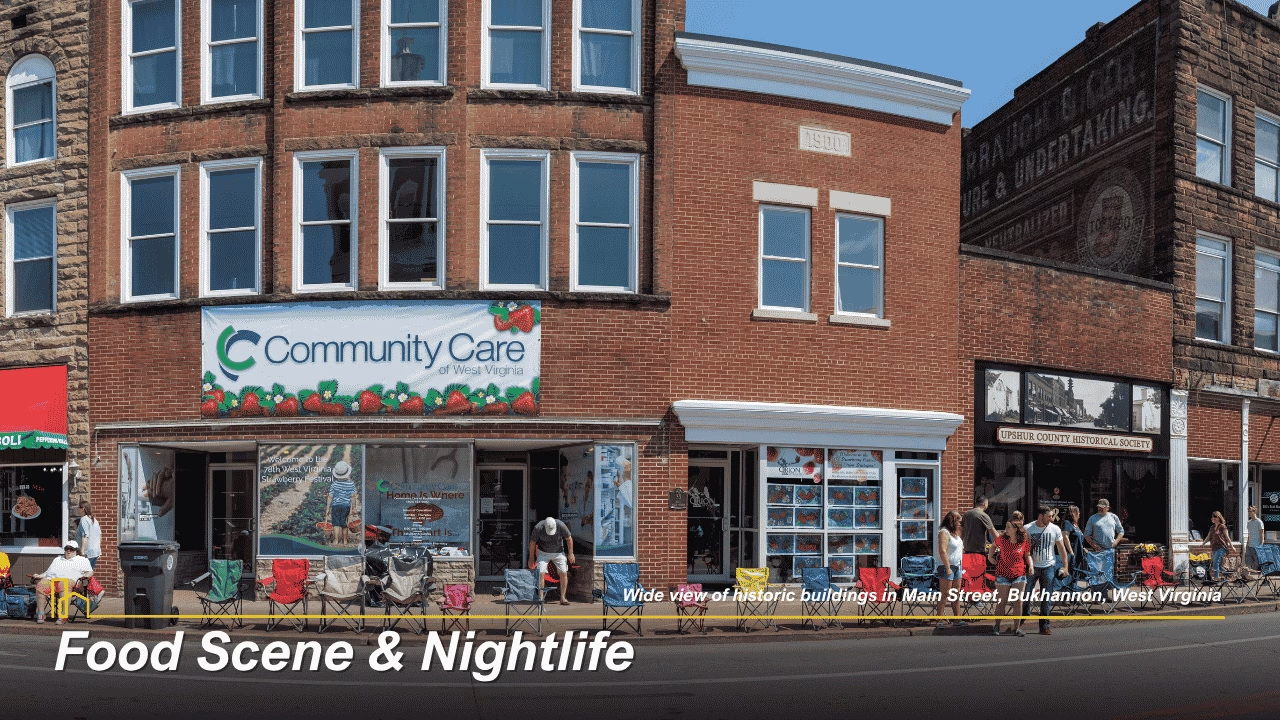
West Virginia’s culinary scene reflects its Appalachian roots. Regional staples include pepperoni rolls (invented by Italian immigrants for coal miners), ramp dishes celebrated at spring festivals, buckwheat pancakes, fresh mountain trout, and locally raised beef and pork. The craft beverage scene has expanded significantly, with Mountain State Brewing Company in Morgantown and Thomas, Smooth Ambler Spirits in Maxwelton, and a growing number of wineries gaining recognition (such as Forks of Cheat Winery in Morgantown and Lambert’s Vintage Wines in Weston). Nightlife ranges from college-town bars in Morgantown to cocktail lounges in Charleston and cozy pubs in Lewisburg and Shepherdstown.


Related article
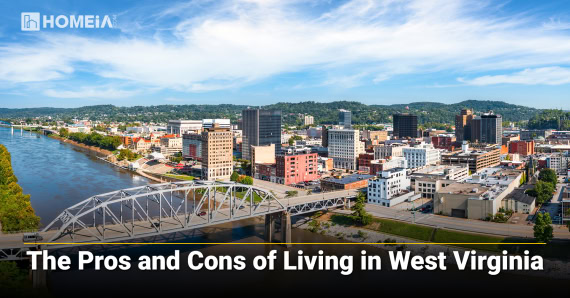
The Pros and Cons of Living in West Virginia
The Pros and Cons of Living in West Virginia include stunning natural landscapes, low cost of living, and a strong sense of community. However, challenges such as limited job opportunities, rural isolation, and infrastructure gaps make it important to weigh your priorities before relocating to the Mountain State…
3. Outdoor Recreation & Natural Beauty
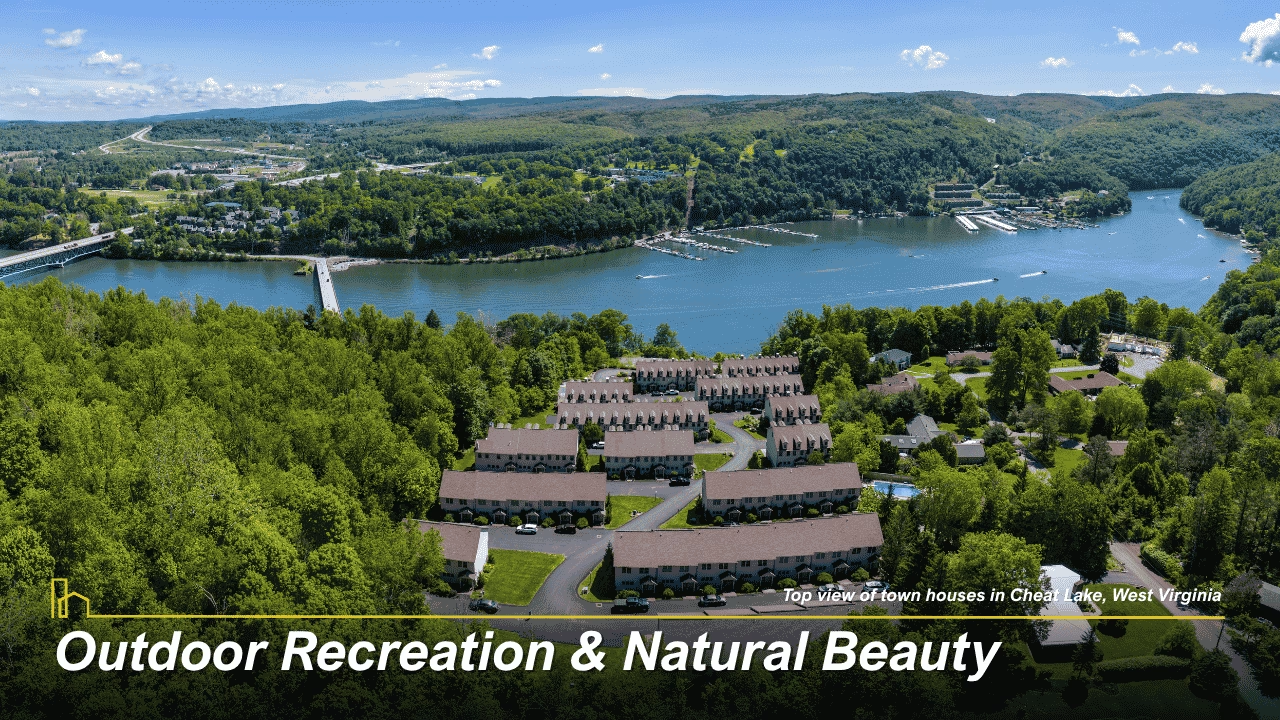
Outdoor adventure is a way of life in West Virginia. The state’s crown jewel, New River Gorge National Park and Preserve — America’s newest national park — offers world-class whitewater rafting, rock climbing, and hiking. Seneca Rocks, Blackwater Falls State Park, and the Monongahela National Forest are just a few of the natural attractions that draw outdoor enthusiasts year-round.
- Summer: Whitewater rafting on the New and Gauley rivers, hiking the Appalachian Trail, fishing for smallmouth bass and trout, mountain biking, and rock climbing.
- Fall: Scenic drives through the mountains are a spectacular annual tradition, with vibrant colors peaking in October.
- Winter: Downhill skiing and snowboarding at Snowshoe Mountain and Timberline Resort, plus cross-country skiing and snowshoeing in the high country.
- Spring: Ramp festivals, waterfall-chasing as snowmelt swells the rivers, and wildflower viewing along mountain trails.
With thousands of miles of trails, hundreds of waterfalls, and vast forests, the opportunities for exploration are endless.
4. Climate
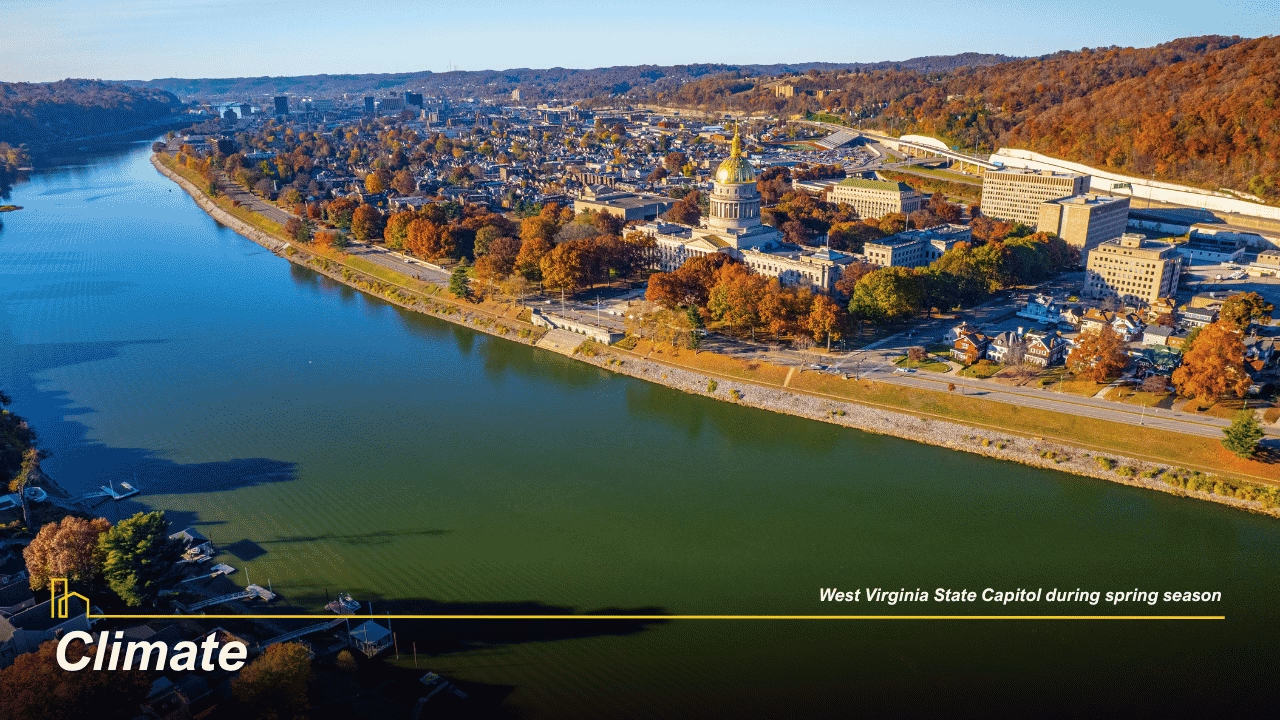
West Virginia has a humid continental climate with four distinct seasons. The state’s mountainous terrain creates noticeable variation in temperature and precipitation; the eastern highlands are generally cooler and snowier, while the western lowlands are warmer. Summers are warm and humid statewide, often with frequent afternoon thunderstorms. Winters can be harsh in the mountains, with heavy snowfall supporting skiing and snowboarding, while the lower elevations experience milder but still cold conditions.
Season | Temperature (°F) | Highlights |
|---|---|---|
| Spring | 45–65°F | Mild and blooming; ramp festivals, wildflowers, and frequent rain |
| Summer | Upper 80s to mid-90s°F statewide, cooler in high elevations (70s–80s°F) | Hot and humid; ideal for river recreation; frequent afternoon thunderstorms |
| Fall | 50s–70s°F | Crisp, cool air and peak foliage in October; ideal for hiking and scenic drives |
| Winter | Teens to 30s°F (lowlands) / single digits to 20s°F (mountains) | Cold and snowy in the mountains; significant snowfall supports skiing and snowboarding |

Related article
21 Best and Fun Things to do in Morgantown, West Virginia
Whether you are visiting Morgantown on vacation, getting ready to attend WVU, or looking to settle down permanently, you’ll want to check out all of the city’s best attractions…
5. Cost of Living & Affordability
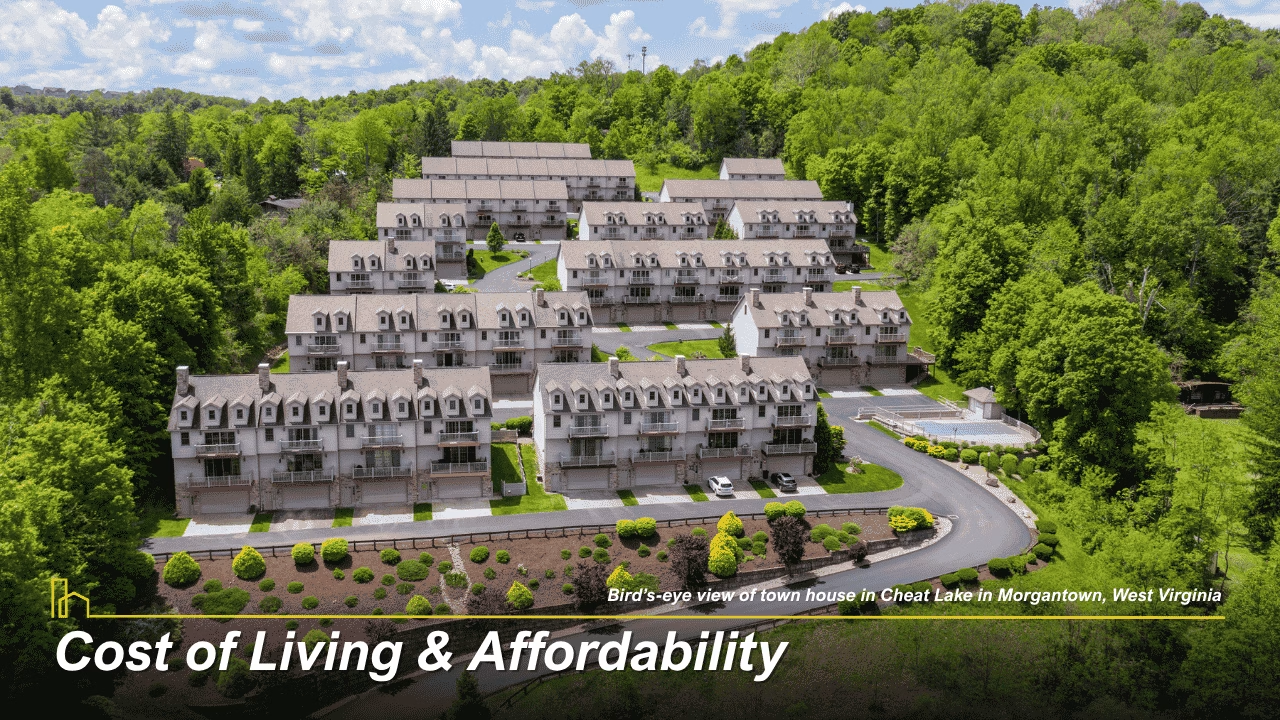
West Virginia remains one of the most affordable states in the country. With a cost-of- living index of 84, residents pay about 16% less than the national average, with housing providing the greatest savings.
A. Housing Market: West Virginia’s housing market offers exceptional value compared to national trends. The statewide average home value is approximately $182,000, well below the national median of around $400,000. While prices have risen modestly, they remain highly accessible compared to most of the country.
City | Median Home Price | 1-Bedroom Rent | 3-Bedroom Rent | Notes |
|---|---|---|---|---|
| Morgantown | ~$214,000 | ~$872 | ~$1,300 | College town; higher demand |
| Charleston | ~$142,000 | ~$842 | ~$1,325 | State capital; urban amenities |
| Huntington | ~$156,000 | ~$870 | ~$1,250 | Affordable; river city |
| Wheeling | ~$132,000 | ~$860 | ~$1,275 | Historic; near Pittsburgh |
| Lewisburg | ~$220,000-$300,000 | ~$1,200-$1,400 | ~$1,800-$2,300 | “Coolest Small Town”; premium pricing |
B. Daily Expenses: A family’s budget stretches significantly further in West Virginia, allowing for more disposable income for recreation and savings.
Monthly Expense Category | Average Cost |
|---|---|
| Utilities | ~$400 |
| Internet & Mobile | ~$150 |
| Groceries (Family of 4) | ~$925-$1,100 |
| Gasoline | ~$120 |
| Healthcare | ~$450 |
6. Jobs & Economy
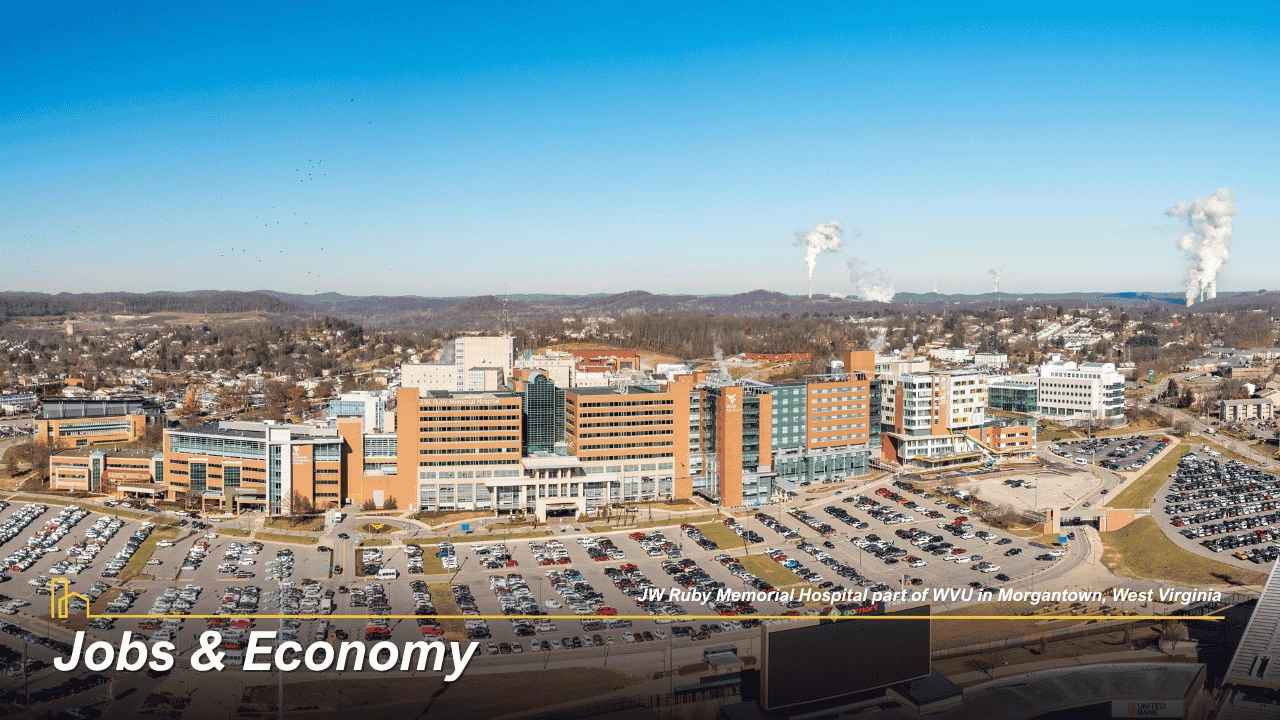
West Virginia’s economy has historically been anchored by coal, energy, and manufacturing. The state is diversifying into healthcare, aerospace, advanced manufacturing, and technology. The unemployment rate was 4.3% as of May 2026, slightly above the national average. The state has secured more than $12 billion in combined public and private investment since October 2025, fueling job creation in manufacturing, data centers, and advanced industries.
Key sectors include:
- Healthcare: Major systems like West Virginia University Medicine, Charleston Area Medical Center (CAMC), and Marshall Health provide thousands of jobs.
- Energy: Coal, natural gas, and renewable energy remain significant employers.
- Aerospace & Advanced Manufacturing: Companies producing aircraft components and precision-machined parts continue to grow.
- Education: West Virginia University, Marshall University, and the state’s public-school systems are major employers.
- Tourism & Hospitality: New River Gorge National Park and the state’s outdoor recreation assets drive a growing tourism sector.
- Remote Work: The Ascend WV program pays remote workers up to $12,000 to relocate to West Virginia, attracting talent from across the country.
Recommended for you




7. Education & Schools

West Virginia’s education system includes top-ranked public schools and well-regarded universities.
- K-12: Monongalia County Schools was named the best school district overall in West Virginia for 2025 and recognized for having the best teachers in the state. Other top districts include those in Ohio and Kanawha counties.
- Higher Education: West Virginia University (Morgantown) is the largest university in the state. Marshall University (Huntington) is a major research institution. Other notable schools include Shepherd University, West Virginia State University, and Concord University.
- Community Colleges: A robust network of community and technical colleges offers career training and transfer programs across the state.
8. Tax Structure
West Virginia has a relatively tax-friendly structure, particularly for homeowners.
Tax Type | Rate | Notes |
|---|---|---|
| Income Tax | 2.36%, 3.15%, 3.54%, 4.72%, 5.12% (graduated) | Rates apply based on income brackets |
| Sales Tax | 6.00% state + local | Average combined rate: 6.58% |
| Property Tax | 0.48% effective rate | Among the lowest in the nation |
| Corporate Income Tax | 6.50% | Flat rate |
| Gas Tax | 35.7¢ per gallon | State fuel excise tax |
| Estate Tax | 0% | No estate or inheritance tax |

Related article
10 Most Affordable Places to Live in Ohio
Ohio is commonly referred to as “the heart of it all,” and for good reason. The state of Ohio sits centrally on the eastern side of the United States, and almost 50% of the United States’ population is within 500 miles of Ohio’s capital, Columbus.
9. Best Places to Live
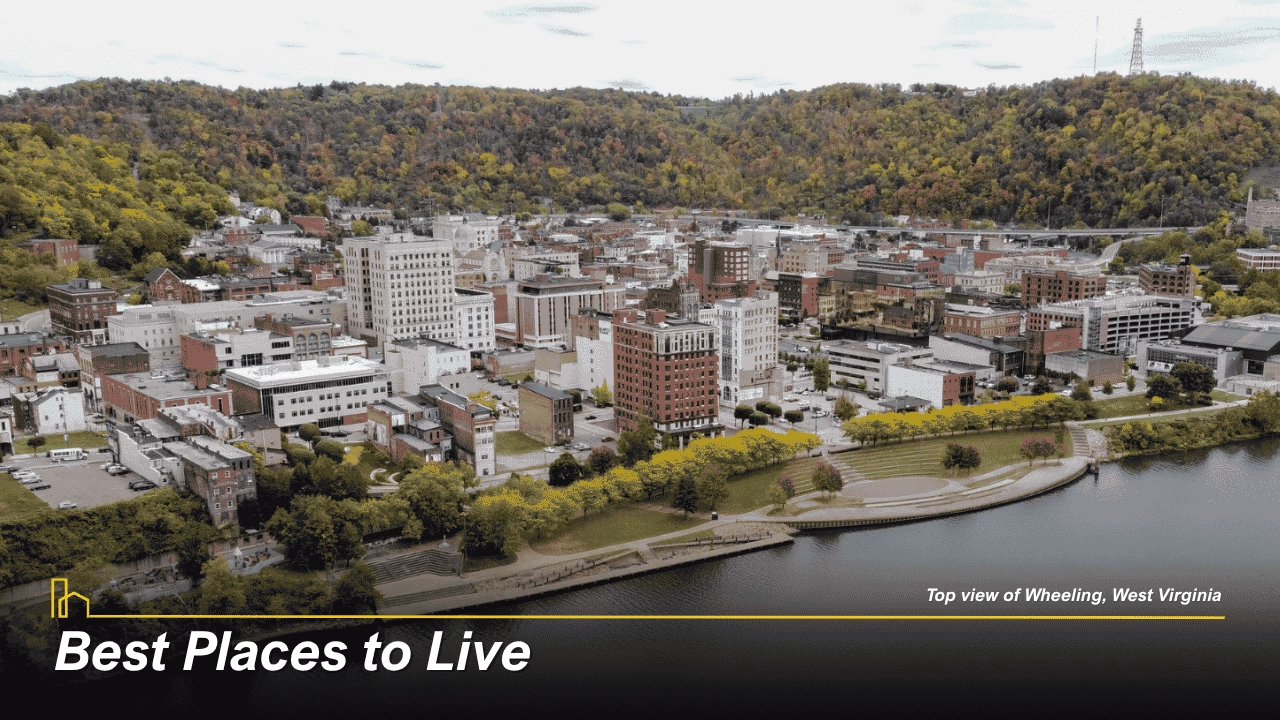
West Virginia offers a diverse range of communities, from college towns to historic small cities.
City | Population | Median Home Price | Key Features |
|---|---|---|---|
| Morgantown | ~30,200 | ~$214,000 | College town, WVU, outdoor access, top schools |
| Charleston | ~48,000 | ~$142,000 | State capital, cultural amenities, urban conveniences |
| Huntington | ~46,000 | ~$156,000 | Affordable, river city, Marshall University |
| Wheeling | ~27,000 | ~$132,000 | Historic, near Pittsburgh, affordable |
| Lewisburg | ~3,900 | ~$220,000-$300,000 | “Coolest Small Town,” arts scene, outdoor access |
| Weirton | ~19,000 | ~$150,000-$200,000 | Safest city, near Pittsburgh, top retirement destination |
For quieter living, towns like Shepherdstown (artsy college town), Fayetteville (gateway to the New River Gorge), and Davis/Thomas (mountain getaway) are excellent options.
For a data-driven ranking of the state’s most budget-friendly communities, including several cities on this list, see this guide to the most affordable places to live in West Virginia.
10. Planning Your Move

A successful move requires careful planning. Use this timeline to stay organized.
Timeline | Essential Tasks | Important Details |
|---|---|---|
| 8-12 Weeks Before | Research cities and neighborhoods. Create a moving budget. Begin job search or transfer. | Use online tools and visit if possible. Include all moving costs, deposits, and travel. Network on LinkedIn. |
| 6-8 Weeks Before | Secure housing. Hire movers. Start packing. | Schedule home inspections. Get multiple moving quotes. Label boxes by room and priority. |
| 4-6 Weeks Before | Arrange utilities. Submit change of address. Transfer medical records. Enroll kids in school. | Schedule turn-on dates. Update bank, subscription, and voter registration. Request records early. Complete school forms. |
| 2-4 Weeks Before | Confirm travel plans. Finish packing. | Double-check flight/hotel details. Pack a “first night” box with essentials. Donate unneeded items. |
| 1-2 Weeks Before | Clean old home. Prepare a moving day kit. | Do a final clean. Pack snacks, water, tools, and important documents. Verify utility activation. |
| Moving Day | Supervise loading. Do final walkthrough. | Take inventory. Check all closets and rooms. Ensure utilities are on at the new place. |
| After Arrival | Unpack basics. Get WV license. Register car. | Focus on kitchen and bedrooms first. You must get a WV driver’s license and register your vehicle within 30 days. |
=> Get the Relocation Guide & Checklist PDF — prepared for both Desktop and Mobile devices.

Related article
The Pros and Cons of Living in Kentucky
Whether you’re looking for exciting city life, suburbs to raise a family, or a little R&R in the countryside, Kentucky has something to offer everyone. It’s an affordable, friendly place with beautiful scenery, picturesque bourbon distilleries, and historical sites…
11. Transportation
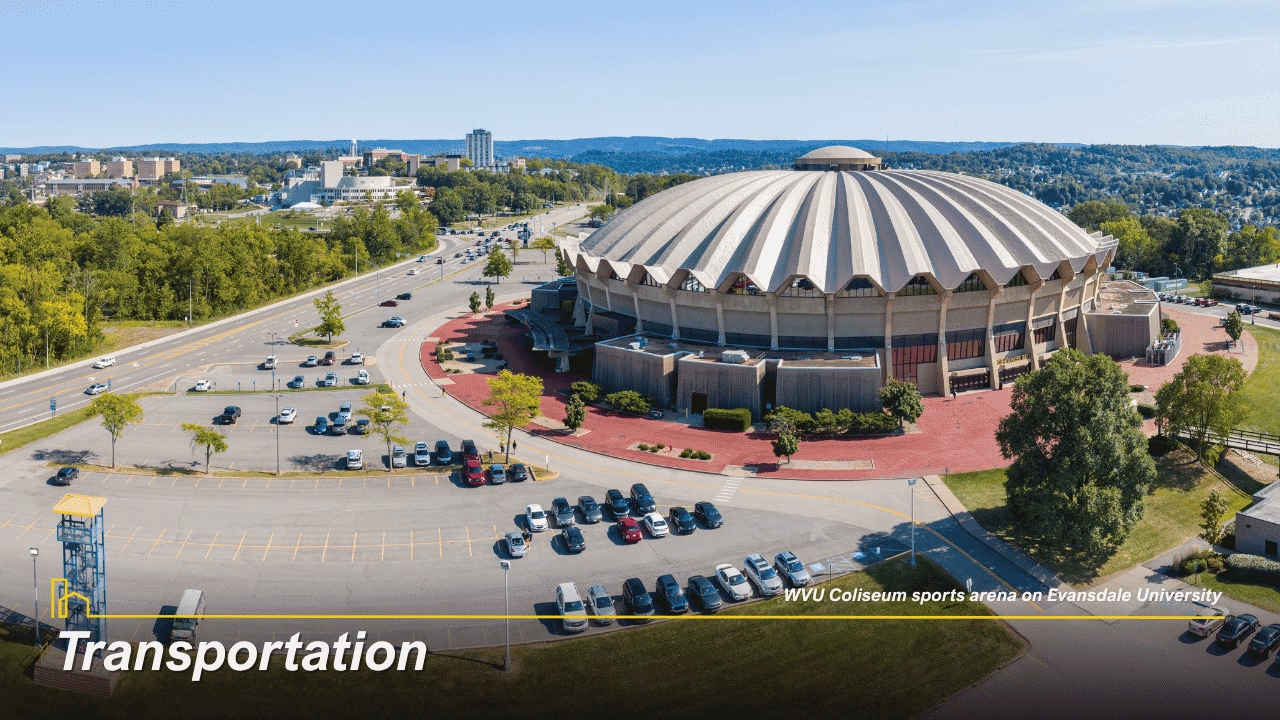
West Virginia is a car-dependent state. The mountainous terrain makes driving the primary mode of transportation for most residents. Major interstates (I-64, I-77, I-79, and I-81) connect the state’s cities to the broader region. The ASCE’s 2025 Infrastructure Report Card gave West Virginia an overall grade of D+, with 19% of its 7,300 bridges in poor condition, though over $3.7 billion in transportation funding has been allocated for improvements from 2022 to 2026.
- Public Transit: Limited bus systems exist in Charleston (KRT), Huntington (TTA), and Morgantown (Mountain Line Transit). Morgantown also has a unique Personal Rapid Transit (PRT) system serving WVU.
- Airports: Yeager Airport (CRW) in Charleston, Morgantown Municipal Airport (MGW), and Tri-State Airport (HTS) near Huntington provide regional air service. Pittsburgh International (PIT) and Washington Dulles (IAD) serve as major hubs.
- Amtrak: The Cardinal route runs through Charleston and Huntington, connecting West Virginia to Chicago and New York City.
12. Legal Requirements & Paperwork
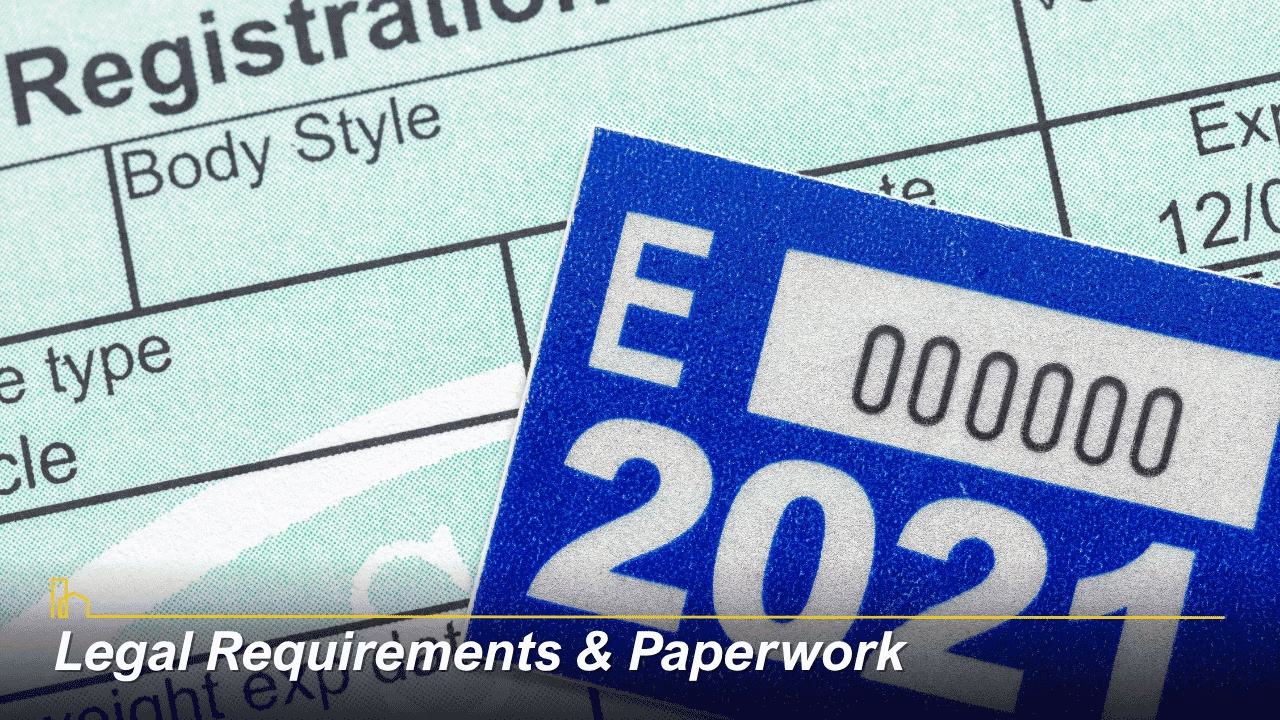
New residents have 30 days to obtain a West Virginia driver’s license and register their vehicles. You will need:
- Proof of identity (passport, birth certificate, or permanent resident card)
- Social Security number
- Proof of West Virginia residency (lease agreement, utility bill)
- Proof of auto insurance
Voter registration is available through the DMV or online via the West Virginia Secretary of State’s website. You can register to vote when you obtain your driver’s license.
Related article
20 Cool Things to do in Fredericksburg, Virginia (updated)
Fredericksburg, Virginia blends American history, outdoor recreation, and small-city charm along the Rappahannock River. This guide highlights 20 things to see and do, from George Washington sites and Civil War battlefields to craft breweries, kayaking, museums, and family-friendly attractions.
13. Financial Planning

Create a moving budget that accounts for West Virginia’s lower cost of living, but also the realities of a transitioning economy. Housing costs are exceptionally low, but incomes tend to be lower as well, so aim to keep housing below 30% of gross income. Planning ahead for your first few months will ease the transition considerably.
- Emergency Fund: Build 3-6 months of expenses, especially given the state’s economic challenges and historically high unemployment.
- Mortgage Preparation: If buying a home, research down-payment assistance programs and get pre-approved before you begin your search.
- Remote Work Opportunity: If you work remotely, look into the Ascend West Virginia program, which offers up to $12,000 in relocation incentives.
14. Insider Tips from Locals
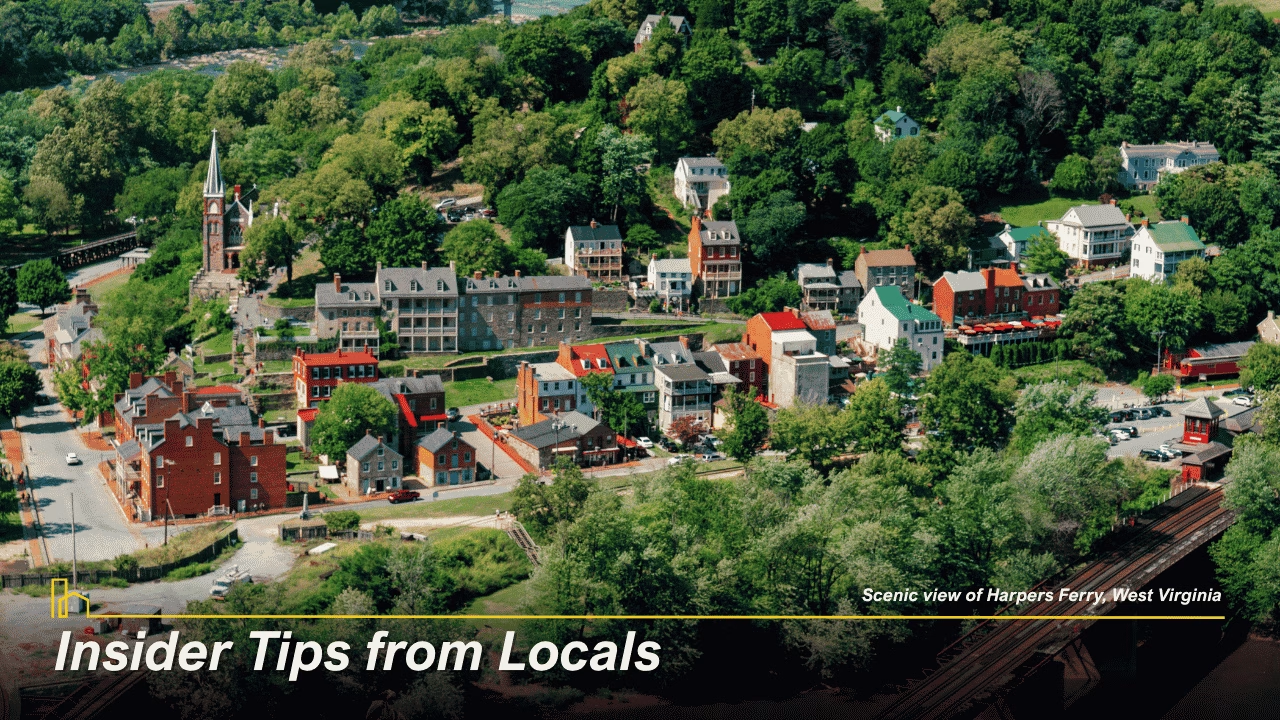
- Embrace the Outdoors: West Virginia’s natural beauty is its greatest asset. Get outside — hike, bike, raft, ski, or just sit on a porch and look at the mountains. Outdoor recreation is a way of life, not just a hobby.
- Learn the Mountain Roads: GPS doesn’t always account for the terrain. Allow extra travel time, especially in winter. In West Virginia, “miles” and “minutes” don’t always line up the way you expect”
- Stock Up for Winter: Winter storms can be unpredictable, especially in the higher elevations. Keep a winter emergency kit in your car and basic pantry staples at home.
- Explore the Small Towns: Don’t stay anchored in the cities. Small towns like Lewisburg, Shepherdstown, Fayetteville, and Davis each offer unique charm, active arts scenes, excellent dining, and direct access to nature. Each has its own distinct personality and community worth discovering.
- Get Involved: West Virginians are deeply community minded. Attend local festivals, farmers’ markets, and county fairs. Join a volunteer organization, a local church, or a community group. It’s the fastest way to feel at home, build lasting friendships, and truly appreciate what makes the Mountain State special.
Conclusion
Moving to West Virginia means trading high costs and congestion for stunning natural beauty, genuine community, and one of the most affordable lifestyles in the country. Whether you’re drawn by Morgantown’s college-town energy, Charleston’s cultural scene, Lewisburg’s historic charm, or the world-class outdoor recreation of the New River Gorge, you’ll find places where people still wave when they pass you on the road and neighbors look out for one another.
The state has its challenges, including a transitioning economy, rural isolation in some areas, and infrastructure that still needs some work. However, none of that overshadows the resilience, humor, and hospitality that define West Virginians. Folks here take pride in their towns, their traditions, and their mountains, and they welcome newcomers who appreciate those things, as well. If you value affordability, natural beauty, and a slower pace that still offers plenty to do, West Virginia is hard to beat. With a little planning and an open mind, the mountains, rivers, and communities of the Mountain State are ready to welcome you home.
Related article
The Pros and Cons of Living in West Virginia
The Pros and Cons of Living in West Virginia include stunning natural landscapes, low cost of living, and a strong sense of community. However, challenges such as limited job opportunities, rural isolation, and infrastructure gaps make it important to weigh your priorities before relocating to the Mountain State…
FAQs About Moving to West Virginia
1. Is West Virginia a good state to move to?
Yes, for those who value affordability, outdoor recreation, a slower pace of life, and a strong sense of community. It’s particularly attractive for remote workers, retirees, and families seeking financial breathing room.
2. What are the biggest pros and cons of living in West Virginia?
Pros: Lowest cost of living in the U.S., stunning natural beauty, low property taxes, no estate or inheritance tax, friendly communities, and rich Appalachian culture.
Cons: Limited job opportunities in some sectors, rural isolation in parts of the state, infrastructure challenges, and an economy still in transition away from coal.
3. What salary do you need to live comfortably in West Virginia?
A single adult needs around $80,800 per year to live comfortably under the 50/30/20 budgeting rule. A family of four requires about $195,000 combined, largely due to childcare, healthcare, and food costs. These “comfortable” figures are based on SmartAsset’s analysis using MIT Living Wage data and assume savings and discretionary spending, not just basic survival.
4. Are West Virginia winters harsh?
Winters are manageable but can be significant in the mountains, where heavy snowfall enables skiing and snowboarding at resorts like Snowshoe Mountain. The lowlands experience milder winters with less snow accumulation. Proper winter clothing, a reliable vehicle with all-season or snow tires, and a well-stocked pantry are essential for mountain residents.
5. What is there to do in West Virginia?
Whitewater rafting in the New River Gorge, hiking the Appalachian Trail, skiing at Snowshoe Mountain, exploring state parks, attending bluegrass festivals, and enjoying the vibrant food and craft beverage scenes in the cities.
6. Is West Virginia a tax-friendly state?
Yes, particularly for homeowners. West Virginia has no estate or inheritance tax, a low effective property tax rate (0.48%-0.58%), and a graduated income tax ranging from 2.26% to 5.12%. Sales tax is moderate at 6.58% combined average.
7. How long does it take to become a West Virginia resident?
You are considered a resident once you establish a domicile in West Virginia. Key steps, including obtaining a driver’s license and registering your vehicle, must be completed within 30 days. You can register to vote simultaneously at the DMV.
Share