





Living In Idaho
Local Editor(s)

 Verified

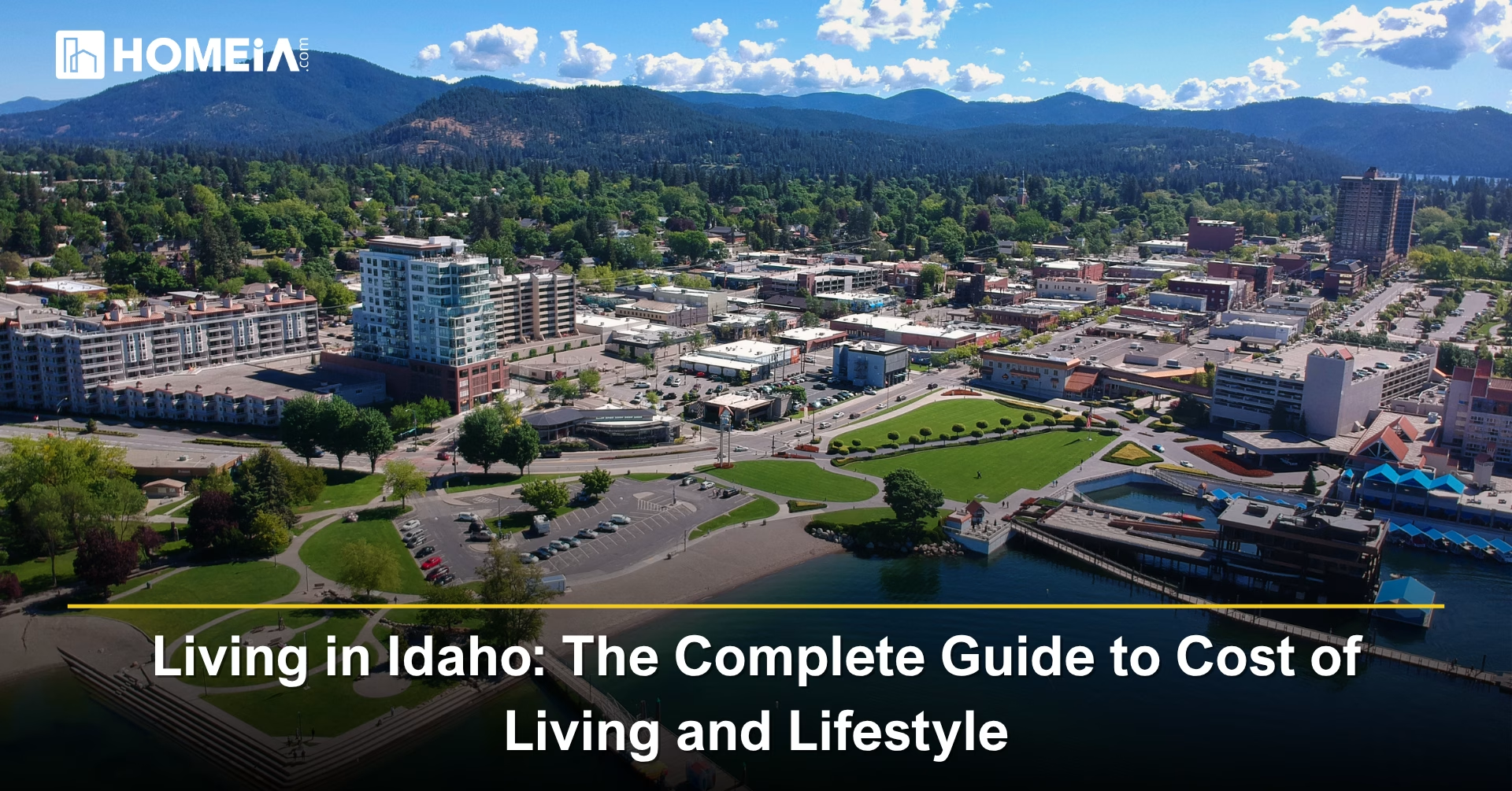
The Complete Guide to Cost of Living and Lifestyle
Living in Idaho feels like having two addresses at once: one in town and another somewhere outdoors. On a normal week, you might grocery shop in the morning and hike, ski, or float a river by afternoon. The tradeoff is that distances and winters are real, while maintaining this unique lifestyle heavily depends on where you choose to plant your roots.
Around here, people jokingly say, “If you don’t like the weather, drive 20 miles,” because the valleys, mountains, and high desert can feel like entirely different places. Referred to as the Gem State, the real gem is the balance: you can have a normal workweek and still reach a trail, a lake, or a ski hill without turning it into a vacation.
Key Takeaways
- Near-average cost of living: Their cost-of-living index is 99.3 (U.S. = 100), meaning everyday expenses are broadly in line with the national average. Utilities run well below average, while transportation and healthcare costs are slightly above.
- Housing has risen sharply: The statewide Zillow Home Value Index is $473,335 (March 2026), up dramatically from pre-pandemic levels. Pocatello and eastern Idaho cities remain significantly more affordable than Boise or Coeur d’Alene.
- Low, flat income tax: Here levies a 5.3% flat income tax above a small 0% bracket. The 6% state sales tax includes a food tax credit to offset grocery costs.
- Strong jobs and low unemployment: The seasonally adjusted unemployment rate was 3.7% in January 2026. Healthcare, technology manufacturing, retail, and federal research anchor the job base.
- Outdoor access is unmatched: 61.6% of the state’s land is federally administered, giving residents year-round access to trails, rivers, ski slopes, and wilderness within a short drive of most towns.

Related article
7 Most Affordable Places to Live in Idaho
Idaho continues to offer pockets of affordability despite rising housing costs nationwide. While prices in and around Boise have increased significantly, many smaller cities and towns still provide attainable housing, lower living expenses, and strong community appeal. This guide highlights seven Idaho communities where affordability, quality of life, and long-term financial stability remain within reach…
1. Snapshot of Idaho
Idaho’s population reached 2,029,733 on July 1, 2025, reflecting about 10.4% growth since the 2020 Census base. It ranked second nationally in population growth rate in 2025, right behind South Carolina. Median household income is $77,800 (2020-2024 ACS), and the average commute is 21.6 minutes. The table below uses a mix of federal statistics and frequently updated market indexes.
| Metric | Figure (2025-2026) | Source |
| Population estimate | 2,029,733 (July 1, 2025) | U.S. Census Bureau |
| Median household income | $77,800 (2020-2024 ACS) | U.S. Census Bureau |
| Cost of living index | 99.3 (U.S. = 100, 2025 avg) | MERIC |
| Avg. home value (ZHVI) | $473,335 (Zillow, Mar 31, 2026) | Zillow Home Value Index |
| Avg. 2-bedroom rent | $1,450/month (statewide) | Zillow rental trends |
| Unemployment rate | 3.7% (January 2026, seasonally adj.) | Idaho Dept. of Labor |
| Federal land share | 61.6% of Idaho’s acreage | Congressional Research Service |
Sources: U.S. Census Bureau; MERIC; Zillow ZHVI; Idaho Dept. of Labor (April 6th, 2026 release)
2. Housing Costs and Real Estate
The Spud State is no longer a uniformly cheap location for housing. Zillow’s Home Value Index puts the statewide average at $473,335 as of March 31, 2026, and two-bedroom rents average $1,450 statewide. That said, the range is wide: a lake-and-tourism market in the north can be 40-50% pricier than an eastern Idaho hub or a rural county.
A. Major Idaho cities: typical home values and 2-bedroom rent
All figures from Zillow’s Home Value Index and rental market trend pages (updated March-April 2026). Treat as baselines, not quoted prices.
| City | Typical Home Value | Avg 2-BR Rent | Local note |
| Boise | $499,492 | $1,602 | Largest job hub; most urban feel; tech and healthcare anchor |
| Meridian | $526,994 | $1,662 | Suburban family base near Boise; top-rated schools |
| Nampa | $412,277 | $1,425 | Lower price point in the Treasure Valley metro orbit |
| Coeur d’Alene | $596,766 | $1,709 | Lake life and tourism demand; premium North Idaho market |
| Idaho Falls | $395,035 | $1,150 | Eastern Idaho service hub; INL and healthcare base |
| Twin Falls | $367,064 | $1,450 | Mid-size city; Shoshone Falls nearby; strong essentials |
| Pocatello | $336,559 | $995 | Often the most affordable larger city; ISU college town |
| Moscow | $467,640 | $1,195 | University of Idaho college-town pace; smaller rental supply |
Sources: Zillow home value and rental market trend pages by city, updated March-April 2026
B. Ways to reduce upfront housing costs
Idaho Housing and Finance Association offers down payment and closing cost assistance, including programs providing up to 8% of the purchase price toward upfront costs (program rules apply). Owner-occupants can use the homeowner’s exemption to exclude 50% of their home’s value (up to $125,000) from property tax. For income-eligible households, the Property Tax Reduction program can cut property taxes by $250 to $1,500 on a home and up to one acre of land.
One practical note: in most cities you will still have long commutes, even if you work in town. When evaluating neighborhoods, run your housing numbers and your estimated transportation miles together. That single habit prevents a lot of new-resident regret. For a national comparison, see our list of the most affordable cities to live in the US.


Related article
The 10 Best Places to Live in Idaho
With its safe reputation and friendly residents, Idaho is definitely a state worth considering when finding a new location to settle down on your own or with a family…
3. Taxes and Credits
Income tax is flat once you pass a small initial 0% bracket: for tax year 2025, the rate is 5.3% above the threshold. State sales tax is 6%. Property tax is set and collected at the county level and the state receives none of it.
A. Credits most households use
- Food tax credit: Typically $155 per person, claimable up to $250 with receipts. The Idaho State Tax Commission actively encourages full-year residents to claim it even if they do not otherwise owe income tax, making it one of the most accessible credits in the state.
- Homeowner’s exemption: Exempts 50% of a primary home’s assessed value (up to $125,000) from property tax, a meaningful reduction in most Idaho markets.
- Property Tax Reduction program: Reduces property tax bills by $250 to $1,500 for income-eligible homeowners on up to one acre of land.
B. How Idaho compares to neighboring states
The largest structural difference for movers from nearby states is usually whether you pay income tax, sales tax, or both. Idaho sits in the middle possessing a moderate flat income tax and a standard sales tax, without the extremes of Washington (no income tax, higher sales tax) or Oregon (high income tax, no sales tax).
For a full side-by-side breakdown of how Idaho’s tax and insurance costs compare to Montana specifically, see this Cost of Living in Montana vs. Idaho comparison.
| State | Individual income tax | General state sales tax |
| Idaho | 5.3% above small 0% bracket (2025) | 6% |
| Washington | None | 6.5% state (plus local) |
| Oregon | Progressive; top marginal 9.9% | No general sales tax |
| Nevada | None | 6.85% base state rate (plus local) |
| Montana | 4.7% and 5.65% brackets (2026) | No general sales tax |
Sources: Idaho State Tax Commission; Washington DOR; Oregon DOR; Nevada Dept. of Taxation; Montana DOR
Related article
The Pros and Cons of Living in Idaho
This guide details both the pros and cons of living in Idaho and highlights the best Idaho cities for young professionals, families, and retirees so you can decide whether the Gem State fits your lifestyle and budget…
4. Daily Living Expenses
MERIC reports the state’s overall cost-of-living index at 99.3 for the 2025 annual average (U.S. = 100). The same data shows their utilities index at 73.0, well below the national benchmark, while transportation and healthcare are above 100. That mix is typical: power and heating bills feel reasonable, but driving distances and healthcare access can get expensive in spread-out areas.
A. Income needed to live comfortably
The MIT Living Wage Calculator (updated February 15, 2026) estimates the annual income required before taxes for common Idaho household types:
| Household type | Required income (annual) | Approx. monthly gross |
| 1 adult, no children | $49,091 | $4,091 |
| 2 adults, both working, no children | $68,523 | $5,710 |
| 2 adults, both working, 2 children | $113,041 | $9,420 |
Source: MIT Living Wage Calculator, Idaho, updated February 15, 2026
B. Key expense benchmarks
- Electricity: Idaho’s residential electricity price was 12.07 cents per kWh in January 2026, up from 10.82 cents a year prior, but still among the lower rates in the West attributed to hydroelectric power.
- Gas: AAA listed average gasoline price at $4.309 per gallon on April 13, 2026, reflecting the sharp national increase driven by Middle East supply disruptions. For high-mileage households, fuel costs can rival rent in the monthly budget.
- Winter driving: In mountain areas, budget for winter tires or traction devices. Idaho Transportation Department guidance regularly recommends them plus an emergency kit for backcountry and mountain pass travel.
- Heating assistance: Income-eligible households can apply for LIHEAP (home heating assistance) and WAP (weatherization) through Idaho Department of Health and Welfare and local community action agencies.
Recommended for you




5. Job Market and Income
Their job market is healthiest in its larger metros and regional hubs. The seasonally adjusted unemployment rate was 3.7% in January 2026 (Idaho Dept. of Labor, released April 6, 2026), compared to the national rate of 4.3% that month. The U.S. Bureau of Labor Statistics reported an average weekly wage of $1,180 in Q3 2025, with significant differences across counties. Median household income is $77,800.
A. Largest private employers
| Employer | Approx. employment | Sector |
| St. Luke’s Health System | 16,000+ | Healthcare and social assistance |
| Walmart | 9,000+ | Retail trade |
| Micron Technology | 5,500+ | Semiconductor manufacturing |
| Battelle Energy Alliance | 5,500+ | Professional and technical services |
| Albertsons | 5,000+ | Retail trade |
Source: Idaho Labor Market Information, top private employer listings, 2024
Beyond these anchors, their job base consists of a growing tech sector in the Treasure Valley (HP, Clearwater Analytics, Bodybuilding.com), agricultural processing across the Magic Valley, and federal research jobs at Idaho National Laboratory in the east. Small-business density is abundant, particularly in outdoor recreation, craft food and beverage, and professional services.
6. Lifestyle and Things to Do
Outdoor culture is not a cliché. According to the Congressional Research Service, federally administered land accounts for 61.6% of Idaho’s acreage, and Idaho Parks and Recreation manages 30 state parks, trails, and attractions. Weekend plans often begin with a trailhead or campground reservation.
A. Place-based highlights
- Craters of the Moon National Monument and Preserve: A volcanic landscape of lava flows, cinder cones, and lava tubes in central Idaho. The National Park Service describes it as “weird and scenic” with hiking, camping, and stargazing. Free to enter with a National Parks pass.
- Shoshone Falls: Located near Twin Falls, this waterfall stands 212 feet tall and 900 feet wide, taller than Niagara Falls. A favorite destination for visiting family and a free day trip for southern Idaho residents.
- Boise River Greenbelt: The City of Boise describes this as a 29-mile tree-lined pathway along both sides of the river through the heart of the city, used daily by commuters, cyclists, and runners year-round.
- Bogus Basin: A non-profit mountain recreation area serving the Treasure Valley. Roughly 45 minutes from downtown Boise, it offers skiing, snowboarding, and mountain biking without the price tag of a destination resort.
Related article
The 10 Best Places to Live in Salt Lake City, Utah
With amazing opportunities for work, education, and outdoor recreation, it’s no surprise that so many people are choosing to call SLC home. But where should you live if you’re moving to Salt Lake City? Here are some of the best neighborhoods to consider!..
B. Best places to live for different priorities
- Career depth and city amenities: Boise and Meridian. The Treasure Valley offers the broadest job market, most retail, and strongest healthcare network in the state.
- Regional-hub living with moderate costs: Idaho Falls and Twin Falls. Both are self-contained cities with hospitals, retail, and regional airports, at substantially lower housing costs than Boise.
- Recreation-first lifestyle: Coeur d’Alene, Sandpoint, and McCall. North Idaho’s lake cities offer extraordinary outdoor access, though housing costs run among the highest in the state.
- Lowest rent among larger cities: Pocatello. The two-bedroom rent of around $995 stands out in the statewide data and reflects a generous college town economy anchored by Idaho State University.
Conclusion: Idaho is no longer a bargain-bin state anymore, but still a place where a middle-class life can pencil out if you pick the right region and use the credits and assistance programs you qualify for. The big budget levers are housing choice, transportation miles, and whether childcare is part of your household math. Use statewide benchmarks to get oriented, then price your exact city and neighborhood carefully, because their averages hide big regional differences. For many, the payoff is measured in minutes, not miles. The gap between your front door and somewhere genuinely wild is shorter here than almost anywhere else in the lower 48.
Recommended for you




FAQs About Living in Idaho
1. What is Idaho’s cost of living compared to the national average?
Idaho’s cost-of-living index was 99.3 for the 2025 annual average (U.S. = 100), appearing near the national benchmark overall. Categories vary significantly: utilities are well below average (index 73.0), while transportation and healthcare run above 100. Housing has risen sharply since 2020 and is no longer inexpensive by national standards in Boise and resort markets.
2. How much income do I need to live comfortably in Idaho?
MIT’s Living Wage Calculator (updated February 2026) estimates a required pre-tax annual income of $49,091 for one adult with no children, and $113,041 for two working adults raising two children. These figures cover basic expenses including housing, food, transportation, and healthcare, but not retirement savings or discretionary spending.
3. Does Idaho tax groceries?
Idaho charges its 6% state sales tax on groceries, but the food tax credit offsets a portion of the cost. The credit is typically $155 per person, claimable up to $250 with receipts. It can be claimed even by full-year residents not owing income tax, making it accessible to lower-income households.
4. Is Idaho a high property tax state?
No. Property tax is levied and collected at the county level meaning the state receives none of it. Effective rates vary by county, but the homeowner’s exemption (50% of assessed value, up to $125,000) reduces the bill for owner-occupants. The Property Tax Reduction program offers an additional $250 to $1,500 reduction for income-eligible homeowners.
5. What is Idaho’s job market like right now?
Their seasonally adjusted unemployment rate was 3.7% in January 2026, below the 4.3% national rate that month. The average weekly wage was $1,180 in Q3 2025. The strongest job markets are in the Treasure Valley (Boise, Meridian, Nampa), Twin Falls, and Idaho Falls. Healthcare, technology manufacturing, federal research, and retail make up the bulk of large-employer positions.
6. Is Idaho good for first-time homebuyers?
It can be, particularly if you qualify for down payment assistance. Idaho Housing and Finance Association programs can provide up to 8% of the purchase price toward upfront costs. The challenge involves statewide home prices rising significantly. The Zillow ZHVI reached $473,335 in March 2026. Pocatello, Nampa, and Twin Falls offer the most accessible entry points among Idaho’s larger cities.
7. What is the biggest lifestyle advantage of living in Idaho?
Access. With 61.6% of the state’s land federally administered and 30 state parks managed by Idaho Parks and Recreation, year-round outdoor recreation is not a vacation activity here but a part of everyday life. Trails, rivers, lakes, ski areas, and wilderness are within an hour’s drive from any major population center.
Local Editor(s)



Moving to Idaho: The Complete Relocation Guide & Checklist
Moving to Idaho: Idaho attracts those seeking affordable living, outdoor adventure, and genuine community. Bordered by mountains and blessed with wide-open space, it holds stunning natural beauty, reasonable housing costs…
-
7 Most Affordable Places to Live in Idaho
Housing costs are rising nationwide, but Idaho goes against the norm, offering affordable options in select communities outside the Boise metro area. Smaller cities and towns maintain reasonable housing costs…
-
The Pros and Cons of Living in Idaho
When picturing Idaho, many envision snow-capped mountains, pristine lakes, and the iconic Snake River Canyon. Yet there's far more to Idaho than its postcard scenery. If you're considering a move,…

The 10 Best Places to Live in Idaho
Best Places to Live in Idaho: This State is a highly sought-after and very family-friendly state to live in. According to the 2020 U.S. census, Idaho is the second-fastest-growing state…
-
8 Types of Neighborhood: Choose What Fits Your Personality
When buying a new home, your first impulse might be to focus on finding a house that speaks to you. Like many buyers, you might go to an open house,…
Related Topics








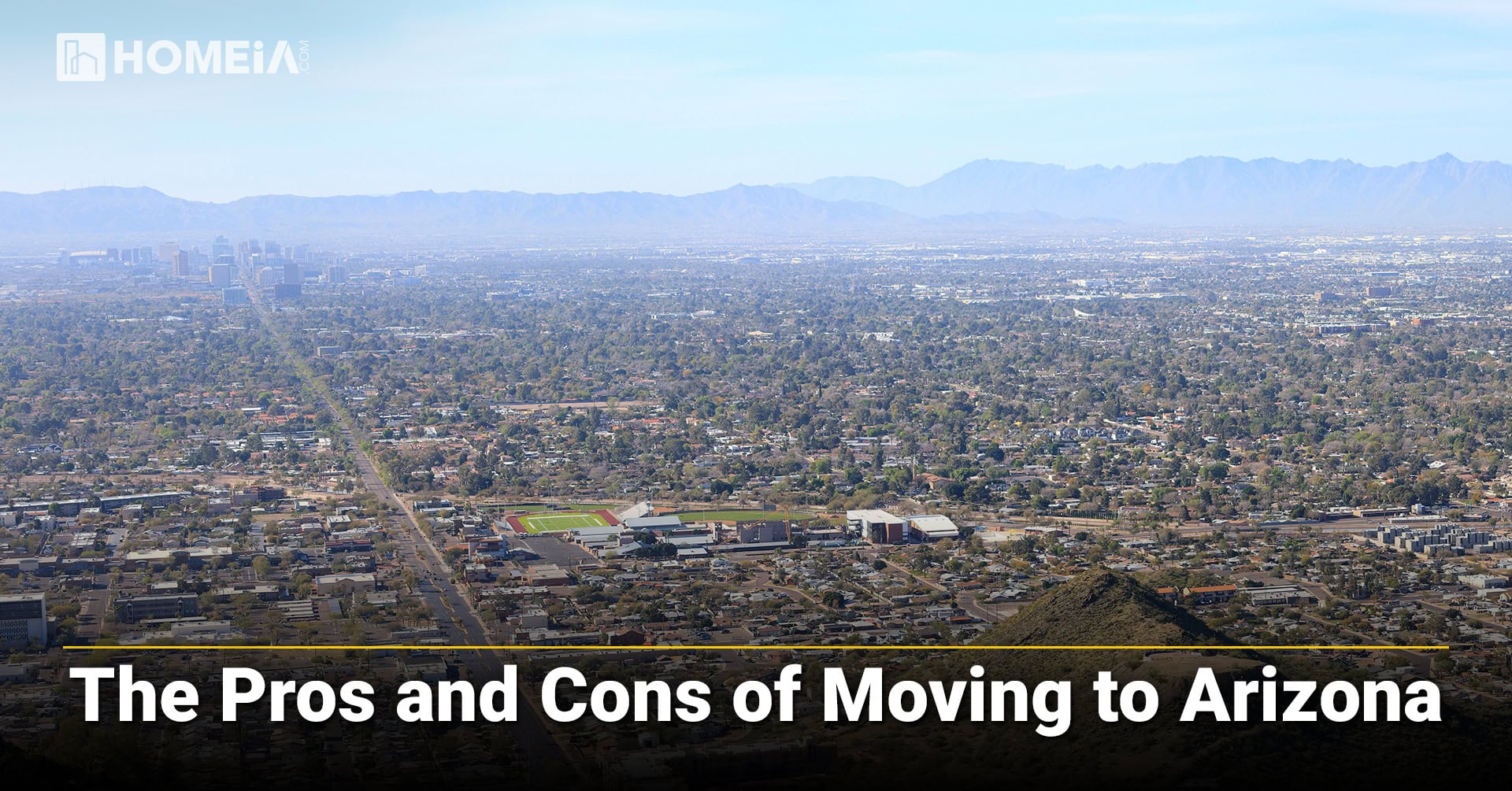
-
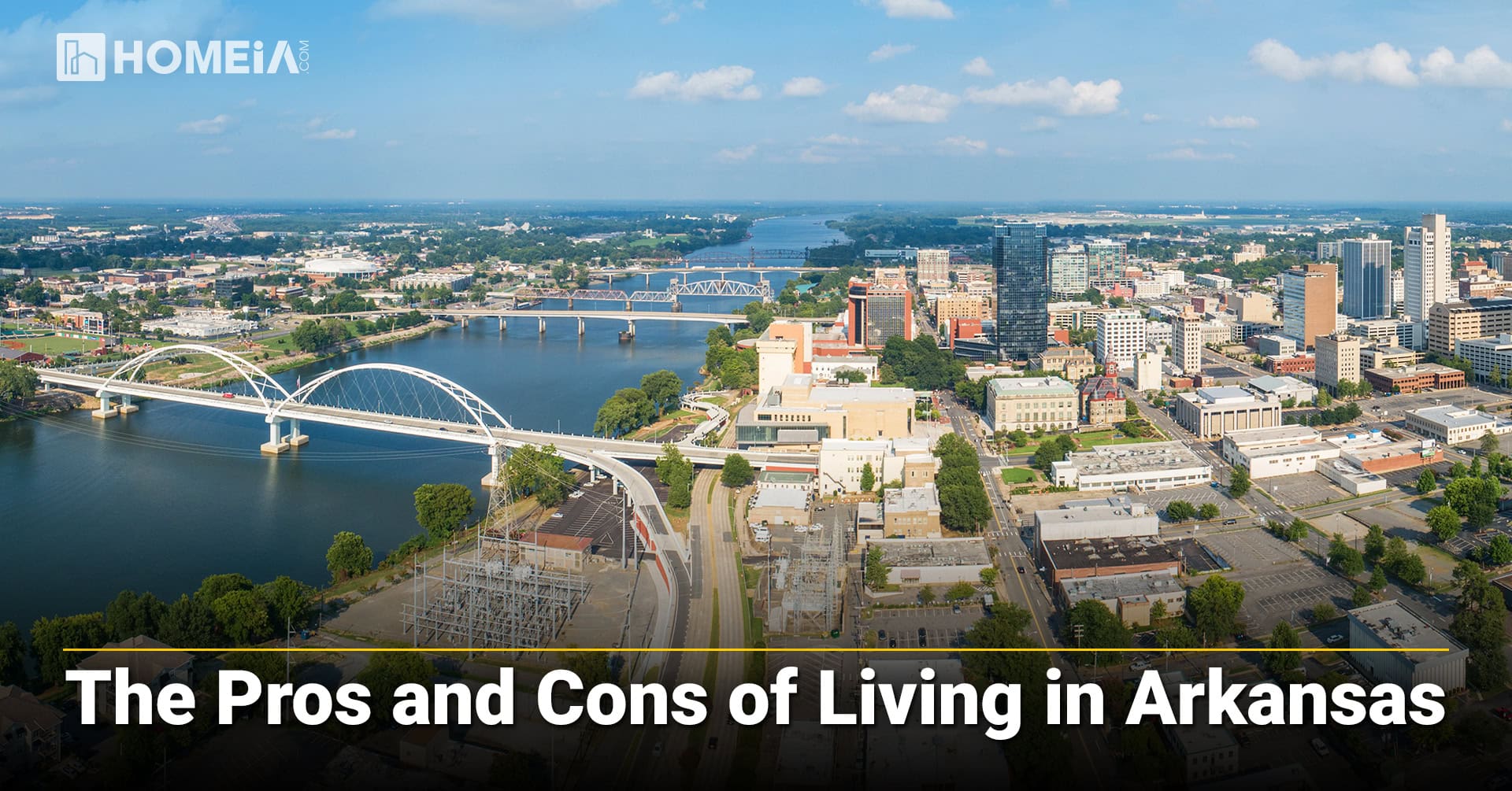
The Pros and Cons of Living in Arkansas
Considering a move to Arkansas? The Natural State offers a compelling blend of affordability and natural beauty that attracts new residents from across the country. Home to 3 million people, Arkansas features everything from vibrant cities to charming small towns,…
-
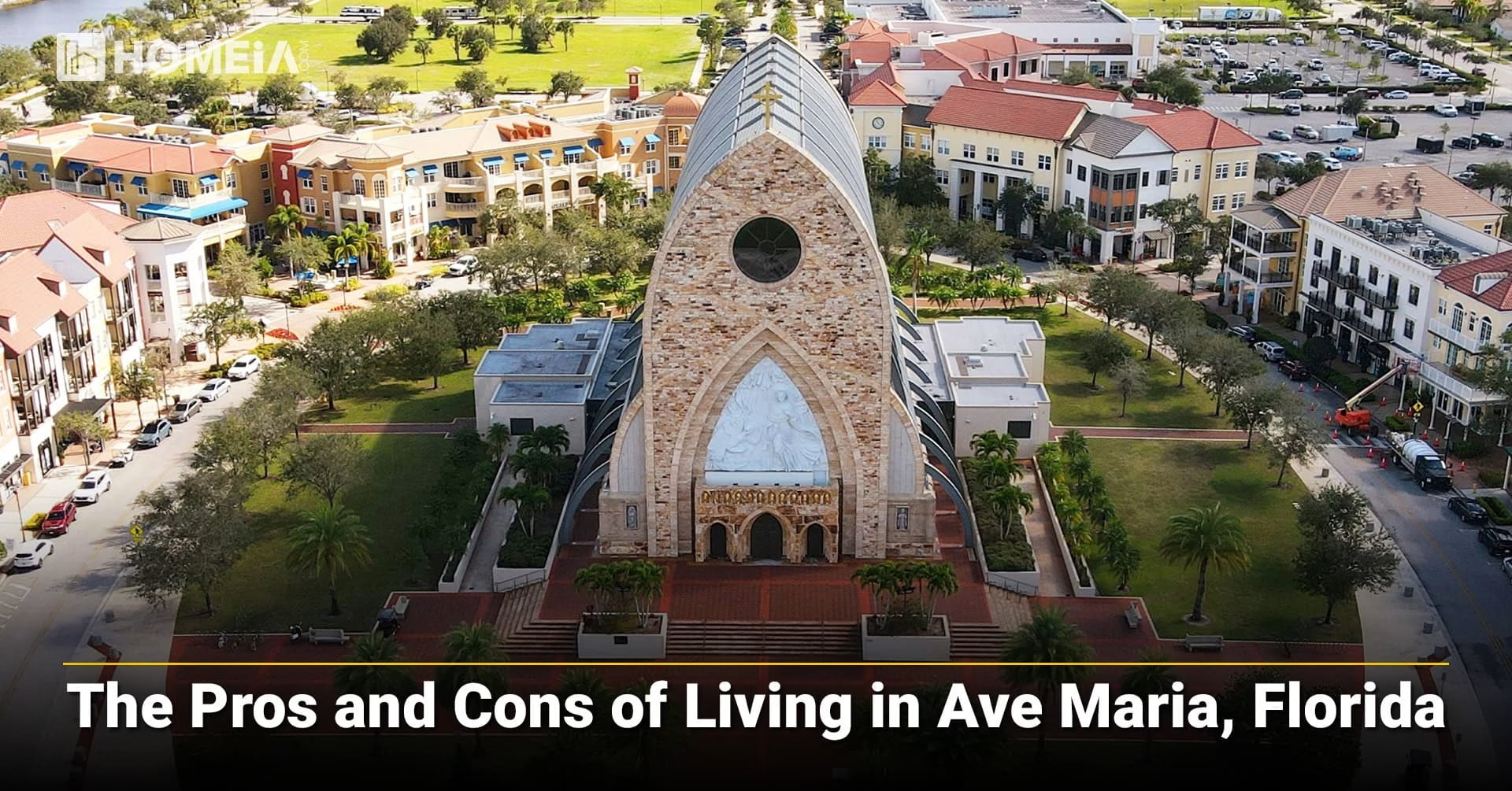
The Pros and Cons of Living in Ave Maria, Florida
The Pros and Cons of Living in Ave Maria, Florida: When picturing Ave Maria, what comes to mind are stunning basilica, perfectly manicured neighborhoods, and the Florida sun. However, this unique town has even more hidden inside. It blends master-planned…
-
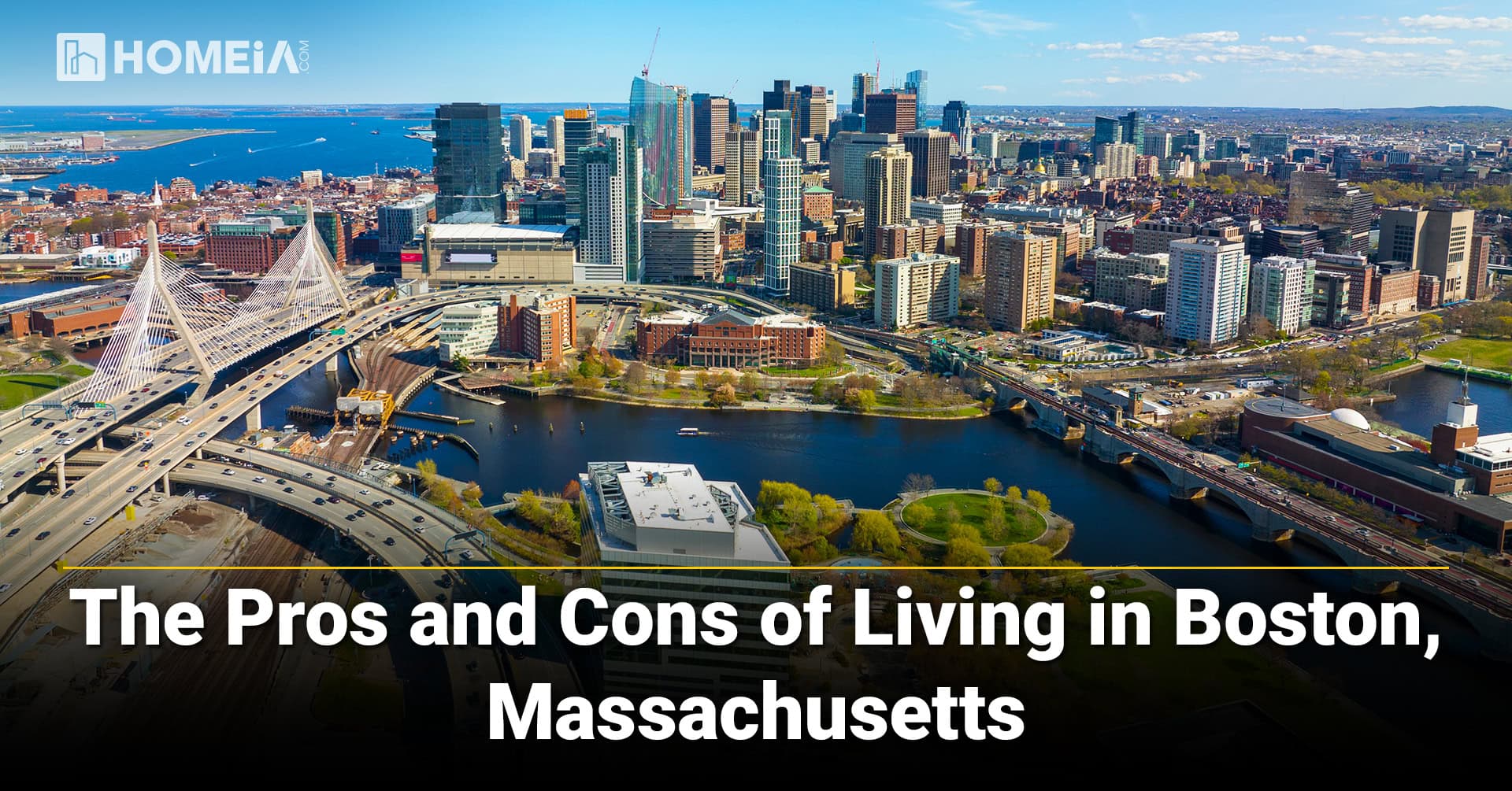
The Pros and Cons of Living in Boston, Massachusetts
Considering moving to Boston in 2026? This historic yet innovative city offers a unique blend of old-world charm and modern opportunity. As New England's economic and cultural hub, Boston attracts residents with its world-class education, thriving job market, and vibrant…

-
The Pros and Cons of Living in Delaware
When picturing Delaware, what comes to mind are tax-free shopping, beautiful beaches, and proximity to major East Coast cities. But the First State offers more than financial advantages; here exists a place where historic charm, corporate headquarters, and relaxed coastal…
-
The Pros and Cons of Living in Denver, Colorado
Looking for stellar public schools, world-class ski resorts, and a thriving city all in one spot? Denver, Colorado, may be the place for you. The Mile High City offers a unique blend of outdoor adventure, economic opportunity, and urban convenience.…
-
Pros and Cons of Living in Georgia
Relocating to a new state is a significant decision, one that requires thoughtful consideration of both the state as a whole and the specific community you're considering. If you're thinking about moving to Georgia, you'll find the Peach State offers…



-
The Pros and Cons of Living in Illinois (updated)
Relocating to a new state requires careful consideration of both the state as a whole and the specific community you'll join. If you're considering Illinois, you'll find a state home to vibrant cities, charming small towns, and a diverse mix…
-
The Pros and Cons of Living in Indiana
When picturing Indiana, what comes to mind are rolling farmlands, basketball hoops, and the iconic Indianapolis 500. But the Hoosier State offers more than Midwestern clichés; here lies a place where affordability, tight communities, and an ideal central location define…
-
The Pros and Cons of Living in Iowa
When picturing Iowa, what comes to mind are vast cornfields, rolling hills, and an established agricultural heritage. But the Hawkeye State offers more than what you see on a farm; here lies a place where strong communities, affordable living, and…


-
The Pros and Cons of Living in Massachusetts
The pros and cons of living in Massachusetts: Moving to a new part of the US requires careful consideration of both the state itself and the specific community you'll join. If Massachusetts is your next destination, you'll find a state…
-
The Pros and Cons of Living in Michigan
Relocating to a new state requires careful consideration of both the state as a whole and the specific community you'll join. If you're considering Michigan, you're in luck---the Great Lakes State offers diverse options for all ages, budgets, family situations,…
-
The Pros and Cons of Living in Minnesota
The Pros and Cons of Living in Minnesota: When picturing the Midwestern state of Minnesota, some might imagine a snowy blizzard, an afternoon at the lake, the bustling state fair, and a thriving hockey community. And while all of those…
-
The Pros and Cons of Living in Nevada
When picturing Nevada, what comes to mind are glittering casinos, vast desert landscapes, and the 24-hour energy of Las Vegas. But the 36th state offers more than entertainment clichés; tax advantages, outdoor recreation, and economic opportunity define everyday living. Yet,…
-
The Pros and Cons of Living in New Hampshire
When picturing New Hampshire, what comes to mind are picturesque New England villages, stunning White Mountains, and a fiercely independent spirit. But the Granite State offers more than colonial charm; here lies a place where low-cost living, outdoor adventure, and…
-
The Pros and Cons of Living in New Jersey
Considering a move to New Jersey? The Garden State offers a dynamic mix of urban energy, coastal charm, and suburban comfort. Home to nearly 9 million residents, New Jersey features vibrant cities, peaceful towns, stunning beaches, dense forests, and cultural…

-
The Pros and Cons of Living in North Dakota
When picturing North Dakota, imagery commonly associated are vast prairies, oil fields, and harsh winters. But the Peace Garden State offers more than Midwestern stereotypes; here lies an area where flourishing communities, economic opportunity, and affordable living define everyday life.…
-
The Pros and Cons of Living in Ohio
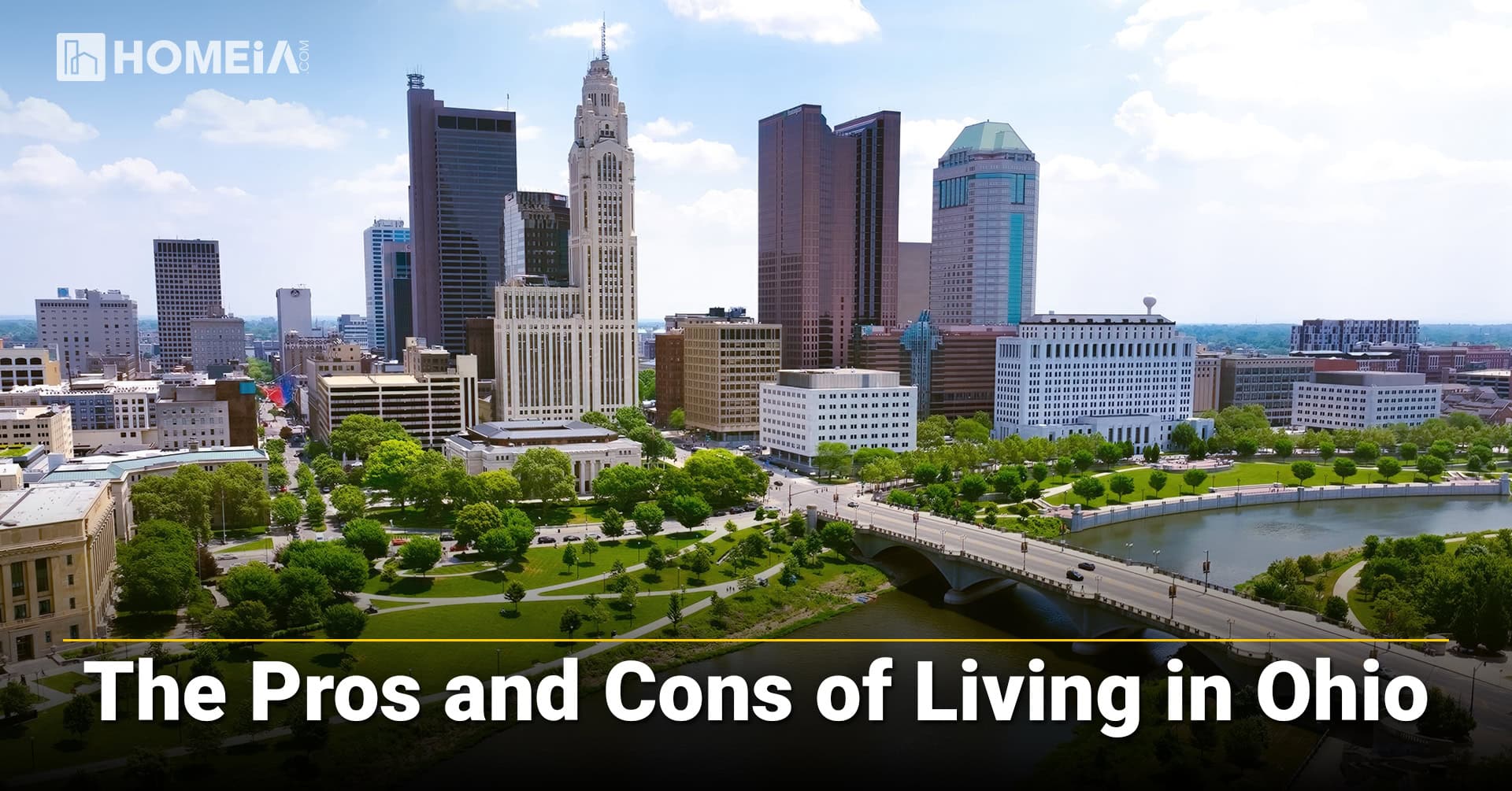
On any given day in Ohio, you could find yourself in two completely different states of mind in a difference of an hour. One moment, you are looking at a beautiful view of snow-topped trees from a lookout point high…
-
The Pros and Cons of Living in Oregon
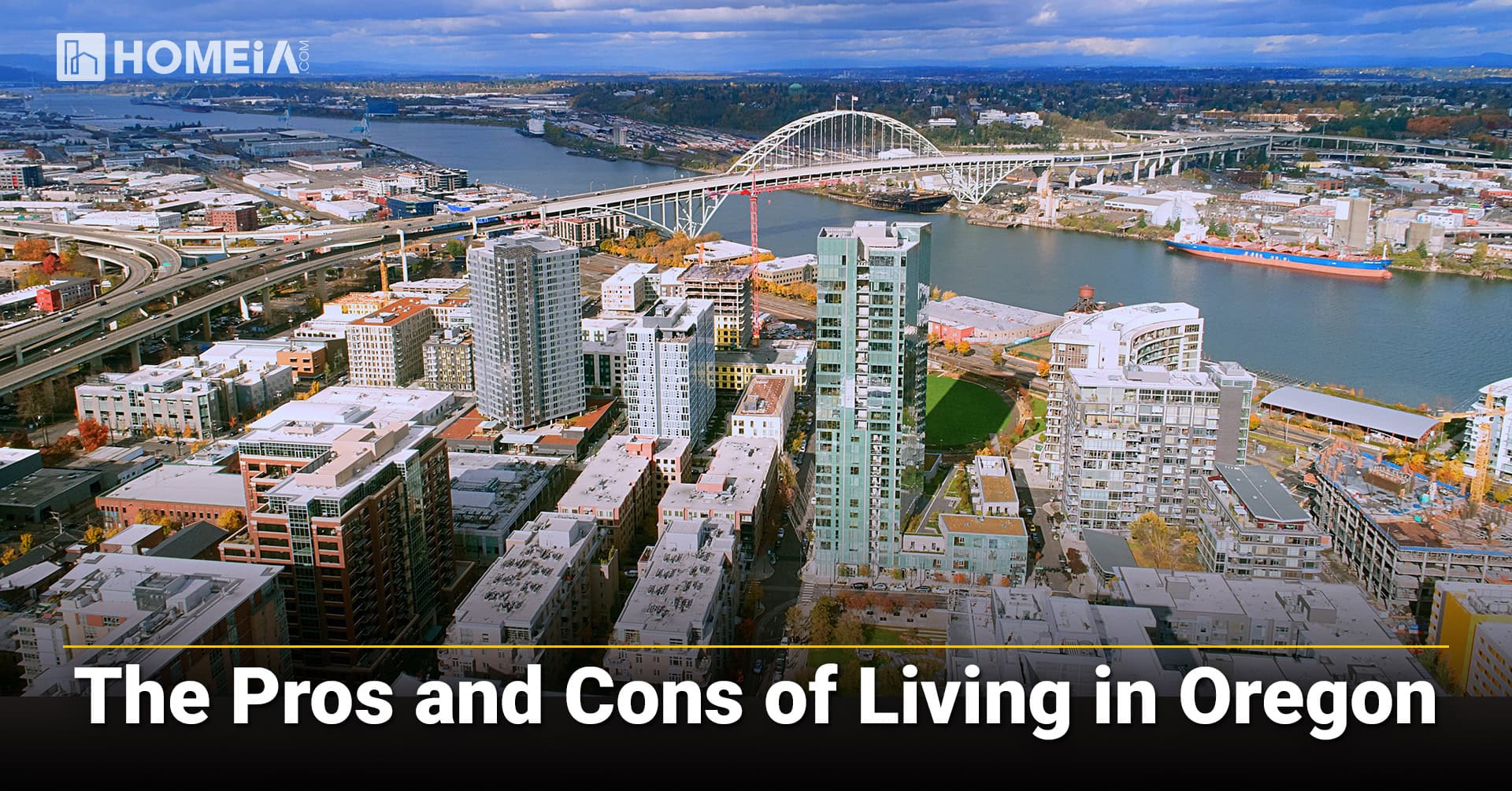
Relocating to a new state requires careful consideration of both the state as a whole, as well as the specific community you'll join. Oregon offers stunning natural beauty, vibrant cities, and a progressive culture with options for all ages, budgets,…
-
The Pros and Cons of Living in South Carolina
The pros and cons of living in South Carolina: When picturing South Carolina, the mind goes straight to shrimp and grits at a waterfront table in Charleston, azaleas in full bloom in Summerville, and a round of golf as the…
-
The Pros and Cons of Living in South Dakota
The Pros and Cons of Living in South Dakota: When picturing South Dakota, what comes to mind are vast prairies, Mount Rushmore, and the rugged beauty of the Badlands. But the Land of Infinite Variety offers more than Western clichés; here…
-
The Pros and Cons of Living in Tennessee
People have been migrating to the South at an unprecedented rate in recent years, making it the leading region for population growth in the United States. This historic pattern of migration is driven by a complex range of factors, including…
-
Pros and Cons of Living in Virginia
Virginia is a beautiful state with an abundance of opportunities ripe for discovery. From the Appalachian Trail to the Blue Ridge Mountains, coastal towns to small farming communities, Virginia has something for individuals and families of all ages and budgets.…
-
The Pros and Cons of Living in Washington
When picturing Washington State, what crosses one’s mind are lush evergreen forests, majestic mountains, and the tech hub of Seattle. But the PNW offers more than that; here lies a place where natural beauty, economic opportunity, and progressive values define…
-
The Pros and Cons of Living in Wisconsin
Relocating to a new state requires careful consideration of both the state as a whole and the particular community you choose to reside in. With its diverse landscapes, vibrant cities, and friendly communities, Wisconsin offers solid options for everyone. Whether…