







USA
Living in the USA
Local Editor(s)

 Verified


Table of Contents:
Why Americans Are Always on the Move
Internal Migration in the United States: From Wagon Trails to Remote Work
| 7.5M | 11.7x | 1 in 3 | Florida |
|---|---|---|---|
| Americans moved across state lines in 2023 | Times the average American moves in a lifetime | Americans don't live where they were born | Top destination state in 2024 |
I. The American Itch to Move
Americans move. A lot. In fact, no other wealthy country comes close to relocation rate. The average person living in the USA packs up and moves about 11.7 times over a lifetime, nearly double the rate in countries like the U.K. or Japan. In 2023 alone, more than 7.5 million people crossed state lines looking for something better: a job, cheaper rent, safer streets, or even a fresh start.
But here’s the thing: this isn’t random. They don’t decide to leave on a whim. Every major wave of American migration, from covered wagons heading west to families loading U-Hauls during COVID, has been driven by the same basic forces. Learn those forces, and you can read the United States map like a story.
II. The 7 Reasons Americans Move
Historians and researchers have found the same seven drivers behind nearly every major migration in U.S. history. They show up again and again, sometimes one at a time, often all at once.
| # | Driver | What It Means | Historical Example |
|---|---|---|---|
| 1 | Jobs & Economic Opportunity | People follow work. When industries boom in one place, workers flood in. | Gold Rush 1848, Detroit auto plants, Silicon Valley tech jobs |
| 2 | Housing Cost & Availability | When you can't afford rent or a mortgage, you pack up and look elsewhere. | Post-COVID exodus from California and New York to Texas and the Carolinas |
| 3 | Race & Social Conditions | Oppression pushes people out. Safety and fairness pull them in. | The Great Migration: 6 million Black Americans fled the Jim Crow South |
| 4 | Government Policy & Infrastructure | Roads, railroads, home loans, and land grants open new doors, or close them. | The 1862 Homestead Act; the 1956 Interstate Highway Act |
| 5 | Environmental Shocks & Climate | Floods, droughts, hurricanes, and wildfires force people to leave. | 1930s Dust Bowl; Hurricane Katrina; today's rising sea levels |
| 6 | Cost of Living & Affordability | When groceries, insurance, and daily life drain your wallet, you recalculate. | Inflation-driven outflows from Miami and Phoenix after 2022 |
| 7 | Remote Work & Geographic Freedom | If you can work from anywhere, you choose where you want to live. | 2020-2023: Millions left coastal cities while keeping their city salaries |

Related article
III. Five Chapters in American Migration History
The same seven drivers show up in every chapter. Here’s a quick tour.
| Era | Who Moved | Why They Moved | Key Numbers |
|---|---|---|---|
| Westward Expansion (1840s-1890s) | Farming families, gold seekers, settlers | Free land (Homestead Act), gold, railroad access, jobs unavailable in crowded East | 160-acre land grants; 41,000 miles of rail planned by 1869 |
| The Great Migration (1910-1970) | Black Americans from the rural South | Escaping racial violence, Jim Crow laws, and poverty; heading toward factory jobs in Northern cities | ~6 million people; 500,000 to Chicago alone |
| The Dust Bowl (1930s) | Farmers and tenant workers from the Great Plains | Drought destroyed crops; foreclosures wiped out farms; no other work available | ~2.5 million displaced; Oklahoma lost 440,000 residents |
| Suburbanization (1945-1970) | White middle-class veterans and their families | GI Bill loans made homeownership economical; new highways made commuting easy | Millions left cities; Levittown, NY built 17,000+ homes fast |
| The Sun Belt Rise (1945-Present) | Workers, retirees, and families from the Northeast and Midwest | Lower taxes, affordable land, warm weather, defense jobs, and air conditioning | Sun Belt now absorbs ~80% of all U.S. population growth |
The Great Migration: A Closer Look
Between 1910 and 1970, about six million Black Americans packed their belongings and left the South. They weren’t chasing opportunities. They were running from terror: lynchings, Jim Crow laws that controlled every corner of daily life, and an economic system rigged to keep them poor. The Chicago Defender, a leading Black newspaper, published lists of churches and organizations in Northern cities that could help newcomers get settled. Cities like Chicago, Detroit, New York, and Philadelphia transformed almost overnight, gaining huge new Black populations that reshaped politics, culture, and music forever. This was the largest internal migration in American history, driven almost entirely by racial injustice and economic desperation.
IV. The Drivers, Up Close
A. Jobs: Still the #1 Reason
Employment has always been a seismic pull factor. From 2010 to 2019, the tech industry grew by 47% and added 1.2 million jobs, most of them packed into only eight metro areas, including San Francisco, Seattle, and Austin. When it becomes a job magnet, workers pour in from everywhere else. But the flip side also holds true: when remote work made it possible to earn a San Francisco salary from Boise, Idaho, the magnet weakened, and workers spread out.
B. Housing: The Make-or-Break Factor
Today, the US is short of nearly 5 million housing units, according to the Brookings Institution. Since 2019, the income needed to buy a typical home has doubled. When housing becomes exorbitant, it pushes people out. When they arrive in cheaper cities, those areas then become expensive too. Phoenix saw housing costs skyrocket 19% in a single month in August 2022. Miami’s overall inflation hit 10.7% in late 2022. The affordable escape hatches are shrinking.
C. Race: The Force That Shaped the Whole Map
Race has not only shaped migration, it has built the entire geography of modern America. The suburbs weren’t just built for veterans who wanted lawns. They were built, in practice, for white veterans. Redlining policies blocked Black and Latino veterans from getting the same GI Bill home loans that white families received. The result: concentrated wealth in white suburbs, concentrated poverty in Black urban neighborhoods. That racial wealth gap still echoes in today’s migration patterns, because who can afford to move is still shaped by who was allowed to build wealth in the first place.
D. Climate: A Growing Force
Climate change is turning environmental migration from a once-in-a-generation event into a regular, predictable pattern. Since 2000, approximately 3.2 million Americans have already moved because of flood risk alone. In 2023, the U.S. experienced a record 28 weather disasters that each caused over one billion dollars in damage. Researchers project that cities like Austin, Orlando, and Atlanta could absorb hundreds of thousands of climate refugees by 2100 as coastal regions become less livable.

Related article
Our Methodologies to create HOMEiA Score Ratings for Each Group of Content
HOMEiA uses a consistent, data-driven methodology to evaluate U.S. states for livability, affordability, and long-term value. Our analysis centers on key factors such as Housing and Affordability, Cost of Daily Living, Access and Infrastructure, Community Strength, Safety and Quality of Life, Economic Resilience and Job Market…
V. The COVID Shakeup: What Happened After 2020
The pandemic triggered the fastest reshuffling of the American population since the post-World War II suburban boom. Here’s how it played out.
| What Changed | The Details |
|---|---|
| Remote work unlocked the map | By early 2021, roughly half of white-collar workers were remote. Workers in San Francisco and New York kept their salaries but moved to Austin, Nashville, and Raleigh, paying far less for housing. |
| Sun Belt boomed, then cooled | Florida's net migration rate peaked at 14.2% in 2022, then dropped to only 2.8% by 2024 as housing costs, insurance premiums, and everyday expenses eroded its big advantage. |
| Cities didn't die | Major cities saw population dips, but not collapse. They experienced a rebalancing. Many tech workers who dispersed from coastal cities during COVID stayed in their new areas even after offices reopened. |
| Homeowners got locked in | Pandemic-era mortgage rates were historically low (around 3%). When rates climbed above 7%, homeowners refused to sell and give up their generous loans. In 2024, the homeowner move rate hit an all-time low of 3.1%, with 24% fewer homeowners moving than before COVID. |
| High-tax states kept losing people | Between 2023 and 2024: California lost 239,575 net domestic migrants; New York lost 120,917; Illinois lost 56,235. |
| Affordability became the #1 driver | By 2025, Zillow confirmed that affordability had replaced hot market buzz as the top reason people chose a new state. People were selecting places where they could actually afford a home, not where the job market was hot. |
Where Are Americans Moving Right Now? (2024-2025 reports)
| Top Destinations | Net In-Migration Gain | Main Reasons |
|---|---|---|
| Texas (Dallas-Fort Worth, Austin, Houston) | 556,156 new residents in 2024 | Jobs in tech, healthcare, and logistics; no state income tax; relatively affordable housing |
| Florida (Tampa, Jacksonville, Orlando) | 573,876 new residents in 2024 | Warm climate, no state income tax, retirement appeal (though costs rising fast) |
| North Carolina (Raleigh-Durham, Charlotte) | Top 3 net gainer, 2023-2024 | Biotech and research jobs, affordable housing vs. coastal cities, livable mid-sized cities |
| Tennessee (Nashville) | Consistent top gainer | No state income tax, growing music and tech economy, lower cost of living |
| South Carolina & Georgia (Atlanta, Charleston) | Top 5 net gainers | Manufacturing growth, warm climate, affordability vs. the Northeast |
VI. What All This Tells Us About America
Here’s the bottom line: Americans don’t move randomly. They relocate because something pushes them out or pulls them in, and those forces have been the same seven drivers for over 150 years. The specific technologies change (railroads then, remote work now), but the logic remains.
What’s different today is the pressure building from all sides at once. The country is short of approximately 5 million homes. Climate disasters are becoming annual events. And the affordable Sun Belt cities that used to offer a safety valve are transitioning into expensive coastal cities future homeowners are trying to escape.
Three big questions will shape where Americans move over the next decade:
| The Big Question | Why It Matters |
|---|---|
| Will remote work stick around? | If companies force workers back to offices, the geographic freedom that drove post-COVID migration reverses. Workers will need to live where the jobs are again. |
| Will we build more homes? | Unless zoning laws loosen and builders ramp up construction, the housing shortage will keep squeezing affordability everywhere, not just on the coasts. |
| How bad will climate disruption get? | Coastal flooding, extreme heat, and more frequent disasters will push millions out of vulnerable regions. Where they go, and whether affordable housing is waiting for them, is an open question. |
Recommended for you


![10 Most Affordable (Safe) Places to Live in the U.S. [Updated]](https://homeia.com/wp-content/uploads/2025/08/10-Safest-and-Most-Affordable-Places-to-Live-in-the-U.S-170x89.webp)

FAQs About Living in the USA
1. Do state income taxes really drive people to move?
Taxes matter mainly for the wealthy. A UC Riverside study spanning 110 years found that higher earners do leave high-tax states, since they have the means to do so. But for most families, housing and jobs are three to four times more decisive. A household moving from New York to Miami saves three times more from lower mortgage payments than from lower taxes. Princeton researchers found it’s actually lower-income residents who are most likely to leave high-tax states, not the wealthy. Bottom line: taxes are real but secondary. Jobs, family, and affordable rent come first.
2. Which generation moves the most, and where are they headed?
Gen Z’s moving rate is rising: Texas (net gain of 91,000 in 2023), New York City, and South Carolina top their list. Millennials are moving less than ever, with only 11% relocating in 2023, down from 21% a decade ago. Student debt and the mortgage lock-in are keeping them stuck. Boomers are flooding Florida (nearly 94,000 arrivals in 2024), drawn by warm weather and no state income tax. Gen X is quietly following them south. One thing unites every generation: they’re all leaving California.
3. Should I get a job first, or just move and figure it out?
Line up work first if you can. The Census Bureau estimates 7 million Americans relocate annually for employment, with nearly half moving more than 500 miles. A job offer eliminates the cash-crunch risk of landing in an unfamiliar city with no income. Remote workers have more flexibility: if your paycheck travels with you, moving first is fine. For everyone else: start applying 1 to 2 months out, network on LinkedIn in your target city, and consider removing your home address from your resume so employers don’t rule you out before you can make your case.
4. Is it getting harder to move overall? It feels like fewer people are doing it.
Yes. In the 1950s, roughly 20% of Americans moved each year. By 2024, Harvard’s Joint Center for Housing Studies put that number at just 8.3%. The biggest culprit is mortgage lock-in: homeowners who secured 3% pandemic-era rates refuse to sell and finance a new home at 6% to 7%. The homeowner move rate hit an all-time low of 3.1% in 2024. The cruel irony: the same housing crunch that pushes people to want to move is making it harder to actually go.
5. Why are smaller cities suddenly beating out the big ones?
Mid-sized cities hit a sweet spot: big-city quality of life at a fraction of the cost. Myrtle Beach (SC) was the #1 most-searched move destination in both 2024 and 2025. Places like Raleigh-Durham, Boise, Charlotte, and Greenville dominate moveBuddha’s top rankings. They offer real career paths in tech, healthcare, and manufacturing, plus fast housing construction that keeps prices more manageable than coastal metros.
6. Does politics drive people to move states?
Far less than the headlines suggest. A National Association of Realtors study found only 3% of movers list politics as their primary reason. Brookings demographer William Frey put it plainly: politics are not a big enough reason to move large numbers of people. People talk about it more than they act on it. Notably, four of the seven 2024 presidential swing states (North Carolina, Georgia, Michigan, and Arizona) rank in the top 10 for net migration, suggesting movers are following economic opportunity into politically mixed places.
7. Which states are surprise risers in 2025 that most people aren’t talking about?
While Texas and Florida grab the headlines, 2025 data shows some unexpected climbers. Wisconsin saw inbound migration searches jump 79% year over year. Minnesota surged 40%. Both offer affordable housing plus strong job markets, a combination increasingly hard to find in the Sun Belt. Conway, SC topped the most-searched U.S. move destination list two years running. Arkansas is also rising fast, with Bentonville pulling relocators thanks to Walmart’s headquarters and a booming outdoor recreation economy.
Local Editor(s)
-
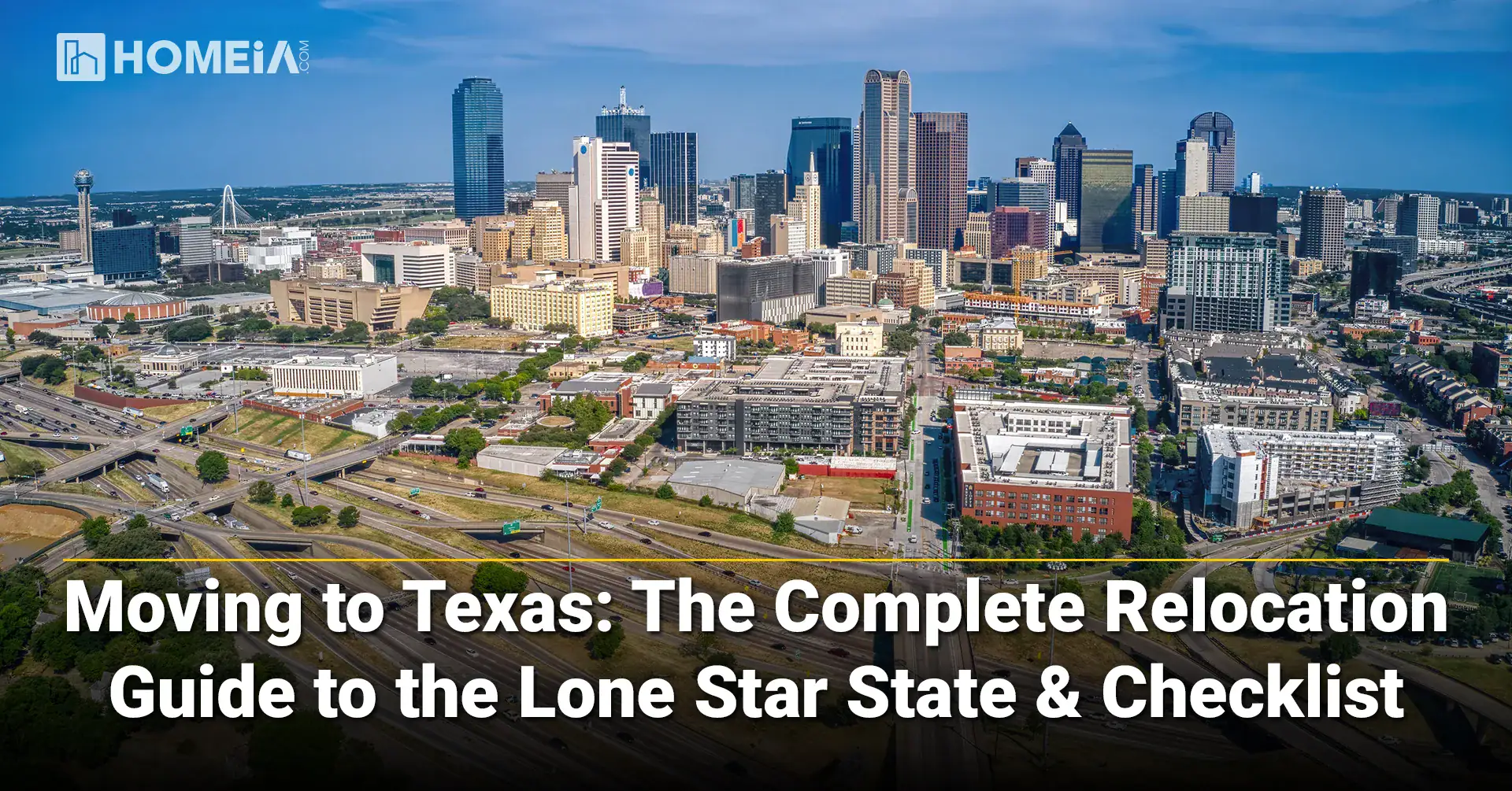
Moving to Texas: THE Complete Relocation Guide to the Lone Star State and Checklist
Thinking about relocating to Texas? You're joining over 500,000 people who move to the Lone Star State each year, making Texas the #1 destination for interstate migration and out-of-state moves.…
-
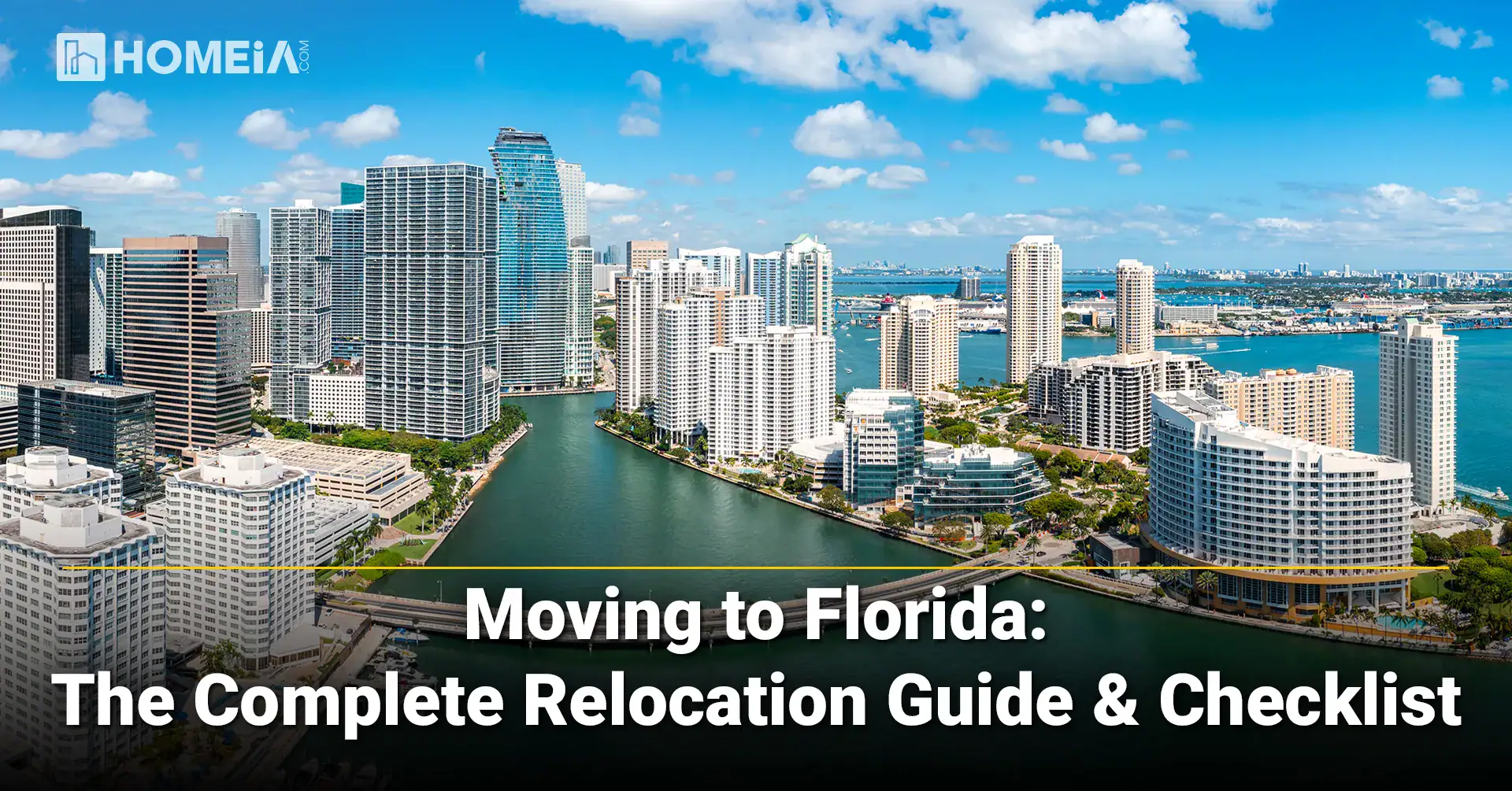
Moving to Florida: THE Complete Relocation Guide and Checklist
Hey there! If you’re reading this, you must be thinking about making the move from Massachusetts to Florida. You're not alone—thousands of folks from the Bay State flock south every…
-
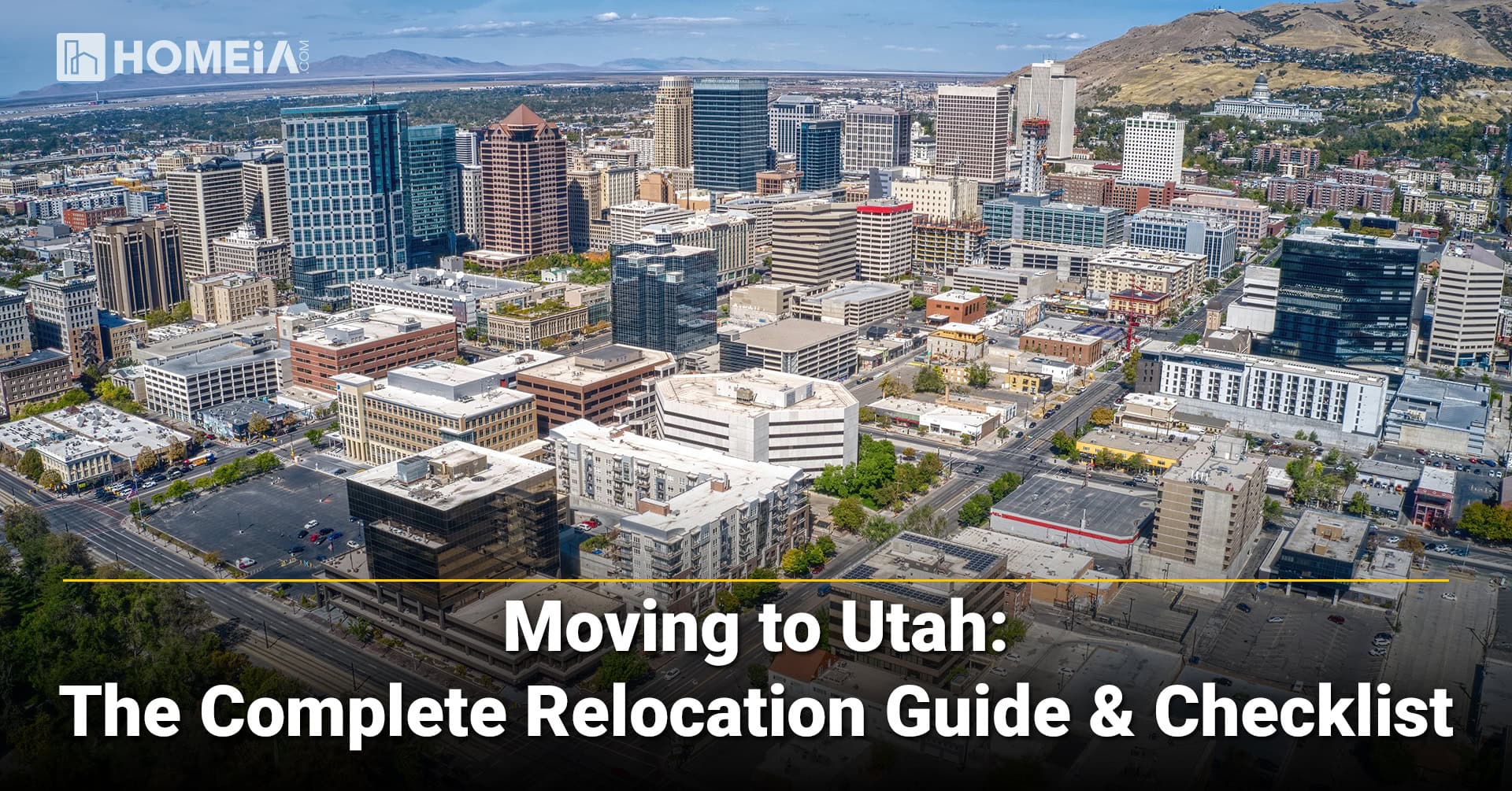
Moving to Utah: The Complete Relocation Guide and Checklist
Thinking about moving to Utah? You’re not alone. Every year, thousands of working professionals and families discover why the Beehive State is one of America's fastest-growing states in the country.…
-
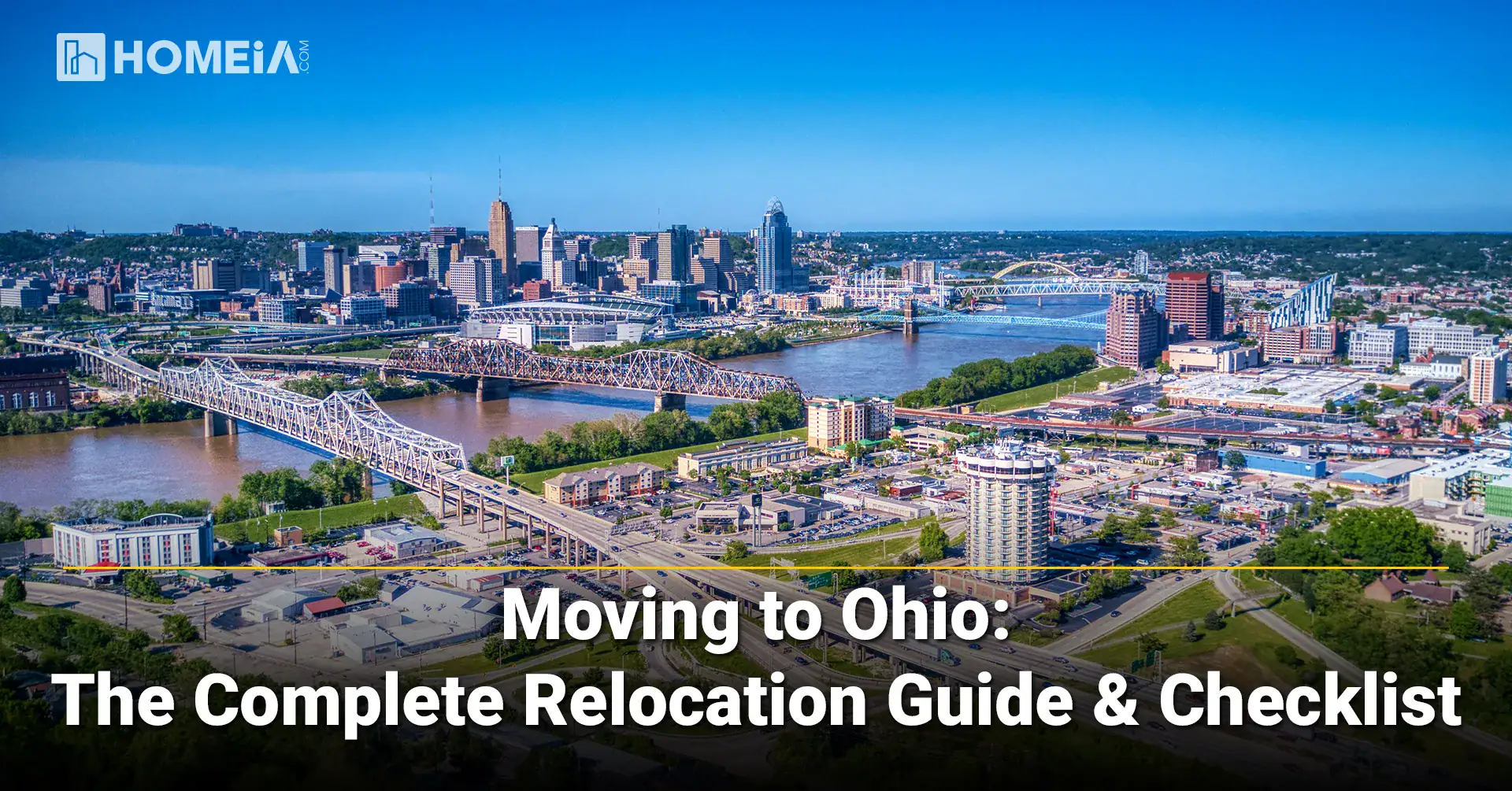
Moving to Ohio: THE Complete Relocation Guide and Checklist
Hey there! Thinking about moving to Ohio? Welcome to the Buckeye State—where the people are friendly, the cost of living is low, and the lifestyle is suitable for families, professionals,…
-

Remote Work Relocation Tax Guide: Moving to Tax-Free States
The mass shift to remote work has fundamentally changed how professionals approach their living situations, untethering careers from specific geographic locations. Newfound flexibility allows for strategic decisions based on quality…
-
Moving to Tennessee: THE Complete Relocation Guide & Checklist
Hey y'all! Thinking about moving to Tennessee this 2026? Welcome to the Volunteer State - where the people are friendly, the scenery is stunning, and the living is easy. I've…
-
Moving to Wyoming: The Complete Relocation Guide & Checklist
Bordered by Montana, South Dakota, Nebraska, Colorado, Utah, and Idaho, Wyoming offers a lifestyle defined by rugged natural beauty, wide-open spaces, and frontier independence. Over 580,000 residents call it home,…
-

Walkable Neighborhoods Guide: Top 50 Car-Free Communities in the U.S.
The dream of ditching one—or even all—of your cars is no longer a fantasy. By 2026, it’s a financially savvy and lifestyle-driven goal for a growing number of Americans. Soaring…
Related Topics














![10 Most Affordable (Safe) Places to Live in the U.S. [Updated]](https://homeia.com/wp-content/uploads/2025/08/10-Safest-and-Most-Affordable-Places-to-Live-in-the-U.S.webp)


-
Moving to Michigan: The Complete Relocation Guide & Checklist
Bordered by four of the five Great Lakes, Michigan is filled with incredible natural beauty and industrial resilience. From the urban revitalization of Detroit to the charming coastal towns of the Upper Peninsula, the Great Lakes State offers a diverse…
-
Moving to Minnesota: THE Complete Relocation Guide and Checklist
Are you thinking about making the move to Minnesota? The Land of 10,000 Lakes—and a whole lot more—is a special place. Whether you're drawn to our strong job market, top-notch schools, or the promise of four seasons (yes, even winter!),…
-

Moving to Maine: The Complete Relocation Guide & Checklist
Bordered by New Hampshire, Canada, and the Atlantic Ocean, Maine offers a lifestyle defined by majestic natural beauty, coastal living, and profound seasonal changes. Around 1.5 million residents call The Pine Tree State home, drawn by its iconic wilderness, charming…
-
7 Most Affordable Places to Live in North Carolina
Howdy, y'all. If you're dreaming of life in the Tar Heel State but your budget is feeling a little tight, you're in the right place. North Carolina isn't all bustling, high-cost tech hubs of the Triangle or the banking skyscrapers…
-

Moving to Missouri: The Complete Relocation Guide & Checklist
Thinking about relocating to Missouri? You're not alone. The Show-Me State attracts thousands of new residents each year with its unbeatable blend of affordability, friendly communities, and diverse landscapes. From the bustling streets of Kansas City to the rolling hills…
-
7 Most Affordable Places to Live in Louisiana
In a state where vibrant culture meets Southern charm, Louisiana stands out for its remarkably affordable cost of living. With a median home price significantly below the national average and no state tax on Social Security income, the Pelican State…


-
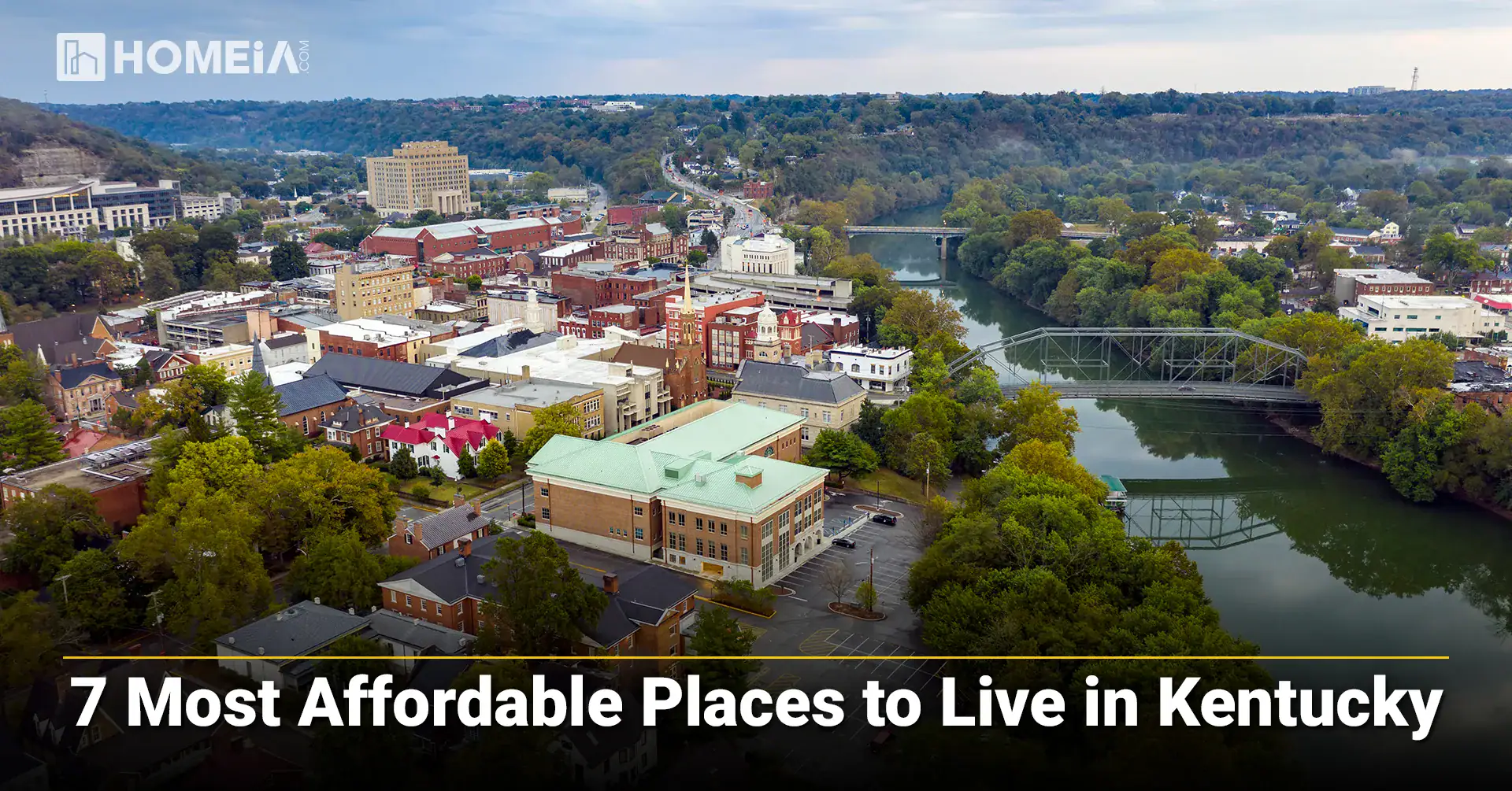
7 Most Affordable Places to Live in Kentucky (updated)
In a world where the cost of everything seems to be rising, the Bluegrass State stands out as a beacon of affordability. With its rolling hills, friendly communities, and a cost of living that's significantly lower than the national average, Kentucky…
-

7 Most Affordable Places to Live in Indiana (2026)
In a nation where housing costs continue to climb, Indiana stands out—not only for their Midwestern charm and central location, but for a remarkably affordable cost of living. With a median home price significantly below the national average and a…
-
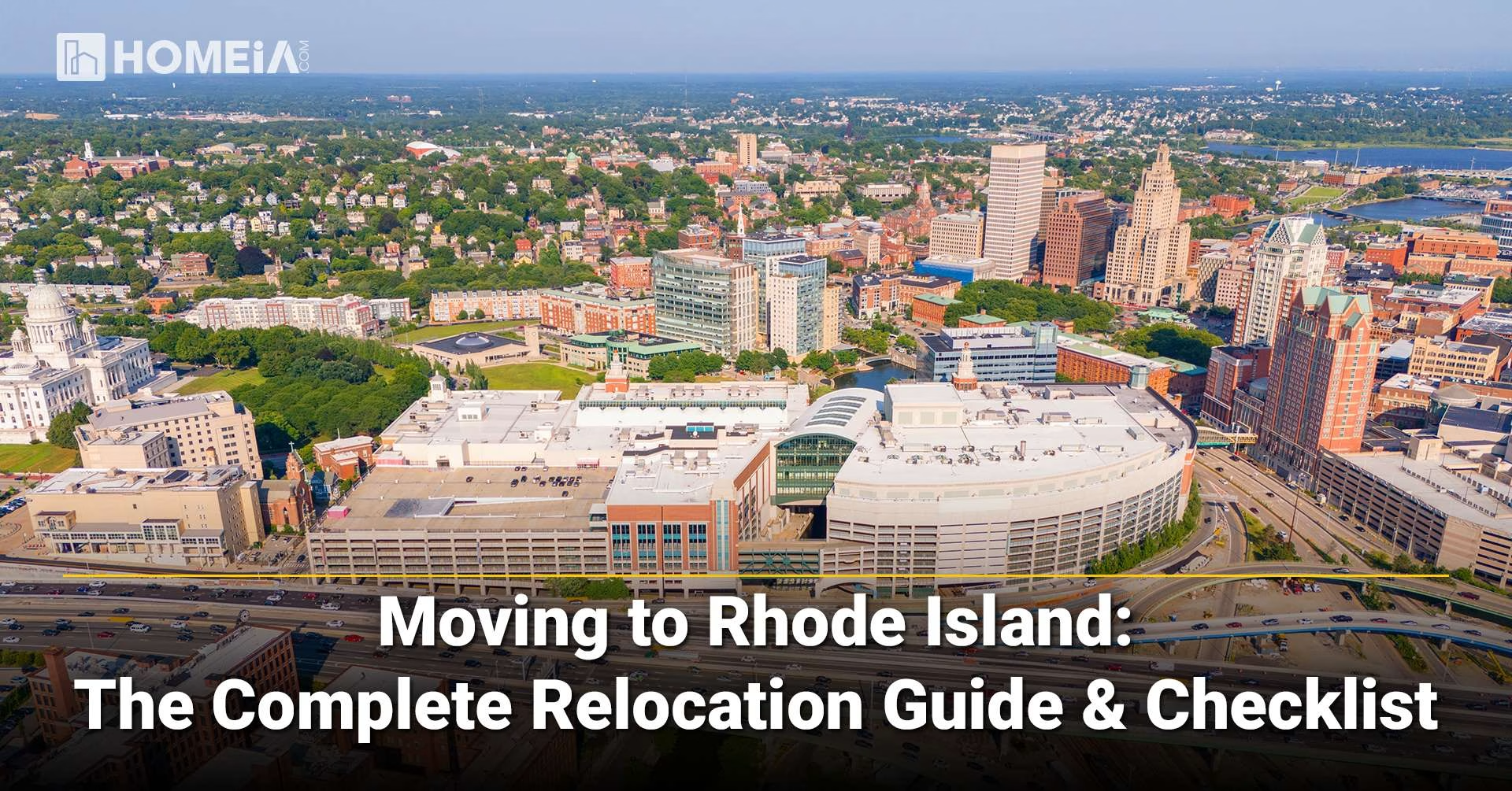
Moving to Rhode Island: The Complete Relocation Guide & Checklist
Bordered by Massachusetts, Connecticut, and the Atlantic Ocean, Rhode Island offers a lifestyle defined by coastal charm, historic significance, and compact urban living. Over 1 million residents call the Ocean State home, drawn by its beautiful coastline, rich colonial heritage,…

-
Moving to Florida: THE Complete Relocation Guide and Checklist
Hey there! If you’re reading this, you must be thinking about making the move from Massachusetts to Florida. You're not alone—thousands of folks from the Bay State flock south every year, drawn by the promise of endless sunshine, white sandy…
-
Moving to Tennessee: THE Complete Relocation Guide & Checklist
Hey y'all! Thinking about moving to Tennessee this 2026? Welcome to the Volunteer State - where the people are friendly, the scenery is stunning, and the living is easy. I've called Tennessee home for most of my life, and I…
-
Moving to North Carolina: The Complete Relocation Guide and Checklist
Moving to North Carolina offers an exceptional blend of Southern charm, economic opportunity, natural beauty, and affordable living that continues to attract new residents from across the nation. Known for its thriving Research Triangle, beautiful Outer Banks coastline, majestic Blue…
-

The 5 Best Places to Live in Arkansas
Arkansas is a state of surprising diversity, offering everything from the vibrant, corporate-energy of a Walmart headquarters town to the serene, artistic vibe of a college community nestled in the Ozark Mountains. Choosing the right city is crucial to unlock…
-
The 5 Best Places to Live in Alaska: A City Comparison
Alaska is a state of stunning contrasts, where rugged wilderness coexists with modern innovation and frontier spirit borders vibrant urban centers. Choosing the right community within The Last Frontier is crucial to unlocking a lifestyle fitting your ambitions, no matter…
-

The 10 Best Places to Live in Wisconsin: A City Comparison (updated)
Wisconsin’s 65,500 square miles of diverse geography support high-performing cities and historic towns at costs significantly below national benchmarks. So far this year, the state’s economy is defined by a robust manufacturing legacy transitioning toward high-growth technology and healthcare sectors.…
-
7 Most Affordable Places to Live in Connecticut
In a state known for its high cost of living, finding the most affordable places to live in Connecticut can feel like searching for a hidden treasure. The Constitution State's expenses for housing, utilities, and taxes run well above the…
-
7 Most Affordable Places to Live in Alaska
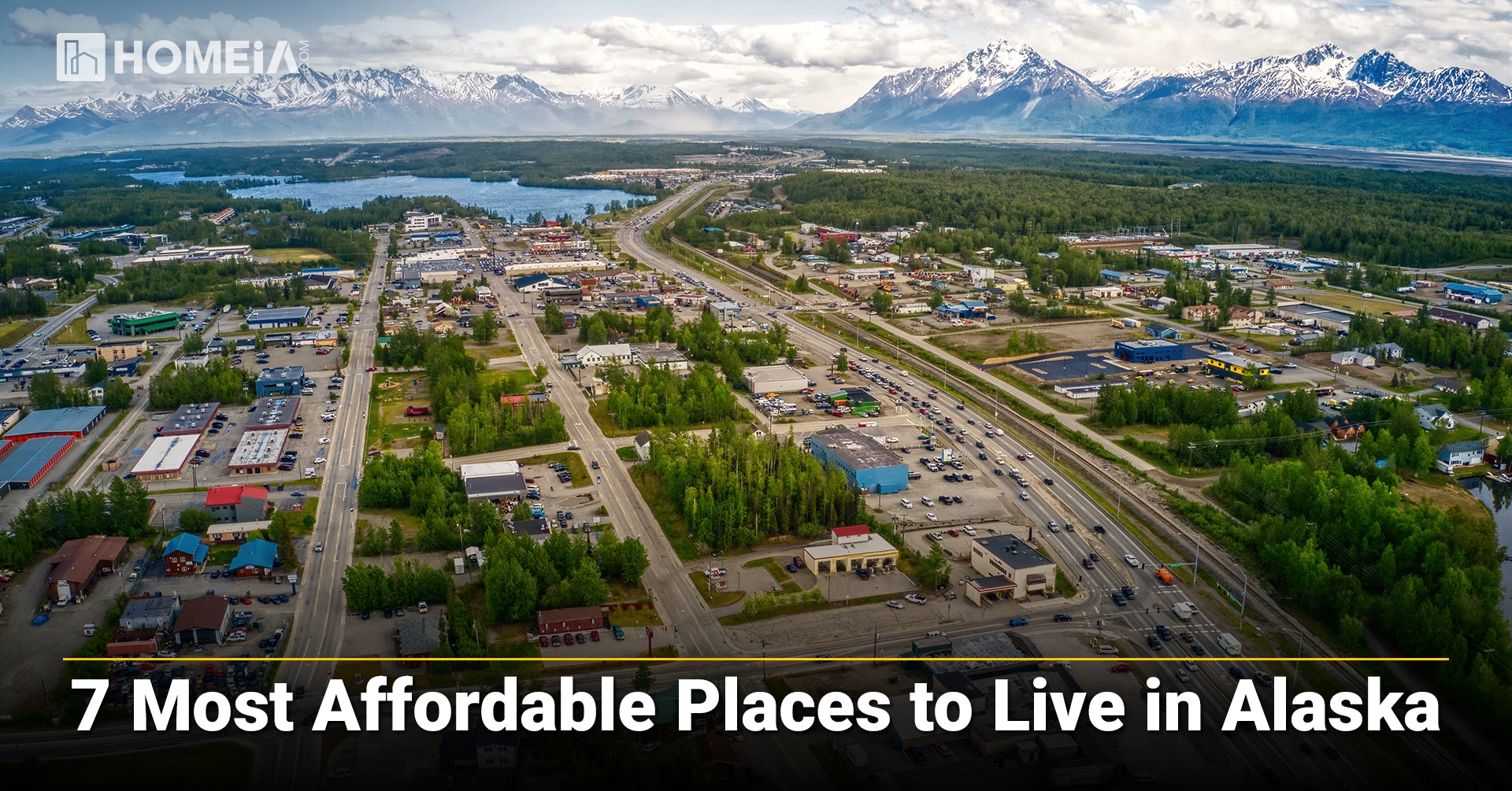
In a state known for its rugged beauty and high cost of living, Alaska offers surprising opportunities for affordable living in communities balancing natural splendor with financial practicality. While overall cost of living can run anywhere from 15%-30% above the…
-
Moving to Connecticut: The Complete Relocation Guide & Checklist
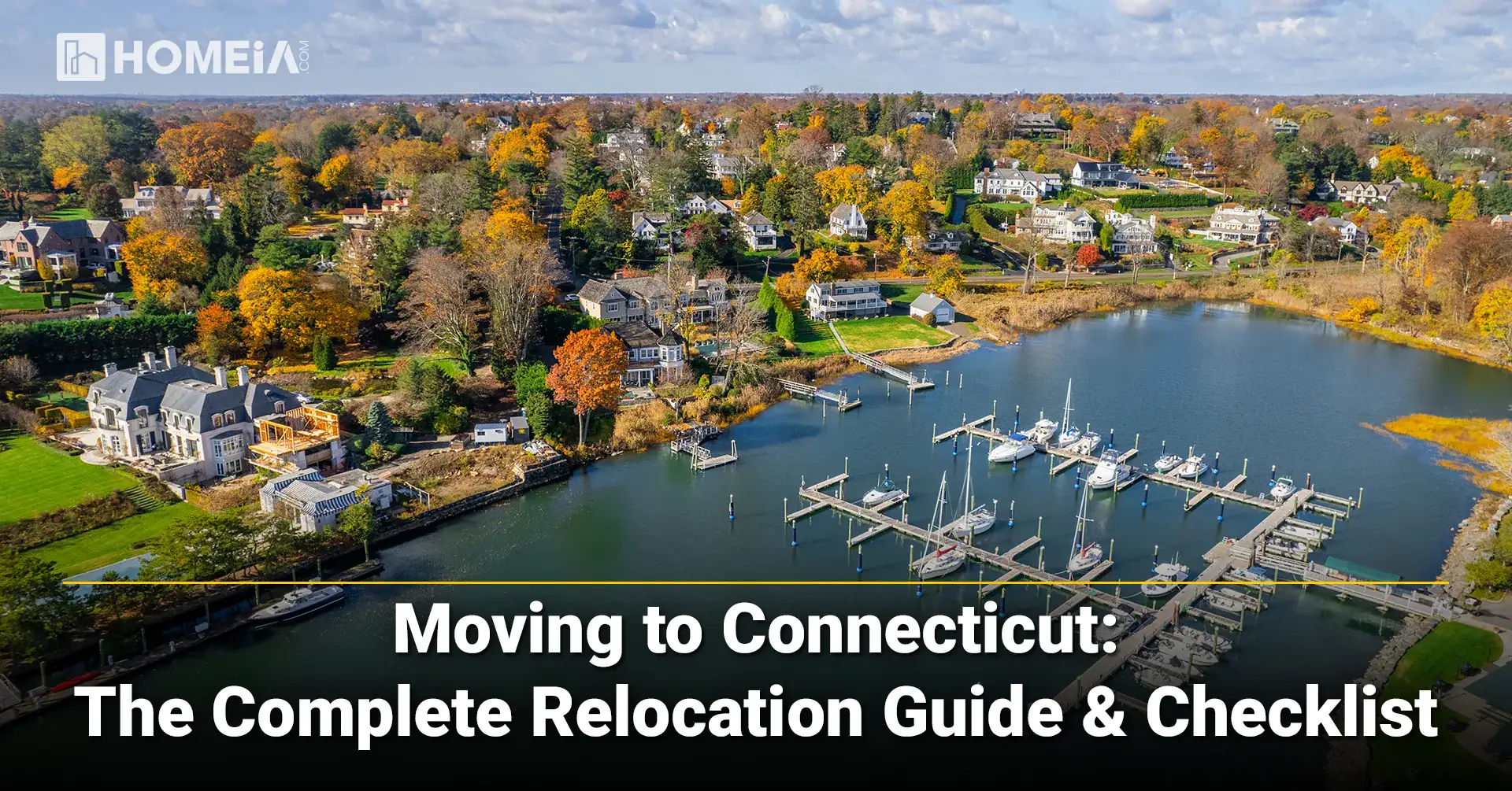
Bordered by New York, Massachusetts, and Rhode Island, and home to a stunning coastline along Long Island Sound, Connecticut offers a lifestyle defined by New England charm, historical significance, and modern convenience. About 3.6 million residents call the Constitution State…


-
The Pros and Cons of Living in Louisiana
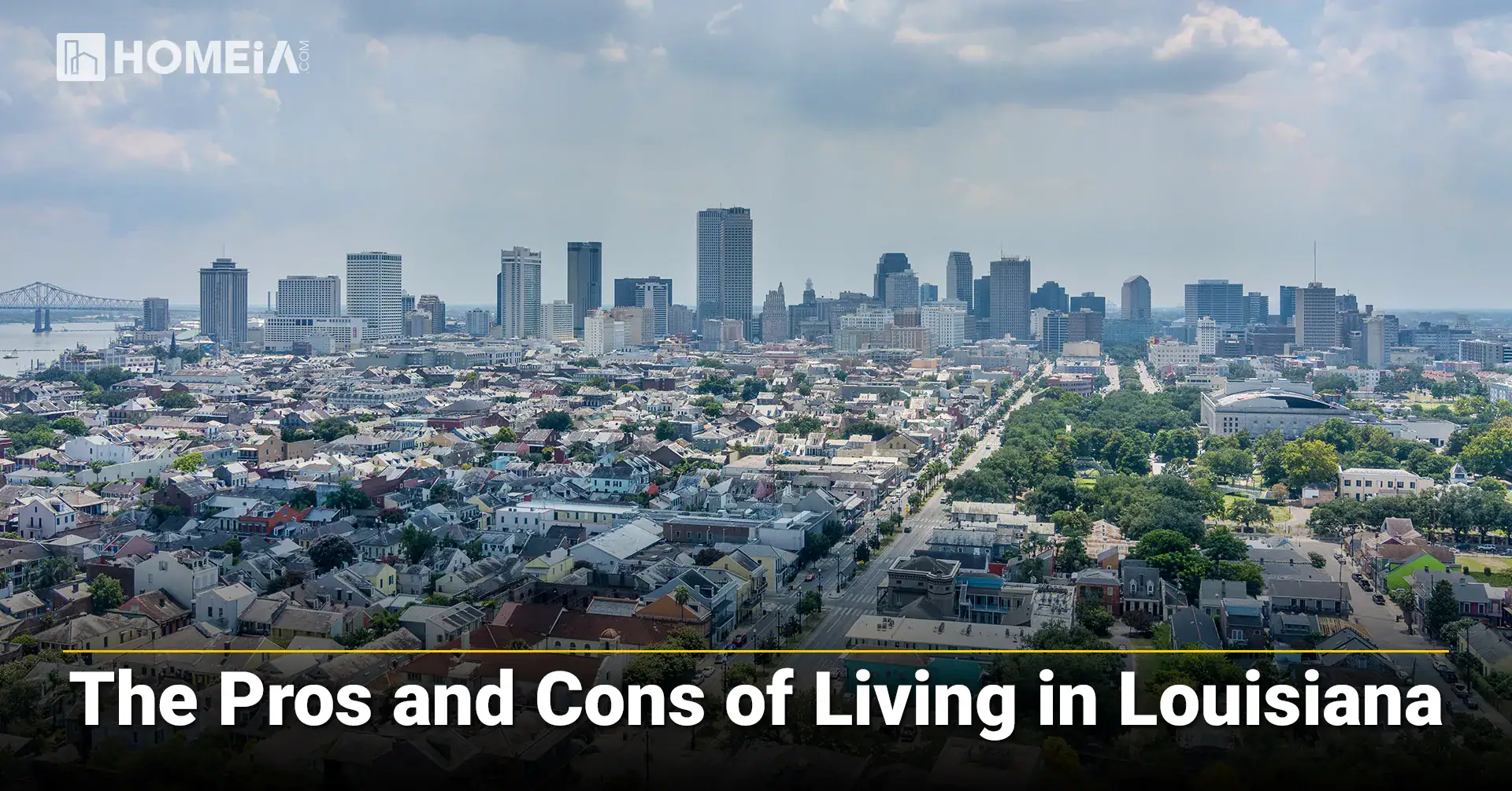
When picturing Louisiana, vibrant jazz music, spicy Creole cuisine, and historic French Quarter architecture are what usually appears. But the Pelican State offers more than Southern clichés; here lies a place where unique cultures, standout cuisine, and relaxed pace of…
-
The 5 Best Places to Live in Louisiana: A City Comparison
Louisiana is a state of vibrant contrasts, where French colonial history meets modern industry and swampy wilderness borders bustling urban centers. Choosing the right community is crucial to unlocking a lifestyle that fits your ambitions, no matter the goal. This…
-

Moving to Nevada: The Complete Relocation Guide & Checklist
Bordered by California, Oregon, Idaho, Utah, and Arizona, Nevada offers a lifestyle defined by entertainment, natural wonders, and business-friendly policies. About 3.2 million residents call The Silver State home, drawn by its unique blend of world-class amenities and vast open…

-
The 5 Best Places to Live in Illinois: A City Comparison
Illinois is a state of remarkable contrasts between towns, villages, and cities, where world-class urban centers coexist with charming small towns and fertile farmland. Choosing the right community within the Prairie State is crucial to attaining a lifestyle that fits…
-

Moving to Illinois: The Complete Relocation Guide & Checklist
Moving to a new state can be both exciting and overwhelming, and Illinois offers a unique mix of big-city energy and small-town comfort that makes it an appealing destination for many. From Chicago’s towering skyline and cultural landmarks to the…
-
7 Most Affordable Places to Live in Illinois
In a nation where housing costs continue to climb, Illinois stands out—not just for its vibrant cities and rich agricultural heritage, but for the remarkably affordable cost of living in many of its communities. With median home prices significantly below…



-
7 Most Affordable Places to Live in New Mexico
In a nation where housing costs continue to climb, New Mexico stands out—not only for its enchanting landscapes and rich culture, but their remarkably affordable cost of living. With a median home price significantly below the national average and no…
-
The Pros and Cons of Living in Missouri (updated)
When picturing Missouri, what comes to mind are rolling hills, the mighty Mississippi River, and the Gateway Arch. But here offers more than Midwestern clichés; here lies a place where affordability, central location, and diverse landscapes define everyday living. Yet,…
-
7 Most Affordable Places to Live in Missouri
In a nation where housing costs continue to climb, Missouri stands out, rather than its enchanting landscapes and rich culture, it’s for a remarkably affordable cost of living. Having a median home price significantly below the national average and no…

-
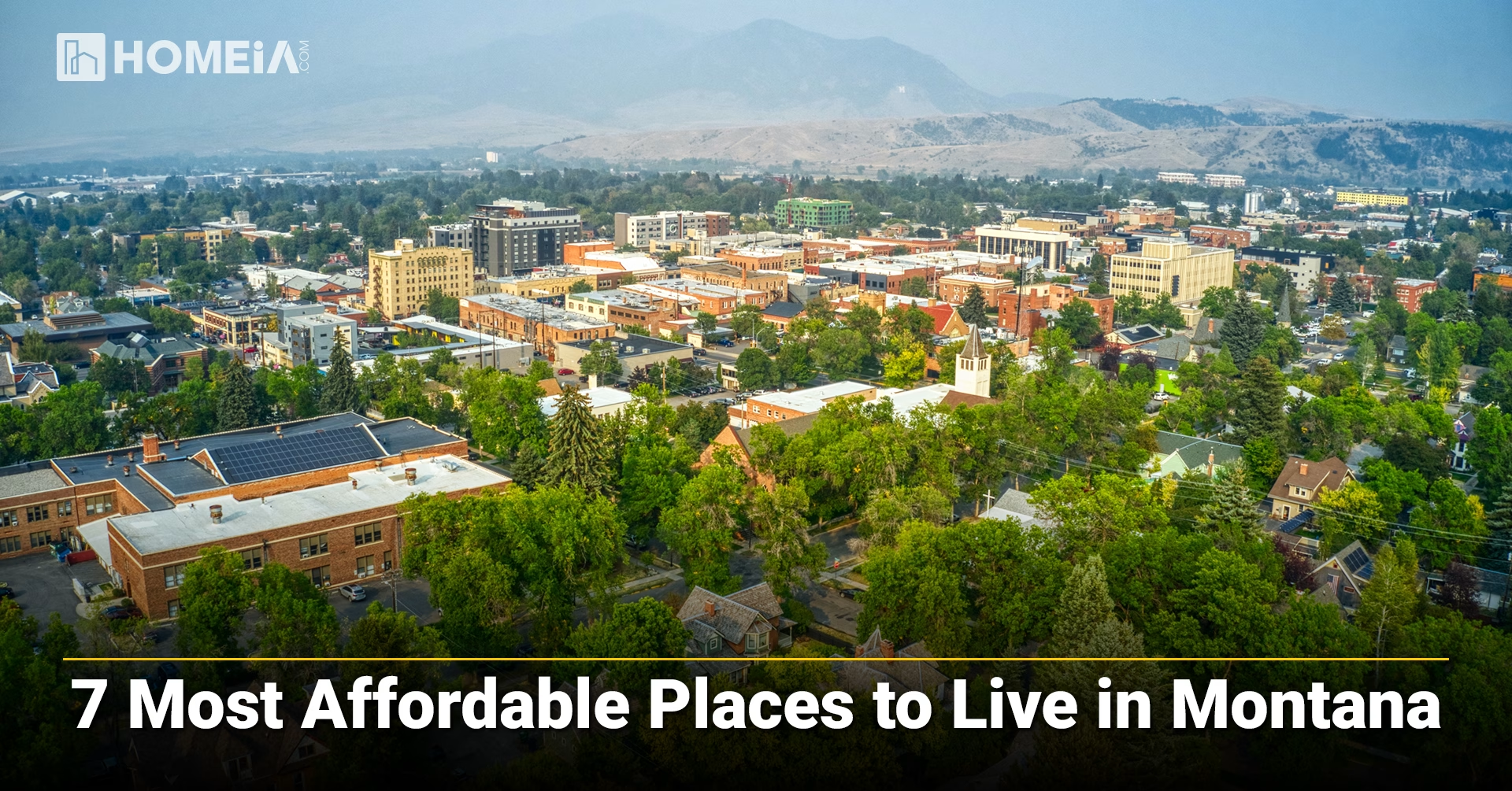
7 Most Affordable Places to Live in Montana
In a state known for breathtaking landscapes and rugged independence, Montana stands out for offering remarkable affordability amid natural splendor. With a median home price significantly below the national average and no state sales tax, Big Sky Country presents a…
-
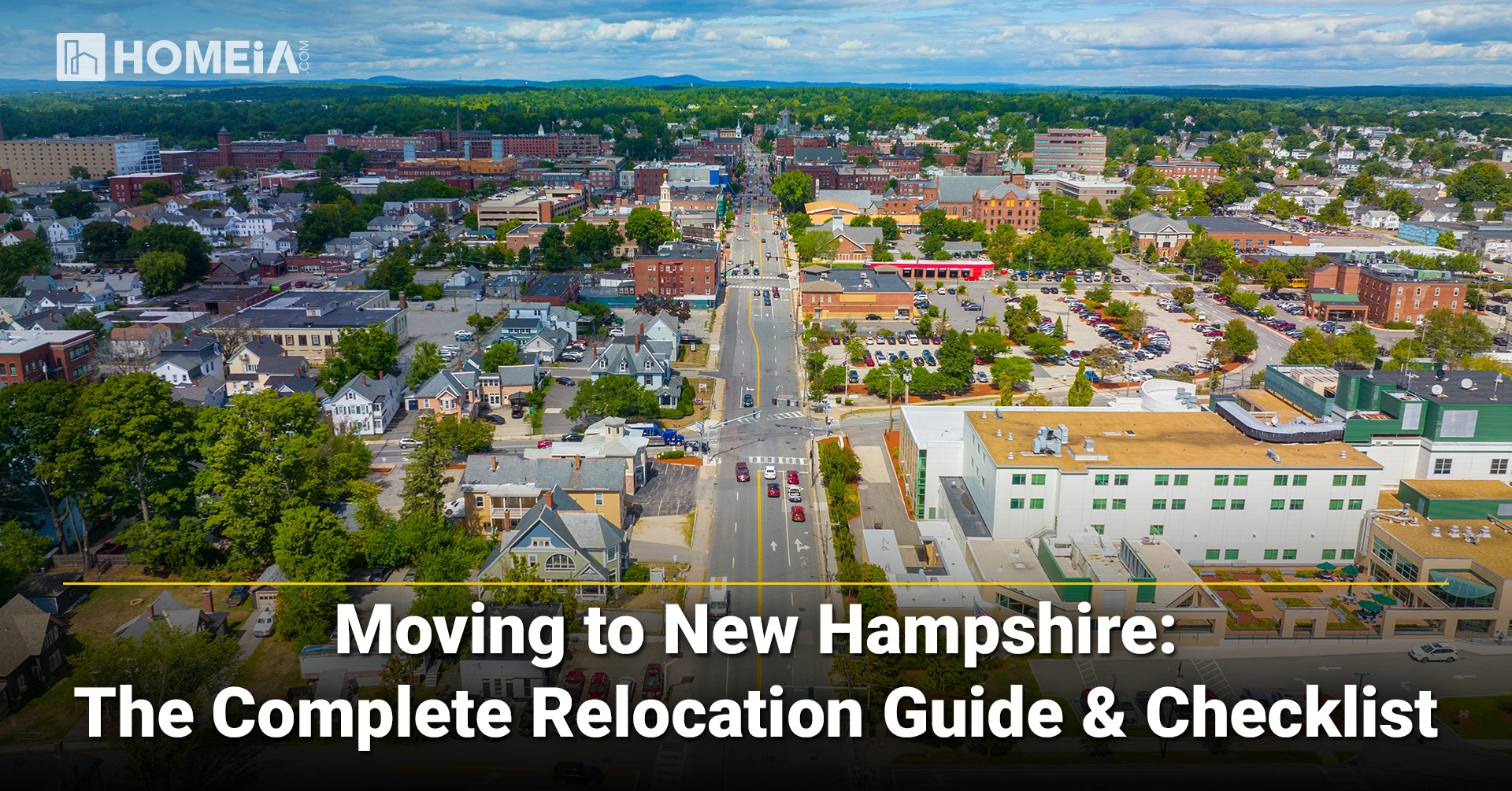
Moving to New Hampshire: The Complete Relocation Guide & Checklist
Bordered by Maine, Vermont, Massachusetts, and the Atlantic Ocean, New Hampshire offers a lifestyle defined by natural beauty, political independence, and a high quality of life. About 1.4 million residents call the Granite State home, drawn by its lack of…
-
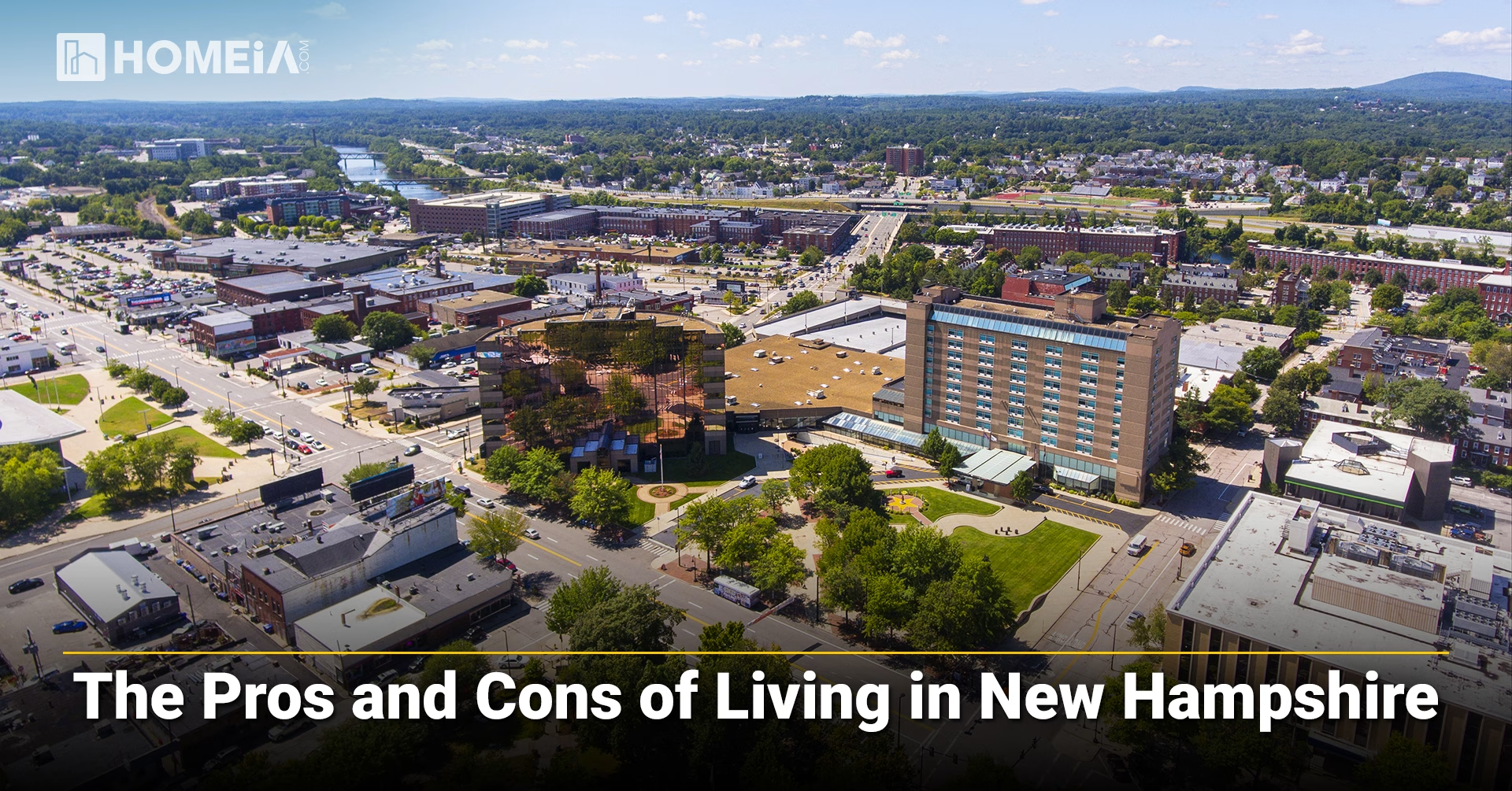
The Pros and Cons of Living in New Hampshire
When picturing New Hampshire, what comes to mind are picturesque New England villages, stunning White Mountains, and a fiercely independent spirit. But the Granite State offers more than colonial charm; here lies a place where low taxes, outdoor adventure, and…
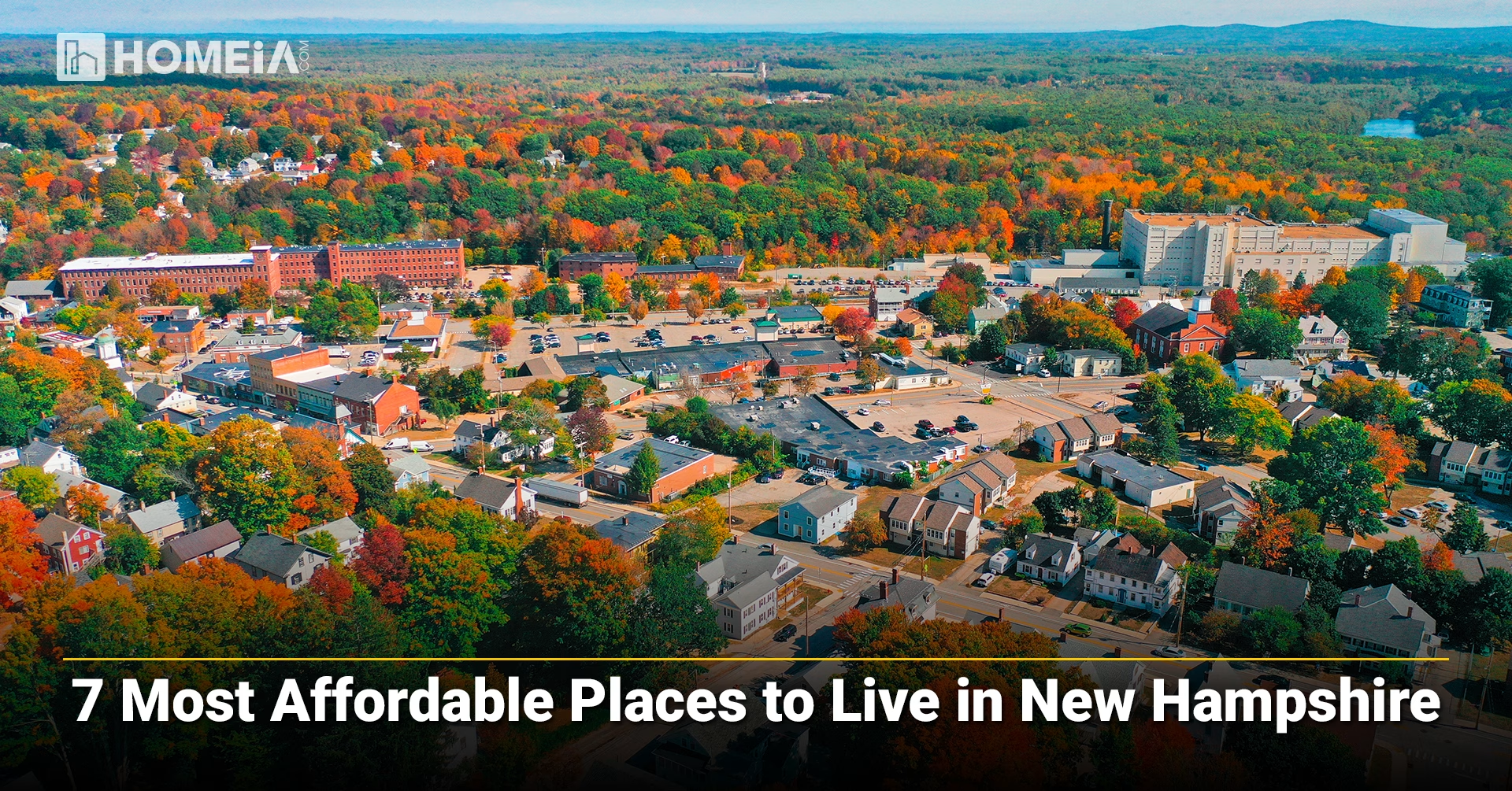
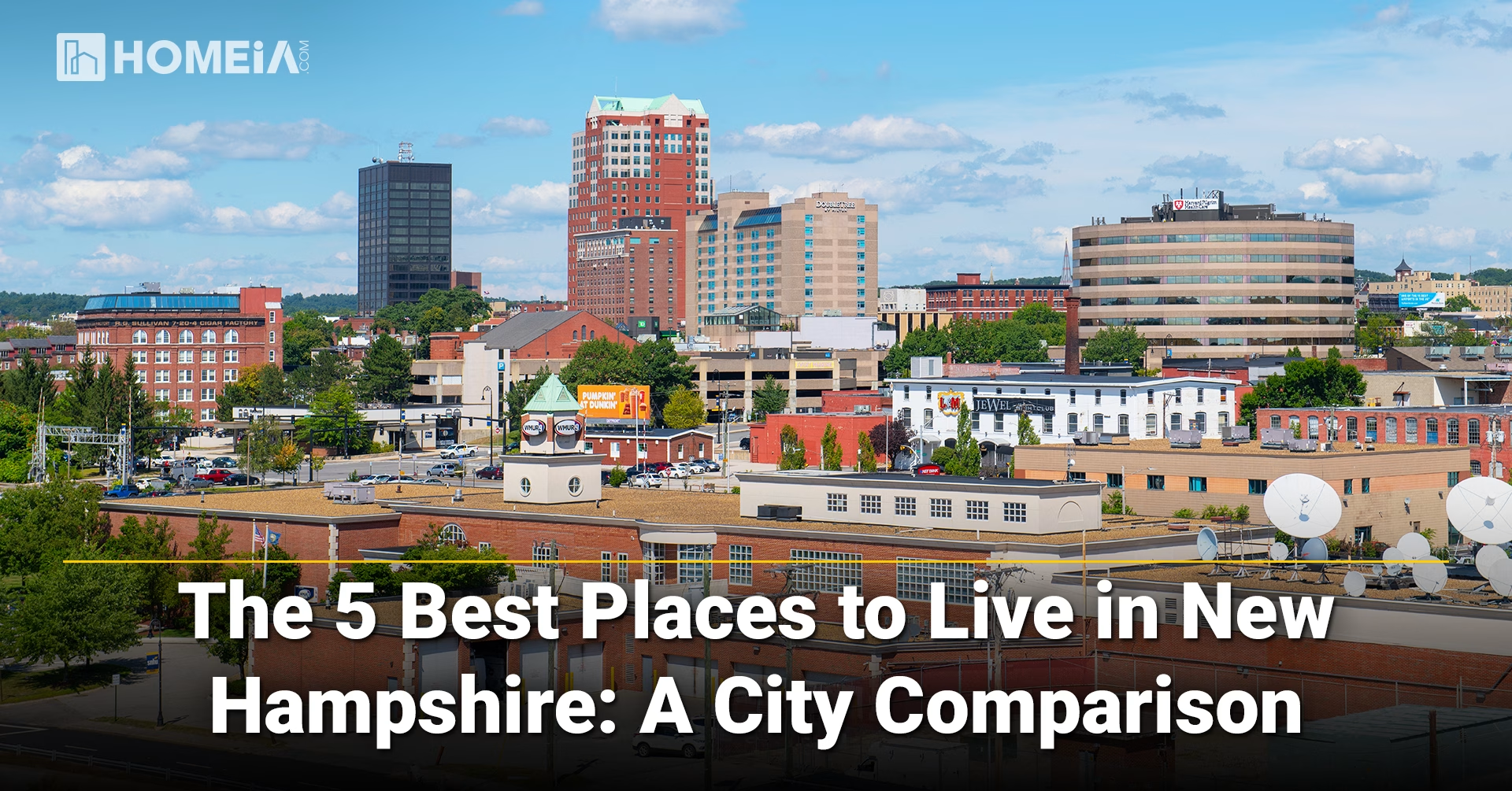

-
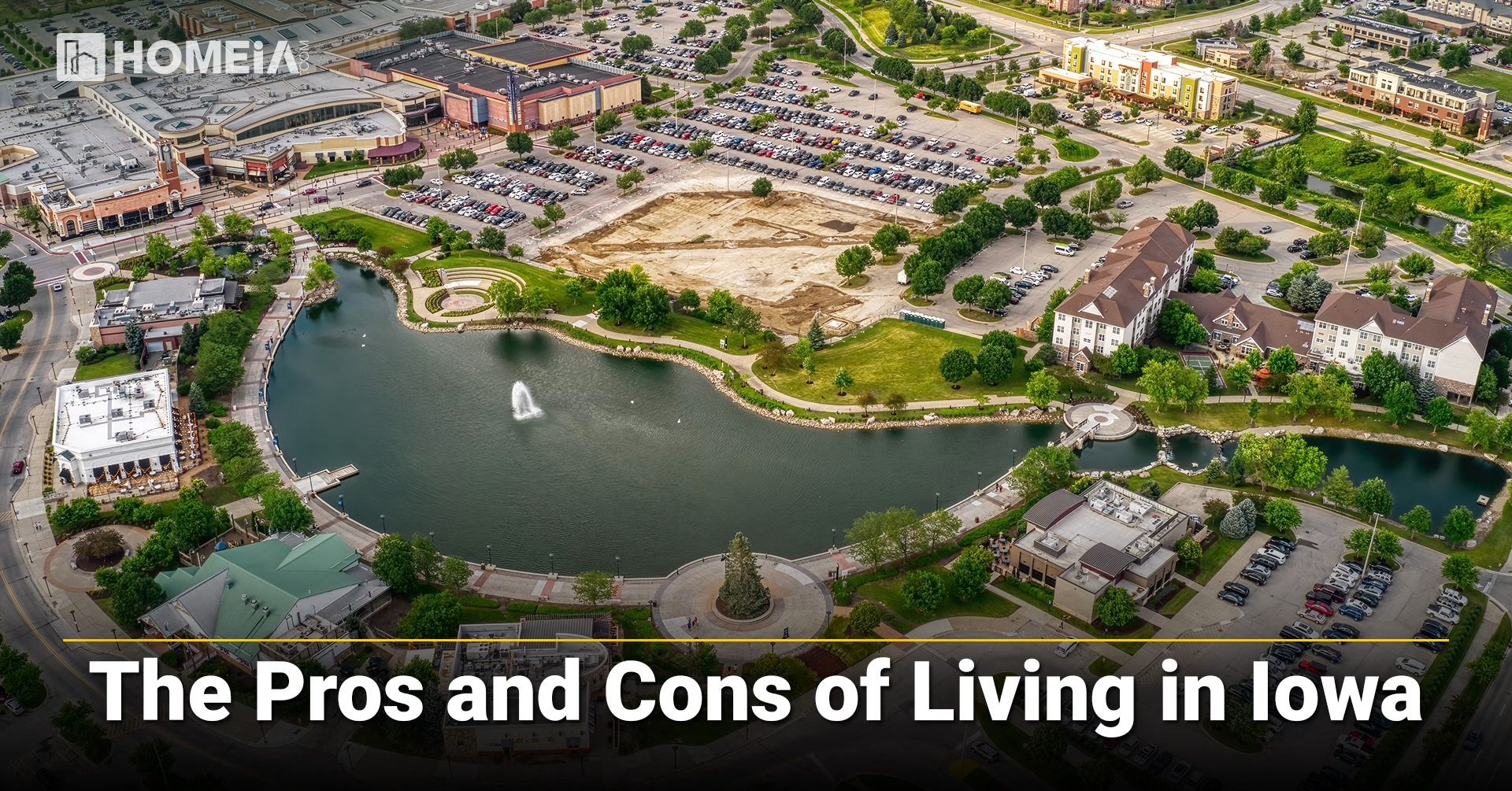
The Pros and Cons of Living in Iowa
When picturing Iowa, what comes to mind are vast cornfields, rolling hills, and an established agricultural heritage. But the Hawkeye State offers more than what you see on a farm; here lies a place where strong communities, affordable living, and…
-
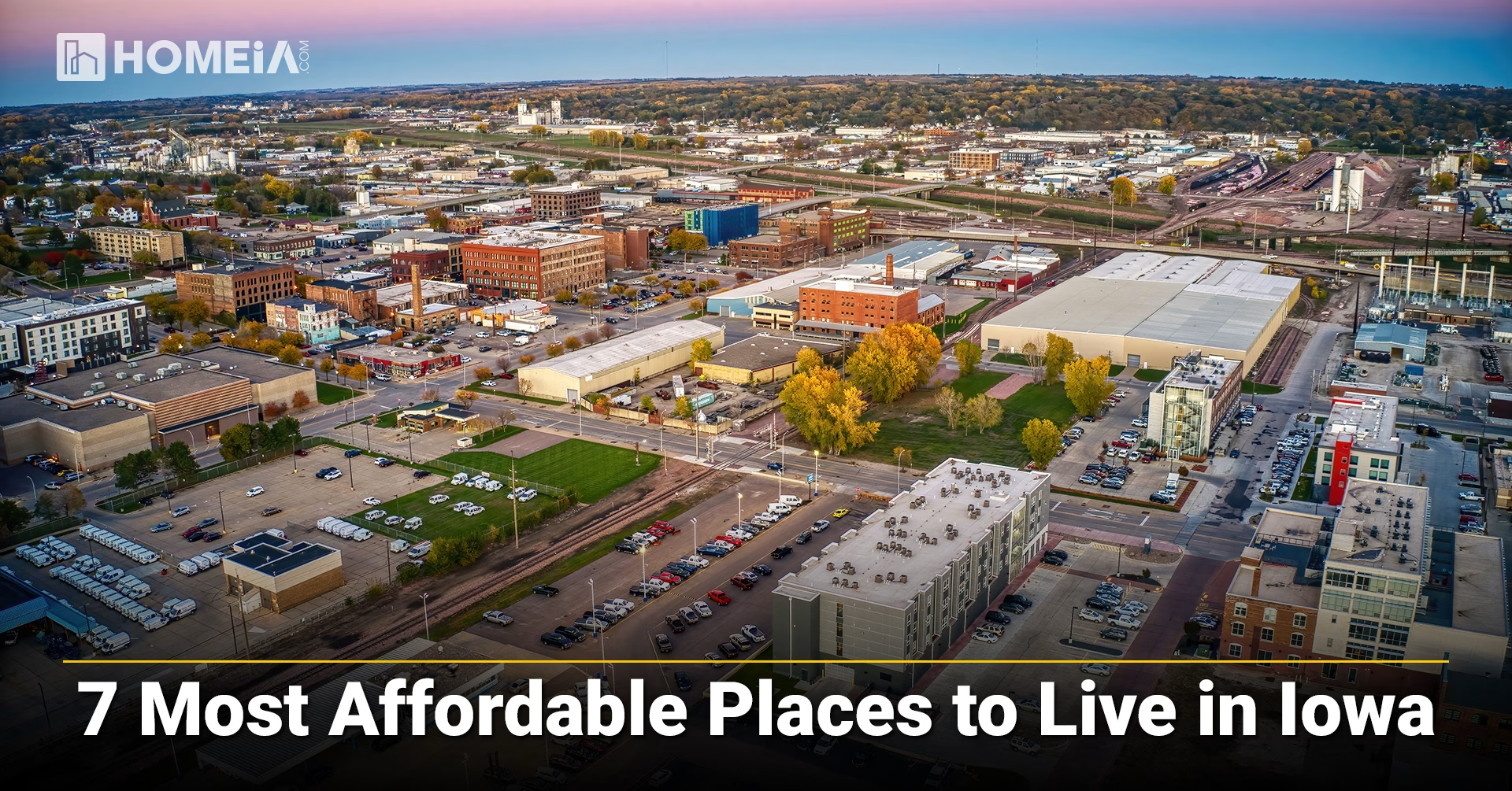
7 Most Affordable Places to Live in Iowa (updated)
In a nation where housing costs continue climbing, Iowa stands out—not only for its rolling farmland and friendly communities, but for its remarkably affordable cost of living. With a median home price significantly below the national average and a stable…
-
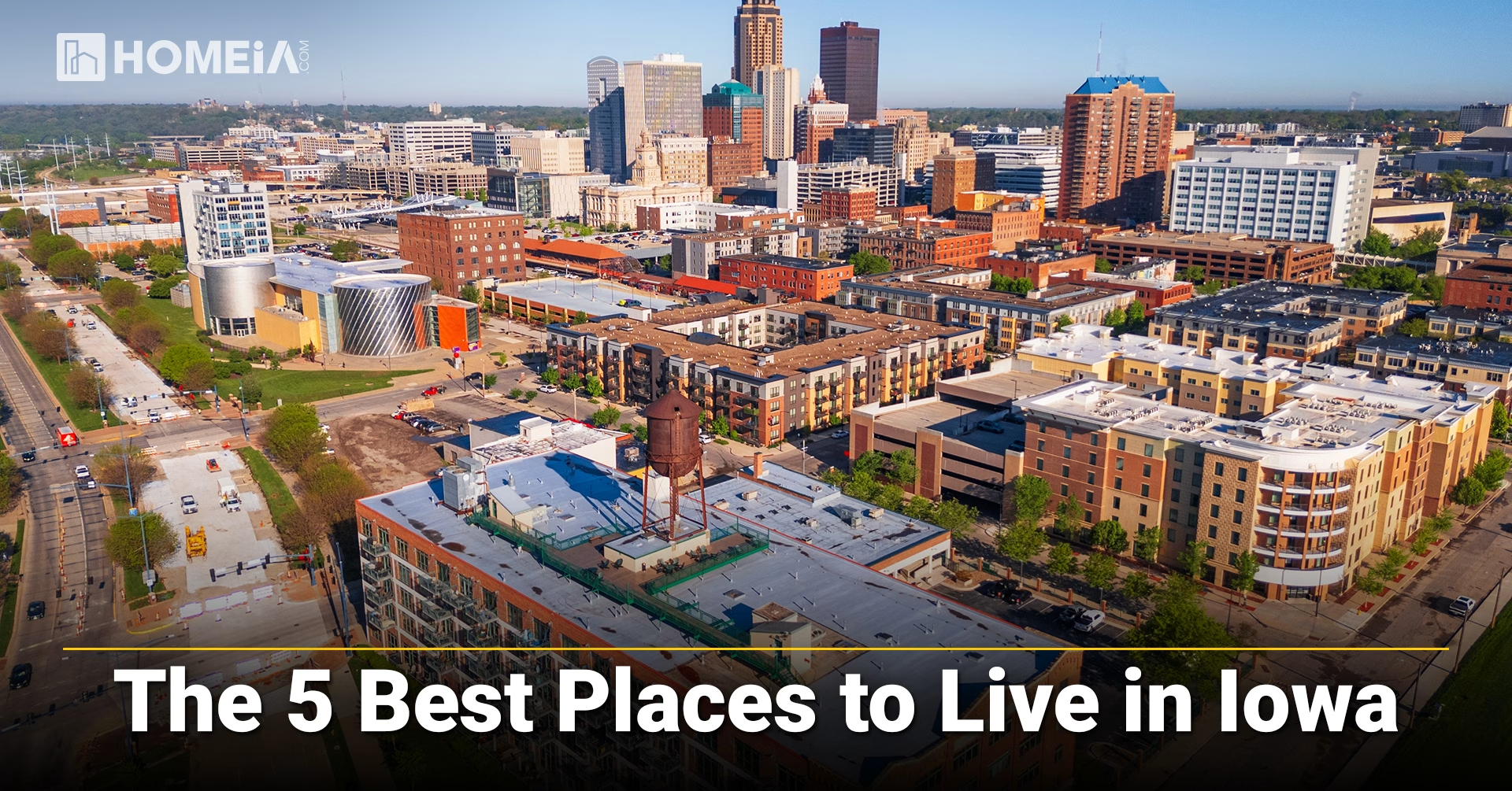
The 5 Best Places to Live in Iowa: A City Comparison
Iowa is a state of agricultural abundance, friendly communities, and surprising urban sophistication. Choosing the right community within the Hawkeye State is crucial to unlocking a lifestyle that fits your ambitions, no matter the goal. This guide provides an in-depth,…


-

The 5 Best Places to Live in Delaware: A City Comparison (updated)
Delaware may be small in size, but it competes above its weight class when it comes to quality living. From charming historic towns to bustling urban centers, the First State offers diverse communities catering to different lifestyles and priorities. Choosing…
-
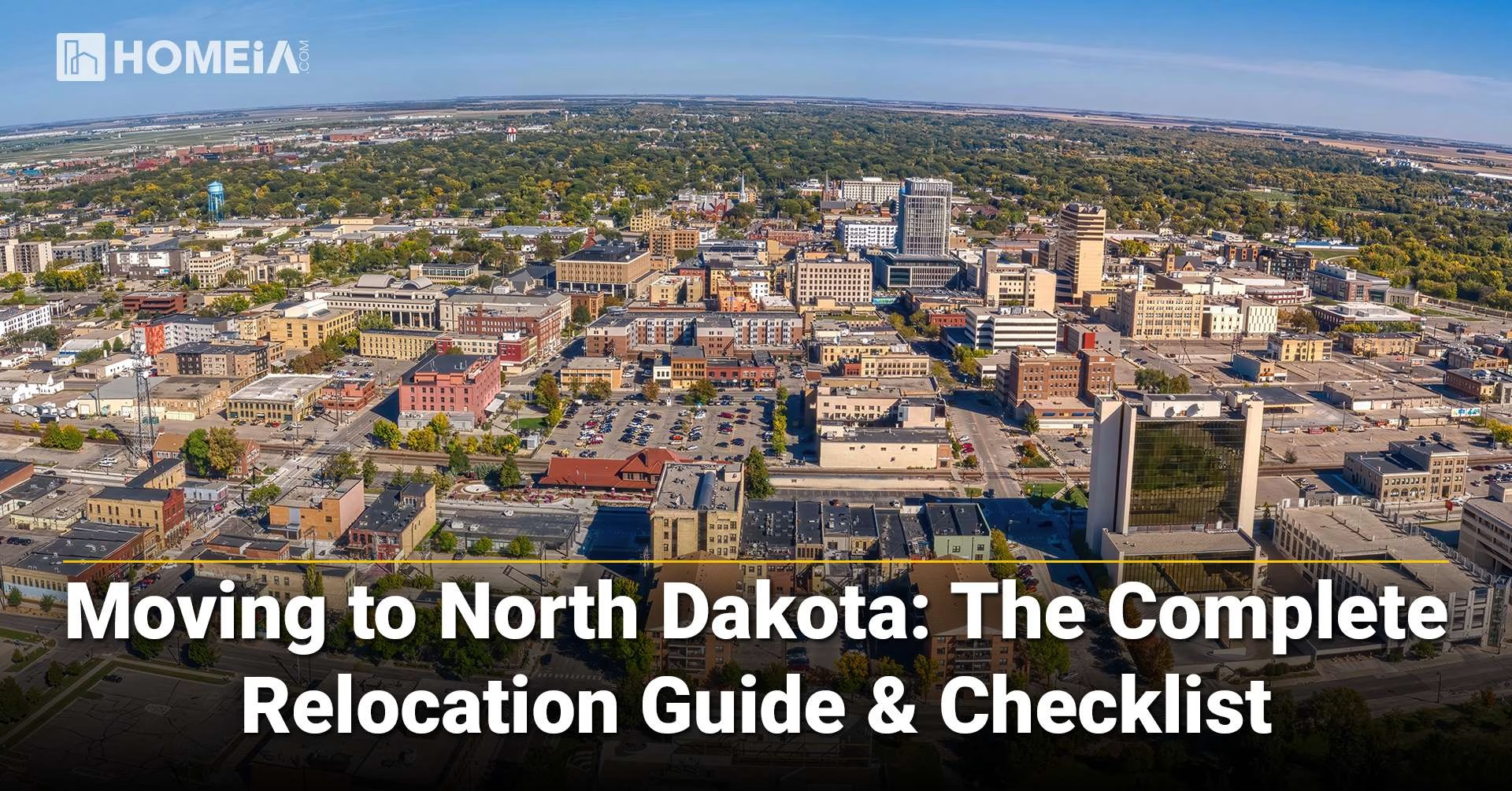
Moving to North Dakota: The Complete Relocation Guide & Checklist
Bordered by Canada, Minnesota, South Dakota, and Montana, North Dakota offers a lifestyle defined by wide-open spaces, accepting communities, and economic opportunity. More than 750,000 residents call the Roughrider State home, drawn by its affordable living, low unemployment rates, and…
-
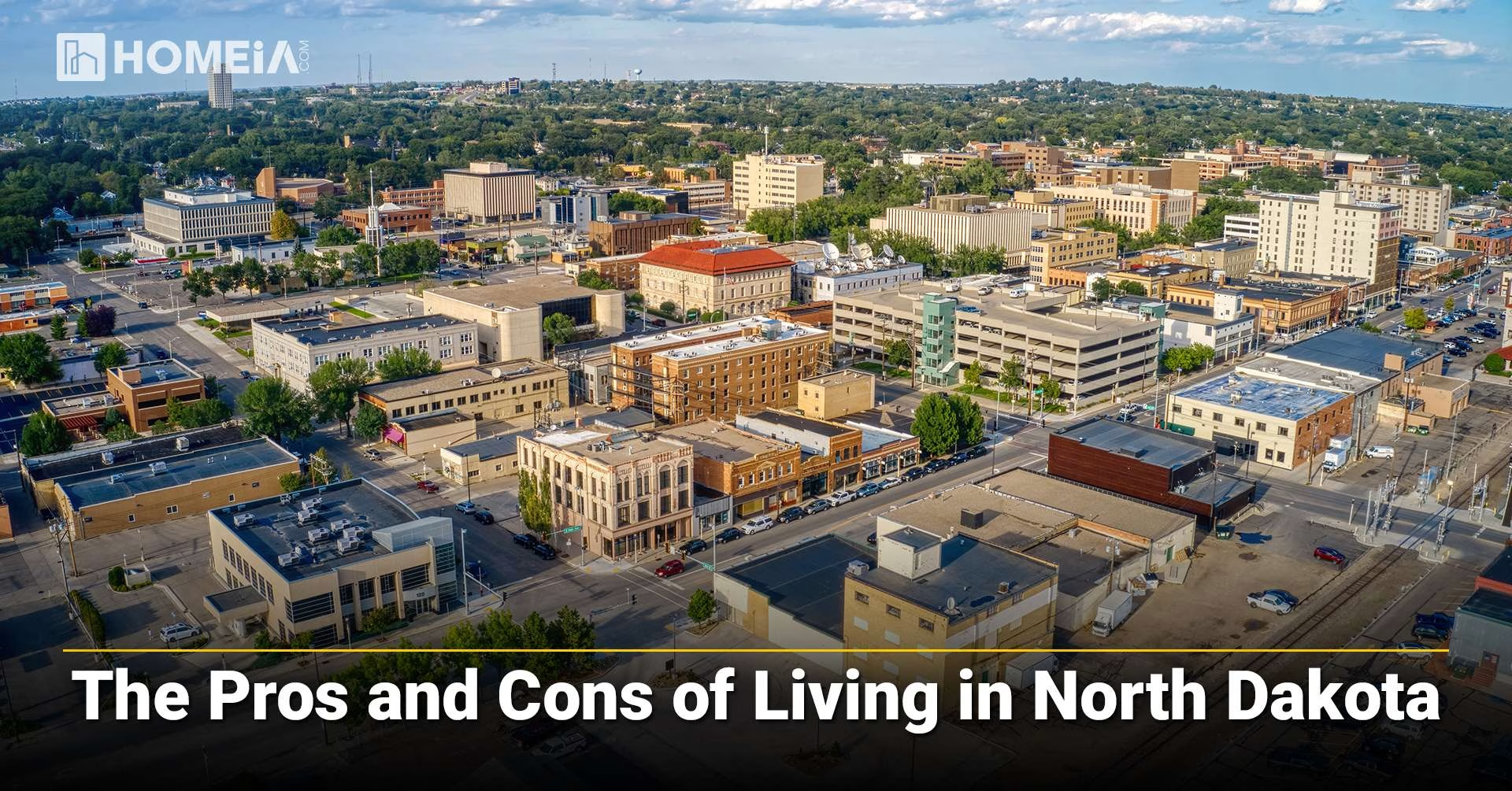
The Pros and Cons of Living in North Dakota
When picturing North Dakota, imagery commonly associated are vast prairies, oil fields, and harsh winters. But the Peace Garden State offers more than Midwestern stereotypes; here lies an area where flourishing communities, economic opportunity, and affordable living define everyday life.…
-
Remote Work Relocation Tax Guide: Moving to Tax-Free States
The mass shift to remote work has fundamentally changed how professionals approach their living situations, untethering careers from specific geographic locations. Newfound flexibility allows for strategic decisions based on quality of life and financial optimization. One of the most significant…
-
How to Decide: A Remote Work Relocation Checklist
The freedom of remote work is a double-edged sword: with the entire country as a potential office, how do you possibly choose where to live? The paradox of unlimited choice can lead to decision fatigue, leaving you paralyzed by an…
-
Top 12 U.S. Cities Offering Cash Incentives for Remote Workers
The remote work revolution has suddenly altered the economic landscape, turning fully employed professionals into highly sought-after imports for communities across the 50 states. Cities and towns are competing fiercely for mobile transplants, offering creative incentive packages — up to…

-

Top 15 Cities Where People Are Actually Getting Hired
In an era of economic uncertainty and rapid technological change, the American job market is a tale as old as time. Certain regions face stagnation, others, hiring booms beyond their wildest dreams, all fueled by corporate expansions, federal investments, and…
-

Emerging Job Markets: Cities with Fastest Employment Growth
The American economic landscape is being redrawn. While established mega-metros continue to attract talent, a new wave of dynamic cities is taking a bite out of their apple, fueled by corporate migration, federal investment, and a recalibration of what professionals…
-
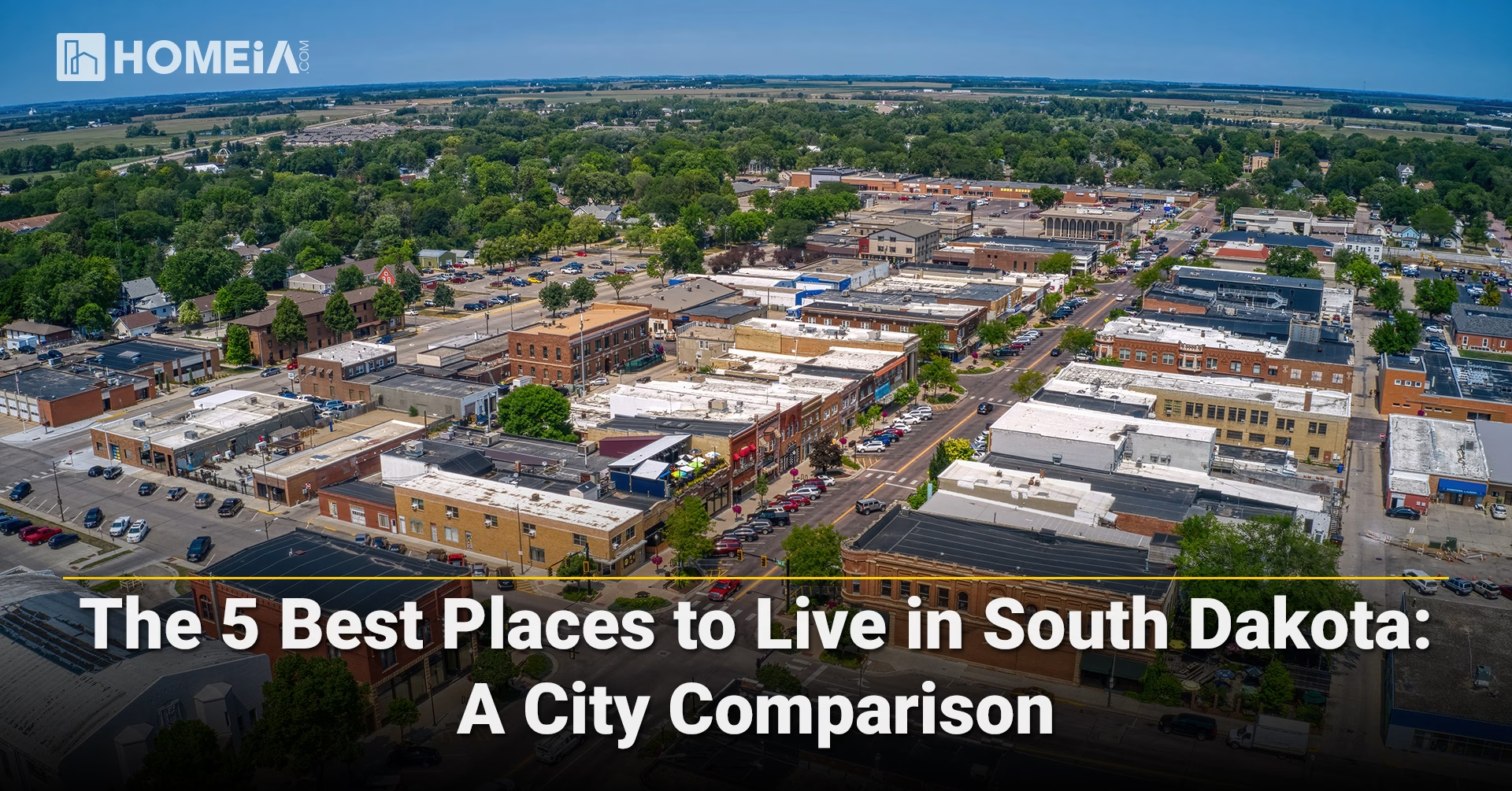
7 Most Affordable Places to Live in South Dakota
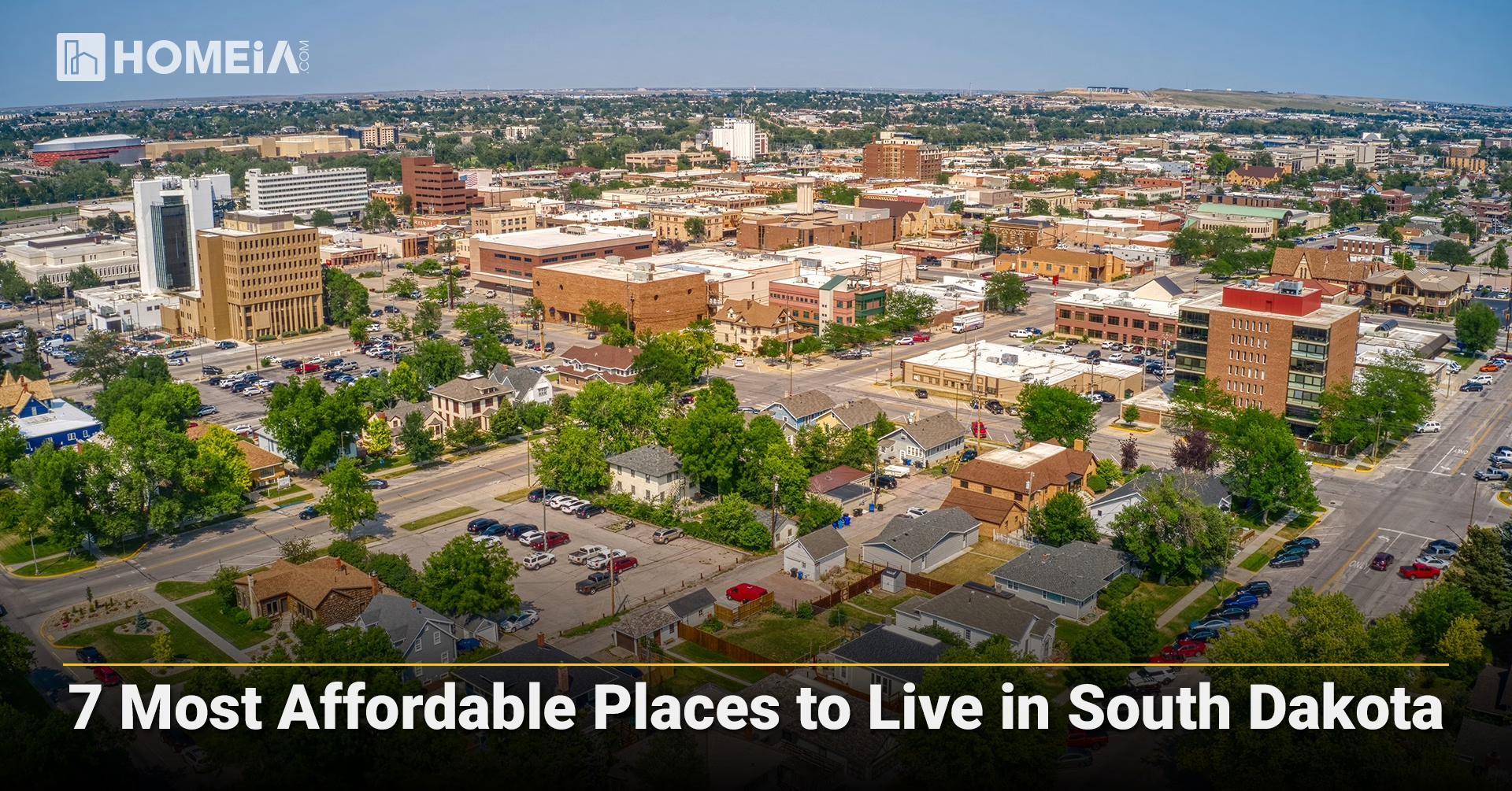
In a nation where housing costs continue to climb, South Dakota stands out—not for its stunning landscapes and rich culture, but rather, its remarkably affordable cost of living. With a median home price significantly below the national average and no…
-
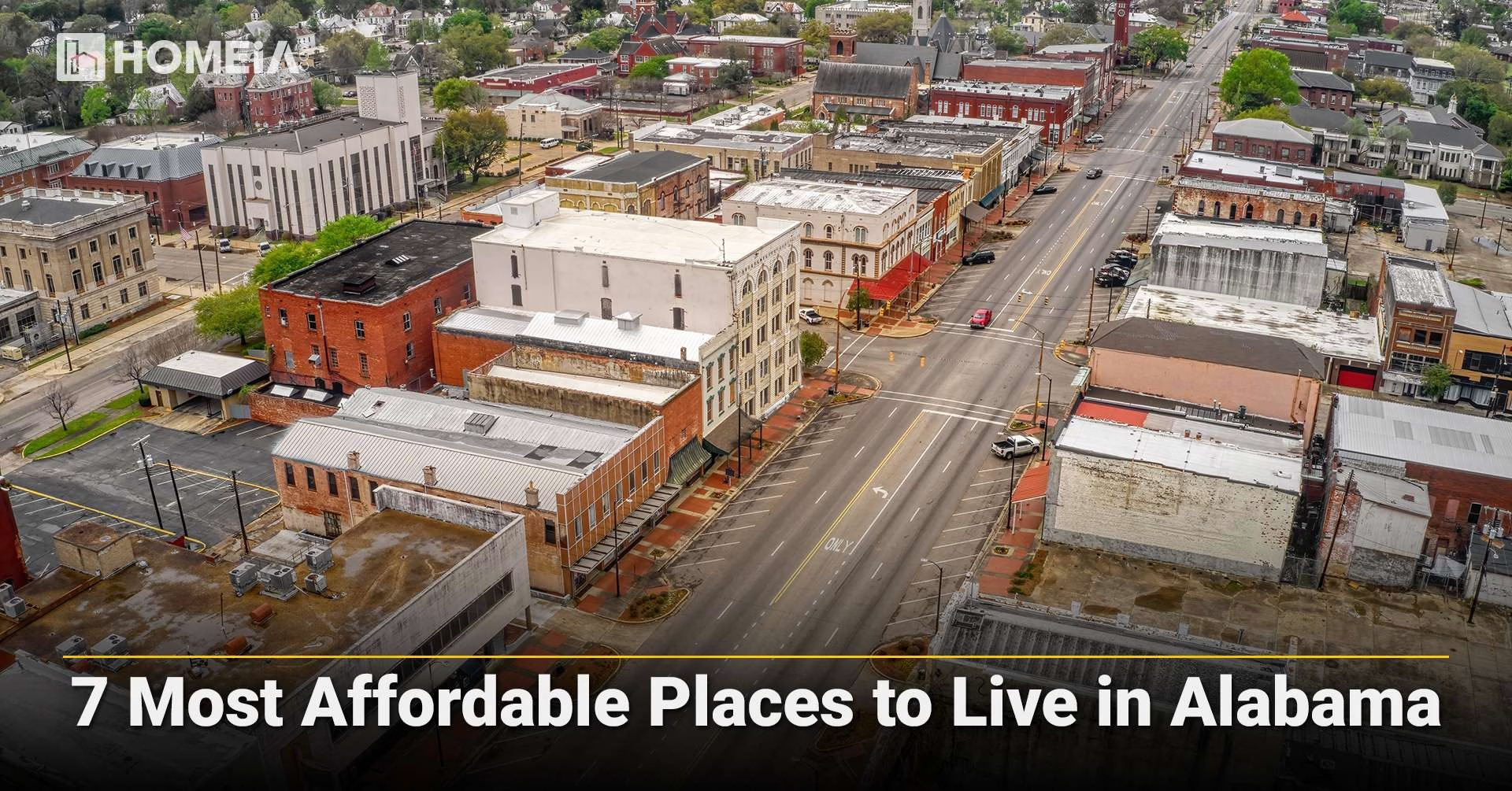
7 Most Affordable Places to Live in Alabama
In a nation where housing costs are on the up-and-up, Alabama stands out—not for its Southern charm and rich history, but rather, their remarkably affordable cost of living. With a median home price significantly below the national average and no…
-
The 5 Best Places to Live in Alabama: A City Comparison
Alabama is a state of rich history, Southern charm, and diverse landscapes, where modern urban centers coexist with picturesque small towns and breathtaking natural beauty. Choosing the right community within the Heart of Dixie is crucial to unlocking a lifestyle…
-

Moving to Hawaii: The Complete Relocation Guide & Checklist
Bordered by the Pacific Ocean and home to breathtaking volcanic landscapes, Hawaii offers a lifestyle defined by rich cultural heritage, tropical beauty, and the spirit of aloha. Almost one and a half million residents call the Aloha State home, drawn…

-
Up-and-Coming Neighborhoods: Where to Buy Before Prices Rise
In real estate, major gains are often found in transitional zones on the cusp of transformation. An “up-and-coming” neighborhood in 2026 shows tangible momentum: home price growth outpacing the city average, influx of new amenities and businesses, strategic public/private investment,…
-

Best Neighborhoods for Young Families in Austin, Texas
Choosing to move to Austin is an exciting decision, fueled by its vibrant economy, legendary cultural scene, and the magnetic draw of Texas Hill Country living. However, the choice that will most profoundly impact your daily life isn't "Austin" —…
-
Walkable Neighborhoods Guide: Top 50 Car-Free Communities in the U.S.
The dream of ditching one—or even all—of your cars is no longer a fantasy. By 2026, it’s a financially savvy and lifestyle-driven goal for a growing number of Americans. Soaring costs of ownership (insurance, maintenance, and volatile gas prices), greater…