





Living In New Jersey
Local Editor(s)

 Considering


 Verified
The Complete Guide to Cost of Living and Lifestyle
Living in New Jersey is like living in a yin and yang world. One is the headline number: a cost-of-living index about 15 percent above the national average and property taxes that are the highest in the country. The other, a median household income among the highest in the nation, one of the densest concentrations of Fortune 500 headquarters in the world, 127 miles of Atlantic coastline, and a transit system that puts Manhattan or Philadelphia less than two hours door-to-door. People here tend to shrug and say the taxes pay for something and then drive 20 minutes to the shore on Friday afternoon and forget the argument entirely.
Key Takeaways
- Above-average costs, above-average income: The Garden State’s 2025 MERIC cost-of-living index is approximately 115.1 (U.S. = 100), placing it 8th most expensive nationally. The ACS 2024 median household income of $103,556 is among the highest in the nation, meaning budgets are tighter than in cheaper states but earnings are significantly higher.
- Home values well above the national median, with wide regional variation: The statewide Zillow Home Value Index is $569,411 (March 2026, +3.5% YoY). Trenton averages $345,376, while Hoboken averages $804,236, a spread of nearly half a million dollars within the same state.
- Progressive income tax; highest property taxes in the nation: The state income tax runs from 1.4% to 10.75%. The average homeowner paid $10,570 in property taxes in 2025, the most of any state. The ANCHOR, Senior Freeze, and Stay NJ programs provide needed relief for eligible residents.
- Strong wages but elevated unemployment: The average weekly wage was $1,307 in January 2026 (BLS), up 2.5% year-over-year. Unemployment was 5.2% in January 2026, above the 4.3% national rate. NJ’s annual average for 2025 was also 5.2%, the 3rd highest in the nation behind California and DC.
- 38 state parks and 127 miles of Atlantic coastline: The Division of Parks and Forestry manages 38 state parks and 11 state forests covering 430,928 acres, drawing more than 17 million annual visitors. Federal land accounts for 3.6% of the state’s acreage.

Related article
The Pros and Cons of Living in New Jersey
The Pros and Cons of Living in New Jersey include excellent schools, access to NYC, beautiful beaches, and strong job markets. However, high property taxes and living costs can be challenging. This diverse state offers urban, suburban, and coastal lifestyles, making it appealing to families, professionals, and retirees alike…
1. Snapshot of New Jersey
New Jersey’s population reached 9,548,215 on July 1, 2025, adding 41,861 new residents in the prior year, the highest numeric gain in the Northeast. Covering 8,722 square miles, this is the most densely populated in the country. The ACS 2024 five-year median household income of $103,556 ranks among the highest nationally. Poverty sits at 9.7%, well below the 12.5% national average.
| Metric | Figure (2025-2026) | Source |
| Population estimate | 9,548,215 (July 1, 2025) | U.S. Census Bureau |
| Median household income | $103,556 (ACS 2024 5-yr estimate) | U.S. Census Bureau ACS |
| Cost-of-living index | 115.1 (U.S. = 100, 2025 avg; 8th nationally) | MERIC |
| Avg. home value (ZHVI) | $569,411 (Zillow, March 31, 2026, +3.5% YoY) | Zillow Home Value Index |
| Avg. rent (statewide) | ~$2,450/month | Zillow rental trends |
| Unemployment rate | 5.2% (Jan 2026; annual avg 2025 also 5.2%) | NJ Dept. of Labor / BLS |
| Avg. property tax | $10,570/year (2025, highest in nation) | WalletHub; NJ Division of Taxation |
Sources: U.S. Census Bureau; MERIC; Zillow ZHVI (March 31, 2026); NJ Dept. of Labor / BLS; WalletHub
2. Housing Costs and Real Estate
Their housing market is driven by proximity to New York City or Philadelphia, transit access, and school district quality rather than statewide averages. The statewide ZHVI reached $569,411 as of March 31, 2026 (+3.5% YoY). Average rent runs $2,450 per month statewide, about 23% above the national average. A two-bedroom in Atlantic City rents for around $1,569 per month (HUD FMR), while a comparable unit in Jersey City can exceed $2,764. Towns 15 miles apart can differ by $300,000 in home value. For a national comparison, see our list of the most affordable cities to live in the US.
A. New Jersey cities: typical home values and rent
| City / Area | Typical Home Value | Avg. Rent (est.) | Local note |
| Hoboken | $804,236 | $3,000-$3,800 (1BR) | Dense urban; PATH to Manhattan; young professionals; premium rents |
| Jersey City | $653,810 | $2,764 (HUD FMR) | NYC waterfront access; growing tech and finance workforce |
| Newark | $474,178 | $1,828 (HUD FMR) | State’s largest city; UEZ tax break zones; major transit hub |
| Trenton | $345,376 | $2,140 | State capital; most affordable large city; improving market |
| Montclair | $700K-$1M | $2,400-$3,200 (1BR) | Arts-driven suburb; NJ Transit to NYC; top-rated schools |
| Princeton | $700K+ est. | $1,900-$2,400 est. | Ivy League town; elite schools; tight rental supply |
Sources: Zillow ZHVI and rental trend pages by city; HUD Fair Market Rent FY2026; March-April 2026
B. Ways to reduce upfront housing costs
The New Jersey Housing and Mortgage Finance Agency (NJHMFA) offers eligible first-time buyers up to $15,000 in zero-interest, five-year forgivable down payment assistance. First-generation buyers can add an additional $7,000 on top, for up to $22,000 total. Targeted local programs go further with the Live Newark Program offers $20,000 (forgivable after 10 years) and Camden County’s program provides up to $25,000. One financial reality to bake in is that average property taxes of $10,570 per year add roughly $880 per month on top of any mortgage payment. In some towns, the annual tax bill is the second-largest housing expense. Always run the property tax line alongside the mortgage estimate when reviewing neighborhoods.

Related article
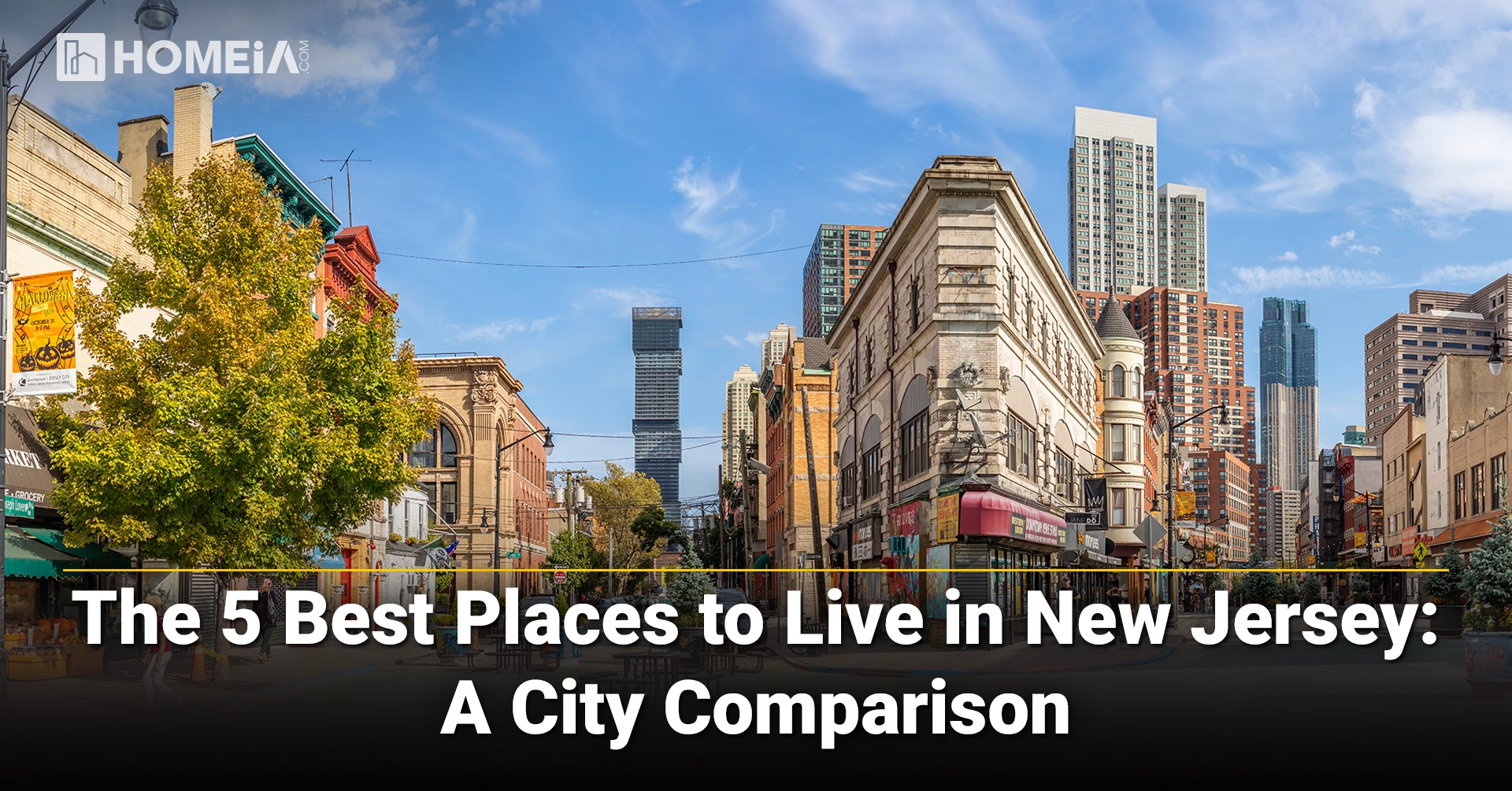
The 5 Best Places to Live in New Jersey: A City Comparison
New Jersey serves as a key corridor between New York City and Philadelphia, offering strong schools and a growing knowledge-based economy. Despite high costs, variation is significant, from expensive Princeton to more attainable Morristown, making location choice critical for residents…
3. Taxes and Credits
A progressive income tax, it ranges from 1.4% to 10.75% in eight brackets for 2025. The top 10.75% rate applies only to taxable income above $1 million. State sales tax is 6.625% statewide with no local additions, a structural advantage over New York, layering on county and city taxes. Groceries, clothing and footwear, and prescription drugs are fully exempt from sales tax. Property tax is assessed and collected at the local level; the state administers three major relief programs.
A. Relief programs most households use
- ANCHOR: Pays $1,500 to homeowners with incomes under $150,000; $1,000 to homeowners with incomes $150,001-$250,000; and $450 to renters with incomes under $150,000. Seniors receive an additional $250 per tier. The program provides $2.4 billion in annual relief to more than 2 million residents.
- Senior Freeze: Reimburses eligible seniors (65 and older) and disabled persons for property tax increases above a baseline year. Income limit for 2025 is $172,475. Filed on the same combined application as ANCHOR.
- Stay NJ: Reimburses 50% of property tax bills, up to $6,500 annually, for eligible homeowners 65 and older with household incomes below $500,000. Combined application with ANCHOR and Senior Freeze.
- Urban Enterprise Zone (UEZ): Qualifying businesses in designated zones, including Newark, Trenton, and Camden, charge only 3.3125%, half the standard sales tax rate, providing a meaningful discount for shoppers in those communities.
B. How New Jersey compares to neighboring states
| State | Income tax | Sales tax | Groceries | Avg. eff. property tax |
| New Jersey | 1.4%-10.75% (8 brackets) | 6.625% (no local) | Exempt | 2.23% |
| New York | 4%-10.9% | 4% + local (~8.5% NYC) | Exempt | ~1.54% |
| Pennsylvania | 3.07% flat | 6% state | Exempt | ~1.35% |
| Connecticut | 2%-6.99% | 6.35% | Exempt | ~1.79% |
| Delaware | 2.2%-6.6% | None | N/A | ~0.57% |
Sources: NJ Division of Taxation; NY, PA, CT, DE Departments of Revenue; Tax Foundation data
Recommended for you




4. Daily Living Expenses
MERIC reports New Jersey’s overall cost-of-living index at approximately 115.1 for 2025, with housing running roughly 36% above the national average as the primary driver. Savings on groceries (exempt from state sales tax) and below-average transportation costs in train-accessible towns offset the headline number. The MIT Living Wage Calculator (February 15, 2026) estimates these income thresholds for New Jersey households:
| Household type | Living wage (hourly) | Required annual income (before taxes) |
| 1 adult, no children | $27.35/hr | ~$56,888 |
| 1 adult, 1 child | $49.94/hr | ~$103,875 |
| 2 adults (1 working), no children | $36.43/hr | ~$75,774 |
| 2 adults (both working), 2 children | $35.47/hr each | ~$147,543 combined |
Source: MIT Living Wage Calculator, New Jersey, updated February 15, 2026
Key expense benchmarks: Residential electricity averaged 23.13 cents per kWh in January 2026, up 17.5% from January 2025. This is one of the largest single-year increases of any state. Average monthly bills are approximately $180 in late 2025, up from $128 in 2024. Gasoline averaged $4.039 per gallon on April 12, 2026, slightly below the $4.125 national average. Residents benefit from no sales tax applied to gasoline purchases. New Jersey levies no personal property tax on vehicles, which WalletHub ranks as the most favorable vehicle tax policy in the nation.
5. Job Market and Income
Job opportunities are abundant, led by one of the densest concentrations of corporate headquarters in the country. The average weekly wage for private-sector workers was $1,307 in January 2026 (BLS), up 2.5% year-over-year. The Q3 2025 statewide average of $1,558 (all sectors) ranked 8th nationally. However, unemployment rose to a 2025 annual average of 5.2%, the 3rd highest in the nation, driven by public sector reductions and losses in professional and business services.
| Employer | Approx. employment | Sector |
| RWJBarnabas Health | 44,000+ | Healthcare (largest private employer in NJ) |
| Hackensack Meridian Health | 42,596 | Healthcare |
| Amazon | Major NJ presence | Warehouse / distribution / tech |
| Johnson & Johnson | Fortune 500 No. 48 | Pharmaceuticals (HQ: New Brunswick) |
| Merck & Co. | Fortune 500 No. 67 | Pharmaceuticals (HQ: Rahway) |
| Prudential Financial | Fortune 500 No. 81 | Financial services (HQ: Newark) |
| Rutgers University | 20,000+ statewide | Higher education |
Sources: Company press releases 2024-2025; NJBIA Fortune 500 analysis 2025
Beyond these stalwarts, the state’s economy runs on pharmaceuticals (more FDA-approved plants per square mile than any other state), financial services in Newark and Jersey City, logistics along the Turnpike corridor, and tech in the Route 1 Research Corridor between Princeton and New Brunswick. Fifteen New Jersey companies made the 2025 Fortune 500 list. Many New Jerseyans hold jobs in New York City or Philadelphia, a commuter economy inflating effective compensation compared to purely in-state figures.

Related article
An Ultimate Guide to Moving for Home Buyers and Sellers
Buying and selling a home doesn’t make you an expert in moving. Buying and selling are much more different when you’re actually moving. Carefully go through the tips listed below and uses these as your ultimate guide whenever moving…
6. Lifestyle and Things to Do
Called the Garden State for a reason, it packs more terrain variety per square mile than almost any state in the country. The Division of Parks and Forestry administers 38 state parks and 11 state forests covering 430,928 acres (about 7.7% of the state’s land), drawing more than 17 million annual visitors. Federal land accounts for only 3.6% of the state’s acreage, meaning most public recreation is managed at the state and local level. There’s convenient access and lower permit costs than in the western states.
- Liberty State Park (Jersey City): A 1,212-acre park on the Hudson River waterfront with views of Manhattan and the Statue of Liberty, drawing roughly 4 million visitors per year. It contains the historic Central Railroad of New Jersey Terminal, the Empty Sky 9/11 Memorial, Liberty Science Center, and ferry service to the Statue of Liberty. Admission to the park itself is free.
- Delaware Water Gap National Recreation Area: Nearly 70,000 acres of the Delaware River corridor on the New Jersey-Pennsylvania border, featuring waterfalls, mountain ridges carrying the Appalachian Trail, swimming beaches, and canoeing. One of the most accessible large-scale wilderness areas on the East Coast.
- Cape May and the Jersey Shore: Cape May is a National Historic Landmark packed with Victorian architecture and one of the oldest seaside resorts in the country. From Sandy Hook to Cape May, 127 miles of Atlantic coastline are managed by state parks, county beaches, and municipal boardwalks with distinct characters, ranging from Asbury Park’s music scene to Wildwood’s rowdy boardwalk.
- Pine Barrens: 1.1 million acres of protected forest in the middle of the most densely populated state in the country, a UNESCO Biosphere Reserve with hiking, cedar-stream canoeing, and one of the Northeast’s largest aquifers.
Best places to live: For NYC-adjacent urban life, Hoboken and Jersey City offer Hudson waterfront, PATH and NJ Transit access, and home prices meaningfully below comparable Manhattan neighborhoods. For suburban quality with elite education and train access, Montclair, Princeton, Ridgewood, and Morris County consistently rank highest. Analyzing affordability with city services, Trenton ($345,376) and Newark ($474,178) offer the most accessible entry points among larger communities. Regarding shore life, Asbury Park, Long Branch, and Toms River offer Atlantic Ocean access at prices well below the northern New Jersey premium.
Conclusion: New Jersey is not for bargain hunters, but it is not simply expensive either: it is a state where high costs come with dense services, significant wages, and proximity advantages that take time to price properly. The three meaningful financial decisions are which town to choose (town determines property tax, school quality, and commute cost more than almost anything else), whether to use the ANCHOR and Stay NJ programs you are entitled to, and whether NYC or Philadelphia proximity is paying off in your actual salary. Buyers and renters figuring this out carefully through tapping the relief programs the state makes available will find a quality of life that is genuinely difficult to replicate anywhere else in the Tri-State area.
Recommended for you




FAQs About Living in New Jersey
1. What is the cost of living in New Jersey compared to the national average?
New Jersey’s 2025 MERIC index is approximately 115.1 (U.S. = 100), making it the 8th most expensive state. Housing is the largest driver, running nearly 36% above average. However, the ACS 2024 median household income of $103,556 is among the highest nationally, groceries and clothing carry no state sales tax, and no vehicle property tax is levied. The effective affordability gap is meaningfully smaller than the headline index suggests.
2. Are New Jersey property taxes really the highest in the country?
Yes. The average homeowner paid $10,570 in property taxes in 2025, the highest in the nation at an effective rate of approximately 2.23%. However, the ANCHOR program returns $1,000 to $1,500 to most eligible homeowners annually, Senior Freeze reimburses increases above a baseline for seniors, and the Stay NJ program reimburses 50% of property tax bills (up to $6,500) for qualifying seniors. Using all programs a household qualifies for is essential to managing their property tax burden.
3. What is New Jersey’s job market like right now?
Unemployment averaged 5.2% in 2025, the 3rd highest in the nation behind California and DC, reflecting late-2025 weakness in professional services and public-sector hiring. January 2026 showed improvement, with payrolls rising 6,000 and the rate holding at 5.2%, down from 5.4% in December. The healthiest sectors are pharmaceuticals (J&J, Merck), healthcare (RWJBarnabas with 44,000 employees; Hackensack Meridian with 42,596), financial services, and the Turnpike logistics corridor.
4. What is the biggest lifestyle advantage of living in New Jersey?
Access in multiple directions simultaneously. An address here positions you in Midtown Manhattan in 30 minutes by train, at the Delaware Water Gap in under 90 minutes by car, on the Atlantic shore in under an hour, and in Philadelphia in 45 minutes. The 38-park-and-forest system covers 430,928 acres with beaches, mountains, and rivers. The Pine Barrens alone protects over 1 million acres of wilderness. For somewhere perceived as purely suburban, the outdoor and cultural access packed into its 8,722 square miles is its most underrated selling point.
Local Editor(s)
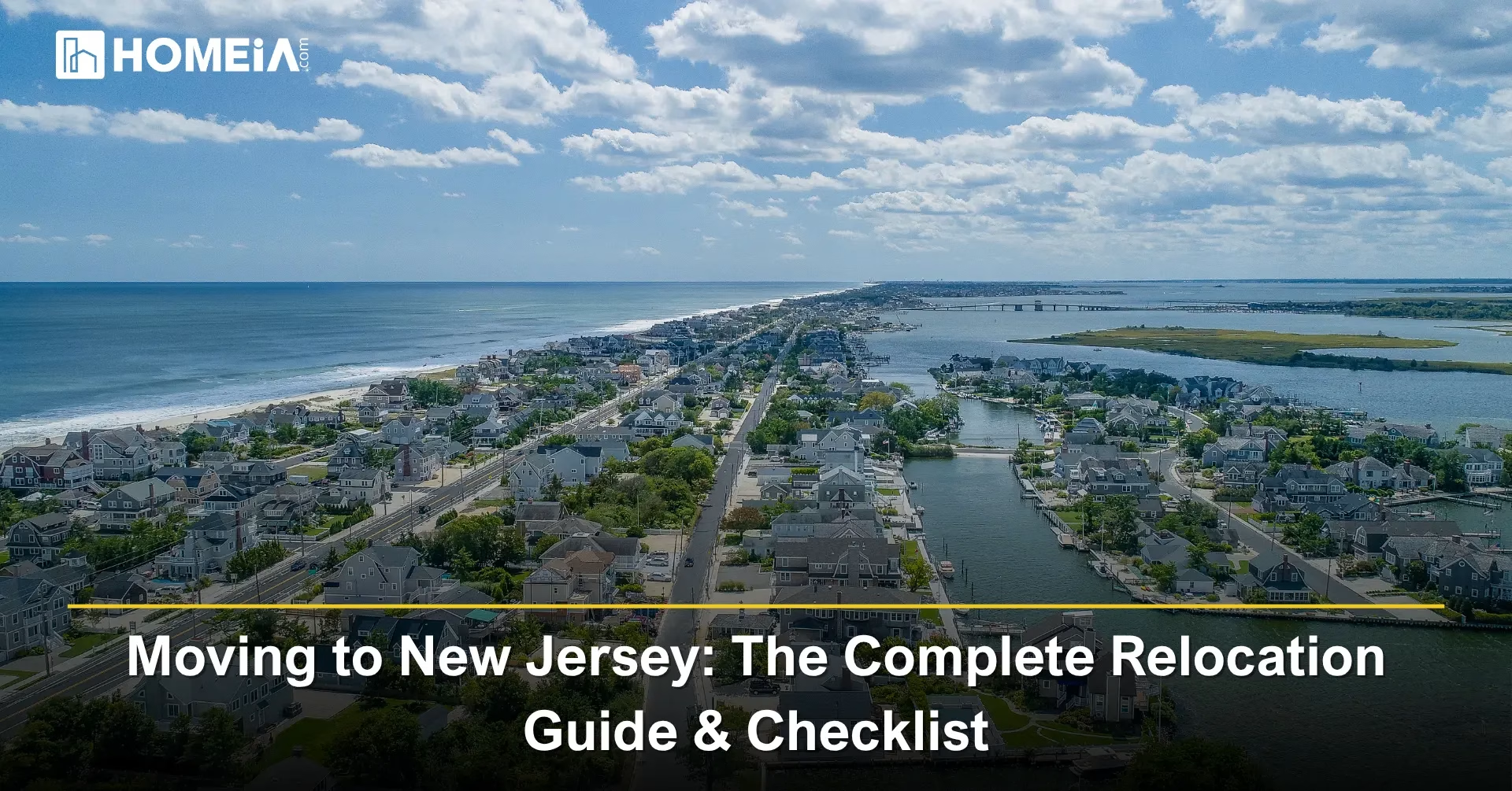


Moving to New Jersey: The Complete Relocation Guide & Checklist
Moving to New Jersey: This State attracts professionals seeking proximity to New York and Philadelphia, advanced healthcare, pharmaceutical innovation, and established communities. The most densely populated state in the nation,…
-
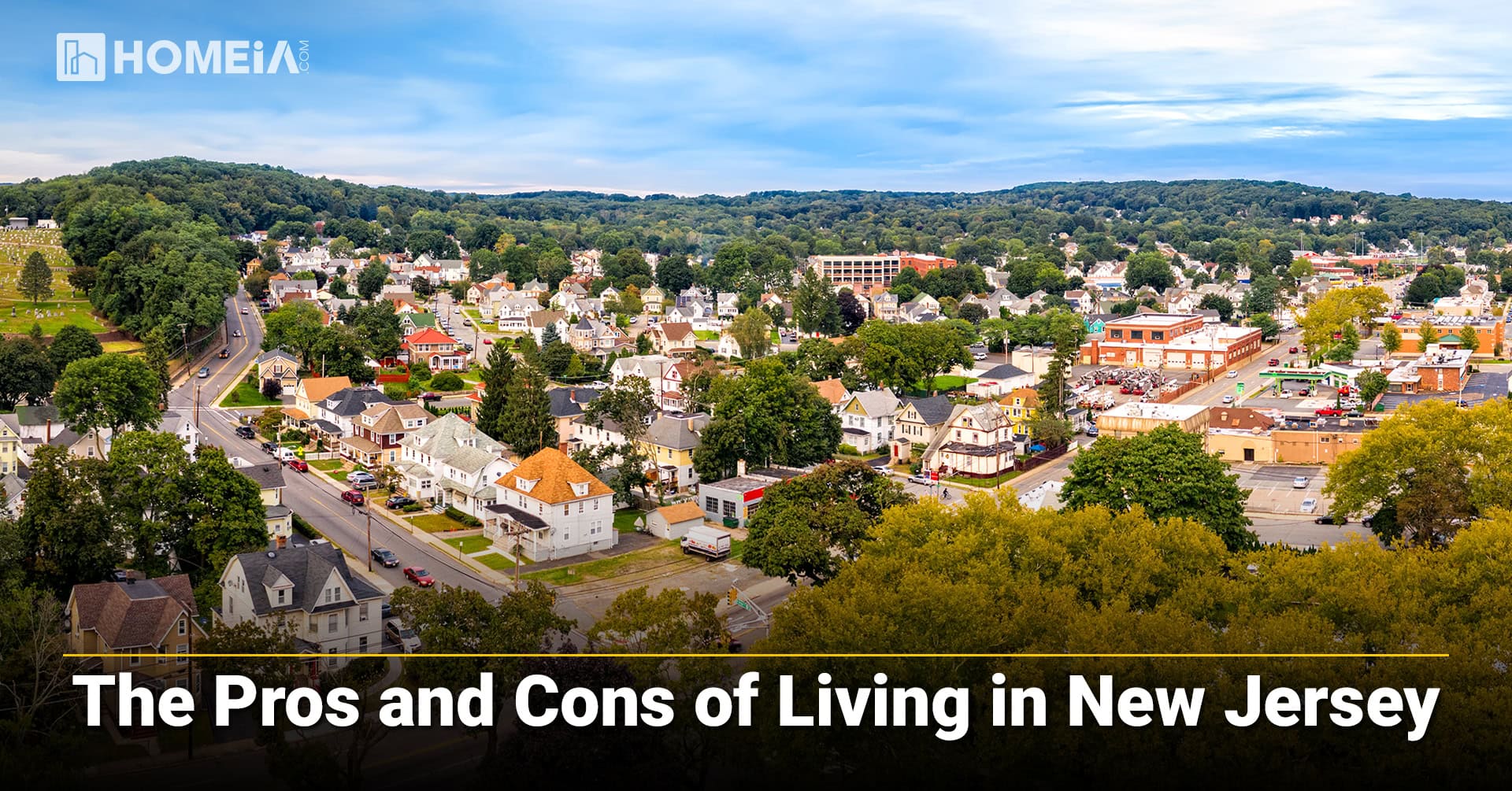
The Pros and Cons of Living in New Jersey
Considering a move to New Jersey? The Garden State offers a dynamic mix of urban energy, coastal charm, and suburban comfort. Home to nearly 9 million residents, New Jersey features…
-
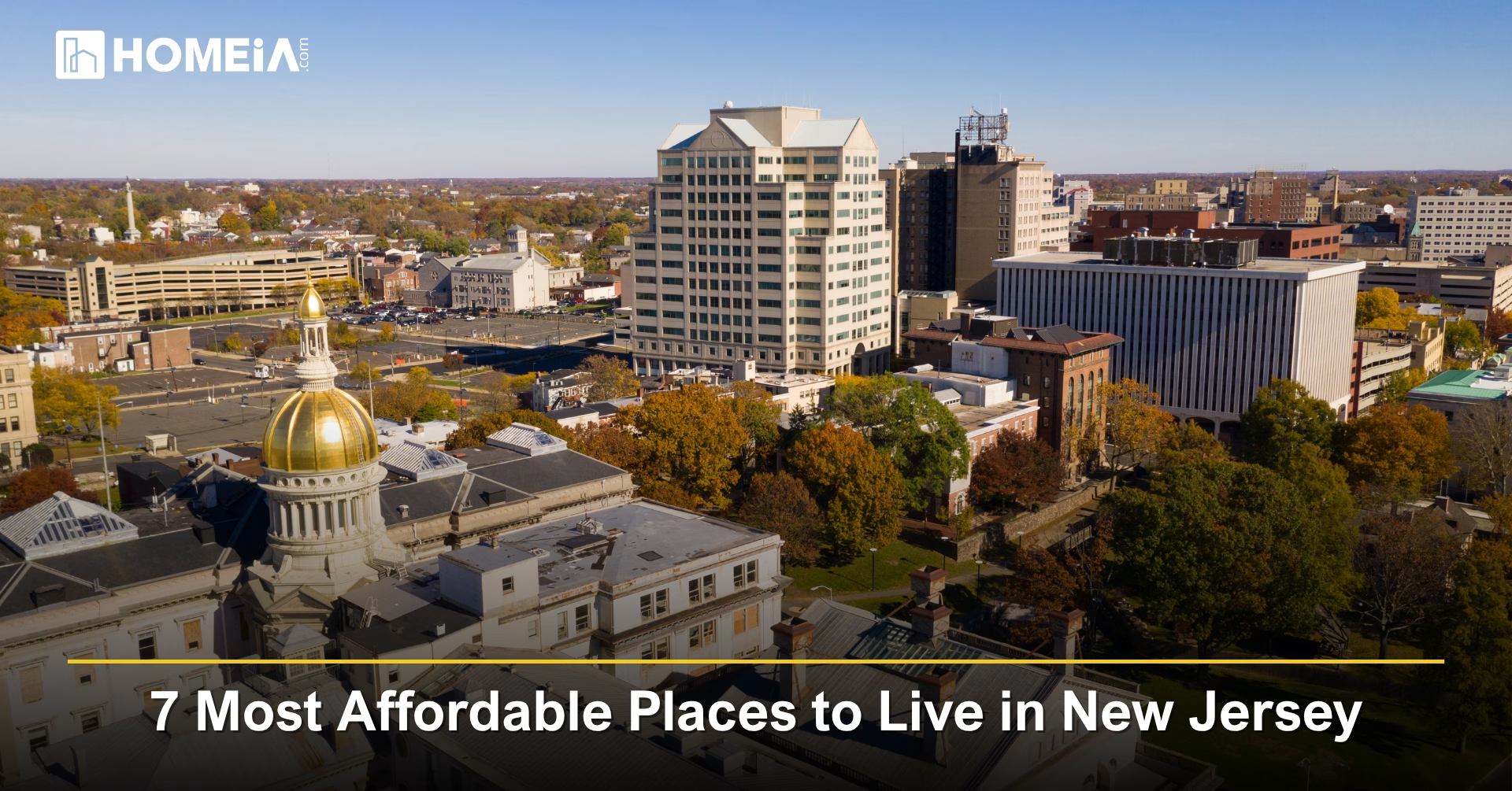
7 Most Affordable Places to Live in New Jersey
Most Affordable Places to Live in New Jersey: This State has a reputation, and it's mostly earned. The state boasts the highest property taxes in the nation at $10,570 average…
-
The 5 Best Places to Live in New Jersey: A City Comparison
New Jersey remains a vital socioeconomic bridge between New York City and Philadelphia. It supports over 9.2 million residents through its dense urbanism and affluent suburban planning. So far this…
-
The Cheapest Way to Move Across the Country: 2026 Cost Comparison
Budget-Friendly Ways to Move Across the U.S.: A long-distance relocation can be the mark of a new chapter in any person’s life. It might mean a new job, a new…
Related Topics











-
The Pros and Cons of Living in Arkansas
Considering a move to Arkansas? The Natural State offers a compelling blend of affordability and natural beauty that attracts new residents from across the country. Home to 3 million people, Arkansas features everything from vibrant cities to charming small towns,…
-
The Pros and Cons of Living in Ave Maria, Florida
The Pros and Cons of Living in Ave Maria, Florida: When picturing Ave Maria, what comes to mind are stunning basilica, perfectly manicured neighborhoods, and the Florida sun. However, this unique town has even more hidden inside. It blends master-planned…
-
The Pros and Cons of Living in Boston, Massachusetts
Considering moving to Boston in 2026? This historic yet innovative city offers a unique blend of old-world charm and modern opportunity. As New England's economic and cultural hub, Boston attracts residents with its world-class education, thriving job market, and vibrant…


-
The Pros and Cons of Living in Denver, Colorado
Looking for stellar public schools, world-class ski resorts, and a thriving city all in one spot? Denver, Colorado, may be the place for you. The Mile High City offers a unique blend of outdoor adventure, economic opportunity, and urban convenience.…
-
The Pros and Cons of Living in Delaware
When picturing Delaware, what comes to mind are tax-free shopping, beautiful beaches, and proximity to major East Coast cities. But the First State offers more than financial advantages; here exists a place where historic charm, corporate headquarters, and relaxed coastal…
-
The Pros and Cons of Living in Florida
The Pros and Cons of Living in Florida: Relocating to a new state is a big move – pun intended! – and requires careful consideration of both the state as well as the specific community you're thinking to join. If…





-
The Pros and Cons of Living in Illinois (updated)
Relocating to a new state requires careful consideration of both the state as a whole and the specific community you'll join. If you're considering Illinois, you'll find a state home to vibrant cities, charming small towns, and a diverse mix…
-
The Pros and Cons of Living in Indiana
When picturing Indiana, what comes to mind are rolling farmlands, basketball hoops, and the iconic Indianapolis 500. But the Hoosier State offers more than Midwestern clichés; here lies a place where affordability, tight communities, and an ideal central location define…
-
The Pros and Cons of Living in Iowa
When picturing Iowa, what comes to mind are vast cornfields, rolling hills, and an established agricultural heritage. But the Hawkeye State offers more than what you see on a farm; here lies a place where strong communities, affordable living, and…


-
The Pros and Cons of Living in Massachusetts
The pros and cons of living in Massachusetts: Moving to a new part of the US requires careful consideration of both the state itself and the specific community you'll join. If Massachusetts is your next destination, you'll find a state…
-
The Pros and Cons of Living in Michigan
Relocating to a new state requires careful consideration of both the state as a whole and the specific community you'll join. If you're considering Michigan, you're in luck---the Great Lakes State offers diverse options for all ages, budgets, family situations,…
-
The Pros and Cons of Living in Minnesota
The Pros and Cons of Living in Minnesota: When picturing the Midwestern state of Minnesota, some might imagine a snowy blizzard, an afternoon at the lake, the bustling state fair, and a thriving hockey community. And while all of those…


-
The Pros and Cons of Living in Nevada
When picturing Nevada, what comes to mind are glittering casinos, vast desert landscapes, and the 24-hour energy of Las Vegas. But the 36th state offers more than entertainment clichés; tax advantages, outdoor recreation, and economic opportunity define everyday living. Yet,…
-
The Pros and Cons of Living in New Hampshire
When picturing New Hampshire, what comes to mind are picturesque New England villages, stunning White Mountains, and a fiercely independent spirit. But the Granite State offers more than colonial charm; here lies a place where low-cost living, outdoor adventure, and…
-
The Pros and Cons of Living in New Jersey
Considering a move to New Jersey? The Garden State offers a dynamic mix of urban energy, coastal charm, and suburban comfort. Home to nearly 9 million residents, New Jersey features vibrant cities, peaceful towns, stunning beaches, dense forests, and cultural…


-
The Pros and Cons of Living in North Dakota
When picturing North Dakota, imagery commonly associated are vast prairies, oil fields, and harsh winters. But the Peace Garden State offers more than Midwestern stereotypes; here lies an area where flourishing communities, economic opportunity, and affordable living define everyday life.…
-
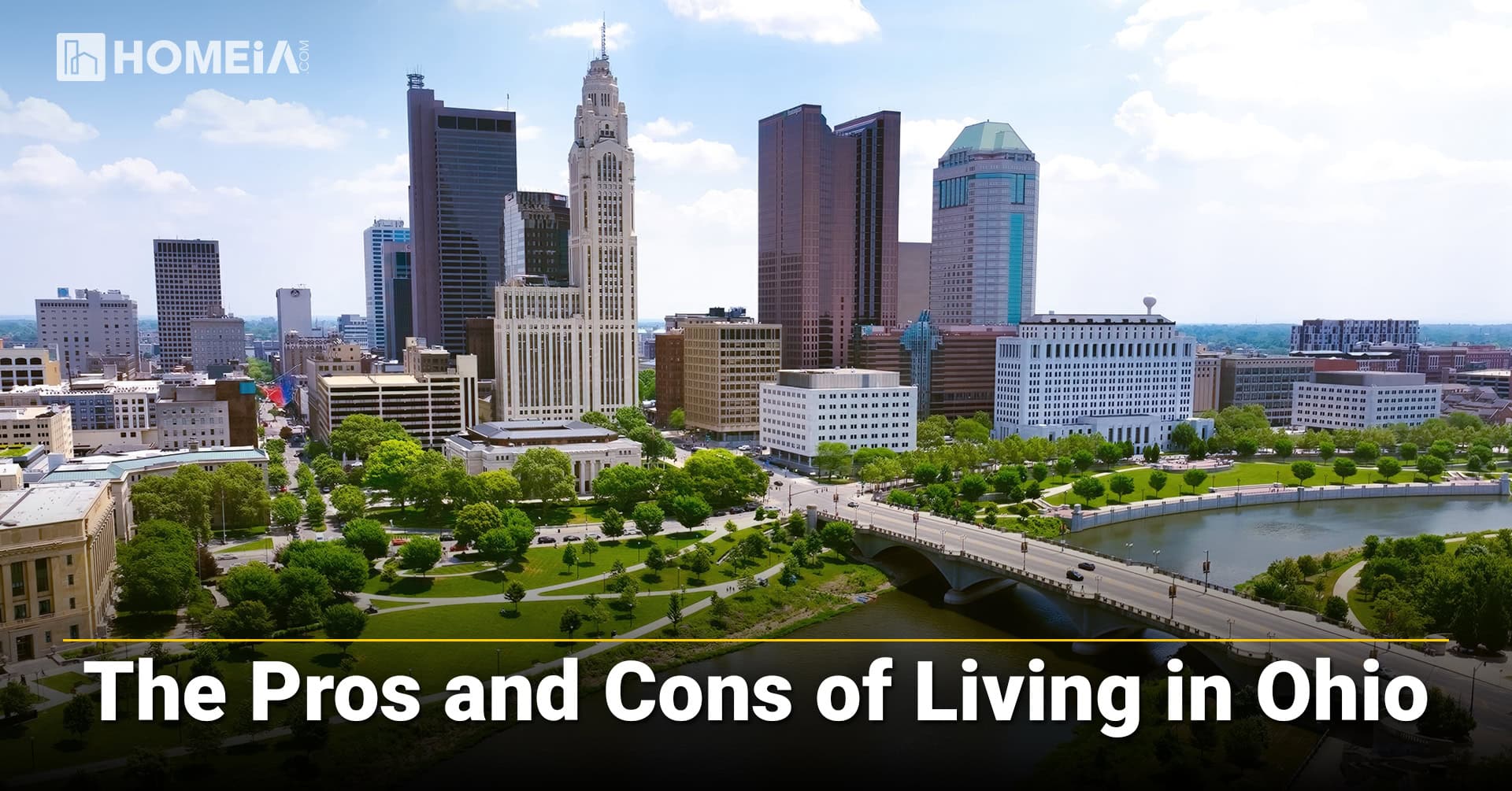
The Pros and Cons of Living in Ohio
On any given day in Ohio, you could find yourself in two completely different states of mind in a difference of an hour. One moment, you are looking at a beautiful view of snow-topped trees from a lookout point high…
-
The Pros and Cons of Living in Oregon
Relocating to a new state requires careful consideration of both the state as a whole, as well as the specific community you'll join. Oregon offers stunning natural beauty, vibrant cities, and a progressive culture with options for all ages, budgets,…


-
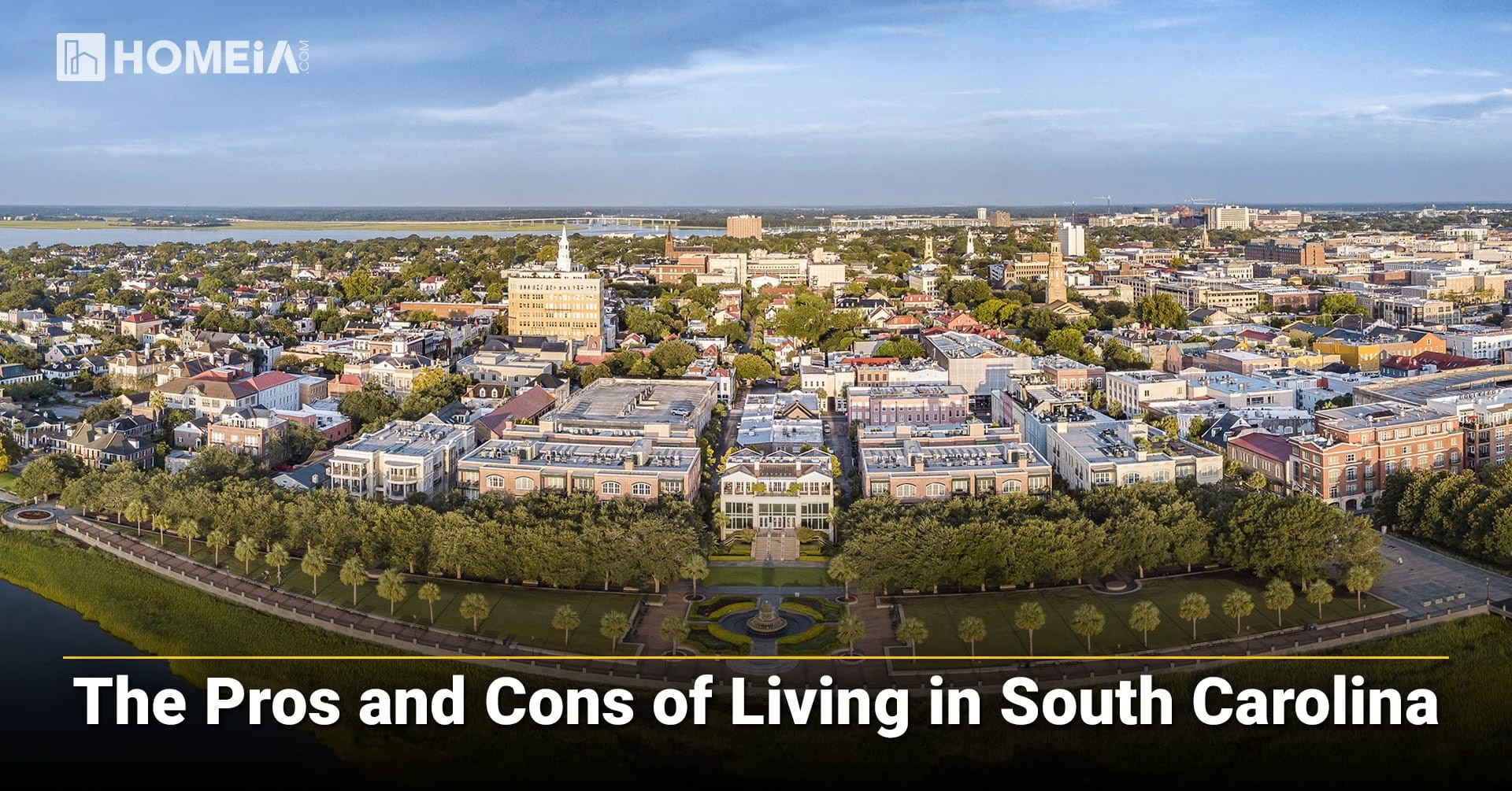
The Pros and Cons of Living in South Carolina
The pros and cons of living in South Carolina: When picturing South Carolina, the mind goes straight to shrimp and grits at a waterfront table in Charleston, azaleas in full bloom in Summerville, and a round of golf as the…
-
The Pros and Cons of Living in South Dakota
The Pros and Cons of Living in South Dakota: When picturing South Dakota, what comes to mind are vast prairies, Mount Rushmore, and the rugged beauty of the Badlands. But the Land of Infinite Variety offers more than Western clichés; here…
-
The Pros and Cons of Living in Tennessee
People have been migrating to the South at an unprecedented rate in recent years, making it the leading region for population growth in the United States. This historic pattern of migration is driven by a complex range of factors, including…

-
Pros and Cons of Living in Virginia
Virginia is a beautiful state with an abundance of opportunities ripe for discovery. From the Appalachian Trail to the Blue Ridge Mountains, coastal towns to small farming communities, Virginia has something for individuals and families of all ages and budgets.…
-
The Pros and Cons of Living in Washington
When picturing Washington State, what crosses one’s mind are lush evergreen forests, majestic mountains, and the tech hub of Seattle. But the PNW offers more than that; here lies a place where natural beauty, economic opportunity, and progressive values define…
-
The Pros and Cons of Living in West Virginia
The Pros and Cons of Living in West Virginia: Relocating to West Virginia is a major decision requiring careful consideration of both the state's overall character and the communities you might call home. If you're considering moving to West Virginia,…