





Living In Utah
Local Editor(s)

 Considering


 Verified
 The Complete Guide to Cost of Living and Lifestyle
Utah’s red-rock landscapes, mountain ski resorts, and vibrant cities attract people from around the world. Since 1990, the population has more than doubled as technology, aerospace, health care and outdoor recreation industries flourish along the Wasatch Front. Rapid growth brings rising wages alongside pressure on housing, infrastructure, and schools. This guide reviews both the costs of living, housing, taxes, daily expenses, education, transportation and employment, and the rich lifestyle that draws people in Utah so newcomers can understand the financial landscape and way of life in the Beehive State.
Before diving into individual expense categories, it is helpful to look at the big picture. Weighing the pros and cons of living in Utah ensures you balance local lifestyle realities alongside your financial planning.
Key Takeaways
- Moderate costs, expensive housing: Utah’s overall living costs roughly align with the national average, but home prices near $600,000 and typical rents around $1,100 make housing the largest expense. Low property taxes and manageable utility bills help balance budgets.
- Affordable utilities and groceries: Utility bills average about $271 per month and groceries about $259 per person, both slightly below national levels.
- Transport costs vary widely: Gas costs around $3.45 per gallon; transit passes cost $85 – or $42 with a Hive Pass – and total transportation spending ranges from roughly $440 for a single adult to $1,260 for a large family.
- Straightforward tax structure: Utah’s 4.85% flat income tax and similar sales tax produce combined rates near 7.25%, and property taxes are among the lowest.
- Strong schools despite lean budgets: Utah spends about $10,000 per student yet maintains high graduation rates; a 2025 law redirects university funding toward high-demand fields.
- Child-care is costly: Center-based infant care runs about $936 per month, preschool care around $689 and family-based infant care about $700, placing a heavy burden on families.
- Extensive transit and outdoor access: Buses, light-rail, commuter trains, and widespread bike paths enable car-free living and connect residents to hiking, skiing and national parks.
- Healthy job market and incomes: Employment grew 2.3% in 2025, unemployment is near 3.2%, and the median household earns about $98,000 with average weekly wages around $1,171.


Related article
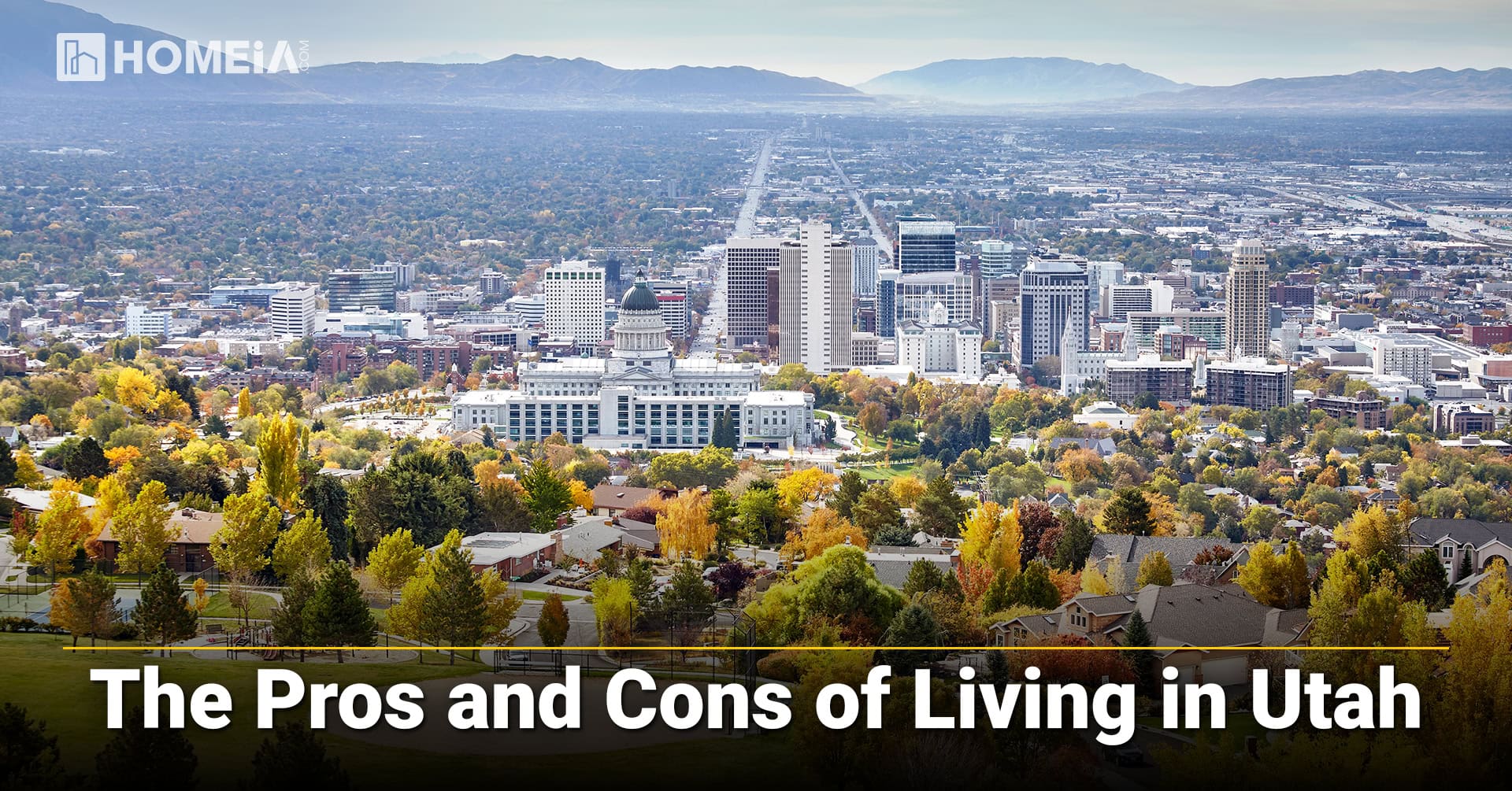
The Pros and Cons of Living in Utah
Considering a move to Utah? This guide explores the pros and cons of living in the Beehive State, including cost of living, job opportunities, and lifestyle. Learn about Utah’s stunning landscapes, growing economy, and unique culture, plus the best cities for professionals, families, and retirees to call home…

A. Home Sales Are Cooling but Still High: Driven by pandemic demand and population growth, Utah home prices climbed more than 30% above 2019 levels. Mortgage rates around 7% have slowed sales, yet supply remains tight. The median listing price in Salt Lake County is near $600,000 and single-family homes statewide average about $592,000.
B. Rising Interest Rates and Affordability Challenges: Monthly payments on a median-priced home exceed $3,000 with a 20% down payment. Low property taxes, around half a percent of assessed value, help cushion costs, but affordability will improve primarily through construction of more diverse housing.
C. Rent Growth Slowing but Still Elevated: Rents have stabilized as new apartments open. One-bedroom units average about $1,100 per month, two-bedrooms cost $1,500–$1,700, and three-bedrooms run $1,900–$2,300. Luxury units command higher rates.
D. Long-Term Outlook for Utah’s Housing Market: With a young population and strong job growth, demand for housing will remain robust. Zoning reforms encourage denser development near transit. Price growth is expected to slow rather than decline, and more affordable options can be found in Ogden, Cedar City, and Saratoga Springs.
E. City-by-City Comparison of Home Prices and Rents (Updated 2025): Real estate values vary across Utah’s metropolitan areas. The table below summarizes median home prices and typical rents for two- and three-bedroom units in 2025, updated with the latest market data. For a national comparison, see our list of the most affordable cities to live in the US.
City | Median Home Price (2025) | 2-Bedroom Rent (2025) | 3-Bedroom Rent (2025) |
|---|---|---|---|
| Salt Lake City | $585,000 | $1,369 | $2,045 |
| Provo | $500,000 | $1,840 | $1,899 |
| Ogden | $378,000 | $1,166 | $2,055 |
| St. George | $564,500 | $1,890 | $1,867 |
| Sandy | $673,000 | $1,661 | $2,086 |
| Lehi | $545,000 | $1,753 | $2,326 |
| Draper | $913,000 | $1,832 | $2,293 |
| Park City | $1,500,000 | $2,425 | $3,200 |
| Orem | $499,000 | $1,489 | $1,844 |
| Bountiful | $575,000 | $1,449 | $1,720 |
| Holladay | $747,250 | $1,681 | $1,893 |
| Saratoga Springs | $580,226 | $1,791 | $2,158 |
| Cedar City | $500,000 | $1,395 | $2,045 |
| West Jordan | $538,000 | $1,604 | $2,043 |

Related article
Moving to Utah: The Complete Relocation Guide and Checklist
Moving to Utah? This complete guide and relocation checklist covers cost of living, job market trends, moving timelines, and the best places to live. Whether you’re drawn to Silicon Slopes, outdoor adventures, or family-friendly communities, we’ll help you make an informed, confident move to one of America’s fastest-growing states…
2. Utah Tax Structure: Understanding Your Financial Landscape

A. Income Tax: Utah’s Flat Tax System: Utah levies a flat 4.85% income tax on wages and investment income. Proposals to lower the rate are under debate but not enacted. Residents can claim modest credits for dependents and education expenses. Federal taxes apply on top of state taxes.
B. Sales Taxes: Combined Rates Vary: The state sales tax is 4.85% and local levies bring the typical combined rate to around 7.25%. Essentials such as unprepared foods and prescription drugs are taxed at lower rates. Visitors and newcomers contribute significantly to revenues through these consumption taxes.
C. Property Taxes: Low Compared to Many States: Property tax rates generally fall between 0.47% and 0.58% of a home’s value, and a 45% exemption applies to primary residences. The low rates attract retirees and families but cannot fully offset rising home prices.
D. Fuel Taxes and Other Levies: Drivers pay roughly 36 cents per gallon in state gas tax, with additional fees for diesel and alternative-fuel vehicles. Lodging and property transfer taxes fund tourism promotion and infrastructure projects, broadening the tax base.
E. Tax Burden Comparison to Neighboring States: The table below compares Utah’s major taxes with those of nearby states.
Tax Type | Utah | Arizona | Nevada | Idaho |
|---|---|---|---|---|
| Income Tax Rate | 4.85% (Flat) | 2.5% (Flat) | None | 5.695% (Flat) |
| State Sales Tax Rate | 4.85% | 5.60% | 4.60% | 6.00% |
| Avg. Combined Sales Tax | 7.25% | 8.38% | 8.24% | 6.03% |
| Avg. Property Tax Rate | 0.47% – 0.58% | 0.44% – 0.45% | 0.44% | 0.47% |
Related article
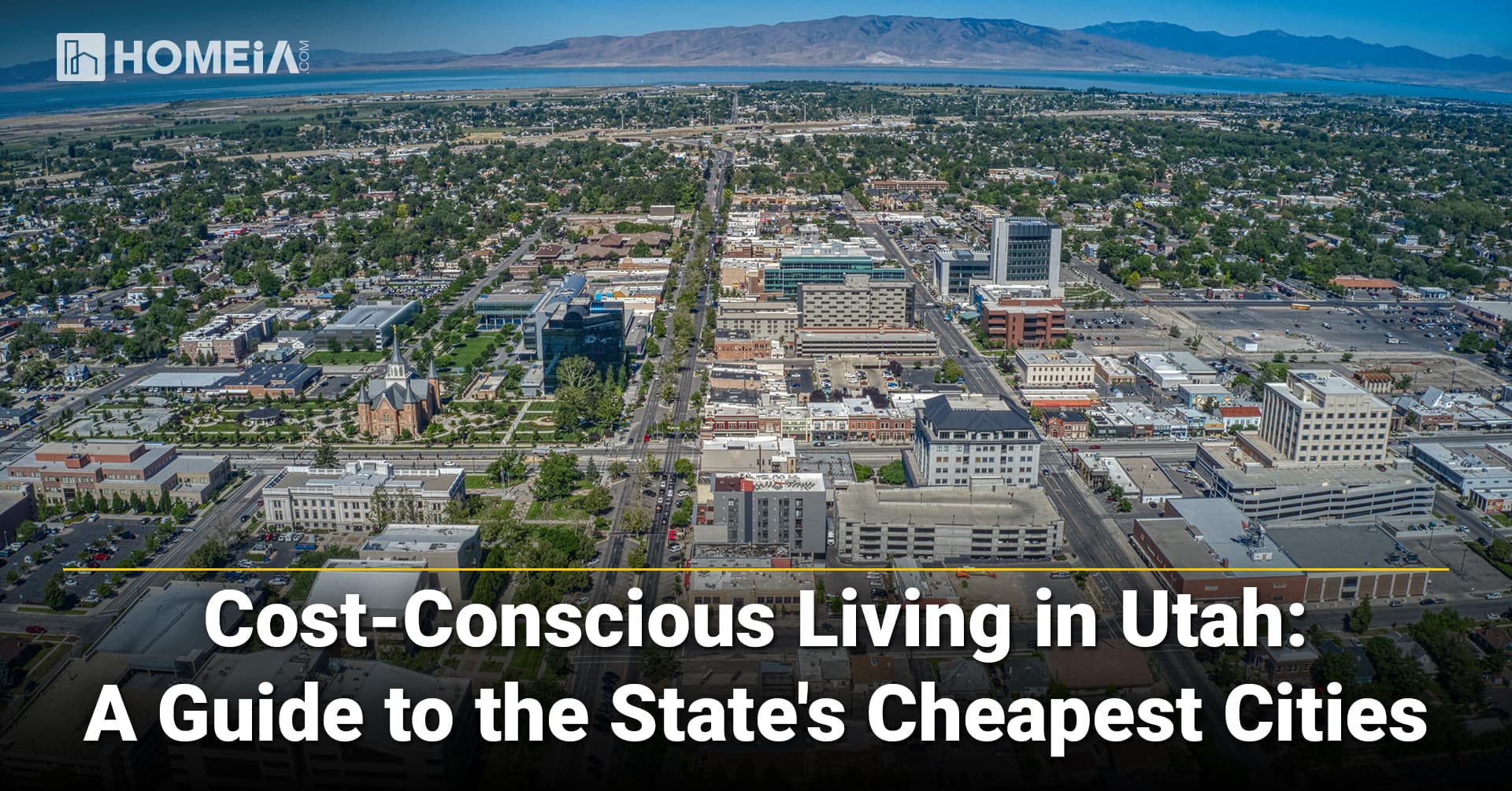
Cost-Conscious Living in Utah: A Guide to the State’s Cheapest Cities
Each city holds unique surprises and perks for residents looking to make a savvy, budget-conscious move. So, let’s dive into these budget-friendly gems and see why they’re considered the best-kept secrets of Utah!…
3. Daily Living Expenses in Utah: Managing Your Budget

A. Cost of Living Index: Utah vs. National Average: Utah’s cost of living index is about 101, meaning overall expenses are roughly 1% higher than the U.S. baseline. Housing is the biggest factor; utilities, groceries, and health care hover near or below national averages, giving households some budgeting flexibility.
B. Utilities: Manageable but Rising: Monthly bills for electricity, natural gas, internet, and water average around $271. Abundant energy resources keep costs low, but drought and population growth could raise rates. Energy-efficient appliances and utility rebate programs can help manage expenses.
C. Groceries and Food Costs: Utah residents spend about $259 per person per month on groceries. Food inflation has slowed to roughly 3% annually. Buying in bulk, cooking at home, and shopping farmers markets can reduce costs.
D. Health-Care Expenses and Insurance: Per-capita healthcare spending totals around $5,735 annually. Employer-sponsored premiums average roughly $144 per month for individual coverage and $1,000 for families, while exchange plans cost about $621 for a silver tier. High-deductible plans with health savings accounts are increasingly popular.
E. Transportation and Insurance: Transportation is often the second-largest expense. Gasoline costs about $3.45 per gallon and full-coverage car insurance runs $100–$170 per month. MIT’s living-wage estimates place transportation spending at about $443 monthly for a single adult and $1,256 for a family of five. Public transit passes cost $85, or $42 for Hive Pass holders who live in Salt Lake City.
F. Goods & Services: Utah residents spend about $25,367 per person each year on discretionary items like clothing, personal care, dining out, and entertainment. Personal consumption expenditure, encompassing all categories, averages about $42,653 per person annually, or $3,554 per month. Urban counties generally have higher costs than rural areas.
The table below summarizes typical monthly expenses and compares them to national averages.
Expense Category | Utah Cost (Monthly) | Comparison to National Average |
|---|---|---|
| Overall Cost of Living | ≈$3,554 (per person) | 1% higher |
| Housing (Buy & Rent) | Mortgage: ~$3,000+; Rent: ~$1,500—2,300 | ≈17% higher |
| Utilities (Average) | $271/month | 7% lower |
| Groceries (per person) | $259/month | About 2% lower |
| Healthcare (individual) | $478/month (avg); employer plan ~$144/month | ≈1% higher |
| Transportation | $443–$1,256/month (depending on family size) | ≈9% higher |
| Goods & Services | $2,114/month (per person) | ≈12% lower |

Related article
6 Best Affordable Places to Live in Utah
The state is well-known for its outdoor recreation. From hiking in the red rocks of Southern Utah and snow skiing in Park City to ice fishing at one of the numerous lakes, it’s no surprise that Utah comes in as one of the best states for outdoor activities…
4. Family Life: Education and Child Care in Utah

A. Education Funding and Recent Changes: Utah spends about $9,977 per pupil, ranking near the bottom nationally, yet high school graduation rates and test scores exceed national averages. Funding comes from federal ($1,311 per student), state ($4,915), and local ($4,069) sources. In 2025, lawmakers cut 10% from university instructional budgets and redirected funds to high-demand fields such as engineering and nursing. This led the University of Utah to discontinue 81 low-enrollment programs while also helping current students graduate.
B. Child-Care Costs: Center-based infant care averages about $936 per month and 4-year-old care costs around $689. Family-based providers charge roughly $700 for infants and $650 for preschoolers. High demand and staffing shortages drive up fees. Low-income families can receive assistance through Utah’s Child Care Assistance Program, and some employers offer on-site care or subsidies.
C. School Quality and Options: Despite lean budgets, Utah schools produce strong academic results. Many districts offer advanced placement, concurrent enrollment, and career-technical programs. Charter schools, homeschooling, and relatively low university tuition provide alternatives, though some majors are being phased out under the 2025 legislation. Education leaders hope to strengthen STEM programs to meet workforce needs.
The table below outlines typical child-care costs across various cities and care types, updated with 2025 data.
D. Child-Care Costs by City (Updated 2025)
City/Type of Care | Infant Care (Monthly) | 4-Year-Old Care (Monthly) | School-Age Care (Monthly) |
|---|---|---|---|
| State Average | $936 | $689 | $435 |
| Center-Based | $936 | $689 | $435 |
| Family-Based | $700 | $650 | $431 |
| Provo | $800-1,000 | $600-800 | $350-450 |
| Ogden | $700-900 | $500-700 | $300-400 |
| Kaysville | $800-1,000 | $600-800 | $350-450 |
| Salt Lake City | $1,000-1,200 | $800-1,000 | $400-500 |
| Orem | $800-1,000 | $600-800 | $350-450 |
Recommended for you




5. Transportation in Utah: Getting Around
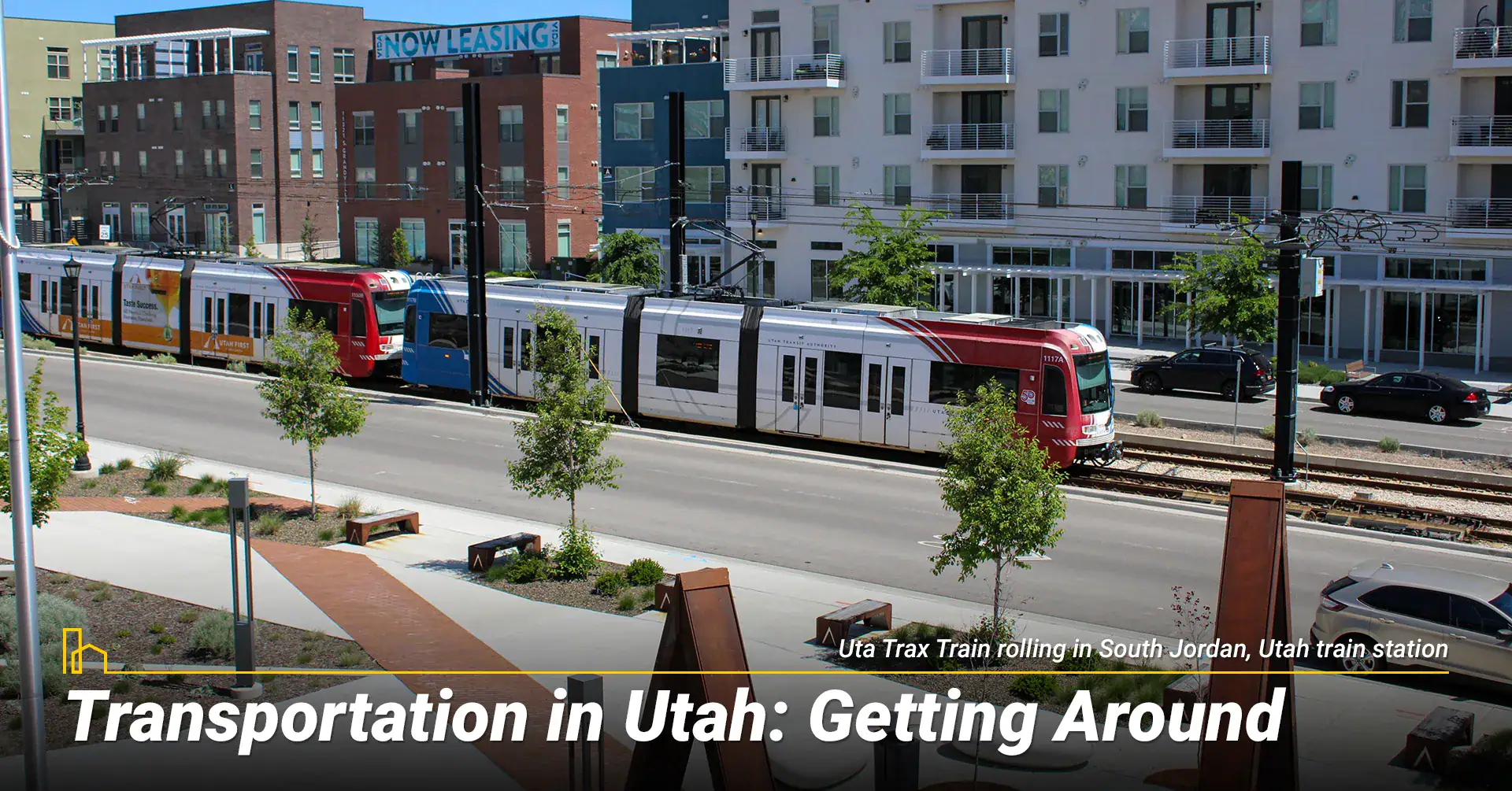
A. Commuting and Car Ownership: Most Utahns drive. Full-coverage auto insurance costs between $100 and $170 per month depending on driver profile and vehicle. Commutes along the I-15 corridor average about 26 minutes but can exceed 45 minutes during winter storms. State projects, including freeway widening and interchange upgrades, aim to reduce congestion and improve safety. High-occupancy lanes encourage carpooling.
B. Public Transit: UTA, TRAX and FrontRunner: The Utah Transit Authority (UTA) operates over 120 bus routes, three TRAX light-rail lines, and the FrontRunner commuter train linking Ogden, Salt Lake City and Provo. Monthly adult passes cost about $85; Salt Lake City residents can purchase a discounted Hive Pass for $42. Bus rapid transit lines connect university campuses with downtown hubs, and future plans include extended commuter rail and electrified buses.
C. Regional Travel: Airports and Rail: Salt Lake City International Airport serves as a major Delta hub with domestic and international flights. Provo and St. George airports offer regional service. (Provo plans to expand to international travel in the near future.) Amtrak’s California Zephyr and the FrontRunner provide intercity rail, with proposals to extend commuter rail to additional communities.
D. Active Transportation: Utah has thousands of miles of bike lanes, shared-use paths, and trails. Routes like the Jordan River Parkway and Bonneville Shoreline Trail promote cycling and walking. Bike-share programs operate in several cities.
E. Looking Ahead: Utah’s long-range transportation plan prioritizes multimodal mobility. Upcoming projects include additional bus rapid transit corridors, FrontRunner extensions, and rural highway improvements. The state is exploring zero-emission vehicles to reduce air pollution.
F. Transit Systems and Coverage Areas: The table below lists major transit systems operating throughout Utah.
Transit System | Coverage Area | Key Features/Notes |
|---|---|---|
| Utah Transit Authority (UTA) | Wasatch Front (Ogden, Salt Lake City, Provo, Park City, Tooele, Davis, Weber, Box Elder, Summit, Utah counties) | Buses (120+ routes, incl. ski routes), TRAX light rail, FrontRunner commuter rail, S-Line streetcar, UVX/OGX BRT |
| SunTran | St. George, Ivins, Santa Clara, Washington | Four bus routes, Mon–Sat 6 AM–8 PM, $1 cash fare |
| Cedar Area Transportation Service (CATS) | Cedar City | Fixed-route and demand-response services |
| Moab Area Transit | Moab | Downtown shuttle and regional connections |
| Cache Valley Transit District | Cache Valley | Free bus service throughout Logan and Cache County |
| Basin Transit Association | Uintah Basin | Commuter service to work, school and shopping destinations |
| High Valley Transit | Wasatch Back (Park City, Summit County) | Free bus and micro-transit service connecting resorts and towns |
| Park City Transit | Park City | Seasonal bus routes serving ski resorts and downtown |
Related article
The Pros and Cons of Living in Idaho
This guide details both the pros and cons of living in Idaho and highlights the best Idaho cities for young professionals, families, and retirees so you can decide whether the Gem State fits your lifestyle and budget…
6. Utah Job Market and Income Potential

A. Population Growth and Employment: High birth rates and migration continue to expand Utah’s workforce. Non-farm employment grew 2.3% between mid-2024 and mid-2025, adding more than 40,000 jobs. Unemployment remains around 3.2%. Growth is strongest in government, trade, transportation, utilities, education, health services, and leisure and hospitality, while construction has slowed.
B. Major Industries: The Silicon Slopes corridor between Lehi and Salt Lake City hosts thriving software, fintech, and e-commerce firms. Aerospace and defense companies build rocket motors and communication systems. Intermountain Health anchors a sizable health-care sector, and outdoor recreation companies capitalize on Utah’s natural amenities. Government, education, tourism, and energy extraction also contribute to the diverse economy.
C. Income and Wages: Utah’s median household income is about $98,336 when adjusted for local price differences, and nominal median income is roughly $101,200. Average weekly wages are $1,171 (≈$60,900 yearly). Information-technology workers earn around $1,739 per week, while leisure and hospitality employees earn about $506. Lower living costs allow paychecks to stretch further than in many coastal states.
D. Labor-Market Conditions: A tight labor market forces employers to compete for talent. The labor-force participation rate exceeds 67%, and wages are rising faster than national averages. Workers with skills in engineering, nursing, skilled trades, and computer science are especially sought after.
E. Licensing and Credentialing: Many professions require state licensure. Utah offers streamlined licensing for military spouses and newcomers, and interstate compacts facilitate practice across state lines for nurses and physicians. Prospective workers should verify requirements with the Utah Department of Commerce.
F. Income Metrics Comparison: The table below summarizes key income metrics for Utah in 2025.
Income Metric | Utah Value | National Comparison |
|---|---|---|
| Minimum Wage | $7.25/hour | Same as federal rate |
| Median Household Income | $98,336 (price-adjusted) | ≈27% higher than U.S. median ($78,538) |
| Average Weekly Wage | $1,171 (≈$60,900/year) | Below national average but with higher purchasing power |
| Median Salary (Full-time) | ≈$60,260 | Varies by occupation |
| Unemployment Rate | 3.2% | Among the lowest in U.S. |
Related article
Top 10 Best Places to Live in Wyoming for Families
Wyoming is known for its big skies, open prairies and cowboy boots — yet it’s more than that. It reminds you that open space matters. In Wyoming, space is allotted for what’s essential, and the rest is left open for all to enjoy. It’s a place where you can relax, breathe in and breathe out…
7. Lifestyle and Culture in Utah: Quality of Life Beyond Economics

Utah is more than numbers on a spreadsheet. A rich lifestyle draws people who value health, community, and adventure. The key aspects of life in the Beehive State include:
- Outdoor recreation: The state Division of Outdoor Recreation was created in 2022 (building on the nation’s first Office of Outdoor Recreation founded in 2013). Utahns enjoy skiing, hiking, biking, camping, and access to five national parks, forty-six state parks, world-class ski slopes, and the Jordan River Parkway.
- Health and wellness: Utah adults have among the nation’s lowest smoking and physical inactivity rates, supported by relatively high median household incomes that allow residents to afford health insurance, regular medical care, and nutritious food. Older adults benefit from near-universal broadband access, very low smoking and drinking rates, and a strong sense of community.
- Community service and volunteerism: Nearly half of Utahns formally volunteer and more than two-thirds volunteer informally, adding billions of dollars of value to the state and reflecting a culture of helping neighbors.
- Arts and culture: From the Utah Symphony and Ballet West to the Tabernacle Choir, Hale Center Theatre, and numerous regional theaters, Utah hosts cultural festivals and performances year-round. More than 260 museums cover subjects from art and science to Native American, dinosaur, and pioneer history, and local galleries and libraries enrich communities statewide.
- Demographics and religion: About 61 percent of residents belong to the Church of Jesus Christ of Latter-day Saints, influencing social norms with an emphasis on family, service, and healthy living.
- Food culture – Comfort foods such as “funeral potatoes” (a casserole of potatoes, cheese and creamy soup topped with cornflakes or chips) and fry sauce (equal parts mayonnaise and ketchup) reflect pioneer and Latter-day Saint traditions. Indigenous influences appear in Navajo tacos and fry bread, while green Jell-O salads and “dirty sodas” (soda with flavored syrups and cream) add local flair. Alcohol sales are more regulated than in most states, with state-run liquor stores and limits on beer strength; craft breweries still thrive and residents must order food with drinks in restaurants. Utah also enforces a strict 0.05 percent blood-alcohol limit for driving.
- Climate and environment: Utah receives about 13.5 inches of precipitation annually and experiences very hot summers and very cold, dry winters. Residents adapt to the arid climate and high elevation by staying hydrated and preparing for sudden weather changes, while clean-air and water-conservation initiatives are ongoing priorities.
These elements – an outdoors-centric mindset, strong community engagement, thriving arts and food scenes, unique religious influences, and a high-desert environment – make Utah a distinctive place to live and shape the quality of life beyond economics.
Conclusion: Balancing Opportunity and Affordability
Utah combines strong job growth, natural beauty, and close-knit communities. Costs of living are slightly above the national average, and housing is the biggest challenge. Low taxes, moderate utility bills and solid wages help offset expenses. Good schools, diverse career options, and abundant recreation make the state attractive, though child-care costs and lean education funding remain concerns. With thoughtful budgeting, residents can enjoy a high quality of life in the Beehive State.
Recommended for you




FAQs: Living in Utah
1. Is Utah expensive to live in?
Utah’s overall cost of living is only slightly above the U.S. average, but housing is expensive – particularly in Salt Lake City and Park City. Low property taxes and moderate utilities help balance monthly expenses. Prospective residents should budget carefully for home purchases or rents.
2. How much does child care cost?
Child care is a major expense. Center-based infant care averages about $936 per month, preschool care about $689, and family-based infant care roughly $700. School-age care averages $435 monthly statewide, with city-specific costs ranging from $300-500. Low-income families may qualify for state assistance, and some employers offer child-care subsidies.
3. Are utilities affordable in Utah?
Yes. Average monthly utility bills – including electricity, natural gas, internet, and water – total around $271, slightly below the national average. Costs fluctuate by season and region, but conservation and efficiency measures can reduce bills.
4. What is the job market like?
Utah’s job market is robust, with employment growth around 2.3% and unemployment near 3.2%. The state’s high labor-force participation and expanding tech, aerospace, health-care, and recreation sectors provide ample opportunities. Median household income is about $98,000 and average weekly wages exceed $1,100.
5. Which cities offer the best value?
Affordability varies widely. Salt Lake City and Park City are expensive, while Ogden, Cedar City, Saratoga Springs, and Bountiful offer more budget-friendly housing and shorter commutes. Consider factors like home prices, school quality, taxes, and access to recreation when choosing where to live.
Local Editor(s)



Moving to Utah: The Complete Relocation Guide and Checklist
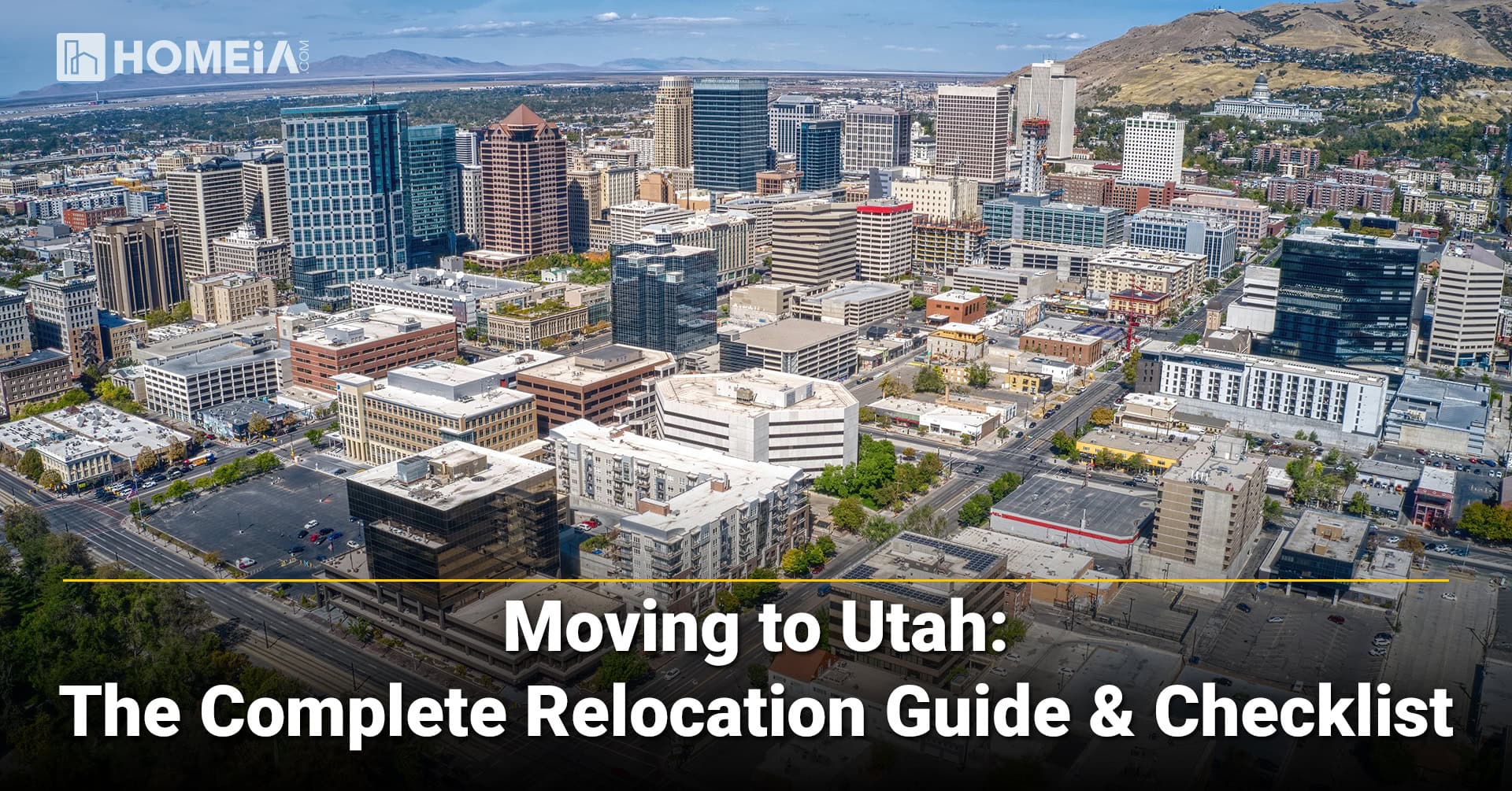
Thinking about moving to Utah? You’re not alone. Every year, thousands of working professionals and families discover why the Beehive State is one of America's fastest-growing states in the country.…
-
The Pros and Cons of Living in Utah
The Pros and Cons of Living in Utah: When picturing the State of Utah in the Mountain West, many imagine iconic red rock landscapes, world-class ski resorts, and a vibrant,…
-
Cost-Conscious Living in Utah: A Guide to the State’s Cheapest Cities
Affordable places to live in Utah: A state where nature's beauty meets economic opportunity! While Utah is known for its expansive desert landscapes, majestic mountains and thriving economy, it also…
-
6 Best Affordable Places to Live in Utah
Affordable Places to Live in Utah: Over the past several years, more than 91,000 people have moved to Utah because of the state's low-income tax, robust economic environment, and affordable…

The 10 Best Places to Live in Idaho
Best Places to Live in Idaho: This State is a highly sought-after and very family-friendly state to live in. According to the 2020 U.S. census, Idaho is the second-fastest-growing state…
Related Topics











-
The Pros and Cons of Living in Connecticut
Nestled in the heart of New England, Connecticut offers a unique blend of historic charm, coastal beauty, and modern affluence. Known as the Constitution State, it boasts proximity to major cities like New York City and Boston while maintaining its own identity with…
-
The Pros and Cons of Living in Delaware
When picturing Delaware, what comes to mind are tax-free shopping, beautiful beaches, and proximity to major East Coast cities. But the First State offers more than financial advantages; here exists a place where historic charm, corporate headquarters, and relaxed coastal…
-
The Pros and Cons of Living in Hawai’i (updated)
When picturing Hawai‘i, what often comes to mind are stunning beaches, lush tropical landscapes, and vibrant Polynesian culture. But the Aloha State holds more than what's apparent on the surface. It’s a place where ancient traditions, diverse communities, and island…



-
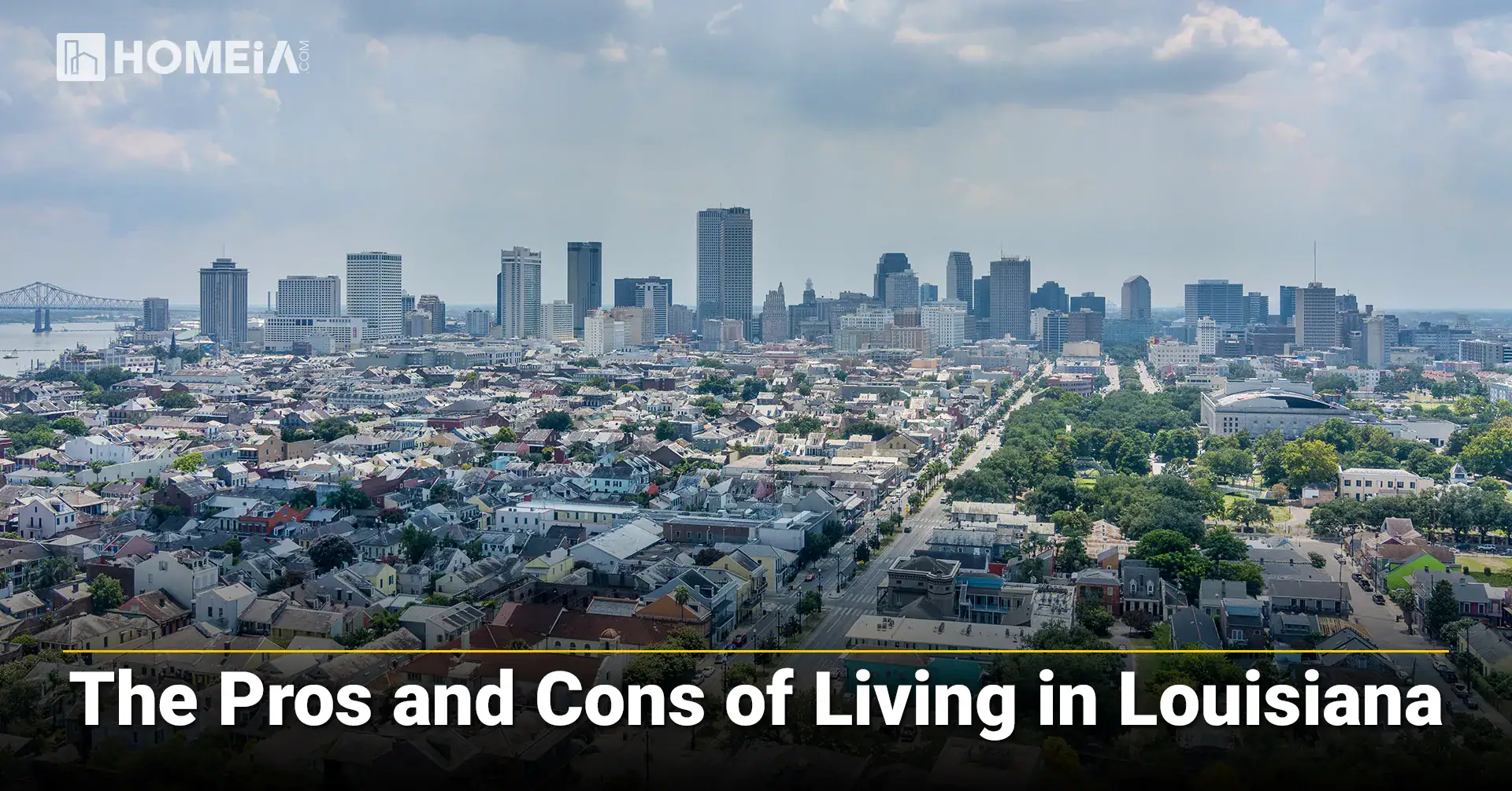
The Pros and Cons of Living in Louisiana
When picturing Louisiana, vibrant jazz music, spicy Creole cuisine, and historic French Quarter architecture are what usually appears. But the Pelican State offers more than Southern clichés; here lies a place where unique cultures, standout cuisine, and relaxed pace of…
-
The Pros and Cons of Living in Maine
When picturing Maine, what one envisions are rugged coastlines, lobster shacks, and dense forests. But the Pine Tree State offers more than New England stereotypes; here lies a place where maritime heritage, outdoor adventure, and resilient spirit define everyday living.…
-
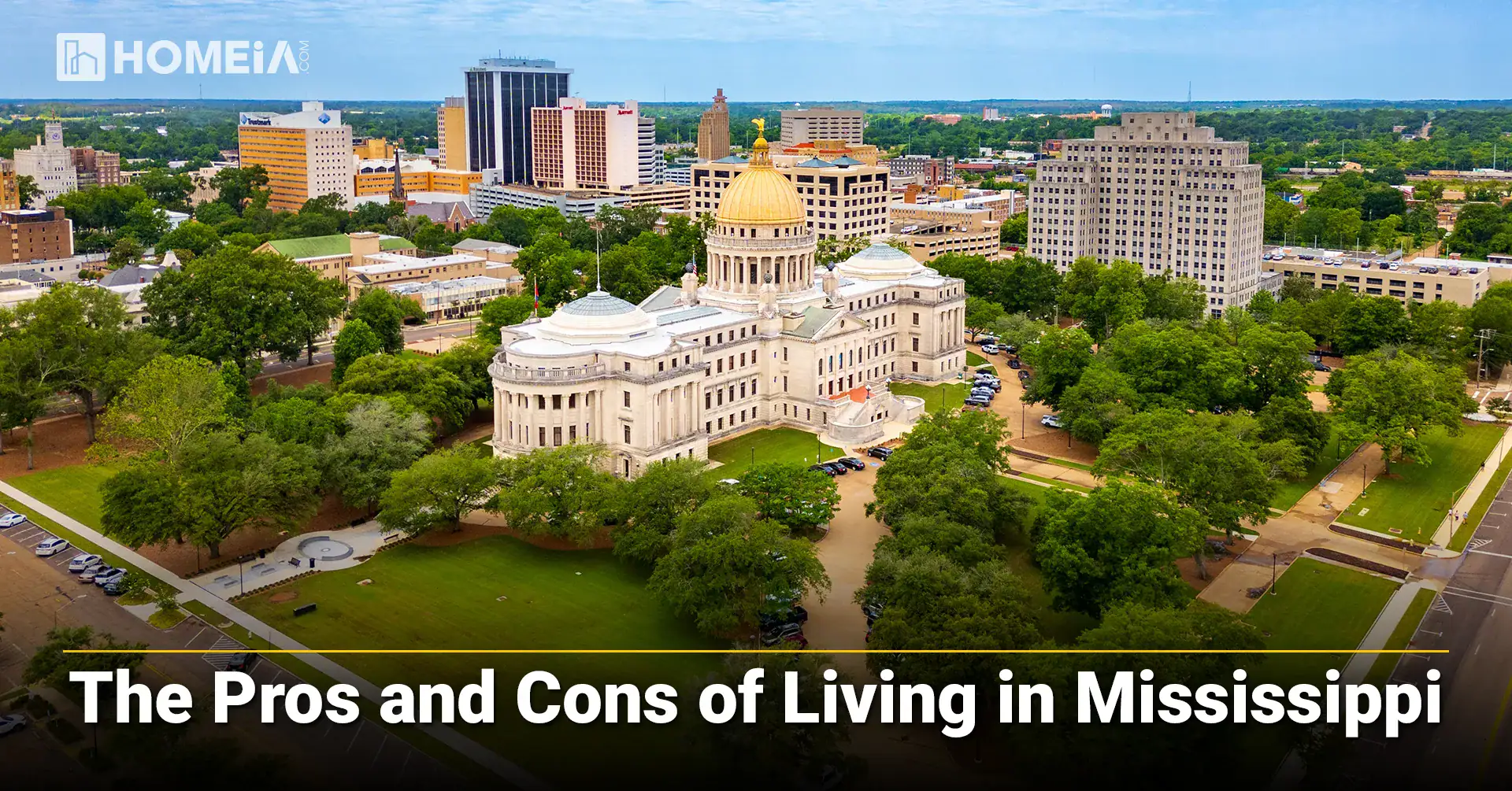
The Pros and Cons of Living in Mississippi
The Pros and Cons of Living in Mississippi: Mississippi, located in the heart of the American South, is known for its low cost of living and laid-back way of life. Many people choose to call the Magnolia State home, but…

-
The Pros and Cons of Living in New Hampshire
When picturing New Hampshire, what comes to mind are picturesque New England villages, stunning White Mountains, and a fiercely independent spirit. But the Granite State offers more than colonial charm; here lies a place where low-cost living, outdoor adventure, and…
-
The Pros and Cons of Living in New Mexico
When picturing New Mexico, what comes to mind are vast desert landscapes, adobe architecture, and vibrant chili peppers. But the Land of Enchantment offers more than meets the eye; here lies a place where ancient cultures, standout arts scenes, and…
-
The Pros and Cons of Living in New York State
New York State is a land of dramatic contrasts, offering both the unparalleled energy of a global metropolis and the serene beauty of vast natural landscapes. From the iconic skyscrapers of New York City to the tranquil shores of the Finger Lakes and the rugged…



-
The Pros and Cons of Living in South Dakota
The Pros and Cons of Living in South Dakota: When picturing South Dakota, what comes to mind are vast prairies, Mount Rushmore, and the rugged beauty of the Badlands. But the Land of Infinite Variety offers more than Western clichés; here…
-
The Pros and Cons of Living in Utah
The Pros and Cons of Living in Utah: When picturing the State of Utah in the Mountain West, many imagine iconic red rock landscapes, world-class ski resorts, and a vibrant, family-oriented culture. And while all of those are essential pieces…
-
The Pros and Cons of Living in Vermont
The Pros and Cons of Living in Vermont: Tucked into the heart of New England, Vermont offers postcard-worthy landscapes, a relaxed pace of life, and a strong sense of community. Known for its maple syrup, fall foliage, and progressive values,…

-
Pros and Cons of Living in Georgia
Relocating to a new state is a significant decision, one that requires thoughtful consideration of both the state as a whole and the specific community you're considering. If you're thinking about moving to Georgia, you'll find the Peach State offers…
-
The Pros and Cons of Living in Michigan
Relocating to a new state requires careful consideration of both the state as a whole and the specific community you'll join. If you're considering Michigan, you're in luck---the Great Lakes State offers diverse options for all ages, budgets, family situations,…
-
Pros and Cons of Living in Virginia
Virginia is a beautiful state with an abundance of opportunities ripe for discovery. From the Appalachian Trail to the Blue Ridge Mountains, coastal towns to small farming communities, Virginia has something for individuals and families of all ages and budgets.…


-
The Pros and Cons of Living in Denver, Colorado
Looking for stellar public schools, world-class ski resorts, and a thriving city all in one spot? Denver, Colorado, may be the place for you. The Mile High City offers a unique blend of outdoor adventure, economic opportunity, and urban convenience.…
-
The Pros and Cons of Living in Illinois (updated)
Relocating to a new state requires careful consideration of both the state as a whole and the specific community you'll join. If you're considering Illinois, you'll find a state home to vibrant cities, charming small towns, and a diverse mix…
-
The Pros and Cons of Living in Kentucky
When you think of Kentucky, you might conjure up images of fried chicken, bourbon, and horse racing. While you will find no shortage of those things in the Bluegrass State, it has so much more to offer. Kentucky is a…
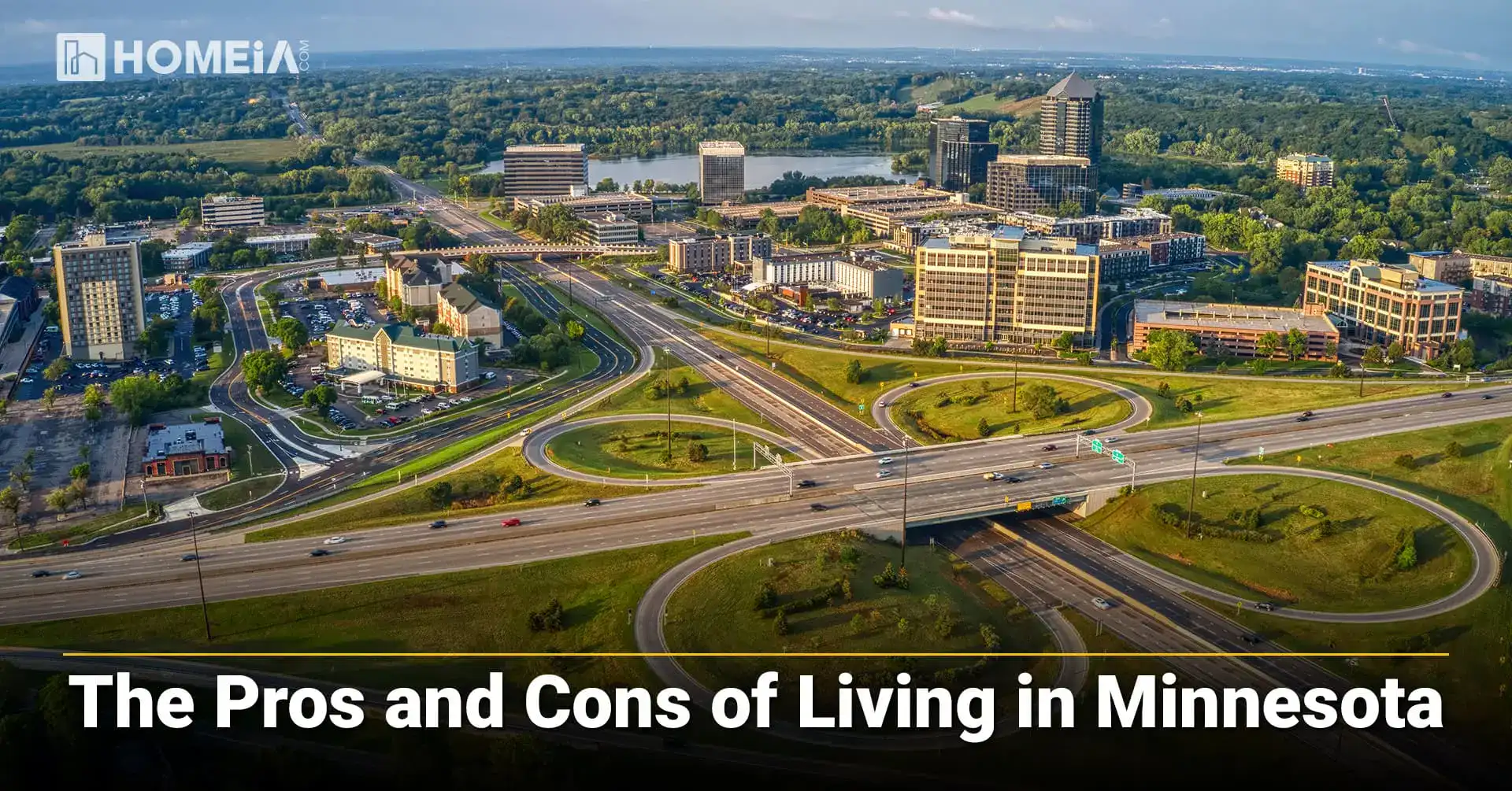

-
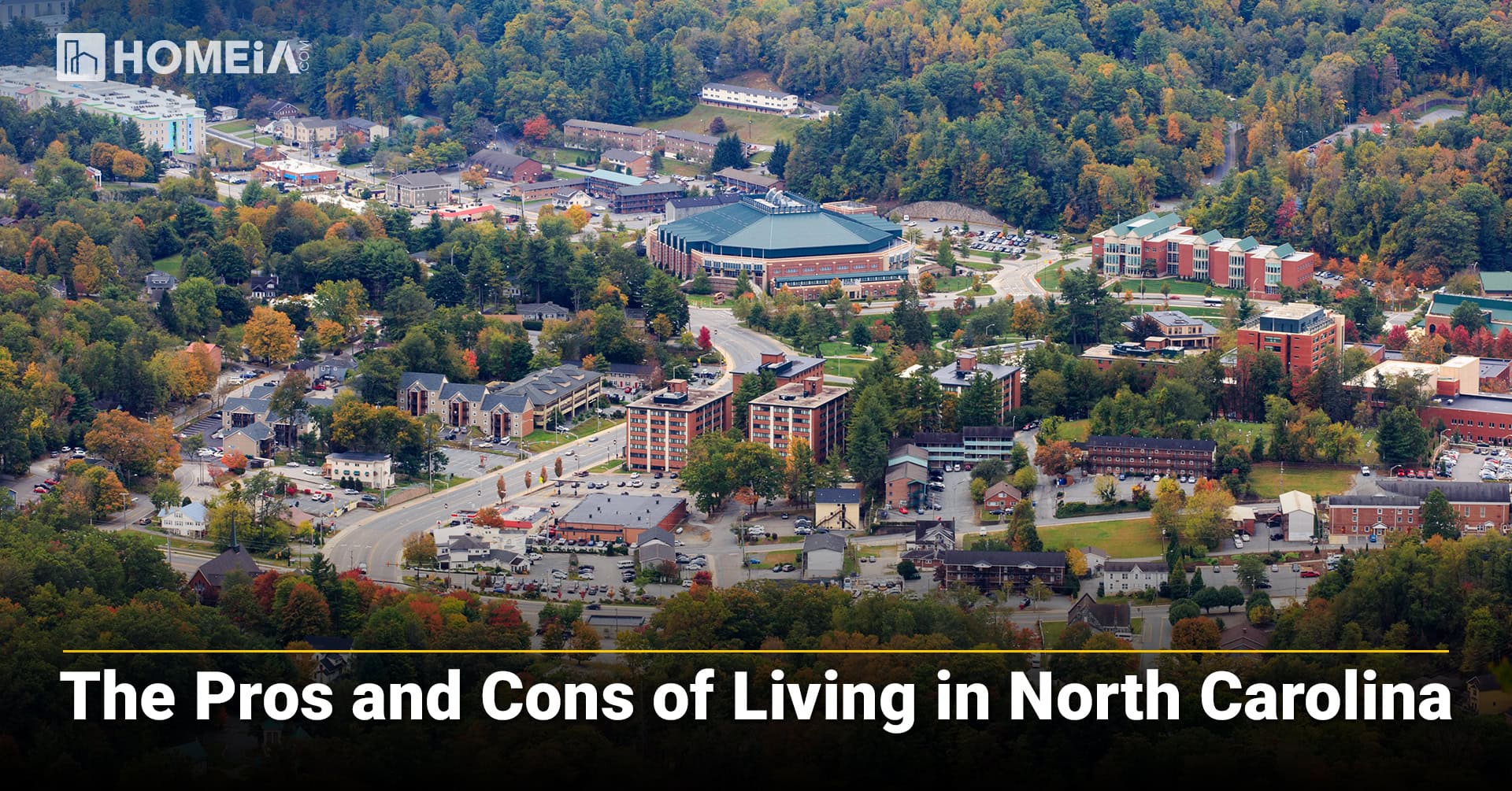
The Pros and Cons of Living in North Carolina
What does North Carolina have to offer? If you want one word to describe North Carolina, “varied” would be an excellent choice. Do you love the mountains or the beach? In this Southeastern state, you will find plenty of both.…
-
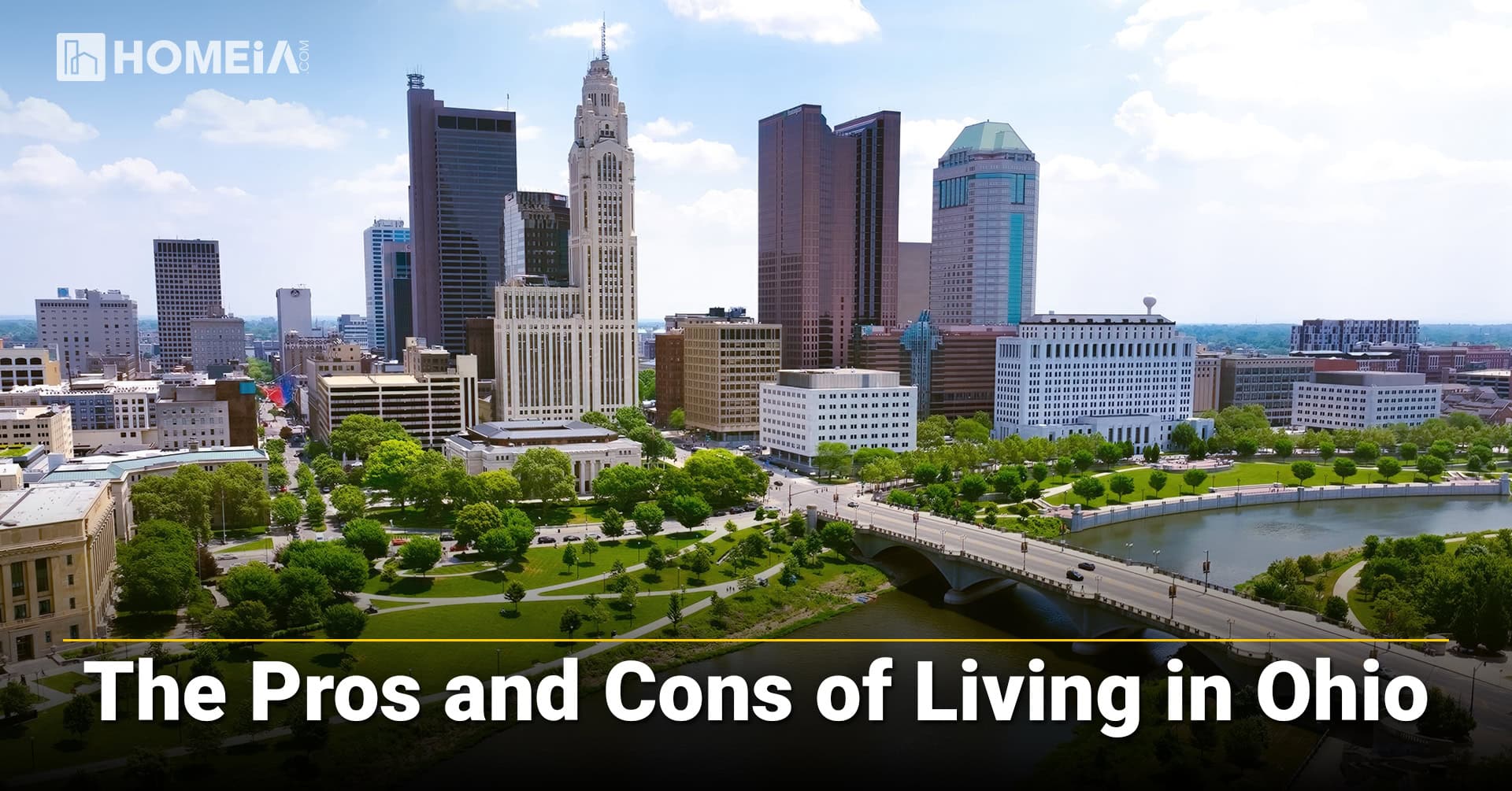
The Pros and Cons of Living in Ohio
On any given day in Ohio, you could find yourself in two completely different states of mind in a difference of an hour. One moment, you are looking at a beautiful view of snow-topped trees from a lookout point high…
-
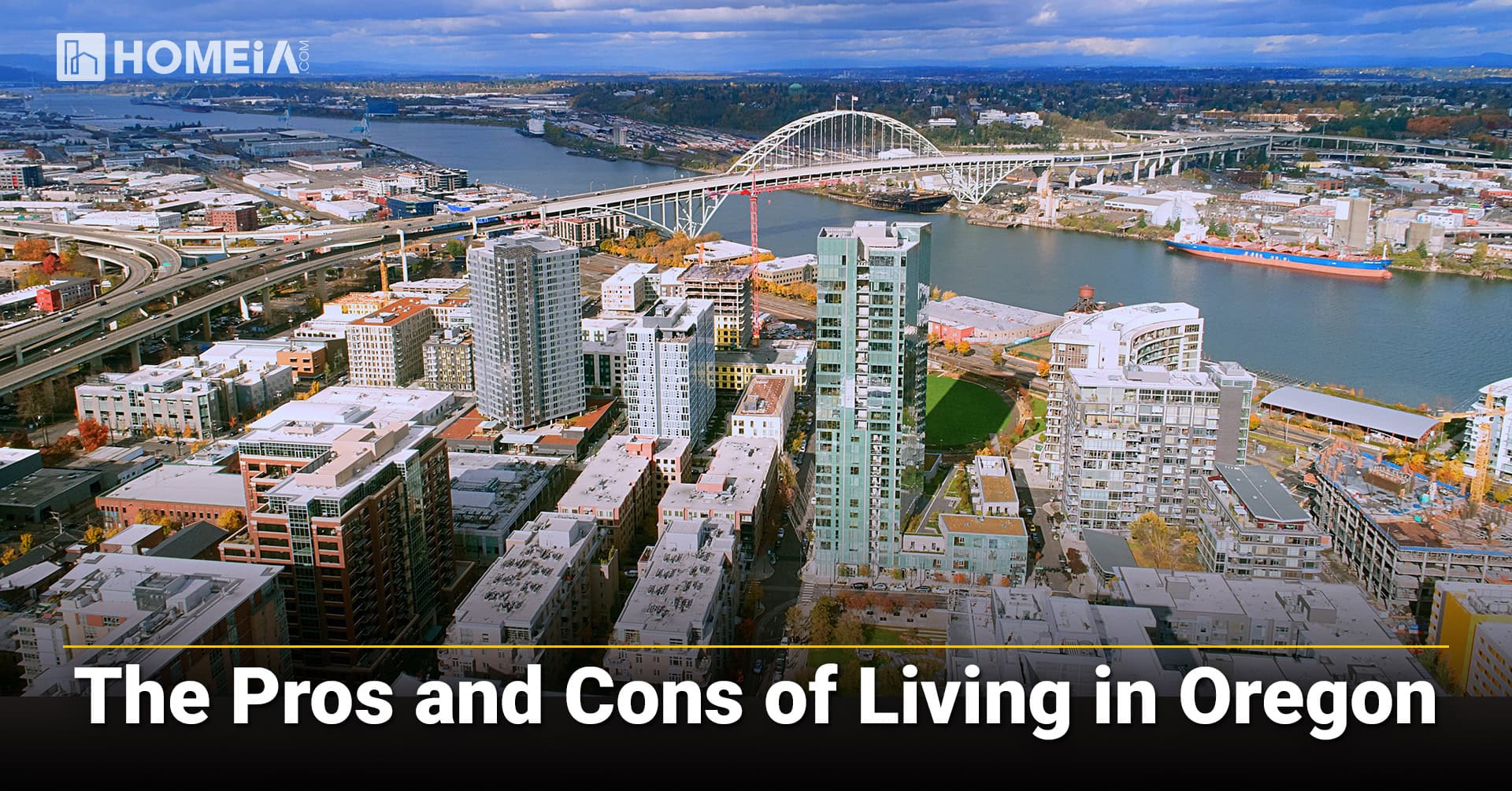
The Pros and Cons of Living in Oregon
Relocating to a new state requires careful consideration of both the state as a whole, as well as the specific community you'll join. Oregon offers stunning natural beauty, vibrant cities, and a progressive culture with options for all ages, budgets,…

-
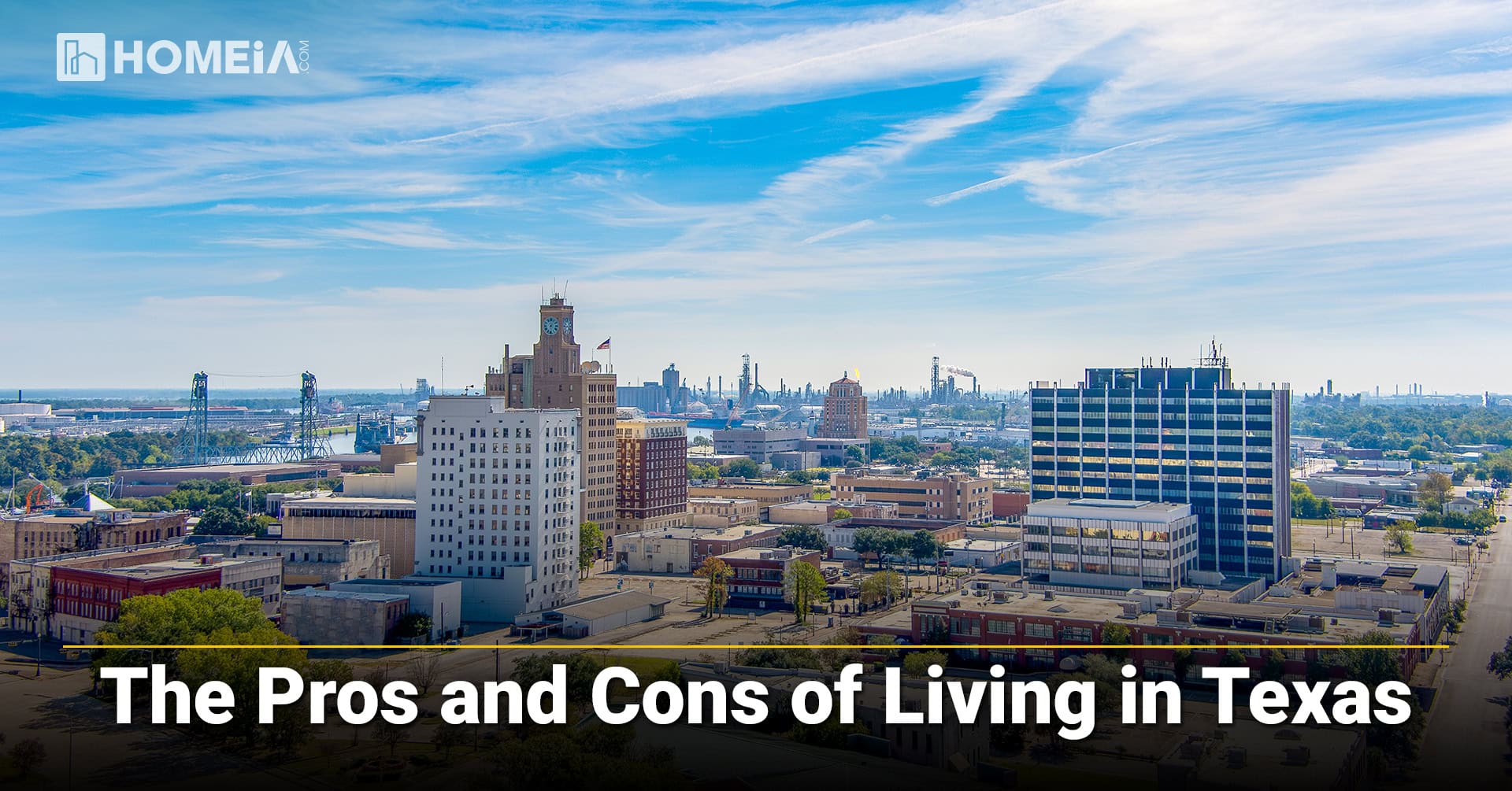
The Pros and Cons of Living in Texas
The Pros and Cons of Living in Texas: Howdy! Thinking about moving to the Lone Star State? You’re not alone. Moving to Texas is trending as the state continues to attract new residents with its economic opportunities, cultural vibrancy, affordable…
-
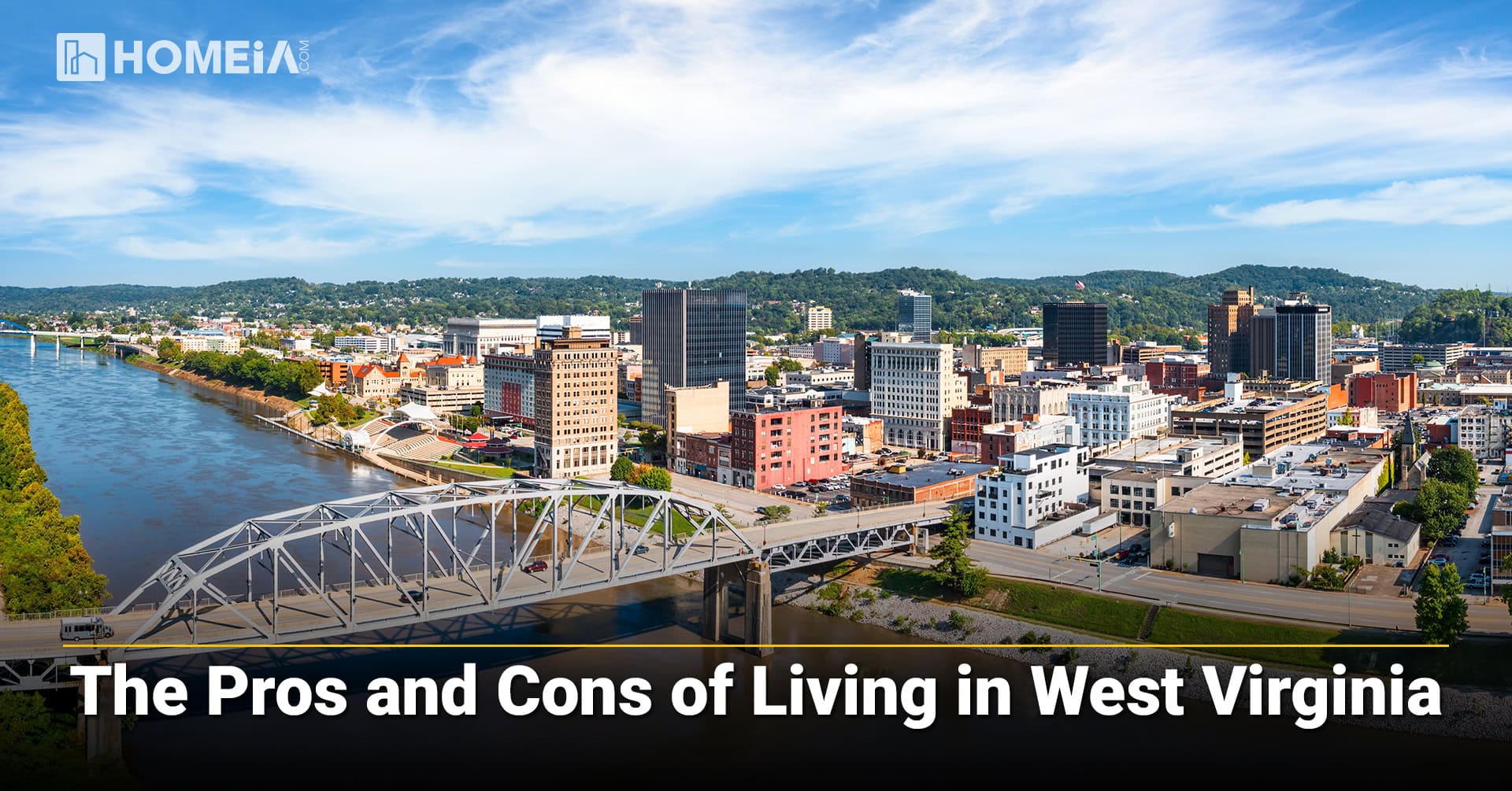
The Pros and Cons of Living in West Virginia
The Pros and Cons of Living in West Virginia: Relocating to West Virginia is a major decision requiring careful consideration of both the state's overall character and the communities you might call home. If you're considering moving to West Virginia,…
-
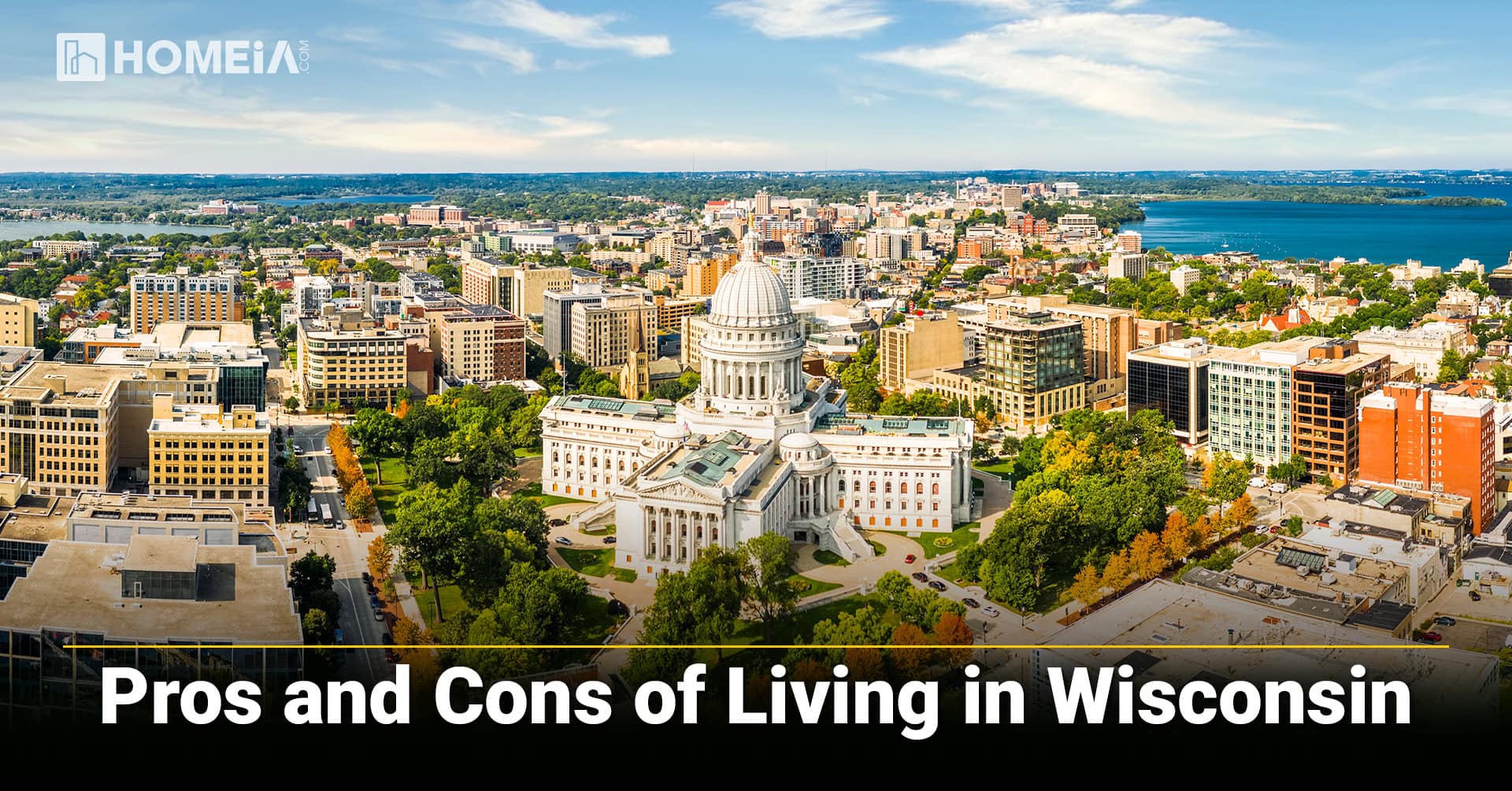
The Pros and Cons of Living in Wisconsin
Relocating to a new state requires careful consideration of both the state as a whole and the particular community you choose to reside in. With its diverse landscapes, vibrant cities, and friendly communities, Wisconsin offers solid options for everyone. Whether…