





Oregon
Living In Oregon
Local Editor(s)

 Verified


Table of Contents:
The Complete Guide to Cost of Living and Lifestyle
Oregon is a state of contrasts and possibilities. From old-growth rainforests and rugged Pacific coastlines to high-desert ranches and booming tech campuses, the Beaver State offers an extraordinary variety of landscapes and lifestyles. Its reputation for progressive politics, indie music, and world-class craft beer coexists with a deep tradition of logging, fishing, and farming. This guide explores what it costs to live here, the job market, climate, the best places to settle, and the attractions that make Oregon one of America’s most compelling states.
Key Takeaways
- Cost of living: Oregon’s cost-of-living index is about 111.8, roughly 12% above the U.S. average. Housing runs about 20% above national norms. The Census median home value is $477,600; Zillow’s current index sits at $494,577 (February 2026). Median rent is $1,525.
- Taxes: No state sales tax, but income taxes range from 4.75% to 9.9% and the effective property tax is around 0.78%. Oregon’s gas tax is 40 cents per gallon, and the current pump price of ~$4.98/gallon (AAA, April 2026) is among the highest in the nation.
- Jobs and wages: Oregon employment is projected to grow 6% by 2034, led by healthcare and construction. However, 2025 was a difficult year: Intel eliminated over 3,700 Oregon jobs, pushing the statewide unemployment rate to 5.4% — above the national average. Healthcare remains the bright spot, adding nearly 10,000 jobs.
- Climate diversity: Western Oregon has a mild, wet maritime climate; central and eastern Oregon are dry and continental. The state has warmed about 2.5°F since 1900. Coastal precipitation exceeds 100 inches annually; high-desert areas receive under 10 inches.
- Outdoor lifestyle: Crater Lake, Mount Hood, the Columbia River Gorge, Oregon Dunes, Painted Hills, Smith Rock, and Silver Falls provide year-round adventure for hikers, climbers, skiers, and surfers.


Related article
10 Most Affordable Places to Live in Oregon
Oregon’s many cities and towns each offer something different, depending on each person’s lifestyle and preferences. In the state’s more prominent cities, you’ll find bustling streets full of shops and events. The smaller towns offer a quiet, quaint ambiance with close-knit communities, while its rural areas present lakes, rivers, wildlife, and miles of open land.
1. Overview and Demographics

Oregon spans 98,379 square miles, home to approximately 4.25 million residents. Most of the population lives in the Willamette Valley between Portland and Eugene. Portland is the largest city and cultural heart; Salem is the state capital; Eugene, Bend, and Medford round out the major centers. The median household income is $83,011 and the per capita income is $45,612. About 11.9% of residents live below the poverty line, and roughly 63% of housing units are owner-occupied. Oregon is ethnically diverse: about 77% white, 14% Hispanic or Latino, 4% Asian, and 2% Black, with several Native American tribes maintaining reservations and cultural centers.
Oregon’s economy evolved from natural resources — timber, fishing, and agriculture — into high technology starting in the 1970s when companies like Tektronix and Intel built campuses in Washington County, creating the “Silicon Forest.” Agriculture remains vital; Oregon is a top producer of hazelnuts, berries, and wine grapes. Tourism and outdoor recreation generate billions annually, while healthcare has emerged as the state’s most stable employment sector.

Related article
The Pros and Cons of Living in Oregon
Explore the Pros and Cons of living in Oregon, from no sales tax and scenic beauty to rising housing costs. Learn about Oregon’s top cities, lifestyle options, and what to expect before relocating. Find out if this progressive, nature-filled state aligns with your goals…
2. Cost of Living

Living in Oregon costs more than in most U.S. states, primarily because of housing and transportation. The cost-of-living index is about 111.8, meaning prices run roughly 12% above the national average. Portland is about 7% pricier than the statewide average; mid-sized cities like Salem and Medford are slightly cheaper.
A. Housing: Housing is the largest expense. The Census ACS median owner-occupied home value is $477,600; Zillow’s Home Value Index for Oregon stands at $494,577 as of February 2026 (down 3.2% year-over-year as the market cools from pandemic highs). Median mortgage payments average about $2,157 per month; median gross rent statewide is $1,525. Portland commands the highest prices; Medford, Salem, and southern Oregon communities offer more accessible entry points.
B. Utilities, Food, and Transportation: Monthly household utility bills — energy, water, and telecoms — average about $648, slightly below national norms thanks to abundant hydropower keeping electricity rates low. Groceries run approximately 2% above national averages, with farmers’ markets and community-supported agriculture programs helping offset costs. Oregon’s transportation cost index is 17% above the national average, driven by high car insurance premiums, the 40-cent-per-gallon gas tax, and a statewide average pump price of approximately $4.98 per gallon (AAA, April 2026) — placing Oregon among the most expensive states for fuel. Portland’s TriMet light rail and bus system and active cycling infrastructure reduce transport costs for urban residents.
C. Healthcare and Taxes: Healthcare costs run about 10% above national averages. Portland is a regional medical hub; rural communities sometimes face provider shortages. Oregon’s Medicaid program (Oregon Health Plan) is nationally recognized for its coordinated care model. Childcare in urban areas can exceed $1,000 per month; smaller towns may offer options at half that rate.
D. Tax structure: Oregon levies no state sales tax — a meaningful daily saving. Income taxes are progressive from 4.75% to 9.9%, with a surcharge on high earners. Corporate tax rates run 6.6% to 7.6%. The effective property tax rate is about 0.78% of assessed value. Solar and renewable energy tax credits, EV rebates, and ADU income opportunities help offset the high income-tax burden for some residents.
Related article
The 10 Best Places to Live in Oregon
Oregon is a study in contrasts. It has 363 miles of the most breathtaking coastline you’ll encounter anywhere in the world. But it also has dense forests, mountain ranges, and high desert country. Here’re the 10 Best Cities to Live in Oregon…
3. Job Market and Economy

Oregon’s economy has historically outperformed the national average, but 2025 was a difficult year driven largely by a crisis in the semiconductor sector. The statewide unemployment rate climbed to 5.4% in 2025 — above the national rate of approximately 4.3% and the highest level since the post-COVID recovery — driven primarily by mass layoffs at Intel.
A. Intel’s restructuring: At its peak, Intel employed around 23,000 Oregonians at its Hillsboro and Aloha campuses. In 2025 alone, the company eliminated more than 3,700 Oregon positions across two major rounds of cuts, reducing its Oregon workforce to approximately 18,000. These layoffs made Oregon the state with the third-highest unemployment rate nationally for a period, behind California and Nevada. Intel remains an important employer and anchor for the state’s semiconductor ecosystem, but the scale of these cuts reshapes the local job landscape.
B. Employment projections and growth sectors: Despite the 2025 headwinds, the Oregon Employment Department’s long-range outlook remains positive: total employment is projected to grow by 141,000 jobs (6%) between 2024 and 2034. Healthcare and social assistance leads the way, adding about 40,400 jobs — a 13% increase. Construction and professional services are expected to grow around 10%. In 2025, healthcare added nearly 10,000 jobs, offsetting losses elsewhere.
C. Major employers: Providence Health & Services is Oregon’s largest private employer, with about 21,000 employees. Other major employers include Nike (world headquarters in Beaverton), Columbia Sportswear, Daimler Trucks North America, Kaiser Permanente, Oregon Health & Science University, and the state government. Central Oregon has become a hub for outdoor gear companies like Hydro Flask and Metolius Climbing. Agriculture and forestry remain vital in rural counties, producing timber, grain, wine grapes, and blueberries.
Recommended for you




4. Climate and Geography

Oregon has one of the most diverse climates in the United States. Western Oregon, including the coast and Willamette Valley, has a maritime climate: mild winters, cool summers, and abundant rain from October through May. The Cascades block Pacific moisture, creating arid conditions east of the mountains; some desert areas receive fewer than 10 inches of rain annually versus more than 100 inches along the coast. Temperatures across the state have risen roughly 2.5°F since 1900, and wildfire seasons have grown longer and more intense.
Natural hazards require awareness. The Cascadia Subduction Zone poses the risk of major earthquakes and tsunamis along the coast. Winter storms bring heavy mountain snow and occasional Willamette Valley ice storms. Summer wildfire smoke — Portland recorded hazardous air quality during the 2020 and 2023 fire seasons — is an increasingly common feature of the warmer months. These realities shape daily life but are manageable with preparation. In return, residents enjoy year-round outdoor access that few states can match.

Related article
7 Best Small and Safe Towns to Live in Oregon
If you like your west a little less wild, let these Oregon towns sit at the top of your list. Each marks a unique pocket of Oregon, holding a unique culture, history, and landscape…
5. Best Places to Live in Oregon

Oregon’s cities and towns suit vastly different budgets and lifestyles. The table below summarizes key options; figures are approximate and vary by neighborhood.
| City | Pop. | Median Home | Median Rent | Highlights |
| Portland | 635,000 | $546K (Zillow) | $1,800+ | State’s largest city; Intel/Nike nearby; TriMet transit; vibrant arts and food scene |
| Salem | 180,000 | $425K | $1,500 | State capital; Willamette University; Silver Falls SP nearby; quieter pace |
| Eugene | 180,000 | $450K | $1,600 | Univ. of Oregon; TrackTown USA; strong bike network; Coast Range access |
| Bend | 108,000 | $600K+ | $2,000 | High-desert playground; skiing, biking, paddling; remote-worker magnet; high costs |
| Medford | 89,000 | $400K | $1,400 | Rogue Valley; Crater Lake access; mild climate; healthcare and agriculture economy |
| Corvallis | 61,000 | $425K | $1,550 | Oregon State Univ.; research and ag jobs; highly educated; bike-friendly |
| Hood River | 8,500 | $600K | $1,900 | Columbia Gorge windsurfing; cideries; orchards; costly and limited inventory |
Sources: Zillow ZHVI (Feb 2026) for Portland; other values from Census ACS estimates and local market reports
Beyond these centers, Ashland (home of the Oregon Shakespeare Festival), McMinnville (Willamette Valley wine country), and La Grande (eastern Oregon college town) offer distinct culture at lower price points. When comparing cities, weigh job availability, school quality, commute times, and wildfire or flood risk for your specific neighborhood.

Related article
Moving to Washington, DC: The Complete Relocation Guide & Checklist
This Washington, DC moving guide covers cost of living, job market, and top neighborhoods like Georgetown, Capitol Hill, Dupont Circle, and Adams Morgan. Whether you’re drawn to history, politics, or culture, it helps you plan wisely—offering essential tips for logistics and finding the perfect place to call home…
6. Things to Do and See

A. Crater Lake and Mount Hood
- Crater Lake National Park: At 1,949 feet, Crater Lake is the deepest lake in the United States, formed in the collapsed caldera of ancient Mount Mazama. The caldera rim sits between 7,000 and 8,000 feet, and annual snowfall can exceed 900 inches, keeping the water remarkably clear and intensely blue. Visitors drive the Rim Drive, hike to Watchman Peak, or take summer boat tours to Wizard Island.
- Mount Hood: Oregon’s highest peak at 11,239 feet hosts 11 glaciers and six ski areas; Timberline Lodge provides year-round skiing. Summer hikers explore alpine meadows and pristine lakes. On clear days Mount Hood is visible from Portland, 50 miles west.
B. Columbia River Gorge and Coast
- Columbia River Gorge: This 80-mile canyon reaches up to 4,000 feet deep and is the only sea-level passage through the Cascades. More than 90 waterfalls cascade from its walls, including Multnomah Falls, which plunges 620 feet in two tiers and draws over two million visitors annually. Hood River is the epicenter of windsurfing and kiteboarding.
- Oregon Coast: Haystack Rock at Cannon Beach rises 235 feet above the surf, hosts nesting puffins, and is protected as a Marine Garden. The Oregon Dunes National Recreation Area stretches 40 miles between Florence and Coos Bay, protecting 31,500 acres of temperate sand dunes; one of the largest on earth.
C. Interior Oregon Highlights
- Painted Hills and John Day Fossil Beds: Layers of yellow, gold, black, and red volcanic clay make the Painted Hills one of Oregon’s most surreal landscapes. The 13,944-acre John Day Fossil Beds National Monument has yielded fossils of more than 100 mammal species and 40,000 plant specimens.
- Smith Rock and Silver Falls: Smith Rock State Park’s 652 acres of cliffs and spires offer over 2,000 bolted climbing routes and attract roughly 747,000 visitors annually. Silver Falls State Park, the “crown jewel” of Oregon’s park system, covers 9,200 acres and its Trail of Ten Falls passes behind waterfalls including South Falls, which drops 177 feet.

Related article
10 Cheapest Places to Live in California
We assessed the cost of living across Californian cities and compared them to the national average. The cost of living is calculated based on 5 main categories: housing, food, healthcare, transportation and energy. Based on these calculations, we narrowed down the list to California’s 10 most affordable cities…
7. Pros and Cons

Pros
- Natural beauty and recreation: Few states rival Oregon’s diversity — rugged coastline, volcanoes, ancient forests, deserts, and vineyards all within a few hours’ drive.
- No sales tax: Oregonians pay no state or local sales tax, generating real savings on large purchases and offsetting some of the income-tax burden.
- Healthcare growth: Even during 2025’s difficult job market, healthcare added nearly 10,000 jobs. Long-range projections show continued strength in this sector.
- Progressive policies: Vote-by-mail, urban growth boundaries protecting farmland, renewable energy targets, and broad Medicaid coverage appeal to many residents.
- Culinary and arts scene: Portland’s food carts, craft breweries, and music venues, combined with small-town festivals and farmers’ markets statewide, give Oregon a rich cultural texture.
Cons
- High housing costs: Home prices in Portland, Bend, and Hood River far exceed national medians. The Zillow statewide value of $494,577 leaves affordability challenging for first-time buyers.
- Rising unemployment: Oregon’s rate climbed to 5.4% in 2025 — above the national average — driven by Intel’s mass layoffs and broader semiconductor-sector declines. Job seekers should research their specific sector carefully.
- High income taxes and gas prices: Income taxes up to 9.9% and gas prices near $5/gallon (April 2026) make Oregon one of the more expensive states for earners and drivers.
- Wildfire and smoke: Longer, more intense fire seasons produce hazardous air quality that can linger for weeks, particularly in rural areas and eastern Oregon.
- Gray winters in the west: Portland averages over 150 rainy days per year. Seasonal affective disorder is common, and sunny days are rare from November through March.
- Earthquake risk: The Cascadia Subduction Zone could generate a major earthquake and tsunami. Older home retrofits can be costly, and coastal communities require extra preparedness.
Conclusion
Living in Oregon means embracing diversity, in landscape, economy, and weather. The state’s natural beauty and outdoor culture are almost unparalleled: ski a volcano in the morning, hike behind a waterfall after lunch, watch the sunset over wind-carved dunes at dusk. Housing and income taxes are higher than in most states, and the absence of a sales tax only partially compensates. The 2025 jobs story was sobering, with Intel’s mass layoffs pushing unemployment above the national average for the first time in years; something anyone considering a move should factor into their planning.
That said, long-range employment projections remain positive, healthcare is growing strongly, and Oregon’s quality of life continues to draw residents from across the country. Whether you’re drawn to Portland’s cultural buzz, Bend’s high-desert playground, the Willamette Valley’s wine country, or the remote charm of eastern Oregon, careful planning will help you make the most of the Beaver State.
Recommended for you




FAQs About Living in Oregon
1. Is Oregon affordable compared with nearby states?
Oregon’s cost-of-living index of 111.8 is higher than Idaho (~99) and similar to Washington (~114). Housing is the biggest driver; Portland’s prices rival Seattle’s, while smaller Oregon cities are more accessible. The absence of a sales tax helps with everyday purchases, but gas near $5/gallon (April 2026) and income taxes up to 9.9% can offset that advantage for many households.
2. How is the job market in Oregon right now?
2025 was a challenging year. Intel eliminated over 3,700 Oregon positions, pushing statewide unemployment to 5.4% — above the national average. Manufacturing and semiconductor jobs fell sharply. Healthcare was the clear bright spot, adding nearly 10,000 jobs. Long-range projections from the Oregon Employment Department show 6% employment growth through 2034, but anyone moving for tech or manufacturing work should research specific companies and sectors carefully before relocating.
3. What are Oregon’s signature natural attractions?
Oregon’s public lands are exceptional. Crater Lake (1,949 feet deep, the deepest lake in the U.S.) anchors the south; Mount Hood (11,239 feet, year-round skiing) and the Columbia River Gorge (90+ waterfalls, including the 620-foot Multnomah Falls) define the north. On the coast, Haystack Rock and the 40-mile Oregon Dunes are iconic. Inland, the Painted Hills and Smith Rock State Park (2,000+ climbing routes, 747,000 annual visitors) round out a recreation portfolio that most states simply cannot match.
4. What taxes will I pay living in Oregon?
Residents pay a progressive income tax ranging from 4.75 % to 9.9 % and property taxes averaging 0.78 % of assessed value. There is no sales tax, but gasoline is taxed at 40 cents per gallon. Certain municipalities impose transit or arts taxes. Electric vehicle rebates and solar tax credits can reduce tax liability for some homeowners.
5. How strong is the job market and what are the biggest employers?
Oregon’s employment base is projected to grow by 6 % between 2024 and 2034, led by health care, social assistance and construction. Providence Health & Services is the largest private employer with about 21,000 workers. Intel and other tech companies anchor the high-tech sector, while Nike, Columbia Sportswear and Daimler Trucks provide manufacturing and design jobs.
Local Editor(s)
-
10 Most Affordable Places to Live in Oregon
Oregon is known for its lush green landscapes, outdoor recreation, vibrant arts scene, and delectable cuisine. Its mountains, beaches, forests, and urban areas provide a wide range of activities and…
-
The Pros and Cons of Living in Oregon
Relocating to a new state requires careful consideration of both the state as a whole, as well as the specific community you'll join. Oregon offers stunning natural beauty, vibrant cities,…
-

The 10 Best Places to Live in Oregon
Oregon is a study in contrasts. It has 363 miles of the most breathtaking coastline you'll encounter anywhere in the world. But it also has dense forests, mountain ranges, and…
-
7 Best Small and Safe Towns to Live in Oregon
In the 80’s, Oregon’s larger-than-life Governor Tom Mcall famously quipped: “We want you to visit our state…But for heaven’s sake, don’t move here to live. Or if you do have…
-
3 Most Affordable Neighborhoods to Live in Seattle, Washington
Seattle, Washington offers a unique blend of natural beauty, vibrant culture, and economic opportunity, making it a standout city in the Pacific Northwest. The city is home to over 700,000…
Related Topics







-
The Pros and Cons of Living in Texas
Howdy! Thinking about moving to the Lone Star State? You’re not alone. Moving to Texas is trending as the state continues to attract new residents with its economic opportunities, cultural vibrancy, affordable cost of living, and distinctive lifestyle. Relocating to…
-
The Pros and Cons of Living in Tennessee
People have been migrating to the South at an unprecedented rate in recent years, making it the leading region for population growth in the United States. This historic pattern of migration is driven by a complex range of factors, including…
-
The Pros and Cons of Living in South Carolina
The small southern state of South Carolina is experiencing a growth spurt. According to data released by the U.S. Census Bureau, three states —Florida, Georgia, and South Carolina —saw tremendous population growth in the years during and following the pandemic.…

-
The Pros and Cons of Living in North Carolina
What does North Carolina have to offer? If you want one word to describe North Carolina, “varied” would be an excellent choice. Do you love the mountains or the beach? In this Southeastern state, you will find plenty of both.…
-
The Pros and Cons of Living in New York
Relocating to a new state requires careful consideration of both the state as a whole and the specific community you'll join. New York offers a state of extremes—home to the world's most iconic city, vibrant upstate towns, and breathtaking natural…
-
The Pros and Cons of Living in New Jersey
Considering a move to New Jersey? The Garden State offers a dynamic mix of urban energy, coastal charm, and suburban comfort. Home to nearly 9 million residents, New Jersey features vibrant cities, peaceful towns, stunning beaches, dense forests, and cultural…
-
The Pros and Cons of Living in Illinois (updated)
Relocating to a new state requires careful consideration of both the state as a whole and the specific community you'll join. If you're considering Illinois, you'll find a state home to vibrant cities, charming small towns, and a diverse mix…
-

The Pros and Cons of Living in Florida
Relocating to a new state is a big move – pun intended! – and requires careful consideration of both the state as well as the specific community you're thinking to join. If you're considering Florida, you're in luck; the Sunshine…
-
The Pros and Cons of Living in Denver, Colorado
Looking for stellar public schools, world-class ski resorts, and a thriving city all in one spot? Denver, Colorado, may be the place for you. The Mile High City offers a unique blend of outdoor adventure, economic opportunity, and urban convenience.…
-
Pros and Cons of Living in Georgia
Relocating to a new state is a significant decision, one that requires thoughtful consideration of both the state as a whole and the specific community you're considering. If you're thinking about moving to Georgia, you'll find the Peach State offers…
-
The Pros and Cons of Living in Wyoming
When picturing Wyoming, what comes to mind are vast open plains, majestic mountain ranges, and a pioneering spirit. But here extends even further; sitting instead is a place where rugged independence, outdoor adventure, and low taxes define everyday living. Yet,…
-
The Pros and Cons of Living in Washington
When picturing Washington State, what crosses one’s mind are lush evergreen forests, majestic mountains, and the tech hub of Seattle. But the PNW offers more than that; here lies a place where natural beauty, economic opportunity, and progressive values define…
-
The Pros and Cons of Living in Rhode Island
When picturing Rhode Island, what comes to mind are historic colonial architecture, breathtaking coastline, and being the smallest state in the nation. But Little Rhody offers more than New England clichés; here lies a place where rich maritime heritage, vibrant…
-
The Pros and Cons of Living in Pennsylvania
When considering the best places to live in Pennsylvania, you might think of the iconic Liberty Bell in Philadelphia, the rolling farmland of Lancaster County, autumn hikes in the Poconos, or the energy of a Steelers game in Pittsburgh. All…
-
The Pros and Cons of Living in North Dakota
When picturing North Dakota, imagery commonly associated are vast prairies, oil fields, and harsh winters. But the Peace Garden State offers more than Midwestern stereotypes; here lies an area where flourishing communities, economic opportunity, and affordable living define everyday life.…

-
The Pros and Cons of Living in Nevada
When picturing Nevada, what comes to mind are glittering casinos, vast desert landscapes, and the 24-hour energy of Las Vegas. But the 36th state offers more than entertainment clichés; tax advantages, outdoor recreation, and economic opportunity define everyday living. Yet,…
-
The Pros and Cons of Living in Montana
When picturing Montana, what comes to mind are vast mountain landscapes, pristine wilderness, and the spirit of the American West. But the Treasure State offers even more; here lies a place where outdoor adventure, tight-knit communities, and breathtaking natural beauty…
-
The Pros and Cons of Living in Missouri (updated)
When picturing Missouri, what comes to mind are rolling hills, the mighty Mississippi River, and the Gateway Arch. But here offers more than Midwestern clichés; here lies a place where affordability, central location, and diverse landscapes define everyday living. Yet,…

-
The Pros and Cons of Living in Iowa
When picturing Iowa, what comes to mind are vast cornfields, rolling hills, and an established agricultural heritage. But the Hawkeye State offers more than what you see on a farm; here lies a place where strong communities, affordable living, and…
-

The Pros and Cons of Living in Indiana (2026)
When picturing Indiana, what comes to mind are rolling farmlands, basketball hoops, and the iconic Indianapolis 500. But the Hoosier State offers more than Midwestern clichés; here lies a place where affordability, tight communities, and an ideal central location define…
-
The Pros and Cons of Living in Idaho
When picturing Idaho, many envision snow-capped mountains, pristine lakes, and the iconic Snake River Canyon. Yet there's far more to Idaho than its postcard scenery. If you're considering a move, you'll find a state celebrated for its rugged beauty, expanding…


-
The Pros and Cons of Living in Colorado
More than half of Colorado residents are transplants. If you do relocate to the Centennial State, don’t be surprised when the “natives” give you a hard time. Whether you settle along the Front Range or the Western Slope, you’ll enjoy…
-

The Pros and Cons of Living in Ave Maria, Florida
When picturing Ave Maria, what comes to mind are stunning basilica, perfectly manicured neighborhoods, or apricity from the Florida sun. However, this unique town offers far more; a blend of master-planned community living, deeply-rooted family values, rapid growth, and peaceful,…
-
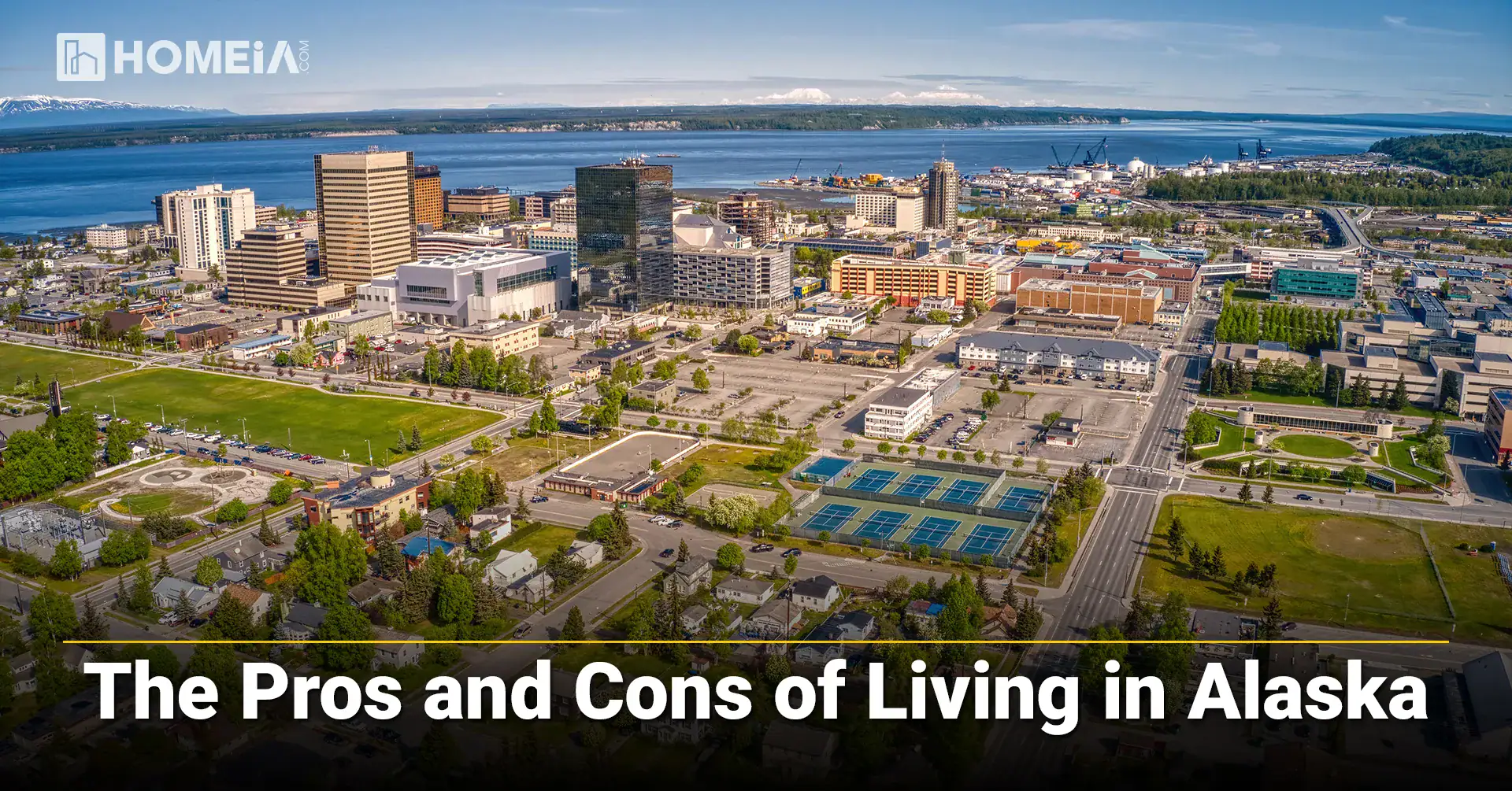
The Pros and Cons of Living in Alaska
When picturing Alaska, many think of vast, untamed wilderness, towering glaciers, and the mesmerizing Northern Lights. But look beyond the dramatic scenery of the 49th state; here lies a place where self-reliance, adventure, and a powerful sense of community define…