





Living In South Carolina
Local Editor(s)

 Considering


 Verified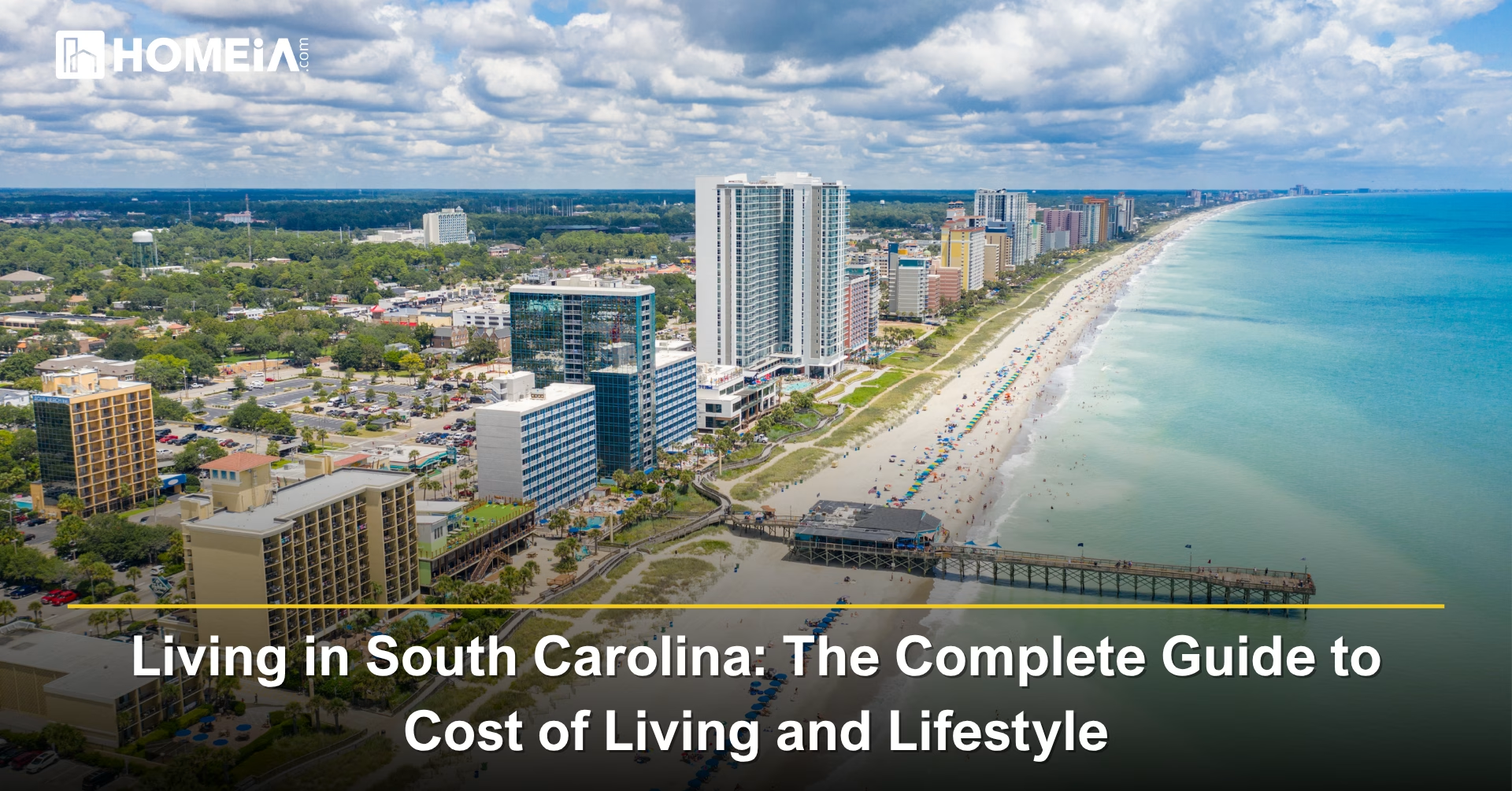
The Complete Guide to Cost of Living and Lifestyle
Living in South Carolina: SC often called the Palmetto State, stretches from wind-whipped Atlantic beaches to pine-covered foothills in the Blue Ridge. Locals recount stories on front porches and celebrate traditions like shrimp boils and shag dancing. A comfortable climate, diverse economy, and laid-back pace have attracted retirees, remote workers, and young families. This living in South Carolina guide breaks down housing, utilities, taxes, salaries, and weather to help you decide whether SC fits your lifestyle and budget. Or you can learn more here why South Carolina is America’s #1 Relocation Destination.
Key Takeaways
- Affordable living: The Census median value of owner-occupied homes is about $259,000, and the Zillow Home Value Index stands at $304,094 (February 2026). The overall cost-of-living index is approximately 96.1, several points below the national benchmark.
- Economy and jobs: Unemployment was 4.8% in December 2025, above the national average. Major employers include BMW, Michelin, Boeing, Prisma Health, and Clemson University. Tourism alone generates $14 billion annually in Charleston and draws 17 million visitors to Myrtle Beach each year.
- Sunshine and scenery: The humid subtropical climate delivers mild winters and long, warm summers. Residents enjoy the 60-mile Grand Strand, Hilton Head’s beaches, Congaree National Park, and Table Rock State Park in the Upstate.
- Tax advantages: No state estate tax as Social Security is exempt from state income tax. The effective property tax rate is only 0.47%, among the nation’s lowest. The top income tax rate was temporarily reduced to 6.0% (July 2025 through June 2026).


Related article
7 Cheapest Places to Live in South Carolina
South Carolina offers an affordable lifestyle with low property taxes, living costs below the national average, and access to coastal charm and growing job markets. However, affordability varies widely across communities. This guide highlights seven budget-friendly cities and towns where residents can balance housing costs, quality of life, and long-term financial stability…
1. Overview of South Carolina
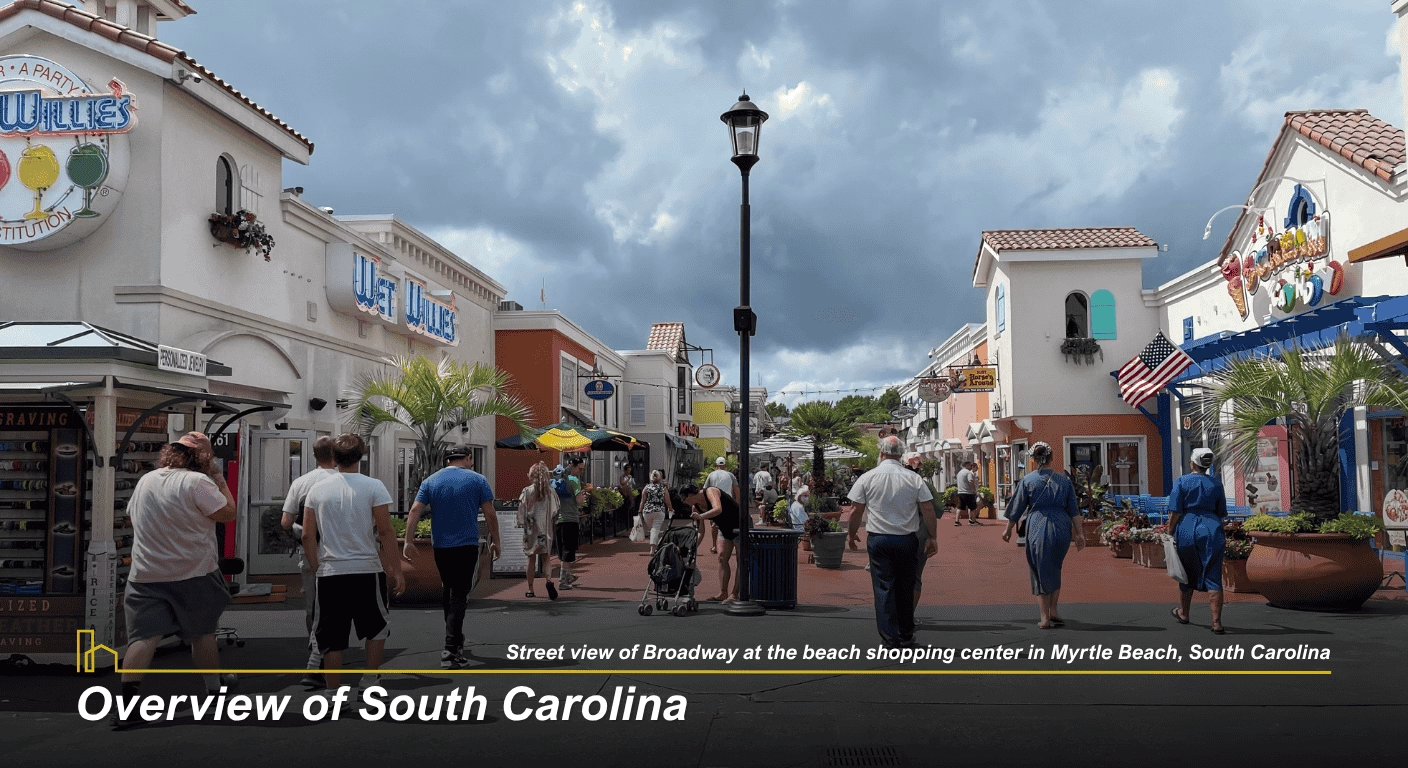
South Carolina’s population is around 5.5 million, reflecting steady growth as newcomers discover its coastal appeal and affordability. About 72% of residences are owner-occupied. The median household income is $69,324 and per-capita income is $39,236, though earnings vary by industry and region. More than 14% of residents live below the poverty line, reflecting economic disparities between booming metros like Charleston and Greenville and rural inland counties.
Taxes are competitive. Here levies a graduated income tax from 0% to 6.0% (top rate temporarily reduced July 2025 through June 2026, when it is scheduled to revert to 6.2%), a corporate income tax of 5%, and a 6% state sales tax with local options pushing the combined average to about 7.49%. The effective property tax rate of 0.47% is among the nation’s lowest. There is no estate or inheritance tax, and Social Security benefits are fully exempt from state income tax.
Economic opportunities are diverse and growing. The Port of Charleston anchors a large logistics sector, while BMW, Michelin, Boeing, and Mercedes-Benz operate major manufacturing plants. Healthcare systems, notablyPrisma Health and Spartanburg Regional, employ tens of thousands. Tourism is a powerhouse as Myrtle Beach welcomes 17 million visitors annually, and Charleston’s historic district draws 7.89 million visitors and generates $14 billion in tourism spending, supporting more than 55,000 jobs.

Related article
3 Most Affordable and Safe Neighborhoods to Live in Columbia, South Carolina
Columbia, SC offers neighborhoods like Forest Acres, Rosewood, and Shandon that combine affordability, safety, and unique character. With strong community pride, accessible urban amenities, and reasonable housing costs, these areas appeal to families, professionals, and retirees alike, making Columbia a welcoming and practical choice for residents at every stage of life…
2. Cost of Living
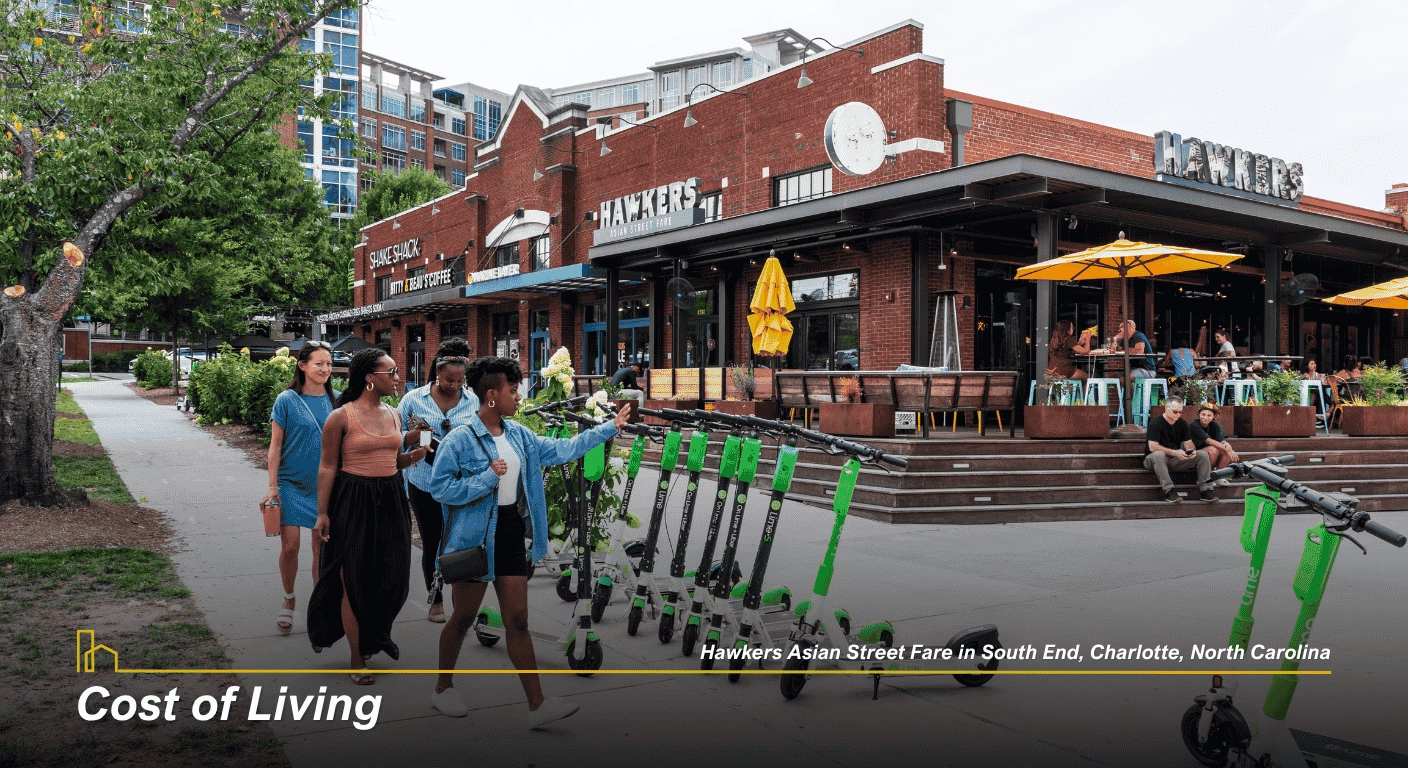
The Iodine State offers an appealing balance of affordability and coastal lifestyle. The Bureau of Economic Analysis calculates per-person annual spending at about $49,000. ConsumerAffairs rates the overall cost-of-living index at 96.1, several points below the national average. The table below summarises typical costs. For a national comparison, see our list of the most affordable cities to live in the US.
| Category | Typical Cost | Notes |
| Housing (mortgage) | $1,529/month with loan; $448 without | Median monthly owner costs 2024 |
| Rent | $1,008–$1,864/month | Studio to five-bedroom; median gross rent ~$1,084 |
| Utilities | ~$384/month | Electricity $145; gas $96; internet/cable $122; water $18 |
| Groceries | ~$350/person/month | Based on BEA food & beverage spending data |
| Transportation | $10,447–$17,554/year | Gas ~$3.85/gal (AAA Apr 2026); car essential outside cities |
| Healthcare | $6,677/person/year | Employer plans vary; employees contribute a portion |
| Child care | $741–$1,138/child/month | Higher for infants; lower for school-age children |
| Taxes | Income 0%–6.0% (top rate Jul 2025–Jun 2026); sales 6% state / 7.49% avg combined; property 0.47% | No estate tax; Social Security exempt |
Sources: U.S. Census ACS 2024; BEA; SoFi; Zillow ZHVI Feb 2026; AAA April 2026
A. Housing: Housing is most families’ largest expense and the state’s strongest value proposition. The Census ACS median value of owner-occupied homes is $259,000, and the Zillow Home Value Index stands at $304,094 as of February 2026, up a modest 0.2% year-over-year. The Redfin median sale price was $376,300 in February 2026, reflecting the spread between the market’s lower-priced inland markets and premium coastal areas. This still compares favourably to the national median of almost $446,000. Mortgage holders pay a median monthly cost of $1,529, while owners without a mortgage spend roughly $448 in taxes, insurance, and maintenance.
Renters also benefit from modest rates. Median rents range from $1,008 for a one-bedroom to $1,864 for a five-bedroom home, with the median gross rent statewide around $1,084. Charleston and Mount Pleasant command premium rents, while Columbia, Spartanburg, and inland towns remain accessible.
B. Utilities and Transportation: Utility bills are moderate but rise during steamy summers. Households spend about $145 per month on electricity, $96 on natural gas, $122 on internet and cable, and $18 on water, for a total of roughly $384. Transportation costs range from $10,447 to $17,554 per year, including car payments, insurance, and fuel. Gas averaged approximately $3.85 per gallon in South Carolina (AAA, April 2026), well above the $2.78 per gallon seen a year prior and reflecting global supply disruptions. This is a necessary expense as a personal vehicle is essential outside of a few urban corridors.
Related article
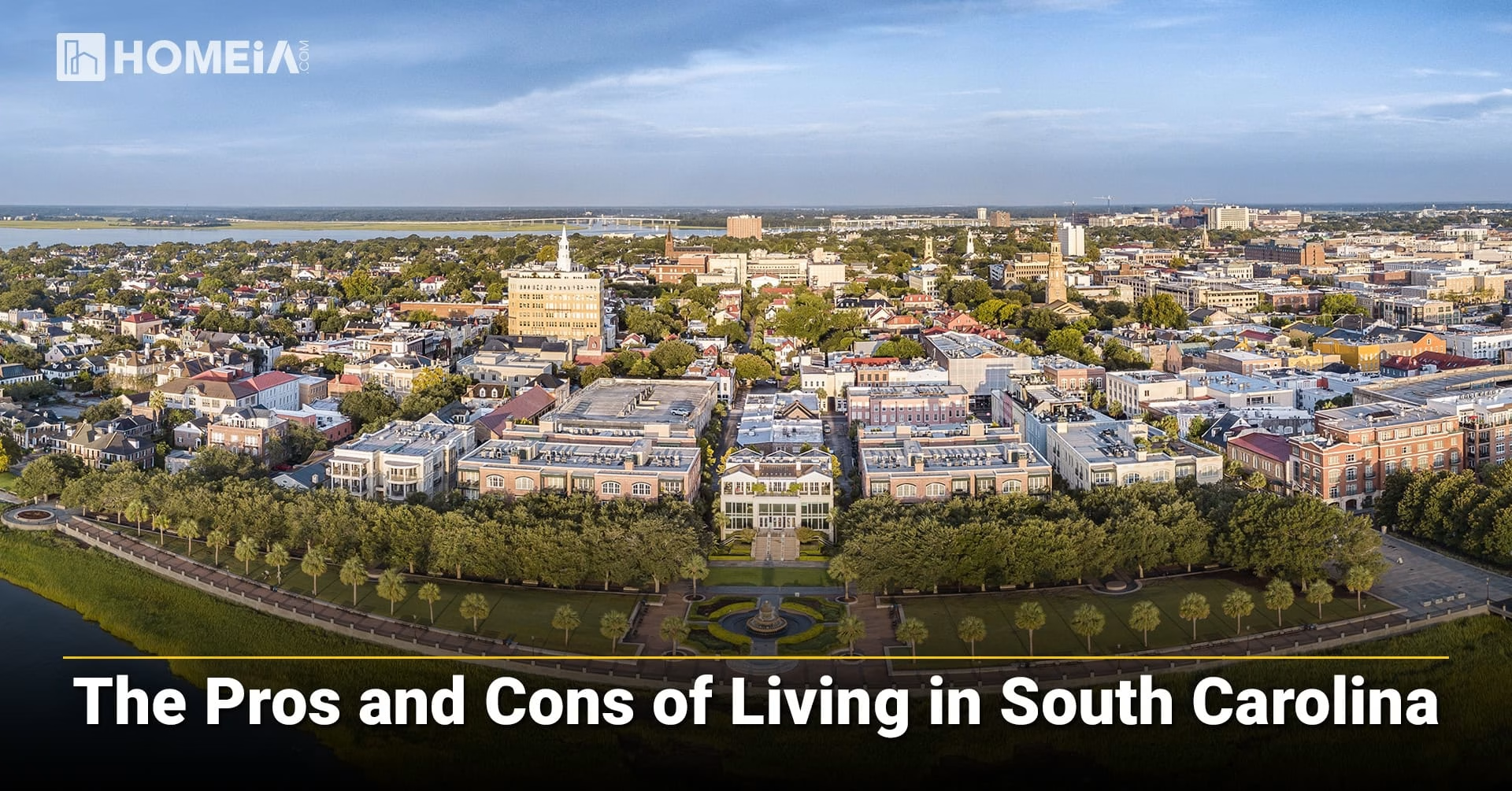
The Pros and Cons of Living in South Carolina
South Carolina offers more than coastal charm and Lowcountry scenery. From Charleston to Summerville and Hilton Head Island, the state combines economic growth, favorable taxes, and warm weather. This guide explores the real advantages and trade-offs of living in the Palmetto State.
3. Job Market and Economy
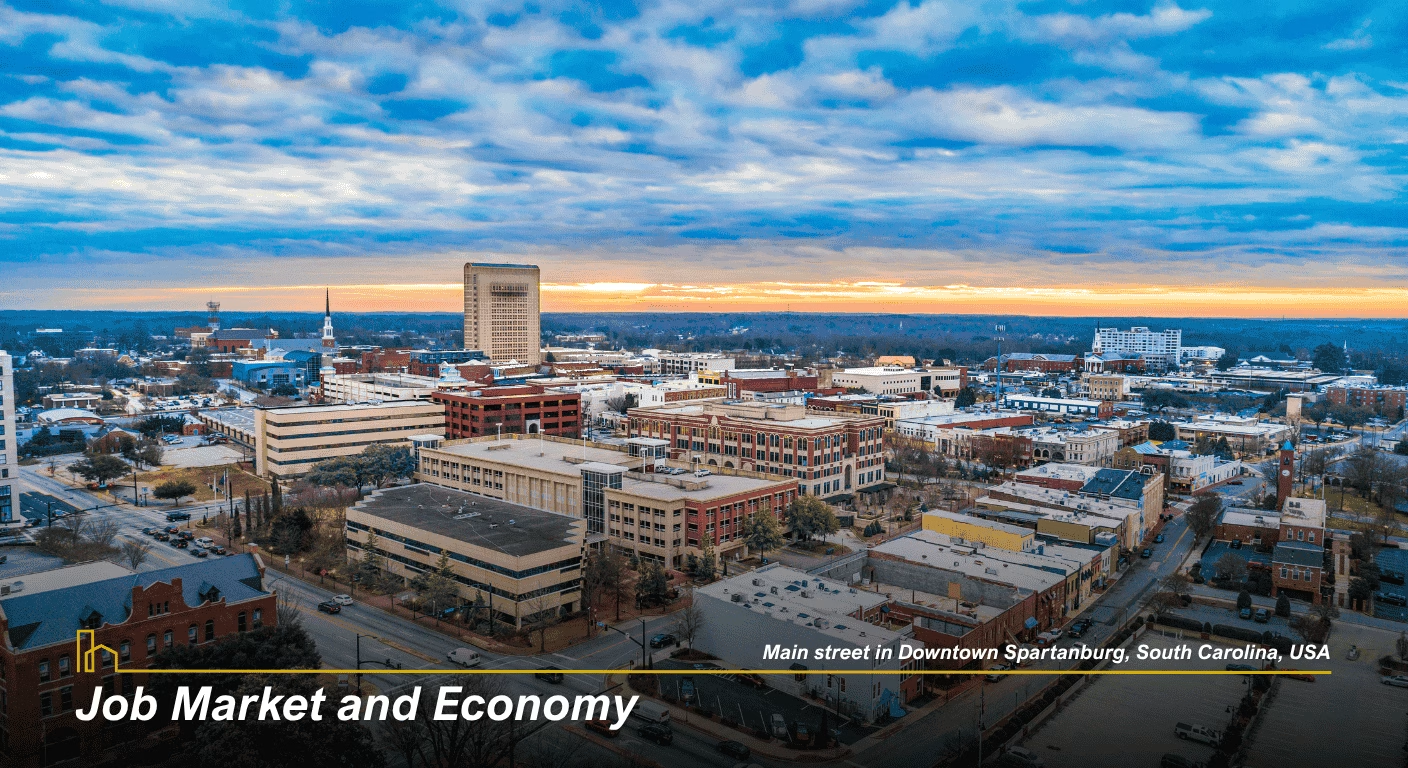
Economic prosperity has shifted from agriculture to manufacturing, logistics, healthcare, and tourism. The Port of Charleston anchors trade and distribution, while BMW, Michelin, and Boeing operate major facilities in the state. Hospitals and universities, including Prisma Health, Spartanburg Regional Healthcare, and Clemson University, rank among the largest employers. Professional and business services cluster in Columbia and Greenville.
- Unemployment and wages: The state’s unemployment rate was 4.8% in December 2025, above the national rate at that time and reflecting some softening after years of tighter conditions. Median household income ranges from $64,000 to $69,000 depending on data source and year. Demand remains high for nurses, engineers, software developers, machine operators, data analysts, and logistics professionals. Manufacturing and tech roles are expanding, though hospitality wages tend to lag behind. Opportunities exist across skill levels, but workers in lower-wage service sectors may find the cost of coastal living increasingly challenging.
- Tourism as an economic engine: Myrtle Beach’s Grand Strand welcomes 17 million visitors each year, while Charleston draws 7.89 million visitors and generates $14 billion in spending, supporting over 55,000 jobs. These travellers fill hotels, restaurants, shops, and attractions across the state, providing thousands of service and hospitality positions with bolstered seasonal demand.
Recommended for you




4. Climate and Geography
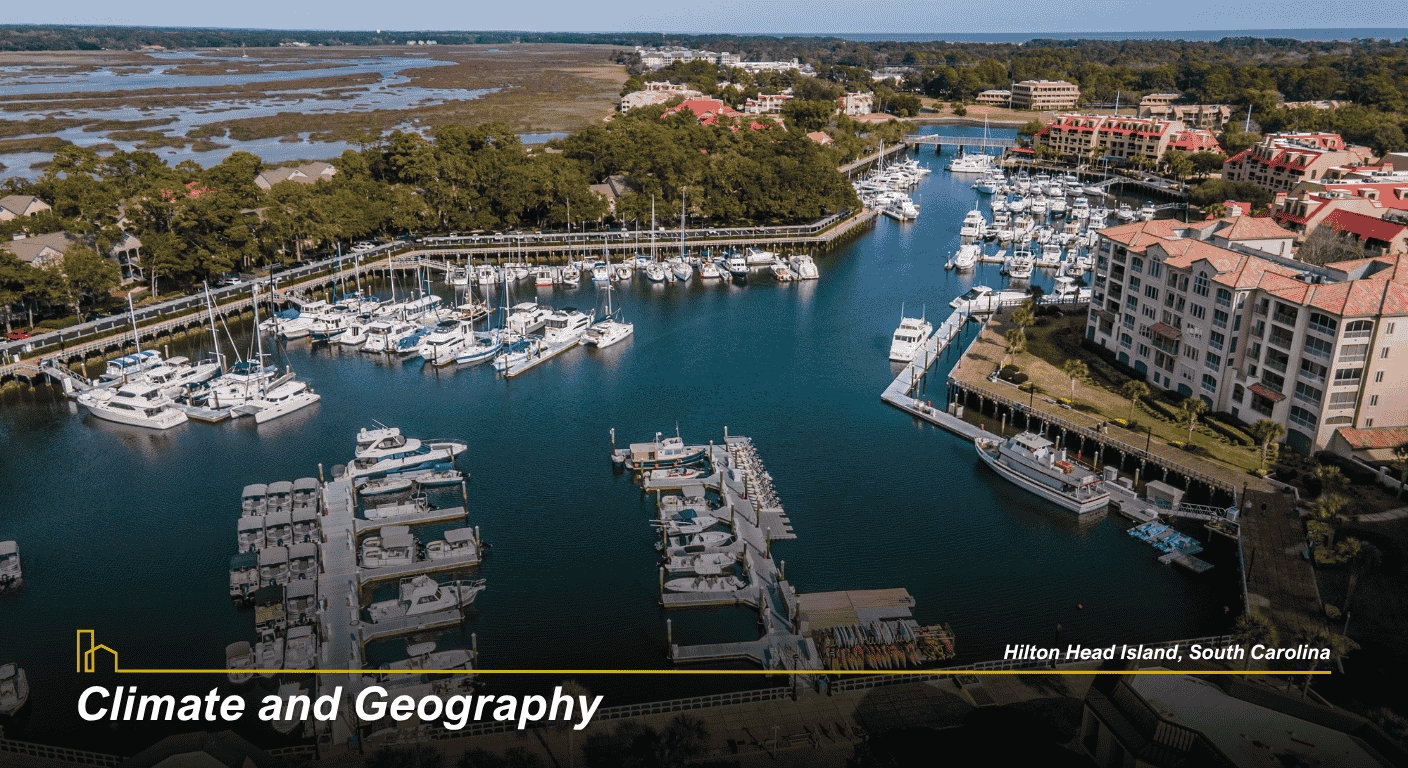
A humid subtropical climate delivers long, warm summers and short, mild winters. Average July temperatures range from 76°F in the mountains to 82°F along the coast, while January temperatures fall between 40°F in the Upstate and 47°F on the coast. Snow is rare outside the Blue Ridge. Annual precipitation varies from over 80 inches near Lake Jocassee in the northwest to under 50 inches in parts of the Midlands. Thunderstorms are common throughout summer, and the state averages about 23 tornadoes per year.
Climate change is reshaping these patterns. Sea level at Charleston has risen 1.3 inches per decade since 1921, and hurricanes can cause severe flooding and wind damage. Inland areas face increasing heat waves and drought risk. Flood insurance is essentially mandatory for coastal properties and highly recommended in river plains.
Geographically, the state unfolds across three regions. The Lowcountry comprises barrier islands, salt marshes, and tidal rivers, anchored by Charleston and Hilton Head. The Piedmont features rolling hills, fertile farmland, and major cities like Columbia and Greenville. The Upstate rises into the Blue Ridge Mountains, providing cooler temperatures, lakes, and waterfalls. This allows residents to surf in the morning and hike mountain trails by afternoon.
Related article
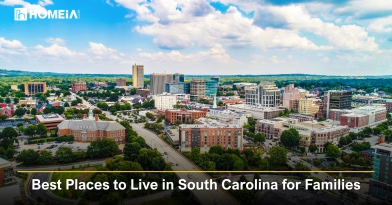
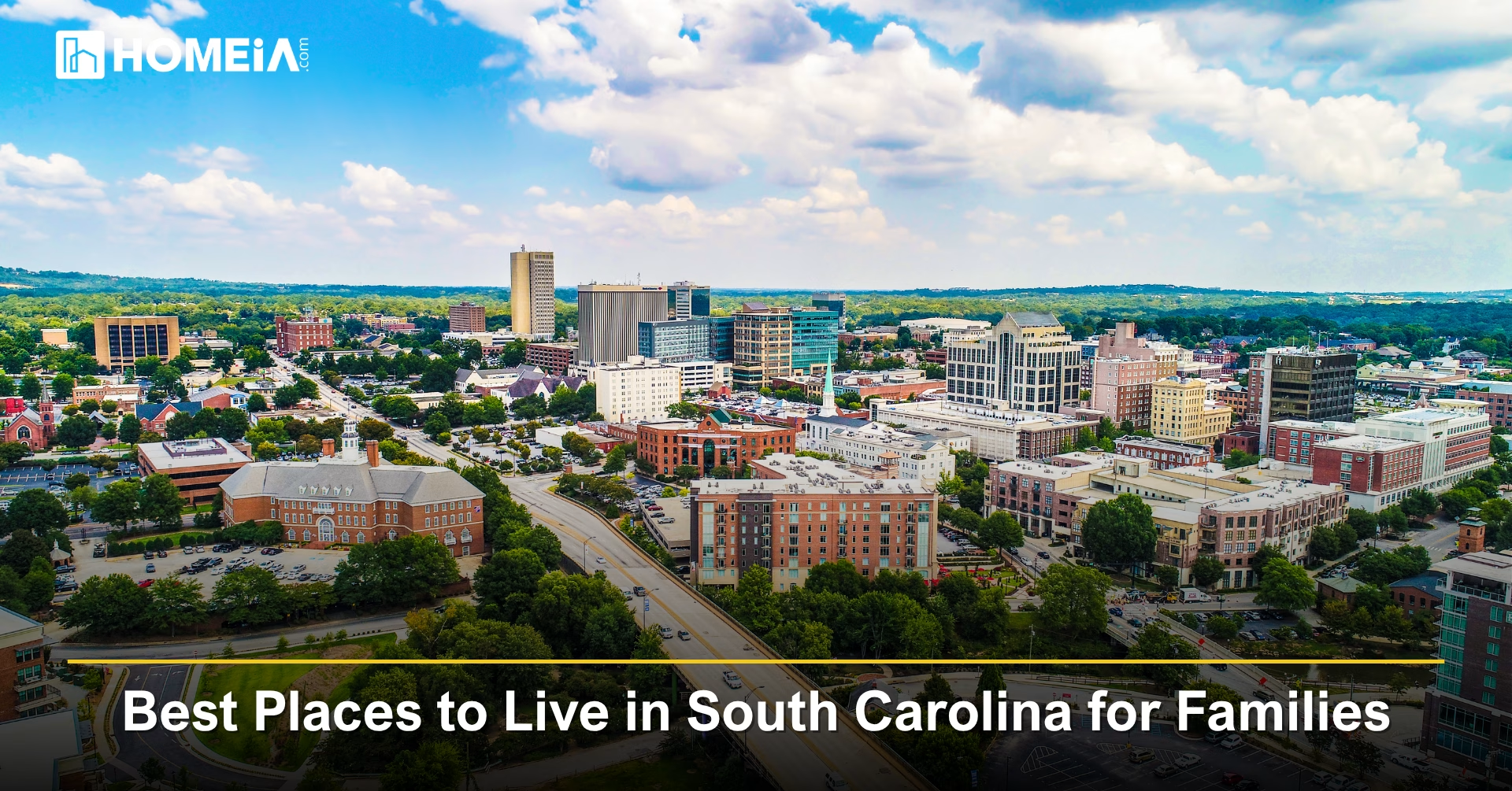
The 9 Best Places to Live in South Carolina for Families
South Carolina offers far more than the coastal appeal of Charleston and Myrtle Beach. Across the Midlands and Upstate, families find affordable living, strong job markets, outdoor recreation, and welcoming communities. This guide explores the best places to live based on schools, lifestyle, opportunity, and overall quality of life…
5. Best Places to Live

South Carolina’s communities suit diverse budgets and lifestyles. The table below offers a snapshot; actual costs vary significantly by neighborhood.
| City | Typical Home Value | Median Rent (est.) | Highlights |
| Charleston | $600K+ | $1,800+ | Historic district, food/arts scene, healthcare and tech jobs; flood insurance required |
| Columbia | ~$222K (Zillow) | $1,200 | Capital city; USC, state government and military jobs; most affordable major city |
| Greenville | $300–400K | $1,400 | Walkable downtown; Falls Park; BMW and tech manufacturing; outdoor access to Blue Ridge |
| Myrtle Beach | $275–350K | $1,300 | 60-mile Grand Strand; tourism jobs; 80+ golf courses; resort-town character |
| Spartanburg | $220–280K | $1,100 | Affordable; BMW and manufacturing corridor; lakes and mountains nearby |
| Hilton Head | $500K+ | $2,000+ | 12 mi beaches; 70°F avg; bike paths; retiree-friendly; high insurance costs |
Sources: Zillow ZHVI Feb 2026 (Columbia); local market data for other cities. Home values reflect typical ranges, not single-point medians.
Suburban communities like Mount Pleasant and historic Beaufort offer waterfront living and highly rated schools but command premium prices. When comparing locations, research flood zone status, insurance requirements, school district performance, and commute patterns carefully. Flood insurance costs can add $2,000 to $5,000 or more annually for coastal properties, materially affecting true housing costs.
6. Things to Do and See

- Myrtle Beach and the Grand Strand: The 60-mile Grand Strand combines wide beaches, boardwalk amusements, and more than 80 championship golf courses. Approximately 425 hotels and 157,000 lodging units serve 17 million annual visitors, providing a reliable local economy and year-round recreation for residents.
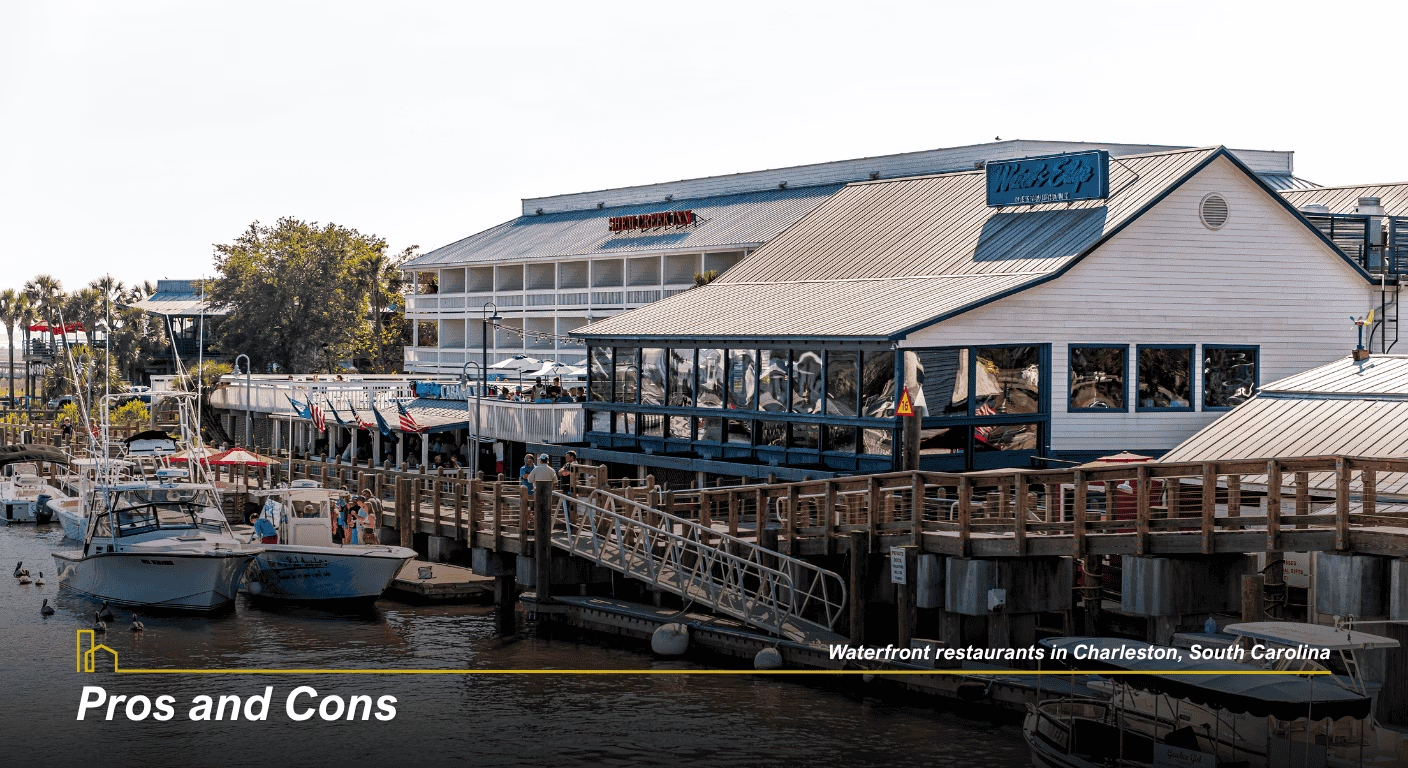
- Charleston and the Lowcountry: Historic Charleston mixes cobblestone streets and pastel rowhouses with a world-class food and arts scene. The city’s 7.89 million annual visitors and $14 billion in tourism revenue make it one of the most visited destinations in the Southeast. Fort Sumter, Rainbow Row, the City Market, and nearby plantations reveal centuries of Southern history.
- Hilton Head Island: This barrier island offers 12 miles of beaches, dozens of golf courses and tennis courts, and a community of 39,000 residents. Temperatures stay about 70°F year-round while extensive bike-path networks and arts festivals make it especially popular with retirees.
- Congaree National Park: South Carolina’s only national park protects more than 20,000 acres of old-growth bottomland hardwood forest. Hike boardwalk trails, paddle cedar-lined creeks, and witness the magical synchronous firefly display each spring.
- Table Rock and the Blue Ridge: Table Rock State Park spans roughly 3,000 acres of mountains, lakes, and forest, linking to the 76-mile Foothills Trail. The surrounding parks offer waterfalls, gorges, and scenic vistas accessible within a two-hour drive from most Sandlappers.

Related article
Best Places to Live in South Carolina for Retirees
South Carolina continues ranking among the best retirement destinations in the country thanks to its affordability, mild climate, access to healthcare, and relaxed lifestyle. From coastal communities to quiet inland towns, retirees can find a balance of comfort, recreation, and financial stability suited to long-term living…
7. Pros and Cons
Pros
- Reasonable housing costs: Census median home values of $259,000 and an effective property tax rate of 0.47% make homeownership far more accessible than in most coastal states.
- Mild climate and outdoor diversity: Winters are short, springs and autumns are long and pleasant, and beaches, marshes, lakes, and mountains provide year-round recreation within easy reach.
- Tax advantages: No estate tax, Social Security exempt from state income tax, a top income rate of 6.0% (temporarily reduced through June 2026), and among the nation’s lowest effective property tax rates help stretch household budgets.
- Expanding economy: Growth in manufacturing, healthcare, logistics, and tourism creates opportunities for skilled and entry-level workers. South Carolina has attracted record foreign direct investment in recent years through companies like BMW and Volvo.
Related article
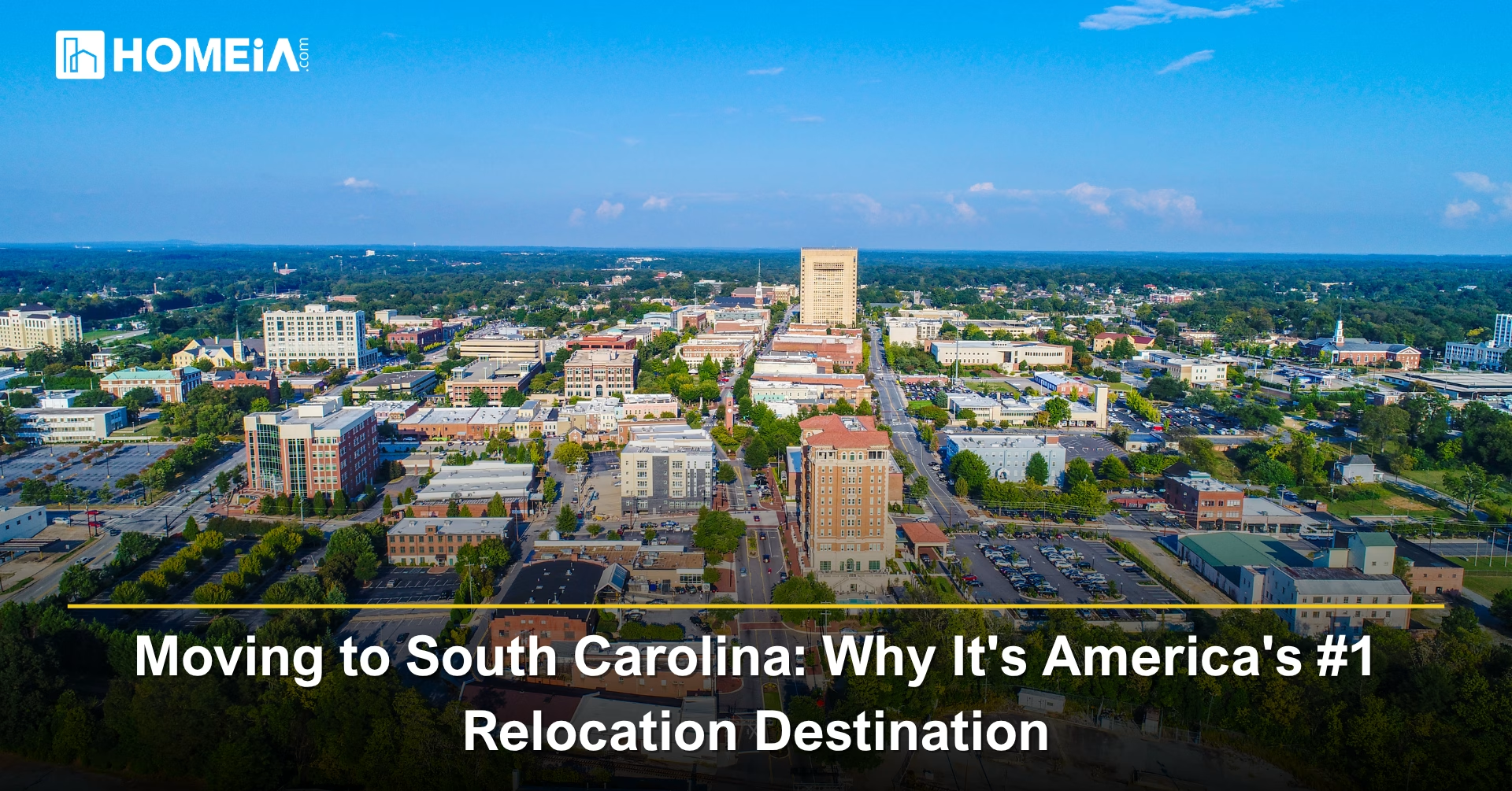
Moving to South Carolina in 2026: Why It’s America’s #1 Relocation Destination
South Carolina continues leading the nation in inbound migration, attracting nearly two new residents for every one who leaves. Strong economic growth, tax reforms, affordability, and lifestyle appeal—from historic Charleston to vibrant Greenville—have made the Palmetto State one of America’s most desirable relocation destinations…
Cons
- Rising unemployment: Unemployment climbed to 4.8% in December 2025, above the national average, signalling some cooling after years of tight labour market conditions.
- Heat, humidity, and gas costs: Oppressive summers drive up electricity bills, and gas prices of ~$3.85/gallon (April 2026) alongside the lack of public transit outside urban cores make car ownership expensive.
- Hurricane and flood risk: Coastal areas face tropical storms and rising seas, raising insurance costs significantly. Flood insurance are essential for many properties and must be factored into true housing costs.
- Income gaps and public services: At 14.1%, the poverty rate exceeds the national average, and public school performance varies widely between suburban and rural districts. Service-sector wages lag national averages.
Conclusion: With its blend of affordable housing, growing industries, and natural beauty, South Carolina offers a compelling lifestyle for many. Residents enjoy mild winters, sunny summers, and quick access to both the Atlantic coast and the Blue Ridge Mountains. Low property taxes, no estate tax, and Social Security exemptions help retirees stretch fixed incomes. Still, newcomers need to weigh rising unemployment, heat, hurricane risk, and the uneven quality of public services across the state. If you value hospitality, outdoor adventure, and a slower pace of life, the Palmetto State awaits you with open arms.
Recommended for you




FAQs About Living in South Carolina
1. How does South Carolina’s cost of living compare to neighboring states?
The cost-of-living index is around 96.1, below the national average and broadly competitive with North Carolina and Georgia. Housing and property taxes are the biggest advantages. Utilities and insurance can spike in summer and during hurricane season. A lack of a sales tax on groceries and clothing also provides meaningful day-to-day savings.
2. What taxes will I pay in South Carolina?
Income tax rates range from 0% to 6.0% (top rate temporarily reduced through June 2026, scheduled to revert to 6.2% from July 2026). Corporate tax is 5% whilestate sales tax is 6%, rising to about 7.49% with local options. The effective property tax is 0.47%, among the nation’s lowest. Social Security is fully exempt from state income tax, and retirees can deduct portions of other pension income. There is no estate or inheritance tax.
3. Is South Carolina a good place to retire?
For many retirees, yes. Low property taxes, mild winters, no tax on Social Security, and abundant resort-style amenities in coastal towns like Hilton Head and Beaufort are attractive. Inland cities like Aiken and Greenville provide small-town charm, quality healthcare, and lower housing costs. The primary cautions are hurricane and flood risk for coastal properties, and the rising cost of flood insurance, which can add thousands to annual housing expenses.
4. How safe is South Carolina?
Covers the honest dual picture: the violent crime rate of 437 per 100,000 is about 22% above the national average (10th highest nationally). However,crime has fallen for four consecutive years, with the 2024 SLED report showing violent crime at its lowest level since 1995, murder down 15.8%, property crime down for a 13th straight year, and robbery at a 30-year low. Also flags that safety varies sharply by location; Fort Mill, Mount Pleasant, and Bluffton are very safe; parts of Columbia and Myrtle Beach are not, and advises readers to check zip-code-level data before choosing a neighborhood.
5. How are the public schools in South Carolina?
Covers the wide variance honestly: only 43% math proficiency and 52% reading proficiency statewide, both below national averages. Bright spots include Fort Mill School District (#1 in SC, top 1% nationally in Niche’s 2026 rankings), Clover (#3), and Charleston County (#6); plus top individual schools like Buist Academy and Oceanside Collegiate Academy. Warns that the gap between the state’s best suburban districts and its lowest-funded rural ones is among the widest in the Southeast.
Local Editor(s)



7 Cheapest Places to Live in South Carolina
Cheapest Places to Live in South Carolina: A quality lifestyle requires more beautiful landscapes and an interesting culture. When purchasing gas and groceries and paying for housing busts a budget,…
-
3 Most Affordable and Safe Neighborhoods to Live in Columbia, South Carolina
Columbia, South Carolina's capital city, offers an appealing blend of Southern charm, cultural diversity, and urban convenience. Home to nearly 137,000 residents, with the greater metropolitan area housing approximately 830,000…
-
The Pros and Cons of Living in South Carolina
The pros and cons of living in South Carolina: When picturing South Carolina, the mind goes straight to shrimp and grits at a waterfront table in Charleston, azaleas in full…
-
The 9 Best Places to Live in South Carolina for Families
Best Places to Live in South Carolina for Families: The hardest part of deciding to call the Palmetto State home is deciding what are the best places to live or…
-
Moving to South Carolina in 2026: Why It’s America’s #1 Relocation Destination
More Americans are moving to South Carolina than to any other state for the third consecutive year. With a 1.97 in-to-out migration ratio, nearly two people arrive for every one…
Related Topics














-
The Pros and Cons of Living in Arkansas
Considering a move to Arkansas? The Natural State offers a compelling blend of affordability and natural beauty that attracts new residents from across the country. Home to 3 million people, Arkansas features everything from vibrant cities to charming small towns,…
-
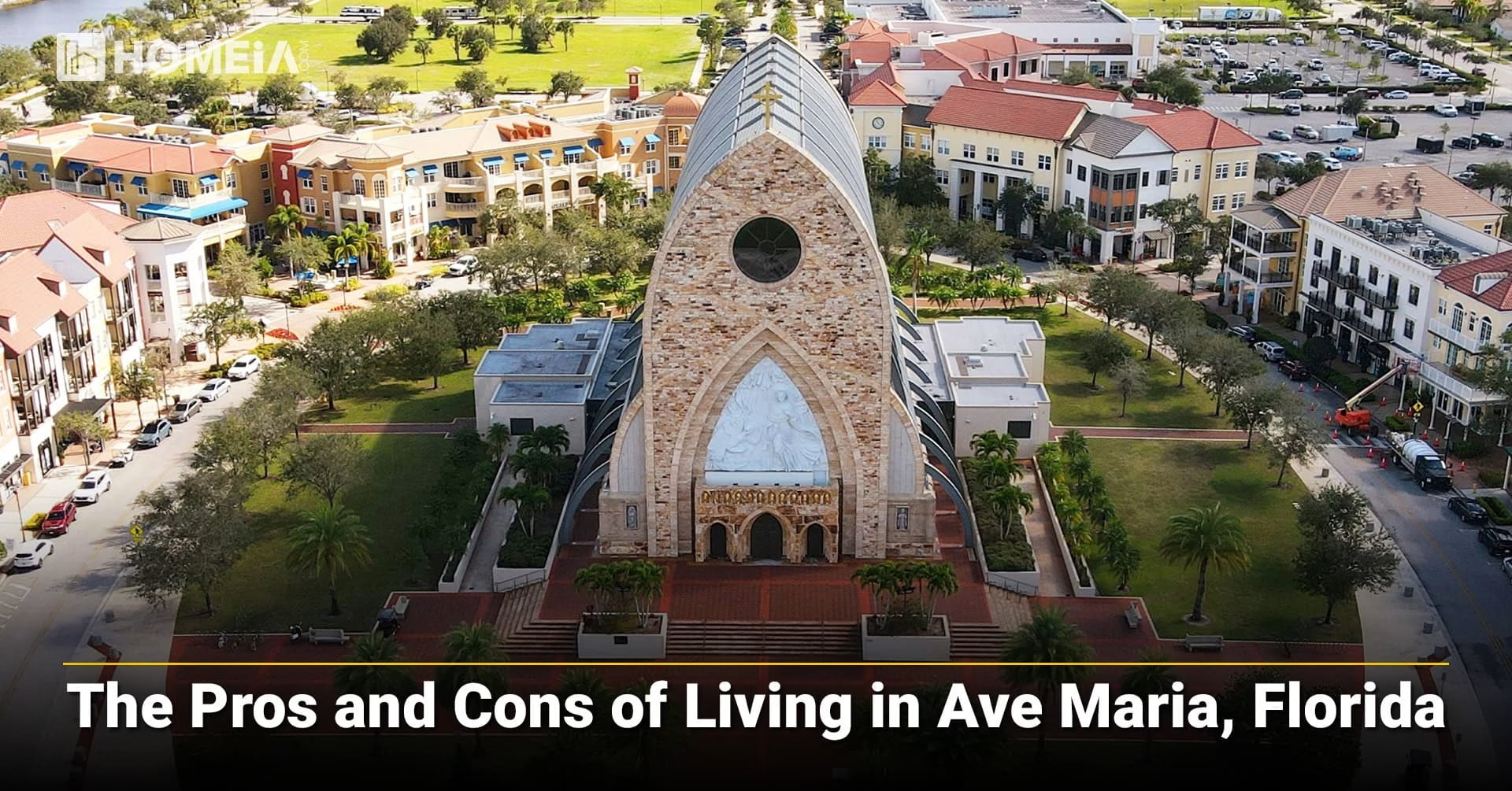
The Pros and Cons of Living in Ave Maria, Florida
The Pros and Cons of Living in Ave Maria, Florida: When picturing Ave Maria, what comes to mind are stunning basilica, perfectly manicured neighborhoods, and the Florida sun. However, this unique town has even more hidden inside. It blends master-planned…
-
The Pros and Cons of Living in Boston, Massachusetts
Considering moving to Boston in 2026? This historic yet innovative city offers a unique blend of old-world charm and modern opportunity. As New England's economic and cultural hub, Boston attracts residents with its world-class education, thriving job market, and vibrant…




-
The Pros and Cons of Living in Delaware
When picturing Delaware, what comes to mind are tax-free shopping, beautiful beaches, and proximity to major East Coast cities. But the First State offers more than financial advantages; here exists a place where historic charm, corporate headquarters, and relaxed coastal…
-
The Pros and Cons of Living in Denver, Colorado
Looking for stellar public schools, world-class ski resorts, and a thriving city all in one spot? Denver, Colorado, may be the place for you. The Mile High City offers a unique blend of outdoor adventure, economic opportunity, and urban convenience.…
-
The Pros and Cons of Living in Florida
The Pros and Cons of Living in Florida: Relocating to a new state is a big move – pun intended! – and requires careful consideration of both the state as well as the specific community you're thinking to join. If…





-
The Pros and Cons of Living in Illinois (updated)
Relocating to a new state requires careful consideration of both the state as a whole and the specific community you'll join. If you're considering Illinois, you'll find a state home to vibrant cities, charming small towns, and a diverse mix…
-
The Pros and Cons of Living in Indiana
When picturing Indiana, what comes to mind are rolling farmlands, basketball hoops, and the iconic Indianapolis 500. But the Hoosier State offers more than Midwestern clichés; here lies a place where affordability, tight communities, and an ideal central location define…
-
The Pros and Cons of Living in Iowa
When picturing Iowa, what comes to mind are vast cornfields, rolling hills, and an established agricultural heritage. But the Hawkeye State offers more than what you see on a farm; here lies a place where strong communities, affordable living, and…


-
The Pros and Cons of Living in Michigan
Relocating to a new state requires careful consideration of both the state as a whole and the specific community you'll join. If you're considering Michigan, you're in luck---the Great Lakes State offers diverse options for all ages, budgets, family situations,…
-
The Pros and Cons of Living in Massachusetts
The pros and cons of living in Massachusetts: Moving to a new part of the US requires careful consideration of both the state itself and the specific community you'll join. If Massachusetts is your next destination, you'll find a state…
-
The Pros and Cons of Living in Minnesota
The Pros and Cons of Living in Minnesota: When picturing the Midwestern state of Minnesota, some might imagine a snowy blizzard, an afternoon at the lake, the bustling state fair, and a thriving hockey community. And while all of those…


-
The Pros and Cons of Living in Nevada
When picturing Nevada, what comes to mind are glittering casinos, vast desert landscapes, and the 24-hour energy of Las Vegas. But the 36th state offers more than entertainment clichés; tax advantages, outdoor recreation, and economic opportunity define everyday living. Yet,…
-
The Pros and Cons of Living in New Hampshire
When picturing New Hampshire, what comes to mind are picturesque New England villages, stunning White Mountains, and a fiercely independent spirit. But the Granite State offers more than colonial charm; here lies a place where low-cost living, outdoor adventure, and…
-
The Pros and Cons of Living in New Jersey
Considering a move to New Jersey? The Garden State offers a dynamic mix of urban energy, coastal charm, and suburban comfort. Home to nearly 9 million residents, New Jersey features vibrant cities, peaceful towns, stunning beaches, dense forests, and cultural…



-
The Pros and Cons of Living in North Carolina
What does North Carolina have to offer? If you want one word to describe North Carolina, “varied” would be an excellent choice. Do you love the mountains or the beach? In this Southeastern state, you will find plenty of both.…
-
The Pros and Cons of Living in Ohio
On any given day in Ohio, you could find yourself in two completely different states of mind in a difference of an hour. One moment, you are looking at a beautiful view of snow-topped trees from a lookout point high…
-
The Pros and Cons of Living in Oregon
Relocating to a new state requires careful consideration of both the state as a whole, as well as the specific community you'll join. Oregon offers stunning natural beauty, vibrant cities, and a progressive culture with options for all ages, budgets,…


-
The Pros and Cons of Living in South Carolina
The pros and cons of living in South Carolina: When picturing South Carolina, the mind goes straight to shrimp and grits at a waterfront table in Charleston, azaleas in full bloom in Summerville, and a round of golf as the…
-
The Pros and Cons of Living in South Dakota
The Pros and Cons of Living in South Dakota: When picturing South Dakota, what comes to mind are vast prairies, Mount Rushmore, and the rugged beauty of the Badlands. But the Land of Infinite Variety offers more than Western clichés; here…
-
The Pros and Cons of Living in Tennessee
People have been migrating to the South at an unprecedented rate in recent years, making it the leading region for population growth in the United States. This historic pattern of migration is driven by a complex range of factors, including…




-
Pros and Cons of Living in Virginia
Virginia is a beautiful state with an abundance of opportunities ripe for discovery. From the Appalachian Trail to the Blue Ridge Mountains, coastal towns to small farming communities, Virginia has something for individuals and families of all ages and budgets.…
-
The Pros and Cons of Living in Washington
When picturing Washington State, what crosses one’s mind are lush evergreen forests, majestic mountains, and the tech hub of Seattle. But the PNW offers more than that; here lies a place where natural beauty, economic opportunity, and progressive values define…
-
The Pros and Cons of Living in West Virginia
The Pros and Cons of Living in West Virginia: Relocating to West Virginia is a major decision requiring careful consideration of both the state's overall character and the communities you might call home. If you're considering moving to West Virginia,…