





Living In Nebraska
Local Editor(s)

 Considering


 Verified
The Complete Guide to Cost of Living and Lifestyle
Living in Nebraska means getting used to explaining the state to people who have never been here. You tell them about the Platte River, the Sandhills, and the fact that Omaha has more Fortune 500 headquarters per capita than almost anywhere else in the country, and they still picture endless flat farmland. Then they visit, spend a few days here, and suddenly understand why so many people stay.
Nebraska has a quiet confidence about it. It’s affordable place to live without feeling like it has to apologize for it, and it’s one of the few places left where a comfortable middle-class life still feels realistic for a lot of families. The outdoors surprise people too. There’s far more variety here than outsiders expect, especially once you get outside the interstate and actually spend time exploring the state.
People here joke that there are only two seasons: winter and road construction. But the reality is that summers are warm and golden, fall is crisp and dry, winters are cold but manageable, and spring brings one of the most incredible wildlife migrations in the world right along the Platte River. Once you’ve driven out before sunrise near Kearney and watched thousands of sandhill cranes lift off the water at dawn, the whole “flyover state” stereotype starts to feel pretty ridiculous.
Key Takeaways
- Affordable cost of living and housing: Nebraska’s 2025 MERIC cost-of-living index is 92.6 (U.S. = 100), with housing costs running about 22% below the national average. The statewide Zillow Home Value Index reached $276,477 in February 2026, up 2.3% year over year.
- Lower income taxes and grocery tax exemptions: The state’s top individual income tax rate dropped to 5.20% for 2025 and is scheduled to fall again to 4.55% in 2026, with a final planned reduction to 3.99% in 2027. Most grocery items are exempt from Nebraska’s 5.5% state sales tax.
- Low unemployment and steady wages: Nebraska’s seasonally adjusted unemployment rate was 3.0% in January 2026, making it the 6th lowest in the country and well below the national rate of 4.3%. The average private-sector weekly wage reached $1,097 during the same period.
- A strong and diverse economy in Omaha: Omaha is home to major employers including Berkshire Hathaway, Union Pacific Railroad, Mutual of Omaha, and Kiewit Corporation, giving the state a stable and unusually strong employment base for a Midwest state of its size.
- Strong outdoor access across the state: Only 1.1% of Nebraska land is federally administered, but the Nebraska Game and Parks Commission still manages 8 state parks, 60 state recreation areas, and 10 historical parks, drawing nearly 7 million park visits each year.
Related article
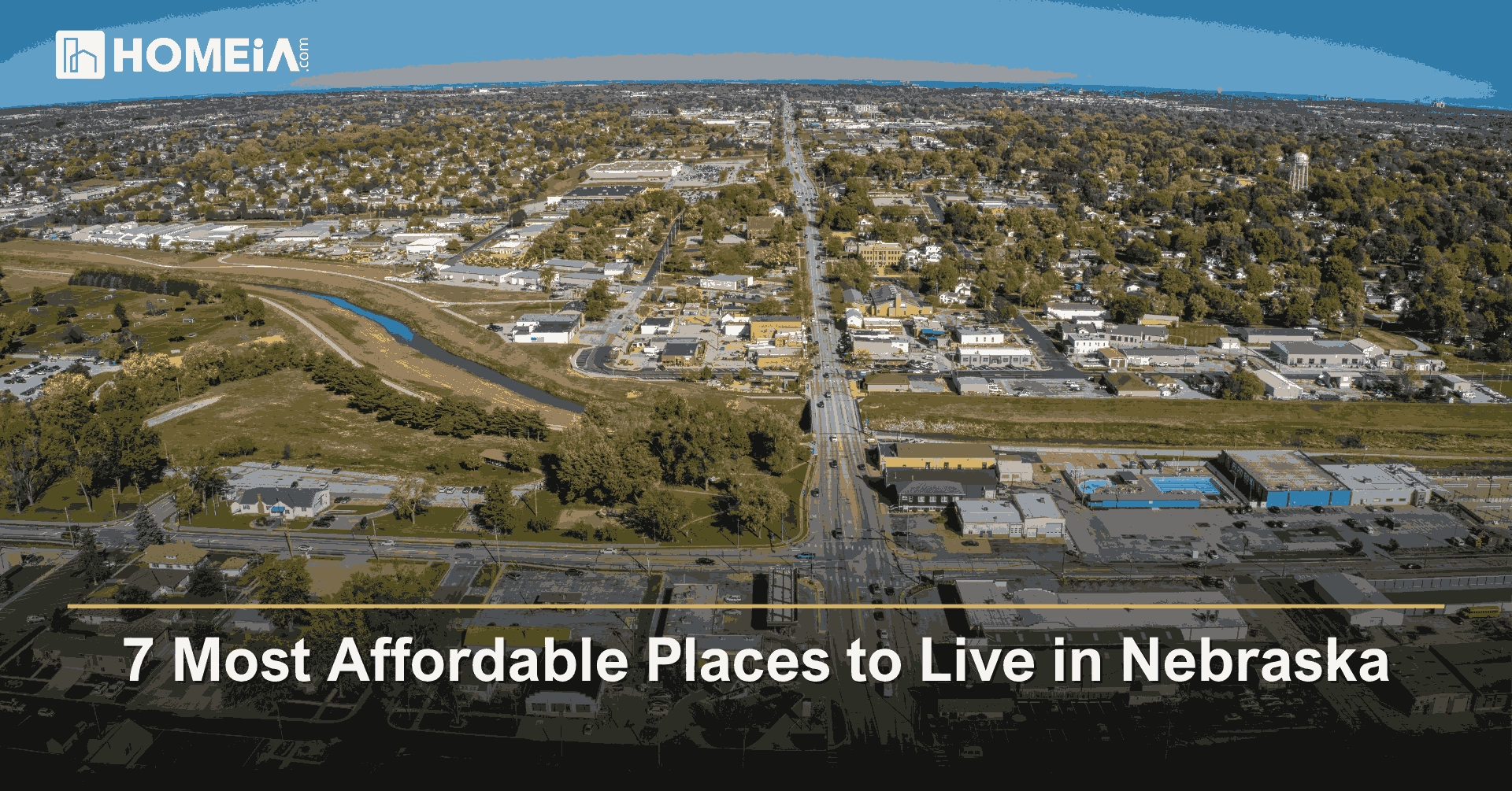
7 Most Affordable Places to Live in Nebraska
Nebraska remains highly affordable, with below-average living costs, manageable home prices, and short commutes. Beyond statewide trends, this guide highlights seven cities that balance affordability with jobs, healthcare, infrastructure, and quality of life—helping residents find places where long-term stability and everyday practicality truly align…
1. Snapshot of Nebraska
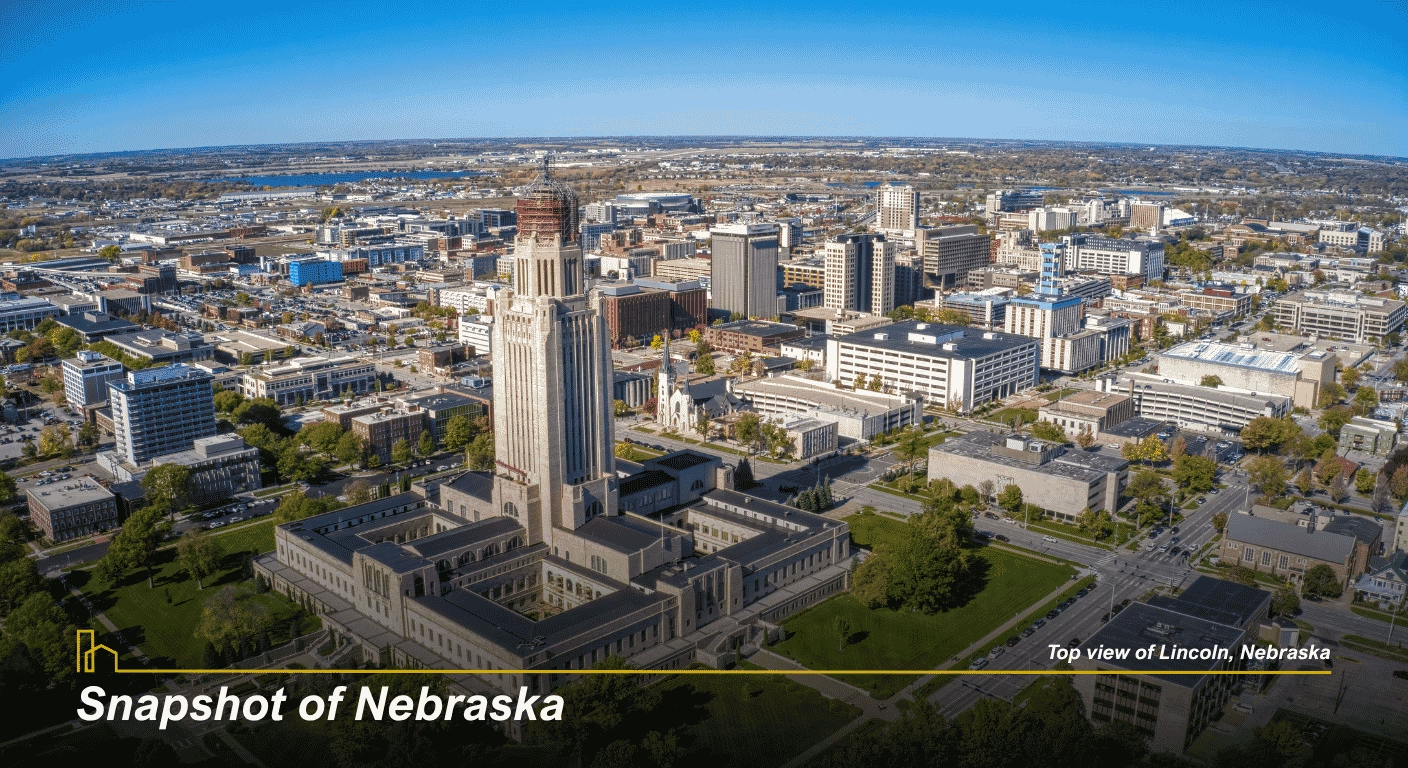
Nebraska’s population reached 2,018,006 on July 1, 2025, with growth outpacing the national average and ranking among the strongest in the Midwest. Omaha and Lincoln continue to grow steadily, even as some rural western counties face the same population declines seen in other parts of the country.
The state’s median household income reached $76,400 in 2024, which tends to go further here than it does in many other states thanks to a cost-of-living index that sits 7.4% below the national average. In practical terms, Nebraska remains one of the more affordable places in the country to build a comfortable lifestyle without feeling priced out of everyday life.
| Metric | Figure (2025-2026) | Source |
| Population estimate | 2,018,006 (July 1, 2025) | U.S. Census Bureau |
| Median household income | $76,400 (2024) | U.S. Census Bureau / USA Facts |
| Cost-of-living index | 92.6 (U.S. = 100, 2025 avg) | MERIC |
| Avg. home value (ZHVI) | $276,477 (Zillow, Feb 28, 2026, +2.3% YoY) | Zillow Home Value Index |
| Avg. rent (2BR, Omaha) | ~$1,400-$1,500/month (est.) | Zillow rental trends |
| Unemployment rate | 3.0% (Jan 2026, seasonally adj.; 6th lowest nationally) | Nebraska Dept. of Labor / BLS |
| Federal land share | 1.1% of Nebraska’s acreage (2018 CRS) | Congressional Research Service |
Sources: U.S. Census Bureau; MERIC; Zillow ZHVI (Feb 28, 2026); Nebraska Dept. of Labor; Congressional Research Service
Related article
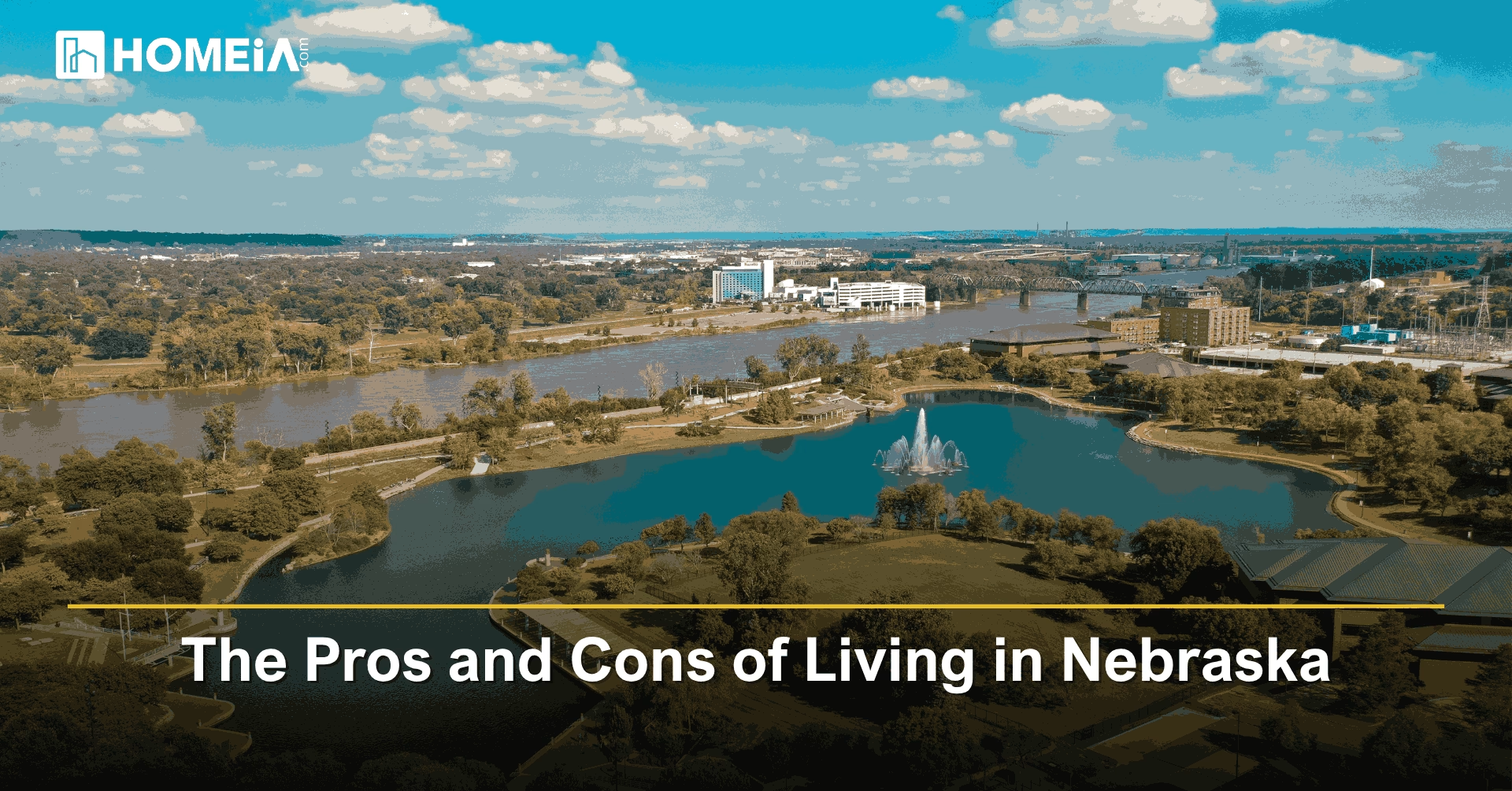
The Pros and Cons of Living in Nebraska
Nebraska offers affordability, strong job opportunities, and close-knit communities that reflect deep local pride. However, it also comes with trade-offs like higher property taxes, severe weather risks, and rural isolation for some. This guide provides a balanced look at the pros and cons to help you decide…
2. Housing Costs and Real Estate
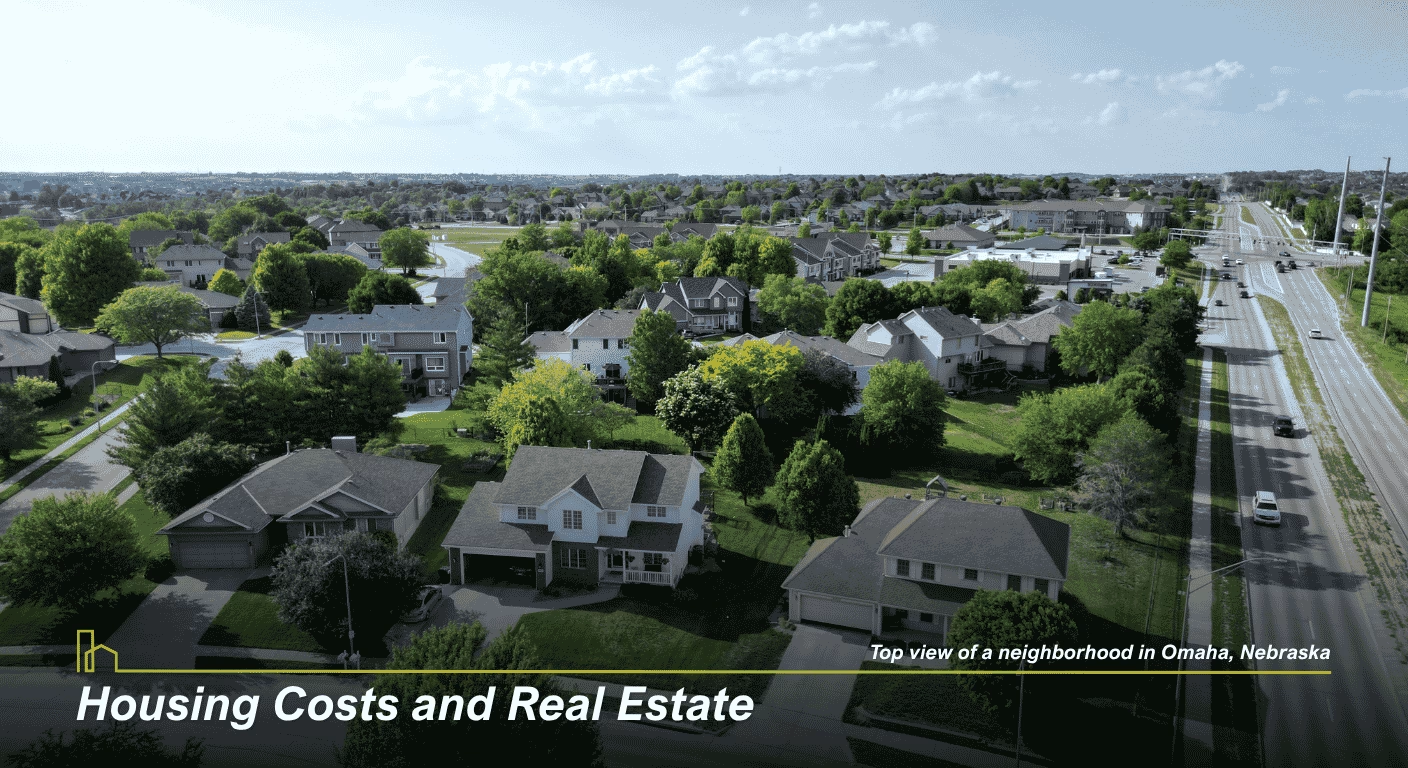
Nebraska remains one of the more affordable housing markets in the Midwest, and home values have stayed relatively stable compared to the dramatic swings seen in some coastal markets during and after the pandemic. The statewide Zillow Home Value Index reached $276,477 in February 2026, up 2.3% year over year, with housing costs still sitting about 22% below the national average.
Lincoln continues to be the state’s hottest housing market, with home values up 4.1% year over year. At the same time, many rural and western Nebraska communities remain even more affordable than the statewide average, especially for buyers looking for more space and a slower pace of life. For a national comparison, see our list of the most affordable cities to live in the US.
A. Nebraska cities: typical home values and rent
| City | Typical Home Value | Avg. Rent (est.) | Local note |
| Omaha | $286,166 | $1,400-$1,600 | State’s largest city and major hub for finance, healthcare, and logistics |
| Lincoln | $285,359 | $1,311 (Zillow ZORI) | Capital city and home to the University of Nebraska; fastest-growing market (+4.1% YoY) |
| Grand Island | $249,367 | $1,279 (Zillow ZORI) | Central Nebraska hub known for manufacturing and the sandhill crane migration |
| Hastings | ~$208,000 | ~$1,000-$1,200 | Smaller regional hub with some of the most affordable housing in the state |
| Norfolk | ~$252,000 | ~$900-$1,100 | Northeast Nebraska trade center with a steady housing market |
| Kearney | ~$250-$270K | ~$1,100-$1,300 | Home to the University of Nebraska at Kearney and a major retail hub along the Platte River corridor |
Sources: Zillow Home Value Index and rental trend pages; updated February-April 2026
B. Ways to reduce upfront housing costs
The Nebraska Investment Finance Authority (NIFA) offers several programs designed to make homeownership more realistic for first-time buyers. Its Homebuyer Assistance Program (HBA) pairs a first mortgage with a low-interest second mortgage that can cover up to 5% of the purchase price, capped at $10,000. In some cases, buyers may be able to purchase a home with as little as $1,000 out of pocket, which can make a big difference for people trying to get started.
The NIFA First Home Grant can provide up to an additional $10,000 in assistance, bringing the total potential support to $20,000. Current income limits are set at $145,000, with a purchase price cap of $427,000, which still covers a large portion of homes across Nebraska.
Nebraska also offers a Homestead Exemption program that can reduce or eliminate the taxable value of a primary residence for eligible seniors ages 65 and older, disabled individuals, and qualifying disabled veterans. Because the state reimburses counties for the lost tax revenue, the exemption results in a true reduction in property taxes rather than simply shifting costs elsewhere. Applications are submitted through the county assessor’s office between February 2 and June 30 each year.
Related article
5 Best Places to Live in Nebraska
Nebraska offers affordability, strong job markets, quality healthcare, and solid schools, with a cost-of-living index below the national average. This guide highlights five top cities that balance housing costs, employment, safety, education, and overall livability—helping you find a community where daily life is both practical and rewarding…
3. Taxes and Credits

Nebraska’s tax structure has been getting gradually lighter over the past few years, especially for middle-income households. The state’s top individual income tax rate dropped to 5.20% for tax year 2025, down from 5.84% in 2024, and is scheduled to fall again to 4.55% in 2026 before reaching 3.99% in 2027. At the same time, the state simplified its income tax system from four brackets down to three.
The statewide sales tax rate is 5.5%, although most cities add local taxes on top of that. Omaha’s combined sales tax rate currently sits at 7.0%, while Lincoln comes in at 7.25%. One thing many Nebraska residents appreciate is that most grocery items intended for home consumption are exempt from state sales tax, which can add up to noticeable savings over time, especially for families.
A. Credits and Programs Most Households Use
- Grocery sales tax exemption: Most unprepared grocery items intended for home consumption are exempt from Nebraska’s 5.5% state sales tax. Prepared foods, candy, soft drinks, and dietary supplements are still taxed.
- NIFA Homebuyer Assistance Program: This program helps eligible buyers cover upfront housing costs by providing up to 5% of the purchase price, capped at $10,000, through a low-interest second mortgage. Applicants need a minimum credit score of 640, household income below $145,000, and completion of a homebuyer education course.
- NIFA First Home Grant: Qualifying first-time homebuyers may also receive up to an additional $10,000 in grant assistance, which can be combined with the Homebuyer Assistance Program to increase total support.
- Nebraska Homestead Exemption: This program can reduce or eliminate the taxable value of a primary residence for eligible seniors ages 65 and older, disabled individuals, and qualifying disabled veterans. Because the state reimburses counties for the lost tax revenue, the exemption results in a real reduction in property taxes rather than simply shifting the cost elsewhere.
B. How Nebraska compares to neighboring states
| State | Individual income tax (2025/2026) | State sales tax | Groceries taxed? |
| Nebraska | 2.46%–5.20% (2025); top rate 4.55% in 2026 | 5.5% | No (most items) |
| Iowa | Flat 3.8% (2025) | 6% state | No |
| Kansas | 5.58% top rate | 6.5% state | Yes (reduced) |
| Colorado | 4.4% flat | 2.9% state + local | No |
| South Dakota | No income tax | 4.5% state | Yes |
| Missouri | Top rate 4.7% (2025) | 4.225% + local | Yes (reduced) |
Sources: Nebraska Legislature; Iowa, Kansas, Colorado, South Dakota, Missouri Departments of Revenue
Recommended for you




4. Daily Living Expenses
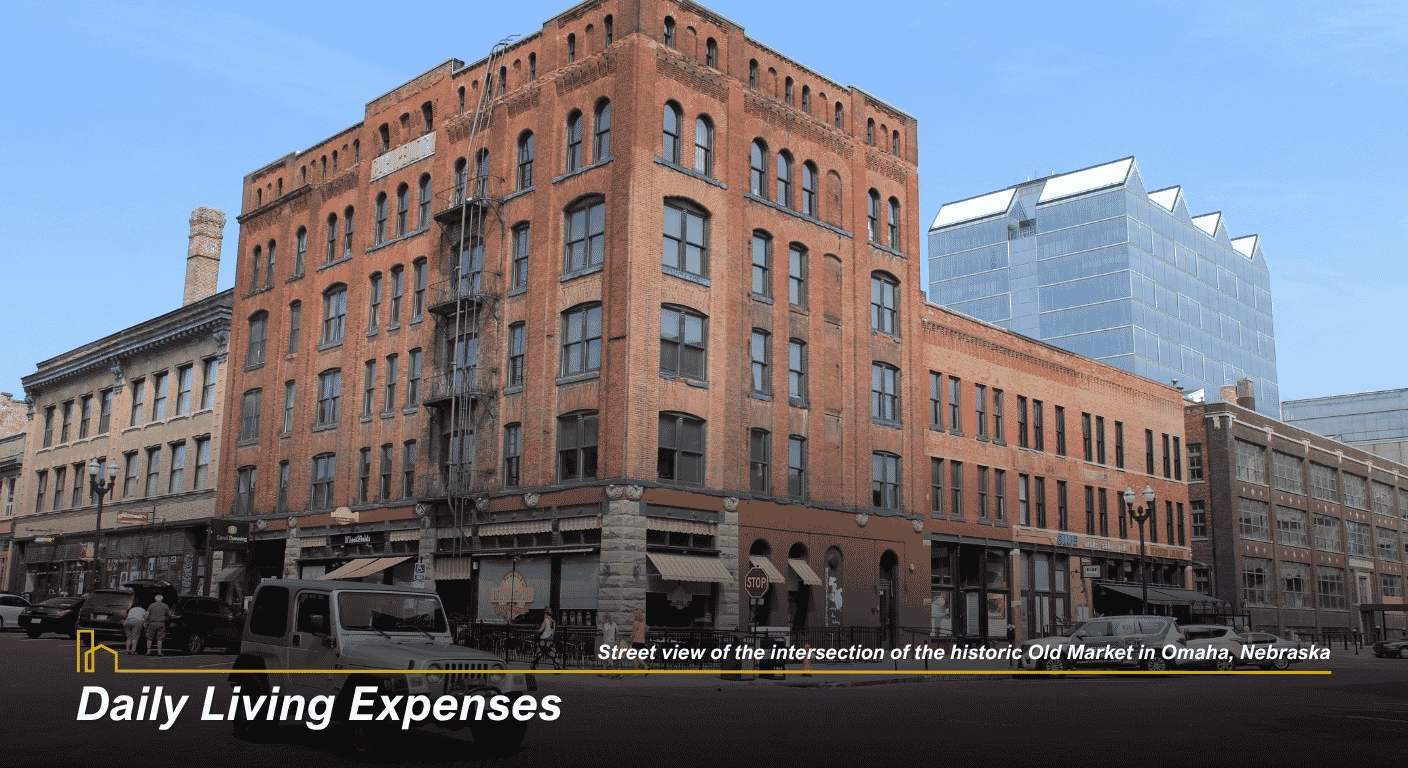
Nebraska’s overall cost of living continues to run below the national average, which is one of the biggest reasons many people feel their paycheck stretches further here than it would in larger metro areas. Day-to-day life simply tends to feel more manageable financially than it does in many parts of the country, especially when it comes to housing and utilities. MERIC reported the state’s overall cost-of-living index at 92.6 for 2025, compared to the national benchmark of 100.
Housing remains the biggest advantage, with a housing sub-index of 78.7, well below the national average. Transportation costs also remain relatively affordable at 93.8, while grocery costs stay fairly close to national averages at 98.6. The category that comes closest to matching national averages is miscellaneous goods and services, which came in at 99.1.
| Household type | Living wage (hourly) | Required annual income (before taxes) |
| 1 adult, no children | $21.75/hr | ~$45,240 |
| 1 adult, 1 child | $37.88/hr | ~$78,790 |
| 2 adults (1 working), no children | $29.61/hr | ~$61,589 |
| 2 adults (both working), 2 children | $26.81/hr each | ~$111,405 combined |
Source: MIT Living Wage Calculator, Nebraska, updated February 15, 2026
Key expense benchmarks: Nebraska residents also benefit from relatively low utility and fuel costs compared to much of the country, which is another reason everyday living tends to feel a little more affordable here. Residential electricity rates averaged 11.76 cents per kWh in January 2026, the second lowest in the nation behind only North Dakota. Monthly electric bills averaged around $117, which can make a noticeable difference during both hot summers and long Nebraska winters.
Gas prices averaged $3.626 per gallon on April 11, 2026, more than 50 cents below the national average of $4.135. Nebraska consistently ranks among the more affordable states for gasoline, although anyone living in a rural area knows those longer drives between towns can still add up over time.

Related article
Moving to Nebraska: The Complete Relocation Guide & Checklist
Nebraska offers affordable living, steady job growth, and connected communities across its cities and open landscapes. Around 2 million residents benefit from opportunities in hubs like Omaha and Lincoln, where healthcare, jobs, and entertainment continue to expand, making Nebraska an increasingly attractive place to call home.
5. Job Market and Income
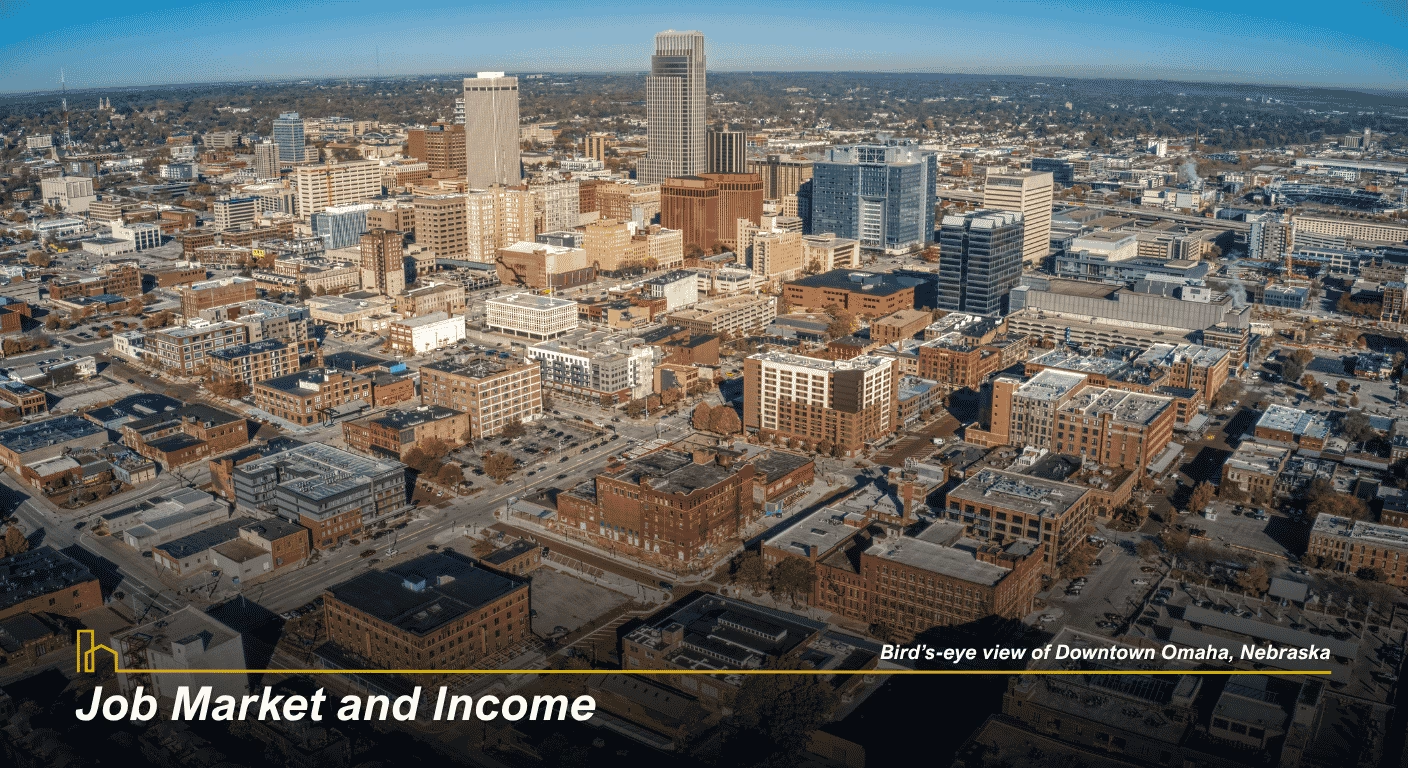
Nebraska’s job market has remained relatively stable compared to much of the country, supported by a mix of healthcare, finance, transportation, agriculture, manufacturing, and other long-standing industries that continue to anchor the state’s economy. The state’s seasonally adjusted unemployment rate was 3.0% in January 2026, making it the 6th lowest in the nation and well below the national rate of 4.3%.
The labor force stood at more than 1.1 million people, with nearly 1.07 million Nebraskans employed. The average private-sector weekly wage reached $1,097 in January 2026, ranking 38th nationally. But for many residents, that paycheck tends to go a little further here because of Nebraska’s lower overall cost of living and more affordable housing compared to many larger states.
Douglas County, home to Omaha, reported the state’s highest average weekly wage at $1,315, followed by Lancaster County, where Lincoln is located, at $1,164. While wages may not always look as high on paper as some larger metro areas, the lower cost of living helps balance that out for many households.
| Employer | Approx. employment | Sector |
| Berkshire Hathaway | 360,000+ (global; Omaha headquarters) | Diversified holding company |
| Nebraska Medicine | 5,000+ | Healthcare |
| CHI Health | 5,000+ | Healthcare |
| Methodist Health System | 5,000+ | Healthcare |
| Union Pacific Railroad | 2,500-4,999 (Omaha headquarters) | Transportation and warehousing |
| Mutual of Omaha | 2,500-4,999 | Financial services |
| Kiewit Corporation | 2,500-4,999 | Construction and engineering |
| First National Bank of Omaha | 2,500-4,999 | Finance and insurance |
Source: Greater Omaha Chamber of Commerce, Major Employers by Industry, 2025
Beyond Omaha’s largest employers, Nebraska’s economy still relies heavily on industries tied to agriculture and food production, especially along the Platte River corridor. Companies like Tyson Foods, ConAgra, and JBS USA continue to play a major role in many local communities across the state. At the same time, Nebraska’s growing fintech sector has expanded opportunities in Omaha through companies like Fiserv and ACI Worldwide, while Offutt Air Force Base in Sarpy County supports more than 5,000 jobs and remains an important part of the local economy.
Higher education also plays a major role in Nebraska’s workforce and economy. The University of Nebraska system and Creighton University continue to support healthcare, research, education, and professional services jobs across both Omaha and Lincoln.

Related article
The 5 Best Places to Live in Iowa: A City Comparison
Iowa blends small-town warmth with modern opportunity, offering both agricultural roots and urban sophistication. This guide highlights the five best Iowa cities to live, based on affordability, opportunity, safety, and quality of life, from bustling Des Moines to scholarly Iowa City, helping you find your perfect Midwestern home.
6. Lifestyle and Things to Do

A lot of people outside Nebraska picture nothing but flat highways and farmland, but living here gives you access to far more outdoor space and variety than most people expect. The outdoor season really runs year-round. Even though only 1.1% of Nebraska land is federally managed, the state park system is still extensive. Nebraska Game and Parks manages 8 state parks, 60 recreation areas, 10 historical parks, hundreds of wildlife areas, and nearly 500 public lakes, drawing close to 7 million visits each year.
- Sandhill Crane Migration (Platte River Valley): From February through April, roughly one million sandhill cranes stop along an 80-mile stretch of the Platte River, representing nearly 80% of the world’s sandhill crane population. Around Kearney, especially near Audubon’s Rowe Sanctuary, people travel from all over to watch thousands of cranes lift off the river at sunrise. It’s one of those things that’s hard to fully explain until you see it for yourself in person.
- Fort Robinson State Park (Northwest Nebraska): Fort Robinson sits in the Pine Ridge region near Crawford and feels completely different from what most people expect Nebraska to look like. The park includes rugged buttes, pine-covered ridges, horseback trails, jeep tours, and hiking areas spread across more than 22,000 acres. A lot of first-time visitors are surprised by how much the landscape resembles parts of Wyoming or South Dakota rather than the stereotypical flat plains people associate with Nebraska.
- Chimney Rock National Historic Site: Chimney Rock rises above the North Platte River Valley near Bayard and remains one of the most recognizable landmarks from the Oregon Trail era. Many pioneers mentioned it in their diaries while traveling west. Nearby Scotts Bluff National Monument makes this area an easy full-day trip if you want to explore more of western Nebraska and its history.
- Eugene T. Mahoney State Park (Near Omaha): Mahoney State Park is one of the most popular weekend destinations in eastern Nebraska, especially for families around Omaha and Lincoln. The park includes cabins, camping, miniature golf, hiking trails, an indoor climbing wall, and a water park area along the Platte River. For a lot of Nebraska families, it’s the kind of place people grew up visiting on weekends or during summer break.
Best places to live: Omaha offers the state’s broadest job market, major healthcare systems, and some of the highest wages in Nebraska, especially throughout Douglas and Sarpy counties. Lincoln continues to grow steadily as a university and government city, with a housing market that has remained strong over the past few years.
Cities like Grand Island, Kearney, and Norfolk tend to appeal to people looking for smaller-city living while still having access to hospitals, shopping, and local employers close to home. Meanwhile, places like Hastings and communities throughout the Sandhills attract people who want more space, quieter surroundings, and a slower pace that still feels connected to the rest of the state.
Conclusion
Nebraska is not the absolute cheapest place to live in the Midwest, but for a lot of people, the balance it offers is hard to beat. The state combines low unemployment, relatively affordable home prices, gradually lowering income taxes, and outdoor experiences that many people simply do not expect to find here until they actually spend time in the state.
A big part of the experience comes down to where you choose to live and how you take advantage of programs like NIFA if you are buying a home for the first time. But overall, everyday expenses like housing, utilities, and fuel still tend to feel more manageable here than they do in many larger states.
And for many Nebraska residents, that quality of life is what keeps people here. There is something uniquely peaceful about driving out before sunrise on a cold spring morning, standing along the Platte River, and watching thousands of sandhill cranes lift off the water as the sun comes up. It is the kind of experience people rarely expect from Nebraska until they see it for themselves.
Recommended for you




FAQs About Living in Nebraska
1. What is the cost of living in Nebraska compared to the national average?
Nebraska’s cost of living continues to run below the national average, which is one of the main reasons many people feel their paycheck stretches a little further here. The state’s 2025 MERIC cost-of-living index came in at 92.6 compared to the national benchmark of 100. Housing is where the biggest difference shows up, sitting roughly 21% below the national average. Transportation and grocery costs also tend to stay fairly reasonable compared to many larger metro areas.
Even Omaha, Nebraska’s largest metro, still feels affordable compared to a lot of similarly sized cities around the country, especially when it comes to housing and everyday expenses.
2. Is Nebraska good for first-time homebuyers?
For many people, yes. Home prices in Nebraska are still lower than what buyers are dealing with in many other parts of the country, especially outside the larger coastal markets. The statewide Zillow Home Value Index reached $276,477 in February 2026, which remains below the national median.
Programs through NIFA can also make the upfront costs feel more manageable. The Homebuyer Assistance Program helps cover part of the down payment and closing costs, and some buyers are able to get into a home with far less cash upfront than they expected. Lincoln has become one of the more competitive housing markets recently, while cities like Grand Island, Hastings, and Norfolk still tend to offer more affordable entry points for first-time buyers.
3. What is Nebraska’s income tax situation?
Nebraska’s income tax rates are currently being reduced over several years. The top rate dropped to 5.20% for tax year 2025 and is scheduled to continue falling to 4.55% in 2026 before reaching 3.99% in 2027. At the same time, the state simplified its tax brackets from four tiers down to three.
Most grocery items are also exempt from Nebraska’s 5.5% state sales tax, which is something many families notice over time. While property taxes are still a common complaint among Nebraska homeowners, the lower overall cost of living helps balance some of that out compared to other states.
4. What is the biggest lifestyle advantage of living in Nebraska?
For a lot of people, it comes down to space, affordability, and how easy it is to enjoy the outdoors without spending a fortune. Nebraska gives people room to spread out, quieter communities, and access to parks, lakes, trails, and wildlife areas that rarely feel overcrowded.
The sandhill crane migration along the Platte River is probably the best example. Every spring, around one million cranes stop in central Nebraska during migration season, creating one of the most impressive wildlife events in the world. And unlike many major tourist attractions, a lot of it can be experienced simply by driving out before sunrise and finding a good public viewing spot.
When you combine that with relatively low utility costs, lower gas prices, and affordable outdoor recreation, everyday life in Nebraska tends to feel less financially stressful than it does in many larger states.
Local Editor(s)
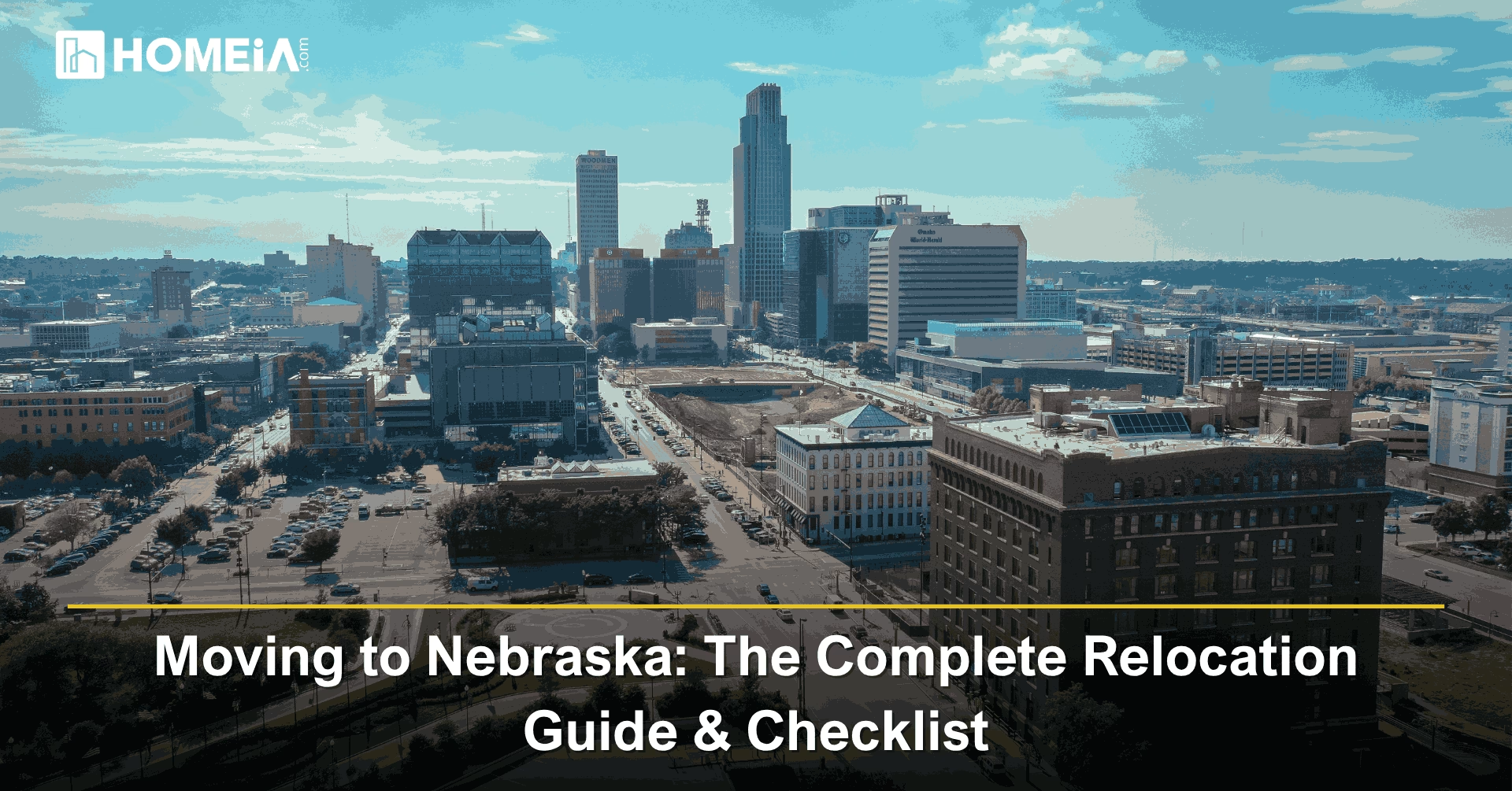



Moving to Nebraska: The Complete Relocation Guide & Checklist
Located in the heart of the country, Nebraska offers a mix of growing cities, open landscapes, and affordable living that surprises a lot of newcomers. Around 2 million people call…
-
The Pros and Cons of Living in Nebraska
The pros and cons of living in Nebraska: Go Big Red. Spend more than a week in Nebraska and you will probably hear that phrase everywhere. Around here, it means…
-
7 Most Affordable Places to Live in Nebraska
Nebraska continues to stand out as one of the few places where a middle-class income can still go a long way. While housing prices have increased here like they have…
-
5 Best Places to Live in Nebraska
Nebraska continues to surprise people who have never spent much time here. While the state is still known for agriculture and wide-open space, many of its cities offer strong job…
-
The Cheapest Way to Move Across the Country: 2026 Cost Comparison
Budget-Friendly Ways to Move Across the U.S.: A long-distance relocation can be the mark of a new chapter in any person’s life. It might mean a new job, a new…
Related Topics










-
The Pros and Cons of Living in Arkansas
Considering a move to Arkansas? The Natural State offers a compelling blend of affordability and natural beauty that attracts new residents from across the country. Home to 3 million people, Arkansas features everything from vibrant cities to charming small towns,…
-
The Pros and Cons of Living in Ave Maria, Florida
The Pros and Cons of Living in Ave Maria, Florida: When picturing Ave Maria, what comes to mind are stunning basilica, perfectly manicured neighborhoods, and the Florida sun. However, this unique town has even more hidden inside. It blends master-planned…
-
The Pros and Cons of Living in Boston, Massachusetts
Considering moving to Boston in 2026? This historic yet innovative city offers a unique blend of old-world charm and modern opportunity. As New England's economic and cultural hub, Boston attracts residents with its world-class education, thriving job market, and vibrant…

-
The Pros and Cons of Living in Delaware
When picturing Delaware, what comes to mind are tax-free shopping, beautiful beaches, and proximity to major East Coast cities. But the First State offers more than financial advantages; here exists a place where historic charm, corporate headquarters, and relaxed coastal…
-
The Pros and Cons of Living in Denver, Colorado
Looking for stellar public schools, world-class ski resorts, and a thriving city all in one spot? Denver, Colorado, may be the place for you. The Mile High City offers a unique blend of outdoor adventure, economic opportunity, and urban convenience.…
-
The Pros and Cons of Living in Florida
The Pros and Cons of Living in Florida: Relocating to a new state is a big move – pun intended! – and requires careful consideration of both the state as well as the specific community you're thinking to join. If…




-
The Pros and Cons of Living in Illinois (updated)
Relocating to a new state requires careful consideration of both the state as a whole and the specific community you'll join. If you're considering Illinois, you'll find a state home to vibrant cities, charming small towns, and a diverse mix…
-
The Pros and Cons of Living in Indiana
When picturing Indiana, what comes to mind are rolling farmlands, basketball hoops, and the iconic Indianapolis 500. But the Hoosier State offers more than Midwestern clichés; here lies a place where affordability, tight communities, and an ideal central location define…
-
The Pros and Cons of Living in Iowa
When picturing Iowa, what comes to mind are vast cornfields, rolling hills, and an established agricultural heritage. But the Hawkeye State offers more than what you see on a farm; here lies a place where strong communities, affordable living, and…



-
The Pros and Cons of Living in Massachusetts
The pros and cons of living in Massachusetts: Moving to a new part of the US requires careful consideration of both the state itself and the specific community you'll join. If Massachusetts is your next destination, you'll find a state…
-
The Pros and Cons of Living in Missouri
When picturing Missouri, what comes to mind are rolling hills, the mighty Mississippi River, and the Gateway Arch. But here offers more than Midwestern clichés; here lies a place where affordability, central location, and diverse landscapes define everyday living. Yet,…
-
The Pros and Cons of Living in Mississippi
The Pros and Cons of Living in Mississippi: Mississippi, located in the heart of the American South, is known for its low cost of living and laid-back way of life. Many people choose to call the Magnolia State home, but…
-
The Pros and Cons of Living in Nevada
When picturing Nevada, what comes to mind are glittering casinos, vast desert landscapes, and the 24-hour energy of Las Vegas. But the 36th state offers more than entertainment clichés; tax advantages, outdoor recreation, and economic opportunity define everyday living. Yet,…
-
The Pros and Cons of Living in New Hampshire
When picturing New Hampshire, what comes to mind are picturesque New England villages, stunning White Mountains, and a fiercely independent spirit. But the Granite State offers more than colonial charm; here lies a place where low-cost living, outdoor adventure, and…
-
The Pros and Cons of Living in New Jersey
Considering a move to New Jersey? The Garden State offers a dynamic mix of urban energy, coastal charm, and suburban comfort. Home to nearly 9 million residents, New Jersey features vibrant cities, peaceful towns, stunning beaches, dense forests, and cultural…


-
The Pros and Cons of Living in North Dakota
When picturing North Dakota, imagery commonly associated are vast prairies, oil fields, and harsh winters. But the Peace Garden State offers more than Midwestern stereotypes; here lies an area where flourishing communities, economic opportunity, and affordable living define everyday life.…
-
The Pros and Cons of Living in Ohio
On any given day in Ohio, you could find yourself in two completely different states of mind in a difference of an hour. One moment, you are looking at a beautiful view of snow-topped trees from a lookout point high…
-
The Pros and Cons of Living in Oregon
Relocating to a new state requires careful consideration of both the state as a whole, as well as the specific community you'll join. Oregon offers stunning natural beauty, vibrant cities, and a progressive culture with options for all ages, budgets,…



-
The Pros and Cons of Living in South Carolina
The pros and cons of living in South Carolina: When picturing South Carolina, the mind goes straight to shrimp and grits at a waterfront table in Charleston, azaleas in full bloom in Summerville, and a round of golf as the…
-
The Pros and Cons of Living in South Dakota
The Pros and Cons of Living in South Dakota: When picturing South Dakota, what comes to mind are vast prairies, Mount Rushmore, and the rugged beauty of the Badlands. But the Land of Infinite Variety offers more than Western clichés; here…
-
The Pros and Cons of Living in Tennessee
People have been migrating to the South at an unprecedented rate in recent years, making it the leading region for population growth in the United States. This historic pattern of migration is driven by a complex range of factors, including…

-
Pros and Cons of Living in Virginia
Virginia is a beautiful state with an abundance of opportunities ripe for discovery. From the Appalachian Trail to the Blue Ridge Mountains, coastal towns to small farming communities, Virginia has something for individuals and families of all ages and budgets.…
-
The Pros and Cons of Living in Washington
When picturing Washington State, what crosses one’s mind are lush evergreen forests, majestic mountains, and the tech hub of Seattle. But the PNW offers more than that; here lies a place where natural beauty, economic opportunity, and progressive values define…
-
The Pros and Cons of Living in West Virginia
The Pros and Cons of Living in West Virginia: Relocating to West Virginia is a major decision requiring careful consideration of both the state's overall character and the communities you might call home. If you're considering moving to West Virginia,…