






Living In Rhode Island
Local Editor(s)

 Verified

The Complete Guide to Cost of Living and Lifestyle
Rhode Island living offers a unique coastal value proposition with its compact size, rich history, and access to New England culture. The Ocean State attracts everyone from young professionals and academics to retirees seeking a vibrant, accessible lifestyle. However, sacrifices are made, notably high housing costs and taxes. This comprehensive living in Rhode Island guide covers housing prices, taxes, daily expenses, and lifestyle factors to help you decide if the 13th state is your next home.
Key Takeaways
- Affordable Housing: Rhode Island’s housing market presents challenges with median home prices consistently above the national average, particularly in coastal communities like Newport and Providence suburbs. However, costs vary significantly between urban centers and inland towns.
- Tax Structure: The state offers a mixed tax environment with moderate income tax rates but relatively high property taxes and sales tax, though some relief is available for retirees and certain income brackets.
- Daily Living Expenses: Rhode Island’s overall cost of living is roughly 12% above the national average, with utilities, groceries, and healthcare often exceeding national benchmarks.
- Lifestyle Trade-Off: The benefits of coastal living, rich culture, and educational access are balanced against economic challenges, including high living costs and variable job market opportunities.
- Community is Key: Strong sense of community and unique New England identity are intangible benefits that greatly enhance the quality of life for those who embrace the Rhode Island way of life.
I. Methodology: How We Analyzed the Cost of Living
Our analysis is based on a multi-factor review of key elements that impact residents’ financial well-being and daily life. We compiled data from reputable 2026 sources, including the U.S. Census Bureau, Bureau of Labor Statistics, Zillow housing market reports, Tax Foundation, and local Rhode Island state agencies.
Our evaluation criteria are weighted as follows:
- Housing & Affordability (30%): The largest budget item. We analyze median home prices, rental costs, and property taxes, using ratios like home-price-to-income to gauge true accessibility.
- Daily Living Expenses (25%): This metric evaluates the costs that define a daily budget, including groceries, utilities, transportation, and healthcare, benchmarked against national averages.
- Tax Burden (20%): A crucial component of affordability. We assess the impact of state income, sales, and property taxes on overall financial planning for both workers and retirees.
- Income & Economic Context (15%): Affordability is relative to earnings. We examine median household incomes and economic stability to provide context for the cost data.
- Lifestyle Value (10%): We evaluate the intangible ROI of living in Rhode Island, considering access to culture, outdoor recreation, and community amenities that offset monetary costs.

Related article
Our Methodologies to create HOMEiA Score Ratings for Each Group of Content
HOMEiA uses a consistent, data-driven methodology to evaluate U.S. states for livability, affordability, and long-term value. Our analysis centers on key factors such as Housing and Affordability, Cost of Daily Living, Access and Infrastructure, Community Strength, Safety and Quality of Life, Economic Resilience and Job Market…
II. Detailed Community Analysis: Seven Affordable Bayous

Rhode Island’s housing market presents significant challenges for affordability in the Northeast. Expenditures are consistently higher than the national average but vary dramatically between coastal enclaves and inland communities.
A. Major Rhode Island Cities Housing Costs
City | Median Home Price | Avg. Rent (2-Bedroom) | Home Price to Income Ratio | Income to Rent Ratio | Safety Rating |
|---|---|---|---|---|---|
| Woonsocket | $275,000 | $1,300 | 3.7:1 | 29.8x | 58/100 |
| Pawtucket | $295,000 | $1,400 | 4.1:1 | 31.8x | 60/100 |
| Providence | $385,000 | $1,650 | 5.4:1 | 37.1x | 65/100 |
| Warwick | $365,000 | $1,500 | 4.9:1 | 35.6x | 72/100 |
| Cranston | $375,000 | $1,575 | 5.0:1 | 36.2x | 70/100 |
| Bristol | $425,000 | $1,750 | 5.7:1 | 39.8x | 78/100 |
| Newport | $650,000 | $2,000 | 8.7:1 | 44.5x | 75/100 |
Before deciding where to settle, review this list of wallet-friendly Ocean State towns to compare local property values.
Notes: Median home price to income ratios have been adjusted based on a median household income of approximately $71,000 in Rhode Island for 2026. Rent to income ratios reflect this context. Safety ratings derived from aggregated local crime data and community reports.
B. Rhode Island Housing Strategies and Financial Options: Financing a home requires careful planning, with widely accepted FHA, VA, and conventional loans. However, first-time homebuyers should pay special attention to energy efficiency and property maintenance costs. Older, historic homes can be costly to heat in the winter, while coastal properties may require additional insurance considerations. A thorough inspection of older locations is critical, particularly for waterfront locations.

Related article
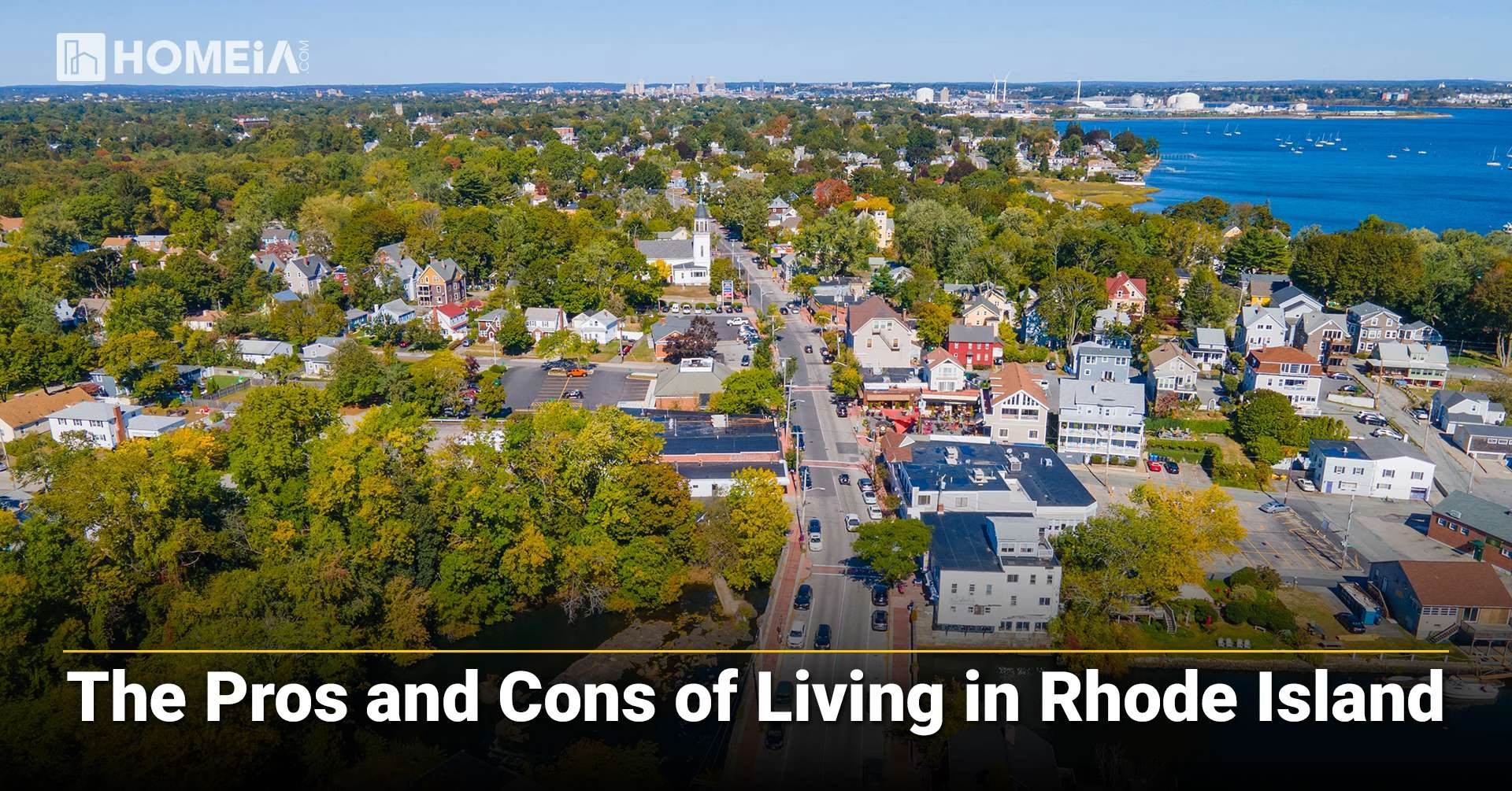
The Pros and Cons of Living in Rhode Island
Rhode Island offers more than colonial charm and coastal beauty, blending maritime heritage, creative culture, and tight-knit communities. But trade-offs include a high cost of living, cold winters, and limited space. This guide provides a balanced look at the pros and cons of life in the 401 and highlights the best cities for young professionals, families, and retirees…
2. Rhode Island Tax Structure: A Mixed Picture
A. Rhode Island State Taxes Overview
You can find a tax structure presenting benefits and challenges for residents. The state has a progressive income tax system with rates ranging from 3.75% to 5.99% and a statewide sales tax of 7%. Property taxes vary by municipality, averaging approximately 1.53% of assessed home value, higher than national average but moderate compared to some New England neighbors. Offered are some relief through exemptions for certain retirement income and property tax relief programs for seniors and low-income residents.
B. Tax Comparison: Rhode Island vs. Other States
Tax Type | Rhode Island | Massachusetts | Connecticut | National Avg. |
|---|---|---|---|---|
| State Income Tax | 3.75% – 5.99% | 5.0% Flat | 3.0% – 6.99% | ~5.1% |
| State Sales Tax | 7.0% | 6.25% | 6.35% | ~6.35% |
| Avg. Combined Sales Tax | ~7.0% | ~6.25% | ~6.35% | ~7.12% |
| Avg. Property Tax | ~1.53% | ~1.23% | ~2.14% | 1.07% |
| Social Security Taxed? | Partially | No | No | N/A |
Rhode Island partially taxes Social Security benefits but exempts amounts based on income thresholds, providing some aid for retirees.
3. Daily Living Expenses in Rhode Island
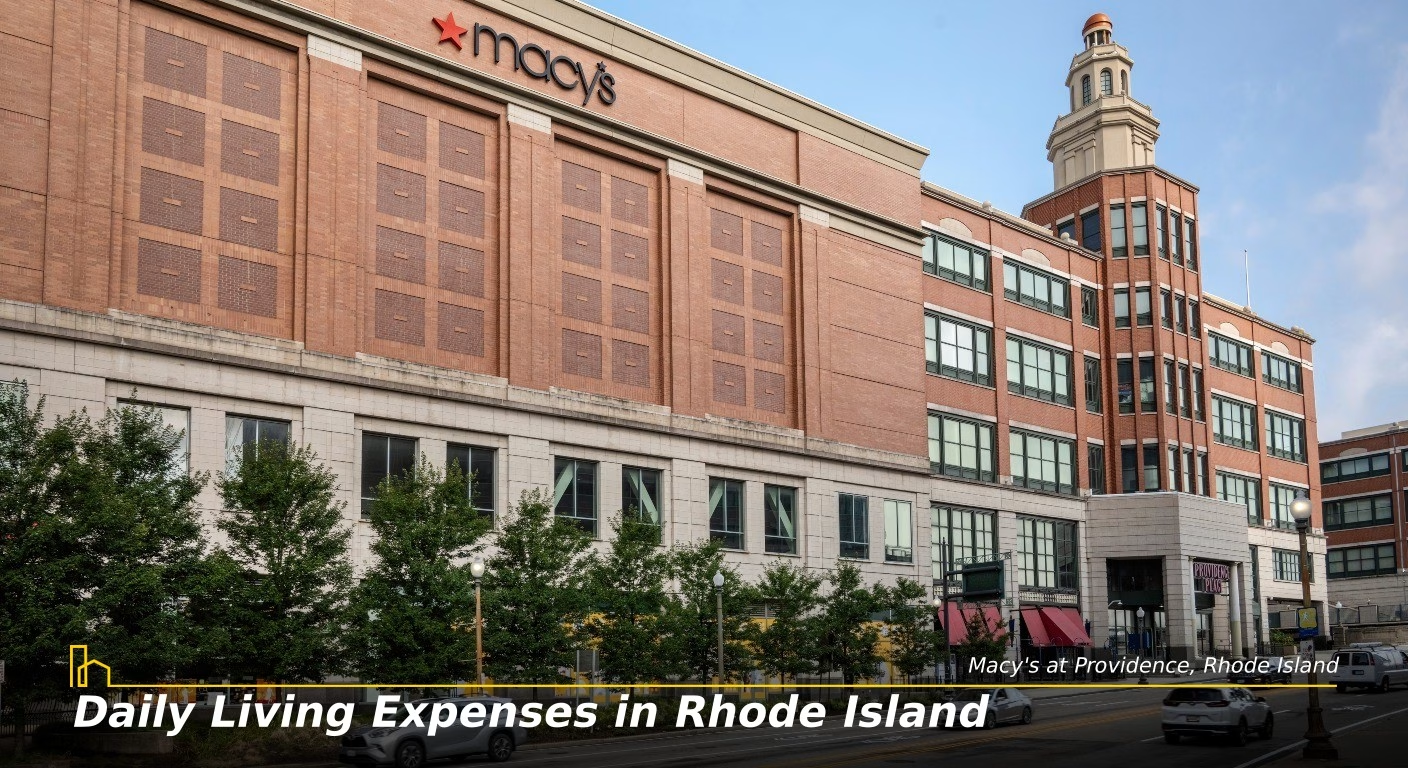
Overall cost of living is roughly 12% above the national average, but daily expenses tell a more nuanced story.
A. Monthly Living Costs Breakdown
Expense Category | Rhode Island Cost | National Comparison |
|---|---|---|
| Groceries (per person) | $350-$400/month | 10%-15% above average |
| Utilities (Monthly Avg.) | $200-$350/month | 15%-25% above average (seasonal) |
| Gasoline | ~$3.40/gallon | Slightly above average |
| Healthcare (individual) | $450-$550/month | 5%-10% above average |
| Internet | $70-$100/month | Near national average |
Residents often mitigate these costs through local seasonal shopping and energy efficiency efforts.
B. Cost-Saving Strategies for Rhode Island Living
Seasoned locals mitigate high costs by:
- Shopping Local & Seasonal: Purchasing fresh produce at farmers’ markets and taking advantage of local seafood catches.
- Energy Efficiency: Investing in weatherization and efficient heating systems for New England winters.
- Transportation Alternatives: Utilizing its compact size to reduce commuting costs and using public transit where available.
- Entertainment Choices: Taking advantage of free cultural events, beaches, and state parks for low-cost recreation.
Related article
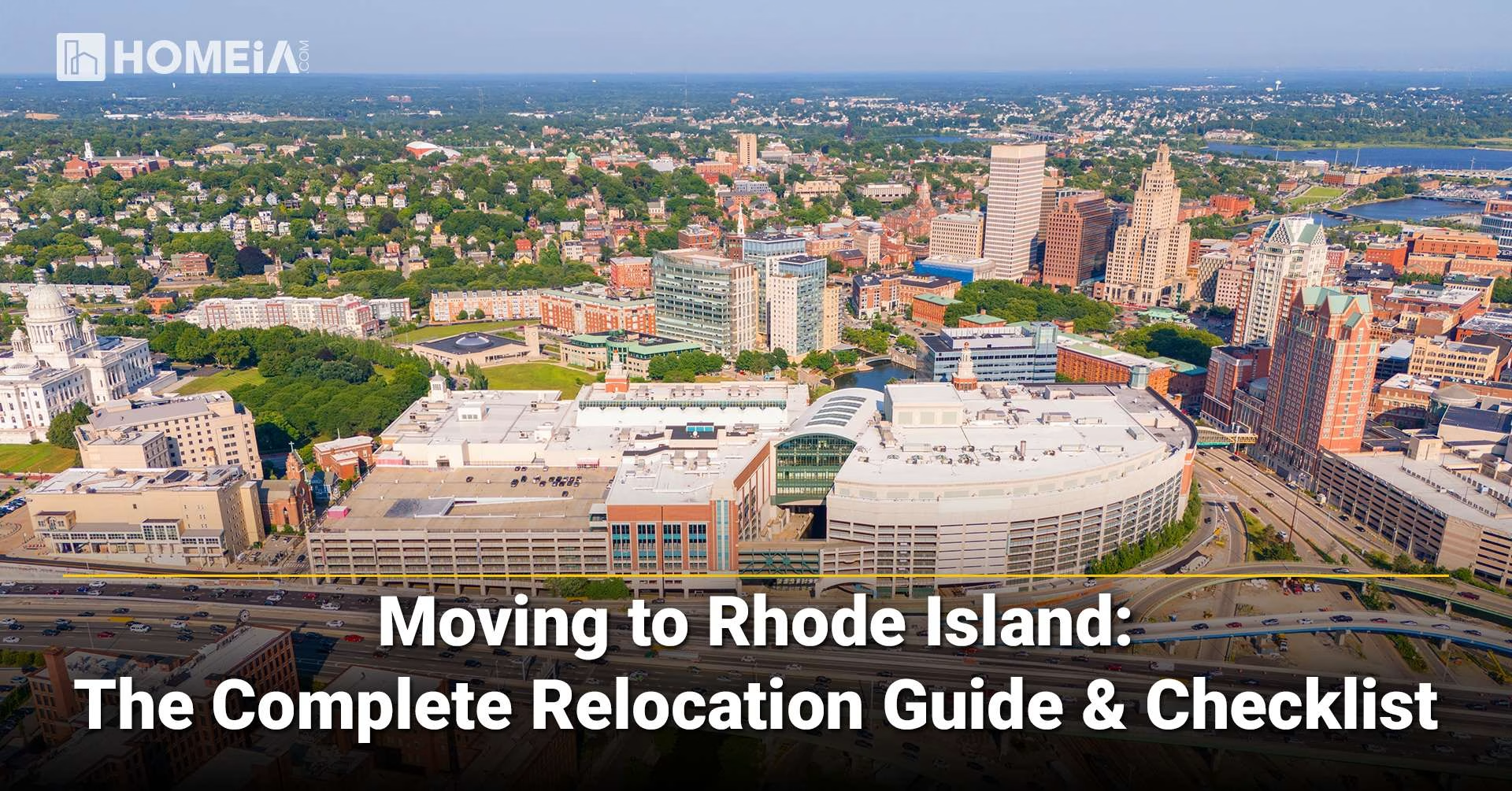
Moving to Rhode Island: The Complete Relocation Guide & Checklist
Rhode Island blends coastal charm, rich history, and compact living in America’s smallest state. Over 1 million residents enjoy scenic shorelines, vibrant Providence arts, and easy access to major New England cities. This guide covers relocation essentials; from coastal climate and living costs to the legal steps of becoming a Rhode Island resident…
4. Family Life in Rhode Island: Education and Community
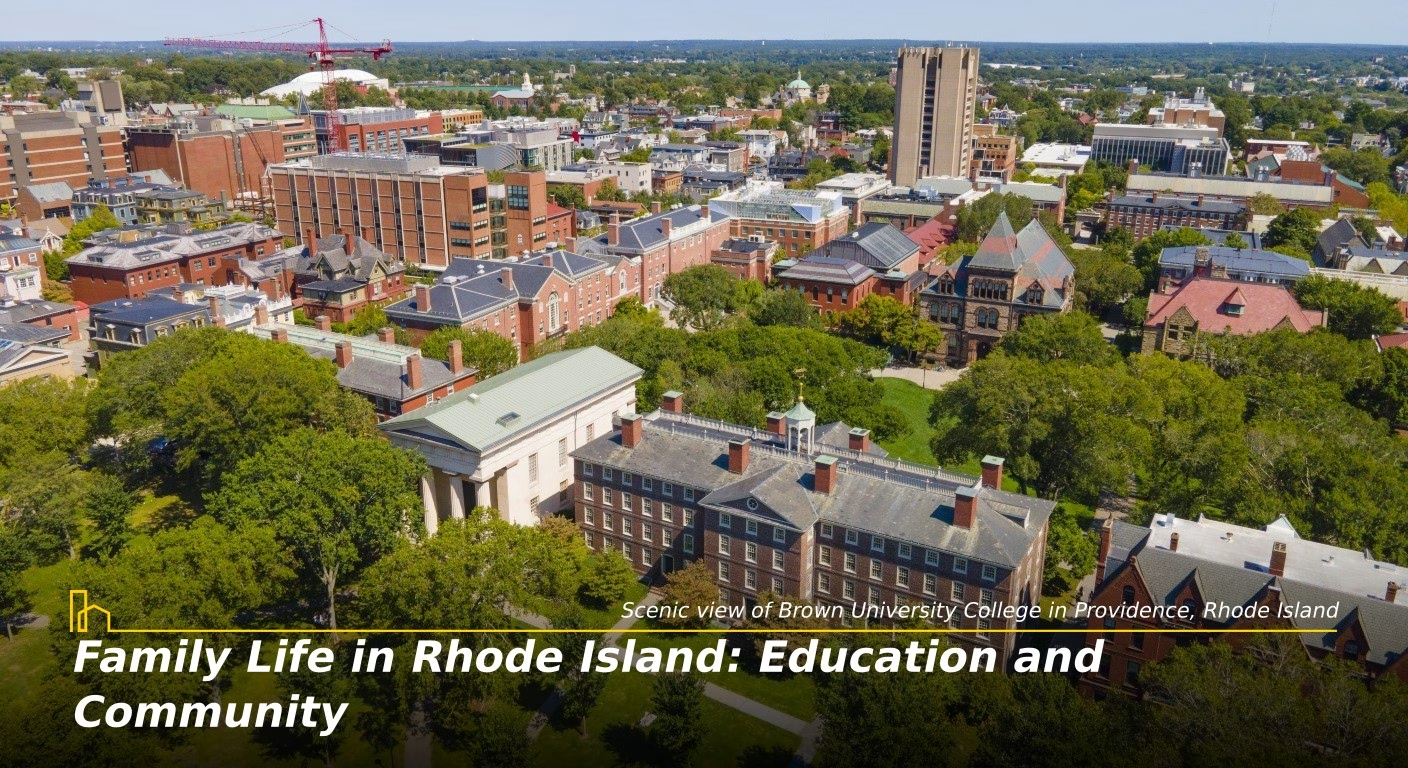
RI offers a unique family life with celebrated community bonds and excellent educational opportunities, though costs can be challenging.
A. Education in Rhode Island: School quality differs significantly across the state. Districts in Barrington, East Greenwich, and North Kingstown are highly rated and competitive. Their public education system includes accomplished charter school options and specialized magnet schools. Higher education opportunities are abundant with Brown University, Rhode Island School of Design, and University of Rhode Island providing perfect options.
B. Childcare and Family Costs
Family Expense | Rhode Island Cost | Available Support |
|---|---|---|
| Childcare (Monthly) | $900-$1,200/month | State assistance programs available |
| Youth Sports | $150-$400/season | Community leagues vary by town |
| 4-H & Outdoor Programs | Varies | Very accessible through URI extension |
5. Rhode Island Transportation: Compact but Car-Dependent
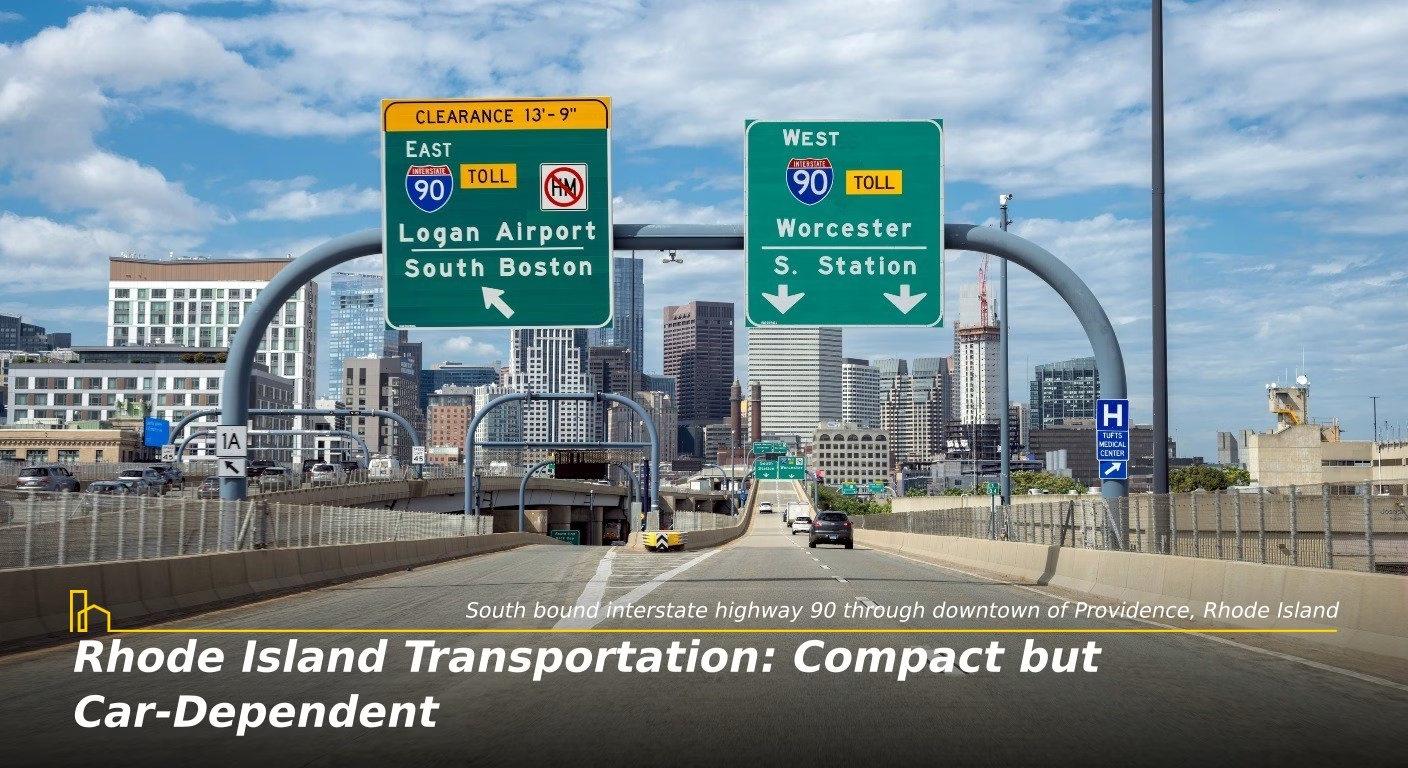
Transportation benefits from the state’s small size but still requires careful budgeting.
A. Vehicle-Related Expenses
Transportation Cost | Rhode Island Average | National Comparison |
|---|---|---|
| Auto Insurance | $1,500-$1,900/year | Above average |
| Gas Prices | ~$3.40/gallon | Slightly above average |
| Vehicle Registration | $60-$120/year | Based on vehicle weight and age |
| Annual Mileage | ~10,000 miles | Below average due to compact size |
B. Public Transit and Air Travel
- Providence: Has the state’s primary bus system (RIPTA) and commuter rail to Boston.
- Other Cities: Offer limited public transit options.
- Air Travel: T.F. Green Airport (PVD) serves as the primary airport with standard regional connections.
Recommended for you




6. Rhode Island Job Market and Income Potential
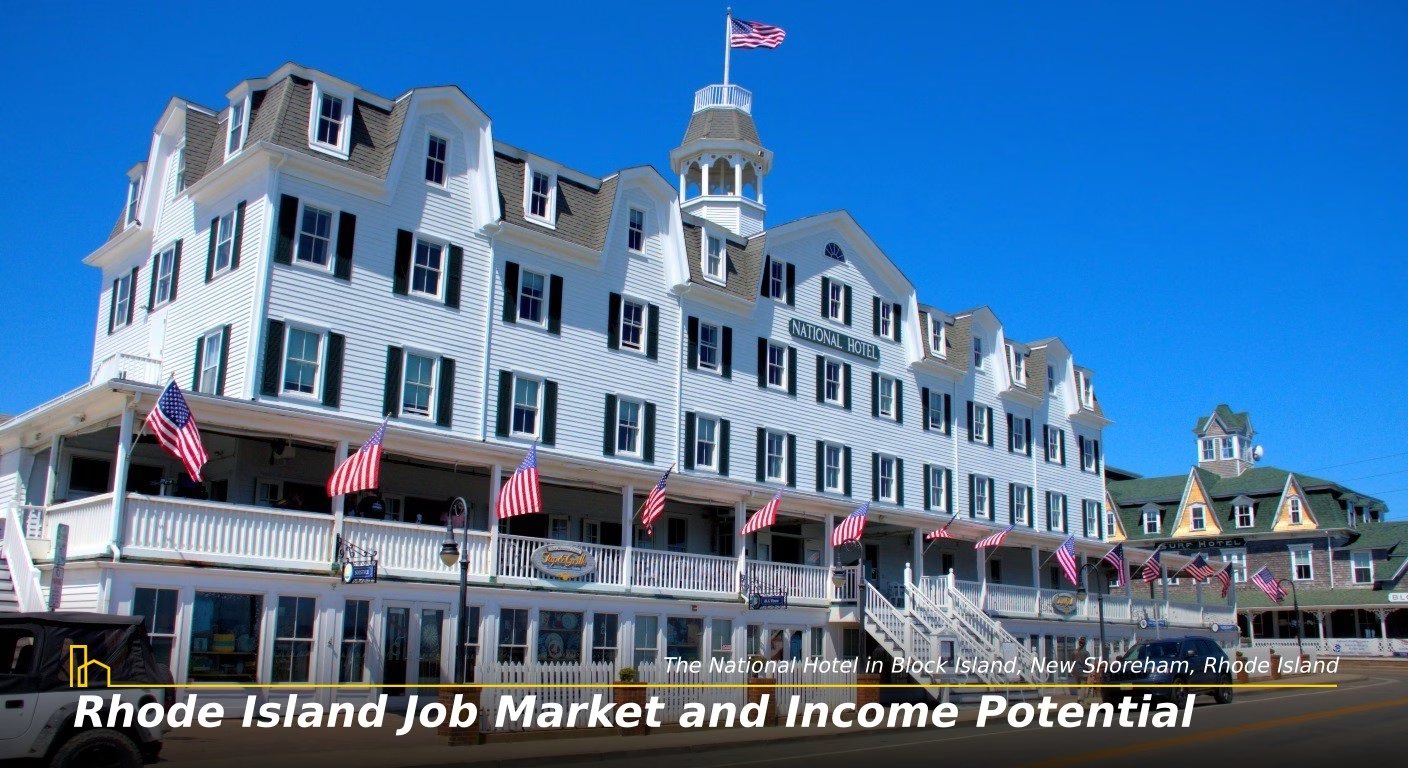
Economic opportunities are diverse, with strengths in healthcare, education, and maritime industries.
A. Income Statistics and Employment
Income Metric | Rhode Island | National Average |
|---|---|---|
| Minimum Wage | $13.00/hour | $7.25/hour |
| Median Household Income | $71,000 | ~$75,000 |
| Unemployment Rate | ~4.2% | ~3.9% |
B. Major Rhode Island Employers and Industries
Industry | Key Companies/Employers | Typical Salary Range |
|---|---|---|
| Healthcare | Lifespan, Care New England | $55,000 – $130,000/year |
| Education | Brown University, URI, RISD | $45,000 – $90,000/year |
| Defense | Naval War College, Raytheon | $60,000 – $120,000/year |
| Tourism & Hospitality | Newport Mansions, hotels | $30,000 – $60,000/year |

Related article
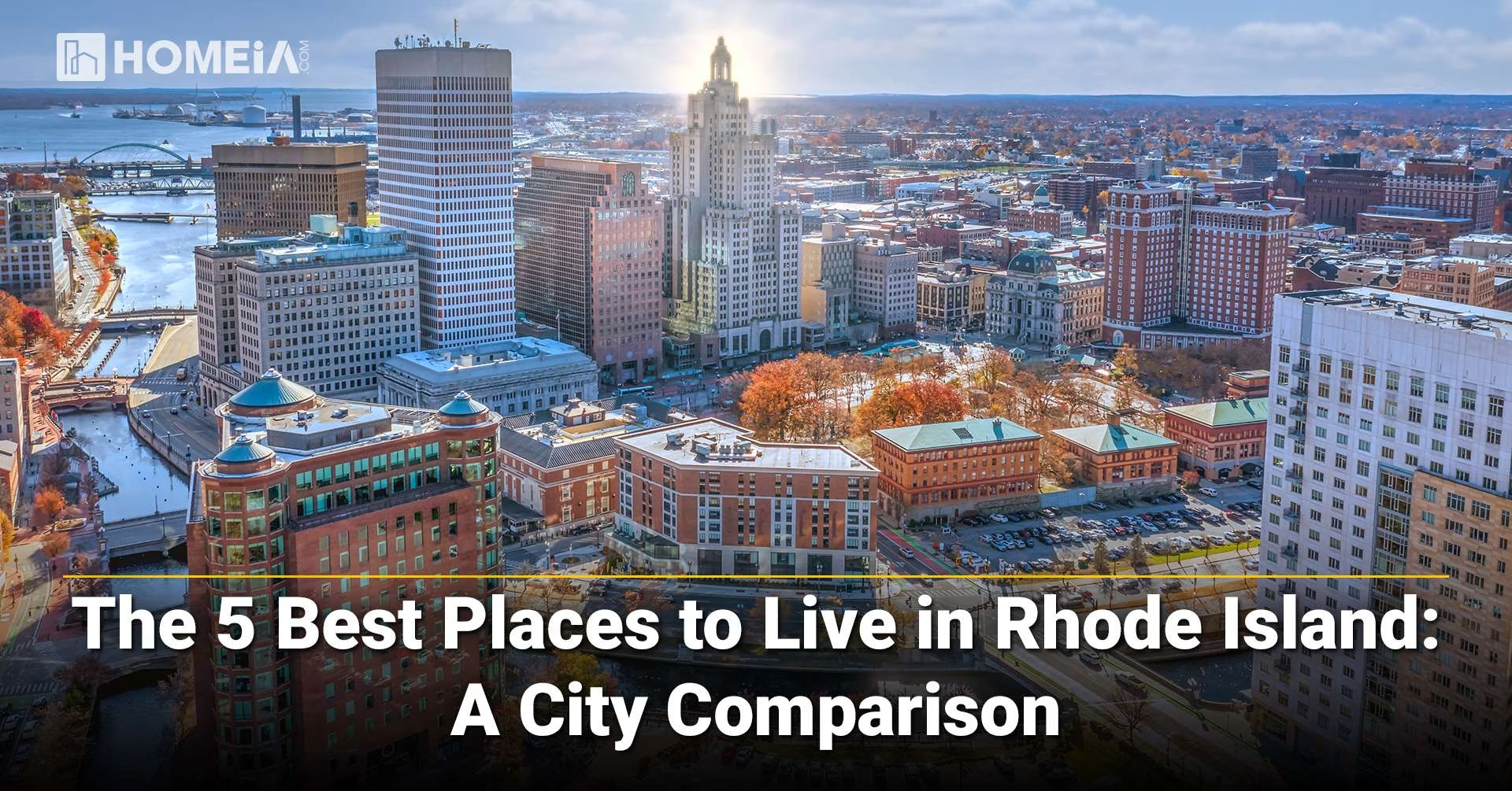
The 5 Best Places to Live in Rhode Island: A City Comparison
Rhode Island may be small, but it offers exceptional quality of life, coastal charm, and New England character. Choosing the right community is key. This guide ranks the state’s five best places to live using data on jobs, affordability, safety, amenities, and quality of life; from Providence’s historic energy to Newport’s refined coastal appeal…
7. Cost of Living Comparison: Rhode Island vs. Other States
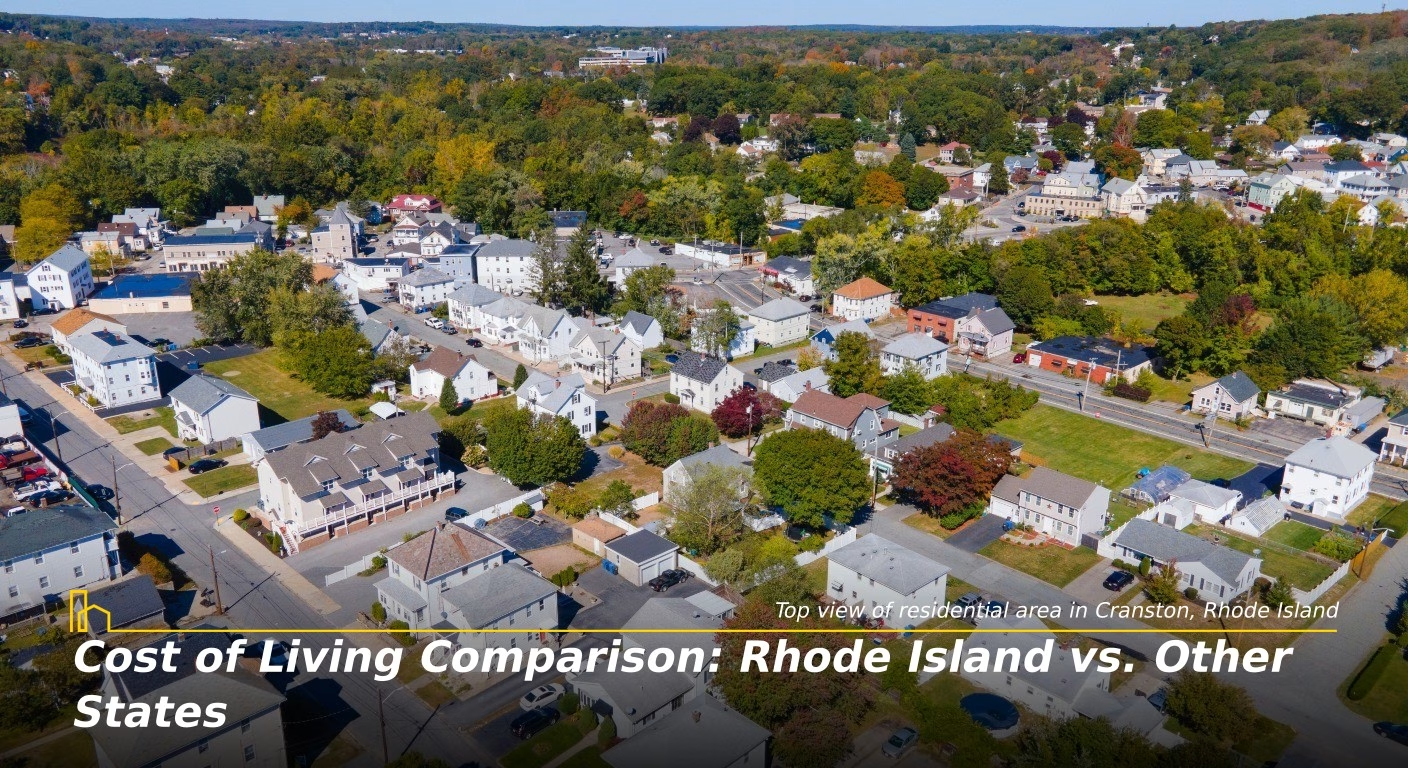
Expense Category | Rhode Island | Massachusetts | Connecticut | National Avg. |
|---|---|---|---|---|
| Median Home Price | $385,000 | $560,000 | $380,000 | ~$295,000 |
| Rent (2-Bedroom) | $1,650 | $2,000 | $1,600 | ~$1,100 |
| Gas Price/Gallon | $3.40 | $3.50 | $3.45 | ~$3.20 |
| Utilities (Monthly) | $250 | $220 | $240 | ~$220 |
For a national comparison, see our list of the most affordable cities to live in the US.
8. Rhode Island Lifestyle: The Ultimate Trade-Off
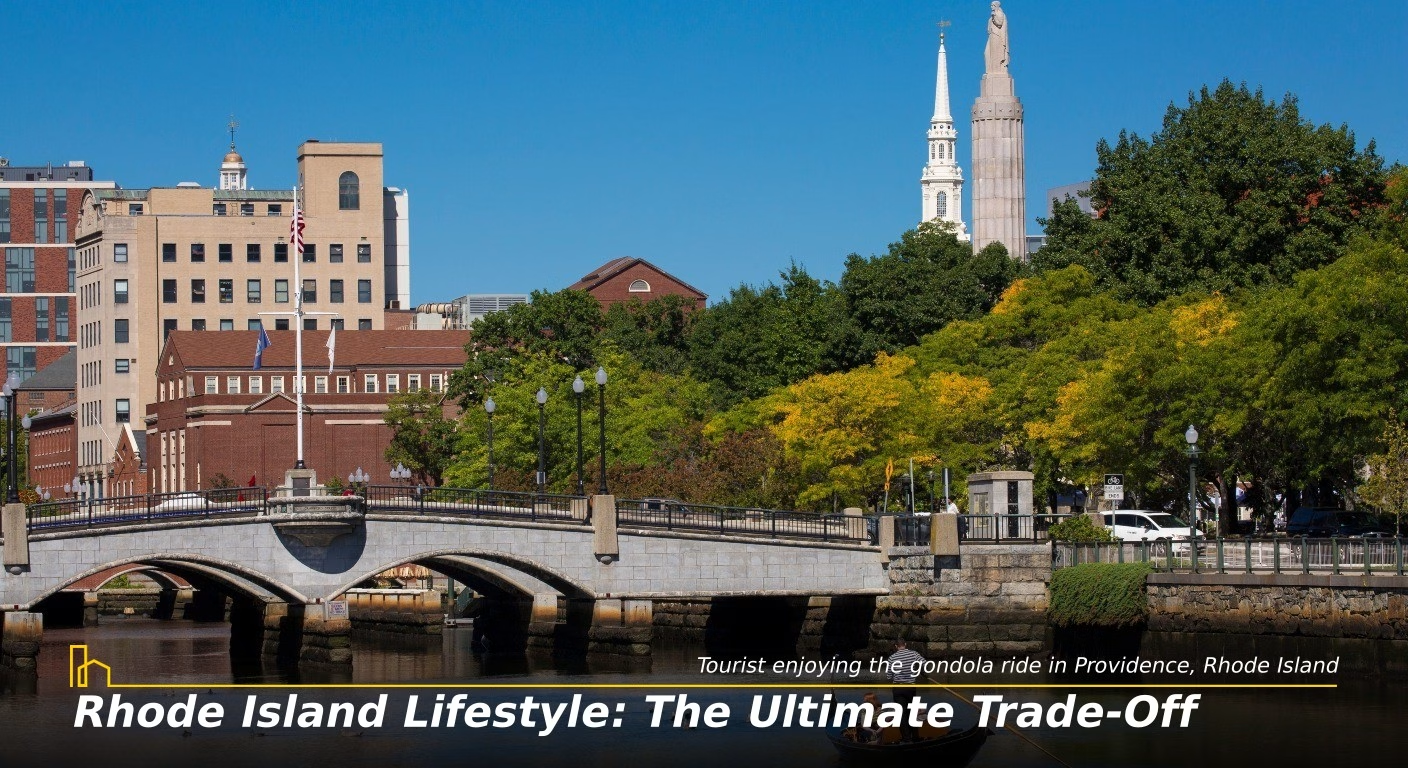
An authentic lifestyle combines towering costs with exceptional cultural and educational rewards: world-class universities, historic preservation, and coastal recreation. These benefits are balanced against above-average living expenses, high property taxes, and competitive housing markets.
A. Lifestyle Advantages of Rhode Island Living: The ability to access world-class education, enjoy historic architecture, and experience coastal living within a compact state is unparalleled. A sense of community and connection to New England history provides a quality of life that is difficult to quantify but deeply felt by those who call it home.
B. Rhode Island Living Challenges: The relatively high cost of living is the most significant hurdle for many residents. Access to affordable housing, particularly in desirable coastal communities, can be limited. Transportation infrastructure outside the Providence area requires careful planning.

Related article
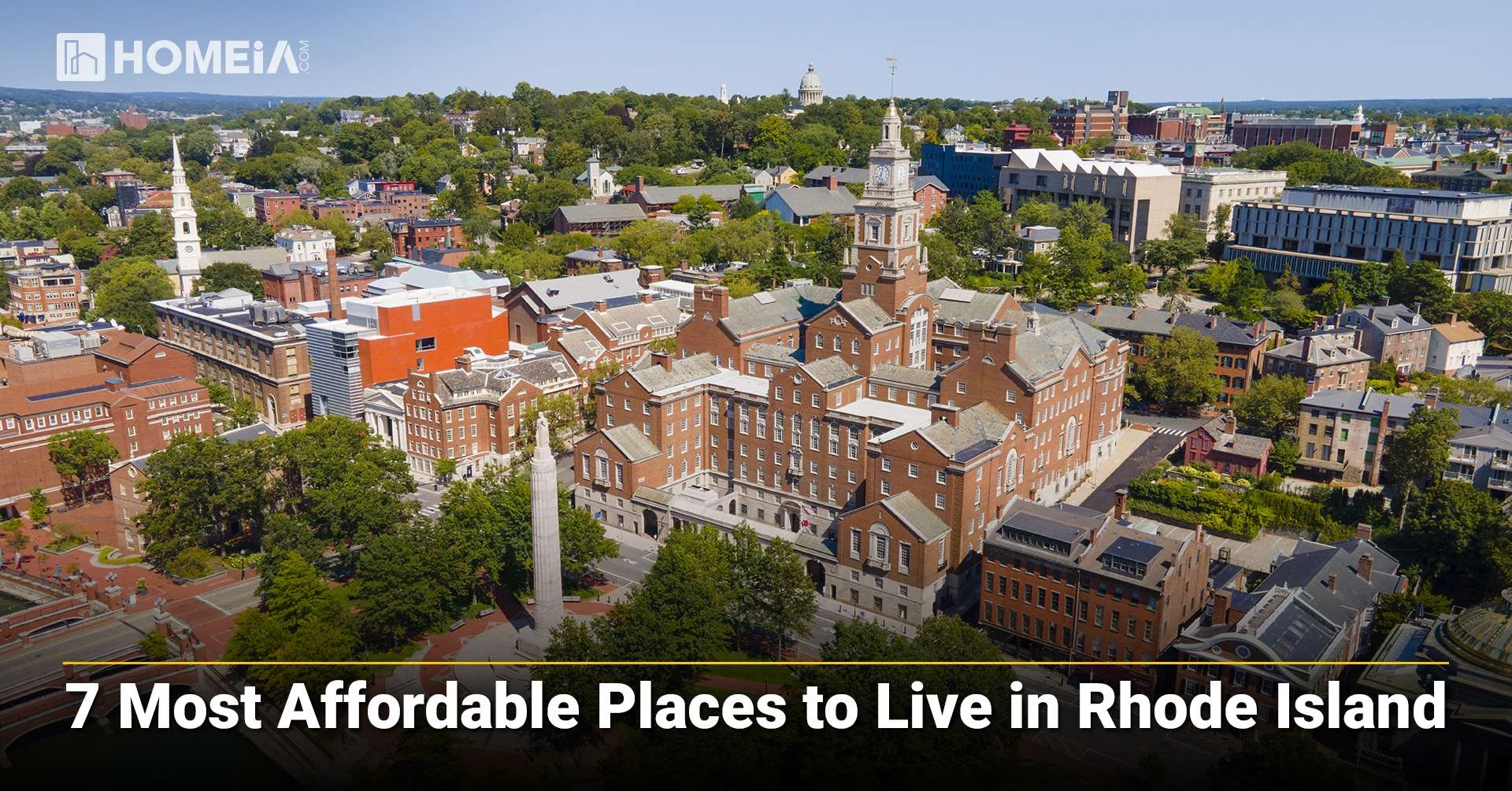
7 Most Affordable Places to Live in Rhode Island
Rhode Island offers pockets of affordability amid its coastal charm and historic appeal. While costs vary widely, careful planning can unlock strong value compared to other New England states. This guide uses data on housing, utilities, and transportation to highlight seven of Rhode Island’s most affordable places to live…
9. Best Places to Live in Rhode Island for Different Needs

A. Family-Friendly Rhode Island Communities
Community Type | Best Cities | Median Home Price | Key Benefits |
|---|---|---|---|
| Urban Family | Providence | $385,000 | Cultural amenities, job opportunities |
| Suburban Family | Barrington | $550,000 | Top schools, community amenities |
| Coastal Family | Newport | $650,000 | Historic charm, recreational access |
B. Professional and Retiree Options
- Providence provides the most diverse corporate and healthcare job opportunities with urban amenities.
- East Side of Providence offers a stable, education-focused environment for academics and professionals.
- Newport is a premier destination for its historic charm and coastal lifestyle, though costs are high.
- South County communities offer more affordable coastal living with good access to URI and beaches.
Conclusion: Making Rhode Island Living Work for You
Success depends on choosing the right location for your budget and career, preparing for New England weather, and embracing a community-oriented mindset. While the cost of living is high, strategic financial planning—and a willingness to engage with the local culture—is vital. For those drawn by educational opportunities, historic preservation, and coastal access, Rhode Island offers a rewarding lifestyle with unique Northeast character. For a comparison with another New England state, explore our guide on the most affordable places to live in Maine.
Recommended for you




FAQs About Living in Rhode Island
1. What is a comfortable salary to live in Rhode Island?
A single person can live comfortably on an annual salary of $60,000-$70,000. Families of four typically need a combined income of $90,000+ to cover housing, groceries, utilities, and transportation confidently, especially in more expensive areas including Newport or the East Side of Providence.
2. Is Rhode Island a tax-friendly state for retirees?
Moderately. Here offers certain tax benefits for retirees, including partial exemptions for Social Security income and property tax relief programs for qualifying seniors. However, property taxes remain relatively high compared to other states.
3. How do people afford groceries in Rhode Island?
Rhode Islanders afford groceries by shopping sales at major chains, buying in bulk at BJ’s or Costco, and subscribing to local CSA programs for fresh produce. Many also take advantage of the state’s access to fresh seafood and local farm products.
4. Is healthcare more expensive in Rhode Island?
Healthcare costs are generally above the national average. Major medical centers including Rhode Island Hospital and Miriam Hospital provide excellent care, but costs reflect their overall higher cost of living.
Hidden costs to watch out for are property taxes (which vary by municipality), higher-than-average utility bills (particularly for heating in winter), and transportation costs (including vehicle maintenance on older roads and potential tolls).
6. Is Rhode Island a good place to retire?
It can be a pristine place to retire for the right person. Cultural amenities, educational opportunities, and coastal lifestyle are enticing. However, retirees must carefully consider their budget and choose a location with manageable property taxes, such as certain inland communities or areas with senior tax relief programs.
7. How does Rhode Island’s cost of living compare to nearby states?
Cost of living is generally lower than Massachusetts but higher than Connecticut when considering the full picture of housing, taxes, and daily expenses. For those considering other options, you might explore the pros and cons of living in Massachusetts or the pros and cons of living in Connecticut for comparison.
8. What are the best affordable areas for young professionals?
Young professionals often find the best value in Providence’s emerging neighborhoods, Pawtucket’s arts district, or Warwick’s more affordable suburban options. These areas offer reasonable housing costs while maintaining access to employment centers and urban amenities.
9. How severe are Rhode Island winters, and how do they impact costs?
Here, winters are milder than other New England states but still require preparation. Heating costs can be significant, particularly in older homes. The state’s coastal location moderates temperatures but can bring higher humidity and precipitation.
10. Is public transportation reliable for commuting?
Public transportation is most reliable in the Providence metropolitan area, with RIPTA bus service and MBTA commuter rail to Boston. Outside this core area, transportation options become limited, making car ownership nearly essential for most residents.
For those considering other relocation options, you might also explore the complete relocation guide to Florida, learn about the pros and cons of living in North Carolina, or discover the best places to live in Tennessee. Each state offers unique advantages for different lifestyles and budgets.
Local Editor(s)


The Pros and Cons of Living in Rhode Island
When picturing Rhode Island, what comes to mind are historic colonial architecture, breathtaking coastline, and being the smallest state in the nation. But Little Rhody offers more than New England…
-
Moving to Rhode Island: The Complete Relocation Guide & Checklist
Bordered by Massachusetts, Connecticut, and the Atlantic Ocean, Rhode Island offers a lifestyle defined by coastal charm, historic significance, and compact urban living. Over 1 million residents call the Ocean…
-
The 5 Best Places to Live in Rhode Island: A City Comparison
Rhode Island may be the smallest state in the US, but it packs a powerful punch when it comes to quality of life, coastal charm, and New England character. Choosing…
-
7 Most Affordable Places to Live in Rhode Island
In a nation where housing costs continue to climb, Rhode Island stands out—not only for its charming coastal communities and rich history, but for pockets of remarkable affordability within the…

Remote Work Relocation Tax Guide: Moving to Tax-Free States
The mass shift to remote work has fundamentally changed how professionals approach their living situations, untethering careers from specific geographic locations. Newfound flexibility allows for strategic decisions based on quality…
Related Topics













-
The Pros and Cons of Living in Delaware
When picturing Delaware, what comes to mind are tax-free shopping, beautiful beaches, and proximity to major East Coast cities. But the First State offers more than financial advantages; here exists a place where historic charm, corporate headquarters, and relaxed coastal…
-
The Pros and Cons of Living in Idaho
When picturing Idaho, many envision snow-capped mountains, pristine lakes, and the iconic Snake River Canyon. Yet there's far more to Idaho than its postcard scenery. If you're considering a move, you'll find a state celebrated for its rugged beauty, expanding…
-
The Pros and Cons of Living in Indiana
When picturing Indiana, what comes to mind are rolling farmlands, basketball hoops, and the iconic Indianapolis 500. But the Hoosier State offers more than Midwestern clichés; here lies a place where affordability, tight communities, and an ideal central location define…






-
The Pros and Cons of Living in Montana
When picturing Montana, what comes to mind are vast mountain landscapes, pristine wilderness, and the spirit of the American West. But the Treasure State offers even more; here lies a place where outdoor adventure, tight-knit communities, and breathtaking natural beauty…
-
The Pros and Cons of Living in Nevada
When picturing Nevada, what comes to mind are glittering casinos, vast desert landscapes, and the 24-hour energy of Las Vegas. But the 36th state offers more than entertainment clichés; tax advantages, outdoor recreation, and economic opportunity define everyday living. Yet,…
-
The Pros and Cons of Living in New Hampshire
When picturing New Hampshire, what comes to mind are picturesque New England villages, stunning White Mountains, and a fiercely independent spirit. But the Granite State offers more than colonial charm; here lies a place where low-cost living, outdoor adventure, and…





-
The Pros and Cons of Living in Vermont
The Pros and Cons of Living in Vermont: Tucked into the heart of New England, Vermont offers postcard-worthy landscapes, a relaxed pace of life, and a strong sense of community. Known for its maple syrup, fall foliage, and progressive values,…
-
The Pros and Cons of Living in Florida
The Pros and Cons of Living in Florida: Relocating to a new state is a big move – pun intended! – and requires careful consideration of both the state as well as the specific community you're thinking to join. If…
-
Pros and Cons of Living in Georgia
Relocating to a new state is a significant decision, one that requires thoughtful consideration of both the state as a whole and the specific community you're considering. If you're thinking about moving to Georgia, you'll find the Peach State offers…




-
The Pros and Cons of Living in Arkansas
Considering a move to Arkansas? The Natural State offers a compelling blend of affordability and natural beauty that attracts new residents from across the country. Home to 3 million people, Arkansas features everything from vibrant cities to charming small towns,…
-
The Pros and Cons of Living in Boston, Massachusetts
Considering moving to Boston in 2026? This historic yet innovative city offers a unique blend of old-world charm and modern opportunity. As New England's economic and cultural hub, Boston attracts residents with its world-class education, thriving job market, and vibrant…
-
The Pros and Cons of Living in Denver, Colorado
Looking for stellar public schools, world-class ski resorts, and a thriving city all in one spot? Denver, Colorado, may be the place for you. The Mile High City offers a unique blend of outdoor adventure, economic opportunity, and urban convenience.…



-
The Pros and Cons of Living in Minnesota
The Pros and Cons of Living in Minnesota: When picturing the Midwestern state of Minnesota, some might imagine a snowy blizzard, an afternoon at the lake, the bustling state fair, and a thriving hockey community. And while all of those…
-
The Pros and Cons of Living in Missouri
When picturing Missouri, what comes to mind are rolling hills, the mighty Mississippi River, and the Gateway Arch. But here offers more than Midwestern clichés; here lies a place where affordability, central location, and diverse landscapes define everyday living. Yet,…
-
The Pros and Cons of Living in New Jersey
Considering a move to New Jersey? The Garden State offers a dynamic mix of urban energy, coastal charm, and suburban comfort. Home to nearly 9 million residents, New Jersey features vibrant cities, peaceful towns, stunning beaches, dense forests, and cultural…






-
The Pros and Cons of Living in Parrish, Florida
The Pros and Cons of Living in Parrish, Florida: When picturing Parrish, rapidly expanding neighborhoods, newer master-planned communities, and a peaceful suburban-rural charm should come to mind. However, this unique town has all that and more. Seamlessly blending affordable Florida…
-
The Pros and Cons of Living in South Carolina
The pros and cons of living in South Carolina: When picturing South Carolina, the mind goes straight to shrimp and grits at a waterfront table in Charleston, azaleas in full bloom in Summerville, and a round of golf as…
-
The Pros and Cons of Living in Tennessee
People have been migrating to the South at an unprecedented rate in recent years, making it the leading region for population growth in the United States. This historic pattern of migration is driven by a complex range of factors, including…





-
The Pros and Cons of Living in West Virginia
The Pros and Cons of Living in West Virginia: Relocating to West Virginia is a major decision requiring careful consideration of both the state's overall character and the communities you might call home. If you're considering moving to West Virginia,…
-
The Pros and Cons of Living in Wisconsin
Relocating to a new state requires careful consideration of both the state as a whole and the particular community you choose to reside in. With its diverse landscapes, vibrant cities, and friendly communities, Wisconsin offers solid options for everyone. Whether…
-
The Pros and Cons of Moving to Arizona
If you are considering moving to Arizona, you’re in the right place! Known for its stunning desert landscapes, vibrant cities, and warm climate, Arizona offers a fantastic environment for living, working, and raising a family. State 48 has a diverse…