





15 Affordable Places to Live in America
Local Editor(s)

 Verified


15 Affordable Cities to Live in the U.S. With Low Cost of Living + Great Jobs
Affordable Places to Live in America: With the national median home sale price at $408,800 as of early 2026, and renting being nearly $920 per month cheaper than buying across the 50 largest metro areas, affordability that once made cities like Austin, Denver, and Phoenix attractive has become a thing of the past. Americans are hunting for places where income stretches further, housing stays within reach, and local job markets are stable enough to support an enjoyable life. Hope still exists as those cities are still out there. All you need to do is widen your search.
This guide breaks down cheap cities to live in the United States, measuring cost of living index, median home prices, rental rates, job market strength, and quality-of-life indicators. Whether you are relocating for career growth, lower housing costs, improved work-life balance, or the freedom of remote work, these cities offer the highest value propositions nationally.
Key Takeaways
- The national median home sale price stands at $408,800 as of March 2026, making affordability the defining factor for anyone planning a move.
- San Antonio, TX has the lowest income threshold for comfortable living among major U.S. cities with $83,242 for a single adult. Thus, Texas cost of living is very attractive.
- Pittsburgh, PA is ranked the most affordable large American housing market, with a median listing price of $250,000. Their mortgage-to-rent ratio favors buyers.
- Midwest metros including Indianapolis, Columbus, Kansas City, and Fort Wayne offer median home prices ranging from $183,000 to $286,000.
- Huntsville, AL holds the nation’s top ranking for financial resilience in 2026, with an unemployment rate of just 2.3%.
- Raleigh, NC ranks No. 2 Best State Capital to Live In for 2026, offering a cost of living 5% below the national average despite a booming tech sector.
- North Carolina is forecast to add more than 80,000 net jobs across all sectors in 2026. This would attract people moving to North Carolina.
- Homeownership beats renting in 57.7% of U.S. counties analyzed, with the Midwest and South leading the trend.
- Several states, including Indiana and Kansas, actively pay remote workers to relocate, with incentives reaching nearly $20,000.

Related article
I. Why Affordability Has Become the Top Relocation Driver
Throughout the 2010s, Americans followed opportunity, chasing fast-growing job markets regardless of what they cost. That trend has changed. By 2025, housing affordability had overtaken sheer market momentum as the primary driver of interstate moves. Cities that once served as affordable alternatives to coastal living, particularly Phoenix, Austin, and Nashville, became so popular that the low-key identity that initially attracted people to them was gone.
Home prices rose 1.6% year-over-year through early 2026, with the East North Central region posting gains of 4.4% over the same period. The national median asking rent stood at $1,669 in March 2026, down slightly from the prior year, but still $920 per month cheaper than buying across the top 50 metros. Against this backdrop, cities combining a cost of living index well below the national baseline, meaningful job growth, and housing priced within reach of median incomes have become the most sought-after relocation destinations in the country.
Research from Niche’s 2026 Best Places to Live report, which evaluated over 230 cities and 18,000 locations across the nation, confirmed that as housing prices keep climbing, an increasing number of Americans are focusing on relocating to where their finances stretch further. Sun Belt affordables are drawing renewed interest, but the Midwest is quietly becoming the defining story of this resettlement cycle.
II. The Affordable Cities to Live in the U.S. this year
1. Pittsburgh, Pennsylvania: The Nation’s Most Affordable Large City
Pittsburgh holds a distinction no other major American city can claim in 2026. It is the only large metro where a typical first-time homeowner pays less per month on a mortgage than a renter pays on a comparable property. Here is also one of only three large metros where a median-income household can qualify for a median-priced home under the standard 30% affordability rule.
Named the lowest-priced large U.S. housing market, Pittsburgh’s median listing price sits at $250,000, more than $150,000 below the national median. A household needs to bring in $65,000 annually to comfortably afford a home. Containing nearly 5,800 active listings, buyers have a multitude of options across every price tier.
The job market adds real substance beyond the price tag. The Steel City has expanded beyond its blue-collar identity, building meaningful employment clusters in healthcare, tech, robotics, and academia. Nearly 5,000 residents between 2020 and 2024 now call it home. This steady growth signals genuine demand without the runaway price inflation seen in faster-growing Sun Belt metros.
Key information:
- Median home price: $250,000
- Salary needed to afford a home: $65,000/year
- Monthly mortgage (typical): $2,020
- Key industries: Healthcare, tech, robotics, higher education
- Homeownership rate: 69.5% (above national average)

Related article
2. Huntsville, Alabama: The Rocket City Defies the Boom-Town Trap
Huntsville is growing quickly while maintaining affordability, a combination that almost no other American city has managed to sustain in the current cycle. Since 2020, they have added 16,000 apartment units within city limits while continuing to issue permits for hundreds of homes, townhouses, and apartments annually, expanding its geographic footprint.
Results showcase clear improvement. Huntsville’s unemployment rate stood at 2.3% in early 2026, far below the national average. The metro has seen 61% employment growth since 2000, steadily outpacing the national rate of 24%. A February 2026 report named Huntsville the nation’s No. 1 city for financial resilience, citing the creation of 68,000 new jobs across multiple sectors alongside its ability to maintain housing affordability through sustained growth.
Industries leading the charge include aerospace, defense, tech, biotech, and manufacturing anchored by the Redstone Arsenal and a growing cluster of defense contractors. Projections indicate more than 30,000 new jobs will be added over the next five years. Average single-family home prices hover around $400,000, which has doubled from a decade ago but still runs well below comparable boom towns like Nashville or Austin.
Key information:
- Unemployment rate: 2.3% (Q1 2026)
- Employment growth since 2000: 61%
- Key industries: Aerospace, defense, tech, biotech
- Average home price: ~$400,000 (below national median and Sun Belt peers)
- Status: Nation’s No. 1 city for financial resilience

Related article
10 Most Affordable States to Buy a House
If you have the flexibility to move anywhere in the U.S., where could you buy the cheapest home? After examining data from Zillow and World Population Review. Here’re 10 most affordable States in the South and the Midwest to consider when buying a house…
3. San Antonio, Texas: The Most Comfortable Large City at the Lowest Threshold
San Antonio topped SmartAsset’s 2026 national rankings as the city with the lowest income requirement for comfortable living with $83,242 for a single adult and $192,608 for a family of four. That threshold is nearly $76,000 less than what a single adult needs in NYC. As the seventh-largest city in the country, the 210 offers the amenities, diversity, and cultural depth of a major metro at a fraction of the cost.
Here, overall cost of living runs approximately 9% below the national average, with housing roughly 20% cheaper than the national norm. As of early 2026, nearly half of all listings are classified as affordable, representing one of the largest year-over-year affordability improvements of any major metro in the country. Texas’s zero state income tax adds another $3,000 to $10,000 in effective annual savings, relevant to income level.
Countdown City’s economy centers on military and defense, healthcare, tourism, and a growing technology sector. While median household income of $66,176 creates a gap relative to the comfortable living threshold, their affordability structure makes it one of the most attainable large metros for working families anywhere in the country.
Key information:
- Cost of living: ~9% below national average
- Affordable listings: ~47% of total inventory, up significantly year-over-year
- Salary needed (single adult): $83,242
- Median household income: $66,176
- State income tax: None
Recommended for you




4. Columbus, Ohio: Fastest-Growing Midwest City with Staying Power
Columbus is the fastest-growing major Midwest city and one of the most compelling all-around relocation targets in 2026. With a median home price of approximately $260,000, this area occupies a price tier that has all but disappeared in coastal metros and is rapidly shrinking across the Sun Belt.
Employment growth outpaced national averages in 2025, with more than 14,000 net new jobs added locally. Forecasts for the year project an additional 8,000 net jobs, a 0.7% increase against a national expectation of 0.5%. The city has emerged as a leading data center hub, with Meta, Google, and Amazon Web Services all operating facilities in central Ohio, creating robust demand for data center technicians and AI-adjacent roles.
Ohio’s capital ranked No. 12 nationally for work-life balance in 2026, recognized for manageable commute times, bolstered workforce participation, and access to parks, dining, and cultural amenities. The state’s East North Central region posted the strongest annual home price appreciation among all census divisions at 4.4%, suggesting that this affordability window, while still open, is narrowing. Also, other cities in this state attract many people moving to Ohio as well.
Key information:
- Median home price: ~$260,000
- 2025 job growth: 14,000+ net new jobs
- Key growth industries: Data centers, AI technology, healthcare
- Work-life balance ranking: No. 12 nationally
- Status: Fastest-growing major Midwest city

Related article
HOMEiA Local Editors: Build Your Reputation While Shaping Where People Live
If you are a U.S.-based editor with deep local knowledge, proven professional portfolio and clear personal brand being actively built, HOMEiA offers a way to align your expertise with meaningful, location-specific work that will be read and trusted by people making major life decisions…
5. Raleigh, North Carolina: Tech Growth Without Coastal Pricing
Raleigh offers the rare opportunity of a genuinely dynamic, tech-driven economy paired with a cost of living remaining 5% below the national average. WalletHub’s 2026 Best State Capitals report ranked it No. 2 nationally, citing income levels adjusted for cost of living, a vibrant job market, celebrated educational attainment, and expanding amenities.
The Research Triangle region anchoring this region continues to draw major investment in biotech, tech, and financial services. North Carolina as a whole is forecast to add more than 80,000 net jobs across all sectors in 2026. Charlotte, within the same state growth corridor, added roughly 37,000 jobs between December 2024 and December 2025, with major financial institutions including Charles Schwab, JPMorgan Chase, Bank of America, and Truist all expanding operations there.
The median single-family home price sits slightly above the national median at approximately $450,000. However, renters benefit from a softer market with average rents running $1,500 to $1,600 per month, compared to a national average of $1,800 to $1,900. Utility costs also sit below the national average, offering additional savings for households making the move.
Key information:
- Cost of living: 5% below national average
- Median home price: ~$450,000
- Average rent: $1,500–$1,600/month (vs. $1,800–$1,900 nationally)
- WalletHub ranking: No. 2 Best State Capital to Live In, 2026
- Key industries: Biotech, tech, research, financial services
Related article
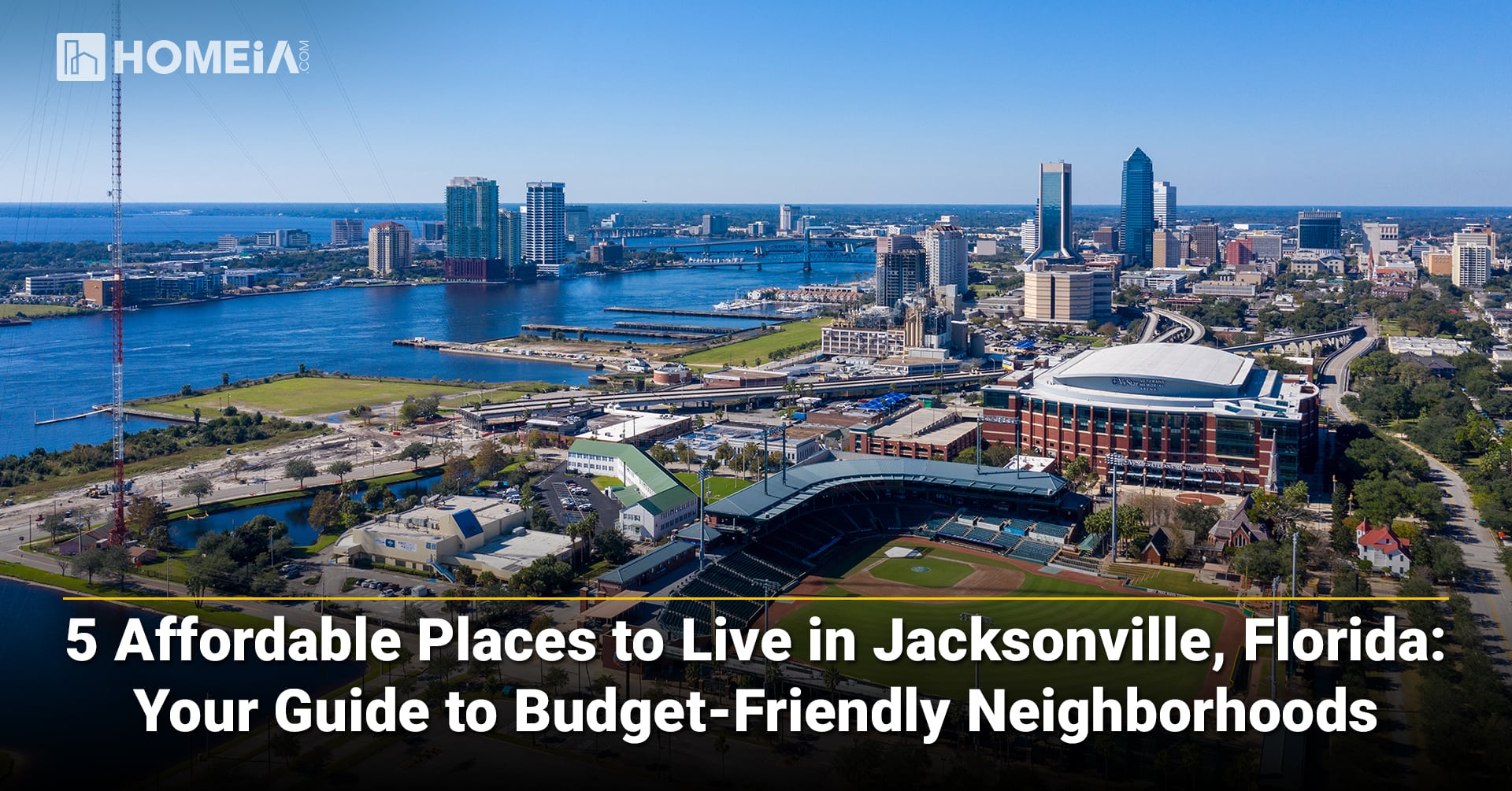
5 Affordable Places to Live in Jacksonville, Florida: Your Guide to Budget-Friendly Neighborhoods
Like any major city, finding affordable living spaces can be challenging. This article takes a look at the most budget-friendly neighborhoods in Jacksonville, offering a blend of low living costs and quality life…
6. Indianapolis, Indiana: Pharma, Manufacturing, and Real Affordability
Indiana’s crown jewel rounds out this list with a median home price of approximately $225,000 to $250,000, a cost-of-living structure well below the national average, and a job market anchored by pharmaceuticals, manufacturing, and healthcare.
Indianapolis ranks among the top 20 most buyer-friendly markets in the country, with more than half of all listings considered affordable. Eli Lilly’s ongoing expansion in central Indiana continues to generate high-wage employment, and the state’s phased income tax reduction adds further financial incentive for new residents. The state capital is a consistent top-10 national relocation destination, recognized for its manageable infrastructure, low cost of living, and genuine cultural amenities. Some of these include a world-class children’s museum, the Indianapolis Museum of Art at Newfields, and a historic professional sports ecosystem. Here is a list of cheapest places to live in Indiana
Key information:
- Median home price: ~$225,000–$250,000
- Affordable listings: 57.58% of inventory
- Key industries: Pharmaceuticals (Eli Lilly), manufacturing, healthcare
- State income tax: Phase-out underway
Quick City Comparison
| City | Median Home Price | Cost of Living | Unemployment | Top Industries |
| Pittsburgh, PA | $250,000 | Well below avg | Low | Healthcare, tech, robotics |
| Huntsville, AL | ~$400,000 | Below avg | 2.3% | Aerospace, defense, tech |
| Fort Wayne, IN | ~$183,829 | 76–82 index | ~3.5% | Manufacturing, healthcare |
| San Antonio, TX | ~$245,000 | ~9% below avg | Competitive | Military, healthcare, tech |
| Columbus, OH | ~$260,000 | Below avg | Growing | Data centers, AI, healthcare |
| Raleigh, NC | ~$450,000 | 5% below avg | ~3.7% | Biotech, tech, finance |
| Indianapolis, IN | ~$225–250K | Below avg | Competitive | Pharma, manufacturing |

Related article
Immigration, Climate Safety, and 2026’s Emerging ‘Value’ Housing Markets in the Midwest and Great Lakes
In 2026, a “Great Rebalancing” is shifting U.S. housing demand from costly, climate-risk coastal markets to the Midwest and Great Lakes. Stabilizing mortgage rates, rising insurance costs elsewhere, and $3.7 trillion in immigrant housing wealth are driving renewed migration, affordability, and long-term investment toward America’s interior…
III. What Makes an Affordable City Worth Moving To
Not every inexpensive city is a smart move. Several factors separate a genuinely livable, affordable city from one that has a low price tag because it lacks opportunity. When evaluating a potential relocation target, consider these dimensions alongside raw housing costs:
- Job market depth: Does the city have multiple industries hiring, or is it dependent on a single employer/sector? Cities like Columbus, Raleigh, and Indianapolis demonstrate sector diversity buffering against layoffs in any one industry.
- Population trajectory: Growing cities attract investment in infrastructure, retail, and services. A rising population signals that others have already made the same affordability calculation and found it sound. Huntsville, Columbus, and Raleigh all possess consistent population gains.
- Housing inventory: In cities where supply keeps pace with demand, prices tend to stay manageable. Pittsburgh’s active listings and Fort Wayne’s ongoing new construction are both positive indicators.
- Wage-to-cost ratio: The most meaningful affordability metric is not home price alone, but home price relative to local median income. Pittsburgh, Fort Wayne, and San Antonio all score well on this dimension.
- Tax environment: States with zero or declining income tax rates, including Texas and Indiana, meaningfully increase take-home pay. For median earners, this can translate to $3,000 to $10,000 in additional annual savings.
IV. The Midwest Resurgence: A Structural Shift
One of the defining relocation stories of 2025 and 2026 has been the rediscovery of the Midwest as a serious destination. Regionally, homes are approximately 30% cheaper than comparable coastal properties. This has sparked significant inbound migration from the Sun Belt as well as from coastal metros. Columbus, Indianapolis, Kansas City, and Cleveland all placed in the top 20 most buyer-friendly markets nationally.
The profile of inbound Midwest migrants has also shifted in meaningful ways. Professional families earning $100,000 to $160,000 annually, effectively priced out of coastal homeownership and increasingly unable to afford Sun Belt markets that have followed coastal price trajectories, are finding that Midwest cities offer the only remaining tier where median-income households can buy commendable homes while still accumulating savings. This is not a temporary arbitrage. It reflects a structural realignment of where the American middle class can afford to build equity.
Recommended for you




FAQs About Affordable Cities to Live in the U.S.
1. Which U.S. city has the absolute lowest cost of living in 2026?
For large cities specifically, Laredo, Texas ranked at the top for combining the lowest cost of living with the highest pay-to-cost ratio. However, Laredo’s median household income is also relatively modest, limiting its appeal. Among mid-to-large cities offering reputable job markets and genuine housing affordability, Pittsburgh, Fort Wayne, and San Antonio consistently rank at the top across multiple independent studies. The cheapest city is always relative to the income available to spend there. And here is The Cost of Living in California vs Texas for your consideration.
2. Is it better to rent or buy in affordable U.S. cities right now?
In most of the cities on our list, buying outperforms renting over a medium-term horizon. Data from 2026 found that owning a single-family home costs less monthly than renting a three-bedroom unit in 57.7% of U.S. counties, with the Midwest and South leading this trend. Pittsburgh remains the standout as it is the only large metro where a first-time homeowner typically pays less monthly than a renter for a comparable property. Nationally, however, renting still saves an average of $920 per month across the top 50 metros. The right answer depends on local market conditions, length of stay, and down payment readiness.
3. Do any cities or states pay you to relocate?
Yes, and the number of active programs has continued to climb this year. Several states and local governments offer remote workers and professionals a mix of cash bonuses, down payment assistance, coworking memberships, and local perks. Indiana communities of Fort Wayne and Indianapolis offer up to $19,849 in combined relocation incentives. Kansas programs start at $15,500. Arkansas, Michigan, Oklahoma, Kentucky, and Texas all have active programs. As of April 2026, at least six U.S. cities are actively offering relocation payments to attract new residents.

Related article
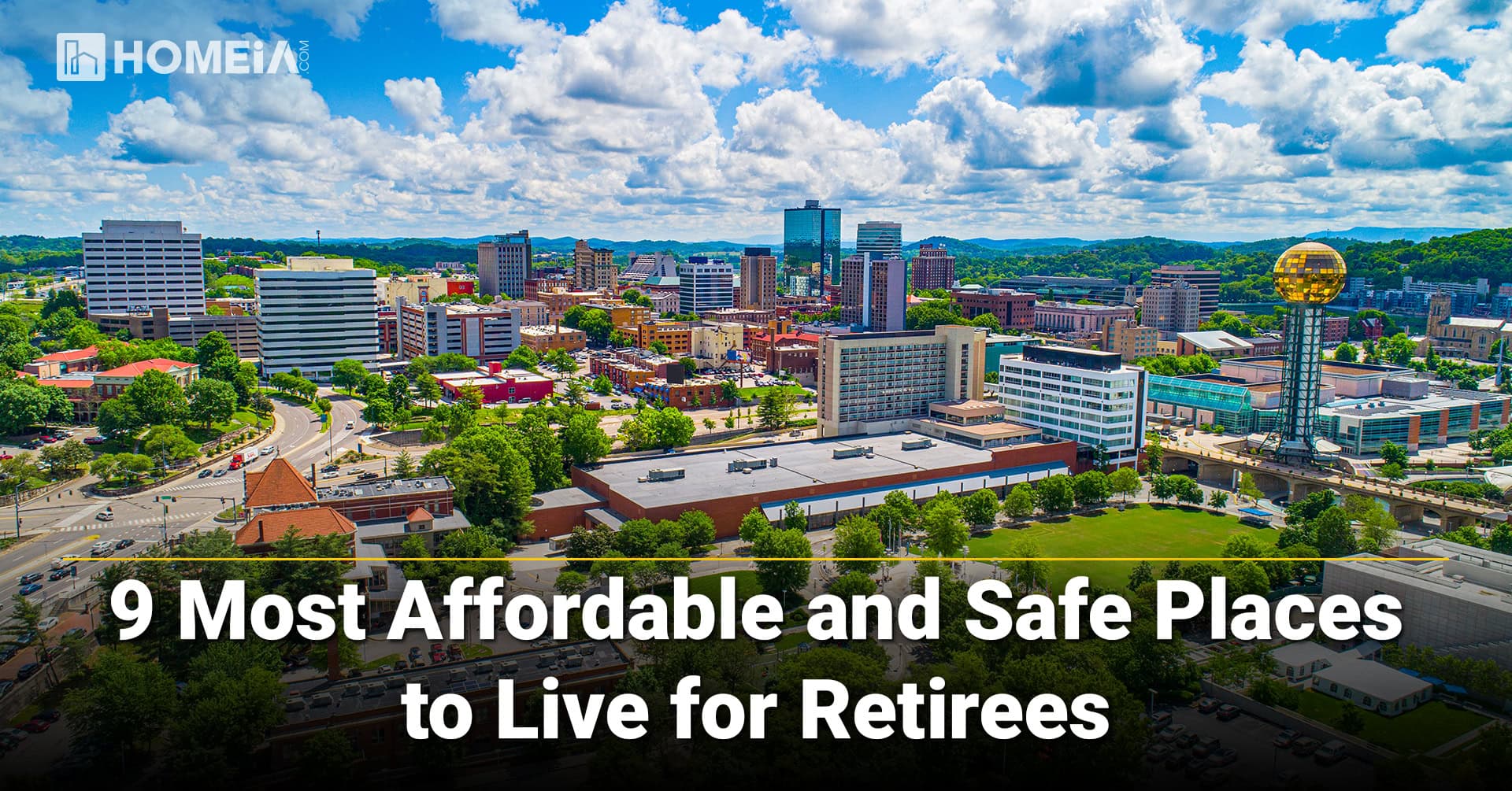
9 Most Affordable Places for Retirees to Live
This guide explores nine exceptional locations across America that provide economical living options without compromising safety or amenities. Each destination has been selected based on comprehensive research into cost-of-living metrics, crime statistics, healthcare quality, community attributes, and overall livability…
4. How does quality of life hold up in affordable cities?
Affordability and quality of life are not mutually exclusive. Every city on this list scores consistently well on livability metrics beyond housing cost. Columbus ranked No. 12 nationally for work-life balance. Raleigh ranked No. 2 among all U.S. state capitals. Huntsville earned the nation’s top spot for financial resilience. Pittsburgh is home to world-class universities, a vibrant food and arts culture, and 446 bridges connecting its distinct neighborhoods. Fort Wayne is home to walkable historic districts, accessible parks, and strong schools. Mid-sized cities increasingly deliver urban amenities that rival much larger metros at a fraction of the price. If you’re passing through Virginia on your trip, be sure to explore fredericksburg va attractions, where you’ll discover a wide variety of affordable things to do in Fredericksburg.
5. What salary do I need to move to an affordable U.S. city and live comfortably?
This varies by city, but SmartAsset’s 2026 national study provides a useful benchmark. San Antonio requires $83,242 for a single adult. Fort Wayne requires $88,982. Oklahoma City requires $86,861. For comparison, comfortable living in NYC requires nearly $159,000 for a single adult, and San Jose, California requires over $158,000. A household earning $80,000 to $100,000 annually would be comfortably positioned in virtually every city on this list, covering housing, transportation, food, healthcare, and discretionary spending with room to build savings. For families of four, comfortable living in these affordable cities requires a household income of $192,000 to $233,000.
9 More Cheap and Safe Cities to Live in the U.S. (June 2026 Edition)
Discover the most affordable and safe cities to live in the U.S. (2026 Edition). Compare housing markets, crime rates, and jobs for a successful relocation.
Shifting Geographic Priorities in the Modern Housing Market
Finding a balance between financial security and personal safety has become the primary driver of domestic relocation in 2026. As rising housing costs push major coastal cities out of reach, middle-income buyers, remote workers, and retirees are redirecting their search toward mid-sized metropolitan areas offering reliable economic opportunity alongside low crime rates. These secondary markets have emerged as powerful alternatives to high-cost urban hubs, delivering genuine affordability, community stability, and quality of life.
This analysis evaluates and ranks nine cities maintaining an exceptional standard of living without the steep price tags of major coastal metros. By examining empirical datasets from Zillow, Redfin, the FBI Uniform Crime Reporting database, and the U.S. Census Bureau, this guide provides a transparent, data-driven roadmap for those seeking the most affordable and safe places to live in America.
Key Insights on Affordability and Safety Trends
- Midwestern metropolitan areas continue to dominate national rankings, offering an exceptional blend of low housing costs and low crime rates.
- Fast-growing Sun Belt cities provide dynamic job creation but are steadily losing their historic affordability advantage.
- The most desirable locations pair a low cost of living with high median household incomes, dramatically boosting local purchasing power.
- State tax policies significantly affect household affordability. States with zero income tax often carry higher property tax burdens to offset revenue needs.
- Diversified regional economies anchored in healthcare, education, and technology protect housing markets from sector-specific downturns.
Analytical Framework and Selection Process
To identify the top nine cities, this analysis uses a weighted scoring model to evaluate U.S. municipalities with populations over 90,000 residents. Each city is evaluated across six weighted parameters:
- Housing and Overall Affordability (35%): Median home prices, rents, utility costs, and property taxes relative to median household income.
- Community Safety (30%): Per capita violent and property crime rates using FBI data and SafeWise safety metrics.
- Regional Economy and Employment (15%): Unemployment rates, job growth, and major employers.
- Quality of Life (10%): Average commute times, healthcare accessibility, and school district performance.
- Housing Market Structural Strength (5%): Inventory trends and long-term homeownership opportunity.
- Demographic Growth Trends (5%): Net migration as a proxy for desirability, verifying that rapid growth is not overinflating living costs.
Deep Analysis of the Safest Affordable Cities in America
1. Davenport, Iowa:
| Economic & Safety Metric | 2026 Value |
| Population | ~101,000 |
| Median Home Price | ~$195,000 |
| Median Monthly Rent | ~$950 |
| Median Household Income | ~$59,890 |
| Cost-of-Living Index | ~8% below national average |
| Safety Classification | Low overall violent crime index |
A. Why It Made the List: Davenport offers a peaceful waterfront lifestyle along the Mississippi River at an incredibly low cost of entry. As the primary anchor of the Quad Cities metro, it benefits from an industrial base led by major employers like John Deere. The median home price held steady at approximately $195,000 in early 2026. Up 5.4% year-over-year, it remains one of the most affordable entry points on this list, well below the national median.
B. Things to Love: A scenic riverfront features extensive walking trails, riverside parks, and vibrant annual music festivals. St. Ambrose University adds a collegiate energy, hosting cultural variety extending well beyond city limits.
C. Potential Drawbacks: The local unemployment rate has historically hovered higher than comparable Midwestern cities, and economic growth can be slow to materialize. Proximity to the Mississippi River also introduces seasonal flooding risk for specific low-lying neighborhoods.
2. Cedar Rapids, Iowa:
| Economic & Safety Metric | 2026 Value |
| Population | ~137,700 |
| Median Home Price | ~$200,000 |
| Median Monthly Rent | ~$1,022 |
| Median Household Income | ~$66,895 |
| Cost-of-Living Index | ~10% below national average |
| Safety Classification | Favorable safety index |
A. Why It Made the List: Cedar Rapids is a resilient Midwestern manufacturing and industrial hub that offers outstanding value. The economy is pushed by major employers like Collins Aerospace and Quaker Oats, providing high-paying, stable professional roles. The median home value was approximately $200,000 in early 2026, increasing 3.3% year-over-year while staying one of the lowest price points on this list. Violent crime rates sit comfortably below the national average, being a safe option for families.
B. Things to Love: Their historic Czech Village offers a charming cultural experience unique to this city. An extensive greenways and trail network provides wondrous outdoor recreation, and well-regarded school districts make Cedar Rapids a consistent top choice for families seeking value without sacrificing education quality.
C. Potential Drawbacks: The local dining and nightlife scenes are relatively limited compared to larger college towns. Career transitions can be challenging for those working outside the dominant aerospace and manufacturing sectors.
3. Green Bay, Wisconsin:
| Economic & Safety Metric | 2026 Value |
| Population | ~106,463 |
| Median Home Price | ~$285,000 |
| Median Monthly Rent | ~$1,100 |
| Median Household Income | ~$66,206 |
| Cost-of-Living Index | ~13% below national average |
| Safety Classification | Low violent crime per capita |
A. Why It Made the List: Green Bay is widely recognized for its high safety standards, earning top marks in national studies for exceptionally low rates of violent and property crime. The median home sale price reached approximately $285,000 in spring 2026, going up 5.1% year-over-year. This remains well below the national median and highly attainable for middle-income buyers. A stable economy, supported by paper manufacturing, food processing, and healthcare, buffers residents against single-sector downturns.
B. Things to Love: Located on the shores of Lake Michigan, residents enjoy waterfront recreation, the Fox River State Trail, and the Baird Creek Greenway. Civic identity runs deep, and the community spirit is exceptionally bolstered whether or not you are a Packers fan.
C. Potential Drawbacks: Long, harsh winters with significant snowfall and biting wind chill are the city’s defining trade-off. For those who don’t consider themselves Cheeseheads, the year-round community focus on the beloved NFL team can feel overwhelming at times.
Overall, is Wisconsin a good place to live? many find it’s low cost of living places very attractive nowadays.
4. Fort Wayne, Indiana:
| Economic & Safety Metric | 2026 Value |
| Population | ~277,366 |
| Median Home Price | ~$257,000 |
| Median Monthly Rent | ~$1,300 |
| Median Household Income | ~$77,694 |
| Cost-of-Living Index | ~9% below national average |
| Safety Classification | Low violent crime rate (2.64 per 1k) |
A. Why It Made the List: Fort Wayne balances economic diversity in advanced manufacturing, logistics, and healthcare with remarkably accessible real estate. The median home price reached approximately $257,000 in early 2026. Being up 4.2% year-over-year, it sits nearly 40% below the national average, making homeownership a realistic milestone for average earners. Violent crime is well below state and national averages, and the city has invested heavily in downtown revitalization to improve quality of life.
B. Things to Love: The beautifully developed Promenade Park along the St. Marys River showcases the city’s commitment to urban transformation. Residents benefit from highly rated public schools, growing arts and culture scenes, and cost of living enabling genuine wealth-building. Rising median household income of $77,694 reflects improving economic conditions.
C. Potential Drawbacks: Winters are fortuitous with minimal sunshine for months at a time. While violent crime is exceptionally low, minor property crime can be slightly elevated in certain high-density commercial corridors.
Bonus: Here is the Pros and Cons of living in Indiana in case you want to learn in more details.
5. O’Fallon, Missouri:
| Economic & Safety Metric | 2026 Value |
| Population | ~96,000+ |
| Median Home Price | ~$379,000 |
| Median Monthly Rent | ~$1,443 |
| Median Household Income | ~$110,443 |
| Cost-of-Living Index | Highly favorable income-to-home-value ratio |
| Safety Classification | Low violent crime rate (59 per 100k) |
A. Why It Made the List: O’Fallon showcases an exceptional economic profile entailing a high median household income of $110,443 paired with a housing market that remains attainable relative to earnings, with a median home value of approximately $379,000 in 2026. Positioned in St. Charles County within the greater St. Louis metro, the city has experienced sustained, intelligent growth fueled by MasterCard’s global tech hub and an expanding medical corridor. Public safety is a major strength, consistently ranked among the safest cities in the Midwest.
B. Things to Love: Families are drawn to this area for its highly rated public school districts, beautifully maintained municipal parks, and access to St. Louis’s cultural institutions. World-class museums, the Gateway Arch, and professional sports are all a short commute.
C. Potential Drawbacks: This suburban design is heavily automobile-dependent, with limited walkability outside specific subdivisions. Commuters heading into the St. Louis metro core face highway congestion during peak rush hours.
6. Lincoln, Nebraska:
| Economic & Safety Metric | 2026 Value |
| Population | ~303,375 |
| Median Home Price | ~$294,000 |
| Median Monthly Rent | ~$1,098 |
| Median Household Income | ~$71,867 |
| Cost-of-Living Index | ~8% below national average |
| Safety Classification | Low violent crime rate (0.35%) |
A. Why It Made the List: Lincoln serves as Nebraska’s capital and home to the University of Nebraska–Lincoln, creating a highly stable economic foundation bolstered by government, academia, and finance. Median sale price for existing homes reached approximately $293,500 in April 2026, up 8.1% year-over-year. It retains an affordability index of 130, ranking among the most accessible major metros in the country. Violent crime rates sit far below the national average.
B. Things to Love: Their historic Haymarket District offers a beautifully restored urban area filled with boutiques, unique restaurants, and farmers markets. Commutes average under 20 minutes, among the shortest in any mid-sized American city. UNL accommodates cultural events and enrichment that elevate overall quality of life.
C. Potential Drawbacks: Employment is heavily concentrated in the public sector and major institutions. New construction has softened in 2026, down 12.5% year-over-year, reflecting overbuilding in some corridors. Lifestyle options and nightlife remain quiet primarily during university holiday breaks.
7. Sioux Falls, South Dakota:
| Economic & Safety Metric | 2026 Value |
| Population | ~220,000+ |
| Median Home Price | ~$327,000 |
| Median Monthly Rent | ~$982 |
| Median Household Income | ~$65,784 |
| ~12% below national average | |
| Safety Classification | Favorable safety profile |
A. Why It Made the List: Sioux Falls stands out as a premier destination for those seeking a highly favorable economic climate. South Dakota’s zero state income tax policy allows dual-income households to retain significantly more of their earnings. The median sale price reached approximately $327,000 through spring 2026, up 2.2% year-over-year while offering realistic entry points for first-time buyers. Public safety remains a plus, with overall violent and property crime rates trending at low levels even amid consistent inbound migration.
B. Things to Love: Falls Park, a stunning natural park in the heart of downtown, features scenic waterfalls and paved trails that make the outdoors feel central to daily life. Downtown is highly walkable, filled with local dining, boutique shopping, and a vibrant arts scene. The state’s tax-free income advantage provides meaningful, compounding financial benefits for households.
C. Potential Drawbacks: A brutal winter climate regularly bringing sub-zero temperatures and heavy snow awaits. Here also lacks direct access to a major global airport hub, requiring connecting flights for most international travel.
8. McAllen, Texas:

| Economic & Safety Metric | 2026 Value |
| Population | ~152,205 |
| Median Home Price | ~$253,000 |
| Median Monthly Rent | ~$1,123 |
| Median Household Income | ~$61,579 |
| Cost-of-Living Index | ~17% below national average |
| Safety Classification | Low violent crime rate |
A. Why It Made the List: McAllen combines an exceptionally low cost of living with a remarkably secure community, consistently ranking as one of the safest border cities in the nation. The local economy is driven by international trade, retail, and a booming healthcare sector. Proximity to SpaceX Starbase and the University of Texas Rio Grande Valley has generated modern job opportunities and fueled steady population growth. The median home sale price reached approximately $253,000 in early 2026, making McAllen one of the most affordable cities of its size in Texas or the broader Sun Belt.
B. Things to Love: Home to a warm, subtropical climate, rich multicultural culinary scenes and community parks also await. Renters find some of the most competitive housing costs in the country. The Lone Star State’s absence of a state income tax provides a further financial advantage for all residents.
C. Potential Drawbacks: Summers are blistering, especially due to the humidity. Temperatures routinely exceeding 100°F. Texas property taxes are among the highest in the country, averaging 1.6% to 1.8% annually. This can add hundreds of dollars to monthly mortgage payments, partly offsetting the income tax advantage.
9. Knoxville, Tennessee
| Economic & Safety Metric | 2026 Value |
| Population | ~230,000+ |
| Median Home Price | ~$316,000 |
| Median Monthly Rent | ~$1,116 |
| Median Household Income | ~$67,000 |
| Cost-of-Living Index | ~14% below national average |
| Safety Classification | Crime 25% below national average (Grade B-) |
A. Why It Made the List: Knoxville delivers a remarkably compelling value proposition anchored by the University of Tennessee, a world-class medical corridor centered on the UT Medical Center, and a growing technology ecosystem in the Oak Ridge National Laboratory corridor. The median home sale price sits at approximately $316,000 as of 2026; fully 30% below the national median, while the overall cost of living runs 14% below the U.S. average, making household budgets stretch dramatically further than in comparable Sun Belt metros. On the safety front, Knoxville earns a B- safety grade with crime rates running 25% below the national average for major U.S. cities according to 2026 FBI-calibrated data, with violent crime occurring at a rate of just 1 in 343 residents per year. Tennessee levies no state income tax on earned wages, compounding the financial advantage for working households.
B. Things to Love: Outdoor enthusiasts will find Knoxville ideally positioned as the gateway city to the Great Smoky Mountains National Park, the most visited national park in the United States, offering world-class hiking, fishing, and scenic drives year-round. Downtown’s vibrant Market Square district is packed with award-winning restaurants, live music venues, and a thriving craft brewery scene that rivals cities twice its size. The city also offers excellent school districts in suburban enclaves like Farragut, which consistently earn state and national recognition for academic performance.
C. Potential Drawbacks: Knoxville’s rapid appreciation, home values have climbed over 25% since 2022, is compressing the affordability window for first-time buyers, particularly in premium zip codes near the university and Oak Ridge corridor. The city’s road infrastructure has not kept pace with population growth, and peak-hour traffic on I-40 and I-75 can be considerably congested. Summers bring high humidity combined with ozone alerts during heat events, which can impact outdoor activity for those with respiratory sensitivities.
Conclusion
The most affordable and safe cities in the U.S. share several key traits. They are led by stable, non-cyclical institutions, major research universities, state capitals, or specialized engineering corridors preserving local household incomes while protecting property values. Geographically, Midwest and select inland Southern regions remain the premier havens for affordability, offering genuine pathways to homeownership that have largely disappeared along the coastlines. For buyers and renters planning a relocation, the cities on this list offer a compelling proposition, maximize purchasing power, maintain safety, and build long-term wealth without compromising quality of life.
FAQs About The Cheapest Cities to Live in America
1. How much income is needed to live comfortably in an affordable and safe city?
A household generally needs $60,000–$80,000 annually. Unlike high-cost coastal metros, these markets allow residents to allocate less than 25% of gross income to housing. In tax-friendly regions like McAllen, the comfort threshold starts near $52,000.
2. What states offer the best combination of affordability and safety?
Midwestern states like Indiana, Iowa, and Wisconsin consistently deliver the most favorable intersection of low cost of living and low crime rates. Inland Southern states including Alabama also offer highly competitive settings, provided buyers account for regional property tax variations.
3. Is renting or buying better in today’s housing market?
In most of these cities, purchasing a home is more financially advantageous over a standard five-year horizon. Monthly homeownership costs in markets like Fort Wayne and Huntsville often compare favorably to median rents, allowing buyers to build equity early.
4. Are affordable cities appreciating in value?
Yes, at healthy and sustainable rates. Huntsville and Fort Wayne have seen 3%–5% annual price growth through early 2026, providing consistent equity growth without the severe volatility of speculative coastal markets.
5. Should remote workers prioritize affordability over local job markets?
Remote workers should balance geographic affordability with local economic depth. Selecting a city with established sectors in tech, education, or healthcare such as Huntsville or Lincoln ensures that professional opportunities remain available locally, protecting long-term career resilience and home equity.
Climate-specific utility bills, commuting costs, and state tax structures are all critical factors. Cold Midwestern winters require significant heating investment, while Southern summers demand high air conditioning costs. Texas property taxes and regional auto registration fees can also meaningfully impact monthly budgets.
Local Editor(s)

7 Most Affordable Places to Live in Nebraska
Nebraska continues to stand out as one of the few places where a middle-class income can still go a long way. While housing prices have increased here like they have…
-
3 Most Affordable and Safe Places to Live in Georgia
Georgia stands out as a haven for families seeking safe, affordable, and welcoming communities. The state's diverse landscape offers numerous towns that combine economic accessibility with strong community values, making…
-
3 Most Affordable and Safe Neighborhoods to Live in Yonkers, New York
Yonkers, New York, offers a unique blend of suburban tranquility and urban convenience as the fourth largest city in New York State. Located just north of the Bronx along the…
-
3 Most Affordable and Safe Neighborhoods to Live in Wilmington, Delaware
Wilmington, Delaware's largest city, is a wonderful mix of historic charm and urban renewal. Located 30 minutes outside of Philadelphia, some call it a "mini-Philly." Home to around 72,000 people,…
-
3 Most Affordable & Safe Neighborhoods to Live in San Antonio, Texas
Most Affordable & Safe Neighborhoods to Live in San Antonio, Texas: This city has a distinct charm that sets it apart from other Texas locations. It is also known as…
Related Topics





















-
7 Most Affordable Places to Live in New Jersey
Most Affordable Places to Live in New Jersey: This State has a reputation, and it's mostly earned. The state boasts the highest property taxes in the nation at $10,570 average in 2025, with the statewide average home value reaching approximately…
-
7 Cheapest Places to Live in Southern California
Are you searching for the most affordable places to live in Southern California without sacrificing quality of life? While Southern California is famous for its beautiful beaches, sunny weather, and vibrant cities like Los Angeles and San Diego, it's also…
-
7 Best Neighborhoods in Austin, Texas
Howdy, Y'all! Greetings from the Live Music Capital of the World and home to the Texas Longhorns! Austin is more than just a place; it's a state of mind. The city's "weird" spirit and vibrant culture are a big part…


-
7 Most Affordable Places to Live in Louisiana
In a state where vibrant culture meets Southern charm, Louisiana stands out for its remarkably affordable cost of living. With a median home price significantly below the national average and no state tax on Social Security income, the Pelican State…
-
7 Most Affordable Places to Live in North Dakota
As housing costs continue to climb in the US, North Dakota stands out; not for its rugged landscapes and close-knit communities, but for a remarkably affordable cost of living. With median home prices significantly below the national average and a…
-
7 Most Affordable Places to Live in Arkansas
Welcome to Arkansas, where the promise of a comfortable, fulfilling life doesn't require a fortune. In an era of rising costs, The Natural State stands out as a beacon of affordability, offering some of the lowest housing prices in the…

-
7 Most Affordable Places to Live in Indiana
In a nation where housing costs continue to climb, Indiana stands out; not only for their Midwestern charm and central location, but for a remarkably affordable cost of living. With a median home price significantly below the national average and…
-
7 Most Affordable Places to Live in Iowa
In a nation where housing costs continue climbing, Iowa stands out, not only for its rolling farmland and friendly communities, but for its remarkably affordable cost of living. With a median home price significantly below the national average and a…
-
7 Most Affordable Places to Live in Kentucky
In a world where the cost of everything seems to be rising, the Bluegrass State stands out as a beacon of affordability. With its rolling hills, friendly communities, and a cost of living that's significantly lower than the national average, Kentucky…


-
7 Most Affordable Places to Live in Nebraska
Nebraska continues to stand out as one of the few places where a middle-class income can still go a long way. While housing prices have increased here like they have across much of the country, many Nebraska communities still offer…
-
5 Most Affordable and Safe Places to Live in Wisconsin (updated)
Wisconsin, known as America's Dairyland, offers scenic natural beauty, bustling mid-sized cities, and consistent job growth. From the shores of Lake Michigan to the bluffs of the Driftless Region, the Badger State delivers accessible housing alongside low crime rates. This…
-
7 Most Affordable Places to Live in North Carolina
Howdy, y'all. If you're dreaming of life in the Tar Heel State but your budget is feeling a little tight, you're in the right place. North Carolina isn't all bustling, high-cost tech hubs of the Triangle or the banking skyscrapers…
-
9 Most Affordable Places for Retirees to Live
Retirement represents a pivotal life transition that demands thoughtful consideration of where to spend your golden years. With financial security, personal safety, access to healthcare, and quality of life as top priorities for most retirees, finding the ideal location becomes…
-
5 Affordable Places to Live in Jacksonville, Florida: Your Guide to Budget-Friendly Neighborhoods
Jacksonville, Florida is a city that combines the charm of a large urban center with the warmth of a close-knit community. Known for its beautiful beaches, rich cultural heritage, and thriving economy, it’s no wonder many people flock to this…
-
5 Most Affordable and Safe Places to Live in Michigan
Michigan, often referred to as the Great Lakes State, provides an array of living options, ranging from bustling urban centers filled with energy and opportunity to serene, peaceful small towns that offer a more relaxed and slower-paced lifestyle. With over…

-
10 Most Affordable Places to Live in Ohio
Ohio is commonly referred to as “the heart of it all,” and for good reason. The state of Ohio sits centrally on the eastern side of the United States, and almost 50% of the United States’ population is within 500…
-
3 Most Affordable and Safe Neighborhoods to Live in Ohio
Research identifies Ada, Seven Hills, and Minerva as standout neighborhoods in Ohio for their exceptional affordability and safety. These communities offer median home prices of $230,000, $180,000, and $160,000 respectively, making them accessible housing options in the Buckeye State. Each…
-
7 Most Affordable Places to Live in Alaska
Moving to Alaska relocation guide and checklistIn a state known for its rugged beauty and high cost of living, Alaska offers surprising opportunities for affordable living in communities balancing natural splendor with financial practicality. While overall cost of living can…


-
The 6 Affordable Places to Live in St. Petersburg, Florida
Sprawling on the sun-drenched seafront of the Gulf Coast of Florida, St. Petersburg, affectionately known to locals as St. Pete, is more than just a picturesque beach city. It's a place where affordability meets quality of life, making it an…
-
3 Most Affordable and Safe Neighborhoods to Live in Detroit, Michigan
Detroit, Michigan, known as the "Motor City," offers a unique blend of industrial heritage and urban renewal. The city proper has approximately 633,000 residents, while the metropolitan area houses around 5 million people. Detroit, the heart of America’s automotive industry,…
-
3 Most Affordable & Safe Neighborhoods to Live in San Antonio, Texas
Most Affordable & Safe Neighborhoods to Live in San Antonio, Texas: This city has a distinct charm that sets it apart from other Texas locations. It is also known as "The Alamo City," "Military City," or fondly as "San Antone."…

-
3 Most Affordable Neighborhoods to Live in Santa Fe, New Mexico
Santa Fe, New Mexico, or as we locals like to call it, "The City Different," blends cultural richness with artistic heritage and breathtaking high desert landscapes. With a population of about 88,000 in the city and about 150,000 in the…
-
7 Most Affordable Places to Live in New Hampshire
In a nation where housing costs continue to climb, New Hampshire stands out—not only for its stunning landscapes and rich history, but for their remarkably affordable cost of living compared to neighboring New England states. With a median home price…
-
7 Most Affordable Places to Live in Nevada
In a state known for dazzling lights and high-stakes entertainment, Nevada offers surprisingly affordable living options beyond the Vegas Strip. With a median home price significantly below the national average and no state income tax, the Silver State provides compelling…



-
10 Most Affordable Places to Live in Colorado
Colorado, the Centennial State, has long been a magnet for adventurers, nature lovers, and those who simply want to enjoy its breathtaking landscapes. But along with its allure comes a steep price, especially in cities like Denver and Boulder, where…
-
7 Affordable Places to Live in Ohio for Retirees
Affordable Places to Live in Ohio for Retirees: Ohio stands out as an excellent retirement destination, offering seven notably affordable communities with comprehensive senior support services. The featured towns: Ashtabula, Centerville, Marion, Berlin, Mason, Sandusky, and Yellow Springs; each provide…
-
7 Most Affordable Places to Live in Tennessee
Most Affordable Places to Live in Tennessee: Tennessee is a naturally beautiful state filled with picturesque landscapes, scenic drives, and plenty of opportunities for outdoor recreation; all reasons the state is becoming a huge destination for tourism. It is also…


-
3 Most Affordable and Safe Neighborhoods to Live in Fort Smith, Arkansas
Fort Smith, Arkansas, offers a unique blend of frontier history and modern amenities, making it a standout city in the northwestern part of the state. The city is home to around 90,000 residents, with a broader metropolitan area enhancing its…
-
Affordable Places to Live in Naples, Florida
Snuggled along the shimmering shores of the Gulf of Mexico, Naples, Florida, is a city often synonymous with opulence and luxury. It is well known for its high-end real estate options, exclusive boutiques, and sun-drenched, white sand beaches. However, beneath…
-
3 Great Reasons and 6 Stunning Places to Raise Kids in Ohio
“Why oh, why-o, did I ever leave Ohio?” crooned Jane Lynch and Carol Burnett in the hit T.V. show, Glee, based in Lima. It’s a great question. For parents looking for a great place to raise kids, there’s no doubt…


-
3 Safest and Most Affordable Neighborhoods to Live in Kenosha, Wisconsin
Kenosha, Wisconsin offers a unique blend of Midwestern charm and lakefront beauty. Located on Lake Michigan, approximately 60 miles north of Chicago and 40 miles south of Milwaukee, the fourth largest city in the state provides residents with affordable living…
-
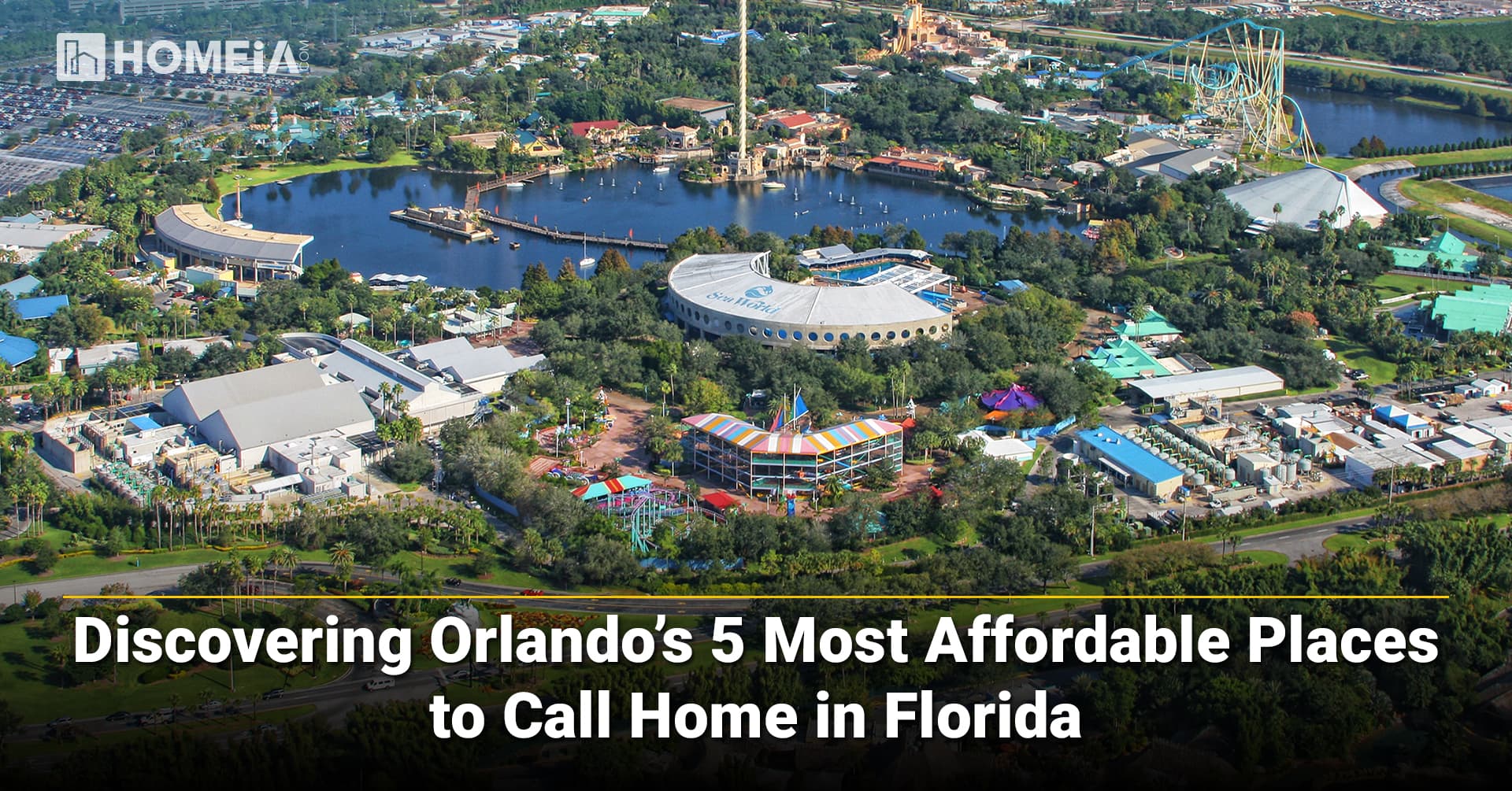
5 Most Affordable Places to Call Home in Orlando
Orlando, Florida, known for its bustling theme parks and vibrant cultural scene, is also a city of diverse neighborhoods, each offering its unique living experience. While the city is often associated with tourist attractions, many are unaware of the affordable…
-
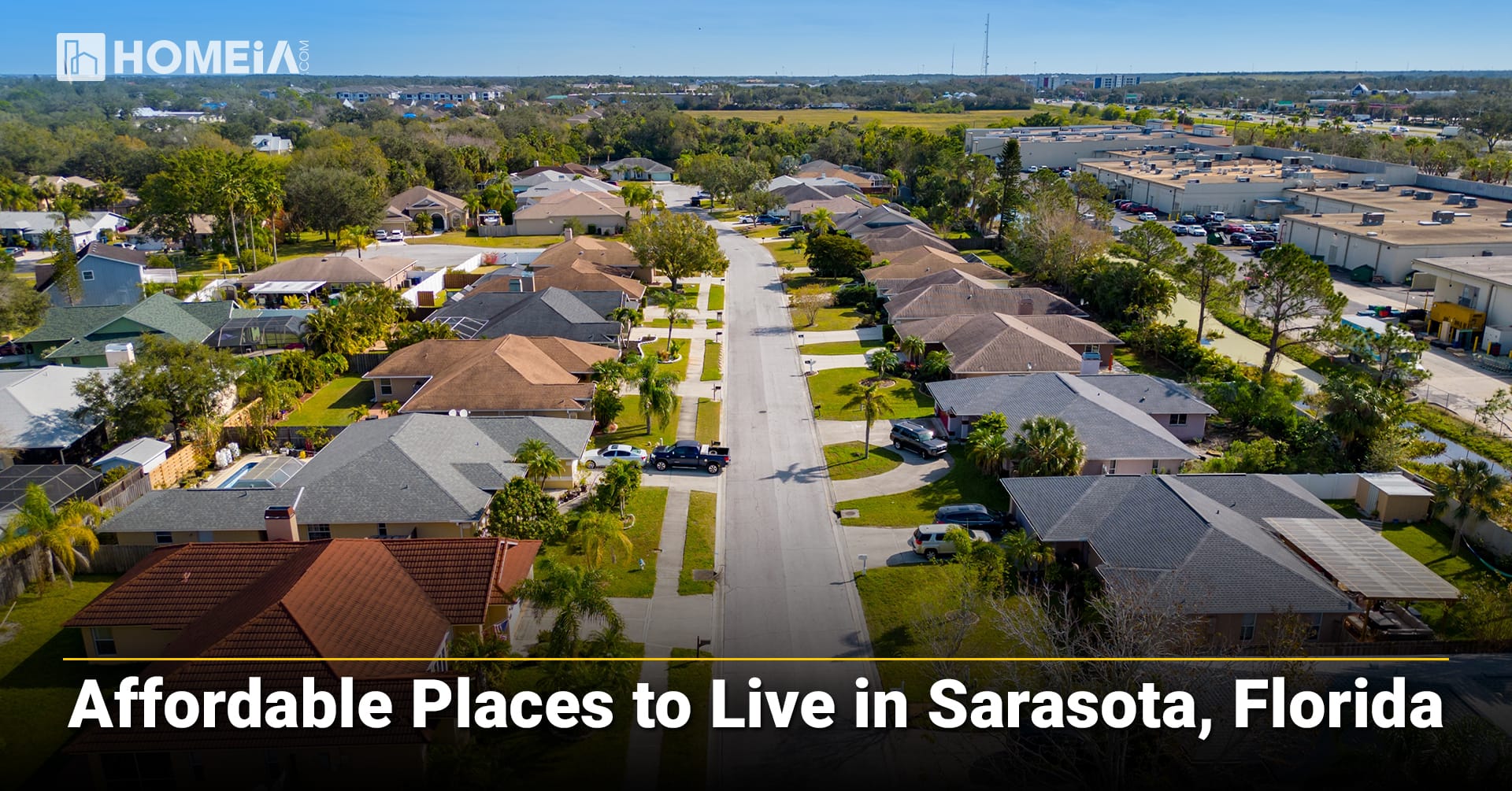
7 Affordable Places to Live in Sarasota, Florida
Sarasota, Florida, a city often synonymous with picturesque beaches and a thriving arts scene, is also a hidden treasure trove of affordable living. This coastal paradise, situated along the dazzling Gulf Coast, isn't just a vacation destination; it's where the…



-
Uncovering Affordable & Safe Living in South Florida: A Comprehensive Guide
South Florida, known for its sunny beaches, vibrant cultures, and busy cities, is a sought-after destination for many seeking opportunity and relaxation. However, amidst the allure of Miami’s vibrant glitz and the Keys’ laid-back tropical paradise lies the question of…
-
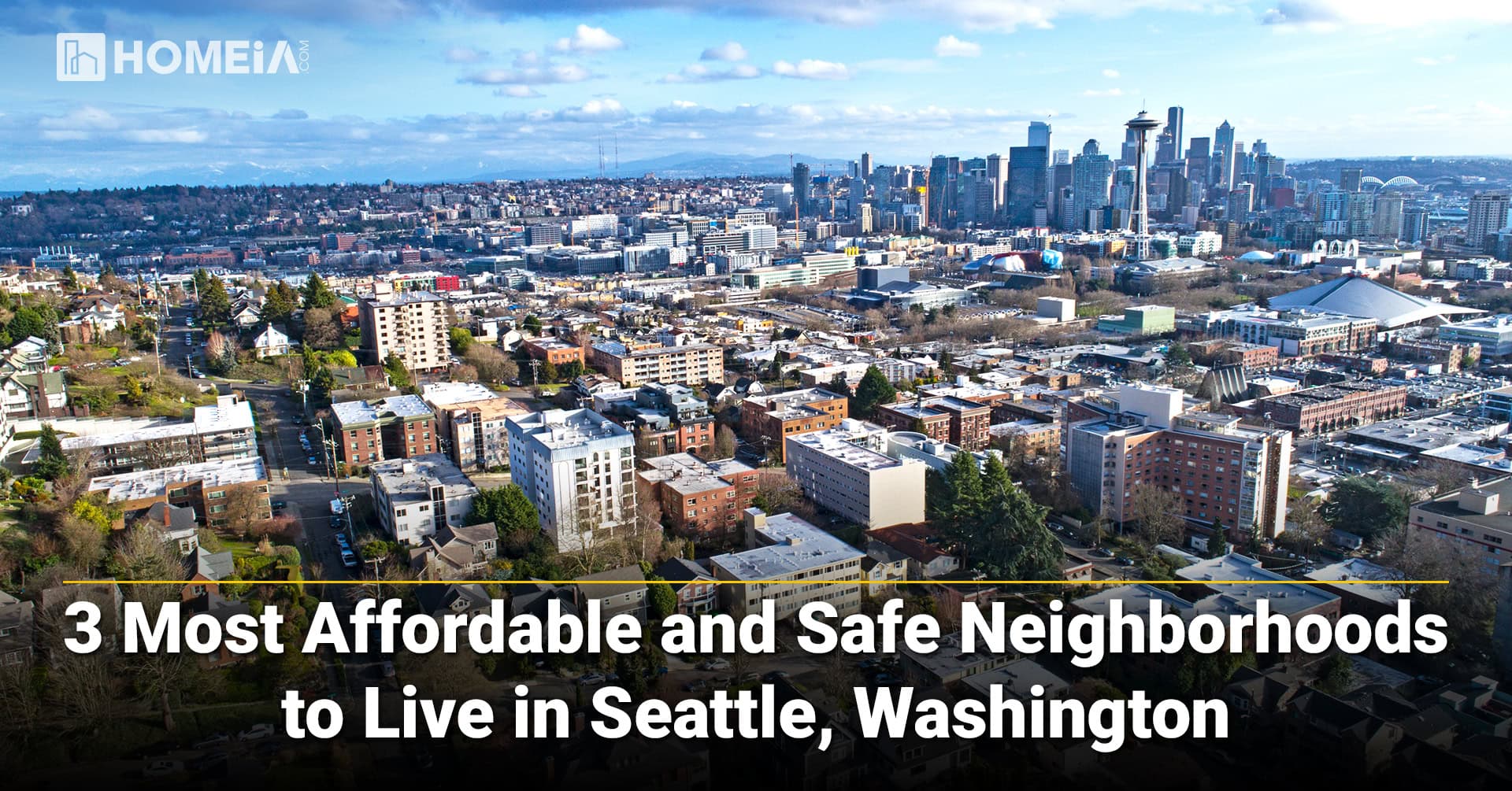
3 Most Affordable Neighborhoods to Live in Seattle, Washington
Affordable Neighborhoods to Live in Seattle: Seattle, Washington offers a unique blend of natural beauty, vibrant culture, and economic opportunity, making it a standout city in the Pacific Northwest. The city is home to over 700,000 residents, with the broader…
-
3 Most Affordable and Safe Neighborhoods to Live in Kansas City, Missouri
Kansas City, Missouri, offers a unique blend of Midwestern small town charm and big city vibrancy, making it a standout city in the Heartland. Home to approximately 510,000 residents, with the broader metropolitan area boasting a diverse population across both…

-
3 Most Affordable and Safe Neighborhoods to Live in Yonkers, New York
Yonkers, New York, offers a unique blend of suburban tranquility and urban convenience as the fourth largest city in New York State. Located just north of the Bronx along the picturesque Hudson River, Yonkers serves as a gateway to both…
-
The 3 Most Affordable Neighborhoods to Live in Grand Forks, North Dakota
Grand Forks, North Dakota, combines Midwestern charm with urban amenities in the Upper Midwest. Home to approximately 59,800 residents, the city features the University of North Dakota, which brings youthful energy and diversity to this northern community. Grand Forks offers…