

3 Great Reasons and 6 Stunning Places to Raise Kids in Ohio
- Local Editor:Local Editor: Abby Rosales


3 Great Reasons and 6 Stunning Places to Raise Kids in Ohio: “Why oh, why-o, did I ever leave Ohio?” sang Jane Lynch and Carol Burnett on Glee, the hit TV show set in Lima. It is a fair question. For parents looking for a place to settle down and raise kids, OH stands above the others.
This article explains why this state is ideal for raising kids and profiles six family-friendly communities: Canton, Cuyahoga Falls, Wooster, Blue Ash, Perrysburg, and Wickliffe. Their home values, schools, jobs, health care, and lifestyle are addressed in each, followed by answers to frequently asked questions for families.
Key Takeaways
- Ohio pairs below-average home prices with a new flat 2.75 percent state income tax starting in 2026.
- Families have access to strong schools, 14 public universities, and world-class children’s hospitals.
- Typical home values on this list range from about $163,000 in Canton to about $451,000 in Blue Ash.
- Perrysburg earned 5 stars on Ohio’s 2025-26 school report card and has some of the lowest crime on this list.
- Check city and school district income taxes, which vary by address, before you choose a home.
- Visit schools, compare state report cards, and drive through neighborhoods at different times before you decide where to settle.

Related article
27 Best Things to do in Canton, Ohio for Families
Canton, Ohio, a city of 70,000 located about 60 miles south of Cleveland, is often overlooked among the rest of the more significant Ohio locations. As the seat of Stark County, though, there are plenty of aspects of Canton that warrant a closer look…
3 Reasons Why Ohio Is a Great Place to Raise Kids

1. Affordability. Ohio remains one of the more affordable states for families. Home prices are well below the national level, and starting in 2026, the state income tax is a flat 2.75 percent on income above $26,050, with no state income tax below that threshold. The job market has also held up as Ohio’s unemployment rate was 3.4 percent in September 2026, below the national rate of 4.2 percent.
2. Education and health care. Every region has well-regarded public and private K-12 schools, meaning families can choose from 14 public universities and more than 100 private colleges and technical schools. The Buckeye State is also home to world-class hospital systems, including the Cleveland Clinic, Nationwide Children’s Hospital, and Cincinnati Children’s Hospital Medical Center.
3. Something for everyone. Parents and children alike can take a trip to the Rock and Roll Hall of Fame in Cleveland, ride roller coasters at Cedar Point and Kings Island, hike in Cuyahoga Valley National Park and Hocking Hills, or spend the day at COSI in Columbus and the Great Lakes Science Center in Cleveland. Pro teams across the five major sports in Cleveland (Browns, Guardians, Cavaliers), Cincinnati (Reds, Bengals, FC Cincinnati), and Columbus (Blue Jackets, Crew) make for memorable gameday family outings. Additionally, Lake Erie Islands, Amish Country, and Underground Railroad sites are all within a short drive.


Related article
23 Family-Friendly Things to do in Akron, Ohio
Over 190,000 people call Akron home, making it the fifth-largest city in Ohio. The greater Akron area has over 703,500 people in total! With such a large population, Akron is steeped in local history and deep heritage. It’s the birthplace of American food staples like hamburgers, oatmeal, and processed cereal…
Top 6 Places to Raise a Family in Ohio
All six communities share a few statewide characteristics:
- Taxes: Ohio’s state sales tax is 5.75 percent, and county add-ons raise the combined rate in most areas. Many cities and select school districts also levy local income taxes, so check the total for any address.
- Climate: Ohio has four distinct seasons with moderate precipitation year-round. Thunderstorms, tornadoes, and snowstorms are all part of life, and northeast Ohio near Lake Erie gets more snow.
- Data note: Home values below are Zillow’s typical values for 2026. Income and education figures are earlier Census estimates, and school ratings come from Ohio’s state report cards. Figures vary by source and date.
1. Canton
HOMEiA Score: 84/100
- Typical home value: about $163,000 (Zillow, 2026), up 4.5 percent year over year
- Median household income: $43,188 (Census, 2020 to 2024)
- Population: about 69,000
- Schools: Canton City Schools earned 2 stars on the 2025-26 state report card, so families often compare nearby districts as well
- Safety: Violent and property crime rates are above state and national medians, so research specific neighborhoods carefully
Founded in 1805 and named for the Chinese city now called Guangzhou, Canton is best known as the home of the Pro Football Hall of Fame. It is a sprawling city of low buildings and quiet streets, having some of the lowest home prices on this list.
Jobs and commute: Major employers include Aultman Hospital, Mercy Medical Center, TimkenSteel, and dlhBOWLES. Average commutes run about 20 minutes. The poverty rate is higher than the state average, so conditions vary by neighborhood.
Health care: Aultman and Mercy serve the city, Akron’s hospitals are nearby, and the Cleveland Clinic is about an hour away.
Lifestyle: The Canton Museum of Art, Canton Symphony Orchestra, and Canton Ballet are prominent in their arts scene. Sippo Lake Park offers trails and a conservation center, and Beech Creek Botanical Garden and Nature Preserve runs family programs and summer camps.

Related article
3 Most Affordable and Safe Neighborhoods to Live in Ohio
These factors make these locations particularly attractive to families and retirees seeking a balance of affordability and community connection. Analysis confirms these areas maintain a cost of living below or near the national average, though potential residents should note that housing prices may fluctuate based on local market demand…
2. Cuyahoga Falls
HOMEiA Score: 86/100
- Typical home value: about $218,000 (Zillow, September 2026), up 3.7 percent year over year
- Median household income: about $68,000 (Census, 2022)
- Population: about 51,000
- Safety: Violent crime is well below state and national medians
Cuyahoga Falls, in Summit County next to Akron, is a walkable community with a revitalized downtown. Bungalow-style homes line the streets leading to Front Street, where local shops, restaurants, and Pav’s Creamery draw families, and the city hosts festivals throughout the year. Ohio Magazine named it one of its “Best Hometowns” in 2023.
Jobs and commute: Significant employers include Cleveland Clinic, Western Reserve Hospital, Americhem, and Parker Hannifin. Convenient highway access makes it seamless for commuters across northeast Ohio.
Health care: Western Reserve Hospital is in the city, Cleveland Clinic Akron General is nearly 15 minutes away, and the Cleveland Clinic main campus is under an hour.
Lifestyle: Blossom Music Center, summer home of the Cleveland Orchestra, is in the Falls, and Cuyahoga Valley National Park, with the 60-foot Brandywine Falls, is next door.
Recommended for you




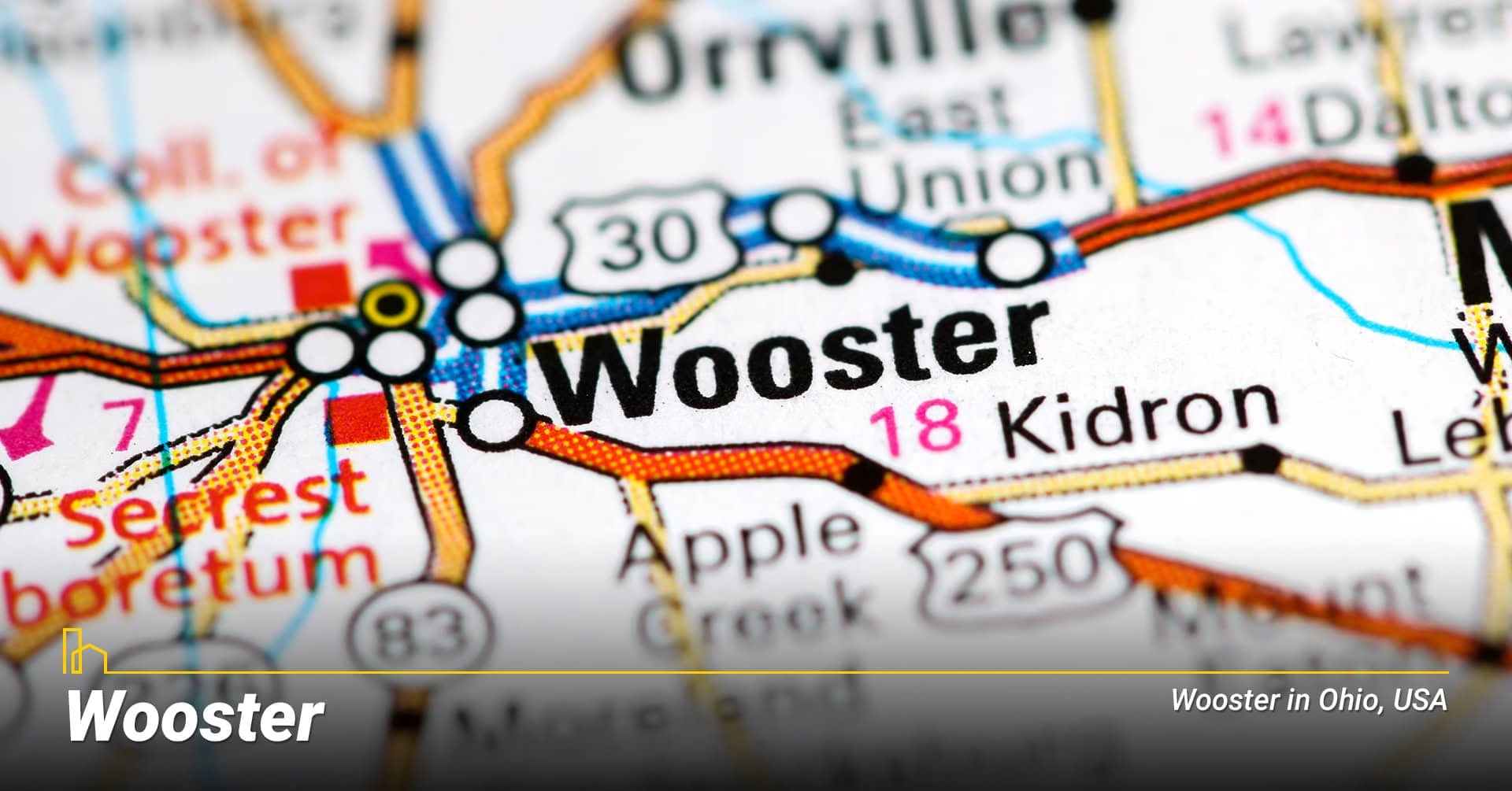
3. Wooster
HOMEiA Score: 89/100
- Typical home value: about $267,000 (Zillow, June 2026), up 3.8 percent year over year
- Median household income: about $62,000 (Census, 2022)
- Population: about 27,000
- Safety: Violent crime is below state and national medians
In the heart of Ohio’s Amish Country, Wooster blends farm life with a college town feel. Families enjoy the corn maze at Ramseyer Farms, local wineries and breweries, and a downtown full of locally owned shops shared with students from the College of Wooster.
Jobs and commute: Schaeffler, Seaman Corporation, Wooster Community Hospital, and Bekaert are major employers, and commutes average under 20 minutes.
Health care: Wooster Community Hospital and several urgent care centers serve the city, with Akron and Canton hospitals within an hour.
Lifestyle: Wayne County is one of Ohio’s leading dairy areas, the Ohio Light Opera performs at the College of Wooster, and the city offers about 600 acres of parkland, public pools, an arboretum, and bike trails.

Related article
Moving to Ohio: THE Complete Relocation Guide and Checklist
This Ohio relocation guide covers everything from cost of living and job opportunities to the best cities and how to settle in. Whether you’re drawn to Columbus’s booming economy, Cleveland’s arts, Cincinnati’s charm, Akron’s affordability, or Ohio’s scenic countryside, this guide will help you move with confidence…
4. Blue Ash

HOMEiA Score: 93/100
- Typical home value: about $451,000 (Zillow, August 2026), up 1.7 percent year over year
- Median household income: about $114,000 (Census, 2022)
- Population: about 13,000
- Schools: Served mainly by the highly rated Sycamore Community School District
- Safety: Violent crime is well below state and national medians
A green suburban enclave north of Cincinnati, Blue Ash dates to 1791. Being home to Sycamore High School, it’s one of Ohio’s top public high schools, and the University of Cincinnati Blue Ash College. This remains the most expensive city on this list, despite offering overperforming schools and a seismic job base.
Jobs and commute: Blue Ash hosts more than 2,000 employers, including Kroger, Ensemble Health, Citigroup, and Charter Communications. Commutes average about 20 minutes.
Health care: Bethesda North Hospital is about 10 minutes away, and Cincinnati’s major hospitals, including Cincinnati Children’s, are within a 30-minute drive.
Lifestyle: Summit Park offers 130 acres with an observation tower, restaurants, and winter ice skating. The Blue Ash Sports Center serves youth baseball and soccer, the city golf course is well regarded, and the Reds and FC Cincinnati are a short drive away.

Related article
5 Best Places to Live in Ohio for Young Adults
These five locations are a great start for any young person looking for a place to move to in Ohio. However, there are so many other cities and towns in the state that are great places for young people to live. So, feel free to do your own research and find what seems best to you…
5. Perrysburg
HOMEiA Score: 95/100
- Typical home value: about $339,000 (Zillow, May 2026), up 2.7 percent year over year
- Median household income: about $98,000 (Census, 2022)
- Population: about 25,000, one of the faster-growing communities on this list
- Schools: Perrysburg Schools earned a 5-star rating on the 2025-26 state report card
- Safety: Among the lowest crime rates on this list
Built around land set aside by the 1795 Treaty of Greenville, Perrysburg is a historic small town south of Toledo. Fort Meigs, a War of 1812 fortification, lets children explore history in their own backyard, and the downtown features 19th-century buildings.
Jobs and commute: O-I Glass, Owens Community College, and TTI Maumee Equipment are major employers, and Toledo’s job market is next door. Commutes average about 20 minutes.
Health care: Mercy Health operates a Perrysburg hospital, and Toledo offers many more options within 30 minutes.
Lifestyle: The city maintains 11 parks with more than 200 acres, and Wood County offers nature preserves, fishing, and kayaking. Bowling Green State University is 20 minutes away.

Related article
The Pros and Cons of Living in Ohio
On any given day in Ohio, you could find yourself in two completely different states of mind in a difference of an hour. One moment, you are looking at a beautiful view of snow-topped trees from a lookout point high above the forest. Then, soon after, you are dreading the idea of driving through what has become an intense blizzard on your way home…
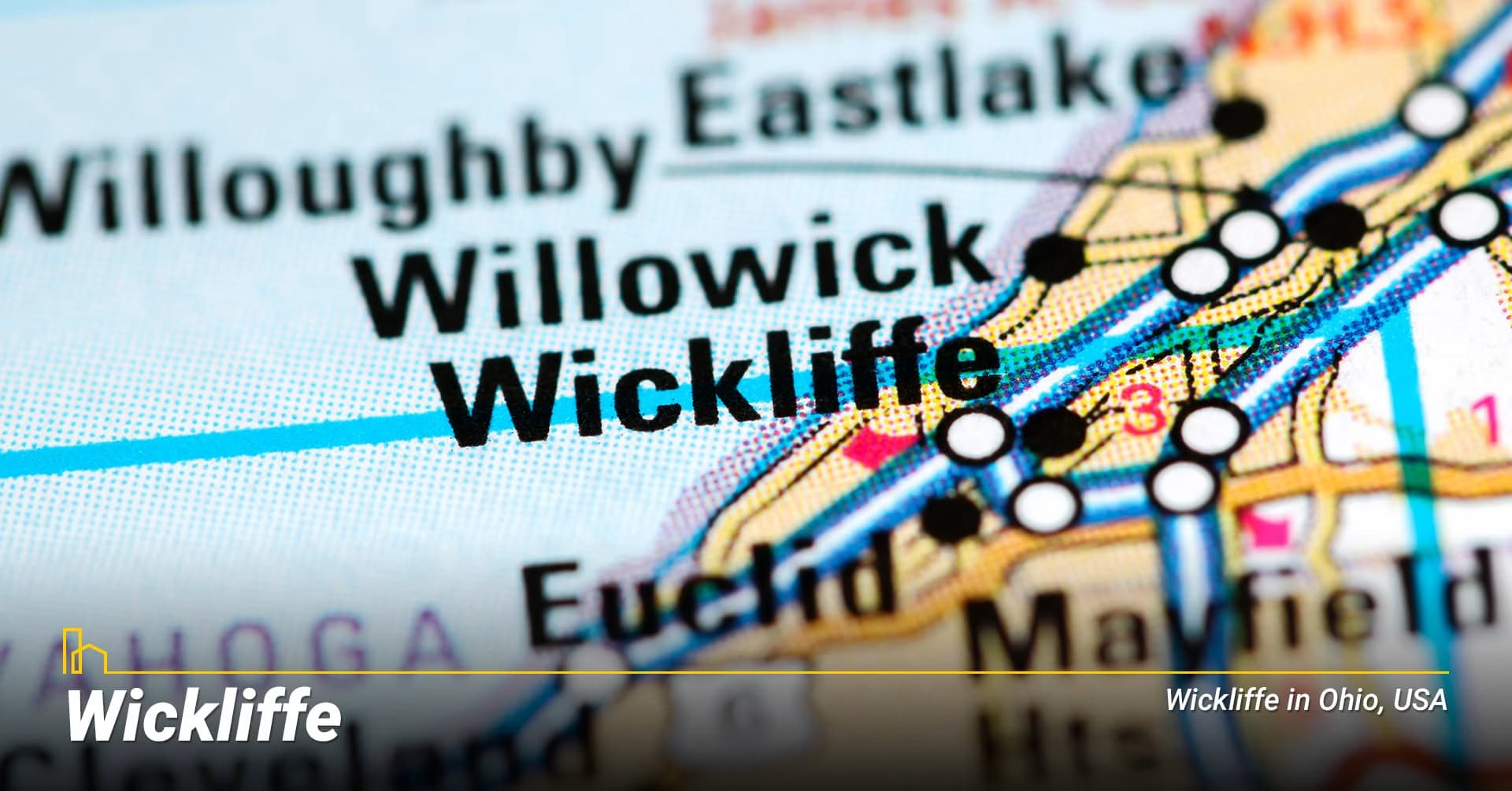
6. Wickliffe
HOMEiA Score: 96/100
- Typical home value: about $203,000 (Zillow, July 2026), up 2.6 percent year over year
- Median household income: about $77,000 (Census, 2022)
- Population: about 12,600, with a high rate of homeownership
- Safety: Among the lowest crime rates in the region
Between Cleveland and Mentor near Lake Erie, Wickliffe offers affordable homes, low crime, and a hometown feel. Compact neighborhoods, summer baseball, and a distinguished local school system make it easy for families to put down roots.
Jobs and commute: Major employers include Progressive Insurance, ABB, and Parker Hannifin, and downtown Cleveland is a short drive. Commutes average about 20 minutes.
Health care: UH Lake West Medical Center and Cleveland Clinic Euclid Hospital are nearby, and the Cleveland Clinic main campus is under 30 minutes away.
Lifestyle: Coulby Park offers an aquatic center, ball fields, and a pond, and city hall is housed in the historic Coulby Mansion. The recreation department runs camps, sports, and aquatic programs, and Headlands Beach State Park is about 20 minutes away.
Conclusion: If safe communities, reasonable home prices, commendable educational opportunities, access to jobs, and plenty to do sound like your family’s dream, consider any of these Ohio towns. Visit in person, compare school report cards, and check the total tax picture for any address before you decide.
Recommended for you




FAQs About Raising Kids in Ohio
1. How do Ohio’s local income taxes affect a family budget?
Beyond the state’s flat 2.75 percent income tax, more than 600 Ohio municipalities levy their own income tax, typically 1 to 3 percent, and more than 200 school districts add a separate income tax with voter approval. Some cities give credit for taxes paid where you work. Before choosing a home, add up the state, city, and school district rates for that address. The difference between two neighboring suburbs can mean hundreds or even thousands of dollars a year.
2. How can I compare school districts in Ohio?
Use the Ohio School Report Cards website from the Ohio Department of Education and Workforce. Districts receive an overall rating of 1 to 5 stars, along with ratings for achievement, progress, gap closing, early literacy, and graduation. Compare several years of results and visit schools in-person, since a single score does not capture programs or culture. Many districts also offer open enrollment, which may let students attend a nearby district, so ask about policies and transportation.
3. Are there options if I want private school?
Ohio’s EdChoice Expansion scholarship is available to K-12 students based on household income. For 2026-27, the maximum award is $6,166 for grades K-8 and $8,408 for high school, with smaller amounts at higher incomes. Funds apply to tuition at participating private schools. Check the state’s current income chart and deadlines. Many families combine scholarships with need-based aid offered directly by private schools, so inquire about its full cost after awards.
4. How can I save for college in Ohio?
Ohio’s CollegeAdvantage 529 plan lets families deduct up to $4,000 in contributions per beneficiary each year from state taxable income, with unused amounts carried forward. Earnings grow tax-free when used for qualified education expenses. Many families open an account when a child is born, since even small monthly contributions have years to grow. Grandparents and other relatives can contribute too.
5. How can I check safety for a specific neighborhood?
Research recent data from the local police department, many of which publish online crime maps, and the FBI’s Crime Data Explorer for city-level trends. Crime can vary block by block, so drive through at different times of day, talk to neighbors, and ask about school safety programs. Also review local severe weather plans, like tornado sirens and shelter locations, as part of your family’s safety checklist.
Share