






Indiana
Living In Indiana
Local Editor(s)

 Considering


Table of Contents:
The Complete Guide to Cost of Living and Lifestyle
Living in Indiana offers a compelling value proposition with its low cost of living, established job market, and family-friendly communities. The Hoosier State attracts everyone from young professionals and families to retirees seeking an affordable, high-quality life in the Midwest. However, residents should be prepared for seasonal weather extremes and varying economic opportunities across different regions. This comprehensive guide covers housing prices, taxes, daily expenses, and lifestyle factors to help you decide if the 19th state is your next home.
Key Takeaways
- Affordable Housing: Their housing market is a primary driver of its low cost of living, with median home prices consistently below the national average. However, costs vary significantly between cities like Indianapolis and smaller rural communities.
- Favorable Tax Structure: Here offers a tax-friendly environment with low property taxes and a flat income tax rate of 3.15%, though sales taxes can be higher than some neighboring states.
- Balanced Daily Costs: While housing is economical, other expenses including utilities, groceries, and healthcare generally align with or slightly below national averages, making overall living costs manageable.
- Economic Stability: Indiana boasts a diverse economy with established manufacturing, healthcare, and education sectors, providing solid employment opportunities across the state.
- Four-Season Lifestyle: The benefits of affordable living and close communities are balanced against seasonal weather extremes and varying cultural amenities across different regions.
I. Methodology: How We Analyzed the Cost of Living
Our analysis is based on a multi-factor review of key elements that impact residents’ financial well-being and daily life. We compiled data from reputable 2026 sources, including the U.S. Census Bureau, Bureau of Labor Statistics, Zillow housing market reports, Tax Foundation, and local Indiana state agencies.
Our evaluation criteria are weighted as follows:
- Housing & Affordability (30%): The largest budget item. We analyze median home prices, rental costs, and property taxes, using ratios including home-price-to-income to gauge true accessibility.
- Daily Living Expenses (25%): This metric evaluates the costs that define a daily budget, including groceries, utilities, transportation, and healthcare, benchmarked against national averages.
- Tax Burden (20%): A crucial component of affordability. We assess the impact of state income, sales, and property taxes on overall financial planning for both workers and retirees.
- Income & Economic Context (15%): Affordability is relative to earnings. We examine median household incomes and economic stability to provide context for the cost data.
- Lifestyle Value (10%): We evaluate the intangible ROI of living in Indiana, considering access to culture, outdoor recreation, and community amenities that offset monetary costs.

Related article
Our Methodologies to create HOMEiA Score Ratings for Each Group of Content
HOMEiA uses a consistent, data-driven methodology to evaluate U.S. states for livability, affordability, and long-term value. Our analysis centers on key factors such as Housing and Affordability, Cost of Daily Living, Access and Infrastructure, Community Strength, Safety and Quality of Life, Economic Resilience and Job Market…
II. Detailed Cost Analysis
1. Indiana Housing Costs: Navigating an Affordable Market

Indiana’s housing market remains one of the most affordable in the Midwest, with median home prices consistently below national averages. This provides unbeatable value for renters and homeowners.
A. Major Indiana Cities Housing Costs
|
City |
Median Home Price |
Average Monthly Rent (2-Bedroom) |
Home Price to Income Ratio |
Income to Rent Ratio |
|---|---|---|---|---|
| South Bend | $180,000 | $800 | 2.4 | 2.7 |
| Evansville | $195,000 | $850 | 2.6 | 2.9 |
| Fort Wayne | $232,700 | $950 | 2.8 | 3.2 |
| Indianapolis | $300,100 | $1,150 | 3.1 | 3.8 |
| Bloomington | $315,000 | $1,250 | 3.5 | 4.1 |
B. Indiana Housing Strategies and Financial Options: Financing a home is straightforward, with widely accepted FHA, VA, and conventional loans. However, first-time homebuyers should consider the state’s various assistance programs. The Indiana Housing and Community Development Authority offers down payment assistance and favorable mortgage rates for qualified buyers.
For those considering different living arrangements, you might explore the pros and cons of manufactured homes as an alternative housing option.
2. Indiana Tax Structure: A Mixed Picture
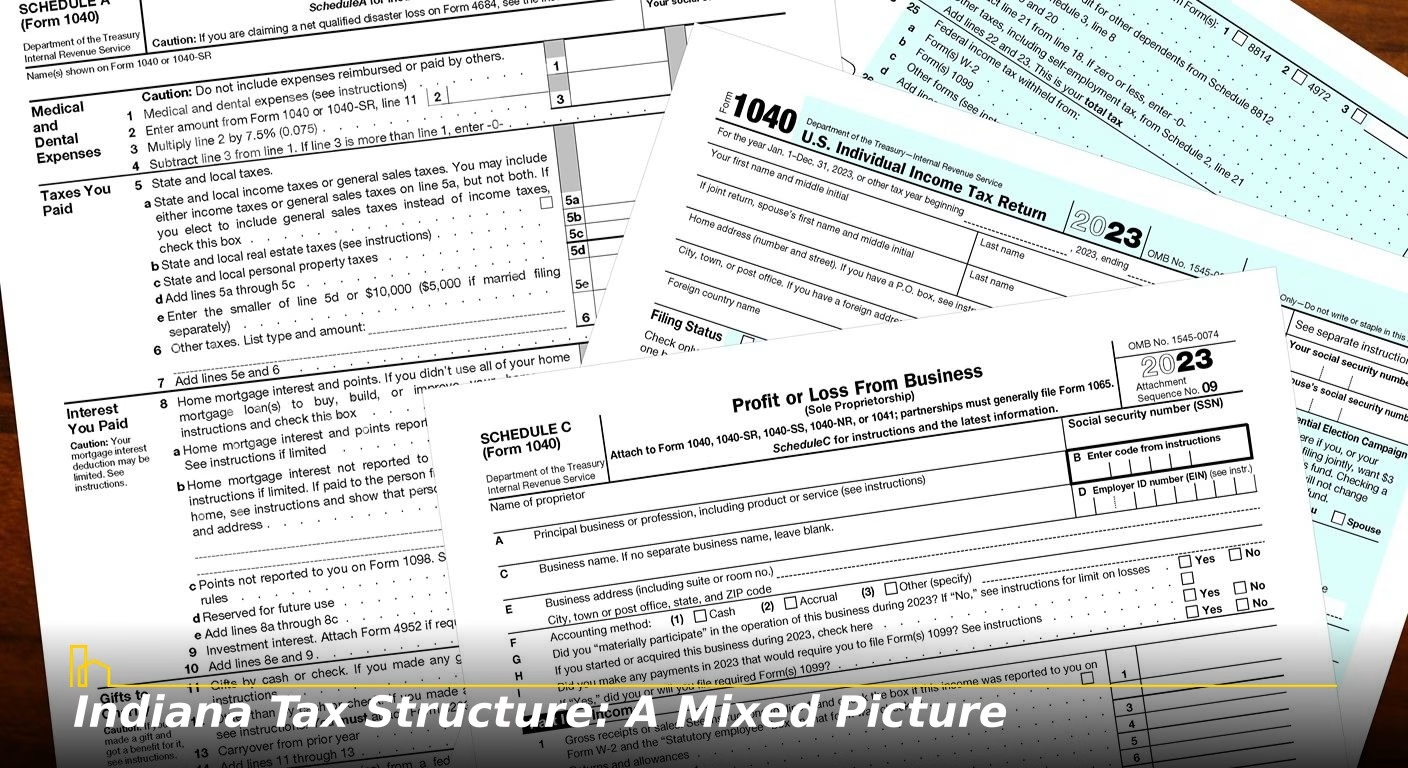
A. Indiana State Taxes Overview: The Hoosier State’s tax structure is generally favorable compared to many states. A flat income tax rate of 3.15% is present, which simplifies tax planning for residents. Property taxes are capped at 1% of assessed value for homeowners, 2% for rental properties, and 3% for businesses.
State sales tax is 7%, though local option taxes can bring this higher in some counties. Indiana does not tax Social Security benefits and offers various deductions for retirement income.
B. Tax Comparison: Indiana vs. Other States
|
State |
Income Tax Rate |
Sales Tax |
Property Tax Rate |
Overall Tax Burden Rank |
|---|---|---|---|---|
| Indiana | 3.15% | 7% | 0.84% (effective) | 24th |
| Kentucky | 5% | 6% | 0.82% | 22nd |
| Ohio | 2.77-3.99% | 5.75% | 1.56% | 18th |
| Michigan | 4.25% | 6% | 1.54% | 15th |
| Illinois | 4.95% | 6.25% | 2.16% | 10th |
Related article
3. Daily Living Expenses in Indiana

Overall cost of living is approximately 10% below the national average, making it one of the most affordable in the Midwest. For comparison, you can read about the cost of living in California vs. Texas.
A. Monthly Living Costs Breakdown
|
Expense Category |
Average Monthly Cost |
Comparison to National Average |
|---|---|---|
| Groceries | $350-$450 per person | 5% below average |
| Utilities | $150-$250 | 8% below average |
| Healthcare | $400-$600 | 3% below average |
| Transportation | $300-$500 | 7% below average |
| Entertainment | $200-$400 | 10% below average |
B. Cost-Saving Strategies for Indiana Living: Smart Hoosiers mitigate costs by:
- Shopping Local: Taking advantage of farmers’ markets and local producers for fresh produce
- Energy Efficiency: Investing in proper insulation and energy-efficient appliances to manage utility costs
- Transportation Planning: Utilizing relatively low gas prices and considering electric vehicles where practical
- Entertainment Choices: Enjoying the many free or low-cost cultural and recreational activities
4. Family Life in Indiana: Education and Community

There’s tried-and-true family-oriented communities with good educational opportunities, though quality varies by district.
A. Education in Indiana: School quality differs significantly across the state. Districts in Hamilton County (Carmel, Fishers, Westfield) and Zionsville consistently rank among the highest in the state and nation. There’s additional school choice options including charter schools and voucher programs. Higher education is well-represented with institutions like Purdue University, Indiana University, and Notre Dame.
B. Childcare and Family Costs: Childcare costs are generally below national averages, with full-time center-based care averaging $8,000-$12,000 annually depending on location and child’s age. Many communities offer standout parks, libraries, and family-friendly activities at minimal cost.
Recommended for you




5. Indiana Transportation: A Car-Dependent State

Transportation requires careful budgeting, as the state is largely car-dependent outside major metropolitan areas.
A. Vehicle-Related Expenses
|
Expense |
Average Cost |
Notes |
|---|---|---|
| Gasoline | $3.25/gallon | Typically below national average |
| Auto Insurance | $1,200-$1,800 annually | Varies by location and driving record |
| Vehicle Registration | $75-$150 annually | Based on vehicle value and age |
| Maintenance | $500-$1,000 annually | Lower than coastal states |
B. Public Transit and Air Travel
- Indianapolis: Offers the most comprehensive public transit system with IndyGo buses
- Other Cities: Limited public transportation options
- Air Travel: Indianapolis International Airport (IND) serves as the major hub, with regional airports in Fort Wayne, South Bend, and Evansville

Related article
6. Indiana Job Market and Income Potential
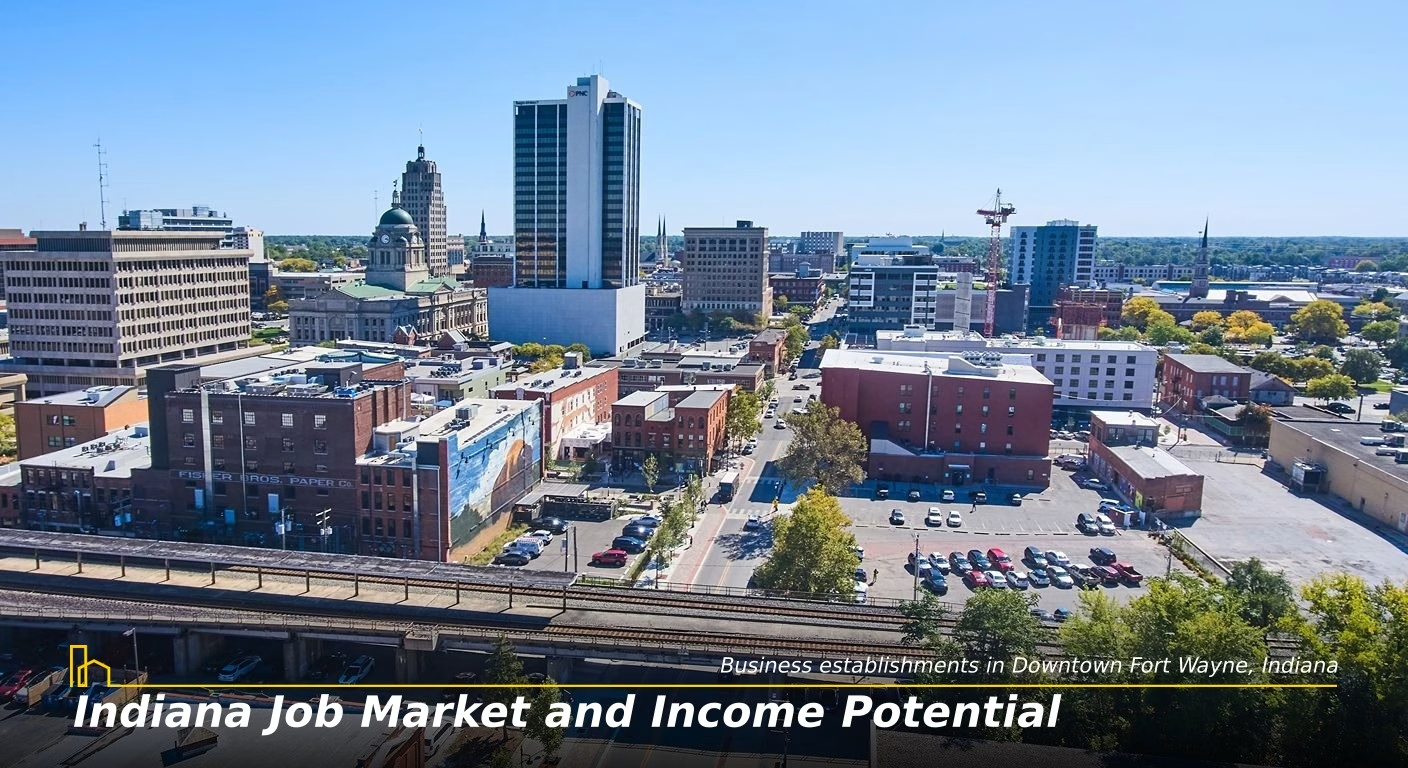
Economic prosperity is diverse and stable, with proven manufacturing, healthcare, and education sectors.
A. Income Statistics and Employment
|
Metric |
Value |
Comparison |
|---|---|---|
| Median Household Income | $62,000 | 10% below national average |
| Unemployment Rate | 3.2% | Slightly below national average |
| Job Growth | 1.8% annually | Steady growth |
| Major Industries | Manufacturing, Healthcare, Education, Logistics | Diverse economic base |
B. Major Indiana Employers and Industries
- Manufacturing: Toyota, Subaru, GM, Rolls-Royce
- Healthcare: IU Health, Eskenazi Health, Community Health Network
- Education: Purdue University, Indiana University, Notre Dame
- Logistics: Amazon, FedEx, UPS distribution centers
Related article
7. Cost of Living Comparison: Indiana vs. Other States

|
State |
Overall Cost of Living |
Housing |
Transportation |
Healthcare |
|---|---|---|---|---|
| Kentucky | 87% of U.S. average | 81% | 92% | 94% |
| Michigan | 89% of U.S. average | 83% | 94% | 96% |
| Indiana | 90.5% of U.S. average | 85% | 93% | 97% |
| Ohio | 92% of U.S. average | 87% | 96% | 95% |
| Illinois | 93% of U.S. average | 89% | 104% | 98% |
8. Indiana Lifestyle: The Ultimate Trade-Off

Authentic Indiana lifestyle combines affordability with quality of life: caring communities, four-season recreation, and cultural amenities. These benefits are balanced against weather extremes and varying economic opportunities across different regions.
A. Lifestyle Advantages of Indiana Living: The ability to enjoy professional sports (Pacers, Fever, and Colts), cultural events, and outdoor recreation while maintaining a comfortable budget is a key advantage. A central location provides easy access to other major Midwest cities.
B. Indiana Living Challenges: Winter weather can be challenging, with cold temperatures and snow. Some rural areas face limited access to specialized services and amenities. Economic opportunities can vary significantly between urban and rural regions.
Related article
9. Best Places to Live in Indiana for Different Needs

A. Family-Friendly Indiana Communities
- Carmel: Excellent schools, safe communities, high quality of life
- Fishers: Rapid growth, good schools, family amenities
- Zionsville: Top-rated schools, charming downtown, strong community
- Westfield: Growing community, good schools, recreational facilities
B. Professional and Retiree Options
- Indianapolis provides the most diverse employment opportunities across multiple sectors.
- Fort Wayne offers affordable living with growing job opportunities.
- Bloomington provides a college town atmosphere with cultural amenities.
- Evansville offers riverfront living with low costs and good healthcare.
Conclusion: Making Indiana Living Work for You
Success depends on choosing the right location for your career and lifestyle preferences, preparing for seasonal weather changes, and engaging with the friendly local communities. While cost of living is favorable, strategic financial planning and career positioning are important. For those drawn by affordability, community values, and Midwestern charm, Indiana offers a rewarding lifestyle with unbeatable value. For comparison with another affordable state, explore our guide on the most affordable places to live in Ohio.
Recommended for you




Frequently Asked Questions About Living in Indiana
1. What is a comfortable salary to live in Indiana?
A single person can live comfortably on an annual salary of $45,000-$55,000. A family of four typically needs a combined income of $75,000+ for housing, groceries, utilities, and transportation confidently, especially in more expensive suburbs.
2. Is Indiana a tax-friendly state for retirees?
Yes, Indiana is generally tax-friendly for retirees. The state does not tax Social Security benefits and offers various deductions for retirement income. Property taxes are capped, providing predictability for homeowners.
3. How do people afford groceries in Indiana?
Hoosiers afford groceries by shopping at major chains like Kroger and Meijer, taking advantage of farmers’ markets for fresh produce, and utilizing loyalty programs. Food costs are below national averages.
4. Is healthcare more expensive in Indiana?
Healthcare costs are generally at or slightly below the national average. Major metropolitan areas have state-of-the-art medical facilities, including the IU Health network in Indianapolis and Parkview Health in Fort Wayne.
5. What are the biggest hidden costs?
Hidden costs to watch include higher heating bills during cold winters, vehicle maintenance due to road salt and winter conditions, and potentially higher insurance costs in some areas.
6. Is Indiana a good place to retire?
The Hoosier State can be an excellent place to retire for the right person. The low cost of living, tax benefits, and four-season climate are appealing. However, retirees should consider their healthcare needs and choose a location with appropriate medical facilities.
7. How does Indiana’s cost of living compare to other Midwest states?
The 19th state offers one of the most favorable cost-of-living balances in the Midwest. While states like Kentucky and Michigan may have slightly lower overall costs, Indiana combines affordability with stronger job markets and economic stability compared to many neighboring states.
8. What are the best cities for young professionals in Indiana?
Indianapolis offers the most diverse opportunities for young professionals, with growing tech and healthcare sectors. Bloomington provides a vibrant college town atmosphere, while Fort Wayne offers affordable living with emerging job markets in manufacturing and healthcare.
9. How does Indiana’s education system rank nationally?
Quality of education shows mixed results. While the state has some nationally-ranked school districts in affluent suburbs, overall rankings typically place Indiana in the middle tier nationally. The state offers school choice options that provide alternatives for families seeking different educational approaches.
10. What is the weather like throughout the year in Indiana?
Indiana experiences four distinct seasons with warm, humid summers and cold, snowy winters. Spring and fall are generally pleasant but can be unpredictable. Residents should be prepared for temperature extremes ranging from below zero in winter to 90+ degrees in summer, with occasional severe weather including thunderstorms and tornadoes.
Local Editor(s)
-

The Pros and Cons of Living in Indiana (2026)
When picturing Indiana, what comes to mind are rolling farmlands, basketball hoops, and the iconic Indianapolis 500. But the Hoosier State offers more than Midwestern clichés; here lies a place…
-

Moving to Indiana: The Complete Relocation Guide & Checklist
Bordered by Michigan, Ohio, Kentucky, and Illinois, Indiana offers a lifestyle defined by Midwestern values, affordable living, and diverse landscapes. Nearly 7 million residents call themselves Hoosiers, drawn by a…
-

The 5 Best Places to Live in Indiana: A City Comparison
Indiana is a state of surprising contrasts, where Midwestern charm meets economic opportunity and vibrant urban centers coexist with picturesque small towns. Choosing the right community is crucial to unlocking…
-

7 Most Affordable Places to Live in Indiana (2026)
In a nation where housing costs continue to climb, Indiana stands out—not only for their Midwestern charm and central location, but for a remarkably affordable cost of living. With a…
-

21 Top-Rated Fun Things to do in Lafayette, Indiana
Indiana is known for growing corn, basketball, and the most significant event in professional racing, the Indianapolis 500. Owing to its central location, Indiana is a place where people from…
-

10 Important Things You Should Prepare for Long-Distance Moving
Moving long distances can be exciting, like an adventure of a lifetime. There is nothing as interesting and energizing as trying out new things and having the opportunity for a…
-

Relocating? Make Plans for These 8 Items
You’re moving to a new city. You scheduled the moving truck months ago, but you waited until the last minute to start boxing up your belongings. As you get to…
-

5 Things to Consider When Relocating
It’s never too late in your life to start over somewhere new. A change of lifestyle, a new job or going back to school are all great reasons to reinvent…
Related Topics












-

The Pros and Cons of Living in Colorado
More than half of Colorado residents are transplants. If you do relocate to the Centennial State, don’t be surprised when the “natives” give you a hard time. Whether you settle along the Front Range or the Western Slope, you’ll enjoy…
-

The Pros and Cons of Living in New Mexico
When picturing New Mexico, what comes to mind are vast desert landscapes, adobe architecture, and vibrant chili peppers. But the Land of Enchantment offers more than meets the eye; here lies a place where ancient cultures, standout arts scenes, and…
-
The Pros and Cons of Living in New Hampshire
When picturing New Hampshire, what comes to mind are picturesque New England villages, stunning White Mountains, and a fiercely independent spirit. But the Granite State offers more than colonial charm; here lies a place where low taxes, outdoor adventure, and…


-
The Pros and Cons of Living in Iowa
When picturing Iowa, what comes to mind are vast cornfields, rolling hills, and an established agricultural heritage. But the Hawkeye State offers more than what you see on a farm; here lies a place where strong communities, affordable living, and…
-

The Pros and Cons of Living in Louisiana
When picturing Louisiana, vibrant jazz music, spicy Creole cuisine, and historic French Quarter architecture are what usually appears. But the Pelican State offers more than Southern clichés; here lies a place where unique cultures, standout cuisine, and relaxed pace of…
-

The Pros and Cons of Living in Mississippi
Mississippi, located in the heart of the American South, is known for its low cost of living and laid-back way of life. Many people choose to call the Magnolia State home, but relocating to Mississippi means weighing remarkable affordability, genuine…


-
The Pros and Cons of Living in Vermont
Tucked into the heart of New England, Vermont offers postcard-worthy landscapes, a relaxed pace of life, and a strong sense of community. Known for its maple syrup, fall foliage, and progressive values, this small state is big on character. But…
-

The Pros and Cons of Living in Washington
When picturing Washington State, what crosses one’s mind are lush evergreen forests, majestic mountains, and the tech hub of Seattle. But the PNW offers more than that; here lies a place where natural beauty, economic opportunity, and progressive values define…
-
The Pros and Cons of Living in Alabama (Updated)
When picturing Alabama, what comes to mind are rolling hills, Southern hospitality, and rich Civil Rights history. But the Heart of Dixie offers more than Southern clichés; here exists a world where affordable living, natural beauty, and a relaxed pace…


-

Pros and Cons of Living in Wyoming
Choosing to relocate can be quite overwhelming. Once you decide on a state, you still need to choose the right community. If you’ve decided to make Wyoming your new home, you’re in luck — it’s a big and varied place…
-
The Pros and Cons of Living in Arkansas (2026)
Considering a move to Arkansas? The Natural State offers a compelling blend of affordability and natural beauty that attracts new residents from across the country. Home to 3 million people, Arkansas features everything from vibrant cities to charming small towns,…
-

The Pros and Cons of Living in Ave Maria, Florida (2026)
When picturing Ave Maria, what comes to mind are stunning basilica, perfectly manicured neighborhoods, or apricity from the Florida sun. However, this unique town offers far more—a blend of master-planned community living, deeply-rooted family values, rapid growth, and peaceful, faith-based…



-
The Pros and Cons of Living in Illinois (updated)
Relocating to a new state requires careful consideration of both the state as a whole and the specific community you'll join. If you're considering Illinois, you'll find a state home to vibrant cities, charming small towns, and a diverse mix…
-
The Pros and Cons of Living in Kentucky
When you think of Kentucky, you might conjure up images of fried chicken, bourbon, and horse racing. While you will find no shortage of those things in the Bluegrass State, it has so much more to offer. Kentucky is a…
-
The Pros and Cons of Living in Massachusetts
Moving to a new part of the US requires careful consideration of both the state itself and the specific community you'll join. If Massachusetts is your next destination, you'll find a state rich in history, culture, and natural beauty, but…


-
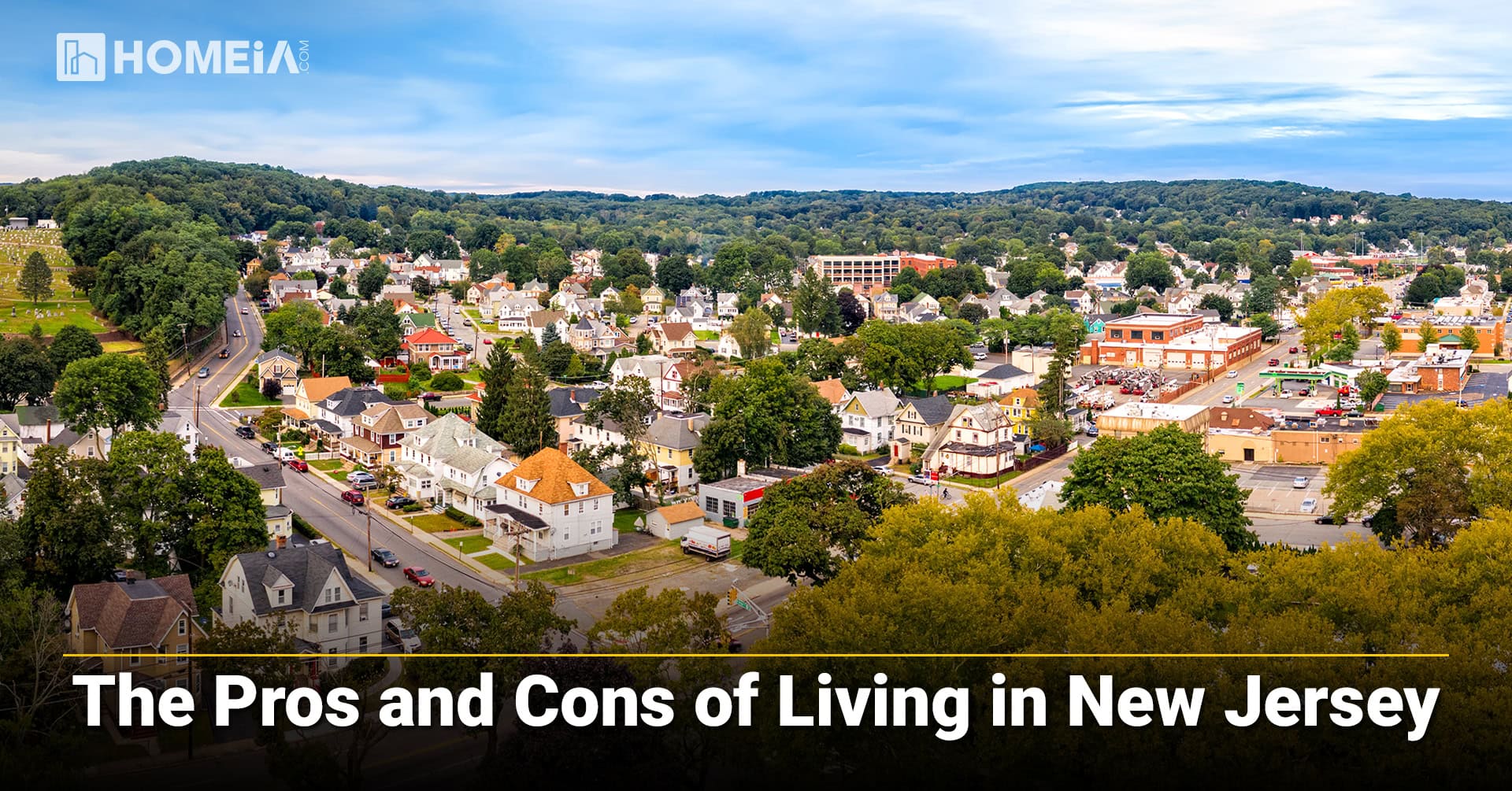
The Pros and Cons of Living in New Jersey
Considering a move to New Jersey? The Garden State offers a dynamic mix of urban energy, coastal charm, and suburban comfort. Home to nearly 9 million residents, New Jersey features vibrant cities, peaceful towns, stunning beaches, dense forests, and cultural…
-
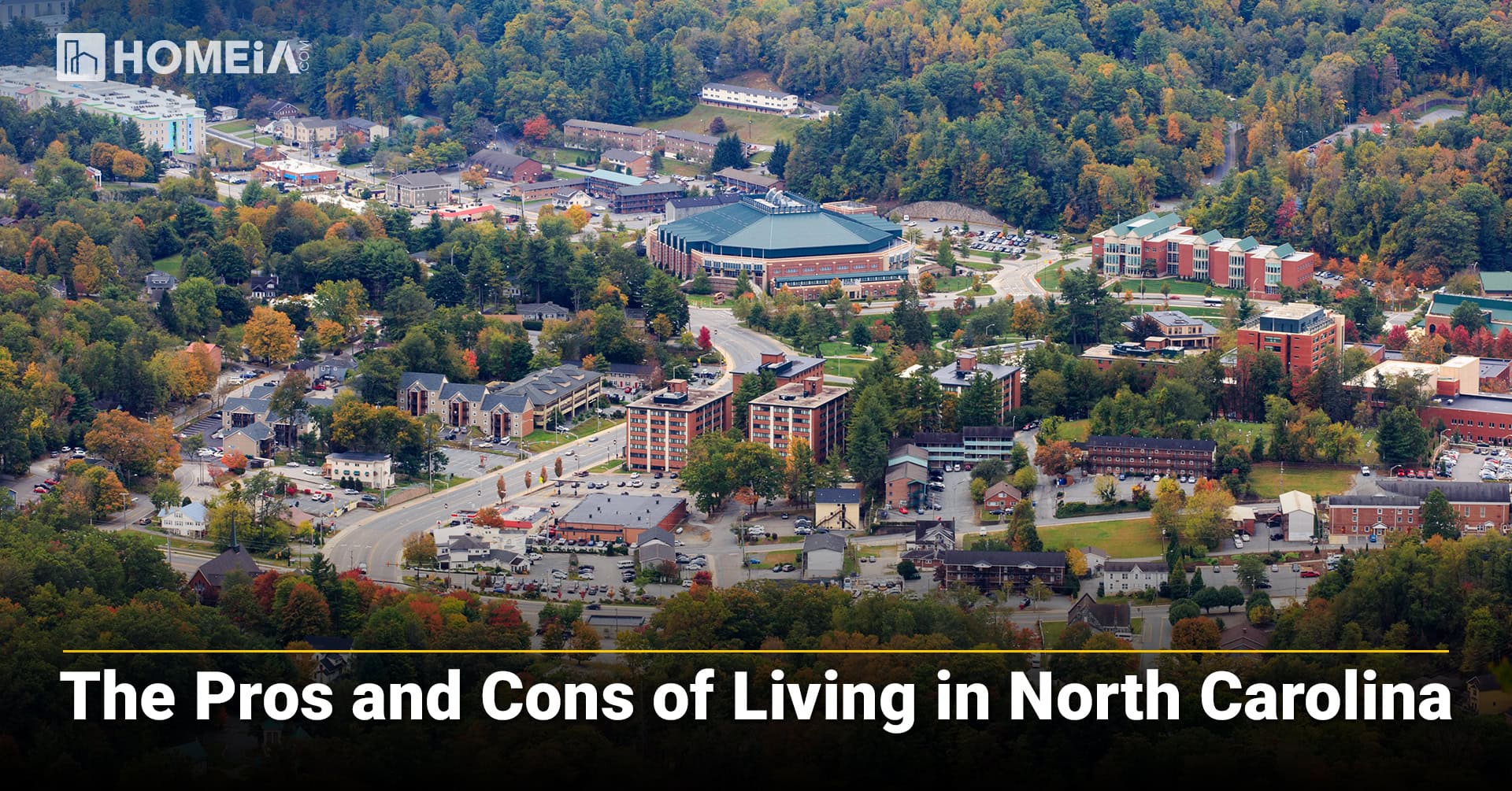
The Pros and Cons of Living in North Carolina
What does North Carolina have to offer? If you want one word to describe North Carolina, “varied” would be an excellent choice. Do you love the mountains or the beach? In this Southeastern state, you will find plenty of both.…
-
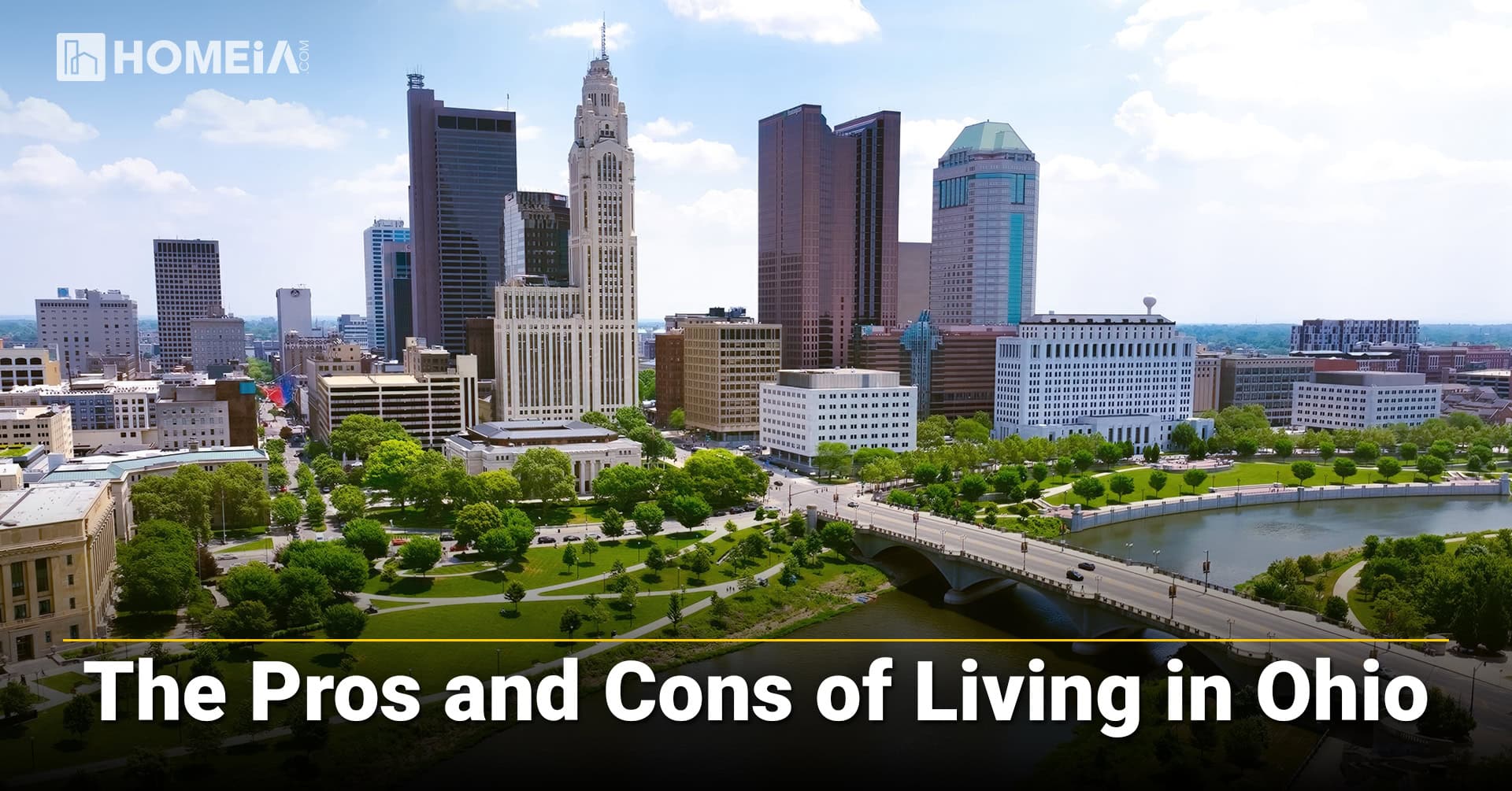
The Pros and Cons of Living in Ohio
On any given day in Ohio, you could find yourself in two completely different states of mind in a difference of an hour. One moment, you are looking at a beautiful view of snow-topped trees from a lookout point high…


-

The Pros and Cons of Living in Tennessee
People have been migrating to the South at an unprecedented rate in recent years, making it the leading region for population growth in the United States. This historic pattern of migration is driven by a complex range of factors, including…
-
The Pros and Cons of Living in Texas
Howdy! Thinking about moving to the Lone Star State? You’re not alone. Moving to Texas is trending as the state continues to attract new residents with its economic opportunities, cultural vibrancy, affordable cost of living, and distinctive lifestyle. Relocating to…
-

The Pros and Cons of Living in West Virginia
Relocating to West Virginia is a major decision requiring careful consideration of both the state's overall character and the communities you might call home. If you're considering moving to West Virginia, the Mountain State offers a unique blend of affordability,…