






Georgia
Living In Georgia
Local Editor(s)

 Verified



 Considering


Table of Contents:
The Complete Guide to Cost of Living and Lifestyle
Georgia stretches from the Appalachian foothills to the Atlantic Ocean, offering everything from mountain views to sandy beaches. The Peach State blends historic charm with modern growth. Atlanta anchors a diverse economy, while Savannah and Athens offer traditional lifestyles. With a population of 11.3 million and a median household income of $77,353, it ranks around 37th for lowest cost of living nationally. Our guide covers costs, jobs, climate, and the best places to live so you can decide if this fits your next chapter.
Key Takeaways
- Moderate cost of living: Average per-person spending totals about $50,000 per year. Typical home values of $319,330 and a property tax rate of 0.79% keep housing reasonable compared with coastal states.
- Growing economy: Nonfarm employment hit approximately 5 million jobs in 2025, with unemployment at 3.6%, well below the national average. Georgia ranks No. 1 for business for 11 consecutive years.
- Warm, humid climate: Scorching summers and mild winters define most of the state, with mountain areas significantly cooler. Annual rainfall averages 50 inches; snow is rare below 2,000 feet.
- Diverse communities: From Atlanta’s professional scene to coastal Savannah and college-town Athens, Georgia suits young professionals, families, and retirees. Homeownership sits at 65.7%.
- Rich recreation: Blue Ridge hikes, Golden Isles beaches, civil-rights history, and world-class aquariums are all within a day’s drive.

Related article
3 Most Affordable and Safe Places to Live in Georgia
Each town maintains a cost-of-living index below the national average—ranging from 80% to 90%—further enhancing their appeal for family budgets. These communities exemplify Georgia’s reputation for offering an exceptional quality of life without compromising financial security…
1. Overview of Georgia

Georgia is the eighth most populous U.S. state, home to 11.3 million people (USAFacts, 2025). The median household income is $77,353, poverty is at 13.4%, and the homeownership rate sits at 65.7%. The average commute is 28.3 minutes and most households own two cars. Nearly 94% of residents are U.S. citizens, and 15.5% of households speak a non-English primary language, reflecting the state’s growing diversity.
Their tax environment is competitive. The flat income tax was 5.19% for 2025 tax returns and dropped to 5.09% effective January 1, 2026, under legislation signed by Governor Kemp. It will decline by 0.10% per year until it reaches 4.99% in 2028. The average combined sales tax is 7.44%, effective property tax rate is 0.79%, and there are no estate or inheritance taxes. Retirees benefit the most since Social Security is fully exempt. Those 65 or older can exclude up to $65,000 of additional retirement income per person from state tax.
The state’s economy is anchored by 17 Fortune 500 companies (June 2025 list), including The Home Depot, UPS, Delta Air Lines, Coca-Cola, and Southern Company. Common employment sectors include education (314,000 workers), restaurants (310,000), and construction (301,000). High-paying roles concentrate in finance, tech, and professional services. The bustling film industry, nicknamed “Y’allywood,” has expanded thanks to generous tax credits, with productions like The Walking Dead and multiple Marvel films boosting credibility.


Related article
Pros and Cons of Living in Georgia
Let’s explore the pros and cons of living in Georgia, including the best cities for young professionals, families, and retirees. We’ll provide insights to help you make the best decision for yourself, whether you’re drawn by Georgia’s affordable cost of living, its thriving job market, or its scenic landscapes…
2. Cost of Living in Georgia

Cost of living sits slightly below the national average, with average annual personal consumption around $50,282 per person. Housing is the most pertinent variable. The Zillow Home Value Index for the Empire State of the South stood at $319,330 in February 2026, up 1% year-over-year. Median mortgage payments run about $1,712 per month, and statewide rents average $1,329 for a one-bedroom. The table below summarizes key cost categories.
| Category | Typical Cost | Notes |
| Housing (rent, 1-BR) | $1,329/month avg. | Typical home value $319,330 (Zillow, Feb 2026) |
| Electricity & gas | $142 electric; $118 gas/month | Internet ~$109; water ~$43/month |
| Groceries | ~$370 per person/month | Slightly below national average |
| Transportation (annual) | $10,300–$19,166 | Car-dependent state; MARTA in Atlanta |
| Healthcare (annual) | ~$8,008 per person | Below CA/NY levels |
| State income tax | 5.09% flat (2026) | Declining to 4.99% by 2028; SS exempt |
| Property tax rate | ~0.79% effective | Well below many Northeastern states |
Sources: SoFi, U.S. Bureau of Economic Analysis, Georgia Department of Revenue (2025–2026)
Home Values by City
Prices fluctuate across the region. Albany’s typical home costs less than one-third of Atlanta’s, illustrating how much location shapes your budget.
| City | Typical Home Value | Notes |
| Albany | $123,480 | Southwest Georgia; lowest housing costs in state |
| Columbus | $160,596 | Near Fort Moore; military and healthcare economy |
| Macon | $161,079 | Central Georgia; music heritage, Mercer University |
| Augusta | $169,219 | Home of The Masters; cybersecurity and healthcare hub |
| Savannah | $227,657 | Historic coastal city; port and tourism economy |
| Athens | $290,848 | University of Georgia town; arts and music scene |
| Atlanta | $379,911 | State capital; highest salaries and highest costs |
Source: Zillow (2025); Atlanta updated to Zillow ZHVI February 2026
Beyond housing, transportation dominates household budgets; most Georgians drive, with annual costs ranging from $10,300 for a single adult to $19,166 for a family of four. Metro Atlanta’s MARTA system and bike-lane network help. Outside the capital, a car is essential. Groceries average $370 per person monthly, healthcare runs about $8,008 annually, and childcare ranges from $664 to $1,091 per month depending on location and age.

Related article
10 Best Places to Live in Georgia in 2026
If you’re looking for some good old-fashioned Southern hospitality, look no further than Georgia. The Peach State has plenty of small-town charm to welcome you in, as well as big-city development, artistic expression and innovation…
3. Job Market and Economy

Their labor market is one of its strongest assets. Total nonfarm employment reached approximately 5 million jobs in late 2025, with an unemployment rate of 3.6% in December 2025, more than a full percentage point below the national average. Healthcare led job growth, with the sector reaching an all-time high of 627,000 jobs. Accommodation and food services, arts, and durable goods manufacturing also posted commendable gains.
Logistics is a pillar of the state economy. The Georgia Ports Authority achieved its second busiest year ever in 2025, handling nearly 5.7 million TEUs, up 2.6% over 2024. Georgia’s ports and inland terminals support 609,000 jobs statewide and contribute $40 billion in personal income annually. The Port of Savannah offers 39 weekly container services to global destinations, more than any other port on the South Atlantic or Gulf coasts, and Area Development has ranked it the No. 1 state to do business for 11 consecutive years.
Recommended for you




4. Climate, Geography, and Lifestyle

You’ll experience a humid subtropical climate with challenging summers and mild winters. Macon and Columbus average about 20 days above 95 °F annually while Atlanta averages seven such days. Mountain communities near the North Carolina border are generally excluded from these highs. Winters are short and mild, even in the Appalachian foothills, snowfall averages around 5 inches per year, making Georgia appealing to anyone tired of shovelling. Annual rainfall is about 50 inches, evenly distributed throughout the year. Coastal residents should prepare for tropical storms in late summer and autumn, though strong building codes and modern early-warning systems limit damage for most.
The state spans five physiographic regions: Blue Ridge Mountains, Ridge and Valley, Piedmont, Coastal Plain, and Barrier Islands. Elevations range from sea level on the Atlantic coast to more than 4,700 feet in the northern mountains. Most of the population lives in the Piedmont, hosting Atlanta, Athens, and Macon. This geographic diversity drives a rich outdoor lifestyle including kayaking the Chattahoochee, skiing at mountain resorts, fishing Georgia’s lakes and rivers, and beach days on the barrier islands are all achievable within a few hours of each other. College football (UGA Bulldogs, Georgia Tech Yellow Jackets) dominates fall weekends, while their other pro sports (Braves, Falcons, and Hawks) allows locals to showcase their state pride. Food culture abundantly celebrates soul food, barbecue, and farm-to-table dining. Savannah’s St. Patrick’s Day parade, one of the largest in the country, and the Macon Cherry Blossom Festival are a couple of dozens of festivals that fill the annual calendar.

Related article
Moving to Georgia: THE Complete Relocation Guide and Checklist
Considering a move to Georgia? This guide covers everything you need — cost of living, job market, top places to live, and more. From Atlanta’s buzz to Savannah’s charm and mountain serenity, Georgia offers friendly people, great weather, and real opportunity. Let this be your go-to resource for relocating smartly…
5. Best Places to Live in Georgia

- Atlanta: The state capital and economic engine, home to 17 Fortune 500 headquarters, world-class museums, professional sports teams across all major leagues, and Hartsfield-Jackson (ATL), the world’s busiest airport. Typical home value: $379,911. Substantial salaries in tech, finance, and creative industries help offset premium rents. Traffic congestion is a real drawback, but in-town neighbourhoods like Inman Park, Virginia-Highland, and the West End offer walkable streets and historic character.
- Athens: A vibrant University of Georgia college town about an hour east of Atlanta. Typical home value: $290,848, making it more affordable than Atlanta while still offering a lively arts scene, fresh farm-to-table dining, and a reliable university-backed job market. The surrounding north Georgia mountains are within easy reach for weekend hiking and camping.
- Savannah: One of America’s most beautifully preserved cities, with 24 tree-shaded historic squares and more than 1,100 landmark buildings dating to 1733. Typical home value: $227,657, genuinely affordable for a coastal destination with national name recognition. Tourism, the port, and healthcare anchor the local economy. Flood insurance is highly recommended given the coastal location.
- Augusta: Known globally for The Masters golf tournament and home to a growing cybersecurity sector led by Fort Eisenhower and Augusta University. Typical home value: $169,219 and one of the lowest costs of living among Georgia’s midsize cities. The Savannah River canal trail, jazz festivals, and a compact walkable downtown add to the quality of life.
- Macon & Columbus: Both cities offer typical home values below $165,000 and solid healthcare and manufacturing employment bases. Macon has deep musical roots (Little Richard, Otis Redding, and the Allman Brothers Band all called it home) and the Ocmulgee Mounds National Historical Park. Columbus boasts the scenic Chattahoochee Riverwalk, whitewater rafting, and an energetically revitalised downtown.
- Smaller Towns: Mountain communities of Blue Ridge and Dahlonega experience cool summers, waterfalls, local wineries, and Appalachian Trail access at significantly lower home prices than Atlanta. Coastal towns such as St. Simons Island and Jekyll Island deliver beach living without Florida’s density, while rural southwest Georgia counties offer some of the state’s most affordable real estate for those who value land and quiet over urban amenities.

Related article
3 Most Affordable and Safe Places to Raise a Family in Georgia
Georgia has earned its reputation as an ideal destination for families seeking safe, affordable, and welcoming communities. Throughout the state, numerous towns combine economic accessibility with strong community values, creating perfect environments for raising children…
6. Things to Do and See

- Nature and Outdoors: The 78.3-mile Georgia stretch of the Appalachian Trail runs from Springer Mountain to the North Carolina border, climbing to Blood Mountain at 4,461 feet. Stone Mountain Park, 16 miles from Atlanta, covers 3,200 acres around the world’s largest exposed granite monadnock. On the coast, Jekyll Island offers 8 miles of beaches and 20 miles of trails across 5,700 state-owned acres; development is deliberately limited to preserve its natural character. Further south, the Okefenokee National Wildlife Refuge protects 353,981 acres of internationally significant swamp, best explored by canoe among alligators and carnivorous plants.
- History and Culture: Savannah’s 1733 colonial grid of 24 leafy squares and 1,100+ historic buildings is one of the most intact in the United States. In Atlanta, the Georgia Aquarium, the largest in the U.S. with over 11 million gallons of water, draws millions of visitors, while the Martin Luther King Jr. National Historical Park, which had 647,349 enter their doors in 2025, honours the civil-rights leader’s legacy in his hometown neighbourhood of Sweet Auburn. Beyond the marquee sites, north Georgia wineries near Dahlonega, u-pick peach farms, Lake Lanier camping, and film locations from Stranger Things and The Hunger Games round out the state’s entertainment offering.

Related article
The 22 Affordable Things to do in Dahlonega, Georgia
The advantage of being such a small city is that it can sustain a very affordable cost of living — and vacationing, too. Low-cost attractions abound in Lumpkin County; locals and vacationers will find no shortage of things to do…
7. Pros and Cons of Living in Georgia

Pros
- Affordable housing and taxes: Typical home values of $319,330 and a declining income tax rate (reaching 4.99% by 2028) make here one of the South’s best value propositions.
- Strong, diverse job market: ~5 million jobs, 3.6% unemployment, 17 Fortune 500 HQs, and 11 consecutive No. 1 state-for-business rankings.
- Retirement friendly: Social Security fully exempt; up to $65,000 of additional retirement income excluded for those 65+; mild winters and active adult communities statewide.
- Year-round outdoor lifestyle: Mountains, beaches, rivers, and mild winters enable hiking, golf, kayaking, and more virtually every month.
- World-class port and logistics hub: Port of Savannah handled nearly 5.7 million TEUs in 2025, supporting 609,000 jobs and anchoring a Southeast logistics network ranked No. 1 nationally for infrastructure.
Cons
- Hot, humid summers: Most of the state suffers through weeks of 95 °F+ heat, driving high air-conditioning bills and limiting afternoon outdoor activity from June through August.
- Atlanta traffic: Some of the worst congestion in the U.S., limited rail transit outside the metro, and average commute times above 28 minutes.
- Natural hazards: Coastal counties face tropical storm and flooding risk; central Georgia sees occasional tornadoes; drought can affect agriculture statewide.
- Variable education quality: Here ranked 17th nationally in 2026, but rural districts often struggle with teacher shortages and funding gaps. Research individual districts before choosing where to live.
- Urban crime pockets: Statewide violent crime (326 per 100,000) and property crime (1,675 per 100,000) are slightly below national averages, but some Atlanta, Savannah, and Augusta neighbourhoods run significantly higher.
Conclusion: Georgia rewards residents with southern charm, economic opportunity, and remarkable natural variety. Moderately priced housing, a declining tax burden, and a logistics-powered economy anchored by Fortune 500 companies make it financially attractive. Unforgiving summers and Atlanta traffic are real drawbacks, but the mountains, coast, and culture within reach of nearly every corner of the state make them easier to bear. Whether you’re drawn by career opportunity, retirement affordability, or simply the promise of warmer winters, this state is worth serious consideration.
Recommended for you




FAQs About Living in Georgia
1. Is Georgia a good place to retire?
Yes. The state does not tax Social Security benefits and allows residents aged 65 or older to exclude up to $65,000 of other retirement income per person from state taxes. Those aged 62 to 64 can exclude up to $35,000. Flat income tax rate is also on a legislated glide path to 4.99% by 2028. Property taxes are relatively low (effective rate ~0.79%) and the climate is mild. Many 55-plus communities have sprung up around Atlanta, Augusta, and along the coast.
2. How safe is living in Georgia?
Overall crime rate is close to the national average. In 2024, the violent crime rate was 326 incidents per 100,000 people and the property crime rate was 1,675 per 100,000; both slightly below U.S. averages. Urban areas like Atlanta, Savannah, and Augusta have pockets with higher crime, while many suburbs and small towns experience the opposite. Researching neighbourhood-level data before choosing a location is advisable.
3. What’s the climate like across Georgia?
Georgia’s humid subtropical climate means summers are hot and humid and winters are short. Central cities, notably Macon and Columbus, record about 20 days above 95 °F annually, while Atlanta averages seven such days and mountain areas even fewer. Annual precipitation averages around 50 inches, with thunderstorms in summer and occasional tropical storms along the coast. Snowfall is light, even in the mountains.
4. How does Georgia rank in education?
Education quality varies across districts. A 2026 public school ranking from World Population Review placed Georgia 17th overall, reflecting improvements in academic performance and resources. However, rural areas often struggle with teacher shortages and limited funding, while suburban districts around Atlanta and Athens overperform. Families should research local school scores and consider options such as magnet programs or charter schools.
5. What industries drive Georgia’s economy besides film and logistics?
In addition to film and logistics, Georgia excels in finance and insurance, information technology, agriculture (especially poultry, peanuts, and peaches), aerospace, manufacturing, and energy. The most common employment sectors by headcount are academia, restaurants and food services, and construction. Fortune 500 headquarters including The Home Depot, UPS, Delta Air Lines, and Coca-Cola contribute to job growth and stability, while the Port of Savannah, which handled nearly 5.7 million TEUs in 2025, cements Georgia’s status as a national logistics powerhouse.
Local Editor(s)
-

3 Most Affordable and Safe Places to Live in Georgia
Georgia stands out as a haven for families seeking safe, affordable, and welcoming communities. The state's diverse landscape offers numerous towns that combine economic accessibility with strong community values, making…
-
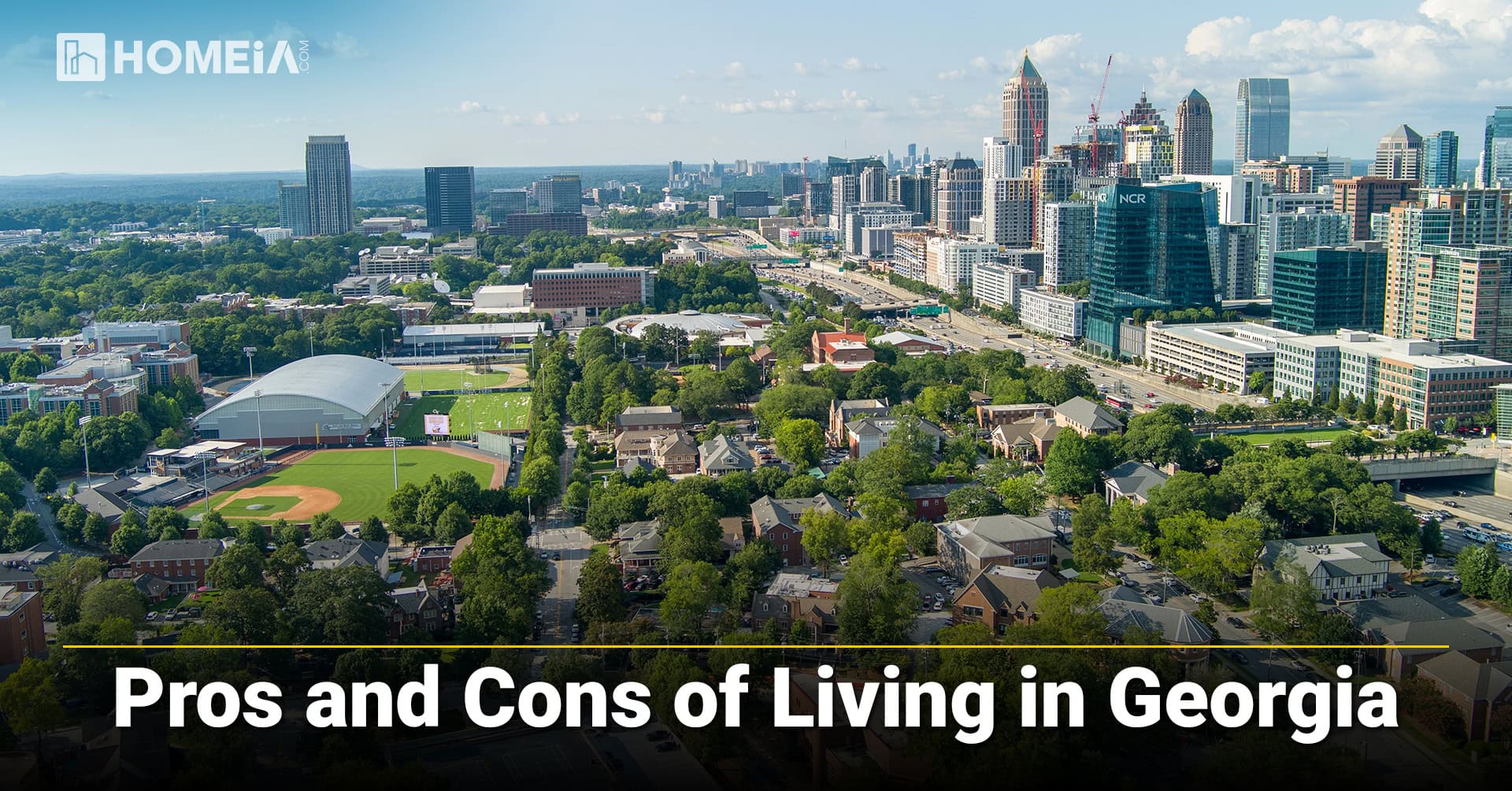
Pros and Cons of Living in Georgia
Relocating to a new state is a significant decision, one that requires thoughtful consideration of both the state as a whole and the specific community you're considering. If you're thinking…
-

10 Best Places to Live in Georgia in 2026
Relocating to Georgia is one of the best options if you’re looking to move to one of the best places for living. The Peach State has plenty of small-town charm…
-

Moving to Georgia: THE Complete Relocation Guide and Checklist
Thinking about making the move to Georgia? The Peach State is a great selection. The people are friendly, the sweet tea is cold, and the living is good. As a…
-

3 Most Affordable and Safe Places to Raise a Family in Georgia
Georgia has earned its reputation as an ideal destination for families seeking safe, affordable, and welcoming communities. Throughout the state, numerous towns combine economic accessibility with strong community values, creating…
Related Topics










-

The Pros and Cons of Living in Texas
Howdy! Thinking about moving to the Lone Star State? You’re not alone. Moving to Texas is trending as the state continues to attract new residents with its economic opportunities, cultural vibrancy, affordable cost of living, and distinctive lifestyle. Relocating to…
-

The Pros and Cons of Living in Tennessee
People have been migrating to the South at an unprecedented rate in recent years, making it the leading region for population growth in the United States. This historic pattern of migration is driven by a complex range of factors, including…
-
The Pros and Cons of Living in South Carolina
The small southern state of South Carolina is experiencing a growth spurt. According to data released by the U.S. Census Bureau, three states —Florida, Georgia, and South Carolina —saw tremendous population growth in the years during and following the pandemic.…



-
The Pros and Cons of Living in North Carolina
What does North Carolina have to offer? If you want one word to describe North Carolina, “varied” would be an excellent choice. Do you love the mountains or the beach? In this Southeastern state, you will find plenty of both.…
-

The Pros and Cons of Living in New York
Relocating to a new state requires careful consideration of both the state as a whole and the specific community you'll join. New York offers a state of extremes—home to the world's most iconic city, vibrant upstate towns, and breathtaking natural…
-

The Pros and Cons of Living in New Jersey
Considering a move to New Jersey? The Garden State offers a dynamic mix of urban energy, coastal charm, and suburban comfort. Home to nearly 9 million residents, New Jersey features vibrant cities, peaceful towns, stunning beaches, dense forests, and cultural…

-
The Pros and Cons of Living in Illinois (updated)
Relocating to a new state requires careful consideration of both the state as a whole and the specific community you'll join. If you're considering Illinois, you'll find a state home to vibrant cities, charming small towns, and a diverse mix…
-

The Pros and Cons of Living in Florida
Relocating to a new state is a big move – pun intended! – and requires careful consideration of both the state as well as the specific community you're thinking to join. If you're considering Florida, you're in luck; the Sunshine…
-

The Pros and Cons of Living in Denver, Colorado
Looking for stellar public schools, world-class ski resorts, and a thriving city all in one spot? Denver, Colorado, may be the place for you. The Mile High City offers a unique blend of outdoor adventure, economic opportunity, and urban convenience.…



-

Pros and Cons of Living in Wyoming
Choosing to relocate can be quite overwhelming. Once you decide on a state, you still need to choose the right community. If you’ve decided to make Wyoming your new home, you’re in luck — it’s a big and varied place…
-

Pros and Cons of Living in Virginia
Virginia is a beautiful state with an abundance of opportunities ripe for discovery. From the Appalachian Trail to the Blue Ridge Mountains, coastal towns to small farming communities, Virginia has something for individuals and families of all ages and budgets.…
-
Pros and Cons of Living in Michigan
Relocating to a new state requires careful consideration of both the state as a whole and the specific community you'll join. If you're considering Michigan, you're in luck---the Great Lakes State offers diverse options for all ages, budgets, family situations,…

-
The Pros and Cons of Living in Vermont
Tucked into the heart of New England, Vermont offers postcard-worthy landscapes, a relaxed pace of life, and a strong sense of community. Known for its maple syrup, fall foliage, and progressive values, this small state is big on character. But…
-

The Pros and Cons of Living in Utah
When picturing the State of Utah in the Mountain West, many imagine iconic red rock landscapes, world-class ski resorts, and a vibrant, family-oriented culture. And while all of those are essential pieces of the state's identity, there's so much more…
-

The Pros and Cons of Living in South Dakota (2026)
When picturing South Dakota, what comes to mind are vast prairies, Mount Rushmore, and the rugged beauty of the Badlands. But the Land of Infinite Variety offers more than Western clichés; here lies a place where pioneer spirit, outdoor adventure,…

-

The Pros and Cons of Living in New York State
New York State is a land of dramatic contrasts, offering both the unparalleled energy of a global metropolis and the serene beauty of vast natural landscapes. From the iconic skyscrapers of New York City to the tranquil shores of the Finger Lakes and the rugged…
-

The Pros and Cons of Living in New Mexico
When picturing New Mexico, what comes to mind are vast desert landscapes, adobe architecture, and vibrant chili peppers. But the Land of Enchantment offers more than meets the eye; here lies a place where ancient cultures, standout arts scenes, and…
-
The Pros and Cons of Living in New Hampshire
When picturing New Hampshire, what comes to mind are picturesque New England villages, stunning White Mountains, and a fiercely independent spirit. But the Granite State offers more than colonial charm; here lies a place where low taxes, outdoor adventure, and…


-

The Pros and Cons of Living in Mississippi
Mississippi, located in the heart of the American South, is known for its low cost of living and laid-back way of life. Many people choose to call the Magnolia State home, but relocating to Mississippi means weighing remarkable affordability, genuine…
-

The Pros and Cons of Living in Maine
When picturing Maine, what one envisions are rugged coastlines, lobster shacks, and dense forests. But the Pine Tree State offers more than New England stereotypes; here lies a place where maritime heritage, outdoor adventure, and resilient spirit define everyday living.…
-

The Pros and Cons of Living in Louisiana
When picturing Louisiana, vibrant jazz music, spicy Creole cuisine, and historic French Quarter architecture are what usually appears. But the Pelican State offers more than Southern clichés; here lies a place where unique cultures, standout cuisine, and relaxed pace of…



-

The Pros and Cons of Living in Hawaii
When picturing Hawaii, what comes to mind are stunning beaches, lush tropical landscapes, and vibrant Polynesian culture. But the Aloha State holds more secrets than what’s on the surface; here lies a place where ancient traditions, diverse communities, and island…
-

The Pros and Cons of Living in Delaware
When picturing Delaware, what comes to mind are tax-free shopping, beautiful beaches, and proximity to major East Coast cities. But the First State offers more than financial advantages; here exists a place where historic charm, corporate headquarters, and relaxed coastal…
-
The Pros and Cons of Living in Connecticut
Nestled in the heart of New England, Connecticut offers a unique blend of historic charm, coastal beauty, and modern affluence. Known as the Constitution State, it boasts proximity to major cities like New York City and Boston while maintaining its own identity with…