






Michigan
Living In Michigan
Local Editor(s)

 Considering


 Verified

Table of Contents:
- The Complete Guide to Cost of Living and Lifestyle
- 1. Michigan Housing Costs: Finding Your Great Lakes Home
- 2. Michigan Tax Structure: A Balanced Approach
- 3. Daily Living Expenses in Michigan
- 4. Family Life in Michigan: Education and Recreation
- 5. Michigan Transportation: The Car Capital Evolves
- 6. Michigan Job Market and Income Potential
- 7. Cost of Living Comparison: Michigan vs. Other States
- 8. Michigan Lifestyle: Four Seasons of Adventure
- 9. Best Places to Live in Michigan for Different Needs
- FAQs About Living in Michigan
The Complete Guide to Cost of Living and Lifestyle
Michigan offers a unique blend of industrial strength and stunning natural beauty, all at a cost of living consistently falling below the national average. From the vibrant urban energy of Detroit to the pristine shores of the Great Lakes, the Mitten State provides a high quality of life attracting families, professionals, and retirees alike. This living in Michigan guide breaks down housing costs, taxes, daily expenses, and key lifestyle factors to help you decide if this part of the Midwest is the right place for your next chapter.


Related article
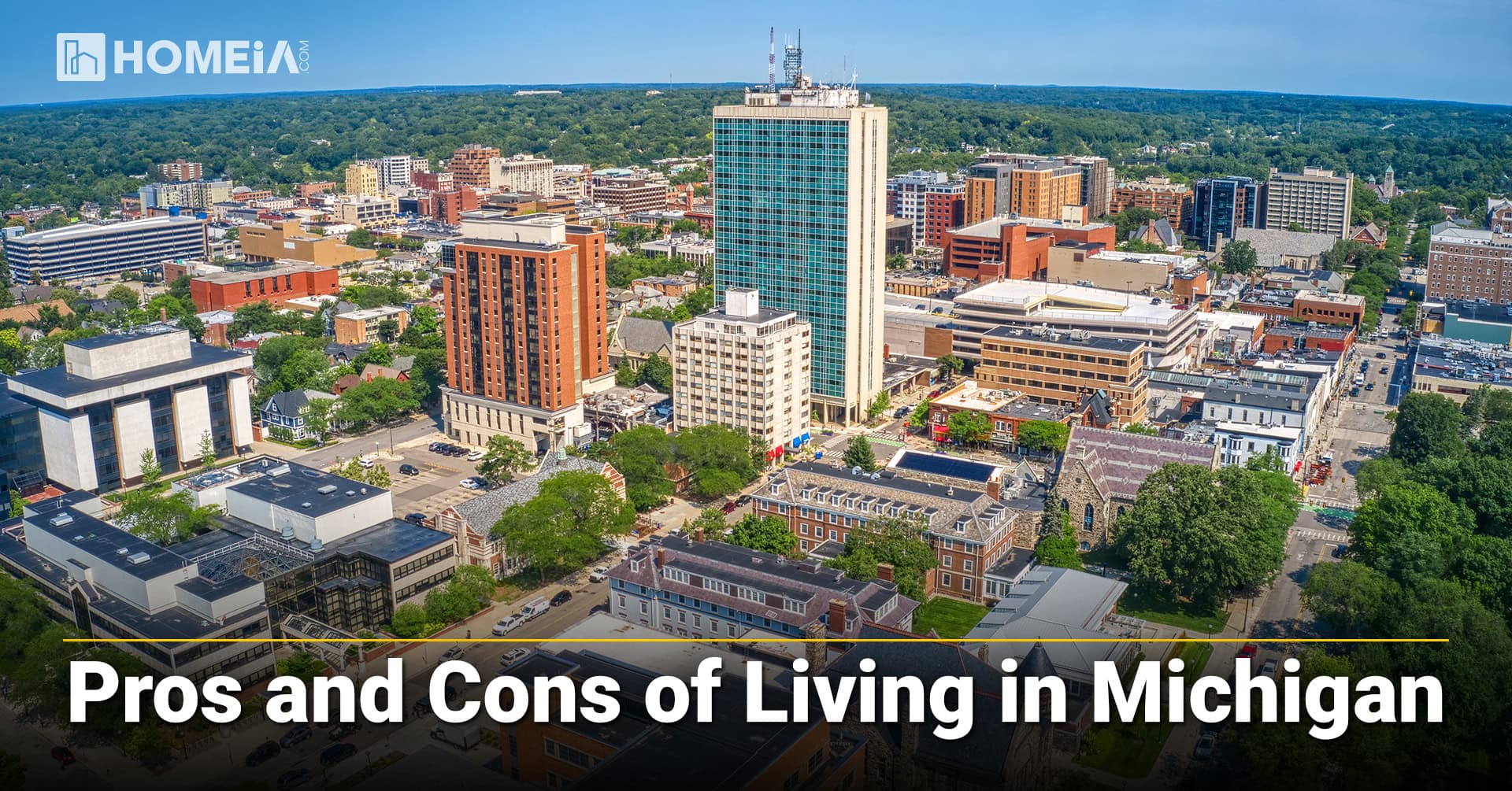
Pros and Cons of Living in Michigan
Michigan offers diverse communities to match any lifestyle, from vibrant cities to tranquil lakeside towns. Whether seeking career opportunities, family-friendly neighborhoods, or a peaceful retirement, the Great Lakes State provides affordable options with unique attractions and natural beauty. As you consider making Michigan your home, weigh the pros and cons…
1. Michigan Housing Costs: Finding Your Great Lakes Home

Michigan’s housing market is one of its biggest draws, offering incredible value compared to national averages. Whether you’re looking for a historic home in a walkable neighborhood or a modern condo with lake views, you’ll find options to fit a variety of budgets.
A. Major Michigan Cities Housing Costs
|
City |
HOMEiA Score |
Median Home Price |
Avg. Rent (2-Bedroom) |
Notes |
|---|---|---|---|---|
| Lansing | 86/100 | ~$190,000 | $950 – $1,100 | State government anchor, home to Michigan State University. |
| Grand Rapids | 88/100 | ~$275,000 | $1,200 – $1,450 | Thriving beer scene, strong healthcare and manufacturing jobs. |
| Ann Arbor | 92/100 | ~$450,000 | $1,500 – $1,800 | University of Michigan town, top-rated schools, vibrant culture. |
| Detroit | 84/100 | ~$85,000 | $1,000 – $1,300 | Rapid revitalization, incredibly affordable entry points in many areas. |
B. Michigan Housing Strategies and Financial Options
Michigan is an ideal state for first-time homebuyers. Programs including the MSHDA Down Payment Assistance offer up to $7,500 in assistance. FHA and VA loans are widely accepted, making homeownership accessible with lower down payments.
Smart buyers look at emerging neighborhoods in larger cities for the best value. While property taxes can be higher than some states, they are offset by lower home prices. Its four-season climate also means considering utility costs; well-insulated homes can lead to substantial savings on heating and cooling.

Related article
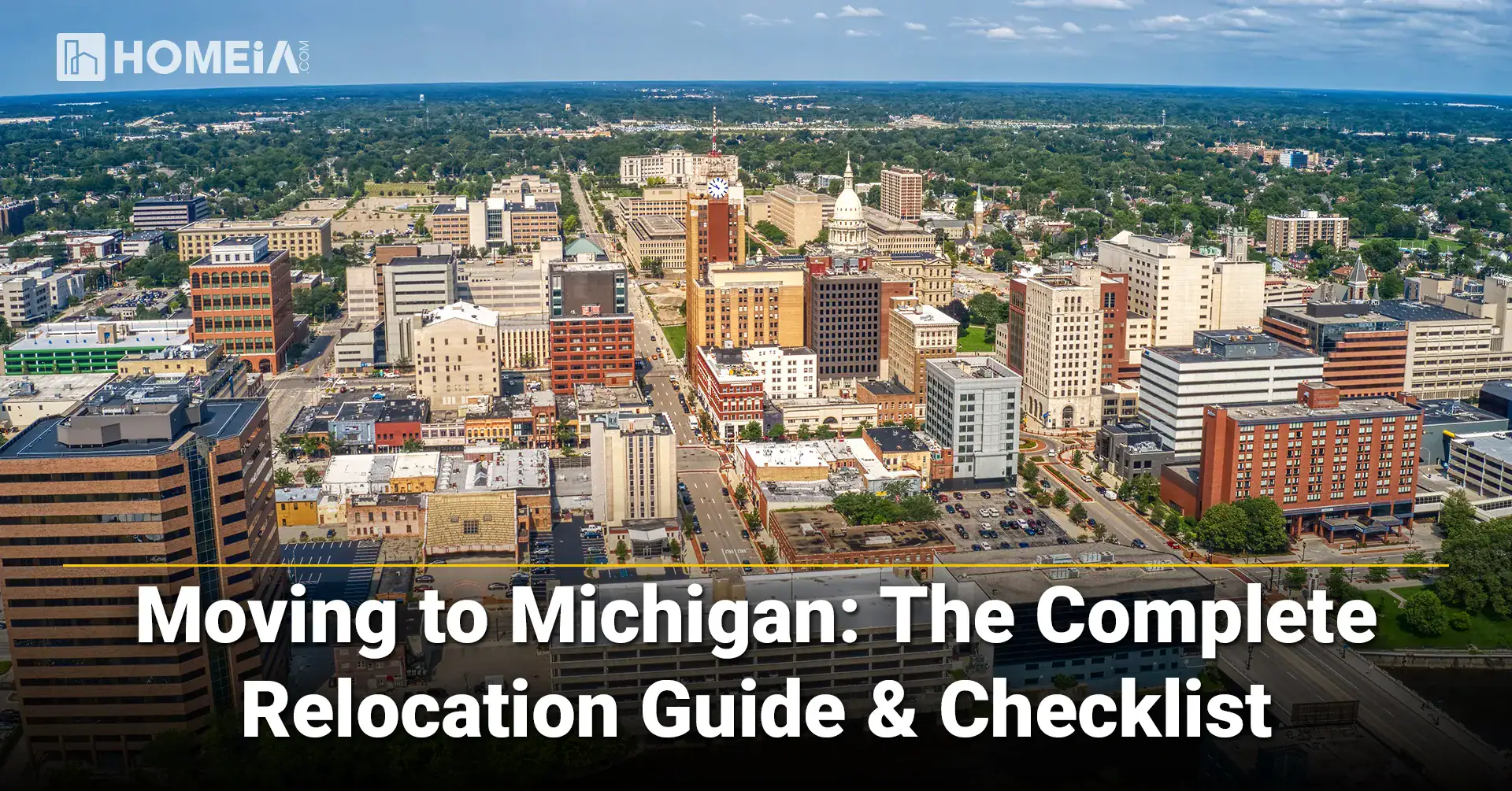
Moving to Michigan: The Complete Relocation Guide & Checklist
Bordered by four Great Lakes, Michigan blends natural beauty with industrial resilience. From revitalized Detroit to scenic towns in the Upper Peninsula, it offers affordability and strong community appeal. This guide covers jobs, relocation steps, and licensing essentials for new residents…
2. Michigan Tax Structure: A Balanced Approach

A. Michigan State Taxes Overview
Michigan has a flat state income tax rate, which simplifies filing for residents. While the state sales tax rate is average, it’s important to note that it applies to most goods.
For a household earning $150,000 annually, their overall tax burden is generally lower than in many Midwestern and coastal states. Property taxes vary significantly by county and city, so it’s crucial to research specific areas. However, the state offers several exemptions, including a principal residence exemption that can cut your property tax bill almost in half.
B. Tax Comparison: Michigan vs. Other States
|
Tax Type |
Michigan |
Illinois |
Ohio |
National Avg. |
|---|---|---|---|---|
| Income Tax | 4.25% flat rate | 4.95% flat rate | Progressive | ~5.1% |
| Sales Tax | 6% | 6.25% | 5.75% | ~6.35% |
| Property Tax | 1.32% (avg effective) | 2.08% (avg effective) | 1.57% | 1.07% |

Related article
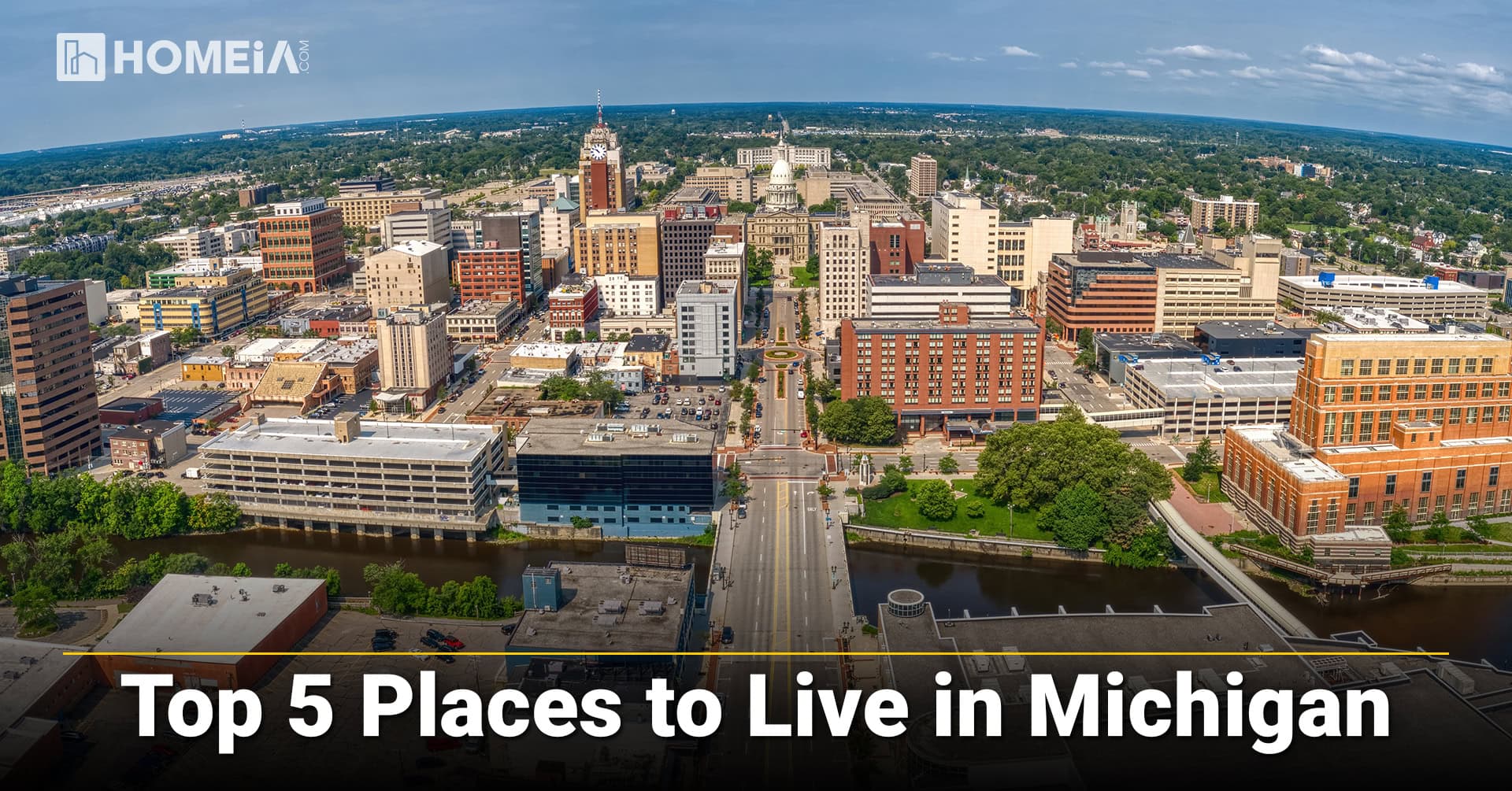
Top 5 Best Places to Live in Michigan
The state of Michigan has a city for everyone, whether you want a college vibe, metro urban environment, or to conclude your day with a dazzling sunset over a freshwater ocean. Michigan boasts over 90 colleges and universities and Michiganders are never more than six miles from a body of water. Sound like a great place to live? I agree! While so many cities…
3. Daily Living Expenses in Michigan

Overall, the Great Lakes State’s cost of living is roughly 8%-10% below the national average. Groceries, transportation, and healthcare costs are all economical, leaving more room in your budget for enjoying the state’s many recreational activities.
A. Monthly Living Costs Breakdown
|
Expense Category |
Michigan Cost |
National Comparison |
|---|---|---|
| Groceries (per person) | $250-$325/month | 5%-7% below average |
| Utilities | $180-$250/month | Slightly above average (winter heating) |
| Gasoline | ~$3.40/gallon | Near national average |
| Healthcare (individual) | $380-$430/month | Competitive rates |
| Dining Out | Varies by city | Below major coastal city rates |
B. Cost-Saving Strategies for Michigan Living
To manage higher winter heating bills, Michiganians often opt for budget plans with utility companies, spreading annual costs evenly every month. Shopping at regional-based grocery chains like Meijer or Kroger can yield savings, and its abundant farmers’ markets provide fresh, local produce at reasonable prices during the growing season.
Recommended for you




4. Family Life in Michigan: Education and Recreation
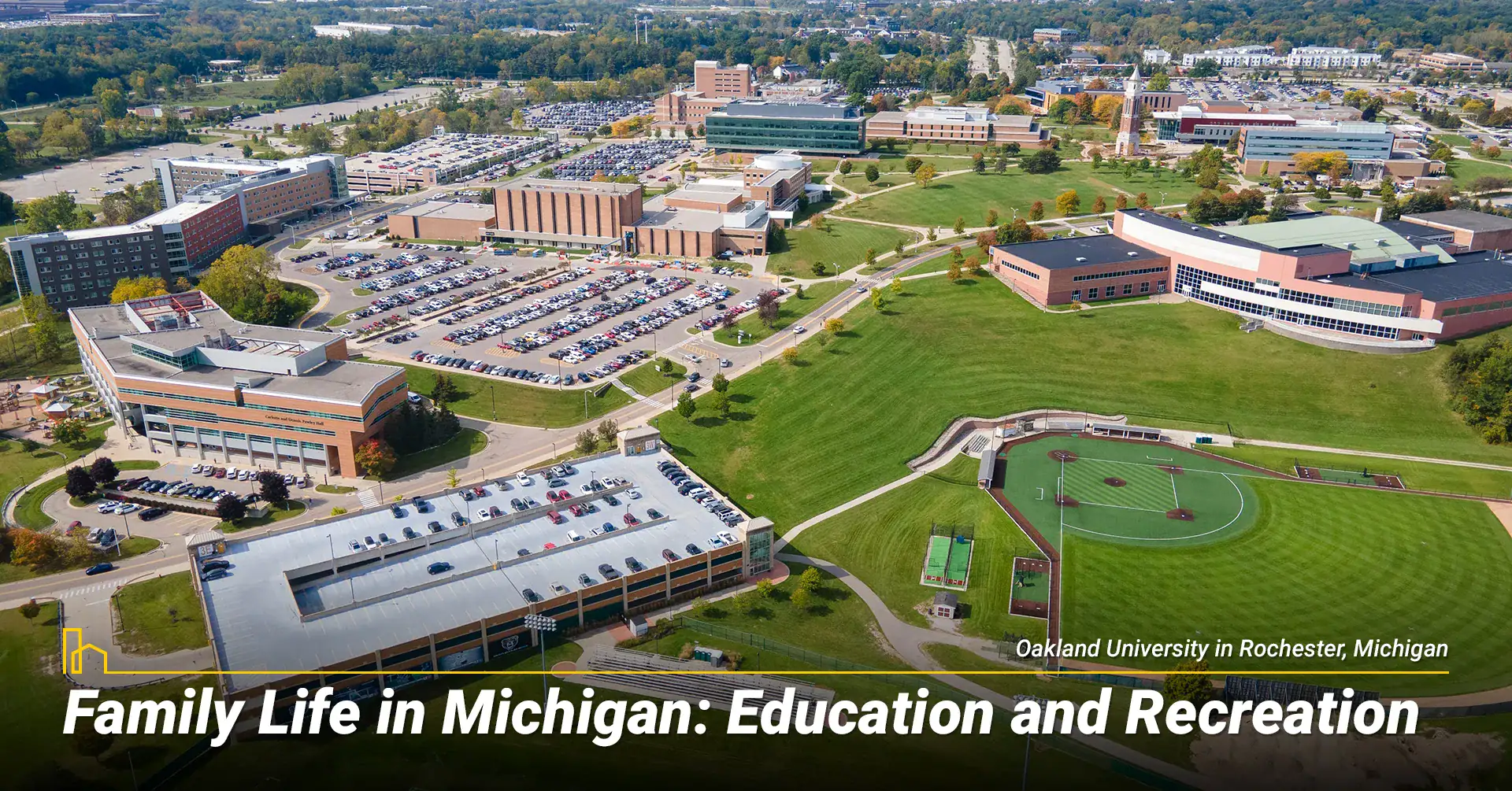
The Wolverine State is a fantastic place to raise a family, boasting strong educational institutions and unparalleled access to outdoor adventures.
A. Education Excellence in Michigan
The state is home to top-tier school districts notably those in Oakland County (e.g., Birmingham and Troy) and Ottawa County (e.g., Holland and Allendale). These districts are known for exceptional academic programs and extensive extracurricular activities.
Higher education is highly-recognized, with the University of Michigan, Michigan State University, and Michigan Technological University leading the way as world-class institutions. There are also numerous respected private colleges and a robust community college system supplementing affordable pathways to degrees and skilled trades training.
B. Childcare and Family Costs
|
Family Expense |
Michigan Cost |
Available Support |
|---|---|---|
| Childcare | $750-$1,100/month | State assistance programs |
| Youth Sports | $100-$350/season | Extensive league systems |
| After-school Care | $200-$450/month | School and private options |
With over 100 state parks and recreation areas, including the iconic destinations of Sleeping Bear Dunes National Lakeshore, families have endless options for affordable vacations and weekend trips.

Related article
25 Best Things to Do in Grand Haven, Michigan
Families are drawn to Grand Haven for many reasons: it’s a safe city with affordable housing, low crime and good schools. Whether your family is visiting the area or settling down for good, Grand Haven has a lot of things to do that are fun for both adults and children…
5. Michigan Transportation: The Car Capital Evolves
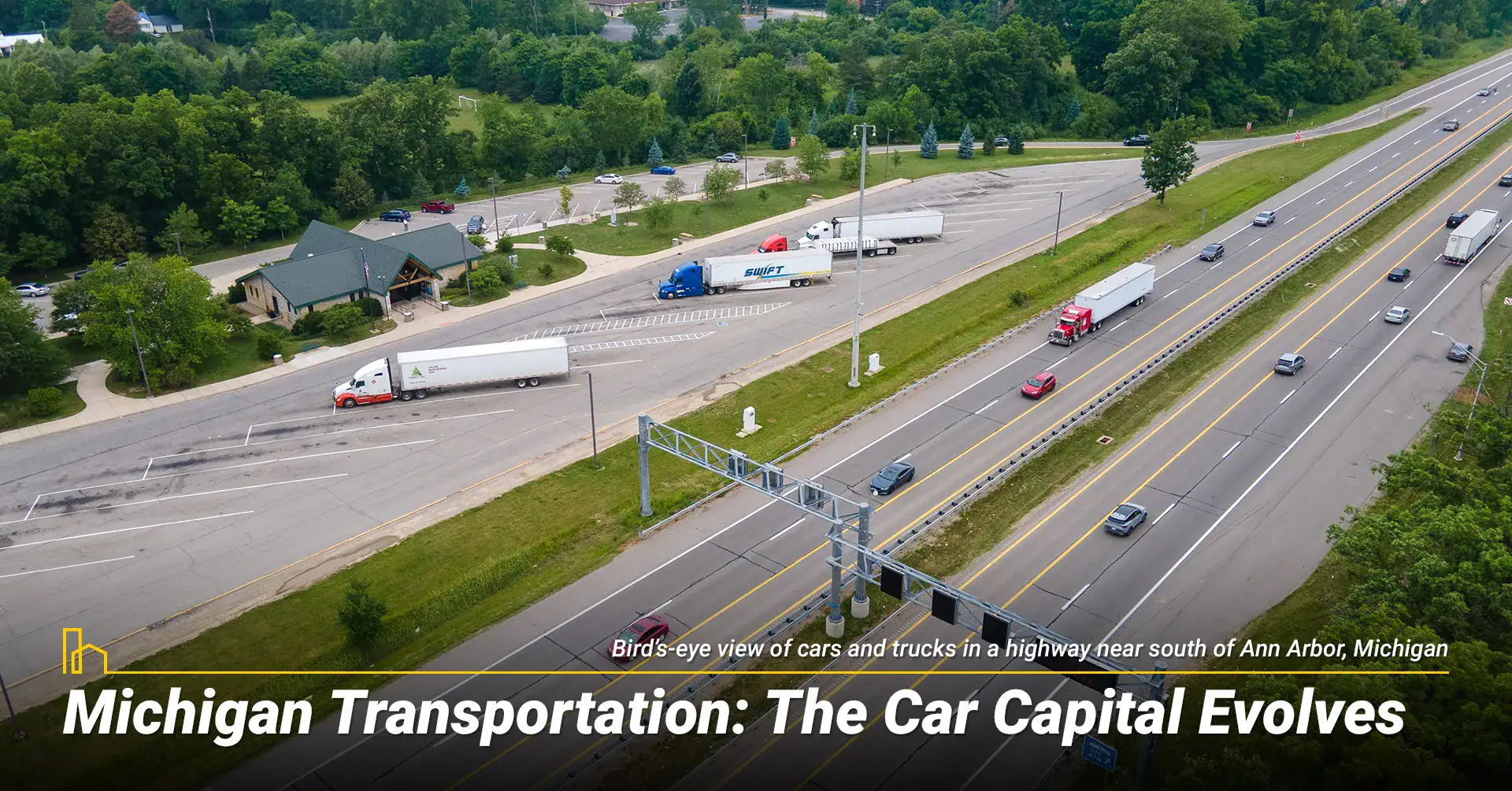
As the historic heart of the U.S. automotive industry, the state is car-centric, but urban areas are expanding public transit options.
A. Vehicle-Related Expenses
|
Transportation Cost |
Michigan Average |
National Comparison |
|---|---|---|
| Auto Insurance | $2,200-$2,800/year | Among the highest in the U.S. |
| Gas Prices | ~$3.40/gallon | Near national average |
| Vehicle Registration | Varies by vehicle value | Above average |
| Maintenance | Standard rates | Competitive service costs |
Note: Michigan’s auto insurance reforms have recently begun to lower premiums, but costs remain high relative to other states.
B. Public Transit Options
|
Metro Area |
Transit System |
Monthly Pass |
Coverage Area |
|---|---|---|---|
| Detroit | DDOT, SMART | $50 – $70 | Core city and suburban routes |
| Grand Rapids | The Rapid | $45 | Good urban and cross-town coverage |
| Ann Arbor | TheRide | $60 | Extensive local coverage |
Commute times are generally short, averaging 25 minutes, but metro Detroit traffic on I-75 and I-696 can be heavy during rush hour.
6. Michigan Job Market and Income Potential
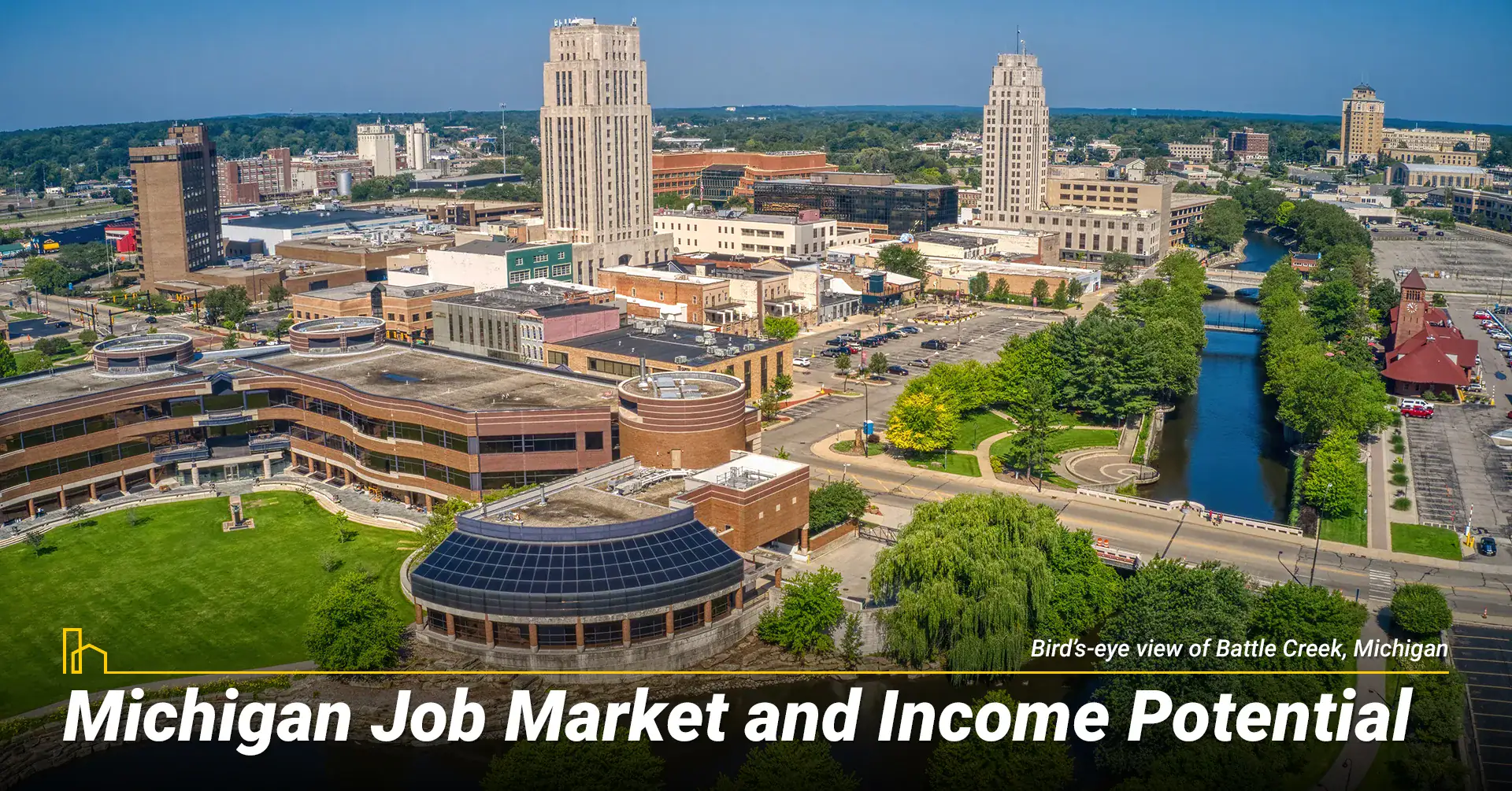
Michigan’s economy has diversified significantly but remains a powerhouse in manufacturing, particularly automotive.
A. Income Statistics and Employment
|
Income Metric |
Michigan |
National Average |
|---|---|---|
| Minimum Wage | $10.33/hour | $7.25/hour |
| Median Household Income | $63,000 | $70,000 |
| Unemployment Rate | ~4.5% | ~3.9% |
| Job Growth Rate | Steady | Varies |
B. Major Michigan Employers and Industries
|
Industry |
Key Companies |
Typical Salary Range |
|---|---|---|
| Automotive | GM, Ford, Stellantis | $50,000-$120,000/year |
| Healthcare | Spectrum Health, Henry Ford Health | $45,000-$130,000/year |
| Technology | Duo Security, StockX | $60,000-$150,000/year |
| Education | University of Michigan, MSU | $40,000-$100,000/year |
The state is also a leader in advanced manufacturing, mobility, and life sciences, creating a diverse and resilient job market. For those considering other Great Lakes states, the job market in Ohio might offer an interesting comparison.

Related article
3 Most Affordable and Safe Neighborhoods to Live in Detroit, Michigan
Detroit’s metropolitan area offers diverse options for those seeking affordability without compromising safety. New Center stands out with its rich history and vibrant community, while Bagley offers historic charm with strong community ties. Rivertown demonstrates Detroit’s urban renewal with waterfront living and downtown access…
7. Cost of Living Comparison: Michigan vs. Other States
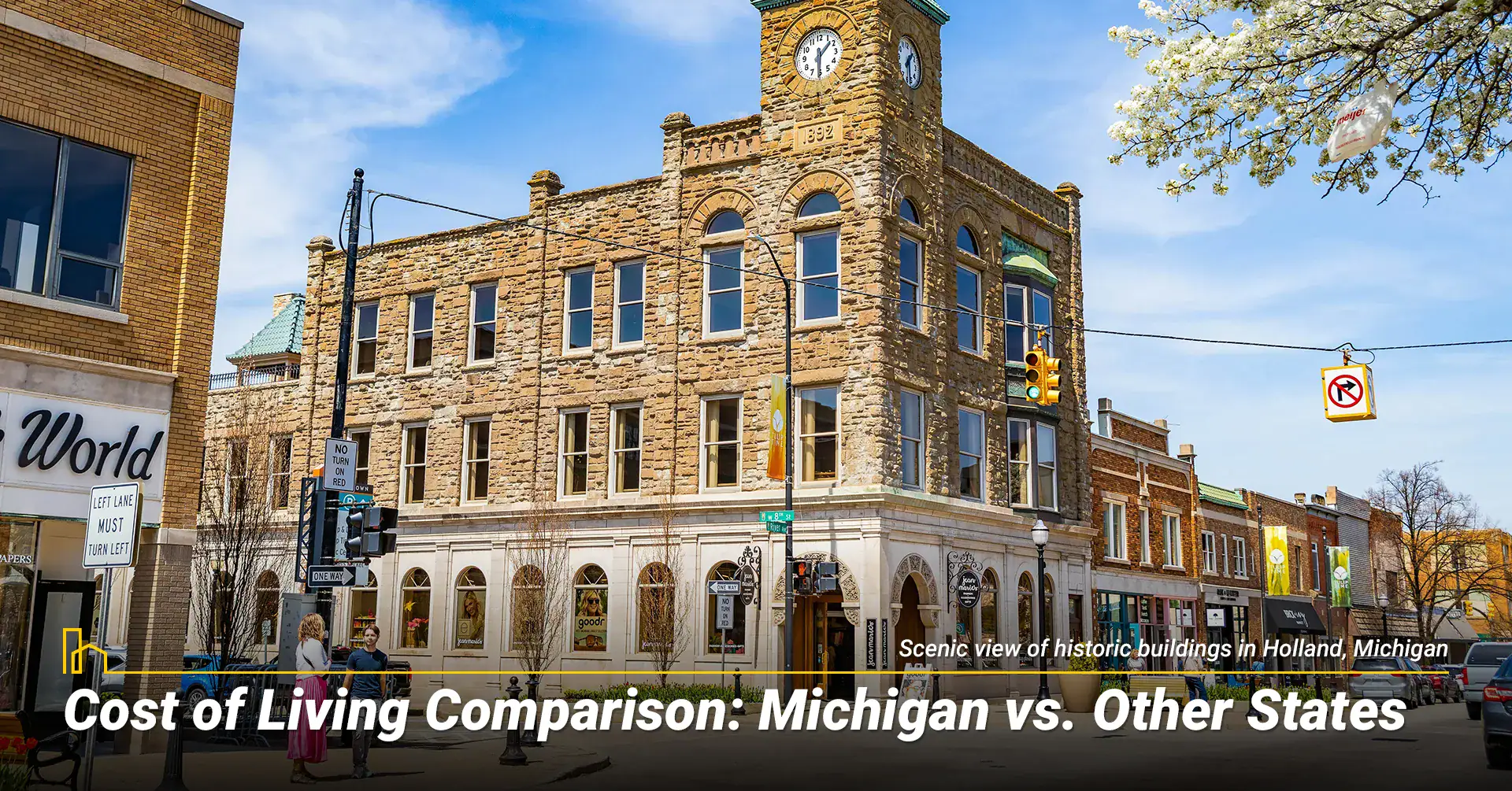
Michigan offers exceptional value, especially when compared to neighboring states and popular coastal destinations.
|
Expense Category |
Michigan |
Illinois |
Ohio |
National Avg. |
|---|---|---|---|---|
| Median Home Price | $235,000 | $250,000 | $200,000 | $357,000 |
| Rent (2-Bedroom) | $1,100 | $1,200 | $900 | $1,300 |
| Gas Price/Gallon | $3.40 | $3.90 | $3.35 | $3.60 |
| Utilities (Monthly) | $210 | $190 | $200 | $210 |
8. Michigan Lifestyle: Four Seasons of Adventure

This Water Winter Wonderland lifestyle is defined by its natural beauty and changing seasons. Occupants adore world-class hiking, biking, boating, and fishing in the summer, followed by spectacular fall colors, skiing and snowmobiling in the winter, and beautiful spring blooms.
A. Lifestyle Advantages of Michigan Living
Affordability allows many to own more spacious homes and property than in many other states. An extensive coastline—the longest in the contiguous U.S.—provides endless beach days and waterfront activities. Cultural amenities are rich, from Detroit’s Institute of Arts and Motown Museum to Grand Rapids’ ArtPrize and Ann Arbor’s culinary scene.
B. Michigan Living Challenges
Winters can be long, gray, and harsh, requiring resilience and warm winter wardrobes. The lack of consistent sunshine from November through March poses challenges for some. As noted, auto insurance costs, while improving, are still a significant expense for many households. Certain rural areas and portions of metro areas face economic challenges, highlighting the importance of choosing the right location for your needs.

Related article
5 Most Affordable and Safe Places to Live in Michigan
Michigan offers a wealth of affordable, safe communities with distinct characteristics and amenities. From waterfront charm in Traverse City to academic vibrancy in East Lansing, these five cities demonstrate the diverse lifestyle options available throughout the Great Lakes State…
9. Best Places to Live in Michigan for Different Needs
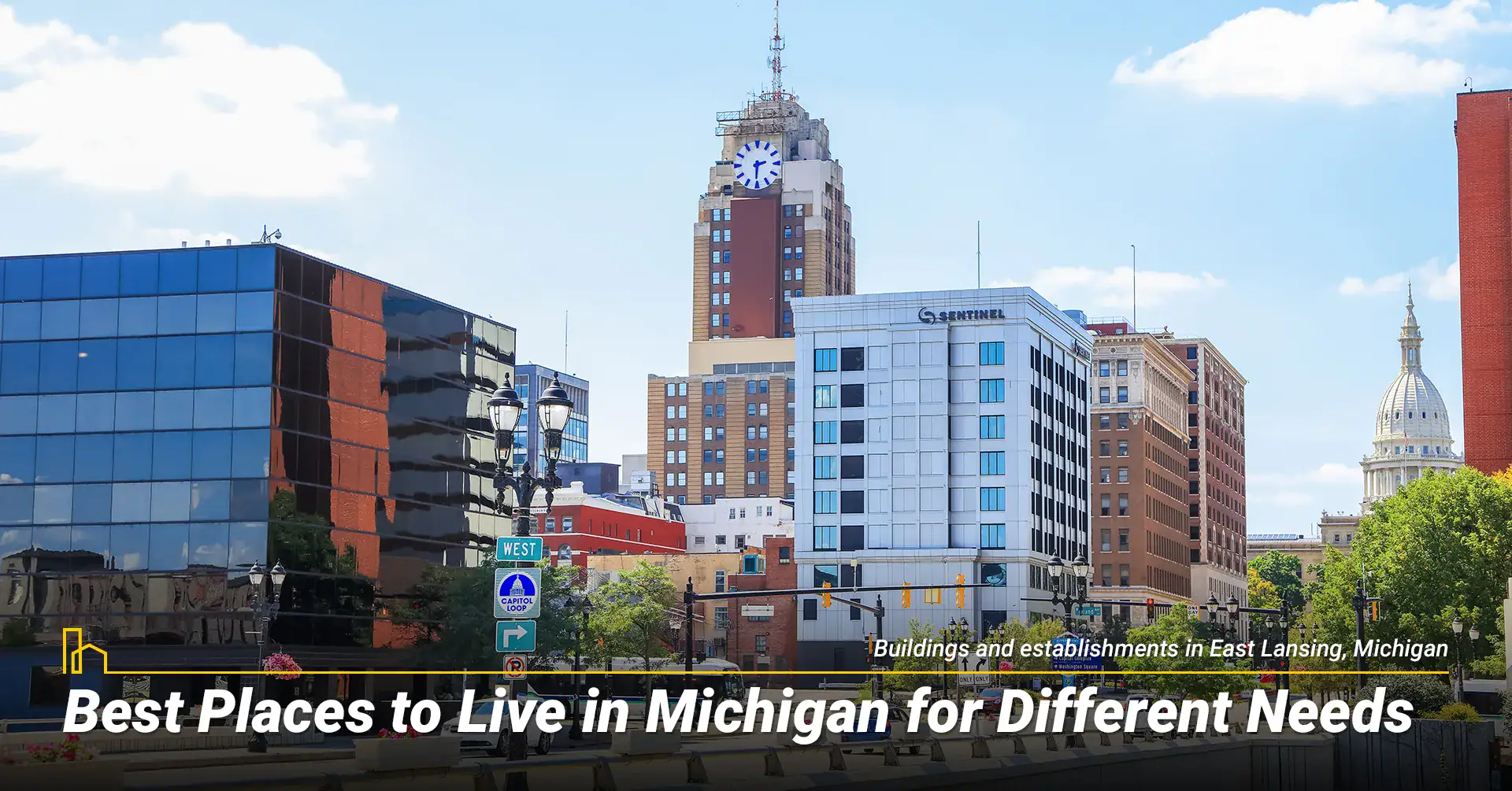
A. Family-Friendly Michigan Communities
|
Community Type |
Best Cities |
HOMEiA Score |
Median Home Price |
Key Benefits |
|---|---|---|---|---|
| Suburban Family | Troy | 93/100 | $350,000-$500,000 | Top-ranked schools, diverse community |
| Affordable Family | Kalamazoo | 87/100 | $180,000-$250,000 | Kalamazoo Promise, low costs |
| Urban Family | Royal Oak | 90/100 | $300,000-$400,000 | Walkable downtown, excellent amenities |
B. Professional and Retiree Options
Lansing (86) offers stable government and university jobs with an economical cost of living. Grand Rapids (88) provides a robust job market in healthcare, manufacturing, and tech with a thriving downtown. Ann Arbor (92) is ideal for academics, professionals, and retirees seeking a vibrant, intellectually stimulating environment with top-tier healthcare.
Conclusion: Is Michigan the Right Move for You?
Michigan presents a compelling case for anyone seeking an affordable, dynamic, and beautiful place to live. The cost of living is below average, housing is attainable, and the lifestyle is rich with four-season activities. While winters are a consideration and car ownership is essential, the pros often far outweigh the cons.
Success here means embracing all the seasons, preparing for winter utility costs, and thoroughly researching auto insurance options. With its friendly communities, prideful people, and undeniable value, Michigan offers a fantastic opportunity to build a wonderful life in the Great Lakes State.
Recommended for you




FAQs About Living in Michigan
1. What is the average cost of living in Michigan compared to the national average?
Michigan’s cost of living is approximately 8%-10% lower than the national average. Housing costs are the primary driver of these savings, hovering around 20% below average.
2. How much income is needed to live comfortably in Michigan?
A single adult can live comfortably on an annual income of approximately $50,000-$55,000. Families of four would need an income of roughly $80,000-$90,000 to cover housing, transportation, groceries, and leisure activities comfortably.
3. Why is car insurance so expensive in Michigan?
Historically, Michigan was the only state to require unlimited personal injury protection (PIP) coverage. Recent reforms have granted drivers freedom choosing PIP coverage. This has begun to lower premiums, but expenses remain higher than most states.
4. What are the biggest monthly expenses for Michigan residents?
Housing, transportation (including car insurance), and utilities are typically the largest monthly expenses. Heating costs can significantly increase utility bills during the winter months.
5. Is Michigan a good state for retirees?
Yes, Michigan is a popular retirement destination. It offers a low cost of living, abundant recreational activities, and good healthcare. However, one should be prepared for the frigid winters and consider their ability to manage snow and ice.
6. How do Michigan’s winters affect daily life?
Winters involve snow removal, driving on sometimes slippery roads, and dressing in layers. However, Michiganians are well-adapted, and cities are efficient at plowing. The season also enables winter sports including skiing, ice fishing, and snowmobiling.
7. What is there to do in Michigan?
The list is endless. From exploring Great Lakes beaches and dunes, visiting over 100 state parks, touring wineries, enjoying vibrant city life in Detroit and Grand Rapids, to cheering on major sports teams (Detroit Red Wings, Detroit Tigers, Detroit Lions, and Detroit Pistons) and a WNBA team coming 2029, there is an activity for every interest.
8. Are there any dangerous animals in Michigan?
For many, wildlife is not a daily concern. The most common nuisance animals are mosquitoes and ticks. While black bears and coyotes are endemic, they live primarily in northern, more forested areas and generally avoid humans.
Local Editor(s)
-
Pros and Cons of Living in Michigan
Relocating to a new state requires careful consideration of both the state as a whole and the specific community you'll join. If you're considering Michigan, you're in luck---the Great Lakes…
-
Moving to Michigan: The Complete Relocation Guide & Checklist
Bordered by four of the five Great Lakes, Michigan is filled with incredible natural beauty and industrial resilience. From the urban revitalization of Detroit to the charming coastal towns of…
-

5 Most Affordable and Safe Places to Live in Michigan
Michigan, often referred to as the Great Lakes State, provides an array of living options, ranging from bustling urban centers filled with energy and opportunity to serene, peaceful small towns…
-
Top 5 Best Places to Live in Michigan
The state of Michigan has a city for everyone, whether you want a college vibe, metro urban environment, or to conclude your day with a dazzling sunset over a freshwater…
-
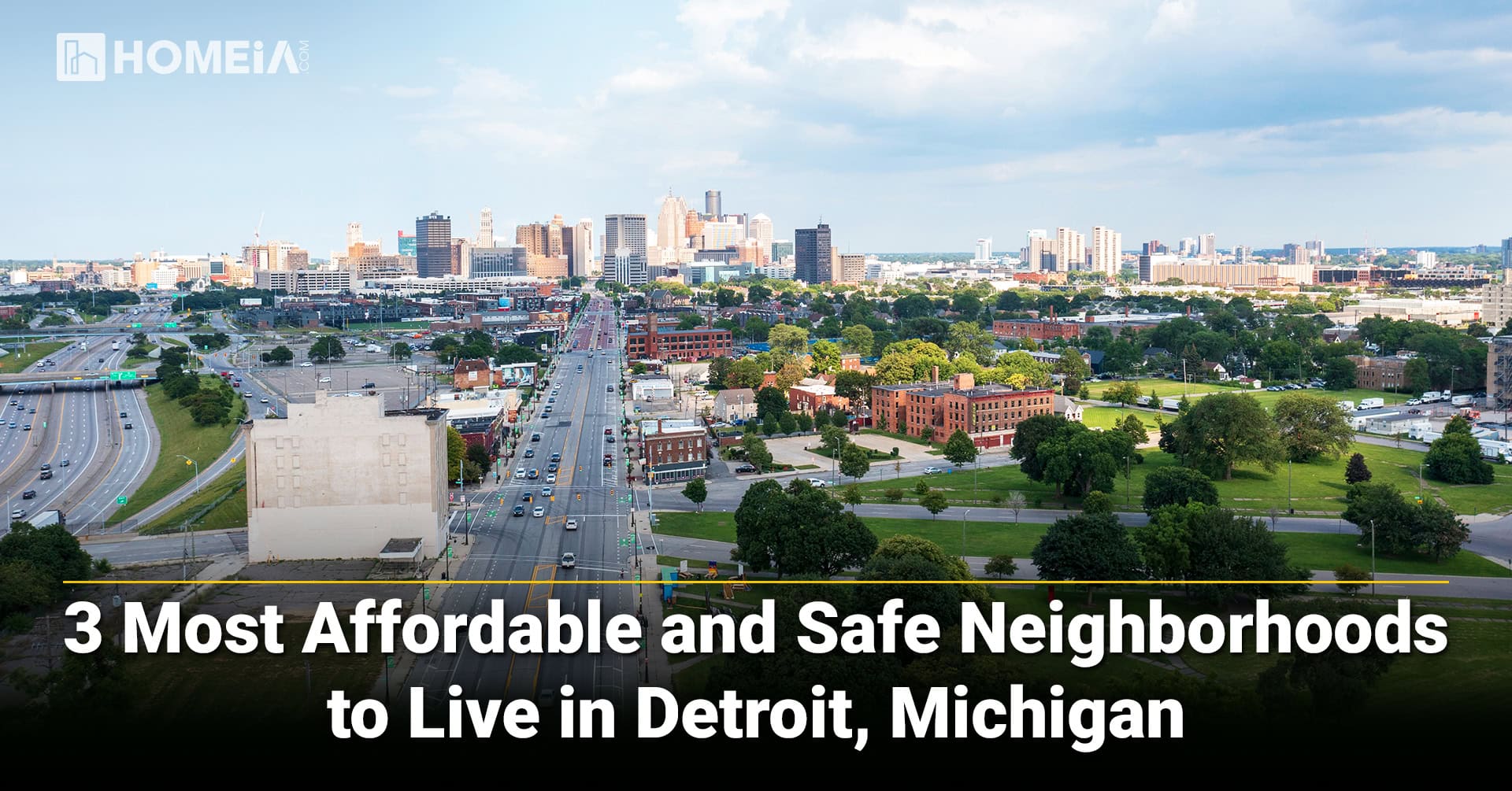
3 Most Affordable and Safe Neighborhoods to Live in Detroit, Michigan
Detroit, Michigan, known as the "Motor City," offers a unique blend of industrial heritage and urban renewal. The city proper has approximately 633,000 residents, while the metropolitan area houses around…
Related Topics













-

The Pros and Cons of Living in Ave Maria, Florida (2026)
When picturing Ave Maria, what comes to mind are stunning basilica, perfectly manicured neighborhoods, or apricity from the Florida sun. However, this unique town offers far more—a blend of master-planned community living, deeply-rooted family values, rapid growth, and peaceful, faith-based…
-
Pros and Cons of Living in Georgia
Relocating to a new state is a significant decision, one that requires thoughtful consideration of both the state as a whole and the specific community you're considering. If you're thinking about moving to Georgia, you'll find the Peach State offers…
-

The Pros and Cons of Living in Colorado
More than half of Colorado residents are transplants. If you do relocate to the Centennial State, don’t be surprised when the “natives” give you a hard time. Whether you settle along the Front Range or the Western Slope, you’ll enjoy…


-

The Pros and Cons of Living in Hawaii
When picturing Hawaii, what comes to mind are stunning beaches, lush tropical landscapes, and vibrant Polynesian culture. But the Aloha State holds more secrets than what’s on the surface; here lies a place where ancient traditions, diverse communities, and island…
-

The Pros and Cons of Living in Idaho
When picturing Idaho, many envision snow-capped mountains, pristine lakes, and the iconic Snake River Canyon. Yet there's far more to Idaho than its postcard scenery. If you're considering a move, you'll find a state celebrated for its rugged beauty, expanding…
-

The Pros and Cons of Living in Iowa
When picturing Iowa, what comes to mind are vast cornfields, rolling hills, and an established agricultural heritage. But the Hawkeye State offers more than what you see on a farm; here lies a place where strong communities, affordable living, and…



-
The Pros and Cons of Living in Missouri (updated)
When picturing Missouri, what comes to mind are rolling hills, the mighty Mississippi River, and the Gateway Arch. But here offers more than Midwestern clichés; here lies a place where affordability, central location, and diverse landscapes define everyday living. Yet,…
-
The Pros and Cons of Living in Montana
When picturing Montana, what comes to mind are vast mountain landscapes, pristine wilderness, and the spirit of the American West. But the Treasure State offers even more; here lies a place where outdoor adventure, tight-knit communities, and breathtaking natural beauty…
-
The Pros and Cons of Living in New Hampshire
When picturing New Hampshire, what comes to mind are picturesque New England villages, stunning White Mountains, and a fiercely independent spirit. But the Granite State offers more than colonial charm; here lies a place where low taxes, outdoor adventure, and…


-

The Pros and Cons of Living in Pennsylvania
When considering the best places to live in Pennsylvania, you might think of the iconic Liberty Bell in Philadelphia, the rolling farmland of Lancaster County, autumn hikes in the Poconos, or the energy of a Steelers game in Pittsburgh. All…
-
The Pros and Cons of Living in Rhode Island
When picturing Rhode Island, what comes to mind are historic colonial architecture, breathtaking coastline, and being the smallest state in the nation. But Little Rhody offers more than New England clichés; here lies a place where rich maritime heritage, vibrant…
-
The Pros and Cons of Living in South Dakota (2026)
When picturing South Dakota, what comes to mind are vast prairies, Mount Rushmore, and the rugged beauty of the Badlands. But the Land of Infinite Variety offers more than Western clichés; here lies a place where pioneer spirit, outdoor adventure,…

-
The Pros and Cons of Living in Wyoming
When picturing Wyoming, what comes to mind are vast open plains, majestic mountain ranges, and a pioneering spirit. But here extends even further; sitting instead is a place where rugged independence, outdoor adventure, and low taxes define everyday living. Yet,…
-

Pros and Cons of Living in Florida
Relocating to a new state is a big move – pun intended! – and requires careful consideration of both the state as well as the specific community you're thinking to join. If you're considering Florida, you're in luck; the Sunshine…
-
Pros and Cons of Living in Michigan
Relocating to a new state requires careful consideration of both the state as a whole and the specific community you'll join. If you're considering Michigan, you're in luck---the Great Lakes State offers diverse options for all ages, budgets, family situations,…


-

The Pros and Cons of Living in California: Complete Relocation Guide 2026
If you're considering moving to California, you're in luck. The Golden State offers attractive options for all ages, budgets, living situations, and preferences. From the beaches of San Diego to the tech hubs of the Bay Area and the agricultural…
-

The Pros and Cons of Living in Denver, Colorado
Looking for stellar public schools, world-class ski resorts, and a thriving city all in one spot? Denver, Colorado, may be the place for you. The Mile High City offers a unique blend of outdoor adventure, economic opportunity, and urban convenience.…
-
The Pros and Cons of Living in Kentucky
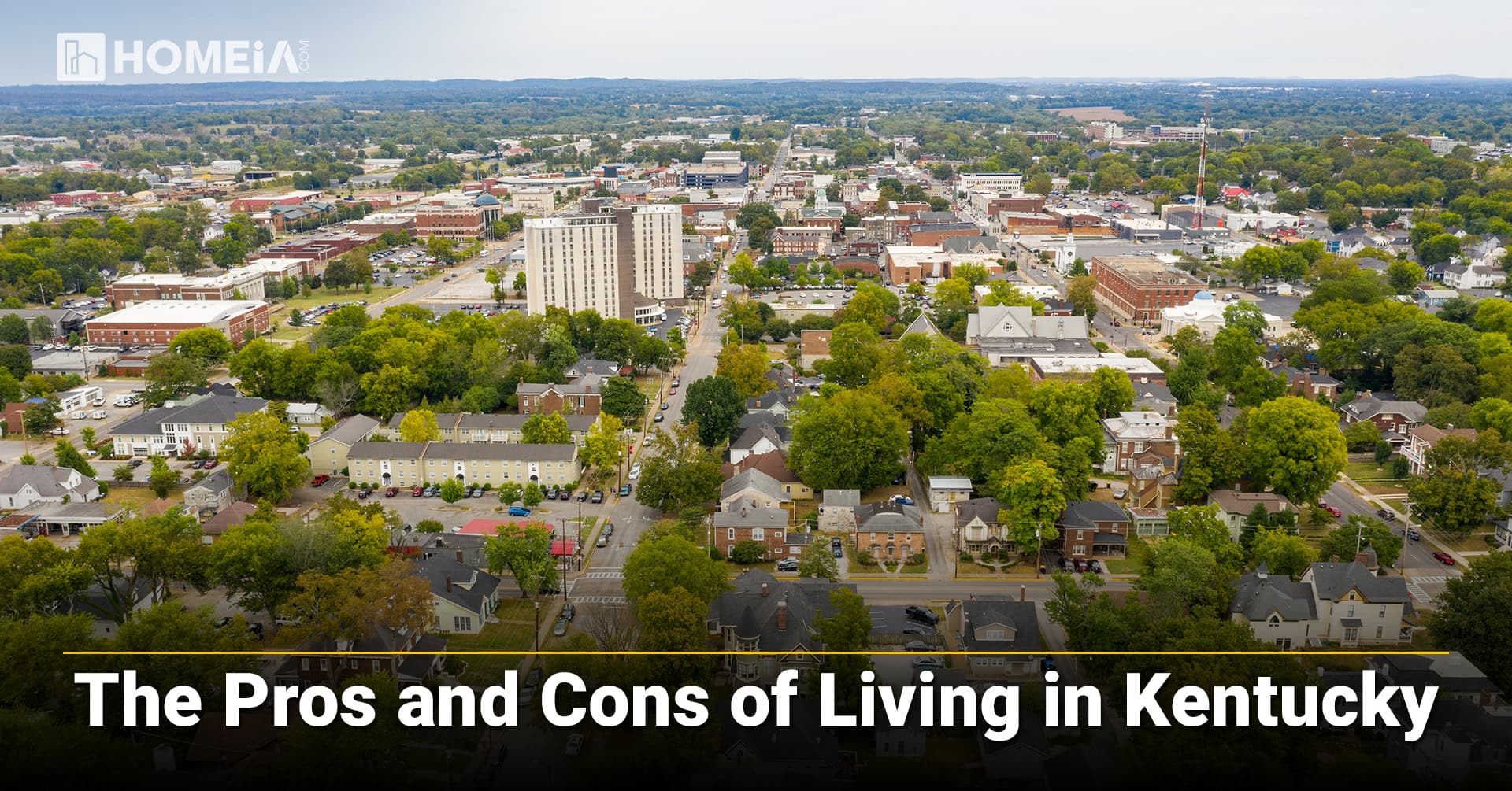
When you think of Kentucky, you might conjure up images of fried chicken, bourbon, and horse racing. While you will find no shortage of those things in the Bluegrass State, it has so much more to offer. Kentucky is a…

-

The Pros and Cons of Living in New York
Relocating to a new state requires careful consideration of both the state as a whole and the specific community you'll join. New York offers a state of extremes—home to the world's most iconic city, vibrant upstate towns, and breathtaking natural…
-
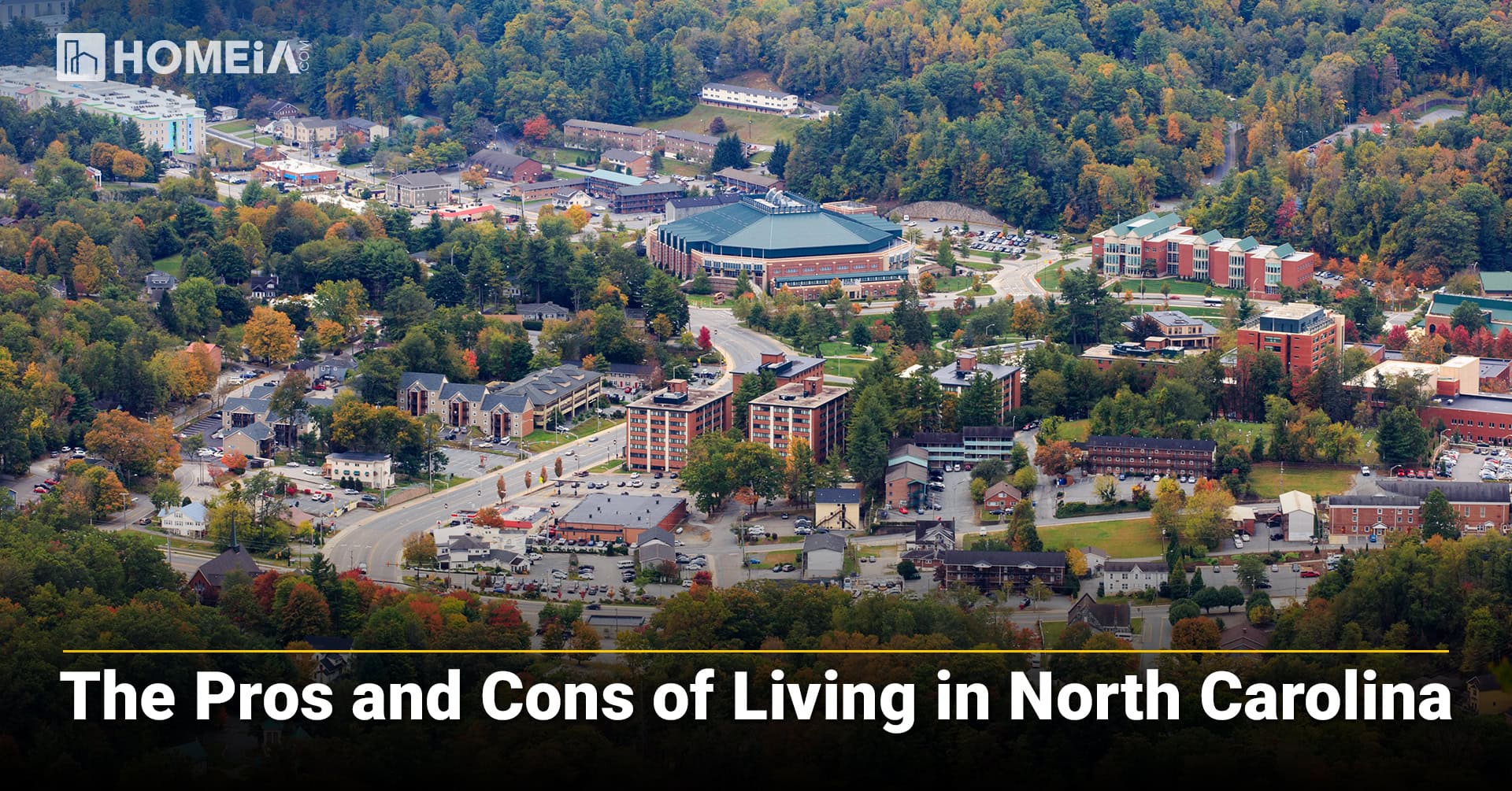
The Pros and Cons of Living in North Carolina
What does North Carolina have to offer? If you want one word to describe North Carolina, “varied” would be an excellent choice. Do you love the mountains or the beach? In this Southeastern state, you will find plenty of both.…
-

The Pros and Cons of Living in Ohio
On any given day in Ohio, you could find yourself in two completely different states of mind in a difference of an hour. One moment, you are looking at a beautiful view of snow-topped trees from a lookout point high…


-

The Pros and Cons of Living in Tennessee
People have been migrating to the South at an unprecedented rate in recent years, making it the leading region for population growth in the United States. This historic pattern of migration is driven by a complex range of factors, including…
-

The Pros and Cons of Living in Texas
Howdy! Thinking about moving to the Lone Star State? You’re not alone. Moving to Texas is trending as the state continues to attract new residents with its economic opportunities, cultural vibrancy, affordable cost of living, and distinctive lifestyle. Relocating to…
-

The Pros and Cons of Living in West Virginia
Relocating to West Virginia is a major decision requiring careful consideration of both the state's overall character and the communities you might call home. If you're considering moving to West Virginia, the Mountain State offers a unique blend of affordability,…