







Arizona
Living In Arizona
Local Editor(s)

 Considering


 Verified

Table of Contents:
The Complete Guide to Cost of Living and Lifestyle
Arizona is filled with contrasts. One day you can hike among towering saguaros in the Sonoran Desert; the next, you can ski powder-covered slopes near Flagstaff. Year-round sunshine, a booming economy, and rich cultural heritage draw retirees, families, and ambitious young professionals from across the country. At the same time, the Baby State is growing up in the midst of a historic economic transformation, one driven by a semiconductor revolution that is reshaping long-term prosperity.
This guide explores what it’s really like to live in AZ. We break down the cost of living, housing market, job opportunities, climate, and lifestyle so you can make an informed decision about your next chapter.
Key Takeaways
- Moderate cost with regional variation: Overall cost of living is competitive nationally, though housing costs have risen steadily. The median home price statewide is around $446,300, while the average rent ($1,341/month) sits well below the national average of $1,639.
- Semiconductor-driven job boom: TSMC’s $165 billion investment in Phoenix, the largest foreign direct investment in U.S. history, is creating tens of thousands of high-wage jobs. Arizona added 67,000+ positions between 2024 and 2026, led by healthcare, tech, and construction.
- Diverse landscapes and climates: From low-desert heat to alpine forests, their geography spans three distinct climate zones, offering something for every lifestyle preference.
- Outdoor lifestyle: With up to 300 days of sunshine per year, residents enjoy hiking, golf, skiing, and water sports almost year-round by shifting between desert and mountain settings.
- Consider the trade-offs: Benefits include low taxes, economic opportunity, and warm winters. Challenges include extreme summer heat, water scarcity, and limited public transit outside metro areas.


Related article
5 Safest and Most Affordable Cities to Live in Arizona (Updated)
Arizona, the Country’s forty-eighth state, has breathtaking desert landscapes, striking mountain ranges, and vibrant local communities. All this combines to offer a distinctive blend of natural beauty and a choice of rural or urban living…
1. Overview of Arizona

Arizona spans 113,909 square miles and is home to desert valleys, high plateaus, and rugged mountain ranges. The state’s 2025 population was roughly 7.6 million, with a median household income near $80,000 and median owner-occupied home value of roughly $394,500.
Historically defined by the Five C’s: copper, cotton, cattle, citrus, and climate, Arizona has diversified into healthcare, tech, tourism, logistics, and advanced manufacturing. Major employers include Banner Health (44,000+ employees), Intel, Raytheon, Honeywell, Wells Fargo, and Walmart, alongside major university systems.
The most dramatic shift in economic identity is its emergence as America’s semiconductor capital. In March 2025, TSMC and President Trump announced an additional $100 billion expansion of TSMC’s Phoenix campus, building on an initial $65 billion commitment to construct six fabrication plants, two advanced packaging facilities, and a major R&D center. Their first fab is already in production, manufacturing advanced AI chips in partnership with Nvidia, the first time cutting-edge semiconductor chips have been made on U.S. soil at scale.

Related article
7 Best Places to Live in Arizona
Relocating to Arizona offers a unique combination of natural beauty, economic opportunity, and diverse lifestyle options. The Grand Canyon State features stunning desert landscapes, mountain ranges, and over 300 days of sunshine annually. From bustling metropolitan areas to quiet suburban communities, Arizona attracts residents…
2. Cost of Living in Arizona

Overall cost of living is competitive by national standards. MERIC ranked the state 37th for affordability, while U.S. News & World Report placed it 36th. That said, costs vary significantly by region. Metro Phoenix and Scottsdale command premium prices, while smaller cities like Yuma, Bullhead City, and Douglas remain significantly more affordable.
According to ConsumerAffairs and the Bureau of Economic Analysis, residents spend an average of $53,921 per year on goods and services, a useful baseline for budgeting.
A. Housing Costs: Housing is the largest expense for most households and their most substantial cost variable. Median home price statewide is approximately $446,300 (on par with the national median of $446,300, per Redfin February 2026), while the average statewide rent is $1,341/month, well under the national average of $1,639. Inventory is improving: as of early 2026, there were approximately 47,640 homes for sale in Arizona, up 2.4% year-over-year (Redfin), giving buyers more negotiating leverage.
Here’s how prices break down across major cities:
| City | Median Home Value | Avg 1-BR Rent | Avg 2-BR Rent |
| Phoenix | $450,000 | $1,384 | $1,592 |
| Scottsdale | $825,000 | $1,935 | $2,370 |
| Tucson | $322,505 | $950 | $1,200 |
| Flagstaff | $621,579 | $1,745 | $2,002 |
| Yuma | $276,716 | $900 | $1,083 |
| Lake Havasu City | $352,460 | $950 | $1,065 |
Source: Zillow, Rent.com, Redfin (2025 data)
Affordability varies dramatically within metro areas. For Phoenix, renting beats buying for most short-term residents, while Tucson, where home values have softened 3.6% year-over-year, may offer the best buying opportunity in the state. Suburbs like Chandler, Gilbert, and Queen Creek offer more affordable options than central Scottsdale or downtown PHX.
B. Utilities and Food: The Grand Canyon State’s summer heat is the primary driver of utility costs. The average monthly electric bill is $148.44, slightly above the national average of $136.84, and can spike to $160–$250 between May and September when air conditioning runs constantly. Natural gas averages around $82/month, and internet/cable runs approximately $110. Water averages $50/month.
Grocery costs run around $327 per person per month, slightly below the national average. An agricultural heritage means fresh produce is widely available, and farmers’ markets thrive in Phoenix, Tucson, and Sedona. Major chains like Fry’s, Safeway, Sprouts, and Trader Joe’s provide competitive pricing options throughout.
C. Transportation and Healthcare: Here is a car-dependent state. Annual transportation costs range from approximately $9,783 to $18,205 depending on family size and commuting distance. Gas averages $4.68 per gallon (above the $4.08 national average, per AAA April 2026), and annual auto insurance runs about $1,287. Phoenix’s light rail system (Valley Metro) and Tucson’s streetcar offer limited transit options. However, most residents outside these corridors rely entirely on personal vehicles.
Healthcare is a relative strength as annual per-person healthcare cost in-state averages around $7,943, and employee health insurance contributions ($1,442/year) are below the national average ($1,640). The Phoenix metro is home to Banner Health, Mayo Clinic, and Dignity Health, providing world-class access to medical care.
D. Taxes and Incentives: This tax environment is one of its resounding competitive advantages. It levies a flat income tax rate of only 2.5%, among the lowest in the country, and an effective property tax rate of approximately 0.44% on owner-occupied homes, compared to a national average near 1%. There are no estate or inheritance taxes.
Locals benefit from the Residential Solar & Wind Energy Systems Tax Credit, allowing a deduction of 25% of equipment costs (up to $1,000) from state income taxes, with unused credits carried forward for five years. Given its abundance of sunshine, solar panels are a popular and financially sound investment.
E. Cost of Living Snapshot
| Expense Category | Monthly Estimate | Notes |
| Housing (rent, 2BR) | $1,341 avg statewide | Higher in Scottsdale/Flagstaff |
| Electricity | $148–$250 | Spikes in summer cooling season |
| Natural Gas | $82 | Lower than national avg |
| Groceries (per person) | $327 | Slightly below national avg |
| Transportation (annual) | $9,783–$18,205 | Car-dependent state |
| Healthcare (per person/yr) | $7,943 | Below CA/NY levels |
| State Income Tax | Flat 2.5% | One of the lowest in the US |
| Property Tax Rate | ~0.44% | Well below national avg of ~1% |
Source: ConsumerAffairs, SoFi, U.S. Bureau of Economic Analysis (2025)

Related article
The Pros and Cons of Moving to Arizona
If you are considering moving to Arizona, you’re in the right place! Known for its stunning desert landscapes, vibrant cities, and warm climate, Arizona offers a fantastic environment for living, working, and raising a family. State 48 has a diverse range of outdoor activities, from hiking in the Grand Canyon to exploring the red rocks of Sedona…
3. Job Market and Arizona’s Economy

Economic prosperity is undergoing a generational transformation. The Arizona Office of Economic Opportunity projects employment growth of approximately 67,079 jobs between 2024 and 2026, led by healthcare and social assistance (27,123 new jobs), construction (7,710), and leisure and hospitality (5,796).
But the headline story is semiconductors. TSMC’s total investment in the state now stands at $165 billion, the largest foreign direct investment in U.S. history, spanning six fabrication plants, two advanced packaging facilities, and a major R&D center in north Phoenix. The first fab is already operational and profitable, manufacturing AI chips in partnership with Nvidia. Ground was broken on a third fab in April 2025, targeting next-generation N2 and A16 process technologies.
The ripple effects are enormous. According to the Greater Phoenix Economic Council (GPEC), TSMC’s first three fabs alone will create 6,000 direct high-tech jobs and generate more than $33 billion in direct and indirect economic output. Crucially, GPEC estimates that for every semiconductor job created, five additional jobs are created in supporting industries: restaurants, construction, childcare, and logistics. The Phoenix area now hosts more than 75 semiconductor companies alongside the Semicon West Conference relocated from San Francisco to Phoenix in 2025 after 50 years.
Software developers and advanced engineering roles are also surging. According to the Arizona Technology Council’s Q3 2025 Impact Report, software developer roles grew nearly 19% between 2019 and 2024, with median annual earnings exceeding $126,000. Competitive semiconductor engineering and management positions command median wages above $160,000. The state’s unemployment rate was 4.3% as of December 2025, though the Phoenix metro (Maricopa County) sits lower at 3.5%.
For entrepreneurs and business owners, a pro-business regulatory environment, low taxes, and growing talent pool make it one of the most attractive states in the West. CNBC ranked Arizona No. 12 on its 2025 “Top States for Business” list, citing infrastructure, workforce depth, and capital access as standout strengths.
Recommended for you




4. Climate, Geography, and Outdoor Lifestyle

Geography divides into three distinct zones with the low desert (Phoenix, Tucson, Yuma), central mountains (Sedona, Prescott, Globe), and high plateau (Flagstaff, Show Low). This variety means residents can genuinely choose their climate.
Cities like Yuma and Phoenix are spoiled by more than 300 sunny days per year, making them magnets for snowbirds and sun seekers. However, Phoenix daytime highs exceed 100°F on more than 100 days and 110°F on more than 20 days annually. At 7,000 feet elevation, Flagstaff has four true seasons, with mild summers and heavy winter snowfall regularly exceeding 100 inches. Sedona’s mid-elevation climate yields January highs near 58°F and July highs around 97°F, a genuine sweet spot.
Arizona has two rainfall seasons. Pacific storms from November through March bring winter rains to valleys and heavy mountain snow. The monsoon, officially running June 15 through September 30, causes intense afternoon thunderstorms, lightning, and dramatic haboobs (dust storms) that can reduce visibility to near zero in minutes. Despite these extremes, Arizonans can appreciate year-round outdoor recreation by rotating between desert and mountain settings.
The outdoor lifestyle is a genuine quality-of-life asset. Residents hike, mountain bike, golf, kayak, ski, and camp across one of the most scenically diverse states in the country, often within a two-hour drive of multiple ecosystems. Water scarcity remains a continued concern, however: declining Colorado River reservoirs and prolonged drought require active conservation measures and create uncertainty for future growth planning.

Related article
12 Best Cities to Live in Arizona for Families
We took 4 main variables into consideration to determine the best places in Arizona to raise a family. The variables are quality of education, health care, personal safety, and recreational opportunities. Here you’ll find our list, along with the highlights that make each Arizona locale a special place to raise a family…
5. Best Places to Live in Arizona

- Phoenix & Valley Suburbs: The metro area is the state’s economic engine, home to major employers, professional sports, a thriving restaurant scene, and world-class golf. Suburbs like Chandler, Gilbert, and Scottsdale offer master-planned communities, top-rated schools, and parks. Scottsdale holds premium prices (median home around $825,000), while Chandler and Gilbert offer comparable amenities at a significant discount.
- Tucson: Arizona’s second-largest city combines a relaxed vibe, proud Mexican heritage, and the University of Arizona. With a median home value of roughly $322,505 (down slightly year-over-year) and proximity to Saguaro National Park, Tucson represents the state’s best combination of affordability and livability.
- Flagstaff: At 7,000 feet, Flagstaff offers four true seasons, Arizona Snowbowl skiing, a vibrant Northern Arizona University community, and a 90-minute drive to the Grand Canyon. Housing is expensive (median around $621,000), and winters bring heavy snow, but the payoff is a mountain lifestyle unlike anywhere else in the state.
- Sedona & Prescott: Sedona’s red-rock landscape draws artists, hikers, and wellness seekers, though real estate is expensive. Prescott offers four seasons, a charming historic downtown, and relatively moderate home prices, making it popular with retirees. Smaller towns like Show Low, Bisbee, and Globe provide lower costs and tight-knit community life for those seeking to escape metro crowds.

Related article
How to Sell a House in Arizona?
One of the biggest advantages for homeowners in Arizona is that they can sell their property, i.e., a home without the need of a lawyer. Some other states require that buyers and sellers meet up to negotiate to close the deal. In Arizona, a home can easily close escrow, and both parties don’t even have to meet…
6. Things to Do and See

Arizona’s natural wonders are genuinely world-class. Grand Canyon National Park, averaging ten miles wide and one mile deep across more than 1.2 million acres, drew nearly five million visitors in 2024. Near Tucson, Saguaro National Park conserves more than two million giant cacti across 91,446 acres. Monument Valley Navajo Tribal Park spans 92,000 acres of iconic red-sand desert, while the Petrified Forest preserves a Late Triassic landscape turned to stone across 346 square miles.
Beyond the national parks, Sedona’s red rocks offer world-class hiking and mountain biking alongside a thriving arts community. Lake Powell and Lake Havasu attract boaters and paddleboarders from across the Southwest. Phoenix hosts professional teams baseball (Diamondbacks), football (Cardinals) and basketball (Suns and Mercury), while Scottsdale is home to some of the finest golf courses in the country.
Arizona’s cultural calendar is equally rich. The Tucson Gem & Mineral Show is the world’s largest of its kind. Native American powwows, the Scottsdale Arts Festival, Sedona Film Festival, and countless food and wine events keep residents engaged year-round. A blend of Native American, Hispanic, and Anglo cultures creates a culinary and artistic scene that is entirely its own.
7. Pros and Cons of Living in Arizona

Pros
- Sunshine and outdoor recreation: Up to 300 sunny days per year enable year-round hiking, biking, golf, skiing, and water sports across diverse landscapes.
- Historic job growth: TSMC’s $165 billion investment and Arizona’s semiconductor boom are creating tens of thousands of high-wage positions, anchoring the state’s long-term economic outlook.
- Low taxes: A flat 2.5% income tax, 0.44% effective property tax rate, and no estate or inheritance taxes make AZ one of the most tax-friendly states in the country.
- Affordable rents: The statewide average rent of $1,341/month is 18% below the national average, making it accessible for renters, especially compared to California or Colorado.
- Retiree-friendly: Warm winters, age-restricted communities, top-ranked hospitals, no Social Security tax, and relatively low property taxes make the state a perennial top retirement destination.
- Cultural diversity: Native American, Hispanic, and transplant communities enrich their arts, cuisine, and festivals in ways that set it apart from many Sun Belt competitors.
Cons
- Extreme summer heat: Desert cities regularly exceed 110°F in summer, limiting outdoor activity during afternoons for months and driving significant energy costs.
- Water scarcity: Chronic drought and declining Colorado River reservoirs are consistent problems. Long-term water access is a genuine constraint on growth and a significant quality-of-life concern for future residents.
- Limited public transit: Outside Phoenix’s light rail and Tucson’s streetcar, residents depend entirely on personal vehicles. Traffic congestion in the Valley rivals major coastal metros during peak hours.
- Education challenges: Arizona ranks last among U.S. states for public education quality, leading to high student-to-teacher ratios, low graduation rates, and chronic underfunding per student. Private schools and charter schools partially fill the gap.
- Wildfires and dust storms: Dry conditions spark wildfires across the state each summer, while monsoon haboobs can reduce visibility to near zero and affect air quality for days.
Conclusion: Living in Arizona means embracing sunshine, wide-open spaces, and an economy that is reshaping the national technology landscape. Housing costs are moderate relative to coastal states but rising; summers can be genuinely brutal. Yet for those who value outdoor adventure, low taxes, career opportunity in high-growth industries, and the unique cultural blend that defines the Southwest, few states offer this combination of assets.
The key is self-knowledge: evaluate your heat tolerance, your dependence on public transit, your budget, and your career trajectory before making the move. Those who align well with what Arizona offers often find it difficult to imagine living anywhere else.
Recommended for you




FAQs About Living in Arizona
1. Is Arizona a good state for retirement?
Yes, for many retirees. Approximately 18.8% of Arizonans are aged 65 or older. The state does not tax Social Security benefits, imposes a low effective property tax rate (0.44%), and hosts numerous age-restricted communities and nationally ranked hospitals, including Mayo Clinic. Comfortable winters are a major draw, though summer heat can be a significant drawback for some.
2. How safe is Arizona?
Crime is trending in the right direction. In 2025, it reported 210,020 total crimes, a 6.2% decrease overall, with violent crime down 2.7% and property crime down 7%. While rates remain slightly above the national average, the downward trend reflects effective law enforcement and community investment. Safety varies considerably by neighborhood; Chandler, Gilbert, and Scottsdale consistently rank among the safest cities in the U.S.
3. What is Arizona’s monsoon season?
The monsoon officially runs June 15 through September 30. Moisture from the Gulf of Mexico and Gulf of California triggers intense afternoon thunderstorms with heavy rain, lightning, flash flooding, and haboobs. New residents should avoid flooded washes, stay indoors during severe storms, and keep emergency supplies on hand. The upside: the monsoon breaks the summer heat and can be genuinely spectacular to witness.
4. What are the best cities for affordability?
For the lowest costs, Bullhead City, Yuma, Douglas, and Winslow offer top affordable options, with median home prices ranging from $165,000 to $276,000. For those wanting metro amenities on a budget, Tucson stands out: median home prices around $322,000, rents well below Phoenix, and a vibrant cultural and university scene. Suburbs like Chandler and Gilbert offer a middle ground, notably close proximity to Scottsdale with revered schools and seamless travel to Phoenix employers.
5. How are public schools in Arizona?
Honestly, this is an area where Arizona struggles. A 2023 Consumer Affairs ranking placed the state last among U.S. states for public education, citing a student-to-teacher ratio near 23:1, low graduation rates, and high chronic absenteeism (~30% of students). Funding per student is approximately $13,514. That said, specific districts, particularly in Chandler, Gilbert, and Scottsdale, are highly rated. Families with young and adolescent children should research individual districts carefully before settling on neighborhoods.
Local Editor(s)
-

5 Safest and Most Affordable Cities to Live in Arizona (Updated)
Arizona, the Country’s forty-eighth state, has breathtaking desert landscapes, striking mountain ranges, and vibrant local communities. All this combines to offer a distinctive blend of natural beauty and a choice…
-
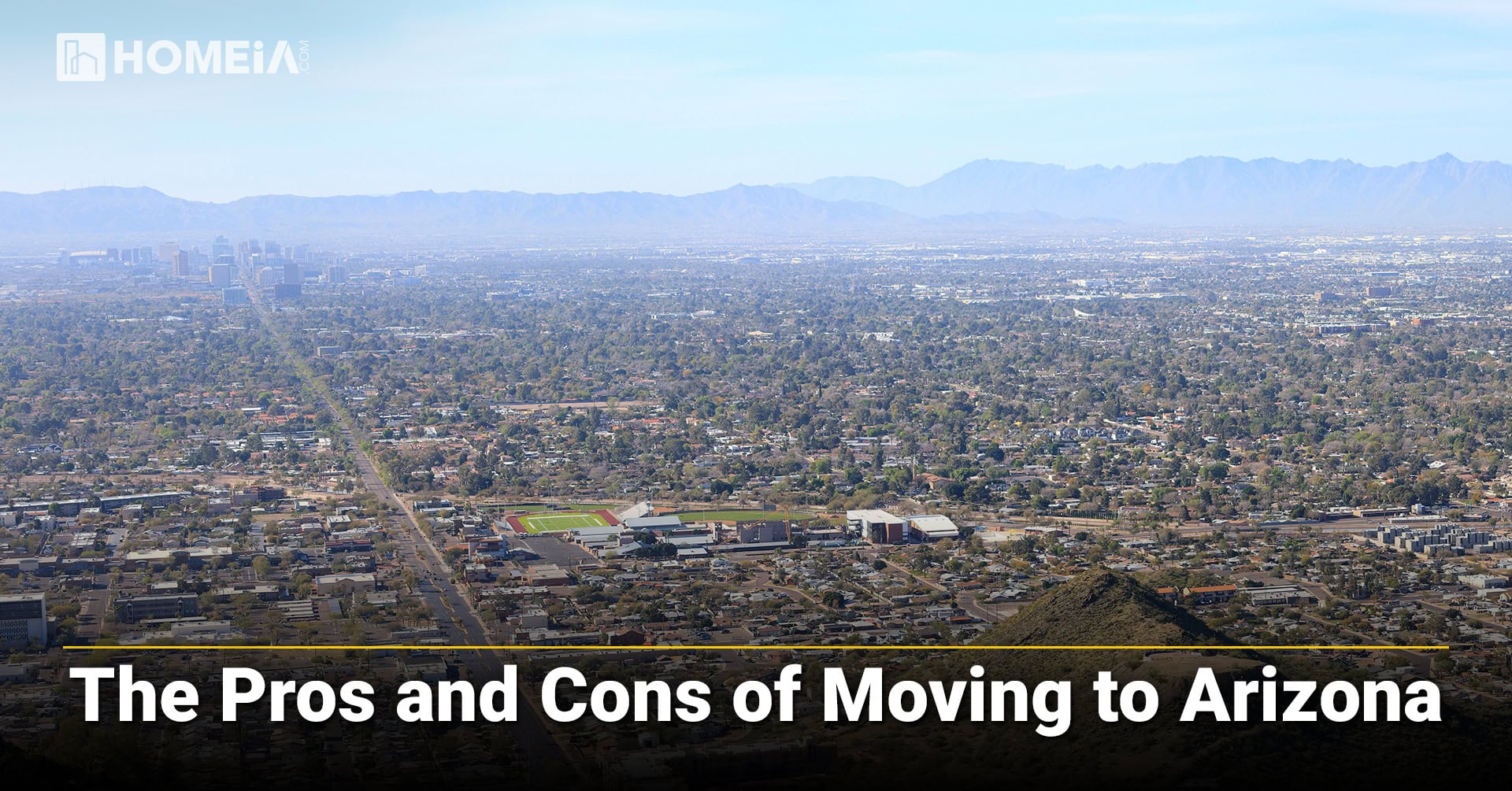
The Pros and Cons of Moving to Arizona
If you are considering moving to Arizona, you’re in the right place! Known for its stunning desert landscapes, vibrant cities, and warm climate, Arizona offers a fantastic environment for living,…
-
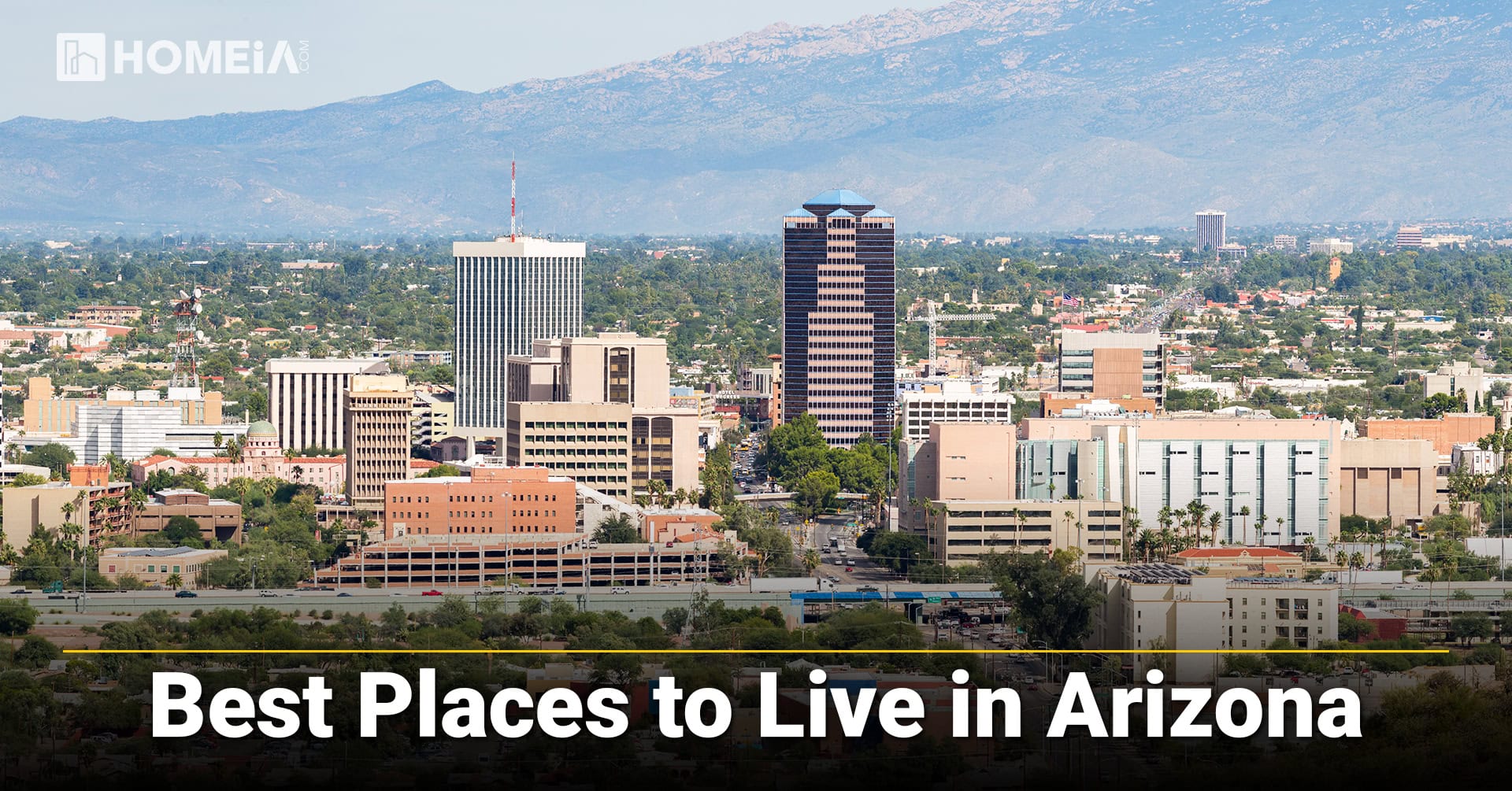
7 Best Places to Live in Arizona
Relocating to Arizona offers a unique combination of natural beauty, economic opportunity, and diverse lifestyle options. The Grand Canyon State features stunning desert landscapes, mountain ranges, and over 300 days…
-

12 Best Cities to Live in Arizona for Families
As far as demographics go, Arizona is probably best known for being a retirement state. However, as the population continues to boom, an increasing number of families are also relocating…
-

How to Sell a House in Arizona?
One of the biggest advantages for homeowners in Arizona is that they can sell their property, i.e., a home without the need of a lawyer. Some other states require that…
Related Topics










-
The Pros and Cons of Living in Colorado
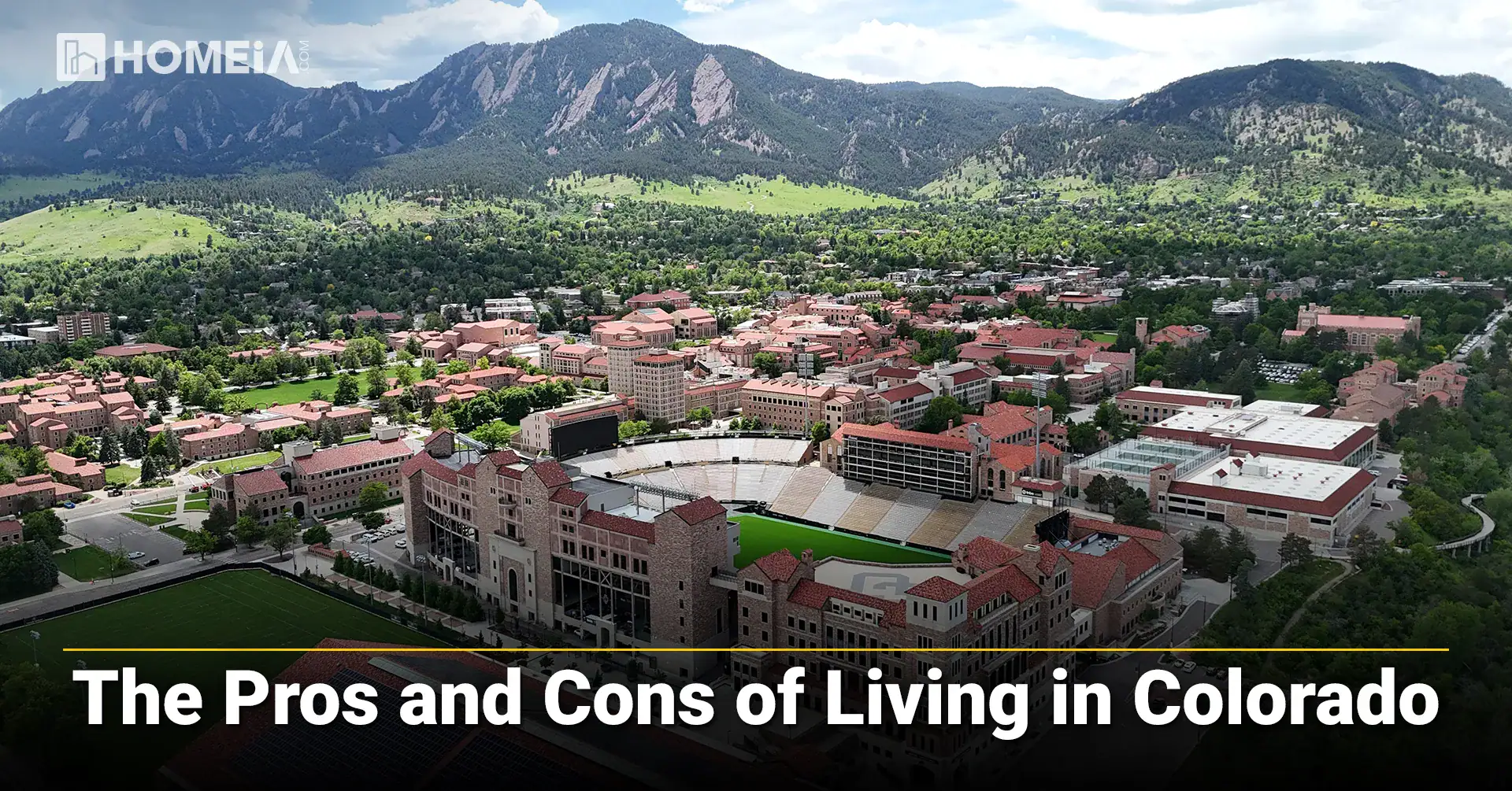
More than half of Colorado residents are transplants. If you do relocate to the Centennial State, don’t be surprised when the “natives” give you a hard time. Whether you settle along the Front Range or the Western Slope, you’ll enjoy…
-
The Pros and Cons of Living in Connecticut
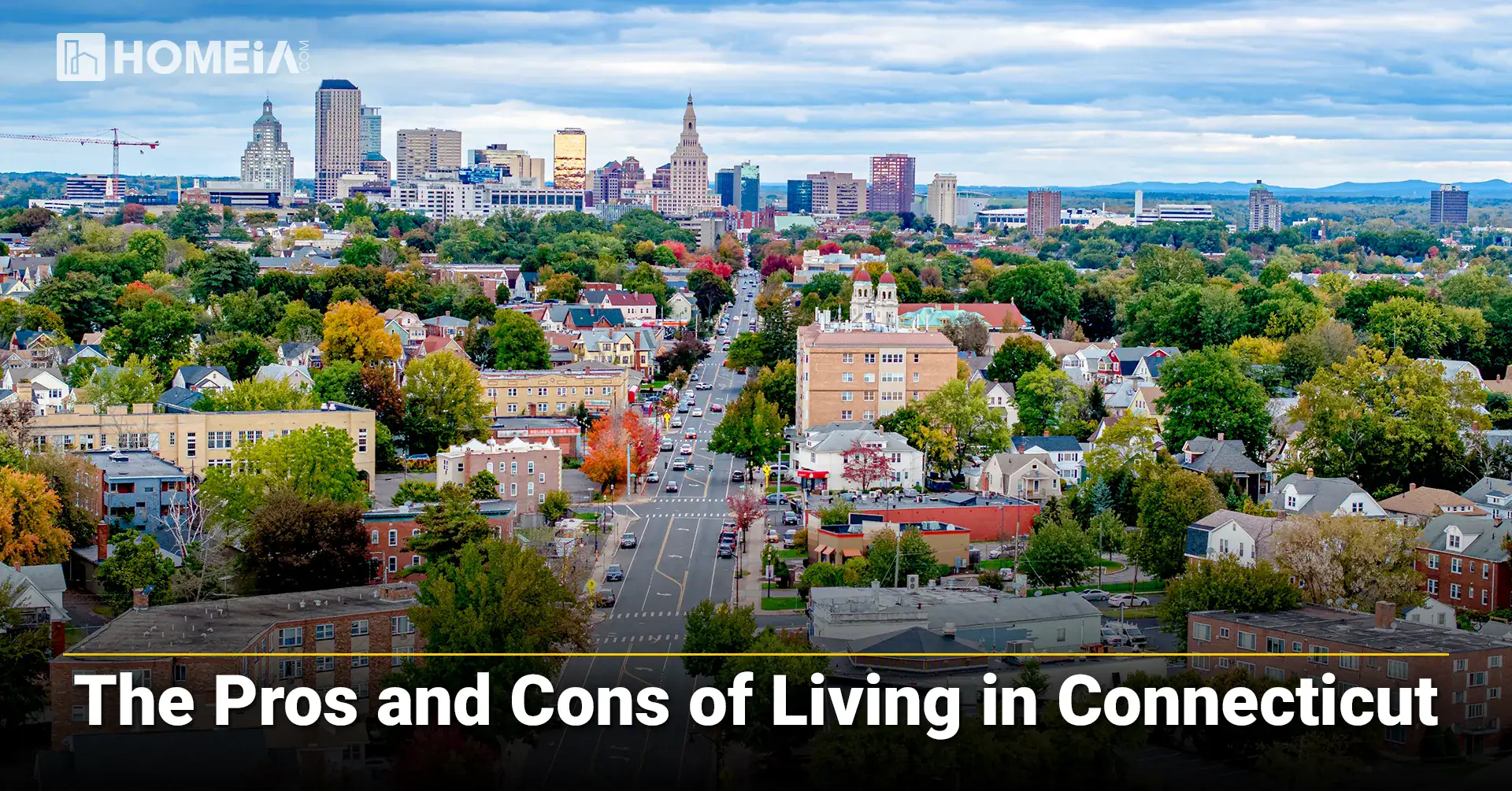
Nestled in the heart of New England, Connecticut offers a unique blend of historic charm, coastal beauty, and modern affluence. Known as the Constitution State, it boasts proximity to major cities like New York City and Boston while maintaining its own identity with…
-

The Pros and Cons of Living in Delaware
When picturing Delaware, what comes to mind are tax-free shopping, beautiful beaches, and proximity to major East Coast cities. But the First State offers more than financial advantages; here exists a place where historic charm, corporate headquarters, and relaxed coastal…


-

The Pros and Cons of Living in Hawaii
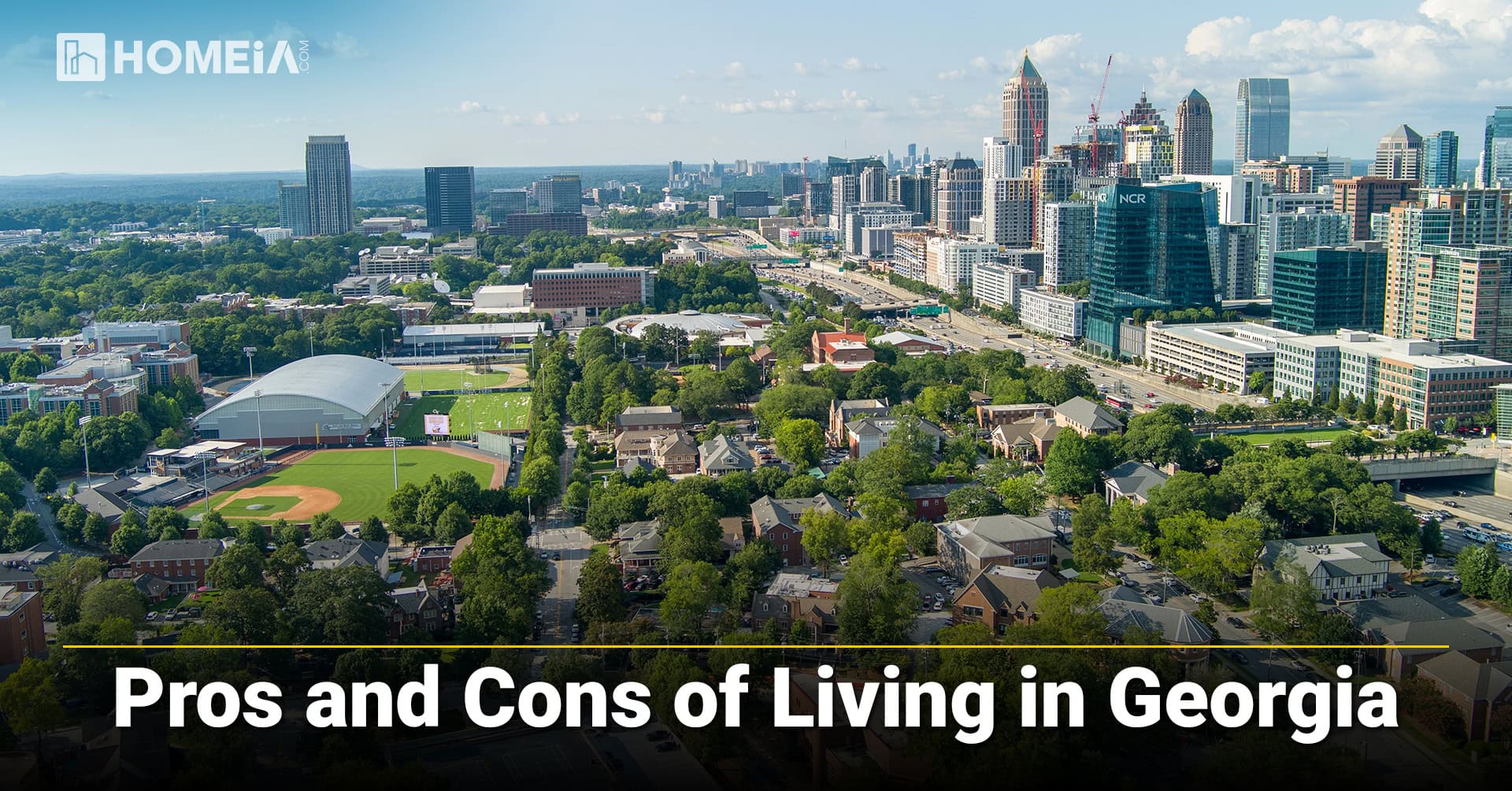
When picturing Hawaii, what comes to mind are stunning beaches, lush tropical landscapes, and vibrant Polynesian culture. But the Aloha State holds more secrets than what’s on the surface; here lies a place where ancient traditions, diverse communities, and island…
-
The Pros and Cons of Living in Idaho
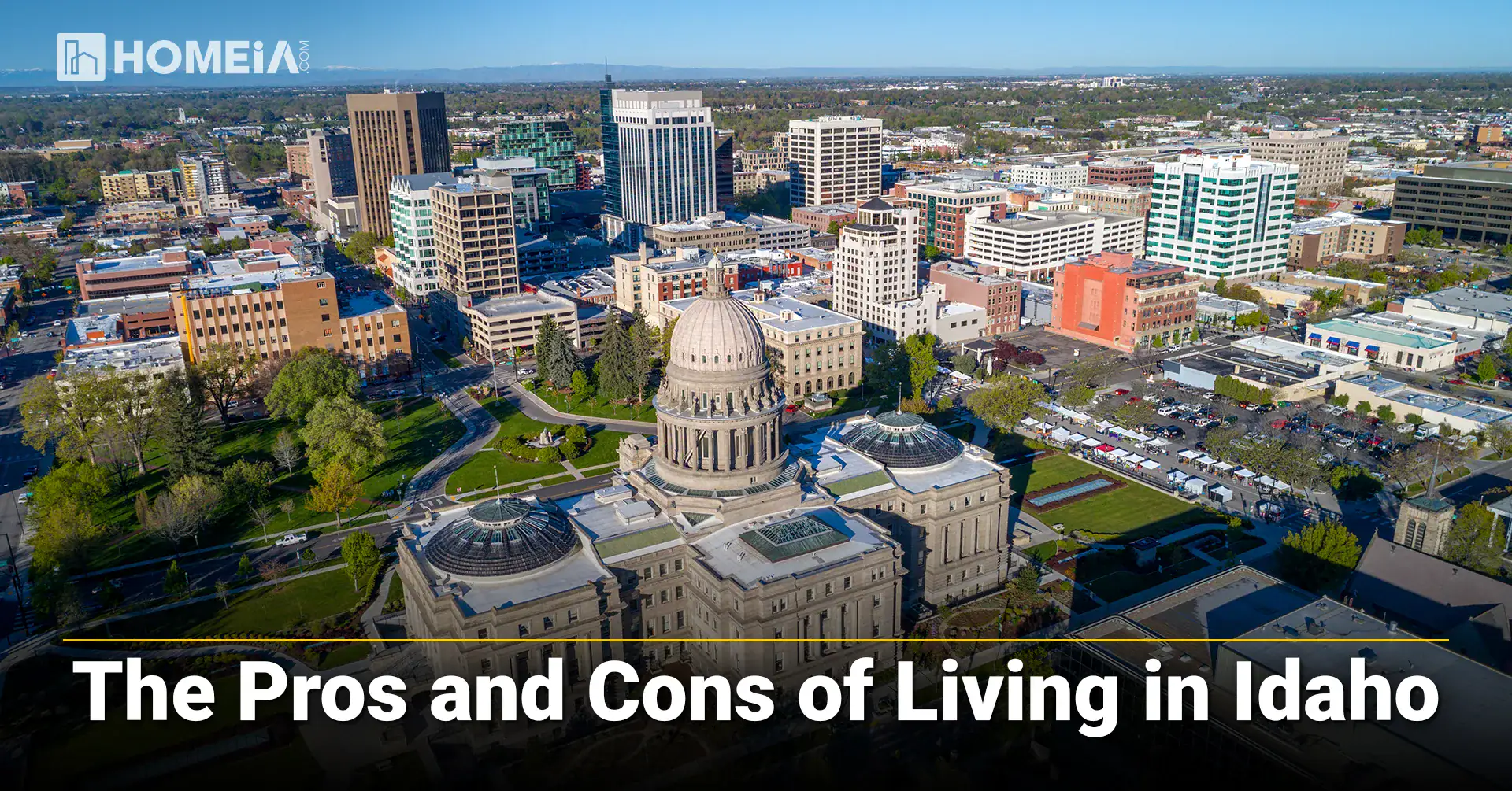
When picturing Idaho, many envision snow-capped mountains, pristine lakes, and the iconic Snake River Canyon. Yet there's far more to Idaho than its postcard scenery. If you're considering a move, you'll find a state celebrated for its rugged beauty, expanding…
-
The Pros and Cons of Living in Illinois (updated)
Relocating to a new state requires careful consideration of both the state as a whole and the specific community you'll join. If you're considering Illinois, you'll find a state home to vibrant cities, charming small towns, and a diverse mix…

-
The Pros and Cons of Living in Louisiana
When picturing Louisiana, vibrant jazz music, spicy Creole cuisine, and historic French Quarter architecture are what usually appears. But the Pelican State offers more than Southern clichés; here lies a place where unique cultures, standout cuisine, and relaxed pace of…
-

The Pros and Cons of Living in Maine
When picturing Maine, what one envisions are rugged coastlines, lobster shacks, and dense forests. But the Pine Tree State offers more than New England stereotypes; here lies a place where maritime heritage, outdoor adventure, and resilient spirit define everyday living.…
-
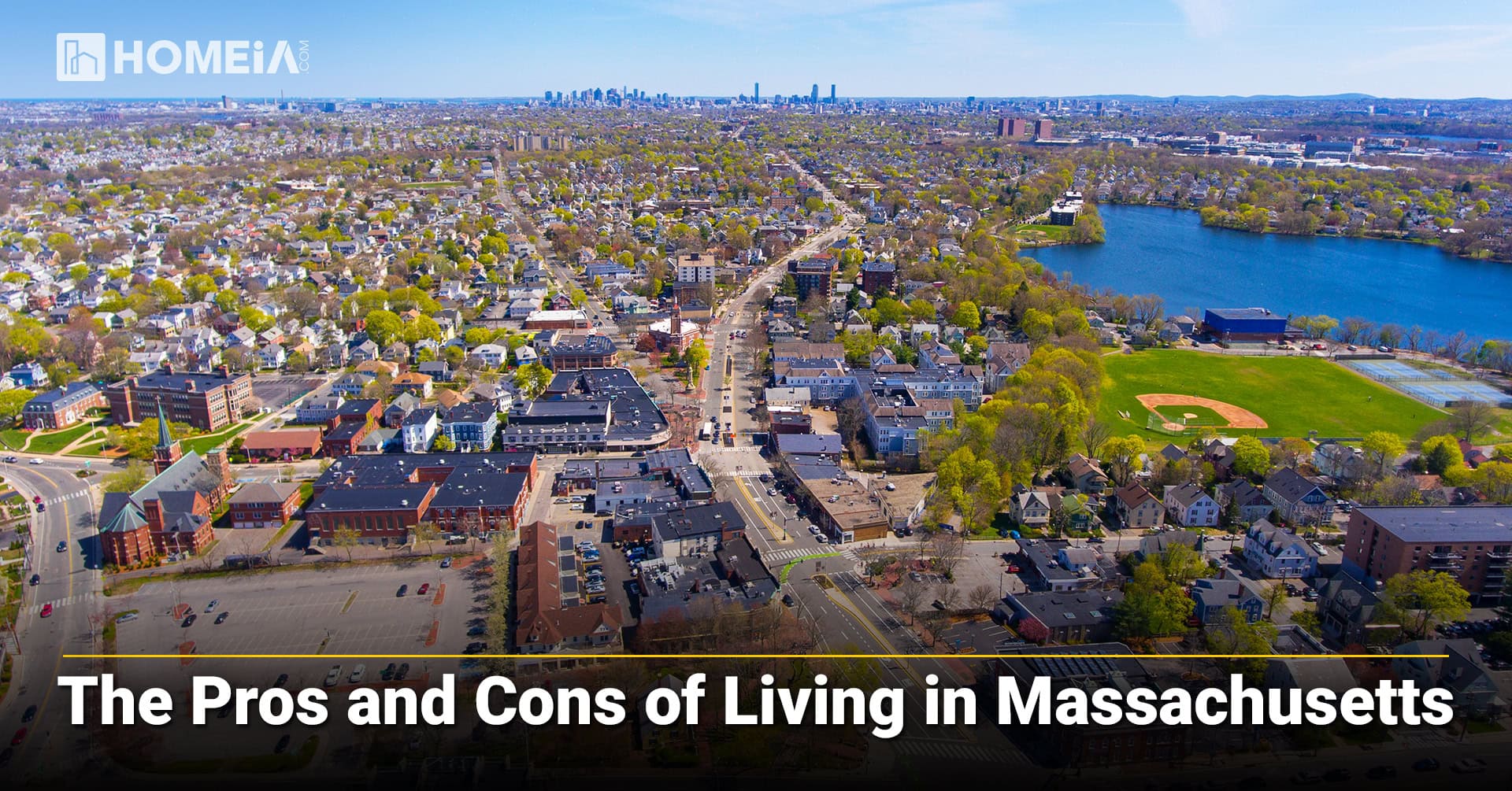
The Pros and Cons of Living in Massachusetts
Moving to a new part of the US requires careful consideration of both the state itself and the specific community you'll join. If Massachusetts is your next destination, you'll find a state rich in history, culture, and natural beauty, but…
-
The Pros and Cons of Living in Minnesota
When picturing the Midwestern state of Minnesota, some might imagine a snowy blizzard, an afternoon at the lake, the bustling state fair, and a thriving hockey community. And while all of those are essential pieces of the state’s cultural identity,…
-
The Pros and Cons of Living in Montana
When picturing Montana, what comes to mind are vast mountain landscapes, pristine wilderness, and the spirit of the American West. But the Treasure State offers even more; here lies a place where outdoor adventure, tight-knit communities, and breathtaking natural beauty…
-
The Pros and Cons of Living in Nevada
When picturing Nevada, what comes to mind are glittering casinos, vast desert landscapes, and the 24-hour energy of Las Vegas. But the 36th state offers more than entertainment clichés; tax advantages, outdoor recreation, and economic opportunity define everyday living. Yet,…

-

The Pros and Cons of Living in New York State
New York State is a land of dramatic contrasts, offering both the unparalleled energy of a global metropolis and the serene beauty of vast natural landscapes. From the iconic skyscrapers of New York City to the tranquil shores of the Finger Lakes and the rugged…
-
The Pros and Cons of Living in North Carolina
What does North Carolina have to offer? If you want one word to describe North Carolina, “varied” would be an excellent choice. Do you love the mountains or the beach? In this Southeastern state, you will find plenty of both.…
-
The Pros and Cons of Living in North Dakota
When picturing North Dakota, imagery commonly associated are vast prairies, oil fields, and harsh winters. But the Peace Garden State offers more than Midwestern stereotypes; here lies an area where flourishing communities, economic opportunity, and affordable living define everyday life.…


-

The Pros and Cons of Living in Pennsylvania
When considering the best places to live in Pennsylvania, you might think of the iconic Liberty Bell in Philadelphia, the rolling farmland of Lancaster County, autumn hikes in the Poconos, or the energy of a Steelers game in Pittsburgh. All…
-
The Pros and Cons of Living in Rhode Island
When picturing Rhode Island, what comes to mind are historic colonial architecture, breathtaking coastline, and being the smallest state in the nation. But Little Rhody offers more than New England clichés; here lies a place where rich maritime heritage, vibrant…
-
The Pros and Cons of Living in South Carolina
The small southern state of South Carolina is experiencing a growth spurt. According to data released by the U.S. Census Bureau, three states —Florida, Georgia, and South Carolina —saw tremendous population growth in the years during and following the pandemic.…

-
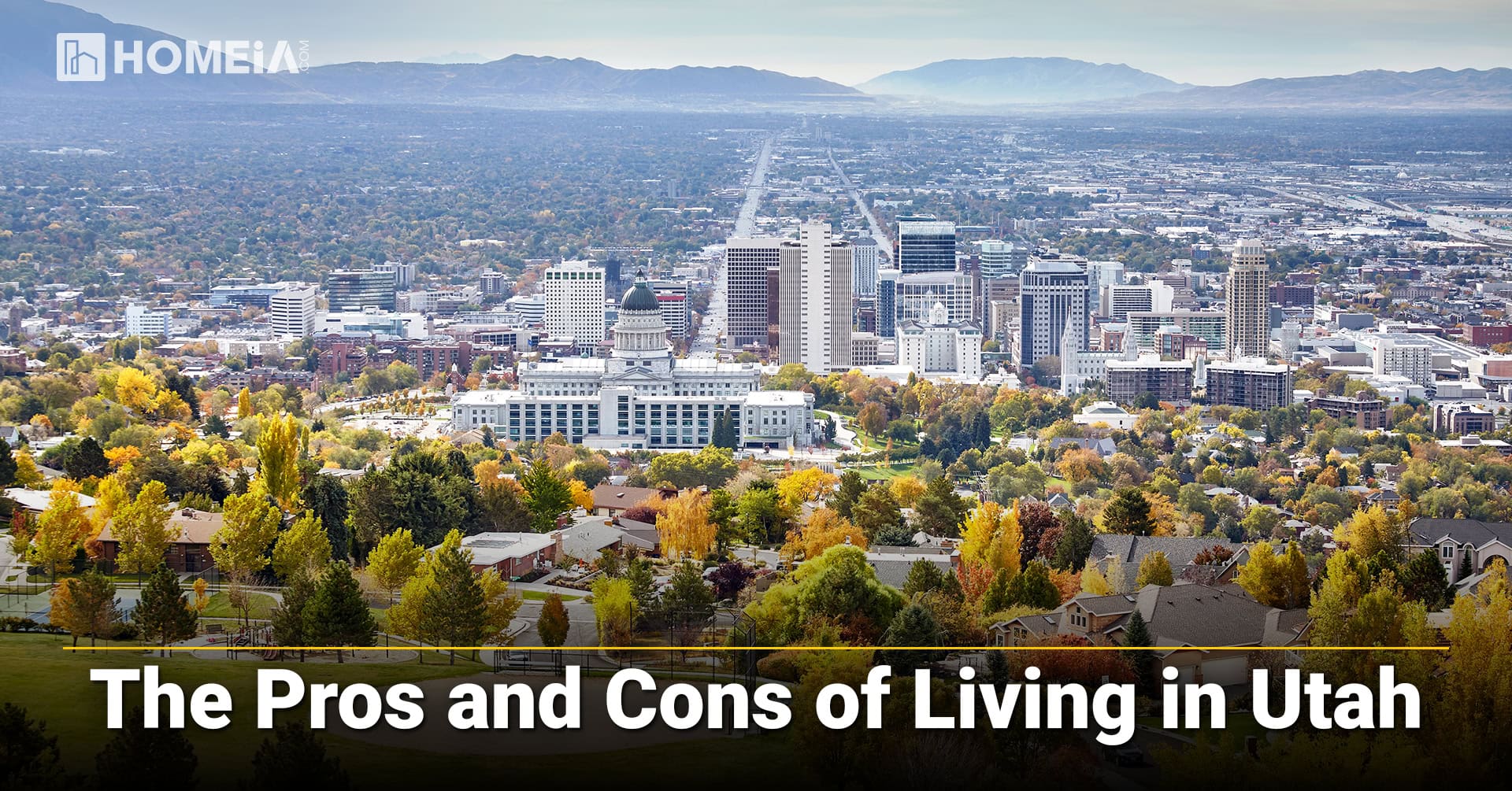
The Pros and Cons of Living in Utah
When picturing the State of Utah in the Mountain West, many imagine iconic red rock landscapes, world-class ski resorts, and a vibrant, family-oriented culture. And while all of those are essential pieces of the state's identity, there's so much more…
-
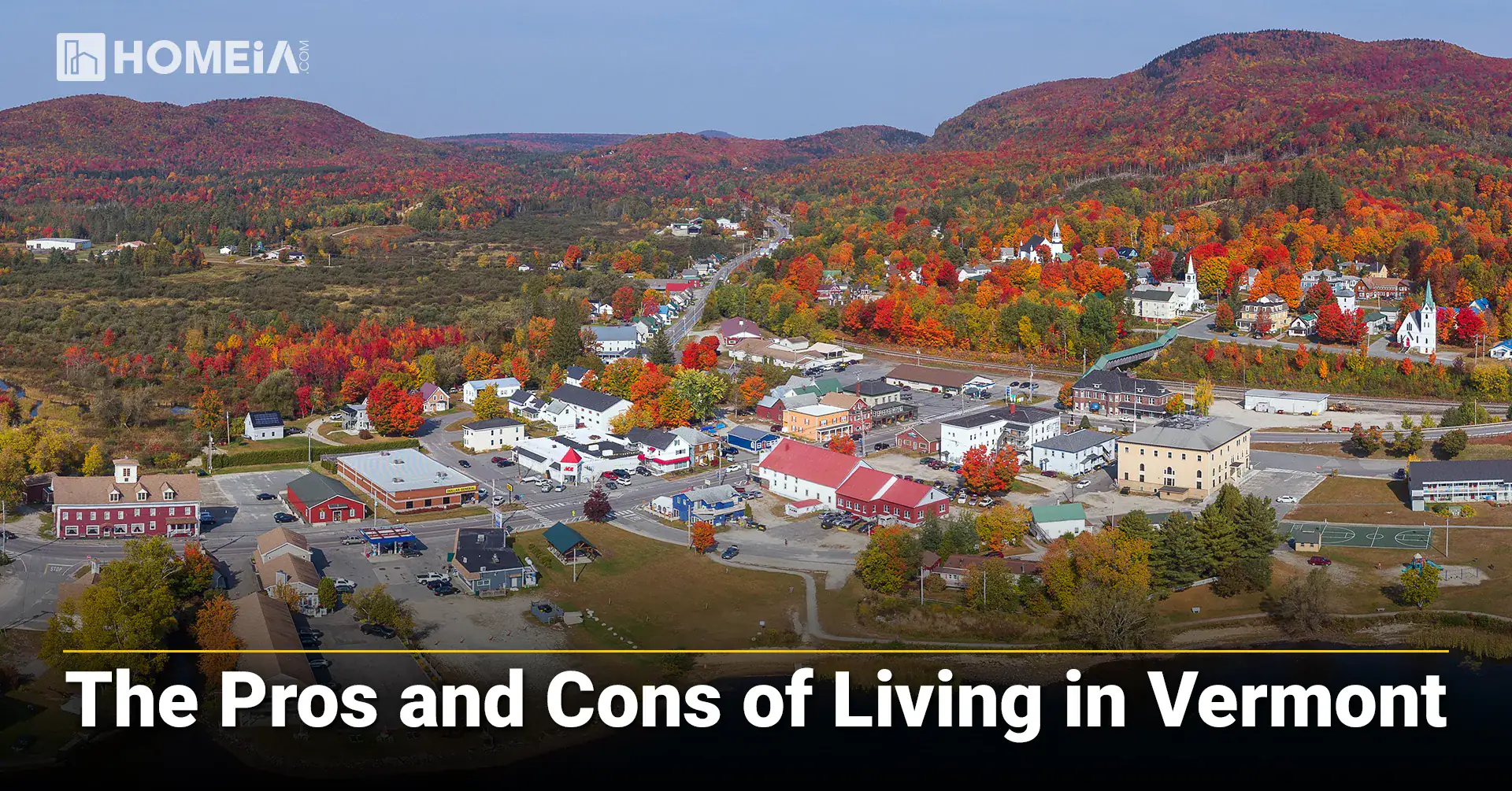
The Pros and Cons of Living in Vermont
Tucked into the heart of New England, Vermont offers postcard-worthy landscapes, a relaxed pace of life, and a strong sense of community. Known for its maple syrup, fall foliage, and progressive values, this small state is big on character. But…
-
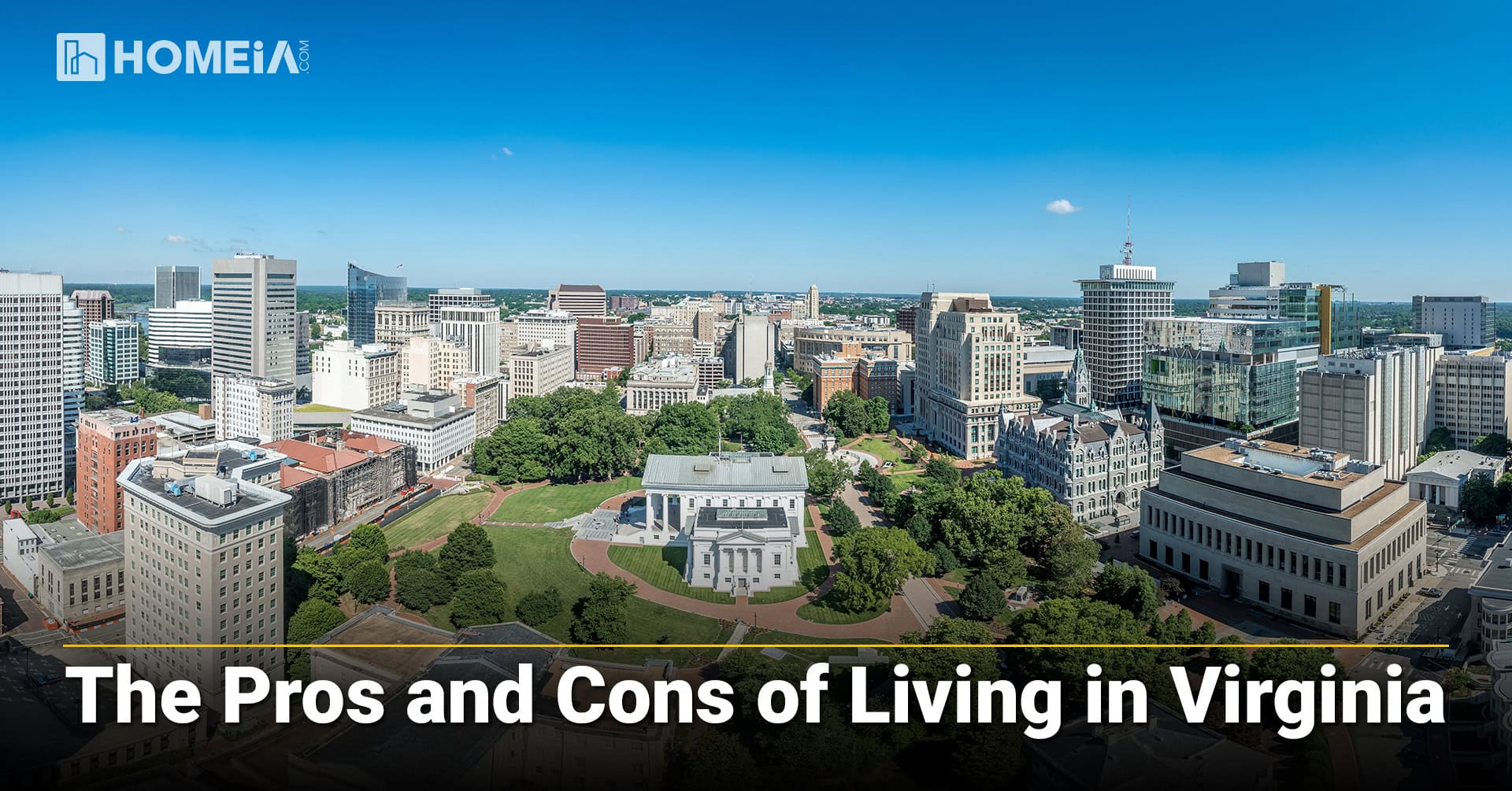
Pros and Cons of Living in Virginia
Virginia is a beautiful state with an abundance of opportunities ripe for discovery. From the Appalachian Trail to the Blue Ridge Mountains, coastal towns to small farming communities, Virginia has something for individuals and families of all ages and budgets.…
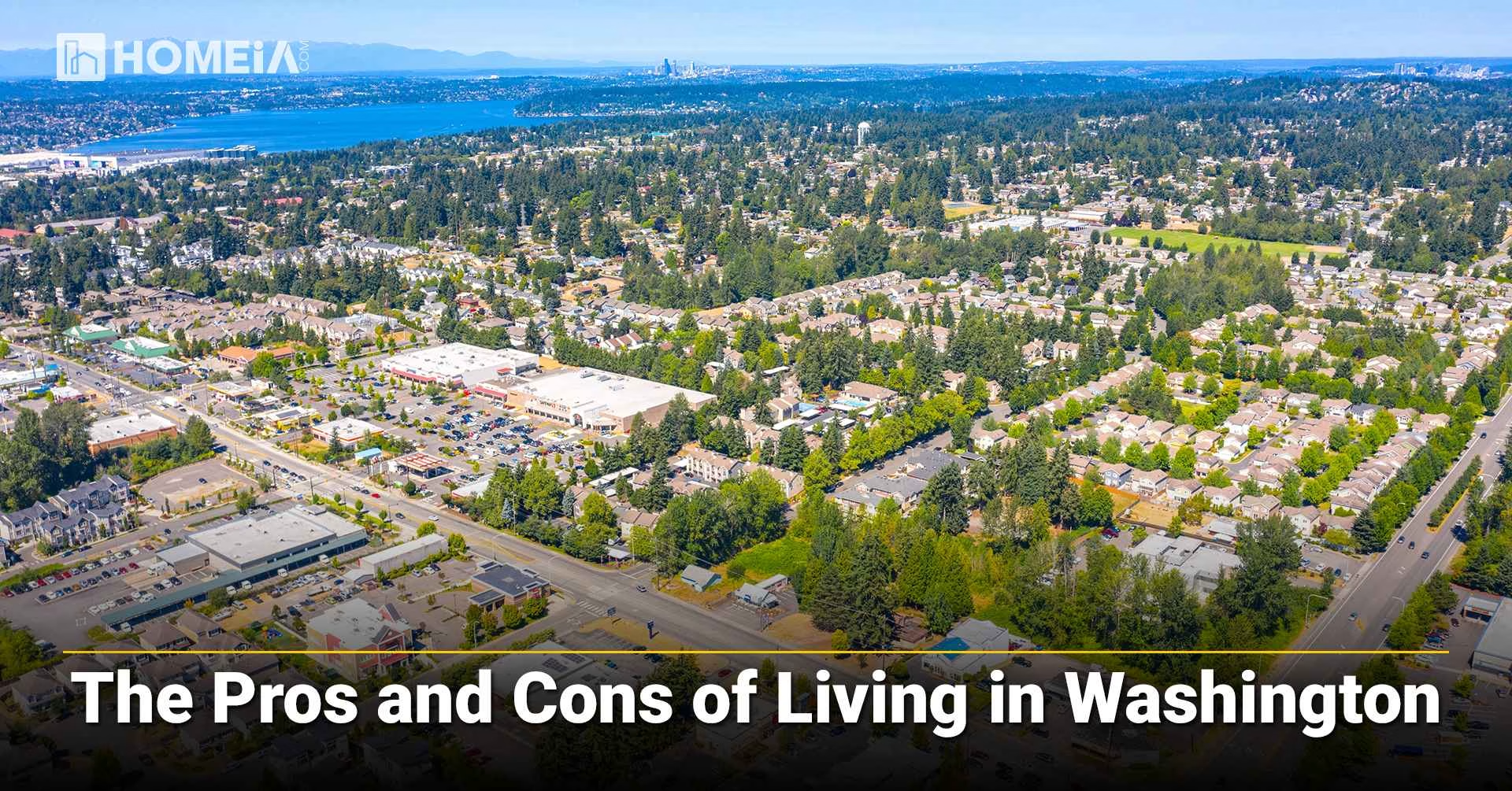
-
The Pros and Cons of Living in Wyoming
When picturing Wyoming, what comes to mind are vast open plains, majestic mountain ranges, and a pioneering spirit. But here extends even further; sitting instead is a place where rugged independence, outdoor adventure, and low taxes define everyday living. Yet,…