





Wisconsin
Living In Wisconsin
Local Editor(s)

 Considering




 Verified

Table of Contents:
The Complete Guide to Cost of Living and Lifestyle
Wisconsin sits at the crossroads of the Great Lakes and the Mississippi River, blending big-city energy, Midwestern charm, and wild natural beauty. Home to nearly 6 million people, the Badger State has deep roots in dairy farming, manufacturing, and progressive education. Today it is an affordable option for families seeking safe neighborhoods, retirees attracted by Social Security tax exemptions, and young professionals drawn to bike-friendly cities and lively arts scenes. This living in Wisconsin guide covers costs, jobs, climate, the best places to live, and top attractions — with all statistics verified against the latest available data.
Key Takeaways
- Cost of Living: Wisconsin’s overall cost of living is roughly on par with the U.S. average. Median mortgage payments ($1,357/month) and rents ($1,065/month) are both well below national levels. The Zillow Home Value Index for Wisconsin is $328,778 (February 2026, up 4.3% year-over-year).
- Taxes: Income taxes range from 3.5% to 7.65% on a four-bracket progressive scale. The state sales tax is reasonable at5%. Property taxes average an effective rate of about 1.25% for owner-occupied homes (the statewide average across all property is ~1.61%). They do not tax Social Security benefits, and a 2025 law now allows residents age 67+ to exclude up to $24,000 of qualifying retirement income per person.
- Jobs & Economy: Total nonfarm employment reached 3.05 million jobs in December 2025, with an unemployment rate of 3.1%. This is well below the national rate of 4.4%. Education and health services are driving most new job growth, while manufacturing continues to contract slightly.
- Climate: Known for a humid continental climate with frigid winters and warm, humid summers. Average annual temperatures range from 39°F in the far north to 50°F in the south. The state has warmed more than 2°F since the early 20th century.
- Lifestyle & Attractions: From the Waterpark Capital of the World in Wisconsin Dells to the Apostle Islands and Door County’s 300 miles of shoreline, outdoor recreation is everywhere. Devil’s Lake State Park, the largest in-state, draws over a million visitors annually with its 500-foot quartzite bluffs and 30 miles of trails.


Related article
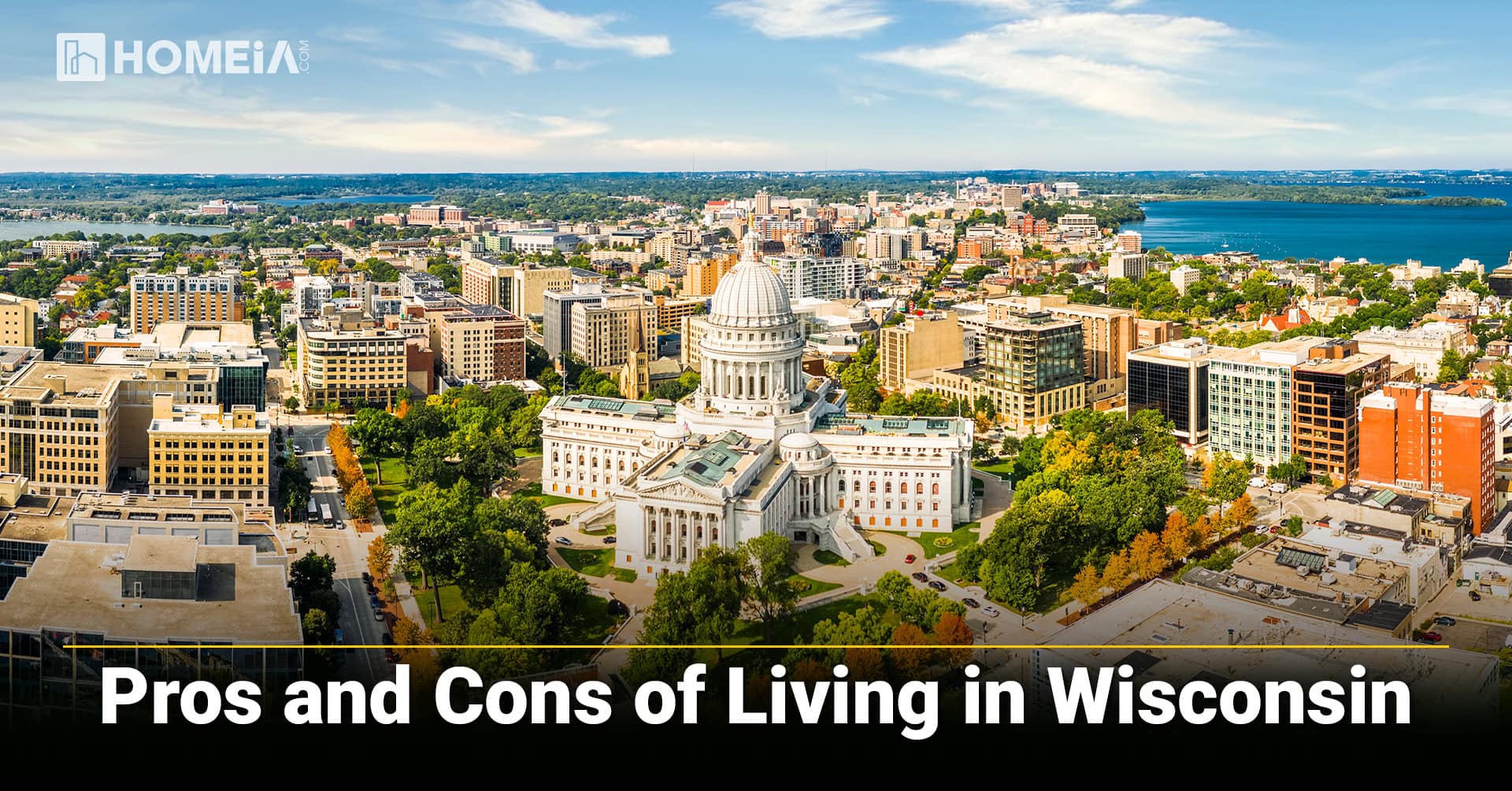
The Pros and Cons of Living in Wisconsin
Wisconsin offers diverse living options for everyone, from emerging professionals, to growing families, to good-living retirees. With its affordable cost of living, natural beauty, and strong communities, the Badger State is definitely an attractive option for relocation. Whether you prefer urban amenities in Milwaukee and Madison or the tranquil settings of Door County and the Northwoods, Wisconsin provides something for every lifestyle…
1. Overview and Demographics

Wisconsin covers roughly 65,500 square miles of varied terrain, from forested Northwoods to sandstone bluffs along the Mississippi and the sandy shores of Lake Michigan. The state’s estimated 2025 population is 5,972,787. Median household income is $77,485 and the per-capita income is $43,373. Roughly 10.6% of residents live below the poverty line. Homeownership is substantial at 67.8%, while the median value of owner-occupied homes is $266,500. Median gross rent is approximately $1,087.
Economic prosperity has historically been tied to dairy farming and heavy industry, but the largest employment sectors today include trade, transportation, utilities, manufacturing, education, and health services. The University of Wisconsin system alone employs more than 39,000 people and educates about 180,000 students each year, anchoring a fruitful academic economy.
2. Cost of Living in Wisconsin

WI offers a middle-of-the-road cost of living. Housing costs hover about 4% below the national average, utilities 4% lower, and transportation 2% lower. Healthcare runs about 6% higher than national norms. Groceries are in line with the national average.
A. Housing and Utilities
Housing: The median mortgage payment is $1,357/month, nearly 24% below the national median, while average rent is $1,065 monthly, around 27% lower (Doxo, 2025). The Zillow Home Value Index places the typical statewide home value at $328,778 as of February 2026, up 4.3% year-over-year. Home prices vary significantly by location with Madison and suburban Milwaukee often exceeding $400,000, while rural county homes can be found for under $200,000.
Utilities: The average monthly utility bill, covering electricity, gas, water, phone, cable, and internet, can run you about $412 per month (Doxo). Many households rely on natural gas or fuel oil for winter heating. Energy costs spike during cold spells. This frigid climate means homeowners often invest in insulation and efficient furnaces to keep bills manageable.
B. Food, Transportation, and Healthcare
Groceries are in line with the national average, roughly $370 per person per month ($4,444 annually). Local dairy farms and farmers’ markets can lower prices on staples like milk, cheese, and produce. Transportation costs are about 2% below national norms; most people drive. Gas averages $3.79 to $3.82 per gallon in Wisconsin (AAA, April 2026), below the national average of $4.10 but significantly higher than 2025 levels due to Middle East supply disruptions. The gas tax is 32.9 cents per gallon. Healthcare is about 6% above national norms, though hospitals and clinics are exceptional, especially in Madison and Milwaukee.
C. Taxes and Incentives
The state’s graduated income tax has four brackets ranging from 3.5% to 7.65%. Most families pay between 5% and 6%. The state sales tax is an affordable5%, with most counties adding 0.5%. Effective property tax rate for owner-occupied homes is approximately 1.25%, though the statewide average across all property types is about 1.61%. Despite having one of the higher rates nationally, there is no estate or inheritance tax.
Retiree-friendly updates: Thankfully, here does not tax Social Security benefits. Under Wisconsin Act 15 (2025), taxpayers age 67 or older may now exclude up to $24,000 of qualifying retirement income per person from state taxes ($48,000 for eligible married couples), a major improvement over the prior $5,000 limit. Military and railroad retirement benefits remain tax-exempt. Homeowners age 62 or older with household incomes below $24,680 may qualify for a homestead credit on property taxes.
D. Typical Monthly Budget
The table below illustrates an estimated monthly budget for a typical Wisconsin household.
| Category | Avg. Monthly Cost | Notes |
| Housing (mortgage or rent) | $1,357 mortgage / $1,065 rent | Both well below national medians |
| Utilities (all) | $412 | Electricity, gas, water, phone, cable, internet |
| Groceries | ~$370 per person | On par with national average |
| Transportation | $430 auto loan + $137 insurance | Gas ~$3.79–$3.82/gal (April 2026) |
| Healthcare | $87 insurance + medical costs | ~6% above national average |
| Misc. goods & services | $300–$400 | Entertainment, clothing, etc. |
| Total (approx.) | $2,600–$3,000/month | ~28% of median household income |
Sources: Doxo 2025 Household Bills Report; AAA (April 2026); RentCafe; U.S. Census Bureau

Related article
The 10 Best Places to Live in Wisconsin: A City Comparison (updated)
Wisconsin offers diverse communities with strong economies and housing costs below national averages. While prices vary widely from affluent Whitefish Bay to fast-growing Eau Claire, this analysis compares top municipalities based on jobs, housing availability, and infrastructure to help residents choose strategically…
3. Job Market and Economy

The Home of the Cheeseheads’ economy is diverse, spanning manufacturing, agriculture, healthcare, education, logistics, and tech. Total nonfarm employment reached 3,054,300 jobs in December 2025, with an unemployment rate of 3.1%. Unemployment sits at 1.3 percentage points below the national rate. Their labor force participation rate of 64.2% also exceeds the national figure of 62.5%, reflecting a tight, engaged workforce.
The Wisconsin Department of Revenue’s November 2025 forecast projects job growth of about 0.2% in 2026. Academia and health services are the primary growth engine, adding roughly 10,000 positions annually. By contrast, manufacturing, the third-largest sector, is expected to continue declining modestly, and trade, transportation and utilities are projected to remain flat. Personal income is forecast to grow 4.4% in 2025 and 4.6% in 2026.
Major employers include the University of Wisconsin system (39,000 employees), Kohl’s, Harley-Davidson, Johnson Controls, Rockwell Automation, Epic Systems (electronic medical records), American Family Insurance, and Milwaukee Tool. The state’s technical college network trains workers for healthcare, IT, advanced manufacturing, and renewable energy. Preparing workers for the future, these sectors are all expected to continue expanding through the decade.

Related article
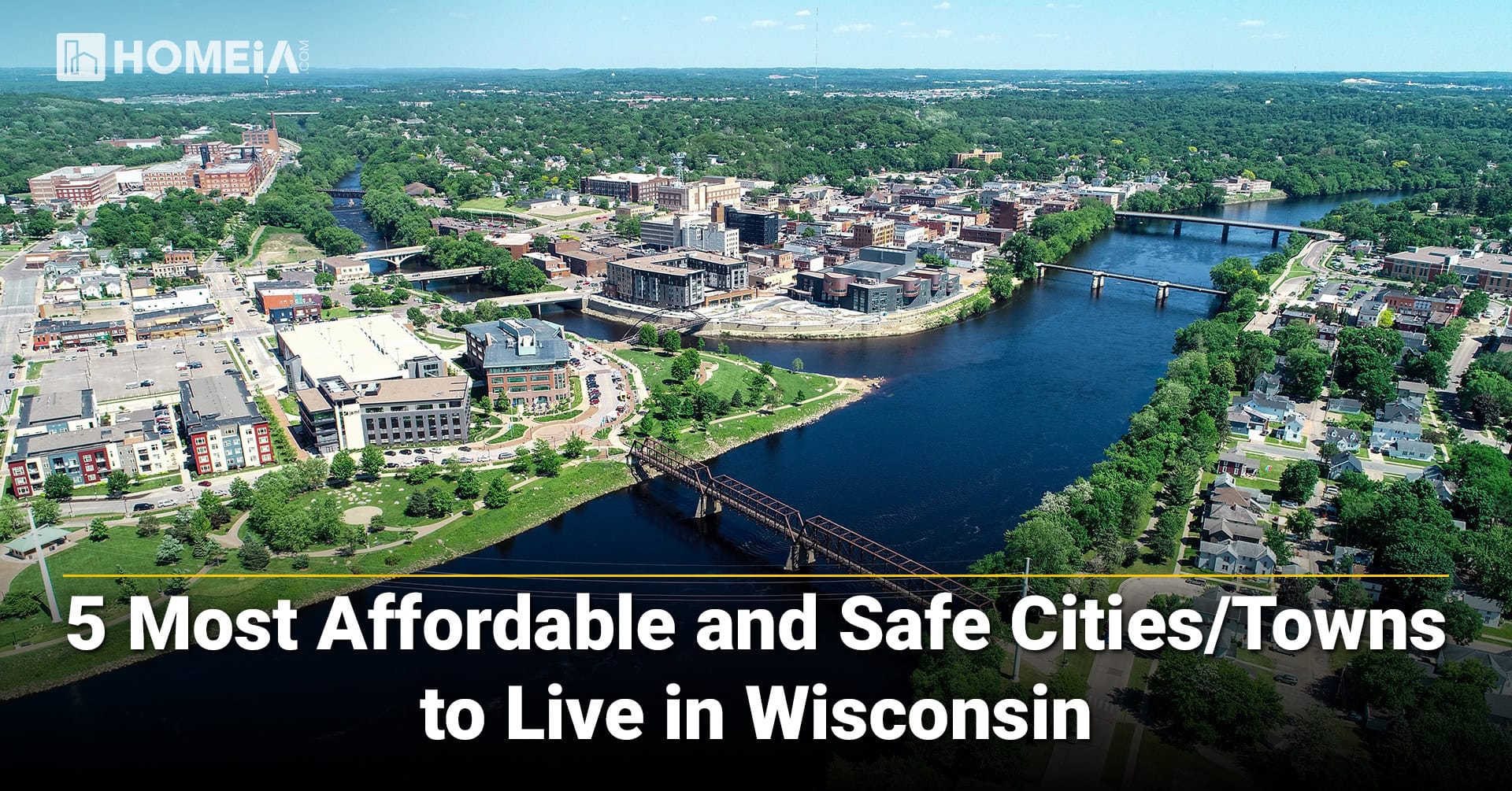
5 Most Affordable and Safe Places to Live in Wisconsin
Whether you are seeking waterfront views, vibrant city life, or peaceful small-town charm, Wisconsin provides affordable, safe options for individuals, families, and retirees. From the banks of The Mighty Mississippi to the shores of Lake Michigan, from the beaches of Lake Superior to…
4. Climate and Geography

Here, the climate is humid continental, with drastic seasonal temperature swings. Average annual temperatures range from about 39°F in the far north to 50°F in the south, with the state warming more than 2°F since the early 20th century. An absence of mountain ranges allows Arctic air masses to surge south in winter, producing frigid temperatures with subzero lows and heavy snowfall. This is felt especially in the Lake Superior snow belt. Summers are warm and humid, punctuated by thunderstorms. The Great Lakes moderate temperatures along eastern and northern shorelines.
Precipitation averages 30 to 50 inches annually and is fairly evenly distributed year-round. Extreme rain events and spring flooding have become consistent, while snowfall totals are projected to decline as winters warm. These patterns shape a genuinely four-season lifestyle: cross-country skiing and snowmobiling in winter; hiking, cycling, and boating in summer; hunting and harvest festivals in autumn. Newcomers should budget for winter gear, home heating, and snow removal.
Recommended for you




5. Best Places to Live

- Madison: The capital and second-largest city sits on an isthmus between Lakes Mendota and Monona, offering miles of shoreline, bike paths, and parks. The economy hinges on state government, the University of Wisconsin, healthcare, and tech startups. Epic Systems is located nearby in Verona. Housing costs are nearly 4% above the state average, but median incomes are higher too. Farmers’ markets, festivals, and a progressive arts scene make Madison consistently one of the most liveable mid-sized cities in the Midwest.
- Milwaukee: Its largest city is a cultural hub on Lake Michigan. Once defined by its historic breweries (Miller, Pabst, Schlitz), Milwaukee now boasts a thriving craft beer scene, a revitalised Riverwalk, and major institutions like the Milwaukee Art Museum and Harley-Davidson Museum. Housing costs are about 1% above the state average, and professional sports (Bucks, Brewers, Admirals, and Wave) plus Milwaukee Mitchell International Airport (MKE) add convenience.
- Green Bay: Home of the Packers, Green Bay offers small-city affordability with deeply-rooted communal pride. The economy includes paper products, food processing, and healthcare. Waterfront parks along the Fox River and convenient access to Door County make it attractive for families. Housing costs are generally below the state median.
- Eau Claire: This mid-sized city on the Chippewa River blends affordable living with a burgeoning arts and music scene, playing host to the annual Eaux Claires Music & Arts Festival. The University of Wisconsin–Eau Claire anchors the local economy, and investment in riverfront redevelopment has attracted young families and remote workers.
- Door County: Stretching up the peninsula between Green Bay and Lake Michigan, Door County draws about 2.5 million visitors annually with its five state parks, 11 historic lighthouses, 53 public beaches, and 300 miles of total shoreline. The year-round population is about 30,066; Sturgeon Bay (pop. ~9,646) is the county seat. Tourism leads the way, so expect higher seasonal prices but incomparable natural beauty.

Related article
7 Key Factors to Know About Living in Milwaukee, Wisconsin
If you want the variety, history, and entertainment options of a big city, but with shorter commutes and a laid-back Midwestern vibe, Milwaukee, Wisconsin may be the place for you. It has an upscale side, especially in trendy districts like the Historic Third Ward, and its proximity to Chicago…
6. Things to Do and See

A. Wisconsin Dells — Waterpark Capital of the World
The small city of Wisconsin Dells (pop. ~6,000) hosts more waterparks per capita than anywhere in the world. The trend began with outdoor parks in the 1970s and accelerated when the Polynesian Water Park Resort opened the first U.S. indoor waterpark in 1989. Today major resorts include Noah’s Ark (America’s largest outdoor waterpark at 70 acres), Wilderness Resort, Kalahari, Mt. Olympus, and Great Wolf Lodge. Visitors can ride more than 200 waterslides across a community covering less than 20 square miles.
B. Door County
Beyond its scenic towns and lighthouses, Door County offers kayaking along dramatic cliffs, cherry orchards yielding 8 to 15 million pounds each summer, the Door County Wine Trail (nine local wineries), and more than 100 art galleries and performing arts venues. Hundreds of shipwrecks along the 300-mile coastline are part of the Wisconsin Maritime Trail. Whether cycling scenic roads, golfing, or taking the ferry to Washington Island (35 square miles, year-round population ~700), here rewards exploration.
C. Apostle Islands National Lakeshore
Off the Bayfield Peninsula in Lake Superior, Apostle Islands National Lakeshore protects 21 islands and a 12-mile stretch of mainland shoreline, established in 1970. The park holds the largest collection of lighthouses in the National Park System. Visitors can actively kayak through mainland sea caves, camp on 18 of the islands, or take boat tours. When the weather gets colder, mainland caves occasionally transform into spectacular ice formations when Lake Superior freezes.
D. Devil’s Lake State Park and Milwaukee
- Devil’s Lake: Just south of Baraboo, Wisconsin’s largest and most visited state park (opened 1911) welcomes more than a million visitors each year. Hikers tackle nearly 30 miles of trails along the 500-foot quartzite bluffs, climbers test the rock faces, and swimmers enjoy the 360-acre lake’s two beaches. Baraboo Hills are estimated at 1.6 billion years old.
- Milwaukee: Summerfest, billed as the world’s largest music festival, runs 11 days each June and July. Year-round, the city offers German heritage festivals, lakefront fireworks, and a vibrant food scene. Touring the football mecca that is Lambeau Field is a must for any fan. And no visit to Wisconsin is complete without sampling locally made cheese curds at a supper club.

Related article
3 Safest and Most Affordable Neighborhoods to Live in Kenosha, Wisconsin
Kenosha’s neighborhoods—Gateway, Red Arrow, and Poerio—stand out as some of the cheapest places to live in the city. They offer affordable rent, unique character, and convenient access to jobs, schools, and amenities. With supportive programs like Home Kenosha, these areas continue to grow in value and community appeal…
7. Pros and Cons

Pros
- Affordable housing: Median mortgage ($1,357) and rent ($1,065) are both well below national averages. The Zillow statewide home value of $328,778 remains accessible compared to coastal markets.
- Social Security and retirement tax breaks: WIS exempts Social Security from state income tax. Under the new 2025 law, residents 67+ can now exclude up to $24,000 of other retirement income per person.
- Abundant outdoor recreation: Four distinct seasons provide skiing, snowmobiling, hiking, cycling, fishing, and boating. Door County, the Apostle Islands, and Devil’s Lake offer world-class scenery.
- Strong labour market: An unemployment rate of 3.1% (Dec 2025), (1.3 points below the national average) and a labour force participation rate of 64.2% signal a healthy, engaged workforce.
- Quality education: The UW system and a network of technical colleges provide accessible higher education. Public schools achieve some of the nation’s highest high-school graduation rates.
Cons
- Harsh winters: Unrelenting winters bring heavy snow and below-zero temperatures. Residents must budget for heating, snow removal, and winter gear, a real cost of living factor not captured in housing figures.
- High property taxes: The effective rate of ~1.25% for owner-occupied homes (statewide average ~1.61%) is among the higher rates in the U.S., partially offsetting affordable home prices.
- Slow job growth: Employment is projected to grow 0.2% in 2026. Manufacturing and trade are expected to decline. Workers in those sectors face structural headwinds.
- Limited public transit: Outside Milwaukee and Madison, public transportation is minimal. Personal vehicles are essential in most of the state.
- Gas price volatility: Prices have risen sharply to $3.79–$3.82/gallon (April 2026) from $2.74/gallon one month prior, illustrating the sensitivity of transportation costs to global events.
Conclusion: Living in Wisconsin means embracing Midwestern life at its best: affordable homes, solid job prospects, world-class outdoor recreation, and welcoming communities. Madison and Milwaukee offer dynamic urban living, while Door County, the Apostle Islands, and Wisconsin Dells provide weekend adventures for every taste. Trade-offs of high property taxes, cold winters, and slow economic growth are real, but for Wisconsinites, the quality of life, tax exemption on Social Security, and beauty of four distinct seasons more than compensate. Whether you’re drawn by lakeside sunsets, cheese curds, or the roar of Lambeau Field, Wisconsin invites you to make yourself at home.
Recommended for you




FAQs About Living in Wisconsin
1. Are retirement benefits taxed in Wisconsin?
Wisconsin does not tax Social Security benefits and exempts certain pensions for individuals who were members of specific retirement systems before 1964. Military and railroad retirement benefits are also tax-exempt. However, most other pension and annuity income is taxed at the same rates as federal taxable income. Retirees may qualify for a homestead credit if they are 62 or older and their household income is under $24,680.
2. How safe is Wisconsin compared to other states?
Wisconsin’s violent and property crime rates are generally near or slightly below the national averages. The Wisconsin Department of Justice reports that violent crime is concentrated in a few large cities, while rural areas have very low crime. Milwaukee and Madison have seen fluctuations in crime rates. Statewide trends have been stable or declining in recent years. Always compare neighborhood crime data when choosing a community.
3. What industries are growing in Wisconsin?
Job growth is expected to be modest over the next few years. The Wisconsin economic forecast predicts that education and health services will add the most jobs through 2026, while trade, transportation and utilities may shrink and manufacturing could decline slightly. Information tech, renewable energy and advanced manufacturing are emerging opportunities, especially around Madison and Milwaukee.
4. Is Wisconsin expensive to live in?
Overall, the state is moderately priced. Housing costs are slightly below national norms, and median household bills are about 12 % lower than the national median. Food costs and gas prices are within the national averages. High property taxes and winter heating costs can raise total expenses, but many find the quality of life worth the price.
5. When is the best time of year to visit or move to Wisconsin?
Summer and early autumn offer the most comfortable weather, with warm days ideal for outdoor activities. Door County’s cherry blossoms bloom in May and cherries ripen by July. September and October bring colorful foliage and harvest festivals. Winter lovers enjoy snow sports from December through March, especially at Devil’s Lake and northern ski areas. Spring is brief and often muddy but heralds the return of farmers’ markets and dining in nature.
Local Editor(s)
-
The Pros and Cons of Living in Wisconsin
Relocating to a new state requires careful consideration of both the state as a whole and the particular community you choose to reside in. With its diverse landscapes, vibrant cities,…
-

The 10 Best Places to Live in Wisconsin: A City Comparison (updated)
Wisconsin’s 65,500 square miles of diverse geography support high-performing cities and historic towns at costs significantly below national benchmarks. So far this year, the state’s economy is defined by a…
-
5 Most Affordable and Safe Places to Live in Wisconsin
Wisconsin, known as America's Dairyland, offers more than just milk and cheese. With its stunning natural landscapes, including lush forests, winding rivers, clear lakes, and natural caves, Wisconsin provides a…
-
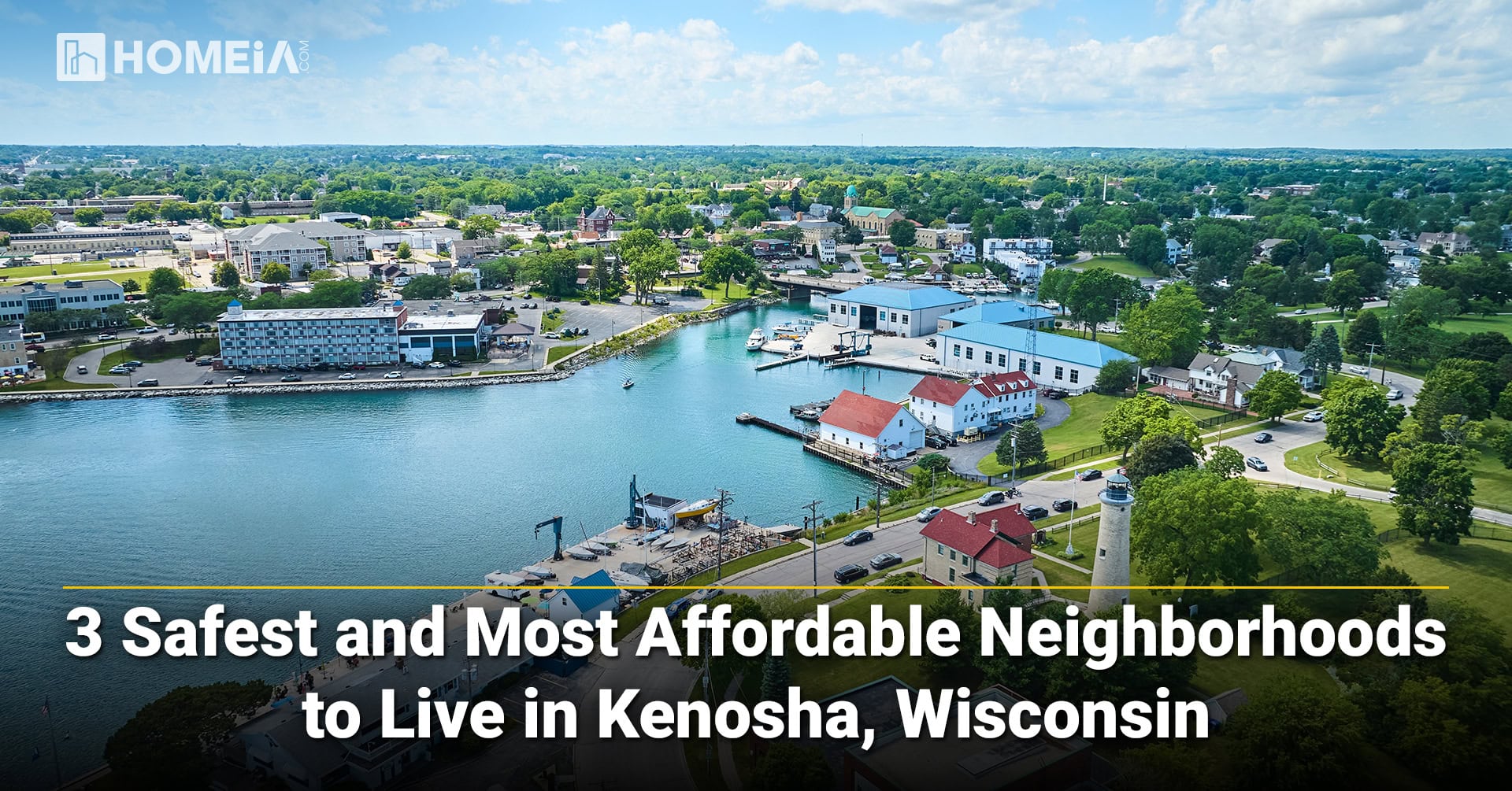
3 Safest and Most Affordable Neighborhoods to Live in Kenosha, Wisconsin
Kenosha, Wisconsin offers a unique blend of Midwestern charm and lakefront beauty. Located on Lake Michigan, approximately 60 miles north of Chicago and 40 miles south of Milwaukee, the fourth…
-
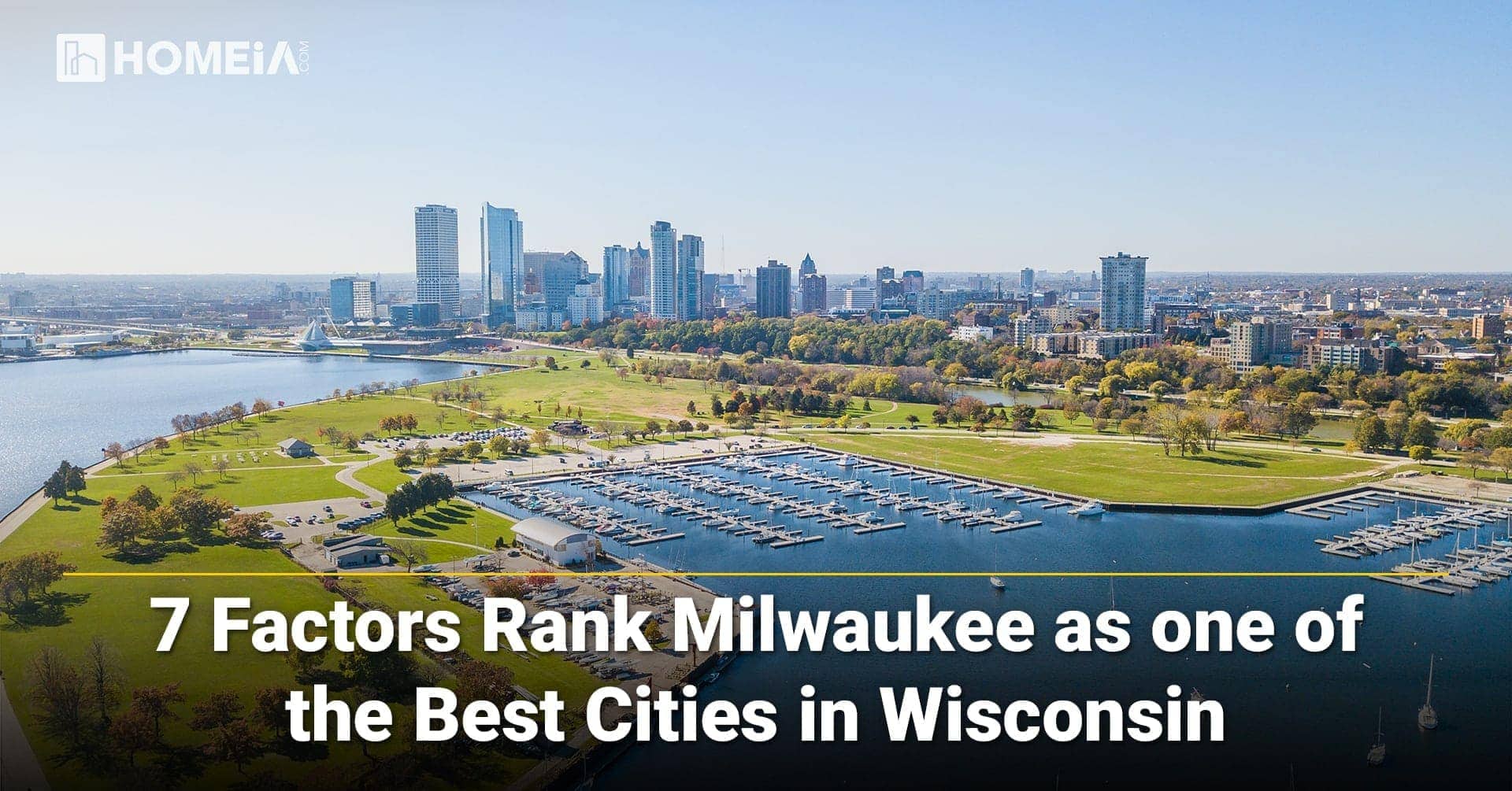
7 Key Factors to Know About Living in Milwaukee, Wisconsin
Living in Wisconsin is affordable for many people who want a reasonable cost of living place. If you want the variety, history, and entertainment options of a big city, but…
Related Topics








-
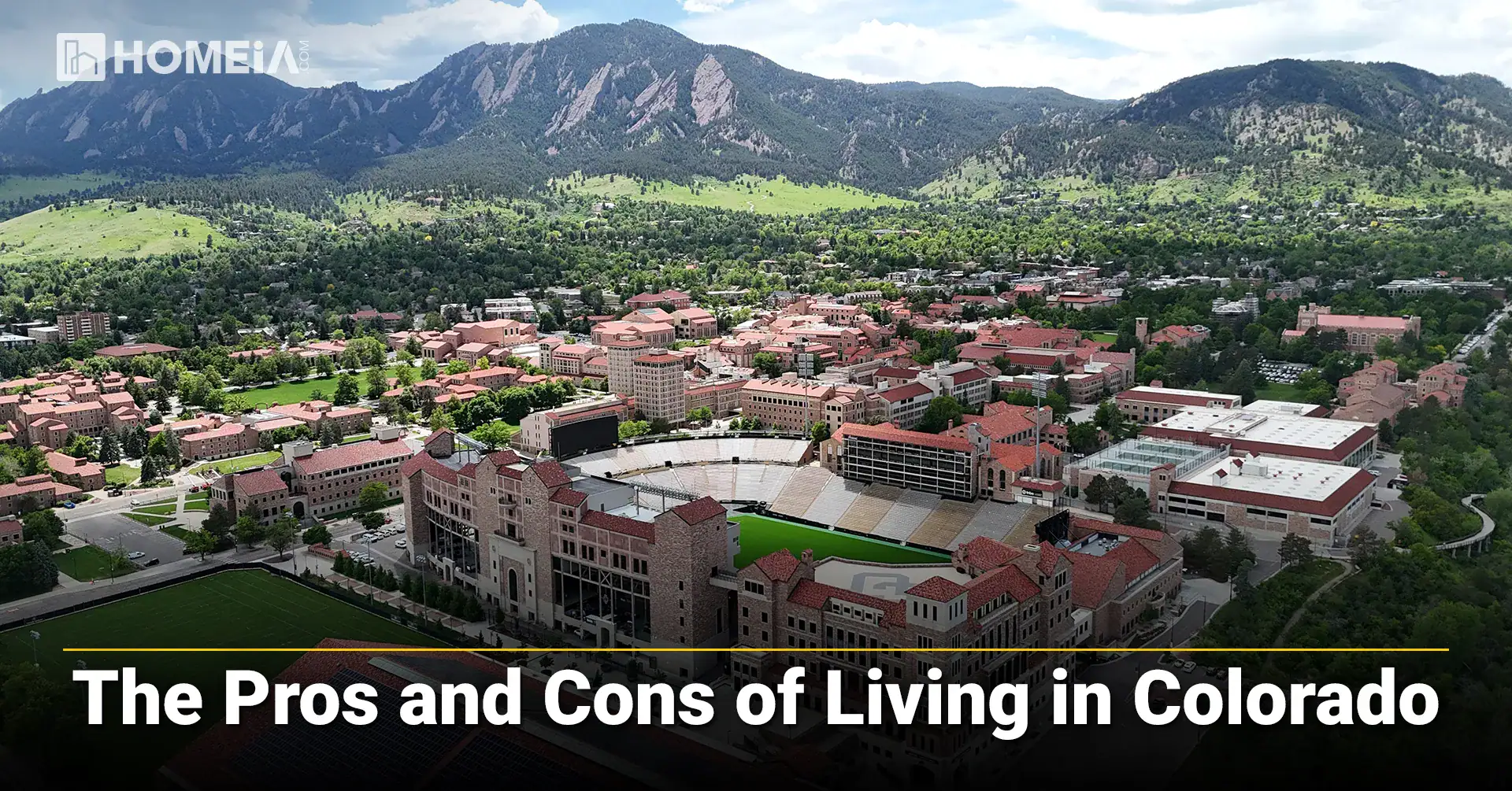
The Pros and Cons of Living in Colorado
More than half of Colorado residents are transplants. If you do relocate to the Centennial State, don’t be surprised when the “natives” give you a hard time. Whether you settle along the Front Range or the Western Slope, you’ll enjoy…
-
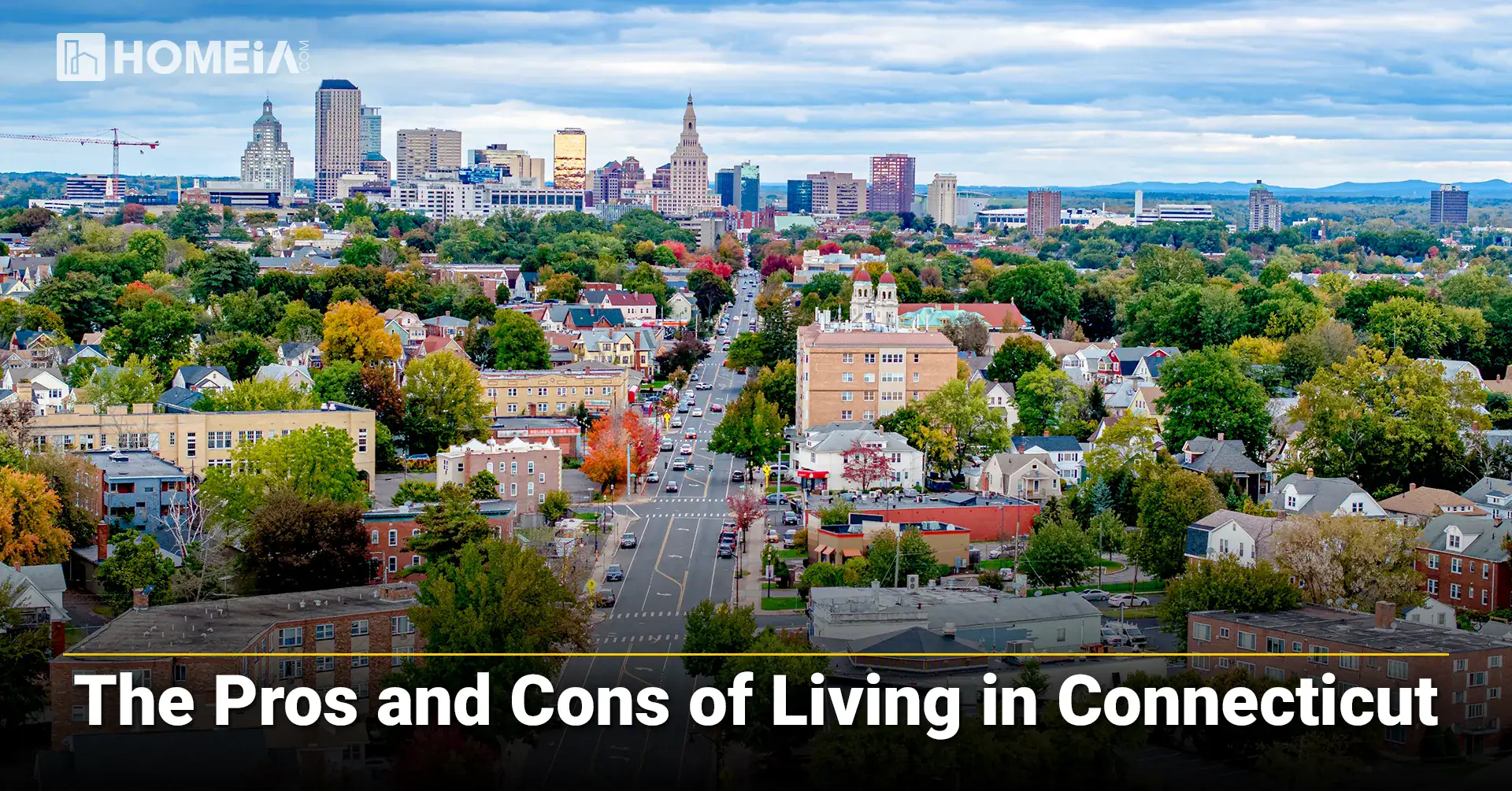
The Pros and Cons of Living in Connecticut
Nestled in the heart of New England, Connecticut offers a unique blend of historic charm, coastal beauty, and modern affluence. Known as the Constitution State, it boasts proximity to major cities like New York City and Boston while maintaining its own identity with…
-

The Pros and Cons of Living in Delaware
When picturing Delaware, what comes to mind are tax-free shopping, beautiful beaches, and proximity to major East Coast cities. But the First State offers more than financial advantages; here exists a place where historic charm, corporate headquarters, and relaxed coastal…

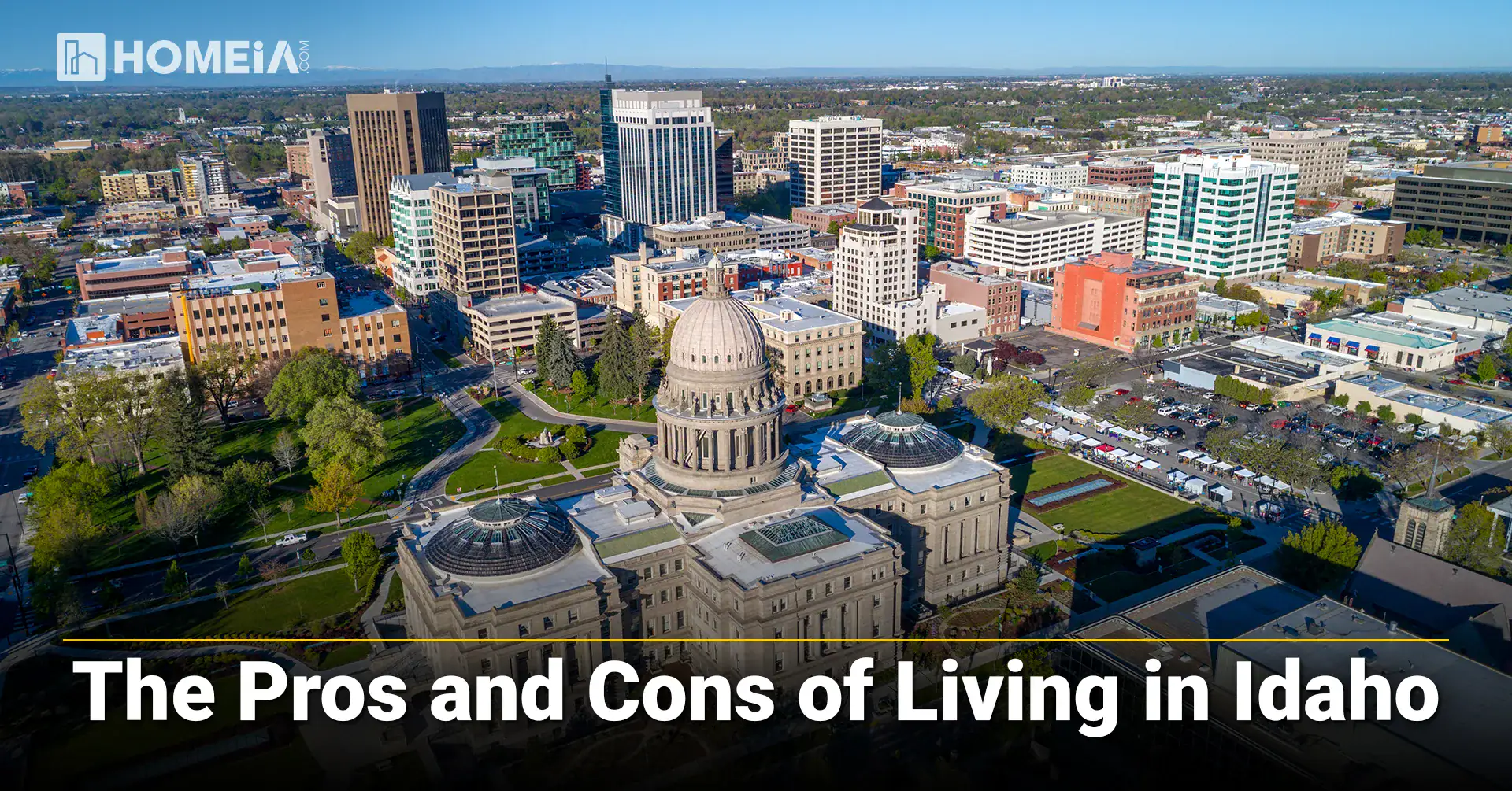

-
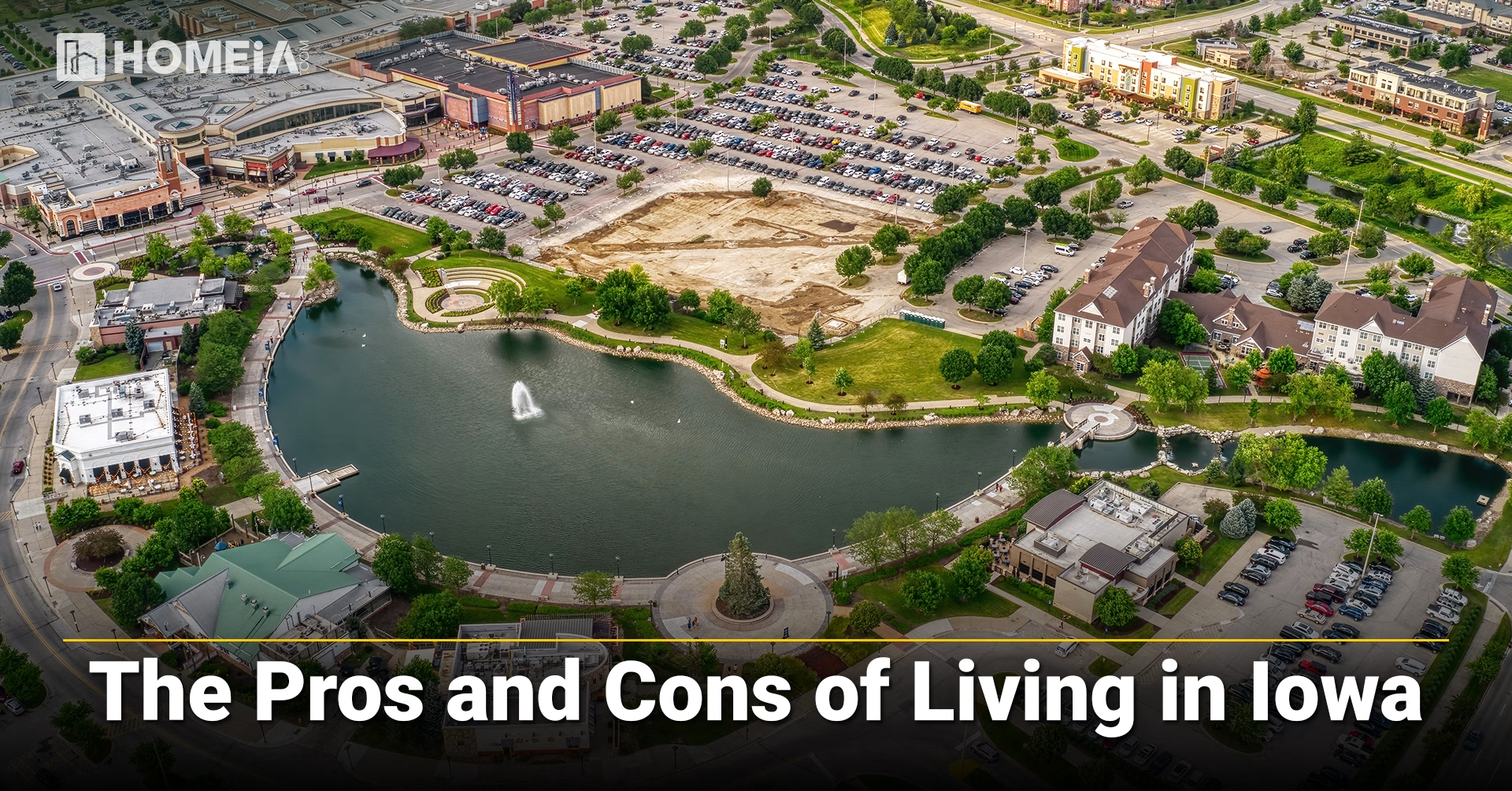
The Pros and Cons of Living in Iowa
When picturing Iowa, what comes to mind are vast cornfields, rolling hills, and an established agricultural heritage. But the Hawkeye State offers more than what you see on a farm; here lies a place where strong communities, affordable living, and…
-
The Pros and Cons of Living in Louisiana
When picturing Louisiana, vibrant jazz music, spicy Creole cuisine, and historic French Quarter architecture are what usually appears. But the Pelican State offers more than Southern clichés; here lies a place where unique cultures, standout cuisine, and relaxed pace of…
-

The Pros and Cons of Living in Maine
When picturing Maine, what one envisions are rugged coastlines, lobster shacks, and dense forests. But the Pine Tree State offers more than New England stereotypes; here lies a place where maritime heritage, outdoor adventure, and resilient spirit define everyday living.…
-

The Pros and Cons of Living in Nevada
When picturing Nevada, what comes to mind are glittering casinos, vast desert landscapes, and the 24-hour energy of Las Vegas. But the 36th state offers more than entertainment clichés; tax advantages, outdoor recreation, and economic opportunity define everyday living. Yet,…
-
The Pros and Cons of Living in New Hampshire
When picturing New Hampshire, what comes to mind are picturesque New England villages, stunning White Mountains, and a fiercely independent spirit. But the Granite State offers more than colonial charm; here lies a place where low taxes, outdoor adventure, and…
-

The Pros and Cons of Living in New Mexico
When picturing New Mexico, what comes to mind are vast desert landscapes, adobe architecture, and vibrant chili peppers. But the Land of Enchantment offers more than meets the eye; here lies a place where ancient cultures, standout arts scenes, and…

-
The Pros and Cons of Living in Rhode Island
When picturing Rhode Island, what comes to mind are historic colonial architecture, breathtaking coastline, and being the smallest state in the nation. But Little Rhody offers more than New England clichés; here lies a place where rich maritime heritage, vibrant…
-
The Pros and Cons of Living in South Dakota (2026)
When picturing South Dakota, what comes to mind are vast prairies, Mount Rushmore, and the rugged beauty of the Badlands. But the Land of Infinite Variety offers more than Western clichés; here lies a place where pioneer spirit, outdoor adventure,…
-
The Pros and Cons of Living in Utah
When picturing the State of Utah in the Mountain West, many imagine iconic red rock landscapes, world-class ski resorts, and a vibrant, family-oriented culture. And while all of those are essential pieces of the state's identity, there's so much more…
-

The Pros and Cons of Living in Florida
Relocating to a new state is a big move – pun intended! – and requires careful consideration of both the state as well as the specific community you're thinking to join. If you're considering Florida, you're in luck; the Sunshine…
-
Pros and Cons of Living in Georgia
Relocating to a new state is a significant decision, one that requires thoughtful consideration of both the state as a whole and the specific community you're considering. If you're thinking about moving to Georgia, you'll find the Peach State offers…
-
Pros and Cons of Living in Michigan
Relocating to a new state requires careful consideration of both the state as a whole and the specific community you'll join. If you're considering Michigan, you're in luck---the Great Lakes State offers diverse options for all ages, budgets, family situations,…


-

The Pros and Cons of Living in Denver, Colorado
Looking for stellar public schools, world-class ski resorts, and a thriving city all in one spot? Denver, Colorado, may be the place for you. The Mile High City offers a unique blend of outdoor adventure, economic opportunity, and urban convenience.…
-
The Pros and Cons of Living in Illinois (updated)
Relocating to a new state requires careful consideration of both the state as a whole and the specific community you'll join. If you're considering Illinois, you'll find a state home to vibrant cities, charming small towns, and a diverse mix…
-
The Pros and Cons of Living in Kentucky
When you think of Kentucky, you might conjure up images of fried chicken, bourbon, and horse racing. While you will find no shortage of those things in the Bluegrass State, it has so much more to offer. Kentucky is a…
-
The Pros and Cons of Living in New York
Relocating to a new state requires careful consideration of both the state as a whole and the specific community you'll join. New York offers a state of extremes—home to the world's most iconic city, vibrant upstate towns, and breathtaking natural…
-
The Pros and Cons of Living in North Carolina
What does North Carolina have to offer? If you want one word to describe North Carolina, “varied” would be an excellent choice. Do you love the mountains or the beach? In this Southeastern state, you will find plenty of both.…
-
The Pros and Cons of Living in Ohio
On any given day in Ohio, you could find yourself in two completely different states of mind in a difference of an hour. One moment, you are looking at a beautiful view of snow-topped trees from a lookout point high…


-
The Pros and Cons of Living in Tennessee
People have been migrating to the South at an unprecedented rate in recent years, making it the leading region for population growth in the United States. This historic pattern of migration is driven by a complex range of factors, including…
-
The Pros and Cons of Living in Texas
Howdy! Thinking about moving to the Lone Star State? You’re not alone. Moving to Texas is trending as the state continues to attract new residents with its economic opportunities, cultural vibrancy, affordable cost of living, and distinctive lifestyle. Relocating to…
-
The Pros and Cons of Living in West Virginia
Relocating to West Virginia is a major decision requiring careful consideration of both the state's overall character and the communities you might call home. If you're considering moving to West Virginia, the Mountain State offers a unique blend of affordability,…