







Wyoming
Living In Wyoming
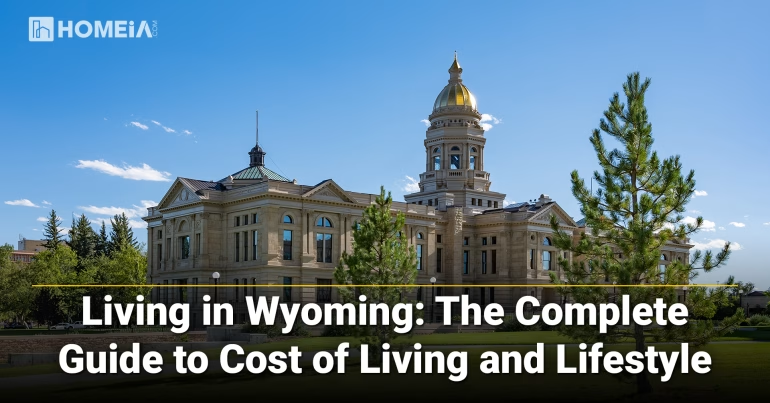
Table of Contents:
The Complete Guide to Cost of Living and Lifestyle
Wyoming offers a unique value proposition with its low cost of living, no state income tax, and unparalleled access to nature and outdoor recreation. The Cowboy State attracts everyone from outdoor enthusiasts and retirees to remote workers and families seeking an affordable, adventure-filled life. However, sacrifices are made, including treacherous winters and limited urban amenities. This comprehensive living in Wyoming guide covers housing prices, taxes, daily expenses, and lifestyle factors to help you decide if Wyoming is your next home.
Key Takeaways
- Affordable Housing: WY’s housing market is a primary driver of its low cost of living, with median home prices consistently below the national average. However, costs vary significantly between cities like Jackson and Cheyenne.
- Tax-Friendly Environment: Here offers one of the most favorable tax structures in the nation with no state income tax and relatively low property taxes, making it attractive for both workers and retirees.
- High Everyday Costs: While housing is economical, other expenses like utilities (due to extreme temperatures), groceries, and healthcare often meet or exceed national averages, impacting the overall budget.
- Lifestyle Trade-Off: The benefits of affordable living, stunning natural beauty, and outdoor access are balanced against harsh winters, geographic isolation, and limited cultural amenities in smaller towns.
- Community is Key: Community involvement and connection to nature are intangible benefits that greatly enhance the quality of life for those who embrace their authentic way of life.
I. Methodology: How We Analyzed the Cost of Living
Our analysis is based on a multi-factor review of key elements that impact residents’ financial well-being and daily life. We compiled data from reputable 2025 sources, including the U.S. Census Bureau, Bureau of Labor Statistics, Zillow housing market reports, Tax Foundation, and local Wyoming state agencies.
Our evaluation criteria are weighted as follows:
- Housing & Affordability (30%): The largest budget item. We analyze median home prices, rental costs, and property taxes, using ratios like home-price-to-income to gauge true accessibility.
- Daily Living Expenses (25%): This metric takes into account costs defining a daily budget, including groceries, utilities, transportation, and healthcare, benchmarked against national averages.
- Tax Burden (20%): A crucial component of affordability. We assess the impact of state income, sales, and property taxes on overall financial planning for both workers and retirees.
- Income & Economic Context (15%): Affordability is relative to earnings. We review median household incomes and economic stability to provide context for the cost data.
- Lifestyle Value (10%): We evaluate the intangible ROI of living in Wyoming, considering access to outdoor recreation, community amenities, and quality of life that offset monetary costs.

Related article
Our Methodologies to create HOMEiA Score Ratings for Each Group of Content
HOMEiA uses a consistent, data-driven methodology to evaluate U.S. states for livability, affordability, and long-term value. Our analysis centers on key factors such as Housing and Affordability, Cost of Daily Living, Access and Infrastructure, Community Strength, Safety and Quality of Life, Economic Resilience and Job Market…
II. Detailed Community Analysis: Wyoming’s Most Affordable Cities
1. Wyoming Housing Costs: Navigating an Affordable Market

Wyoming’s housing market is a beacon of affordability in the West. Expenditures are significantly lower than the national average but vary dramatically between tourist destinations and working-class towns.
A. Major Wyoming Cities Housing Costs
|
City |
Median Home Price |
Avg. Rent (2-Bedroom) |
Home Price to Income Ratio |
Income to Rent Ratio |
Safety Rating |
|---|---|---|---|---|---|
| Rock Springs | ~$284,793 | $950 – $1,150 | 3.4:1 | 32.1x | 74 |
| Gillette | ~$349,563 | $1,000 – $1,200 | 3.5:1 | 33.3x | 76 |
| Sheridan | ~$417,935 | $1,050 – $1,250 | 3.7:1 | 34.8x | 79 |
| Casper | ~$295,371 | $1,100 – $1,300 | 3.8:1 | 35.7x | 78 |
| Laramie | ~$371,533 | $1,150 – $1,350 | 4.0:1 | 36.9x | 80 |
| Cheyenne | ~$367,326 | $1,200 – $1,400 | 4.2:1 | 38.1x | 75 |
| Jackson | ~$1,970,522 | $1,800 – $2,200 | 11.5:1 | 45.2x | 82 |
B. Wyoming Housing Strategies and Financial Options
Financing a home is straightforward, with widely accepted FHA, VA, and conventional loans. However, first-time homebuyers should pay special attention to energy efficiency. Pre-war (before 1945) homes can be costly to heat in the winter, while poorly insulated properties can incur offsetting heating costs. A thorough inspection is critical. For rural properties, well and septic system inspections are non-negotiable.
Related article
The Pros and Cons of Living in Wyoming
Wyoming offers rugged beauty, outdoor adventure, and a low-tax lifestyle rooted in independence. But life here also brings harsh winters, limited job opportunities, and sparse communities. This balanced guide explores the pros and cons of living in the Cowboy State and highlights the best cities for professionals, families, and retirees…
2. Wyoming Tax Structure: A Mixed Picture

A. Wyoming State Taxes Overview
WY’s tax structure is one of the most favorable in the nation. Highly-favorable, it has no state income tax while providing relatively low property taxes. However, their statewide sales tax (4%) combined with local option taxes can be a burden on working residents. Local municipalities add their own sales taxes, seeing the total rate exceeding 6% in some areas.
B. Tax Comparison: Wyoming vs. Other States
|
Tax Type |
Wyoming |
Colorado |
Montana |
Utah |
National Avg. |
|---|---|---|---|---|---|
| State Income Tax | 0% | 4.40% Flat | 1.0% – 6.75% | 4.65% Flat | ~5.1% |
| State Sales Tax | 4% + local | 2.90% | 0% | 4.85% | ~6.35% |
| Avg. Combined Sales Tax | ~5.5% | ~7.78% | ~0% | ~7.19% | ~7.12% |
| Avg. Property Tax | 0.61% | 0.55% | 0.83% | 0.63% | 1.07% |
| Social Security Taxed? | No | Yes | No | Yes | N/A |
3. Daily Living Expenses in Wyoming
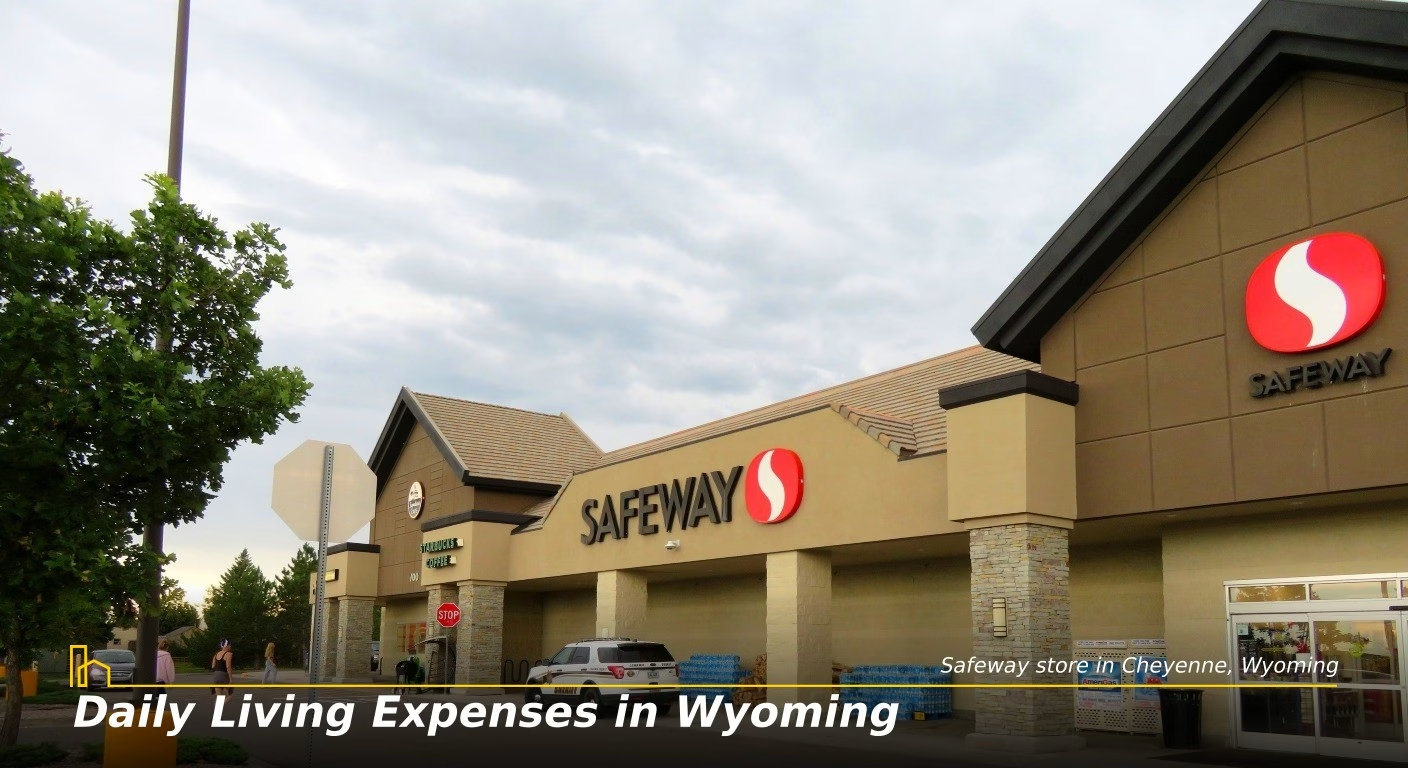
Overall cost of living is roughly 6% below the national average, but daily expenses tell a more nuanced story.
A. Monthly Living Costs Breakdown
|
Expense Category |
Wyoming Cost |
National Comparison |
|---|---|---|
| Groceries (per person) | $320-$380/month | 0.8%-1% below average |
| Utilities (Monthly Avg.) | $180-$350/month | 10% lower not consistently; can be higher in winter |
| Gasoline | ~$3.00/gallon | Below average |
| Healthcare (individual) | $450-$550/month | Near national average |
| Internet | $75-$110/month | Near national average |
B. Cost-Saving Strategies for Wyoming Living: Smart Wyomingites mitigate high costs by:
- Shopping Sales & Buying in Bulk: Walmart and Albertsons are staples. Stocking up during sales is second nature.
- Eating Local: Purchasing fresh produce at farmers’ markets and hunting/fishing for protein sources.
- Energy Efficiency: Investing in efficient heating systems and ensuring homes are well-insulated against harsh winters.
- Utilizing the Outdoors: Low-cost recreation including hiking, fishing, and camping replaces expensive entertainment.
Related article
Moving to Wyoming: The Complete Relocation Guide & Checklist
Wyoming offers a rugged, low-density lifestyle defined by mountains, open plains, and Western independence. With no state income tax and a relatively low cost of living, it attracts newcomers seeking natural beauty, self-reliance, and tight-knit communities. This guide covers climate, costs, and residency basics…
4. Family Life in Wyoming: Education and Community
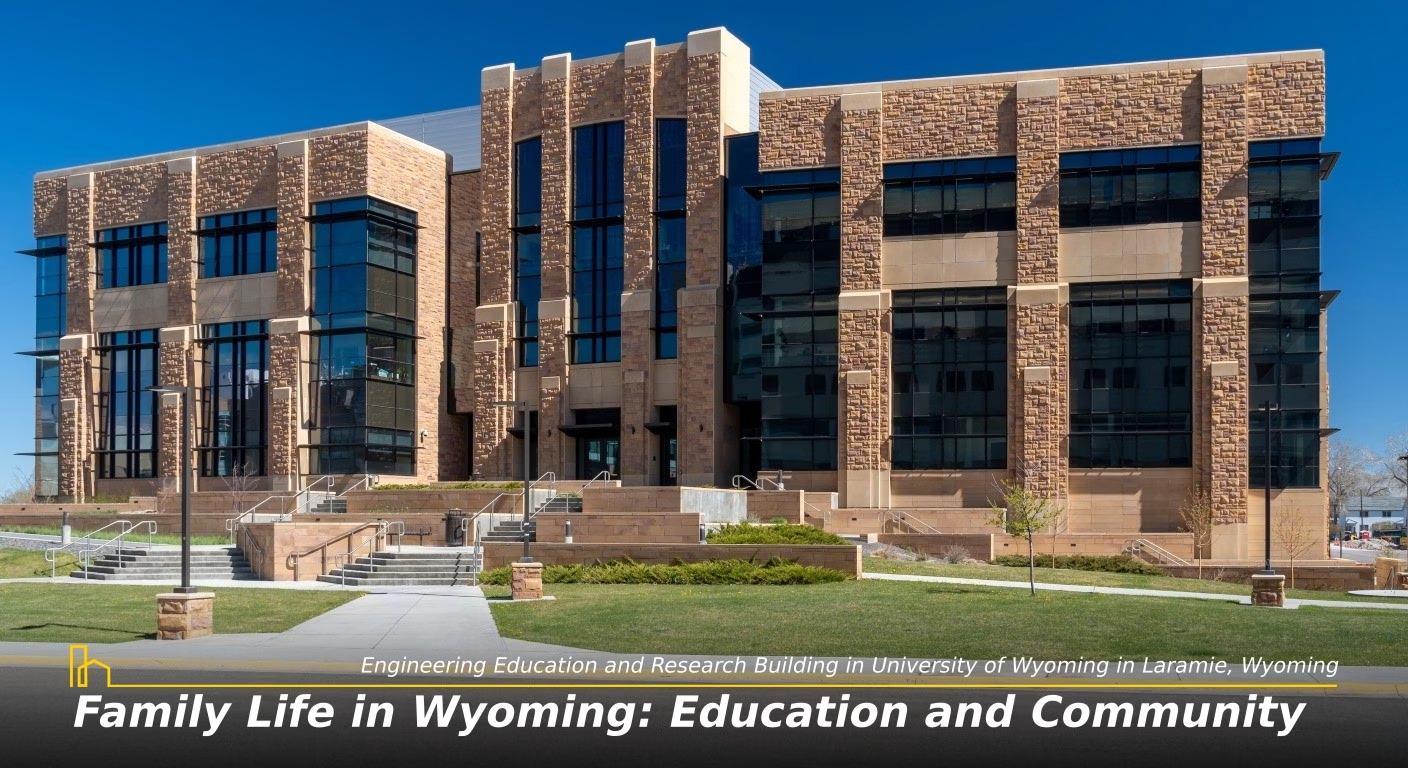
Here,a unique family life with interconnected community bonds, though quality of education varies by location.
A. Education in Wyoming: School quality differs significantly. Districts in Laramie and Sheridan are highly rated and competitive. However, the public education system overall often ranks in the middle of national evaluations. To address, a robust network of community colleges along with a growing homeschooling community. Students can take advantage of various scholarship programs for in-state college tuition.
B. Childcare and Family Costs
|
Family Expense |
Wyoming Cost |
Available Support |
|---|---|---|
| Childcare (Monthly) | $650-$850/month | Limited state assistance programs |
| Youth Sports | $80-$250/season | Community leagues are affordable and popular |
| 4-H & Outdoor Programs | Varies | Very accessible and a big part of rural culture |
5. Wyoming Transportation: A Car-Dependent State
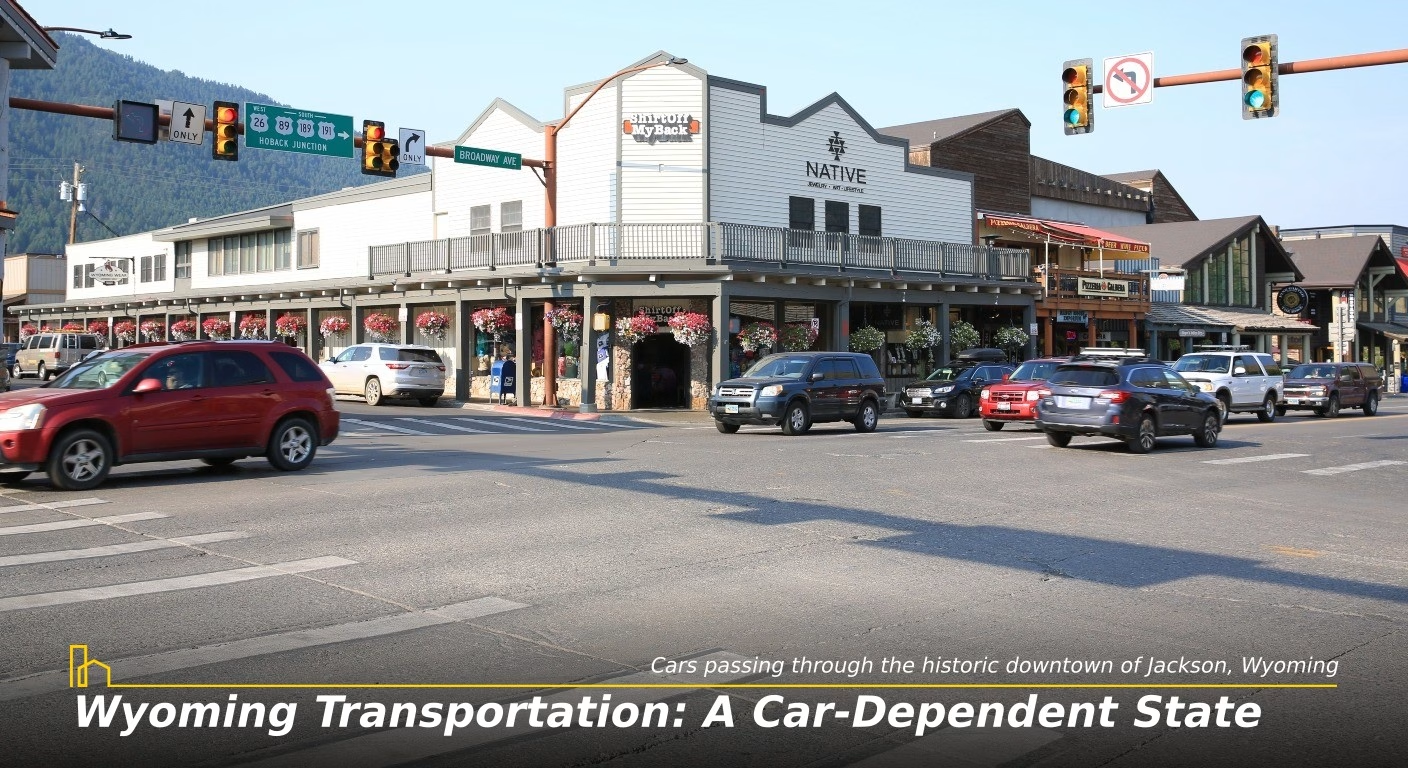
Transportation is a necessary budget line item.
A. Vehicle-Related Expenses
|
Transportation Cost |
Wyoming Average |
National Comparison |
|---|---|---|
| Auto Insurance | $1,200-$1,600/year | Slightly below average |
| Gas Prices | ~$3.00/gallon | Below average |
| Vehicle Registration | $40-$80/year | Based on vehicle weight and model year |
| Annual Mileage | ~15,000 miles | Above average due to large distances between cities |
B. Public Transit and Air Travel
- Major Cities: Have limited bus systems in Cheyenne and Casper.
- Other Areas: Offer no public transit.
- Air Travel: Essential for travel domestically and internationally. Jackson Hole Airport (JAC) and Casper/Natrona County International Airport (CPR) are the major hubs.
Recommended for you




6. Wyoming Job Market and Income Potential
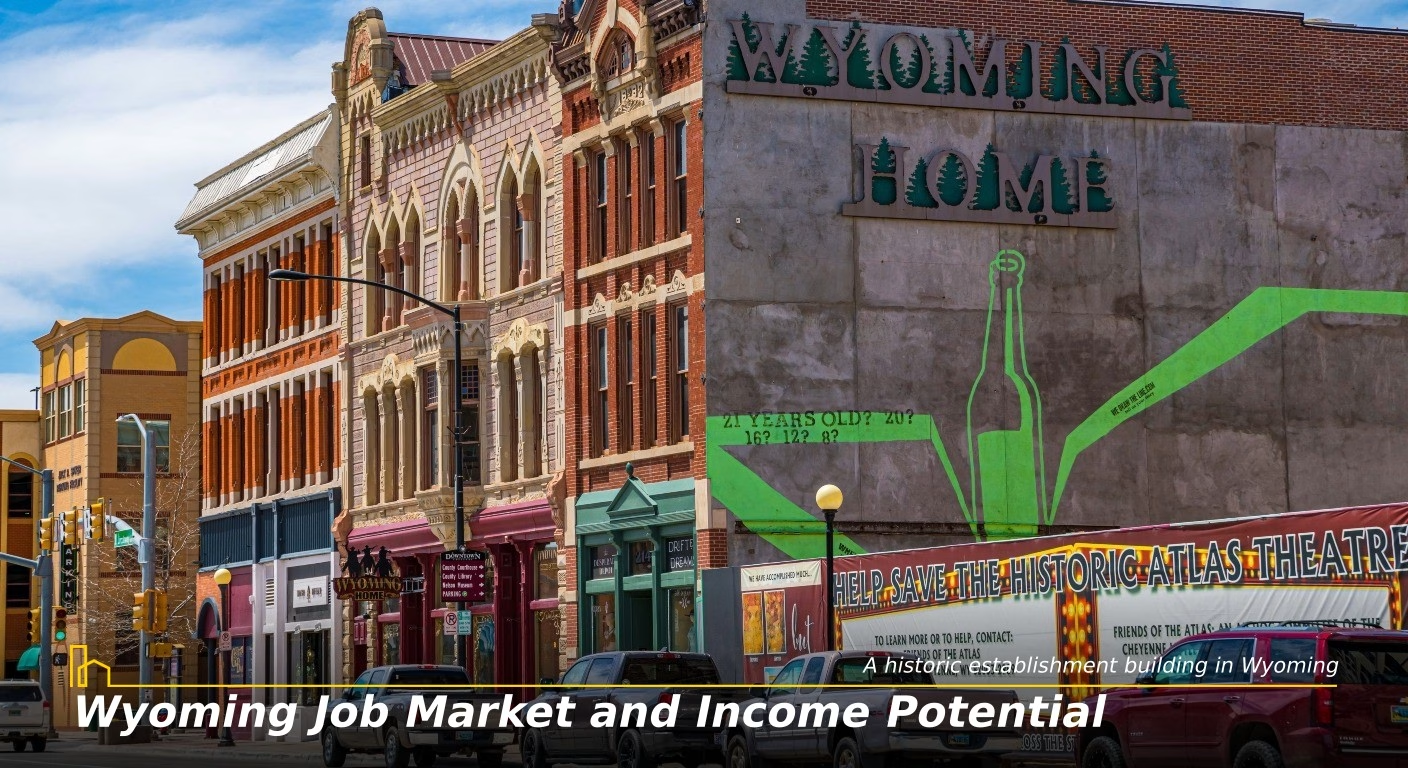
Economic performance is specialized, and incomes reflect that.
A. Income Statistics and Employment
|
Income Metric |
Wyoming |
National Average |
|---|---|---|
| Minimum Wage | $7.25/hour | $7.25/hour |
| Median Household Income | $68,000 | ~$75,000 |
| Unemployment Rate | ~3.9% | ~3.9% |
B. Major Wyoming Employers and Industries
|
Industry |
Key Companies/Employers |
Typical Salary Range |
|---|---|---|
| Energy | Chevron, Arch Resources, Anadarko | $60,000 – $150,000/year |
| Government | State of WY, Federal agencies | $45,000 – $90,000/year |
| Tourism | Jackson Hole Mountain Resort, Yellowstone | $30,000 – $60,000/year |
| Education | University of Wyoming, Public Schools | $40,000 – $75,000/year |
| Healthcare | Wyoming Medical Center, Cheyenne Regional | $50,000 – $110,000/year |
Related article
The 5 Best Places to Live in Wyoming: A City Comparison
Wyoming blends vast natural beauty with small-town living and frontier values. Choosing the right city is key to matching lifestyle goals. This data-driven guide ranks the five best places to live in Wyoming for 2025, evaluating affordability, jobs, safety, amenities, and quality of life across standout communities…
7. Cost of Living Comparison: Wyoming vs. Other States
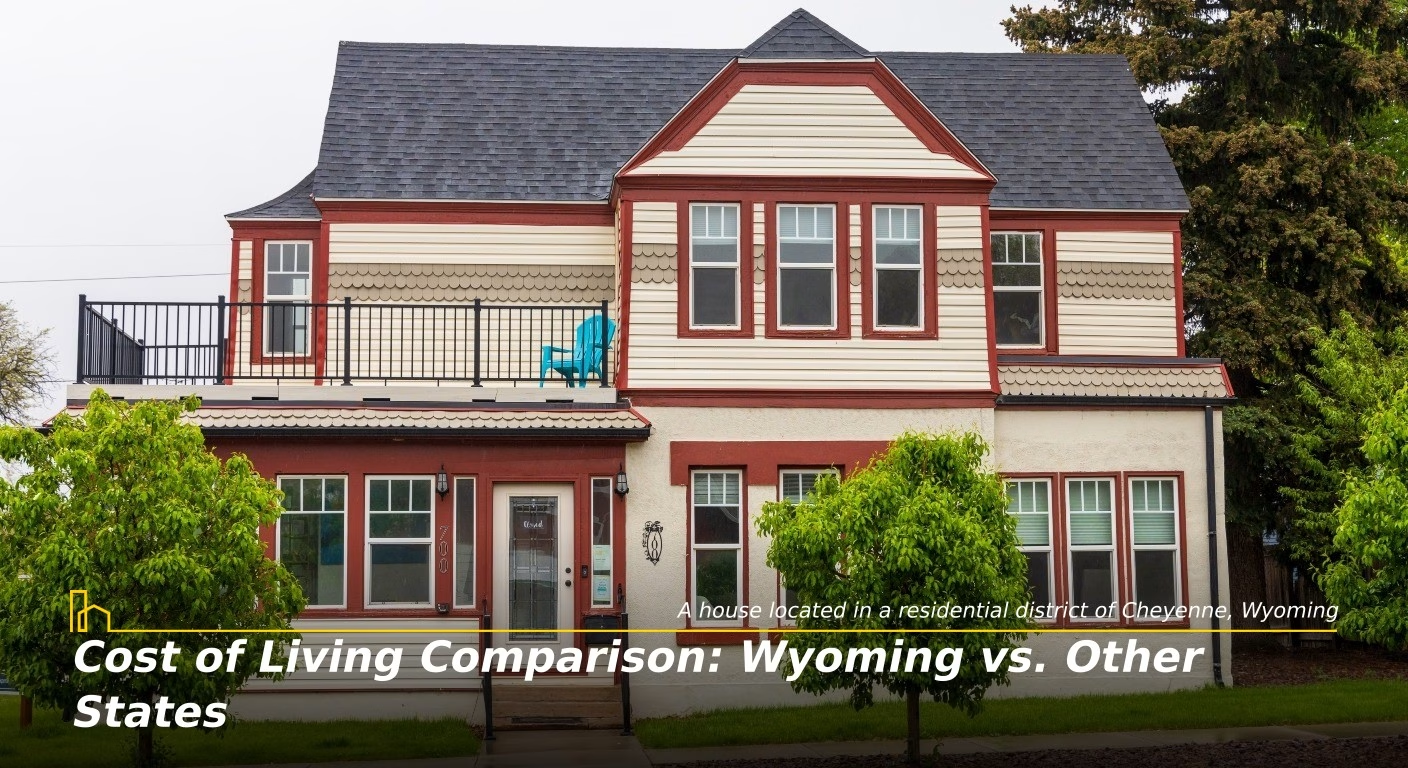
|
Expense Category |
Wyoming |
Colorado |
Montana |
Utah |
|---|---|---|---|---|
| Median Home Price | $353,826 | $555,000 | $445,000 | $485,000 |
| Rent (2-Bedroom) | $1,200 | $1,700 | $1,300 | $1,500 |
| Gas Price/Gallon | $3.00 | $3.50 | $3.40 | $3.60 |
| Utilities (Monthly) | $250 | $190 | $220 | $200 |
8. Wyoming Lifestyle: The Ultimate Trade-Off
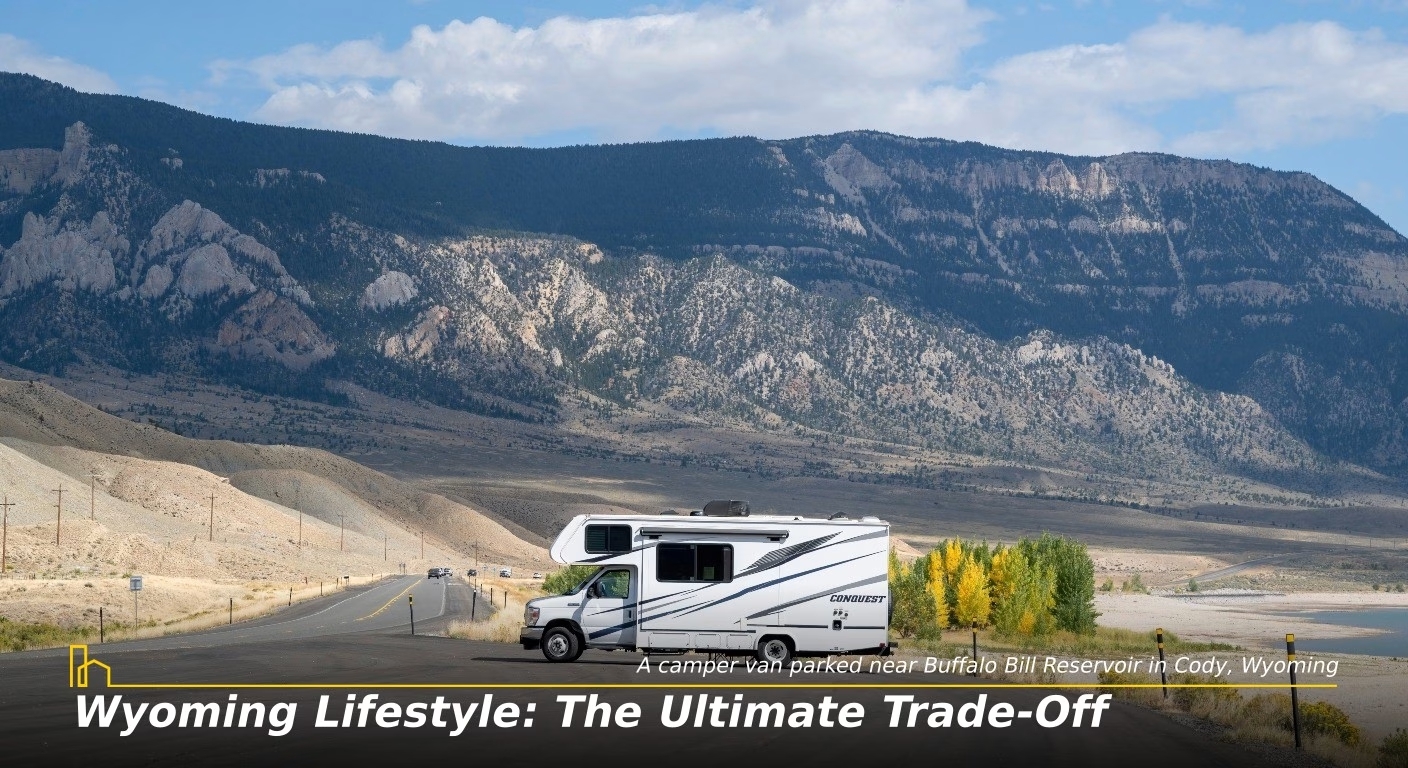
Authentic Wyoming lifestyle combines low costs with high natural rewards: no state income tax, endless outdoor recreation, and a deeply-rooted community spirit. These benefits are balanced against harsh winters, geographic isolation, and limited cultural amenities outside major hubs.
A. Lifestyle Advantages of Wyoming Living: The ability to hike in national parks, enjoy world-class skiing, and experience authentic Western culture on a modest budget is unparalleled. A sense of community and connection to nature provides a quality of life that is difficult to quantify but deeply felt by residents.
B. Wyoming Living Challenges: Its relatively low median income in certain sectors is the most significant hurdle for working professionals. Access to specialized healthcare, certain consumer goods, and cultural amenities can be limited and require a drive to larger cities or out of state.
Related article
9. Best Places to Live in Wyoming for Different Needs
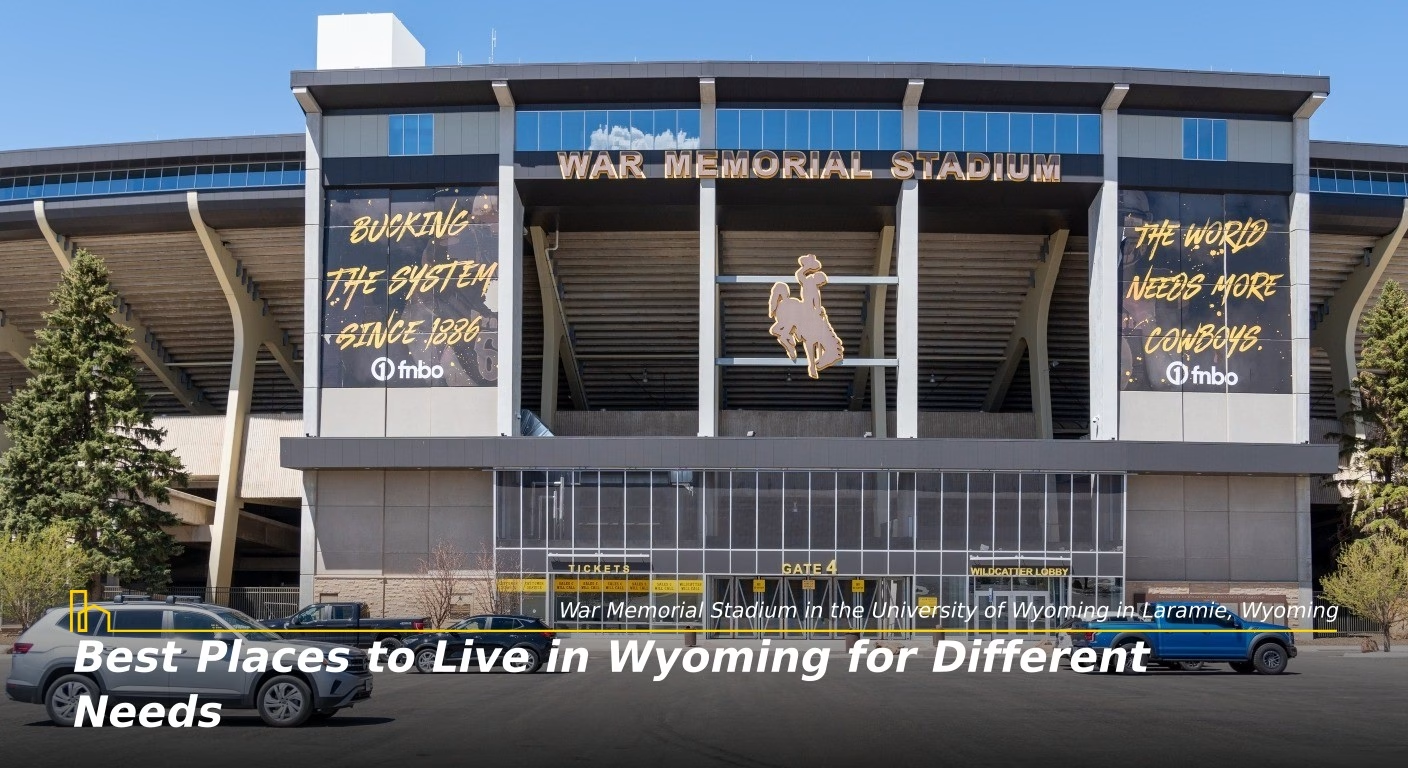
A. Family-Friendly Wyoming Communities
|
Community Type |
Best Cities |
Median Home Price |
Key Benefits |
|---|---|---|---|
| Urban Family | Cheyenne | $367,326 | Top schools, amenities, state capital jobs |
| Affordable Family | Casper | $295,371 | Good schools, low costs, central location |
| Rural Family | Laramie | $371,533 | University town, strong schools, cultural amenities |
B. Professional and Retiree Options
- Cheyenne entails the most diverse government and corporate job opportunities.
- Jackson offers a stable, tourism-focused economy for outdoor enthusiasts and high-net-worth individuals.
- Casper is a hub for energy and healthcare with a moderate cost of living.
- Sheridan and Cody are premier retirement destinations for their mild climates and access to outdoor recreation.
Conclusion: Making Wyoming Living Work for You
Success is dependent upon choosing the right location for your budget and career, preparing for the climate, and embracing a community-oriented mindset. While cost of living is low, strategic financial planning—and a willingness to engage with the local culture—is vital. For those drawn by adventure, authenticity, and financial ease, Wyoming offers a rewarding lifestyle unlike any other. For a comparison with another Western state, explore our guide on the most affordable cities to live in Arizona.
Recommended for you




FAQs About Living in Wyoming
1. What is a comfortable salary to live in Wyoming?
A single person can live comfortably on an annual salary of $50,000-$60,000. Families of four typically need a combined income of $75,000+ to cover housing, groceries, utilities, and transportation confidently, especially in more expensive cities like Jackson.
2. Is Wyoming a tax-friendly state for retirees?
Yes, very. Wyoming is a premier tax-friendly state for retirees. It does not tax any income, including Social Security, pensions, or retirement account distributions, and has relatively low property taxes.
3. How do people afford groceries in Wyoming?
Residents afford groceries by taking advantage of sales at major chains, buying in bulk, and taking advantage of local hunting and fishing for protein sources. Many also grow their own vegetables during the short summer season.
4. Is healthcare more expensive in Wyoming?
Healthcare costs are on average, at or slightly above the national average. Major hubs including Cheyenne and Casper have reliable medical facilities, but specialized care in rural areas can be limited and require travel to Denver or Salt Lake City.
5. What are the biggest hidden costs?
Hidden costs to be wary of are utilities (high heating bills due to cold winters), higher-than-average grocery bills, and transportation costs (long drives for specialized goods or entertainment, and vehicle maintenance on rough rural roads).
6. Is Wyoming a good place to retire?
It can be a premiere choice to retire for the right person. The low cost of living, tax benefits, outdoor recreation, and peaceful lifestyle are enticing. However, retirees must carefully consider their healthcare needs and choose a location with adequate medical access, such as Cheyenne, Casper, or Sheridan.
If you’re considering other relocation options, you might also explore the pros and cons of living in Tennessee, discover the best places to live in Colorado, learn about moving to Florida, compare the pros and cons of living in Texas, or read our guide on moving to California. For those interested in other affordable options, check out the pros and cons of living in Ohio, explore best places to live in Georgia, consider living in North Carolina, or learn about living in Pennsylvania.
Local Editor(s)
-
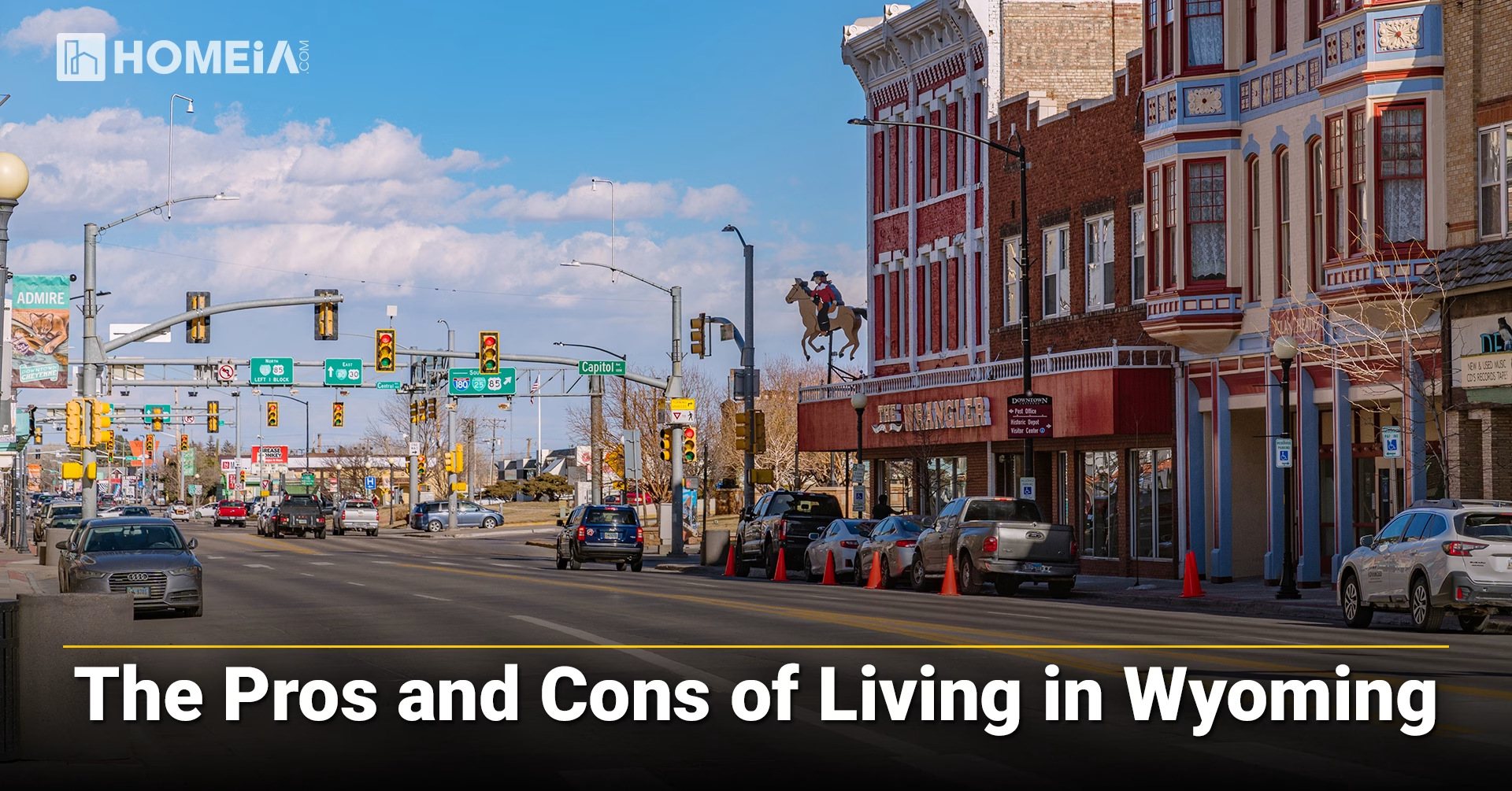
The Pros and Cons of Living in Wyoming
When picturing Wyoming, what comes to mind are vast open plains, majestic mountain ranges, and a pioneering spirit. But here extends even further; sitting instead is a place where rugged…
-
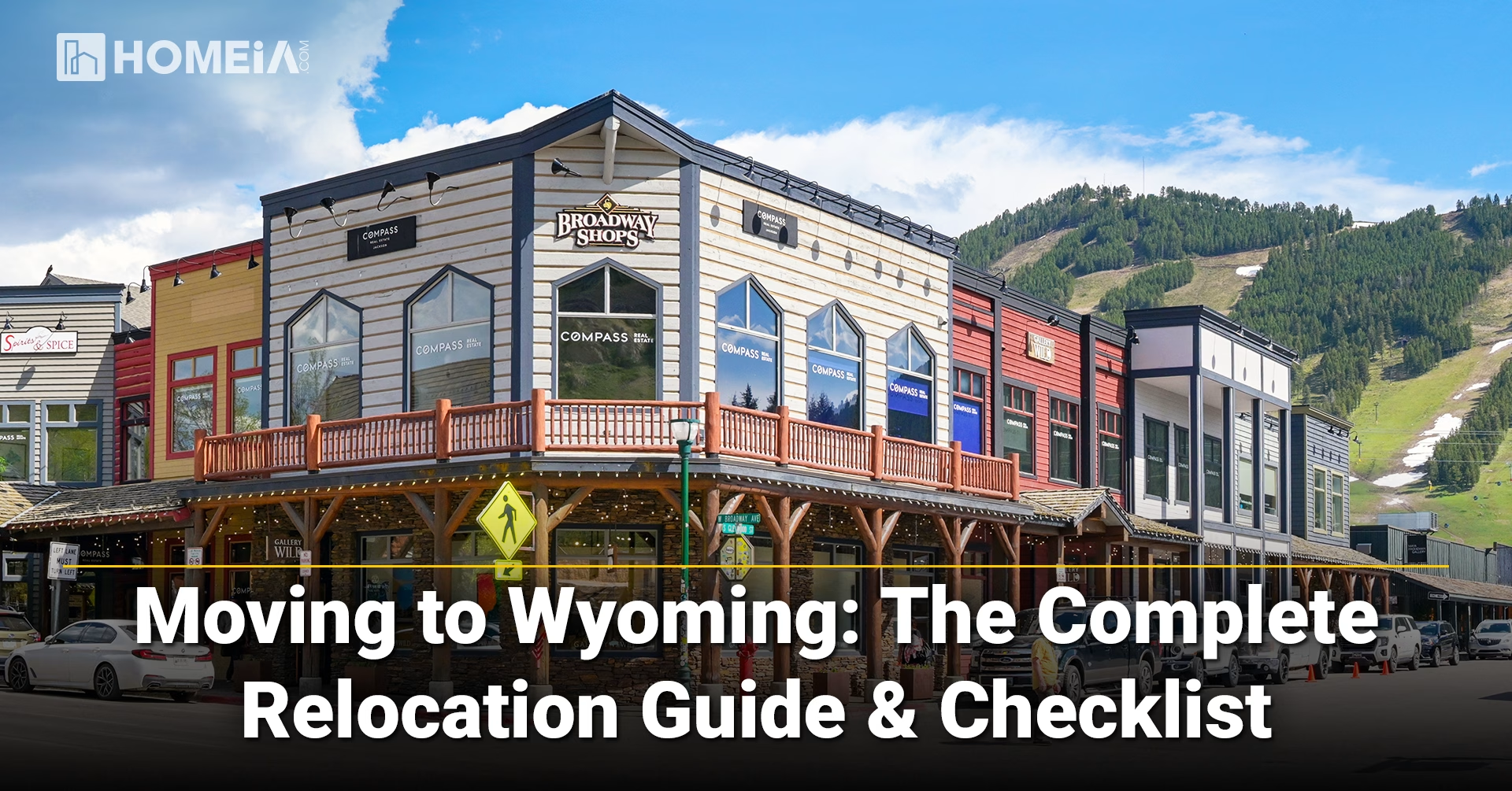
Moving to Wyoming: The Complete Relocation Guide & Checklist
Bordered by Montana, South Dakota, Nebraska, Colorado, Utah, and Idaho, Wyoming offers a lifestyle defined by rugged natural beauty, wide-open spaces, and frontier independence. Over 580,000 residents call it home,…
-
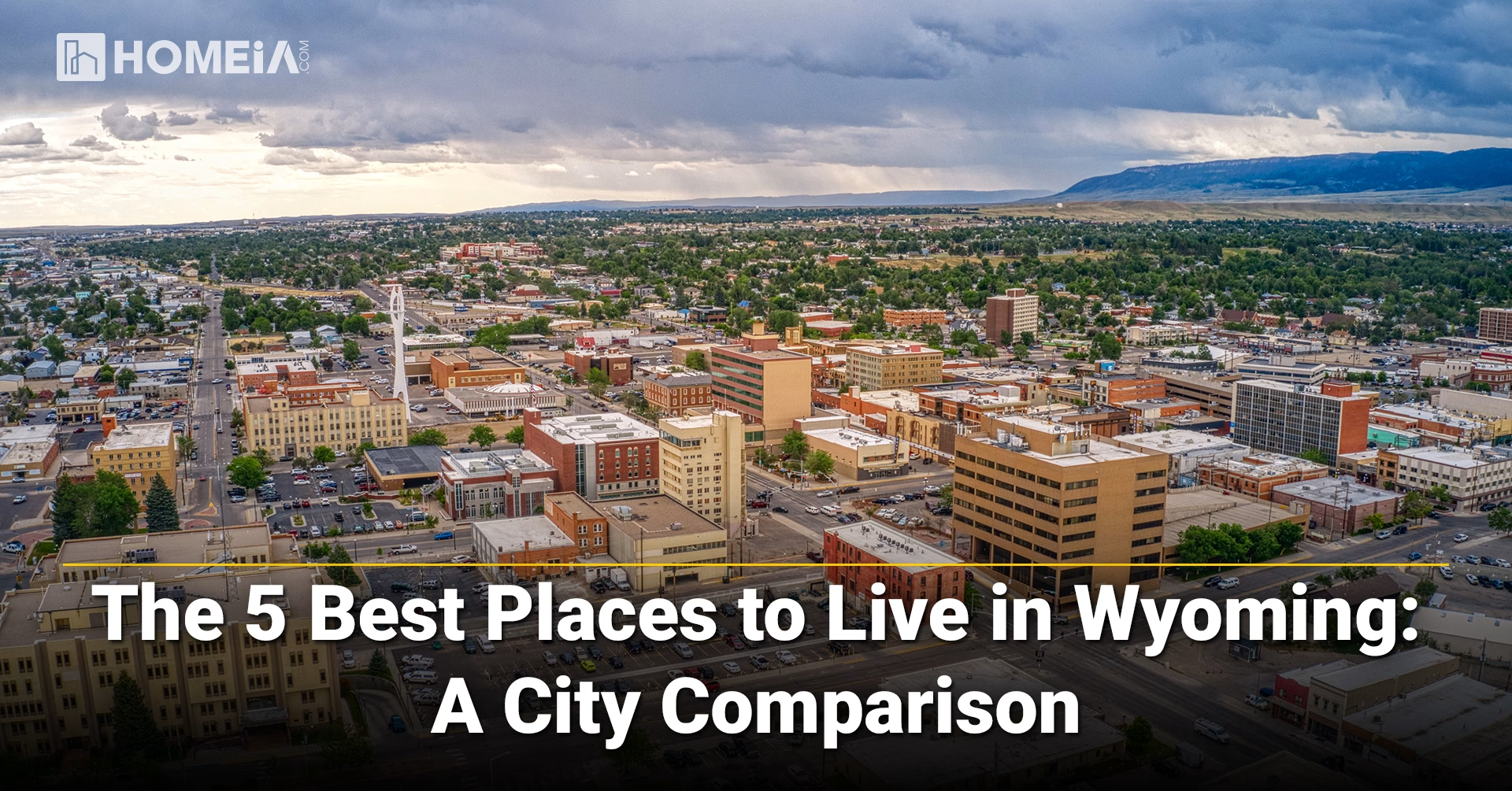
The 5 Best Places to Live in Wyoming: A City Comparison
Wyoming is a state of breathtaking natural beauty, where wide-open spaces meet rugged mountain ranges and frontier spirit thrives in modern communities. Choosing the right community within the Equality State…
-
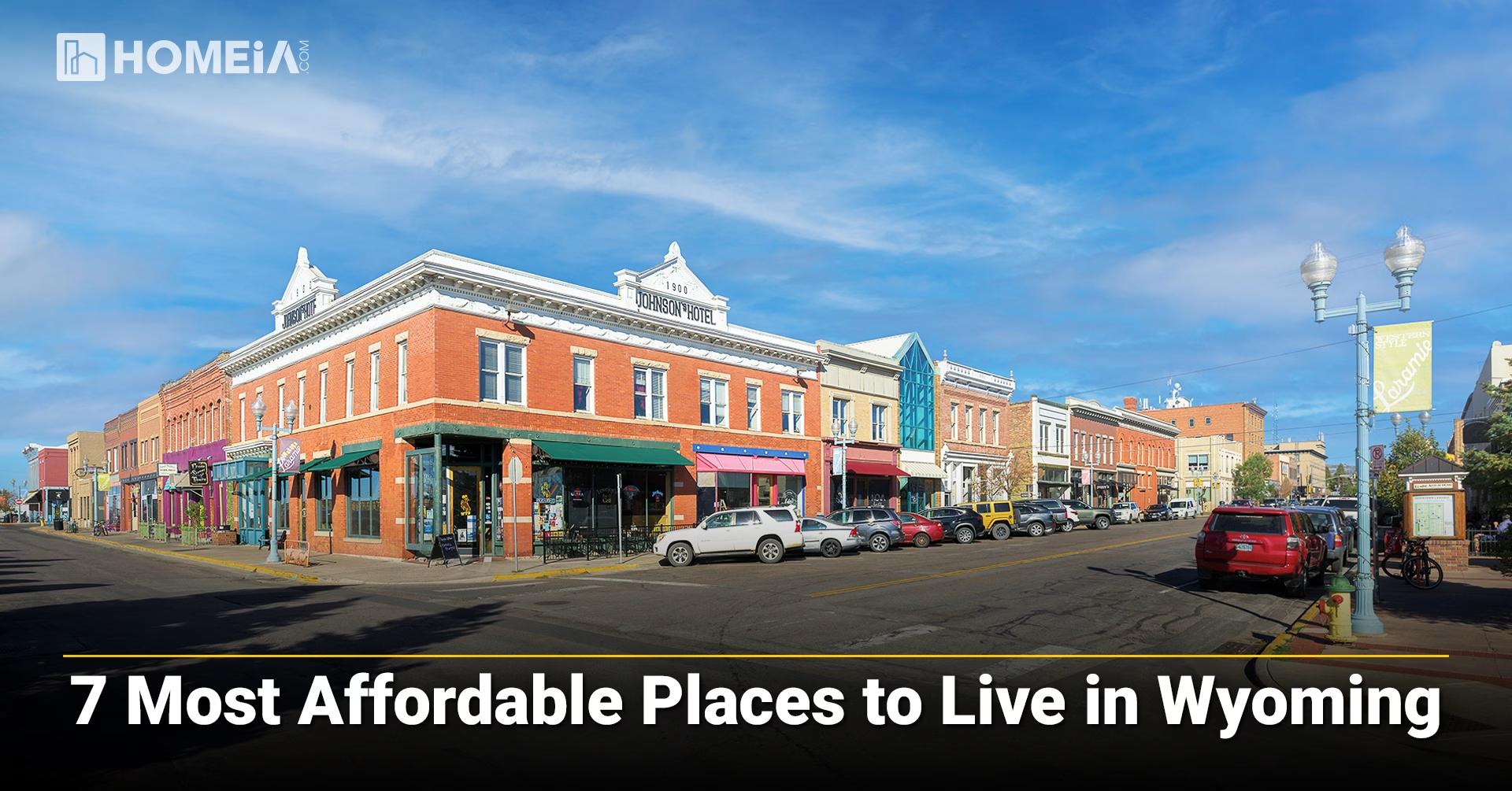
7 Most Affordable Places to Live in Wyoming
In a state defined by its rugged landscapes and wide-open spaces, Wyoming stands out for its remarkably affordable cost of living. With no state income tax and a median home…
-
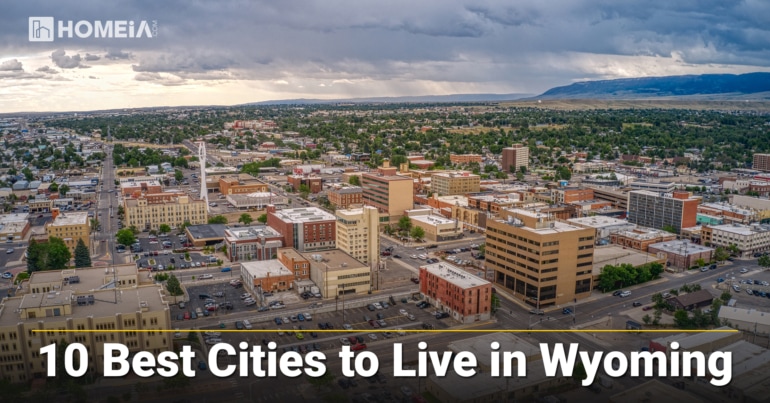
Top 10 Best Places to Live in Wyoming for Families
More and more people are moving to Wyoming to settle down. Wyoming is known for its big skies, open prairies, and cowboy boots — yet it’s more than that. It…
Related Topics








-
The Pros and Cons of Living in Connecticut
Nestled in the heart of New England, Connecticut offers a unique blend of historic charm, coastal beauty, and modern affluence. Known as the Constitution State, it boasts proximity to major cities like New York City and Boston while maintaining its own identity with…
-

The Pros and Cons of Living in Delaware
When picturing Delaware, what comes to mind are tax-free shopping, beautiful beaches, and proximity to major East Coast cities. But the First State offers more than financial advantages; here exists a place where historic charm, corporate headquarters, and relaxed coastal…
-
The Pros and Cons of Living in Idaho
When picturing Idaho, many envision snow-capped mountains, pristine lakes, and the iconic Snake River Canyon. Yet there's far more to Idaho than its postcard scenery. If you're considering a move, you'll find a state celebrated for its rugged beauty, expanding…

-
The Pros and Cons of Living in Mississippi
Mississippi, located in the heart of the American South, is known for its low cost of living and laid-back way of life. Many people choose to call the Magnolia State home, but relocating to Mississippi means weighing remarkable affordability, genuine…
-
The Pros and Cons of Living in Montana
When picturing Montana, what comes to mind are vast mountain landscapes, pristine wilderness, and the spirit of the American West. But the Treasure State offers even more; here lies a place where outdoor adventure, tight-knit communities, and breathtaking natural beauty…
-
The Pros and Cons of Living in Nevada
When picturing Nevada, what comes to mind are glittering casinos, vast desert landscapes, and the 24-hour energy of Las Vegas. But the 36th state offers more than entertainment clichés; tax advantages, outdoor recreation, and economic opportunity define everyday living. Yet,…

-

The Pros and Cons of Living in Pennsylvania
When considering the best places to live in Pennsylvania, you might think of the iconic Liberty Bell in Philadelphia, the rolling farmland of Lancaster County, autumn hikes in the Poconos, or the energy of a Steelers game in Pittsburgh. All…
-
The Pros and Cons of Living in South Dakota (2026)
When picturing South Dakota, what comes to mind are vast prairies, Mount Rushmore, and the rugged beauty of the Badlands. But the Land of Infinite Variety offers more than Western clichés; here lies a place where pioneer spirit, outdoor adventure,…
-
The Pros and Cons of Living in Vermont
Tucked into the heart of New England, Vermont offers postcard-worthy landscapes, a relaxed pace of life, and a strong sense of community. Known for its maple syrup, fall foliage, and progressive values, this small state is big on character. But…

-

Pros and Cons of Living in Virginia
Virginia is a beautiful state with an abundance of opportunities ripe for discovery. From the Appalachian Trail to the Blue Ridge Mountains, coastal towns to small farming communities, Virginia has something for individuals and families of all ages and budgets.…
-
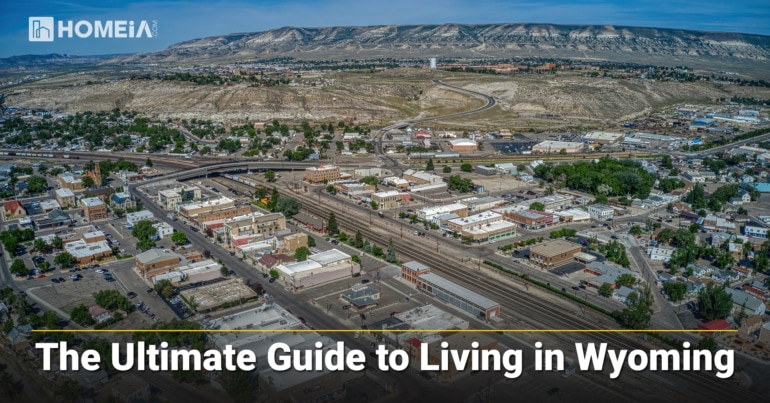
Pros and Cons of Living in Wyoming
Choosing to relocate can be quite overwhelming. Once you decide on a state, you still need to choose the right community. If you’ve decided to make Wyoming your new home, you’re in luck — it’s a big and varied place…
-
The Pros and Cons of Living in Arkansas (2026)
Considering a move to Arkansas? The Natural State offers a compelling blend of affordability and natural beauty that attracts new residents from across the country. Home to 3 million people, Arkansas features everything from vibrant cities to charming small towns,…



-
The Pros and Cons of Living in Illinois (updated)
Relocating to a new state requires careful consideration of both the state as a whole and the specific community you'll join. If you're considering Illinois, you'll find a state home to vibrant cities, charming small towns, and a diverse mix…
-
The Pros and Cons of Living in Kentucky
When you think of Kentucky, you might conjure up images of fried chicken, bourbon, and horse racing. While you will find no shortage of those things in the Bluegrass State, it has so much more to offer. Kentucky is a…
-
The Pros and Cons of Living in Massachusetts
Moving to a new part of the US requires careful consideration of both the state itself and the specific community you'll join. If Massachusetts is your next destination, you'll find a state rich in history, culture, and natural beauty, but…

-

The Pros and Cons of Living in New York
Relocating to a new state requires careful consideration of both the state as a whole and the specific community you'll join. New York offers a state of extremes—home to the world's most iconic city, vibrant upstate towns, and breathtaking natural…
-
The Pros and Cons of Living in North Carolina
What does North Carolina have to offer? If you want one word to describe North Carolina, “varied” would be an excellent choice. Do you love the mountains or the beach? In this Southeastern state, you will find plenty of both.…
-
The Pros and Cons of Living in Ohio
On any given day in Ohio, you could find yourself in two completely different states of mind in a difference of an hour. One moment, you are looking at a beautiful view of snow-topped trees from a lookout point high…


-

The Pros and Cons of Living in Tennessee
People have been migrating to the South at an unprecedented rate in recent years, making it the leading region for population growth in the United States. This historic pattern of migration is driven by a complex range of factors, including…
-
The Pros and Cons of Living in Texas
Howdy! Thinking about moving to the Lone Star State? You’re not alone. Moving to Texas is trending as the state continues to attract new residents with its economic opportunities, cultural vibrancy, affordable cost of living, and distinctive lifestyle. Relocating to…
-
The Pros and Cons of Living in Utah
When picturing the State of Utah in the Mountain West, many imagine iconic red rock landscapes, world-class ski resorts, and a vibrant, family-oriented culture. And while all of those are essential pieces of the state's identity, there's so much more…
-
The Pros and Cons of Moving to Arizona
If you are considering moving to Arizona, you’re in the right place! Known for its stunning desert landscapes, vibrant cities, and warm climate, Arizona offers a fantastic environment for living, working, and raising a family. State 48 has a diverse…