





11 Key Factors to Know About Living in Duluth, MN (updated)
- Local Editor:Local Editor: Phong Nguyen


This guide covers everything you need to know before moving to Duluth including its natural beauty, seasons, housing costs, job market, healthcare, education, and neighborhoods. These 11 factors will help you decide if this is the right fit for work, retirement, or a fresh start.
Living in Zenith City offers scenery that simply cannot be beaten. Perched on the edge of Lake Superior, the largest and westernmost of the Great Lakes, it features thousands of acres of green space and woodlands.
Is this a good place to live? Yes. Additionally, it’s one of the more affordable places to live in Minnesota. Outdoor enthusiasts, nature lovers, history buffs and music fans will all find something to love here. The city is a favorite travel destination for Midwesterners and a great place to put down roots, with excellent public and private institutions of higher learning, including a medical school.
Their clinics and hospitals are pristine, too. Read on to learn about the city’s climate, housing, business, and endless recreation opportunities.
Key Takeaways
- Duluth’s population sits at roughly 88,600 in 2026, up slightly from the 2020 census.
- Median household income is about $66,263, with unemployment near 5.1 percent as of mid-2026.
- Housing remains relatively affordable, though the typical home value has climbed to around $290,000 to $300,000.
- Average rent runs roughly $1,150 for a studio and $1,400 to $1,600 for a one-bedroom unit.
- Winters bring around 85 to 90 inches of snow annually, with January lows near 2 degrees F.
- Tourism drives the economy, drawing about 6.7 million visitors and generating over $780 million in annual economic impact.
- Health care remains the region’s largest employment sector, anchored by two major hospital systems.


Related article
Cheapest Places to Live in Minnesota
Many residents love Minnesota for its natural beauty, vibrant communities, and a strong sense of Midwestern hospitality. And while some may think that living in such a place means paying a high cost, calling the Land of 10,000 Lakes home doesn’t have to come with a hefty price tag…
Thinking of moving to Duluth? Check out these 11 key factors to know about living in Duluth, MN
1. Medium sized city with easy access

Whether you’re traveling by land, air or sea, Duluth’s accessibility will surely impress. Exits from Interstate 35 lead downtown, to the lakeshore, Skyline Parkway, or the North Shore Scenic Drive, a 142 mile scenic journey to Grand Portage with plenty of stops for Lake Superior views, pines, gift shops and restaurants.
At Duluth International Airport (DLH), Delta offers daily service to Minneapolis-St. Paul, and United and American fly direct to Chicago.
While cargo ships carrying iron ore and grain dominate harbor traffic, city officials continue investing in infrastructure to accommodate cruise ships, anticipating growing interest in Great Lakes leisure cruises among Baby Boomer travelers.
2. Increasingly diverse population and cultural interests

Here ranks among the most livable communities in the country, scoring high marks for amenities, housing and weather. Minnesota isn’t the frozen wasteland of stereotypes. Residents eagerly anticipate the colder months for ice hockey and ice fishing.
The population has grown to roughly 88,600 as of 2026, up about 2 percent from the 2020 census count of 86,697. Residents are primarily English speaking and Caucasian, but the city continues to diversify, particularly on college campuses, and is home to a well established American Indian community. The Fond du Lac Band of Lake Superior Chippewa operates the Fond-du-Luth Casino downtown and the Black Bear Casino in nearby Cloquet.
Having numerous colleges in the area, notably the University of Minnesota Duluth, the College of Saint Scholastica, and Lake Superior College deems it a college town. However, students are vital elements of the community by volunteering as opposed to only viewing it as a campus.

Related article
5 Best Places to Live in Minnesota
Minnesota stands out for economic resilience, with a strong job market supported by major employers and diverse industries. From the shores of Lake Superior to its southern plains, this guide analyzes the five best places to live using data on jobs, housing, and overall quality of life…
3. Distinct seasons and natural beauty

Duluth delivers all four seasons in full force. Cooling lake breezes ease summer heat, but the “gales of November” made famous in Gordon Lightfoot’s “The Wreck of the Edmund Fitzgerald” can turn blustery.
Average temperatures range from a low near 2 degrees F and high near 19 in January to a low around 55 and high near 76 in July. Annual snowfall runs 85 to 90 inches, making this one of the snowiest cities in Minnesota, and great for skiing, snowshoeing and snowmobiling.
Fall brings vivid orange, yellow and red foliage, perfect for sweatshirt-and-bonfire weather and hikes on Duluth’s trails. Spring brings blossoms and birdsong as residents swap skates and shovels for tennis rackets and mountain bikes.
Recommended for you




4. High living standard and excellent services

Duluth’s median household income is about $66,263, while metro unemployment stood near 5.1 percent as of June 2026. It’s a welcoming place to live, work, study or retire, with a median resident age of roughly 35 and an average 17 minute commute.
Beyond recreation and natural beauty, there exists relatively affordable housing, strong cultural events, and countless coffee shops, cafes, restaurants and bars, from mom-and-pop spots to upscale venues featuring locally sourced ingredients.
The city spans 67.79 square miles with roughly 11,000 acres of green space across 129 parks, plus 12 miles of paved trails, 85 miles of multi-use bike trails, and 150 miles of unpaved hiking trails. Overall cost of living remains below the U.S. average, particularly for housing.

Related article
8 Best Cities for Buying a House and Raising a Family in Minnesota
While everyone in Minnesota shares accesses to the great outdoors, four distinctly enjoyable seasons, and a friendly Midwestern vibe, each community has its own personality. Here are our views of the Top 8 Cities for family life in Minnesota. With a variety of personalities and attractions…
5. Outstanding healthcare

Duluth is home to two major hospitals, St. Luke’s and Essentia Health’s St. Mary’s for cardiac care, gastroenterology, orthopedics, pediatrics, neurosciences, and general and emergency medicine. Both systems operate numerous clinics and continue planning renovations and new facilities.
The local healthcare continuum also includes rehabilitation, long term care, and home care services, with Life Link III air ambulances providing emergency support region-wide.
6. Excellent educational opportunities
Public education offers pre-K through grade 12, plus career and technical education, adult basic education, and community programs. Elementary students can enroll in Spanish immersion and Ojibwe language immersion programs, the latter teaching core subjects in Ojibwemowin while building cultural appreciation.
Private schools include Lakeview Christian Academy, The Marshall School, Montessori School of Duluth, Stella Maris Academy, Stone Ridge Christian School, and Summit School.
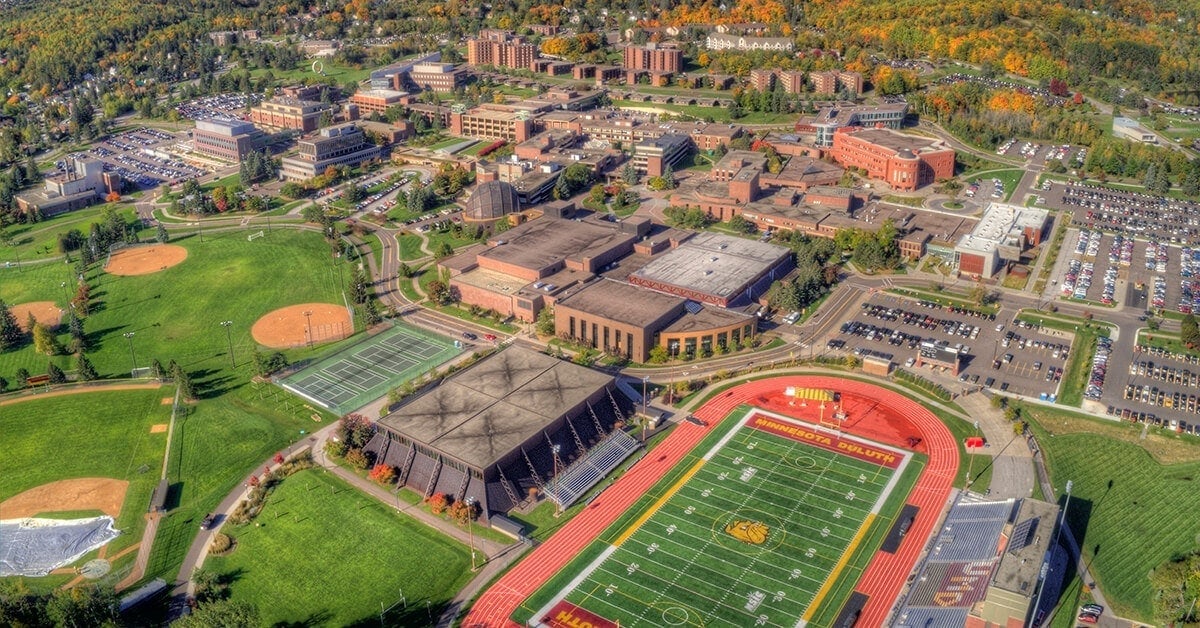
Four colleges call Duluth home: Lake Superior College, The College of Saint Scholastica, Duluth Business University, and the University of Minnesota Duluth. Nearby options include the University of Wisconsin Superior and Fond du Lac Tribal and Community College in Cloquet.
Recommended for you
7. Employment variety and low unemployment

Tourism remains a driving economic force, drawing about 6.7 million visitors and over $780 million in annual local spending, fueling jobs at attractions, shops, restaurants, hotels and the convention center.
Health care employs thousands and remains one of the region’s largest sectors. Duluth is also a hub for banking and retail, with manufacturing plants (steel, cement, wood, electrical equipment, textiles, prepared foods), oil refineries, food processing, lumber and paper mills, fisheries and grain elevators. Schools, colleges and universities employ thousands more.
The city supports entrepreneurs through economic development services, including technical assistance and land purchase facilitation, and its workforce development team works to keep the labor pool skilled and adaptable.
8. So many, many things to do

Hiking, biking, running, camping, climbing, curling, skiing, sledding, boating, kayaking and fishing barely scratch the surface of this outdoor scene.
Prefer watching to participating? Head to AMSOIL Arena to watch a UMD hockey game, visit the Lake Superior Zoo, or see the Aerial Lift Bridge rise for passing ships. Wander Canal Park, cheer on Grandma’s Marathon finishers in June, or check out tall ships during the August Festival of Sail. The Bayfront Blues Festival, also in August, draws tens of thousands of fans for dozens of acts.
Indoor options include the Great Lakes Aquarium, the nation’s only all-freshwater aquarium, and the Lake Superior Railroad Museum, with rides available on the North Shore Scenic Railroad. The Duluth Art Museum hosts exhibitions and classes, and nearby galleries showcase regional artists. Amsoil Arena and the Duluth Entertainment Convention Center, both on the lakefront, host major sporting events and touring performers.
Glensheen, a 12-acre historic lakeshore estate with a 39-room mansion built for the Congdon family in the early 1900s, blends indoor and outdoor appeal. Nearby, the Fitger’s brewery complex offers shops, dining, a hotel and lake walk access.
Those a fan of the arts don’t need to drive to the Twin Cities either. The Minnesota Ballet and Duluth Superior Symphony Orchestra are both based here, and the Duluth Playhouse, over 100 years old, ranks among the nation’s oldest community theatres.
Related article
Moving to Minnesota: THE Complete Relocation Guide and Checklist
Moving to Minnesota? This complete guide has everything you need: cost of living, job market insights, top places to live, and settling-in tips. Whether you’re drawn to the Twin Cities, St. Cloud, Rochester, a charming small town, or the scenic North Shore, we’ll help you make a confident, informed move…
9. Pros and cons of living in Duluth

Cold and snow take some getting used to, especially navigating the steep hillside streets of this city sometimes called the San Francisco of the Midwest. Potholes can also test your patience and your vehicle.
But these are minor annoyances weighed against the community’s positive vibe, natural beauty, and near-endless entertainment options. Whether you love ballet or a hole-in-the-wall dive bar, Duluth delivers.
10. Plentiful neighborhood choices

Ten distinct neighborhoods give Duluth’s residential scene variety. Congdon Park features Tischer Creek, Northland Country Club, and the Glensheen mansion among other historic touches. West Duluth, more working class, offers apartments and small single-family homes, plus the Duluth Grill, once featured on Food Network’s, Diners, Drive-ins and Dives.
Every neighborhood has its own character, stores, restaurants and pubs, with tree-lined streets mixing historic homes and newer construction, all with views of the Great Lakes.

Related article
The 15 Budget Friendly Towns in Minnesota for Retirees
The cost of living in Minnesota varies by location and is highest in its large metro areas, but on the whole, it compares well to the coasts and to big cities. Each community in Minnesota has its own personality, and here we will introduce you to 15 of the best options for retiring in the North Star State…
11. Real Estate Options for Young, Old and Everyone in Between

Whether you want an affordable fixer-upper, student housing, senior living, or a lakeview dream home, Duluth has options across every budget.
Home values have climbed in recent years. The standard Duluth home value sits around $290,000 to $300,000 as of mid-2026, with median list prices closer to $355,000. Average rent runs roughly $1,150 for a studio, $1,400 to $1,600 for a one-bedroom, and $1,800 to $1,900 for a two-bedroom, varying by neighborhood and building age.
Condos offer a compromise between renting and buying, especially near Lake Superior or on the hillside with city and lake views.
If you’re considering buying, a local, experienced real estate agent can help you navigate the process. Best wishes for a great move, and if you found this guide helpful, share it with a friend who might, too.
Recommended for you




FAQs About Living in Duluth, Minnesota
1. How affordable is Duluth compared with other cities?
Duluth is generally more affordable than major metros like Minneapolis-St. Paul and Chicago, especially for housing and everyday services. Home prices and rents often sit below national averages, helping singles, families and retirees stay on budget. Plan for higher winter costs, including heating, vehicle maintenance and gear. The best comparison comes from a full monthly budget covering housing, utilities, transportation and leisure spending, not just rent alone.
2. What is everyday winter life really like in Duluth?
Winters are snowy and relentless. Locals adapt and many enjoy the season. Layered clothing, quality boots and different jackets help with errands, sports and commuting. Main roads stay plowed, but hills and side streets can be slick, so sturdy tires and an emergency car kit are smart. Social life shifts toward winter sports, cozy cafes and indoor arts events instead of patios and beaches.
3. What career options are realistic if I move to Duluth?
The job market centers on health care, education, tourism, government, and port-related and manufacturing industries. Medical centers, clinics and colleges support roles in medicine, nursing, teaching, research and administration. Tourism and hospitality add positions in hotels, restaurants and outdoor recreation, ideal for students and early-career workers. Banking, retail and industrial employers round things out, though highly specialized fields may have limited openings.
4. How welcoming is Duluth for newcomers and diverse households?
This area is friendly and community-oriented, with plenty of neighborhood groups, environmental efforts, arts organizations and outdoor clubs to join. The city has historically been less diverse than larger metros, but its colleges, Indigenous community and steady inflow of newcomers are broadening its mix of backgrounds. Many new residents describe it as offering enough culture to stay interesting while remaining small enough to build relationships quickly.
5. How do Duluth’s neighborhoods differ from one another?
Neighborhoods vary by elevation, character and housing type. Lakefront and hillside areas often feature historic homes and dramatic views, along with higher prices and trickier winter driving. Western and inland neighborhoods tend to be more affordable and practical, with easier commutes but less proximity to tourist attractions. Because terrain and microclimates vary, visiting neighborhoods across seasons before deciding where to live is wise.
6. Can I realistically live in Duluth without relying heavily on a car?
Duluth’s compact footprint is offset by hills, spread-out amenities and winter conditions that make transportation trickier than in flatter cities. A bus system and walkable pockets downtown, in Canal Park, and near campuses help some residents limit driving, but most still depend on a car, especially in snow and ice. Choosing housing near work, groceries and reliable transit routes helps minimize driving needs.
7. Who tends to thrive in Duluth, and who might struggle?
People embracing four distinct seasons, outdoor recreation and a strong sense of place tend to thrive here. Families and students benefit from affordable parks, trails and cultural venues, while remote workers and health care, education or public service professionals often find it a great long-term fit. Those who dislike cold weather, crave constant urban energy, or work in highly specialized fields needing large job markets may find Duluth more limiting.
Share