






Wellness Home Design: How to Build a Custom Home That Heals
- Local Editor:Local Editor: The HOMEiA Team
- Category: Home Improvement


Most luxury homes are designed primarily to impress visitors. A grand foyer or a soaring staircase certainly are statement pieces, but a truly exceptional residence should be measured by how the people living inside it feel when they wake up every morning. We spend more than 90 percent of our lives indoors, yet we rarely consider the biological impact of our architecture on our health.
Genuine wellness home design moves beyond spa aesthetics and into the realm of structural science. It is a discipline focused on building a residence actively supporting physical vitality, mental clarity, and long-term well-being. This guide explores the specific features and design principles that transform a custom home into a true healing environment, from light biology and acoustic engineering to the hidden mechanics of air purification. When wellness is included in the initial plans, your home stops being a backdrop to your life and starts becoming an active participant in it.
Related article
The Custom Home Building Process: A Complete Step-by-Step Guide
Building a custom home may feel overwhelming, but it follows a clear, structured process. With the right team, each phase, from design to move-in, becomes manageable and rewarding. This guide walks you through every major step, helping you move forward with clarity, confidence, and control as you create a home tailored to your life…
Key Takeaways
- Wellness design is a structural discipline, not a style choice. Decisions that matter most are made during pre-construction planning, not at the finish selection stage.
- Biophilic principles use strategic window orientation and natural materials to measurably lower cortisol levels and improve cognitive performance.
- Circadian lighting systems must be hardwired during the electrical rough-in phase. Effective retrofitting is not possible after drywall closes.
- Indoor air quality depends on Energy Recovery Ventilators and formaldehyde-free material specifications, not a standard HVAC filter upgrade.
- Acoustic zoning creates a hierarchy of sound environments that directly supports sleep quality, focused work, and emotional recovery.
1. Biophilic Design: Bringing Nature into the Structure
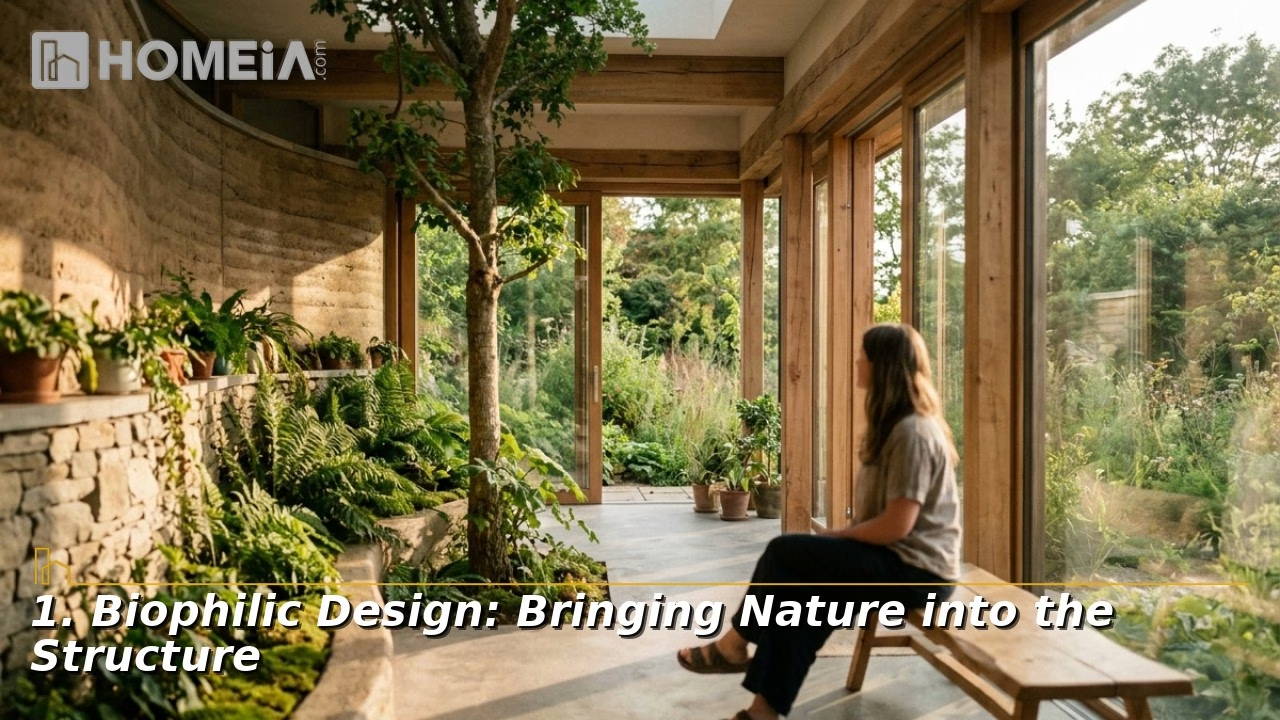
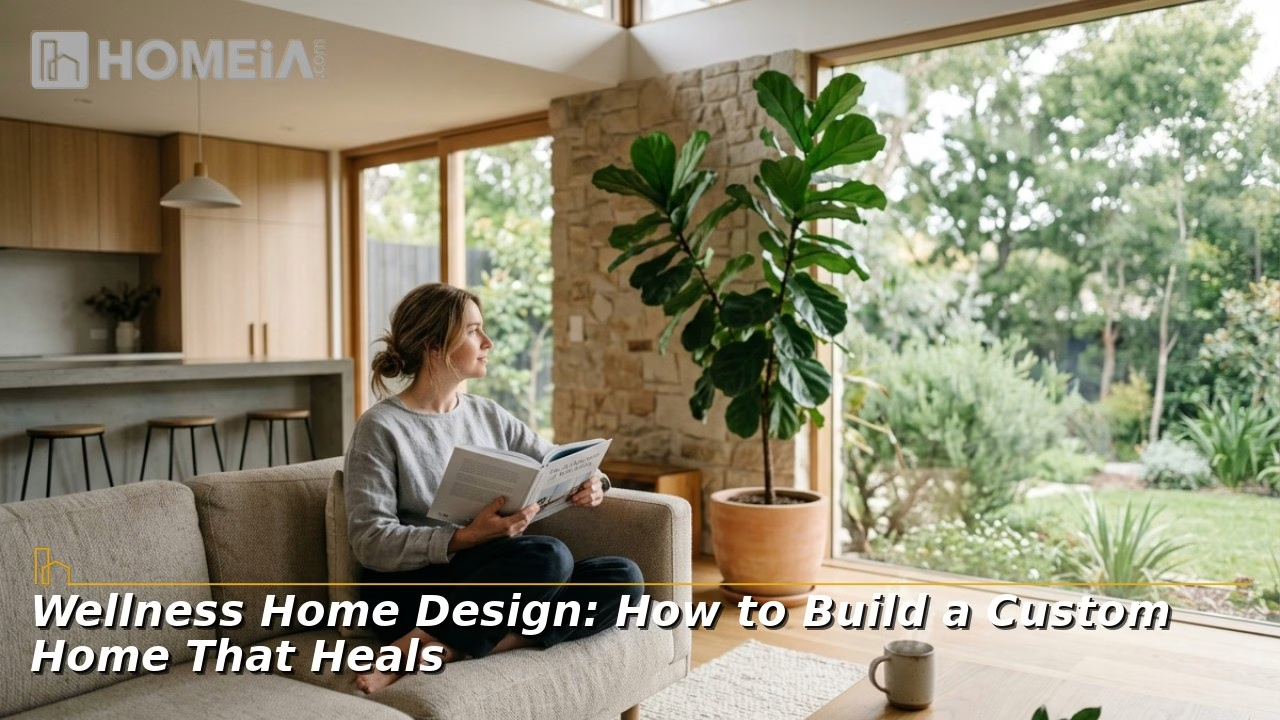
Biophilic design is the intentional integration of natural elements into the architectural framework of a home. This is far greater than placing houseplants in a finished room. It is a structural decision made during the design phase, beginning with how we orient the home on the lot. We study how sunlight moves across your property to determine window sizing, placement, and sightlines. By maximizing unobstructed views of living landscapes, we measurably reduce occupant stress and improve cognitive performance. Working with a skilled landscape partner like Tazscapes Landscaping during the design phase ensures that what your windows frame is as intentional as the windows themselves. Nature is treated as a senior partner in the design process.
Material selection is where a biophilic home separates itself from conventional construction. We prioritize genuine natural surfaces that age and develop character over time including rift-cut white oak, hand-troweled lime plaster, and book-matched stone. These materials breathe and participate in the life of the house. Over a 25-year period, a natural material palette appreciates in warmth and authenticity while synthetic alternatives degrade. The tactile connection to wood and stone grounds the occupant in a way that no manufactured finish can replicate. Doing so creates a sense of permanence and calm that permeates every room.
| Feature | Design Implementation | Health Outcome |
| Visual Connection | Strategic window placement facing greenery | Reduced heart rate and lower cortisol |
| Natural Materials | Wood, stone, and linen finishes throughout | Improved tactile comfort and authenticity |
| Air and Flow | Operable windows for cross-ventilation | Increased focus and reduced air staleness |
| Water Elements | Indoor fountains or courtyard features | Auditory calm and relaxation response |
Table 1: Biophilic design features and their documented health outcomes.
Related article
Aging in Place Home Design: How to Build a Custom Home for Every Stage of Life
Smart custom home design looks beyond today, creating spaces that adapt over decades. By incorporating aging-in-place and multigenerational features from the start, homeowners ensure long-term comfort, safety, and independence. This guide explores practical strategies…
2. Circadian Lighting Design: Light That Works with Your Biology
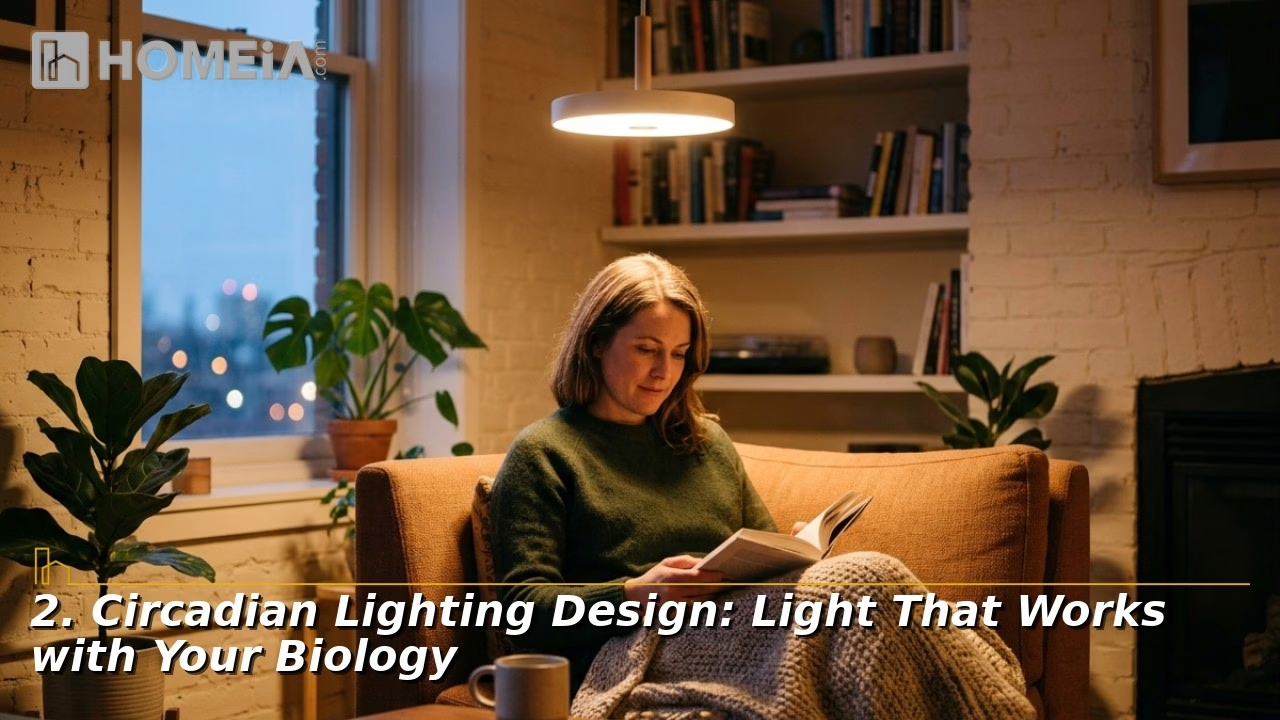
One of the most underestimated health impacts of modern living is circadian rhythm disruption. Our bodies are hardwired to respond to the shifting color temperature of natural sunlight across a full day. Traditional indoor lighting holds a single static tone, which confuses the internal clock and consistently leads to degraded sleep quality. A wellness-designed home uses tunable circadian lighting systems that shift in both intensity and color temperature throughout the day. Energizing, blue-toned light fills the home in the morning to stimulate alertness, while warm amber colors occur in the evening to support the natural onset of melatonin production.
This biological synchronization cannot be an afterthought. It requires specialized tunable LED fixtures and sophisticated control modules that must be specified during the electrical rough-in phase, before walls are closed. We also integrate automated shading systems to manage natural light ingress at every hour of the day. This ensures your home office receives productivity-enhancing daylight while your bedroom remains dark and cool at night. Circadian lighting is one of the few wellness features that genuinely cannot be retrofitted after construction is complete. It requires a hardwired backbone and a centralized processor to execute the subtle transitions that keep your biology on time.

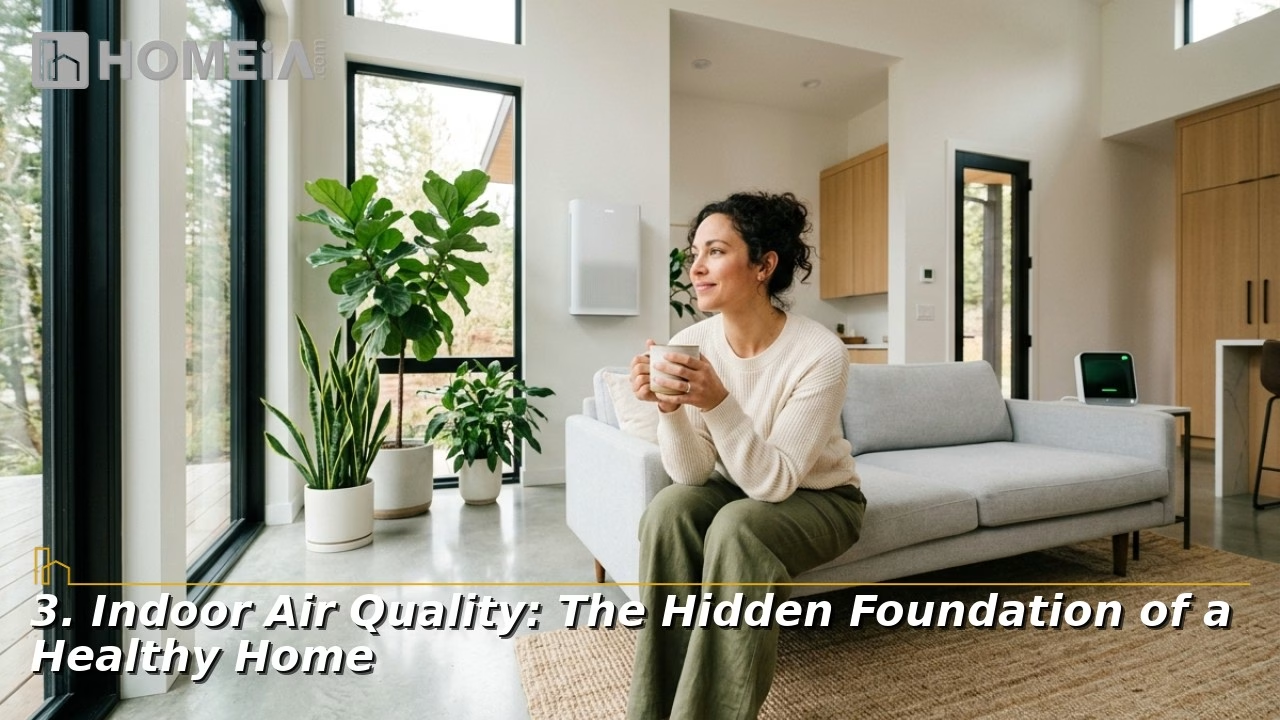
Indoor air quality is the most overlooked wellness feature in residential construction because it is invisible. Yet, the air inside a standard new home is often more polluted than outdoor air due to off-gassing from synthetic building materials, adhesives, and finishes. In a wellness residence, we actively manage air exchange through whole-home Energy Recovery Ventilators. These systems continuously bring in fresh, filtered outside air. In the process, it expels CO2, moisture, and airborne pollutants to make the home always feel alive.
Material specification is equally critical for maintaining long-term air quality. During the design and selection phase, we exclusively specify low-VOC paints, formaldehyde-free cabinetry, and non-toxic adhesives throughout the entire build. We layer this with advanced HEPA-level filtration and continuous environmental monitoring sensors that detect fine particles and volatile organic compounds in real time. When the system identifies a spike in pollutants, it automatically increases ventilation to restore clean air. This proactive, self-correcting approach creates an environment where your respiratory system can genuinely rest and recover.
| IAQ Component | Function | Health Benefit |
| ERV System | Continuous balanced air exchange | Removes CO2 and replenishes fresh oxygen |
| HEPA Filtration | Captures 99.97% of airborne particles | Reduces allergens, dust, and wildfire smoke |
| VOC Monitoring | Real-time detection of airborne chemicals | Alerts to off-gassing from materials or products |
| Humidity Control | Maintains 40 to 60 percent relative humidity | Prevents mold growth and protects respiratory health |
Table 2: Indoor air quality components and their health benefits.
Recommended for you




4. Acoustic Design: The Wellness Feature Nobody Talks About
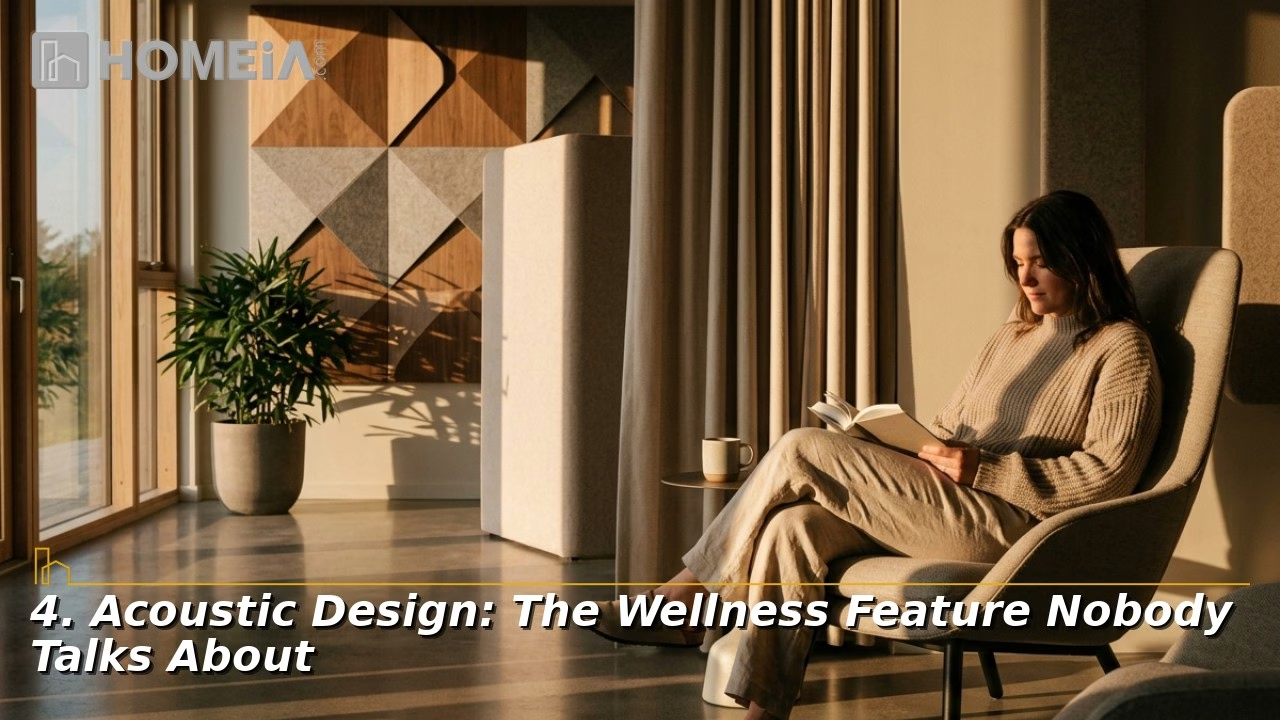
Acoustic comfort is a consistently undervalued dimension of luxury home design, yet it has a profound and measurable impact on stress levels, cognitive performance, and sleep quality. Homes transmitting footsteps between floors or allowing kitchen noise to bleed into the primary suite are not a restorative environment. We approach acoustic design by establishing a deliberate hierarchy of sound environments, separating active social spaces from quiet work zones and deeply silent rest spaces through both layout strategy and assembly engineering.
When implemented, this means resilient channel installation, dense-pack acoustic insulation within interior wall cavities, and decoupled floor assemblies between levels. These techniques are especially critical in home offices, primary suites, and dedicated meditation rooms, where silence is not an amenity, but a functional requirement. By engineering the acoustic character of each space with the same precision applied to its visual design, the architecture actively supports what you are trying to do in every room. Your home becomes a place of genuine peace, not just the appearance of one.
5. Wellness Rooms: Spaces Built for Restoration
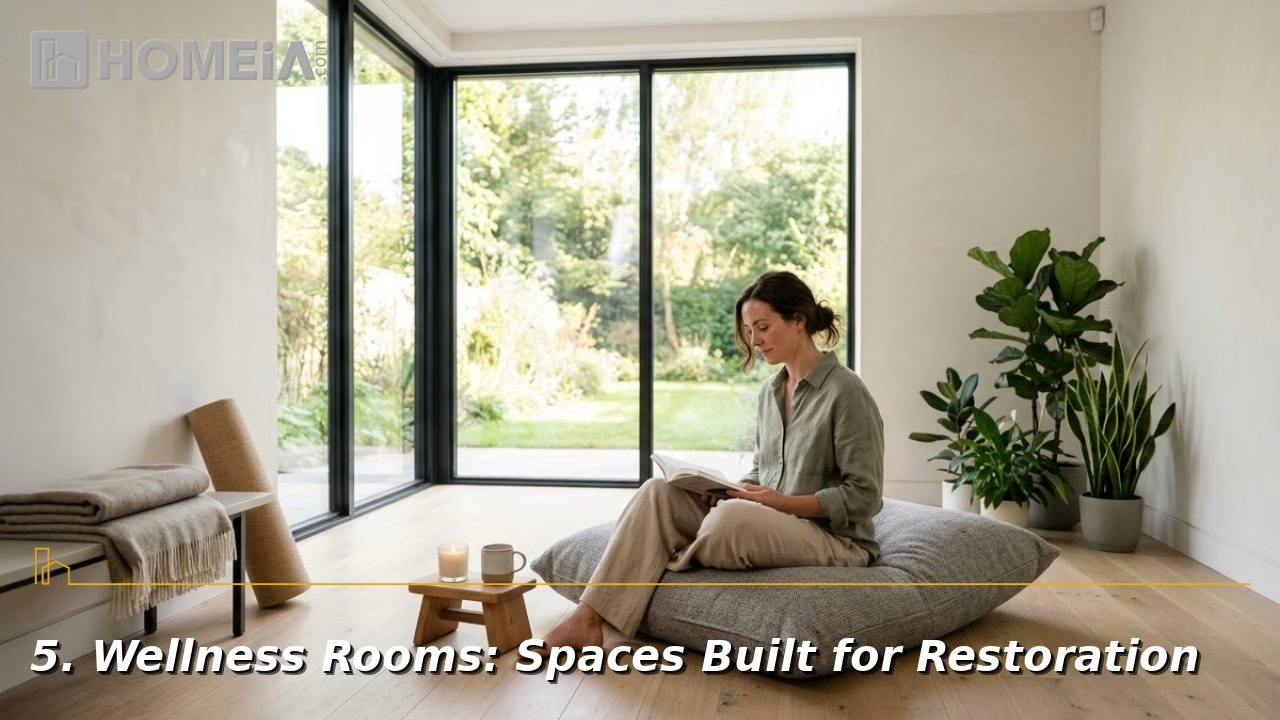
A wellness-designed home reserves dedicated square footage for health rituals rather than treating them as secondary to living and entertaining spaces. The spa ensuite is the primary anchor, designed to function as a daily ritual rather than a utility room. Steam showers, soaking tubs, heated floors, chromotherapy lighting, and integrated aromatherapy systems engage all five senses and shift the morning routine from obligation to restoration. This transformation is one of the most immediately felt benefits of designing with wellness as the priority.
A home gym and movement studio require specific architectural considerations beyond a mirrored wall and rubber flooring. Increased ceiling heights accommodate overhead movements and equipment safely, and dedicated ventilation manages heat and humidity during high-intensity sessions. Natural light access is essential, as studies found that daylight during exercise improves mood and recovery response. Adjacent to the gym, a dedicated meditation or quiet room provides the intentional counterpoint. A low-stimulation space with acoustic isolation and a restrained material palette designed for stillness and emotional reset.
The wellness environment extends beyond the interior with a considered outdoor connection. Covered living areas allow for year-round use in most climates and can incorporate cold plunge pools, hot tub integration, or an outdoor shower within a landscaped privacy screen. These outdoor elements are functional extensions of the home’s health system. They provide access to natural light, fresh air, and thermal contrast that no indoor environment can fully replicate.

Related article
Questions to Ask Your Builder About Wellness Home Design
Not every luxury builder has the depth of knowledge required to execute a true wellness home. These questions will reveal whether a candidate understands health-centric design as a structural discipline or simply as a marketing phrase.
1. How do you handle circadian lighting specification during rough-in?
The answer should reference tunable LED systems, centralized control processors, and coordination with the electrical engineer during the pre-drywall phase. A builder stating this can be addressed with smart bulbs after move-in does not understand what circadian lighting actually requires.
2. What is your standard material specification for indoor air quality?
Look for specific answers: low-VOC paint brands, formaldehyde-free cabinet lines, and non-toxic adhesive standards. Vague commitments to use green materials without specifics are not sufficient for a true wellness build.
3. How do you acoustically separate the primary suite from active living areas?
Someone knowledgeable will describe wall assembly details, floor decoupling strategies, and door specifications. Sound isolation in a luxury home is an engineering decision, not simply a layout preference.
4. Do you work with a biophilic design consultant during site orientation?
Window placement and sightline planning for maximum nature connection requires deliberate study of the lot before design begins. If a builder has never worked with a biophilic design specialist, this is a gap worth probing.
Professionals with genuine wellness expertise will answer each of these questions in precise, technical terms. Confident, specific answers signal a team that has built this way before. Generalities signal a team that has not.
Conclusion: Building a Home That Works for Your Health
Designing for well-being is not a style decision. It is a set of structural, material, and systems choices that must be locked in during the earliest stages of planning. While most workers focus primarily on visual impact, a seasoned wellness-focused designer understands that the true measure of a luxury home is how profoundly it supports the daily lives of the people inside it.
A custom home is the only housing option that allows every one of these sophisticated wellness features to be designed in from the very beginning. By placing biology and environmental science alongside aesthetics at the core of your brief, you create a living environment that actively manages sleep quality, air purity, stress levels, and long-term vitality. If you are ready to build a residence working as hard for your health as it does for an aesthetic vision, we invite you to book an initial design consultation. Let us walk through how your custom home can become the most powerful wellness investment you will ever make.
Recommended for you




FAQs About Wellness Home Design
1. Does a wellness-focused home carry a higher resale value?
Yes. Professionally integrated wellness features can increase a home’s resale value by up to 10 percent in the luxury market. Buyers are increasingly prioritizing documented air quality systems and circadian lighting over homes that offer only aesthetic upgrades.
2. How often do air purification systems require maintenance?
ERV and HVAC filters should be changed every three to six months depending on your local environment and usage. Most modern systems include monitoring sensors sending alerts via a smartphone app when a filter change or professional service check is due.
3. Can wellness design be achieved in a renovation?
Many features such as circadian lighting and air filtration can be incorporated during a major renovation. However, building a custom home from scratch allows for the most structurally integrated result. Biophilic window orientation and acoustic wall assemblies must be designed into the core of the building to be truly effective.
4. Are wellness-focused materials significantly more expensive?
Specifying low-VOC and natural materials typically adds 3 to 5 percent to total material costs. The long-term return is found in the extended lifespan of natural finishes, the avoidance of future remediation costs, and the compounding health benefits of living in a toxin-free environment for decades.
5. Is wellness home design only for large or ultra-luxury homes?
No. The principles of biophilic design, clean air specification, and acoustic zoning can be applied at a range of budgets and scales. What matters most is the sequence since these decisions must be made early in the design process as opposed to the end.
Share