






Moving to Pennsylvania: THE Complete Relocation Guide & Checklist
- Local Editor:Local Editor: Seya Fadullon
- Category: USA , Pennsylvania
Share


There’s no place quite like Pennsylvania. With its rich history, diverse landscapes, thriving economy, and proximity to the ocean, the Keystone State is one I’m proud to call home—and I hope you will, too! Whether you’re drawn by career opportunities, renowned schools and universities, or the promise of affordable living with big-city amenities, you’ll find plenty to love here.
This comprehensive Pennsylvania moving guide is your one-stop resource for everything you need to know before you relocate—including a cost-of-living breakdown, a job market analysis, and a list of the best places to live and how to settle in. Are you dreaming of Philadelphia’s urban energy, Pittsburgh’s innovation scene, Lancaster’s countryside charm, or State College’s college town vibe? No matter your goals, we’ll help you make an informed decision about your move to Pennsylvania.

Related article
The Pros and Cons of Living in Pennsylvania
This comprehensive Pennsylvania guide examines both the advantages and disadvantages of living in Pennsylvania with updated data and insights. We’ll also highlight the best Pennsylvania cities for young professionals, families, and retirees to help you determine if the Keystone State aligns with your lifestyle and budget…
Table of Contents:
- The Perks of Living in Pennsylvania
- 1. The Keystone State Experience
- 2. Cost of Living & Affordability in Pennsylvania
- 3. Jobs, Economy, and Career Opportunities
- 4. Education Excellence in Pennsylvania
- 5. Pennsylvania Tax Structure
- 6. Best Places to Live in Pennsylvania
- 7. Planning Your Pennsylvania Move
- 8. Pennsylvania’s Unique Requirements
- 9. Financial Planning
- Insider Tips from a Pennsylvania Local
The Perks of Living in Pennsylvania
Pennsylvania consistently ranks among America’s most livable states, attracting over 300,000 new residents annually. Many are drawn here by our unique combination of historic significance, economic opportunity, and exceptional quality of life. The Keystone State offers something truly special: a place where you can advance your career in thriving industries while living in communities steeped in American history and tradition.
For those seeking to optimize their work-life balance, Pennsylvania’s four-season climate, robust job market, and affordable cost of living make it a prime destination. From the tech corridors of Philadelphia and Pittsburgh to the healthcare industry throughout the state, Pennsylvania offers exceptional career advancement opportunities. And for those who value both urban amenities and natural beauty, Pennsylvania also boasts diverse landscapes from the Pocono Mountains to the Delaware River Valley.
Mission Table: How This Guide Helps You Relocate to Pennsylvania
Mission Area | How This Guide Supports You |
|---|---|
| Research & Planning | Gives you the inside scoop on Pennsylvania cities, regional communities, living costs, neighborhoods, and what to expect when you relocate. |
| Financial Preparedness | Helps you budget for Pennsylvania’s cost of living and get your finances ready for Keystone State living. |
| Legal & Documentation | Walks you through Pennsylvania residency requirements, vehicle registration, and the essential paperwork for your move. |
| Community Integration | Tips for making friends, finding local resources, and feeling at home in your new community. |
| Ongoing Support | Answers your relocation questions and provides comprehensive checklists for every step of your move. |


Related article
11 Best Places to Live in Pennsylvania
Pennsylvania has it all: caves, mountains, waterfalls, culture and history. It is the 33rd-largest state by area and the fifth-largest by population. There are a lot of great places to live in the state. Below, you will find descriptions of 11 of them…
1. The Keystone State Experience
A. Pennsylvania Culture & Lifestyle
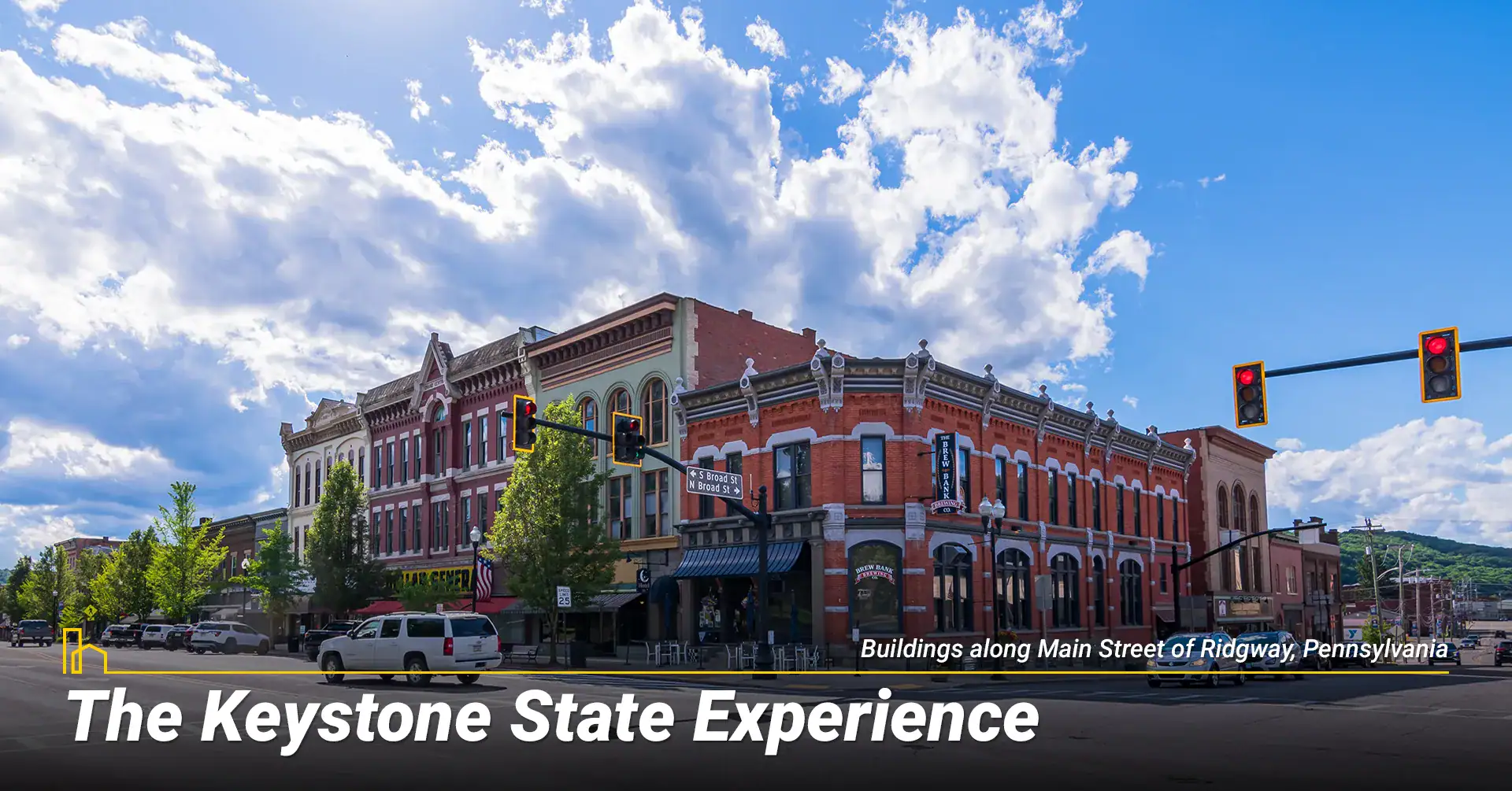
Living in Pennsylvania means embracing American history, strong community values, and cultural diversity. Whether you choose Philadelphia’s bustling downtown, Pittsburgh’s innovative neighborhoods, or one of our many charming small towns like New Hope or Jim Thorpe, you’ll find neighbors who value tradition and look out for each other while maintaining strong community bonds.
Pennsylvania’s culture reflects diverse influences, including its Quaker heritage, industrial legacy, and the many newcomers seeking an East Coast lifestyle with Midwest values. Pennsylvanians are especially passionate about sports, local history, and supporting small businesses that define our communities.
B. The Food Scene: Local Flavors and Regional Traditions
Pennsylvania’s food scene seamlessly blends regional American traditions with innovative, farm-to-table cuisine. Among our distinctive specialties are Philadelphia cheesesteaks, which have become iconic worldwide, and Pittsburgh’s famous Primanti Brothers sandwiches with french fries piled high. Pennsylvania Dutch country offers traditional favorites like shoofly pie, whoopie pies, and homemade root beer.
Philadelphia, in particular, stands out as a culinary destination that blends rich history with cutting-edge cuisine. Beyond its legendary cheesesteaks and soft pretzels, the city boasts a vibrant and diverse food scene influenced by its immigrant communities—from Italian and Vietnamese to West African and Middle Eastern flavors. Philly’s restaurant landscape ranges from acclaimed fine dining establishments and James Beard Award winners to bustling food halls and corner delis. The city’s Reading Terminal Market, one of America’s oldest public markets, remains a hub for local specialties and global eats, reflecting the city’s dynamic cultural fabric and deep-rooted food traditions.
Our farm-to-table movement showcases fresh, locally-sourced ingredients from Pennsylvania farms and orchards across southeastern and central regions. Weekend farmers markets in every major city offer direct access to local producers, artisanal foods, and seasonal specialties including famous Pennsylvania mushrooms, peaches and apples.

Related article
An Ultimate Guide to Moving for Home Buyers and Sellers
Buying and selling a home doesn’t make you an expert in moving. Buying and selling are much more different when you’re actually moving. Carefully go through the tips listed below and uses these as your ultimate guide whenever moving…
C. Outdoor Life & Recreation
Pennsylvania offers exceptional outdoor recreation opportunities that enhance our lifestyle and attract nature enthusiasts from across the region. With over 120 state parks and thousands of miles of hiking trails—including portions of the famous Appalachian Trail—the state provides a wide range of outdoor experiences from easy family walks to technical mountain climbs. In the winter, the Pocono Mountains transform into a premier destination for skiing and snowboarding, with resorts like Blue Mountain, Jack Frost, and Camelback, offering reliable snowfall and family-friendly activities.
Make no mistake: Pennsylvania isn’t just for winter enthusiasts. Rock climbing and outdoor adventures abound at Bushkill Falls, Rickets Glen State Park, and Pine Creek Gorge. The state’s excellent fishing opportunities include Gold Medal trout waters and bass fishing on lakes throughout central and northern Pennsylvania.
And for wildlife lovers, Pennsylvania offers regular encounters with white-tailed deer, black bear, and diverse bird species throughout the state’s extensive forests and wildlife management areas.
In addition to its rural and mountainous attractions, Pennsylvania’s urban centers also offer the unique blend of city living with easy access to expansive green spaces. Cities like Philadelphia and Pittsburgh seamlessly integrate outdoor recreation into daily life through iconic parks like Fairmount Park—one of the largest urban park systems in the country—and Pittsburgh’s Frick Park, a wooded escape right in the heart of the city. Other cities, such as Harrisburg and Allentown, also feature greenways, riverfront trails, and public parks that bring nature closer to home. These urban green spaces not only enhance residents’ quality of life but also support community wellness, offering opportunities for walking, biking, birdwatching, and year-round outdoor activities just minutes from downtown centers.
D. Weather & Climate
Pennsylvania enjoys four seasons, each bringing its own charm and character. Weather varies across the state – from the warm, humid summers and afternoon thunderstorms in the southeastern valleys, to the colder, snowier winters in the northern mountains. Cities like Philadelphia tend to have milder winters with just a few snowfalls, while the northern and higher elevation areas often see heavy snow.
Spring and fall are especially beautiful, with vibrant fall foliage drawing visitors to the state’s scenic forests and parks. Thanks to its diverse landscape, Pennsylvania offers comfortable conditions for outdoor activities for much of the year.
Of course, the state also faces its share of weather challenges. Winter storms can dump heavy snow in the north, ice storms sometimes affect the southeast, and about 16 tornadoes touch down annually, mostly in the south-central region, but the vast majority are weak and cause minimal damage.
Recommended for you



2. Cost of Living & Affordability in Pennsylvania
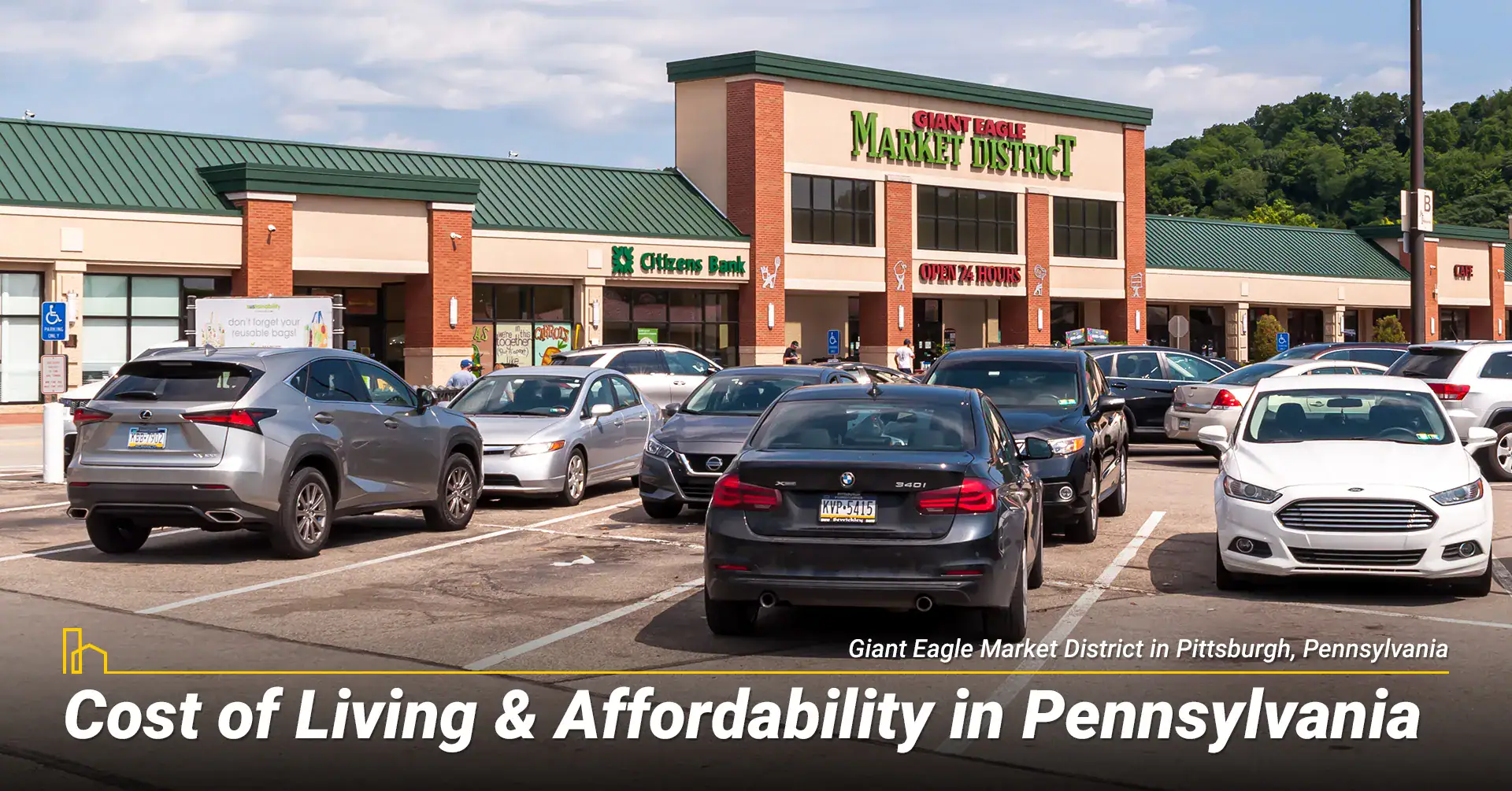
Pennsylvania’s cost of living is about 2% lower than the national average, thanks in large part to affordable housing in most markets outside of the Philadelphia suburbs. While property taxes can be relatively high, they are balanced by competitive wages and a lower overall cost of essentials. For those seeking the convenience of East Coast living with a more budget-friendly, Midwest-style affordability, Pennsylvania offers strong value and a high quality of life.
A. Pennsylvania Housing Market Overview
City/Region | Median Home Price | 1BR Rent | 2BR Rent | 3BR Rent (Apartment) | 3BR Rent (House) |
|---|---|---|---|---|---|
| Philadelphia | $280,000 | $1,400 | $1,800 | $2,200 | $2,500–$3,200 |
| Pittsburgh | $230,000 | $1,200 | $1,500 | $1,800 | $2,100–$2,800 |
| Harrisburg | $200,000 | $950 | $1,200 | $1,500 | $1,800–$2,400 |
| State College | $275,000 | $1,100 | $1,400 | $1,800 | $2,200–$2,900 |
| Erie | $175,000 | $850 | $1,100 | $1,400 | $1,600–$2,100 |
B. Daily Living Expenses
Monthly utilities typically total $250, including electricity ($105), gas ($55), water ($45), and internet ($65) across Pennsylvania’s major metropolitan areas. Grocery costs run close to national averages, at approximately $385 per person per month. Transportation costs are 3% below national averages, with gas prices around $3.15 per gallon throughout the state.

Related article
30 Best Packing Tips for Moving to a New City
How do you get everything safely from Point A to Point B on a tight schedule? With a lot of planning. Here are our best tips to make the process of moving to a new city as smooth as possible…
3. Jobs, Economy, and Career Opportunities

Pennsylvania’s economy remains strong and diversified, with an unemployment rate of around 4.2% across major metropolitan areas. The state offers excellent career opportunities across multiple growing sectors that continue to attract major companies and talented professionals seeking East Coast opportunities with affordable living.
A. Major Industries
Healthcare and Life Sciences: Pennsylvania has emerged as a major healthcare hub, with Philadelphia, Pittsburgh, and Hershey forming a premier medical corridor. Major health systems, including UPMC, Penn Medicine, Geisinger, and Children’s Hospital of Philadelphia, have chosen Pennsylvania for its excellent medical schools and research facilities.
Education and Research: Pennsylvania’s education industry continues expanding rapidly, anchored by prestigious institutions like the University of Pennsylvania, Carnegie Mellon, Penn State, and dozens of other colleges and universities. The research sector includes major federal and private research initiatives in medicine, technology, and agriculture.
Technology and Finance: Pennsylvania serves as a growing tech and fintech hub, with companies like Comcast, Vanguard, PNC Financial, and hundreds of startups maintaining significant operations throughout southeastern and southwestern regions. The state benefits from proximity to major East Coast markets and excellent telecommunications infrastructure.
Manufacturing and Logistics: The manufacturing sector encompasses traditional steel and chemical operations, as well as advanced manufacturing leadership, with major pharmaceutical and food production facilities. The logistics economy generates billions annually through strategic East Coast location and excellent transportation infrastructure.
B. Job Markets by City
Metro Area | Key Industries | Notable Employers |
|---|---|---|
| Philadelphia Metro | Healthcare, finance, education, pharmaceuticals | Comcast, Penn Medicine, University of Pennsylvania, Vanguard |
| Pittsburgh Metro | Technology, healthcare, education, robotics | UPMC, PNC Financial, Carnegie Mellon, Duolingo |
| Harrisburg Metro | Government, logistics, healthcare, manufacturing | Commonwealth of PA, FedEx, Deloitte, Hershey Company |
| State College Metro | Education, research, agriculture, meteorology | Penn State University, AccuWeather, Mount Nittany Health |

Related article
15 Things People Usually Forget When Moving
Whether or not you decide to hire a professional moving company, this guide includes everything you need for completing your move. It’s always best to have this list handy so you can check off each task and know that you’re on top of everything…
4. Education Excellence in Pennsylvania
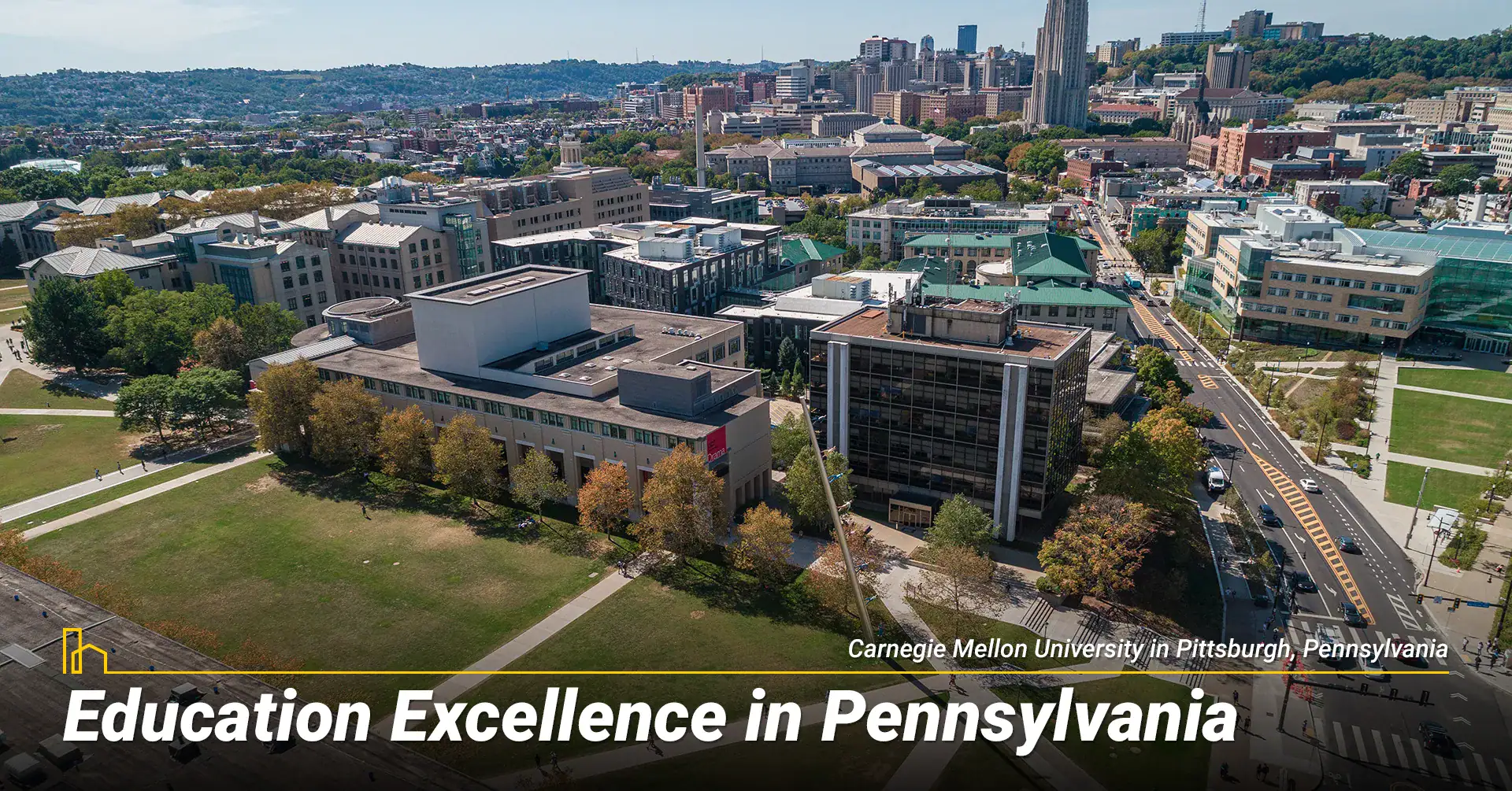
Pennsylvania is home to a strong and evolving education system, combining world-class universities with public school districts that are continually improving. Suburban school districts across the state generally perform well on state assessments thanks to continued investments in educational innovation, including STEM programs, arts education, and college preparation initiatives.
A. Public Education
While public school performance varies across the state, many suburban districts offer exceptional academic opportunities and rigorous college preparatory curricula. The Commonwealth continues investing in educational excellence while supporting urban districts through targeted improvement strategies, additional funding, and expanded access to high-quality learning resources.
B. Higher Education
Pennsylvania boasts a rich landscape of higher education institutions. The University of Pennsylvania in Philadelphia, an Ivy League leader in business and medicine, and Carnegie Mellon University in Pittsburgh, renowned for its technology and robotics programs, anchor the state’s reputation for academic excellence. Penn State University in State College stands out as a comprehensive public research university with nationally ranked engineering and agricultural programs. In addition, liberal arts colleges like Swarthmore, Haverford, and Bryn Mawr offer top-tier undergraduate experiences. The state also supports a network of community colleges that provide affordable access to higher education and career-oriented training programs, expanding opportunities for students of all backgrounds.

Related article
15 Essential Steps for Moving to a New City
If you’re moving to a new city, though, the process is even more complicated. Without the ability to make a quick trip here and there, you’ll need a detailed plan to keep everything running smoothly. This guide to relocation will help you make a plan and check all the boxes so your move will be as painless as possible…
5. Pennsylvania Tax Structure

Pennsylvania maintains a moderate tax structure, with a 3.07% flat income tax rate and an average combined sales tax of 6.34%. Its property tax, with an effective average of 1.58%, is higher than the national average but varies significantly by county and school district. The flat income tax system creates a stable environment for residents while funding essential services and infrastructure.
6. Best Places to Live in Pennsylvania

A. Philadelphia Metro: Historic Charm and Urban Energy
The City of Brotherly Love blends rich revolutionary history with modern urban vitality. Philadelphia offers excellent job opportunities across multiple industries, world-class museums and restaurants, and comprehensive public transportation including subway and regional rail systems. Its proximity to New York City and Washington, D.C. makes it a strategic East Coast Hub. Considerations include higher local taxes and parking difficulties during peak hours.
B. Pittsburgh Metro: Innovation Hub and Small-Town Feel
Pittsburgh offers stunning riverfront views, a growing tech and healthcare economy, and a vibrant cultural landscape. With affordable housing, top-tier universities, and a strong sense of community, the city feels approachable despite its metropolitan scale. Challenges include ongoing environmental remediation in some neighborhoods and hilly terrain that can impact transportation and development.
C. Harrisburg Metro: State Capital and Central Location
As Pennsylvania’s state capital, Harrisburg provides the stability of a government-centered economy alongside easy access to nature and recreation in central Pennsylvania. The area features affordable living, family-friendly communities, quality schools, and proximity to major East Coast cities. However, keep in mind that the private sector job market is smaller compared to Philadelphia and Pittsburgh.
D. State College Metro: College Town and Research Center
Home to Penn State University, State College offers a classic college town atmosphere with exceptional educational resources. The region features affordable housing, a well-educated population, highly rated public schools, and a renowned research university with Penn State. It’s ideal for those drawn to research and academia, though the economy is less diversified and the population fluctuates seasonally with the academic calendar.
E. Lancaster County: Historic Heritage and Rural Charm
Lancaster County captures the essence of Pennsylvania’s heritage, with its Pennsylvania Dutch culture, rolling farmland, and preserved architecture. Residents enjoy a lower cost of living, historic downtown charm, and strong agricultural heritage. While it offers a peaceful small-town lifestyle, career opportunities can be limited in niche or specialized industries, and urban amenities are fewer compared to larger metro areas.
Recommended for you




7. Planning Your Pennsylvania Move

Successfully relocating to Pennsylvania requires careful planning and preparation to ensure nothing falls through the cracks. This comprehensive timeline breaks down your move into manageable phases, helping you stay organized and avoid last-minute stress. From initial research to settling into your new Pennsylvania community, following this schedule will make your transition to the Keystone State as smooth as possible.
Timeline | Essential Tasks |
|---|---|
| 8-12 Weeks Before | Research Pennsylvania cities and communities, calculate moving costs |
| 6-8 Weeks Before | Gather documents, book moving companies, begin packing |
| 4-6 Weeks Before | Schedule utilities, research Pennsylvania auto insurance, arrange mail forwarding |
| 2-4 Weeks Before | Confirm moving details, prepare essentials, arrange temporary lodging |
| Moving Week | Execute move, conduct walkthrough, travel with essentials |
| Upon Arrival | Set up utilities, register vehicle, get Pennsylvania license, enroll children in schools |
=> Get the Relocation Guide & Checklist PDF — prepared for both Desktop and Mobile devices.
Settling In: Practical Essentials
A. Utilities Setup
Pennsylvania utilities include PPL Electric and PECO for electricity throughout southeastern regions, UGI and Columbia Gas for natural gas service, municipal water systems, and internet providers like Comcast Xfinity and Verizon Fios offering multiple high-speed options throughout urban areas and many rural communities.
B. Legal Requirements
Register your vehicle and obtain a Pennsylvania driver’s license within 60 days of establishing residency. Vehicle inspections are required annually for registration throughout the state. Update your addresses with banks, insurance companies, and all service providers immediately upon arrival in Pennsylvania.
C. Community Integration
Join local historical societies, volunteer for community organizations, attend township meetings, and participate in seasonal festivals to build friendships quickly in Pennsylvania’s welcoming communities and established neighborhood networks.

Related article
10 Important Things You Should Prepare for Long-Distance Moving
Moving long distances can be exciting, like an adventure of a lifetime. There is nothing as interesting and energizing as trying out new things and having the opportunity for a fresh start. But let’s be honest: moving is more complex than getting into a car or a bus and leaving for a new place…
8. Pennsylvania’s Unique Requirements
A. Liquor Laws
Pennsylvania maintains state-controlled liquor sales through Fine Wine & Good Spirits stores for wine and spirits, while beer is sold through distributors, grocery stores, and gas stations with proper licenses. Be sure to plan ahead for holidays and special occasions when state stores have limited hours.
B. Vehicle Inspections
Pennsylvania requires annual safety inspections for all registered vehicles, plus emissions testing in southeastern counties including Philadelphia and surrounding areas. Budget approximately $35-$50 annually for these mandatory inspections.
C. Turnpike Tolls
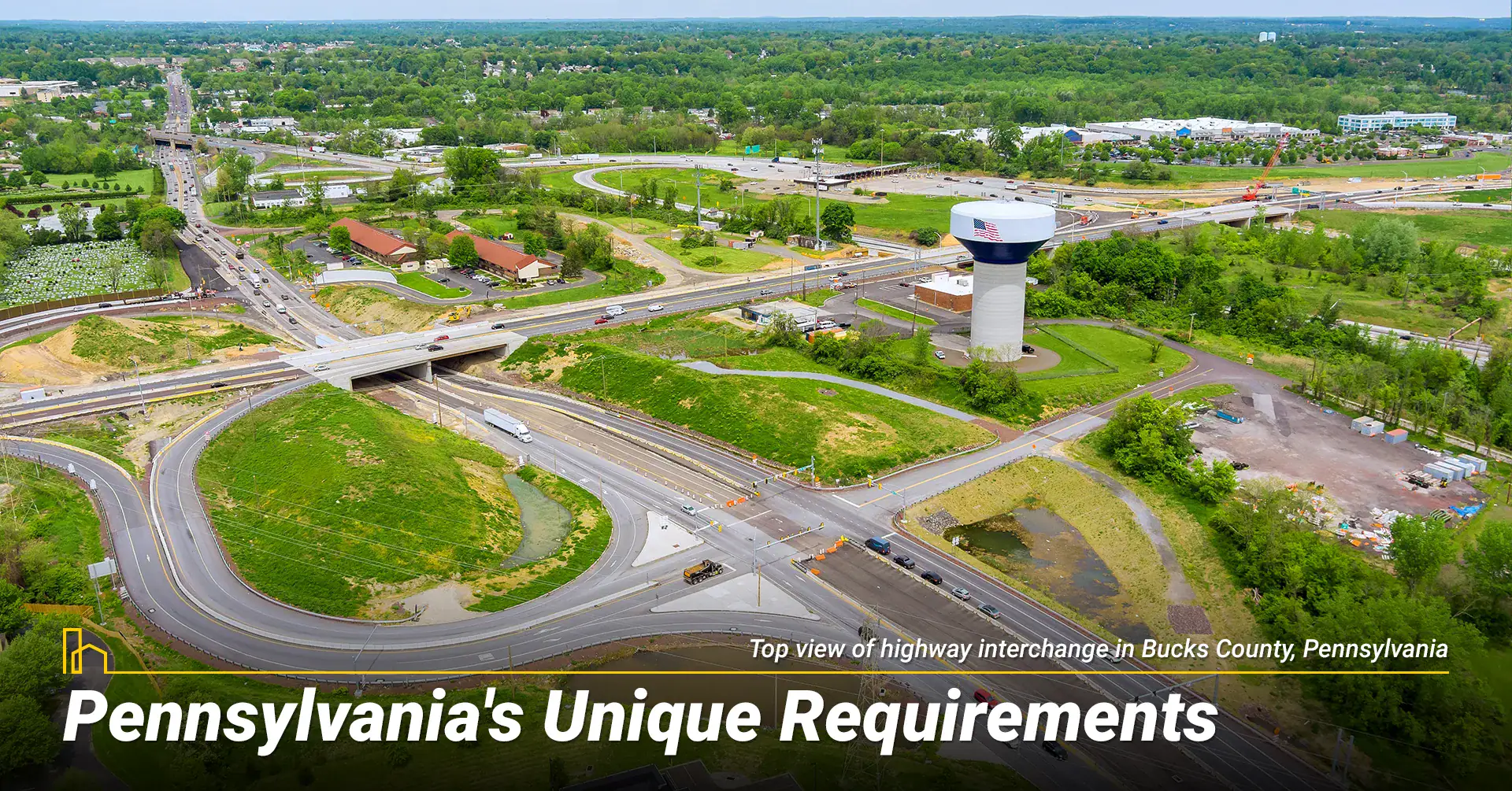
The Pennsylvania Turnpike is a major toll road connecting eastern and western regions. E-ZPass provides significant savings and convenience for frequent travelers, with discounted rates compared to cash payments.
9. Financial Planning

As mentioned above, Pennsylvania costs 2% below the national average due to affordable housing in most regions. Budget for moving costs ($1,000-$8,000+), security deposits (1-2 months’ rent), utility setup fees ($150-$400), and emergency fund (3-6 months’ expenses) to ensure a smooth transition.

Related article
Important Things to Consider Before Hiring a Moving Company
Whether you’re moving from state to state or just across town, hiring the right moving company will make a world of difference. So, before you hire just anyone, here are a few things that you should definitely consider…
Insider Tips from a Pennsylvania Local
A. Embrace the History: Visit Independence Hall, Gettysburg, and Valley Forge to understand Pennsylvania’s crucial role in American history and heritage.
B. Explore the Outdoors: Discover hiking trails, state parks, and seasonal activities that define Pennsylvania’s four-season lifestyle and outdoor recreation opportunities.
C. Get Involved: Join local civic organizations, volunteer for community causes, or attend neighborhood meetings to make connections in close-knit communities.
D. Shop Local: Support farmers markets, local breweries, and Pennsylvania-made products for authentic regional experiences and fresh local goods.
Summary: Ready to make the move to the Keystone State? No state can match our exceptional combination of historic significance, career opportunities, and affordable quality of life. Whether you’re seeking urban sophistication, college town energy, or rural tranquility, you’ll find your perfect fit in Pennsylvania.
If you’ve decided to make the move, let me be the first to welcome you to our great state!
Related article
For High-End Relocations, Luxury Moving Companies Deliver
Luxury moving experts offer personalized service and innovative solutions for transporting anything that requires extra care. Here are a few of the features a high-end moving company may be able to offer…
Frequently Asked Questions
1. Do I Need a Car in Pennsylvania?
Public transit works well in Philadelphia and Pittsburgh, but suburban areas and rural regions typically require personal vehicles for daily convenience and accessibility.
2. How Safe Is Pennsylvania?
Pennsylvania is generally very safe, especially in suburban and rural communities. Research specific urban neighborhoods and check local crime statistics before choosing locations.
3. What Are the Biggest Challenges for Newcomers?
Winter weather preparation, understanding local tax structures, building social networks, and navigating regional cultural differences. Most people adapt quickly and appreciate Pennsylvania’s community spirit.
4. How Much Should I Budget for Moving?
Plan $1,000-$8,000+ for moving costs plus security deposits, utility setup fees, and emergency funds for unexpected expenses during your transition.
5. Is Pennsylvania Family-Friendly?
Absolutely! Safe neighborhoods, excellent suburban schools, and year-round family activities, including historical sites, outdoor recreation, and cultural attractions.
6. What’s the Weather Like?
Four distinct seasons with varied precipitation. Cold and snowy winters, warm and humid summers, and beautiful but brief spring and fall transitions.
7. What Steps After Moving?
Register your vehicle within 60 days, get a Pennsylvania license, update addresses with all providers, enroll children in schools, and notify banks and insurance companies.
8. How Are Pennsylvania’s Taxes?
Low flat income tax and moderate sales tax are attractive features. Property taxes are higher than average but vary significantly by location and school district quality.
9. Do Pennsylvanians Love Sports?
Absolutely! Our favorite teams include the Philadelphia Eagles, Pittsburgh Steelers, Philadelphia Phillies, Pittsburgh Pirates, Philadelphia 76ers, and Pittsburgh Penguins. College sports are huge with Penn State, University of Pennsylvania, and other Division I programs.
10. How to Establish Residency?
Live here for 60 days—that’s the basic requirement. To establish residency earlier, obtain a Pennsylvania driver’s license, register to vote, gain employment, or operate a business in the state.