






Christmas Light Safety Tips and Professional Installation Guidelines
- Local Editor:Local Editor: The HOMEiA Team
- Category: Home Maintenance


The holiday season is a time for joy, family, and dazzling light displays brightening the dark winter nights. However, that festive glow can go from jolly to dreadful quickly without proper safety measures. Each year, thousands of homeowners end up in the emergency room due to falls, electrical shocks, and fires caused by holiday decorations. Protecting both your family and home should be the top priority as you deck the halls.
This comprehensive guide will walk you through every critical step, from choosing the right lights for your roof to safe storage practices once the season ends. We will cover electrical fundamentals, ladder safety, and crucial maintenance checklists. You will also learn when a DIY project is manageable and when it is far wiser to call a professional.
For those with complex rooflines or limited time, seeking out experienced Plainfield Christmas light installation services in Illinois can ensure a stunning and safe display without the personal risk. By following these evidence-based tips, you can create a beautiful, safe display bringing nothing but holiday cheer.
1. Electrical Safety Fundamentals
Before untangling a single strand of lights, understanding basic electrical safety is non-negotiable. This knowledge prevents fires, protects the home’s wiring, and keeps your family safe from electrical hazards. An excitement of decorating often leads people to overlook these fundamentals, but a few minutes of precaution can prevent a lifetime of regret.
Always start with a plan for your display that considers power sources and circuit loads. This proactive approach avoids overloading your home’s electrical system. Let us break down the key elements you need to check before plugging anything in.

Related article
Popular Christmas Home Decorating Tips for Small Living Spaces
You want to enjoy the holiday season, yet you still need to sell your home. The saying “less is more” applies here. Following are a few holiday decoration tips for you and your family to enjoy the holiday while maintaining maximum buyer appeal…
2. Indoor vs. Outdoor Light Specifications
Not all Christmas lights are created equal. The most critical distinction is between lights rated for indoor use versus those rated for outdoor use. Outdoor lights are built to withstand moisture, rain, and temperature fluctuations.
They have thicker insulation and are created using heavy-duty materials. Keeping indoor lights outside, even on a covered porch, can lead to shorts, fires, and electrocution. Always check the tag on the light strand or product packaging.
You will see a clear label stating “For Indoor Use Only” or “For Indoor and Outdoor Use.” Never use a product outdoors unless it is explicitly rated for it. Doing so is your first line of defense against weather-related electrical disasters.
3. UL-Listed Product Identification

When shopping for lights, always look for the UL (Underwriters Laboratories) seal. This mark means the product has been tested by an independent laboratory for safety risks. You might see two different UL marks.
A green holographic UL mark indicates the lights are safe for indoor use. A red holographic UL mark signifies the lights are safe for both indoor and outdoor use. Avoid any decorative lighting that does not bear this crucial safety certification. Using uncertified, cheap lights from unknown manufacturers is a significant fire hazard.
The few dollars you save are not worth the risk to your home and family. Investing in quality, UL-listed products is an investment in peace of mind.
4. Circuit Overload Prevention and GFCI Requirements
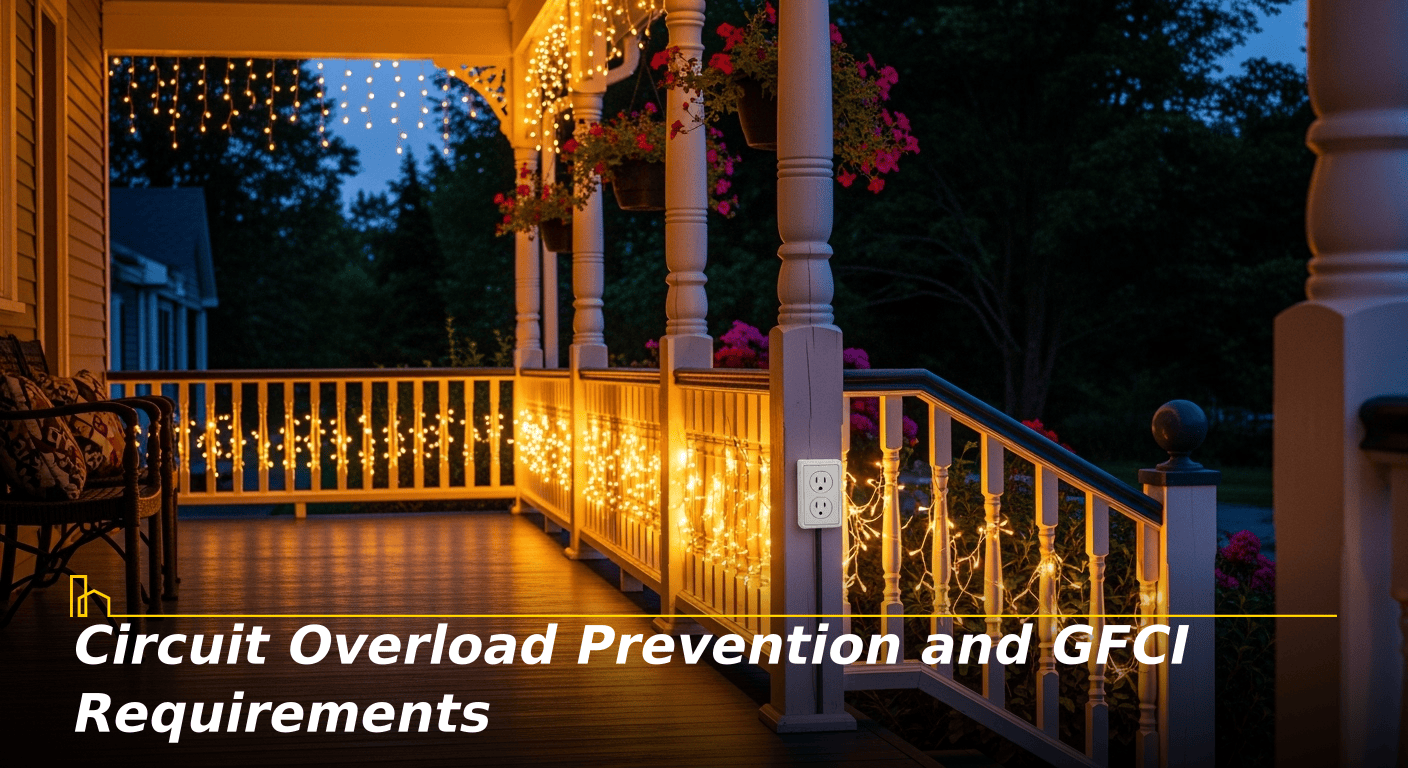
Despite the temptation to connect dozens of light strands together and create a massive display, doing so overloads your home’s electrical circuits, leading to tripped breakers or, worse, an electrical fire.
A rule of thumb is to connect no more than three strands of incandescent mini-lights end-to-end. For larger-bulb lights, always follow the manufacturer’s instructions. LED lights consume far less power, allowing you to safely connect more strands.
More importantly, all outdoor Christmas lights must be plugged into a Ground Fault Circuit Interrupter (GFCI) outlet. A GFCI outlet will shut off the power instantly if it detects a fault, preventing severe electrocution. If you do not have outdoor GFCI outlets, a portable GFCI adapter works.

Related article
The 10 Tips for Outdoor Christmas Decoration
Let’s delve into some ideas to help you curate the ideal festive ambiance for your home with a well-thought-out Christmas outdoor set. Whether you’re a seasoned holiday decorator or a yuletide novice, these tips and tricks will assist you in creating an outdoor space overflowing with seasonal joy…
5. Extension Cord Safety and Proper Connections
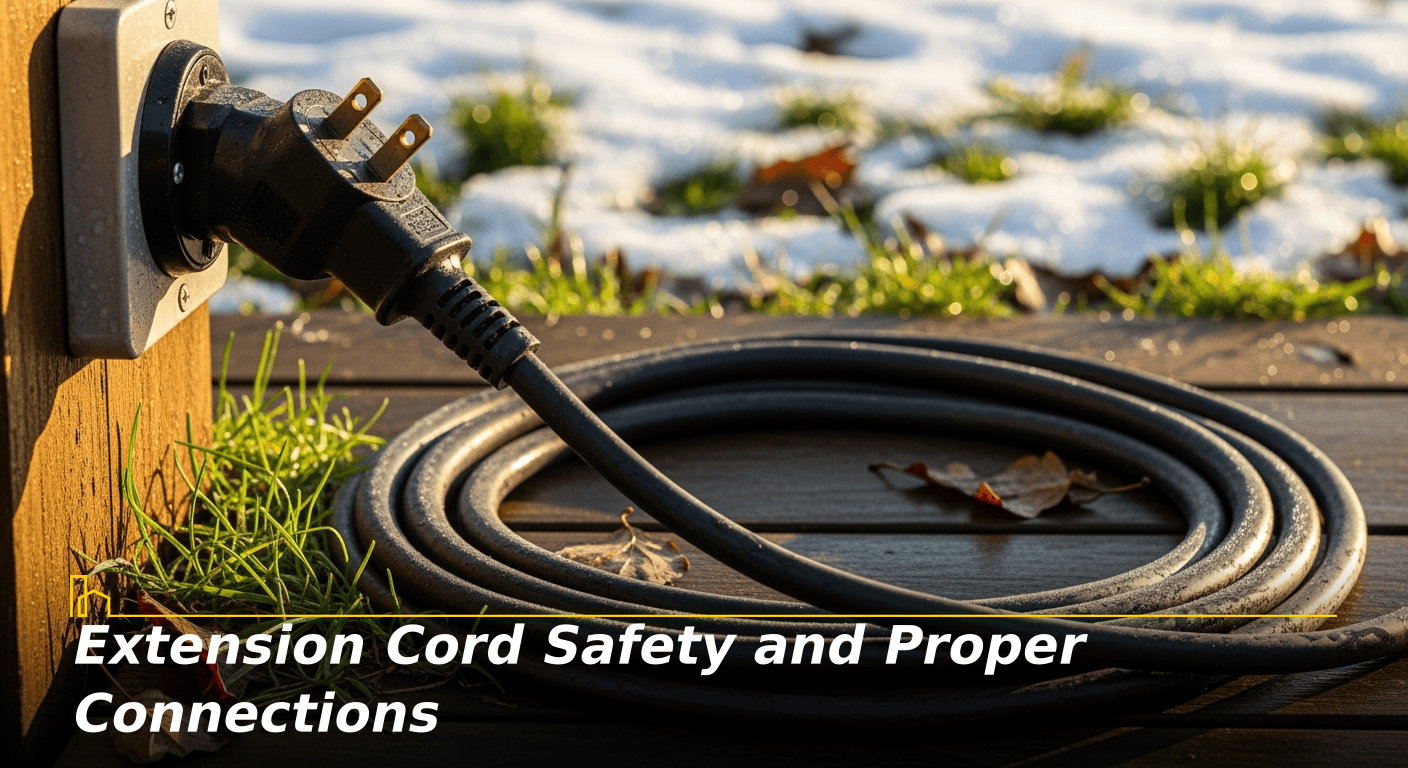
Using the wrong extension cord is a common and dangerous mistake. For outdoor use, only choose heavy-duty extension cords rated for exterior conditions. Look for labels like “For Outdoor Use” and a rating of at least 16-gauge.
Never use thin, indoor extension cords outside. The cord should be the right length for the job; do not connect multiple extension cords together. Ensure the connection point is kept off the ground and protected from snow and water.
Using a special plastic cover will shield the connection from the elements. Before use, inspect the entire cord for any fraying, cracking, or damage. Any damaged cords should be thrown away immediately.
6. Installation Safety Protocols
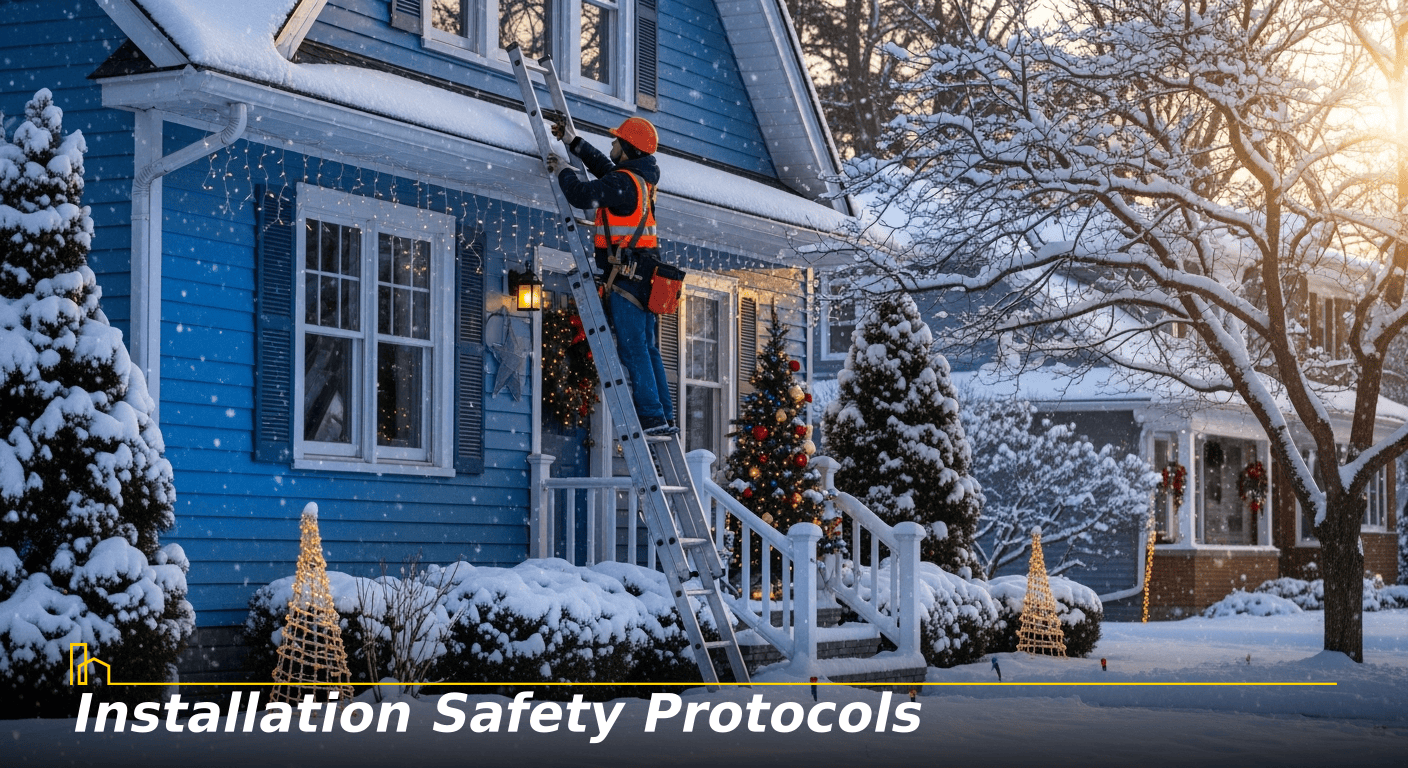
Once your equipment is safe, the next challenge is getting the lights up without falling. Installation accidents are the leading cause of holiday decorating injuries. Rushing the job or using improper techniques puts you at serious risk.
Staying methodical and using the right safety gear is essential. This is especially true when living in a region with harsh winters, where conditions can be treacherous. For those in colder climates, understanding local challenges is key, which is why resources like our guide to Minnesota winter can offer valuable insights. Let us explore the best practices for safe installation.
7. Ladder Safety and Proper Positioning Techniques
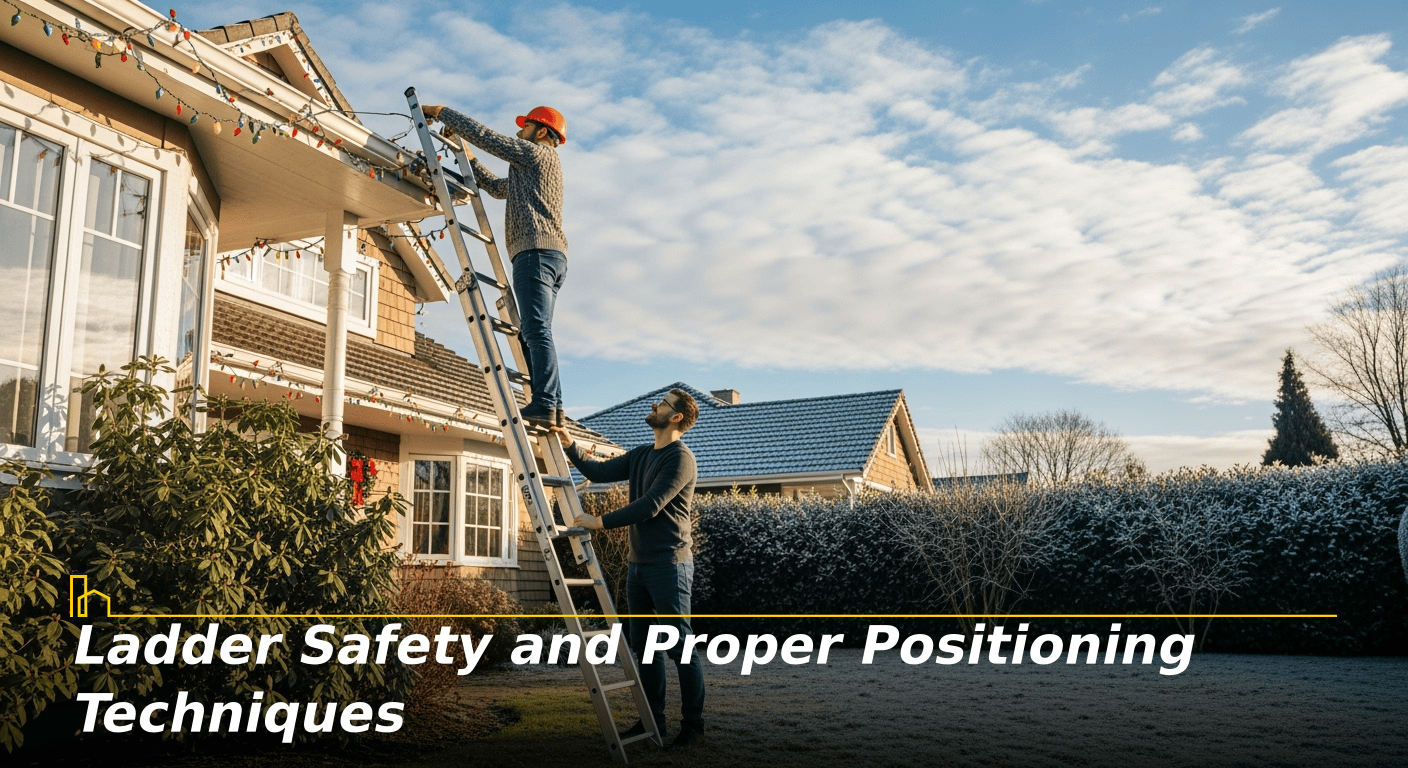
Ladder safety is paramount. Always choose the right type of ladder—one made of sturdy fiberglass is best as it does not conduct electricity. Before climbing, inspect for loose or damaged parts. Place it on a firm, level surface while avoiding ice or snow.
Use the “4-to-1 rule”: for every four feet of height, move the base one foot away from the wall. Have a spotter hold the base for added stability. Never overreach while on a ladder; always climb down and move it instead.
Your belt buckle should always remain between its side rails. Most importantly, never use the top step or bucket shelf of a stepladder as a step.


Related article
The Magic of a Minnesota Christmas
It is a time of caring, sharing and giving that is often overlooked when caught up in our busy daily routines. For these reasons, the holiday itself is enjoyed by people of all backgrounds and faiths. It’s a time of music, compassion, generosity, gratitude, twinkling lights, festivities, traditions, peace and joy…
8. Roof Safety Equipment and Harness Usage
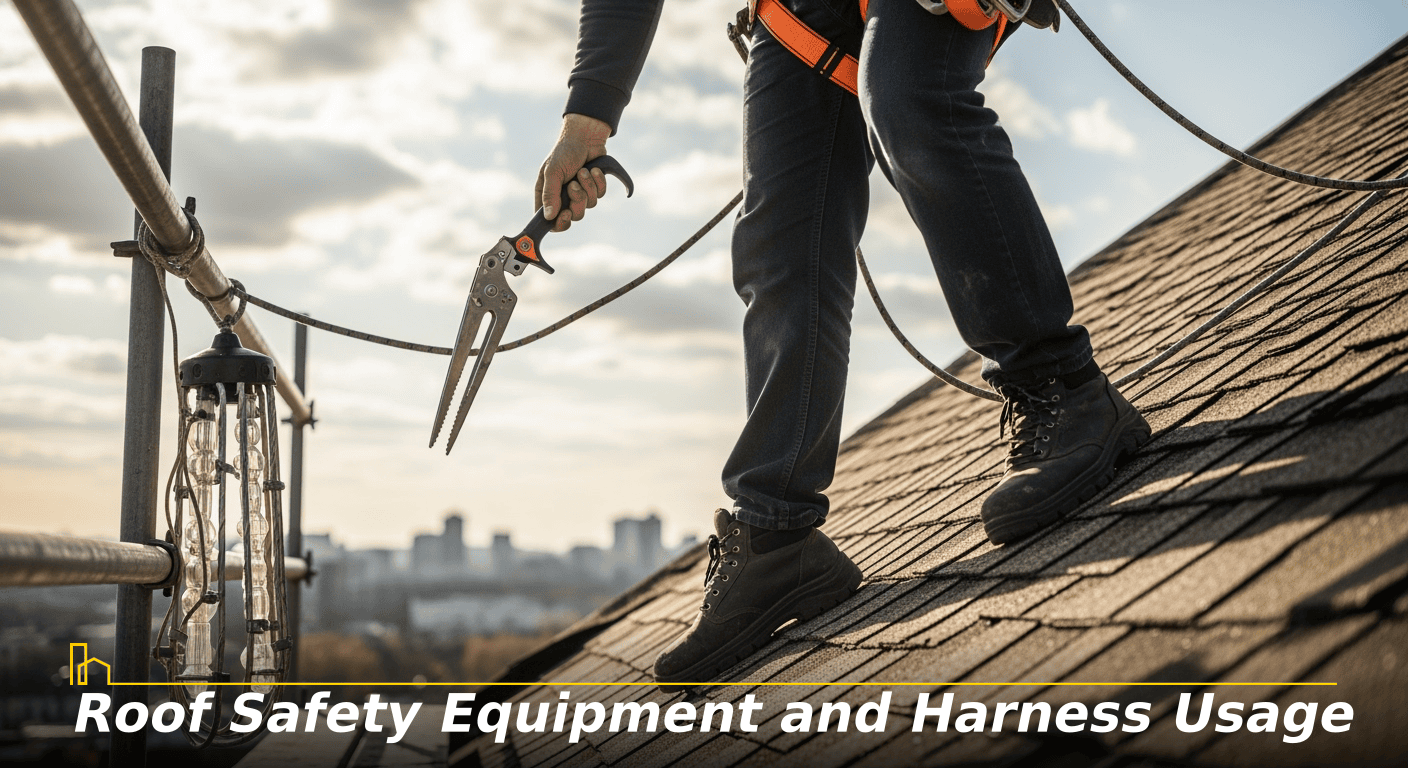
If your decorating plan involves walking on your roof, extreme caution is necessary. Roof work is inherently dangerous and should be avoided if possible. If this is necessary, wear rubber-soled shoes for better traction.
Use a roof harness system that is securely anchored to prevent a deadly fall. Be acutely aware of your surroundings, avoiding power lines and other utilities. Stay mindful of slippery spots from morning dew, frost, or old leaves.
For best practices, operate an extension pole to hang lights from the ground along the roof’s edge rather than climbing up. Your safety is more important than perfect light placement.
9. Weather Consideration Guidelines
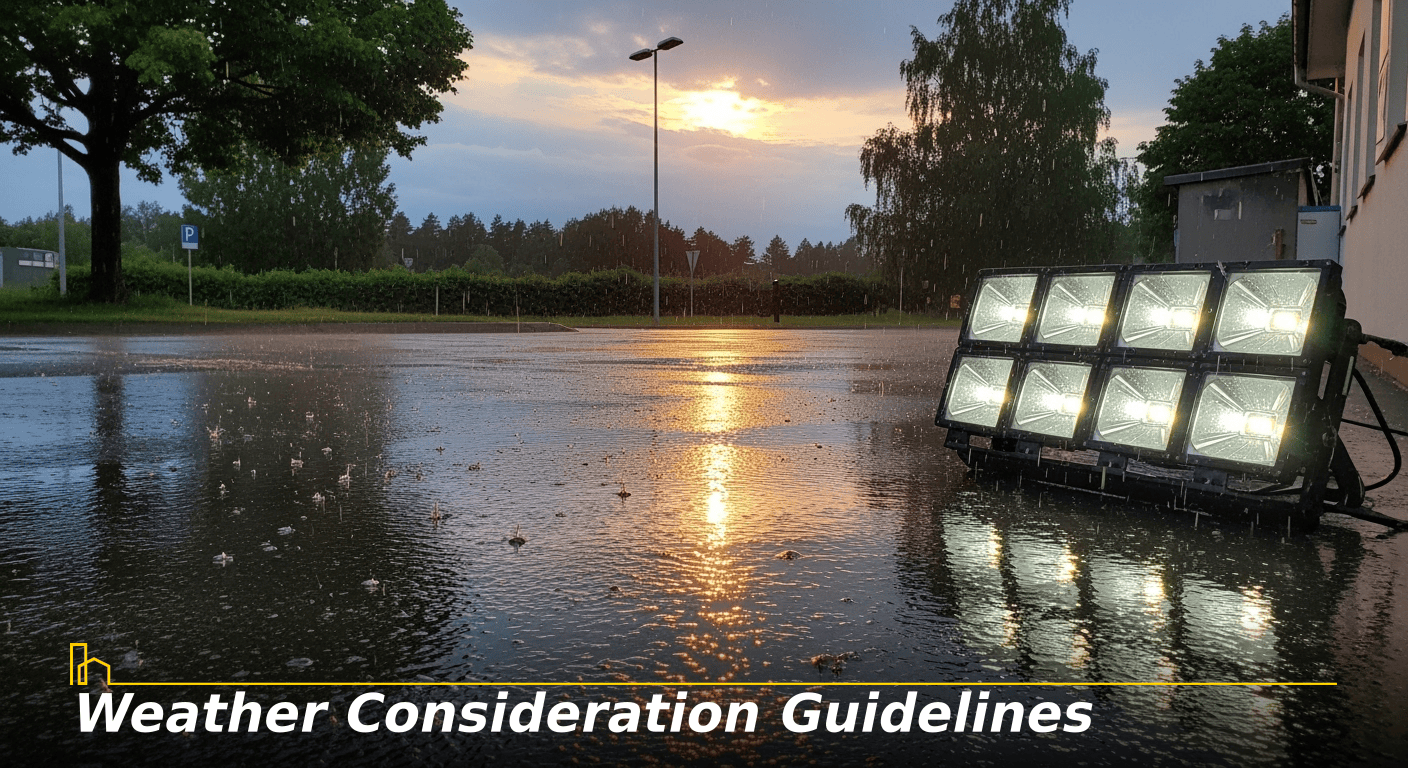
Never install Christmas lights in bad weather. Wet conditions make ladders, roofs, and cords slippery, dramatically increasing the risk of falls and electrocution. Wait for a clear, dry day with mild winds.
Even when in a hurry, installing lights in the rain or immediately after a snowstorm is a recipe for disaster. Check the forecast to ensure you have a window of good weather for the entire process. If considering a move to a new area, understanding the local climate is crucial for all aspects of home maintenance.
For instance, the pros and cons of living in Colorado highlight varied weather patterns that could affect your seasonal tasks.
10. Professional vs. DIY Risk Assessment
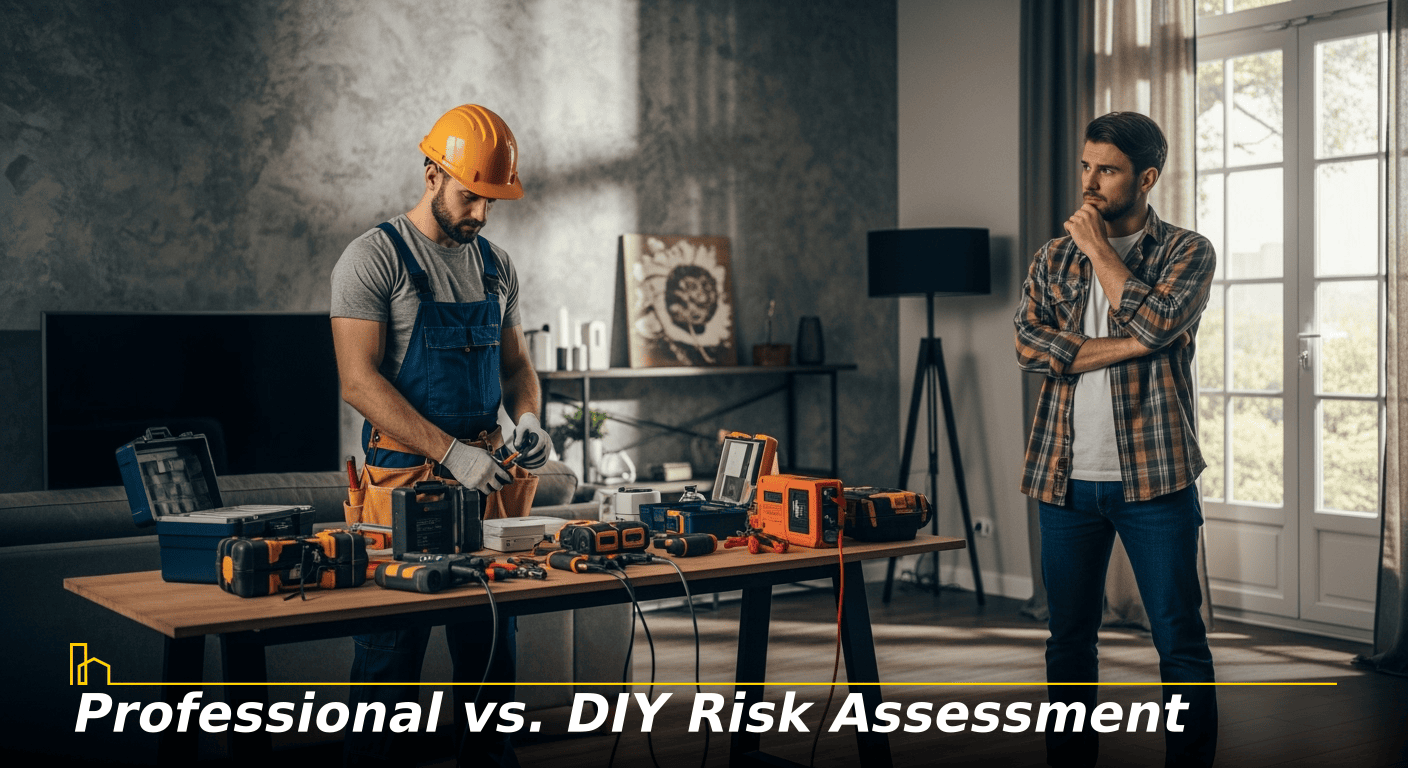
Be honest with yourself about your physical ability and comfort level. Installing lights on a single-story roof with easy access is one thing. Tackling a multi-story home with a steep, complex roofline is another.
When in doubt, hire a professional. They are trained, insured, and have the proper safety equipment to handle high-risk jobs efficiently and safely. The cost of professional installation is a small price to pay for avoiding a catastrophic injury.
This is a key part of responsible homeownership, much like the careful planning needed when saving for your first home purchase. Knowing your limits is a sign of wisdom, not weakness.
Recommended for you



11. Maintenance and Storage Best Practices
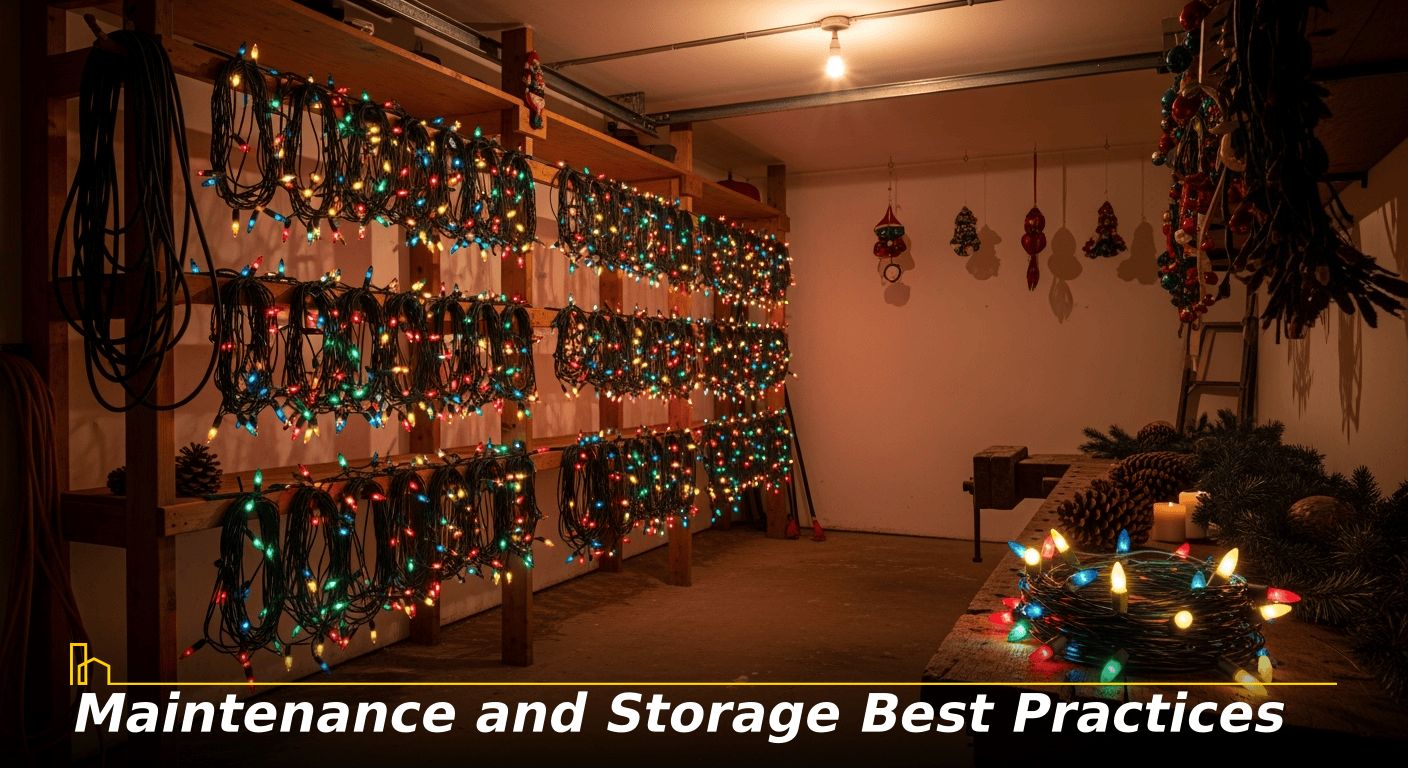
Your responsibility does not end once the lights are twinkling. Ongoing maintenance throughout the season and proper storage afterward are vital for long-term safety and performance.
Taking some time for upkeep ensures your lights will last for many seasons to come. This proactive approach also saves you money and frustration by extending the life of these decorations.
A well-maintained home, inside and out, is a safer and more valuable asset, a principle that applies whether you are living in Georgia or anywhere else.
12. Pre-Season Light Inspection Checklists
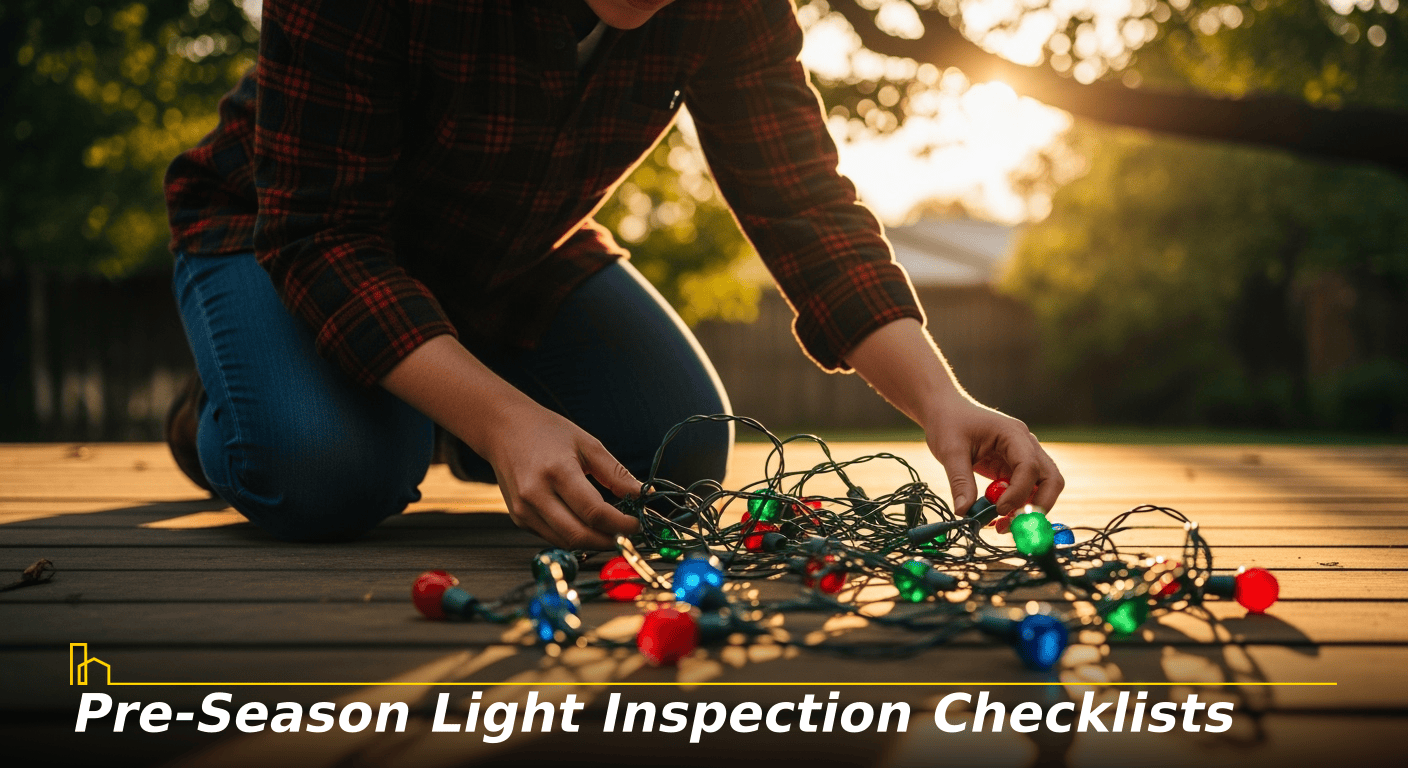
Before hanging your lights each year, conduct a thorough inspection. Carefully examine each strand for frayed wires, cracked insulation, broken sockets, or loose connections.
Check each bulb to ensure it’s seated properly. Plug the strand in to make sure all bulbs are working. If you find a strand with damaged wires, avoid applying electrical tape.
For strands where only a few bulbs are out, either throw away or replace only if the manufacturer provides spares. A pre-season inspection takes minutes but can prevent an electrical fire.
13. Proper Storage Techniques and Labeling Systems
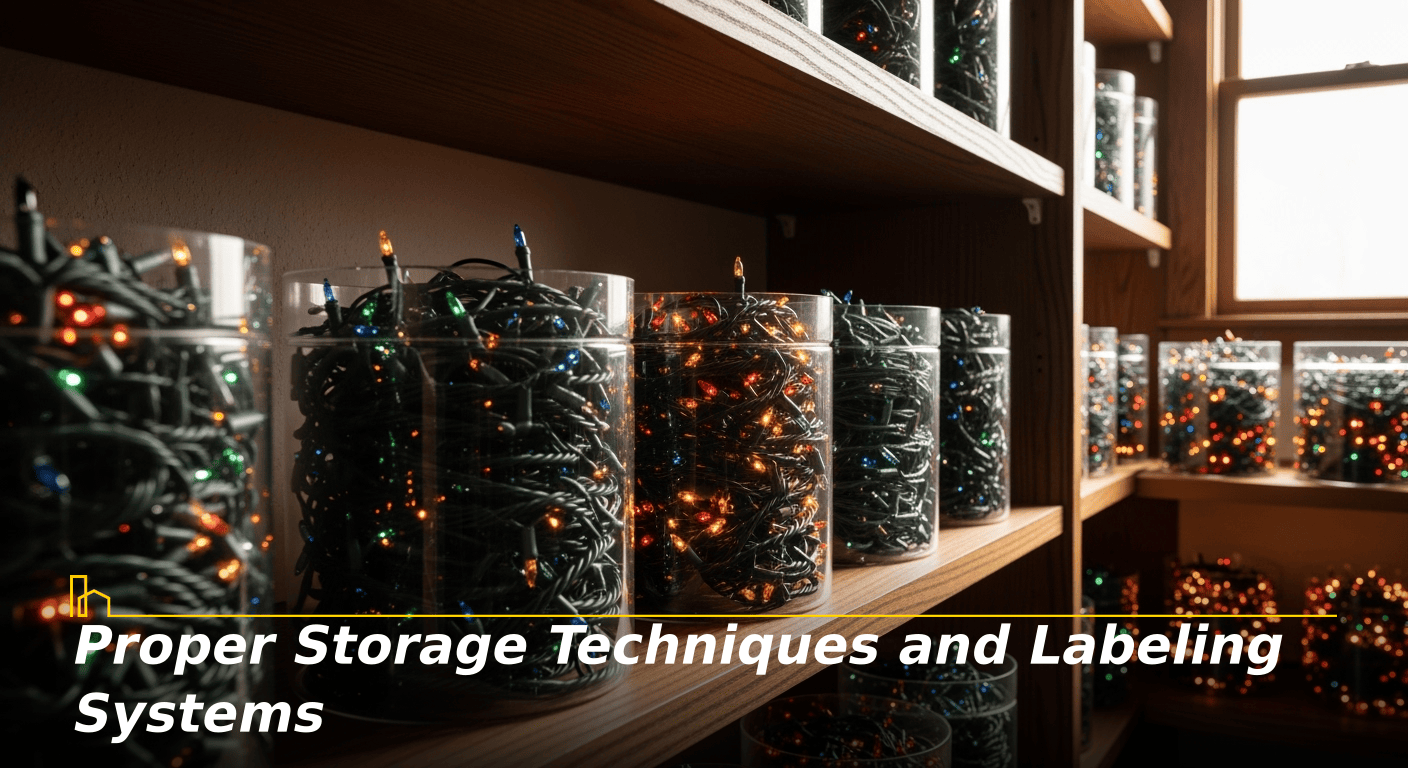
How you store your lights directly impacts their longevity and safety. Never throw strands of lights into a box in a tangled mess. This stresses the wires and can break the delicate filaments in incandescent bulbs.
Instead, wrap each strand neatly around a piece of cardboard or a light reel. This prevents tangles and kinks in the wires. Store in a sturdy, plastic, airtight container to protect them from moisture, dust, and pests.
Label each container clearly with its contents. An organized system makes setting up the following year faster, easier, and safer.
Related article
The 10 Tips for Electrical Safety at Home
Electrical shock and fires are the most common risks associated with electrical problems at home. However, these risks can be reduced by following simple but effective electrical safety rules…
14. Troubleshooting Common Electrical Issues
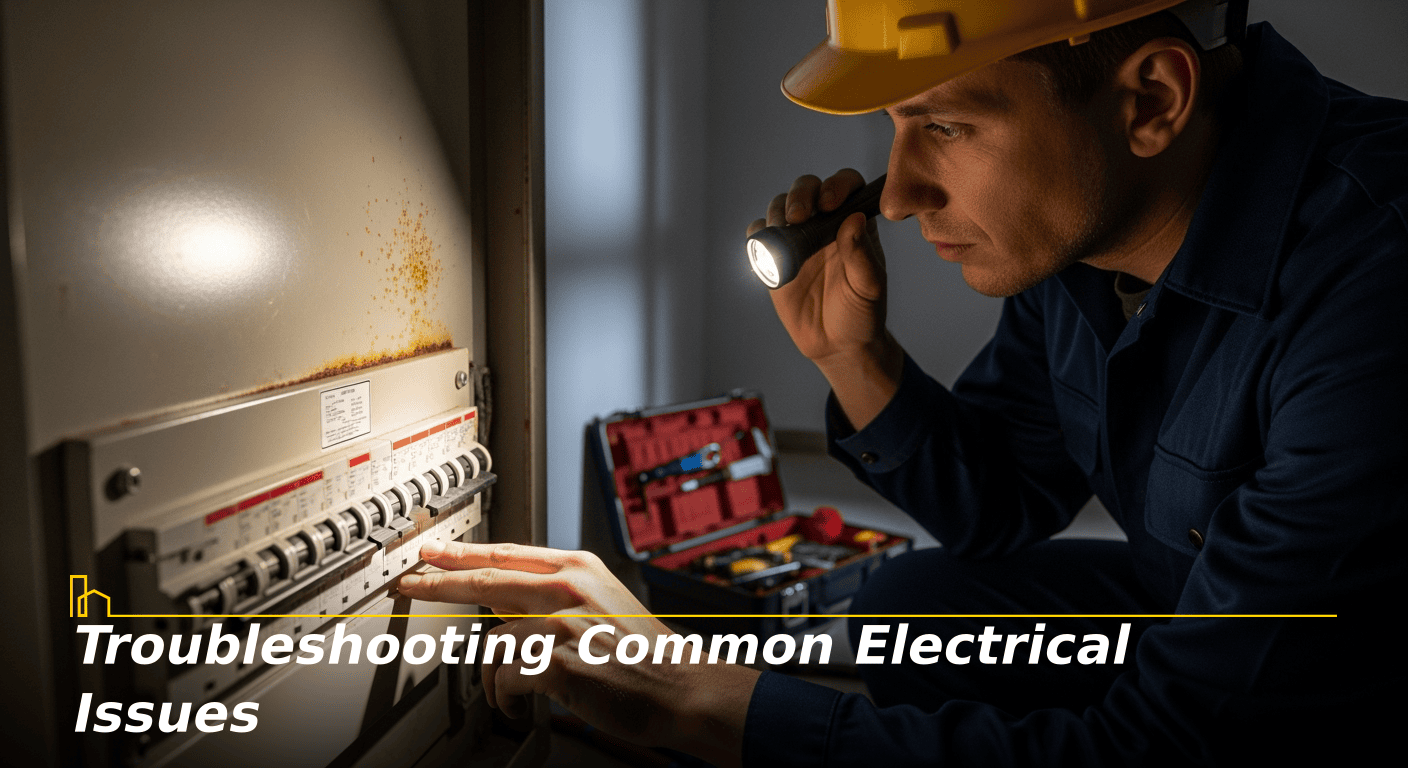
Even with the best preparation, you may encounter problems. When a whole strand is out, check the fuse in the plug. Most have a small, slide-out compartment with one or two spare fuses.
Replace with a fuse of the exact same amperage. If only a section of a strand is dark, look for a single burnt-out bulb, especially in older incandescent sets where the circuit runs in series.
Modern LED sets often have bulbs that can burn out individually without affecting the rest of the strand. If an outlet or circuit keeps tripping, you are likely overloading it and need to redistribute these lights to different circuits.
15. Annual Maintenance Schedules
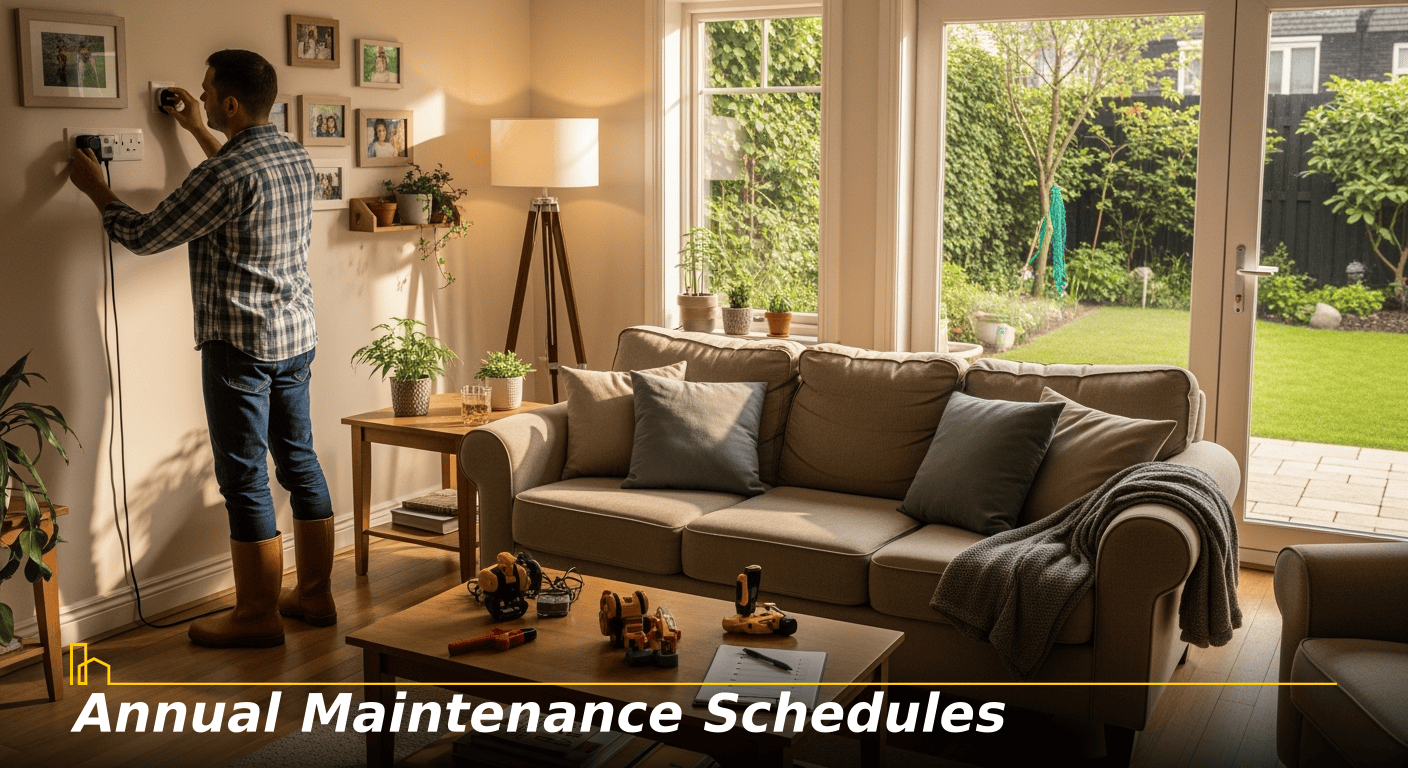
Make holiday light maintenance a part of your annual home care routine. After the season, when packing everything away, note any strands that were problematic. This serves as a reminder to replace during pre-holiday sales for the next year.
Once a year, examine your outdoor GFCI outlets by pressing the “Test” button to ensure they trip correctly. As part of a broader home maintenance strategy, this aligns with other essential tasks that preserve your home’s value and safety, similar to the considerations outlined in our guide on HVAC maintenance for your business. A consistent schedule prevents last-minute rushes and ensures everything is in safe, working order.
Conclusion
Creating a magical holiday display is a wonderful tradition, but it should never come at the cost of your safety. By adhering to these electrical fundamentals, installation protocols, and maintenance best practices, you can keep the “Happy” in “Happy Holidays.”
Remember to always use the right lights for the right location, practice extreme caution with ladders, and never hesitate to call a professional for complex jobs. Peace of mind coming from a safe and secure home is the greatest gift you can give your family this season. So plan ahead, be careful, and enjoy the beautiful, worry-free glow of your holiday lights.
Recommended for you


Frequently Asked Questions About Christmas Lights Safety
1. Are Christmas lights a fire hazard?
Yes, Christmas lights can be a fire hazard if used improperly. The main risks associated are using damaged or frayed wires, overloading electrical circuits, and connecting too many light strands together. Using indoor lights outdoors or placing lights too close to flammable materials also increases fire risk. Always use UL-listed lights, do not overload outlets, and inspect all lights carefully before use to minimize this danger.
2. Can I leave my Christmas lights on all night?
It is not recommended to leave your Christmas lights on all night or when you are away from home. Despite safety improvements, the risk of a short circuit or fire still exists. A malfunction could go unnoticed and escalate quickly. To be safe, turn off all Christmas lights before heading to bed or leaving the house. Using an outdoor-rated timer is an ideal solution, as it will automatically turn your lights on and off at set times, providing convenience and safety.
3. Is it worth hiring a professional to install Christmas lights?
For many, hiring a professional is absolutely worth it. They handle the entire process, from design to takedown, using commercial-grade lights and equipment. Having the training to work safely at heights ensures your display is electrically sound. Doing so saves you time, eliminates physical risk, and often results in a more polished display. It is highly recommended for homes with high peaks and complex
4. What is the safest type of Christmas light?
LED (Light Emitting Diode) lights are generally considered the safest type of Christmas light. They operate at a much lower temperature than traditional incandescent bulbs, greatly reducing the risk of fire and burns. Other perks include higher energy efficiency, durability, and longer lifespans. Because they use less power, you can connect more strands together without overloading a circuit. When purchasing LEDs, still ensure they are UL-listed for their intended use.
5. Will my home insurance cover damage caused by Christmas lights?
In most cases, standard homeowners’ insurance will cover damage from a fire caused by Christmas lights, as it is considered a sudden and accidental event. However, you must be able to prove that the fire was not a result of negligence. If the insurance investigation finds faulty wiring, overloaded circuits, or that you acted irresponsibly, your claim could be denied. Always follow safety guidelines when maintaining decorations to ensure you are covered.
Share