






Moving With Pets: A Complete Relocation Guide
- Local Editor:Local Editor: The HOMEiA Team
- Category: Moving


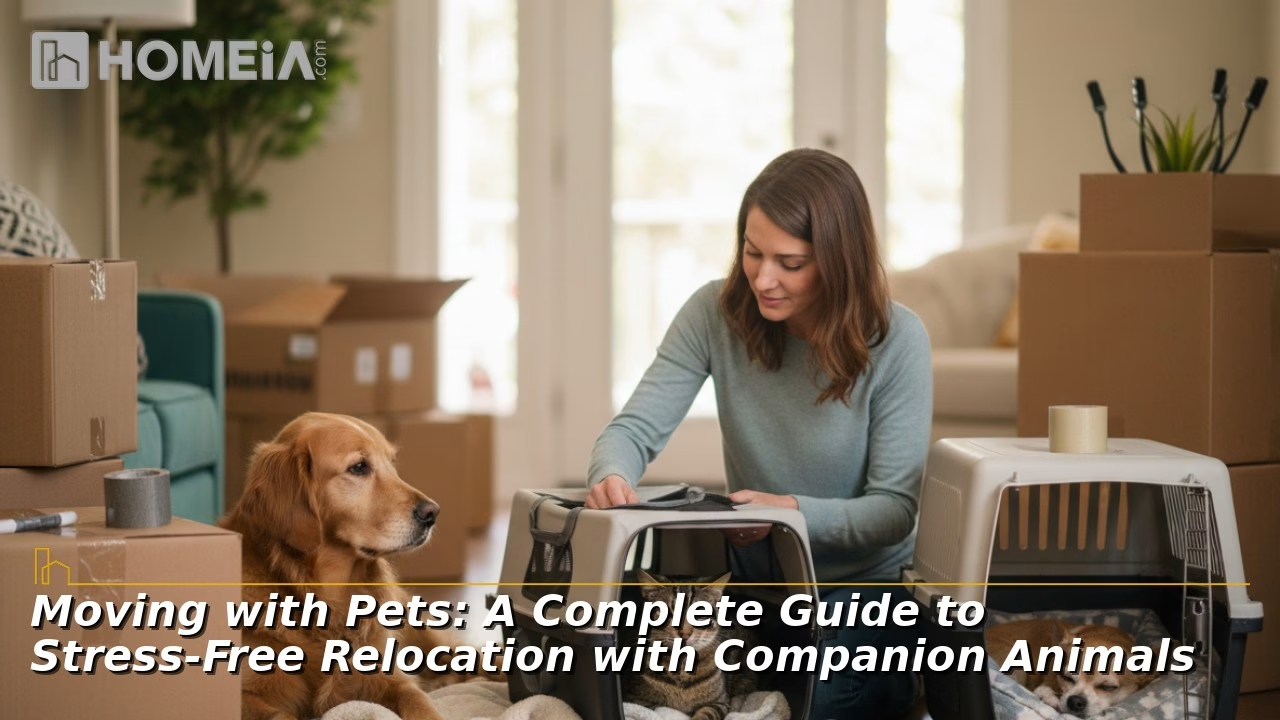
Moving is recognized as one of life’s most stressful events, and not only for humans. Moving with pets involves managing complex transport logistics while safeguarding the physiological and behavioral well-being of creatures unable to comprehend why their environments are changing. Whether you are transitioning down the street or moving to San Antonio, TX, experienced relocation professionals observe that the boundary between a highly chaotic transition and a safe, structured relocation depends entirely on proactive, methodical planning. This comprehensive guide outlines key mechanics required to relocate companion animals safely, providing a structured framework from preparation through long-term acclimation.
Key Takeaways
- Proactive Planning: Establish a relocation timeline three to six weeks before moving to secure veterinary check-ups and travel compliance documentation.
- Environmental Stability: Keep pets in a designated safe room with familiar bedding during packing and loading to reduce anxiety and prevent accidental escapes.
- Transit Security: Always transport pets in your personal, climate-controlled vehicle, never inside the cargo area of a moving truck.
- Aviation Safety: Select direct flights, prepare for seasonal temperature embargoes, and secure proper crates like CR-82 carriers for restricted breeds.

Related article
How Much Do Movers Cost? 2026 Pricing by Home Size and Distance
Moving costs are driven mainly by two factors: the volume of belongings and the distance between locations, together accounting for most of the final bill. In today’s market, rising labor and insurance expenses continue increasing prices. Understanding how these variables affect estimates is essential for building a realistic and accurate moving budget…
1. The Strategic Importance of Pet Relocation Planning

Companion animals thrive on environmental consistency, familiar scent marks, and established routines. A sudden relocation disrupts these behavioral anchors. Dogs, as highly empathetic animals, read human emotional cues and mirror owner anxiety. Felines, fiercely territorial, perceive their physical home as a primary safety mechanism. Essentially, a sudden environmental shift is deeply destabilizing.
Geographical distance escalates these behavioral risks. Local moves present minor transport stress, whereas long-distance relocation introduces climate variables, multi-day routes, and extended confinement, requiring systematic mapping of pet-friendly stops. Successful transitions require weeks of planning.
2. Veterinary Protocols and Pre-Move Preparation
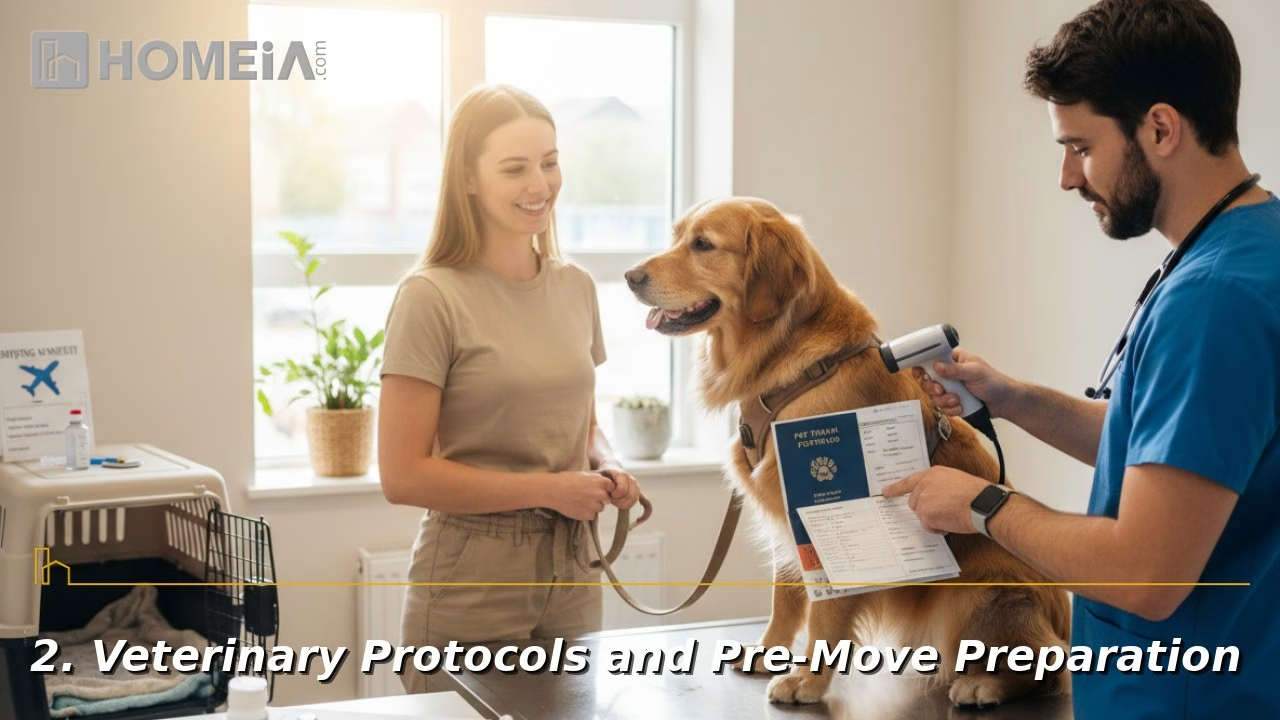
Clinical check-ups should occur three to four weeks prior to travel. This serves as a way to obtain a pet travel health certificate, documentation legally required to cross state lines or international borders. Consultations should address rabies vaccinations, long-term prescription refills, and anti-anxiety or anti-nausea medication options.
Accurate identification is the primary recovery vector if a frightened pet escapes. Owners must update collar tags and microchip registry databases with their new address and phone number before relocation. Gradually acclimating cats and dogs to travel crates reduces travel-day stress. Leaving the crate in common spaces with familiar bedding, toys, and treats desensitizes the animal to the enclosure. Conducting short drives prepares dogs for extended highway travel.

Related article
Last-Minute Moving: What It Really Costs and How to Move Fast
Sudden moves are stressful but manageable with the right approach. While standard relocations allow for careful planning, emergencies demand speed and prioritization. To succeed, you must verify professional movers quickly, protect your essentials, and follow a simple plan. Prioritizing organization and reliability over perfection ensures a smooth transition under pressure…
3. Packing Logistics and Home Environment Management

Packing disrupts household safety, as moving crews, boxes, and open exit points create significant escape risks. To prevent accidents, owners should designate a quiet safe room away from moving activity, stocking it with familiar bedding, toys, water, and food. Maintaining standard schedules for feeding and walking during this phase provides critical behavioral reassurance.
Critical supplies must be packed into an accessible travel kit kept in the owner’s personal vehicle rather than the moving truck. Keeping these items accessible right until departure: maintaining normalcy is crucial for reducing anxiety.
Table 1: Essential Pet Relocation Travel Kit Checklist
| Category | Required Items | Tactical Justification |
| Documentation | Health certificates, vaccine records | Ensures legal compliance and immediate veterinary access |
| Identification | Updated tags and microchip records | Facilitates recovery if the animal escapes during transit |
| Nutrition | Seven days of food and bottled water | Prevents digestive upset from dietary or water source changes |
| Safety Equipment | Leashes, harnesses, and rigid carriers | Secures animals during stops and prevents vehicle accidents |
| Hygiene | Waste bags, portable litter box, cleaners | Manages sanitary requirements during extended travel |
| Comfort | Familiar bedding, pheromone sprays | Reduces environmental stress using known scent markers |
4. Executing a Safe Moving Day
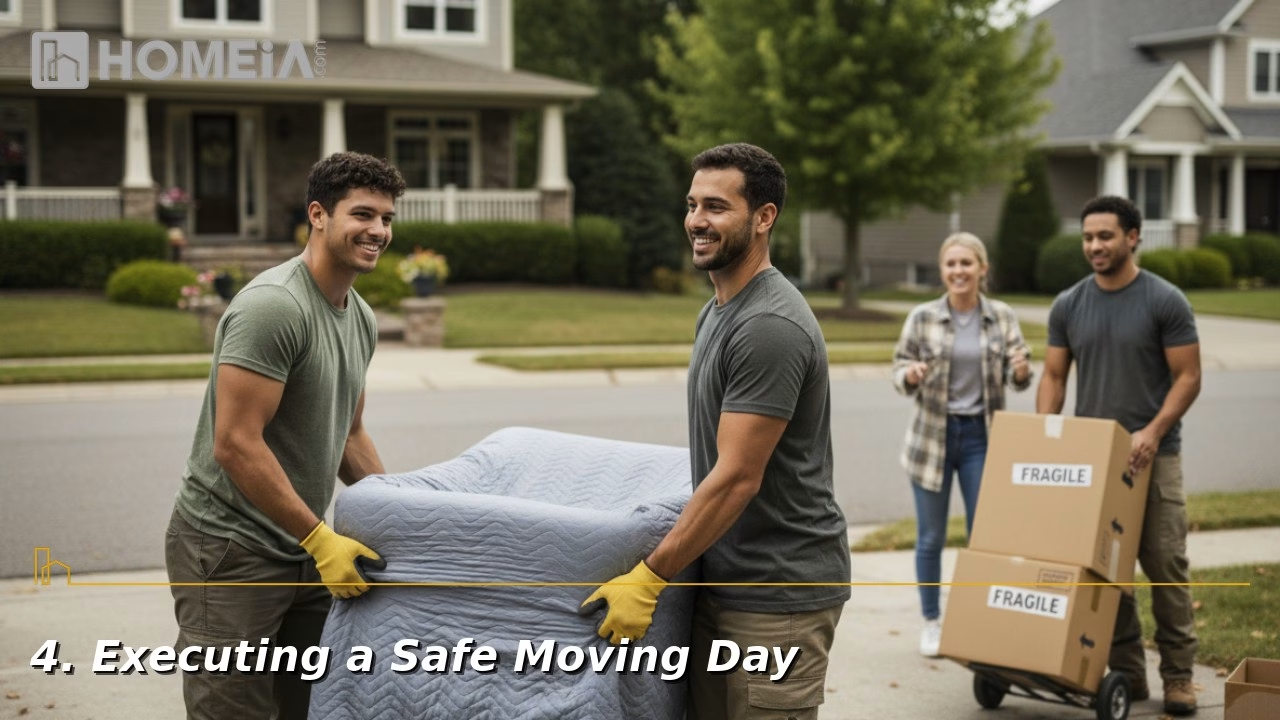
Moving day introduces high risks of physical injury or escape. Under no circumstances should animals ride in the cargo area of a moving truck: these spaces lack ventilation, insulation, and climate control, exposing animals to lethal temperatures. Animals must travel within the passenger cabin of the owner’s vehicle, properly secured in seatbelt-anchored carriers or crash-tested harnesses. They can become dangerous projectiles in an accident. Within the vehicle, keep the climate control at a moderate temperature, play calm music, and use pheromone sprays.
Dogs benefit from extensive exercise prior to departure to deplete nervous energy. During road travel, stop every two to three hours for hydration, waste elimination, and leashed movement, keeping them strictly on-leash to prevent bolting. Cats require continuous containment in a secure carrier, never let them loose in the car. Covering the carrier with a light blanket creates a calming, dark environment. Do not open the carrier during transit, as a panicked cat can escape instantly through open windows or doors.
Recommended for you




5. Specialized Long-Distance and Aviation Logistics
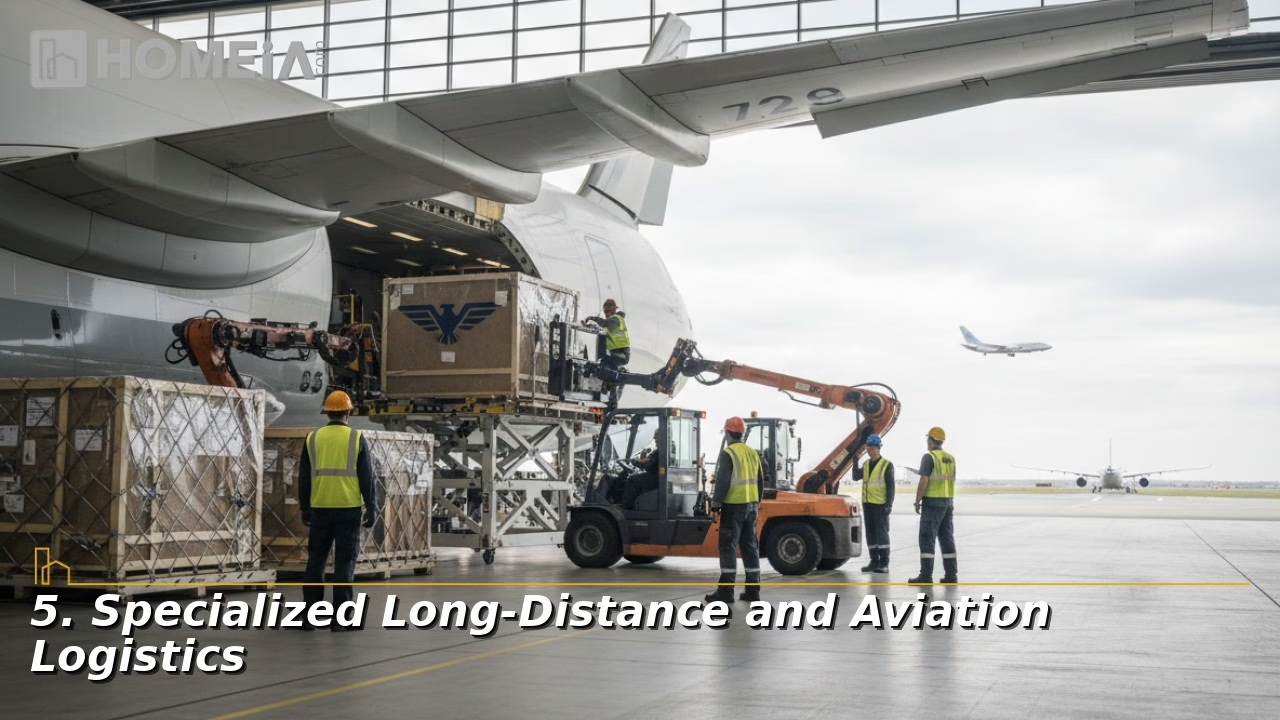
Multi-day road travel requires pre-booking verified pet-friendly accommodations, mapping veterinary clinics, and maintaining portable travel litter boxes. Never leave animals unattended in parked cars.
Aviation transit is highly regulated and presents unique operational risks. Airlines enforce temperature embargoes, suspending live cargo travel if ground temperatures drop below 45°F (7°C) or rise above 85°F (29°C) at any point along the route. Flight cages must comply with IATA sizing, allowing animals to stand, turn, and lie down comfortably. Powerful or restricted breeds, including Pit Bulls, Bull Terriers, or American Bullies, require specialized IATA CR-82 steel or wood containers instead of standard plastic flight kennels. Using professional pet relocation firms provides logistical security, managed veterinary endorsements, and real-time rerouting.
Table 2: Comparative Analysis of DIY Aviation and Professional Relocation Services
| Relocation Variable | DIY Airline Booking | Professional Relocation Services |
| Logistics | Owner manages all bookings and transfers | Handlers manage origin-to-destination transport |
| Documentation | Owner handles health forms and permits | Experts manage USDA endorsements and customs |
| Risk Control | High risk of denial from sudden weather embargoes | Active monitoring allows real-time flight rerouting |
| Cost Profile | Lower upfront cost consisting of airline fees | Higher upfront cost comprising specialized logistics |
| Stress Index | Elevated, particularly for international routes | Minimal, as complex operational risks are outsourced |
6. Post-Move Integration and Environmental Acclimation

Arrival at the destination marks the beginning of the behavioral integration phase, as the transition remains ongoing. To prevent sensory overload, owners should immediately establish a safe room in the new residence prior to unloading household goods. Stock this space with familiar scent-marked items to establish a baseline of security amidst unfamiliar sensory input.
Re-establishing standard schedules for feeding, exercise, and attention provides structural stability. Allow dogs to explore the new environment on a leash, ensuring the perimeter fencing is sound before any off-leash activity. Cats must remain strictly indoors for at least two to three weeks to prevent them from bolting in an attempt to find their old territory.

Related article
6 Tips for Pet-Friendly Curtains
When it comes to the safety of your pets and the appearance of your curtains, you should think about curtain length, color, material, print, and more. Below, you’ll find six tips that you should consider when buying pet-friendly curtains…
7. Common Relocation Pitfalls to Avoid

Relocation practitioners frequently observe repeating operational errors compromising animal safety:
- Unsecured Environments: Allowing animals to roam freely during packing and loading, resulting in accidental escapes. Confining them to a secure room is the optimal preventative measure.
- Moving Truck Transit: Placing animals in the cargo hold of a moving truck. These lack ventilation, insulation, and climate control.
- Outdated Registrations: Inability to update microchip registries and collar tags prior to departure, preventing recovery if the animal escapes in an unfamiliar area.
- Inadequate Flight Planning: Booking flights without verifying seasonal temperature limits, leading to last-minute airline denials.
- Pre-Travel Feeding: Providing a full meal immediately before departure, which induces motion sickness and gastrointestinal distress: maintaining consistent nutrition is vital.
8. Protocols for High-Sensitivity and Special-Needs Pets
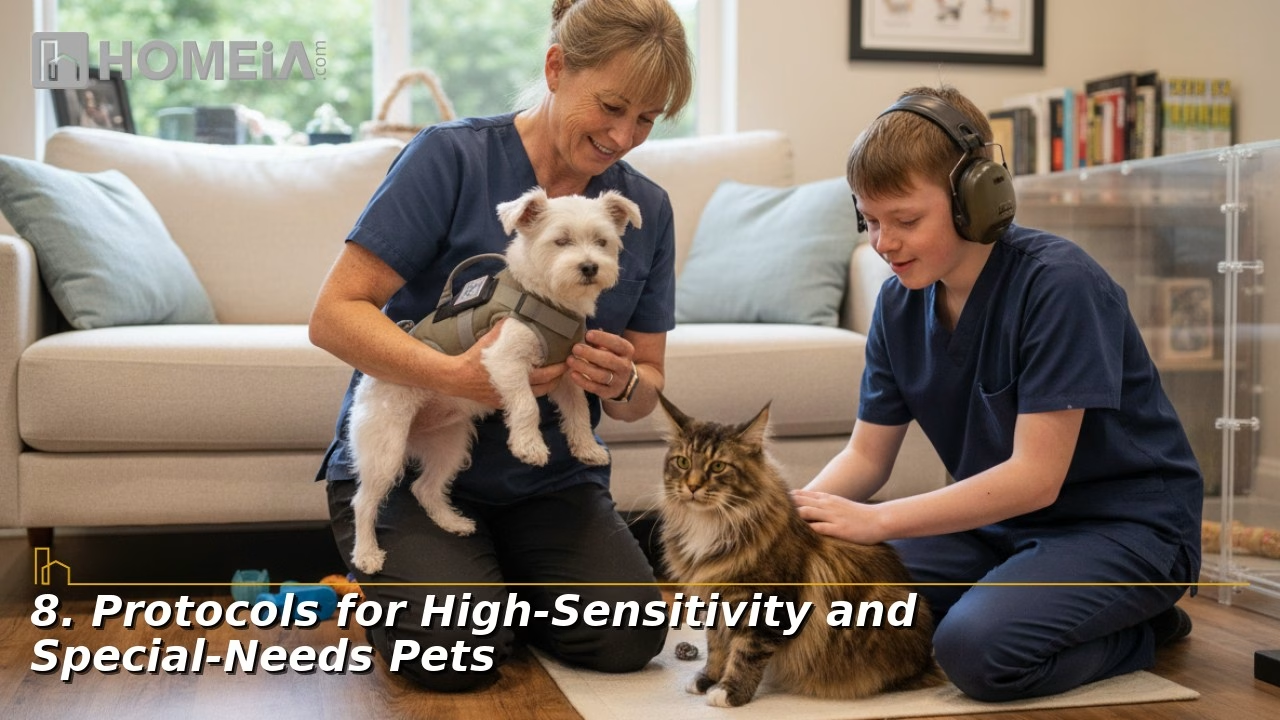
Senior pets, medically fragile animals, and those with severe behavioral anxiety require specialized care during a move. Older animals possess reduced tolerance for environmental change, joint fragility, and metabolic vulnerabilities, requiring orthopedic bedding, frequent rest stops, and precise medication management.
High-anxiety animals benefit from vet-approved calming supplements, pheromone sprays, and minimal environmental disruption. Chemical sedation is strictly discouraged by international veterinary associations, particularly during flights, as it impairs the animal’s ability to maintain physical balance and alters cardiorespiratory responses to atmospheric pressure changes. Sedative administration must only occur under explicit veterinary guidance.
Recommended for you



FAQs About Relocating with Pets
1. How should households approach securing a local veterinarian in their destination city?
Relocating households should research clinics in their destination city prior to arrival. Searching digital directories using keywords like, “vet near me” or, “animal hospital” helps identify accredited local facilities. Contacting a chosen facility early allows for the direct transfer of electronic medical records, ensuring continuous preventative care such as puppy vaccines or spay and neuter services without administrative delays.
2. What environmental health hazards should be assessed at the new property before releasing pets?
If the previous occupant owned companion animals, the home and yard should be treated for fleas and parasites. Before introducing pets to their new environment, owners must conduct a physical sweep of the residence and yard to detect hidden hazards left behind. Examples include rodenticide bait, insect traps, mothballs, or toxic automotive fluids like antifreeze.
3. What are the specific airline crate specifications for strong or restricted dog breeds?
Standard plastic flight containers are typically prohibited for powerful breeds likePit Bulls, Bull Terriers, or American Bullies. Under IATA regulations, these breeds require specialized CR-82 containers constructed of reinforced wood, metal, or welded wire mesh with secure bolt systems, preventing structural failure or escape during transit.
4. How are animal transfers managed at layover airports during long-distance flights?
To minimize flight stress, airlines and professional pet relocation firms employ dedicated animal care handlers at transfer hubs. During scheduled layovers, these professionals transfer animals to climate-controlled holding areas, clean their travel crates, replenish frozen water dishes to prevent dehydration, and ensure the animals are safely secured prior to boarding connecting flights.
Share