
What Is It Like Living in Minneapolis?
- Local Editor:Local Editor: Phong Nguyen


What is it like living in Minneapolis? Whether you are relocating to Minneapolis for school, work, or retirement, there is something there to suit everyone’s desires. You may have heard rumors, but wanted a clearer picture before deciding to make the transition.
This article covers 12 key factors to know about living in the Twin Cities, from access, population, and seasons to health care, education, jobs, culture, pros and cons, neighborhoods, and real estate. Followed by answers to common questions about winter, transit, taxes, safety, and where to live, a brief synopsis to fully understand the picture is provided.
Key Takeaways
- Minneapolis has about 430,000 residents and anchors a Twin Cities metro of more than 3 million people.
- Four distinct seasons include cold, snowy winters that residents embrace with outdoor activities.
- Top hospitals, the University of Minnesota, and major employers like Target support a strong economy.
- Minnesota’s income tax is high, but there is no city income tax and no sales tax on most clothing.
- The typical home value is about $339,000, and homicides fell from 77 in 2024 to 64 in 2025.
- Plan for winter with snow emergency parking alerts, winter tires, and higher heating bills, and use the skyway downtown.

Related article
The 5 Best Places to Live in Minneapolis, MN
In a city this big, it can be difficult to decide where to live. After all, Minneapolis has 83 residential neighborhoods, each with its own personality. To give you a starting point, this article will introduce you to 5 of the best neighborhoods to live in within the city of Minneapolis…
1. Large City and Easy Access
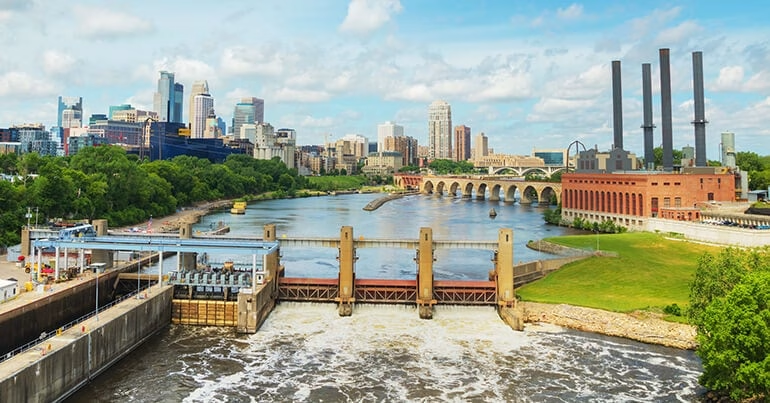
Minnesota borders our northern country neighbors, being known for its forests, prairies, lakes, rivers, and friendly residents. Its largest metro area is the Twin Cities of Minneapolis and St. Paul, home to more than 3 million people, and remains the state’s most populous city.
Set along the Mississippi River, it is easy to reach. Minneapolis-St. Paul International Airport (MSP) is a Delta hub and home base for Sun Country Airlines, with a multitude of domestic and international flights, paired with major interstates connecting the city in every direction.
2. Diverse Population and Cultural Interests

The Census Bureau estimates Minneapolis’s population at about 430,000 as of July 2025. The city has a diverse population, including large Somali, Hmong, Latino, and Native American communities, shaping its food, arts, and festivals.
It regularly appears on “best of” lists for quality of life, parks, and health, and it consistently ranks near the top of the Trust for Public Land’s ParkScore index for city park systems.

Related article
7 Factors Rank Minneapolis as one of the Best Cities in Minnesota
It is well known as one of the Twin Cities, sharing that moniker with another of the oldest cities in the state: St. Paul, Minnesota. These cities originally served as home to Native Americans along the Mississippi River and later grew as centers for river trade, logging and four mills. This…
3. Distinct Seasons and Natural Beauty
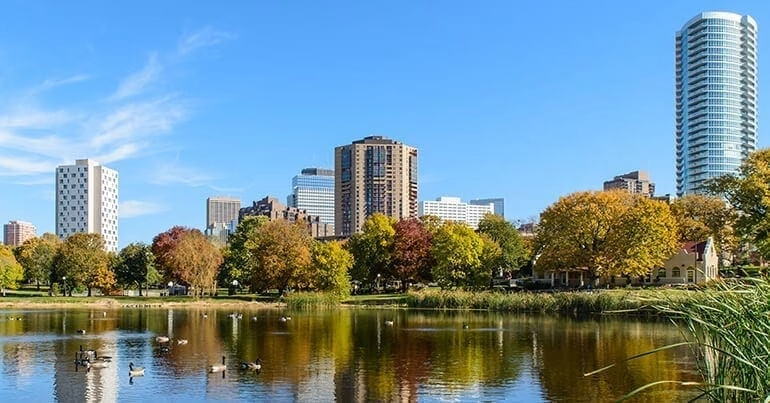
Residents are spoiled by four distinct seasons. Summers are warm and often humid, filled with lake days, patio dining, and festivals. Fall ushers in colorful leaves and cozy gatherings, and spring returns green trees, blossoms, and boats to the lakes.
Winters can be harsh, with below-zero temperatures and heavy snow, but residents embrace the season with skiing, ice skating, ice fishing, and winter festivals. Minnesota may be the Land of 10,000 Lakes, but it is also a land of year-round outdoor activity.
4. High Living Standard and Excellent Services
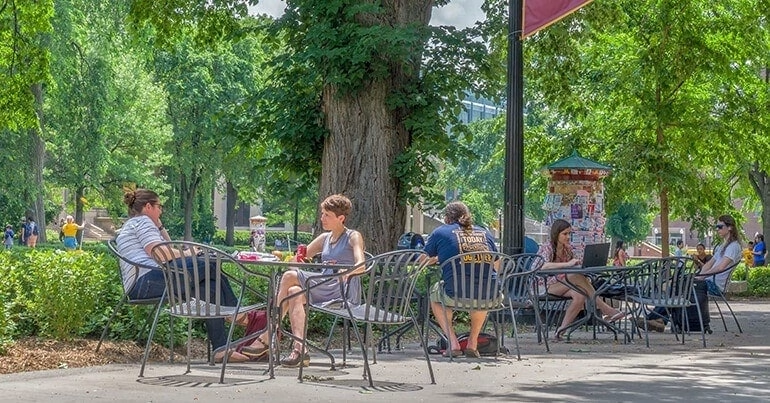
Living costs are close to or slightly above the national average, as locals value the quality schools, well-maintained parks, and celebrated public services that come with it.
The city attracts Gen-Zers wanting urban lofts, bike trails, and local gathering spots. Nicollet Mall, the downtown pedestrian corridor, offers shopping, dining, and entertainment.
Recommended for you



5. Exceptional Health Care With Accolades

This area is known for decorated health care. Major hospitals include M Health Fairview University of Minnesota Medical Center, Allina Health Abbott Northwestern Hospital, Hennepin Healthcare’s Hennepin County Medical Center, Children’s Minnesota, and Park Nicollet Methodist Hospital in nearby St. Louis Park.
In the U.S. News and World Report 2026-27 rankings, M Health Fairview University of Minnesota Medical Center ranked second in the state, behind only Mayo Clinic in Rochester, and Abbott Northwestern also placed among the state’s top hospitals.
6. Excellent Educational Opportunities
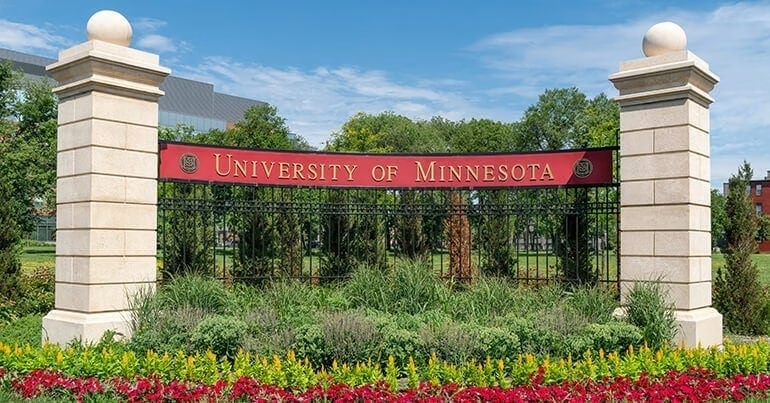
Constituents are well-educated, with roughly half of adults holding a bachelor’s degree or higher. Families can choose from Minneapolis Public Schools, charter schools, and many private schools.
For higher education, the city is home to the University of Minnesota, Augsburg University, and Minneapolis College of Art and Design, to name a few. The Minneapolis Central Library and community education programs offer lifelong learning.


Related article
What is It Like Living in St. Paul, MN?
This historic city has that and much more. It’s a beloved hometown for many with distinct neighborhoods, employment opportunity, dining and nightlife. In this article, we’ll discuss highlights for Saint Paul residents and guests regarding standard of living, housing, education, business, healthcare, weather and recreation…
7. Job Growth and Employment
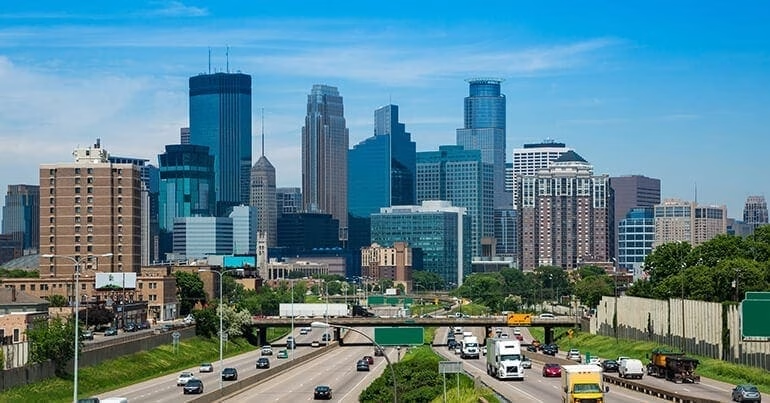
Mill City has outgrown its original nickname. Established is a sprawling economy spanning health care, finance, retail, manufacturing, tech, and education. Major employers include Target, U.S. Bancorp, Ameriprise Financial, Xcel Energy, Thrivent, and the University of Minnesota, and the metro is home to more than a dozen Fortune 500 headquarters.
Minnesota’s job market has cooled recently. The state’s unemployment rate was 4.5 percent in September 2026, slightly above the national rate. Commute times remain reasonable, and many residents drive, ride transit, bike, or walk to work.
8. Cultural Center and Variety of Activities
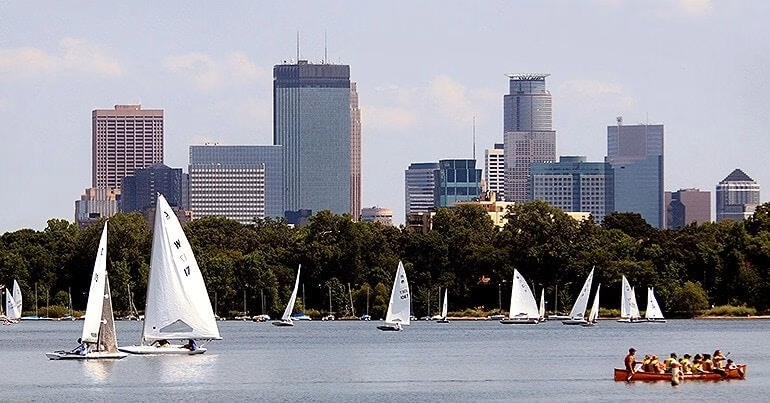
Minneapolis has 22 lakes, the Mississippi River, and an exceptional park system. Highlights include Loring Park, the Minneapolis Sculpture Garden, and Minnehaha Park with its 53-foot Minnehaha Falls. The Chain of Lakes, including Bde Maka Ska, Lake Harriet, Lake of the Isles, and Cedar Lake, are known for beaches, canoeing, trails, and winter skating.
The art scene includes celebrated venues including the Guthrie Theater, Orpheum, State, and Pantages theaters, and the Minnesota Orchestra at Orchestra Hall. The Minneapolis Institute of Art offers free admission, and the Walker Art Center, Weisman Art Museum, and Mill City Museum are popular destinations.
Those looking for sports are spoiled by this area having three professional teams in Minneapolis, covering baseball (Twins at Target Field), basketball (Timberwolves and Lynx at Target Center), and football (Vikings at U.S. Bank Stadium). Taking a trip to St. Paul provides access to hockey (Wild at Grand Casino Arena) and soccer (Minnesota United at Allianz Field). The Minnesota State Fair in Falcon Heights and the Mall of America in Bloomington are also quick commutes.

Related article
5 Best Places to Live in Fort Lauderdale, Florida
This lovely region on Florida’s southeastern coast is gaining acclaim as a premier destination for families looking to plant roots in a locale that promises a high quality of life, economic prosperity, and a warm, inclusive community…
9. Pros and Cons of Living in Minneapolis

Pros: Those calling it home are able to have many neighborhood choices, outstanding parks, light rail and bus service, a bike-share program, farmers markets, and a lively food, music, theater, and sports scene. Minnesota does not charge sales tax on most clothing and shoes, and residents are known for being friendly and community-minded.
Cons: Minnesota’s income tax is among the highest in the country, with rates from 5.35 to 9.85 percent in 2026. Thankfully, Minneapolis does not add a city income tax. Downtown parking can be expensive, and winters are long and cold, while summer heat can reach the 90s.
Safety: Like any metropolitan, there exists a higher crime rate in some areas. The trend is improving: the police department reported 64 homicides in 2025, down from 77 in 2024, along with sharp drops in carjackings and robberies. Research specific neighborhoods before you choose a home.
10. Neighborhoods With Character and Appeal
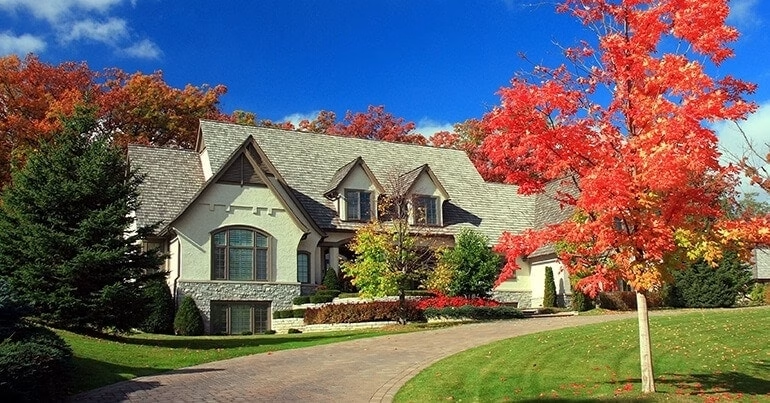
Minneapolis has more than 80 neighborhoods. Options range from the large colonial homes of Lynnhurst and the lakeside living of East Isles and Linden Hills to the family-friendly Fulton neighborhood and the Victorian homes around Powderhorn Park.
Other popular areas include the North Loop, Northeast, Uptown, Longfellow, Tangletown, Bryn Mawr, and Kenny. They offer a mix of architecture, lot sizes, school options, parks, and urban or quiet residential settings.

Related article
7 Key Factors You Should Consider Living in St. Louis Park, Minnesota
St. Louis Park is a great place to find a balance between the bustling energy of the city and the quiet, down-to-earth feel of a smaller town. This community of about 49,000 takes up about 11 square miles directly to the west of Minneapolis. It is part of the inner ring of suburbs…
11. Real Estate Options for Young and Old
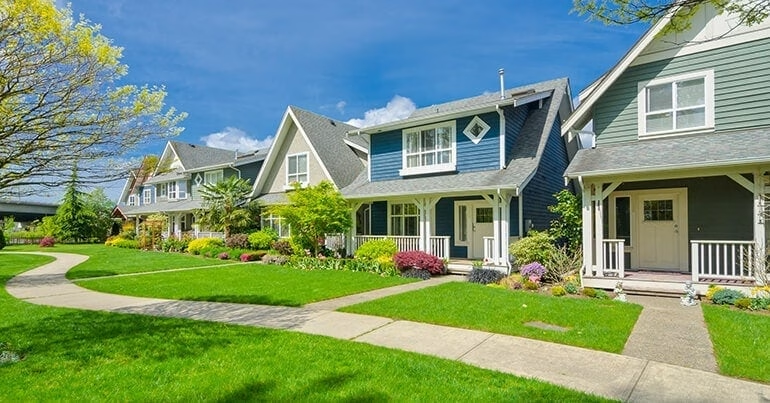
The Minneapolis market offers condos, lofts, single-family homes, duplexes, senior housing, and investment properties. Zillow put the city’s typical home value at about $339,000 in mid-2026, up about 1 percent from a year earlier, and median rent at around $1,470 to $1,500 per month, according to Apartment List and Zumper.
Home prices have leveled off compared with the rapid gains of recent years, providing buyers additional room to negotiate. Spring remains the busiest season, while winter can be a good time to buy before the rush. First-time buyers, move-up buyers, investors, and downsizing seniors are all active in the market.
12. A Trusted Realtor Can Help

Now that you know more about the city, you may appreciate its variety of neighborhoods, education, jobs, recreation, and seasons.
If you are buying or selling a home in Minneapolis, work with a trusted, experienced local real estate agent who understands the market and neighborhoods. Interview a few agents and choose one whose communication style fits your priorities. Best of luck with your next move.
Recommended for you




FAQs About Living in Minneapolis
1. What should I know about snow emergencies and winter driving?
When heavy snow falls, the city declares a snow emergency with specific parking rules for each day so crews can plow. Cars left on the wrong side of the street can be ticketed and towed, so sign up for city alerts. Many use winter tires, keep an emergency kit in the car, and budget for higher heating bills from December through March. If you rent, ask whether your building has off-street or garage parking, which can save a lot of winter stress.
2. How do people get around in winter without a car?
Downtown’s skyway system connects dozens of blocks through enclosed second-floor walkways, meaning workers can go from parking or transit to offices, shops, and restaurants without stepping outside. Metro Transit’s Blue and Green light rail lines and bus rapid transit routes run year-round, and many trails are plowed for winter biking. Layered clothing, insulated boots, and a warm winter coat are worth the investment for anyone who walks or waits for transit.
3. How do property taxes compare with the rest of the metro?
Property taxes vary by city, school district, and home value. The state offers a Homestead Credit Refund (formerly called the property tax refund) for eligible homeowners and a Renter’s Credit for qualifying tenants. Ask for a home’s recent tax statements before you buy. Local referendums for schools and parks can also change tax bills from year to year.
4. How can I check crime in a specific neighborhood?
The Minneapolis Police Department publishes crime dashboards and maps on the city website, showing incidents by neighborhood and precinct. Compare trends over 12 months, walk the area at different times, and connect with neighborhood associations, which often share safety updates and host community meetings. Your future neighbors are often the best source of practical, block-level insight.
5. Should I live in Minneapolis, St. Paul, or a suburb?
This area offers the most nightlife, arts, and lake access, while St. Paul tends to feel quieter, with historic neighborhoods and a slightly lower cost of living in many areas. Suburbs such as Edina, St. Louis Park, and Minnetonka offer elite schools and more space, often at higher prices. Consider your commute, school needs, and lifestyle, and visit each option before deciding.
Share