






Moving to Oregon: The Complete Relocation Guide & Checklist
- Local Editor:Local Editor: The HOMEiA Team


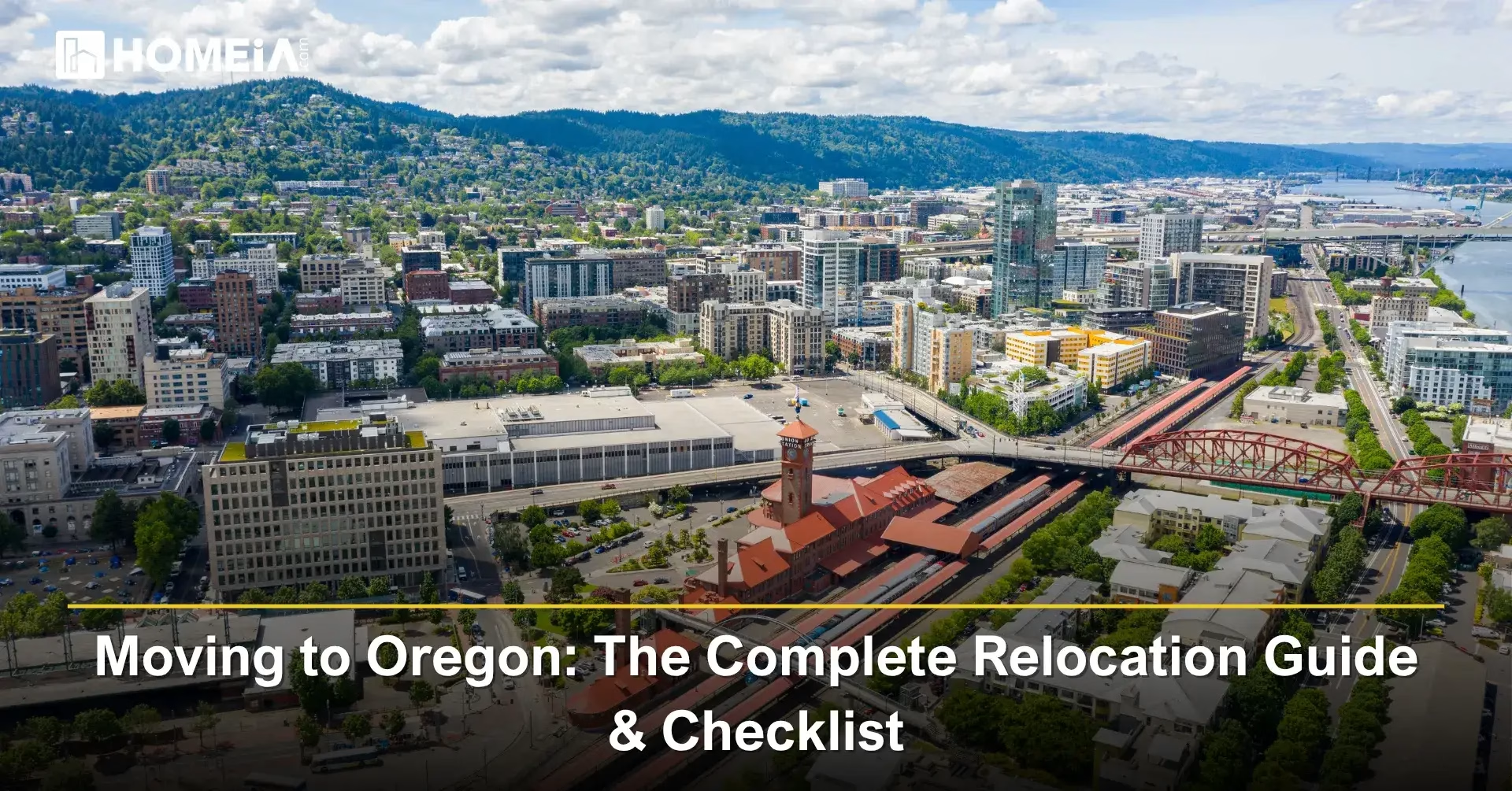
Moving to Oregon: This State attracts those wanting outdoor adventure, progressive communities, and reasonable costs outside major metros. Bordered by the Pacific and dominated by the Cascade Mountains, the state offers natural beauty alongside vibrant cities in Portland, Eugene, and Salem. With no sales tax, a tech and healthcare-driven economy, and world-class hiking, skiing, and water sports, the Home of the Ducks appeals to those valuing nature and professional opportunity. This moving to Oregon guide covers housing, climate, jobs, taxes, and legal requirements for relocating to the Pacific Northwest.
Key Takeaways
- Regional Diversity: Oregon’s lifestyle varies dramatically between wet western cities, high-desert Bend, and rural eastern regions.
- No Sales Tax: No state sales tax reduces everyday costs, though income tax is higher than many states.
- Housing Costs Vary: Median prices range from approximately $439,000 in Salem to $735,000 in Bend; Portland averages $539,000.
- Tech and Healthcare Jobs: Nike, Intel, Providence Health, and OHSU are major employers with strong growth in healthcare.
- Outdoor Recreation: From coast to mountains to desert, hiking, skiing, fishing, and camping dominate daily life year-round.


Related article
10 Most Affordable Places to Live in Oregon
Oregon’s many cities and towns each offer something different, depending on each person’s lifestyle and preferences. In the state’s more prominent cities, you’ll find bustling streets full of shops and events. The smaller towns offer a quiet, quaint ambiance with close-knit communities, while its rural areas present lakes, rivers, wildlife, and miles of open land.
I. Methodology: How We Built This Guide
Our relocation recommendations are based on a comprehensive analysis of factors impacting a move to Oregon. We compiled data from verified current sources, including the U.S. Census Bureau, Bureau of Labor Statistics, Zillow housing market reports, Oregon Department of Revenue, and local economic development agencies.
Our evaluation criteria for recommendations and city selection use the following weighted framework:
- Housing & Affordability (30%): Analyzing median home prices, rental costs, property taxes, and utility averages to provide accurate regional budgeting and cost-comparison advice.
- Access & Logistics (25%): Assessing the practicalities of relocating goods and vehicles into the state, considering its coastal location, mountain terrain, and highway connectivity.
- Legal & Administrative Requirements (20%): Outlining essential steps for establishing residency, including a driver’s licensing, vehicle registration, voter registration, and address changes.
- Community & Lifestyle Integration (15%): Providing insights into its cultural values, regional differences, community events, outdoor recreation access, and practical tips for building social networks.
- Economic Preparation (10%): Offering job search guidance and financial planning specific to this economy, employment sectors, and cost-of-living realities.
This methodology ensures recommendations prioritize your practical needs while honoring Oregon’s distinct regional character and lifestyle expectations.
II. What Is It Really Like to Live in Oregon?
1. Culture & Lifestyle

A. Oregon Values and Independence: Oregon’s identity centers on independence, environmental stewardship, and self-reliance. The state has minimal regulation and a pragmatic culture. Locals invest in outdoor gear, sustainability, and nature experiences rather than displays of wealth. Communities welcome newcomers who respect local culture. Those who call it home actively preserve natural areas through strict land-use laws that protect farmland and forests from sprawl.
B. Arts, Sports, and Entertainment: Portland has world-class museums, galleries, and independent theaters. Live music thrives from small bars to concert halls. The Trail Blazers (NBA) inspire passionate fandom. The University of Oregon Ducks and Oregon State Beavers rivalry divides communities. Beyond Portland, Bend, Eugene, and Ashland have vibrant music scenes and cultural institutions. Film festivals, art walks, and theater happen year-round.

Related article
7 Best Small and Safe Towns to Live in Oregon
If you like your west a little less wild, let these Oregon towns sit at the top of your list. Each marks a unique pocket of Oregon, holding a unique culture, history, and landscape…
2. Food Scene & Nightlife

The Beaver State emphasizes farm-to-table dining and local sourcing. Portland’s restaurant scene competes with major cities. Food carts serving tacos, ramen, and Thai food are legendary. The Willamette Valley produces exceptional Pinot Noir and Pinot Gris. Independent coffee roasters appear in nearly every town. Breweries dominate, Portland’s craft beer scene is world-renowned. Nightlife varies: This metropolis offers cocktail bars and live music as smaller cities focus on brewpubs and wine bars. Coastal towns feature seafood with ocean views.
3. Outdoor Recreation & Natural Beauty
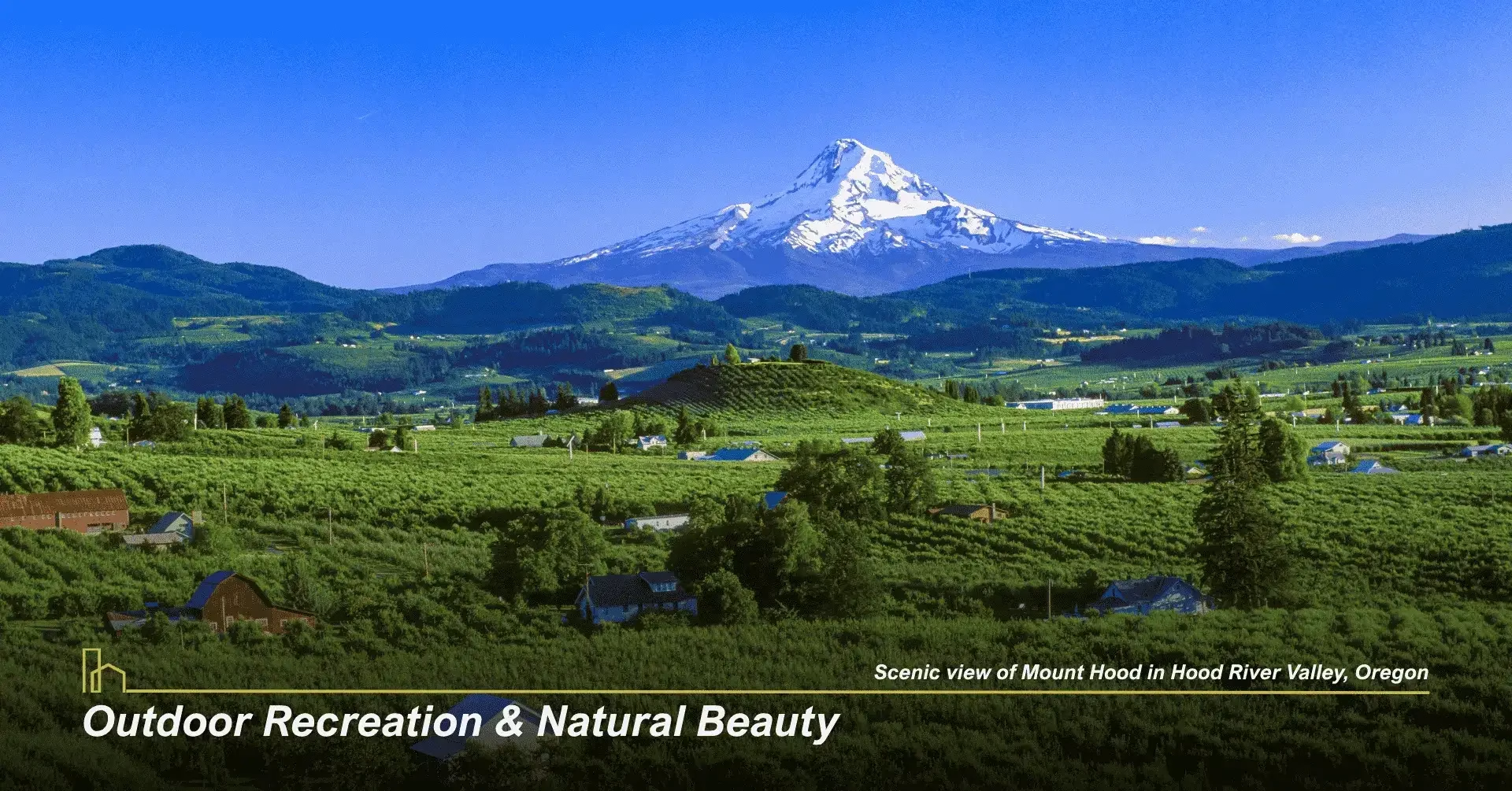
This region of the US contains the Pacific Coast, Cascade Mountains, Columbia River Gorge, high desert, and temperate forests within hours of each other. The coast has dramatic rock formations and beach towns. Mount Hood and the Cascades offer year-round recreation. The Columbia River Gorge provides hiking and windsurfing. Central Oregon’s Deschutes National Forest is an outdoor paradise. The eastern portion offers high desert landscapes and solitude.
- Summer: Hiking dominates. The Pacific Crest Trail crosses Oregon. Camping, kayaking, rafting, and fishing are ubiquitous.
- Fall: Fall colors in the Cascades are spectacular. Hiking continues with better weather.
- Winter: Skiing dominates in mountains. Timberline Ski Area offers year-round skiing. Rain challenges western Oregon outdoor activity.
- Spring: Wildflower hikes, bird watching, and snowmelt activities.
4. Climate & Weather
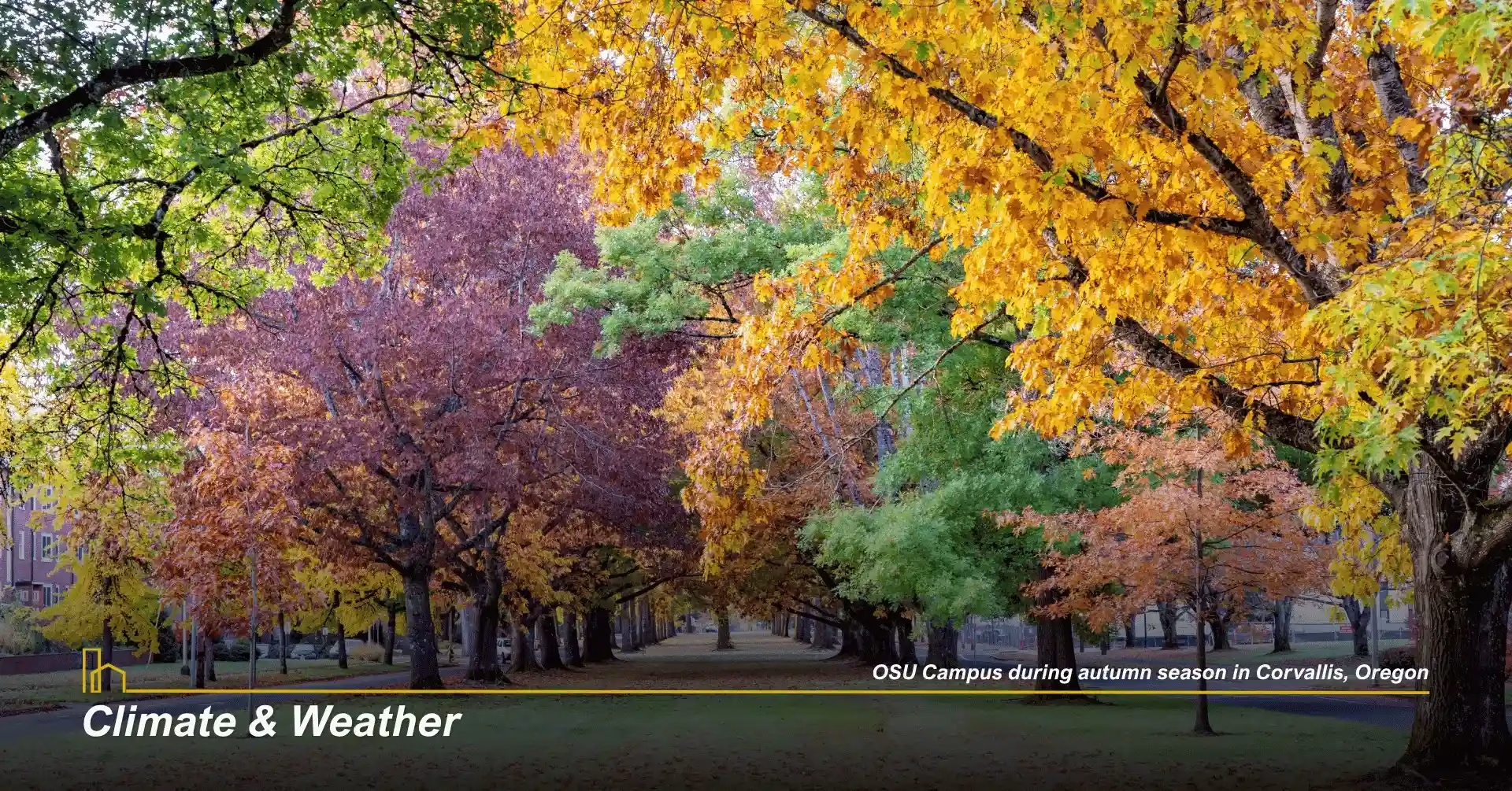
This climate divides sharply at the Cascade Mountains. West receives Pacific moderation while east becomes continental with significant extremes.
| Region / Season | Temperature | Precipitation |
| Western Oregon – Spring | 50–60°F | Moderate rain |
| Western Oregon – Summer | 75–85°F | Minimal rain |
| Western Oregon – Fall | 55–70°F | Increasing rain |
| Western Oregon – Winter | 40–50°F | Heavy rain |
| Eastern Oregon – Spring | 45–60°F | Light rain |
| Eastern Oregon – Summer | 80–95°F | Very dry |
| Eastern Oregon – Fall | 50–75°F | Light rain |
| Eastern Oregon – Winter | 25–40°F | Moderate snow |
Western Oregon receives 50–150+ inches of rain annually depending on location. The wet season runs October through May. Snow rarely falls below 2,000 feet west of the Cascades. Gray skies dominate November through March, critical to understand before moving west. Summers are spectacular with dry, mild weather.
Eastern Oregon is semi-arid with arid summers and frigid winters. The Cascades receive 300–550 inches of snow annually. Wildfire season from July through October affects air quality. This increasingly matters when deciding where to plant one’s roots.

Related article
The 10 Best Places to Live in Oregon
Oregon is a study in contrasts. It has 363 miles of the most breathtaking coastline you’ll encounter anywhere in the world. But it also has dense forests, mountain ranges, and high desert country. Here are the 10 Best Cities to Live in Oregon…
5. Cost of Living & Affordability
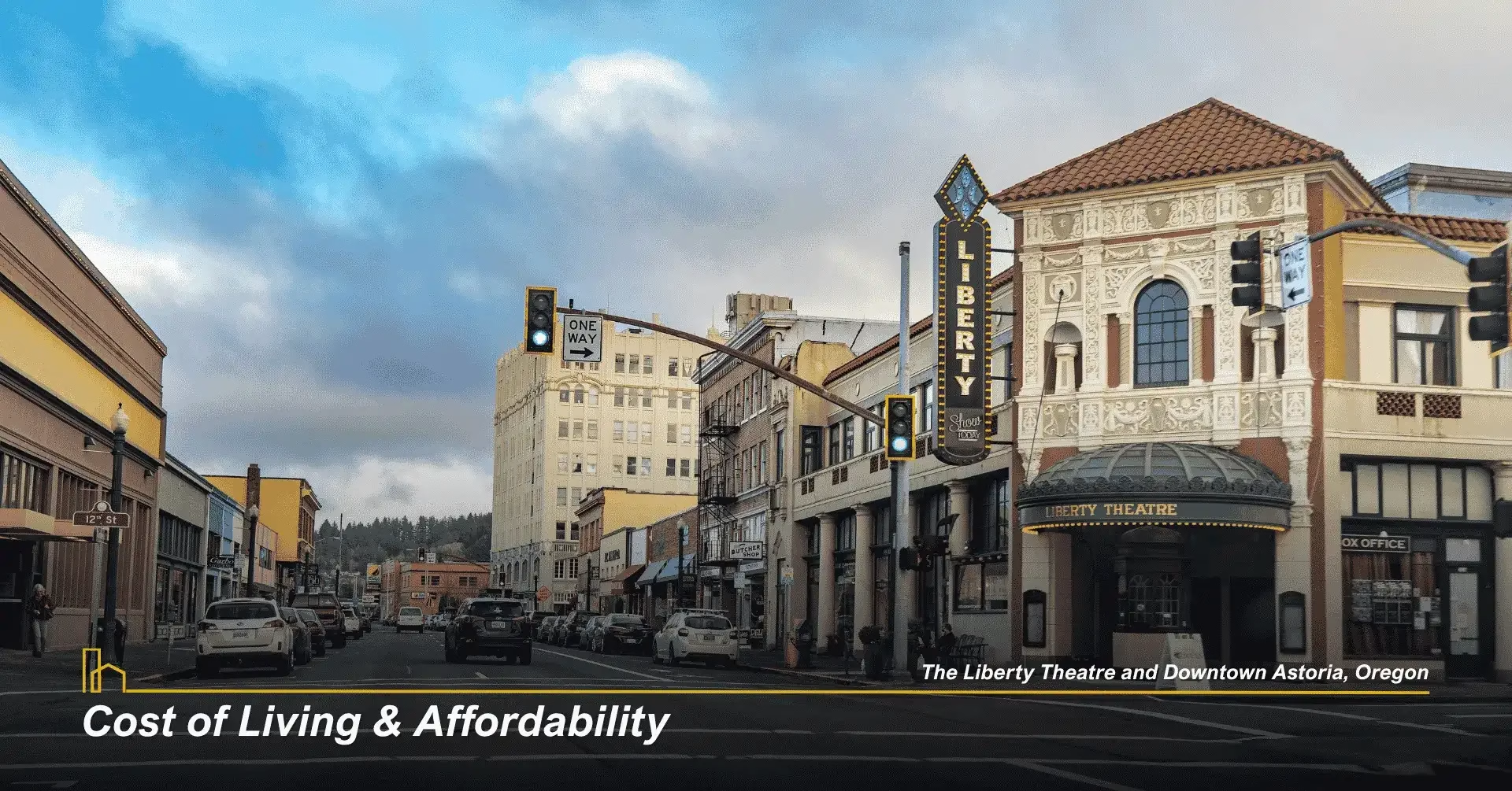
A. Housing Market
| City | Median Home | 1-Bed Rent | 3-Bed Rent | Property Tax |
| Portland | $539,000 | $1,626 | $2,259 | 1.02% |
| Salem | $439,000 | $1,250 | $1,675 | 0.81% |
| Eugene | $478,000 | $1,350 | $1,800 | 0.81% |
| Bend | $735,000 | $1,650 | $2,400 | 0.81% |
| Oregon avg | $502,000 | varies | varies | 0.78% |
Portland is the most expensive major city. Bend has become pricey due to outdoor appeal and remote work migration, though prices have moderated from the 2024-2025 peak. Salem offers the best affordability among major cities. The state’s property tax rate averages approximately 0.78 percent, below the national average of 0.89 percent, though Portland’s Multnomah County runs higher.
B. Daily Living Expenses
| Category | Monthly Cost |
| Utilities | $120–180 |
| Internet | $60–100 |
| Groceries (single) | $300–400 |
| Transportation/Car | $150–250 |
| Healthcare | $150–300 |
Overall cost of living is about 10 percent above the national average. No sales tax offsets higher income taxes and housing. Groceries are reasonably priced due to agricultural production.
6. Jobs & Economy
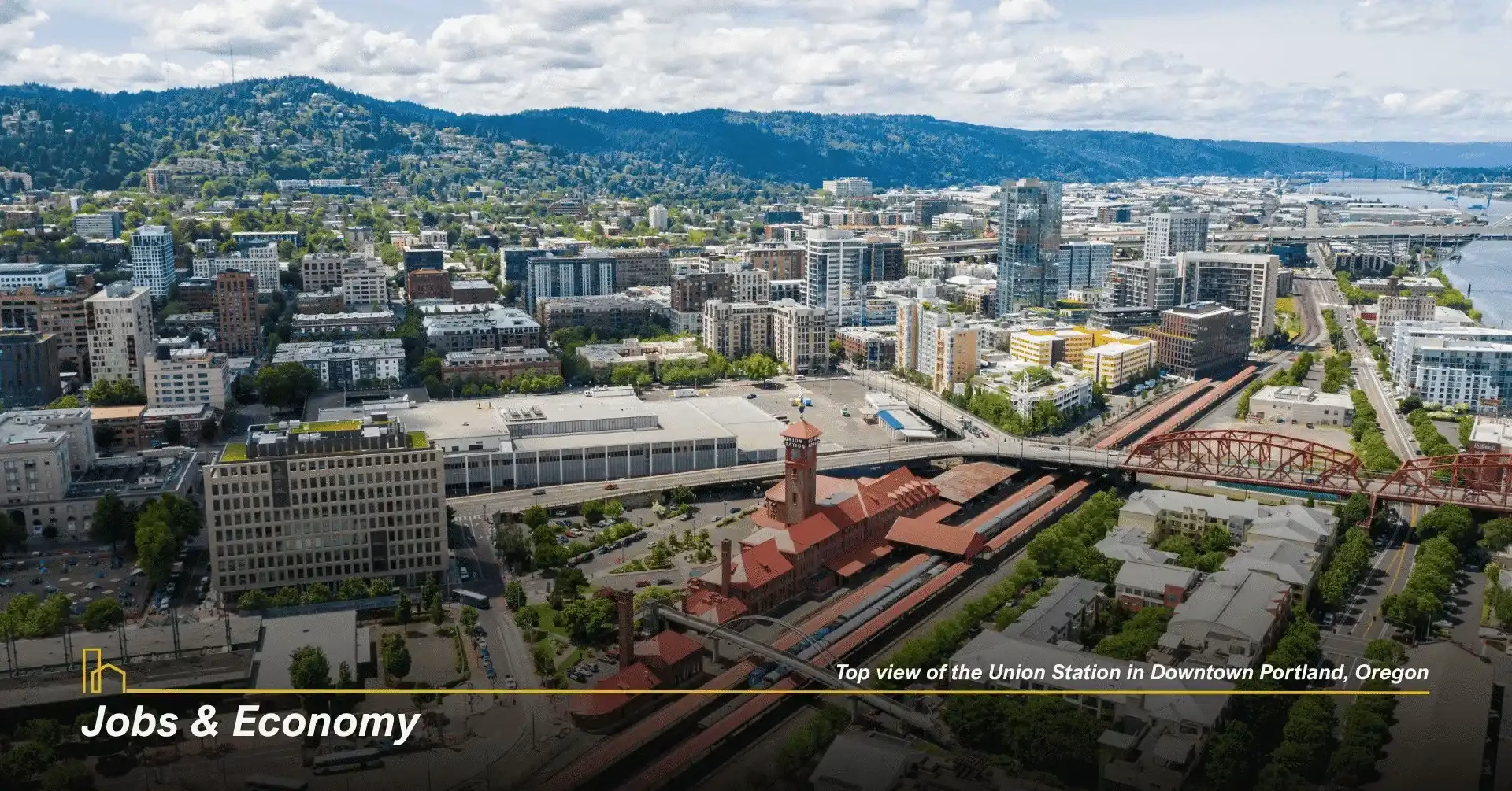
Technology dominates the City of Roses. Nike (Beaverton headquarters) employs approximately 77,800 globally. Intel (Hillsboro) has undergone significant workforce reductions in 2024-2025, bringing its in-state headcount from a peak of ~23,000 down to approximately 18,000 following multiple rounds of layoffs. This is a reality prospective tech workers should factor into job searches. Healthcare is a major employment sector, with notable companies being Providence Health and OHSU. Together, they employ 40,000+. Manufacturing, precision parts, and agriculture remain significant.
The job market faces headwinds. Unemployment was 5.2 percent in both February and April 2026, well above the national average of 4.4 percent. Manufacturing, transportation, and hospitality lost jobs. Healthcare and social assistance continue hiring. Before moving, secure employment or have substantial savings. Remote work helps tech workers. Construction and real estate offer opportunities in Bend and Portland suburbs.
Recommended for you




7. Education & Schools

A. Higher Education
- University of Oregon (Eugene): In-state $14,531 (2026–27 incoming cohort), out-of-state $44,523. Known for liberal arts, journalism, and business.
- Oregon State University (Corvallis): In-state $13,395 (2026–27 rate, 15 credits per term), out-of-state rates apply separately. Strong engineering and agriculture.
- Portland State University: In-state $12,999 (2025–26), out-of-state $34,599. Most affordable major university option.
- All three offer graduate programs. The community college system serves every region with vocational and transfer programs.
B. K-12 Education
Portland Public Schools serves the largest district despite struggling with funding. Suburban Portland districts (Beaverton, Lake Oswego, West Linn) perform better. Rural districts face capacity challenges. School funding combines state and local sources since property taxes directly fund schools. Research specific districts carefully if K-12 education matters. Homeschooling is popular with few restrictions. Private schools are available statewide.
8. Tax Structure

| Tax Type | Rate | Notes |
| State Income Tax | 4.75%–9.9% | Progressive brackets |
| State Sales Tax | 0% | Major advantage |
| Property Tax | 0.78% avg | Varies by county |
| Vehicle Registration | $168–$220 biennial | MPG-based; higher for EVs and fuel-efficient vehicles |
The state’s tax structure rewards lower and middle-income earners but has steep rates for high earners. No sales tax is a genuine advantage. However, income tax rates rank among the nation’s highest at up to 9.9 percent for top earners. High earners should calculate total tax burden carefully. The trade-off of no sales tax benefits everyone, especially heavy consumers. Vehicle registration fees are based on MPG rating and increased in December 2025, with most passenger vehicles now paying between $168 and $220 biennial base fee. For a comparison of tax burdens between Oregon and Washington (which has no income tax), see our Cost of Living in Oregon vs. Washington State guide.

Related article
The Pros and Cons of Living in Oregon
Explore the Pros and Cons of living in Oregon, from no sales tax and scenic beauty to rising housing costs. Learn about Oregon’s top cities, lifestyle options, and what to expect before relocating. Find out if this progressive, nature-filled state aligns with your goals…
9. Best Places to Live
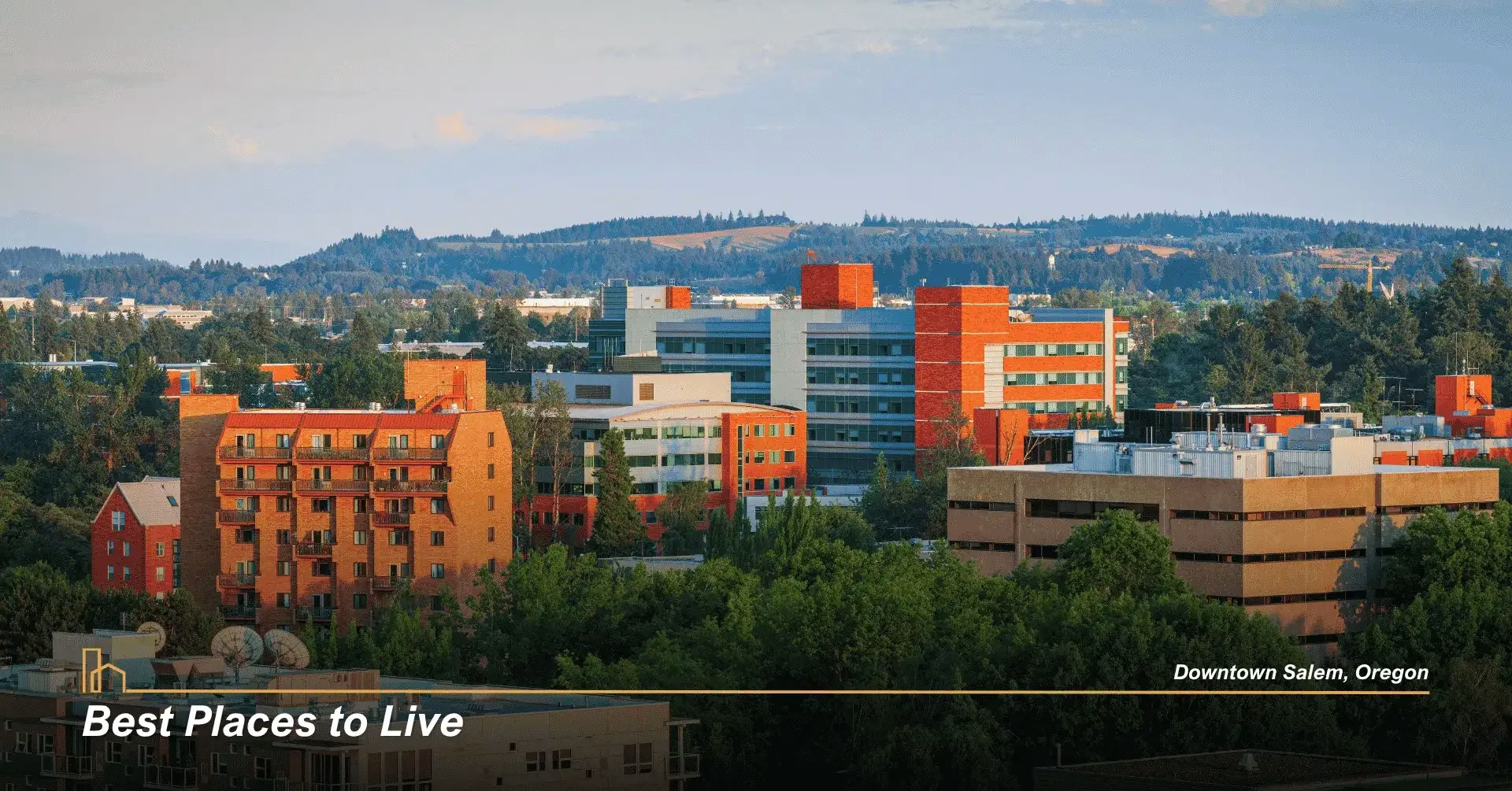
| City | Population | Median Home | Best For |
| Portland | ~635,000 | $539,000 | Urban culture, jobs |
| Salem | ~446,000 (metro) | $439,000 | Affordability, government |
| Eugene | ~381,000 (metro) | $478,000 | Education, hiking |
| Bend | ~97,000 (city) | $735,000 | Outdoor sports, recreation |
| Corvallis | ~98,000 | $561,000 | College town, walkable |
| Ashland | ~21,000 | $554,000 | Arts, theater, small town |
- Portland: Cultural and economic hub. Employment, restaurants, arts, transit, progressive community. Crowded and expensive. Population stabilizing after post-pandemic decline.
- Salem: Capital city. More affordable. Government-focused employment. Fast-growing metro as it surpassed 445,000 in 2025.
- Eugene: College town. Appeals to younger people and academics. Eugene-Springfield metro shrank slightly to ~381,000 in 2025.
- Corvallis: Walkable college town. Oregon State University presence. Its population grew 4.4 percent from 2020 to ~97,700.
- Bend: Exploded due to outdoor recreation, skiing, hiking, and remote work. Prices have moderated from peak, but Bend remains among the state’s most expensive markets.
- Ashland: Small, artsy. Famous Oregon Shakespeare Festival.
- Hood River: Scenic mountain town. Windsurfing and skiing.
- Medford: Small city in Rogue Valley. Lower costs.
10. Planning Your Move

| Timeline | Actions |
| 12–8 Weeks Before | Research neighborhoods. Secure employment or verify remote work. House hunt online. Check schools if applicable. Get mortgage pre-approval. |
| 6–8 Weeks Before | Visit Oregon in person. Tour neighborhoods. Schedule property viewings. Meet real estate agents. Get moving quotes. |
| 4–6 Weeks Before | Make an offer or sign a lease. Book movers. Declutter and pack. Gather important documents. |
| 2–4 Weeks Before | Arrange utilities. Update address with financial institutions and employers. Get DMV documentation. Arrange mail forwarding. |
| 1–2 Weeks Before | Finalize moving details. Do final walkthrough. Confirm utilities. Pack remaining items. |
| Moving Day | Oversee movers. Final walkthrough. Turn off/on utilities. Unpack essentials. |
| Within 30 Days | Apply for driver’s license and vehicle registration. Register to vote. Get new insurance. Find healthcare providers. |
=> Get the Relocation Guide & Checklist PDF — prepared for both Desktop and Mobile devices.
11. Transportation
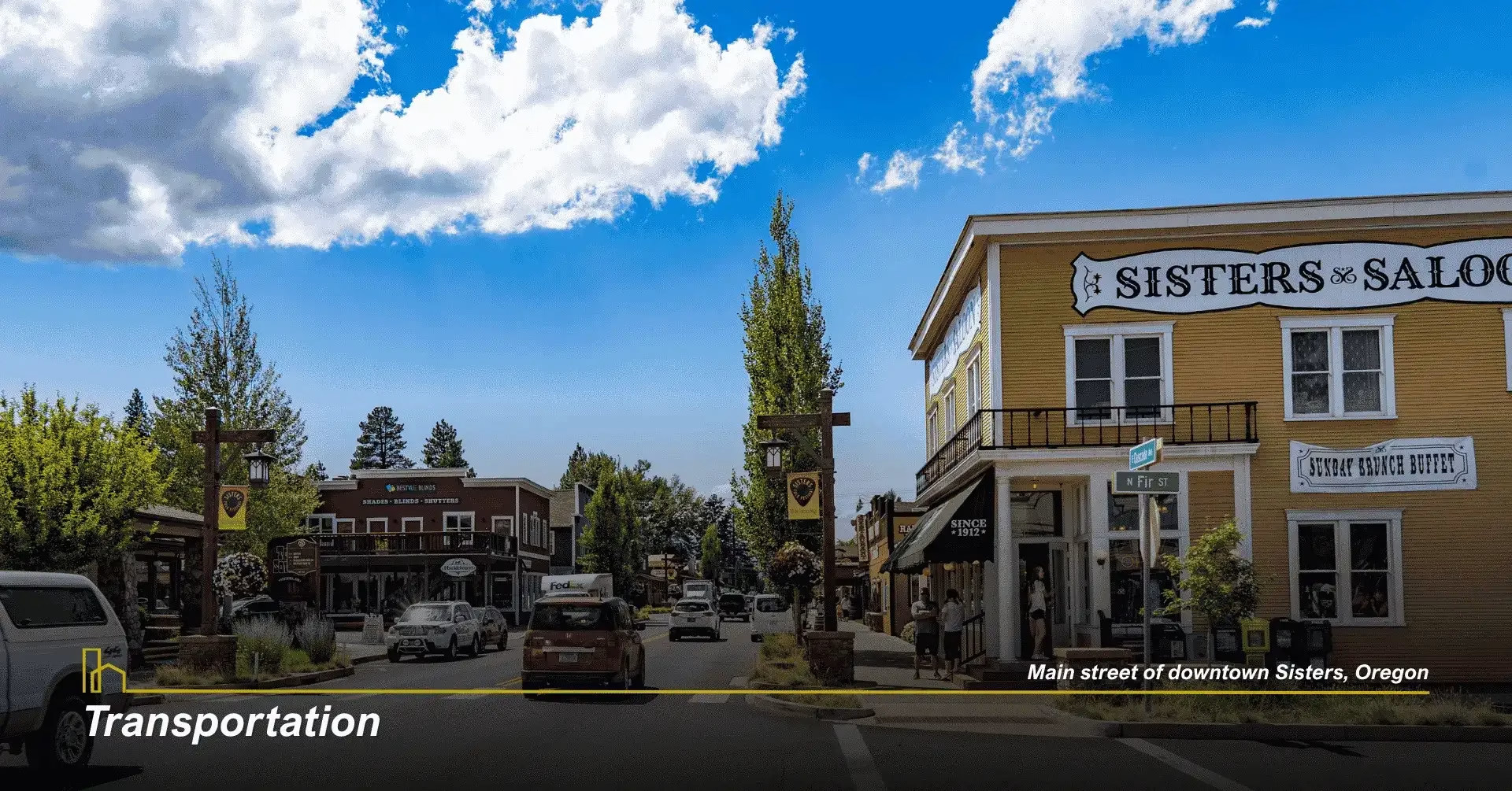
Most Oregonians drive. Portland has TriMet (bus, light rail, streetcars). Outside here, public transit is limited. This city and some neighborhoods are walkable with established cycling infrastructure.
Oregon requires vehicle registration every two years. Fees are MPG-based and increased in December 2025 under House Bill 3991: most passenger vehicles now pay between $168 and $220 for a two-year registration, with electric vehicles paying $460 biennial base and fuel-efficient vehicles (40+ MPG) paying $300. Portland International Airport (PDX) serves the metro with major connections. Eugene has a smaller airport (EUG). Highway 97 divides west and east. Interstate 5 runs north-south. Amtrak provides limited passenger rail from Portland.

Related article
12 Best Places in Washington State to Raise a Family
We’ll explore areas of the state that represent all different value systems and explain why people love living there. We’ll present each place’s unique characteristics, complete with opinions from locals…
12. Legal Requirements & Paperwork

- Oregon Driver’s License: Apply within 30 days. Need proof of identity, citizenship/legal presence, and Oregon address (utility bill, lease, or deed). Cost is $58 for original Class C license issuance.
- Vehicle Registration: Register within 30 days with proof of ownership, insurance, driver’s license, and address. No statewide emissions testing, though some counties require it.
- Voter Registration: Register at DMV or online at sos.oregon.gov. Oregon allows same-day registration on election day.
- Address Changes: Update with USPS immediately. Notify bank, insurance, utilities, and subscriptions within two weeks.
13. Financial Planning for Your Move

Budget one month of expenses as an emergency fund. Get pre-approved for mortgages if buying as lenders require two years’ employment history. First-time homebuyer programs exist through Oregon nonprofits.
For rentals, expect credit checks and first month, last month, plus security deposit upfront. Some communities offer rental assistance.
Moving costs vary by distance and volume. Budget $2,000–$5,000 for typical out-of-state moves. Employers sometimes offer moving assistance. Get insurance quotes before moving.
14. Insider Tips from Oregon Residents

- Prepare for Winter Gray: November through March is gray and wet west of the Cascades. Snow rarely appears below 2,000 feet. Many experience seasonal affective disorder. Light therapy and summer outdoor time help. Summer is spectacular, so make the most of it.
- Learn Regional Differences: Eastern and western Oregon are opposite sides of a coin. Visit in multiple seasons before moving.
- Wildfire Season Matters: July through October bring wildfire smoke to central and eastern portions of the state, affecting air quality and outdoor activities.
- Bend and Portland Are Expensive: For affordability, choose Salem, Eugene, or Corvallis. Bend has become pricey from outdoor appeal. Portland is expensive as the largest metro.
- Outdoor Recreation Defines Life: Locals plan around skiing, hiking, camping, and water sports. If outdoor recreation matters to you, you’ll fit in. If not, it may feel like you’re missing what everyone loves.
- Network Early: Join community groups, volunteer, take classes, or attend events. Communities are friendly but require deliberate connection. Outdoor clubs and activity groups are excellent for making friends.
- Understand Land Use Laws: Strict land-use laws prevent sprawl and protect farmland. This keeps the state green but restricts housing supply and drives up prices, done intentionally.

Related article
The Pros and Cons of Living in Idaho
This guide details both the pros and cons of living in Idaho and highlights the best Idaho cities for young professionals, families, and retirees so you can decide whether the Gem State fits your lifestyle and budget…
Conclusion
Moving to Oregon works well for those valuing outdoor recreation, environmental sustainability, and progressive communities. The state offers no sales tax, diverse regions from coast to mountains to desert, and established tech and healthcare employment, though Intel’s significant workforce reductions in 2025 are a reminder that this employment sector can fluctuate. However, the western portion’s gray winters, higher housing costs in popular areas, and elevated income taxes require honest assessment.
Choose your region carefully. Salem and Eugene offer affordability, Portland provides urban culture and opportunity, Bend values outdoor recreation, and eastern Oregon is known for solitude and dry climate. Research neighborhoods thoroughly, visit in different seasons, and connect with people already living where you’re considering. The Beaver State rewards those embracing its values and lifestyle. For the right person, moving here opens access to one of America’s most beautiful and livable regions.
Recommended for you




FAQs About Moving to Oregon
1. Is Oregon a good state to move to?
Oregon is ideal for those valuing outdoor recreation, environmental sustainability, progressive communities, and moderate to good job markets in technology and healthcare. It’s less appealing for those disliking rain, preferring warm winters, needing cheap housing in major metros, or requiring extensive public transportation outside Portland.
2. What salary is needed to live comfortably in Oregon?
In Portland, budget $65,000–$75,000 for a single person. In Salem or Eugene, $50,000–$60,000 is adequate. No sales tax stretches dollars further. In expensive Bend, budget $70,000+.
3. Does Oregon have a state sales tax?
No. Oregon has no statewide or local sales tax. It’s one of five states without sales tax, genuinely advantageous for purchases, though Oregon compensates with higher income taxes.
4. What are the biggest pros and cons of living in Oregon?
Pros: No sales tax, stunning natural beauty, strong job markets in healthcare, walkable Portland and smaller towns, year-round outdoor recreation, progressive communities.
Cons: Rain and gray weather in western Oregon November through March, rising housing costs in desirable areas, higher income taxes for high earners, wildfire smoke in central and eastern summers and fall, limited public transportation outside metros, and a job market that has underperformed nationally in recent years.
5. What is the best city for newcomers to Oregon?
It depends on priorities. Portland offers urban culture, jobs, and transit. Salem offers affordability and government employment. Eugene offers education and community. Bend offers outdoor recreation but higher costs. Corvallis offers a walkable college town. Consider which appeals most, outdoor recreation, arts and culture, affordability, or employment opportunities.
6. Is Oregon expensive compared to neighboring states?
Housing is more expensive than Idaho but comparable to or cheaper than Washington or California in most areas. The state’s no sales tax is advantageous. However, income taxes exceed Washington (which has none) and compare to California (higher). Overall cost depends on what state and whether you prioritize housing, taxes, or consumer prices.
7. How long does it take to become an Oregon resident?
You’re legally an Oregon resident once establishing residency (living there with intent to stay). For financial aid and tuition, residency requires one year. For driver’s license and voter registration, obtain it within 30 days. For taxes, you’re a resident immediately. No formal requirement precedes receiving services.
Share