







Hawaiʻi is known for its beauty and high costs, yet pockets of affordability still exist. While home prices exceed national averages, careful planning can make island living attainable. This guide analyzes housing, utilities, and transportation to identify seven of the most affordable Hawaiʻi communities…
The Pros and Cons of Living in Hawai’i (updated)
- Local Editor:Local Editor: Matthew Rott
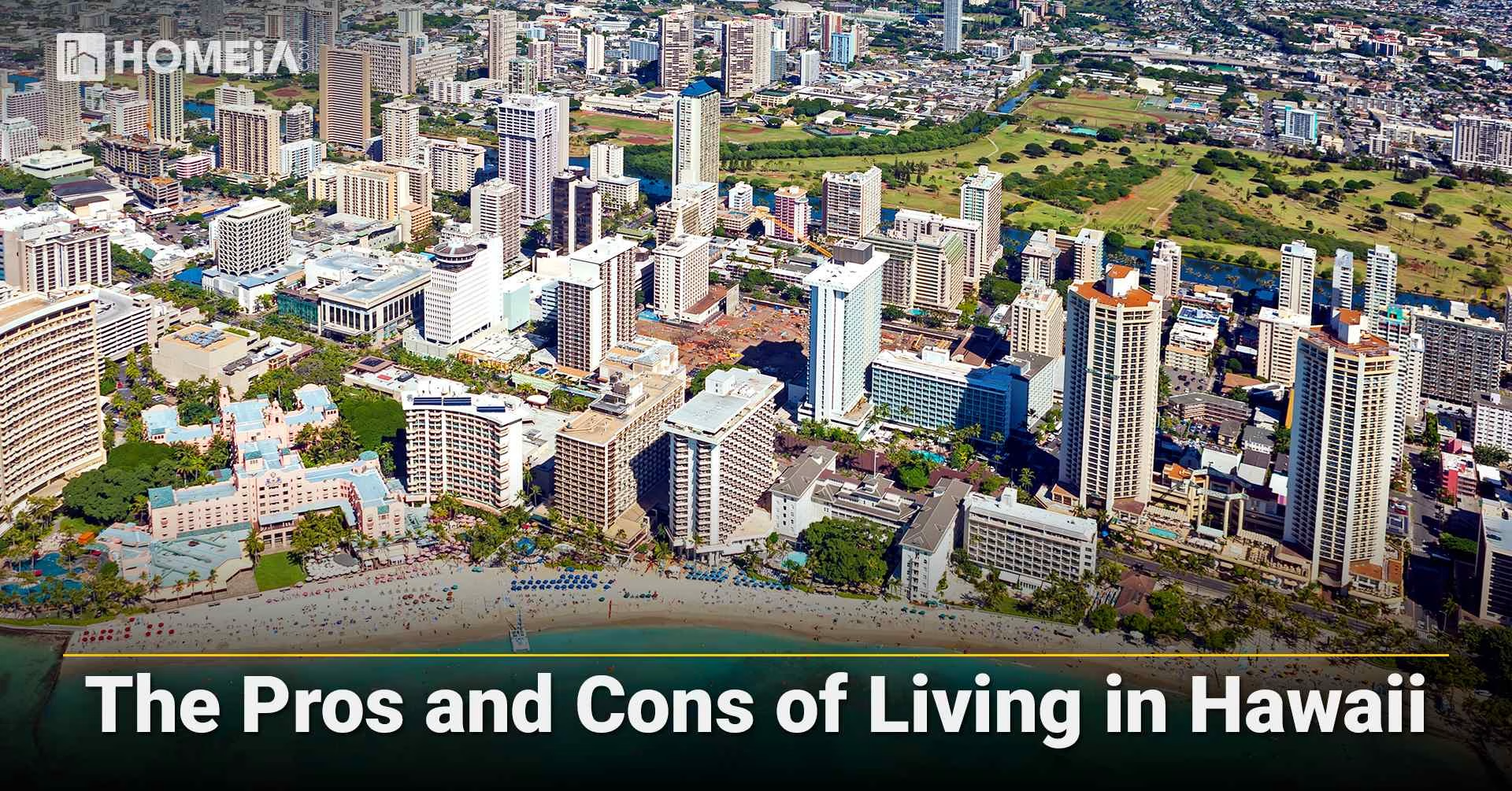
When picturing Hawai‘i, what often comes to mind are stunning beaches, lush tropical landscapes, and vibrant Polynesian culture. But the Aloha State holds more than what’s apparent on the surface. It’s a place where ancient traditions, diverse communities, and island lifestyle define everyday living. Yet, moving there comes with significant trade-offs, from an extremely high cost of living to geographic isolation and limited job opportunities. This guide provides a balanced, comprehensive analysis of the pros and cons of living in Hawaii while also offering detailed insights into the best islands for young professionals, families, and retirees. For those considering other unique states, you might explore the pros and cons of living in California.
Key Takeaways
- Natural Paradise: Unmatched tropical beauty with world-class beaches, volcanic landscapes, and year-round warm weather make Hawai‘i perfect for outdoor enthusiasts and nature lovers.
- High Cost of Living: Hawai‘i is one of the most expensive states in the US, with a MERIC composite cost-of-living index around 93 percent above the national average and a housing index roughly triple the national norm, plus higher prices on everyday goods due to shipping costs.
- Unique Island Culture: Rich Polynesian heritage blended with diverse Asian and Western influences, creating a unique aloha spirit and laid-back lifestyle.
- Geographic Isolation: Located roughly 2,400 miles from the mainland US West Coast, Hawai‘i has limited access to goods, higher prices, and challenges with travel and family connections.
- Outdoor Recreation: Endless opportunities for surfing, hiking, snorkeling, and beach activities in a tropical climate with consistent temperatures year-round.
- Limited Job Market: Economy heavily dependent on tourism and military, with fewer opportunities in other sectors and lower average wages compared to living costs.

Related article
I. Methodology: How We Evaluated Hawai‘i
Pros: Why Choose Hawai‘i? Top Benefits
A. Unmatched Natural Beauty and Outdoor Recreation
The Hawaiian islands’ greatest asset is their stunning and diverse landscape. Hawaiʻi boasts world-famous beaches, lush tropical rainforests, active volcanoes, and dramatic coastal cliffs, creating a paradise for outdoor enthusiasts. Residents can surf legendary waves, hike through bamboo forests to hidden waterfalls, snorkel with tropical fish in coral reefs, and witness volcanic activity at Hawai‘i Volcanoes National Park. For a different mountainous lifestyle, consider the best places to live in Colorado.
B. Year-Round Perfect Climate
Residents enjoy a tropical climate with consistent temperatures ranging from 75°F to 85°F year-round. The islands experience two main seasons: summer (kau) from May to October and winter (hoʻoilo) from November to April, with only slight temperature variations. Idyllic weather allows for outdoor activities nearly every day of the year, without the need for heating or heavy winter clothing.
C. Rich Cultural Heritage and the Aloha Spirit
Hawai‘i is imbued with a rich mix of cultures found nowhere else in the US, a unique blend of Native Hawaiian, Polynesian, Asian, and Western influences. You can learn about ancient traditions at cultural centers, attend luaus, and experience the genuine aloha spirit virtually everywhere you go—a philosophy of kindness, compassion, and mutual respect that permeates daily life. This deep, authentic heritage provides a daily living experience rich with history and community connection.
D. Healthy Lifestyle and Outdoor Culture
The Hawaiian lifestyle naturally promotes health and wellness. With abundant fresh tropical fruits, seafood, and year-round outdoor activities, locals tend to be more active and health-conscious than the average American. There are numerous farmers markets with locally grown produce, and the ocean-centric culture encourages swimming, surfing, and beach activities as part of daily life.
E. Diverse and Multicultural Environment
Hawai‘i is one of the most ethnically diverse states in the US, with no single ethnic group forming a majority. This creates a truly multicultural society where different traditions, foods, and customs blend harmoniously. The result is a rich tapestry of cultural experiences and a generally accepting, inclusive community atmosphere.


Related article
The 5 Best Places to Live in Hawai’i: A City Comparison
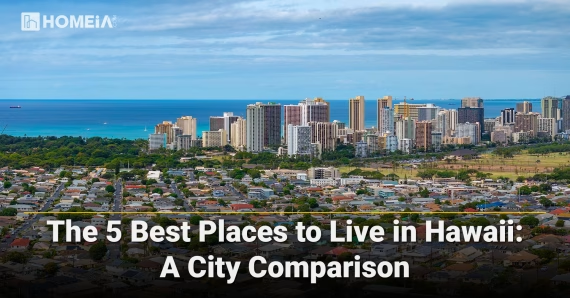
Hawaiʻi blends ancient culture, modern innovation, and tropical landscapes, making community choice essential. This guide ranks the state’s 5 best places to live using data on jobs, affordability, safety, amenities, and quality of life. From Honolulu’s urban energy to Hilo’s laid-back charm, we highlight where you can build a fulfilling future in the Pacific…
Cons: Hawai‘i Living Challenges: What to Know
A. Extremely High Cost of Living
Arguably the most significant challenge to life in the Aloha State is its astronomical cost of living. The MERIC composite index places the state’s overall cost of living at approximately 93 percent above the national average, driven by a housing index nearly three times the national norm and high prices for everyday goods due to shipping costs. This means trouble in paradise for those seeking financial stability. For more affordable options, see our guide on the most affordable states to buy a house.
B. Geographic Isolation and “Island Fever”
Located roughly 2,400 miles from the mainland US West Coast, Hawai‘i faces significant isolation challenges. This leads to higher prices for imported goods, limited access to certain products, and expensive travel to visit family or for business. Some residents experience “island fever,” a feeling of being trapped or isolated from the rest of the world.
C. Limited Job Market and Career Opportunities
Economic performance is heavily dependent on tourism and the military, with limited opportunities in other sectors. While there are careers available in healthcare, education, and government, the market for specialized professional fields is much smaller than on the mainland. This often leads to lower wages compared to the high cost of living, even though Hawai‘i’s unemployment rate remained low at approximately 2.5 to 2.6 percent through mid-2026, among the lowest in the nation.
D. Traffic and Infrastructure Challenges
Despite having a relatively small population, the 50th state faces significant traffic congestion, particularly O‘ahu. Limited land area and growing population create transportation challenges, with some of the worst traffic in the nation. Public transportation options are limited outside of Honolulu, making car ownership nearly essential.
E. High Poverty and Homelessness Rates
Hawai‘i has one of the highest poverty rates in the US when adjusted for cost of living. Income inequality between high living expenses and available wages creates significant economic challenges, leading to visible homelessness issues, particularly on O‘ahu.

Related article
How to Sell Your Home Faster in Hawai’i
In Hawaii, proper timing is a crucial determinant of the time it takes to sell and the ultimate price of your property. Below are other tips for selling your home faster in Hawaii...Best Hawai‘i Islands for Young Professionals
1. Hawai‘i (Big Island)

HOMEiA Score: 75/100
- Cost of Living: About 65% above US average
- Monthly Rent: Around $1,700 to $1,950
- Home price to income ratio: 7.8:1
- Income to rent ratio: 30.5x
- Safety rating: 72/100
The Big Island offers Millennials and Gen Z more affordable living costs while still providing career opportunities in agriculture, astronomy, and tourism. While housing costs are high by national standards, salaries in specialized fields like volcano research and astronomy help offset expenses. The island has a close-knit community, incredible natural diversity (ranging from black-sand beaches to snow-capped mountains), and a slower pace of life. Isolation from larger metro areas fosters innovation for those who value nature over nightlife.
2. Maui

HOMEiA Score: 78/100
- Cost of Living: Around 75% above US average
- Monthly Rent: About $2,500 to $3,200
- Home price to income ratio: 8.5:1
- Income to rent ratio: 28.0x
- Safety rating: 70/100
Maui attracts recent college graduates seeking a balance between career opportunities and island lifestyle. The economy is heavily based on tourism, but offers growing employment in hospitality management, real estate, and healthcare. Continued rebuilding following the 2023 Lahaina wildfire has affected housing supply and rental availability on the island’s west side, a factor newcomers should research closely. Many are drawn to the island’s stunning natural beauty, including the Road to Hana and Haleakalā National Park, while still enjoying access to a reasonable job market. Maui is a sunny, active alternative to the busier O‘ahu lifestyle.
3. O‘ahu

HOMEiA Score: 82/100
- Cost of Living: About 85% above US average
- Monthly Rent: Approximately $2,900 to $3,000
- Home price to income ratio: 9.2:1
- Income to rent ratio: 25.0x
- Safety rating: 65/100
As Hawai‘i’s most populous island, O‘ahu is the undeniable economic hub, offering the most diverse job market in the state. Young professionals find opportunities in tourism, military, technology, healthcare, and education at the University of Hawaiʻi. Honolulu provides a unique blend of urban amenities, including a vibrant downtown scene with restaurants and nightlife, as well as convenient access to world-famous beaches like Waikiki and North Shore surfing spots. With a wide range of networking events and professional organizations, this is the best place to launch a career in Hawai‘i.
Recommended for you




Best Hawai‘i Communities for Families with Young Kids
1. Kihei (Maui)

HOMEiA Score: 79/100
- Cost of Living: Around 70% above US average
- Monthly Rent: About $2,500 to $3,200
- Home price to income ratio: 7.5:1
- Income to rent ratio: 30.4x
- Safety rating: 75/100
Located on Maui’s sunny south shore, Kihei offers a beach-focused lifestyle for growing families. The economy is rooted in tourism, but has a solid foundation in local businesses and services. Families are drawn to the perfect weather, multiple beach parks, and strong community spirit. Serving as a gateway to Maui’s famous beaches and water activities, Kihei provides a family-friendly environment with good schools and lots of recreational opportunities.
2. Kailua (O‘ahu)
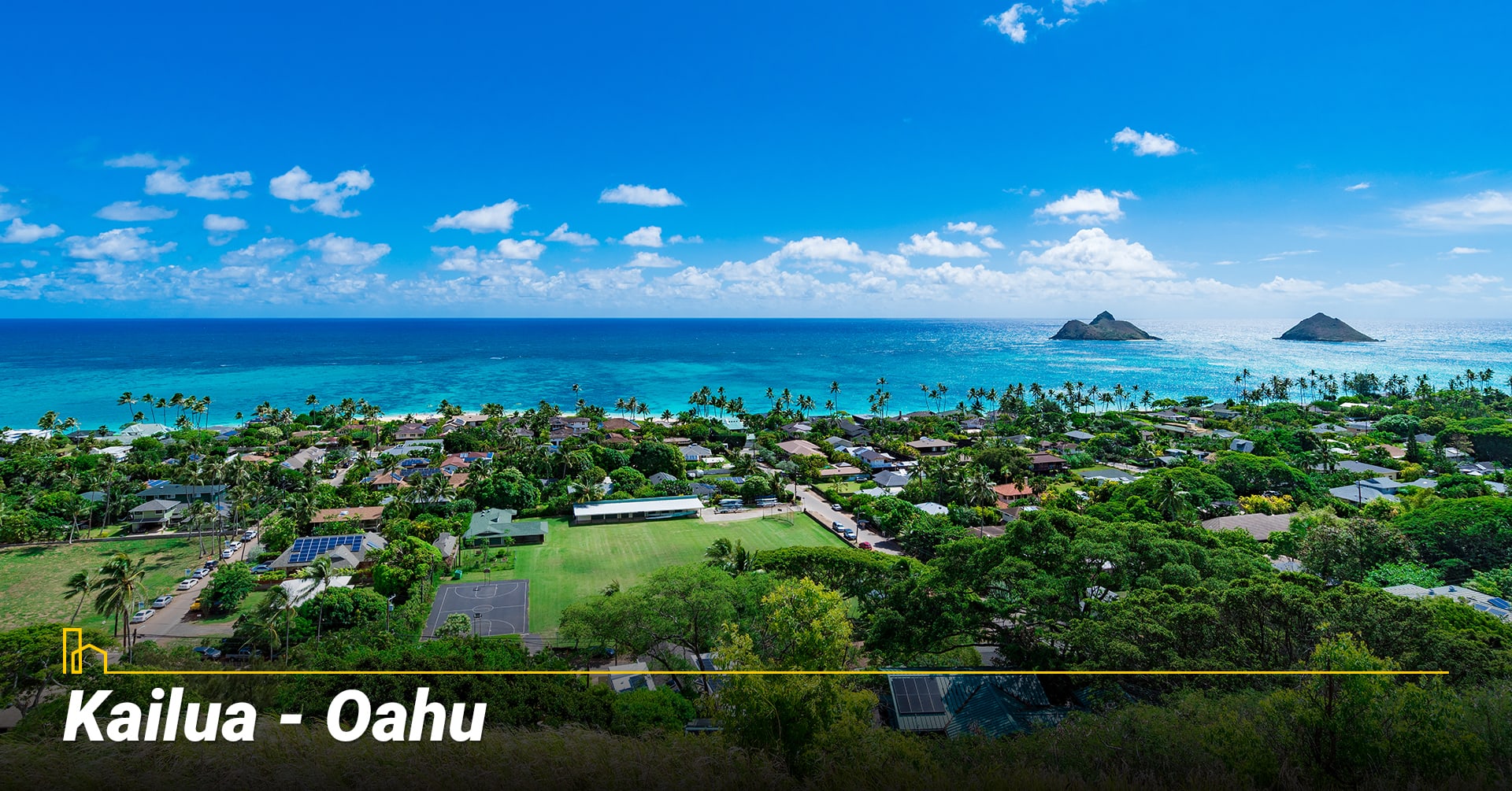
HOMEiA Score: 83/100
- Cost of Living: About 82% above US average
- Monthly Rent: Around $3,000 to $3,300
- Home price to income ratio: 8.3:1
- Income to rent ratio: 25.9x
- Safety rating: 78/100
Nestled on O‘ahu’s windward coast, Kailua offers an unparalleled combination of assets for families: top public schooling, one of O‘ahu’s best beaches, and a respected community presence. Full of educated and engaged residents, it has a vibrant community and is surrounded by incredible outdoor recreation, while still maintaining easy access to Honolulu. The high median income helps offset the cost of living, making it a premier choice for families who can afford it.
3. Mililani (O‘ahu)

HOMEiA Score: 85/100
- Cost of Living: About 80% above US average
- Monthly Rent: Approximately $2,800 to $3,000
- Home price to income ratio: 8.1:1
- Income to rent ratio: 26.9x
- Safety rating: 80/100
Located in central O‘ahu, Mililani is a planned community that has become a top choice for families. It offers well-maintained housing, highly-rated schools within the Mililani complex, and a significantly higher safety rating than urban Honolulu. With numerous parks, community centers, and family-friendly events, it creates a calm, secure environment while still being a reasonable commute from job opportunities in Honolulu.

Related article
Moving to Hawai‘i: The Complete Relocation Guide & Checklist (updated)
Hawaiʻi offers a lifestyle shaped by tropical beauty, deep cultural roots, and the spirit of aloha. Nearly 1.5 million residents enjoy island living across six main islands, from urban Honolulu to quiet coastal towns. This guide covers relocation essentials, including island life realities, living costs, and the legal steps to becoming a Hawaiʻi resident…
Best Places to Retire in Hawai‘i
1. Hilo (Big Island)

HOMEiA Score: 80/100
- Cost of Living: About 60% above US average
- Monthly Rent: Around $1,700 to $1,950
- Home price to income ratio: 6.8:1
- Income to rent ratio: 36.8x
- Safety rating: 74/100
Tucked away on the Big Island’s rainy east side, Hilo is a hidden gem for golden agers. This historic town has maintained its local character, and enjoys the perfect climate for gardening and lush landscapes. Retirees are drawn to its relatively affordable cost of living (by Hawai‘i standards), sense of community, and incredible access to natural wonders like waterfalls and volcanic parks. The lower cost of living allows retirees to stretch their savings further while enjoying a vibrant local culture and solid island community.
2. Lihue (Kauai)

HOMEiA Score: 82/100
- Cost of Living: About 72% above US average
- Monthly Rent: Approximately $2,300 to $2,600
- Home price to income ratio: 7.9:1
- Income to rent ratio: 29.2x
- Safety rating: 77/100
Affordability meets natural beauty in Lihue, Kauai’s county seat. Those in their golden years are drawn to more reasonable housing costs (compared to resort areas) and access to essential services and healthcare. Lihue is a quiet, community-focused town, perfect for those who prioritize a simple, nature-centered lifestyle surrounded by Kauai’s famous landscapes. For other retirement options, explore the best places to retire in Florida.
3. Kailua-Kona (Big Island)

HOMEiA Score: 84/100
- Cost of Living: About 68% above US average
- Monthly Rent: Approximately $2,100 to $2,300
- Home price to income ratio: 8.0:1
- Income to rent ratio: 31.8x
- Safety rating: 76/100
For retirees seeking an active and sunny lifestyle, Kailua-Kona is one of the most popular options in the state. Known for its dry climate, top-quality healthcare facilities, golf courses, and access to ocean activities, it is perfect for an active retirement. While housing is expensive, the wide range of activities, senior communities, and mature, socially active population make it a rewarding place to retire.

Related article
Top 10 Essential Tips for Buying a Condo in Hawai’i
Buying a condo in Hawaii is a dream for many, but the market presents unique challenges. Limited land, strict zoning laws, and high demand require expert insight. Whether you’re eyeing Honolulu, Maui, or Kauai, understanding these factors is crucial for making a smart, secure investment in Hawaii real estate…
Hawai‘i Lifestyle: Culture, Food, and Recreation
A. Arts and Culture
The culture in Hawai‘i is a unique blend of native Hawaiian heritage, diverse Polynesian traditions, and various immigrant influences. The different islands boast vibrant arts scenes, including traditional hula performances, ukulele music, and contemporary Pacific art. Annual events like the Merrie Monarch Festival celebrate Hawaiian culture, while museums like the Bishop Museum preserve Hawai‘i’s rich history.
B. Food Scene
The local cuisine is famously diverse, reflecting the state’s multicultural population. Local favorites include poke bowls (raw fish over rice), plate lunches, SPAM musubi, and shave ice. “You like grind?” is the classic local invitation to share a meal, which is a central part of Hawaiian culture. Farmers markets across the islands provide fresh tropical fruits, while the growing locavore movement supports local agriculture.
C. Outdoor Activities
Recreation is a way of life in Hawai‘i’s ideal climate. Surfing, snorkeling, hiking, beach-going, and fishing are not just hobbies, but integral to the lifestyle for many residents. The state’s diverse landscapes, which range from beaches to volcanoes and rainforests, ensure endless exploration for all ages and abilities.
D. Community and Ohana
Community life revolves around the concept of “ohana” (family) and local gatherings. Neighborhood potlucks, beach picnics, and community events create a deep connection. The aloha spirit emphasizes kindness, cooperation, and looking out for one another, creating a supportive social environment.
Conclusion: Is Hawai‘i Right for Your Lifestyle?
The appeal of Hawai‘i lies in its unparalleled natural beauty, unique cultural heritage, and perfect year-round climate. Whether you are building a career in Honolulu, raising a family in Mililani, or enjoying an active retirement in Kona, the Aloha State presents a compelling case—as long as you can adapt to its economic challenges and geographic isolation. Weigh the benefits of island living against the realities of high costs and limited opportunities to decide if Hawaiʻi is the right fit for your next chapter. For those still considering their options, our guide on essential steps for moving to a new city is a great resource.
Recommended for you




FAQs About Living in Hawai‘i
1. What is the cost of living in Hawai‘i compared to other states?
Hawai‘i has the highest cost of living in the US, with a MERIC composite index of approximately 93 percent above the national average, driven primarily by a housing index nearly three times the national norm. Statewide typical home values (Zillow Home Value Index) sit at around $836,700, while median sale prices vary widely by island and property type, from roughly $560,000 for a Big Island single-family home to well over $1 million for an O‘ahu or Maui single-family home. Costs vary significantly between islands and communities.
2. How severe is the geographic isolation?
The isolation is significant, with Hawai‘i located roughly 2,400 miles from the mainland US West Coast. This affects everything from grocery prices to travel costs and access to certain goods. Some residents experience “island fever,” but others appreciate the separation from mainland stresses.
3. Is Hawai‘i a good place for families?
Yes, it is a great place for families who value outdoor recreation, strong communities, and a multicultural upbringing for their children. Family-friendly communities including Mililani and Kailua, which both offer excellent schools and safe neighborhoods. However, the high cost of living can be challenging for many young families.
4. What are Hawai‘i’s job prospects?
Job prospects are strong within key industries, like tourism, military, healthcare, and education, and the state’s unemployment rate has remained among the lowest in the nation, at around 2.5 to 2.6 percent through mid-2026. The market for other professional fields is more limited. It is crucial to secure employment before moving, as wages often do not match the high cost of living.
5. How is healthcare access across the islands?
Access to healthcare is excellent on O‘ahu, which has large, modern hospitals and specialists. It becomes increasingly limited on neighbor islands, where specialized care may require travel to O‘ahu or the mainland.
6. What are the best outdoor activities in Hawai‘i?
Surfing, snorkeling, hiking, beach activities, and exploring volcanic landscapes are top pastimes. The diverse environments across the different islands provide endless opportunities for recreation in perfect weather all year long.
Share