






The Pros and Cons of Living in Rhode Island
- Local Editor:Local Editor: The HOMEiA Team
- Category: USA , Rhode Island


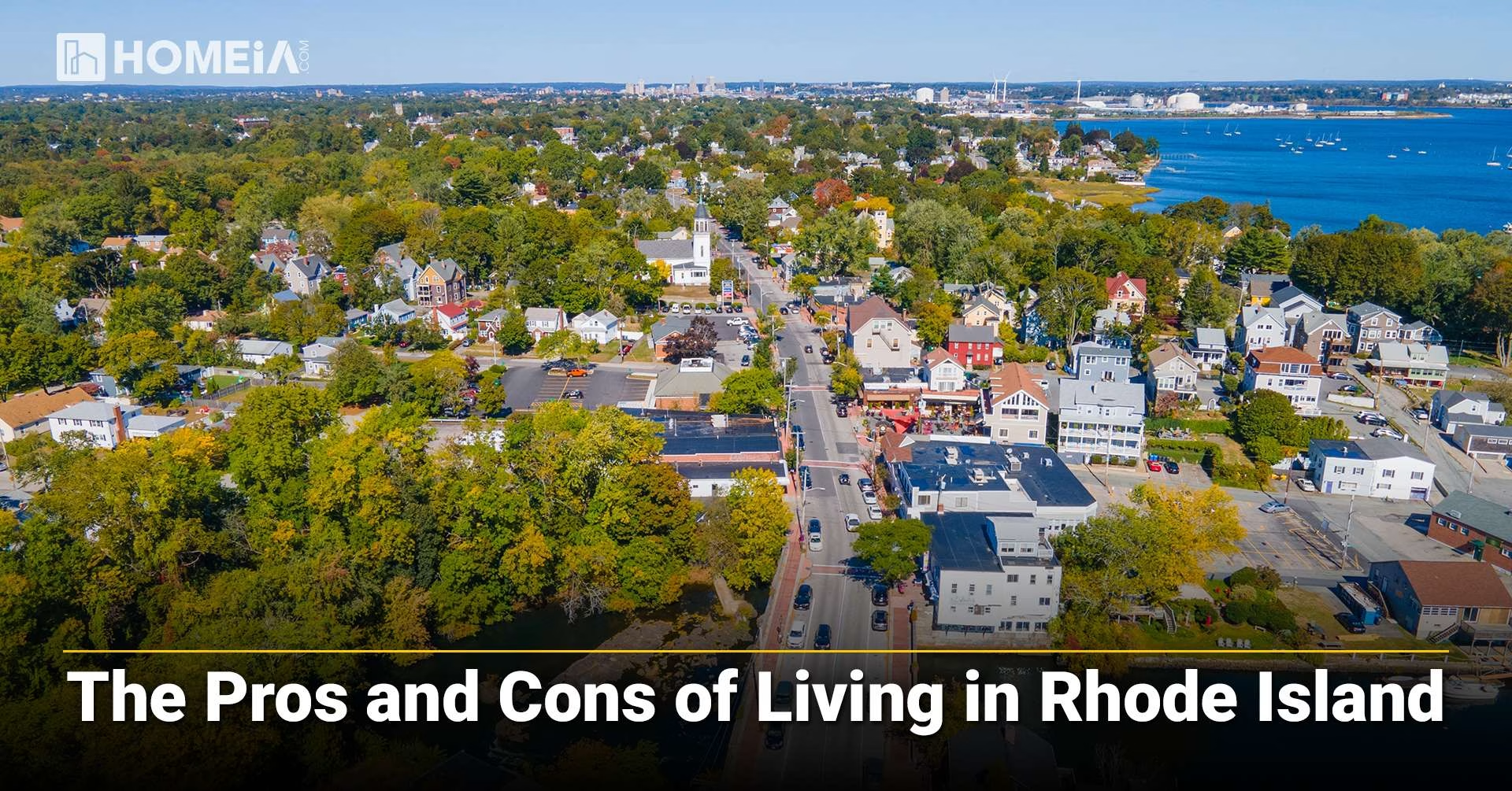
When picturing Rhode Island, what comes to mind are historic colonial architecture, breathtaking coastline, and being the smallest state in the nation. But Little Rhody offers more than New England clichés; here lies a place where rich maritime heritage, vibrant arts scenes, and close-knit communities define everyday living. Yet, becoming a resident comes with significant trade-offs, from high costs of living to challenging winters and limited space. This guide provides a balanced, comprehensive analysis of the pros and cons of living in Rhode Island while offering detailed insights into the best cities for young professionals, families, and retirees.
Key Takeaways
- Cultural Richness: A unique blend of colonial history, maritime heritage, and modern New England culture, reflected in historic architecture, world-class universities, and vibrant arts scenes centered around Providence’s creative energy.
- High Cost of Living: Overall costs are significantly above the national average, driven by one of the most expensive housing markets in New England, making it one of the least affordable states to buy a house in the region.
- Coastal Beauty & Recreation: Diverse coastal landscapes from Narragansett Bay to Block Island, offering unparalleled waterfront living and sailing opportunities under classic New England seasons.
- Economic Opportunities: Strong presence in healthcare, education, and maritime industries with proximity to Boston’s job market, though limited opportunities outside these core sectors.
- Education & Healthcare: World-class universities and medical facilities provide excellent education and healthcare access, though public school quality varies significantly by community.
- Limited Space & Traffic: As the smallest state, space is at a premium, leading to traffic congestion in urban areas and limited land for development.
Methodology: How We Evaluated Rhode Island
Our analysis is based on a multi-factor review of key elements that impact residents’ quality of life and financial well-being. We compiled data from reputable 2025 sources, including the U.S. Census Bureau, Bureau of Labor Statistics, Zillow housing market reports, FBI crime statistics, and state agencies.
Our evaluation criteria are weighted as follows:
- Cost of Living (25%): This foundational metric analyzes the day-to-day expenses that define a household budget, including the cost of groceries, utilities, transportation, and healthcare, all benchmarked against national and regional averages to gauge true purchasing power.
- Economic Health & Opportunity (25%): Long-term stability is non-negotiable. This criterion assesses the robustness of the local economy by examining median household income, unemployment trends, and the diversity of key industries to ensure a community is resilient, growing, and full of potential for its residents.
- Housing & Affordability (20%): The most significant financial decision for most. We delve beyond median home prices and rental costs to use crucial ratios like home-price-to-income and income-to-rent—providing a clear picture of how housing costs align with local earnings.
- Quality of Life & Community (20%): Affordability means little without well-being. This metric evaluates the essential factors that contribute to daily life, including access to unique cultural amenities, outdoor recreation, climate, public safety, and the strength of community engagement.
- Access & Infrastructure (10%): A community’s potential is tied to its connections. This evaluates critical modern infrastructure, including reliable high-speed internet, healthcare access, transportation links, and proximity to major employers and commercial centers.

Related article
Our Methodologies to create HOMEiA Score Ratings for Each Group of Content
HOMEiA uses a consistent, data-driven methodology to evaluate U.S. states for livability, affordability, and long-term value. Our analysis centers on key factors such as Housing and Affordability, Cost of Daily Living, Access and Infrastructure, Community Strength, Safety and Quality of Life, Economic Resilience and Job Market…
Pros: Why Choose Rhode Island? Top Benefits
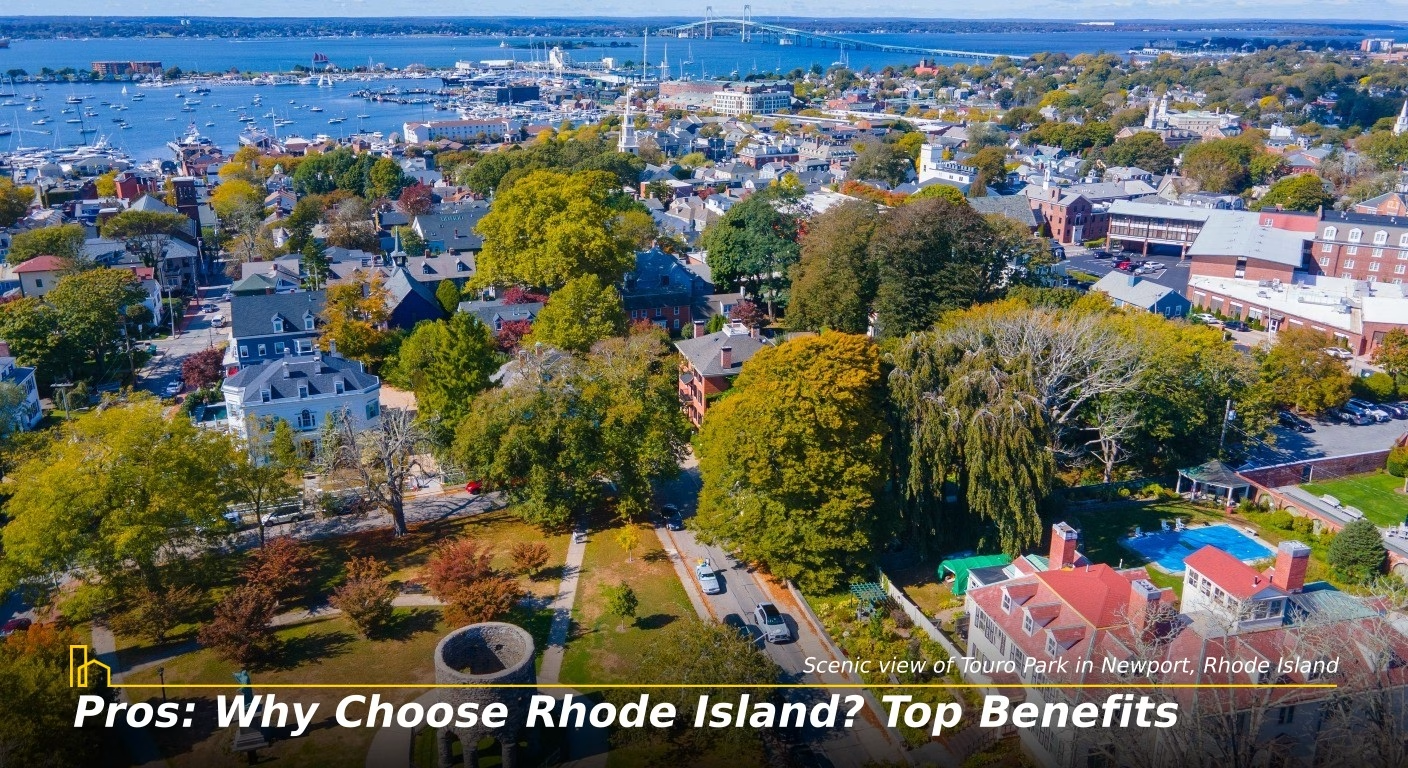
A. Unmatched Coastal Beauty and Waterfront Living: Rhode Island’s greatest attraction is its stunning nautical scenery and maritime heritage. There’s roughly 400 miles of coastline and beaches, along with the iconicNarragansett Bay. Creating a paradise for water enthusiasts, locals can sail in Newport, explore Block Island, enjoy world-class seafood, and experience historic waterfront communities. For those more inclined to the indoors, there are vibrant arts scenes and historic architecture throughout the state. Adventures truly never end.
B. Rich Cultural Heritage and Historic Charm: Another renowned perk is its deep historical roots and cultural richness. As one of the original thirteen colonies, the state offers living history from colonial architecture in Providence to Gilded Age mansions in Newport. This allows Rhode Islanders to enjoy a unique cultural experience found nowhere else in the US.
C. World-Class Education and Healthcare: RI stands out for its exceptional educational and medical institutions. Home to Ivy League member Brown University, Rhode Island School of Design (RISD), and pristine healthcare facilities like Rhode Island Hospital and Miriam Hospital, the state provides access to top-tier education and medical care within a compact geographic area.
D. Proximity to Major Metro Areas: With its strategic New England location, it offers the perfect balance of small-state living with big-city access. Providence is only about an hour from Boston, and the rest of the region is accessible to New York City and other Northeast destinations. Proximity provides employment opportunities, cultural experiences, and transportation options while maintaining Rhode Island’s unique character.
E. Vibrant Arts and Food Scene: For artists and foodies, this is a top destination. Providence has a nationally recognized arts scene, while the state’s culinary offerings range from world-class seafood to innovative farm-to-table restaurants. From the classic clam chowder and stuffies to award-winning restaurants, culinary offerings are a major perk of living here.
Related article
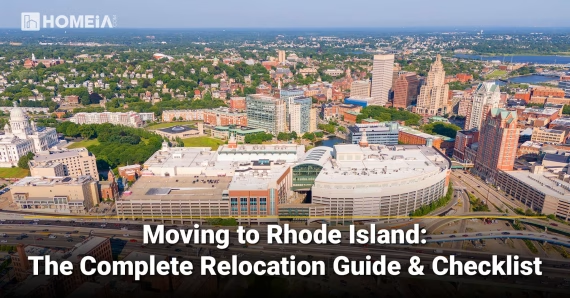
Moving to Rhode Island: The Complete Relocation Guide & Checklist
Rhode Island blends coastal charm, rich history, and compact living in America’s smallest state. Over 1 million residents enjoy scenic shorelines, vibrant Providence arts, and easy access to major New England cities. This guide covers relocation essentials; from coastal climate and living costs to the legal steps of becoming a Rhode Island resident…
Cons: Rhode Island Living Challenges — What to Know
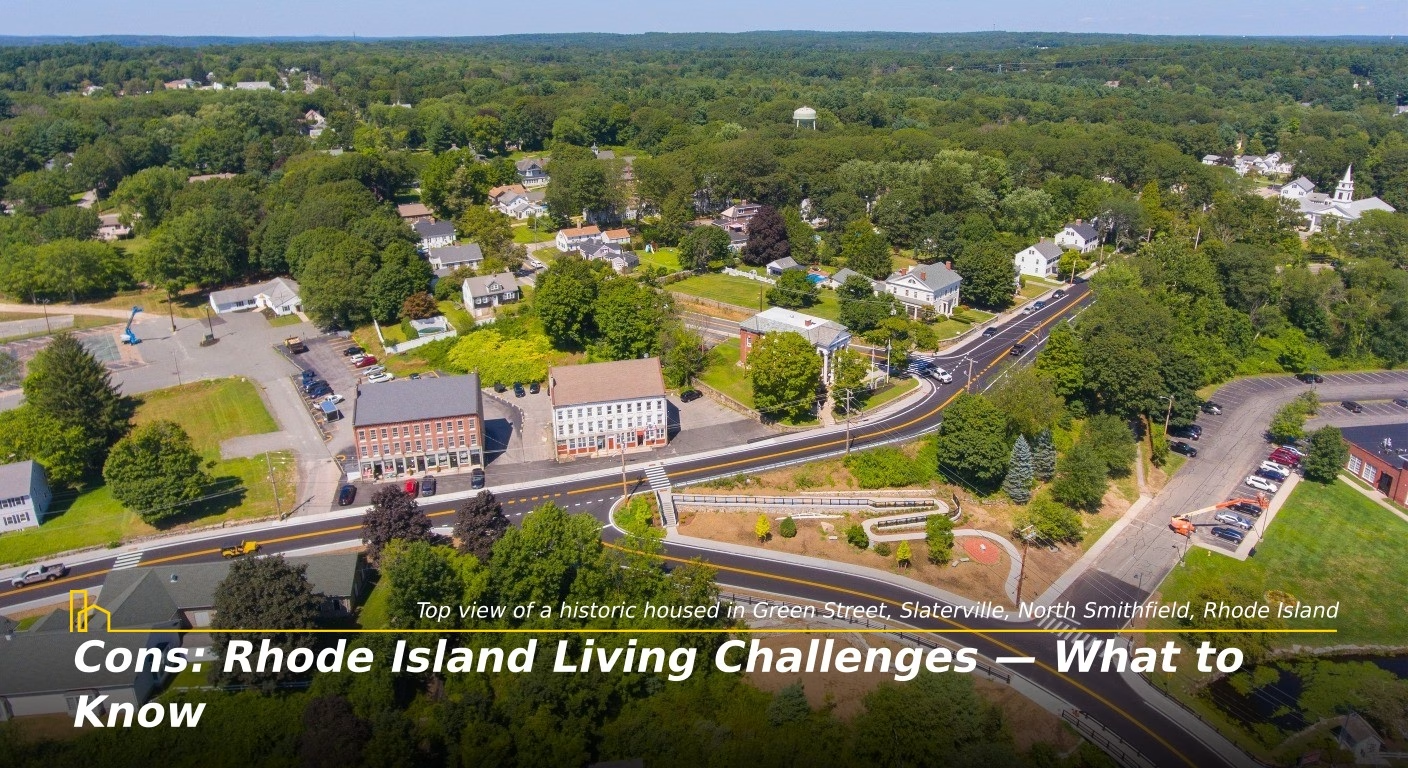
A. High Cost of Living: Cost of living is a significant challenge. Consistently ranking among the most expensive in the Northeast, with housing costs, taxes, and general expenses well above national averages. The overall cost of living index is approximately 12% above the 2025 national average. This leads to financial pressure for many residents, particularly those on fixed incomes or in entry-level positions.
B. Challenging Winters and Seasonal Changes: This is one of the state’s most significant seasonal drawbacks. Rhody experiences classic New England winters with frigid temperatures, snow, and ice. While those who call it home adapt, this overall climate requires newcomers to be prepared for seasonal weather challenges.
C. Limited Space and Traffic Congestion: As the smallest state in the U.S., the Ocean State faces space constraints impacting daily life. Urban areas experience traffic congestion, particularly during rush hours, and available land for development is limited. This can lead to higher housing costs and longer commute times than might be expected in such a compact state.
D. High Tax Burden: The current tax structure presents challenges for residents and businesses. In place are relatively high income, property, and sales taxes compared to national averages. This can impact disposable income and business competitiveness, particularly for those considering relocation from lower-tax states.
E. Economic Concentration and Job Market Limitations: Despite proven sectors in healthcare, education, and tourism, its economy lacks the diversity found in larger states. Job opportunities outside these core industries can be limited, and it has experienced higher unemployment rates historically than the national average during economic downturns.

Related article
7 Most Affordable Places to Live in Rhode Island
Rhode Island offers pockets of affordability amid its coastal charm and historic appeal. While costs vary widely, careful planning can unlock strong value compared to other New England states. This guide uses data on housing, utilities, and transportation to highlight seven of Rhode Island’s most affordable places to live…
Best Rhode Island Cities for Young Professionals
1. Warwick
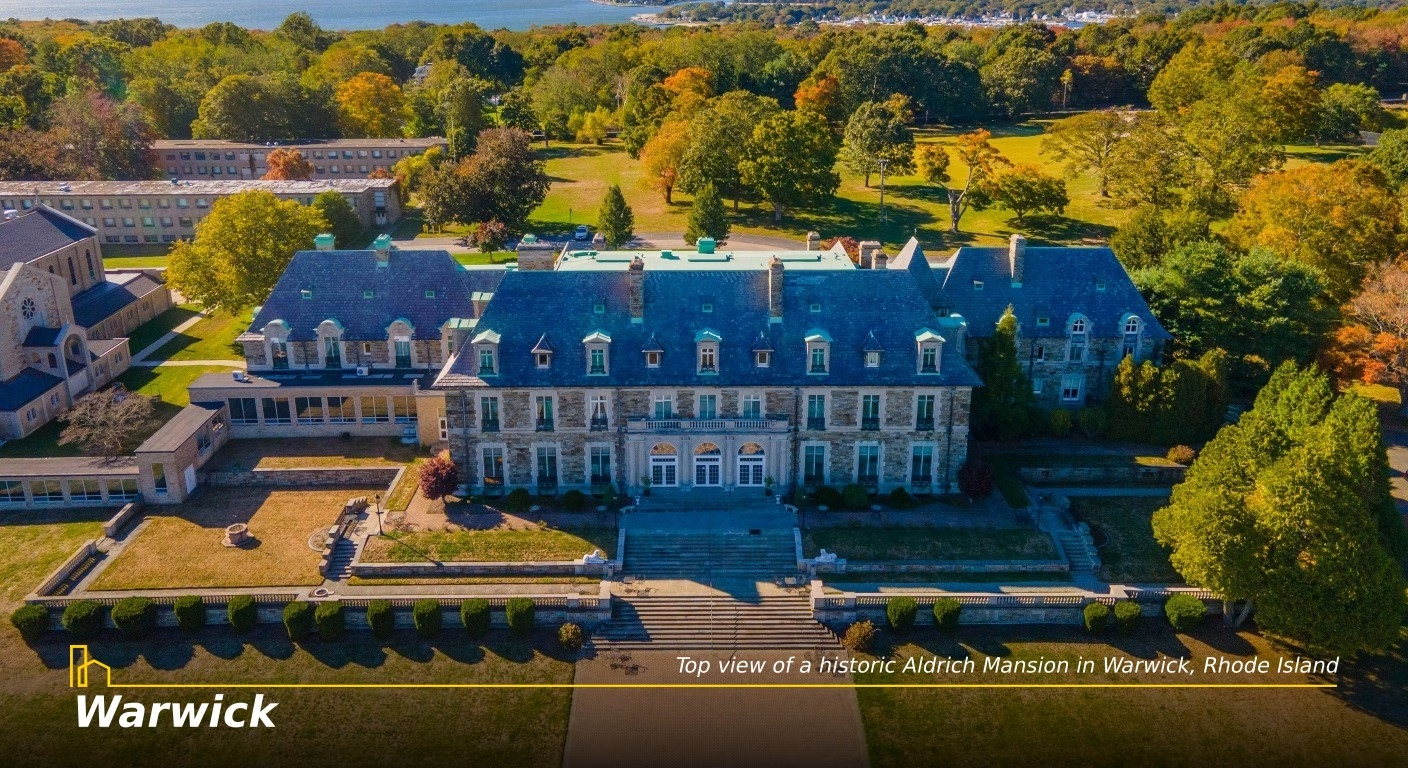
HOMEiA Score: 80/100
- Cost of Living: About 12% above U.S. average
- Monthly Rent: Approximately $1,600
- Home price to income ratio: Approximately 5.9:1
- Income to rent ratio: Around 43.8x
- Safety rating: 65/100
Located south of Providence, Warwick offers a more affordable alternative while maintaining convenient access to employment centers. Home to T.F. Green Airport (PVD) and numerous corporate offices, Warwick provides diverse employment opportunities in transportation, healthcare, and retail. This demographic appreciates the manageable cost of living, excellent transportation links, and access to the state’s largest shopping centers. It’s a practical, well-connected choice for building a career while enjoying cherished amenities.
2. Newport
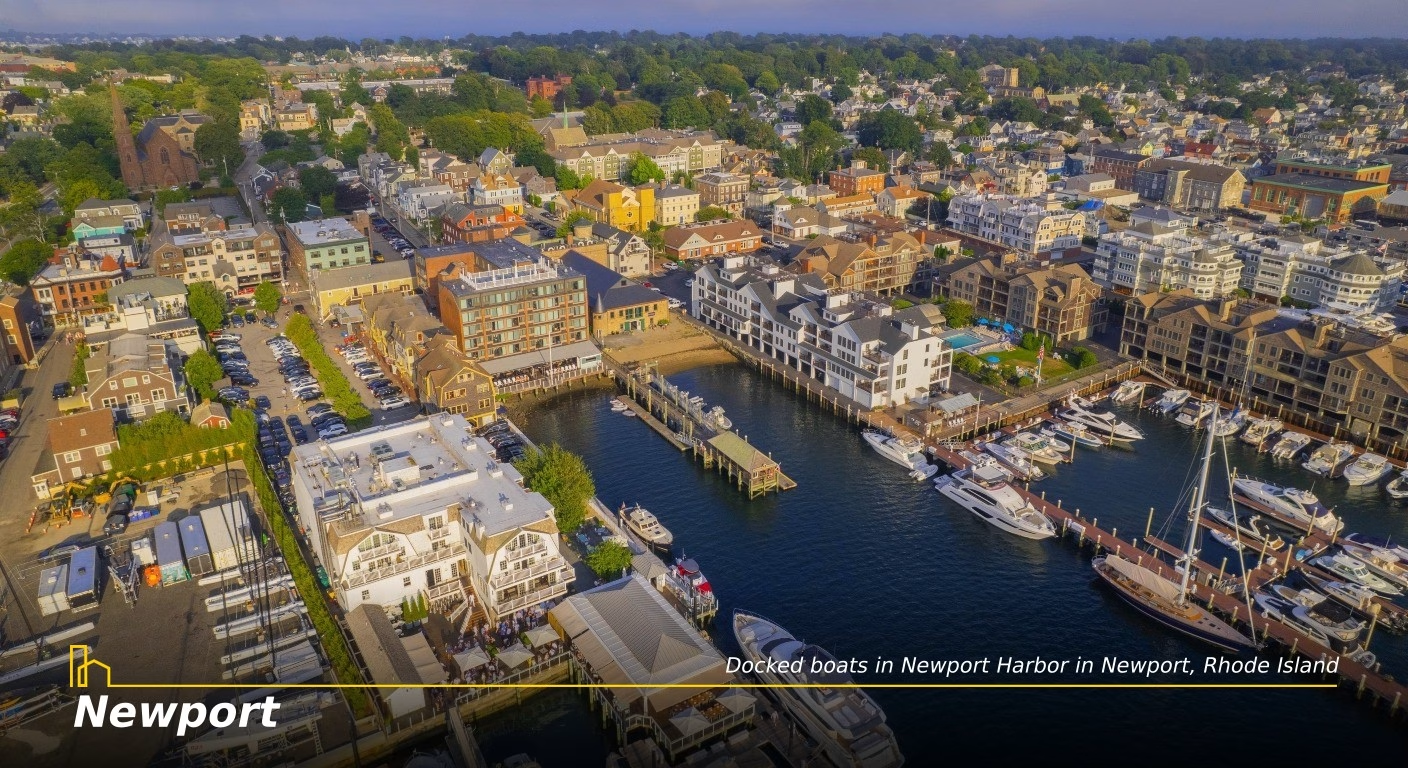
HOMEiA Score: 82/100
- Cost of Living: Approximately 25% above U.S. average
- Monthly Rent: Around $2,200
- Home price to income ratio: About 8.2:1
- Income to rent ratio: Approximately 31.8x
- Safety rating: 70/100
Known for its historic mansions and sailing culture, Newport attracts Millennials and Gen Z in tourism, maritime industries, and hospitality. A stunning coastal setting and vibrant summer scene provide unique lifestyle benefits. These newly added members of the workforce are drawn to the world-class sailing, historic preservation opportunities, and growing culinary scene. While housing costs are pricey, the unique coastal lifestyle and proximity to water activities make it an attractive option for those in compatible industries.
3. Providence
HOMEiA Score: 85/100
- Cost of Living: Approximately 15% above U.S. average
- Monthly Rent: About $1,800 to $1,960
- Home price to income ratio: Around 6.8:1
- Income to rent ratio: Approximately 38.9x
- Safety rating: 55/100
As Rhode Island’s capital and largest city, Providence is the undeniable economic and cultural hub, offering the most diverse job market in the state. Recent college graduates find opportunities in education (supported by Brown University and RISD), healthcare, finance, and the expansive tech sector. There’s a unique blend of historic charm and urban amenities—including a vibrant downtown scene with restaurants, theaters, and WaterFire installations—with immediate access to New England’s cultural resources. With networking events and a relatively compact urban layout, the Creative Capital is the best place to launch a career in the state.
Recommended for you




Best Rhode Island Communities for Families with Young Kids
1. South Kingstown
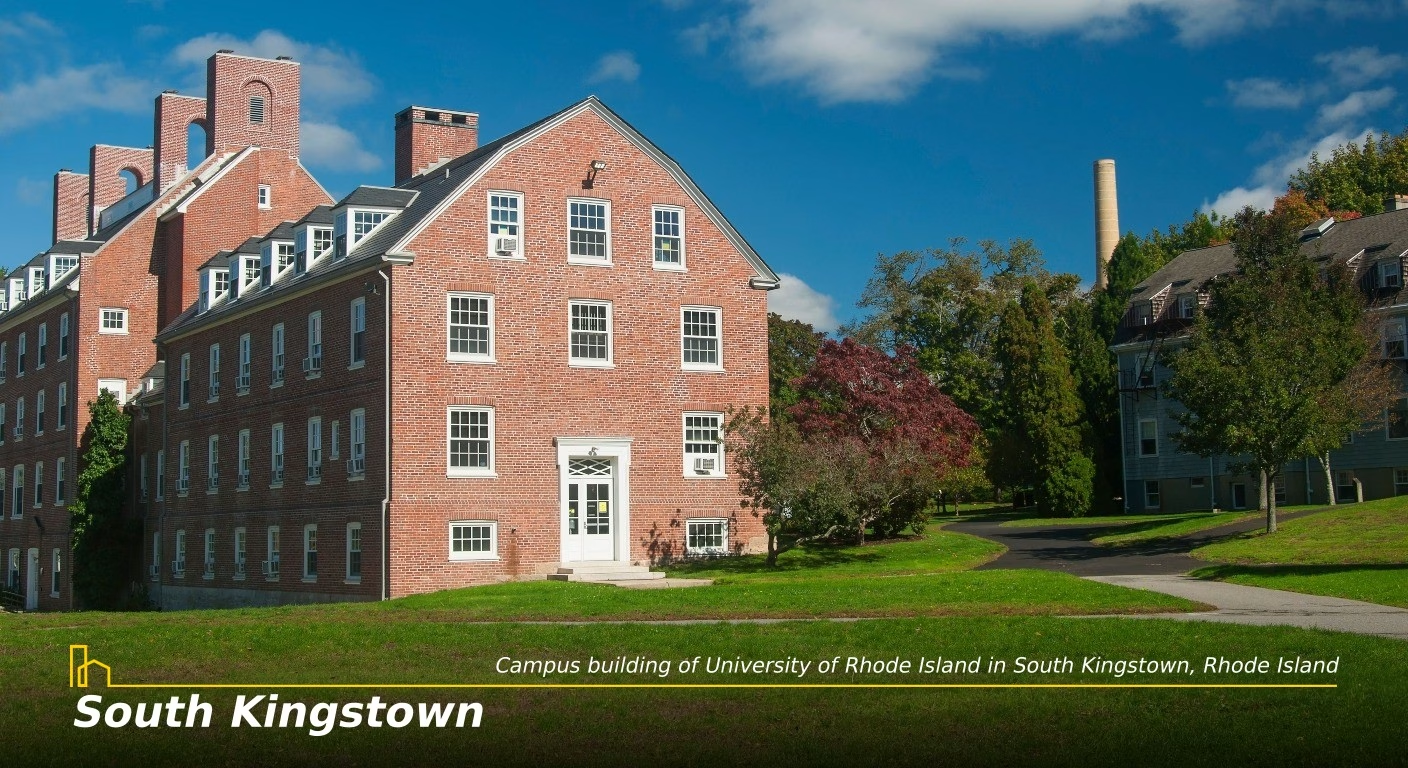
HOMEiA Score: 83/100
- Cost of Living: About 18% above U.S. average
- Monthly Rent: Approximately $1,800
- Home price to income ratio: About 6.2:1
- Income to rent ratio: Roughly 44.4x
- Safety rating: 75/100
Home to the University of Rhode Island, South Kingstown offers an academia-focused, family-friendly environment with more reasonable costs than northern communities. Residents appreciate how well the school system performs, access to university resources, and beautiful natural surroundings including beaches and conservation areas. The town provides a balanced lifestyle with academic opportunities, outdoor recreation, and respected community focus.
2. East Greenwich
HOMEiA Score: 88/100
- Cost of Living: About 22% above U.S. average
- Monthly Rent: Roughly $2,100
- Home price to income ratio: Approximately 6.9:1
- Income to rent ratio: Around 40.5x
- Safety rating: 80/100
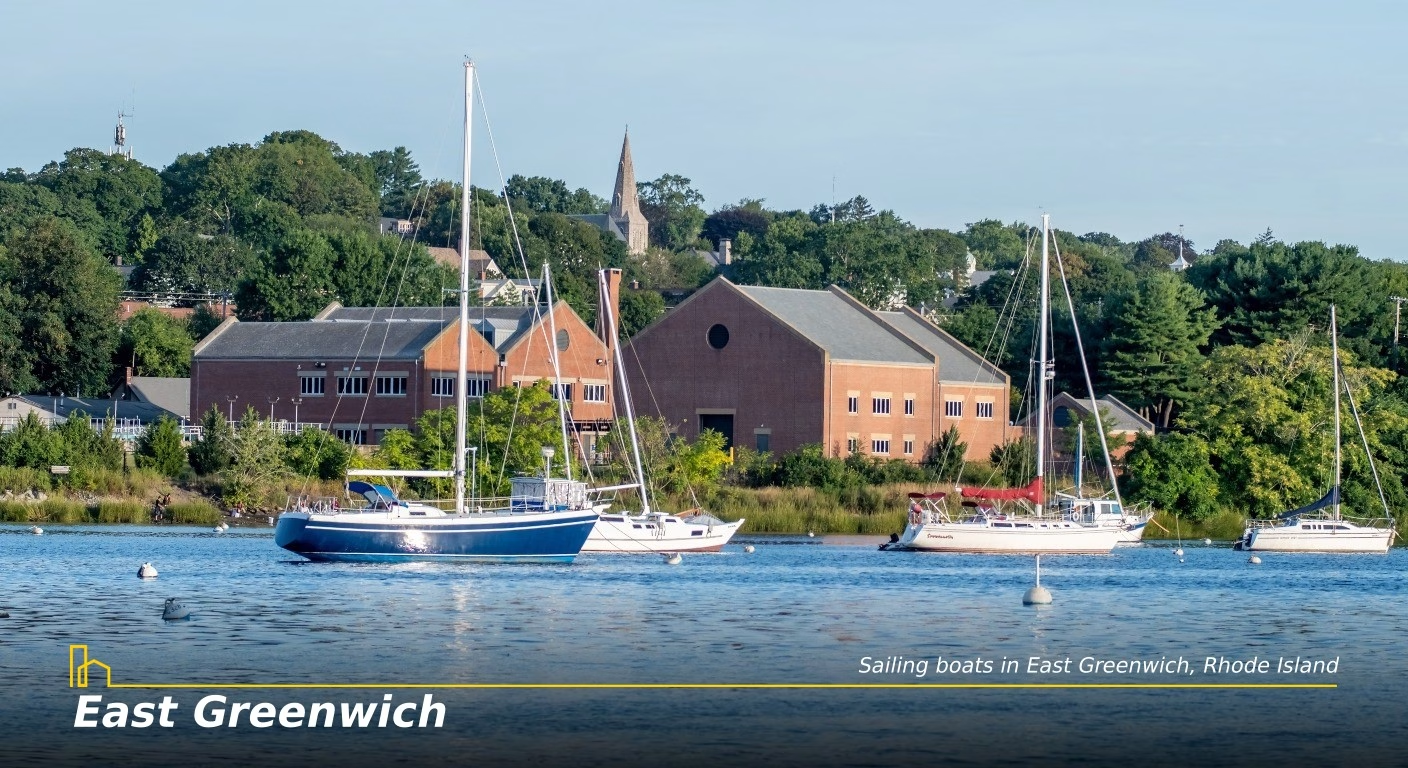
Nestled on the western shore of Narragansett Bay, East Greenwich combines historic New England charm with modern amenities. This affluent town offers top-ranked public schools, charming downtown with local shops and restaurants, and quick access to Providence and Newport. Families are drawn to the community identity, beautiful historic architecture, and recreational facilities including sailing and waterfront parks.
3. Barrington
HOMEiA Score: 90/100
- Cost of Living: About 30% above U.S. average
- Monthly Rent: Approximately $2,500
- Home price to income ratio: Around 7.5:1
- Income to rent ratio: About 36.0x
- Safety rating: 85/100
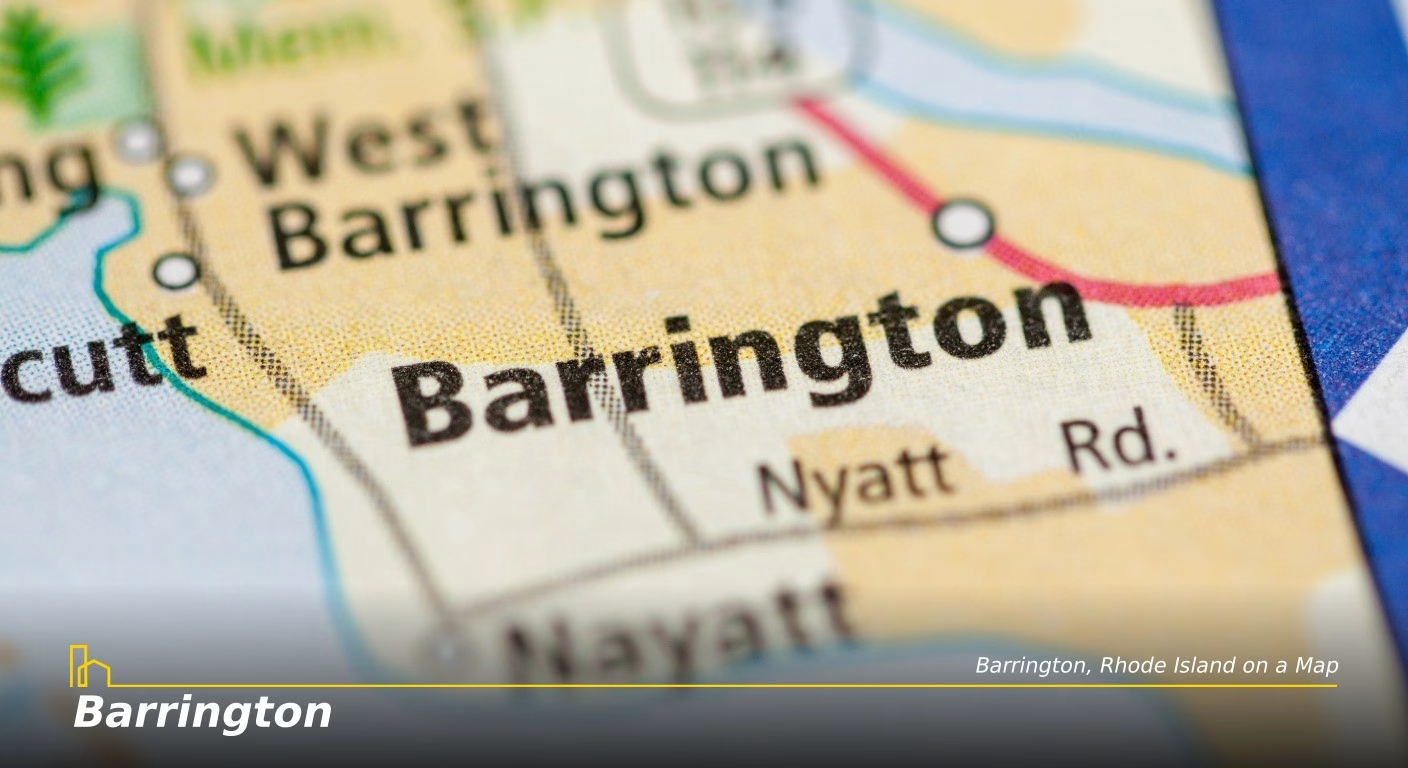
Located on the eastern shore of Narragansett Bay, Barrington is consistently ranked among the top communities for families in Rhode Island. It offers highly-rated education within the Barrington Public Schools district, beautiful waterfront properties, and a significantly higher safety rating than many neighboring communities. With numerous parks, community centers, and family-friendly events centered around the bay, it provides a calm, secure environment while only being a short commute from Providence.
Related article
The 5 Best Places to Live in Rhode Island: A City Comparison
Rhode Island may be small, but it offers exceptional quality of life, coastal charm, and New England character. Choosing the right community is key. This guide ranks the state’s five best places to live using data on jobs, affordability, safety, amenities, and quality of life; from Providence’s historic energy to Newport’s refined coastal appeal…
Best Places to Retire in Rhode Island
1. Westerly
HOMEiA Score: 79/100
- Cost of Living: Approximately 15% above U.S. average
- Monthly Rent: About $1,700
- Home price to income ratio: Around 6.5:1
- Income to rent ratio: Approximately 47.1x
- Safety rating: 72/100
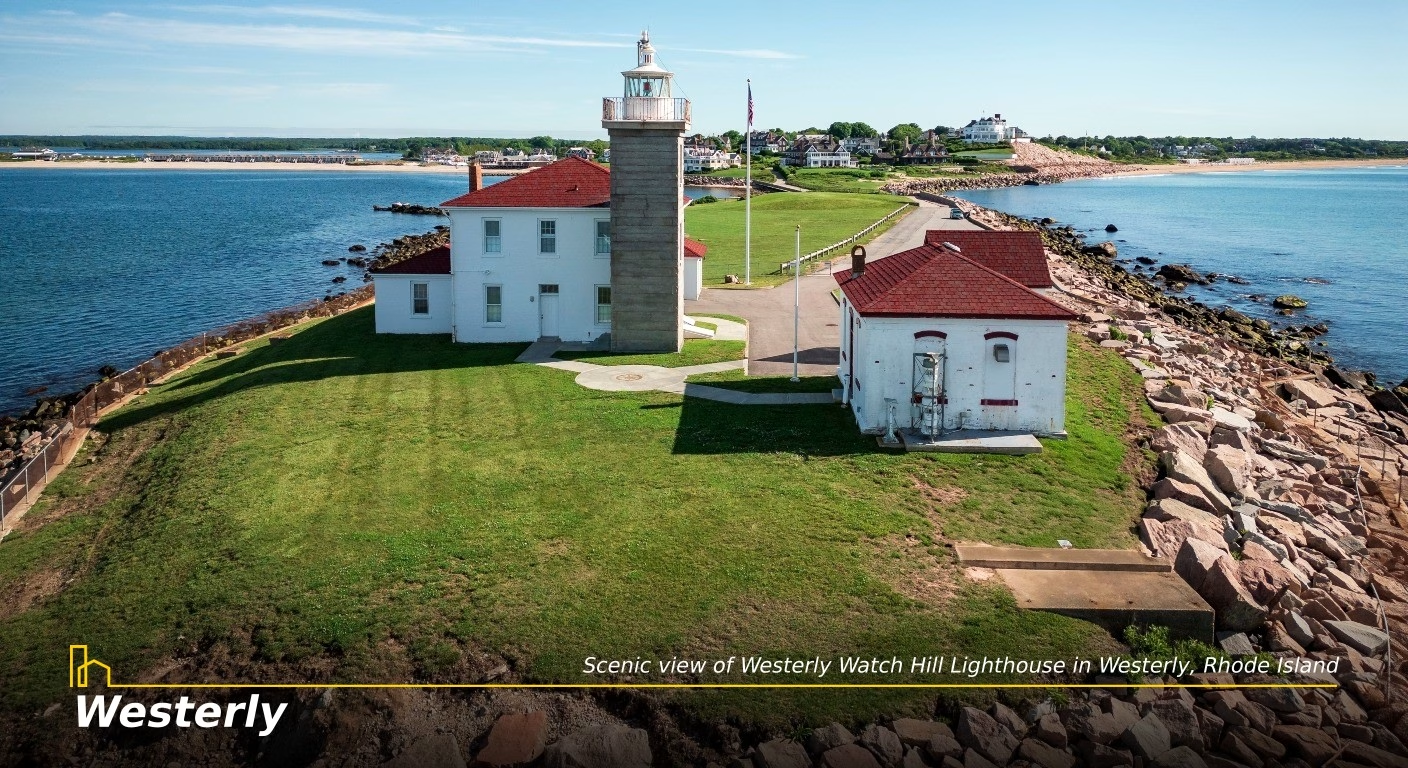
Located in Washington County near the Connecticut border, Westerly offers a more affordable coastal retirement option. Golden agers are drawn to the beautiful beaches, including famous Misquamicut Beach, and the charming village of Watch Hill. It’s a quiet, relaxed place to spend one’s golden years with good healthcare access and a tight-knit community atmosphere.
2. Bristol
HOMEiA Score: 82/100
- Cost of Living: About 20% above U.S. average
- Monthly Rent: Approximately $1,900
- Home price to income ratio: Around 7.1:1
- Income to rent ratio: Approximately 39.5x
- Safety rating: 75/100
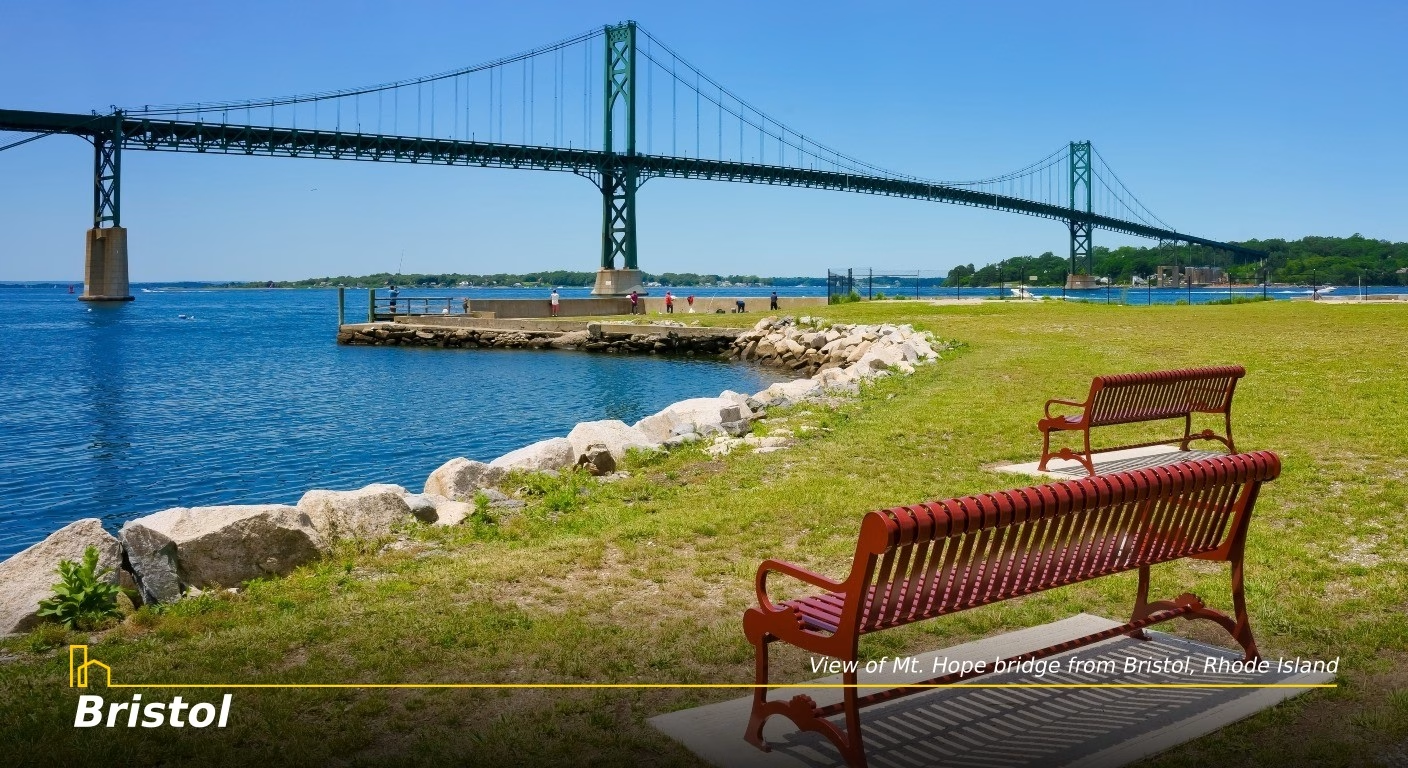
Home to Roger Williams University, Bristol offers a charming, historic setting for retirement. This waterfront town features beautiful colonial architecture, a walkable downtown, and active community.. Those in their golden years are drawn to its manageable scale, cultural events including the famous Fourth of July parade, and excellent healthcare facilities within easy reach.
3. Newport
HOMEiA Score: 84/100
- Cost of Living: Around 25% above U.S. average
- Monthly Rent: About $2,200
- Home price to income ratio: Approximately 8.2:1
- Income to rent ratio: About 31.8x
- Safety rating: 70/100
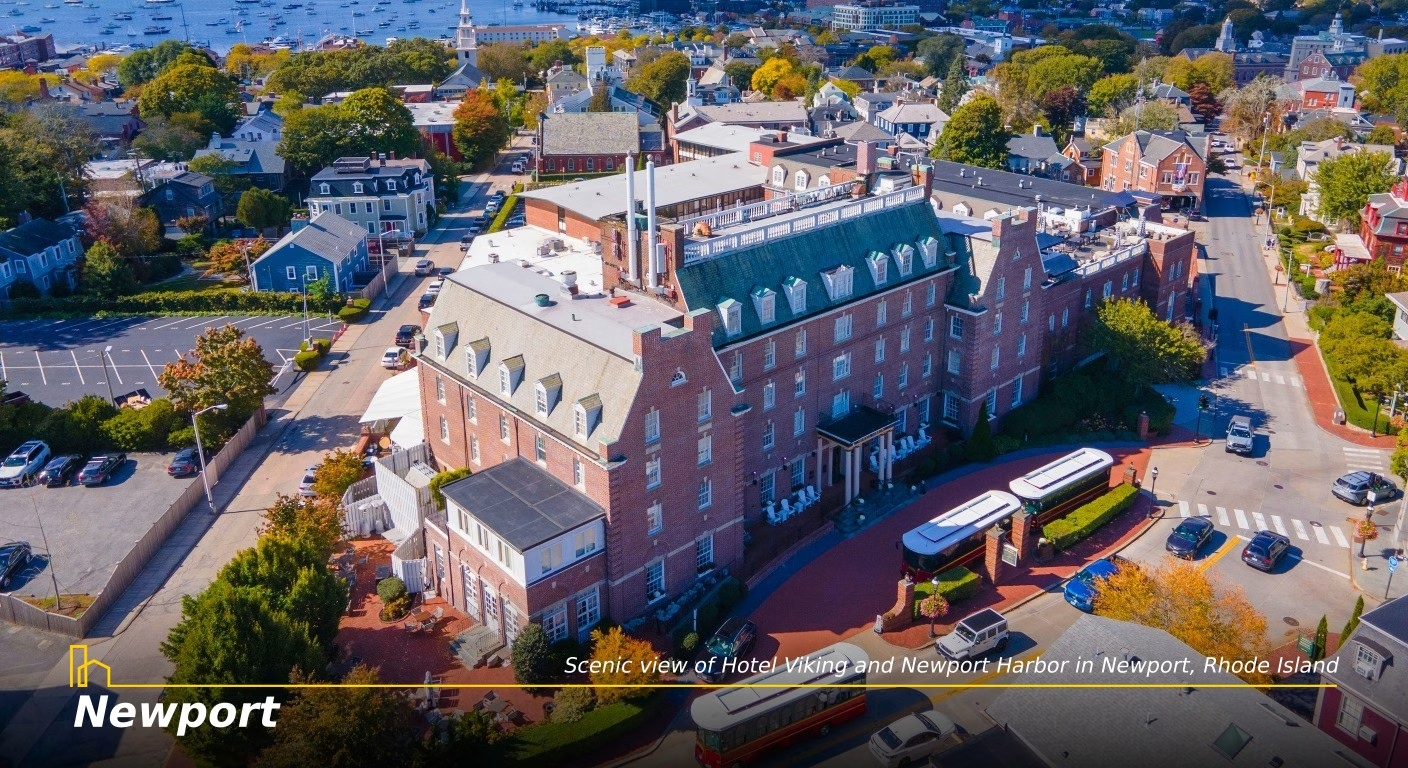
For retirees seeking a culturally rich and active coastal lifestyle, Newport is a top contender. Known for their historic mansions, world-class sailing, renowned restaurants, and vibrant arts scene. While housing is expensive, the array of activities, lifelong learning opportunities through Salve Regina University, and a mature, socially active community make it a rewarding place to retire.
Related article
7 Most Affordable Places to Live in Connecticut
In a state where costs often climb higher than the national average, finding an affordable places to live in Connecticut can be a rewarding challenge. While housing, utilities, and taxes are known to stretch budgets, several communities offer a balance of value and quality of life. These towns and cities provide access to good schools, job opportunities, and the scenic beauty New England is famous for…
Rhode Island Lifestyle: Coastal Living, Culture, and Community
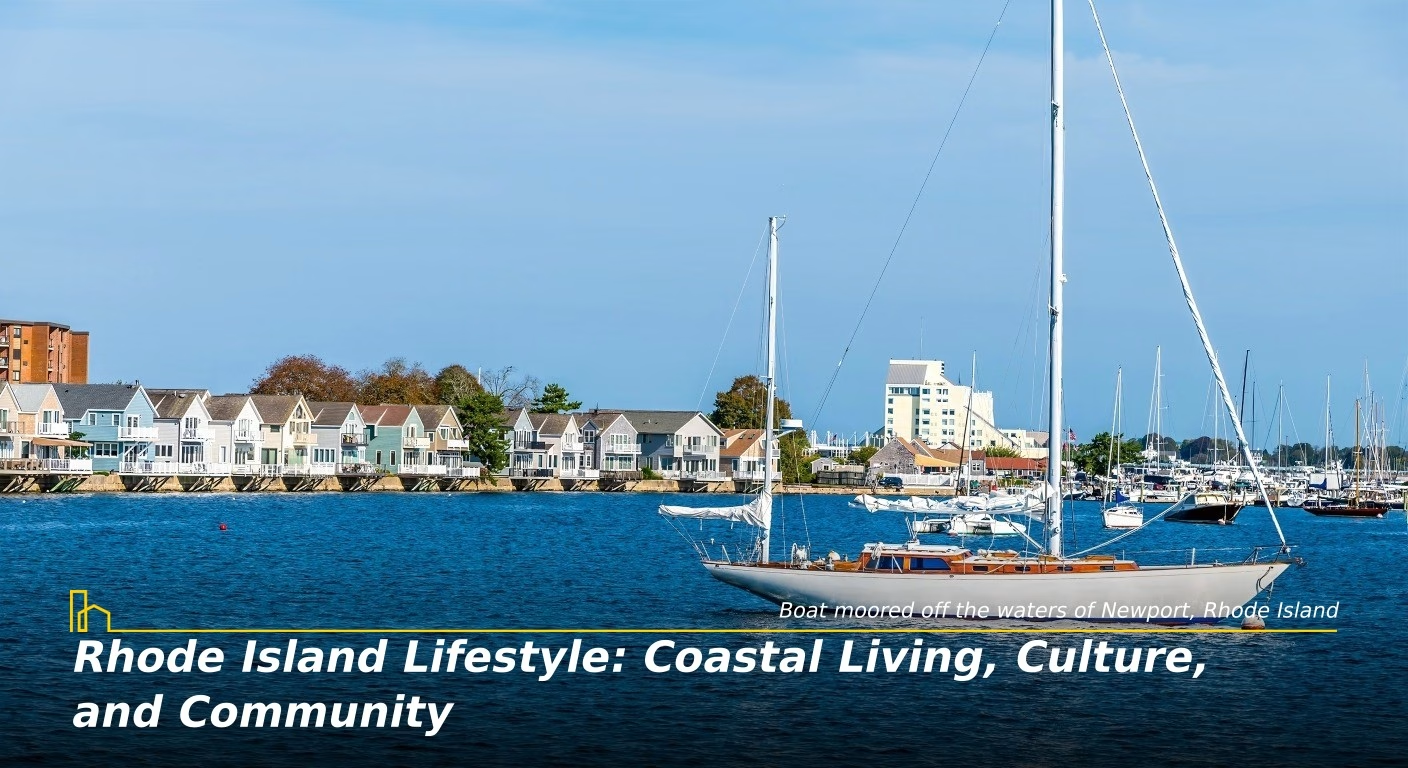
A. Arts and Culture: Rhode Island’s culture is a unique blend of colonial heritage, maritime tradition, and contemporary artistic expression. Providence and Newport boast impressive museums, historic sites, and thriving performing arts scenes. The state’s compact size means cultural amenities are never far away, from Providence’s WaterFire to Newport’s jazz and folk festivals.
B. Food Scene: The Ocean State’s cuisine is famously seafood-focused but increasingly diverse. Seeing clam cakes, lobster rolls, and stuffies (stuffed quahog clams) on menus are common. The question “Clear or creamy?” refers to the choice of chowder style, a staple in local cuisine. Farmers’ markets throughout the state provide fresh local produce, while Providence’s restaurant scene continues to gain national recognition.
C. Outdoor Activities: Recreation is centered around the roughly 400 miles of coastline. Sailing, fishing, beach-going, and coastal hiking are considered hobbies but integral to the lifestyle for many residents. A network of parks, bike paths, and waterfront access points ensures endless opportunities for outdoor enjoyment.
D. Sports and Community Life: Community life often revolves around local events and seasonal activities. Rhodys can cheer on the Providence Bruins (AHL) and Rhodie Island FC (USL Championship), and events like Bristol’s Fourth of July parade capture the state’s attention. This creates a deep-rooted sense of regional identity and community connection, enhanced by their petite stature and close-knit neighborhoods.
Conclusion: Is Rhode Island Right for Your Lifestyle?
RI’s appeal lies in its stunning coastline, rich historical heritage, and unique New England character. Whether you’re building a career in Providence, raising a family in Barrington, or enjoying a coastal retirement in Newport, the Ocean State presents a compelling case if you can adapt to its high costs and seasonal challenges. Weigh the benefits and trade-offs in terms of career, community, affordability, and personal preferences to decide if the lucky number 13th state is the right fit for your next chapter. For those still considering their options, our guide on essential steps for moving to a new city is a great resource.
Recommended for you




Frequently Asked Questions About Living in Rhode Island
1. What is the cost of living in Rhode Island compared to other states?
Rhode Island’s cost of living is among the highest in New England, typically about 12% above the national average as of 2025. This is driven by high housing costs, taxes, and general expenses. However, costs can vary significantly between urban and rural areas.
2. How severe are the winters in Rhode Island?
Rhode Island experiences classic New England winters with cold temperatures, snow, and occasional coastal storms. While not as extreme as northern New England, winters can be challenging for those unaccustomed to cold weather and snow management.
3. Is Rhode Island a good place for families?
Yes, for families who value education, community, and coastal living. Communities including Barrington and East Greenwich offer excellent schools and safe neighborhoods. However, the high cost of living can be challenging for families on moderate incomes.
4. What are Rhode Island’s job prospects?
Job prospects are strong within key industries like healthcare, education, tourism, and maritime industries. The market for other professional fields is more limited. The state’s proximity to Boston provides additional employment opportunities for commuters.
5. How is healthcare access across the state?
Access to healthcare is excellent in Rhode Island, with world-class medical facilities in Providence and good coverage throughout the state. The compact size means specialized care is rarely far away, though wait times can be longer for certain specialties.
6. What are the best outdoor activities in Rhode Island?
Sailing, beach-going, fishing, and coastal hiking are top pastimes. The state’s extensive coastline and bay provide endless opportunities for water-based recreation, while inland parks offer hiking, biking, and nature exploration.
Rhode Islanders are generally community-oriented, with strong regional pride and connection to local traditions. There is a deep appreciation for history, the arts, and maritime heritage. The culture blends traditional New England values with contemporary creativity, particularly in urban centers.
Share