










Foreclosure occurs when homeowners fall behind on mortgage payments and lenders seize and sell the property to recover losses, severely impacting credit and finances. Before foreclosure, options like loan modification, forbearance, or selling may help. Buyers may find discounts, but risks such as hidden damage and title issues make careful research and professional guidance essential…
Why Iowa is One of the Most Affordable States to Buy a House
- Local Editor:Local Editor: The HOMEiA Team
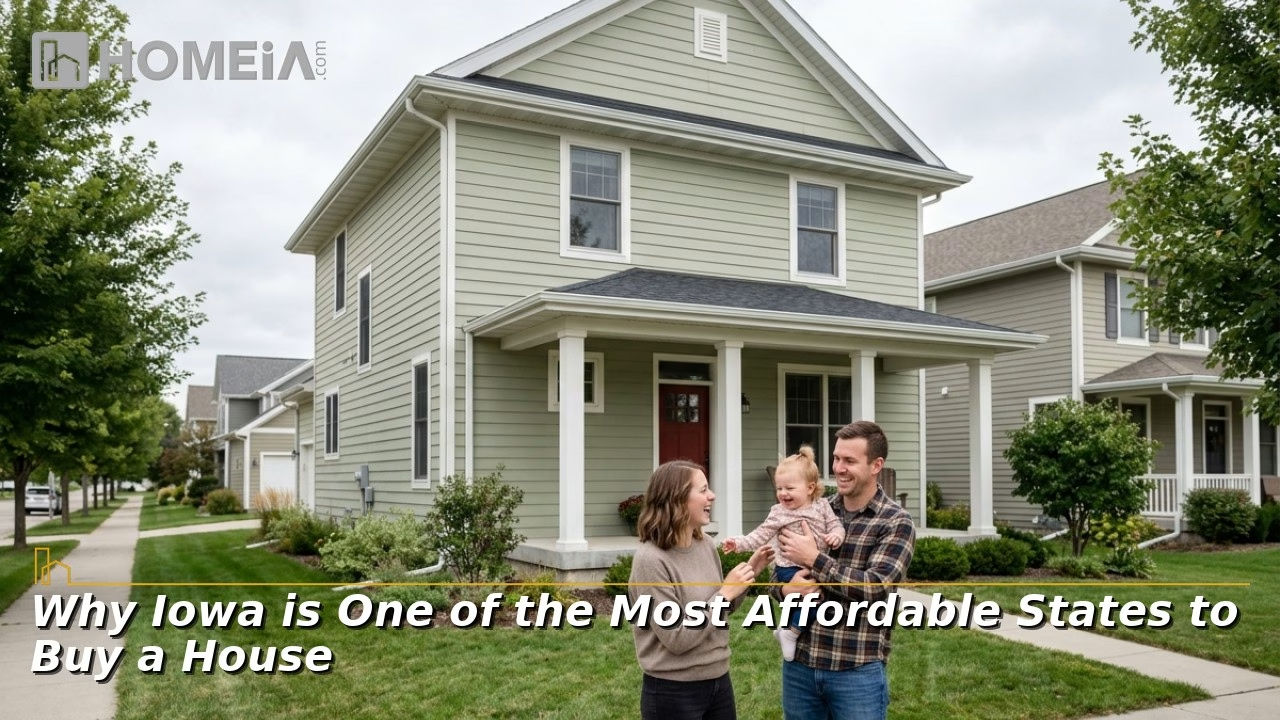
The American dream of homeownership has faced significant headwinds as we move through this year. Across the country, rising interest rates and inventory shortages have pushed the national median home price to levels unsustainable for the typical working family budget. The National Association of Realtors reported a March median existing-home price of $408,800, while Redfin places the national median closer to $436,500 across all home types. For years, coastal markets and Sun Belt metros like Austin and Miami dominated the headlines, but the rapid appreciation in those areas has left a void for buyers seeking stability and value.
In this climate, Iowa has emerged from the affordable ashes. Often overlooked in the past, the Hawkeye State is now recognized as one of the last truly economical housing markets. Whether you are a first-time buyer looking to build equity, a remote worker seeking to maximize your purchasing power, or an investor wanting reliable cash flow, here offers a unique combination of low entry prices and high quality of life.
Related article
7 Most Affordable Places to Live in Iowa
Iowa offers more than farmland and friendly faces—it’s one of the most affordable states to call home. With low housing costs and a stable economy, it’s ideal for families, retirees, and remote workers. This guide highlights seven budget-friendly Iowa communities for 2025, balancing cost, comfort, and Midwestern charm.
Key Takeaways for This Year
- Iowa remains an affordability leader, with median home sale prices roughly 38 percent to 45 percent lower than the national average (depending on the data source and property type).
- Cost of living in Iowa is roughly 6 percent lower than the national average, driven primarily by housing costs that are significantly below those in coastal and southern states.
- First-time homebuyers can access specialized state grants and programs to assist with down payments and closing costs.
- The Iowa Legislature passed sweeping property tax reform in May of this year, introducing a 2 percent cap on most local government property tax revenue growth, providing long-term predictability for homeowners.
- The state offers diverse lifestyle options, from the vibrant capital of Des Moines to smaller connected communities ideal for remote workers.
1. Quick Answer: Is Iowa an Affordable Place to Buy a Home This Year?
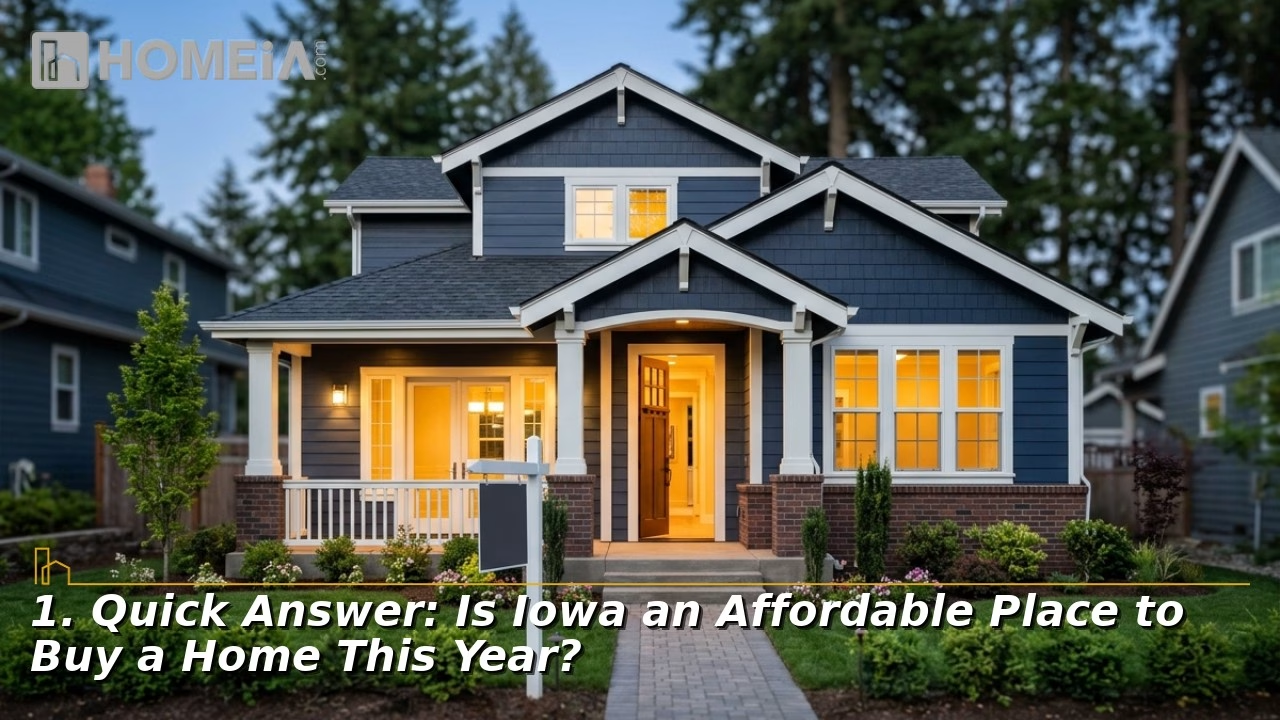
Yes, Iowa is objectively one of the most affordable states for homeownership this year. With a statewide median sale price of nearly $251,000 as of this past March, it allows buyers to enter the market at a price point roughly 38 percent below the national NAR median. This affordability is bolstered by a cost of living about 6 percent below the national baseline, manageable utility costs, and a stable real estate market that favors long-term equity growth over volatile speculation.
Related article
The Pros and Cons of Living in Iowa
Iowa is more than farmland and rolling hills, it’s a state built on community, affordability, and Midwestern charm. However, challenges like cold winters, fewer entertainment options, and agricultural reliance remain. This guide explores Iowa’s pros and cons, plus its best cities for professionals, families, and retirees seeking balanced Midwest living…
2. The Cost of Living Advantage in Iowa
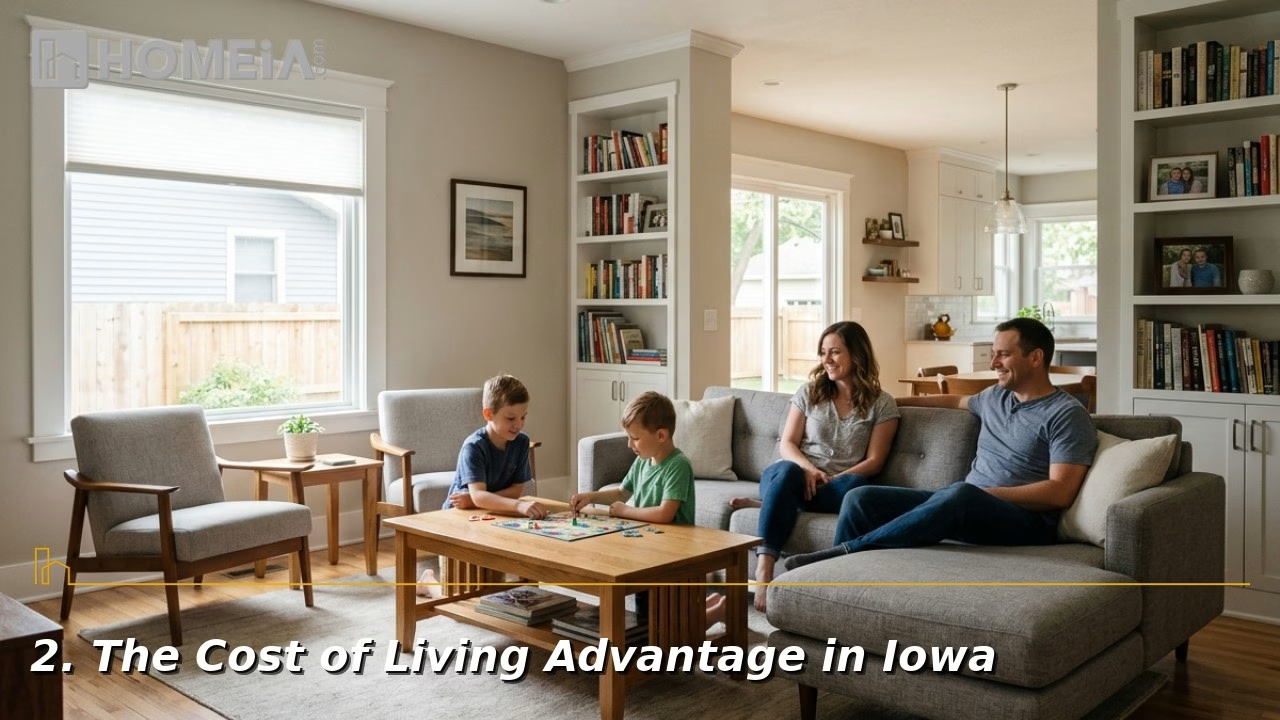
Living in the Hawkeye State provides a distinct financial edge extending beyond the initial mortgage payment. Here consistently ranks as one of the most budget-friendly regions in the country.
A. Overall Living Expenses: Overall cost of living is approximately 5.6 percent to 6 percent lower than the national average. While categories like healthcare and transportation may trend slightly higher or near the national baseline, savings in other sectors are substantial.
B. Housing and Utilities: Housing is the primary driver of nearly unmatchable affordability. Home prices are significantly lower than what the average American pays in most other states. Utilities also trend favorably, with monthly electricity and natural gas bills often falling below national averages.
C. Long-Term Financial Impact: For a family earning a median income, these savings equate to thousands of dollars in retained wealth annually. This opens the door for residents to pay down debt faster, save for retirement, or invest back into their properties. Synergy creates a cycle of financial stability harder to achieve in high-cost states.
Related article
The 5 Best Places to Live in Iowa: A City Comparison
Iowa blends small-town warmth with modern opportunity, offering both agricultural roots and urban sophistication. This guide highlights the five best Iowa cities to live, based on affordability, opportunity, safety, and quality of life, from bustling Des Moines to scholarly Iowa City, helping you find your perfect Midwestern home.
3. Housing Prices Compared to National Averages

To understand its value, one must look at the widening gap between the Midwest and the rest of the country.
A. The Affordability Gap: As of this past March, the national median existing-home sales price sits at $408,800 according to the National Association of Realtors, while Redfin tracks a broader median of approximately $436,500. In contrast, their median sale price was recorded slightly above$250,000. This means Iowan buyers are paying roughly 38 percent to 42 percent less for a home compared to the national median, depending on the benchmark used.
B. State-by-State Comparison
The contrast becomes sharper relative to popular relocation destinations:
- California: With a statewide median home value of approximately $765,000, the Golden State is more than 200 percent more expensive than Iowa. They continue to struggle with an insurance and affordability crisis accelerating outbound migration.
- Florida: Once considered affordable, this Southeastern state’s median single-family home price rose to approximately $420,000 earlier this year. Significantly higher than the baseline, residents are further burdened by statewide homeowner insurance rates averaging more than $8,000 annually, with some coastal counties exceeding $15,000.
- Texas: Even under the Lone Star skies, a median of approximately $342,000 as of this past March, has become considerably less affordable than IA as its major metros face persistent inventory pressures and elevated property taxes.

Related article
Moving to Iowa: The Complete Relocation Guide & Checklist
Bordered by six states, Iowa combines rolling plains, vibrant cities, and a strong sense of community. Home to 3.2 million people, it offers affordable living, great schools, and steady employment. This guide provides key relocation insights, from costs and climate to the benefits of settling in the welcoming Hawkeye State.
4. Median Home Prices in Iowa Cities
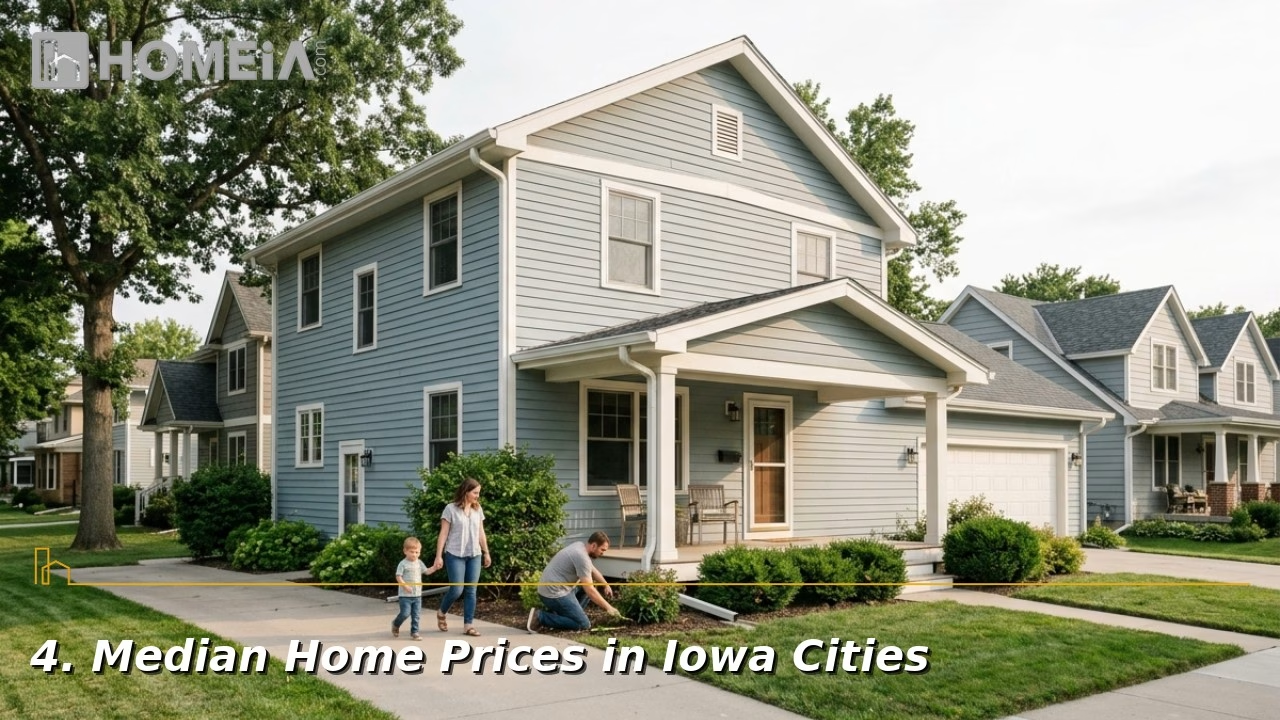
Affordability in the 29th state is not uniform, but pervasive across its major metropolitan areas. Buyers exploring Iowa’s top residential listings will find a wide range of options, from affordable starter homes in Davenport to higher-end suburban properties near Des Moines, all at prices significantly below national averages.
A. Des Moines Metro: The capital region remains the strongest market in the state. The Des Moines metro median sale price is approximately $285,000, though prices within the city proper sit closer to $207,000 to $215,000. Suburbs of Waukee, around $365,000, and Ankeny, between $315,000 to $320,000, offer premium amenities at prices that would be considered entry-level in other states.
B. Cedar Rapids: As a hub for manufacturing and tech, Cedar Rapids offers exceptional value. Median sale price earlier this year was approximately $215,000. This market is particularly known for its stability and competitive price per square foot.
C. Davenport and the Quad Cities: Davenport represents some of the most accessible urban housing in the state, with a median listing price in the range of $185,000 to $190,000. It is an ideal market for those needing urban amenities without a heavy financial burden.
Recommended for you
5. Why Iowa Is Ideal for First-Time Buyers

For those struggling to break into the market, Iowa offers several structural advantages that lower the barrier to entry.
A. Lower Financial Barriers: In coastal markets, a 20 percent down payment can require $150,000 or more. Here, a 20 percent down payment on a median home is closer to $50,000. Furthermore, many first-time buyers utilize 3 percent down payment programs, which requires less than $8,000 upfront.
B. Mortgage Qualification: Iowan lenders often see lower debt-to-income ratios because the cost of housing is more in line with local wages. This makes it simpler for buyers with moderate incomes to qualify for a mortgage compared to high-cost regions where housing consumes more than 50 percent of a household’s income. Clever Real Estate notes a state affordability score of 3.4. This means it only takes 3.4 years of median household income to afford a median home in-state. Here holds the top spot for home price affordability relative to income.
C. Reduced Competition: While high-demand neighborhoods in Des Moines still see quick sales, the hyper-seller’s market of previous years has given way to a more balanced environment. Purchasers this year have more room to include inspection contingencies and negotiate repairs, which is vital for first-time owners who cannot afford surprise maintenance costs.

Related article
Best Guide to Buying Your First Home: Saving, Preparing, and Thriving
Homeownership remains the American dream. Though daunting initially, many paths lead to success. This guide provides actionable steps for prospective buyers. The housing market shifts constantly — demand, inventory, and mortgage rates create opportunities and challenges. Understanding these factors is crucial for developing strategies that impact affordability and negotiation power…
6. Why Iowa Works for Real Estate Investors
Investors have shifted their focus to the state as a cash flow market rather than a purely speculative one.
A. Strong Rent-to-Price Ratios: In many expensive cities, monthly rents do not cover the mortgage, taxes, and insurance. Here, particularly in Des Moines and Cedar Rapids, investors often see cap rates between 7 percent and 9 percent. Single-family rentals and multi-unit properties in areas like Pleasant Hill or the East Side of Des Moines are currently high-yield favorites.
B. Market Stability: The state is not a market characterized by explosive bubbles or dramatic crashes. Instead, it provides steady, predictable appreciation, usually in the 2 percent to 4 percent range annually. This stability is attractive to long-term investors who prioritize wealth preservation and consistent monthly income over high-risk flips.

Beyond the sticker price, there are several fiscal advantages to owning property in the Hawkeye State.
A. New Property Tax Reforms: In May of this year, the Iowa Legislature passed a sweeping property tax reform bill estimated to save Iowa property taxpayers approximately $4 billion over six years. Legislation caps most local government property tax revenue growth at 2 percent for city and county levies. It also replaces the homestead tax credit with a homestead property tax exemption worth at least $5,500, or 10 percent of a home’s assessed value up to $20,000, with the maximum exemption set to rise with inflation.
B. Lower Ancillary Costs: Locals benefit from lower insurance and maintenance costs compared to disaster-prone states. While central Iowa has seen an increase in hail claims, the average annual homeowners insurance premium remains roughly $1,500 to $1,800, a fraction of the costs seen in Florida or Louisiana.

Related article
The Ultimate Home Buying Guide: From Dreaming to Keys
Buying a home offers lasting rewards — building credit, growing equity, and gaining stability and pride in owning your space. You may even qualify for tax benefits, depending on your situation. Success rests on three key factors: a down payment, steady income, and solid credit. Even if you fall short in one area, many programs now exist to help buyers reach their goals…
8. Lifestyle Value for the Price

Buyers in Iowa often find that their dollar buys a significantly higher standard of living.
A. More Space and Land: The price per square foot in cities like Cedar Rapids averages around $128 to $135, whereas major metros in other states often exceed $400 or $500. This allows families to afford substantial homes with yards, finished basements, and multi-car garages.
B. Safety and Community: This area consistently ranks well in safety surveys. Communities topping safest-city rankings, such as Norwalk and North Liberty, are also among the fastest-growing areas for new construction. Success reflects consistent long-term confidence in these markets.
9. Potential Downsides: A Balanced Perspective

No market is perfect, and prospective buyers should consider a few realistic factors.
A. Slower Appreciation: If you are looking for 20 percent year-over-year gains, here is likely not the market for you. Growth here is modest and sustainable, which protects against crashes but limits rapid wealth generation.
B. Weather Considerations: The state climate includes four distinct seasons. Winters can be cold and snowy, with temperatures often ranging between 10 and 30 degrees Fahrenheit. This requires Iowans to budget for snow removal and higher heating costs during peak winter months.
C. Job Market Conditions: Unemployment stood at 3.3 percent as of this past March, which is well below the national rate of 4.3 percent. However, the state ranked 46th nationally in job growth over the past year, with non-farm employment declining in several private-sector industries. For remote workers or those in healthcare, education, and agriculture, this is largely offset by the substantial concentration of openings in those specific sectors.
Related article
10. Future Outlook for Iowa Housing

The outlook for this housing market through the remainder of this year is one of healthy normalization. Inventory is slowly increasing as new construction projects in Waukee and Grimes come online, which should keep prices from spiking. Interest from out-of-state buyers remains high, particularly from remote workers who are increasingly targeted by local incentives, such as the $5,000 relocation bonus offered through Cedar Rapids’s MakeMyMove program.
Conclusion: The Smart Choice Right Now
Iowa is more than a place with low prices. It is a market that offers financial predictability and a high quality of life. For buyers tired of the volatility and high entry costs of the coasts, the Hawkeye State provides a stable foundation to build a future. Whether you are searching for your first home or your next investment property, now is the time to explore what the Hawkeye State has to offer. Connect with a local agent today to see how far your budget can go in America’s most affordable heartland.
Recommended for you




FAQs About Why Iowa Is One of the Most Affordable States to Buy a House
1. Are there incentive programs for remote workers in Iowa?
Yes, Iowa has several initiatives that recognize communities proactively addressing housing and infrastructure needs. Cities like Cedar Rapids offer specific MakeMyMove incentives, including $5,000 cash bonuses and coworking access, to entice remote professionals earning at least $55,000 annually.
2. How does this year’s property tax cap affect my mortgage payment?
This year’s legislative reform caps the growth of most city and county general levies at 2 percent. Doing so prevents windfall tax increases often occurring when home valuations spike. It ensures your monthly escrow payments for taxes remain more predictable over time.
3. What are the common hidden maintenance issues in Iowa?
Due to their clay-rich soil, foundation settling can be a concern in older homes. Additionally, Iowa has high natural radon levels, and many buyers budget between $800 and $2,500 for a professional radon mitigation system to ensure indoor air safety.
4. Can I get a tax exemption for planting trees on my property?
Iowa offers a Forest and Fruit Tree Reservation property tax exemption. If you have at least two acres of forest or one to ten acres of fruit trees and meet specific tree-count requirements, you can apply for a property tax exemption by February 1st each year.
5. Does Iowa have programs for teachers or first responders?
Beyond state-level grants, Hawkeyes can participate in the federal Good Neighbor Next Door program. This allows law enforcement officers, teachers, and firefighters to purchase homes in designated revitalization areas at a 50 percent discount, provided they remain residents for at least three years.
Share