






Furniture Material Comparisons of Leather vs. Fabric & Solid Wood vs. Engineered
- Local Editor:Local Editor: The HOMEiA Team
- Category: Home Improvement


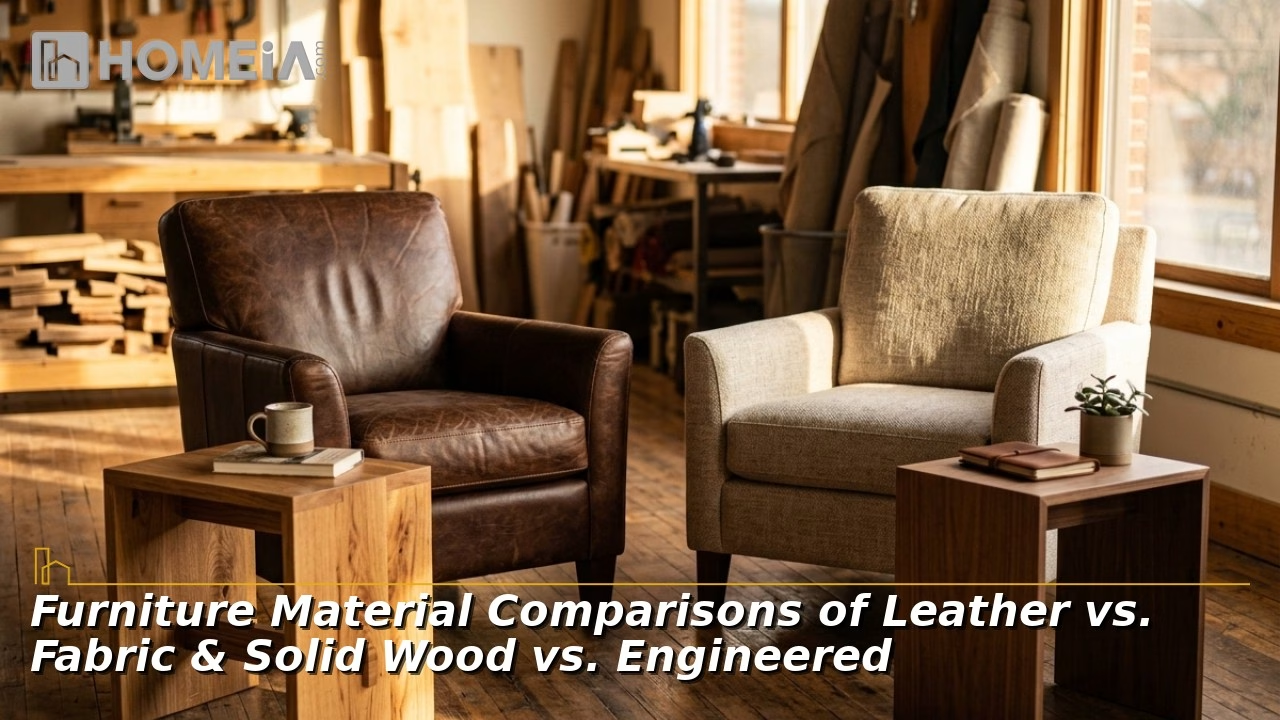
The material your furniture is made from determines the longevity and performance while in your household. Yet, most buyers focus almost entirely on how a piece looks in the showroom, paying little attention to the substrate beneath the surface. Understanding residential furniture materials before buying is not a chore. It is the single most reliable way to avoid expensive regret.
This guide breaks down the four most consequential material comparisons in residential furniture and closes with a use-case matrix to help match the right material to your lifestyle.
Key Takeaways
- Leather outlasts fabric at comparable quality levels. Top-grain leather lasts 10 to 15-plus years vs. 5 to 15 years for quality fabric depending on construction and use.
- Solid wood can last generations and be refinished repeatedly; engineered wood typically lasts 10 to 20 years and cannot be meaningfully refinished.
- Performance fabric significantly closes the gap with leather, resisting stains, spills, and odors while withstanding 30,000 to 50,000 double rubs or more.
- Engineered wood resists moisture and humidity better than solid wood, making it the smarter choice for basements, kitchens, and humid climates.
- Budget versions of any material type, including bonded leather and low-grade particleboard, perform no better than cheap alternatives in the opposite category.
- Always evaluate material choice by room function, household composition, and total cost per year of ownership, not sticker price alone.

Related article
Top 10 Things to Know When Shopping for Your Modern Home’s Furniture
High-quality furniture is an investment, much like your home, or your car. If you wouldn’t purchase a house or a car without putting in ample time and research, you shouldn’t impulse buy on furniture, either. Furniture shopping without proper planning can leave you feeling…
1. Leather vs. Fabric Upholstery: Which Belongs in Your Home?
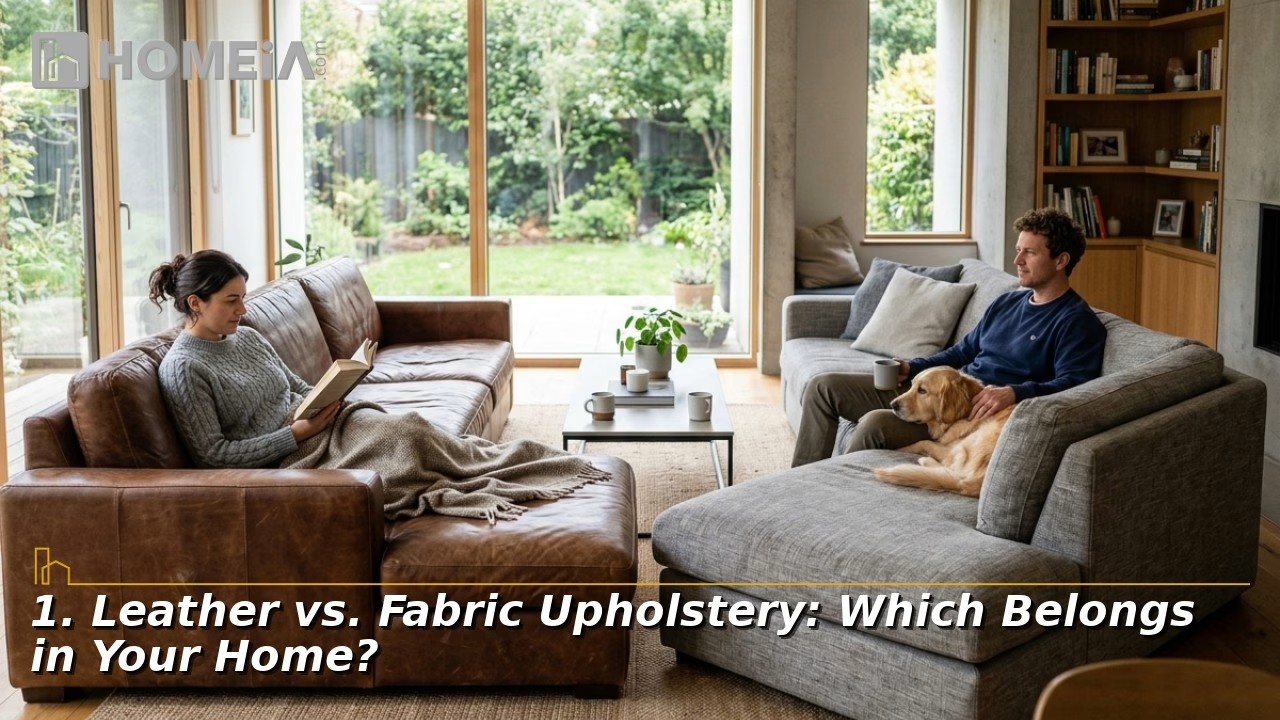
This is the most frequently researched material comparison in residential furniture, and for a reason. Upholstered seating represents the highest-cost and highest-use category in most homes.
A. Durability and Lifespan
At comparable quality tiers, leather consistently outlasts fabric. The lifespan breakdown by quality level is outlined below:
| Quality Level | Leather Lifespan | Fabric Lifespan |
| Budget (bonded/faux leather or low-density polyester) | 3 to 5 years | 3 to 5 years |
| Mid-Range (split grain or corrected grain / cotton blend) | 10 to 15 years | 7 to 10 years |
| High Quality (top grain or full grain / performance fabric) | 15 to 25 years | 10 to 15 years |
| Premium (full grain aniline or Italian leather / Crypton or Sunbrella) | 25 or more years | 12 to 18 years |
The critical caveat is that budget leather performs at the same level as budget fabric. Bonded leather is made from shredded hide scraps adhered with polyurethane. It does not develop a patina, but rather,delaminates, cracks, and peels within three to six years of daily use. Durability is only a positive for the material when purchasing genuine top-grain or full-grain leather.
B. How Each Material Ages
Leather and fabric age in different directions. Quality leather develops a patina over time, a soft sheen and deepened tone that many owners adore over its original surface. Fabric ages through gradual decline. UV fading, pilling at friction points, cushion compression, and absorption of allergens and odors are key examples. Dark or richly dyed fabrics can begin to look washed out within two years when placed near a window with regular sun exposure.
C. Maintenance Requirements
- Leather: Wipe spills immediately with a dry cloth. Condition semi-annually or annually to prevent cracking. Avoid direct sunlight and heating vents. Avoid harsh chemical cleaners.
- Fabric: Vacuum weekly. Blot spills immediately. Most standard fabrics require professional cleaning to avoid shrinkage or fiber damage. Performance fabrics can typically be spot-cleaned with warm soapy water.
D. Cost Per Year
A $2,000 top-grain leather sofa lasting 20 years costs approximately $100 per year. A $1,200 quality fabric sofa lasting 8 years costs nearly $150 per year. Over time, leather’s higher upfront investment typically yields a lower annual cost of ownership.

Related article
Top 6 Tips for Choosing Luxury Furniture
Choosing luxury furniture can involve substantially more than just picking out a few fancy pieces for your home. It’s about creating an ambiance that makes every moment in your space feel special. No matter how discerning your taste, it can still be confounding to know which pieces to select for your home or which style you should choose…
2. Solid Wood vs. Engineered Wood: The Frame and Case Goods Question
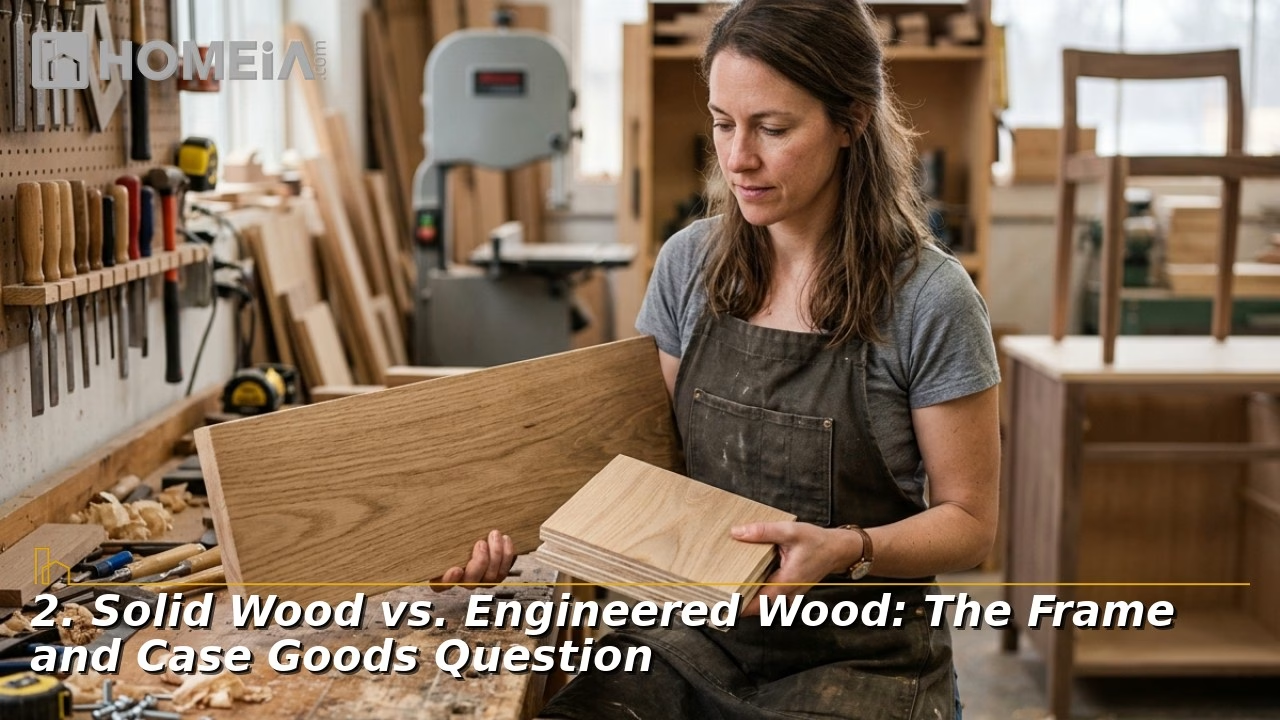
For tables, bed frames, dressers, bookshelves, and cabinetry, the wood construction choice has significant implications for longevity and where in the home the piece can safely live.
A. What Each Material Actually Is
- Solid wood is milled from a single piece of timber. Every plank, rail, and panel is natural wood throughout. Hardwoods including oak, walnut, maple, and cherry are the most common choices for furniture-grade solid wood.
- Engineered wood is manufactured from layers of wood veneer, fibers, or particles bonded with adhesives and heat. The most common types used in residential furniture are plywood (multiple veneer layers), MDF (medium-density fiberboard), and particleboard, listed in descending order of structural strength.
B. Durability and Lifespan
| Attribute | Solid Wood | Engineered Wood |
| Typical Lifespan | Decades to generations with proper care | 10 to 20 years depending on grade |
| Refinishing | Can be sanded and refinished multiple times | Cannot be meaningfully refinished |
| Moisture Resistance | Prone to warping, swelling, and cracking in humidity | More dimensionally stable in fluctuating humidity |
| Structural Strength | Very high, especially in hardwoods | Varies; plywood is strong, particleboard is not |
| Resale Value | High; holds and appreciates in value | Low; depreciates quickly |
| Repairability | Scratches can be sanded out; joints can be re-glued | Difficult to repair; chips and damage are largely permanent |
As Mike Fretto, Creative Director at Neighbor Furniture, stated in a published comparison, “Solid wood tends to be the more durable option. It stands up better to most wear and tear and is also easier to be refinished when necessary. You can easily sand it down as needed, and that allows it to have a longer lifespan.” On engineered wood’s moisture advantage, Fretto continues, “It may not be as durable to regular wear and tear, but it’s less likely to deal with moisture-caused issues like warping or expanding/shrinking.”
C. Where Engineered Wood Has the Advantage
Engineered wood is not only a low-quality product. Its layered, cross-grain construction gives it better dimensional stability in humid or temperature-variable environments. This is the correct material choice for basement furniture, bathroom vanities, kitchen cabinets, and any application in a climate with significant seasonal humidity swings. Solid wood in these environments without proper sealing and climate control will warp, expand, and crack.
D. When to Choose Solid Wood
Solid wood is the correct choice for statement furniture pieces intended for decades of use within dining tables, luxury bedroom sets, heirloom-quality dressers, and living room case goods in climate-controlled rooms. The solid hardwood frames and case pieces found in luxury bedroom sets justify the higher price point because they can be sanded, refinished, and handed down rather than replaced. An ability to refinish solid wood multiple times essentially resets the clock on its appearance, a capability engineered wood simply cannot match.
Recommended for you




3. Performance Fabric vs. Traditional Fabric: A Category That Changed Everything
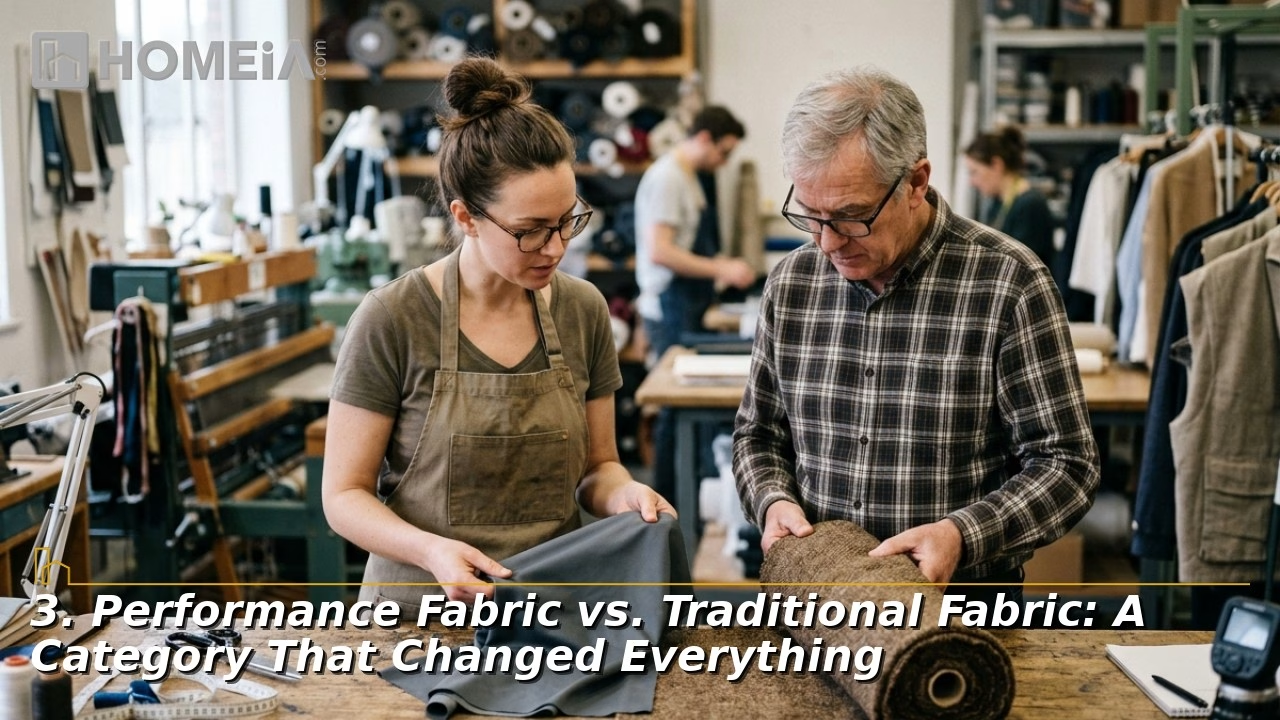
Performance fabric is the most consequential innovation in residential upholstery of the past two decades. It has effectively created a third category between standard fabric and leather, one that captures most of the practical benefits of each.
A. What Performance Fabric Actually Does
Performance fabrics are engineered at the fiber level to resist staining, repel moisture, resist odor-causing microbes, and withstand high rub counts. Premium brands like Crypton use an immersion bath process that seals moisture and odor protection into each individual fiber, rather than applying a surface treatment that degrades over time. Crypton fabrics are rated to withstand 50,000 double rubs or more, compared to the industry standard of 30,000 recommended for high-traffic residential furniture.
B. Performance Fabric vs. Standard Fabric
| Attribute | Performance Fabric | Standard Fabric |
| Stain Resistance | Built into fiber structure; long-lasting | Surface treatments only; degrades over time |
| Double Rub Count | 30,000 to 50,000 or more | Varies widely; can fall below 15,000 for lower-grade pieces |
| Cleaning Method | Warm soapy water; many are bleach-cleanable | Often requires professional cleaning |
| UV/Fade Resistance | High, especially solution-dyed acrylics | Moderate to low; dyed fabrics fade noticeably near windows |
| Best For | Families, pet owners, high-traffic rooms | Low-traffic formal rooms, decorative pieces |
| Cost Premium | 15 to 30 percent above standard fabric | Baseline |
Performance fabric has a shorter lifespan than top-grain leather, and it still pills, compresses, and fades over time. However, it extends the practical lifespan of fabric upholstery from the 7 to 10-year range closer to 12 to 15 years, representing a meaningful improvement for households where leather’s temperature and texture characteristics are not preferred.

Related article
11 Black Bedroom Furniture Ideas for your Sophisticated Retreat
Whether redesigning entirely or adding a sophisticated touch, black furniture offers timeless appeal and versatility in creating a luxurious retreat tailored to your unique style. Let’s delve into these sophisticated bedroom decor possibilities…
4. The Practical Note of Metal vs. Wood Furniture Frames
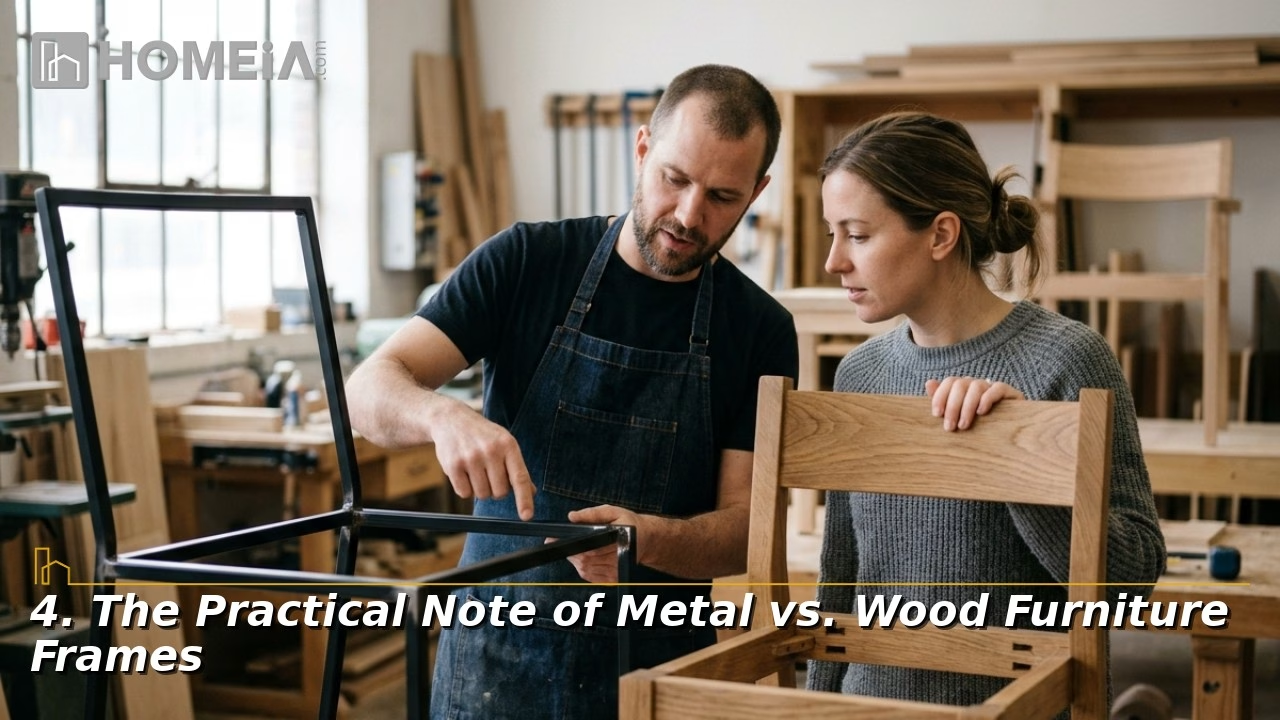
For dining chairs, accent seating, bed frames, and shelving, the frame material choice affects both durability and design flexibility.
- Kiln-dried hardwood frames are the gold standard for upholstered furniture. The kiln-drying process removes moisture from the wood to prevent gradual warping, squeaking, and joint failure. Consumer Reports identifies kiln-dried hardwood with eight-way hand-tied springs as the highest quality construction for upholstered seating.
- Metal frames are the hardest common frame material and will not snap, but they can bend under sustained stress. They are exceptional for accent furniture, dining chairs, and bed frames where a sleek or industrial aesthetic is desired.
- Particleboard frames are the weakest common frame material and should be avoided for any heavily used upholstered piece. A sofa with a particleboard frame will begin to creak and structurally fail within a few years of daily use.
Final Recommendation Matrix: Material by Use Case
| Household Profile | Best Upholstery | Best Wood Construction |
| Families with young children | Performance fabric or top-grain leather | Solid wood for main pieces; plywood-grade engineered for storage |
| Pet owners | Performance fabric (tight weave, 100% polyester) or top-grain leather | Solid wood with hard finish |
| Frequent redecorators | Mid-range fabric (replace with style trends) | Engineered wood for affordability |
| Luxury/long-term buyers | Full-grain or top-grain leather | Solid hardwood (oak, walnut, maple) |
| Renters or small spaces | Performance fabric or mid-range fabric | Engineered wood for portability and cost |
| Humid climates or basements | Performance fabric | Engineered wood (plywood-grade) for moisture stability |
Recommended for you




FAQs About Furniture Material Comparisons of Leather vs. Fabric & Solid Wood vs. Engineered
1. Is bonded leather worth buying as a budget leather option?
No. Bonded leather is made from shredded leather scraps fused with polyurethane, and it does not behave like genuine leather in practice. They typically begin to crack, peel, and delaminate within three to six years of regular use. It develops no patina, cannot be reconditioned, and has a lifespan comparable to the cheapest synthetic fabrics. If genuine leather is outside your budget, a high-quality performance fabric is a more honest and durable alternative.
2. Can engineered wood furniture be refinished or repainted?
Engineered wood can be painted, but it generally cannot be sanded and refinished the way solid wood can. MDF and particleboard have a thin surface layer with sanding exposing the fibrous core. Doing so absorbs paint unevenly and loses structural integrity. Plywood-core engineered pieces with a thicker veneer surface can sometimes be lightly refinished once, but this is the exception rather than the rule. If you anticipate wanting to refinish a piece in the future, choose solid wood from the start.
3. What double rub count should I look for in upholstery fabric for a family sofa?
For a primary household sofa seeing daily use from multiple people, look for a minimum of 30,000 double rubs. This is the threshold most manufacturers and designers cite as suitable for heavy residential use. Premium performance fabrics are rated at 50,000 double rubs or more. Anything below 15,000 double rubs is considered light-duty and appropriate only for decorative pieces or low-traffic rooms.
4. Does solid wood furniture require more maintenance than engineered wood?
Yes, solid wood requires additional ongoing care. It needs to be kept away from prolonged humidity or direct heat sources, periodically conditioned or polished depending on the finish, and refinished every several years in high-use pieces like dining tables. However, this maintenance investment is what extends solid wood’s lifespan into generations rather than decades. Engineered wood is lower maintenance in routine care but cannot be meaningfully restored once its surface layer is damaged.
5. Is performance fabric actually comfortable, or does it feel stiff and plasticky?
Modern performance fabrics have largely closed the comfort gap with traditional textiles. High-quality performance offerings now come in velvet, chenille, linen-look, and bouclé constructions that are soft to the touch and largely indistinguishable from standard fabric in feel. The stiff, plasticky texture associated with performance fabric is a characteristic of older or lower-grade coated products. A surface treatment rather than fiber-level engineering provides adequate protection. Fiber-level performance fabrics feel soft and natural while retaining full protective properties.
Share