











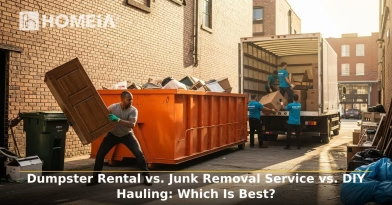
Clearing out a garage, basement, or renovation debris requires choosing the most efficient and cost-effective disposal method. The main options, renting a dumpster, hiring a junk removal crew, or hauling items yourself, each differ in price, labor, and convenience. This guide compares all three to help you choose the best solution…
The Ultimate Dumpster Rental Guide: What Every Homeowner and Contractor Needs to Know
- Local Editor:Local Editor: The HOMEiA Team
- Category: Home Maintenance
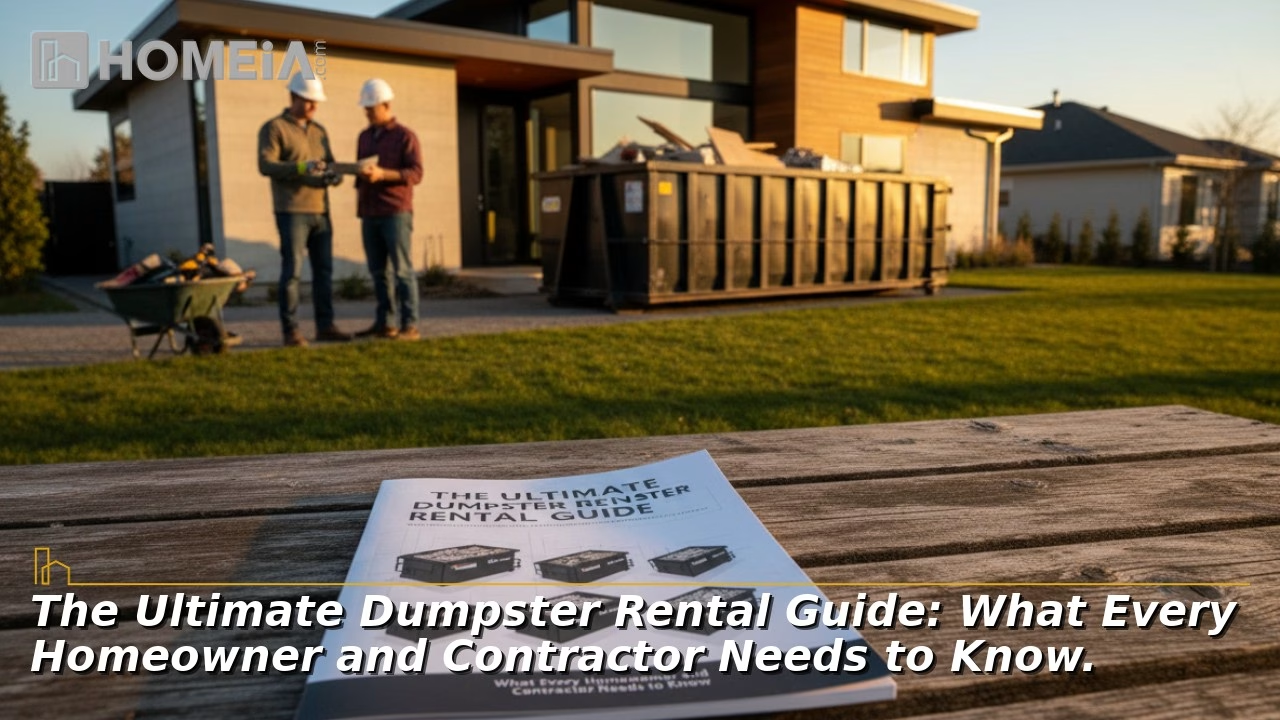
So you have a big cleanup, renovation, or junk-removal project on the horizon. The debris is piling up, and your weekly trash bin can’t handle all of it. That’s where a dumpster rental comes in. Renting a roll-off dumpster is one of the smartest and most cost-effective ways to manage waste from home cleanouts, remodels, landscaping projects, and construction jobs of any size.
The problem is, many first-time renters end up paying unexpected fees, choosing the wrong size, or tossing prohibited items. With the right info, you can avoid that headache and make the whole process simple, smooth, and affordable.
This comprehensive dumpster rental guide will walk you through everything step by step, from picking the right size bin to loading it like a pro, so you’re fully prepared before the truck even arrives.
Key Takeaways
- Match the bin to your project: Dumpsters range from 10 to 40 cubic yards. Picking the right size saves money and prevents extra trips.
- Not everything can go in: Hazardous materials, electronics, tires, batteries, paint, and chemicals are banned from standard dumpsters.
- Weight limits matter: Exceeding the weight limit triggers overage fees of $40 to $200 per extra ton.
- Street placement needs a permit: In most cities, placing a dumpster on a public street requires a permit costing $10 to $150.
- Hidden fees are real: Fuel surcharges, environmental fees, dry-run fees, and extension charges can add 10% to 35% to your bill.
- Average rental costs $294 to $480 for most homeowners, with the national average around $385 for a weekly rental.
- Always get a written, itemized quote before committing, including delivery, pickup, disposal, and weight limits.
- Protect your driveway: Use plywood under the bin’s wheels on asphalt or grass to prevent dents and cracks.
Related article
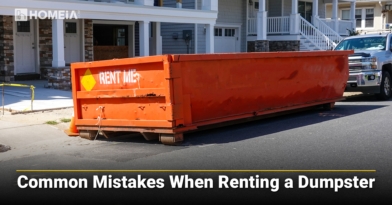
Common Mistakes When Renting a Dumpster
When you rent a dumpster, a large garbage receptacle known as a “skip bin” in the UK, Australia and Ireland, the rental company usually does most of the heavy lifting for you. You might be the one filling the bin, but the company you rent from brings you the dumpster, picks it up, and then processes whatever waste you’re tossing…
1. What Is a Dumpster Rental and How Does It Work?
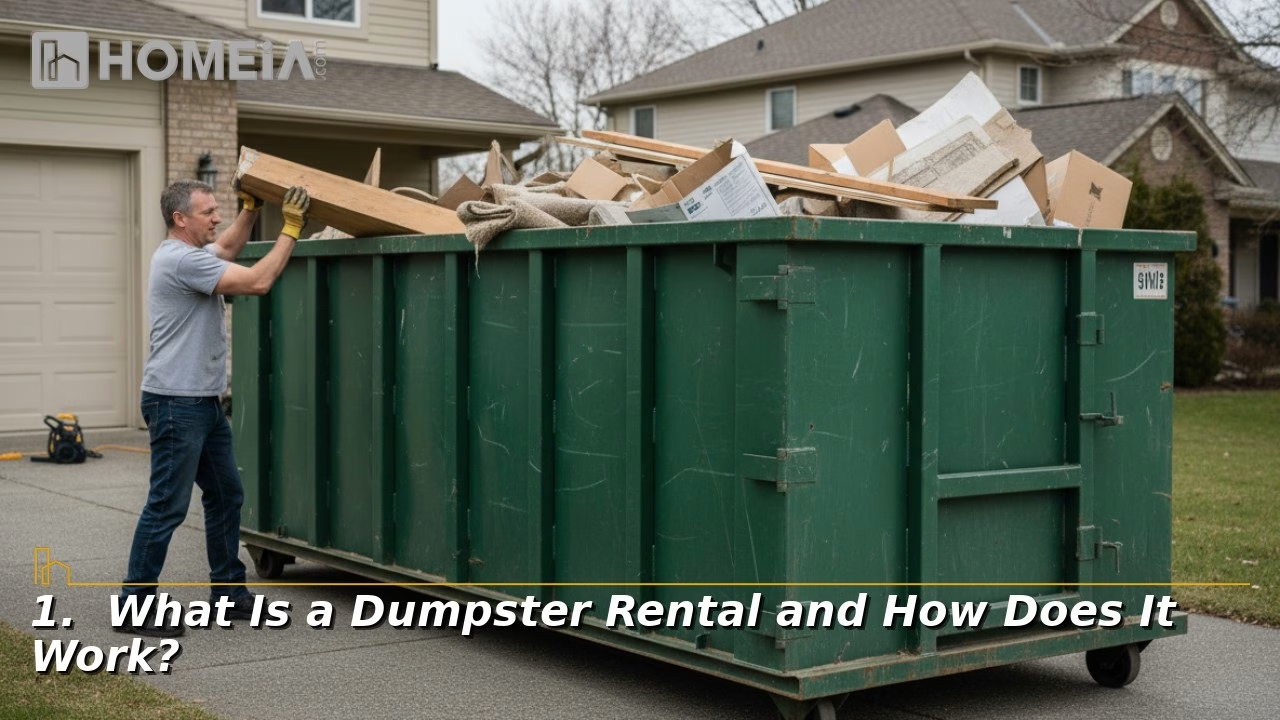
A dumpster rental is exactly what it sounds like. Someone delivers a large, open-top metal container to your home or job site, you fill it with debris as you go, and the company hauls it away.
The most common type is a roll-off dumpster,named for the way the container rolls off the back of a specialized truck. Sizes are measured in cubic yards (the volume of interior space). Most rental periods run from 7 to 10 days, with many companies offering flexible scheduling for an additional daily fee.
The process works like this:
- Book online or by phone, ideally at least 24 to 48 hours in advance.
- Select your dumpster size based on the type and amount of waste you expect.
- Schedule a delivery date and confirm the exact placement location.
- Fill the dumpster during your rental window.
- Request pickup when you’re finished or when the rental period ends.
Simple enough,as long as you know the rules before you start.
2. Choosing the Right Dumpster Size
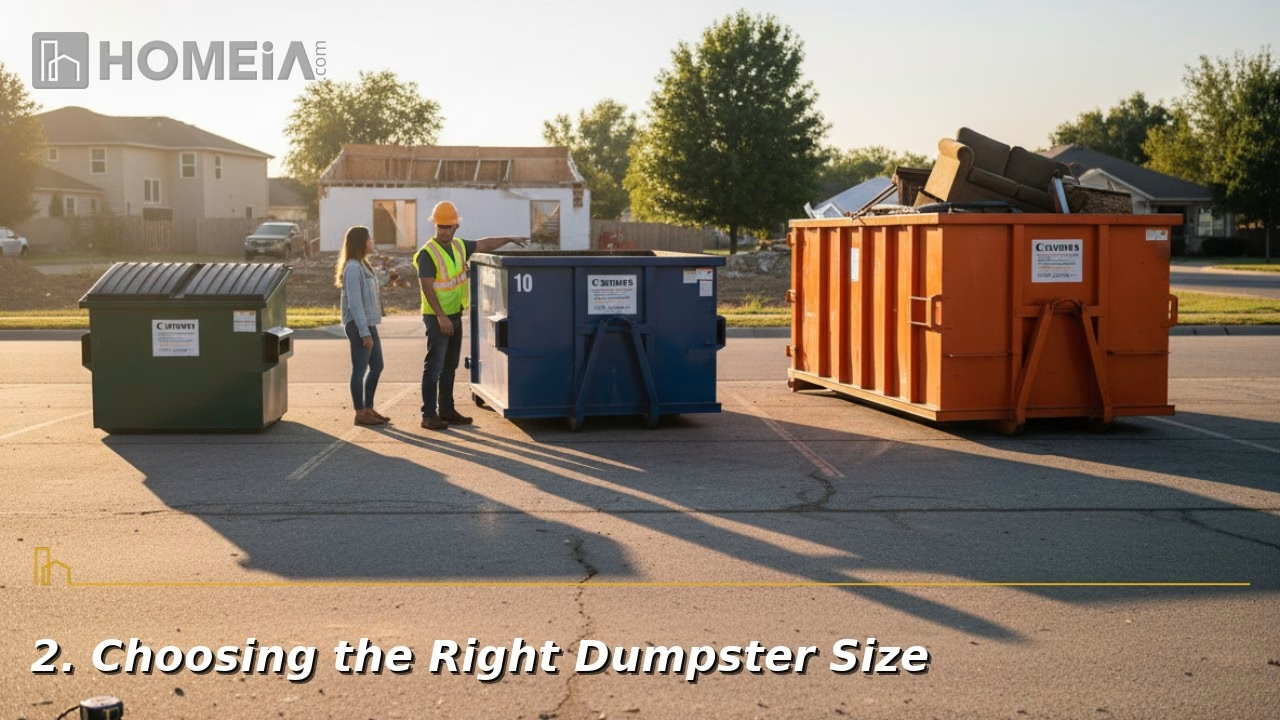
One of the most costly mistakes renters make is going with the wrong size. Too small, and you’ll overflow the bin or need to pay for an extra pickup. Too large, and you’re paying for unused space.
| Size | Best For | Typical Projects |
| 10 cubic yards | Small cleanouts | Garage junk removal, minor bathroom remodel |
| 15–20 cubic yards | Medium jobs | Kitchen or basement remodel, flooring removal |
| 30 cubic yards | Large projects | Full home cleanout, roof replacement, siding removal |
| 40 cubic yards | Major construction | Commercial demolition, large-scale renovation |
The 20-yard roll-off is the most popular size for residential projects. When in doubt, go one size up. The added cost is almost always less than paying for a second haul.
Consider Weight, Not Just Volume
Every dumpster has a weight limit, and going over can mean significant fines. Heavy materials like concrete, brick, tile, and dirt are far denser than regular household trash. A 10-yard bin might look half empty but may already be overweight if it’s been loaded with concrete. Before putting any heavy materials, confirm with your rental company what the included weight limit is, price per ton over the limit, and whether they offer a separate heavy-debris bin for concrete or dirt.

Related article
Water Damage Mitigation: THE 24-Hour Action Plan for Homeowners
The next 24 to 48 hours make or break getting your home back in shape. Acting fast with a clear head can prevent a small mess from turning into a major, “spendy” headache. This guide will walk you through a plan that’s simple, smart, and be able to handle this emergency like a pro…
3. What You Can and Cannot Put in a Dumpster

Not everything can go into a standard roll-off dumpster. Tossing in a banned item can result in penalties or a refused pickup.
A. What Is Allowed
- Household junk and furniture (sofas, tables, dressers)
- Wood, drywall, and general construction debris
- Roofing shingles and building materials
- Yard waste: branches, leaves, and sod
- Cardboard, paper, and packaging materials
B. What Is NOT Allowed
- Hazardous waste: paint, chemicals, pesticides, asbestos, and propane tanks
- Electronics (e-waste): computers, TVs, phones, tablets, and devices with lithium batteries
- Automotive waste: car batteries, motor oil, tires, and antifreeze
- Appliances with refrigerants: refrigerators, air conditioners, and dehumidifiers
- Liquids of any kind
- Medical or biological waste
If you have any of these items, contact your local municipality for hazardous waste drop-off events or recycling centers. Certain businesses will accept mattresses and appliances for an additional charge. Always ask before loading.
4. Understanding Dumpster Rental Costs
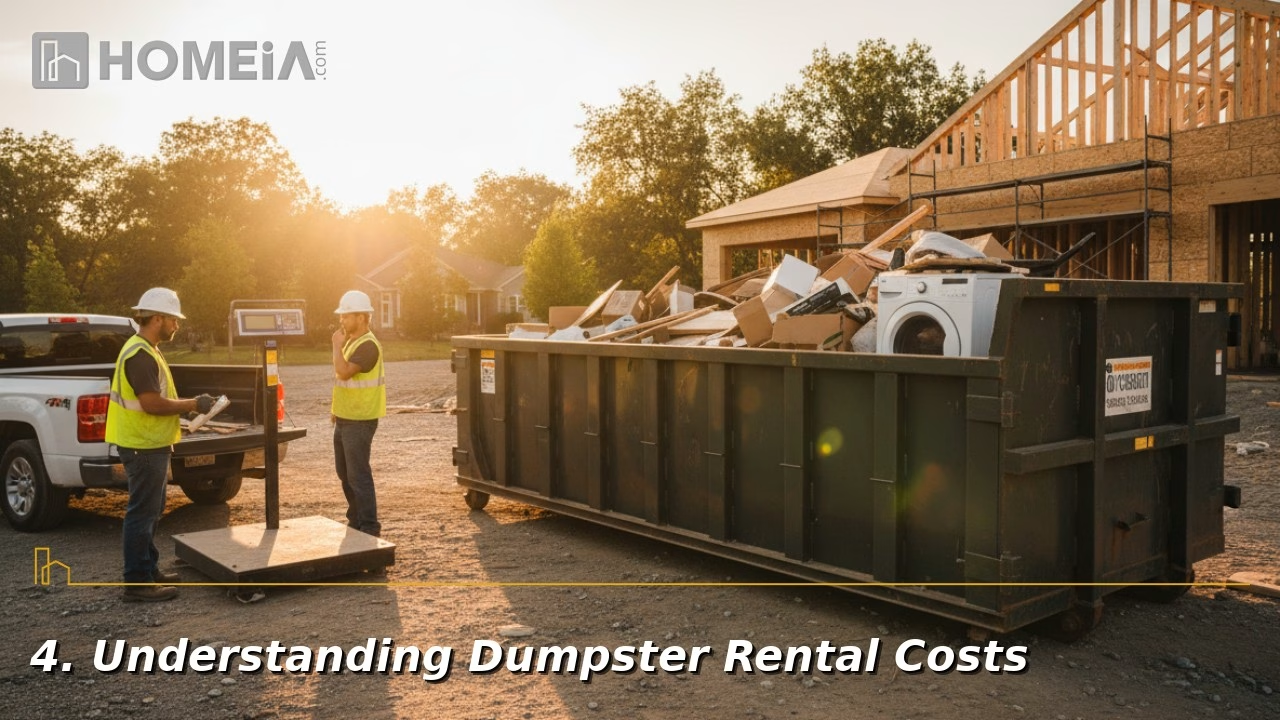
As of 2026, the national average cost to rent a dumpster is around $385, with most homeowners paying between $294 and $480 for a standard weekly rental. Prices can range from as low as $200 for a small, short-term rental to over $800 for a large container or extended project, depending on your location, the size chosen, and debris type.
A. Typical Price Ranges by Size
| Dumpster Size | Average Weekly Cost |
| 10 yard | $220–$580 (avg. ~$350) |
| 15 yard | $265–$620 (avg. ~$400) |
| 20 yard | $280–$700 (avg. ~$450) |
| 30 yard | $310–$720 (avg. ~$500) |
| 40 yard | $350–$780 (avg. ~$550) |
B. Watch Out for Hidden Fees
Typically, companies advertise a low base price but add charges at the end. Here are the most common ones to watch for:
- Fuel surcharges: Can add 10% to 18% or more to your total bill.
- Environmental fees: Typically 13% to 19% of the bill, covering landfill and recycling operations.
- Overweight fees: Usually $40 to $200 per additional ton above the included weight limit.
- Extra day fees: If you keep the bin longer than agreed, expect a daily overage charge.
- Dry-run fee: If the truck arrives for pickup but can’t haul the dumpster (e.g., bin is overfilled or access is blocked), you may be charged a return trip fee.
- Prohibited item penalties: Banned materials found in the dumpster can trigger extra disposal fees.
The best way to avoid these surprises is to request a complete, itemized written quote before agreeing to anything. Trustworthy partners will include delivery, pickup, disposal fees, the included weight limit, and any potential overage rates in one clear document.
Recommended for you
5. Dumpster Placement: Where Can You Put It?
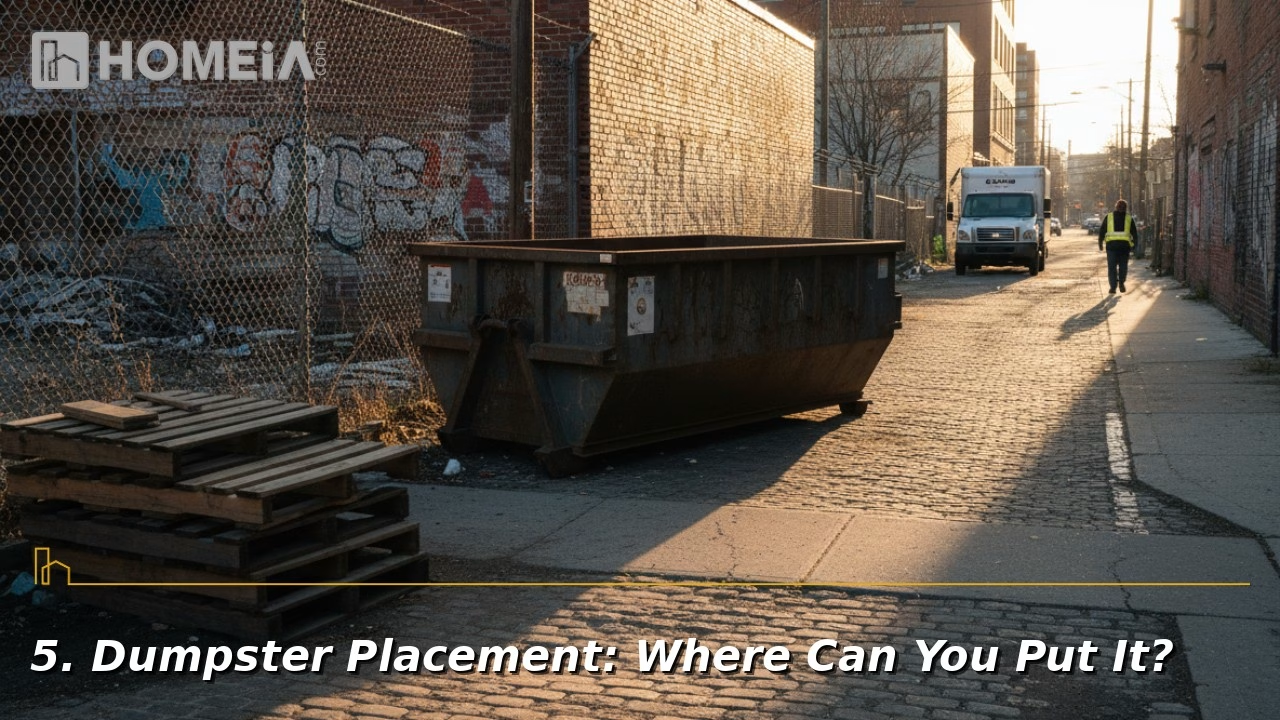
A bad placement decision can delay a project, damage your property, or be fined by the city.
A. Your Driveway Is Usually the Best Spot
With a majority of homeowners, the driveway is the easiest and safest option. It keeps the bin on private property, requires no permit in most areas, and provides the delivery truck convenient access. Keep these tips in mind:
- Protect your asphalt or grass: Place plywood boards under the bin’s wheels to spread the weight and prevent cracking or gouging.
- Check overhead clearance: Delivery trucks need at least 10 to 12 feet of vertical clearance for overhead wires and tree branches.
- Ensure at least 20 feet of straight access so the truck can back in and maneuver safely.
B. Street Placement Requires a Permit
If your driveway isn’t an option, placing the dumpster on the street almost always requires a permit from your city or municipality. Permit costs range from $10 to $150, though fees can be higher in major cities. Processing times vary from 24 hours to several business days, so plan accordingly. Contact your local Public Works, Streets Department, or Building Permits office since permits can usually be applied for online.
When placing a dumpster on the street, follow these safety practices: use traffic cones and reflectors in front of and behind the bin, keep the bin away from fire hydrants, bus stops, and no-parking zones, and remove it before the permit expires.
6. How to Load a Dumpster Like a Pro

Loading a dumpster the right way maximizes space, keeps you within weight limits, and avoids safety issues during transport.
- Start with large, flat items on the bottom. Plywood sheets, doors, old mattresses, and large furniture pieces create a stable base.
- Break down bulky items: disassemble furniture, flatten cardboard boxes, and cut apart large debris. This can nearly double your usable space.
- Stack long items vertically along the walls to save interior space for bulkier debris.
- Fill every gap as you go: use smaller debris, bags of trash, or loose material to fill the open spaces around larger pieces.
- Keep the load level and even across the entire bin. Uneven loads can be unsafe during transport and may result in a refused pickup.
- Never load above the fill line. Overfilling is one of the most common mistakes,most companies will refuse to haul an overfilled bin and charge a dry-run fee.
- Cover the bin during rain. Soaked materials like drywall add significant weight and can push you over the weight limit.
7. Timing Your Rental Right

When you rent, and for how long, affects both your project timeline and total cost.
A. Book Early, Especially in Spring and Summer
Dumpster demand spikes during spring and early summer when homeowners launch renovation and landscaping projects. If you need a specific bin size on a specific date, booking at least a week in advance is a pro move. Last-minute bookings during peak season can mean no availability or inflated rates.
B. Standard Rental Periods and Pricing
Most companies offer rental windows of 7 to 10 days, though options ranging from a single day to a full month are available:
- Daily rate: $40 to $100 per day
- Weekly rental: $350 to $550
- Monthly rental: $500 to $1,200
If your project runs long, call the company before the rental period ends to discuss an extension. Communicating proactively is almost always cheaper than being hit with an automatic overage rate. When you book, inquire about the daily extension rate and whether there’s a grace period. Spacing for one or two extra buffer days upfront can save you stress and money.
8. How to Compare Dumpster Rental Companies
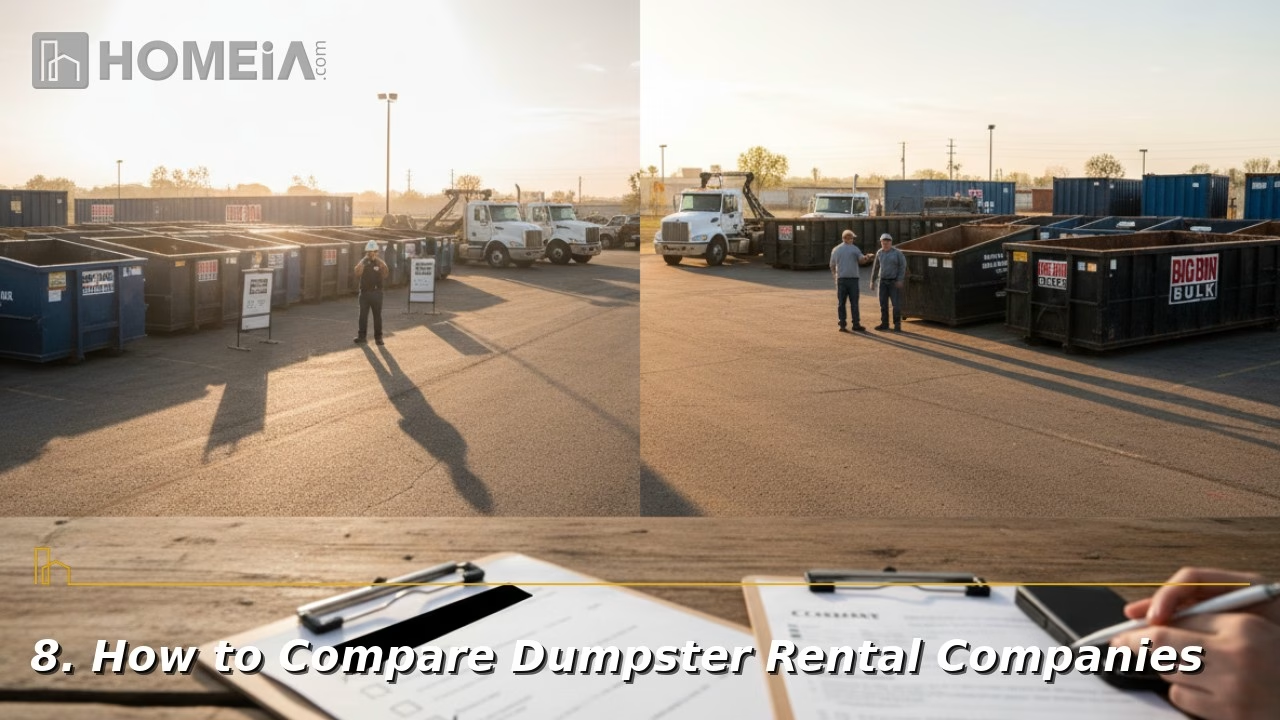
Not all dumpster rental companies are equal. Two companies may quote the same base price for a 20-yard bin, but one might include disposal of common household items while the other charges $75 extra for a mattress. Here’s what to look for:
- Transparent, all-in pricing: Look for companies that provide itemized quotes including delivery, pickup, weight limits, and disposal fees upfront.
- A clear prohibited items list: A reliable business will tell you exactly what’s banned before you start loading.
- Flexible rental terms: One that allows easy extensions without punishing fees is worth a small premium.
- Local knowledge: Local and regional companies often deliver faster, communicate better, and understand local permit requirements more thoroughly than large national chains.
- Strong customer reviews: Check Google Reviews and the Better Business Bureau,pay special attention to comments about hidden fees, on-time delivery, and customer service.
Always ask these questions before booking: Is delivery and pickup included in the quoted price? What is the weight limit and what are the overage fees? What materials are not accepted? What happens if I need the bin longer? Do I need a permit for my planned placement location?
Recommended for you




FAQs About Dumpster Rental
1. Can I put heavy materials like concrete, brick, or dirt in a regular dumpster?
Yes, but with important restrictions. Dense materials like concrete, soil, and brick reach weight limits quicker than regular household debris. A bin that looks half full of concrete can already be over its weight limit, triggering overage fees of $40 to $200 per extra ton. For large quantities of heavy material, ask about a dedicated heavy-debris or concrete-only bin, which is designed with a higher weight capacity.
2. What happens if I accidentally put a prohibited item in the dumpster?
If the rental company discovers a banned item during pickup, they may refuse to haul the dumpster until it’s removed, charge a special handling or disposal fee, or both. Hazardous materials must be handled separately by law, at additional cost. Set aside any questionable items before loading and contact your rental company or local waste management office to ask about proper disposal options.
3. Do I need a permit even if the dumpster is only in my driveway for a day or two?
In most cases, no. If the dumpster sits entirely on private property, your driveway or yard, a permit is generally not required. The requirement kicks in when the bin extends onto a public street, sidewalk, or right-of-way. Rules vary per city and neighborhood, so always check with your local municipality before placing the bin. This is especially important if you live in an HOA community, as they may have their own rules.
4. How do I know if I’m getting a fair price?
Get at least two or three quotes from different companies and compare them line by line. Look past the base price and check what each quote includes: weight limit, rental period, delivery and pickup fees, and potential surcharges. The typical homeowner pays between $294 and $480 for a standard weekly rental, so any quote well outside that range, higher or lower, should prompt you to ask questions. A suspiciously low quote often signals hidden fees that appear on the final invoice.
5. What should I do if my project runs over and I need the dumpster longer than planned?
Call the rental company as soon as you know you need more time, ideally before the original rental period ends. Most are happy to extend for a daily or weekly fee, which is far less expensive than being automatically charged a rush rate after the deadline. Daily extension rates generally run $40 to $100 per day. If your timeline is uncertain from the start, ask about the extension policy when you book and consider building one or two extra days into your original rental period as a buffer.
Share