







Ultimate Spring Pest Prevention Guide for Pacific Northwest Homeowners
- Local Editor:Local Editor: The HOMEiA Team
- Category: Home Maintenance


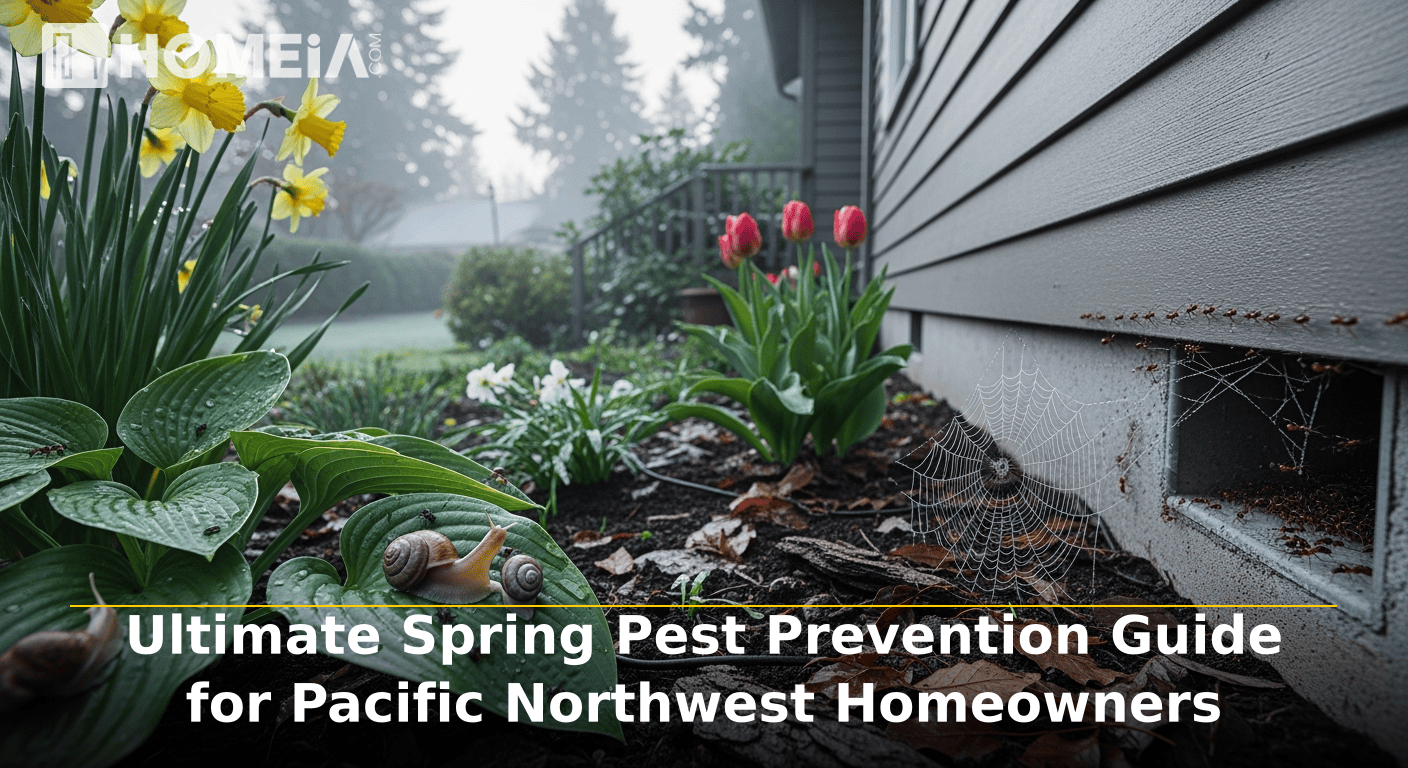
Spring in the Pacific Northwest is a beautiful time. Especially with rain greening up the landscape, and flowers beginning to bloom. However, all that moisture and warming weather also wake up a host of common household pests. Creatures like ants, spiders, rodents, and slugs become highly active, looking for food, water, and places to nest.
If your home offers easy access to these resources, an infestation could quickly be on your hands. This guide is tailored specifically for homeowners in Oregon and Washington. We will help explain the unique pest challenges of our region and provide a clear, actionable plan to protect your home this spring and year-round. Taking steps now can save you from the hassle and expense of dealing with a full-blown pest problem later.
1. Meet the Usual Suspects: Common PNW Spring Pests

Knowing your enemy is the first step in effective pest control. In our region, several pests are particularly problematic during the spring months. Carpenter ants are primary concerns; they don’t eat wood but excavate it to build nests, which can cause significant structural damage over time.
Moisture ants, true to their name, are attracted to damp wood and are signs of a leak or moisture issue in your home. Spiders, such as the giant house spider, follow their prey indoors. Lastly, rodents including mice and rats, who may have sheltered in your home during the winter, can become active and start breeding. Understanding the behavior of these specific pests allows you to focus your prevention efforts effectively and know what warning signs to look for.

Related article
Safe, Eco-Friendly Pest Control: Protecting Your Family and Pets
Homeowners today are more mindful of what they use around their families and pets. Harsh chemical sprays are becoming a thing of the past as modern pest control shifts toward safer, eco-friendly methods. These treatments combine science and strategy — known as Integrated Pest Management (IPM), can solve your pest problems without compromising a home’s safety. You can have…
2. Your Exterior Defense: Sealing the Cracks and Crevices
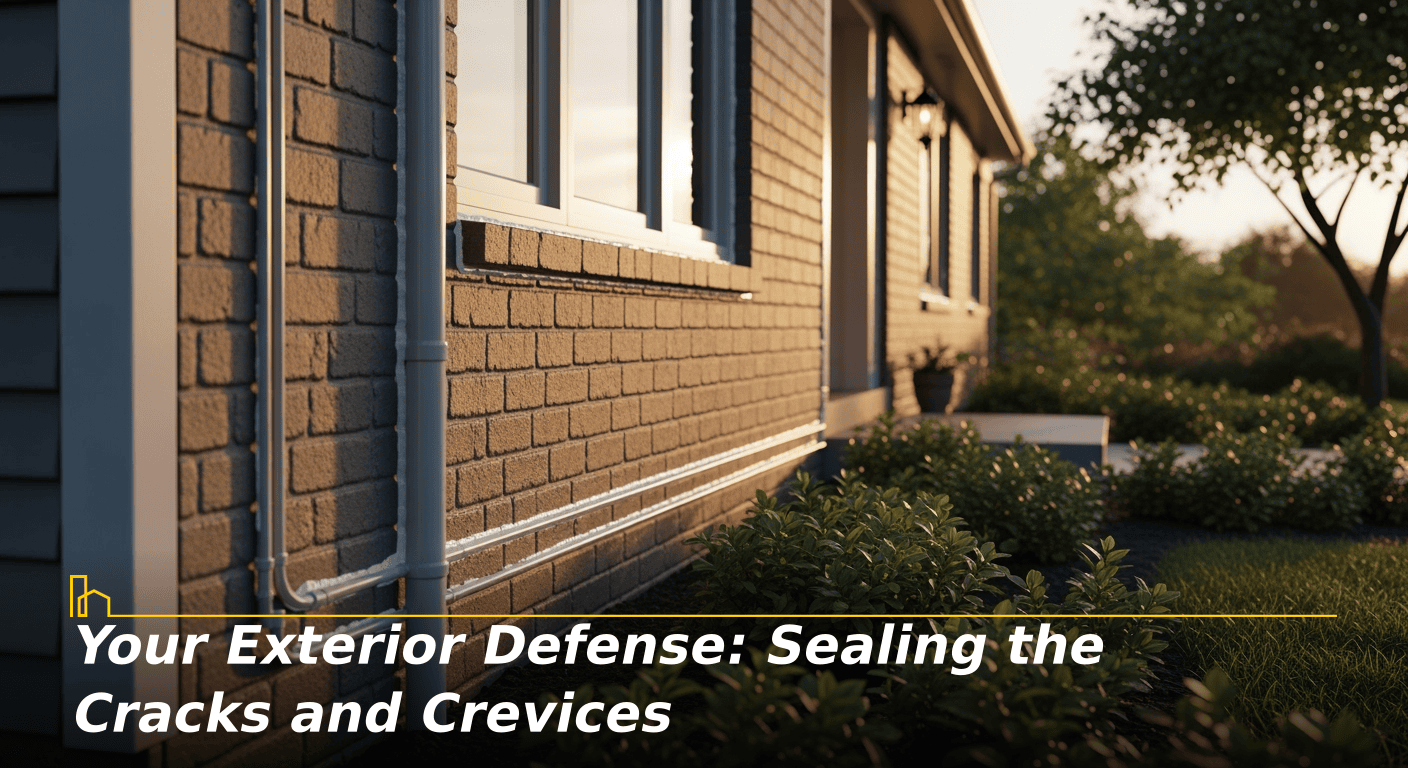
A productive way to prevent pests preventing them from entering in the first place. This means conducting a thorough inspection of your home’s exterior. Walk around your house and look for any gaps or cracks in the foundation, siding, or around window and door frames. Even a tiny crack, as small as a dime, is enough for a mouse to squeeze through.
Pay special attention to areas where utility pipes and wires enter the house, as these are common entry points, and use a high-quality silicone-based caulk to seal these gaps. Install door sweeps on all exterior doors and repair any damaged window screens. Don’t forget to check your roof for loose or damaged shingles and ensure vents are covered with fine mesh screens to block entrants while allowing for airflow.
3. Landscaping and Yard Maintenance: Creating a Pest-Unfriendly Zone

Your yard’s condition plays a key role in a home’s pest vulnerability. These nuisances thrive in cluttered, damp, and overgrown environments. Start by keeping your lawn trimmed and bushes well-pruned, leaving space between home’s siding. It eliminates pest bridges directly to your house. Clear away leaf litter, fallen branches, and other debris from your foundation.
Store firewood at least 20 feet away from your house while staying elevated. Ensure gutters and downspouts are clean and direct water away from your foundation, This will prevent pooling and soil saturation, which entice insects such as ants and termites. Proper yard maintenance is a powerful, natural form of pest control that reduces the attractants around your property.

Related article
Smart Pest Control: How Technology is Revolutionizing Home Pest Management
Imagine a pest control system that detects problems before you even see a single bug. This isn’t science fiction — it’s the reality of smart pest control. With IoT sensors, AI-powered monitoring, and precision tools, pest management is now smarter, more efficient…
4. Moisture Control: The Key to Pest Prevention
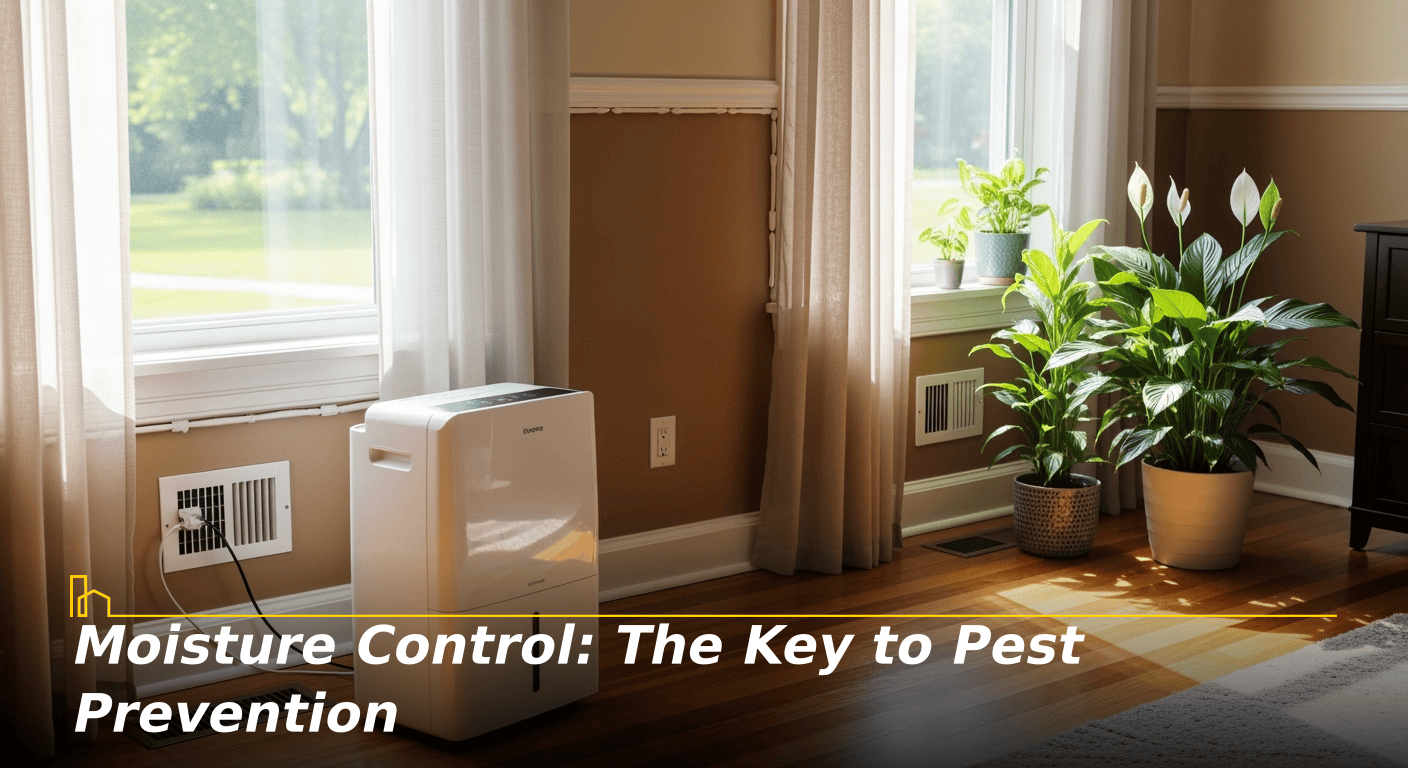
In the damp climate of the Pacific Northwest, moisture control is arguably the most important pest prevention task. Almost all pests, whether they’re cockroaches, silverfish, or carpenter ants, need water to survive. By eliminating moisture sources, your home becomes far less appealing. Fix leaky faucets and pipes both inside and outside.
Ensure your crawl space is properly ventilated and consider using a vapor barrier if it’s consistently damp. Dehumidifiers in basements and other damp areas are ideal for keeping humidity levels below 50%. Always check for and repair any areas with water damage. Soft, rotting wood is an open invitation for destructive tenants. A dry home is a pest-resistant home.
5. Interior Sanitation: Don’t Roll Out the Welcome Mat

Even with a sealed exterior, superb housekeeping is essential. Pests are always searching for something to eat, so don’t make it easy for them. Store food—including pet food—in airtight containers. Avoid leaving dirty dishes in the sink overnight and wipe down counters and tables daily to remove crumbs and spills.
Take out the trash regularly and use cans with tight-fitting lids. Vacuum carpets and mop floors frequently to eliminate food particles and potential insect eggs. Clutter inside your home, notably piles of newspapers, cardboard boxes, or clothing, provides perfect hiding and nesting spots for vermin. Clean, clutter-free homes offer pests nowhere to hide and nothing to eat.

Related article
Complete Home Pest Inspection Checklist: What Professional Inspectors Look For
Finding pests at home can be stressful, but many infestations can be prevented with regular inspections. You don’t need to be an expert — just know what to look for. Spotting early signs of termites, rodents, or ants can save you from major damage, and combining DIY checks with…
6. When to Call the Professionals: Recognizing the Limits of DIY
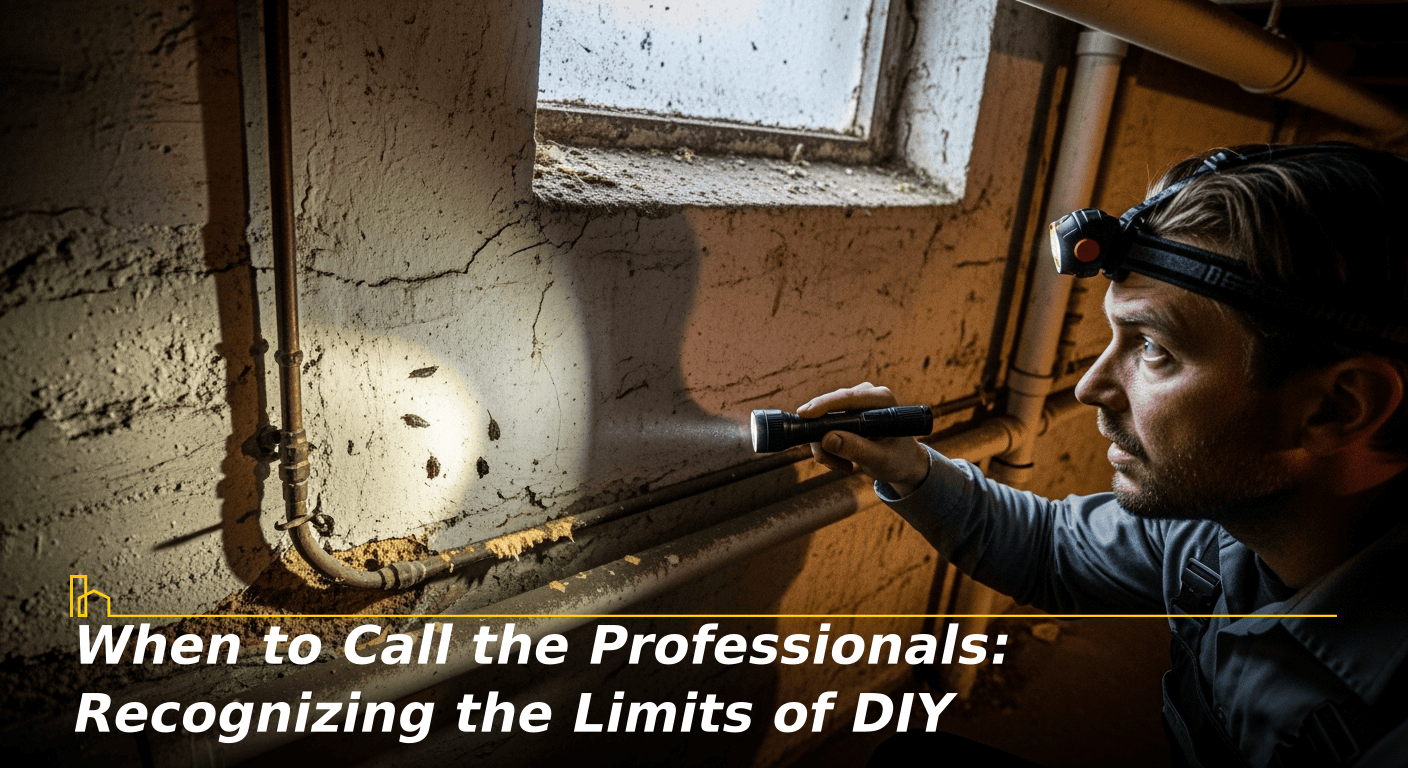
While DIY methods are great for prevention, sometimes a pest problem requires professional expertise. If you notice signs of a significant infestation—like persistent ants, visible rodent droppings, structural wood damage, or you simply can’t find the source of the problem—it’s time to call Axiom Pest Control.
Our trained technicians can identify the specific pest, locate the nest or entry points, and implement a targeted treatment plan. We use eco-friendly pest control solutions that are highly effective yet safe for families and pets when applied correctly. Don’t let a small issue turn into a major, costly repair; professional intervention can provide peace of mind and long-term protection.
Conclusion: Enjoy a Pest-Free Spring
Spring should be a time to enjoy the beauty of the Pacific Northwest outdoors, waging a war with pests indoors. By following this regional guide—sealing entry points, maintaining your yard, controlling moisture, and keeping a clean home — you can significantly reduce infestation risk. Remember, consistent prevention is the key.
Pest control providers usually offer fast, reliable, and safe service starting at only $149. Schedule your professional home pest inspection and ensure your home is protected all season long. If considering a move to a new area, you might find our guide on the best places to live in Oregon helpful for your future plans.
Recommended for you



Frequently Asked Questions: Spring Pest Prevention
1. I already see ants in my kitchen. Is it too late for prevention?
No, it’s not too late. Spring prevention has two phases: stopping new pests and dealing with current ones.
- Immediate Action: Thoroughly clean the area to remove food trails. Use a vinegar solution to wipe down surfaces and disrupt their scent path.
- Professional Solution: DIY sprays often fail. We use targeted baits that worker ants carry back to the nest, eliminating the entire colony at the source. Contact us for a targeted treatment.
2. Are there any plants I can use to naturally repel pests?
Yes! Integrating certain plants into your landscaping can help deter pests.
- For Ants & Aphids: Mint, lavender, and tansy.
- For Mosquitoes: Citronella grass, marigolds, and rosemary.
- For Flies: Basil and lavender.
Remember, these are deterrents, not a complete solution. They work best as part of a broader prevention plan.
3. How often should I re-caulk and seal my home’s exterior?
Inspecting a home’s seals should be done annually, ideally in early spring before pest season peaks. Re-caulking is typically needed every 3-5 years, depending on weather exposure and the quality of the initial application. A quick visual inspection for cracks, gaps, or peeling caulk is a great weekend task.
4. My neighbor has a pest problem. Should I be worried?
Yes, you should be proactive. Pests do not respect property lines. If your neighbor has an infestation, your home is at an increased risk. Now is the time to:
- Ensure your own home is tightly sealed.
- Be extra vigilant with interior sanitation.
- Consider a professional preventative inspection to create a protective barrier around your home.
5. We have a lot of spiders. Does that mean I have other bugs?
Usually, yes. Spiders are predators and go where their food source is. A high number of spiders often indicates a healthy population of other insects like ants, flies, and mosquitoes in and around your home. Reducing the other pests through the methods in our guide will naturally make the home less appealing to spiders.
Share