







Top 10 Household Pests in Colorado: Identification and Professional Treatment Options
- Local Editor:Local Editor: The HOMEiA Team



Living in Colorado comes with incredible benefits, from majestic mountain views to vibrant city life. However, our unique climate and geography also create a perfect environment for special unwanted guests. The dry air, high altitude, and dramatic temperature swings between day and night shape the behavior of the insects and rodents that try to share our homes. Understanding these common invaders is the first step in keeping them out. Our guide will cover the top 10 household pests in Colorado, helping you identify them, understand the risks they pose, and know the most effective professional treatment options available. From the tiny bed bug to the formidable black widow spider, we’ve got you covered.
1. The Tiny Terror: Pavement Ants

Pavement ants are a common nuisance in Colorado. They are small, dark brown to black, typically creating nests in pavement cracks, under stones, or next to foundation slabs. You’ll often see them marching in well-defined trails leading to a food source in your kitchen. While they don’t pose a health risk, they can contaminate food and are a general annoyance. DIY sprays often fail because they only kill the worker ants you see, not the colony. Professional treatment involves using targeted baiting systems. The worker ants carry the bait, which is a slow-acting insecticide, back to the nest, where it is shared, eventually eliminating the entire colony, including the queen.

Related article
Complete Home Pest Inspection Checklist: What Professional Inspectors Look For
Finding pests at home can be stressful, but many infestations can be prevented with regular inspections. You don’t need to be an expert — just know what to look for. Spotting early signs of termites, rodents, or ants can save you from major damage, and combining DIY checks with…
2. The Silent Destroyer: Western Subterranean Termites
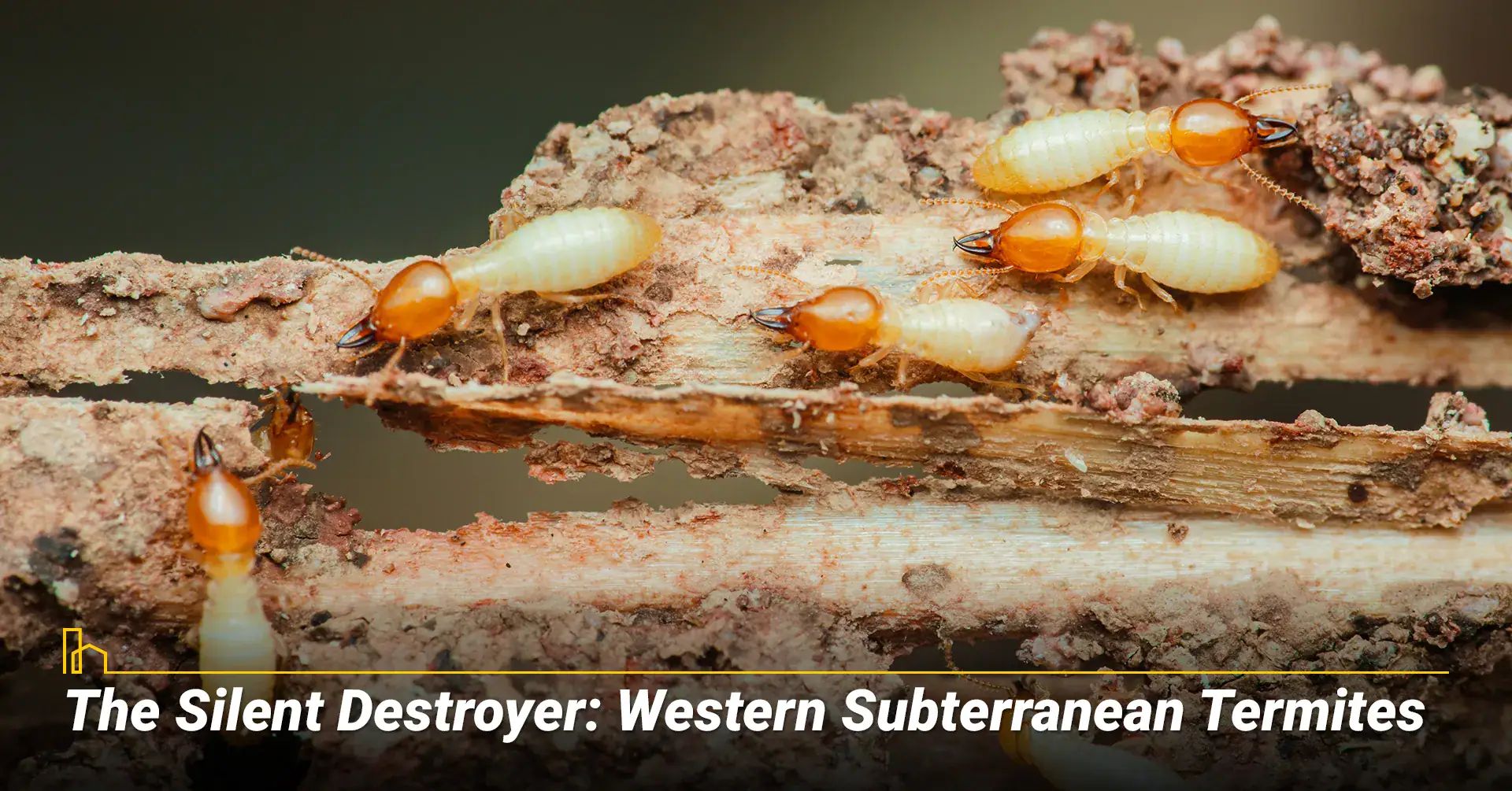
Termites are every homeowner’s nightmare, and the Western Subterranean Termite is active in Colorado. They feed on cellulose, which is found in wood, and can cause severe structural damage that often goes unnoticed until it’s extensive. Signs of an infestation include mud tubes on your foundation, hollow-sounding wood, discarded wings near windows or doors, and frass (termite droppings). Because of the potential for catastrophic damage, a termite infestation is not a DIY project. Professional treatment is essential. Some pest control providers use advanced termiticide treatments, creating a protective barrier around the home and baits that eliminate the colony underground, protecting your investment for the long term.
3. The Opportunistic Scavenger: House Mice

House mice are small, agile rodents able to squeeze through an opening the size of a dime. They seek shelter indoors, especially in cold weather. Signs of a mouse problem include droppings (small, dark, and pointed), gnaw marks on food packaging or wires, scratching noises in walls, and nests made from shredded paper or insulation. Mice contaminate food, spread diseases like Salmonella, and can cause electrical fires by chewing on wires. Professional rodent control involves a multi-step approach: sealing entry points, setting a strategic array of traps, and implementing sanitation recommendations to make your home unattractive to them in the future.

Related article
Smart Pest Control: How Technology is Revolutionizing Home Pest Management
Imagine a pest control system that detects problems before you even see a single bug. This isn’t science fiction — it’s the reality of smart pest control. With IoT sensors, AI-powered monitoring, and precision tools, pest management is now smarter, more efficient…
4. The Creepy Crawler: Wolf Spiders
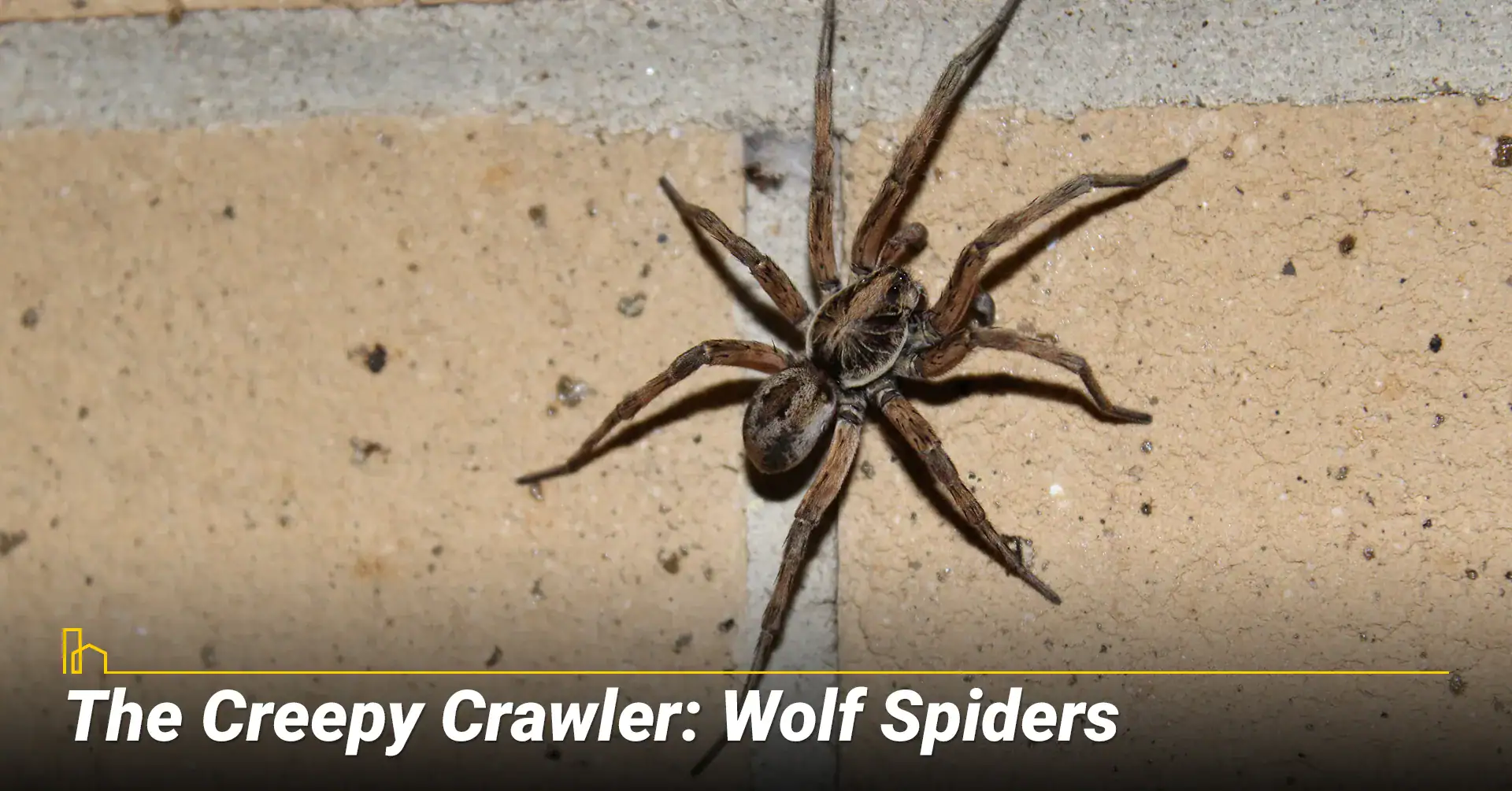
Colorado is home to a plethora of spider species, with the wolf spider being one of the most frequently encountered indoors. Identifiable by their large, hairy, and fast-moving, appearances and mannerisms, this can be alarming. However, it’s important to know that wolf spiders are not aggressive and their venom is not medically significant to humans. Contrary to popular belief, they serve as beneficial predators, hunting other insects. They usually enter homes by accident while chasing prey. The best way to manage is by reducing other insects in your home. A general pest control treatment from Axiom that targets ants, crickets, and other spider prey will make your home less inviting to wolf spiders. Sealing cracks and reducing outdoor lighting, which attracts insects, also helps.
5. The Pantry Pirate: Indianmeal Moths
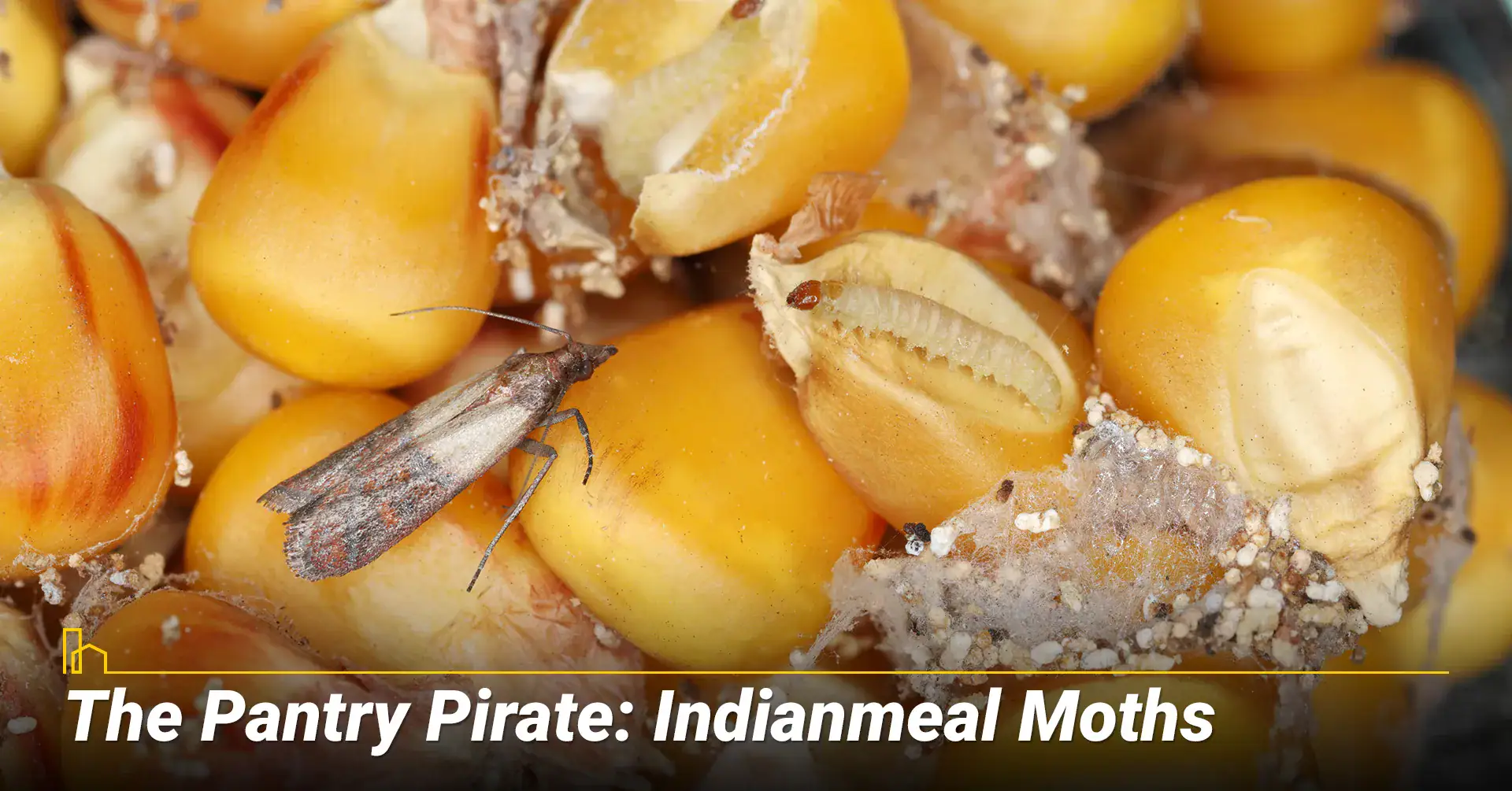
If you see small, moth-like insects fluttering in your kitchen, particularly near your pantry, you likely have Indianmeal Moths. The adults are harmless, but it’s their larvae (caterpillars) that are the problem. They infest stored food products like flour, cereal, grains, pasta, and pet food. You might find them as tiny worms in your food or find webbing on the surface of infested products. To remove, you must find and discard all infested items. Thoroughly vacuum and clean pantry shelves. For preventing recurrence, store all dry goods in sealed glass or plastic containers. With persistent problems, a professional can apply a residual insecticide in cracks and crevices of the pantry to eliminate any remaining larvae or adults.

Related article
Safe, Eco-Friendly Pest Control: Protecting Your Family and Pets
Homeowners today are more mindful of what they use around their families and pets. Harsh chemical sprays are becoming a thing of the past as modern pest control shifts toward safer, eco-friendly methods. These treatments combine science and strategy — known as Integrated Pest Management (IPM), can solve your pest problems without compromising a home’s safety. You can have…
6. The Moisture Lover: Silverfish
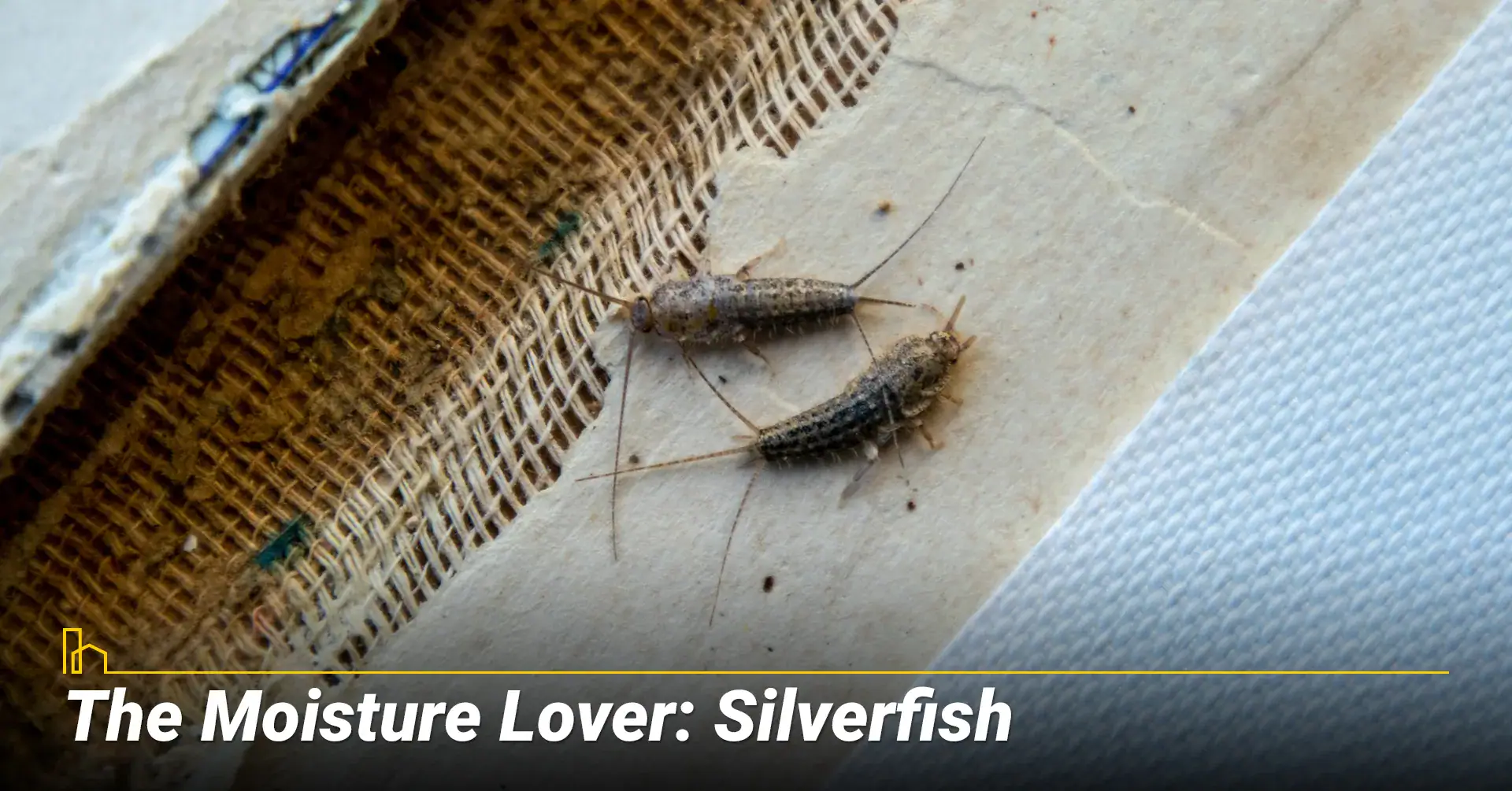
Silverfish are small, wingless insects with a silvery-gray color and a fish-like shape and movement. They thrive in damp, humid areas including basements, bathrooms, and laundry rooms. Feeding on carbohydrates, notably starches and sugars, means they’ll munch on everything from paper and glue in book bindings to wallpaper and clothing. While unable to spread disease, they can damage valuable books, documents, and linens. Control involves reducing humidity with dehumidifiers, fixing leaks, and sealing cracks where they hide. Professional treatment includes applying desiccant dusts and targeted insecticides in these humid areas to eliminate the population and protect your belongings.
7. The Blood Feeder: Bed Bugs

Bed bugs are a growing problem nationwide, and Colorado is no exception. These small, reddish-brown, oval-shaped insects feed exclusively on blood, usually at night while people are sleeping. Excellent hitchhikers, they arrive via luggage, used furniture, or clothing. Signs of an infestation include small blood spots on sheets, dark fecal spots on mattresses and bedding, shed skins, and a sweet, musty odor. Their bites can cause itchy welts on the skin. Bed bug eradication is extremely difficult and should always be handled by a professional. Axiom uses a combination of methods, including heat treatments (which raise the temperature in a room to lethal levels) and targeted insecticide applications to ensure every life stage, from egg to adult, is eliminated.
Recommended for you




8. The Stinging Threat: Wasps and Yellowjackets
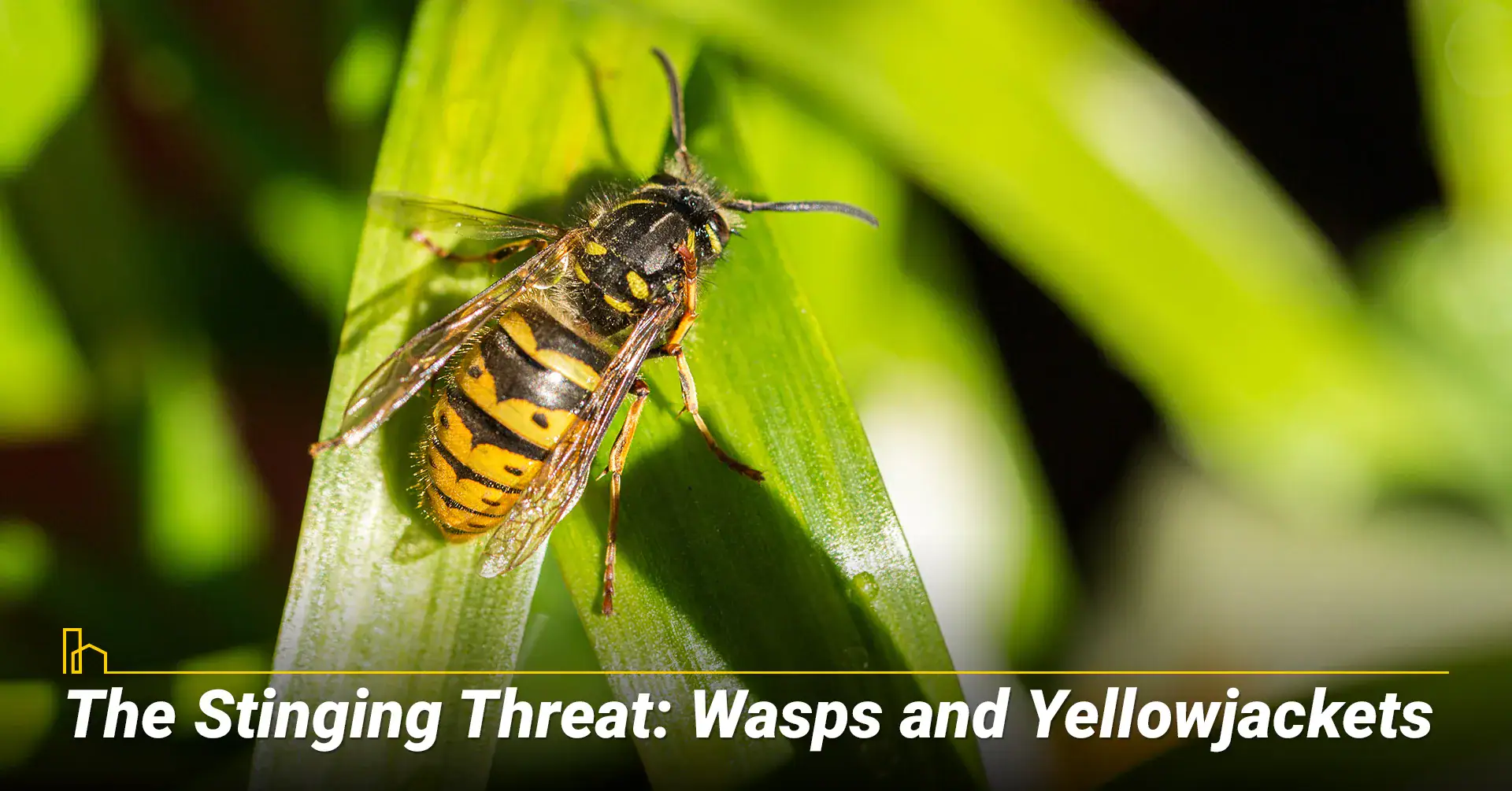
Wasps, including yellowjackets and paper wasps, become a major nuisance in CO during late summer and fall. They build papery nests under eaves, in attics, in ground holes, or in shrubs. While beneficial for controlling other insects, their stings are painful and can be dangerous to those allergic. Never attempt to remove a large nest yourself. Professional wasp control is the safest option. Our technicians have the protective gear and expertise to remove nests effectively. We use fast-acting insecticides that quickly knock down the colony, ensuring the safety of your family and pets. We can also identify and seal potential nesting sites to prevent future problems.
9. The Occasional Invader: Boxelder Bugs
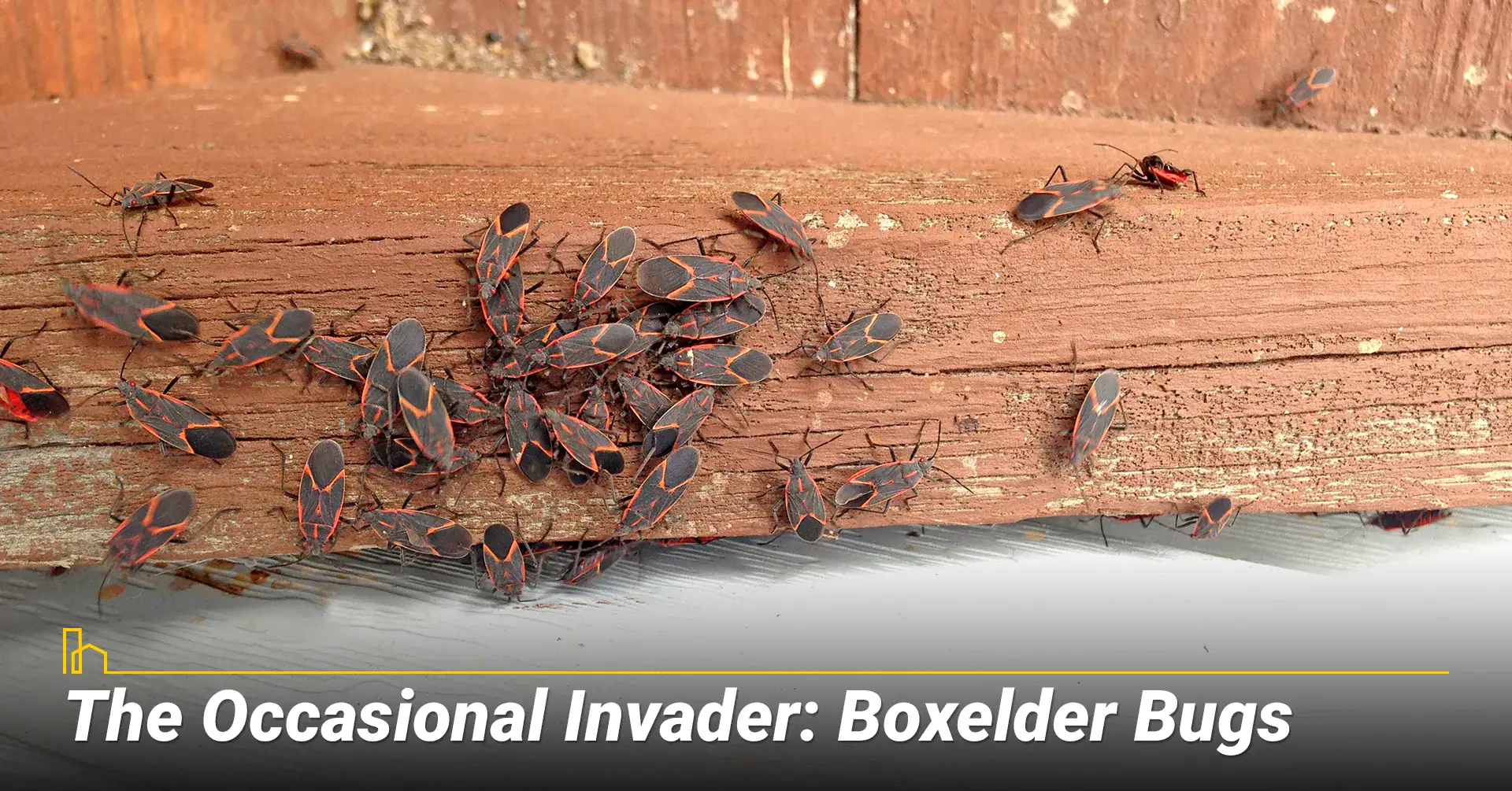
Boxelder Bugs are a familiar sight in Colorado. They are black with distinctive red markings on their backs. Primarily a nuisance pest, as they do not bite, sting, or cause structural damage. However, in the fall, they gather in large numbers on the sunny sides of buildings, seeking warmth and eventually working their way inside to overwinter in wall voids and attics. The best defense is prevention. Sealing cracks around windows, doors, and the foundation in the late summer can stop them from getting in. For existing infestations, a professional exterior treatment in the early fall can significantly reduce their numbers. If already inside, vacuuming them up is the most effective removal method.

Related article
Ultimate Spring Pest Prevention Guide for Pacific Northwest Homeowners
Spring in the Pacific Northwest is a season of renewal, with rain turning the landscape lush and flowers bursting into bloom. But that same moisture and warmth also awaken ants, spiders, rodents, and slugs searching for food, water, and shelter. Homes that offer easy access can quickly attract these pests…
10. The Persistent Hopper: Crickets
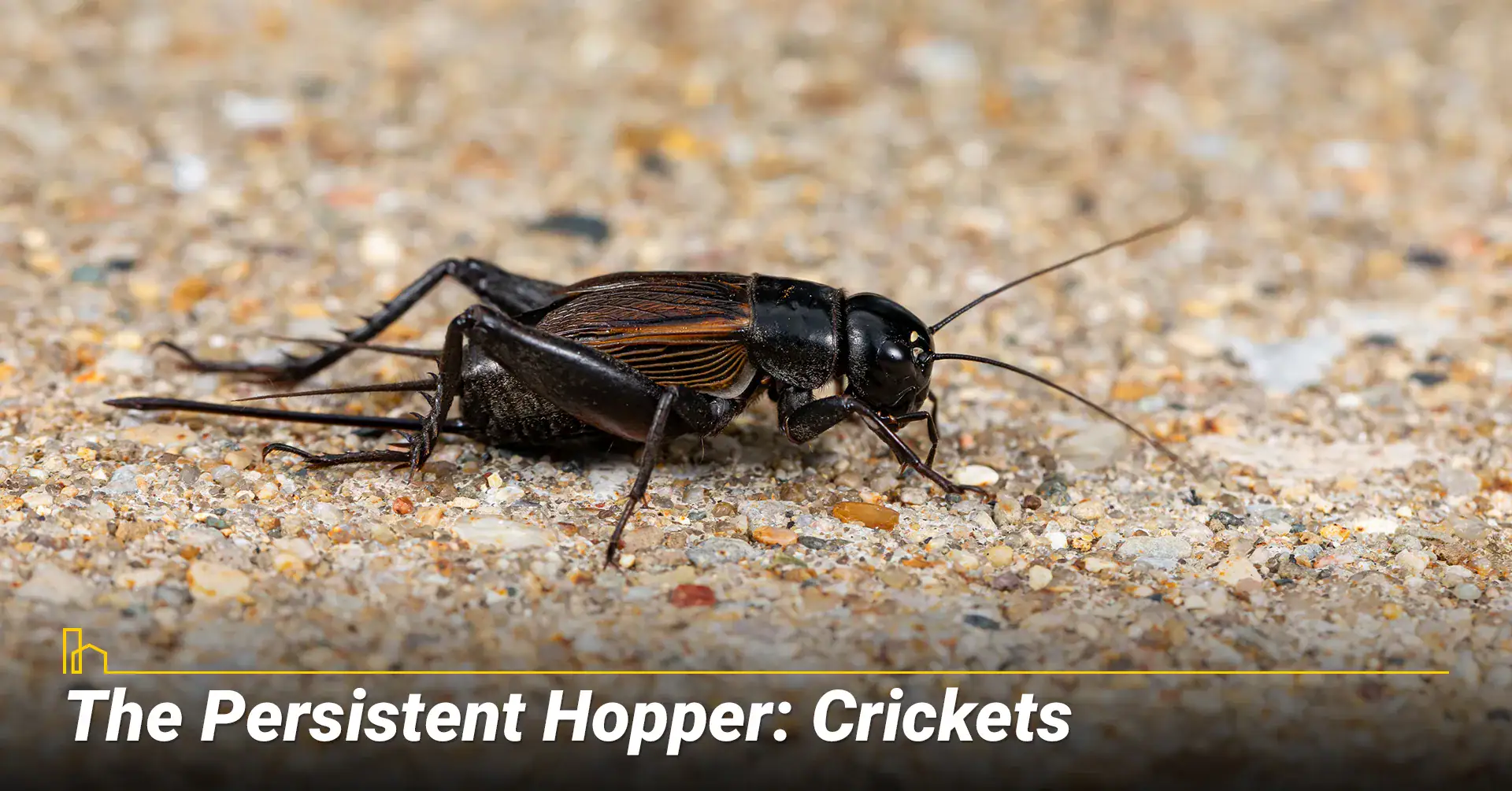
Crickets, particularly the Field Cricket, are a frequent and noisy household pest in Colorado, especially in the late summer and fall. These insects are easily identified by their large hind legs, designed for jumping, and their characteristic chirping sound. As outdoor temperatures drop, they seek warmth and shelter indoors, often entering through gaps under doors and cracks in foundations. While generally harmless and non-disease-spreading, their constant chirping can be a significant annoyance. In large numbers, they can also damage fabrics, wallpaper, and even certain plants. The most effective prevention strategy is exclusion: sealing entry points and ensuring door sweeps are intact. For persistent problems, a professional perimeter treatment around the home’s foundation creates a protective barrier, while targeted indoor treatments can eliminate invaders that have already made their way inside.
Conclusion: Your Partner in Colorado Pest Defense
Living in Colorado is a privilege, and dealing with pests shouldn’t diminish that. By knowing what to look for, you can act quickly at the first sign of a problem. For any of these pests, from the nuisance ant to the destructive termite, Axiom Pest Control is your local expert. We understand the specific behaviors of Colorado pests and use the most advanced, targeted treatments to solve problems safely and effectively. Don’t let pests take over your Colorado home. Schedule an inspection with us today. And if you’re considering a move within the state, check out our resources on the lifestyle in Denver, Colorado and the most affordable places to live in Colorado to find your perfect community.
Recommended for you




FAQs About Pests Control in Colorado:
1. I’ve heard Colorado doesn’t have many termites. Is that true?
This is a common and dangerous myth. Colorado has an active population of Western Subterranean Termites. While dry climates can slow their activity, they are still a significant threat to homes, especially in areas with soil contact and moisture. Assuming you don’t have termites is a risk you shouldn’t take.
2. What’s the best way to tell if I have bed bugs or just mosquito bites?
Characteristic | Bed Bug Bites | Mosquito Bites |
|---|---|---|
| Pattern | Often in a line or cluster (breakfast, lunch, dinner). | Usually isolated and random. |
| Location | On skin exposed while sleeping (arms, shoulders, neck). | Any exposed skin. |
| Timing | Bites may appear 1-3 days after being bitten. | Bites appear almost immediately. |
| Other Signs | Rust-colored spots on sheets, shed skins, musty odor. | No signs inside the home. |
3. Are the big, hairy “tarantulas” I see in the fall dangerous?
No. The tarantulas found in Colorado are not aggressive and their venom is not medically significant to humans. They are actually quite docile. The large numbers you see in the fall are typically mature males wandering in search of a mate. They are beneficial predators and not considered a household pest.
4. Why do I have ants in the spring but not the summer?
Ants are primarily active in spring, emerging from overwintering and are desperately searching for food and water for their growing colonies. In the heat of summer, they often find sufficient resources outdoors and may be less visible inside. However, the colony is still active. If you had ants in spring, the nest is likely nearby.
5. I only see one or two pests at a time. Is that worth a service call?
Yes. Pests including rodents and cockroaches are nocturnal and exceptional hiders. Seeing even one pest during the day can indicate a larger, hidden population. For every mouse you see, there could be a dozen you don’t. Early intervention is always more effective and affordable than dealing with a full-blown infestation. Don’t wait, call for an inspection.
Share