






Moving to Vermont: The Complete Relocation Guide & Checklist
- Local Editor:Local Editor: The HOMEiA Team


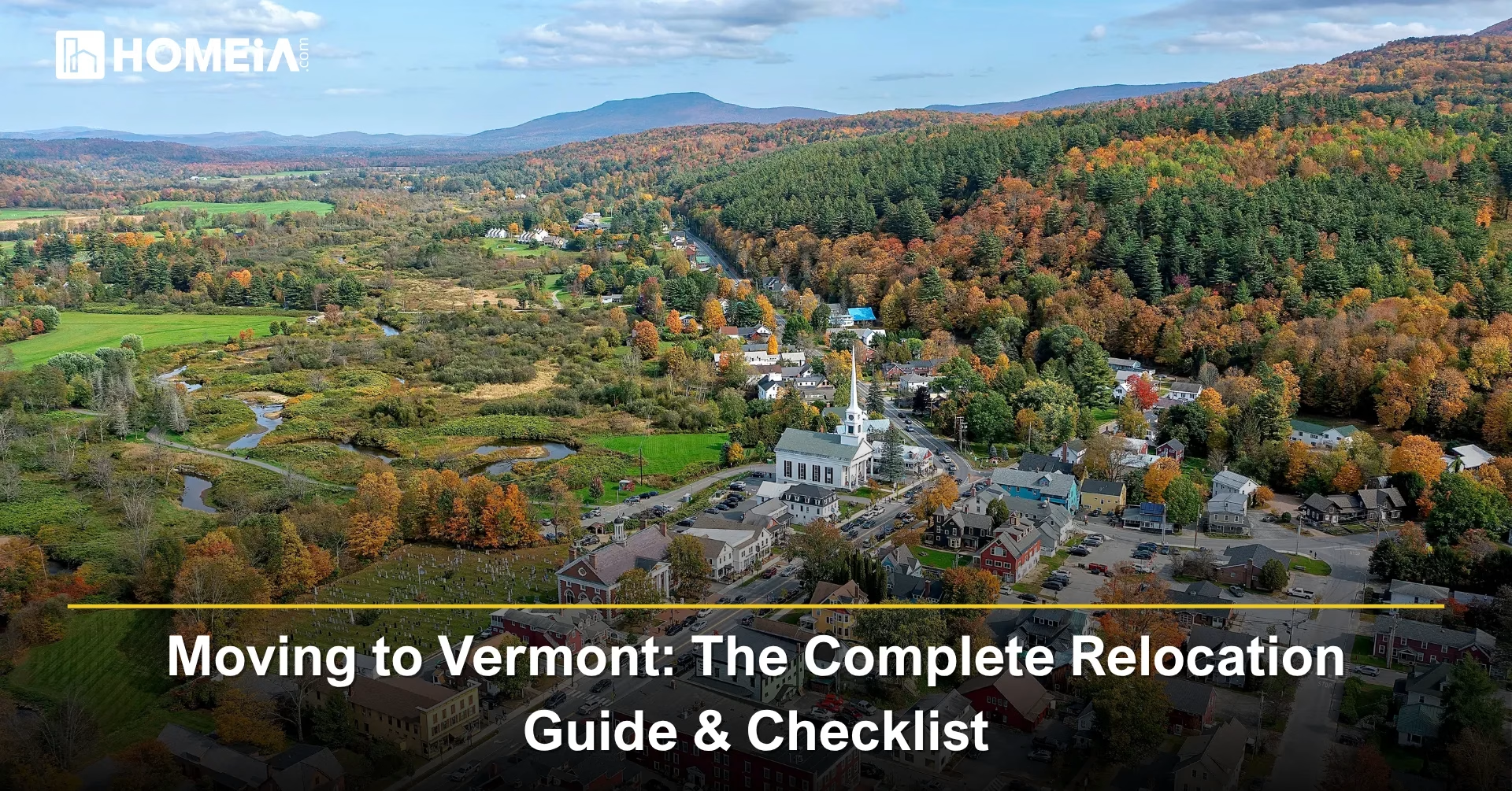
Moving to Vermont: This State attracts nature lovers seeking authentic rural living, outdoor adventure, progressive community, and sustainable lifestyle. Bordered by the Green Mountains and Lake Champlain, the Covered Bridge State offers small towns, tight-knit communities, and direct nature connection. With the fourth-lowest unemployment in the nation at 2.6 percent, exceptional outdoor recreation from hiking to skiing, and emphasis on local food and education, it appeals to those valuing environmental sustainability and community engagement. This comprehensive moving to Vermont guide covers housing, climate, jobs, taxes, and legal requirements for relocating to the Green Mountain State.
Key Takeaways
- Small Population, Tight Communities: Vermont has 644,663 residents (2025 Census estimate). Towns are close-knit with bustling community engagement. Newcomers must respect local values.
- Fourth-Lowest Unemployment in Nation: Unemployment was 2.6 percent in April 2026 (BLS). Finding work is easier than most states, tied to modest salaries.
- Expensive Despite Rural Character: Zillow ZHVI statewide average home value is $394,037 (March 2026). Heating costs are substantial. Cost of living is approximately 13.5 percent above national average (MERIC index 113.5).
- Extreme Seasons: Winters are unrelenting with 55–65 inches of snow. Summers are short and warm. Fall foliage is spectacular. Plan accordingly.
- Outdoor Recreation Defines Culture: Hiking, skiing, and lake recreation define daily life. If you do not engage with outdoor activities, there may come a feeling of disconnectedness.
Related article
7 Most Affordable Places to Live in Vermont
Vermont is known for its natural beauty and quality of life, but affordability has become increasingly challenging as housing prices continue to rise. While premium markets around Burlington dominate headlines, more affordable opportunities remain in central, southern, and northern parts of the state. This guide examines seven communities…
I. Methodology: How We Built This Guide
Our relocation recommendations are based on comprehensive analysis of factors impacting a move to Vermont. We compiled data from verified current sources, including the U.S. Census Bureau, Bureau of Labor Statistics, Zillow housing reports, Vermont Department of Taxes, Vermont Department of Labor, and local economic development agencies.
Our evaluation criteria use the following weighted framework:
- Housing & Affordability (30%): Median home prices, rental costs, property taxes, and heating costs for accurate budgeting. For a data-driven ranking of the state’s most affordable communities, see this guide to the most affordable places to live in Vermont.
- Access & Logistics (25%): Rural infrastructure, winter driving realities, and seasonal accessibility challenges.
- Legal & Administrative Requirements (20%): Driver’s licensing, vehicle registration, and voter registration.
- Community & Lifestyle Integration (15%): Vermont’s progressive values, community participation expectations, and outdoor recreation access.
- Economic Preparation (10%): Job search guidance specific to Vermont’s economy.
II. What Is It Really Like to Live in Vermont?
1. Culture & Lifestyle
A. Vermont Values and Community: Vermont’s identity centers on environmental stewardship, community self-reliance, and progressive values. The state has airtight environmental protections and strict development regulations. Residents emphasize local food, sustainability, and minimal consumption. Newcomers are welcomed if they embrace these values and actively participate in community. Their communities are small and interconnected. Privacy is limited. Communities expect newcomers to volunteer, join organizations, and contribute beyond financial transactions.
B. Arts, Sports, and Entertainment: Burlington has galleries, theaters, and music venues. Smaller towns host art centers and performances. College towns have university-sponsored cultural activities. Live music appears frequently at local venues. Summer brings festivals focusing on music, art, food, and community. College hockey (University of Vermont) inspires passionate loyalty. High school sports are community institutions.

Related article
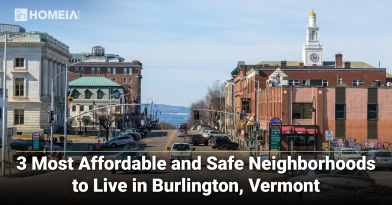
3 Most Affordable Places to Live in Burlington, Vermont
Burlington’s Old North End, South End, and Downtown offer a unique mix of culture, creativity, and affordability. From historic charm to urban convenience and housing programs, each neighborhood showcases the city’s progressive spirit, rural appeal, and commitment to accessible living—making Burlington a standout destination for those seeking vibrant community life…
2. Food Scene & Nightlife
Vermont’s food culture emphasizes local sourcing and farm-to-table dining. The state has more than 7,000 farms. Farmers markets operate seasonally and are gathering places. Breweries have grown significantly as craft beer culture has blossomed. Restaurants emphasize local sourcing. Nightlife is low-key. Breweries, local restaurants, and community gatherings replace nightclubs.
3. Outdoor Recreation & Natural Beauty
This New England outdoor access is exceptional. The Long Trail runs north-to-south with hundreds of miles of connected trails. The Green Mountain National Forest contains 900 miles of multi-use paths. Lake Champlain hosts boating, paddling, fishing, and water recreation. Skiing includes major resorts with alpine and Nordic options. Hiking ranges from easy nature walks to challenging peaks.
- Summer: Hiking, mountain biking, lake swimming, boating, and water sports.
- Fall: Foliage season. Hiking becomes central. Leaf peeping and wildlife observation.
- Winter: Skiing, snowboarding, cross-country skiing, snowshoeing, and winter hiking.
- Spring: Late winter transitions. Maple sugar season. River paddling and wildflower hiking.
4. Climate & Weather
This area’s climate is frigid with brief, warm summers and spectacular fall foliage. January averages 19–21°F; July averages 70°F. Locations consistently experience sub-zero days regularly.
| Region / Season | Temperature | Precipitation |
| Mountains: Spring | 32–55°F | Rain and snowmelt |
| Mountains: Summer | 60–80°F | Variable rain |
| Mountains: Fall | 35–65°F | Increasing rain |
| Mountains: Winter | 5–30°F | Heavy snow |
| Valley: Spring | 38–60°F | Rain |
| Valley: Summer | 65–85°F | Occasional storms |
| Valley: Fall | 40–70°F | Variable rain |
| Valley: Winter | 15–35°F | Moderate snow |
This region receives 55–65 inches of snow annually. Winters last November through April. Spring arrives late; snow persists into May in the mountains. Summers are concise, remaining warm with low humidity. Fall foliage is celebrated as trees peak in late September and early October.

Related article
12 Best Places to Live in Vermont in 2026
We’ll take a closer look at some of the best places to reside in Vermont, considering factors such as cost of living, job opportunities and access to amenities. Whether you’re a lifelong resident of Vermont or looking for a change, keep reading to discover the best places to call home in this stunning state…
5. Cost of Living & Affordability
A. Housing Market
| City | Avg. Home Value (Zillow ZHVI / Source, Apr 2026) | 1-Bed Rent | 3-Bed Rent | Property Tax (avg. effective rate) |
| Burlington | $510,361 (Zillow ZHVI, Apr 2026, -1.6% YoY) | $1,400 | $2,200 | ~1.83% |
| Montpelier | $453,500 (Redfin median, Mar 2026, +7.5% YoY) | $1,200 | $1,900 | ~1.83% |
| Rutland | $267,129 (Trulia/Zillow, Jan 2026, +1.6% YoY) | $900 | $1,400 | ~1.83% |
| Middlebury | ~$450,000 (est.) | $1,300 | $2,000 | ~1.83% |
| VT statewide avg | $394,037 (Zillow ZHVI, Mar 2026, +0.2% YoY) | $1,400 | $2,100 | ~1.83% |
Burlington commands premium prices driven by university and urban demand. Montpelier is the capital with notable recent appreciation. Rutland and rural areas offer better affordability. Property tax averages approximately 1.83 percent effective rate statewide (2026 estimate), above the national average of 1.03 percent.
B. Daily Living Expenses
| Category | Monthly Cost |
| Utilities | $300–450 |
| Internet | $60–100 |
| Groceries (single) | $350–450 |
| Transportation/Car | $150–300 |
| Healthcare | $150–300 |
The MERIC 2025 cost-of-living index places Vermont at 113.5, approximately 13.5 percent above the national average of 100. It ranks as the 10th most expensive state nationally by composite index. Heating costs are substantial: $200–$500-plus monthly from November through April. Annual heating expenditures commonly run $2,000–$5,000 depending on home size and fuel type.
6. Jobs & Economy
Economic prosperity includes small business, healthcare, education, agriculture, and tourism. Major employers include the University of Vermont, UVM Medical Center (formerly Fletcher Allen Health Care), other academia (Middlebury College and Norwich College), along with state government. Remote work has expanded opportunities significantly.
The job market is exceptional. Unemployment was 2.6 percent in April 2026 (BLS), the fourth-lowest rate in the nation behind South Dakota (2.2%), North Dakota (2.4%), and Hawai’i (2.5%). Finding work is easier here than most states. However, salaries tend to be humble. Before moving, secure employment or have substantial savings. Remote work is ideal for Vermont relocation.
Recommended for you




7. Education & Schools
A. Higher Education
- University of Vermont (Burlington): In-state $16,606 (2025-26, up 2% from $16,280); out-of-state $44,647 (2025-26, up 4.5% from $42,724). The UVM Board of Trustees approved these increases in March 2025.
- Middlebury College: Tuition $70,002 (2025-26). One of the most prestigious liberal arts colleges in the nation.
- Vermont State University: In-region tuition approximately $16,632 (2025-26). Formed from the merger of Castleton, Johnson, and Lyndon state colleges in 2023.
- Vermont also has community colleges throughout the state.
B. K-12 Education
Vermont’s K-12 system is well-regarded. Funding comes through property taxes and state support under a reformed education finance formula (Act 183, effective July 2025). School quality correlates with community property values. Homeschooling is popular in rural areas.
8. Tax Structure
| Tax Type | Rate | Notes |
| State Income Tax | 3.35–8.75% | 4 brackets (0% threshold to 8.75% top rate) |
| State Sales Tax | 6.0% | Combined state and local average 6.39% |
| Property Tax | ~1.83% (avg. effective) | Above national average |
| Vehicle Registration | 6% + fees | Based on vehicle value |
Their income tax has four brackets for the 2025 tax year. 3.35% on income from $3,825 to $53,225 (single filers); 6.60% from $53,225 to $123,525; 7.60% from $123,525 to $253,525; 8.75% above $253,525. The first $3,825 is untaxed. The standard deduction is $12,000 (single). Sales tax is 6.0 percent statewide. Property tax averages approximately 1.83 percent effective rate. The nonhomestead (non-primary-residence) property tax rate was set at $1.703 per $100 of assessed value for fiscal year 2026 under Act 183.
Related article
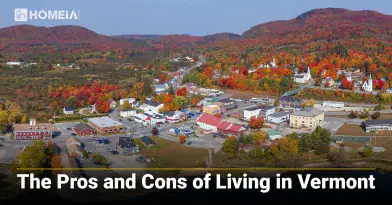
The Pros and Cons of Living in Vermont
If you’re considering relocating, this guide will help you weigh the pros and cons of living in Vermont, spotlight the best cities and towns to call home, and give you a feel for the Vermont lifestyle — from community life and cuisine to recreation and affordability…
9. Best Places to Live
| City | Population (2025 est.) | Avg. Home Value | Best For |
| Burlington | ~45,560 | $510,361 (ZHVI, Apr 2026) | Urban services, college town |
| South Burlington | ~20,756 | ~$450,000+ | Suburban living, schools |
| Montpelier | ~8,000+ | $453,500 (Redfin median, Mar 2026) | Capital city, community |
| Rutland | ~15,712 | $267,129 (Trulia, Jan 2026) | Affordability, small town |
| Middlebury | ~8,000+ | ~$450,000 (est.) | College town, culture |
- Burlington: Most developed city. Burlington ZHVI is $510,361 (-1.6% YoY, April 2026); Redfin three-month median sale was $454,667 (-3.5% YoY, January-March 2026). Urban amenities, restaurants, culture, transit, and college town vibe.
- South Burlington: Suburban alternative. Schools and family communities. More affordable than Burlington proper.
- Montpelier: Capital city. Government employment. Community engagement. Redfin median sale $453,500 (+7.5% YoY, March 2026), showing strong appreciation.
- Rutland: More affordable. Small town feel. Fewer tourists. Trulia median home value $267,129 (January 2026).
- Middlebury: College town. Exceptional schools. Cultural activities led by Middlebury College.
10. Planning Your Move
| Timeline | Actions |
| 12-8 Weeks Before | Research communities. Secure employment. House hunt. Understand heating costs. |
| 6-8 Weeks Before | Visit Vermont. Tour neighborhoods. Meet agents. Get moving quotes. |
| 4-6 Weeks Before | Make an offer or sign a lease. Book movers. Gather documents. |
| 2-4 Weeks Before | Arrange utilities. Update address. Get DMV documentation. Mail forwarding. |
| 1-2 Weeks Before | Finalize details. Walkthrough. Pack items. |
| Moving Day | Oversee movers. Turn on utilities. Unpack essentials. |
| Within 60 Days | Driver’s license and registration. Register to vote. Insurance. Healthcare. |
=> Get the Relocation Guide & Checklist PDF — prepared for both Desktop and Mobile devices.
11. Transportation
Most Vermonters drive. Public transit is limited outside Burlington. Winters require winter-prepared vehicles, winter tires, and winter driving skills. Road salt corrodes vehicles quickly. Personal vehicles are essential outside service centers. Heating costs can exceed $2,000 annually; budget accordingly. Burlington International Airport (BTV) serves the region.
12. Legal Requirements & Paperwork
- Vermont Driver’s License: Apply within 60 days of establishing residency. Need proof of identity, residency, and Social Security number. Cost is $50 for a standard 4-year Class D license (Vermont DMV current fee schedule, 2025-26). The article’s stated cost of “approximately $70” overstates the standard renewal and new-license fee. $50 is the correct base charge for a 4-year cycle. REAL ID compliance is bundled at no extra cost.
- Vehicle Registration: Register within 60 days. Provide proof of ownership, insurance, driver’s license, and address. Vehicle purchase tax is 6 percent.
- Voter Registration: Register at DMV or online. Same-day registration is available on election day.
- Address Changes: Update with USPS immediately. Notify institutions within two weeks.

Related article
How Much Does It Cost to Move a 3-Bedroom Home Locally? A Pricing Guide
The moving industry has modernized with digital estimates and AI-powered surveys, yet three-bedroom moves remain deceptively complex. They often require professional crews despite being underestimated by homeowners. While pricing transparency has improved, costs continue rising due to higher labor rates, insurance expenses, and strong demand for experienced, vetted movers…
13. Financial Planning for Your Move
Budget one month of expenses as an emergency fund. Budget substantial heating costs for winter. Get mortgage pre-approval if buying. First-time homebuyer programs exist through Vermont Housing Finance Agency (VHFA) and local credit unions.
For rentals, expect credit checks and first month, last month, plus security deposit.
Budget $2,000–$5,000 for moves. Secure heating fuel access before winter.
14. Insider Tips from Vermont Residents
- Budget Winter Heating: Heating oil or propane costs $2,000–$5,000+ annually. Factor this into budgets prominently.
- Prepare for Winter Driving: Winter tires are mandatory. Keep emergency supplies in vehicles. Know winter driving techniques.
- Engage with Community: Participating in community activities is expected. Volunteer, join organizations, and attend town meetings.
- Embrace Outdoor Life: If you do not hike or spend time outdoors, it will feel isolating.
- Understand Seasonal Rhythm: Summer brings outdoor living; winter brings interior focus. Plan activities accordingly.
- Expect Limited Services: Outside major towns, services are limited. Groceries and healthcare require travel.
- Appreciate Fall: Fall foliage drives tourism. It is spectacular but brings crowds.
Conclusion: Relocating here works well for those valuing environmental sustainability, community engagement, outdoor recreation, and authentic rural living. The state offers an exceptional job market (2.6% unemployment, fourth-lowest nationally), strong education, tight communities, and direct mountain and lake access. However, winters are brutal, their population is miniscule, services are limited, and social expectations for community participation are high. Select locations carefully. Burlington offers urban services; South Burlington provides suburban living, Montpelier champions capital city community, and Rutland hosts affordability as other rural towns offer an authentic New England experience. Research communities thoroughly, visit in winter, and connect with locals before committing. Vermont rewards those embracing outdoor lifestyle, environmental values, and community participation. For a closer look at which Vermont communities offer the best combination of low costs and livability, see this ranking of the most affordable places to live in Vermont.
Recommended for you




FAQs About Moving to Vermont
1. Is Vermont a good state to move to?
Vermont is prime for those valuing outdoor recreation, environmental sustainability, community engagement, and authentic rural living. It is less appealing for those seeking affordable housing, high-salary jobs, urban amenities, or mild winters.
2. What salary is needed to live comfortably in Vermont?
In Burlington or Middlebury, set aside $55,000–$65,000 for a single person, accounting for housing, heating, taxes, and living expenses. In smaller towns and rural areas, $45,000–$55,000 is adequate. Remote work enables substantial salaries generally unavailable in-person.
3. What is Vermont’s income tax?
There exists a progressive income tax with four brackets ranging from 3.35 percent to 8.75 percent (2025 tax year). The first $3,825 of income is untaxed. The standard deduction is $12,000 (single filers). Combined with property tax at approximately 1.83 percent, overall tax burden is above average nationally.
4. What are the biggest pros and cons of living in Vermont?
- Pros: Fourth-lowest unemployment in the nation, exceptional outdoor recreation, strong environmental values, community engagement, good schools.
- Cons: Fortuitous winters, high heating costs, limited services, small population, modest job salaries, community participation expectations.
5. What is the best city for newcomers to Vermont?
Burlington offers urban amenities. South Burlington offers suburban living. Montpelier offers a capital city community. Rutland hosts affordability. Rural towns offer authentic Vermont experience. Consider your priorities and employment situation.
6. Is Vermont expensive compared to neighboring states?
Vermont’s MERIC index is 113.5, above New Hampshire (112.0) and Maine (113.0), and below Massachusetts (141.2). Heating costs and property taxes add significantly to the burden. Overall Vermont is moderately expensive by New England standards.
7. How long does it take to become a Vermont resident?
You are legally a resident when establishing residency. For driver’s license and registration, obtain within 60 days. For taxes, you are a resident immediately upon establishing a domicile.
Share