






North Dakota is more than prairies and oil fields—it’s home to growing communities, strong job prospects, and affordable living. But challenges include harsh winters, fewer cultural amenities, and geographic isolation. This guide offers a balanced look at life in the 701 and highlights the best cities for young professionals, families, and retirees…
Moving to North Dakota: The Complete Relocation Guide & Checklist
- Local Editor:Local Editor: The HOMEiA Team
- Category: USA , North Dakota
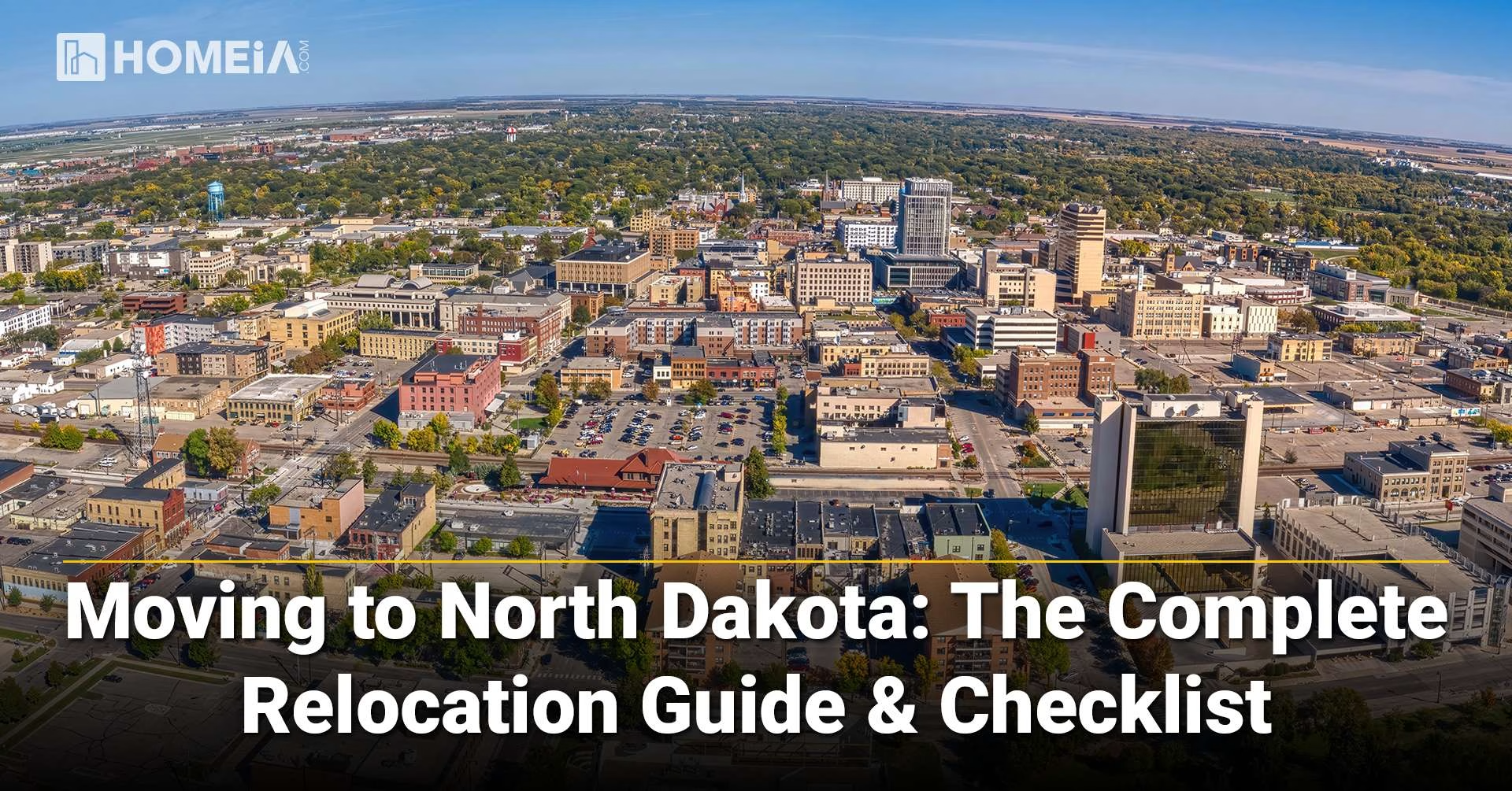
Bordered by Canada, Minnesota, South Dakota, and Montana, North Dakota offers a lifestyle defined by wide-open spaces, accepting communities, and economic opportunity. More than 750,000 residents call the Roughrider State home, drawn by its affordable living, low unemployment rates, and friendly atmosphere. Fargo provides urban amenities with a small-town feel, while Bismarck serves as the state capital with a growing economy and cultural scene.
Known for its agricultural heritage, oil production, and four distinct seasons, this northern area offers newcomers a unique combination of economic stability, natural beauty, and family-friendly communities. This comprehensive Moving to North Dakota guide covers essential relocation information, from preparing for the climate and understanding costs to navigating the legal requirements of becoming a North Dakotan.
Key Takeaways
- The Affordable Cost of Living: North Dakota’s overall cost of living is approximately 4% to 12% below the U.S. average, depending on the source. Housing is significantly more economical than in other states, with costs about less than 20% lower than the national average. Heating costs are seasonal but usually more manageable than the national average due to lower utility costs overall.
- Distinct Four Seasons: Prepare for a continental climate with scorching summers and freezing winters. Locals experience all four seasons dramatically, with winter temperatures often dropping below 0°F and summer highs reaching the 80s and 90s.
- Strong Economy: Energy, agriculture, and healthcare are their economic pillars, offering reliable occupations and competitive wages. The unemployment rate consistently ranks among the lowest in the nation.
- Community-Focused Lifestyle: Daily life centers around family, community events, and outdoor activities. There’s a strong emphasis on neighborliness and supporting local businesses.
- Rural Infrastructure: While major cities offer modern amenities, some rural areas may have limited access to specialized services and high-speed internet.
I. Methodology: How We Built This Guide
Our relocation timeline and recommendations are based on a multi-factor analysis of the key elements that impact a move to North Dakota. We compiled data from verified 2026 sources, including the U.S. Census Bureau, Bureau of Labor Statistics, Zillow housing market reports, FBI crime statistics, and North Dakota state agencies.
Our evaluation criteria for advice and city selection are weighted as follows:
- Housing & Affordability (30%): Analyzing median home prices, rental costs, and utility averages to provide accurate budgeting advice.
- Access & Logistics (25%): Assessing the practicalities of moving goods and vehicles into the state, considering its northern location and weather patterns.
- Legal & Administrative Requirements (20%): Outlining essential steps for establishing residency, including vehicle registration, driver’s licensing, and voter registration.
- Community & Lifestyle Integration (15%): Providing insights into cultural norms, community events, and tips for building a social network.
- Economic Preparation (10%): Offering guidance on job searching and financial planning specific to the state economy.

Related article
Our Methodologies to create HOMEiA Score Ratings for Each Group of Content
HOMEiA uses a consistent, data-driven methodology to evaluate U.S. states for livability, affordability, and long-term value. Our analysis centers on key factors such as Housing and Affordability, Cost of Daily Living, Access and Infrastructure, Community Strength, Safety and Quality of Life, Economic Resilience and Job Market…
1. What Is It Really Like to Live in North Dakota?
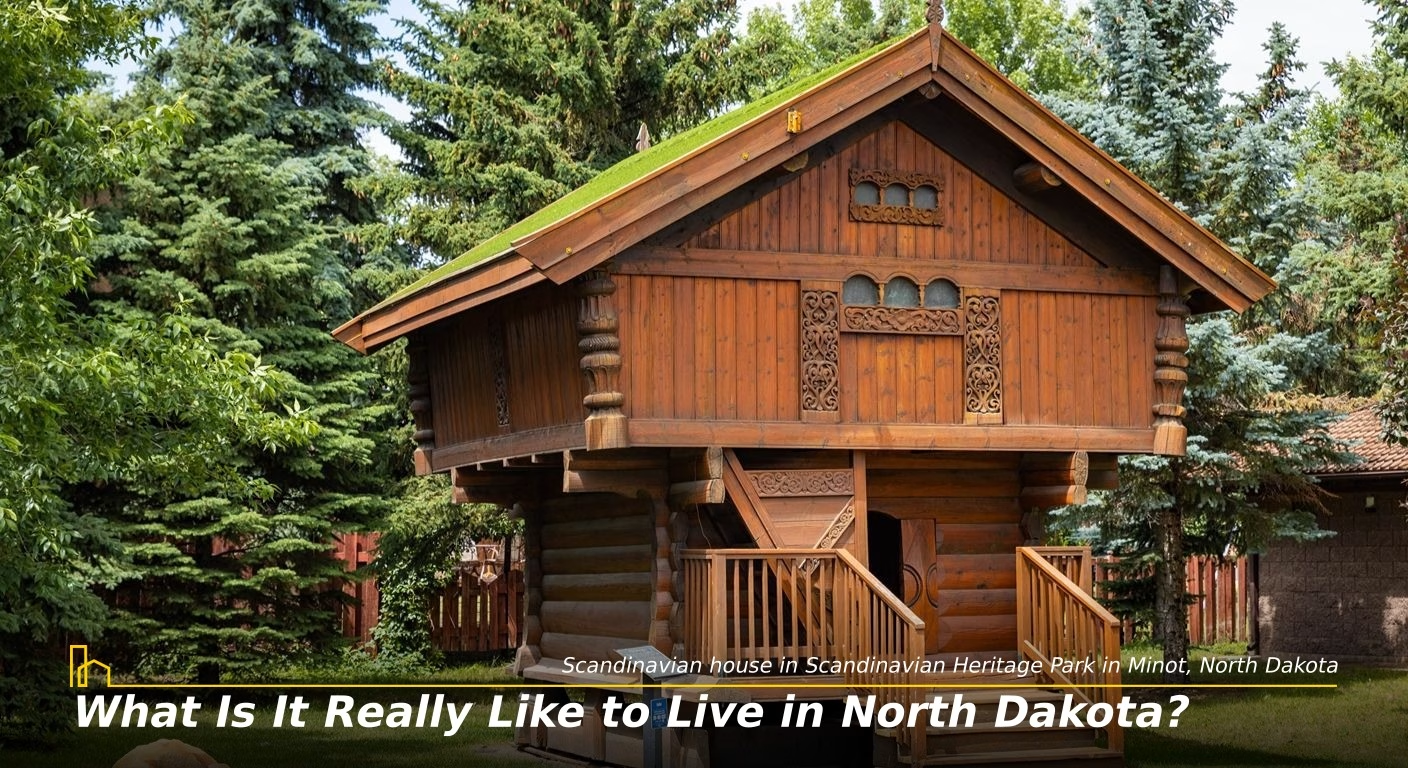
A. Culture & Lifestyle: North Dakota’s culture is rooted in Scandinavian and German heritage, agricultural traditions, and a well-developed community. There’s a genuine appreciation for blue collar mentality: a good day’s work, family values, and helping neighbors. Pace of life is calm and family-oriented, with community events including county fairs, summer festivals, and high school sports serving as cornerstone activities. Low population density means you’ll have plenty of personal space while still enjoying close-knit communities.
B. Arts, Sports, and Entertainment: While not having any professional sports teams, college sports—particularly North Dakota State University Bison football and University of North Dakota Fighting Hawks hockey—are hugely popular and bring communities together. The state’s cultural scene includes the Fargo Theatre, Plains Art Museum, and numerous local galleries and community theaters. Outdoor recreation is a way of life, from fishing and hunting in the fall to snowmobiling and ice fishing in the winter.
C. Food Scene & Nightlife: Cuisine reflects its agricultural roots with hearty comfort foods, German and Scandinavian influences, and locally sourced ingredients. Don’t be surprised to see knoephla soup, fleischkuekle, and walleye on the menu. Nightlife is generally low-key and centered around local breweries, community events, and family-friendly establishments rather than extravagant parties. Most socializing happens at home gatherings, community centers, or watering holes.
D. Outdoor Recreation & Natural Beauty: Outdoor recreation isn’t a hobby; it’s central to the North Dakotan lifestyle across all seasons.
- National Parks & Recreation Areas: Theodore Roosevelt National Park offers stunning badlands scenery, hiking, and wildlife viewing in both the North and South Units.
- Fishing & Hunting: ND is renowned for its world-class walleye fishing and abundant hunting opportunities for deer, pheasant, and waterfowl.
- Winter Sports: Snowmobiling, cross-country skiing, and ice fishing are popular winter activities across the state’s extensive trail systems.
- State Parks: 13 state parks provide exceptional camping, hiking, and water recreation opportunities.
E. Climate: North Dakota has a continental climate with significant seasonal variation:
- Winter (December-February): Frigid with average temperatures often between 0°F and 20°F. Heavy snowfall is common, particularly in the eastern part of the state.
- Spring (March-May): Variable weather with temperatures ranging from 30°F to 60°F. This is the snowmelt and flood season.
- Summer (June-August): Warm to hot with average temperatures from 60°F to 85°F. Thunderstorms are typical.
- Fall (September-November): Cool and pleasant with temperatures from 40°F to 65°F. This is harvest season and prime time for outdoor activities.
Related article
2. Cost of Living & Affordability
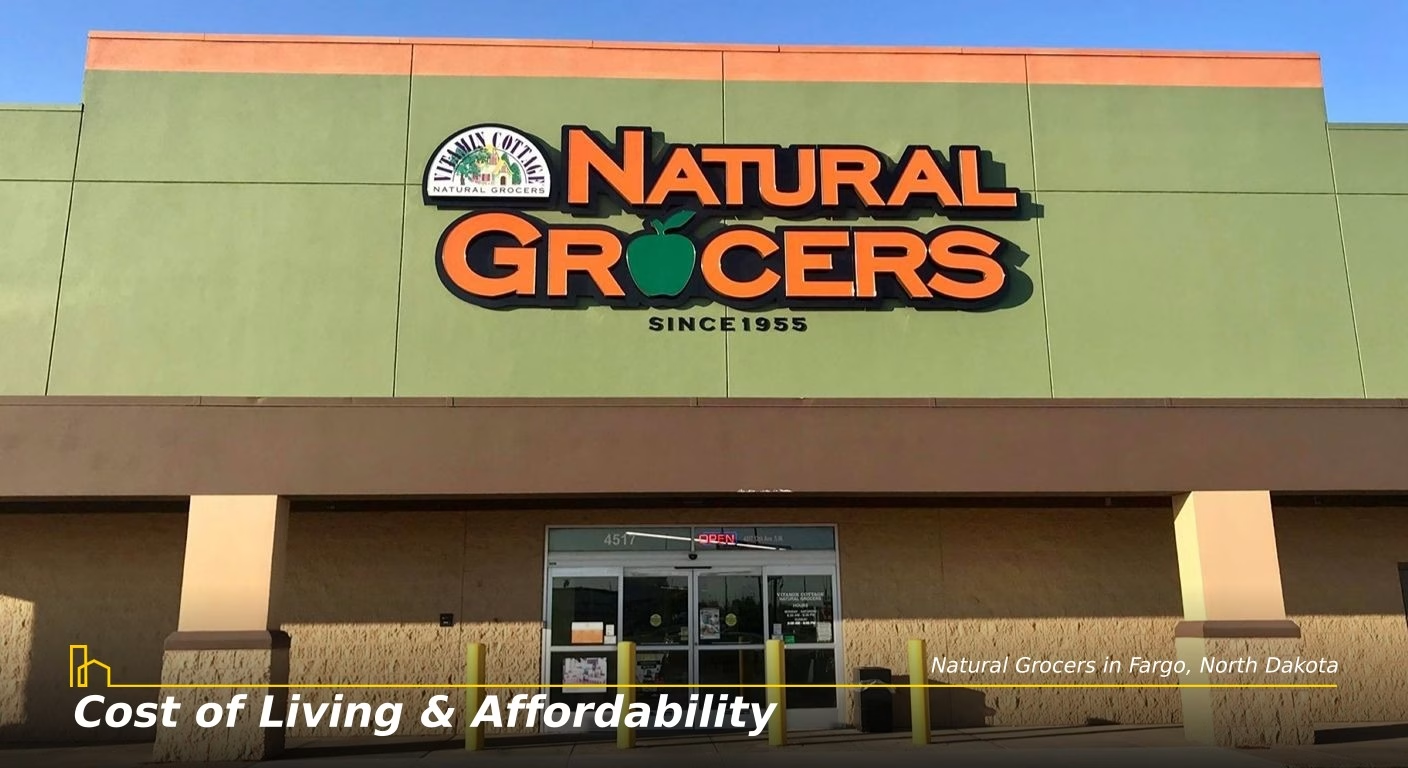
Affordability is one of its greatest advantages, particularly when it comes to housing. Let’s break down the costs.
A. Housing Market
Housing costs vary significantly between the east and west,with the oil-producing western region typically being pricier.
Housing Type | Fargo | Bismarck | Grand Forks | Minot | Williston |
|---|---|---|---|---|---|
| Median Home Price | $285,000 | $315,000 | $240,000 | $275,000 | $350,000 |
| Avg. 2-Bedroom Rent | $1,100 | $1,150 | $950 | $1,050 | $1,300 |
Note: Median home price in Williston varies by source, some report closer to $296,000.
B. Daily Expenses
Monthly Expense Category | Average Cost | Notes |
|---|---|---|
| Utilities (Heating Focus) | $150–$400 | Highly seasonal; winter heating costs can be substantial, but overall utilities in North Dakota are almost 20% lower than national averages. |
| Groceries (Family of 4) | $500–$700 | Generally at or slightly below national average. |
| Gasoline | ~$3.10/gallon | Prices typically below national average due to local oil production. |
| Internet | $70–$90 | Generally reliable service in cities; can be limited in very rural areas. |
3. Jobs & Economy
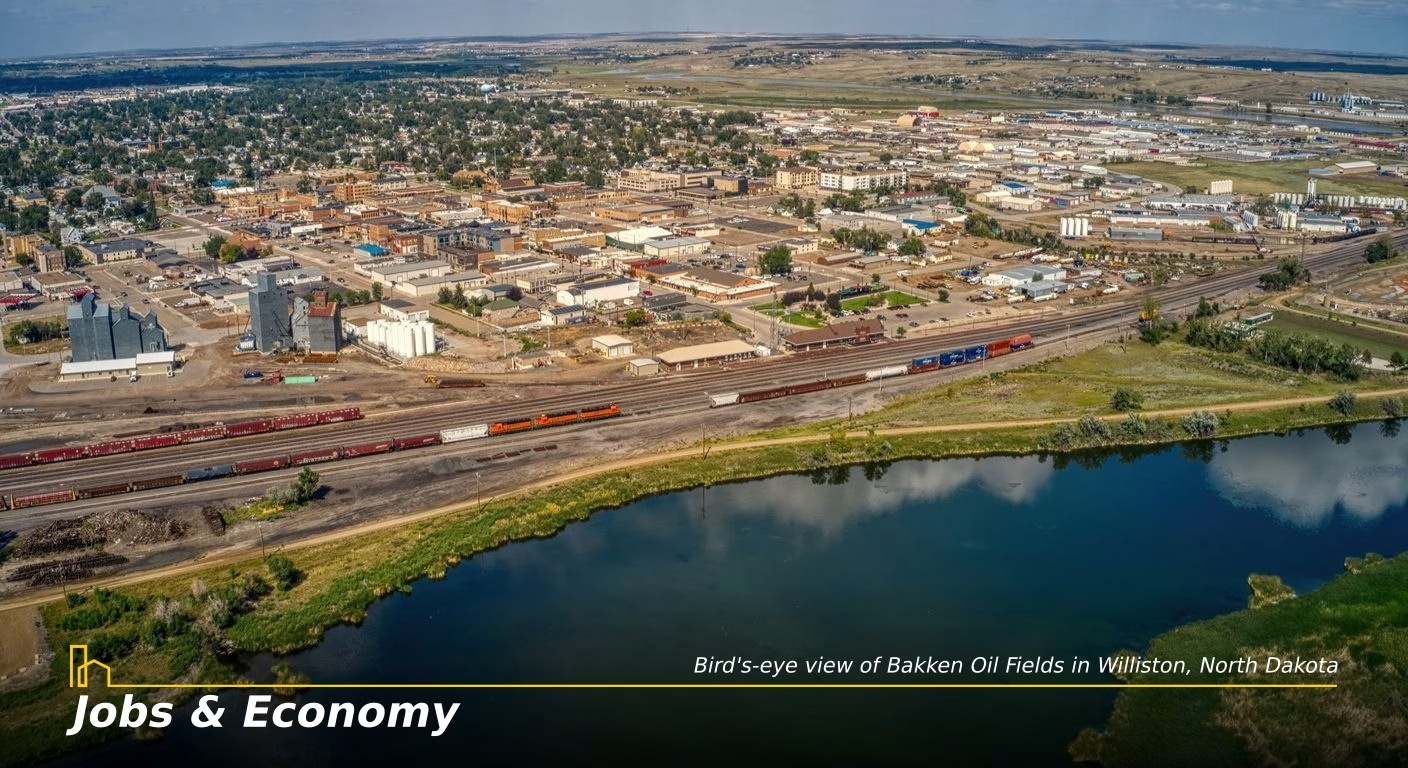
The Peace Garden State’s economy is driven by several key sectors that provide stability and opportunity:
- Energy: The Bakken oil field makes North Dakota a leading energy producer, providing high-paying jobs in western counties.
- Agriculture: Farming and agribusiness remain foundational to the state’s economy and identity.
- Healthcare: Major healthcare systems in Fargo, Bismarck, and Grand Forks provide stable employment and specialized care.
- Technology & Manufacturing: Growing sectors, particularly in the Fargo area, with companies in aerospace, food processing, and technology.
- Government & Education: State government and higher education institutions provide stable employment opportunities.
Related article
4. Planning Your Move: A Timeline

A successful move requires planning, especially considering the climate and potential winter travel challenges.
Timeline | Essential Tasks | Important Details |
|---|---|---|
| 8-12 Weeks Before | Plan & Research | Get moving quotes, create budget, research winter driving requirements, start decluttering |
| 6-8 Weeks Before | Notify & Pack | Give notice to your landlord, collect boxes, pack off-season items, transfer medical files |
| 4-6 Weeks Before | Transfer Services | Schedule utility shutoff/start, file USPS change of address, find new doctors, register kids for school |
| 2-4 Weeks Before | Finalize Details | Finish packing, plan travel route considering weather, confirm mover schedule, fill prescriptions |
| 1-2 Weeks Before | Prepare to Go | Pack essentials box, defrost fridge, clean home, confirm utility dates, prepare winter emergency kit |
| Moving Day | Execute Move | Oversee loading, do final walkthrough, keep documents handy, check weather forecasts |
| After Arrival | Settle In | Prioritize unpacking basics, update license/registration, explore new town, prepare for winter if applicable |
=> Get the Relocation Guide & Checklist PDF — prepared for both Desktop and Mobile devices.
5. Transportation
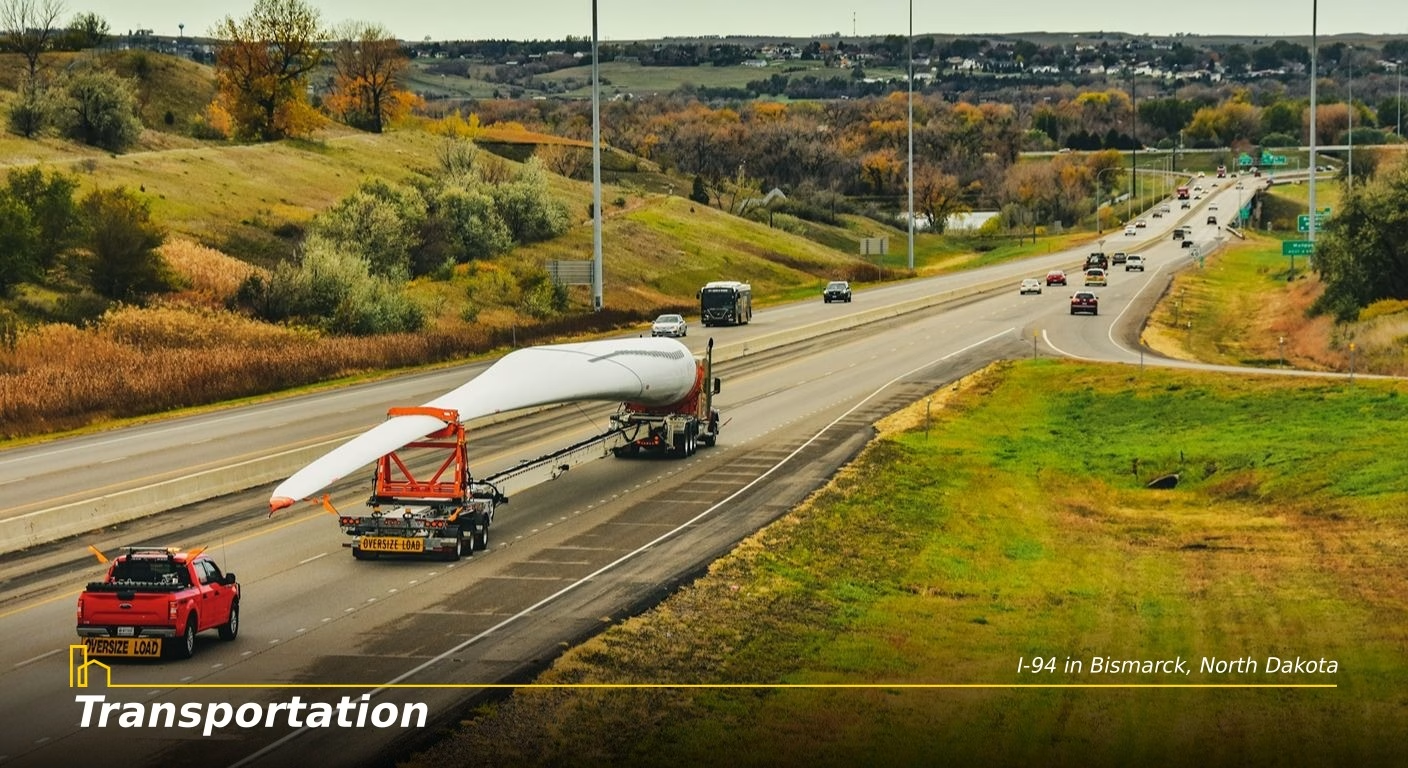
- Driving: I-94 runs east-west across southern North Dakota, while I-29 runs north-south along the eastern border. These are the state’s main transportation corridors. Rural communities are connected by state highways, but winter driving conditions can be challenging.
- Flying: Hector International Airport (FAR) in Fargo is the largest commercial airport. Smaller airports in Bismarck (BIS), Grand Forks (GFK), and Minot (MOT) offer connecting flights to major hubs.
- Public Transit: Larger cities have limited public bus systems, but cars are essential for most residents, particularly in rural areas.
- Winter Driving: From November through March, winter tires are highly recommended. Always carry an emergency kit including blankets, food, water, and a shovel. Four-wheel drive vehicles are common and practical.
For people comparing transportation infrastructure and winter travel conditions across the Great Plains, our guide to moving to Nebraska also breaks down what to expect regarding highways, commute times, and seasonal driving challenges.
Recommended for you



6. Legal Requirements & Paperwork

New residents must complete several tasks:
- Vehicle Registration: Required within 60 days of establishing residency. You will need your out-of-state title, proof of North Dakota insurance, and a vehicle identification number (VIN) inspection.
- Driver’s License: Required within 60 days. You must surrender your previous license. Proof of identity, residency, and Social Security Number are required.
- Voter Registration: Registering to vote can occur when applying for your driver’s license or separately at your county auditor’s office.
- Other: If you plan to hunt or fish, you will need to purchase a state license. Snowmobile registration is required if you own one.
7. Financial Planning

Create a realistic budget accounting for moving expenses and higher winter utility costs. Keep housing expenditures below 30% of your income. Build a healthy emergency fund (3-6 months) to account for potential seasonal employment variations in certain industries. Take advantage of the low cost of living to pay down debt or increase savings. Utility costs and housing prices also tend to remain fairly manageable here, especially compared to moving to South Dakota, where housing inventory in some fast-growing areas can become more limited and seasonal weather patterns may affect overall living expenses differently.
Related article
8. Insider Tips from Locals
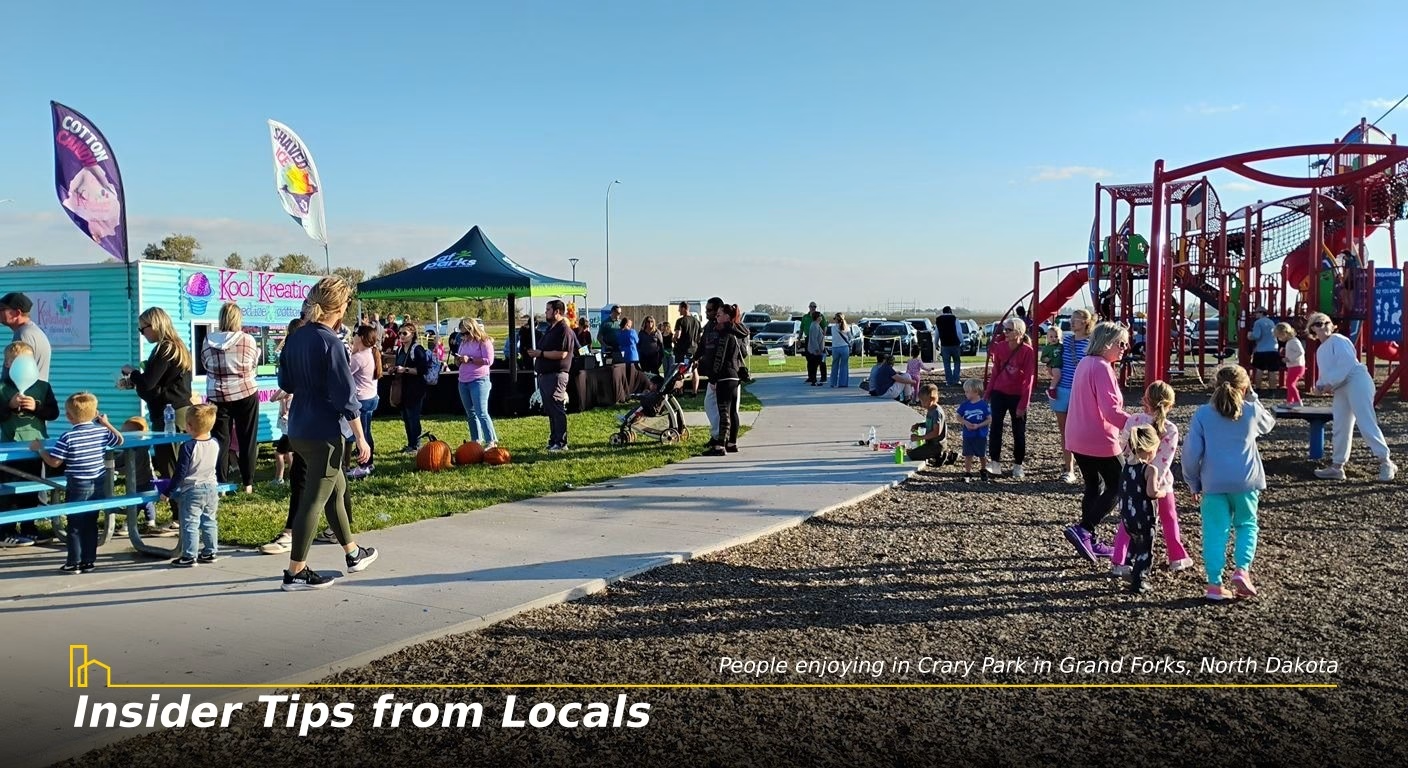
- Prepare for Winter: Invest in quality winter clothing including heavy coats, insulated boots, gloves, and hats. Consider getting a block heater for your car.
- Embrace Community: Attend local events, join community organizations, and participate in neighborhood activities to quickly feel at home.
- Learn Winter Driving: Practice driving in snow and ice in empty parking lots. Always check road conditions before traveling in winter.
- Shop Local: Support local farmers’ markets and businesses. You’ll find fresh produce and build community connections.
- Be Weather Aware: Pay attention to weather forecasts, particularly in winter. Blizzards can develop quickly and make travel dangerous.
Conclusion: Moving to North Dakota offers a unique opportunity to build a life characterized by affordability, community, and natural beauty. A proven economy, low crime rates, and family-friendly atmosphere make it an attractive destination for those seeking stability and quality of life. While the winters are challenging, community spirit and four-season recreational opportunities warm locals up. With proper preparation and an open mind, your relocation to the Flickertail State can be the start of a rewarding new chapter. For those still considering options, our guide on moving to Colorado might provide an interesting comparison.
Recommended for you



FAQs About Moving to North Dakota
1. What is the first step to moving to North Dakota?
The first step should be to secure employment and housing. While a low cost of living, having these secured will make your transition smooth, particularly given the seasonal considerations for moving.
2. Should I drive or ship my car to North Dakota?
Driving is likely the most practical option. It’s easily accessible via I-94 and I-29. Shipping a car can be expensive and is generally unnecessary unless you’re moving from an extreme distance.
3. How do I get my belongings to North Dakota?
For large moves, using a national moving company or renting a truck is common. Consider timing your move for spring, summer, or early fall to avoid winter weather complications. For smaller loads, freight services or driving a rented trailer can be cost-effective.
4. What should I pack vs. buy there?
Bring all essential documents, winter clothing, and personal items. Everyday household items and furniture are readily available in cities and towns while potentially being cheaper to purchase there than to move long distances. Consider buying winter-specific items like snow shovels and ice melt after you arrive.
5. Is it hard to make friends in North Dakota?
Generally, no. North Dakotans are known for friendly attitudes and welcoming to newcomers. Join community groups, participate in local events, volunteer, or take classes to meet people quickly. Being active in your neighborhood and supporting local businesses are great ways to integrate.
For more insights on affordable living options, you might explore most affordable places to live in Ohio, cheapest places to live in Minnesota, or most affordable places to live in Arkansas.
Share