






Garage Door Maintenance Checklist: 10 Simple Tasks to Avoid Costly Repairs
- Local Editor:Local Editor: The HOMEiA Team
- Category: Home Maintenance


Your garage door is one of the hardest-working systems in the home. It opens and closes consistently daily, carries significant weight, and relies on a multitude of moving parts working together smoothly. Yet for most homeowners, it’s easy to forget about regular garage door maintenance until something suddenly stops working. When that happens, repairs often cost far more than general upkeep would have.
Routine maintenance protects your family’s safety, extends the lifespan of your garage door and opener, and prevents inconvenient breakdowns. Many emergency service calls begin as small issues that went unnoticed—dry rollers, loose bolts, dirty sensors, or an unbalanced door. Simply tune ups done regularly can catch these early,keep everything running smoothly.
In this guide, you’ll find a practical, homeowner-friendly garage door maintenance checklist with 10 simple tasks. Most of the steps only take a few minutes, require basic tools, and can significantly reduce the risk of expensive repairs.
Key Takeaway
Regular garage door maintenance is one of the simplest ways to protect your home, your safety, and your wallet. Most serious garage door problems don’t happen suddenly—they develop gradually as parts wear down, loosen, or fall out of balance. By following a basic routine, homeowners can catch small issues early, keep the door operating smoothly, and reduce strain on the opener. The tasks in this guide are safe, practical, and designed for DIY-friendly homeowners, not professional technicians. Spending a few minutes checking and maintaining this part of the home infrequently can still significantly extend its lifespan, prevent unexpected breakdowns, and help avoid costly repairs down the road.
Related article
How to Patch a Garage Floor to Make it Beautiful
The good news is that you can fix cracks and holes in your concrete flooring through patching. It is quite a simple task, and you can do it yourself if you love trying out new things. The tools and materials are readily available, and cheap, too…
I. How Often to Service a Garage Door
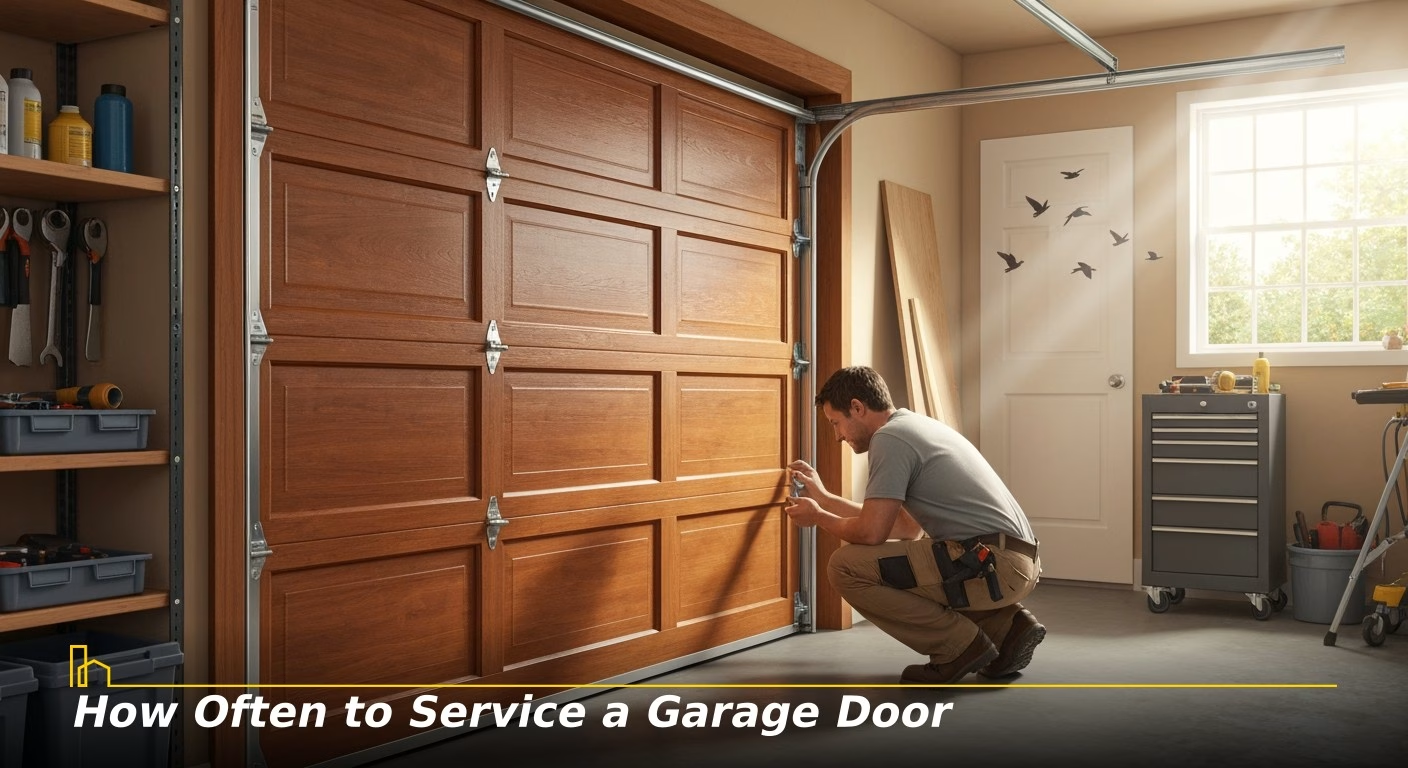
A common question homeowners ask is how often to service a garage door. While exact recommendations vary by manufacturer and usage, consistent routines work well for most homes. Light checks performed monthly help locate obvious changes, while a more thorough inspection once or twice a year keeps components up to standard.
Consistent service is especially important when considering current garage door prices in Texas, which can increase exponentially when emergency repairs or full replacements are needed. Routine maintenance is a low-cost way to prevent small mechanical issues—including worn rollers or an unbalanced door—from turning into major expenses that could have been avoided.
For doors with daily use—especially those opening four or more times — annual professional garage door tune ups are strongly recommended. Houses with older doors, noisy operation, or uneven movement may benefit from professional inspections even more often. Regular service not only improves performance but also helps ensure that important safety systems are working correctly.

Related article
6 Tips for Choosing the Best Garage Door for Your Home
When selecting a garage door, it is important to be cautious and thoughtful. Your choice can have significant implications for your home’s functionality and visual appeal. You will also want to prioritize safety, since your garage door acts as a vital barrier safeguarding your home and loved ones from potential intruders…
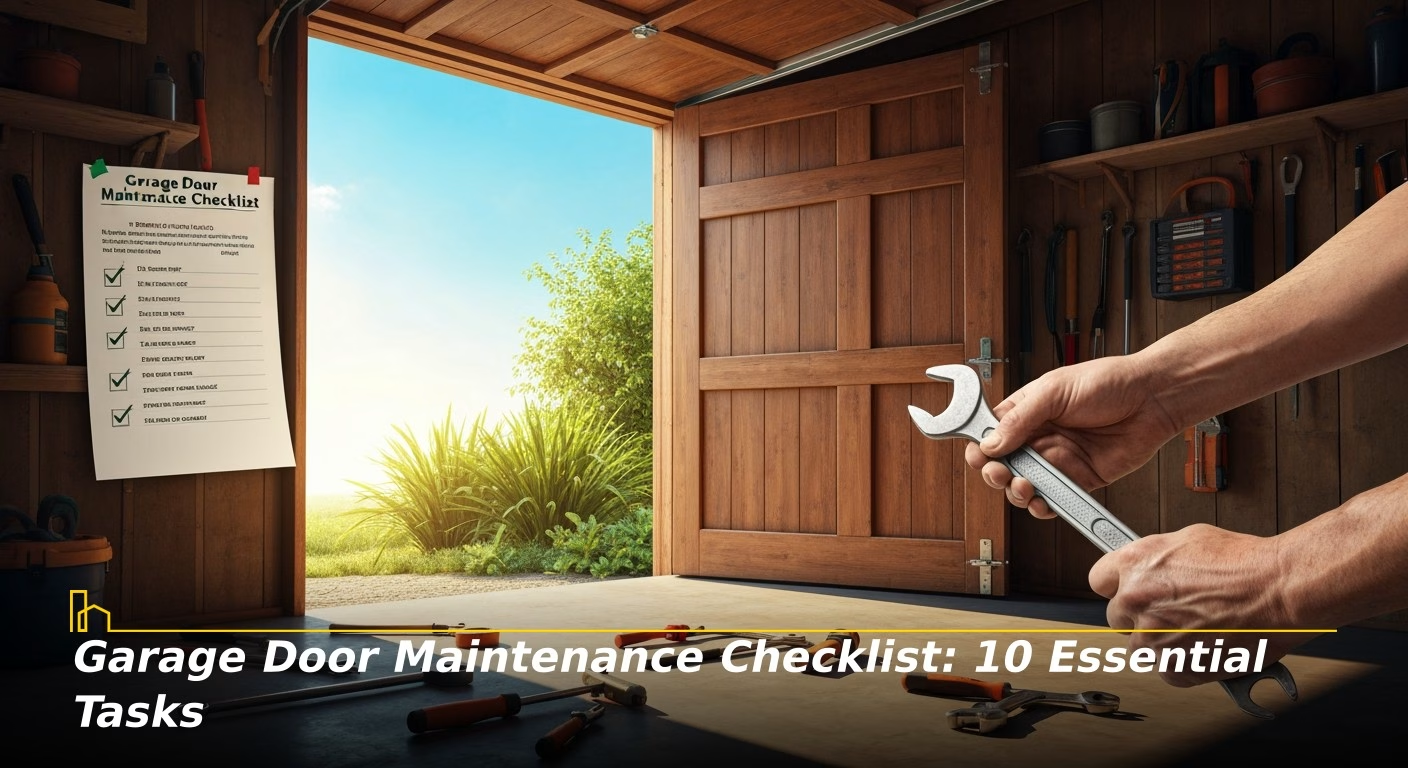
II. Garage Door Maintenance Checklist: 10 Essential Tasks
1. Visually Inspect the Door and Hardware
Baseline garage door maintenance is a careful visual inspection. With the door closed, take a few minutes to look over the panels, hinges, rollers, tracks, springs, and cables. You are looking for any signs of wear including cracks, bends, looseness, or rust.
Light surface rust or minor cosmetic wear is common, especially on older doors. However, heavily rusted components, cracked hinges, bent tracks, or frayed cables are warning signs. Cables should always look smooth and tightly wound. If there’s damage to cables or springs, avoid touching—these parts are under high tension and require professional repair.
2. Test the Door Balance
A properly balanced garage door should lift smoothly and stay in place when partially opened. This balance reduces strain on the opener and improves overall safety.
Start with the door fully closed. Pull the manual release cord to disconnect the opener, then lift the door by hand until it reaches about halfway open. Carefully let go. If this stays in place or moves very slowly, it is well balanced. If it falls quickly or shoots upward, the springs are not properly adjusted.
Never attempt to adjust garage door springs yourself. Spring adjustment is one of the most dangerous garage door repairs and should only be handled by trained technicians. If your balance test reveals a problem, or if you’re weighing a new opener after years of service, our guide to choosing a garage door opener explains how door weight, balance, and track arrangement determine which opener is compatible.
3. Lubricate Moving Parts
Lubrication is one of the most effective ways to extend the life of these doors. Over time, friction between metal parts causes noise and wear. Using a silicone-based or garage-door-specific lubricant allows parts to move smoothly and quietly.
Apply lubricant to rollers, hinges, bearings, pulleys, and springs if they are safely accessible. Avoid using WD-40, as it is designed to clean rather than lubricate. After covering, wipe away excess lubricant to prevent drips and dirt buildup. Proper lubrication often results in noticeably quieter operation immediately.
Recommended for you




4. Tighten Loose Hardware
These move hundreds or thousands of times each year, and constant motion can loosen nuts and bolts. Loose hardware leads to rattling noises, misalignment, and premature wear.
Using basic hand tools, check the bolts securing hinges, roller brackets, and track supports. Tighten any that feel loose, but avoid overtightening. Hardware connected directly to springs should not be adjusted by homeowners. Keeping components snug maintains smooth operation while reducing stress on the door system.
5. Inspect and Clean the Tracks
Garage door tracks guide the door as it opens and closes. Dirt, dust, and debris can accumulate inside the tracks over time, interfering with smooth movement.
Use a dry cloth to wipe the inside of the tracks and remove buildup. You should not lubricate the tracks themselves, as this attracts dirt and causes sticking. While inspecting, check that tracks appear straight and evenly aligned. Minor dust is normal, but bent or severely misaligned tracks require professional attention.
6. Test the Auto-Reverse Safety Features
Modern home tech are equipped with auto-reverse systems designed to prevent injuries and damage. Testing these features is crucial for garage door safety.
To test the photo-eye sensors, place an object in the door’s path and attempt to close it. Doors should immediately reverse when the beam is interrupted. You should also test the force-reverse function by gently resisting the door as it closes. If this does not reverse easily during either test, stop using it and schedule service.

Related article
10 Most Common Questions People Ask About Carports
Carports are an effective means of protecting vehicles and increasing the value of a residential property. Whether you’re thinking of installing a new carport or replacing an existing one, you will definitely be interested in learning about the most common questions concerning carports…
7. Clean and Check the Photo Eye Sensors
Even when sensors are working correctly, dirt or misalignment creates intermittent problems. Dust, spider webs, or moisture can block the invisible beam between the sensors.
Gently wipe the sensor lenses with a soft cloth and check they are facing each other at the same height. Most sensors have indicator lights showing proper alignment. A blinking light often signals a problem. Keeping sensors clean and aligned helps prevent frustrating door malfunctions.
8. Inspect the Weatherstripping and Bottom Seal
Weatherstripping along the bottom of your garage door plays an important role in keeping out water, dirt, pests, and drafts. Over time, seals can crack, harden, or pull away from the door.
Look for visible gaps or signs of wear, especially if you notice light coming through when the door is closed. Replacing damaged weatherstripping is usually affordable while improving energy efficiency and keeping your garage cleaner and drier.
9. Listen for Changes in Sound
Your ears can be one of the most useful tools in garage door maintenance. Stand at a safe distance and listen carefully as the door opens and closes.
Grinding sounds may indicate worn rollers or bearings. Banging or popping noises can signal loose hardware or spring issues. Persistent squeaking often means lubrication is needed. If unusual noises continue,it’s best to have a professional inspect the system before a small issue becomes a major repair.

Related article
7 Tips for Choosing a Gate Opener for Your House
In this article, we’ll go over the different types of gate openers, from single and dual swing gate openers to sliding and underground, and we’ll help guide you in choosing the best one for your gate and your home…
10. Test the Manual Release and Emergency Operation
Knowing how to operate a garage door during a power outage is essential. Manual release allows for disconnecting the opener and operating it by hand.
With the door fully closed, pull the red emergency release cord and lift the door manually to ensure it moves smoothly. After testing, reconnect the opener according to the manufacturer’s instructions. Never pull the manual release when the door is open, as the door could fall suddenly.
III. When to Call a Professional Instead of DIY
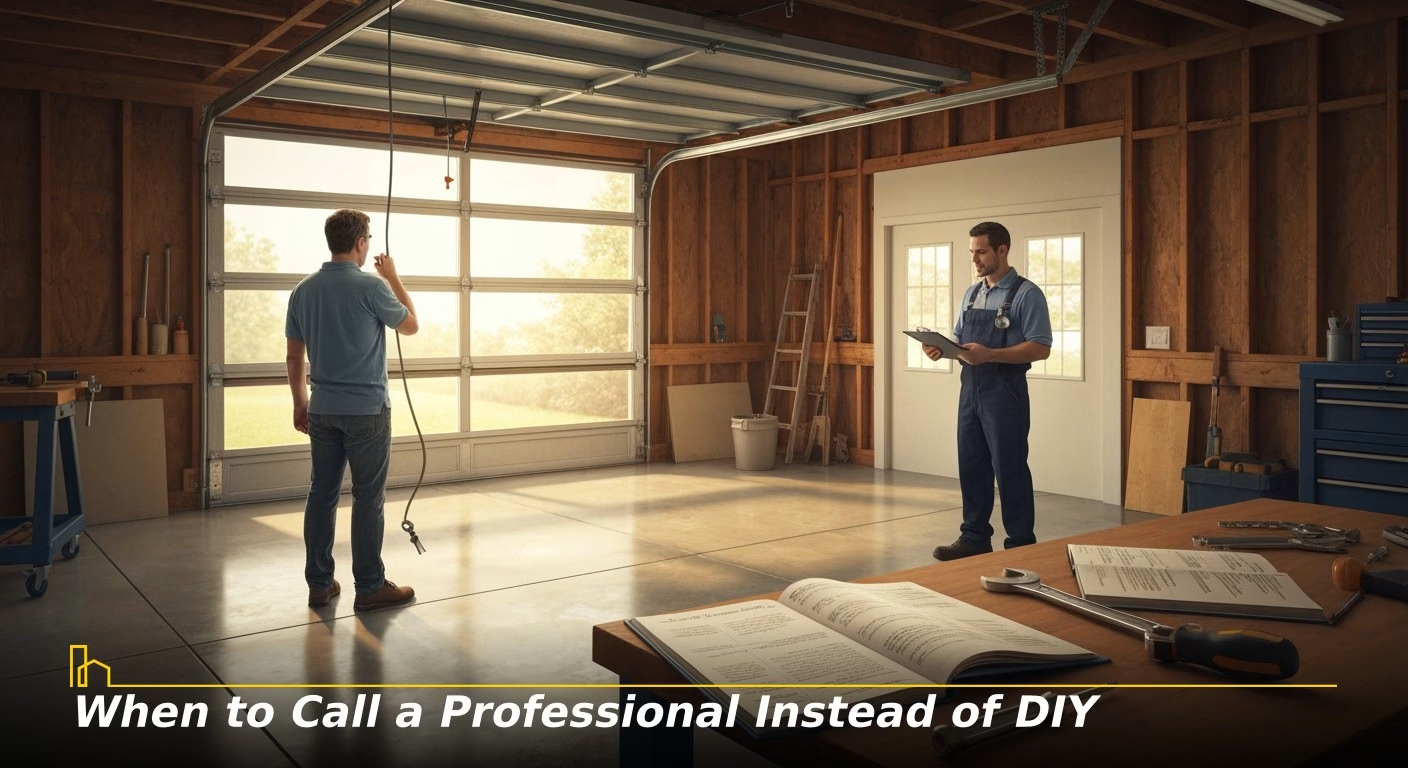
While this garage door maintenance checklist covers many safe, homeowner-friendly tasks, some repairs should never be attempted without professional training. Broken springs, severely frayed cables, doors that have come off the tracks, and major opener or electrical issues are all situations where professional service is the safest option.
Garage door systems store a tremendous amount of energy. Attempting complex repairs without proper tools and experience can result in serious injury or further damage. Calling a professional in these cases is essential for safety.
Final Thoughts and Next Steps: Performing basic garage door maintenance once or twice a year can dramatically reduce the risk of costly repairs, improve daily performance, and help keep your family safe. These simple checks and adjustments take little time but offer long-term benefits.
If you notice new noises, uneven movement, failing safety tests, or it’s been over a year since the last professional inspection, a tune up is a wise next step. Addressing small issues early often prevents major breakdowns later.
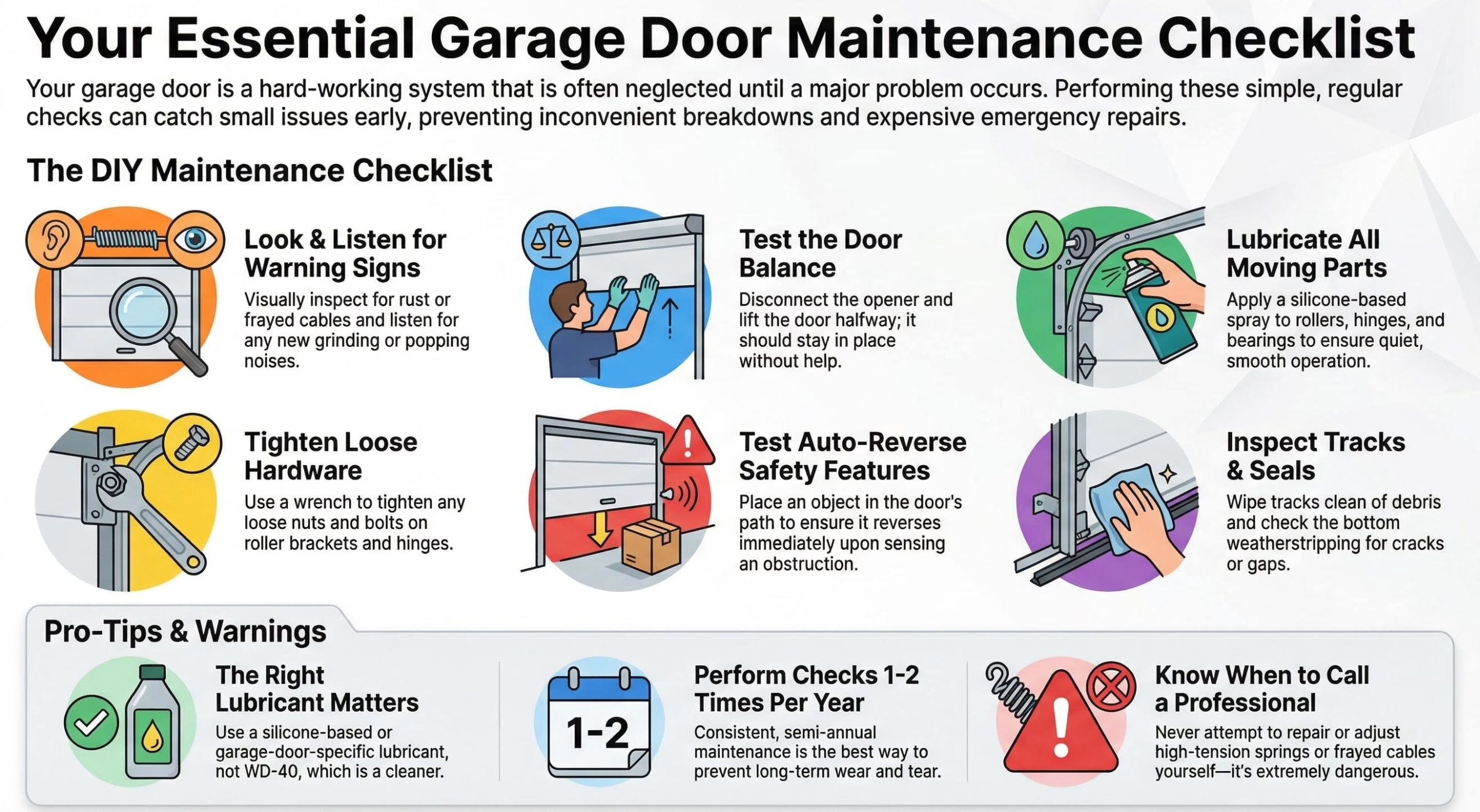
Infographic Summary: Garage Door Maintenance Checklist
Recommended for you




FAQs About Garage Door Maintenance
1. What maintenance does a garage door need?
Garage doors need regular basic maintenance to keep it operating safely and smoothly. This includes visual inspections for wear, periodic lubrication of moving parts, tightening loose hardware, testing safety features including auto-reverse sensors, and checking door balance. Over time, standard use causes vibration, friction, and gradual misalignment, so even doors that seem to work fine benefit from routine upkeep. Occasional professional inspections are also recommended to identify issues homeowners can’t safely diagnose on their own.
2. How often should you lubricate your garage door?
Most garage doors should be lubricated about twice per year under normal residential use. If the door is used consistently, exposed to extreme temperatures, or makes unrecognizable noises, lubrication may be needed more often. Regular lubrication helps reduce friction on rollers, hinges, springs, and bearings, which minimizes wear and helps prevent premature part failure. Over-lubricating isn’t helpful;light, periodic application is best.
3. What is the best lubricant for garage doors?
The best lubricant for garage doors is a silicone-based spray or a garage-door-specific lubricant. These products are designed to reduce friction without attracting dirt or debris. White lithium grease can also be used on certain metal components, but should be applied sparingly. General-purpose products like WD-40 are not ideal for long-term lubrication because they are primarily cleaners and degreasers rather than true lubricants.
4. Why does my garage door get louder over time?
Garage doors often get louder due to increased friction, worn rollers, loose hardware, or lack of lubrication. As components age, metal-on-metal contact becomes more noticeable, especially if maintenance has been skipped. New or unusual noises are often early warning signs rather than normal aging. Addressing early usually prevents more serious mechanical issues later. If the noise is traveling into your living space, our guide to quieting an attached garage covers opener noise, vibration isolation, and shared-wall fixes.
5. Is professional garage door maintenance really necessary?
While homeowners can handle basic maintenance tasks, professional service is still important. Technicians can safely inspect high-tension components including springs and cables, accurately adjust door balance, and identify wear that isn’t visible during a basic check. Most manufacturers and industry professionals recommend periodic professional maintenance to ensure safety, maintain warranties, and prevent sudden failures that lead to costly repairs.
Share