






How to Safely Remove Light Mould on Rental Walls (Without Violating Your Lease)
- Local Editor:Local Editor: The HOMEiA Team
- Category: Rent , Home Maintenance


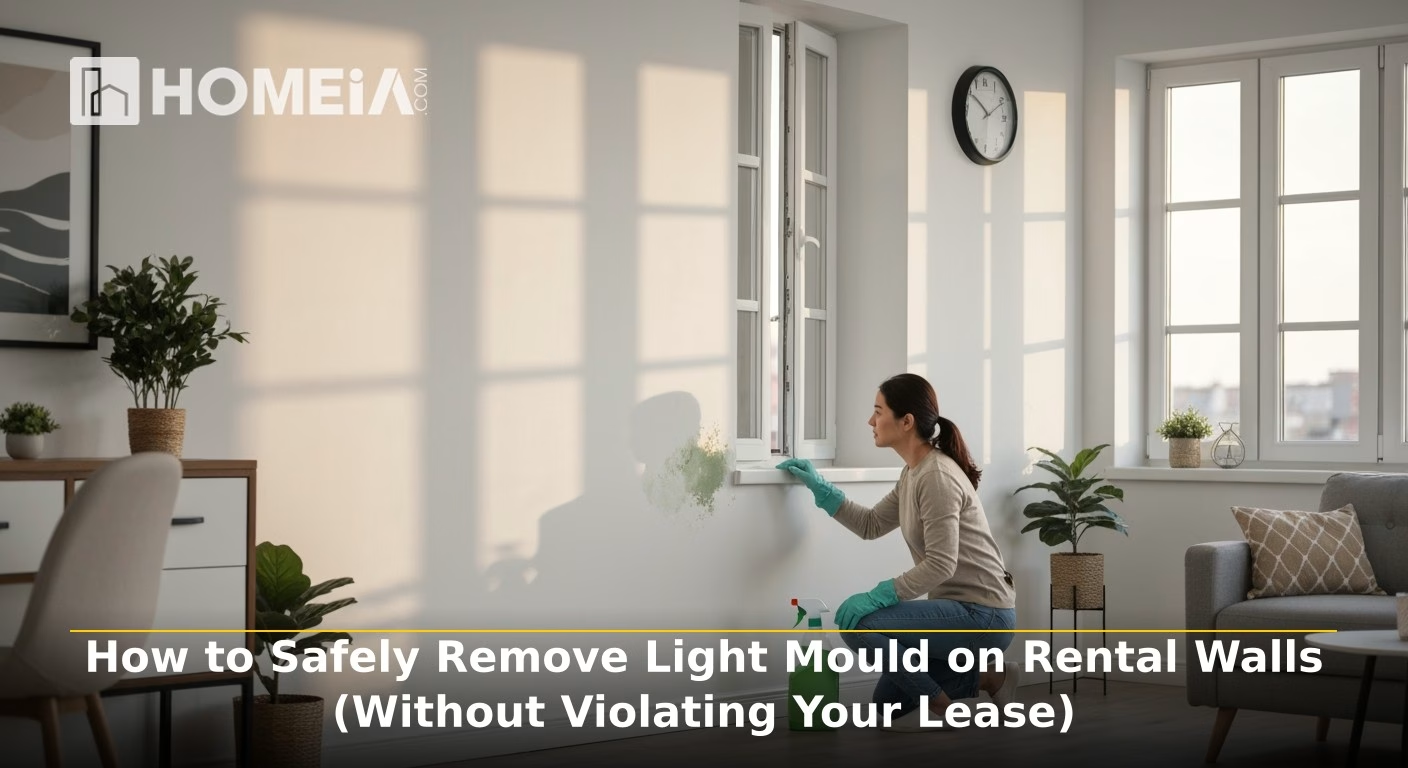
Finding mould on rental walls is a stressful experience. Many people are conflicted about removing it because of health concerns and fears over potentially losing the security deposit. Indoor fungal growth is usually a sign of moisture imbalance, which is “more likely” to occur if there has been “flooding” or if you have “leaky pipes” (Levine). Keeping a room mould-free requires maintaining the delicate relationship between heat, airflow, and humidity within a building.
While large infestations often indicate structural failures like roof leaks, light mould can often be managed by tenants. This guide provides a scientifically sound and legally cautious strategy for remediating surface-level growth. By using gentle cleaning agents and respecting lease boundaries, renters can maintain a safe home without causing permanent damage to the property. Understanding when to act and when to escalate the situation to a landlord is the first step in successful property maintenance.
Key Takeaways
- Identify First: Use a bleach test to distinguish organic mould from simple dirt or soot.
- Size Limits: Only attempt DIY cleaning for areas smaller than 10 square feet; anything larger requires professional intervention (Levine).
- Safe Chemistry: Use distilled white vinegar or 3% hydrogen peroxide rather than bleach, which can damage paint and fail to reach mould roots.
- Legal Protection: Always document moisture issues in writing and provide landlords with a 14-day window to address structural causes.
- Safety Gear: Always wear an N95 respirator, gloves, and goggles to avoid inhaling spores during the cleaning process.
Related article
How to Deal with a Mold Problem in Your House
When you have a leaking pipe within the walls, mold may also form in its vicinity. Even a leaky roof can lead to mold formation on your ceiling and the wall directly underneath the leak. Here is how to identify and remove mold from your house…
1. Is It Really Mould? Quick Checks Before You Start
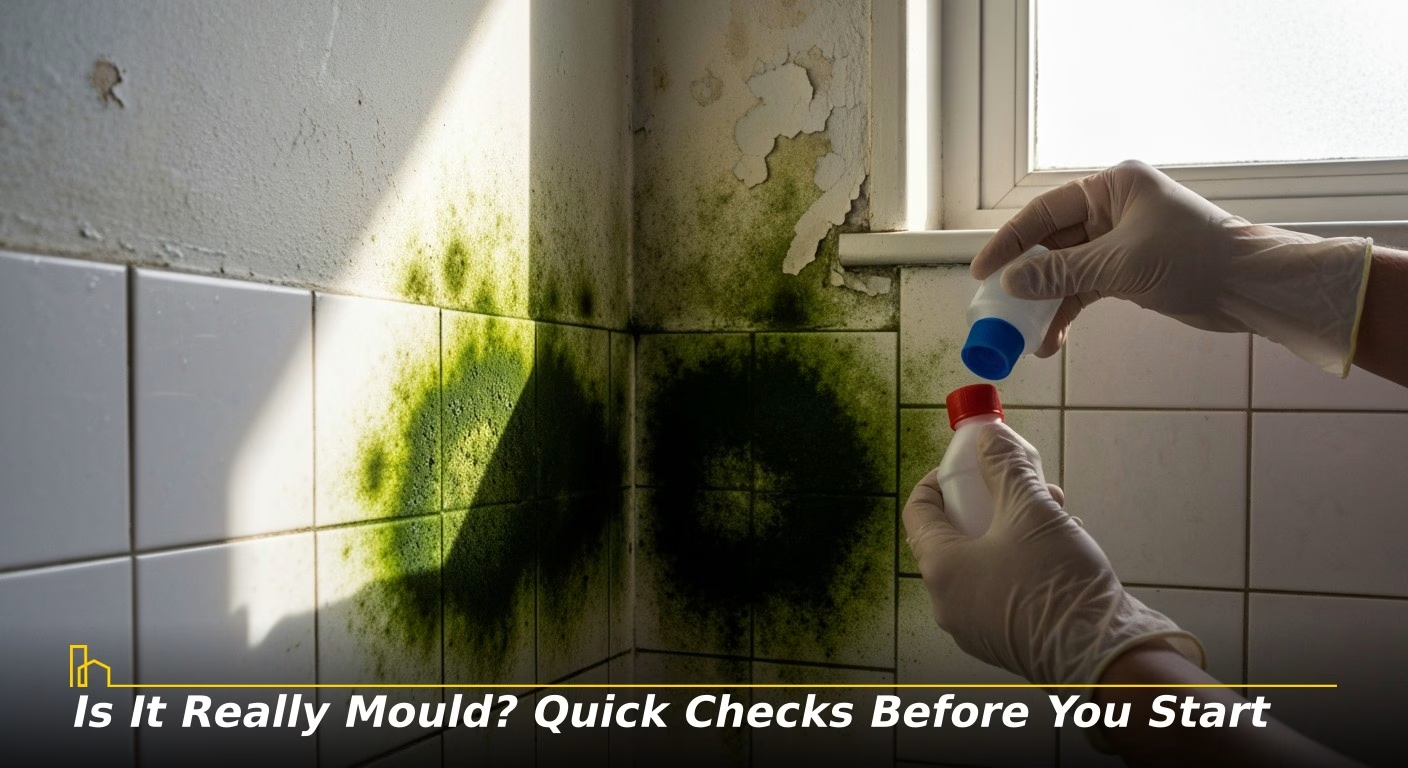
Before beginning any cleaning, it’s essential to determine if the growth is truly fungal. Not every dark spot is a biological colony; soot, dust, and minerals can often mimic the appearance of mould.
a. Distinguishing Mould from Environmental Staining
Mould and mildew require moisture and organic matter to thrive, such as the cellulose in drywall or specific paint binders. According to Dr. Nassikas of Harvard Medicine School, fungi typically feel “fuzzy” or “slimy” (Levine), while soot and dirt are dry and powdery. Dr. Nassikas also states that a “musky” odor is a hallmark of active fungal growth (Levine). To identify mould, you can perform a simple “bleach test” by applying a drop of diluted bleach to the stain. If the spot lightens quickly, it is likely organic growth: if it remains dark, it is likely dirt or a chemical stain.
b. Red-Flag Signs of Serious Infestation
Some situations are too hazardous for DIY cleaning. You should stop and contact professional services or your landlord if:
- The affected area is larger than 10 square feet (roughly 3 feet by 3 feet) (Levine).
- The paint is bubbling, peeling, or the drywall feels soft, which indicates water trapped inside the wall.
- Occupants are experiencing unexplained respiratory issues or persistent sinus headaches, which are signs of “prolonged exposure to indoor mo[u]ld” (Levine).
2. Check Your Lease and Local Rules First
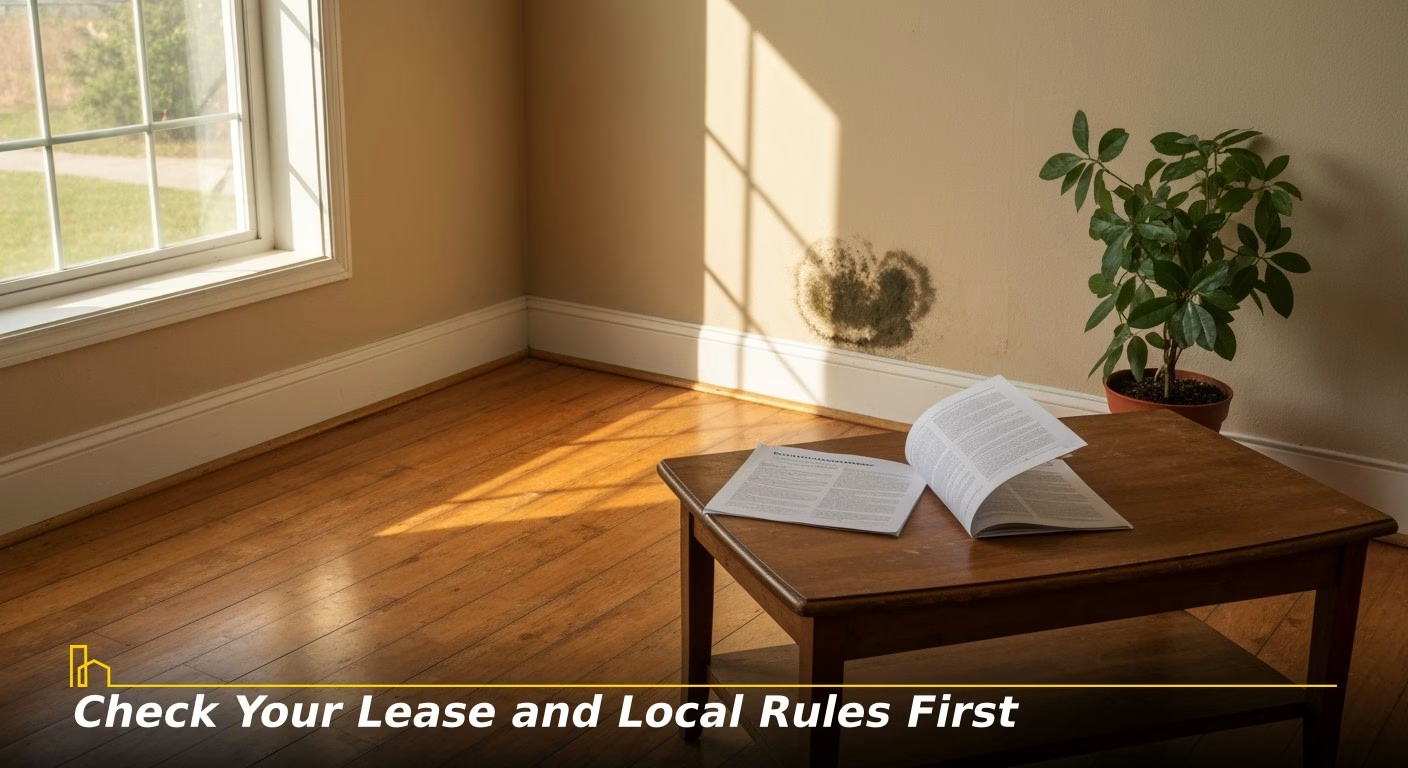
A lease is a binding contract that often details specific maintenance duties. Unauthorized repairs or the use of harsh chemicals can sometimes be viewed as property damage.
a. Typical Rental Responsibilities
Most leases split duties: landlords handle structural integrity (roofs, pipes), while tenants manage daily living moisture (showering, cooking). In many regions, the Implied Warranty of Habitability requires landlords to keep units in reasonable repair. According to the Legal Clarity Team, “mo[u]ld becomes a habitability issue when it is extensive, pervasive, or located in a way that directly affects the living space and air quality.” They recommend that “before notifying a landlord, a tenant” should “document the mold problem to create an evidentiary record” (2025).
b. The Risks of Harsh Chemicals and Repainting
Using abrasive pads or strong bleaches can strip paint sheens, leading to deposit deductions. Furthermore, never paint over mould. Painting over a colony merely traps moisture and spores, allowing the fungus to continue eating the drywall paper beneath the new layer. This often leads to peeling paint and more expensive professional remediation later.

Related article
Water Damage Mitigation: THE 24-Hour Action Plan for Homeowners
The next 24 to 48 hours make or break getting your home back in shape. Acting fast with a clear head can prevent a small mess from turning into a major, “spendy” headache. This guide will walk you through a plan that’s simple, smart, and be able to handle this emergency like a pro…
3. When Tenants Can Handle Light Mould Themselves
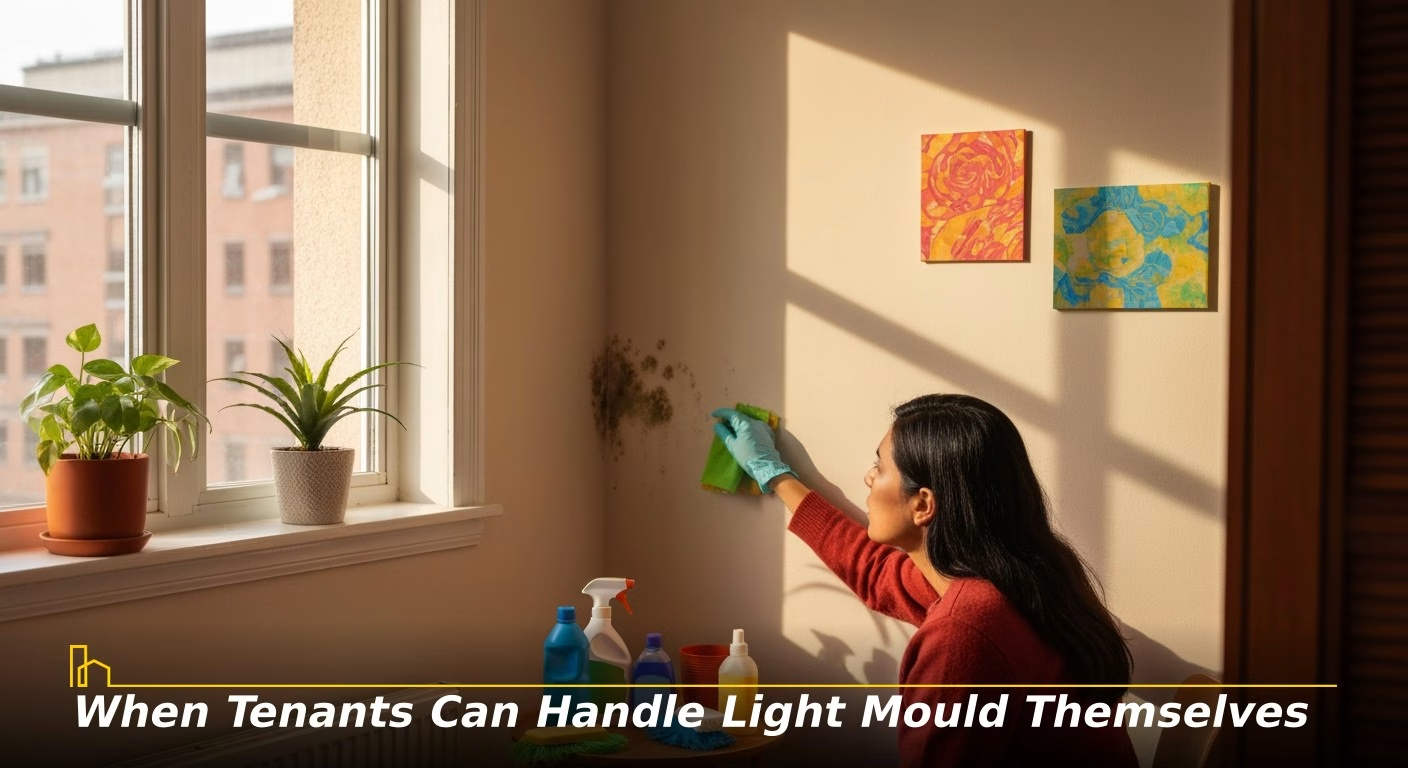
Light mould is generally defined as localized surface growth caused by temporary condensation, such as mildew on a bathroom ceiling or spots on a windowsill.
a. Defining Acceptable DIY Situations
Small patches behind furniture or in poorly ventilated corners are usually acceptable for tenant cleaning. Knowing when it is safe to remove mould from walls without professional help is a key skill for any renter. If the growth is clearly tied to a one-time event (like a spilled bucket) rather than a recurring leak, surface cleaning is appropriate.
b. Health Conditions and PPE
Safety is vital because even dead spores can trigger allergic reactions. Individuals with asthma, severe allergies, or compromised immune systems should avoid DIY mould removal entirely. For healthy individuals, the following gear is recommended:
- N95 Respirator: Filters out airborne spores.
- Long Gloves: Protects skin from both fungi and cleaning solutions.
- Non-Vented Goggles: Prevents spores from entering the eyes.
4. Safe DIY Cleaning Methods for Light Mould on Walls
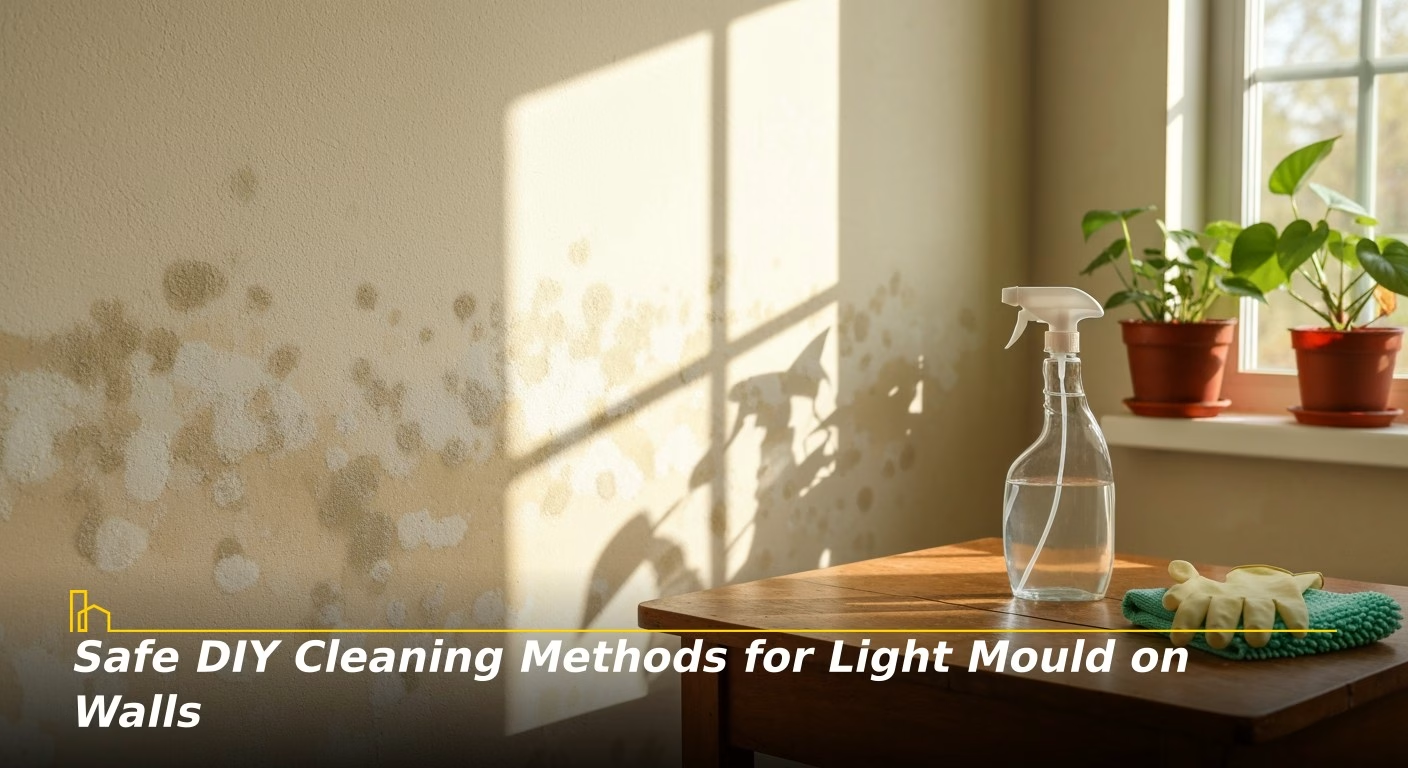
The goal is to kill the fungus without destroying the wall finish. While bleach is a common go-to, it is often ineffective on porous drywall.
a. Vinegar Solution (The Primary Recommendation)
Benton of House Digest states that according to “the Mississippi State University Extension, …the acetic acid in white vinegar kills approximately 82% of mould species” and can “penetrate porous materials” (2024) like drywall.
- Application: “Spray” the “undiluted vinegar “directly onto the” growth.
- Dwell Time: “Let it sit for fifteen minutes to one hour” (Benton) The acid needs time to reach the roots.
- Wiping: Use a soft cloth and warm water to remove the dead mould, then dry the area immediately.
b. Hydrogen Peroxide Solution
Hydrogen peroxide is an “oxidiz[er] that “causes the surface of the mo[u]ld to…decompose.”.
- Method: “Spray…the area” and let it sit “for 10 to 15 minutes” until “the liquid stops bubbling” (Benton).
- Warning: Peroxide is a mild bleach: always test a hidden patch of paint first to ensure it does not cause discoloration.
c. Mild Detergent and Water
For simple surface mildew on high-gloss paint, a mix of dish soap and warm water is often enough to lift the biomass without harsh acids.
d. Critical Safety Warning
NEVER mix vinegar and hydrogen peroxide in the same bottle. This creates peracetic acid, a toxic irritant. Similarly, never mix bleach with vinegar, as it releases hazardous chlorine gas.
Recommended for you




5. How to Avoid Damaging Walls or Losing Your Deposit
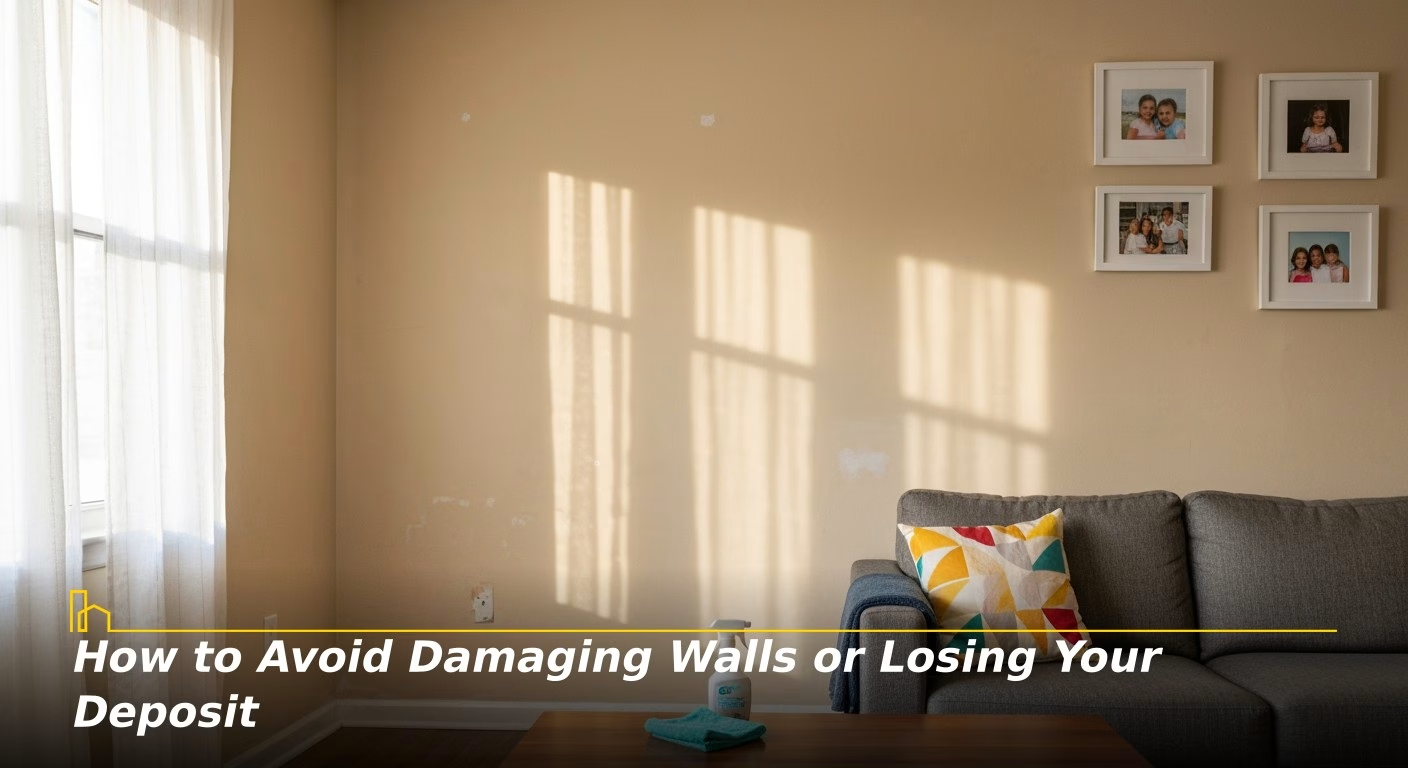
Renters must be careful with flat or matte paint sheens, as these are highly porous and easily damaged by scrubbing.
a. Understanding Paint Sheens
- Flat and Eggshell: Common in bedrooms: very delicate. Scrubbing can remove the paint entirely or leave shiny burnish marks.
- Satin and Semi-Gloss: Common in bathrooms: more durable and moisture-resistant.
b. Cleaning Tips for Delicate Walls
- Use microfiber cloths rather than abrasive sponges or Magic Erasers, which act like sandpaper.
- Apply light, circular pressure rather than aggressive scrubbing.
- Wipe the area dry with a fresh towel to prevent tide lines or water stains from forming.
6. When You Must Stop and Call Your Landlord
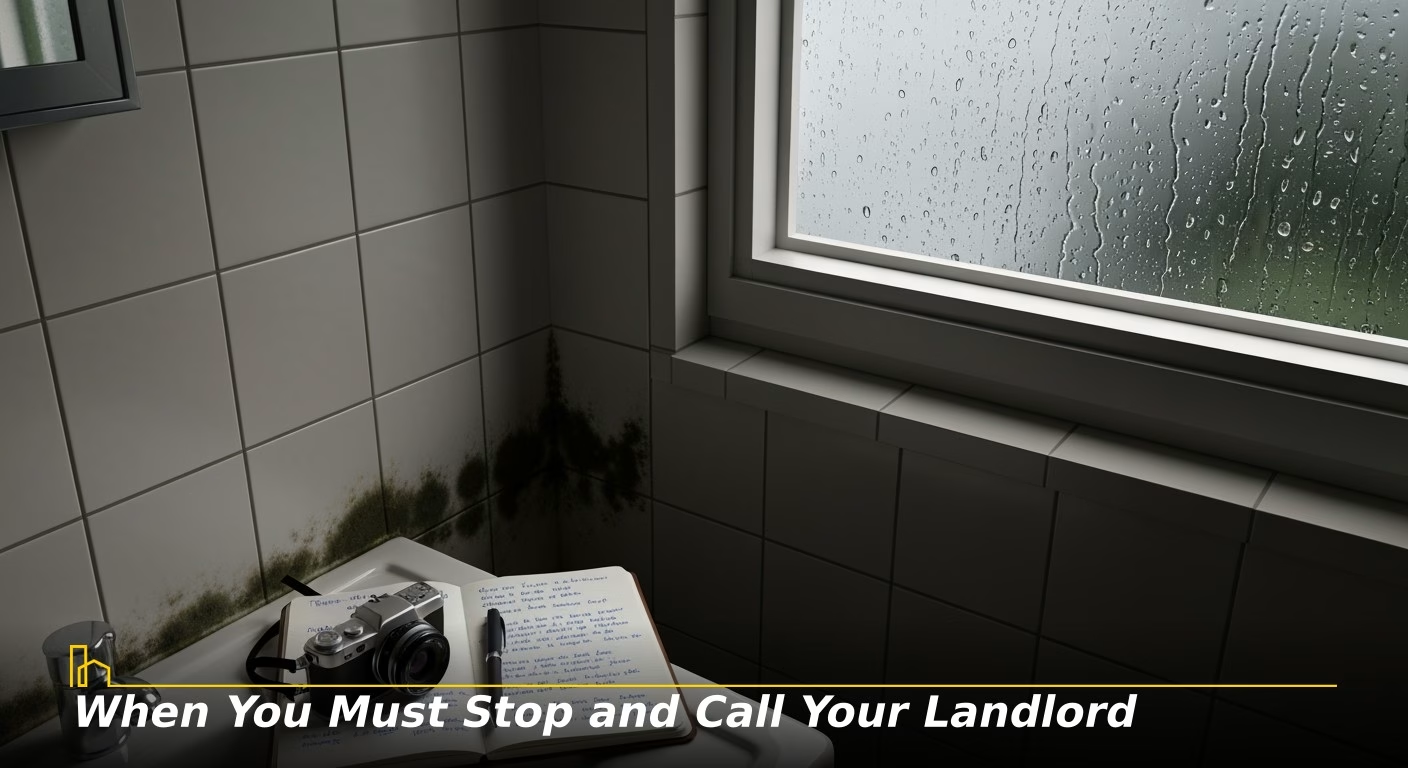
There is a legal line where maintenance becomes a structural repair issue. If you suspect a leak, you must document it in writing immediately.The team at Legal Clarity recommends “maintain[ing] a detailed written log” of “the dates when mo[u]ld was first discovered and any subsequent growth,” as well as “keep[ing] organized records of all communications with the landlord regarding the mo[u]ld” (2025).
a. The “Stop Here” Rules
Contact your landlord if:
- The mould returns within weeks of a thorough cleaning.
- You see water stains on the ceiling or feel moisture behind the baseboards.
- The mould is located inside HVAC vents or air ducts.
b. Scripted Maintenance Request
Send all requests certified mail to create a dated record. Legal Clarity explains that “sending the letter via certified mail with a return receipt requested…provides the tenant with a legal record proving that the landlord received the notification and the date on which it was received. This proof of receipt is often a prerequisite for pursuing further legal remedies if the landlord fails to act” (2025).
- Draft: “I am writing to notify you of a moisture issue in my unit. I have discovered mould growth on the (room) wall. This appears to be caused by (suspected leak or ventilation failure). Please inspect and repair this issue within 14 days to ensure the unit remains habitable. Photos are attached for your reference.”

Related article
5 Common Types of Roof Repairs and The Pros & Cons of Repair vs Replace a Roof
When deciding between repair and roof replacement, consider your long-term objectives, budget, and the condition of your roof. Repairs might be quick and cheaper, but they can also result in recurring problems. On the other hand, replacement offers peace of mind and a long-term solution, but it also comes with a higher price.
7. Simple Daily Habits to Stop Mould Returning
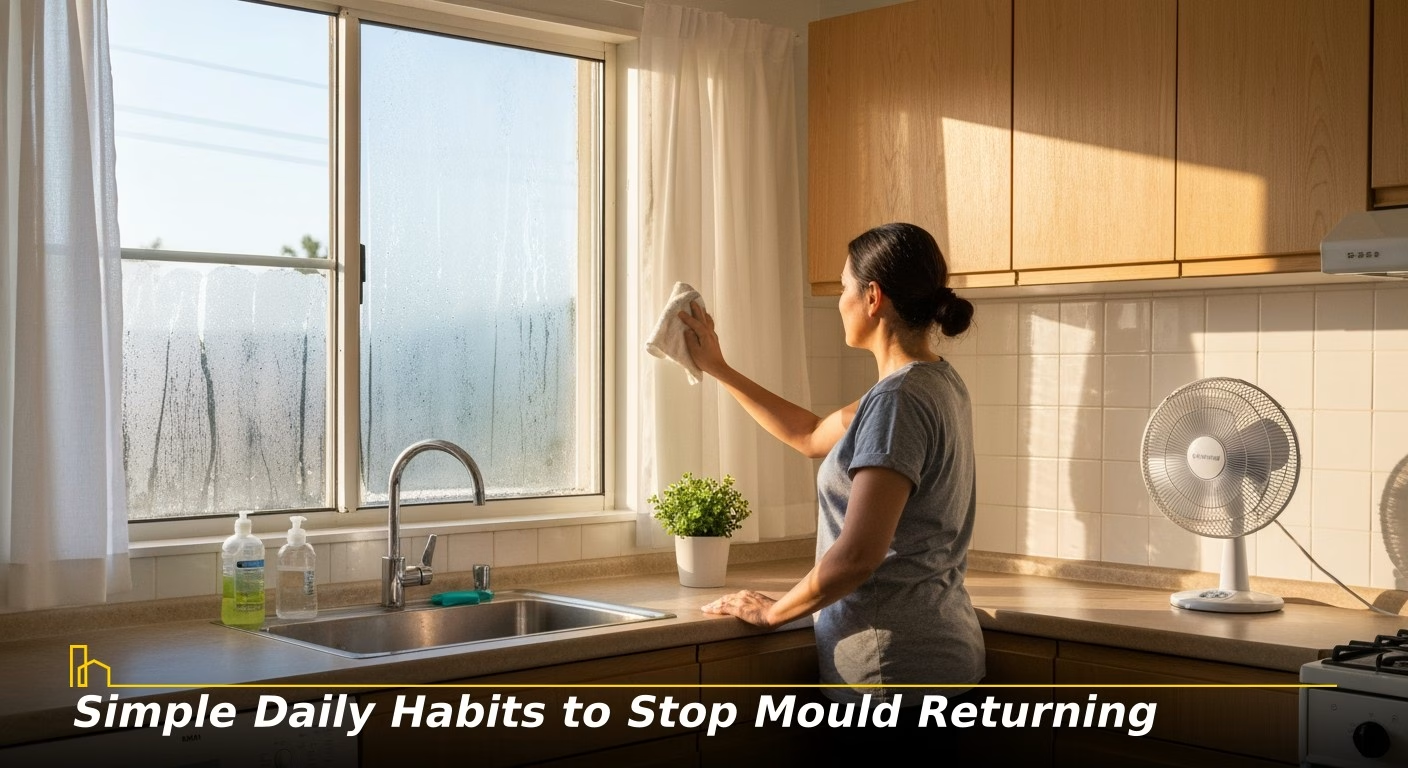
Prevention is the most effective way to protect both your security deposit and your health.
a. Moisture Control Strategies
- Use Fans: Run bathroom fans for 20 minutes after every shower. If no fan exists in your rental, open the window at least two inches.
- The Furniture Gap: Keep all large furniture at least 2 to 4 inches away from exterior-facing walls to allow air to circulate.
- Window Maintenance: Wipe away sweat or condensation from windowsills every morning to prevent water from soaking into the drywall.
b. Low-Cost Tools
- Use moisture absorbers in closets or small pantries.
- If the home is consistently damp, a small electric dehumidifier can keep the relative humidity below the 60% threshold required for mould growth.
Conclusion: Handling light mould can be a manageable part of renting if you prioritize safety and gentle cleaning methods. By using a gentle cleaner like the ones listed above, wearing proper protection, and keeping furniture away from cold walls, you can maintain a healthy home. Always remember that structural leaks are the landlord’s legal responsibility. Documenting these issues early protects your rights and ensures the property remains fit for habitation.
Legal and Safety Disclaimer: This article provides general information and is not legal or medical advice. Mould can pose serious risks to one’s health and wellbeing. Always consult a professional for large mould infestations and a physician for any health concerns related to potential mould exposure. Review your specific lease and local laws before attempting repairs.
Recommended for you



FAQs About How to Safely Remove Light Mould on Rental Walls
1. Does renter’s insurance cover mould damage to my furniture?
Rarely. Most renter’s insurance policies exclude mould damage unless it is the direct result of a covered peril, such as a pipe that suddenly bursts. It generally does not cover mould caused by high humidity or slow leaks.
2. Can an air purifier help get rid of my mould problem?
Air purifiers with HEPA filters can capture airborne spores, which improves air quality and reduces odd scents. However, they cannot kill or remove mould that is already growing on your walls: they are a secondary preventative tool, not a cleaning solution.
3. What if my landlord refuses to fix a mould-causing leak?
In many jurisdictions, you can send a formal 14-day repair-request letter. If they still fail to act, you may be able to file a Rent Escrow action, where you pay your rent to the court until the repairs are made.
4. Can the landlord charge me for a professional mould remediation company?
A landlord can typically only charge you if they can prove the mould was caused by your negligence, such as failing to report a leak for months or disabling ventilation fans. Otherwise, structural remediation is the landlord’s cost.
5. Does a Mould Addendum in my lease mean I have no rights?
No. An Implied Warranty of Habitability is a legal doctrine that usually cannot be waived. Even if you signed an addendum saying you are responsible for mould, the landlord is still legally required to fix structural issues like roof leaks that can cause the growth.
Share