











This year kitchen design prioritizes sustainability and ethical sourcing over aesthetics. Countertops have become key indicators of environmental integrity, evaluated through full lifecycle analysis—from origin and embodied energy…
How to Style Floral Home Decor: Trends, Colors, and Textures
- Local Editor:Local Editor: The HOMEiA Team
- Category: Home Improvement
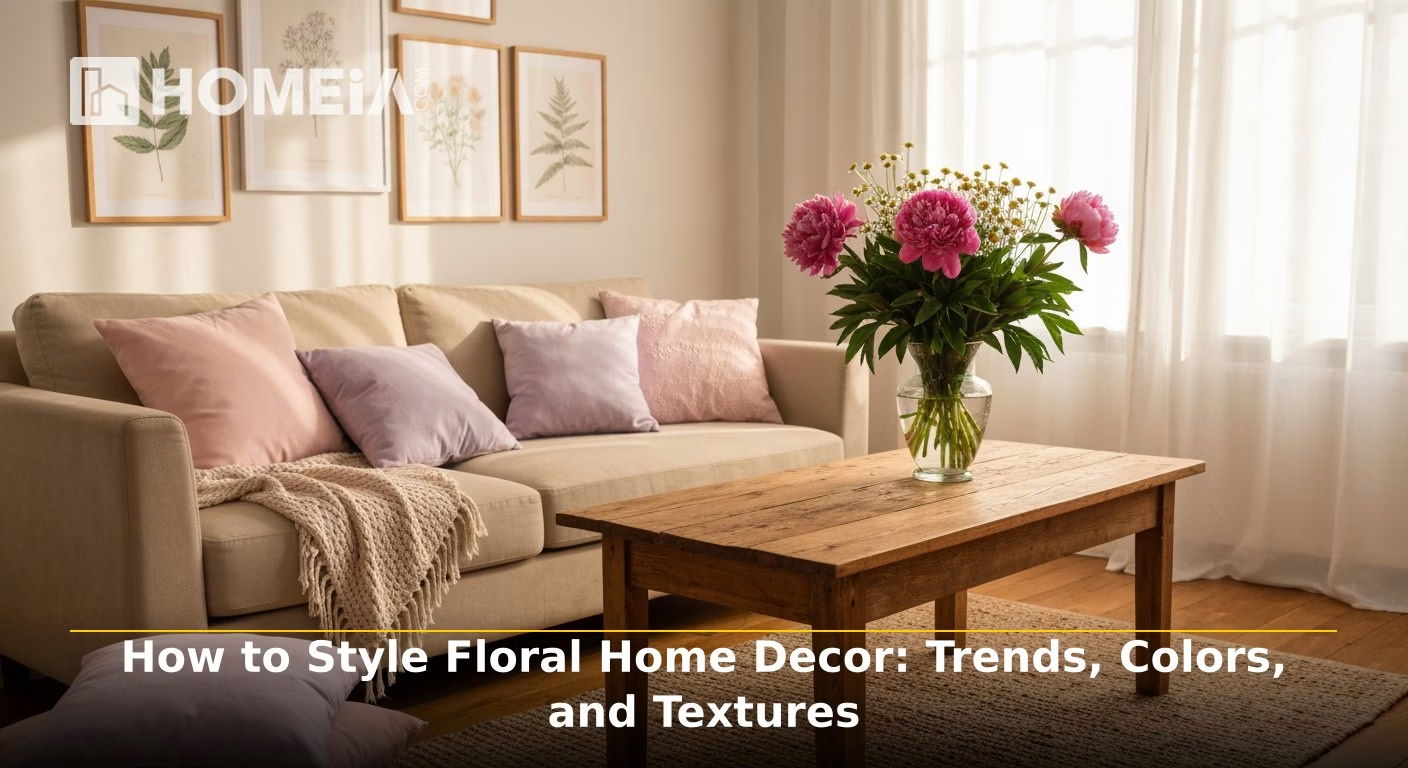
There is a particular magic in bringing the outdoors inside. Floral home decor is experiencing a renaissance: not the mass-produced, symmetrical kind, but something far more considered. Today’s approach favors fewer, more impactful stems, honest materials, and arrangements that feel as though they evolved naturally rather than were assembled. This guide walks through the defining trends, color palettes, and textures shaping floral design, with practical room-by-room advice to help you style with confidence and intention.
Key Takeaways
- Modern floral decor favors intentionality, with fewer, bolder stems over cluttered abundance.
- Cottagecore has matured into grandma chic favoring curated history, deconstructed textures, and forest-floor palettes.
- Sculptural arrangements use architectural blooms like proteas and anthuriums set against raw materials such as stone and concrete.
- Mocha mousse is the defining neutral of the year, pairing beautifully with terracotta, olive green, and mustard yellow.
- Sustainable styling is now standard, utilizing farm-to-vase sourcing and quality artificial stems for installations that last.
Related article
The Professional’s Guide to Extended Fresh Flower Care
Fresh flowers brighten any space, but their beauty often fades too soon. Fortunately, you can prevent quick wilting. With a few expert techniques rooted in flower biology, it’s possible to keep blooms fresh for 10 days or more. This guide reveals the science and simple steps for lasting floral beauty.
1. Current Floral Decor Trends
A. The Maturation of Cottagecore: Grandma Chic
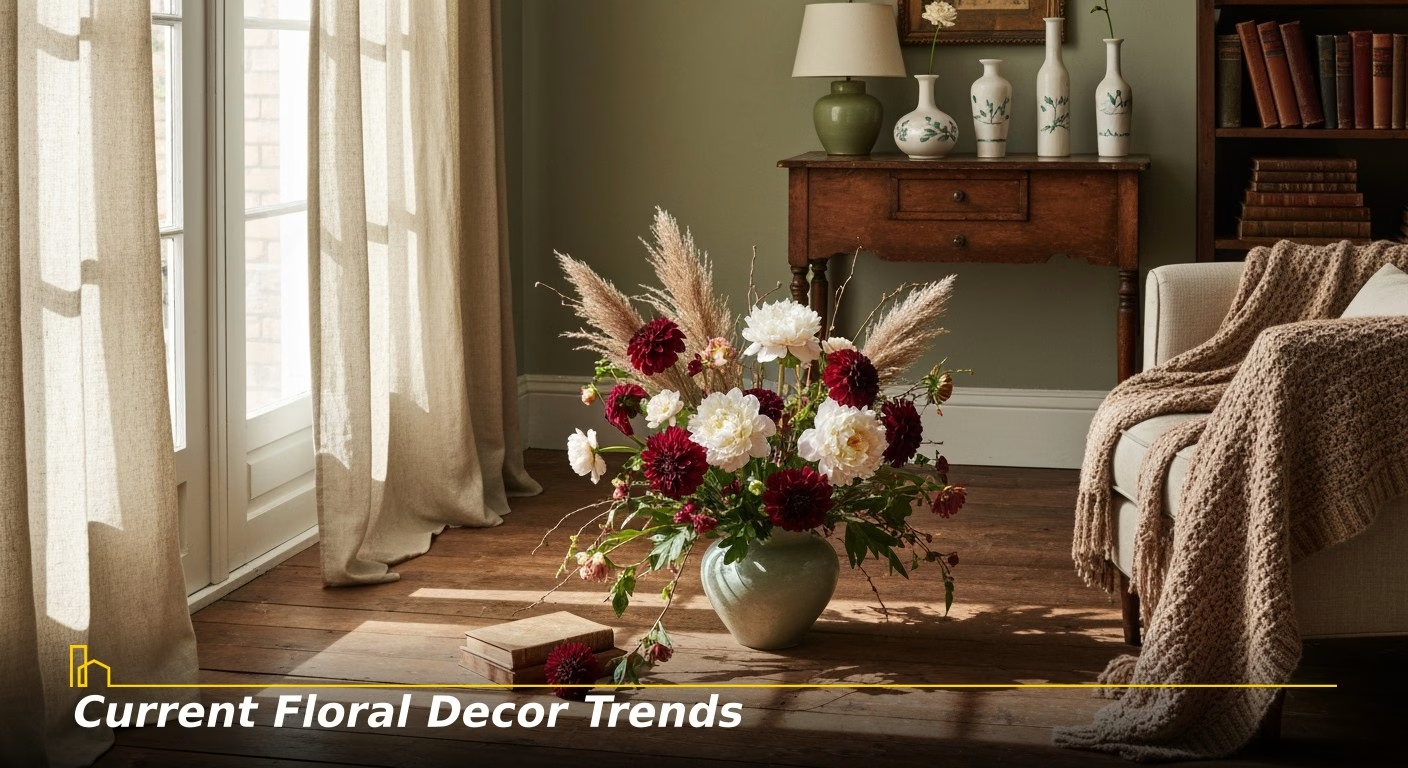
Cottagecore has grown up. What began as a longing for simpler, pastoral living has evolved into a philosophy called grandma chic, a deliberate rebellion against sterile interiors. In this style, rooms feel layered with history as vintage fabrics sit alongside handwoven linens, while bouquets appear as though they drifted in from a meadow rather than a florist. The keyword is “curated” rather than “collected.”
- Bouquets take a perfectly imperfect wildflower form with loose, airy movement.
- Textures are intentionally raw, such as burlap armatures and exposed stems.
- Color draws from the forest floor: muted olives, faded pastels, and dusty pinks.
B. Sculptural Statements and Brutalist Bliss
At the opposite end of the spectrum, the sculptural movement treats flowers as architecture. Inspired by brutalist design principles, this trend uses blooms to define and divide space rather than soften. The King Protea, with its commanding presence, is the mascot of this movement. Stems are manipulated, wire-trained, and placed with the precision of a gallery installation.
- Calla lilies are bent into avant-garde silhouettes using fine florist’s wire.
- Lotus pods, dried palm fronds, and structural tropicals hold their own as standalone pieces.
- Arrangements are set against concrete, raw stone, or unfinished wood for maximum contrast.
C. Intentional Meadows and Floral Clouds
The most immersive trend moves florals off the table entirely. Intentional meadow installations layer grasses, moss, and low-growing botanicals directly onto surfaces, creating the illusion of an interior landscape. Suspended floral clouds (arrangements hung from ceilings) lower the visual ceiling of a room, creating intimacy. When integrated with soft lighting, they double as functional fixtures.

Related article
The 6 Tips for Home Staging with Flowers and Floral Decor
As we delve into the world of flower décor, sometime with the assistance of a Flower Arrangements, we’ll explore how the right floral choices can create a warm and inviting atmosphere perfect for showcasing your home’s natural beauty…
2. Color Palettes for Floral Home Decor
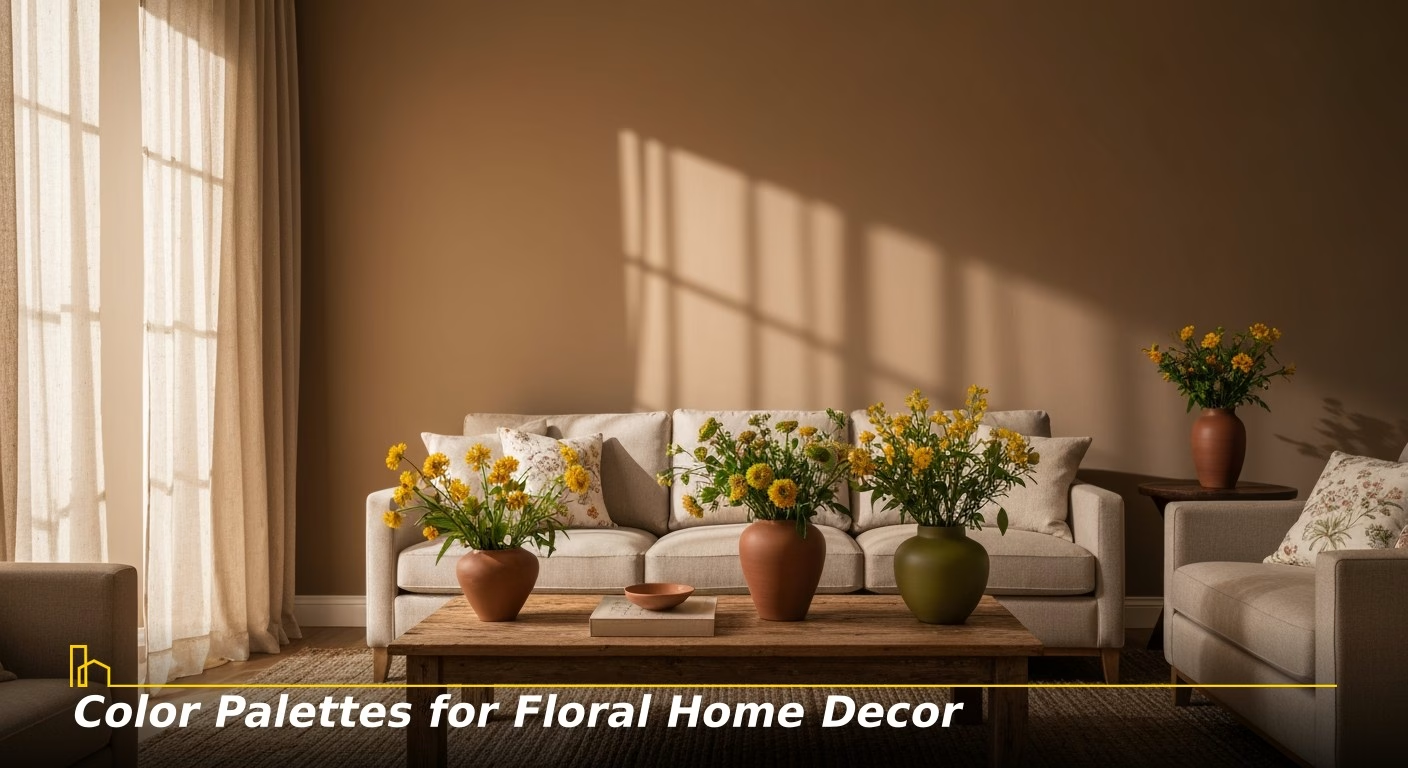
A. Warm Neutrals: The Power of Mocha Mousse
The defining color of 2026 is mocha mousse, a warm, velvety brown evoking coffee, suede, and dark chocolate. Where cool grays once dominated interiors, mocha mousse restores comfort and groundedness. It works equally well with fresh florals and dried botanicals, acting as a rich, undemanding backdrop. Potted orchids in white or blush are a particularly striking match. Their clean architectural lines and long display life make them one of the most practical ways to introduce this palette into any room.
- Pair with cream or off-white blooms for a timeless, editorial look.
- Combine with cornflower blue and shaded willow green for a “floral pathway” feel.
- Use in your vessel choice: glazed stoneware in deep brown anchors any arrangement.
B. Earthy Tones: Terracotta, Olive, and Mustard
Beyond neutrals, three colors provide the necessary vibrancy of a modern home. Terracotta and rust warm a room instantly and pair beautifully with unglazed ceramic vessels mirroring natural soil. Olive green has emerged as the essential biophilic color, bridging inside and outside with ease. Mustard yellow and gold function as accent notes, small bursts of unexpected richness preventing an earthy palette from feeling flat.
C. Three Simple Color Formulas
- Warm neutral + one bold floral accent. Keeps the room calm with a clear focal point.
- Monochromatic greens. Layer lime, forest, and moss for a sophisticated, textural statement.
- Desert hues. Combine sage, terracotta, and sand for a warm, cohesive atmosphere.
Recommended for you
3. Textures That Elevate Floral Decor
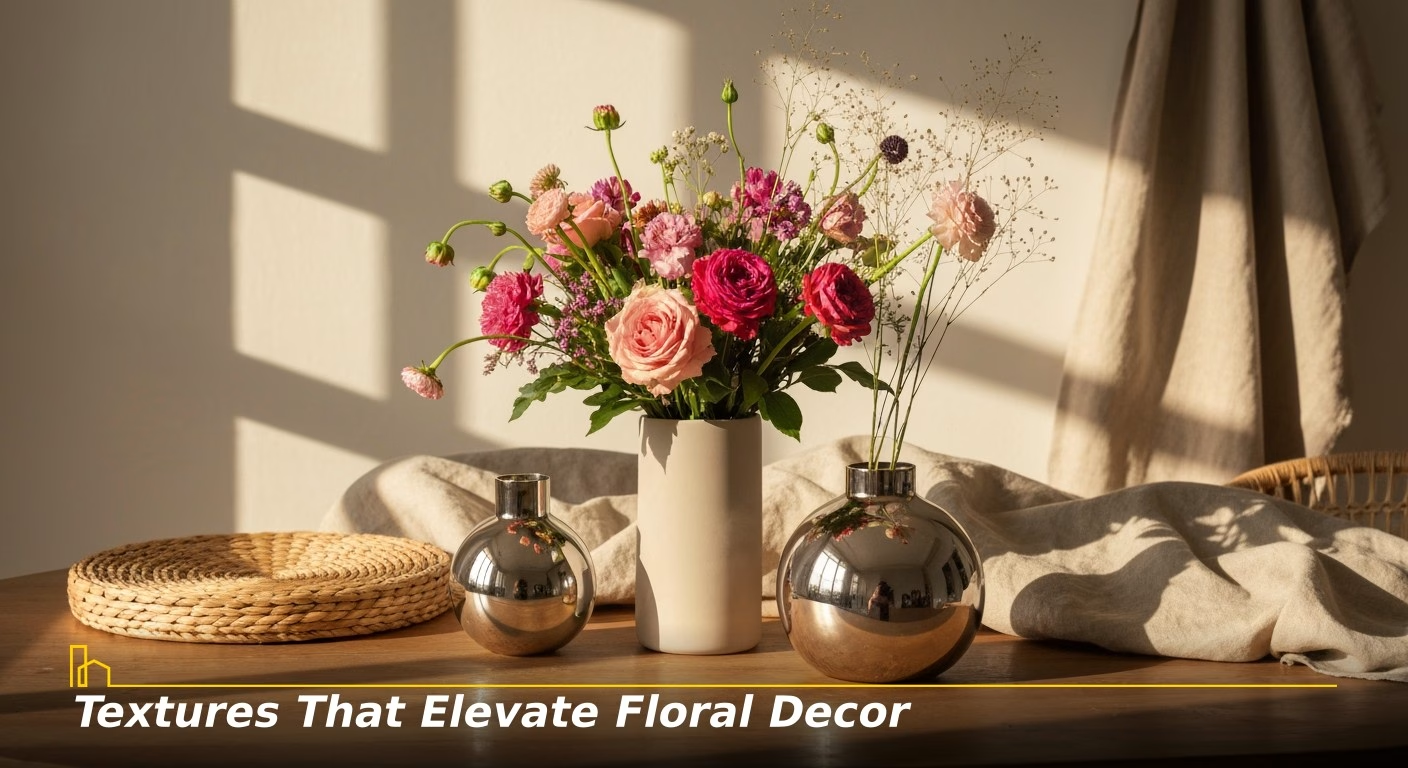
A. Vessels: Matte Ceramics vs. Glossy Glass
The vessel is not a supporting player, but rather, half the arrangement. Matte ceramics in clay, sand, and slate are the ideal companions for current floral trends. This is because their granular surfaces interact with light softly and never compete with the blooms. Glossy glass has evolved beyond simple cylinders into smoky, ridged, and frosted versions enhancing visual interest while keeping the focus on the flowers. Amber glass is particularly effective alongside mocha mousse palettes.
B. Natural Fibers and Metallic Accents
Grounding materials like rattan, jute, and linen create the tactile backdrop making florals feel at home rather than staged. A rattan basket of dried stems on a hallway console achieves instant warmth. To elevate the look without losing its organic quality, introduce a single metallic note. Brushed brass vases or copper bowls alongside a sculptural bouquet signal smart luxury without being forced.
C. The Fresh-and-Dried Hybrid
One of the most effective styling techniques is mixing fresh blooms with dried elements. The scent and color of fresh flowers combined with the bristly, sculptural quality of dried pampas grass or palm spears creates a visual tension reading as expensive and considered. This contrast is also practical as the dried elements extend the life and visual complexity of an arrangement far beyond what fresh flowers alone can sustain.

Related article
Best Advice to Consider Before Buying a King-Size Bed
Upgrading to a king-size bed is a significant investment that affects your sleep quality, bedroom space, and budget. Before making this purchase, several crucial factors deserve your consideration to ensure you make the right choice for your needs. This guide will walk you through the essential aspects to evaluate before bringing home that luxurious king-size mattress you’ve been eyeing…
4. Room-by-Room Styling Guide
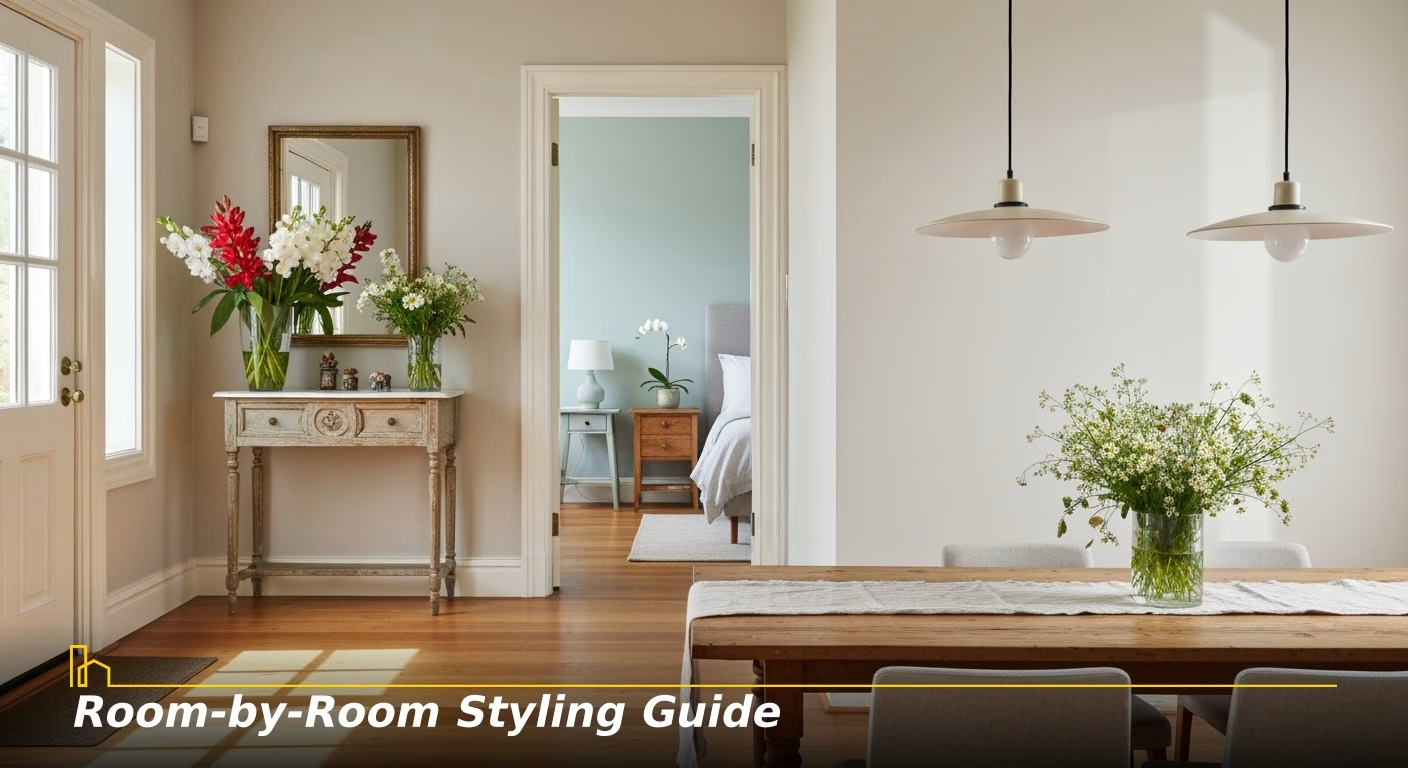
A. Entryway and Living Room
The entryway sets the emotional tone of your home. Tall, white vases with eucalyptus branches or a single dramatic flowering stem create an immediate statement without overwhelming small spaces. In the living room, utilize plants and arrangements as soft partitions to delineate zones. On a coffee table, a low compote vessel with asymmetrically placed stems creates movement and draws the eye. Group ceramic bud vases in odd numbers on a mantel for a personal, collected look.
B. Dining Table and Kitchen Island
Keep dining table arrangements low (what florists refer to as beiju arrangements) so they never obstruct conversation. On a kitchen island, pair uncomplicated bouquets with a bowl of seasonal fruit for a vignette that feels genuinely lived-in. Vintage white pitchers and stone crocks are ideal alternatives to formal vases and work seamlessly alongside everyday kitchen tools.
C. Bedroom and Bathroom
Private spaces call for restraint. A single stem, such as fragrant lilac or lavender, on a nightstand elevates the mood without cluttering the room. In bathrooms, waterproof artificial succulents or trailing vines introduce greenery without general humidity concerns shortening the life of fresh flowers. A small arrangement of dried or fresh blooms beside the bath transforms an ordinary routine into a sensory ritual.
Related article
5. Keeping Your Floral Decor Fresh and Long-Lasting
A. Fresh Flower Care
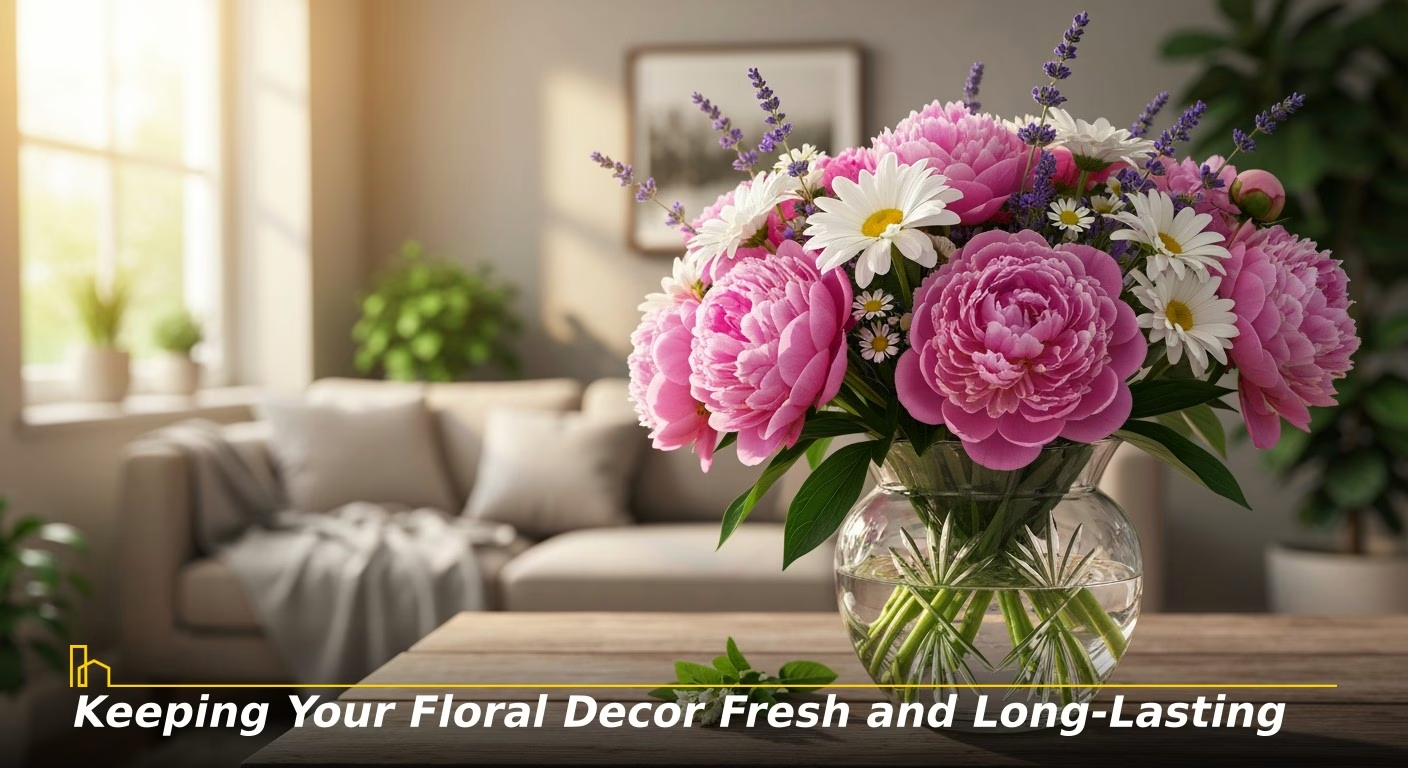
Always cut stems at a 45-degree angle with sharp, clean shears to prevent the base from sitting flat on the vessel bottom and maximize water intake. Change the water every two days and remove any foliage below the waterline to inhibit bacterial growth. Keep arrangements away from direct sunlight, heat vents, and ripening fruit, which releases ethylene gas and accelerates wilting.
B. Dried and Artificial Care
Dried botanicals are vulnerable to humidity and direct light, so keep them in cool, shaded rooms. A light mist of hairspray on pampas grass prevents excessive shedding. For artificial stems, select real touch varieties made from latex or polymer as they are significantly more convincing than plastic alternatives and hold their shape in complex arrangements indefinitely. Dust all dried and faux pieces periodically with a hairdryer on the coolest setting.
Final Thoughts: Floral home decor has never been more accessible or more interesting. The shift toward authenticity means you don’t need a designer’s budget, you need a designer’s eye. Start small with one intentional choice like a sculptural branch in a matte ceramic vessel, or a handful of dried stems grouped with a fresh cutting. Tend to the details of color, texture, and proportion, and your home will begin to reflect both the beauty of the natural world and the personality you bring to it.
Recommended for you




FAQs About How to Style Floral Home Decor
1. How do I choose the right vase height for my bouquet?
Follow the 1.5–2x rule, stems should stand 1.5 to 2 times the height of your vase. A 10-inch vase works best with flowers reaching 15–20 inches total, ensuring the arrangement looks balanced rather than top-heavy or buried.
2. Which flowers are unsafe if I have pets?
Lilies are fatally toxic to cats and must be avoided entirely. Tulips, daffodils, and chrysanthemums are also harmful to our feline and canine companions. Safe and beautiful alternatives include roses, sunflowers, orchids, snapdragons, and gerbera daisies.
3. What can I use instead of floral foam?
Floral foam is not biodegradable, and most professional florists have shifted away. Effective alternatives include layered chicken wire, metal flower frogs, or a grid of waterproof tape across the vase opening. These supports allow for natural, organic stem placement.
4. How can I make grocery store flowers look more expensive?
Strip all foliage from the stems so the blooms take center stage. Gently reflex roses by folding back the outer petals to create a full, garden-rose effect. Grouping three flower varieties within the same color family instantly creates a cohesive, designer look.
5. How do I store and clean dried flowers?
Store dried arrangements in a cool, dry, low-light area, as sunlight fades color rapidly and humidity causes mold. Clean with a soft feather duster or a hairdryer on the lowest, coolest setting. With careful handling, quality dried arrangements can last from several months to three years.
Share