






City Living Guide: What Is It Like to Live in Rochester, MN (updated)
- Local Editor:Local Editor: Phong Nguyen


This guide gives an overview of what everyday life looks like in Rochester, Minnesota. Taking into account the city’s location and history, weather and seasons, healthcare and education systems, job market, culture and recreation, neighborhoods, and housing market, it allows one to decide if the River Valley City lifestyle is right for you.
Rochester, Minnesota is the third largest city in the state, situated in the southeastern portion on the Zumbro River. Home of the renowned Mayo Clinic, the city often lands on “best cities” lists as one of the best overall or in the Midwest. With its scenic setting, outstanding healthcare and highly rated schools, it appeals to many. Here’s why, covering location, standard of living, jobs, housing and recreation.
Key Takeaways
- Rochester is Minnesota’s third largest city, home to over 124,000 residents and the world renowned Mayo Clinic.
- The city sits about 85 miles from the Minneapolis St. Paul metro, with direct flights from Rochester International Airport.
- Unemployment has risen to around 3.4 to 4.5 percent in 2026, still competitive versus many peer metros.
- Median home prices run roughly $340,000 to $360,000, with mortgage rates near 6.6 to 6.8 percent.
- The city offers 3,500-plus acres of parkland and about 148 miles of trails.
- Four distinct quadrants offer varied neighborhoods, from historic Pill Hill to newer Baihly Woodlands.
- Schools rate highly and crime remains comparatively low for a metro of its size.


Related article
Cheapest Places to Live in Minnesota
Many residents love Minnesota for its natural beauty, vibrant communities, and a strong sense of Midwestern hospitality. And while some may think that living in such a place means paying a high cost, calling the Land of 10,000 Lakes home doesn’t have to come with a hefty price tag…
1. Large city with easy access
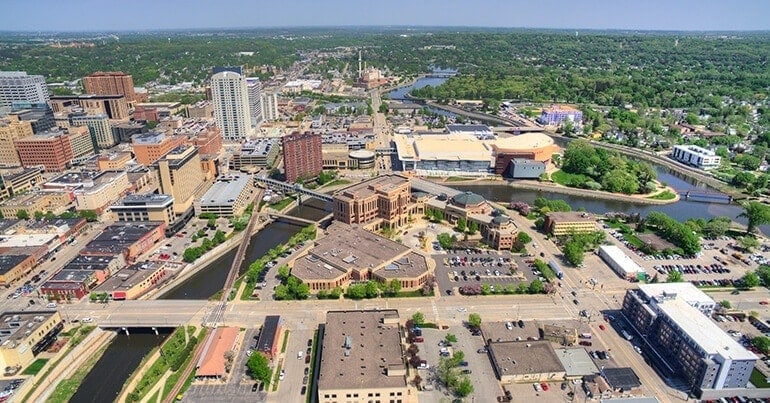
Minnesota is rich in rivers, lakes, hills, plains, forests and prairies. It’s the source of the Mississippi River and borders Lake Superior to the northeast. Each season hosts its own natural splendor, and residents enjoy sports, water activities and recreation year round. The state is known for education, healthcare and business opportunities, along with residents honoring midwestern values and love of nature.
The area was originally home to the Ojibwe, Winnebago, Sioux and Dakota before French and English travelers arrived. Rochester served as an 1800s stagecoach stop between Iowa and Minnesota, and grew with the arrival of the railroad. Today, Rochester International Airport (RST) is served by Delta and American Airlines, connecting to hubs like Minneapolis, St. Paul, and Chicago. A customs facility was added in 1995 for international travelers. As a lifelong resident, I’ve watched RST grow steadily busier as more visitors fly in for care at Mayo Clinic.
Several major highways serve the city, including U.S. Highway 52 and Highway 63, with I-90 running south of town. Residents utilize public transit, drive or bike depending on the weather. Downtown’s skyway and underground walkway system provides comfortable access between buildings, away from traffic and harsh weather.
2. Highly educated population and notable landmarks
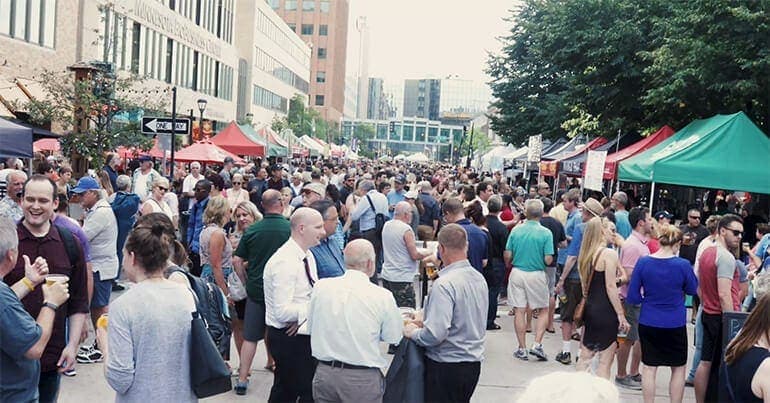
With an estimated population over 124,000 in 2026, Rochester remains the state’s third largest city, behind Minneapolis and St. Paul. While many longtime residents being of European ancestry, the area continues attracting diverse populations drawn by professional and medical careers. In June 2018, it became the first American city designated an Intercultural City (ICC), a European-born network recognized for excellence in governance and inclusive practice.
The Zumbro River offers a scenic valley vista for downtown residents, while rolling hills, woods and farmland surround the city for those preferring a quieter setting.
Mayo Clinic leads the area, surrounded by hotels built up over decades. Other landmarks include the Plummer Building, Mayo Clinic Historical Suite, Mayowood Mansion, Plummer House, Gonda Building and Soldiers Field Veterans Memorial, along with Quarry Hill Nature Center and Quarry Hill Park. The Mayo Civic Center hosts conventions and events year round.

Related article
The Pros and Cons of Living in Minnesota
Pros and Cons of Living in Minnesota include more than cold winters and hockey. Enjoy scenic lakes, great schools, a strong economy, and rich cultural life. Whether you’re drawn by the outdoors or career opportunities, Minnesota offers a high quality of life with both urban excitement and small-town charm…
3. Distinct seasons and natural beauty

Minnesota’s four seasons create a dramatic yearly backdrop. Summer brings the Zumbro River, an extensive park and trail system, and campgrounds for outdoor fun. Unusually for the land of 10,000 lakes, Rochester has no natural lake within city limits. However,the Silver Lake reservoir draws walkers, runners, swimmers, skaters, bikers and anglers. Residents also rent canoes and paddleboats, and Soldiers Field Park hosts ballgames, golf, picnics and winter ice skating.
Autumn attracts colorful leaves, riverside walks and farmers markets selling seasonal produce. Fall festivals celebrate the harvest with food, music and fellowship, including Fall Fest at Peace Plaza, Oktoberfest, the Quarry Hill Fall Festival and the Harvest Moon Fall Festival.
Winter glistens with frost and fresh snow, freezing the river and lakes for ice fishing and skating. Roads turn icy, but city crews quickly salt, sand and plow for safer travel. Winter can be bitey, but locals rarely let it derail their plans. As a lifelong local, I can tell you: once you’ve lived through a Rochester January, you learn to respect the cold rather than fight it.
After a treacherous winter, spring rewards with budding trees, green grass and a return to golf courses, parks and gardens. Bicycles, motorcycles and convertibles reappear, and outdoor patios open once again.
4. High living standard and excellent services

With a cost of living near the national average, it remains appealing, offering first rate services and comparatively low crime for its size. Strong education and healthcare, plus an attractive downtown, draw career professionals, students and families, many of whom stay for the sense of community and amenities. The city is home to a variety of businesses, schools, churches, shopping, hotels, museums, restaurants and golf courses.
Zumbro River and its tributaries have historically caused flood damage. In the late 1970s, city leaders partnered with the federal government on a plan to minimize future flooding.
Working with the U.S. Army Corps of Engineers and the Natural Resources Conservation District, a system of channels and reservoirs completed in 1996 continues to provide flood control for most of the city today.

Related article
5 Best Places to Live in Minnesota
Minnesota stands out for economic resilience, with a strong job market supported by major employers and diverse industries. From the shores of Lake Superior to its southern plains, this guide analyzes the five best places to live using data on jobs, housing, and overall quality of life…
5. Excellent healthcare options

Minnesota is known for exceptional healthcare, and health-conscious Rochester is no exception, with state-of-the-art facilities including Olmsted Medical Center and the celebrated Mayo Clinic.
Mayo Clinic now treats patients from every U.S. state and more than 140 countries annually, with clinical volumes still climbing. In 2025, Mayo performed more than 161,000 surgical cases, a record growth year. As the region’s dominant employer, Mayo staffs local medical professionals across specialties. The system has served patients for over 150 years and includes Mayo Clinic Hospital, Methodist Campus and St. Mary’s Campus.
6. Educational opportunities for all
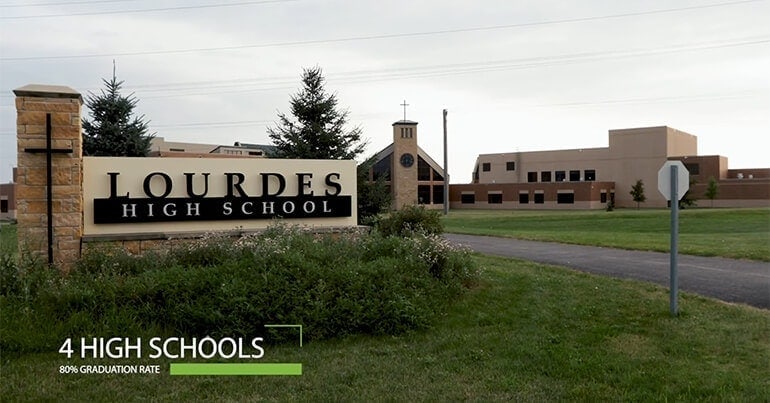
Rochester residents value education, with highly rated public and private schools and higher-education options. Some that come to mind are the University of Minnesota Rochester, Cardinal Stritch University, Minnesota School of Business, Augsburg University, College of St. Scholastica, Winona State University and St. Mary’s University.
Mayo Clinic’s academic arms include its School of Medicine, Graduate School of Biomedical Sciences and School of Health Sciences. Other options include Rochester Community and Technical College, Crossroads College, National American University Rochester, Nova Academy of Cosmetology and Rochester School of Hair Design.
In 2018, Rochester Public Library joined the short list of one of ten institutions nationwide, (and one of only five libraries) to win the National Medal for Museum and Library Service. It continues serving residents of all ages through well designed programs and events.
Recommended for you




7. Job growth and a resilient labor market
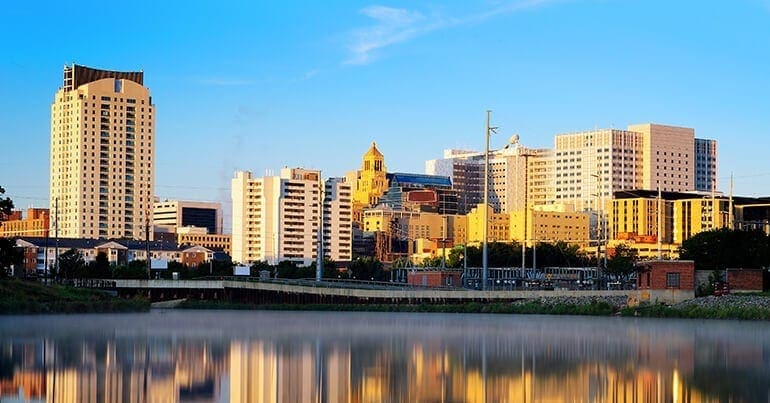
Rochester’s job market has cooled from the ultra-tight conditions of the earlier part of the decade. As of mid 2026, metro unemployment runs 3.4 to 4.5 percent, up from 2 to 3 percent lows in 2024 and early 2025, though still favorable versus many peer metros. Mayo Clinic remains the region’s largest employer by far, adding approximately 12,000 new employees in 2025 alone. Public events like Heritage Days, open houses and concerts welcome the community.
IBM was once a defining Rochester employer. Its former complex, now Rochester Technology Campus, leases space to IBM and other high tech and medical tech tenants.
Other key industries include healthcare, education, professional services, technology, government, manufacturing, hospitality, retail and dairy producers like Kemps and Kerry. The Rochester Area Chamber of Commerce continues to promote business growth and collaboration.
8. Cultural center and activities
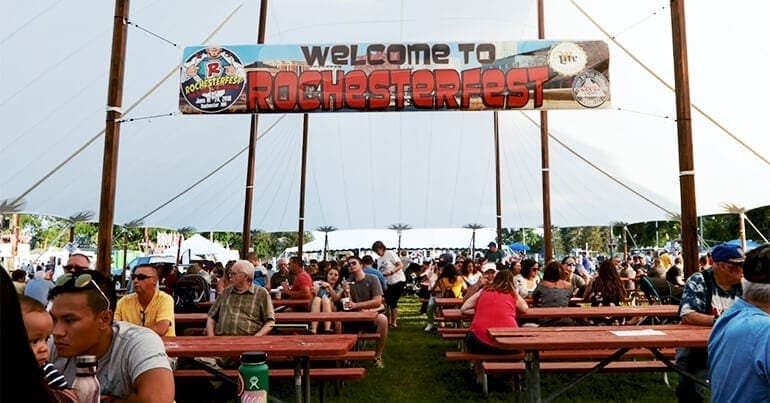
The Mayo Civic Center hosts conventions and entertainment along the Zumbro River. The Rochester Symphony marked 100 years in its 2019-2020 season and performs regularly at the Civic Center and Lourdes High School. Additionally, it once played silent-movie accompaniment at the historic Chateau Theatre. Summer brings, “Thursdays on First,” a weekly gathering of local musicians, artists and restaurants downtown.
The city offers live music, theater, museums and galleries, including the glass enclosed Rochester Art Center, the Rochester Civic Theatre Company and Rochester Repertory Theatre Company.
The Gray Duck Theater and Coffeehouse, opened in 2019, screens independent and classic films on weekends in its roughly 60-seat microcinema, also available for private rentals.
It maintains more than 3,500 acres of parkland and roughly 148 miles of paved trails, up from about 85 miles a few years ago, plus access to state trails. Quarry Hill Nature Center offers live animals, classes, an exploration cave and day camps, while the Minnesota Children’s Museum Rochester hosts activities for all ages.
Related article
Moving to Minnesota: THE Complete Relocation Guide and Checklist
Moving to Minnesota? This complete guide has everything you need: cost of living, job market insights, top places to live, and settling-in tips. Whether you’re drawn to the Twin Cities, St. Cloud, Rochester, a charming small town, or the scenic North Shore, we’ll help you make a confident, informed move…
9. Pros and cons of living in Rochester
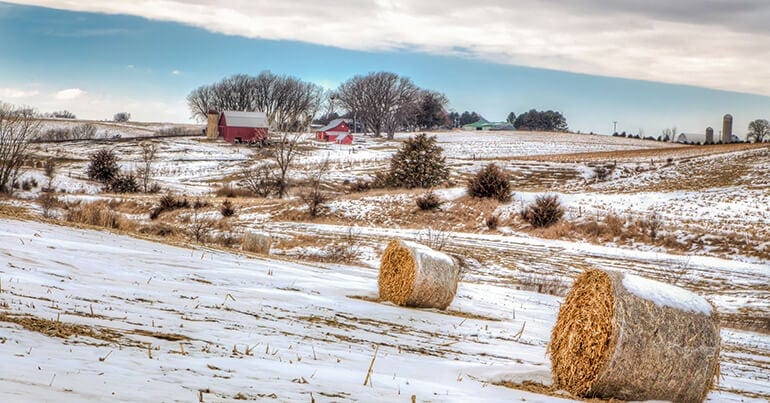
Every city has trade-offs. On the downside, Rochester can be quite windy, with hot, humid summers and cold winters that challenge drivers on snow and ice. Heating and cooling costs run higher, and flooding remains a possibility, though infrastructure investments have reduced the risk of major disasters.
Sports fans may miss having professional teams, though the Twin Cities are close by for games and cultural events. Some may want more population diversity, though the city continues drawing people of varied backgrounds for work and education.
On the upside, Rochester consistently ranks among leaders for healthy, happy living. It’s synonymous with premier healthcare, and residents are friendly and family focused. Respected education, job opportunities, and shopping and entertainment options add to the appeal, along with the convenient skyway and walkway system. The local economy remains resilient despite the recent uptick in unemployment.
Housing spans many styles and price points across urban, suburban and rural settings. Retirees favor Rochester for its healthcare, safety, golf courses, library and senior living options, while the river, parks and trails support an active, relaxed lifestyle.
10. Neighborhoods of Rochester
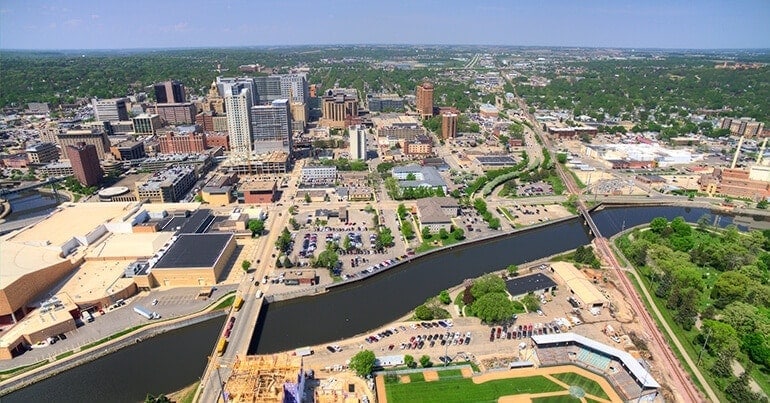
As a commercial and medical hub, Rochester attracts professionals advancing quickly in their careers, with plentiful housing and neighborhood options to match this predominantly white collar community.
The city is divided into four quadrants. Northeast features parks and a mix of older and newer homes. Northwest holds businesses, single family homes, townhomes and Quarry Hill Nature Center. Southeast offers older, affordable single family homes, while the Southwest mixes older and upscale new construction; both southern quadrants include golf courses.
Popular neighborhoods include Kutzky Park, Viking Hills, Downtown, historic Pill Hill, artsy Cooke Park, Cascade Lake, trendy Uptown, North River Court, Meadow Park, Shorewood and Baihly Woodlands, many recently renovated.

Related article
The 15 Budget Friendly Towns in Minnesota for Retirees
The cost of living in Minnesota varies by location and is highest in its large metro areas, but on the whole, it compares well to the coasts and to big cities. Each community in Minnesota has its own personality, and here we will introduce you to 15 of the best options for retiring in the North Star State…
11. Real estate options for your lifestyle
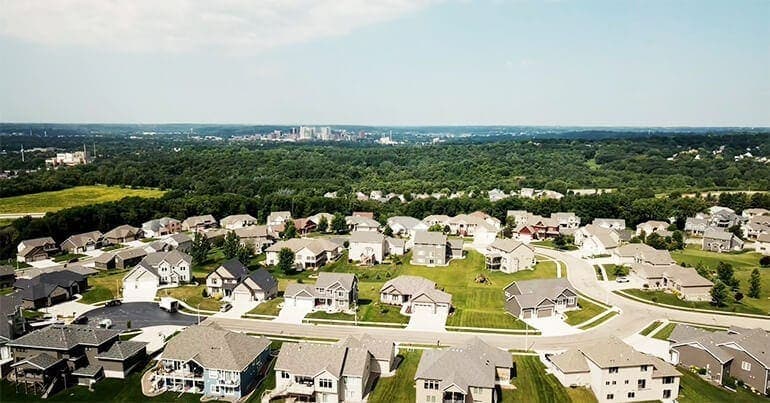
The real estate market includes older and newer single family homes, townhomes, condos, investment properties and commercial listings, attracting young professionals, students, families and retirees alike.
As of mid 2026, median home prices run roughly $340,000 to $360,000, up modestly year over year. The river, parks and hills add charismatic appeal, and commutes remain much shorter than in major metros.
A realtor and mortgage professional can help you navigate local values and neighborhoods. Minnesota property tax stays close to the national average, and Rochester property values have continued rising in recent years.
12. An experienced realtor is a treasured resource

Take time interviewing prospective realtors, asking friends for referrals, checking HOMEiA.com or reading reviews. Buying a home is likely your largest purchase, so an experienced realtor’s knowledge matters.
Mortgage rates have risen from recent historic lows, averaging around 6.6 to 6.8 percent for a 30 year fixed loan nationally as of August 2026, so shop multiple lenders. Housing generally remains attainable in realtor-recommended areas within your budget, and while spring typically sees a real estate surge, homes sell year round in Minnesota.
Now that you know more about Rochester, explore its neighborhoods and options for education, employment, shopping and recreation. This area combines urban life with natural beauty, offering recreational activities and career opportunities alongside a relaxed pace of living.
Recommended for you




FAQs About What Is It Like to Live in Rochester, MN
1. Is Rochester, MN a safe place to live?
Rochester generally scores well on safety, with a rating around 61 out of 100 and violent crime trending below many similarly sized metros. Most neighborhoods feel comfortable, though some areas warrant more caution than others.
2. How long does it take to commute in Rochester?
The average commute runs nearly 22 minutes, far shorter than in the Twin Cities or other major metros. Traffic stays light outside of peak Mayo Clinic shift changes downtown.
3. What is the average rent in Rochester, MN?
Median gross rent sits around $1,115 a month, with HUD’s fair market rent for a two bedroom unit near $1,148 in 2026. Prices fluctuate by neighborhood, with downtown and areas near Mayo Clinic commanding more.
4. How are the public schools rated in Rochester?
Rochester’s public schools score exemplary, rated 9 out of 10 by the National Center for Education Statistics, with 111 public schools serving the metro. Families also have solid private and parochial options.
5. What are property taxes like in Rochester, MN?
Effective property tax rates run roughly 1.05 to 1.2 percent depending on ZIP code, translating to a median annual bill of $3,000 to $3,700. That’s slightly above the national median and near Minnesota’s statewide average.
6. Does Rochester get a lot of snow, and how does the city handle winter weather?
Rochester sees a full Minnesota winter with regular snow and sub-zero cold, but crews respond quickly with salt, sand and plowing. Locals keep winter emergency kits in their cars, since there’s no bad weather, only bad clothing.
7. Is Rochester a good city for retirees?
Rochester appeals to retirees for top tier healthcare, low crime, golf courses, an award winning library and ample senior housing options. Flat commutes and a walkable park system also help older residents stay active
Share