






7 Most Affordable Places to Live in Nebraska
- Local Editor:Local Editor: Jennifer Vig
- Category: Nebraska


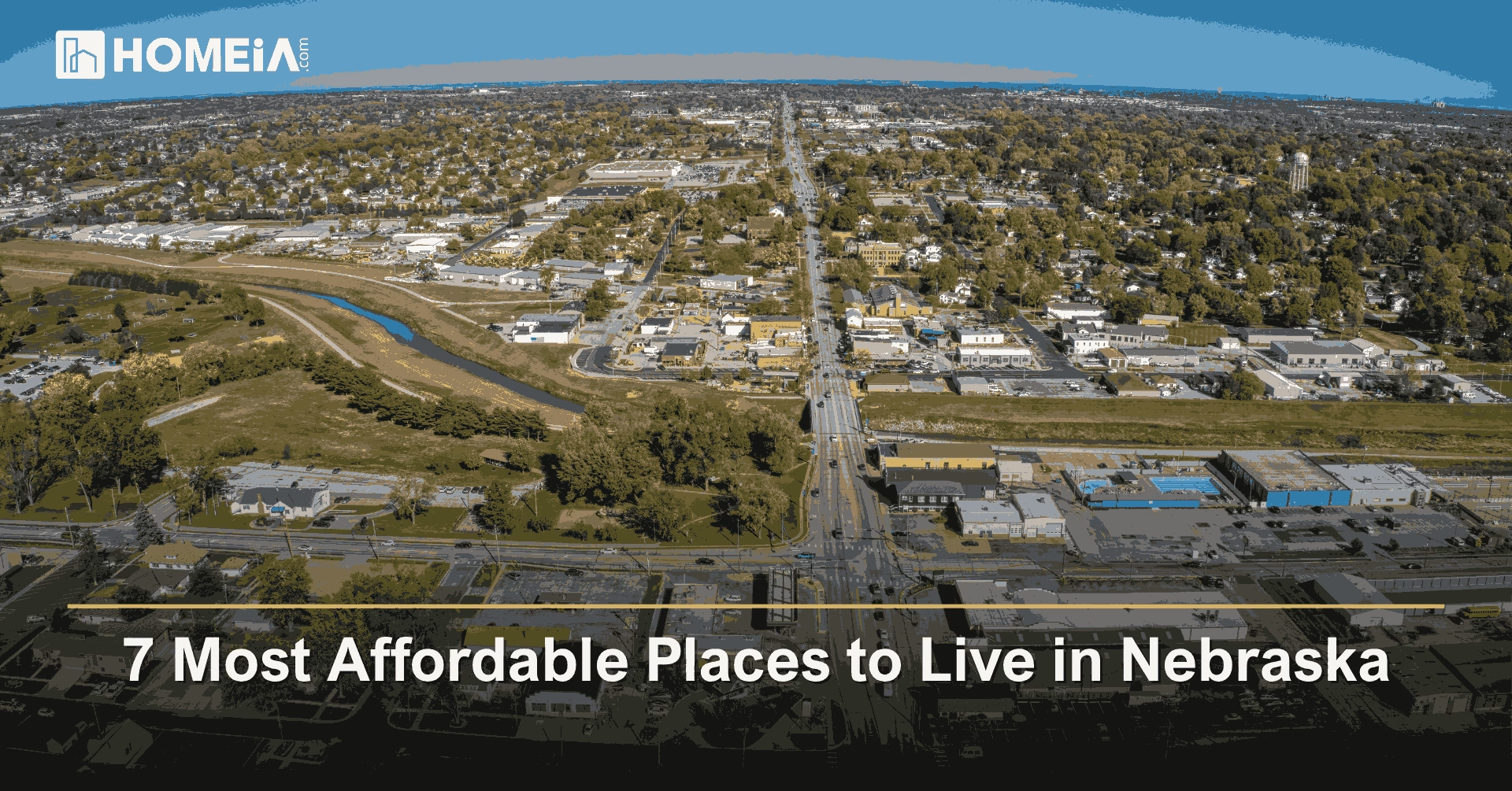
Nebraska continues to stand out as one of the few places where a middle-class income can still go a long way. While housing prices have increased here like they have across much of the country, many Nebraska communities still offer a lower cost of living, shorter commutes, and more manageable everyday expenses than people find in many larger metro areas.
The statewide MERIC cost-of-living index sits at 91.8 (U.S. average = 100), and the Zillow Home Value Index reached approximately $276,500 as of March 2026. Groceries are exempt from state sales tax, electricity rates remain below the national average, and the average commute statewide is only about 18 minutes.
This guide looks beyond statewide averages to highlight the seven most affordable places to live in Nebraska that offer a strong balance of affordability, job opportunities, community infrastructure, healthcare access, and overall quality of life. Affordable housing only matters if the city itself offers stable employment, practical amenities, and a place where people can realistically build a life long term.
Related article
The Pros and Cons of Living in Nebraska
Nebraska offers affordability, strong job opportunities, and close-knit communities that reflect deep local pride. However, it also comes with trade-offs like higher property taxes, severe weather risks, and rural isolation for some. This guide provides a balanced look at the pros and cons to help you decide…
I. Our Blueprint: The Methodology
These seven cities were selected using a weighted scoring system focused on the factors that matter most to people looking for long-term affordability and livability.
- Housing and Affordability (30%): Median home prices, average rent costs, home-price-to-income ratios, and how each city compares to both state and national averages.
- Employment and Economy (25%): Local job opportunities, unemployment rates, major employers, and overall economic stability. Affordable housing means a lot more when stable jobs are available nearby.
- Safety and Community (20%): Violent and property crime rates, neighborhood stability, and overall community environment.
- Education (15%): Public school quality, access to colleges and universities, and workforce training opportunities.
- Quality of Life (10%): Access to parks, healthcare, recreation, shopping, restaurants, and what daily life actually feels like for residents.

Related article
Moving to Nebraska: The Complete Relocation Guide & Checklist
Nebraska offers affordable living, steady job growth, and connected communities across its cities and open landscapes. Around 2 million residents benefit from opportunities in hubs like Omaha and Lincoln, where healthcare, jobs, and entertainment continue to expand, making Nebraska an increasingly attractive place to call home.
II. Seven Nebraska Cities, One State: Quick Comparison
| HOMEiA Score | City | Population | Avg. Home Value (ZHVI) | Avg. Rent | Best For |
| 82 | Fremont | ~27,321 | $253,066 | ~$1,120/mo | 30 min from Omaha; metro access at regional-city prices |
| 84 | Kearney | ~34,024 | $309,678 | ~$922-$1,445/mo | College town on I-80; UNK campus and outdoor recreation |
| 85 | Grand Island | ~52,822 | $252,575 | ~$1,065-$1,279/mo | Largest affordable city; strong food and manufacturing base |
| 86 | Norfolk | ~25,000 | $256,017 | ~$1,110-$1,234/mo | NE Nebraska hub; manufacturing and healthcare stability |
| 88 | North Platte | ~22,549 | $208,704 | ~$900-$1,003/mo | Railroad town with $2B in new development since 2020 |
| 90 | Scottsbluff | ~14,295 | $179,641 | ~$604-$1,025/mo | Lowest home values and rents in the state; Panhandle lifestyle |
| 92 | Hastings | ~25,157 | $200,241 | ~$858-$1,300/mo | Ultra-affordable homeownership; classic Midwest roots |
III. Detailed City-by-City Analysis
1. Fremont: Metro Access at Regional-City Prices
HOMEiA Score: 82/100
- Cost of Living: ~11% lower than the U.S. average
- Monthly Rent: $1,120/mo; 44% below national average
- ZHVI (Zillow, March 31, 2026): $253,066, up 6.7% year-over-year
- Population: ~27,321
A. Cost of Living and Housing: Fremont’s housing market has continued growing steadily, largely because of its close proximity to Omaha. Zillow reported an average home value of approximately $253,066 as of March 2026, with home values increasing 6.7% year-over-year, the strongest appreciation rate on this list.
Average rent sits around $1,120 per month, although rental prices can range from roughly $600 to over $2,100 depending on the property and location. Compared to many metro-adjacent communities in other parts of the country, Fremont still offers a relatively affordable entry point for both renters and homebuyers.
B. Economy and Job Market: One of Fremont’s biggest advantages is location. Residents have access to both local employers and Omaha’s much larger job market while still benefiting from lower housing costs and a smaller-city pace of life.
Major employers include Hormel Foods, Costco distribution operations, and Fremont Area Medical Center. Crime rates also remain slightly below national averages, which continues to make the city attractive for families, commuters, and remote workers.
C. Education: Midland University adds a college presence to the community, while Fremont Public Schools remain one of the area’s major public-sector employers. Metropolitan Community College programs are also accessible for residents seeking additional workforce training and career development opportunities.
D. Quality of Life and Culture: Located about 30 minutes from Omaha, Fremont gives residents relatively easy access to attractions like the Old Market district, Henry Doorly Zoo, and Creighton University Medical Center without the higher housing costs that often come with living directly in the Omaha metro.
For commuters, remote workers, and families looking for a balance between affordability and convenience, Fremont continues to stand out as one of the stronger options on this list.
Related article
5 Best Places to Live in Nebraska
Nebraska offers affordability, strong job markets, quality healthcare, and solid schools, with a cost-of-living index below the national average. This guide highlights five top cities that balance housing costs, employment, safety, education, and overall livability—helping you find a community where daily life is both practical and rewarding…
2. Kearney: The I-80 College Town
HOMEiA Score: 84/100
- Cost of Living: ~8% lower than the U.S. average
- Monthly Rent: $922/mo median (ACS-based); $1,445/mo (Zillow ZORI)
- ZHVI (Zillow, March 31, 2026): $309,678, up 6.2% year-over-year
- Population: ~34,024
A. Cost of Living and Housing: Kearney’s housing numbers vary depending on the source, but overall, the market has remained active and competitive. Zillow reported an average home value of approximately $309,678 as of March 2026, while Census ACS estimates placed owner-reported home values closer to $235,800. For buyers trying to understand current market conditions, the Zillow figure is generally the more useful number to follow.
Rental estimates also vary between sources, with ACS estimates around $922 per month and Zillow’s ZORI closer to $1,445 per month. Median household income sits around $69,790, and homes in Kearney have been moving quickly, averaging only about 11 days on the market, the fastest pace among the cities included on this list.
B. Economy and Job Market: The University of Nebraska at Kearney remains one of the city’s biggest economic drivers, bringing roughly 7,000 students, jobs, and business activity into the area each year. CHI Health Good Samaritan also serves as the primary regional medical center for much of central Nebraska.
Tourism tied to the annual sandhill crane migration along the Platte River continues contributing significantly to the local economy as well. The migration generated an estimated $28 million in economic impact and attracted more than 35,000 visitors in 2025.
C. Education: UNK offers a wide range of undergraduate and graduate degree programs, while Kearney Public Schools serve as the largest K-12 district in the area. Mid-Plains Community College also maintains a Kearney campus focused on workforce training and career development opportunities.
D. Quality of Life and Culture: Located near the geographic center of the continental United States, Kearney offers a balance between college-town energy and smaller-city living. Downtown restaurants, local businesses, university events, and nearby outdoor recreation all contribute to the city’s appeal.
The Platte River recreation areas are only a short drive away, although buyers should be prepared to move quickly when homes hit the market given the city’s fast average pending times.

Related article
The 5 Best Places to Live in South Dakota: A City Comparison
South Dakota blends striking natural beauty with modern cities and Western heritage, making community choice essential. This guide ranks the state’s five best places to live using data on jobs, affordability, safety, amenities, and quality of life. From Sioux Falls to Rapid City, we highlight where you can build…
3. Grand Island: Nebraska’s Most Affordable Mid-Size City
HOMEiA Score: 85/100
- Cost of Living: ~15% lower than the U.S. average
- Monthly Rent: $1,065-$1,279/mo; 33-35% below national average
- ZHVI (Zillow, March 31, 2026): $252,575, up 2.2% year-over-year
- Population: ~52,822
A. Cost of Living and Housing: Grand Island stands out as one of the most affordable Nebraska cities with a population above 50,000. Zillow reported an average home value of approximately $252,575 as of March 2026, while home appreciation has remained relatively stable at 2.2% year-over-year compared to some of the faster-growing markets across the state.
The city’s median household income also helps keep housing relatively attainable for many residents, producing a home-price-to-income ratio of approximately 3.9x. Crime rates remain comparatively low as well, with violent crime rates sitting well below national averages.
B. Economy and Job Market: Food processing, manufacturing, healthcare, and transportation all play major roles in Grand Island’s economy. JBS USA and Tyson Foods both operate major facilities in the area and together employ thousands of workers. CHI Health St. Francis continues serving as the city’s regional hospital anchor.
Grand Island’s location near the intersection of Interstate 80 and U.S. Highway 281 also makes it an important logistics and distribution hub for central Nebraska.
C. Education: Central Community College’s Grand Island campus provides two-year degree programs and workforce training opportunities across several industries. Grand Island Public Schools serves as the largest K-12 district in the Platte River valley, while Hastings College is located within about a 35-minute drive for students pursuing four-year programs.
D. Quality of Life and Culture: Located roughly 90 minutes west of Lincoln, Grand Island offers a balance between affordability and access to recreation, history, and community events. The Stuhr Museum of the Prairie Pioneer remains one of the region’s best-known attractions, while Crane Meadows Nature Center gives residents close access to the Platte River crane migration each spring.
Recommended for you




4. Norfolk: Northeast Nebraska’s Steady Anchor
HOMEiA Score: 86/100
- Cost of Living: ~14% lower than the U.S. average
- Monthly Rent: $1,110-$1,234/mo; 42% below national average
- ZHVI (Zillow, March 31, 2026): $256,017, up 5.4% year-over-year
- Population: ~25,000
A. Cost of Living and Housing: Norfolk’s housing market has remained relatively stable while still seeing healthy growth. Zillow reported an average home value of approximately $256,017 as of March 2026, with prices increasing about 5.4% year-over-year. Homes also tend to stay on the market a little longer than in some faster-moving Nebraska cities, averaging around 43 days before going pending.
Rental prices remain significantly below national averages, and Norfolk offers a wider range of housing options across different price points than many Nebraska communities of similar size.
B. Economy and Job Market: Norfolk serves as the primary retail, healthcare, and employment hub for much of northeastern Nebraska, supporting residents across roughly a dozen surrounding counties.
Major employers include Tyson Fresh Meats, Faith Regional Health Services, Nucor Steel Vulcraft Division, and Northeast Community College. The college also continues contributing heavily to workforce development, with many graduates remaining employed within Nebraska after graduation.
C. Education: Northeast Community College remains one of Norfolk’s biggest educational assets, offering programs in healthcare, information technology, agriculture, skilled trades, business, and other workforce-focused fields. Norfolk Public Schools also serves as the largest K-12 district in the region.
D. Quality of Life and Culture: Norfolk’s downtown area has continued seeing gradual revitalization, with local restaurants, community events, a farmers market, and a growing arts presence helping strengthen the city’s atmosphere.
The city is also known as the birthplace of Johnny Carson, and Ta-Ha-Zouka Park along the Elkhorn River provides trails, sports facilities, green space, and a nature center for residents and visitors.

Related article
Moving to Iowa: The Complete Relocation Guide & Checklist
Bordered by six states, Iowa combines rolling plains, vibrant cities, and a strong sense of community. Home to 3.2 million people, it offers affordable living, great schools, and steady employment. This guide provides key relocation insights, from costs and climate to the benefits of settling in the welcoming Hawkeye State.
5. North Platte: A Railroad Town Rewriting Its Story
HOMEiA Score: 88/100
- Cost of Living: ~17% lower than the U.S. average
- Monthly Rent: $900-$1,003/mo; 35-38% below national average
- ZHVI (Zillow, March 31, 2026): $208,704, up 6.6% year-over-year
- Population: ~22,549
A. Cost of Living and Housing: North Platte continues to offer some of the more affordable home prices in Nebraska while also seeing stronger appreciation than many people might expect. Zillow reported an average home value of approximately $208,704 as of March 2026, with prices increasing 6.6% year-over-year, the second-fastest growth rate among the cities on this list.
Rental prices also remain well below national averages. For buyers looking for affordability combined with long-term growth potential, North Platte continues to stand out as one of Nebraska’s stronger value markets.
B. Economy and Job Market: Union Pacific Railroad remains North Platte’s largest employer, operating Bailey Yard, the world’s largest railroad classification yard, with more than 1,700 workers. Great Plains Health also serves as one of the area’s major employers, with roughly 1,300 employees.
Economic development in the city has accelerated in recent years as well. The Sustainable Beef plant, which opened in 2025, was projected to add hundreds of additional jobs, while North Platte has seen more than $2 billion in development activity since 2020, including new housing, commercial growth, and expanding infrastructure.
C. Education: Mid-Plains Community College, headquartered in North Platte, offers workforce training programs in fields tied closely to the region’s economy, including welding, nursing, diesel technology, and agricultural systems. North Platte Public Schools continues to serve the city’s K-12 population.
D. Quality of Life and Culture: North Platte maintains strong ties to western Nebraska history and outdoor recreation. Buffalo Bill Ranch State Historical Park preserves the former home of William F. Cody, while Cody Park along the North Platte River remains one of the city’s main recreation areas for families and community events.
Its location along Interstate 80 also gives residents relatively easy travel access both east and west across the state.

Related article
24 Exciting Things to Do in Joplin, Missouri
Joplin has lots of fun and exciting things to do if you know where to look. The region’s natural splendor, historical stops, monuments, and recreational activities abound here. These are our picks for the 24 most exciting things to do in Joplin, Missouri…
6. Scottsbluff: Lowest Home Values and Rents in the State
HOMEiA Score: 90/100
- Cost of Living: ~20% lower than the U.S. average
- Monthly Rent: ~$604/mo one-bedroom; ~$998-$1,025/mo all types
- ZHVI (Zillow, March 31, 2026): $179,641, up 2.3% year-over-year
- Population: ~14,295
A. Cost of Living and Housing
Scottsbluff continues offering some of the lowest home values and apartment rents of any city on this list. Zillow reported an average home value of approximately $179,641 as of March 2026, while rent prices remain especially affordable compared to both state and national averages.
Property taxes also sit slightly below Nebraska’s statewide average, and homeowners insurance costs in Scotts Bluff County tend to run noticeably lower than many other parts of the state. One important factor for buyers to consider, however, is that the city’s population has been declining slightly in recent years, which can affect long-term appreciation potential.
B. Economy and Job Market
Scottsbluff serves as the main commercial and healthcare hub for the Nebraska Panhandle, supporting a regional population of roughly 43,000 people. Regional West Medical Center remains the city’s largest employer and draws patients from neighboring parts of Wyoming, Colorado, and South Dakota.
Agriculture continues to serve as the foundation of the local economy, particularly in sugar beets, dry beans, corn, and livestock production. Scottsbluff tends to work best for residents whose employment is already secured locally or who have remote-work flexibility.
C. Education
Western Nebraska Community College, headquartered in Scottsbluff, provides two-year degrees, workforce certifications, adult education programs and transfer pathways connected to the University of Nebraska system. Scottsbluff Public Schools continues to serve the city’s K-12 population.
D. Quality of Life and Culture
Scotts Bluff National Monument remains one of the area’s biggest attractions and sits only about 10 minutes from downtown. Oregon Trail history is deeply tied to the region, and outdoor recreation plays a major role in everyday life for many residents.
For buyers and renters prioritizing affordability, outdoor access, and western Nebraska scenery, Scottsbluff continues to stand out as one of the most affordable options in the state.


Related article
3 Most Affordable and Safe Neighborhoods to Live in Kansas City, Missouri
Kansas City, Missouri combines Midwestern charm with urban vibrancy, offering rich culture, famous barbecue, and a strong job market. With rent well below the national average and diverse, affordable neighborhoods, it’s an ideal city for those seeking a high quality of life without the high cost of major metro areas…
7. Hastings: The Most Accessible Homeownership Market in Nebraska
HOMEiA Score: 92/100
- Cost of Living: ~14% lower than the U.S. average
- Monthly Rent: $858 median; ~$1,300/mo all types
- ZHVI (Zillow, March 31, 2026): $200,241, up 3.4% year-over-year
- Population: ~25,157
A. Cost of Living and Housing: Hastings continues to stand out as one of Nebraska’s most accessible housing markets for first-time buyers. Zillow reported an average home value of approximately $200,241 as of March 2026, while the city’s home-price-to-income ratio remains among the most favorable on this list at roughly 3.1x.
The HomeSnacks cost-of-living index sits at 86, meaning overall living expenses run about 14% below the national average. Homes also tend to stay on the market a little longer than in faster-moving Nebraska cities, averaging roughly 57 days before going pending.
The Nebraska Investment Finance Authority (NIFA) Homebuyer Assistance Program can also help eligible first-time buyers with up to 5% of the purchase price, capped at $10,000, through a low-interest second mortgage program.
B. Economy and Job Market: Hastings sits at the intersection of U.S. Highway 34 and U.S. Highway 281 and is also served by the BNSF Railway, helping support a manufacturing-focused economy tied to food processing, machinery, transportation, and metal fabrication.
The city’s unemployment rate remains below statewide averages, reflecting relatively stable local employment conditions.
C. Education: Central Community College’s Hastings campus provides workforce training programs and two-year degrees within the city, while Hastings College adds a private liberal arts presence and contributes to the community’s academic and cultural environment. Hastings Public Schools continues serving the area’s K-12 students.
D. Quality of Life and Culture: Hastings offers a walkable downtown area, local restaurants, community events, Heartwell Park, and the Hastings Museum of Natural and Cultural History, which includes a full-size domed planetarium.
The city’s average commute time of roughly 11 minutes remains one of the shortest in Nebraska, and Hastings continues offering more amenities and community investment than many people expect from a city of its size.
IV. A Relocation Checklist for Your New Nebraska Home
- Factor property taxes into your long-term budget: Nebraska’s statewide effective property tax rate averages around 1.61%, and property taxes increased roughly 5.39% in 2025 alone. Buyers should plan for future increases rather than focusing only on the first-year payment. Scotts Bluff County’s average rate of approximately 1.51% remains one of the lower exceptions in the state.
- Apply for NIFA assistance early if you qualify: The Nebraska Investment Finance Authority’s Homebuyer Assistance Program can help eligible first-time buyers with up to 5% of the purchase price, capped at $10,000, through a low-interest second mortgage. Current program limits require household income below $145,000 and a purchase price below $427,000.
- Compare homeowners insurance quotes before buying: Homeowners insurance costs in Nebraska can surprise many new residents. Policies with roughly $300,000 in dwelling coverage often range between $4,785 and $6,587 annually, which is well above the national average. Scotts Bluff County remains a notable exception, averaging closer to $2,464 per year.
- Verify internet and broadband coverage before committing to a rural property: Cities like Omaha, Lincoln, Fremont, Norfolk, Grand Island, and Kearney generally have strong fiber and cable coverage. In more rural parts of the state, especially near Scottsbluff and North Platte, buyers should confirm internet availability directly with local providers before committing to a property.
- Prepare for four real seasons: Nebraska winters can be cold, windy, and unpredictable, particularly in western parts of the state. Reliable vehicles, all-season or winter-rated tires, and emergency supplies are important during colder months. Buyers should also budget for higher heating costs between December and February, and Panhandle residents should be prepared for occasional blizzard conditions with limited warning.
Conclusion: Your Affordable Nebraska Future Awaits
From Fremont’s close access to Omaha to Hastings’ highly accessible home prices, these seven cities show that Nebraska’s affordability is still very real for people looking for lower living costs without giving up job opportunities, schools, healthcare access, or overall quality of life.
One-bedroom apartments in Scottsbluff average around $604 per month; Hastings maintains one of the strongest home-price-to-income ratios on this list at roughly 3.1x, and Fremont renters continue paying well below national averages. While statewide statistics help provide a general picture, the real value often comes down to the individual community and how well it fits your budget, career goals, and lifestyle.
For many newcomers, Nebraska’s biggest surprise is realizing that affordability here does not automatically mean sacrificing convenience, stability, or long-term opportunity.
Recommended for you




FAQs: Your Questions, Answered
1. Does Nebraska tax groceries?
No. Nebraska fully exempts groceries from state sales tax, which can create meaningful yearly savings for families compared to many neighboring states. The statewide sales tax rate of 5.5% still applies to most other goods and services.
2. What is the job market like for remote workers relocating to Nebraska?
Nebraska continues to work well for many remote employees because lower living costs can significantly increase disposable income compared to larger metro areas. The statewide unemployment rate sat around 3.0% in early 2026, meaning local job opportunities remain available if employment situations change.
Fremont is especially attractive for remote workers who want occasional access to Omaha’s larger business and airport infrastructure, while Kearney and Hastings continue offering a strong balance of affordability, reliable internet access, and lower everyday expenses.
3. Are these cities good for families with children?
Yes, especially communities like Kearney, Grand Island, and Fremont. All three offer strong K-12 school systems, access to colleges and workforce programs, parks, and relatively low violent crime rates compared to national averages.
Grand Island’s violent crime rate remains significantly below national averages, while Fremont’s location near Omaha gives families relatively quick access to children’s hospitals, specialists, and larger healthcare systems within roughly 30 to 45 minutes.
4. What are the biggest hidden costs of moving to Nebraska?
Property taxes and homeowners insurance tend to surprise many newcomers. Nebraska’s effective statewide property tax rate averages around 1.61%, ranking among the higher rates nationally, and property taxes increased approximately 5.39% in 2025 alone.
Homeowners insurance can also run significantly above national averages. Policies with roughly $300,000 in dwelling coverage often range between approximately $4,785 and $6,587 annually. Scotts Bluff County remains a notable exception, averaging closer to $2,464 per year.
5. Which city on this list is best for retirees on a fixed income?
Hastings and Scottsbluff continue standing out as two of the strongest options for retirees prioritizing affordability. Hastings earned the highest HOMEiA Score on this list at 92/100, while also offering relatively low home values, short commute times, healthcare access, and a walkable community layout.
Scottsbluff offers the lowest home values and apartment rents on this list, along with lower-than-average homeowners insurance costs for Nebraska. Both cities also qualify residents age 65 and older for Nebraska’s Homestead Exemption property tax relief program.
For retirees prioritizing healthcare access and university-related cultural opportunities, Kearney remains another strong option.
Share