







Cost vs. Value Realities: Home Improvements that Cost More Than They Return at Resale
- Local Editor:Local Editor: The HOMEiA Team
- Category: Home Improvement


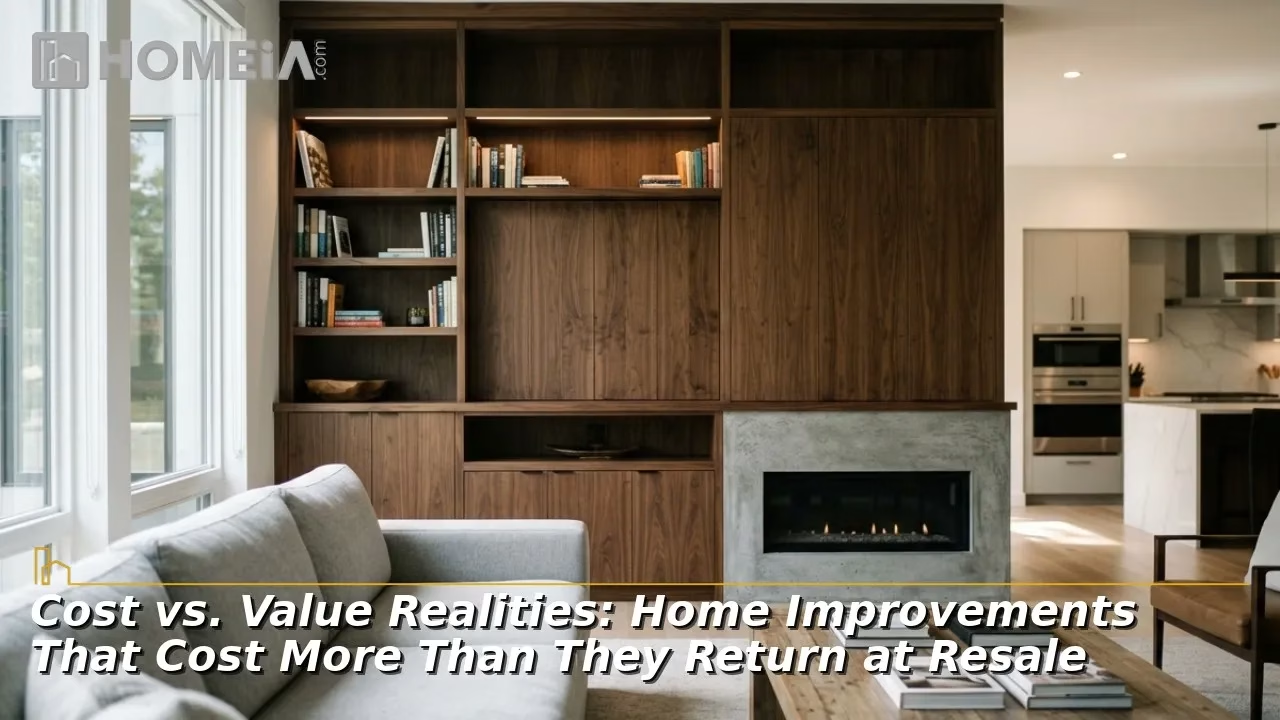
Home Improvements That Cost More Than They Return at Resale: For many homeowners preparing to sell their property, home improvement projects seem like an absolute win. The logic feels ironclad. If you spend $30,000 updating a space, the home should naturally be worth $30,000 more on the open market. Unfortunately, residential real estate rarely operates on a direct dollar-for-dollar math equation.
The discrepancy between what a renovation costs to construct and what a buyer is actually willing to pay for it is known as the Cost vs. Value reality. While certain enhancements can significantly expedite a sale or solidify a home’s structural integrity, major cosmetic over-improvements frequently return only a fraction of their initial capital investments at resale.
To maximize net proceeds, home sellers must protect their equity by recognizing which low-return investments can actually shrink their potential buyer pool.
Key Takeaways
- ROI Disconnect: Home improvements rarely net a dollar-for-dollar return as buyers routinely undervalue major cosmetic or luxury structural additions.
- The Luxury Trap: Over-improving a property past its local neighborhood standard creates an unrecoverable capital ceiling.
- Hyper-Personalization Risks: Unique floor plan changes, upscale primary suites, and converted garages shrink the active buyer pool.
- Maintenance Inversion: Buyers expect operational essentials (roofing, HVAC) to function. Upgrading cosmetic finishes while neglecting mechanical core systems causes massive price drops.
- Strategic Alternative: Shifting capital toward high-yield, high-impact functional exterior facings protects equity.

Related article
Window Restoration vs. Replacement: Cost, Value, and Sustainability Compared
This comprehensive guide examines both paths in detail, providing the insights needed to make an informed choice that aligns with your home’s needs, your values, and your budget…
1. The Psychological Framework of the Modern Home Buyer

To understand why major renovations suffer from poor cost recovery, sellers must examine the psychology of the modern real estate buyer. When evaluating properties, buyers calculate value through a filter of self-interest, functional longevity, and spatial adaptation.
A. The Baseline Expectation of Structural Functionality
Purchasers separate home features into two categories known as implied essentials and discretionary assets. These include a water-tight roof, a functioning heating, ventilation, and air conditioning (HVAC) system, sound structural masonry, and stable foundations. When an owner spends $15,000 to replace an aging roof, they are often surprised to find it doesn’t increase the asking price by $15,000.
This occurs because potential suitors assume a working roof is included in the baseline cost of any habitable home. Upgrading a functional system delivers peace of mind. Be advised this rarely acts as a premium pricing lever because it fails to provide fresh visual novelty.
B. The Personalization Discount
When a seller updates a kitchen or a primary bathroom with high-end, individualized materials (ex.custom-veined marble, specific gold-plated hardware, or hand-painted tile), they are projecting personal tastes onto this canvas.
Someone inspecting the home may completely dislike those specific design choices. Instead of seeing added value, they calculate the financial and emotional cost required to tear out the seller’s improvements. Consequently, highly personalized luxury updates suffer an immediate discount on the open market.
Related article
The Custom Home Building Process: A Complete Step-by-Step Guide
Building a custom home may feel overwhelming, but it follows a clear, structured process. With the right team, each phase, from design to move-in, becomes manageable and rewarding. This guide walks you through every major step, helping you move forward with clarity, confidence, and control as you create a home tailored to your life…
2. The Top Low-ROI Upgrades That Drain Seller Equity
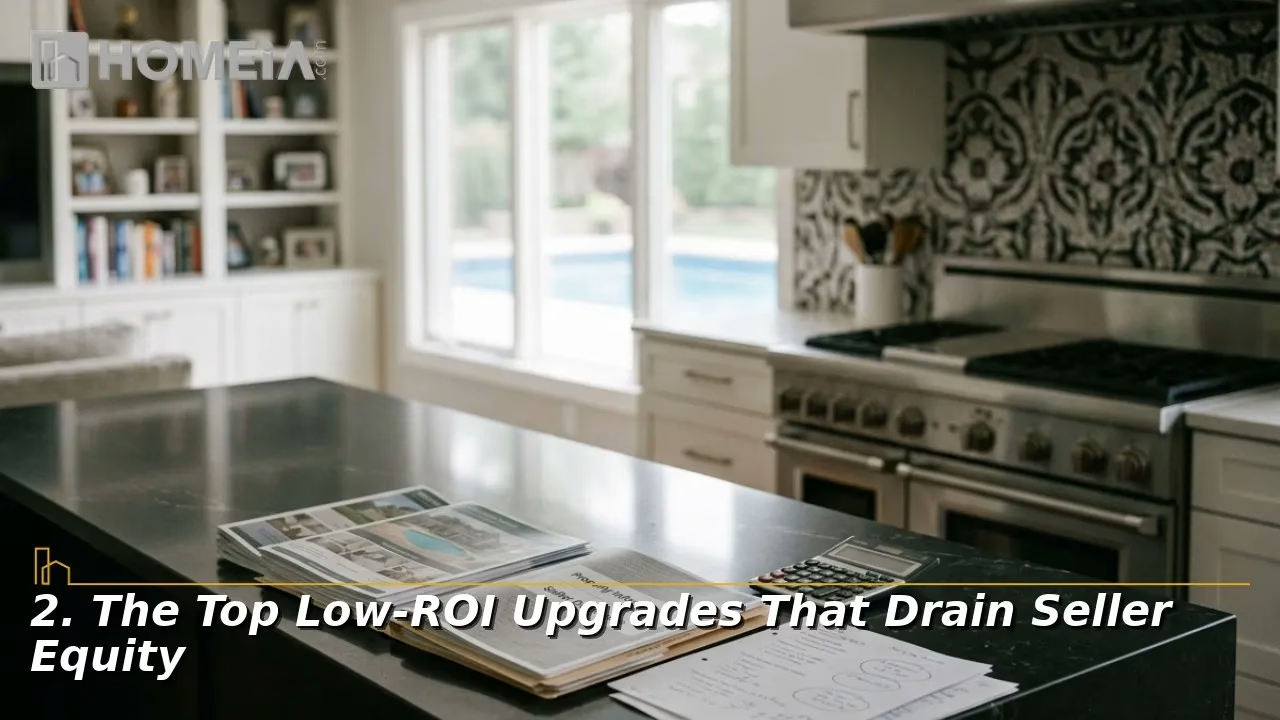
Data from annual architectural, remodeling, and real estate valuation assessments indicates that upscale, complex, and highly specific interior expansions routinely yield the lowest financial returns at resale.
A. Upscale Primary Suite Additions
Expanding a home’s footprint to build a massive, luxury primary suite (complete with sitting rooms, wet bars, and walk-in closets) is one of the most expensive projects homeowners can undertake. Because structural additions require foundation footings, framing, roofing, and extensive electrical and plumbing runs, initial capital outlay is steep.
At resale, an upscale primary suite extension rarely recaptures its construction costs. People compare the property to neighboring comps. If the surrounding homes are standard three-bedroom colonials, a single massive bedroom suite will not elevate the property into a higher valuation tier. Currently, the market values a balanced floor plan over an isolated pocket of luxury.
B. Gourmet, High-End Kitchen Overhauls
While minor cosmetic kitchen refreshes like painting cabinets or replacing hardware offer consistent returns, complete upscale kitchen remodels do not. Installing professional chef-grade appliances, custom integrated cabinetry, and exotic natural stone surfaces can quickly push renovation costs past $100,000.
The issue is that a standard home buyer will not pay a premium for a commercial-grade range or an integrated espresso station if their daily routine only requires a basic microwave and functional oven. Functional utility of kitchens peaks early. Any spending beyond clean, functional mid-tier surfaces enters the zone of diminishing returns.
C. Converted Garages and Structural Floor Plan Eliminations
Sellers looking for extra living space often convert a multi-car garage into a gym, home office, or recreation room. While this increases the interior square footage on paper, it often damages the home’s overall marketability.
In regions with severe weather, a garage is a highly sought-after protective feature. Eliminating covered parking spaces instantly alienates buyers prioritizing vehicle storage, workshop space, or simple utility management. Furthermore, a room that clearly appears to be a converted garage lacks the architectural cohesion of a true home addition, driving down perceived value.
Recommended for you




3. The Neighborhood Ceiling and the Trap of Over-Improvement
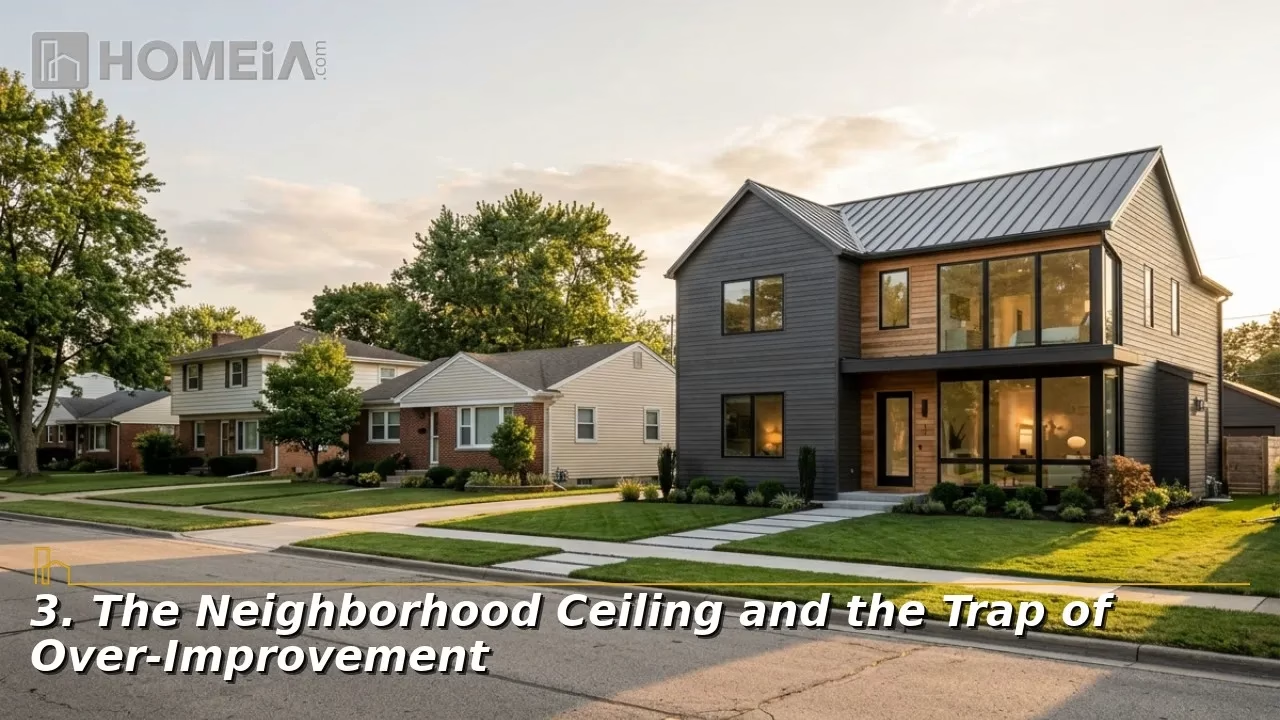
A fundamental rule of residential appraisal is the Principle of Progression and Regression. This suggests home value is inherently limited by the homes surrounding it. No amount of upgrades can overcome this ceiling. This principle applies everywhere, whether you are selling through traditional channels or to specialized buyers like Osborne Homes Orange County who purchase homes as-is in the Orange County market.
A. Understanding the Appraisal Ceiling
Every neighborhood has a clear market ceiling dictated by recent hyper-local sales data. If the highest-selling home in a specific subdivision over the past 12 months closed at $450,000, an appraiser won’t justify valuing a heavily upgraded home in that same neighborhood at $550,000, regardless of its luxury finishes.
Mortgage lenders will not approve financing for an over-improved home if the local comps do not support the purchase price. As a result, sellers who over-improve must either find a rare cash buyer willing to overpay or lower their price and absorb the renovation loss themselves.
B. Socioeconomic Alignment and Finishes
For renovations to retain value, material finishes must align with the neighborhood’s socioeconomic baseline.
- Mid-Tier Neighborhoods: Installing luxury imported items in a modest, entry-level subdivision creates a jarring stylistic and financial mismatch. Buyers in this segment are budget-sensitive and prioritize square footage, yard space, and school districts over premium material labels.
- Luxury Neighborhoods: Conversely, using low-end builder-grade materials in an upscale neighborhood can actively depreciate a home’s value. Affluent buyers expect premium materials as a baseline standard.

Related article
How Much Does a Plumbing Inspection Cost?
If you’re considering buying a home, starting a home improvement project or refinancing your current mortgage, you may want to (or be required to) get a plumbing inspection. It’s important to understand the costs associated with this type of inspection…
4. Functional Maintenance vs. Cosmetic Fluff

Sellers often make the critical mistake of prioritizing visible cosmetic updates while ignoring deep-seated deferred maintenance. This imbalance can easily derail a real estate transaction during the home inspection phase.
| Category | Typical Upgrade Examples | Market Valuation Strategy | Transaction Risks & Impact |
| COSMETIC FLUFF | • Premium quartz countertops • Luxury lighting fixtures • Designer wallpaper applications | Viewed as non-essential variables highly dependent on subjective taste. | Yields high initial open house traffic but fails to salvage a home with core operational issues. |
| FUNCTIONAL CORE | • Mainline sewer scope repairs • Modern electrical panel upgrades • Foundational mudjacking/leveling | Appraised as baseline essential; buyers expect flawless operation automatically. | Completely shields the seller from severe credit demands or sudden contract termination. |
A buyer may fall in love with an updated kitchen during the open house, but that enthusiasm quickly fades if the inspector reveals an unmitigated foundation crack, outdated electrical panel, or failing HVAC system.
When major mechanical or structural components are near the end of their lifespans, suitors rarely negotiate in good faith. Instead, they demand a dollar-for-dollar credit or an outright price reduction that far exceeds what the repair would have cost the seller to handle proactively. Addressing structural and mechanical core integrity is always a more effective way to protect equity than adding cosmetic finishes to a deficient structure.

Related article
Bathroom Remodeling Guide: Timeline, Cost, and Expert Insights
If you’re planning a bathroom remodel, you likely have two main questions: how long does a bathroom remodel take, and how much does it cost to remodel a small bathroom? Whether you’re considering bathroom remodeling in Bellevue, WA, or any other location, this guide provides detailed answers, expert advice, current design trends, and planning tips for a successful renovation…
5. High-Yield Alternatives: Where Capital Actually Recaptures Value

Sellers wanting to make updates before listing should pivot away from complex interior remodels. Instead, focusing on high-impact, functional exterior enhancements generally yields much better cost recovery.
A. Enhancing the Exterior Envelope
First impressions influence a buyer’s psychological evaluation of a home. Curb appeal sets an immediate expectation for how well the rest of the property has been maintained. Upgrades like replacing old garage doors with modern, insulated models, installing manufactured stone veneer accents on the facade, or replacing a weathered front door consistently recoup a high percentage of their costs at resale. These improvements work well because they are visually striking, universally appealing, and instantly elevate the home’s perceived value from the street.
B. Controlled Interior Refresh Strategies
Rather than gutting a room completely, focus on targeted, budget-conscious updates that clean up the home’s overall aesthetic without over-improving:
- Fresh Neutral Paint: Applying a uniform coat of light, neutral paint removes years of wear and brightens dark spaces, allowing buyers to visualize their own furniture in the rooms.
- Lighting and Hardware Updates: Replacing dated brass cabinet pulls, faucet fixtures, and yellowed light switches with clean, contemporary alternatives provides a modern feel for a minimal investment.
- Professional Deep Cleaning: Spotless homes always commands a premium over a cluttered, unpolished property, delivering a high return on investment for very little capital spend.
By keeping pre-listing updates focused on curb appeal and clean, neutral spaces, sellers can avoid the pitfalls of low-ROI over-improvement and keep their hard-earned equity right where it belongs: in their pocket at closing.
Recommended for you




FAQs About Home Improvements That Cost More Than They Return at Resale
1. If a project does not yield a 100% return, does that mean I should never do it?
Not necessarily. If you plan to live in your home for several years, the utility value you get from an upgrade can outweigh the financial loss at resale. However, if the primary objective is preparing the property for an imminent sale, you should strictly avoid low-ROI, hyper-personalized updates.
2. How can I accurately find out my neighborhood’s market ceiling before building?
Request a Comparative Market Analysis (CMA) from a local real estate agent or hire an independent licensed appraiser to perform a pre-renovation valuation. Look specifically at the highest-priced homes sold within a half-mile radius over the last six months to understand the maximum price the local market will bear.
3. Will buyers notice if I use mid-tier finishes instead of luxury ones?
In mid-tier and entry-level markets, buyers prioritize cleanliness, functionality, and general layout over premium brand labels. Clean, high-quality laminate or standard quartz appear breathtaking in photos and satisfies buyers without forcing you to overspend on premium materials that won’t return their cost.
4. What should I do if my home has both a dated kitchen and an aging furnace?
Always allocate your budget to the furnace first. A dated kitchen can be styled, staged, or discounted slightly, but a failing mechanical system can completely halt a buyer’s mortgage approval. Fixing the mechanical components preserves the deal structure and maintains buyer confidence during inspections.
5. Do smart home automation upgrades help increase resale value?
Basic smart home features, notably programmable thermostats, smart lock entries, and integrated security cameras, add marketing appeal and modern tech flair, but rarely raise the actual appraised value of the home. They function best as minor tie-breakers that sway a buyer’s interest rather than premium equity builders.
Share